

Best-Case, Worst-Case Scenarios for Clay Matthews' Groin Injury
An already tough Sunday for the Green Bay Packers took a turn for the worse when linebacker Clay Matthews left his team's matchup against the Detroit Lions with a groin injury. The official Packers Twitter account announced the injury during the game:
The linebacker spoke to ESPN's Rob Demovsky after the game concluded:

.jpg?w=2560 "Rams Eagles Football")
Hopefully, Matthews, who battled the injury bug quite a bit the past few years, will not miss extended time yet again this year, but his groin injury is not a good start. Until more details arise, let's take a closer look at the best- and worst-case scenarios facing the Packers star.
Relevant Anatomy
Groin injuries involve the muscles on the inside of the thigh near the pelvis. The hip adductors bring the thigh back in toward the center of the body, and the hip flexors move the thigh forward.
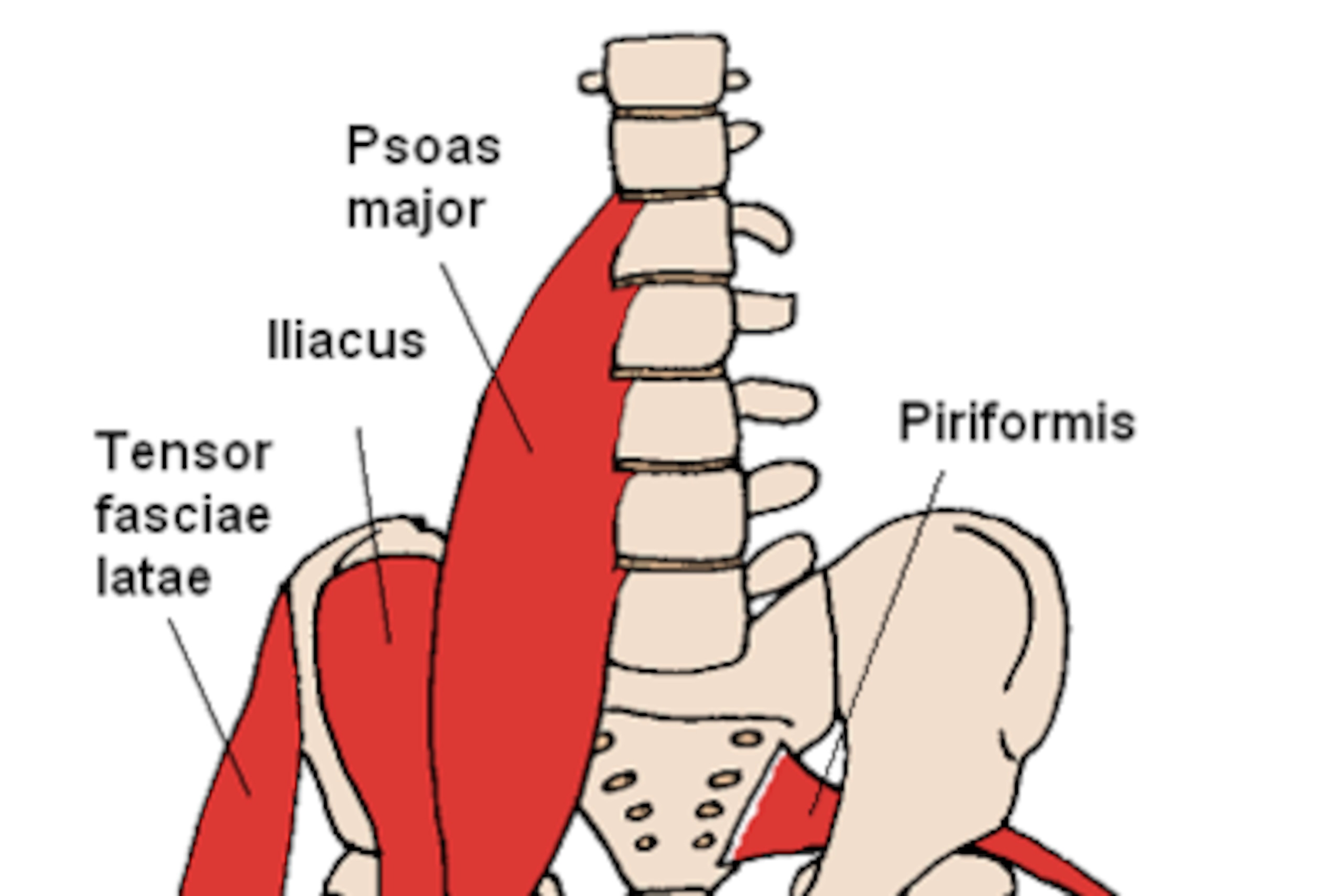
Like any major muscle, sudden movements can over-stretch or tear the fibers. In the case of a groin strain, a classic mechanism of injury involves a player planting his foot out to the side in order to push off in the other direction. If the foot slips out further when he pushes off, it can sharply pull on the hip adductors, causing an injury.
Generally speaking, groin strains fall into one of three categories: Grade 1, Grade 2 and Grade 3. Grade 1 injuries are minor overstretches without any obvious muscle or tendon tearing on MRI, and though they can be painful, the player usually maintains full muscle strength.
Grade 2 and Grade 3 strains represent partial and complete tears, respectively.
Best-Case Scenario: A Grade 1 Strain with No Aggravations and Quick Healing
If Matthews did not suffer significant damage to whatever muscle he injured—likely a hip adductor—he could potentially play through his injury on a week-to-week basis, missing as little as zero games.
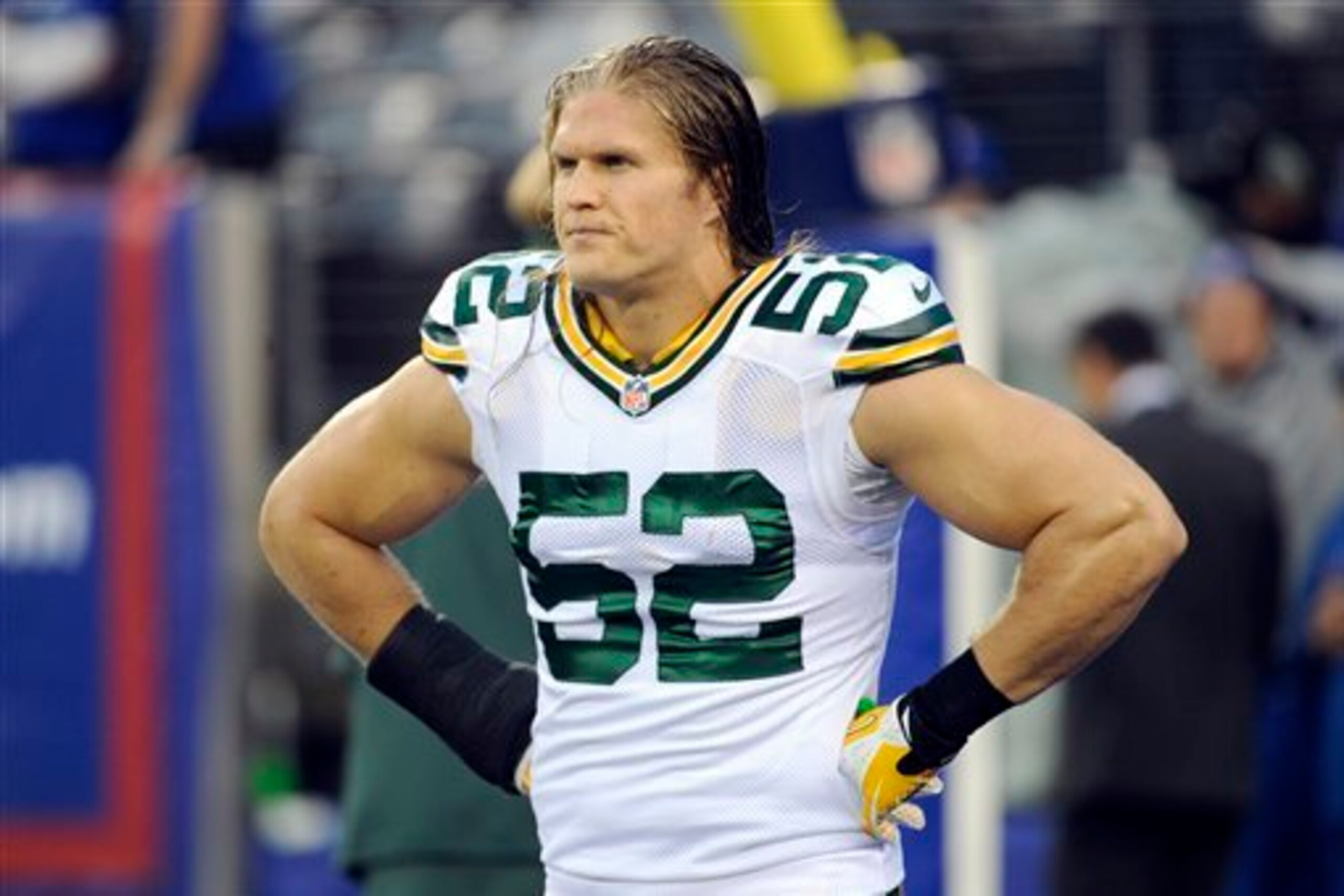
That said, the Packers might rest him most of this week during practice to let the healing process take hold before evaluating him prior to a Week 4 matchup against the Chicago Bears.
Groin injuries, however, carry a relatively high risk of re-aggravation. The risk stems from the fact that NFL players use the muscles in question at maximum exertion on nearly every play. For a linebacker, they come into play whenever he moves laterally or drives into an opponent to make a tackle.
If Matthews does attempt to play through a mild injury and can avoid a setback, he could heal well—and completely—within a week or two.
Worst-Case Scenario: A Grade 2 Strain or a Grade 1 Strain with Aggravations
The fact that Matthews told Demovsky his injury "doesn't feel too bad" probably safely eliminates the possibility of a Grade 3 injury.
However, a Grade 2 injury will generally require a significantly longer period of rest and rehab compared to a Grade 1 strain—sometimes approaching a month or more.
Furthermore, as mentioned, playing through even a Grade 1 injury carries the risk of aggravating the injury. Like hamstring strains, groin pulls can linger for weeks at a time until the player's healing process catches up.
Bottom Line
In the coming days and weeks, the Packers' medical staff will evaluate Matthews' strength and level of pain. Significantly decreased strength on the injured side may imply a larger number of muscle fibers tore as a result of the injury. Ongoing pain also signifies the healing process remains incomplete.
When Matthews can move and perform at full speed and without significant pain, the Packers will likely close the book on the injury.
Dr. Dave Siebert is a second-year resident physician at the University of Washington and a member of the Professional Football Writers of America. He plans to pursue fellowship training in Primary Care (non-operative) Sports Medicine.

.jpg?w=2560 "Grading WWE Raw 🔠")

.jpg?w=2560 "Injury-stricken Seahawks signing veteran RB")

