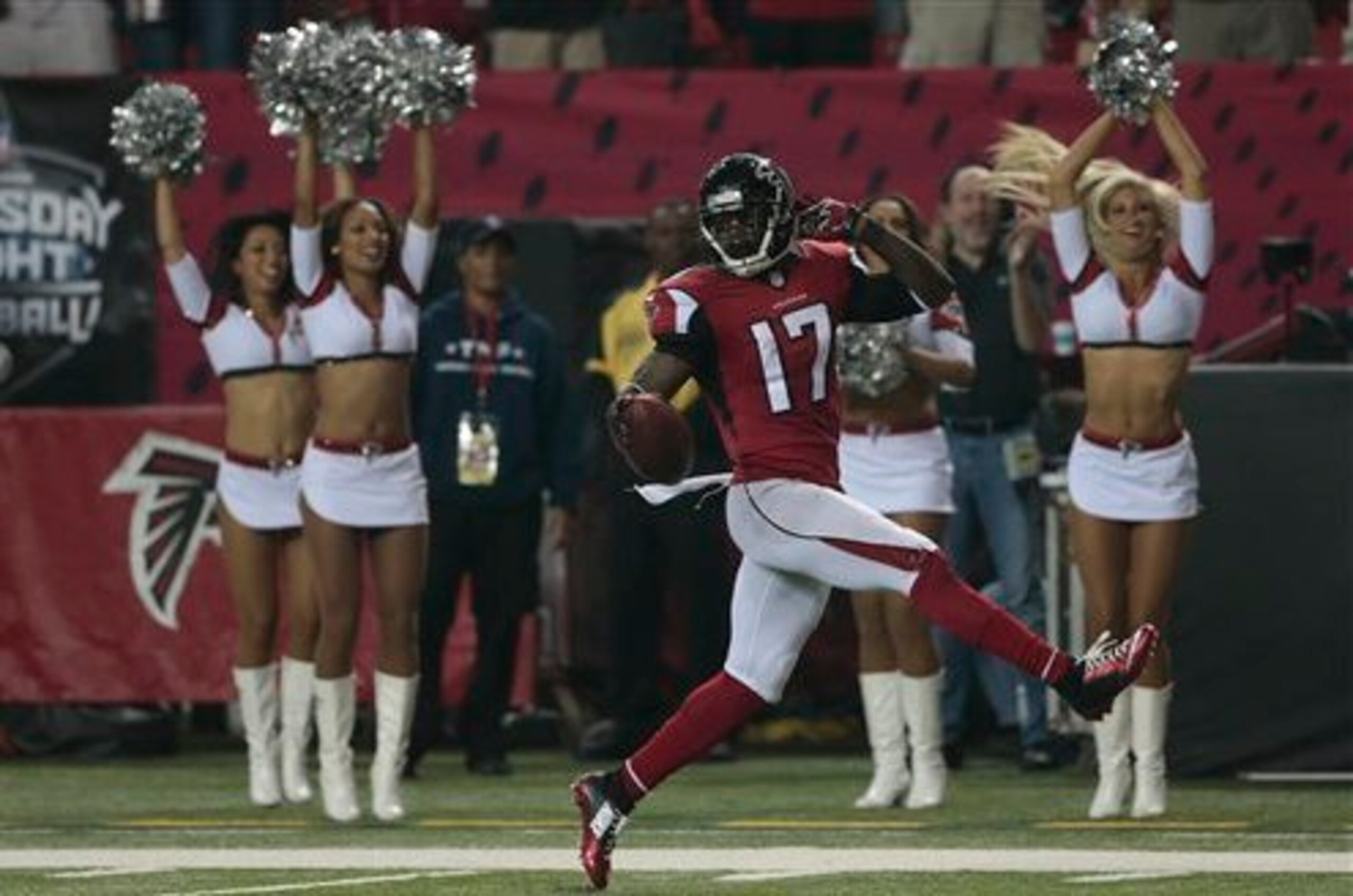
Hall of Fame or Not: Are These Superstars in or Out?
While no athlete openly plays for the Hall of Fame, it's an honor that only the very best in a sport achieve.
Sure, a player wants to walk away with at least one ring—if not a few—and achieve great success with his teammates, but even those who never get the chance to are still mentioned as being great for their individual performances.
With so many athletes enjoying amazing careers, there's always a lot of debate over who is a Hall of Famer and who is not, but over time, some gradually get pushed aside in conversations.
I'm here to tackle the biggest debates, though, giving you a few athletes who aren't in the Hall in their respective sport but very well could be one day.
Any PED User
1 of 20
Argument For: Names like Barry Bonds, Roger Clemens and Mark McGwire might be synonymous with cheating nowadays, but while in their prime, these three were some of the biggest names in the majors, with all three breaking barriers that had presumably been untouchable.
Bonds holds the record for most homers in a season and the most in a career, Clemens owns seven Cy Young Awards and 354 career wins and McGwire belted 583 career home runs and, before Bonds broke it, owned the single-season home run record following the resurgence of power in 1998 during the great home run chase.
Argument Against: No one truly knows just how much impact performance-enhancing drugs had on the careers of those players who regularly took them.
Without question, the players mentioned here would be first-ballot Hall of Fame inductees without any ties to steroids. But even in an era when power numbers were inflated and player stats were padded, voters still don't seem to give sympathy to those who used.
Verdict: They don't get in.
Chauncey Billups
2 of 20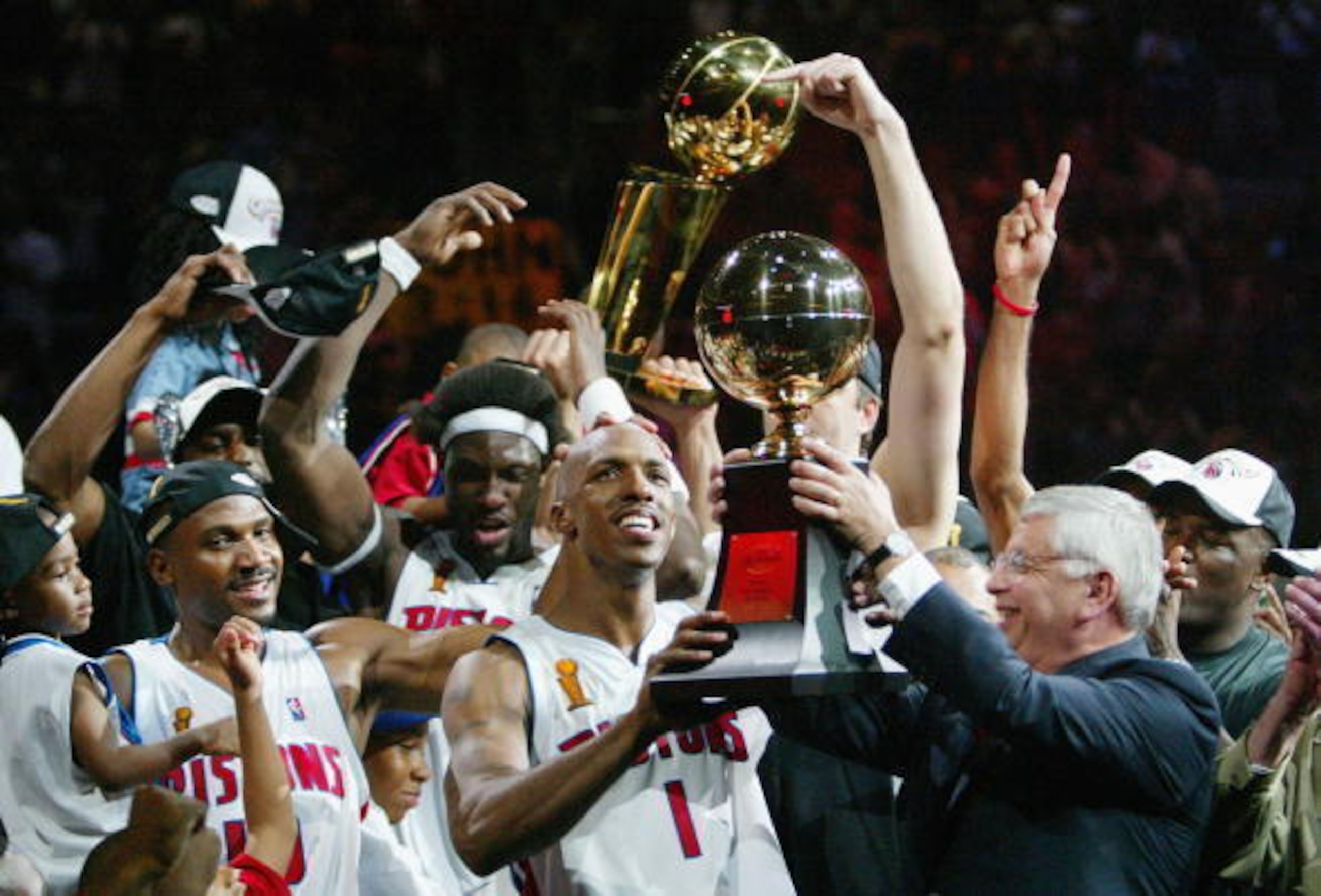
Argument For: Recently retired, Chauncey Billups had a career that saw him have to overcome a slow start after being selected third overall in the 1997 NBA draft by the Boston Celtics.
The good news for Billups, though, is that he did just that, turning into one of the clutch performers during his prime in the postseason.
With one NBA title—in which he won the Finals MVP—along with seven straight All-Star appearances, Billups has similar win shares as presumed Hall of Famers Steve Nash and Dwyane Wade according to Basketball Reference, giving him a strong case to be selected.
Argument Against: While Billups was a good player and a tremendous leader thanks to on-court and off-court production, he was never perceived as a star and never led the league in any major stat categories—which, fair or not, is a determining factor in voting.
He got a good vote of confidence several years ago from the Hall of Fame's president, John Doleva, but I'm not sure it will be enough.
Verdict: Doesn't get in.
Tim Brown
3 of 20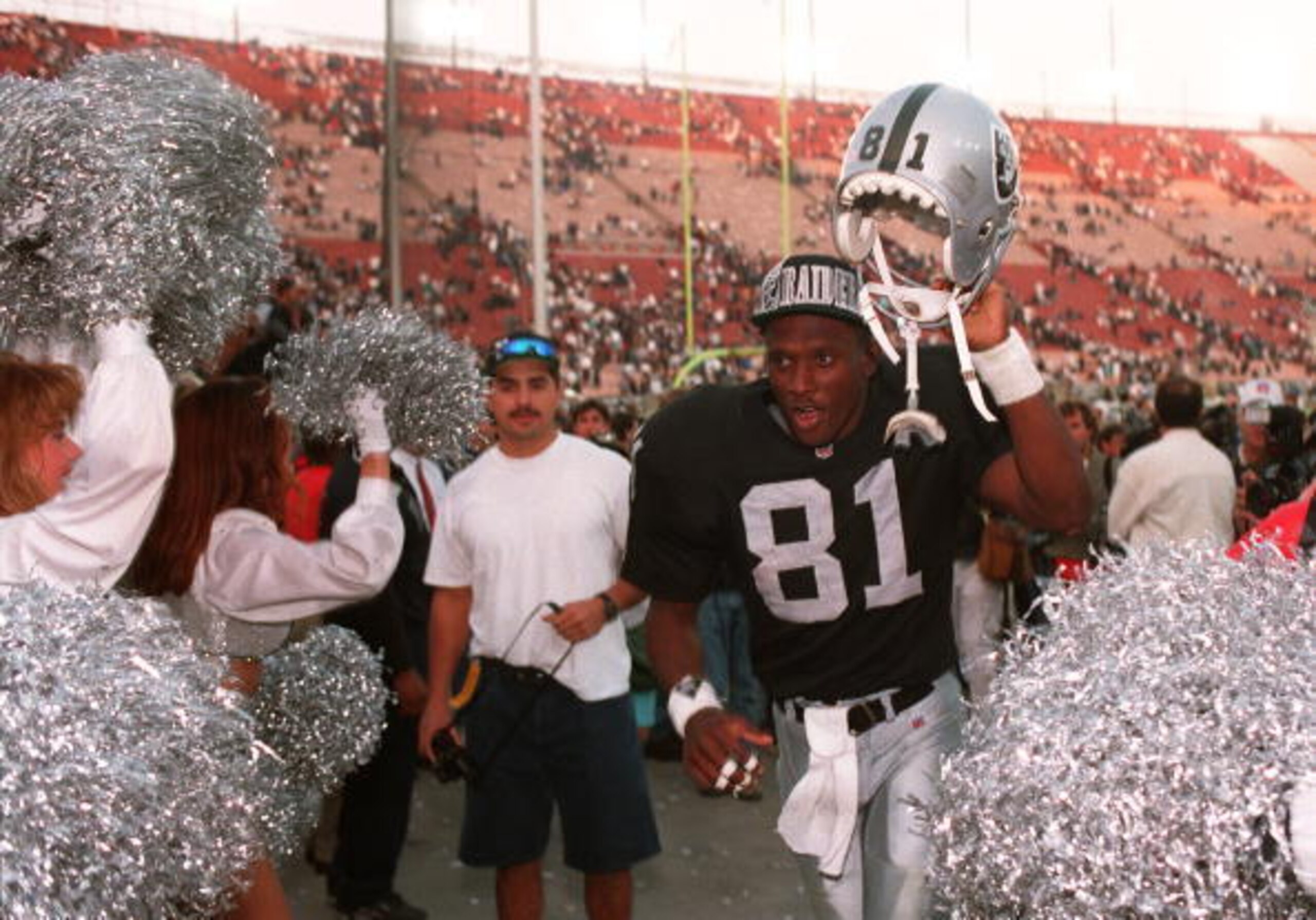
Argument Forb A nine-time Pro Bowler who, when he retired in 2004, was sitting third on the league's all-time receptions list, former wide receiver Tim Brown enjoyed a long and successful career.
A run of nine straight 1,000-plus-yard seasons, which included leading the league in receptions during the 1997 season, Brown was one of the best pass-catchers the league has ever had.
Argument Against: Although he never won a Super Bowl in his career—though he did play in one—Brown's numbers stack up more than comparably with other wideouts who are currently in Canton.
In fact, Brown has been a Hall of Fame finalist in five straight years from 2010 on, but it must be concerning that he hasn't yet been voted in.
He has tried to not let it get to him, but as one of the best in his generation, it must be difficult not to get the recognition he deserves.
Verdict: Gets in.
.jpg?w=2560 "Chiefs Giants Football")

.jpg?w=2560 "AP Poll Top Five Week 9")
Yao Ming
4 of 20
Argument For: The candidacy of former Houston Rockets center Yao Ming is one of the trickiest because of the global impact that he had in promoting the sport of basketball—especially in his native China.
In addition to his off-court work, Yao was an All-Star in each of his eight seasons in which he was actually healthy enough to play, putting up numbers that proved he was as dominant as he is tall—and remember, Ming's 7'6".
He continues to be a global ambassador for the sport now that he's retired, which helps his case.
Argument Against: Does Yao have enough logged playing time to really be considered a serious candidate?
On top of that, does he have the resume to even make voters think that what he did on the basketball court was enough to be mentioned with some of the best ever?
Never making it past the second round of the playoffs has to hit Yao's case pretty hard, as he was never that close to leading his team to a title—which other guys in the Hall with lesser numbers can always fall back on.
Verdict: Doesn't get in.
Mike Mussina
5 of 20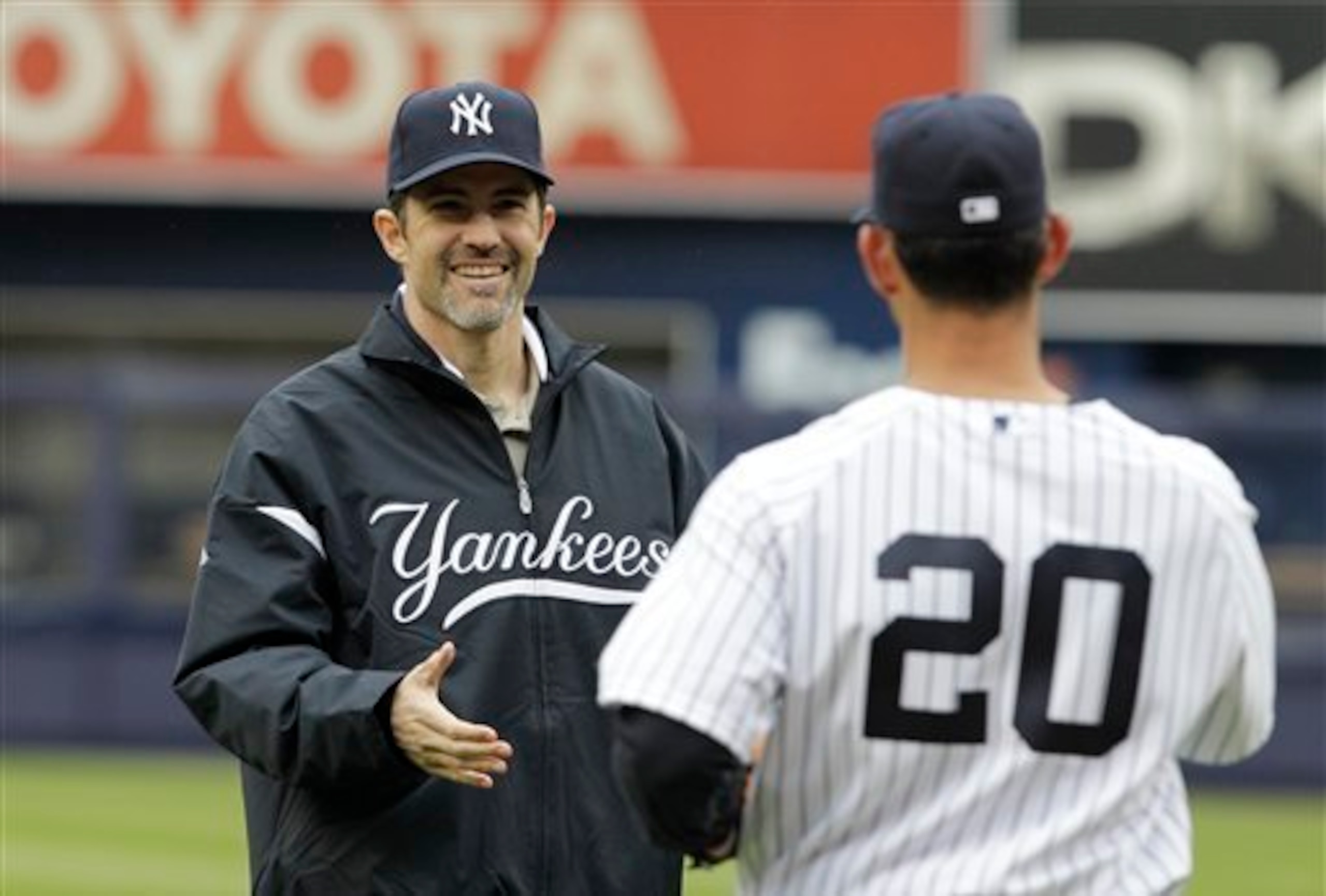
Argument For: Although former starting pitcher Mike Mussina never earned himself a Cy Young Award during his 18 years in the majors, he did finish in the top five six times, with another three times with him in the top 10 in voting.
Averaging 17 wins and a 3.68 ERA over the course of his career, Mussina led the league in wins once—1995—and proved to be one of the best starters of his generation.
Argument Against: Like others on this list, the one glaring hole in Mussina's resume is the lack of World Series rings.
Yes, he was the ace of the Baltimore Orioles from the early to late '90s, picking up five All-Star appearances in the process, but he never seemed to have that "wow" moment that got his team to a World Series—which, when looking at his 7-8 career postseason record, voters will probably always hold against him.
Verdict: Doesn't get in.
Carmelo Anthony
6 of 20
Argument For: One of the brightest—though overrated—stars in the NBA right now, New York Knicks forward Carmelo Anthony has shown to be one of the best scorers that the league has ever seen.
A dynamic talent who can score from both inside and outside, Melo might not think too highly of playing defense, but if it's a shootout fans want, Anthony delivers by racking up points.
Argument Against: Is there anyone currently in the league who has failed to lead his team to new heights with so much talent?
Although Carmelo is considered to be a top-10 player right now—look no further than the massive contract he received from the Knicks—he doesn't often make players around him much better, which hurts his case in trying to reach that Hall of Fame level.
If he ever actually wins an NBA title, his Hall of Fame credentials will be verified. Even before then, though, he's probably got the attention of voters—although it's not a total lock.
Verdict: Gets in.
Mark Recchi
7 of 20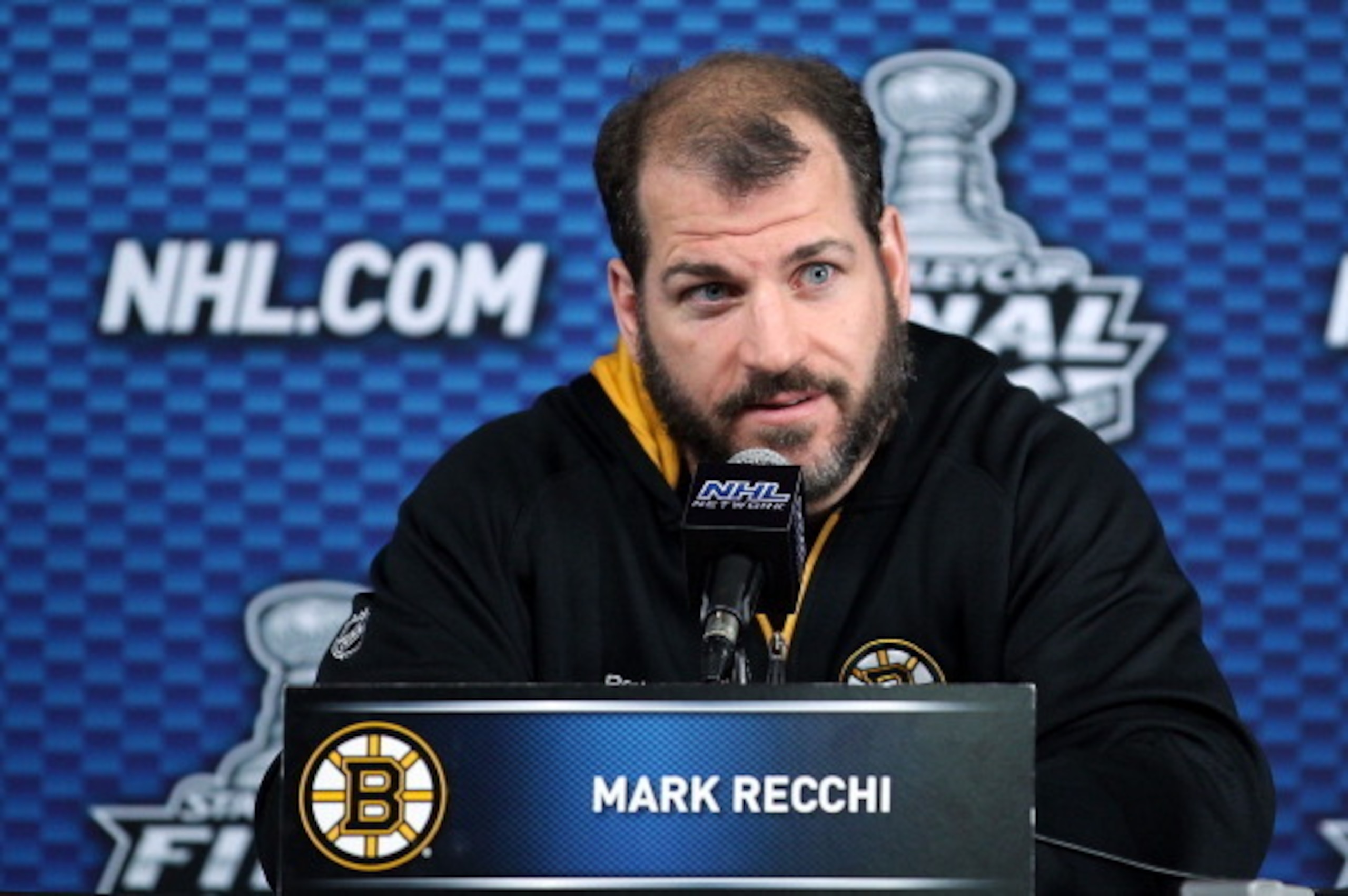
Argument For: When looking at straight stats, former NHL winger Mark Recchi stacks up quite nicely in terms of Hall of Fame production.
Currently sitting 12th on the league's all-time points list, Recchi enjoyed a career that showed he was capable of hurting the opposition by scoring himself—netting 577 career goals—or setting up a teammate.
Add in the 22 years that he played in the league and the three Stanley Cup titles in that time, and he seems like a lock.
Argument Against: While he proved to be a leader on his Cup-winning teams and one of the more dynamic players while in his prime, he didn't collect a single individual award for himself, meaning the people who vote—writers and such—never gave him the respect in the past, so he may have to sweat Hall of Fame tallies.
He didn't make it in his first year eligible this past season, but with the numbers he has, Recchi should get in eventually.
Verdict: Gets in.
Jerome Bettis
8 of 20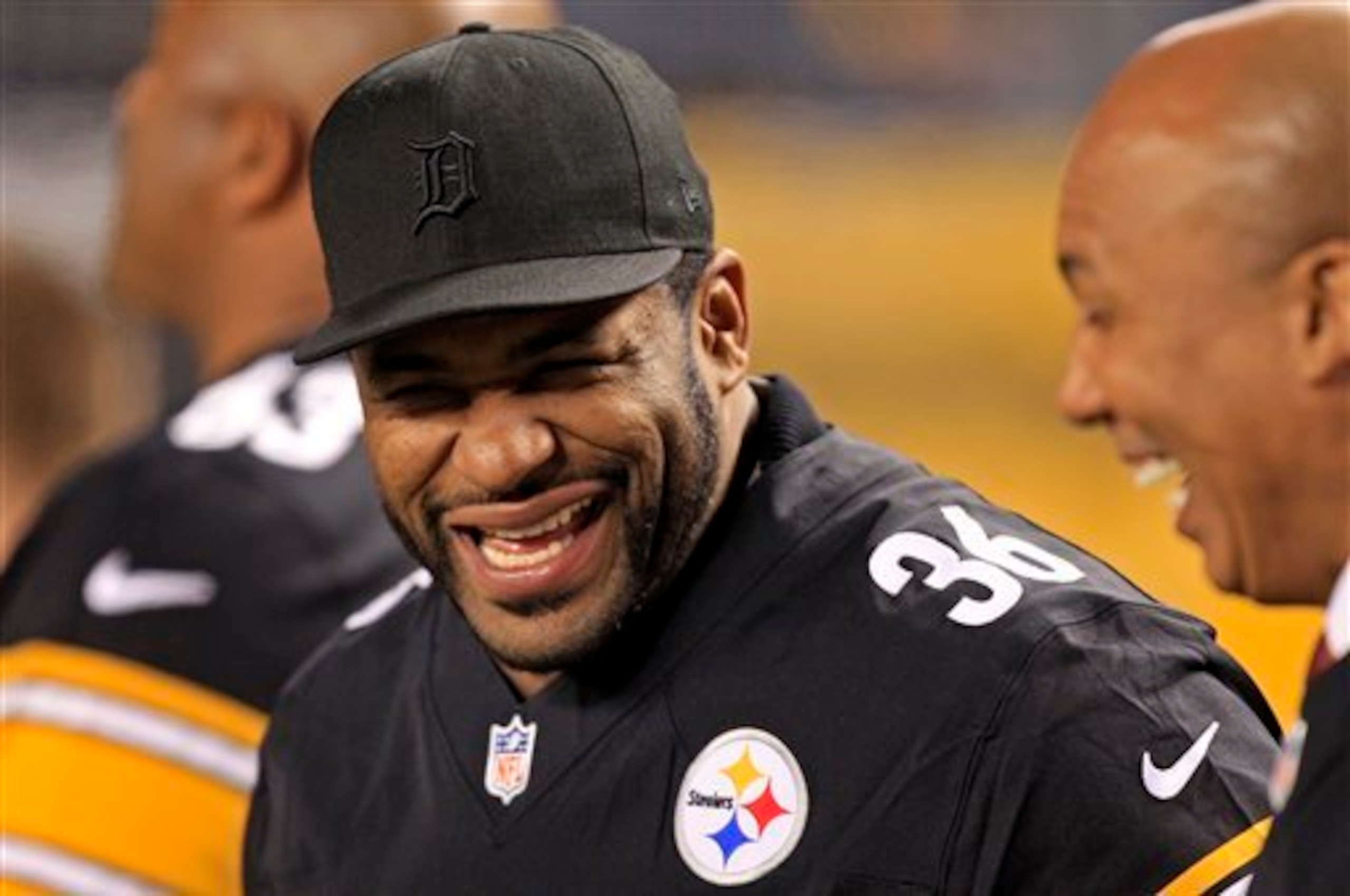
Argument For: He currently sits sixth on the NFL's career rushing list and was the winner of a Super Bowl in his final season, so one would assume it's just a matter of time until Jerome Bettis gets his own bust in Canton.
Rushing for over 1,000 yards in eight of his first nine seasons, The Bus was also named to six Pro Bowls in his 13 seasons while being one of the most bruising runners of his era.
Argument Against: Passed over as a Hall of Fame finalist in the past four years since 2011, at this point, honestly, it's just a matter of fresh names knocking Bettis down the list of voters.
Even then, though, Bettis' career should be appreciated, with a high possibility of him getting in within the next few years—although it's probably a little more uncomfortable than he would have liked it to be.
Verdict: Gets in.
Dikembe Mutombo
9 of 20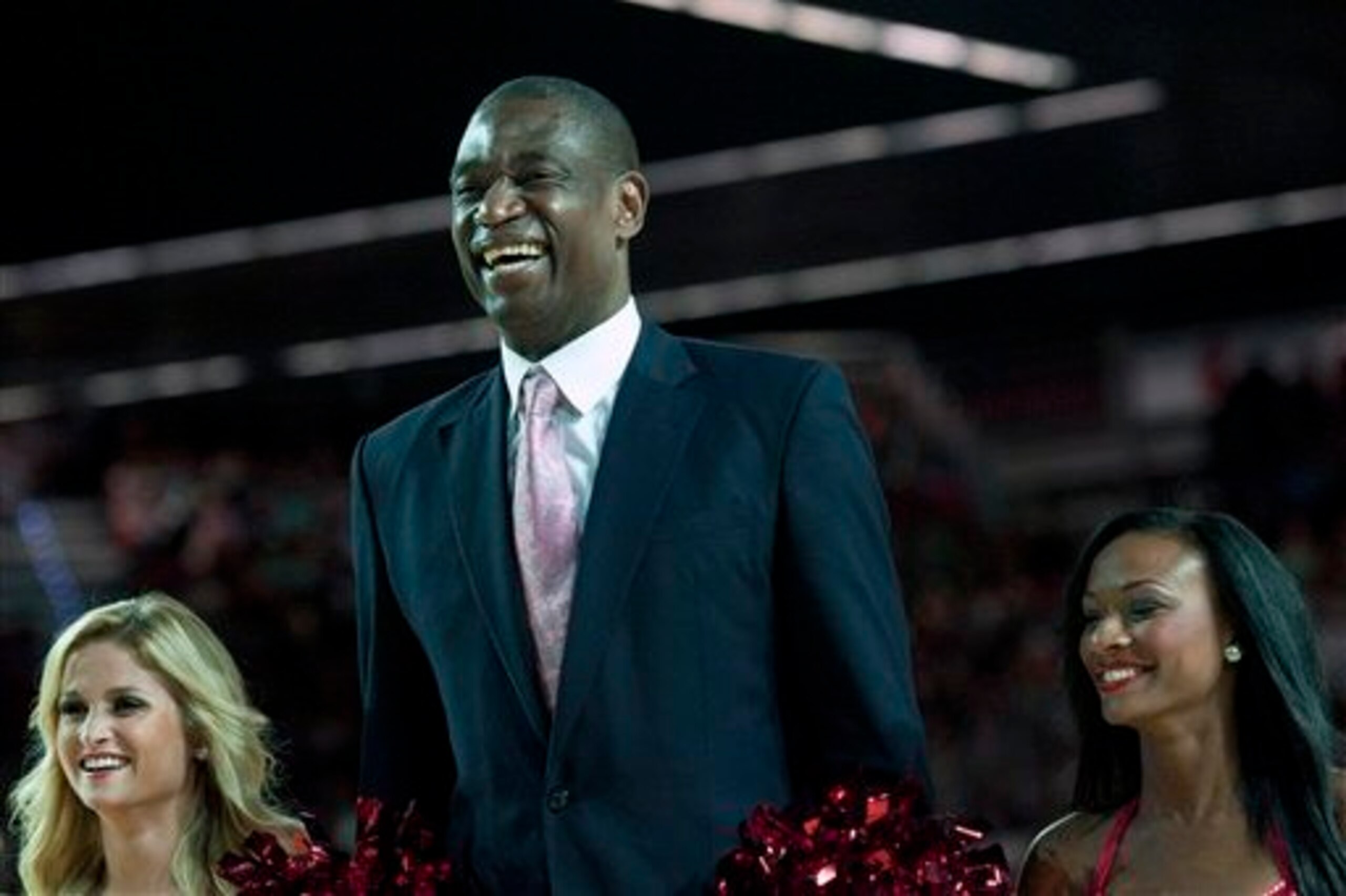
Argument For: During his 18 seasons in the NBA, former center Dikembe Mutombo might not have been the most feared scoring big man in the league—though he did average a respectable 9.8 points per game in his career—but he was arguably the last person any player wanted to see when going to the basket.
That's because Mt. Mutombo wasn't afraid of anyone, ranking second on the league's all-time blocks list, leading the league in that category for five straight years and earning himself four Defensive Player of the Year Awards.
On top of his on-court production, though, Mutombo won a couple of Citizenship Awards for off-court activities, which would help his cause.
Argument Against: While no player should be punished for not scoring—different players have different strengths—Mutombo never won himself a championship ring, which, again, has hurt players in the past.
He did make eight All-Star teams and played in an NBA Finals—2001 Philadelphia Sixers—but is that enough to sway voters that he's among the most elite?
Verdict: Gets in.
Jim Thome
10 of 20
Argument For: In an era when aforementioned ballplayers were doing things illegally to pop home runs, former big leaguer Jim Thome was playing by the rules, capable of hitting 612 career home runs—good for seventh all time—in a career that stretched 22 seasons.
With a respectable .276 career average and five All-Star nods, Thome would seem to have the edge in getting to Cooperstown.
Argument Against: Like a few others on this list, Thome never became a star, but rather a lethal power hitter who was always a pain for pitchers to face.
In addition to that, he never won himself a ring in those 22 seasons, making his case even worse.
It's hard to think that the committee would keep a guy like Thome out with his pure stats—especially as a precedent to those who did take steroids—but it's very possible.
Verdict: With apologies to my old college roommate who still loves Thome, he doesn't get in.
Jared Allen
11 of 20
Argument For: A five-time Pro Bowler and four-time First-Team All-Pro, Jared Allen is one of the best to ever rush and get to the quarterback.
Currently sitting on 128.5 career sacks—already good for 12th all time—Allen has proved to be a menace for offensive tackles.
Argument Against: The most glaring question—where is Allen's postseason success?
He has yet to sniff what a Super Bowl is like, and while he does have four sacks in his five playoff games, his teams are just 1-4 in those appearances.
That might be harsh on a guy who has limited impact as a defensive end, but Hall of Famers find ways to be a disruption during big games, and Allen hasn't quite done that yet.
Verdict: As of right now, he doesn't get in.
Eric Lindros
12 of 20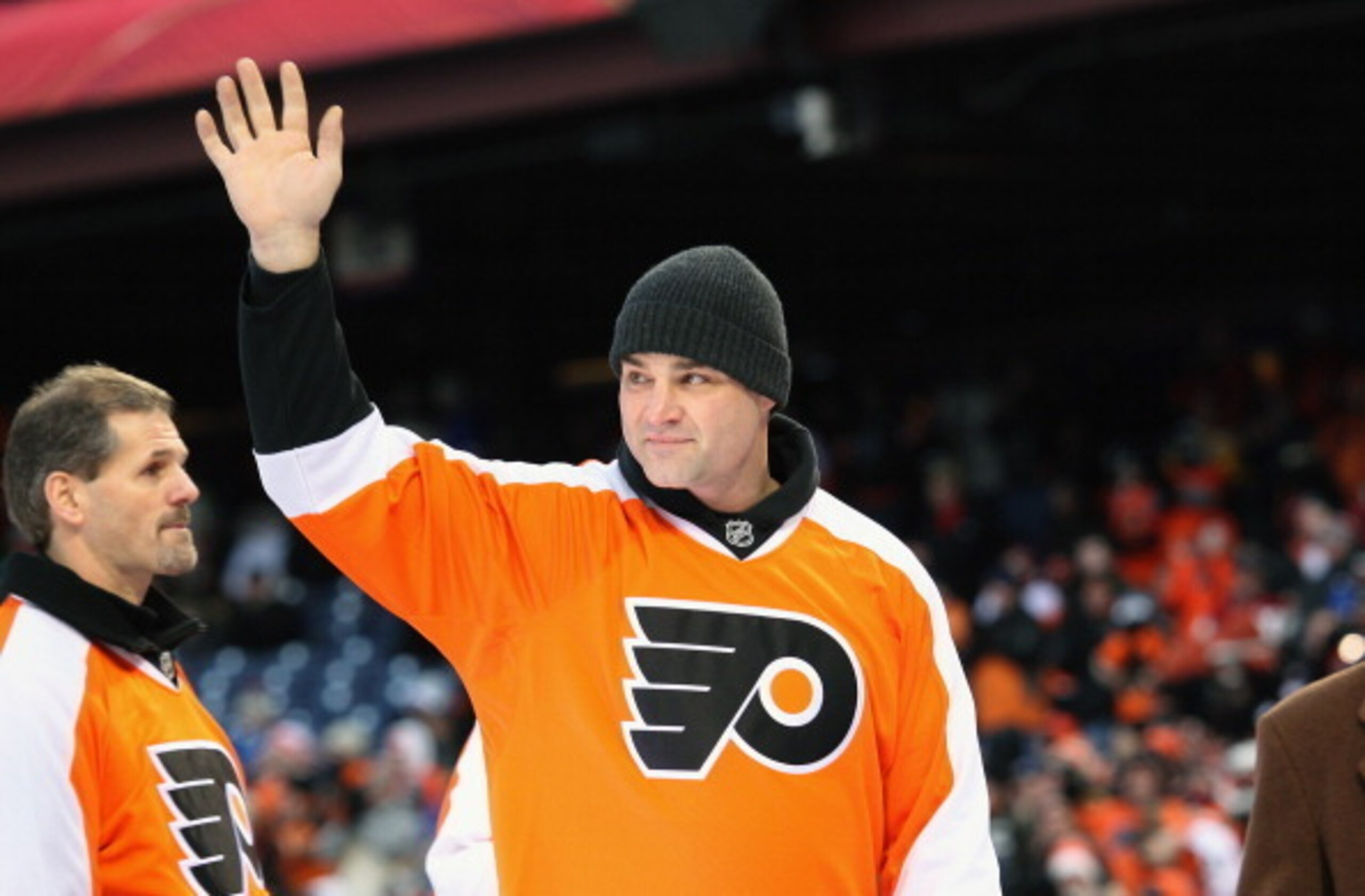
Argument For: It sort of feels like former NHL center Eric Lindros just can't seem to get respect for the success that he had during his 13-year career.
Scoring 372 career goals and winning a Hart Trophy as the league's MVP, Lindros was one of the most feared players in the league—when healthy—and averaged 28 goals and 66 assists when he was on the ice.
Argument Against: Let's not beat around the bush here—as the former No. 1 overall pick in 1991, Lindros failed to live up to the expectations that were placed upon him.
Never once playing a full 82-game season due to injuries, the six-time All-Star always had the talent to be a potent player, but unfortunately, he never had the health.
Lindros also never hoisted a Stanley Cup, which doesn't help his cause much.
Verdict: Doesn't get in.
Paul Konerko
13 of 20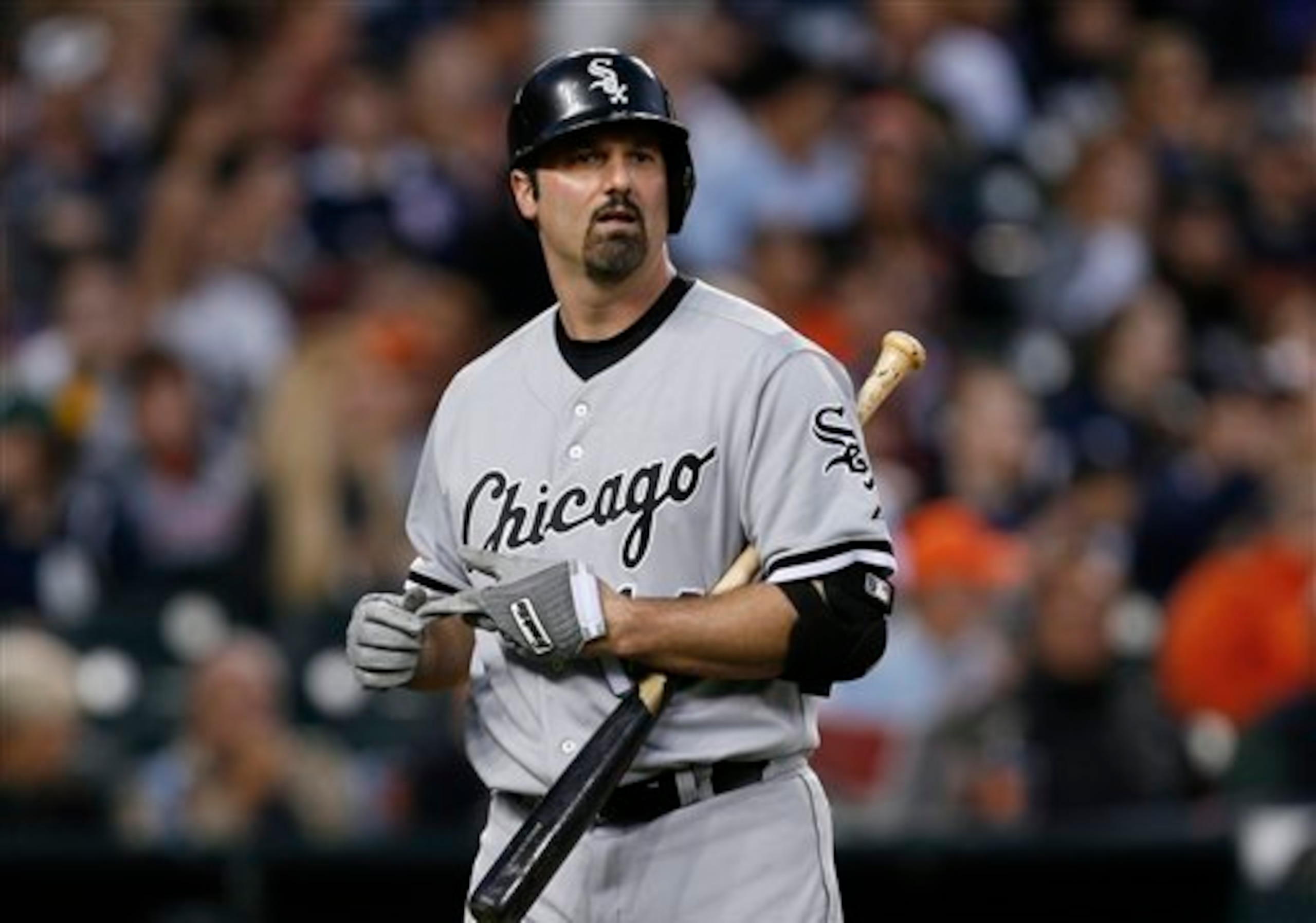
Argument For: Retiring at the end of this season, longtime Chicago White Sox slugger Paul Konerko can look back at a career that can be described as solid—but is it Hall of Fame worthy?
The six-time All-Star crushed 439 career homers, falling short of the 500-home run plateau that is often used as a measurement, and hit a respectable .279 in his 18 years.
His streak of 20-plus homers in 14 of 15 seasons is impressive, as is his World Series title in 2005, but those are his best support.
Argument Against: While he has solid numbers, it's hard to imagine that Konerko will get into Cooperstown when he finished in the top 10 of MVP voting just twice and never led the league in any major statistical category.
I already predicted that Thome wouldn't get in, so, sadly, if Thomenator doesn't, neither will Konerko—though there are many who would state a case for him.
Verdict: Doesn't get in.
Devin Hester
14 of 20Argument For: A three-time Pro Bowl selection and four-time All-Pro, return specialist extraordinaire Devin Hester has played in one Super Bowl—a loss to the Indianapolis Colts—and just recently passed Deion Sanders as the league's all-time leader in return touchdowns.
Argument Against: Hester was initially drafted to play cornerback by the Chicago Bears when they took him in the second round in 2006, but the Bears shifted him to wide receiver, where he has brought in only 224 total catches for 2,933 yards and 14 touchdowns.
Those aren't exactly eye-popping numbers for voters.
While he still has a few years left to add to his return touchdowns record, Hester better hope he stays atop that list for a while to continue to get recognition, because I think he falls short.
Verdict: Doesn't get in.
Robert Horry
15 of 20
Argument For: Why does a guy who averaged just 7.0 points and 4.8 rebounds in his 16 seasons even get consideration for the Hall of Fame?
Well, while some of these other guys lack a title to solidify their position as a Hall of Famer, Robert Horry has seven rings to show off. That's good for a tie in fourth place for the most won by a player in NBA history.
Horry also played major roles on those championship teams, earning him the nickname ""Big Shot Bob" because of his clutch shooting in big moments.
Plus, of those players who have as many (or more) rings as he does, each has a spot in the Hall.
Argument Against: To be frank, those stats are miserable.
While winning should be celebrated and Horry's contributions should be admired, with just three seasons in which he averaged double-digit points, there's nothing but a slim chance of Horry making the Hall—though some experts think he will get in.
Do you value winning over just individual stats? It's tough.
Verdict: Doesn't get in.
Curt Schilling
16 of 20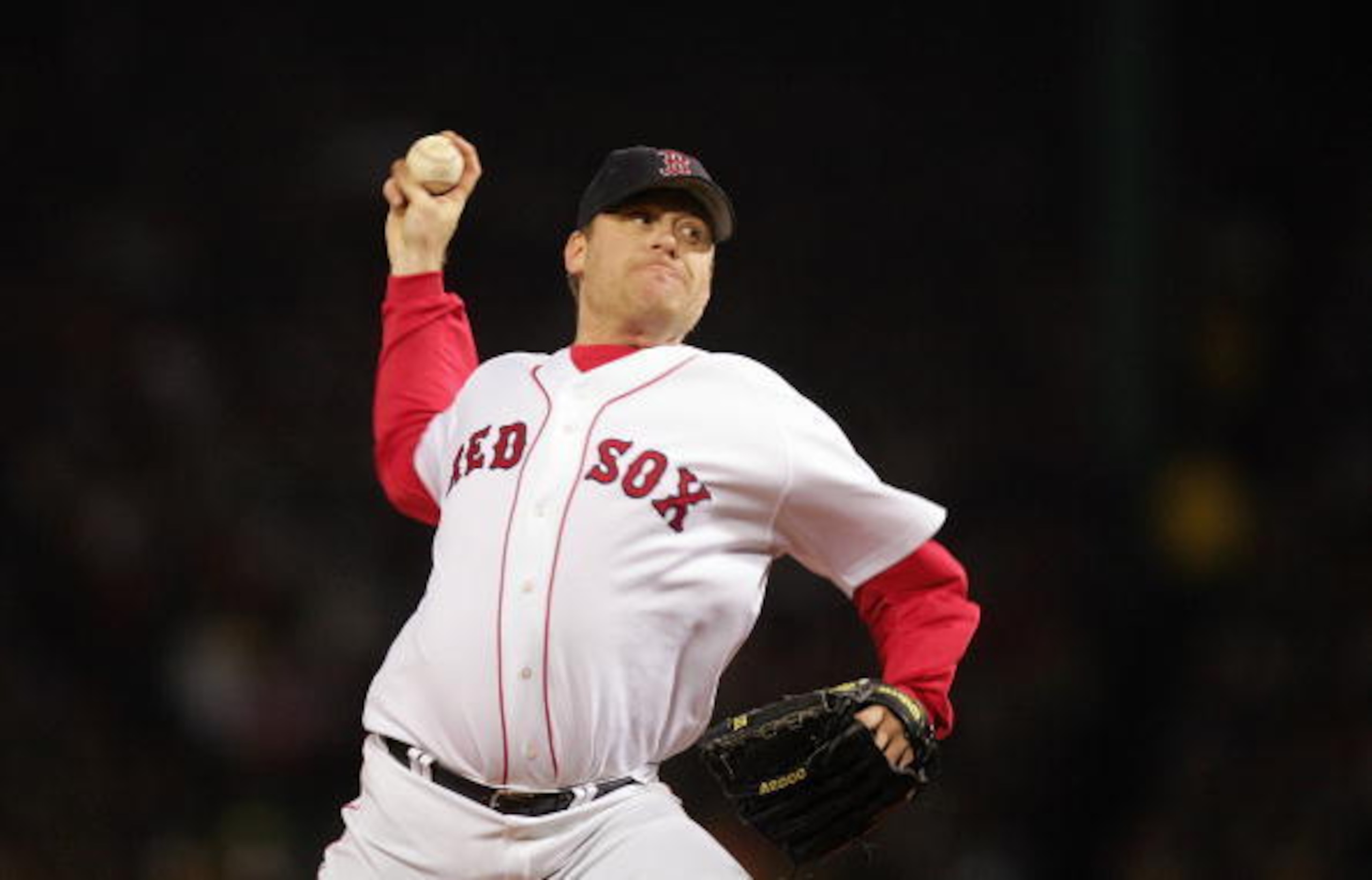
Argument For: While former starting pitcher Curt Schilling never won a Cy Young Award in the 20 years that he played, he did fall in the top five four times, including a runner-up finish in three of four seasons.
Let's not forget his postseason dominance, either, as Schilling gave one of the gutsiest performances ever witnessed with that whole bloody sock outing in the 2004 ALCS against the New York Yankees.
With 216 wins and a 3.46 ERA and three World Series titles, Schilling has the numbers to get into Cooperstown.
Argument Against: While Schilling's case would be better supported if he had finished with, say, 30 more wins, the 216 that he does have leave him as the perfect candidate for voters to continue to overlook each year, hoping that others give him the tallies he needs.
While I think he does make it, there's a good possibility that Schilling continues to fall short, getting passed over by other players, much like Jack Morris—who is now ineligible to be inducted—did.
Verdict: Gets in.
Eli Manning
17 of 20
Argument For: Not only does he have the famous last name to help him out, but New York Giants quarterback Eli Manning also has a couple of Super Bowl rings to his credit to back his case.
Playing in the bright lights of New York City and creating a legend for himself on the biggest stage twice, I have a feeling Manning gets the treatment that former New York Jets signal-caller Joe Namath did and earns a trip to Canton when all is said and done.
Argument Against: Not always the most reliable quarterback—he has led the league in interceptions in three seasons—Manning also has just one year in which he tossed more than 30 touchdown passes and hasn't exactly thrown the ball all over the field, either, with just three years of over 4,000 yards.
Verdict: Gets in—but opinions are so back and forth.
Chris Webber
18 of 20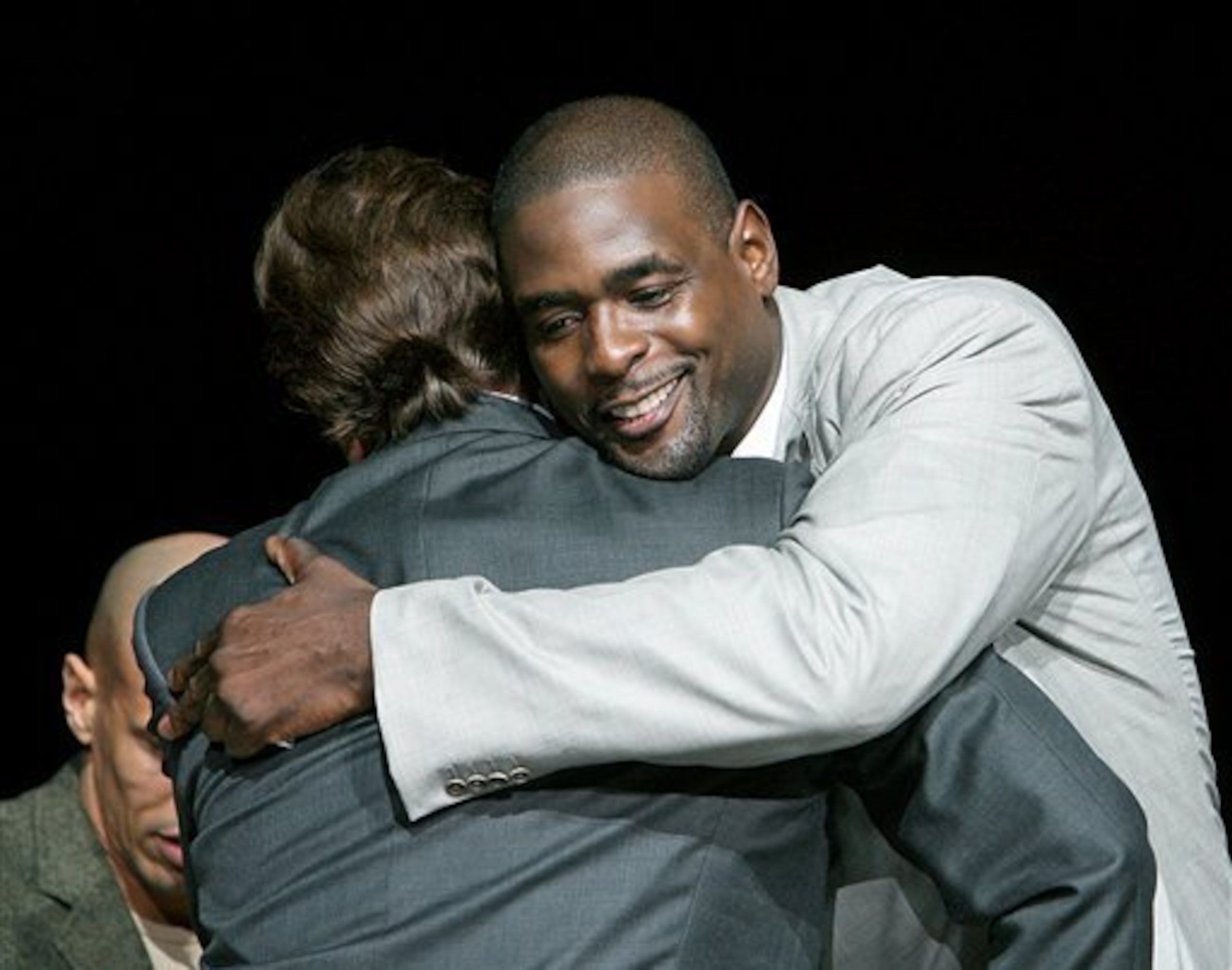
Argument For: Chris Webber was one of the most versatile players the NBA has ever had.
A big man who was capable of hitting an 18-footer, slamming it down from the paint or making a swift pass to a teammate, he really could do it all.
With 10 All-Star appearances and a Rookie of the Year award, Webber may not have played in an NBA Finals, but he had a chance to in 2002 until that whole Tim Donaghy thing allegedly happened. And some not so clutch moments.
Regardless of team success, Webber still averaged just about 20 points and 10 boards for his career.
Argument Against: For some reason—whether because he was traded after being taken No. 1 overall in 1993 or because he admitted to taking gifts as a college player—people have a strange perception of Webber.
That's not to say voters hold a grudge against him, but seeing how he wasn't even amongst the finalists for this year's class, something definitely seems fishy here.
His play spoke for itself, so it's no wonder people want him inducted.
Verdict: He gets in.
Kurt Warner
19 of 20
Argument For: Even after breaking into the league late—he didn't get his first start until age 28—former quarterback Kurt Warner definitely took advantage of the opportunity once he got there.
With three Super Bowl appearances and one ring, along with a league MVP award, Warner helped guide the St. Louis Rams' Greatest Show on Turf in the late '90s.
He resurrected his career with the Arizona Cardinals and nearly won a second Super Bowl, proving that he could make every throw necessary.
Argument Against: While the aforementioned stats that Warner put up are impressive, they were included among six seasons in which he was less than impressive, meaning voters need to decide if five really good years is enough to be considered a Hall of Famer.
We'll find out, as Warner is eligible for next year's class.
Verdict: He eventually gets in.
Pete Rose
20 of 20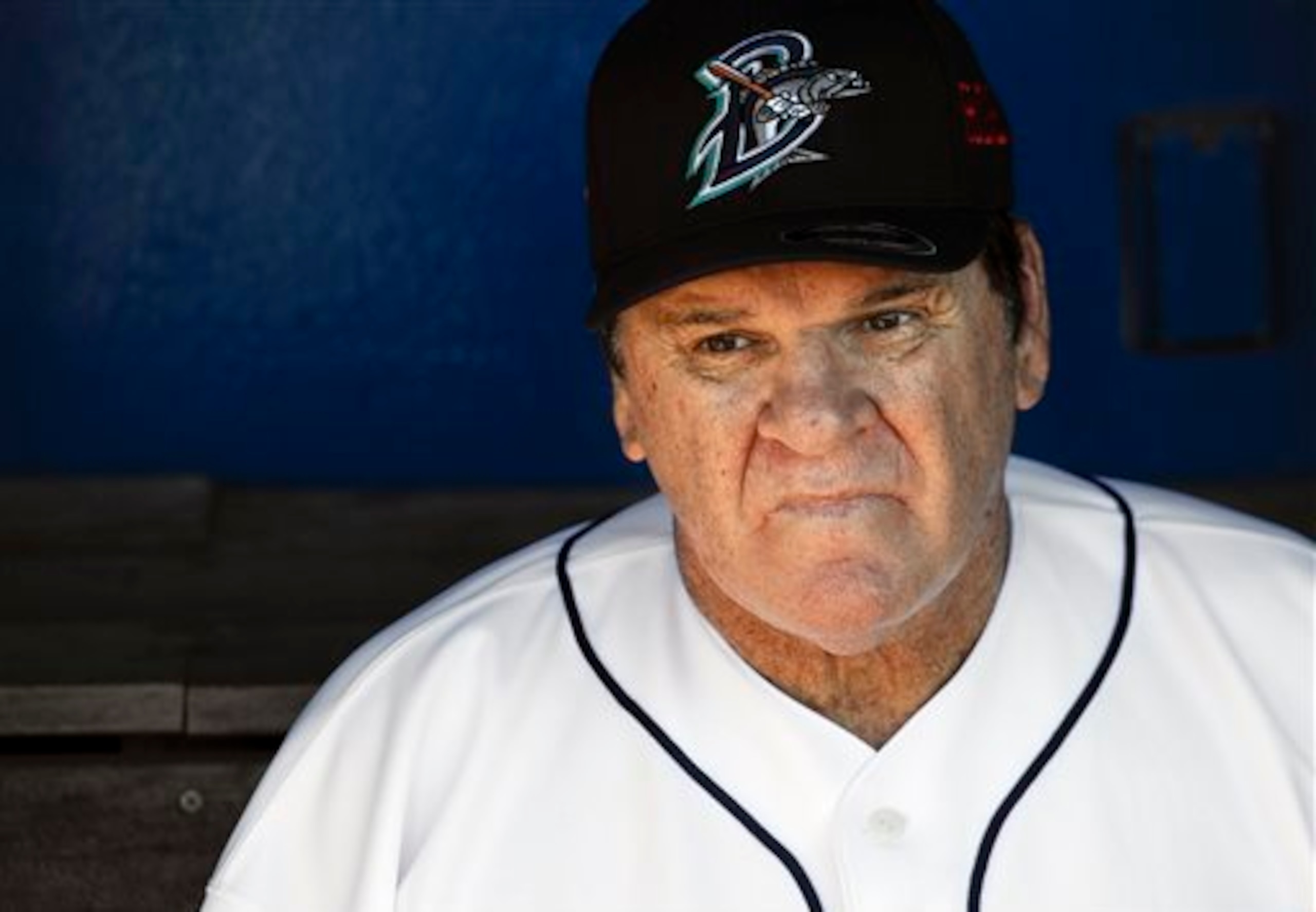
Argument For: 4,256.
That's the number of career hits that former big leaguer Pete Rose had, putting him atop the list of every single player before or since.
A 17-time All-Star, three-time World Series champion and the 1973 NL MVP, Rose was arguably the best hitter the game has ever seen, playing 24 seasons.
Argument Against: Let's not forget that Rose is still banned by Major League Baseball for gambling on the sport, meaning that, until it gets lifted, he isn't eligible for the Hall of Fame.
While I continue to think that he'll eventually get in, stories continue to come out that show Rose keeps hurting his case, and he probably won't be elected anytime soon.
Verdict: Doesn't get in.



.jpg?w=2560 "Rodgers Iced Out on Plane 💎")
.jpg?w=2560 "Updates from EVERY NFL Game 🏈")