Matt Asiata Shows Enough to Remain Vikings Incumbent RB Starter
The Minnesota Vikings’ loss to the New England Patriots gave a clear indication of just how limited they are at the running back position, leaning on veteran Matt Asiata and having little to show for it.
Of course, this situation falls on the heels of the indictment and subsequent surrender of star running back Adrian Peterson. Minnesota deactivated him in short order, which left them short-handed at the position.
Asiata came into Sunday’s game as the elder statesman. Even so, he only had 185 rushing yards in his NFL career coming into the game. His only other start came last season with both Peterson and Toby Gerhart on the mend. Spelling him was rookie Jerick McKinnon, who has only truly played the position since joining the Vikings for offseason workouts.
TOP NEWS

New NFL Power Rankings 📊
.jpg?w=2560 "Commanders Eagles Football")
2 NFL Officials Suspended
.jpg?w=2560 "Texans-Mixon Released Football")
Injury-stricken Seahawks signing veteran RB
Following the deactivation of Peterson, the Vikings elevated Joe Banyard to the 53-man roster from the practice squad. He wouldn’t get an offensive touch as it turned out.
A noticeable regression was probable without Peterson in Week 2, but just how much did the beleaguered unit struggle? Well, it wasn’t quite to a Bad News Bears level, but it wasn’t far off.
The Vikings totaled 54 rushing yards on 19 attempts for a lowly 2.8 yards per carry. They only moved the chains three times on the ground. Their struggles were especially relevant on first down. Krauser tweets about the Vikings' play selections and the results:
"#Vikings called 8 running plays on 1st down (6 Asiata, 2 McKinnon) for 19 yards (2.4 YPC), longest gain 5. That might be a problem.
— Krauser (@Krauserrific) September 14, 2014"
That kind of production won’t cut it for an offense that’s fundamentally built on the running game right now, mostly because of limitations through the air. It put the passing game in difficult situations by not moving the ball on early downs.
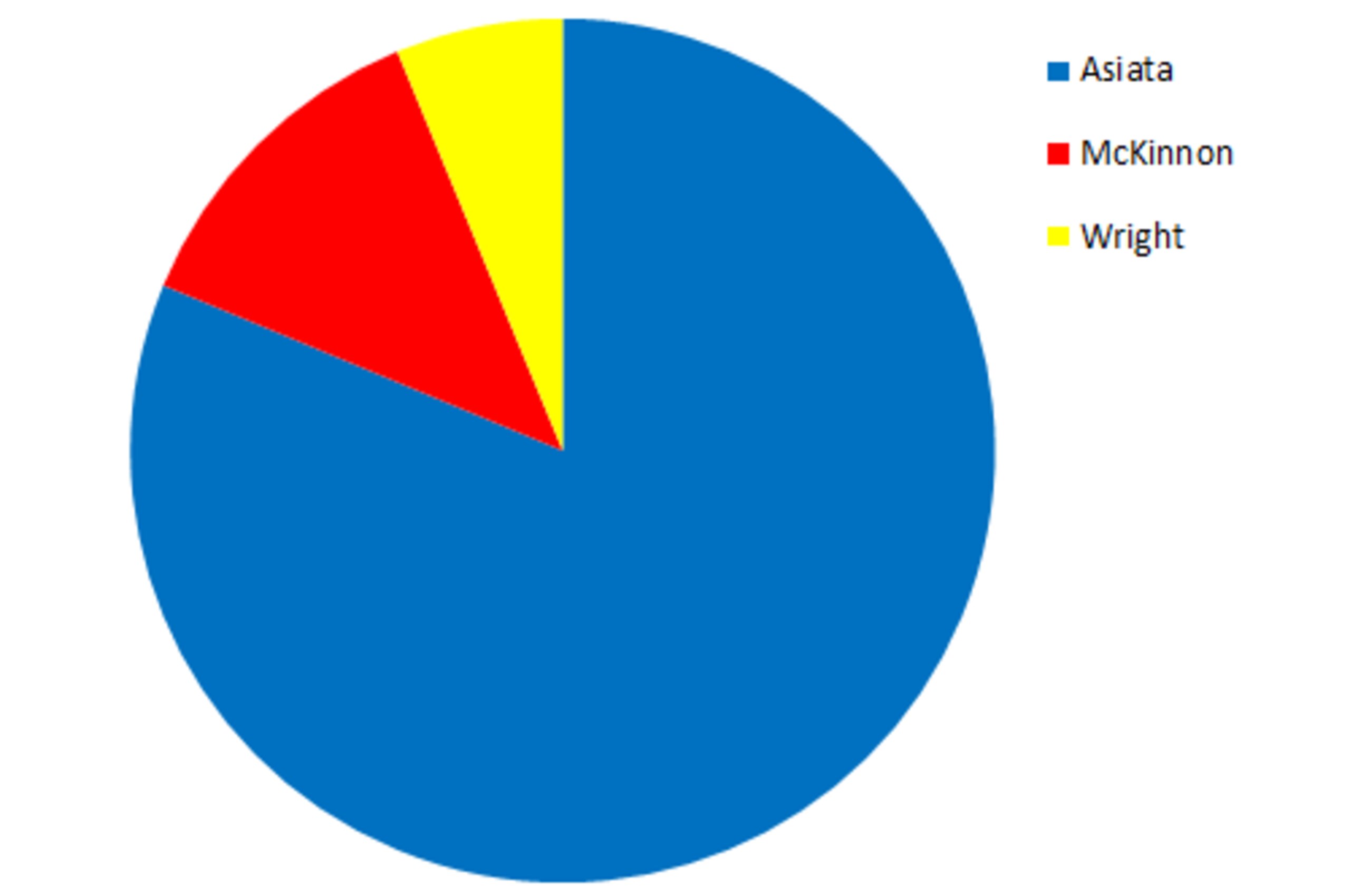
Minnesota divvied up the carries between Asiata and McKinnon. They also ran receiver Jarius Wright on one speed sweep, so 13 of the 16 carries on designed run plays went to Asiata.
Dynamic receiver Cordarrelle Patterson not getting any carries was a big talking point. This peculiarity was a result of the way Minnesota adjusted its offense to the anticipated game plan of New England. Look for Patterson to be more utilized in the future, however.
Going back to Asiata, there’s a reason he’s carrying the load. He’s a big back with the type of frame and durability to take the beating of tough running between the tackles and still carry the same workload each week. Norv Turner can bank on Asiata's reliability, as unexciting as it is.
He’s a very limited athlete and offers little upside in terms of explosive gains. His longest rush was only seven yards on Sunday after all. Asiata offers little by way of perimeter rushing talent, so things can become predictable with him on the field.
There are two big caveats to this point, and they’re the reasons he will continue to receive the lion's share of carries in Peterson’s absence. Asiata’s value in the passing game is the first. He has repeatedly shown soft hands as a receiver and has been a proven checkdown receiver. Matt Cassel was certainly comfortable with Asiata as a target, looking the way of the hefty back numerous times underneath on Sunday.
His value extends to pass blocking as well, something young backs often struggle with. Asiata had multiple matchups with blitzing backers or other rushers who were successfully blocked on Sunday, giving Cassel extra time in the pocket.
This value in the passing game is important because of how Minnesota will have to approach games without Peterson. Their run-pass ratio will surely decrease as Turner tries to feed the ball to the playmakers, which calls for a back who can catch the ball underneath but also be a reliable blocker. Asiata is that blocker. Matt Vensel of the Star Tribune mentioned the coaching staff praising Asiata during camp:
"Matt Asiata received unsolicited praise in camp from the coaching staff, who seemingly trust him in all situations, including pass pro.
— Matt Vensel (@mattvensel) September 14, 2014"
This leads into the second point, which is that Minnesota has no other options right now. McKinnon is an exciting athletic talent who could become something down the road. He doesn’t look ready right now, especially with pass-blocking concepts. There was one play in particular on Sunday where McKinnon got spun in a circle by his own indecisiveness, leaving Cassel a sitting duck in the pocket.
Even when McKinnon has gotten the ball in his hands, he’s failed to flash the kind of athleticism that his timed numbers suggest he has. There’s no doubt he possesses more high-end potential than Asiata, but the lumps Minnesota might have to take in order to get there are daunting.
Patterson and McKinnon are still due for increased touches because of the draw to the big play. Just don’t look for either to become the main conduit in the ground game. That’s going to be Asiata now and in the near future, at least until the Peterson situation is settled.
Reports were mixed on Sunday about Peterson’s future, ranging from those claiming he could see more deactivations, such as Bart Hubbuch of the New York Post (via Christopher Gates of the Daily Norseman), to those saying the Vikings and general manager Rick Spielman have still made no determination, according to The MMQB's Peter King (via Judd Zulgad of 1500 ESPN Twin Cites).
Until then, the Vikings will roll with Asiata and spell him with McKinnon in the backfield. Asiata commented on his situation with Mark Craig of the Star Tribune, saying “There’s no pressure [on me],” Asiata said. “What can you do without Adrian? He is one of the best guys on the team. I don’t know, man, you just got to move forward. It’s business.”
If Minnesota’s offense is to get its run game back on the right track, it’ll need Asiata and company to get down to business.

.jpg?w=2560 "Chiefs Dolphins Football")