5 Things Manchester United's Revenue Figures Tell Us About Football & Finance
Manchester United remain English football’s preeminent financial powerhouse.
This is according to record revenues expected to hit £420 million for last season, as per The Guardian, and despite the club’s worst performance of the Premier League era during the 2013-14 campaign.
That seventh-place finish, and the sacking of David Moyes and his coaching team that went along with it, will only end up costing United around £50 million, as reported by the Mirror, and while such a number is nothing to scoff at, it nevertheless demonstrates remarkable resiliency in the absence of Champions League football.
But how are United able to bask in the glow of financial success in the midst of an on-field storm? And what do their revenue figures tell us about football and finance more broadly?
Following are five takeaways from their latest figures.
5. The Stock Flotation Was Always a Good Idea
1 of 5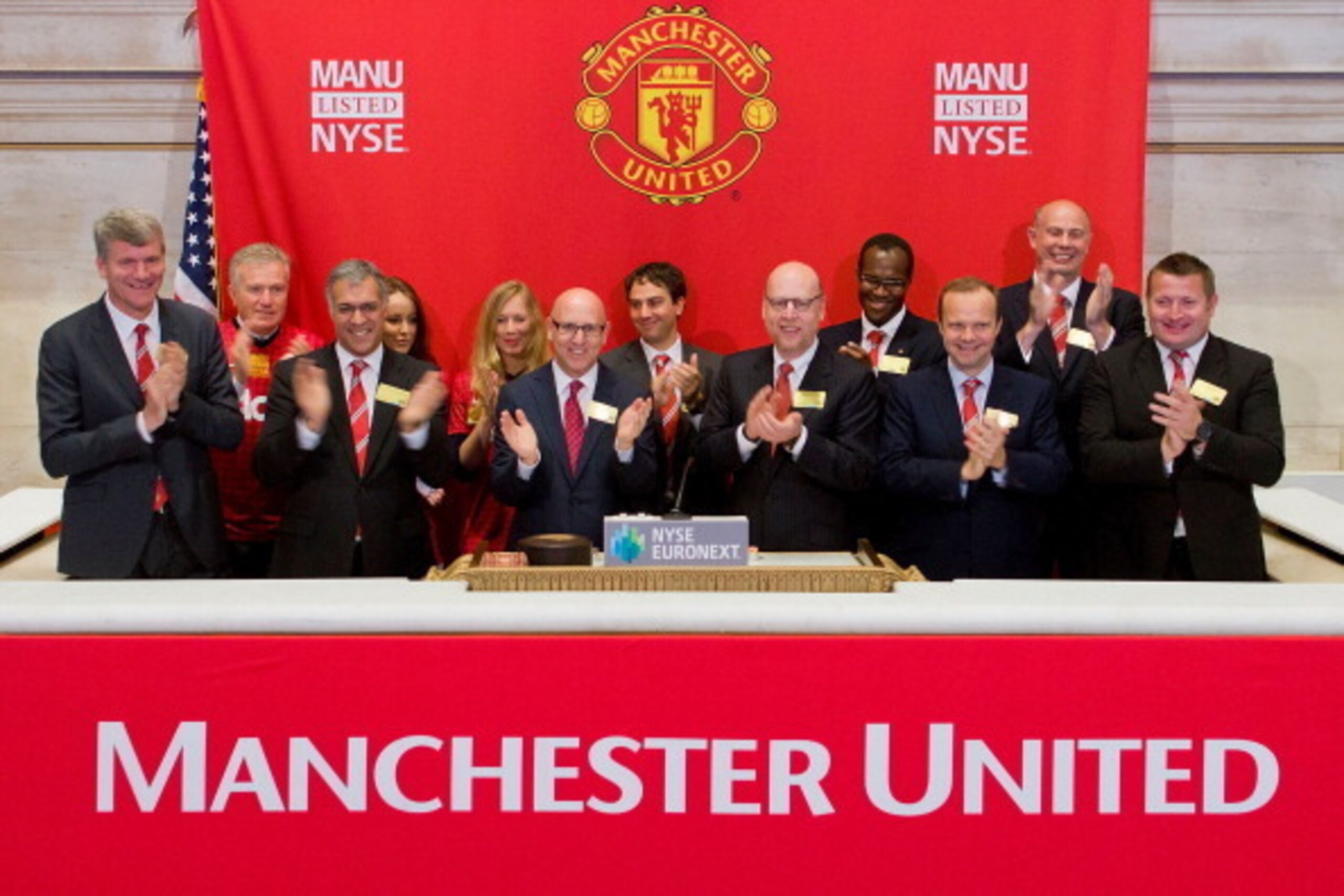
Just over two years ago, the United States-based Glazer family that owns Manchester United floated a portion of their interest in the club on the New York Stock Exchange.
The move resulted in an immediate cash influx, which helped soften the Glazer’s debt situation, but also provided additional incentive for increased commercial growth.
While the stock value has wobbled somewhat over the two seasons since, it’s worth pointing out that last week’s close had the price nearly identical (and slightly above) what it was in January 2014, when United were heading into the last 16 of the Champions League.
It rose immediately when Moyes was sacked, according to the Mirror, and was also boosted upon the arrival of new manager Louis van Gaal, as per the Daily Mail.
Generally, the stock value has proven resilient and shown a gradual, upward trend.
4. Last Season Hurt, and Next Year’s Numbers Will Reveal How Much
2 of 5
Obviously, the figures released this week were for the 2013-14 season, in which Manchester United were still playing Champions League football while cashing in on previously-agreed commercial deals.
The expected revenue drop of £50 million will show up on the books a year from now, at which time a full campaign without any European participation whatsoever will be represented.
But financial planners can budget around such setbacks, and according to the Mirror the £50 million number takes the lack of Champions League revenues into consideration while also anticipating a third-place finish.
In other words, while the club’s financial situation remains stable at present, successive failures to qualify for Europe’s premiere club competition would no doubt cloud the picture.
3. United Are a Commercial Giant
3 of 5
Notice the Chevrolet logo on the new Manchester United shirts?
The automobile manufacturer is paying £47 million per season to have their logo on the chests of Wayne Rooney, Angel Di Maria & Co., according to The Independent.
And Adidas, who will begin manufacturing the United kit next season, have paid £750 million for the honour, as per The Telegraph.
United’s array of sponsors from all walks of business include the likes of DHL, Bulova, Toshiba and Honda. They have official tyre partners; official paint partners.
And while The Guardian reports that operating costs are expected to rise as much as 20 percent due to increased player costs, commercial revenues are set to increase 25 percent.
There’s a reason United have been touring North America, Africa and Asia since the beginning of the Premier League era, and their brand is the most recognisable in football as a result.

.jpg?w=2560 "Steelers Saints Football")
2. Additional Investment Is Always Required
4 of 5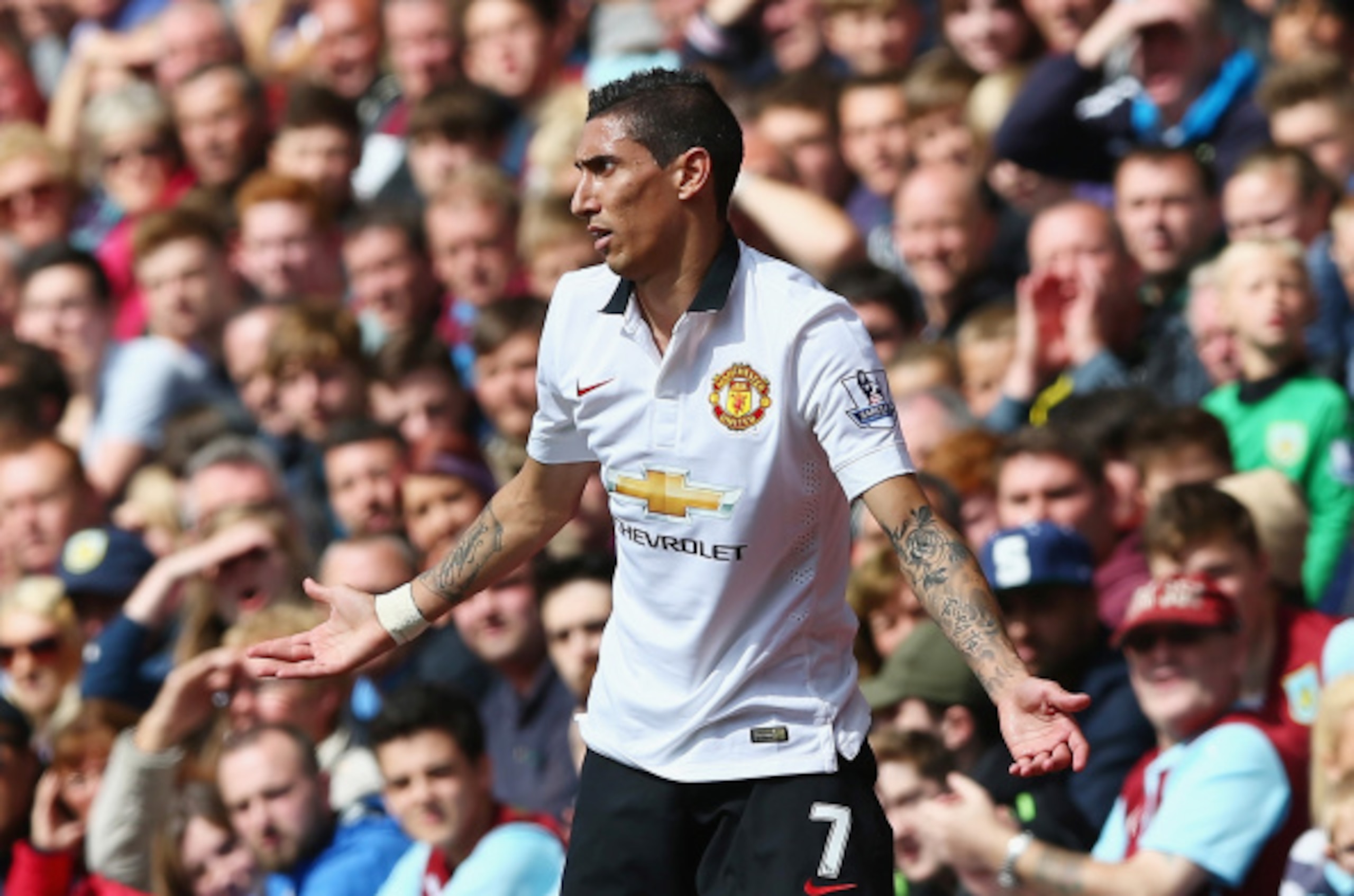
Manchester United spent nearly £150 million on player acquisitions during the 2014 summer transfer window—a club record—and as a result their wage bill will rise considerably.
According to the Daily Mail, the club will pay in excess of £200 million in wages this season for the first time in their history.
But it was a necessary expenditure, as without the outlay the club ran the risk of a long-term decline.
Commercial revenues are all well and good, but without a meaningful product on which to attach their names, sponsors will always shy away.
The downturn in United’s share value during the latter stages of David Moyes tenure hinted at the fear of such a transpiration, which would have been calamitous.
1. Winning Is the Best Marketing Strategy
5 of 5
Yes, Manchester United pioneered the lucrative summer tour, and yes, they happened to time their commercial breakthrough—particularly abroad—with the dawn of the Premier League era.
But they also won the first title of the new top flight and would go on to win more than half the championships on offer between 1993 and the present.
Those David Beckham and Cristiano Ronaldo shirts would always have been big sellers, but they became even more so because the club was always winning things.
Unlike North American sports, where capped spending and revenue sharing guarantee a form of financial stability, most football clubs rely on results to produce revenues.
Results attract attention, attention attacks players, players drive shirt sales and shirt sales drive sponsorships, as Adidas will attest.
United’s business is, unlike several of world football’s “new money” clubs, actually built on doing business. And, from the sponsor’s point of view, doing business with United is always a better proposition if the club is winning.


.jpg?w=2560 "Raiders Could Start Mendoza")
.jpg?w=2560 "Packers Safety Slams Refs 🤬")
.jpg?w=2560 "🚨 Week 8 AP Top 25 Poll")