Criticism of Wayne Rooney Just as Damaging to England as Culture of Blind Faith
The England national team has always seemed to go about its business in spite of speculation; perpetually flattering to deceive in every major tournament no matter how inevitably great the expectations. The earliest World Cup exit in the country's history came in Brazil this summer but not even the most naive of patriotic supporters could muster any sort of lasting incredulity. The conclusion was quite simple: England are not good enough.
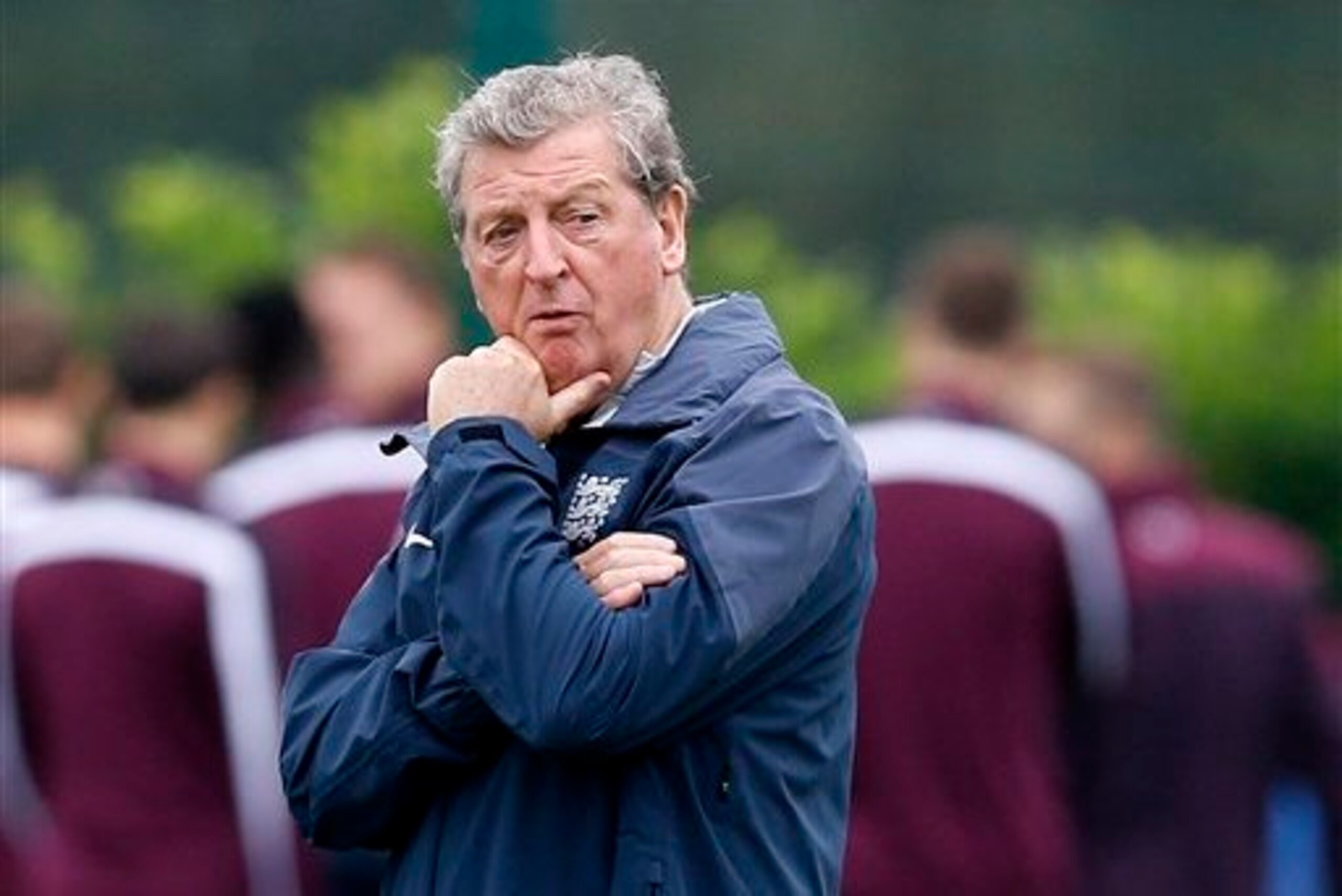
The media have been alerted. After one too many disappointments and the divisive appointment of Wayne Rooney as the new captain, English newspapers, commentators and fans have adopted a tone of harsh criticism, presumably with the intention of using negative discourse to inspire improved performances from Roy Hodgson's team. This policy is likely to be just as ineffective and damaging to the national game as the culture of blind faith that preceded it.

.jpg?w=2560 "Steelers Saints Football")
Many of the world’s finest footballers tend to thrive under duress and with the whistles of fierce critics ringing in their ears. Zlatan Ibrahimovic, who on Wednesday became Sweden’s all-time leading goalscorer, is one such example. By contrast, recent history would suggest that England’s players shrink under the pressure, rendering this widespread pessimism quite harmful to the likes of Rooney, who has been the main target for England detractors this week.
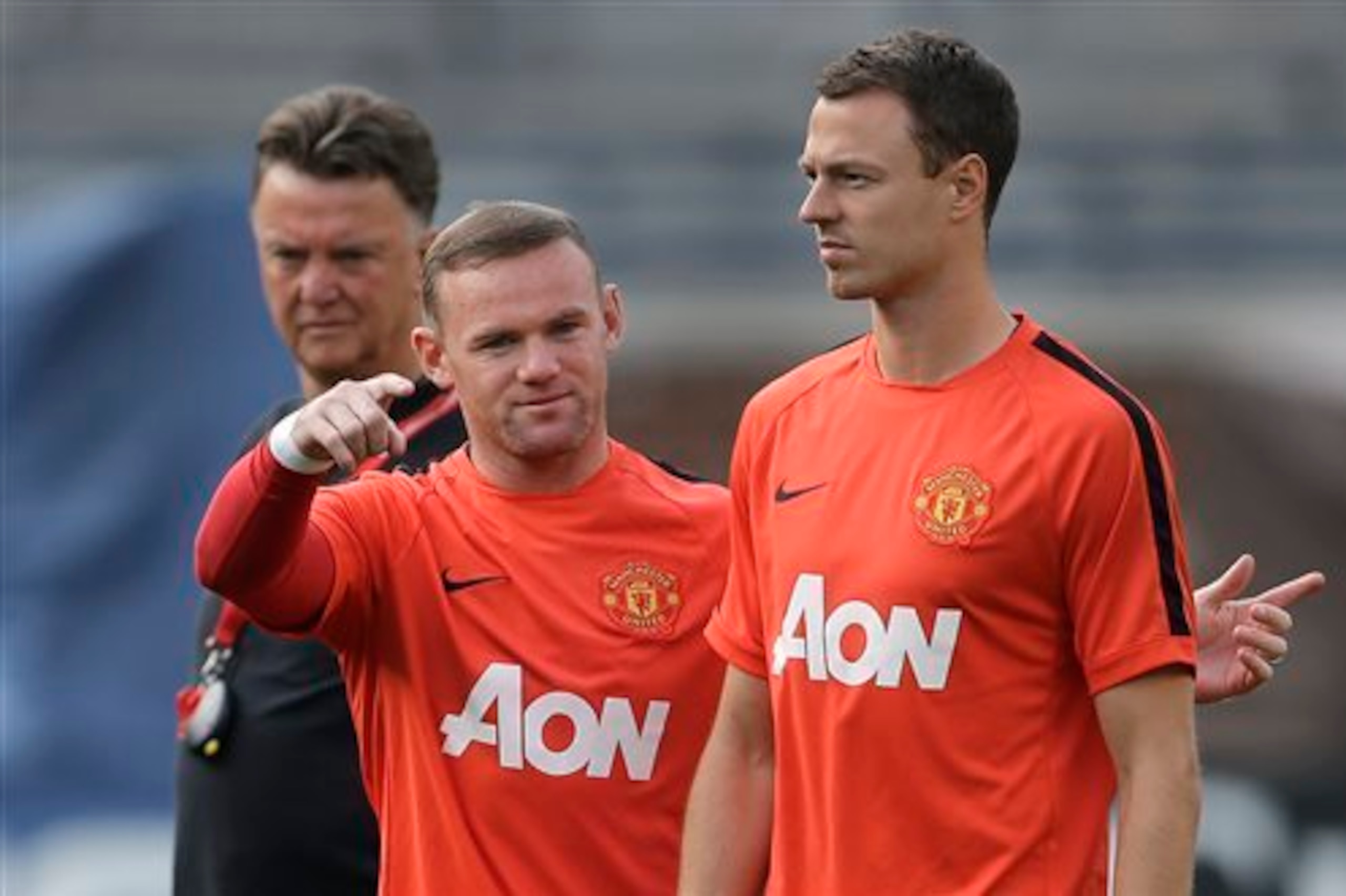
With England's opening Euro 2016 qualifier against Switzerland looming, the players appear to be under more pressure to deliver than ever. Discussion regarding England on Twitter has been whipped up into a frenzy of negative sentiment in the past few days, largely aimed at the new captain. Magnificent players need space for their footballing skill and arrogance to flourish. England’s players—and Rooney especially—have rarely been given the chance to express themselves, such is the added weight of pressure they must feel every time they kick a ball with the three lions on their chests.
Rooney, who has shouldered the responsibility for England's underachievement since he burst onto the scene at Euro 2004, has now been given that liability in an official capacity and is already paying for it after just one game wearing the armband. Although the Manchester United forward scored the only goal of the game from the penalty spot in the 1-0 victory over Norway on Wednesday, many are questioning both his present form and his future in the game.
To suggest that Rooney is past it is almost frightening, given the weight of anticipation heaped on his career when he was just a teenager. As an England player, Rooney has done a lot but achieved relatively little. With 96 caps, 41 goals and appearances at three World Cups to his name, to have led his country only as far as the quarter-finals with just one goal on the biggest stage of all represents something of a gaping hole in his otherwise illustrious career.
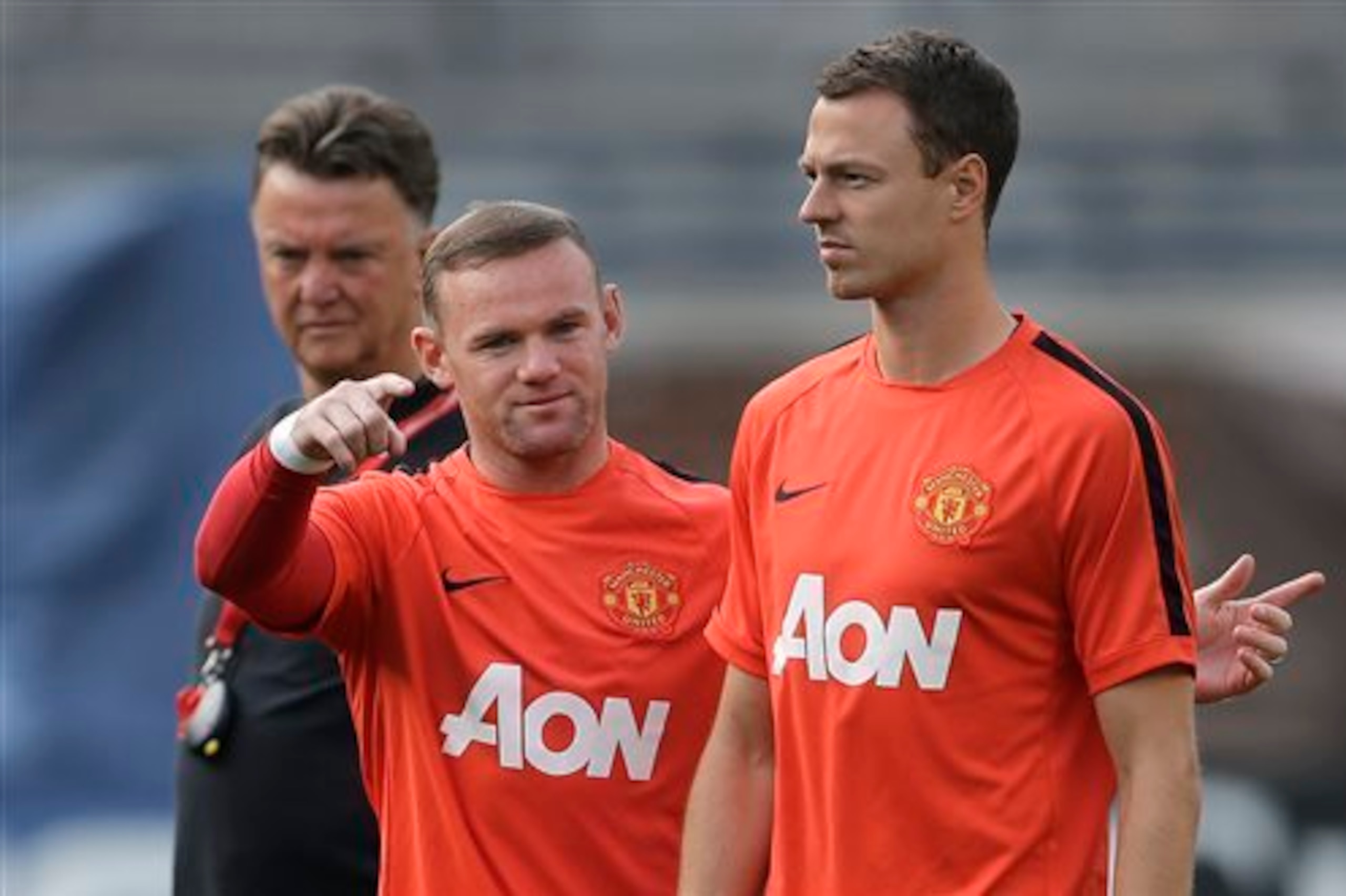
Nevertheless, just as it was wrong to pin all hopes of success on Rooney in the past, so it is wrong to proportion him with the blame for England’s shortcomings today. Indeed, the well-documented and ongoing struggles at Old Trafford make Rooney a sitting duck for those who wish to pick holes in his England form as well. The reality is that England do not play good football, something that will not happen until there is a talented group of players who are comfortable alongside one another and confident in their own roles. This side does not have those attributes, with or without Rooney as captain.
Steven Gerrard retired from international duty following the World Cup, and his England career was reflected upon with pride and gratitude. As one of the final members of the “Golden Generation” that promised so much and wilted time after time, Gerrard seems lucky to have escaped on such good terms with England fans. The reason for this is probably because Rooney is also a member of that generation, and in his role as the talisman, he continues to alleviate any responsibility from even more senior players.
Perhaps it is time for Rooney to leave the England setup, admit defeat and allow the media to finally bid farewell to the potential that the “Golden Generation” allegedly possessed. Certainly, England seemed to play better on Wednesday once Rooney had left the field.
Of course, with his new position as captain and on the eve of a European Championship qualifying campaign, Rooney is going nowhere and rightly so. He is England’s best player, and it is vital that he is made to believe that once again if he is to perform to a standard appropriate of such a talented individual.
The reality is that we now criticise Rooney not because he didn’t perform in the past, but because he didn’t carry a team that we assumed he would. Now, as captain, the frustration caused by these perennial shortcomings seems even more potent. Vitally, even if his departure from international football would leave a more balanced England team, he should not be lambasted for our overbearing expectations of him.
The question at large is, how does this critical media voice impact on England as a whole? The team cannot produce what it ought to with this sort of scrutiny.
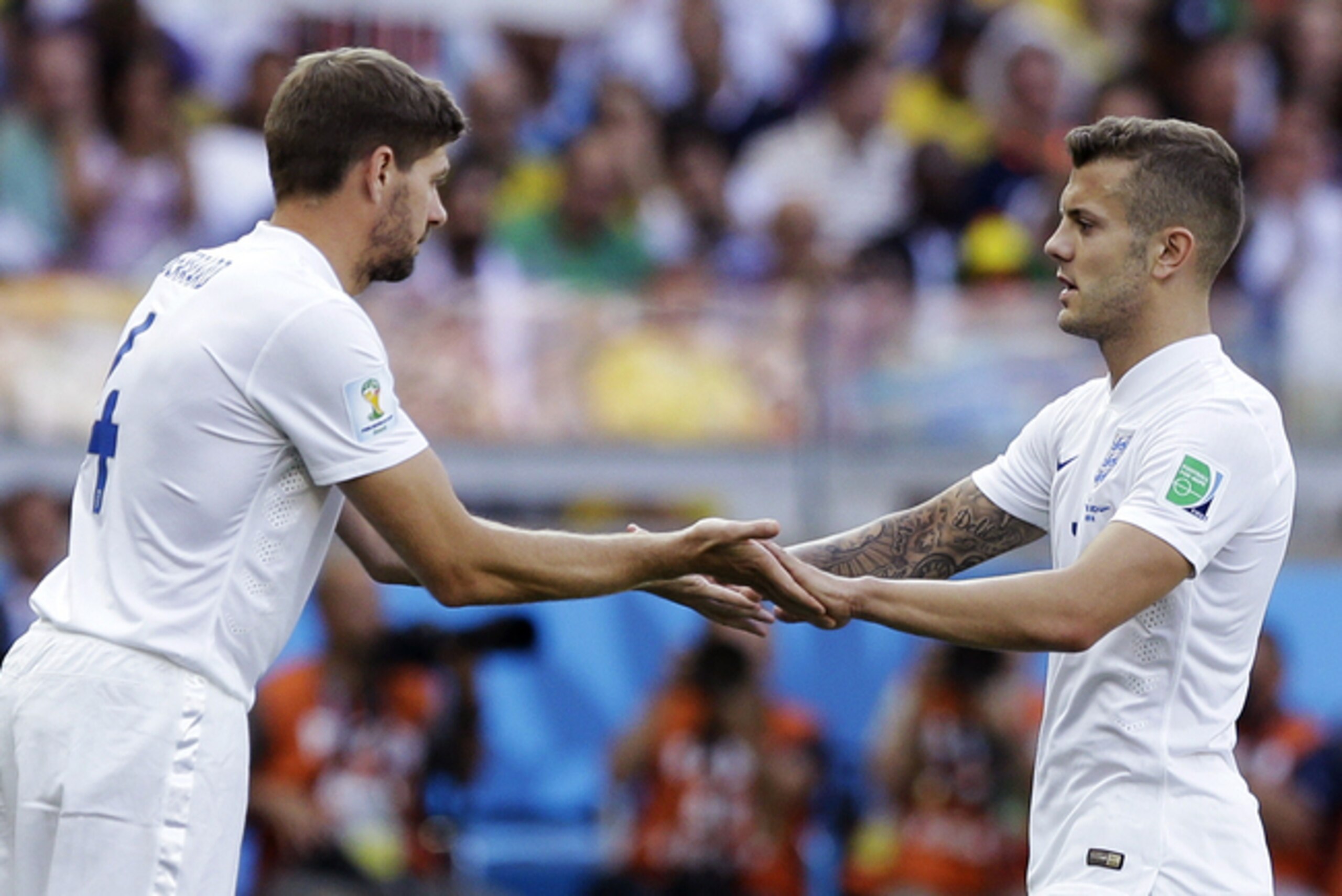
The same pressure is now apparent in the case of Jack Wilshere—another player who broke through as a teen and appeared to have the ability to lead Arsenal and England to glory. Difficulties with injuries, form and—arguably—his attitude have led to disappointment and now to criticism.
What is quite incredible is that some of this condemnation comes (via ESPN) from the likes of Paul Scholes, one of the finest midfielders of his generation, who retired from international duty prematurely. Surely we cannot be surprised if more of our most talented players go the same way that Scholes did if this culture of incessant scrutiny continues. One might speculate that the likes of Theo Walcott will feel an element of fortune at having missed the World Cup disaster through injury.
Frankly, England are not underachieving because they are simply not good enough to progress to the latter stages of a major tournament. The real problem is in the lack of production of high-quality English players, which is borne out of choices made by the same media corporations that consistently criticise or overhype the national team.
The role played by the media is an important one, not least in its dictation of how superlative the Premier League is in comparison to the England national team. Sky Sports’ Jeff Stelling recently made that point, stating that an “obsession with winning domestic titles has hindered our international chances." It is difficult to argue such a point, particularly in light of the £835 million spent by Premier League clubs on predominantly foreign players this summer, via The Guardian.
So who is really to blame, the players or those who talk so much about them? The problems faced by England will continue to be exacerbated by the media and fans until there is a choice made to prioritise a top-class national team as much as the global league that starves domestic talent.
Of course, there will always be commentators on England’s performances—good or bad—and rightly so. However, it’s important that these commentators appreciate that they, as well as the rest of those involved in English football, have a part to play in those performances too.


.jpg?w=2560 "Raiders Could Start Mendoza")
.jpg?w=2560 "Packers Safety Slams Refs 🤬")
.jpg?w=2560 "🚨 Week 8 AP Top 25 Poll")