What We Learned from Manchester United's 2014 Summer Transfer Window
Manchester United’s free-spending, eye-catching summer transfer window has been a roller coaster of rumour and real activity.
Louis van Gaal leads a much stronger squad than he did this time two months ago, and United’s spending should start improving performances fairly quickly.
Sensible additions to the squad have been made to the squad in most areas of need. There may still be some building to be done, but the work has certainly begun in earnest.
Now that the dust has settled, what have we learned?
United’s Pattern of Spending Has Changed
1 of 3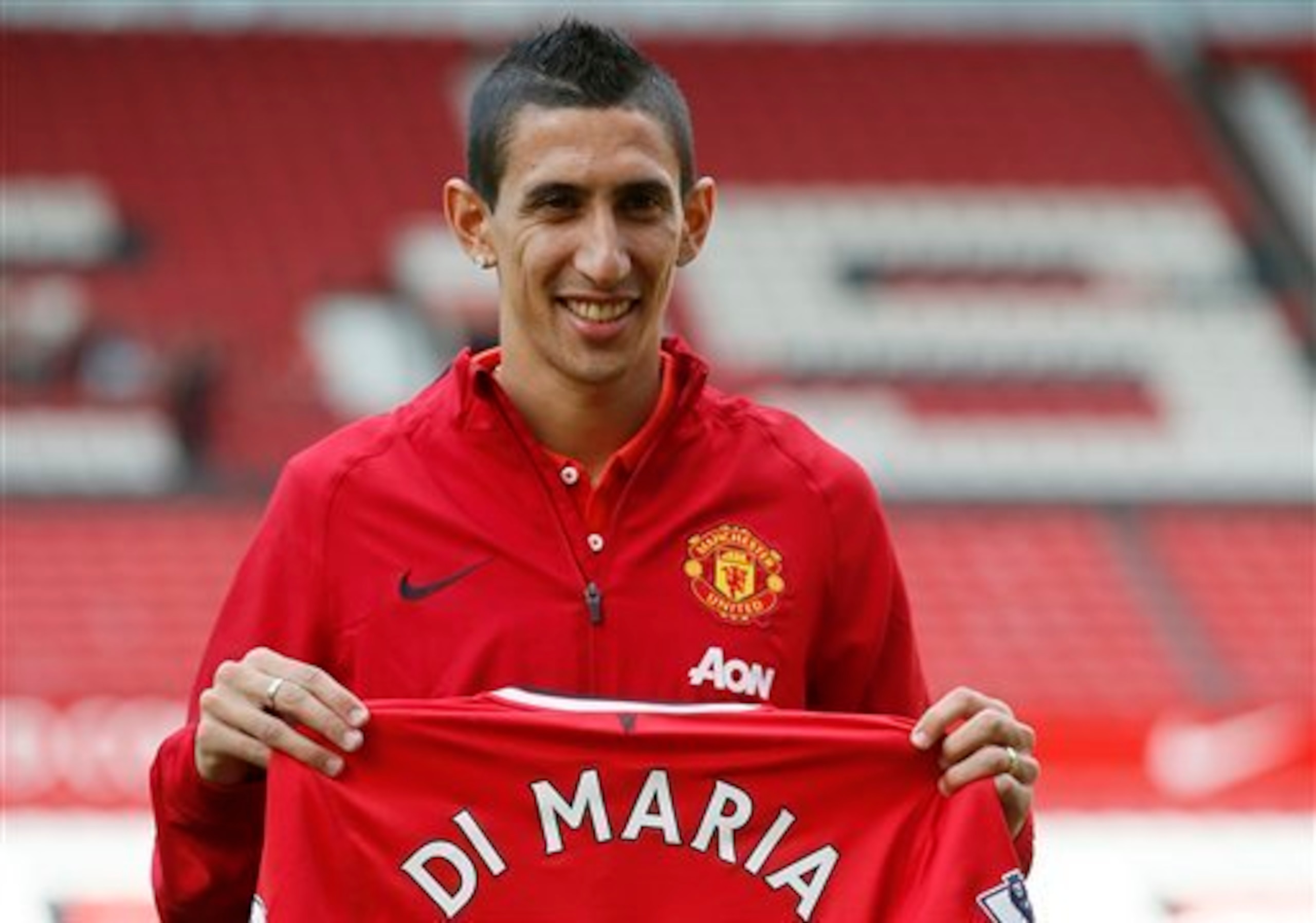
This is the most Manchester United have ever spent in one transfer window. It was a record that had, in fact, been broken even before Angel Di Maria arrived, per ESPN.co.uk.
Di Maria’s signing is also the first time United have brought in a player from an elite club outside of the Premier League since Owen Hargreaves was signed from Bayern Munich. Previous to that would have been the purchase of Juan Sebastian Veron from Lazio—whose place in world football was considerably higher up the pecking order in 2001.
Ed Woodward insisted United would not be afraid to spend a lot of money, saying in an interview with MUTV (h/t ManUtd.com) that United were "willing to invest" and this turned out to be the case.
It is a distinct change of strategy for a club which has spent much of its time under the ownership of the Glazer family with a much more parsimonious approach to the transfer market.
With the expensive acquisition of Juan Mata last January, and the prodigious spend of summer 2014, it seems evident that United have entered a new phase.
How long it lasts remains to be seen, but with plenty of newspapers, including the Manchester Evening News, reporting that the club are set to spend big again in January, it does not look like Radamel Falcao will be the last of the impressive arrivals.
There Is a Plan, but It Is Not Rigid
2 of 3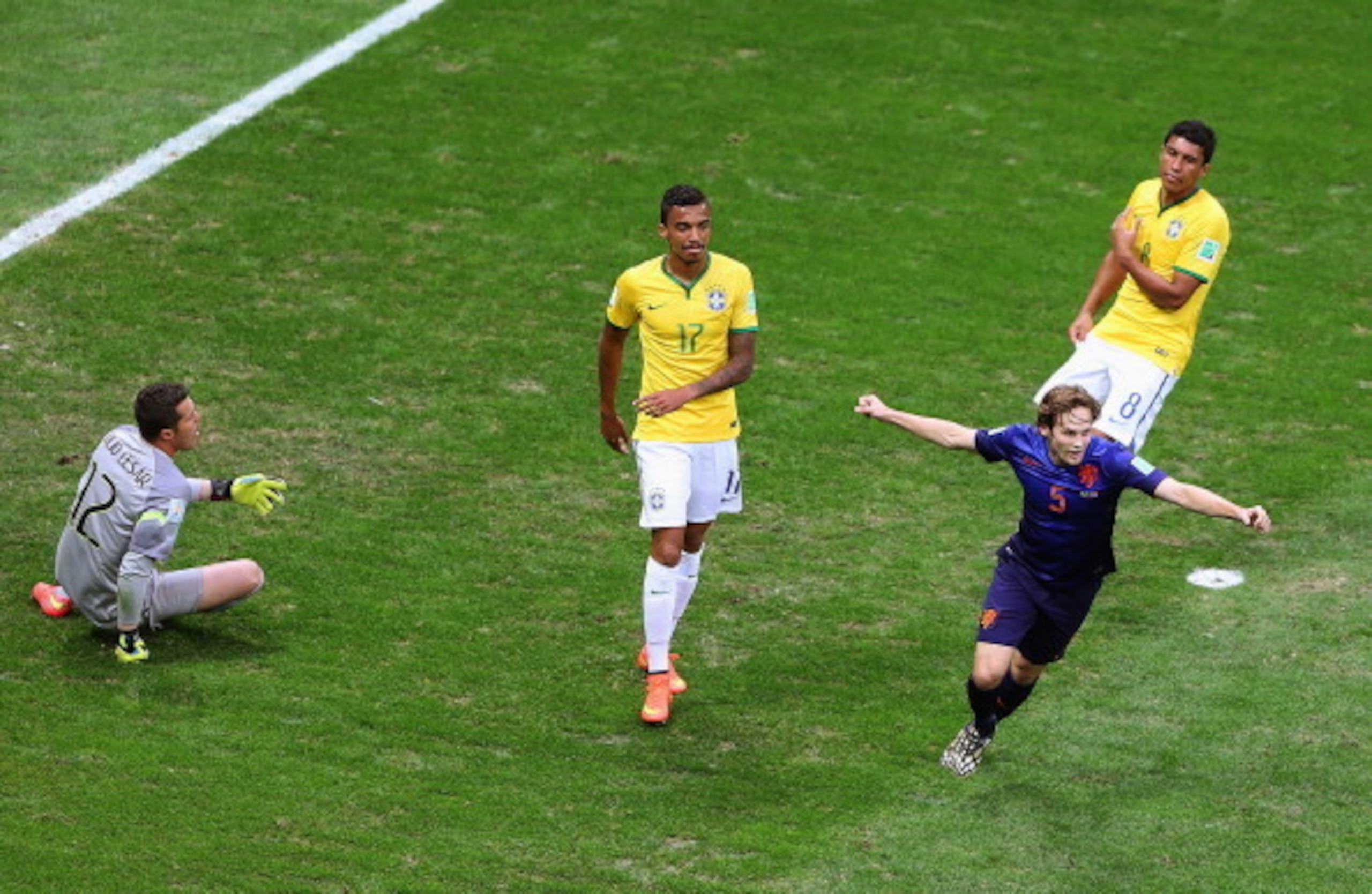
It would seem that United have a plan. If a tiny fraction of the news stories generated in the summer are to be believed, United certainly did not acquire all their first-choice targets. For example, Thomas Muller claimed to have rejected the chance to move to the club, per Jamie Jackson in the Guardian.
Ultimately, though, United have added two defenders, a versatile defensive midfielder, a central midfielder who can play further forward, a winger who is also excellent in a midfield three and a centre-forward. Of all of those, only a centre-forward would have seemed a luxury before the window opened.
However, in filling those needs and particularly in the acquisition of another star striker, there has clearly been a degree of improvisation. It is hard to believe, for example, that Marcos Rojo was United’s first choice, given his relative lack of top-level experience.
Falcao and Daley Blind both signing on the last day of the transfer window and several of United’s outgoing players’ deals happening so late all make it seem that whatever plan was in place was not fully executed until the last possible moment.
Although this could be perceived as a criticism of United's hierarchy, in truth they have navigated the vagaries of the transfer window with impressive, albeit expensive, results.
Sometimes Sentiment Comes Second
3 of 3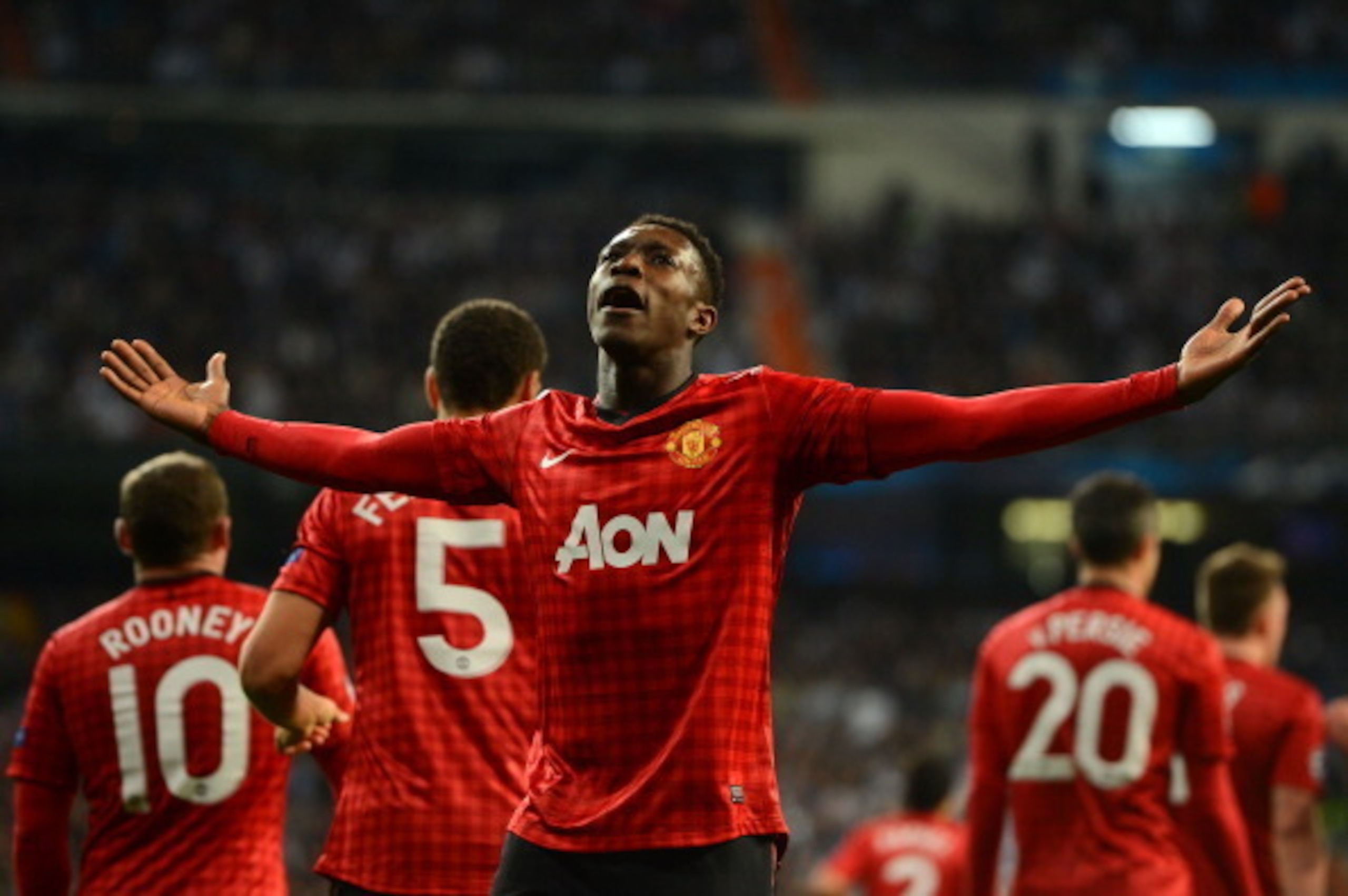
Danny Welbeck is a Longsight lad, who grew up as a "mad, mad, mad Manchester United fan," according to Joe Hart in his interview with Mark Bailey of the London Evening Standard.
Seeing him in an Arsenal shirt is a surreal sight for those of us for whom his connection to the club has meaning beyond his performances on the pitch.
Welbeck has consistently divided United fans, but what he represented should not. A club operating on a giant global commercial stage still finding room for bringing through local talent is much to be hoped for. After all, football clubs do have their origins in their local communities, however distant that reality might seem.
Understandably unhappy at not being a first-choice option—as reported by Jamie Jackson of the Guardian as far back as April this year—Welbeck has moved to a rival club, making room for an elite level centre-forward to arrive.
There may eventually end up being footballing regrets, should Welbeck develop into the truly top-class striker that his admirers (me among them) believe he can become. There are already plenty of sentimental regrets.
However, sometimes sentiment comes second.


.jpg?w=2560 "Commanders Eagles Football")

.jpg?w=2560 "Chiefs Dolphins Football")


.jpg?w=2560 "Love's Body Already 'Tired'")