

How the D-League Can Become the NBA's Next Big Thing
The NBA Developmental League has come a long way since its creation in 2001, and it has the potential to go even further in the coming years.
There's plenty of work to be done, and the changes necessary will be closer to overhauls than tweaks. But rest assured: The D-League is, appropriately, developing.
The Thunder Roles
TOP NEWS

Buzz: Bron Chopper Part of Deal 🚁

MJ Makes Record-Setting Donation 🙌
Buzz: Knicks' KAT Offer Revealed
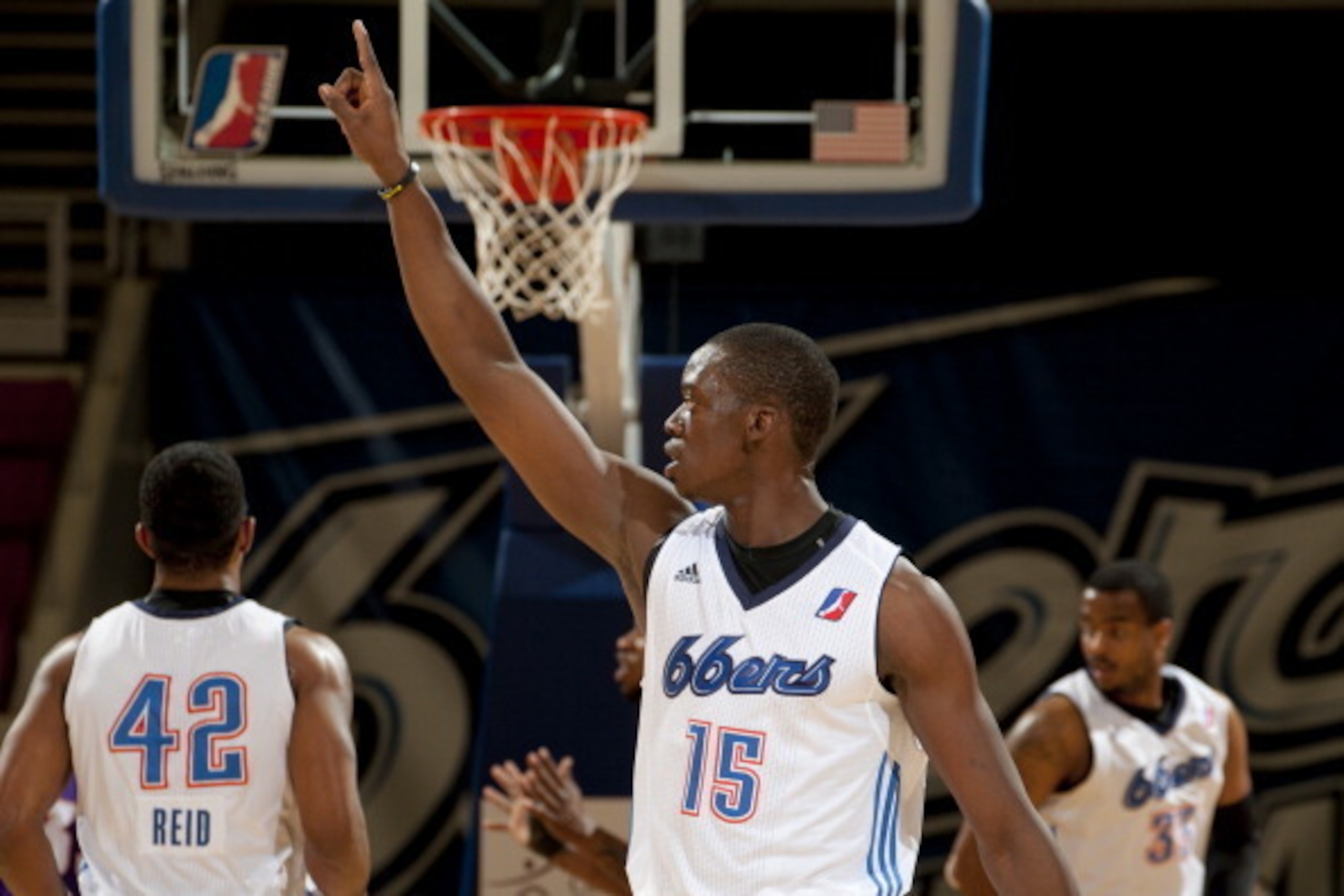
More than any other NBA team, the Oklahoma City Thunder use their D-League squad as a training ground—a true minor league affiliate that allows talent (both on the floor and on the bench) to mature rapidly. Reggie Jackson and Jeremy Lamb are the most obvious examples of success, as both cut their teeth in Tulsa and are now key players for OKC as it heads into the 2014-15 season.
The Thunder also recently handed the reins of that Tulsa squad, which was relocated to OKC this summer, to 29-year-old Mark Daigneault in August. If he's anything like the men who preceded him in that position, he'll quickly parlay it into a much bigger job.
"The three guys who held this gig before Daigneault – Nate Tibbetts, Dale Osbourne and Darko Rajakovic – all immediately ascended to assistant coaching positions in the NBA. Tibbetts and Osbourne are currently with the Blazers. Rajakovic was hired as the Thunder’s newest assistant this offseason.
"

Coaches, trainers, scouts and analysts have all honed their skills in the Thunder's D-League affiliate before making the jump to NBA jobs, per Slater:
"Tony Katzenmeier was a trainer for the 66ers. He’s now part of the Thunder’s medical staff. Steve Scalzi was a video analyst for the 66ers. He’s now part of the Thunder’s video staff. Glenn Wong was a video analyst for the 66ers. He’s now part of the Thunder’s management staff.
"
Oklahoma City's use of its D-League team is the exception, not the rule. No other squad has thought to draft a player like Josh Huestis in the first round and then stash him in the "minors" for a year on a dirt-cheap deal.
That's because few teams have the ability to do so, and therein lies the first major change the NBA must make if it wants to maximize the value of the D-League.
Building a System

Every team needs a dedicated affiliate.
Per Jeff Clark of CelticsBlog.com, CBSSports.com's Matt Moore said:
"The league misses out on so many talented guys, and it's largely because they're not developed. We need a one-to-one affiliation, we need stratified roster spots, we need more money for players and teams. It's time.
"
As it stands now, there will be just 18 D-League teams in the 2014-15 season. Seventeen of those will have "single-franchise NBA parents," per David Mayo of MLive.com. Seven of those are outright owned by NBA franchises. That means 13 NBA teams don't have a single-franchise agreement. Instead, they get to share the Fort Wayne Mad Ants.
That's not just a major advantage to the teams who actually own and run their own affiliates; it's a colossal missed opportunity for the ones who don't.
To be clear, NBA teams can call up players from any D-League squad—not just their own affiliates—with the exception being players under contract like Jackson, Lamb or Huestis.
NBA Commissioner Adam Silver recognizes the need for one-to-one relationships across all 30 NBA teams, per John Lombardo of SportsBusinessDaily.com: "It’s more of a true minor league now. The goal there would be to ultimately have one-to-one relationships where every NBA franchise would have its own D-League team."
Single ownership doesn't just allow teams to do what the Thunder are doing—groom coaches, implement systems and tailor prospect development. It also makes the logistics of utilizing D-League talent easier in a pinch.
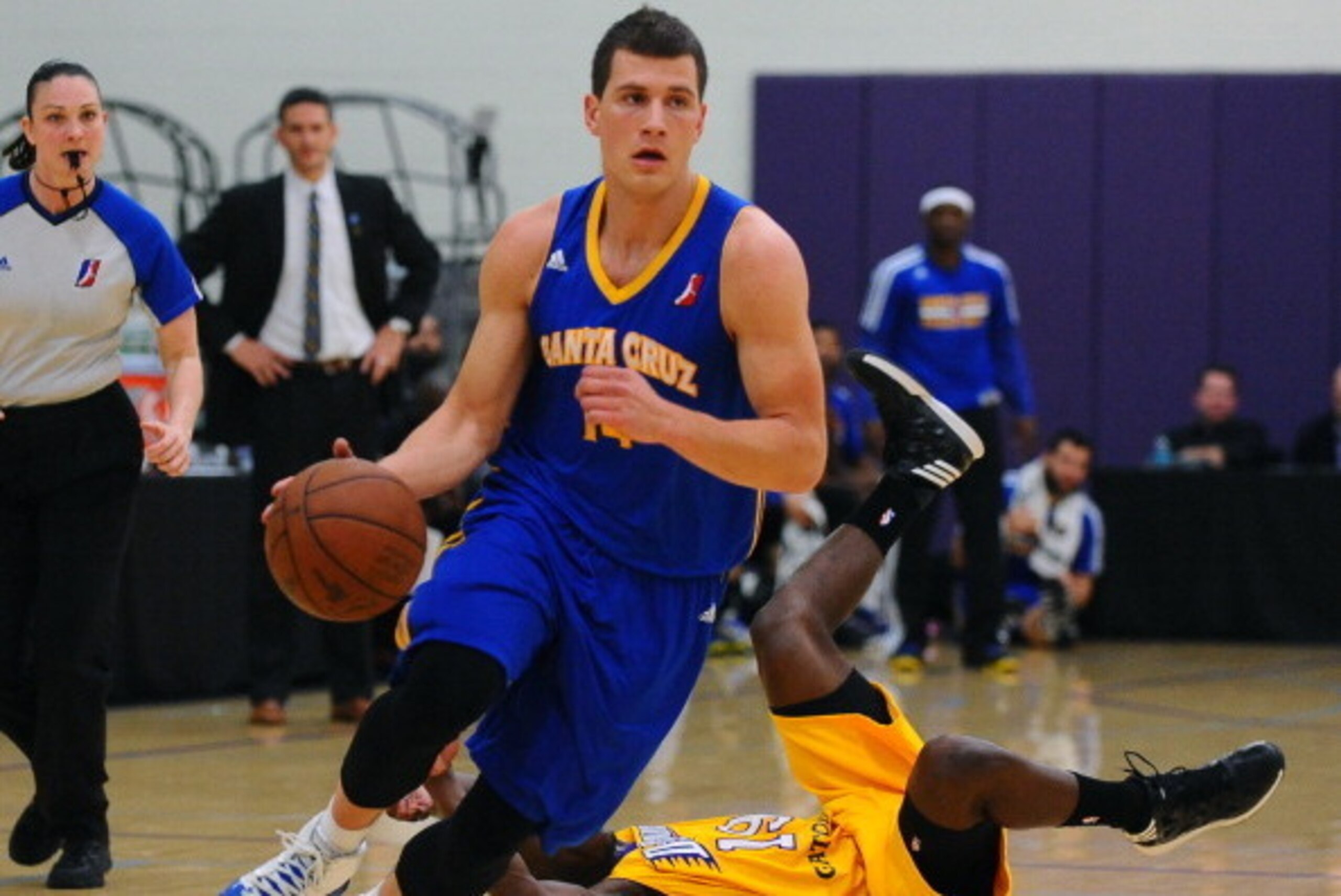
The Golden State Warriors had the advantage of calling up and sending down guys like Nemanja Nedovic, Ognjen Kuzmic and Kent Bazemore on a whim in 2013-14 because their Santa Cruz D-League affiliate (which they own) was a relatively short drive away from Oakland.
The New York Knicks moved their affiliate from Erie, Pennsylvania, to White Plains, New York, for the same reason.
If every NBA team owned its own affiliate exclusively and could move it someplace convenient, we'd have a much more equitable system, and one that would capitalize on fans' interest in developing in-house prospects.
Broadening the Talent Base
We've spent a good amount of time on the potential the D-League has for the NBA but have so far neglected another vital point: Nothing can change until there's more incentive for players to pursue the D-League over other non-NBA alternatives.
That means shinier facilities, clearer paths to the big leagues and, more than anything, better compensation.
Per Marc Stein of ESPN.com, the maximum D-League salary is $25,500. The maximum! That beats the $13,000 or $19,000 available to players in the league's two lower classifications, but compared to what teams overseas can provide, it's virtually nothing.
Pooh Jeter, who went to college at Portland, had a cup of coffee in the D-League in 2006-07 and saw limited time with the Sacramento Kings in 2010-11, just signed a two-year deal to stay with the Shandong Lions in China. Jeter showed enough in his time with Ukraine during the 2014 FIBA World Cup to prove he's at least a fringe NBA talent.
But when he can make NBA-level cash and get a personal driver, translator, shoe contract and tons of playing time in China, per Mark Woods of ESPN.com, why would he ever seek a return to the NBA through the D-League?
The answer is: He wouldn't. Not with the current structure and compensation plan.
"Best thing: I'd probably make more money in China than I would make in the NBA right now," Jeter said, via Jorge Sierra of HoopsHype.com.
In addition, the D-League could elevate its profile if there were more instances of players making the leap to the NBA and sticking. Jackson and Lamb are exceptions in Oklahoma City. Perhaps Troy Daniels, a three-point assassin who came up from the Rio Grande Valley Vipers to make a postseason splash with the Houston Rockets, is a sign of what could be possible.
Last year, Daniels smashed the previous D-League record of 152 made triples in a season (he buried 190), proving he shouldn't have gone undrafted out of Virginia Commonwealth in 2013. Now, he's on the radar for a handful of NBA clubs in need of perimeter specialists.
Daniels made his name in the D-League because he didn't have other options, but to truly thrive, it must draw the interest of players like Jeter, who have viable alternatives. In order to attract the next Daniels (or Jeter) and build the talent base, compensation has to increase.
And for that to be possible, D-League teams need to make more money.
Innovation Central
There's hope on that front for a couple of reasons, not the least of which is this: The D-League has the ability to blend entertainment value and basketball spectacle better than the NBA does. That's because it has the advantage of functioning as a testing ground for the NBA's next wave of strategic moves.
Take Daniels' Vipers as an example. They attempted 45.4 threes per game in 2013-14, leading the D-League and dwarfing the NBA-leading Rockets' 26.6 triple tries. That's fun, and fans will want to watch as teams like them try to come up with the next great innovation in strategy.
There's something appealing about being on the cutting edge, and NBA teams can leverage that appeal by getting experimental with their affiliates.
Unconventional lineups, bizarre strategies and, of course, even more threes should be in the works for every D-League team.
That's not to say the D-League's future is as some kind of sideshow. As ground zero for NBA innovation, it'll have real value and, hopefully, broader appeal than it does today.
Can It Happen?
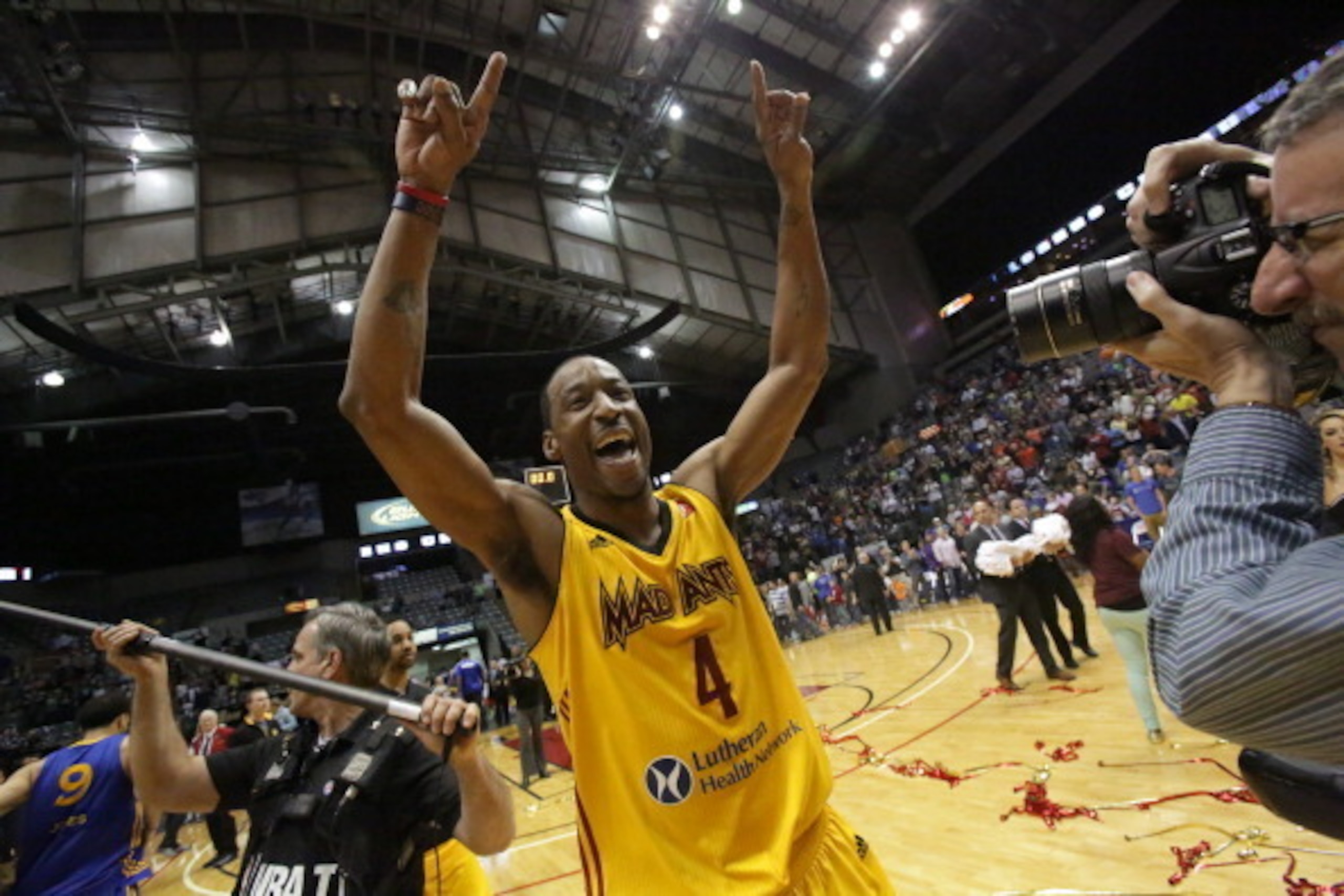
There are roadblocks aplenty to the D-League becoming the NBA's next big thing.
College basketball remains the real minor league system for the NBA, with the added bonus of the league not having to pay for all the marketing, brand building and exposure incoming draftees get while they're playing for the NCAA.
Even if the tide seems to be turning on collegians collecting payment for their services, NCAA basketball is still a far more established and lucrative feeder system. That won't change for a very long time—if ever.
But the foundations of a legitimate minor league are in place, and as more teams figure out how to leverage the advantage of having affiliates, the rest of the NBA will eventually follow suit.


.jpg?w=2560 "2 NFL Officials Suspended")
.jpg?w=2560 "Mahomes' Wife Trolls Kubiak 💀")
.jpg?w=2560 "Love's Body Already 'Tired'")