
The Richard Jefferson Deal Makes the San Antonio Spurs Human Again
For 10 years, the San Antonio Spurs have been breaking all the rules.
Not NBA rules, of course—in all reality they've been fully rule-abiding. But for 10 years, the Spurs' organization has been run unlike any other organization in the league and built a decade of dominance in ways so improbable and impractical they violate all the accepted norms.
It hasn't been through making trades. It hasn't been by picking up big-name players in free agency. In fact, all of San Antonion's big three All-Stars—Tim Duncan, Tony Parker, and Manu Ginóbili—were originally drafted by the Spurs, and none of them have ever played a single game for another team.
The Spurs have won four championships since 1999. This triumvirate has been together for three of them. The impressive part is not how long they've stayed together, but rather the unlikely circumstances of how they came to be playing together—and as a world-class, historically-significant trio.
The story begins in 1997. The Spurs, led by David Robinson, had just finished their third 50+ win season in a row when disaster struck. The Admiral broke his foot six games into the season, missing the rest—and San Antonio finished the season with a 20-62 record, the exact opposite of their 62-20 season two years before.
It was this season that Gregg Popovich took over as the team's head coach. There was controversy around the takeover: Popovich had been the team's GM, and fired the incumbent to name himself head coach. Now, 12 years and four titles later, only Jerry Sloan of the Utah Jazz has coached his current team longer, among active coaches.
The disappointing season led to the Spurs winning the draft lottery, and taking Tim Duncan first in the '97 draft. That season would be the last season, to date, that they won fewer than 50 games—an astounding 12 year span.
(This includes the lockout-shortened '98-'99 season. The Spurs won 37 of their 50 games that season, which put them on pace to win over 60 in a regular-length season.)
The next major piece came in 2001. The Spurs had one of the last picks in the draft due to their 58-24 record the prior year, and with the 28th pick in the first round they took Tony Parker, who had passed on college and played two years professionally in France.
Parker was relatively unknown in the draft, but ultimately turned out to be perhaps the best player taken.
This turned out to be typical for the Spurs. It was chance that allowed them to draft Tim Duncan, and he became one of the best power forwards to ever play the game.
TOP NEWS

Pic of LeBron's Helicopter Commute 🚁
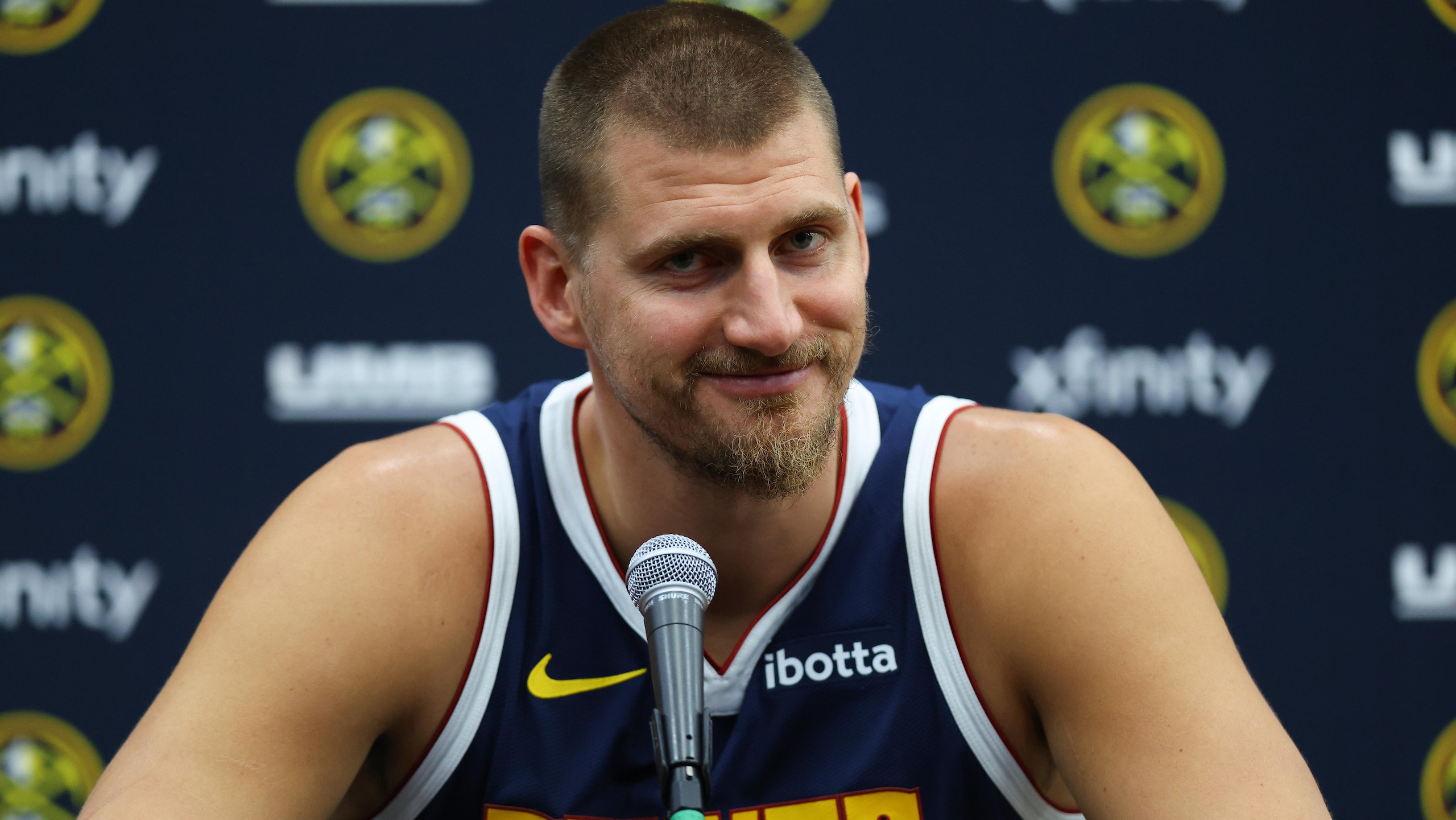
Jokić Pops Out at CU Game 🦬

NBA Power Rankings Entering Preseason 🔢
And when they didn't have a high pick, they still picked a player who became tremendously dynamic—either thanks to his own development or Popovich's coaching. Tony Parker started running the point for the Spurs as a rookie, and became an essential part of three San Antonio championships.
The acquisition of Manu Ginóbili is an even more unlikely story. After playing four years of pro ball in Argentina and Italy, he was one of the very last players taken—literally, he was the 57th pick, near the end of the second (and last) round—in the 1999 draft.
Ginóbili didn't even play in the NBA right away after being drafted, making his selection look like a wasted pick. The Spurs retained Ginóbili's rights while he played three more years in Italy.
When he finally joined the Spurs in 2002, he only started five games during the regular season—but had his coming-out party in the playoffs, burning the Mavericks and the Nets in helping the Spurs to their next title.
And no one can question his contributions since then. Ginóbili's versatility is almost unmatched in the league.
Another star, another All-Star, another unlikely hero had been born. The Spurs had dipped again into their deep pool of fortune that other teams would kill for a sip of, and drew out the perfect foil to Duncan and Parker.
Those three players, under the watchful eye of Popovich, would win rings again in 2005 and 2007.
It's definitely uncommon to see players of that magnitude stay with the same team so long, not being lured away by bigger contracts elsewhere. But it's all the more uncommon to be able to build a dynasty entirely from the draft.
And now times have changed.
The almost robotically-efficient Tim Duncan's knees are starting to go. Ginóbili has been injury-prone, and even the lightning-fast Tony Parker couldn't will the Spurs past the first round of the playoffs this year.
And so the Spurs acquired Richard Jefferson in a trade on June 23rd, and it was the first sign that the Spurs are, in fact, human. It was the first indication that they needed outside help; that they couldn't keep up this odds-defying streak much longer.
Jefferson wasn't home-brewed in San Antonio, or raised in the league by Popovich. He wasn't hatched or created in a lab. He was brought into the fold the same way every other team acquires good players, instead of through the Spurs' supernatural channels to fundamental talent.
And yet Jefferson is probably still a good match. He gives the Spurs a fourth dynamic scorer in the starting lineup, and will start at small forward in place of the aging Michael Finley. With his help, the Spurs will probably mount yet another 50-win season, and be at least competitive in the Western Conference playoffs.
But at least this time they'll be playing by the rules.

.jpg?w=2560 "Rap: Lions, LaPorta End Contract Talks")
.jpg?w=2560 "Report: Baker May Miss Up to 6 Weeks")
.jpg?w=2560 "EVERY Fantasy Football Update")
_0.png?w=2560 "Week 5 Winners & Losers 📊")
