
Protests off the Pitch and Problems on It, but Brazil Survive Tough Opening Day
If the official World Cup opening ceremony took place inside Sao Paulo’s Itaquerao stadium on Friday, then perhaps the real one actually took place a few hours earlier in the streets surrounding the new $481 million stadium.
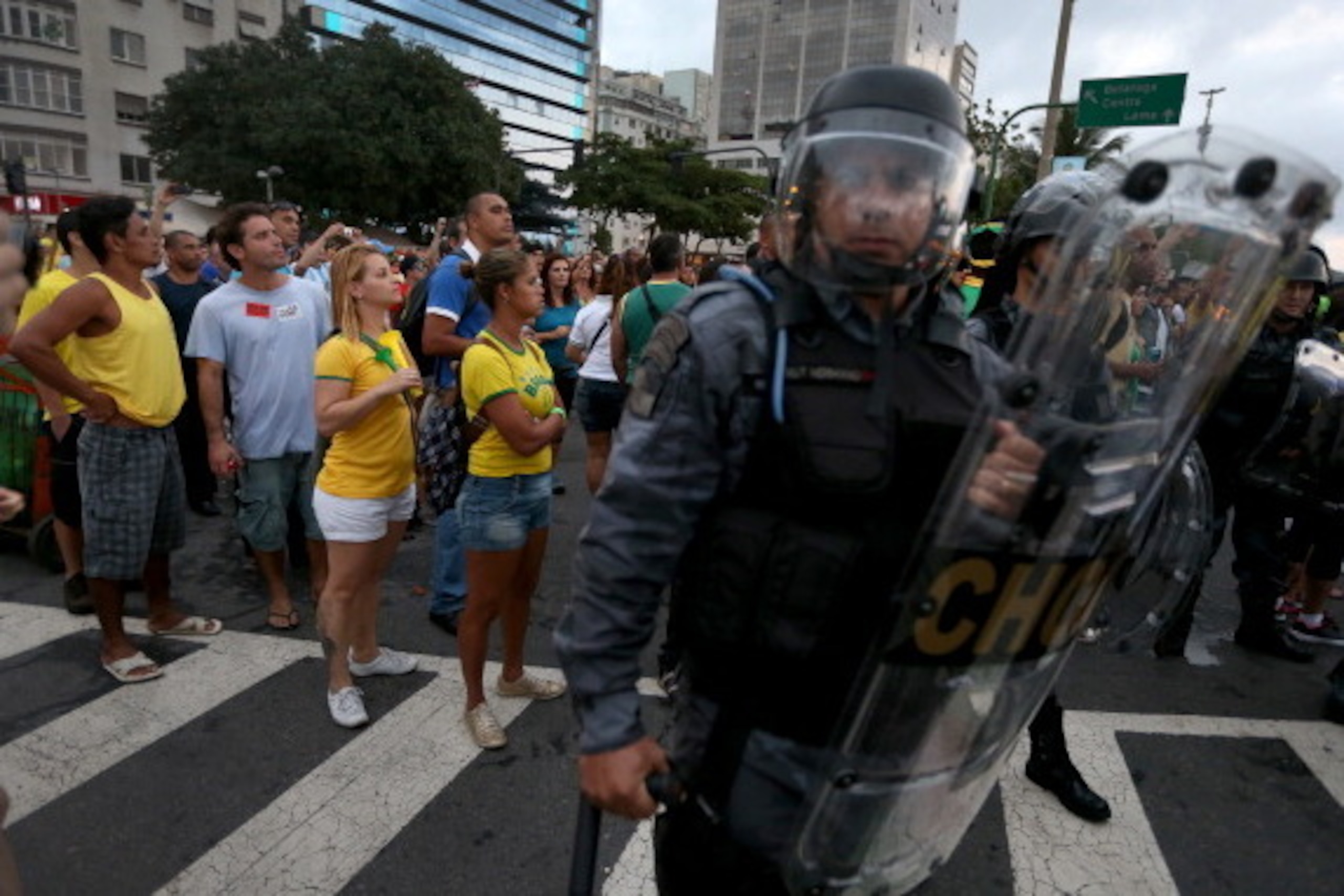
As FIFA executives, Brazilian dignitaries and around 60,000 fans and media began to consider making their way to new Arena Corinthians to watch Pitbull, Jennifer Lopez and a supporting cast of dancers, performers and doves (“doves of peace,” no less) celebrate the start of the 2014 World Cup, thousands of locals took to the streets to loudly protest a tournament they believe to be a gross misappropriation of public money.

Details of the protests were widespread but sketchy: BBC News reported riot police using tear gas in one area of the city and injuries to journalists in another. The Telegraph's Donna Bowater reported Molotov cocktails being thrown by angry dissidents in a couple of isolated incidents.
These were extreme flashpoints—but not necessarily isolated ones: Per Bowater, Over 10,000 people were estimated to have joined one march that had been organised on Facebook. Brazil might be portrayed as unwaveringly passionate about its football and maniacally devoted to its bid to win a sixth World Cup, but evidently many citizens remain distinctly unhappy at the real-life cost that comes with all that.
Even so, there are many thousands more fans delighted to be hosting the tournament, and over 60,000 of them were inside their city’s newest stadium to cheer on the national team in their all-important opening match against Croatia.
It truly was an electrifying atmosphere, one first charged when both crowd and players insisted on singing the full national anthem despite the lack of musical accompaniment. (FIFA rules only permit 90 seconds per anthem.) Julio Cesar, the Brazil goalkeeper, was moved to tears by the moment.
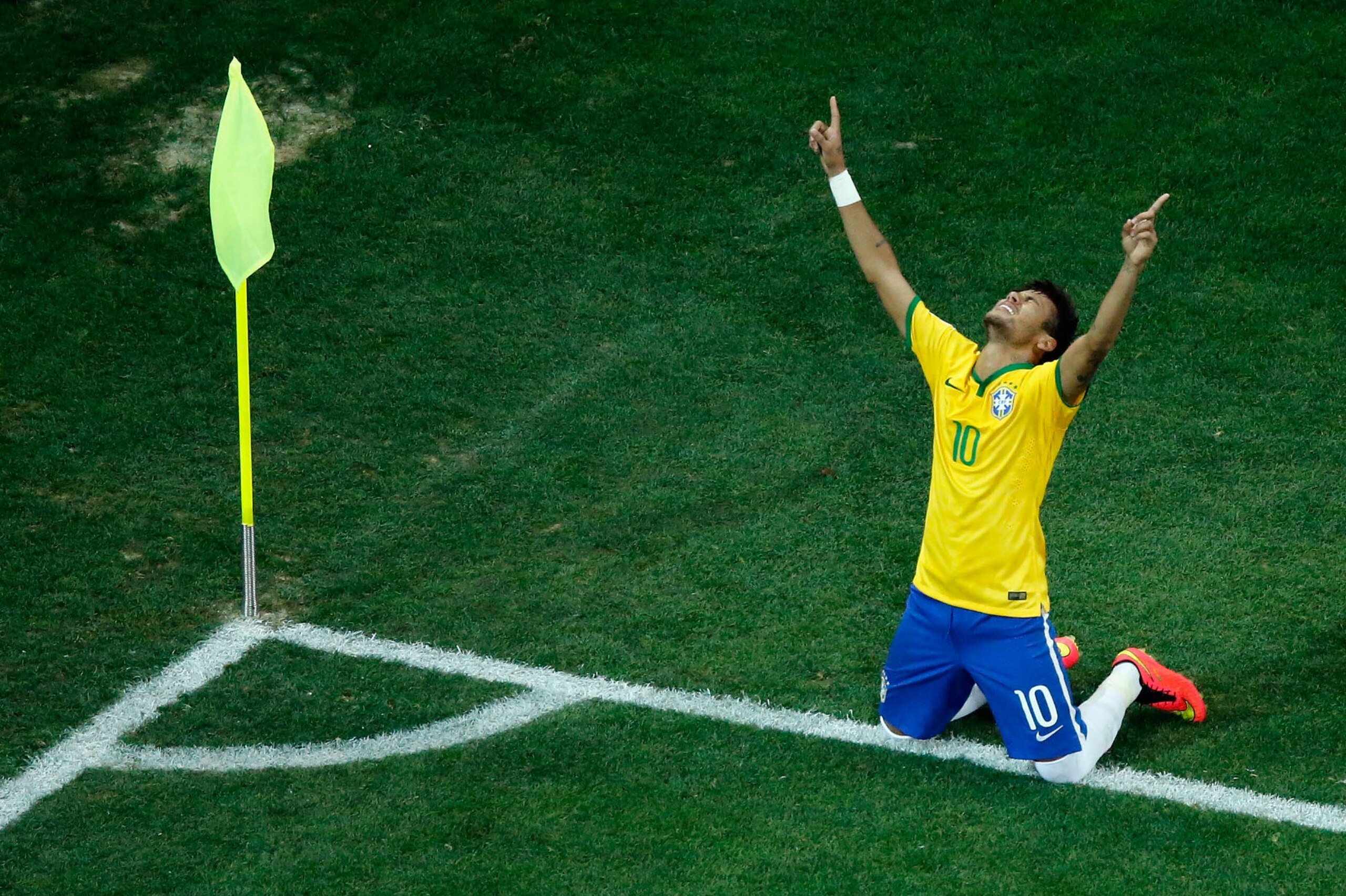
Brazil were roared on from the first whistle, but they went behind after 11 minutes as Marcelo scored his country’s first-ever own goal in a World Cup to give the Europeans the lead. The hosts were struggling but eventually they got back into it: Neymar beating Stipe Pletikosa with a low shot on the half-hour mark.
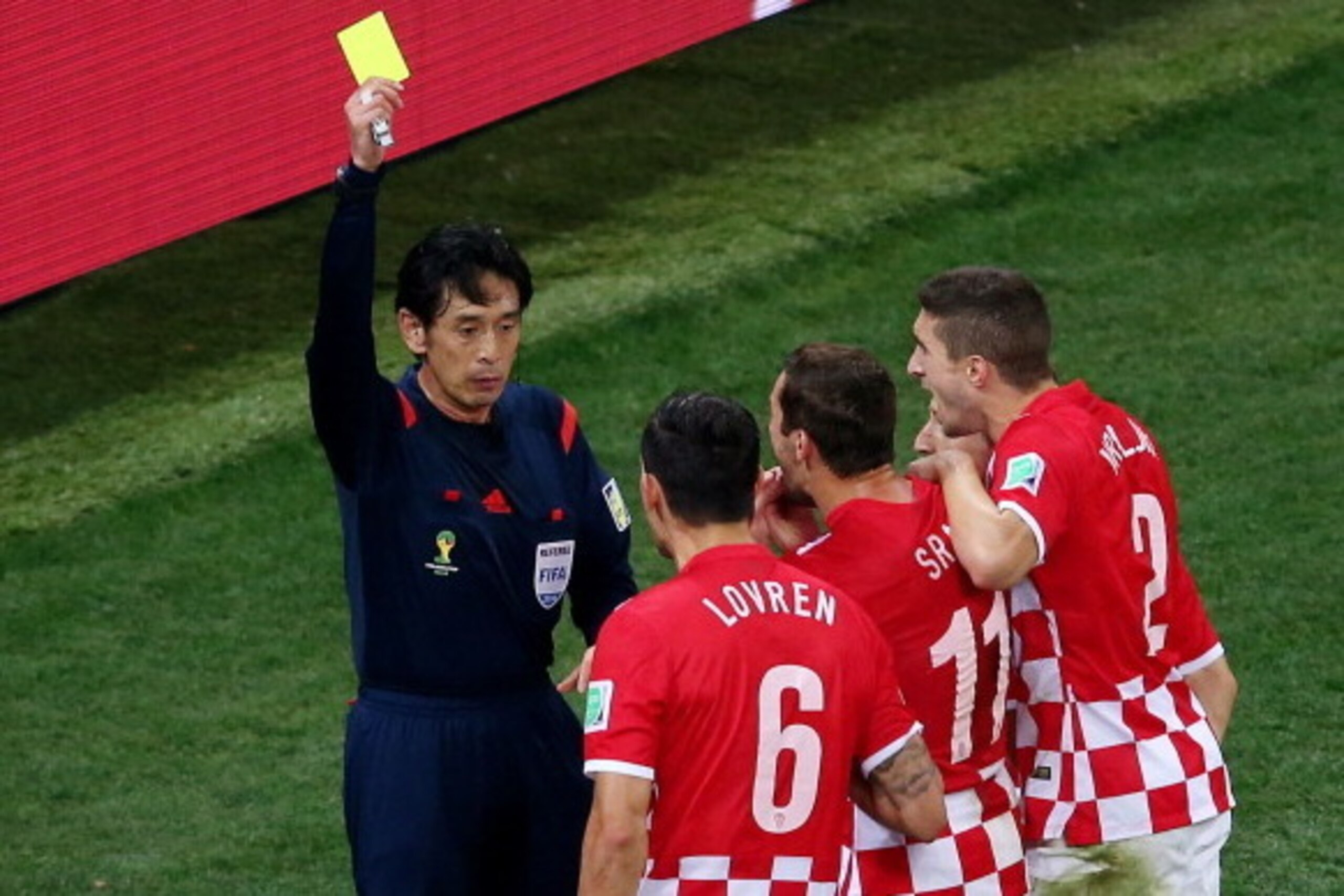
Then in the second half came the game’s turning point. There seemed to be little contact from Dejan Lovren as striker Fred went down theatrically in the box, but referee Yuichi Nishimura, to the surprise of almost everyone watching, was insistent in his award of a penalty.
Neymar (just about) converted, and when Oscar rounded off the scoring on the break in the closing minutes, Brazil had the opening victory they desperately sought.
"It's important to start these tournaments with the right foot, with a victory," Neymar, the hero of the hour, said afterward, via the Associated Press' Tales Azzoni. "I'm happy that I got to score, but the entire team deserves credit. We maintained our calm and showed we could battle back."
Cheering every goal in the executive seats was Dilma Rousseff, Brazil’s beleaguered president. With national elections due at the end of the year, many believe her political future is directly tied to the fortunes of the national team.
The Selecao win the competition, and she has a chance—a chance—at re-election. Lose and her already cratered approval ratings will reach the point of no return. No wonder she was relieved when Neymar steered home the penalty that put Brazil in front.
FIFA president Sepp Blatter, sitting next to Rousseff, seemed less moved by the game’s decisive moment. Blatter rarely strikes as a man who truly understands football, but even he must have realised what was now to come; the reaction there would be to what was clearly a very soft refereeing decision.
Against the backdrop of the protests, it had arguably never been more important that Brazil did not become the second host country ever to lose their opening game.
Defeat—especially to Croatia, a country considered to have little chance of reaching the latter stages of the competition—would perhaps have only driven more fans toward the protesters, to disillusion those torn between their love for the Selecao and their anger at such rampant spending on a luxury that a stuttering economy can no longer afford.
Would FIFA, an entity that can never escape corruption allegations when it comes to its World Cup dealings, really be above in some way influencing referees to err toward the result they would prefer?
Niko Kovac, the Croatia head coach, was certainly not above alluding to that possibility.
"If that's how we start the World Cup, we better give it up now and go home," Kovac told reporters. "If that's a penalty, we don't need to play football anymore. Let's play basketball instead. It's a shame.
"If you continue like this you will have 100 penalties. I think 2.5 billion people watching on TV saw this was not a penalty. This was ridiculous, and if we continue in this way we will have a circus."
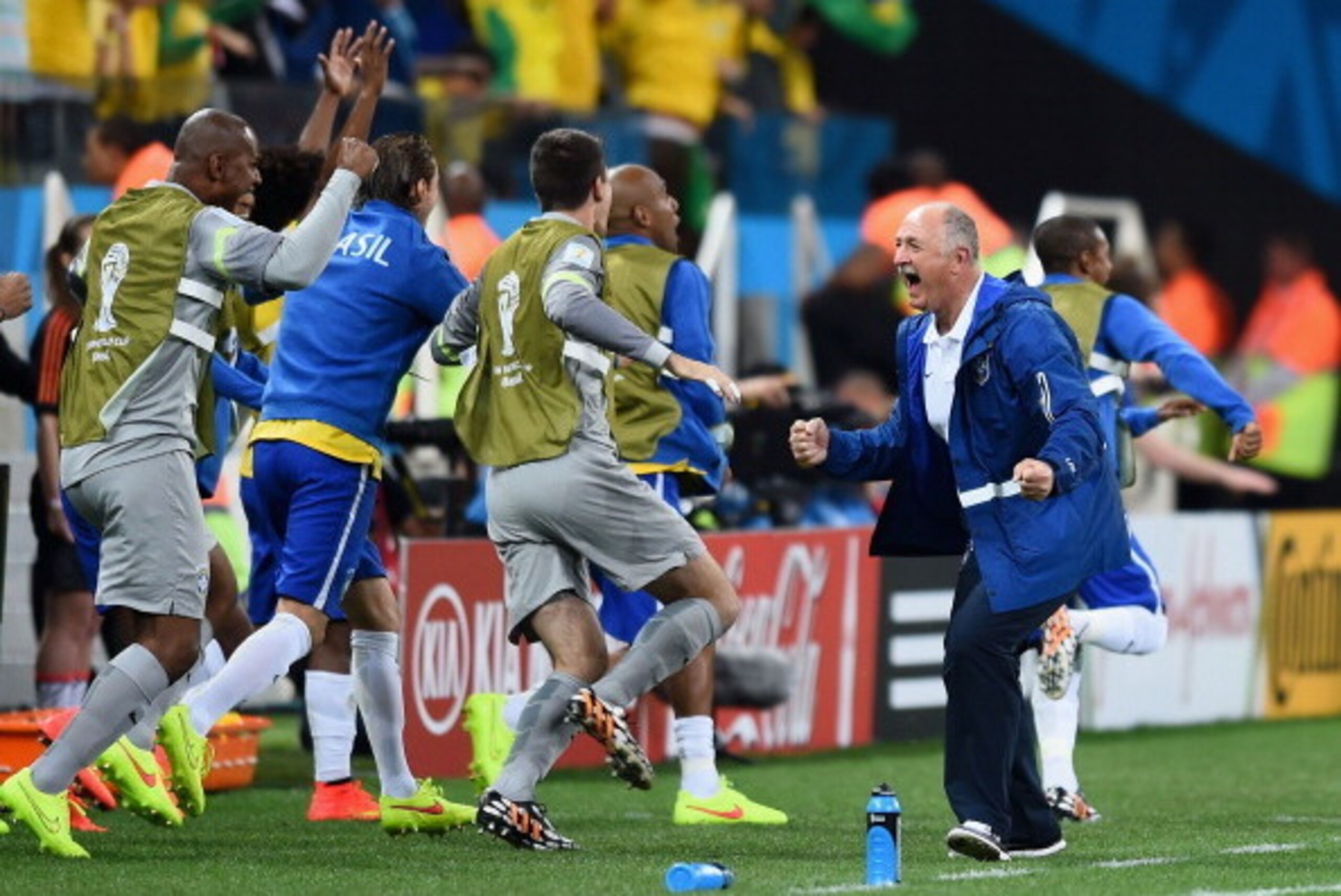
Kovac’s opposite number, Luiz Felipe Scolari, played the role demanded of him, but he was not convincing anyone.
"Thousands didn't see the penalty? The referee saw it and he is the one that decides,” Scolari said, before charitably adding: "If I could bet who will advance in this group, I would bet on Croatia."
In a way, though, FIFA may be relieved that the biggest storyline to emerge from the first day of this World Cup surrounds a referee’s decision. It is a drama almost as old as football itself (at least, once the game’s forefathers realised players were unavailable to officiate games themselves), and one where conspiracy is everywhere but cold, hard evidence is almost impossible to secure.
Most observers may side with Kovac in his assessment, but none will ever be able to offer anything more than that.
FIFA were perhaps braced for so much worse. Aside from the protests, which some executives surely feared would find a way to encroach on the match itself, there would have been concerns over whether the stadium (which was still not finished to original specifications) would come through its inaugural event (there had not been time for tests) without a hitch.
It did, just about. A few floodlights briefly went off during the first half, and the sound was all over the place during the opening ceremony, but overall, Blatter and Co. will have been delighted that the game was played without any off-field distractions.
There will be more challenges in the days ahead. Regarding Manaus, Deadspin's Barry Petchesky reported that the pitch at the city’s brand new stadium has been spray-painted green in order to cover up its true, unfit state. Meanwhile, further public protests are bound to pop up as matches begin taking place at cities across the country.
Indeed, as Oscar scored the fourth goal of the night, a group of protesters in Rio de Janeiro began throwing missiles at the various television studios set up near the Copacabana beach. They will demand to be heard, even if their team is winning.
But the first hurdle has been negotiated, and the host nation are off the mark. Win their next game, and Brazil will almost certainly be through to the knockout rounds. As the prospect of ultimate victory draws nearer, surely more and more fans will be drawn towards the hysteria, and away from the disaffection.
Perhaps, in more ways than one, the first game was a bigger test than many anticipated.
"The score doesn't show how the game was,” defender David Luiz told Globo (via Sky Sports). “Croatia are a good, smart team.
“This is the first step. We have six more steps. We know the other games won't be easy."
Protesters were always likely to target the opening day of the competition, where their actions would gain most traction. FIFA will be ardently hoping that is the case, that their tournament will reflect the Croatia match and, after a rocky start, such public displays of disaffection will diminish as time progresses.
That might be an optimistic assessment, but equally it might be proven correct. Even after one day, this World Cup looks likely to be defined by how Brazil fares—on the pitch and off it.



.jpg?w=2560 "Dak to Stroud: Get Some Wins 💯")

.jpg?w=2560 "5 NFL Players Getting Trade Buzz")