

Brazil in Fine Form for World Cup but Scolari's Team Not Without Weaknesses
Since Luiz Felipe Scolari returned to the Brazil job in November 2012, the upturn in their form has been remarkable.
They have won 14 and drawn four of 20 games played, and they were convincing winners of the Confederations Cup—winning all five games, scoring 14 goals and conceding just three.
As Michael Cox noted in The Guardian, they may not thrill like Brazil teams of the past (the fairly distant past—the stereotype the world still seems to have of the Brazilian game is something that hasn’t really existed since the early 1980s), but they are probably the least flawed of any of the 32 teams who’ll be at the World Cup in the summer.


.jpg?w=2560 "Rams Eagles Football")
That doesn’t mean that they’re unbeatable, though—far from it.

What was notable during the Confederations Cup was how the demonstrations outside the grounds led to a raucous and patriotic atmosphere inside. The pattern was seen repeatedly: passionate singing of the national anthem, a ferocious start and, in three of the five games, goals within the opening 10 minutes.
Even in the other two matches—the final group game against Italy, when both sides knew they were through, and the semi-final against Uruguay—Brazil were ahead by half-time. In fact, in both games there seemed to be a conscious surge in the final minutes of the half.
The Confederations Cup did not show what would happen if the home crowd became nervous or anxious.
What if Brazil had gone behind, as they never did in that tournament? What if they’d failed to score in the first hour or before 75 minutes? Would the crowd have become frustrated? How, then, might the energy of the protests have manifested itself in the stands?
We don’t know. But with memories of 1950 and the defeat to Uruguay in the final game constantly being invoked—with many in Brazil seemingly regarding the narrative of the forthcoming tournament as redemption for the Maracanazo, as that defeat came to be known—it would be no great surprise if anxiety, once raised, quickly multiplied to the extent that it was transmitted to the pitch.
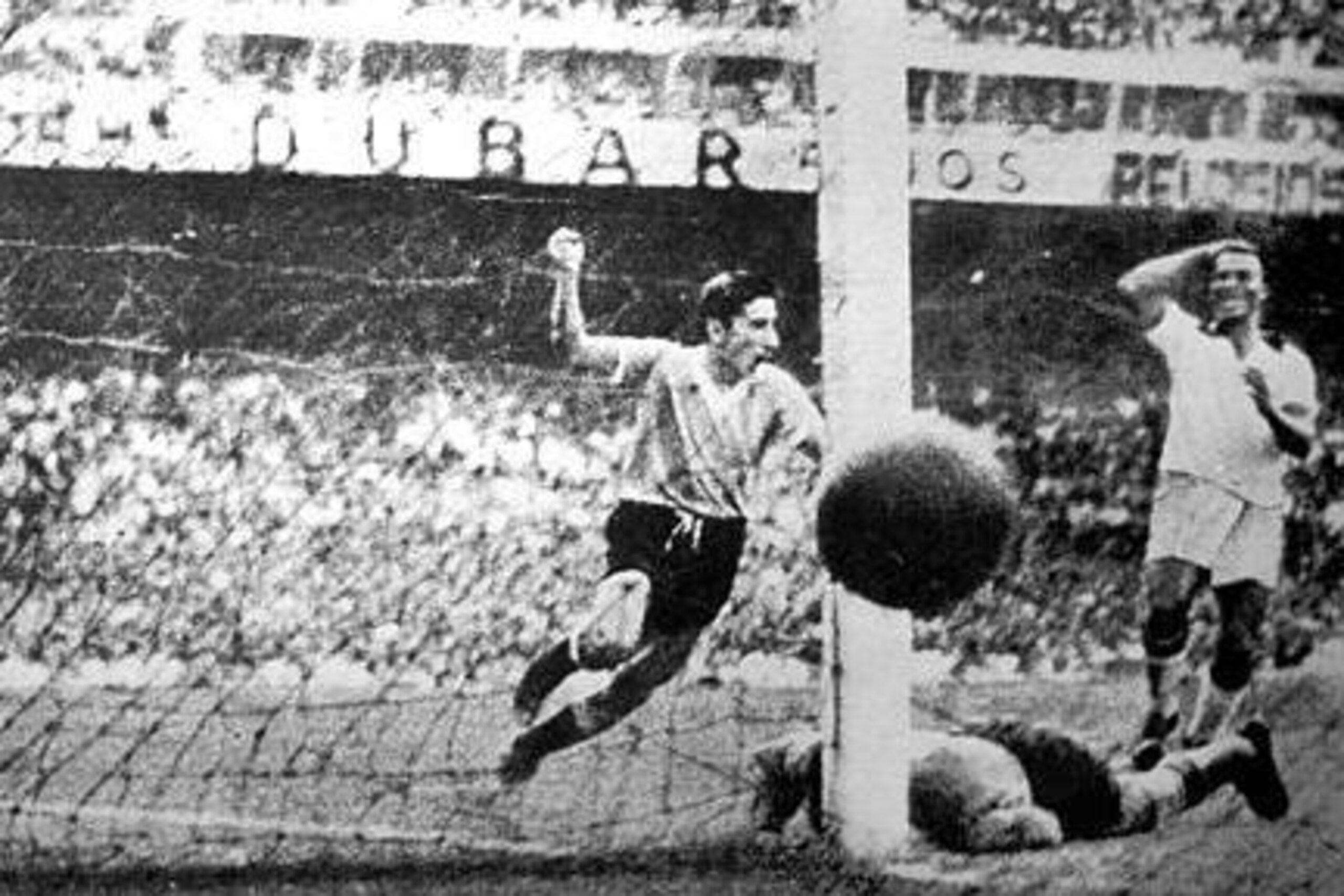
And what the Maracanazo taught was that even if you’re unbeaten in five games, the sixth can trip you at the last.
Any side that can frustrate Brazil could be the beneficiaries of a 64-year-old neurosis. Doing that, of course, is easier said than done.
Both Brazil’s wide men, Neymar and Hulk, naturally cut infield. Usually in such circumstances, a team should stay narrow, with two deep-lying midfielders to support the back four, but Brazil’s full-backs—Marcelo and Dani Aves—are both adept at overlapping.
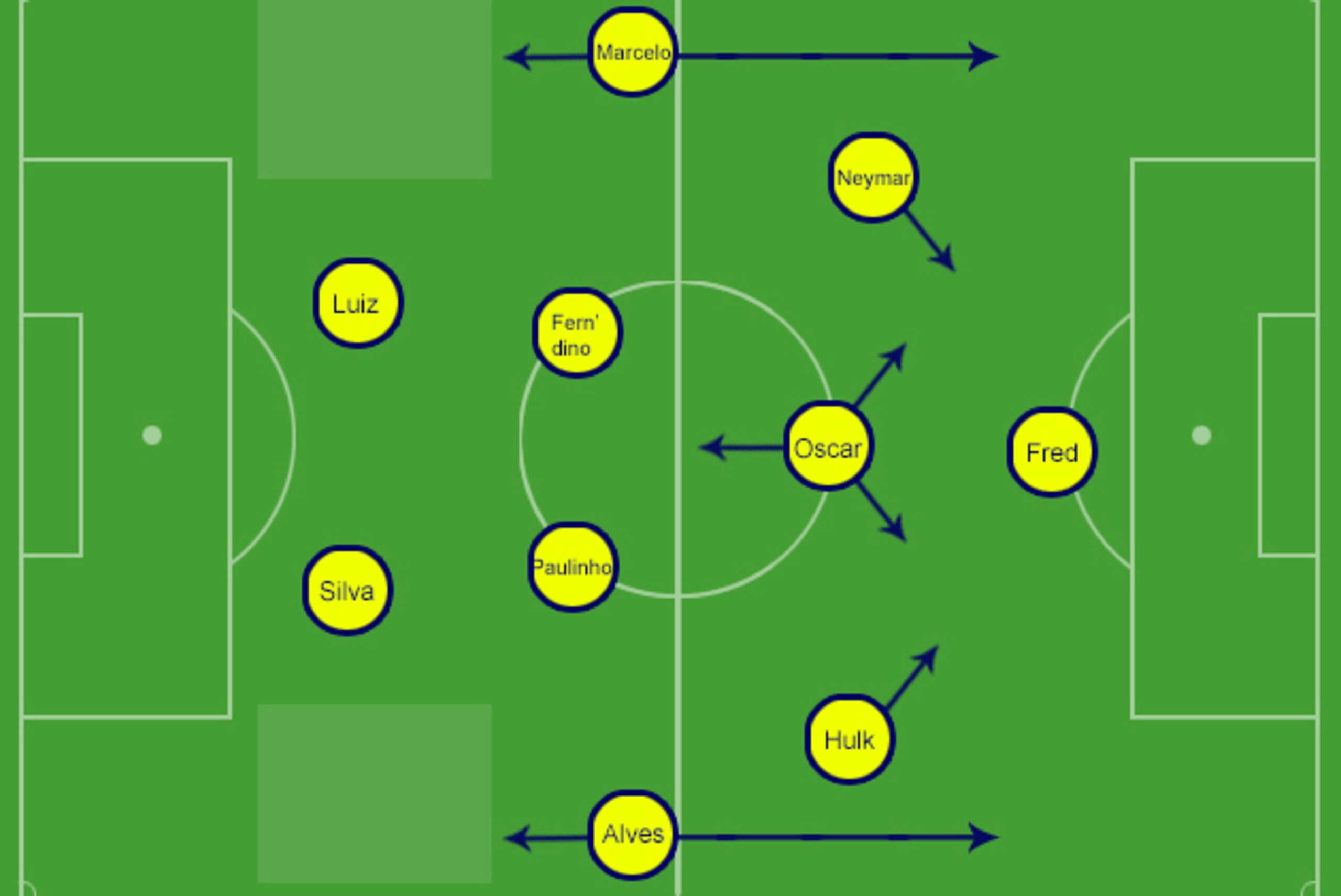
Against certain sides—perhaps most obviously Barcelona—a defending team can abandon the flanks and invite crosses under the assumption its centre-backs will dominate in the air, as, for example, Chelsea did against Atletico Madrid in the first leg of the Champions League semi-final.
The problem is that Fred, Brazil’s centre-forward, is adept in the air, which means opponents can’t afford to drop too deep against him.
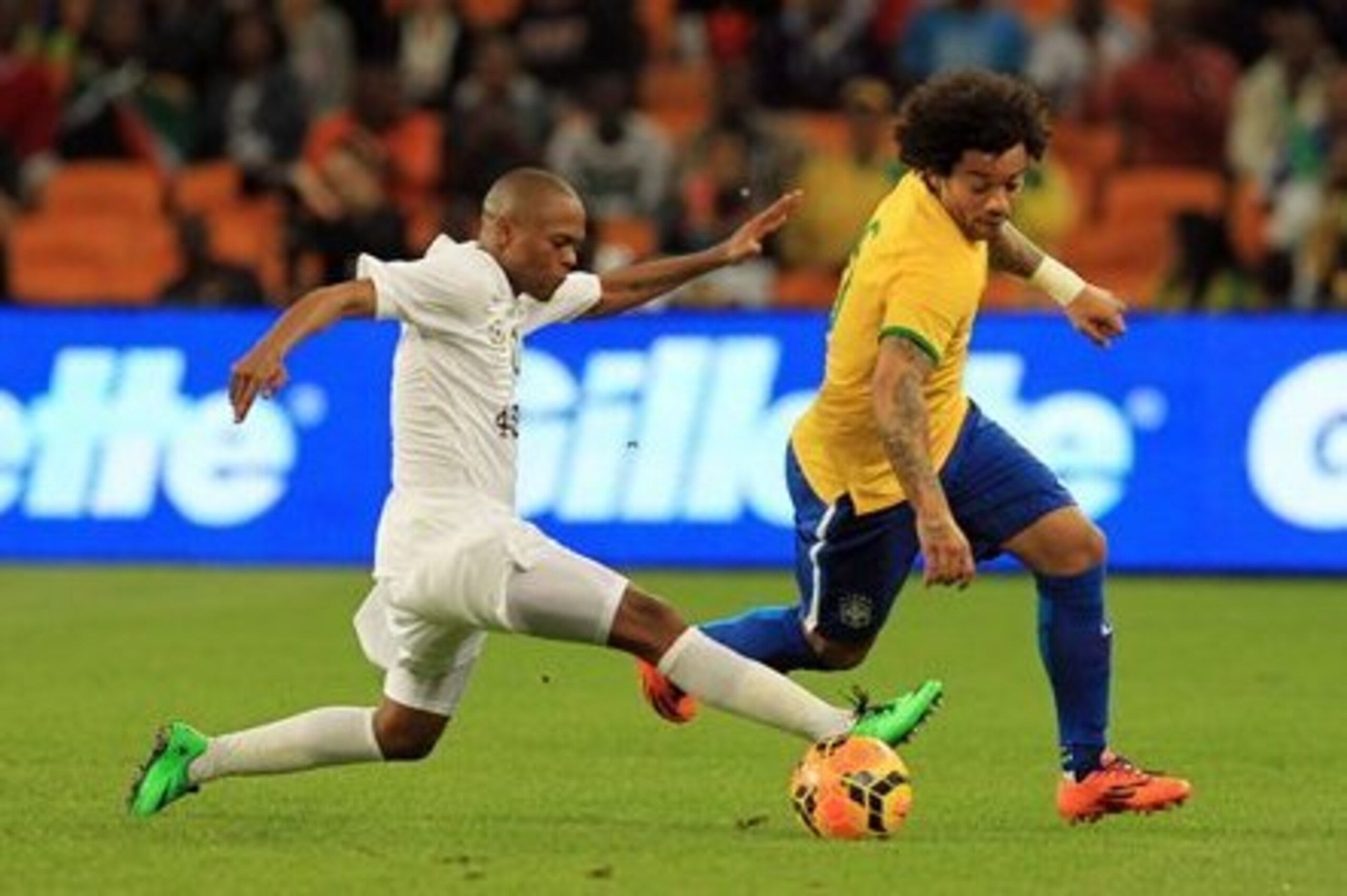
The overlapping full-backs, though, do offer an opportunity. They leave space behind them, often both going forward at the same time, placing great strain on Brazil’s two holding midfielders—probably Paulinho and Fernandinho, or perhaps Luiz Gustavo.
It is no coincidence that Emanuele Giaccherini thrived for Italy against Brazil in the Confederations Cup, constantly pulling into those gaps.
That suggests the model others must follow. Hold Brazil at arm’s length as far as possible, probably by packing men behind the ball, then look to play quickly on the counter, attacking those spaces behind the full-backs.
.jpg?w=2560 "Texans-Mixon Released Football")
.jpg?w=2560 "Commanders Eagles Football")


.jpg?w=2560 "Mahomes' Wife Trolls Kubiak 💀")

.jpg?w=2560 "Grading WWE Raw 🔠")