5 Reasons Why Tottenham Hotspur Need Europa League Football
With the season drawing to a close, it's time to take a look at exactly what European football could do to help Tottenham Hotspur and exactly why they need it.
Before a ball had even been kicked back in August, many had earmarked Spurs as candidates for a top-four finish. And while that assertion may seem wildly off the mark in hindsight, it will remain equally obvious to many that the North London club has dramatically underachieved.
Having gone through a rather turbulent 2013/14 campaign, the White Hart Lane faithful have seen their fair share of ups and downs with managerial changes and a huge influx of new faces to adjust to.
And while there is still plenty for Tottenham to perfect in the offseason, and yet more to change completely, it's still more than feasible to pinpoint precisely what positives Europa League involvement could bring them.
And so it's time for Bleacher Report to do precisely that as we analyse the bright side of involvement in one of the continent's most prestigious tournaments.
Prestige of Involvement Could Attract Summer Deals
1 of 5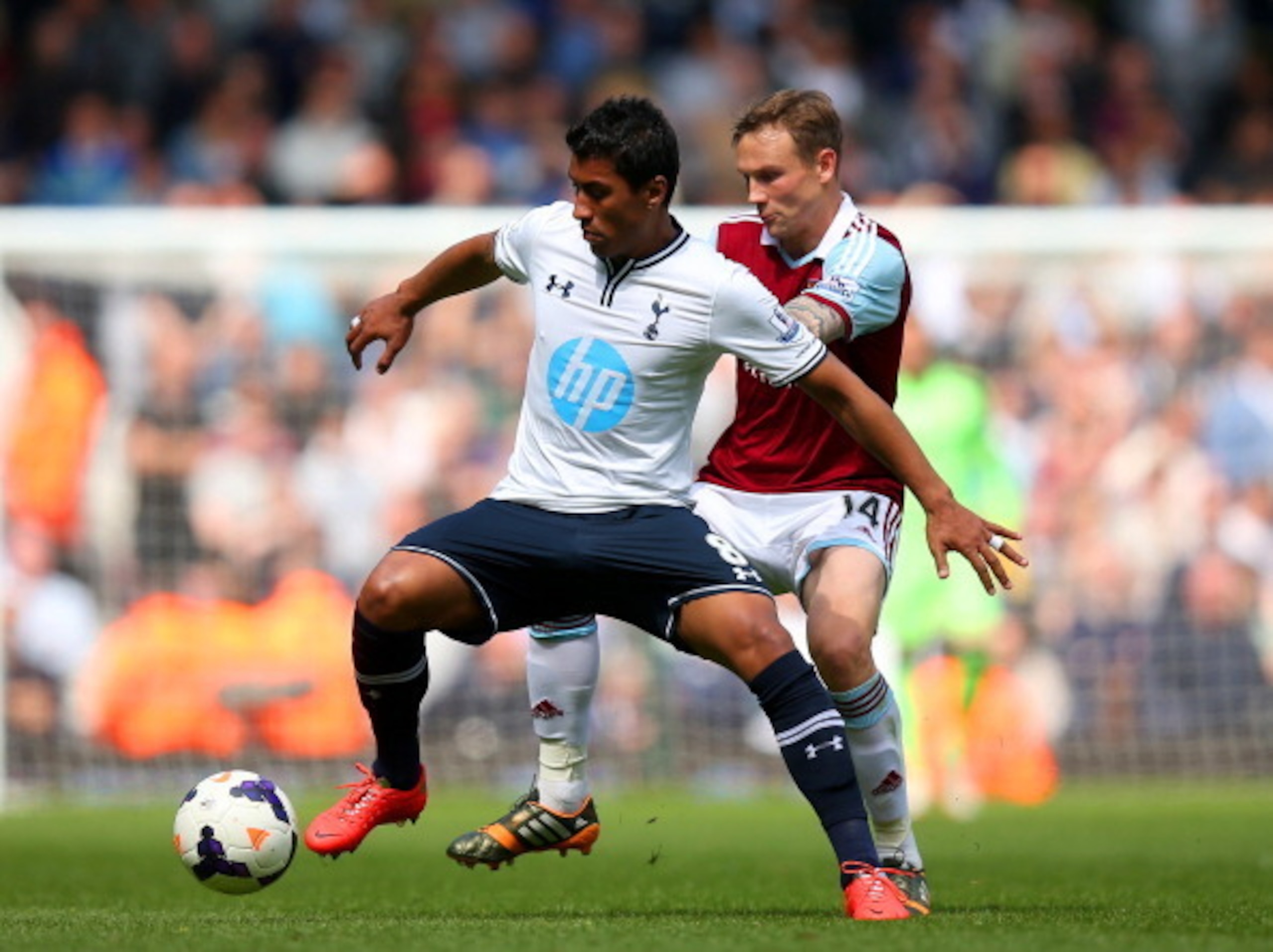
According to Metro.co.uk, Tottenham have only failed to qualify for the Europa League once in the past eight seasons, and that was when they made it in to the most prestigious club competition of them all: the Champions League.
And while that might suggest that the club is stuck in a monotonous cycle of meaningless contests, the truth is vastly different.
After all, it's no secret that European involvement is the staple diet of any team attempting to make themselves a force to be reckoned with.
And although it doesn't possess the same gravitas or class as the Champions League, it is still a very important stepping stone—one that cannot be ridiculed or looked down upon by any club until it's been won by them.
Since the best players in the world crave big matches as often as they can, Spurs' involvement would give them an advantage over other clubs such as Manchester United.
A quick glance at next month's show-piece final between Benfica and Sevilla underlines exactly how alluring it can be; it has the potential for players to cover themselves in glory and to make a name for themselves.
It is a stage that is often undervalued; it tends to lose its appeal before getting a chance to prove itself, but it does produce moments of magic, and it is an entertaining contest, particularly in the later stages.
So, if Tottenham snap up the final qualification place and pledge to take it seriously—as they often have done—they could tempt some big names to their Enfield Training Centre before a new season begins.
With the World Cup just weeks away, there will be plenty of young talents cropping up in stadiums all across Brazil, and before the transfer deadline has arrived, one can be sure the top prospects will have nailed down places in some of the most promising clubs in the world.
Make no mistake, Tottenham will clamour to be one of them.
Spurs Will Continue to Learn from Top-Class Opposition
2 of 5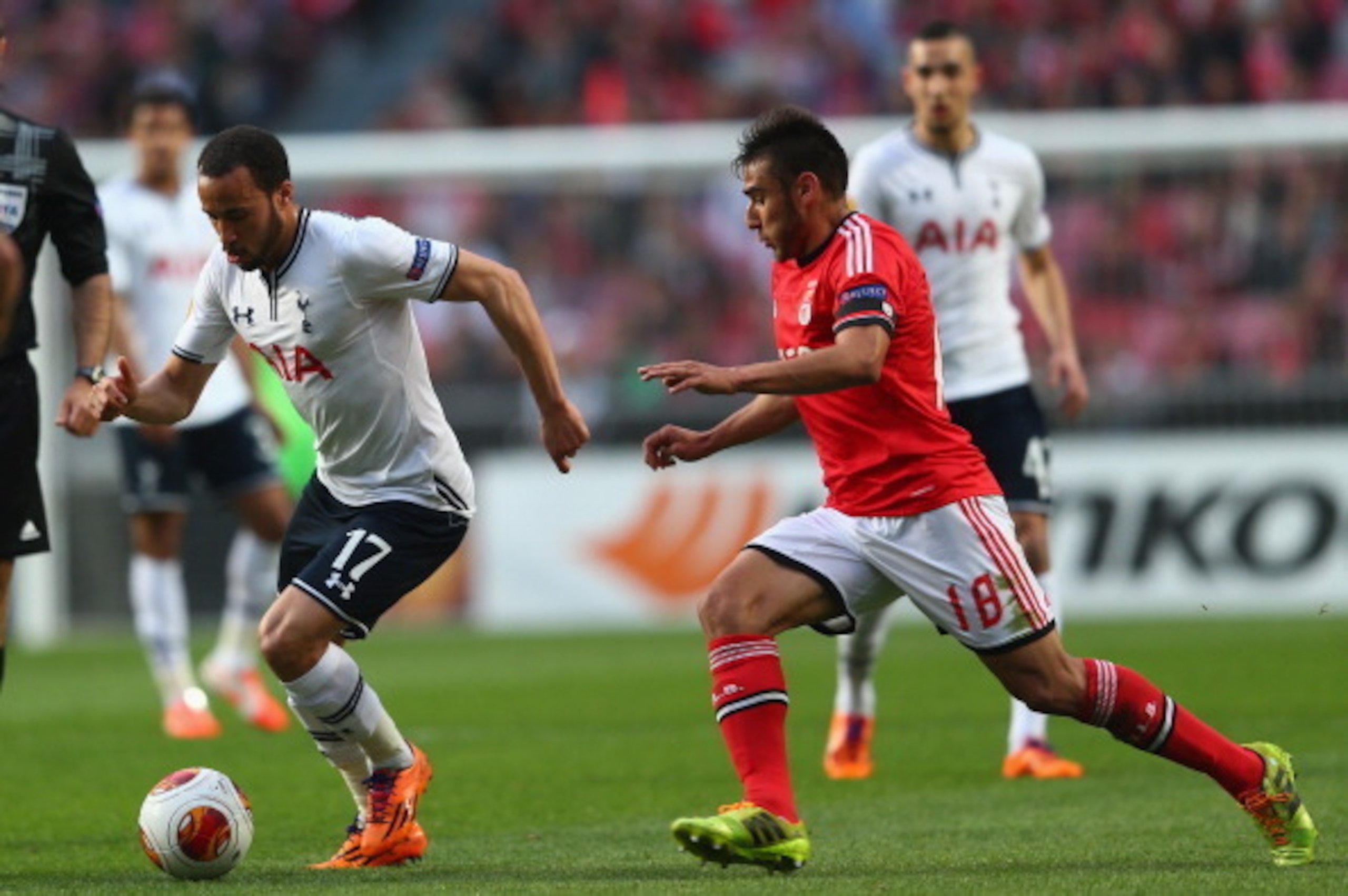
In today's version of the beautiful game, romances are few and far between.
And so it proved when the Lilywhites flirted with Europa League success by reaching the last 16 back in March only to be unceremoniously dumped out of the competition by Benfica.
And while they'll console themselves with the fact they were eliminated by eventual finalists, they are sure to set out on the road to revenge once more next season.
Regular football against some of the best teams around is the one sure-fire way to make steady progress as a group.
One need look no further afield than their North London rivals to validate this argument.
Arsenal have qualified for the Champions League for 17 consecutive seasons, so it's clear that consistent action against quality opposition is the only way to keep one's approach fresh and to see continued improvement.
Of course, some will point out an absence of a correlation between Spurs' continued involvement in the competition and enough major silverware.
But this would be a huge oversight to engage in.
The current Tottenham squad is vastly different to that inherited by Andre Villa-Boas when he arrived back in 2012 to further its development.
Tottenham haven't been blessed with the same face in the dugout, season after season, like Arsenal.
Of course, it will take time for them to once again steady the ship and start sailing for their set destinations.
And while the managerial debate continues to rage on, it will come to an end before the summer concludes, and they will soon have the blueprints to once again become a force.
And the Europa League will play a huge part in this.
Increases Chance of Ending Silverware Drought
3 of 5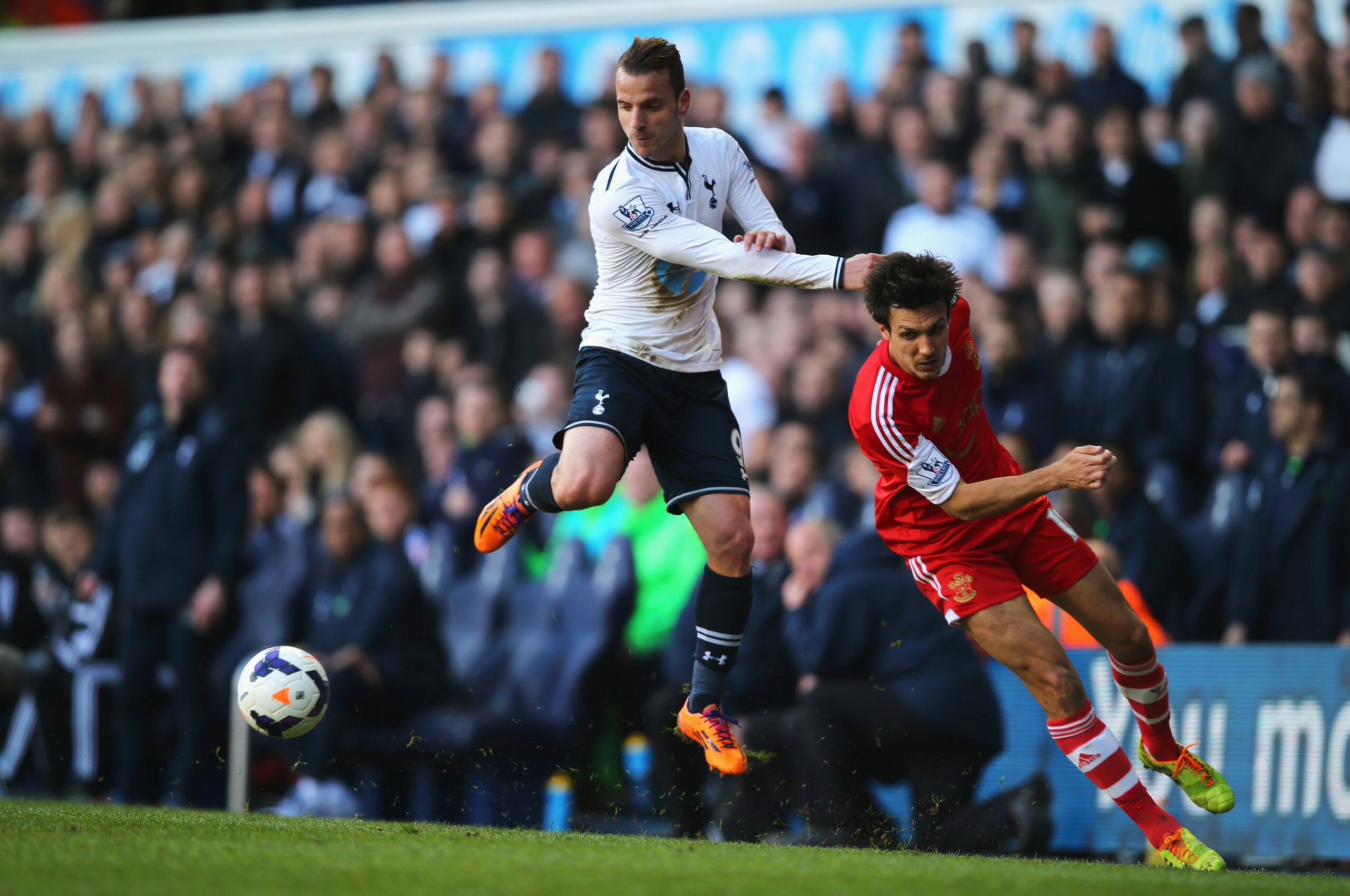
Winning the Premier League any time soon is still an unlikely dream for Spurs' fans.
But going on an extended cup run and riding their luck a few times—as all good champions so often do—is something that is certainly within their capabilities.
Interestingly, the main difference between the Europa League and the Premier League is the lack of passion eminent.
Teams fight tooth and nail for survival and glory in the domestic game. These European affairs, partially due to the minuscule amounts of revenue involved when compared with the Champions League, are usually treated as merely an added bonus—a chance, for most, to play against a different variety of opposition and to grow a little.
It doesn't possess the same do-or-die matchday atmosphere; it is of secondary importance.
And this could play into the hands of a team like Tottenham.
Should Tottenham choose to pursue it with vigour and take the right mentality with them into the big games, this is something they could realistically win, especially if they strengthen their squad over the summer months.
In essence, if you look at it as a handicap, that is precisely what it will become, as Alan Pardew found out back in the 2011/12 season.
As reported by The Guardian's Louise Taylor, Pardew's comments suggest as much:
"I don't think that playing in the Premier League on the Sunday after the Thursday night in Europe you can get to the required level. I've been saying that ever since Stoke warned me about it when we went in it.
"
By putting themselves in the running, they automatically increase their chances of bringing home a trophy.
After all, if you're not in, you can't win.


It Bestows Game-Time on Fringe Players
4 of 5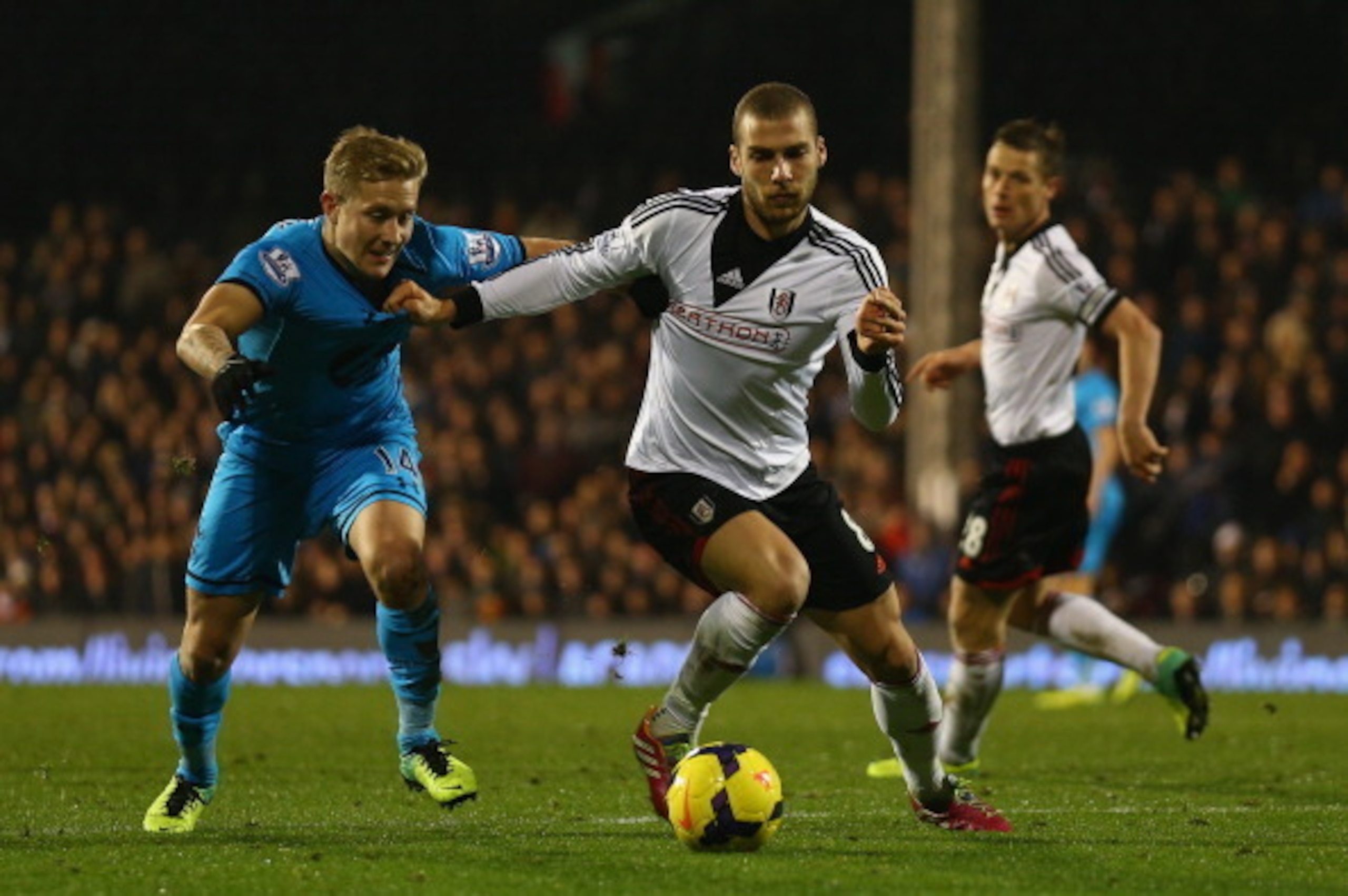
As with all well-supported clubs, the yearning for players on the edge of first-team plans to get regular game-time is something that is always much sought after.
And European involvement, particularly in the earlier stages against so-called "weaker" opponents, provides a great platform for younger and under-used players to take to the stage and strut their stuff.
Looking back at Lewis Holtby's performances in the initial group stage underlines just how much of a boost players can receive when they're given the freedom to prove themselves.
In particular, the 23-year-old, who's currently on loan at Fulham, showed a wondrous bit of trickery against Anzhi Makhachkala to net a fabulous goal in Tottenham's 4-1 win back in December of 2013. And he looked like he was on the road to blossom into Christian Eriksen's goal-scoring, assist-producing understudy until he was shipped off to Craven Cottage for the remainder of the season.
Players such as Holtby and even young English protege Harry Kane would benefit from regular starting berths in the initial phase as they'd be fit and alert enough, when combined with cup action, to step up to fill the void left by players absent through injury, etc.
Thus, not only does it give them a morale boost, but it also has a significantly practical use for the good of the team as a whole.
Spurs Need to Learn to Walk Before They Can Run
5 of 5
It is not the trophy Tottenham covet the most, but it is the one they need.
Some have done their best to de-rail the common consensus of the Champions League as a huge earner. The Guardian's David Conn has even gone so far to say:
"The Champions League, in summary, is not quite the huge earner it is often depicted to be compared to the lucre in the Premier League, but it does entrench the advantage of the already successful.
"
This suggests that for those who are not already successful, like Tottenham, the Europa League would provide a more suitable intermediate option.
Nonetheless, being involved in a competition as lambasted and put-down as the Europa League often makes many wonder just how beneficial it can be.
But when a club is intent on making the change from pretenders to trophy-cabinet hoarders, it's vital it places itself under the necessary pressures.
Acting like a big club and filling its schedule like a true, driven side is a big step to making the change to a successful one.
In short, to be the best, Tottenham must condition themselves as such.
Granted, some will point to Liverpool's lack of involvement in any European fixture as a massive advantage to their title charge. They've played less matches, and Brendan Rodgers has been afforded more opportunities to rest players and plan for league ties.
As reported by ESPN FC's Kevin Palmer, Tim Sherwood intimated as much himself:
"I’m not against the Europa League. It’s just the stats that are there say everything. The extra games mean I think we’ve ended up playing 12 more games than Liverpool have this season, and they’re challenging for the title because they didn’t have the Europa League.
"
And while this is partly true—Serie A's Juventus did their best to dispel that myth with a superlative season—it doesn't always work out as preferred; it's a massive gamble, as Liverpool are in the process of discovering.
Who knows? Next season might be Spurs' turn to defy the odds.
.jpg?w=2560 "Rams Raiders Football")

.jpg?w=2560 "Rodgers Iced Out on Plane 💎")

.jpg?w=2560 "Packers Safety Slams Refs 🤬")

.jpg?w=2560 "🚨 Week 8 AP Top 25 Poll")