What College Football Coaches Are Saying About Possible Early Signing Period
News of a potential major alteration to the college football recruiting structure has caught the attention of coaches across the country. The leaders of various high-profile programs are steadily reacting to a report by ESPN writer Mitch Sherman that highlights a possible early signing period and includes candid comments from NCAA associate director of operations Susan Peal.
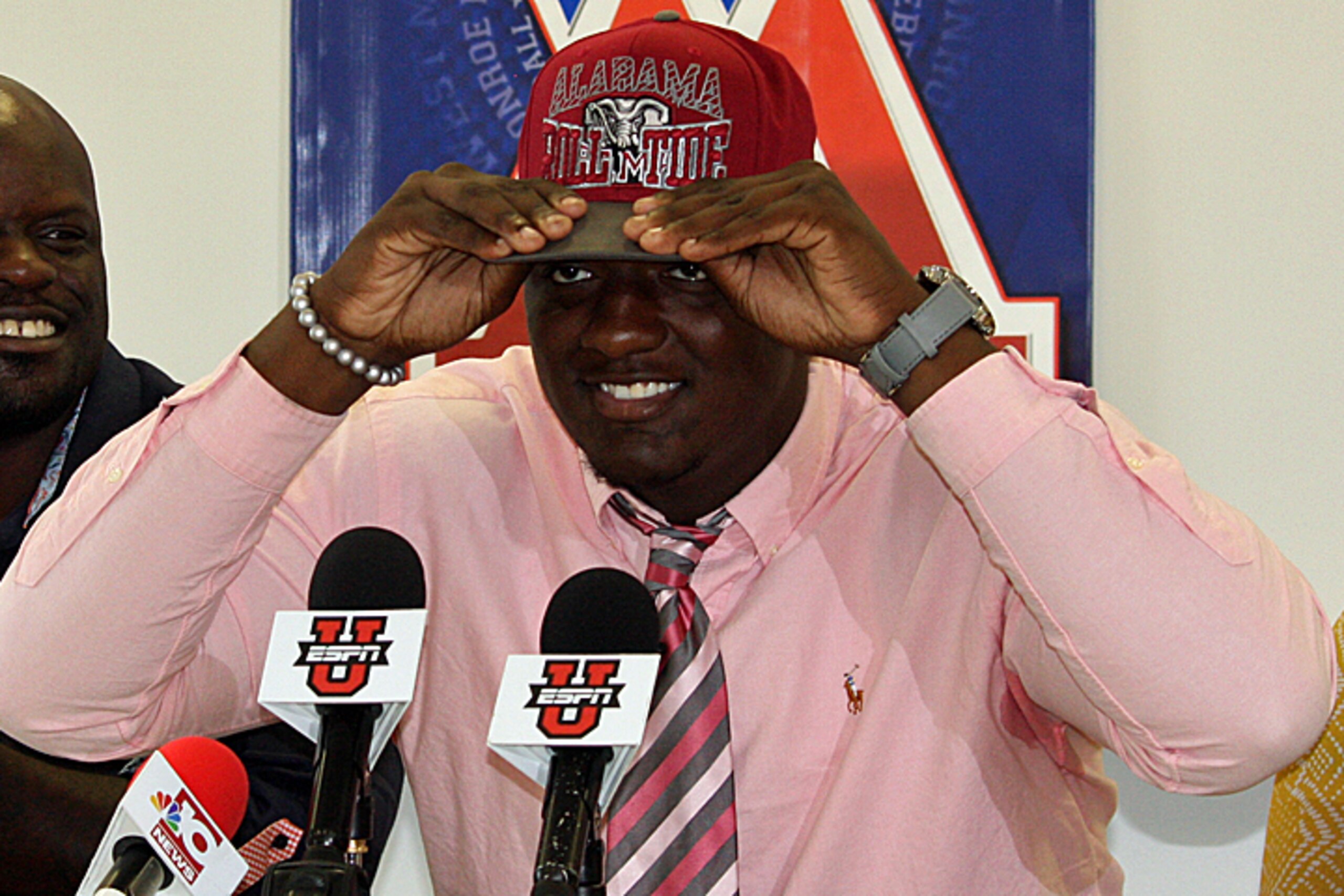
Unlike most other college athletics, college football currently features just one signing period. The floodgates open on the first Wednesday of February, when high school seniors are free to send in a signed national letter of intent to the university of their choice.

Several collegiate sports, including basketball, have a brief window in November known as an early signing period. It allows athletes and teams to eliminate concerns about commitment moving forward by finalizing the pact.
This June, the Conference Commissioners Association will approach the subject of instituting a similar period in football. Peal expressed confidence in the timing of this decision.
"I think everyone wants an early signing period," she told ESPN. "I think there's more momentum now than ever just because of the changes that are happening with recruiting regulations. The landscape is changing, so it's time to look at it again."
Everyone is irrefutably an overstatement.
Several coaches have already come forward to vehemently oppose the idea, including Stanford's David Shaw.
"I think it's terrible," he told ESPN reporter Kyle Bonagura. "The reason (for an early signing period), in my opinion, is coaches don't like when kids commit and switch late."
Shaw also expressed concern about how an early signing period would impact programs that are held to higher academic standards.
"They say, 'You don't know if you're getting into Stanford so you got to sign with us,' " Shaw said. "I don't think these kids should be pressured into decisions, and that's what this is all about."
Georgia coach Mark Richt has reservations about the potential impact of an early signing period. He remains wary of the recruitment cycle taking larger precedence during the season.
“I’d be afraid to change it,” Richt told Atlanta Journal-Constitution reporter Michael Carvell. “I don’t want to turn the regular season into such a recruiting frenzy that you can’t even coach your team on a weekly basis. I enjoy coaching football, too.”
SEC contemporary Mark Stoops is already on record as an opponent to a possible change. He made that clear during a discussion with ESPN in January.
"I know the (Southeastern Conference) coaches are not in favor of changing the recruiting calendar," Stoops said at the time. "If things start moving up, it changes the way we've been doing things for a long time."
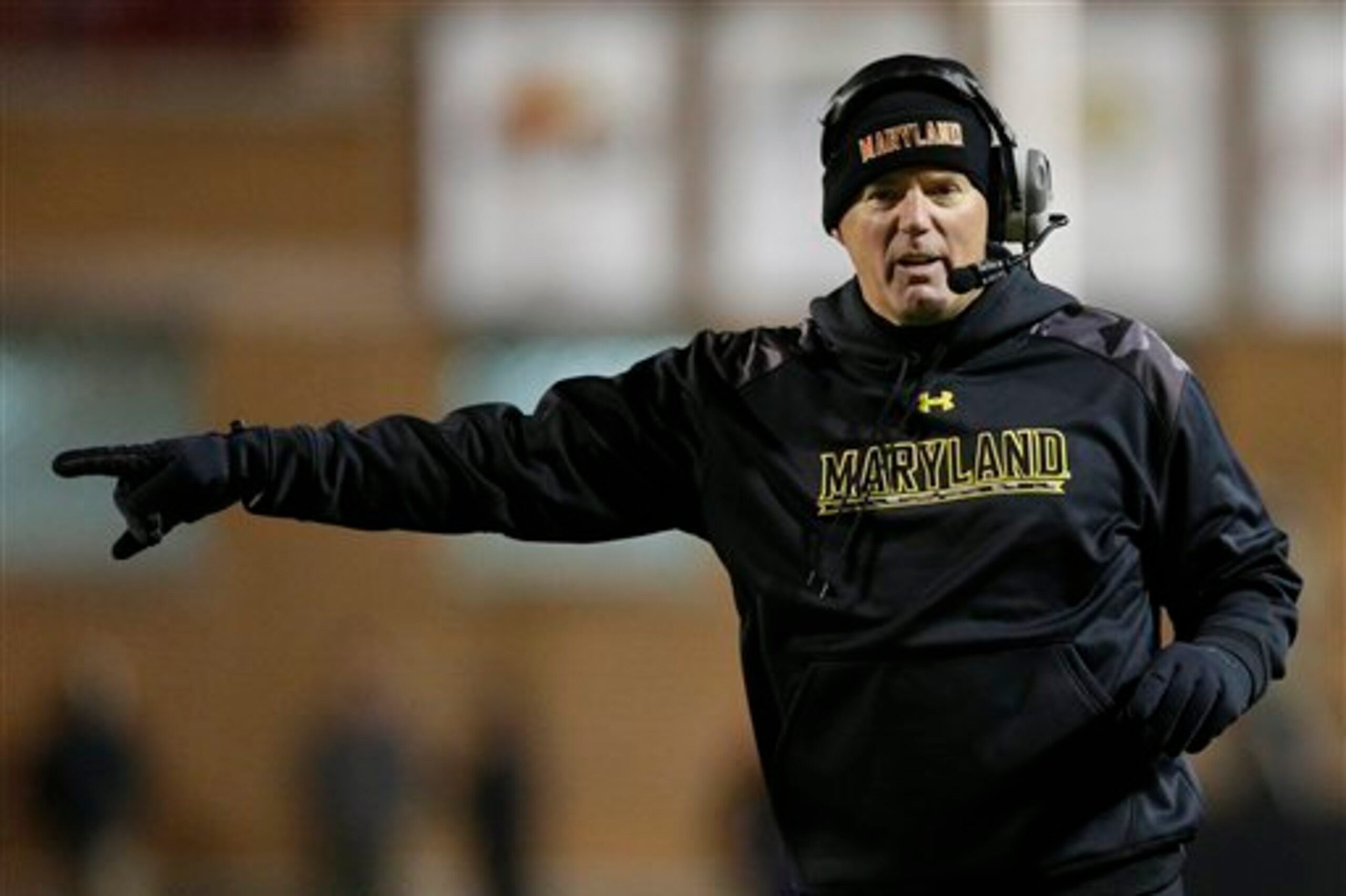
Maryland coach Randy Edsall sees things differently. He told Washington Post reporter Alex Prewitt an early signing period may be a necessity.
“If we continue to go the way we’re going right now with the recruiting process, there definitely has to be an early signing period,” he said Monday. “Definitely. If they continue to go the way they’re going right now with recruiting, there needs to be an early signing period.”
Edsall does sees danger in adding to the recruiting frenzy, especially with new NCAA eligibility requirements set to take effect starting with the class of 2016. An earlier signing period would force coaches to consider extending a higher volume of early offers, despite the lack of clear academic status for high school underclassmen.
“I don’t want to be bringing kids in for visits the summer of their junior year because you don’t have all the academic information,” he said. “With what’s happening in 2016, I think we need to slow the process down rather than speed it up.”
Georgia Tech coach Paul Johnson wonders why recruits should have to wait until months after their senior seasons to finalize collegiate intentions. He voiced support for an early signing period while speaking with The Atlanta Journal-Constitution.
"If you’ve got a kid who grew up wanting to go to Georgia Tech, Georgia, Alabama or wherever, and they’ve known that their whole life, why not let them sign in November or December? Why do they have to wait until February?"
Johnson also implied that an early signing period would rein in some of the recruiting madness that annually occurs during the final stretch of a cycle.
“It’s nuts right now," he said. "When they sign, the schools know exactly how many scholarships that they have left. They know exactly the numbers. It wouldn’t be as chaotic, and it would be a whole lot less expensive than trying to baby-sit them for three months.”
Mississippi State coach Dan Mullen echoed those sentiments, asserting that many recruits would rather sign on an earlier date.
"If we had an early signing day (at Mississippi State this past year), I couldn’t give you an exact number, but I would guess at least 50 percent of our class would’ve signed on that day," he told Yahoo! Sports reporter Sam Cooper.
Miami coach Al Golden is in favor of an early signing period. In fact, he'd prefer various opportunities for prospects to sign with programs, which he explained to Yahoo! Sports.
"I feel strongly about an early signing period. I think we should have three signing days. The first signing day would be prior to Labor Day as you’re going into your senior year of high school. I would say close to 50 percent of the pool is done (with kids committed to colleges) by then. So we should go ahead and have an early signing day, and (the colleges will) know who is left in the pool (of available prospects). It would be very cost effective for all the institutions and all the athletic departments.
"
If an early signing period is adopted, Notre Dame coach Brian Kelly already has a time frame in mind.
"I think if a guy has made their decision, and they are firm about it, and they are mature about it, I think they should be allowed to sign early in December," he told Yahoo! Sports. "Those guys that are committed and ready to make that decision, you get them out of the way."
Rutgers coach Kyle Flood spoke during his 2014 signing day press conference about the issues that arise while waiting for signatures.
“When players commit and then they decide to look at other places, I think what happens is it forces the schools to look at other places,” Flood said.
The argument of whether or not to institute an early signing period is clearly a hot-button issue. FBS coaches have swiftly reacted, providing viewpoints from each end of the spectrum.
When the Conference Commissioners Association convenes this summer, there will be plenty on their plate. Whatever they ultimately decide, expect an outpour of both support and angst from the men ultimately tasked with unyielding recruiting duties.


.jpg?w=2560 "Grading WWE Raw 🔠")
.png?w=2560 "Allen's BRUTAL 1H Stats 🫤")

.jpg?w=2560 "Monday Night Raw Blog 🔴")