
Ranking the World's 20 Most Historic Football Stadiums
While, quite naturally, the players, the managers and the teams in our beloved sport tend to generate the majority of the headlines and steal the vast proportion of the attention, the backdrops and the venues for the game we adore also deserve their day in the sun.
Over the years, the high-drama action and unforgettable moments of football have been played out in some of the most incredible buildings and most breathtaking structures in the world. Some have been renovated and brought forth into the modern era, others have been demolished and resigned to fading memories.
The top 20 most historic stadia in world football are celebrated in this list.
20. The Rose Bowl
1 of 20
Stadium: The Rose Bowl
Capacity: 91,000-94,000
Opened: 1922
OK, OK, so the Rose Bowl is better known as a venue for American Football rather than “soccer”—it has hosted five Super Bowls—but as the venue for one of only two World Cups to be decided on a penalty shoot-out, it earns a spot in this list.
That, of course, was the sweltering slog between Brazil and Italy in 1994 when the "Divine Ponytail," Roberto Baggio, lost his nerve in the heat and blazed the ball over the crossbar.
Before that match it had also hosted fixtures in the group stage, the second-round thriller between Romania and Argentina, a semi-final between Brazil and Sweden and the third-place play-off, when the Swedes trounced Bulgaria.
It was also the home of LA Galaxy from 1996 to 2002.
19. The Luzhniki Stadium
2 of 20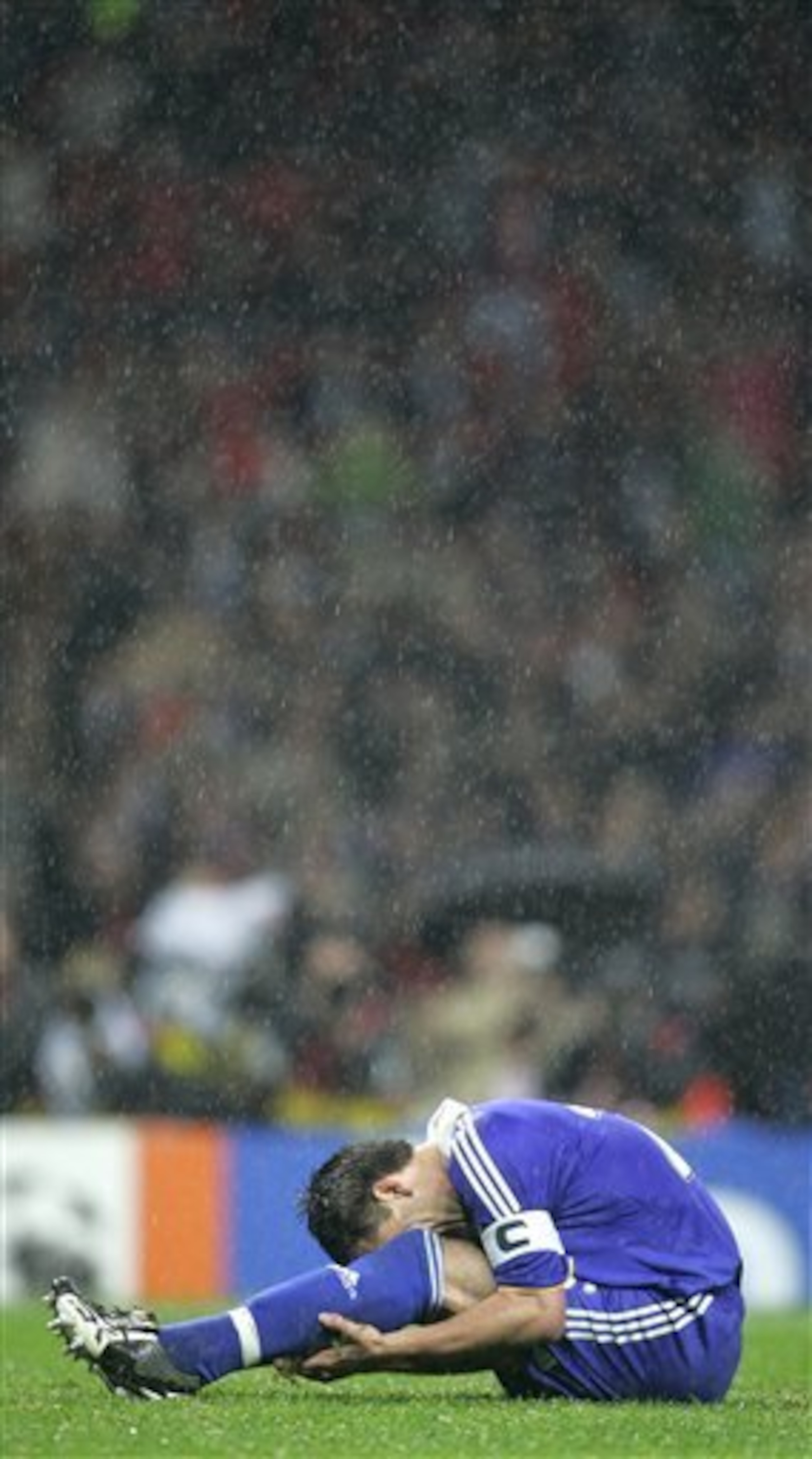
Stadium: The Luzhniki Stadium
Capacity: 78,360
Opened: 1956
Club: Russia
In the minds of many an Englishman, the Luzhniki Stadium was the venue for one of the great justices of the modern age.
John Terry’s cruel slip in the 2008 Champions League final shoot-out against Manchester United may have been unfortunate for player and club, but the image of a hopeless sprawl on a slippy turf has prompted a fair few smirks in the intervening years.
The 1980 Olympic final, between Czechoslovakia and East Germany, also took place in Moscow, while today, the arena is the home of the Russian national side.
18. Morumbi Stadium
3 of 20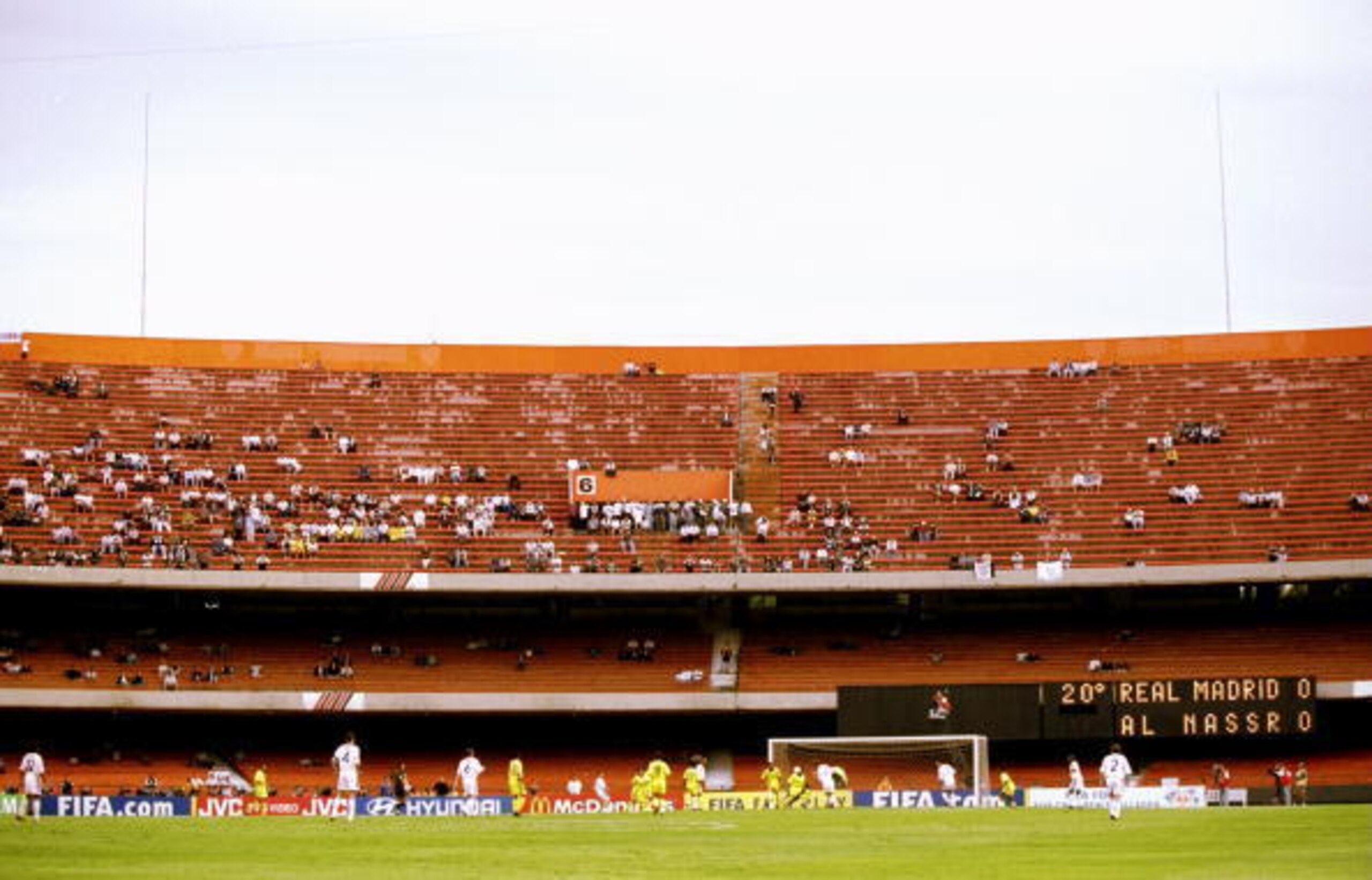
Stadium: Morumbi Stadium
Capacity: 71,200
Opened: 1960
Club: Sao Paulo FC
It’s not often that rivalries are between stadia as well as football teams. However, the rivalry for supremacy between Rio de Janeiro and Sao Paulo, two great South American cities, extends beyond merely their club sides and national championships.
If the Maracana is the symbol of the football of Rio, then the Morumbi is the heartbeat of football in Sao Paulo.
The arena will be a football venue during the 2016 Summer Olympics but will not be hosting any games this summer as the newly built Arena Corinthians has been selected to represent the nation’s largest city.


.jpg?w=2560)
17. Parc des Princes
4 of 20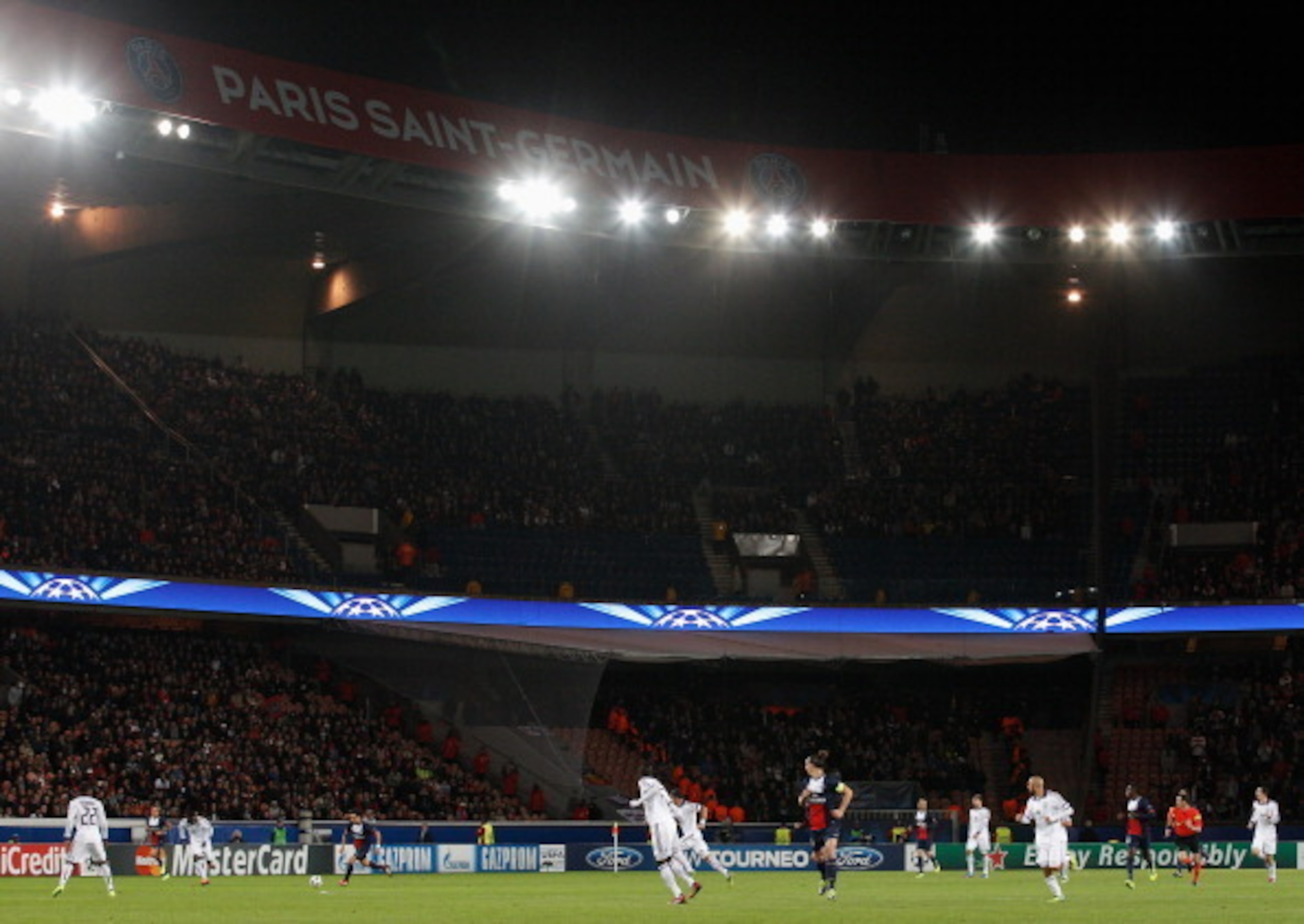
Stadium: Parc des Princes
Capacity: 48,712
Opened: 1897
Club: Paris Saint-Germain
While it was the Stade de France, in St Denis, and not the Parc des Princes that hosted the 1998 World Cup final, when Les Bleus joined the elite list of global champions, the stadium remains one of the most historic arenas in Europe.
Before the French revolution, the site, as the name indicates, was a pleasure ground for royalty; today, as the home stadium of moneybags Paris Saint-Germain it is, er, a pleasure ground for royalty.
In the intervening years, the stadium provided the backdrop for the 1984 European Championship final between France and Spain. In this match, a Michel Platini-inspired France triumphed, winning their first-ever international honour.
16. De Meer Stadion
5 of 20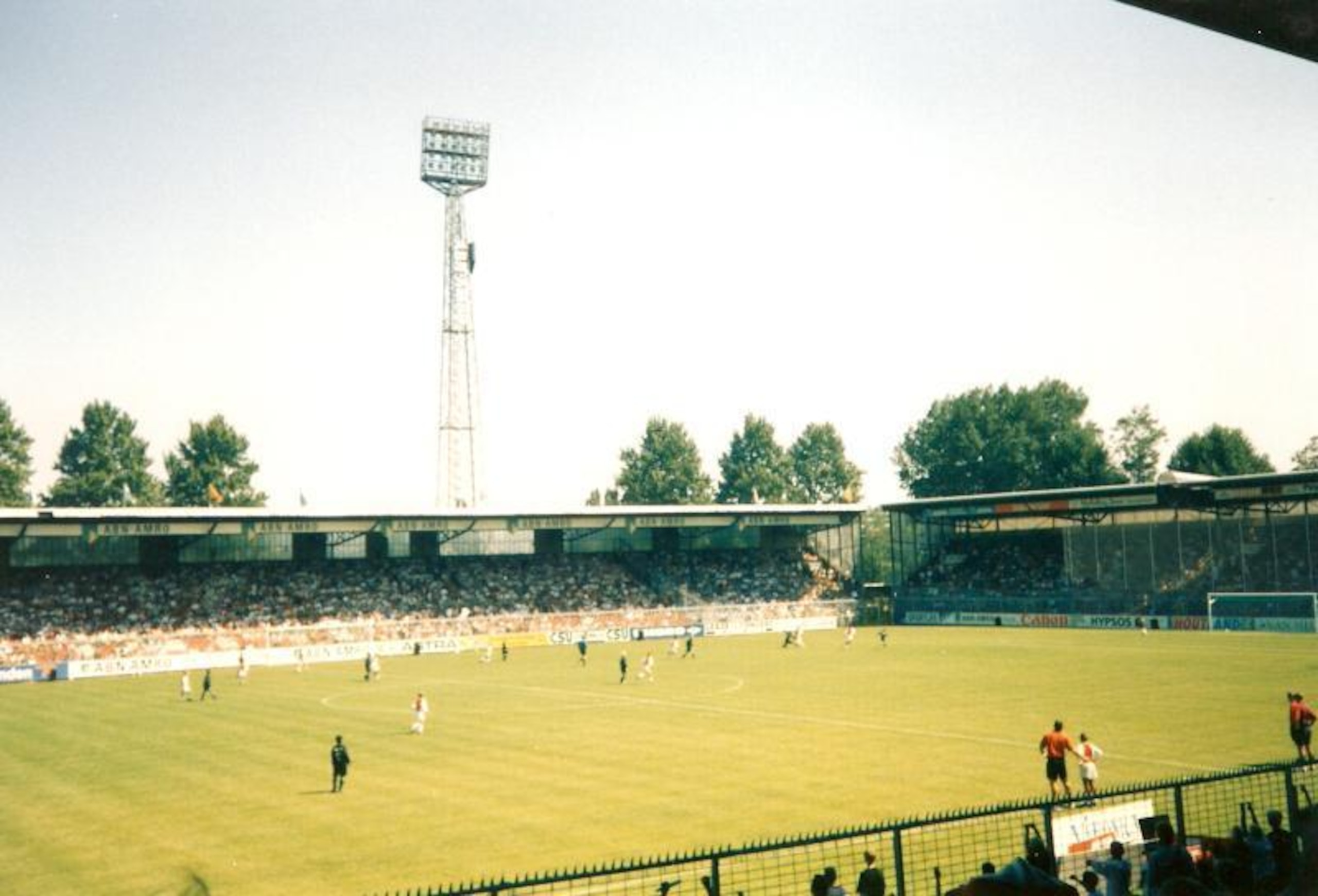
Stadium: De Meer Stadion
Capacity: 19,000
Opened: 1934
Closed: 1996
Club: Ajax
If the Amsterdam Arena brought Ajax into the 21st century, it was the De Meer Stadion where the legacy of the club, of Holland as a footballing nation and precepts of Total Football were truly born and developed.
With a maximum capacity of 29,500, the De Meer Stadion doesn’t quite have the stature of the other grounds on this list, however it is remembered fondly as the birthplace and the melting pot for some of the finest subplots in the world game.
The stadium was demolished in the late '90s and is now a residential area.
15. Old Trafford
6 of 20
Stadium: Old Trafford
Capacity: 75,731
Opened: 1910
Club: Manchester United
The Theatre of Dreams…what a moniker!
David Moyes might not agree at this current moment, but Old Trafford has been the site of some fantasies and some unbelievable moments over the years.
While the club—and the community surrounding it—have undergone their fair share of heartache and tragedy, the stadium has not escaped devastation—it suffered extensive bomb damage during the second World War and was out of action for a period.
It is remarkable that from this low moment, and from the Munich air tragedy over a decade later, United have picked themselves up to become the behemoth they are today. The stadium has been the backdrop for numerous sublime players, several great teams and two outstanding managers.
In a broader context, it has hosted matches at both the 1966 World Cup, Euro 1996 and the 2003 Champions League final, when Milan beat Juventus on penalties.
14. Stadio Olimpico
7 of 20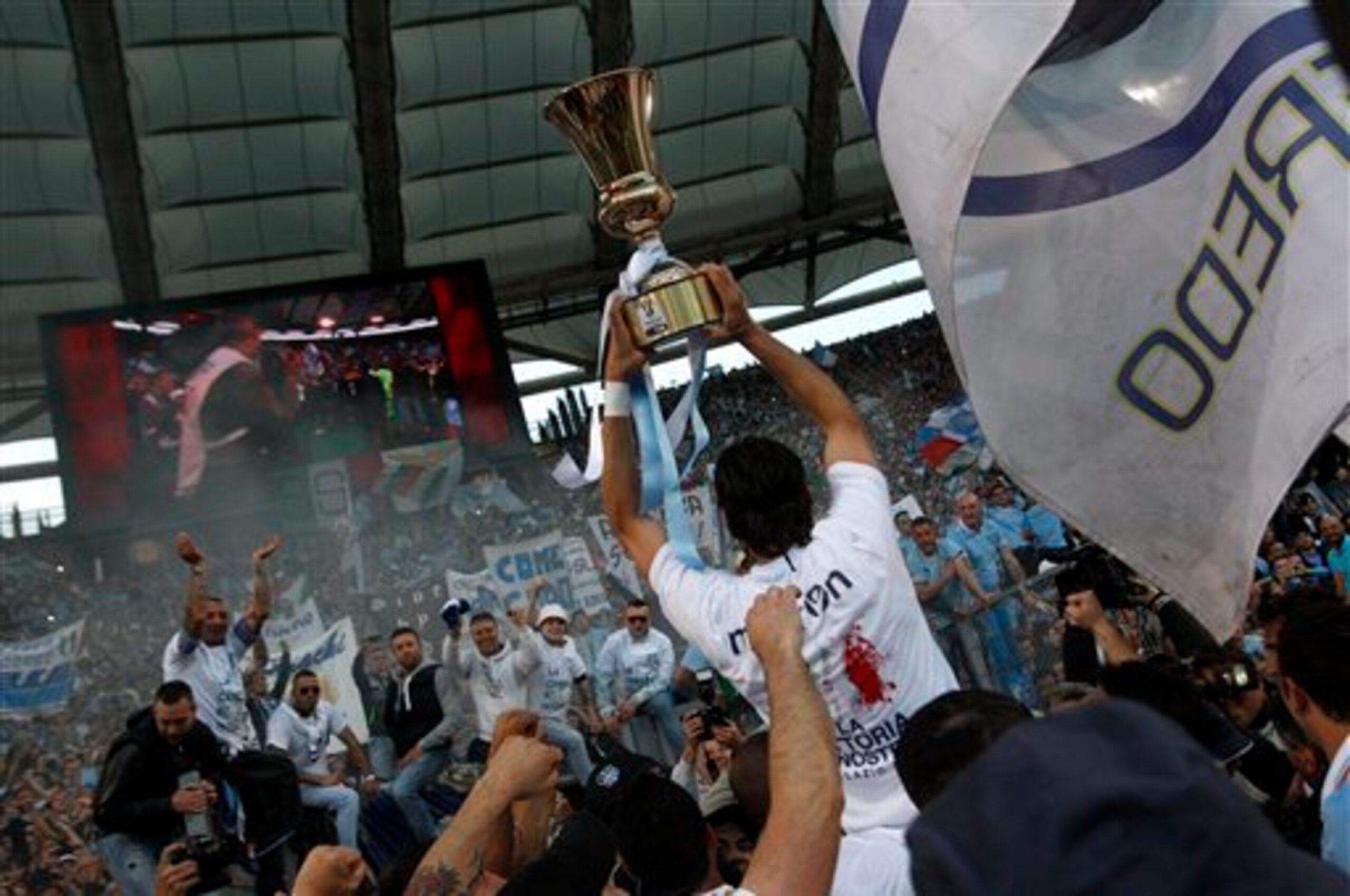
Stadium: Stadio Olimpico
Capacity: 73,261
Opened: 1937
Club: Roma, Lazio
If all roads lead to Rome, then the Stadio Olimpico might just be the centre of the universe. It certainly feels that way on matchdays, particularly the pulsating Rome derby between the capital’s two great clubs, AS Roma and SS Lazio.
Construction began in the late '20s, as part of Benito Mussolini’s expansive vanity project the Foro Mussolini or Mussolini Forum. The dictator envisaged the stadium to be a nationalistic symbol and a tool for propaganda.
It has been the site of numerous classic matches, notably the 1960 Olympic final between Yugoslavia and Denmark, the 1990 World Cup final between West Germany and Argentina and numerous European Cup finals.
Liverpool have particularly fond memories of the stadium, having won the continental title there in 1977 and 1984.
13. The Stadio Giuseppe Meazza—the San Siro
8 of 20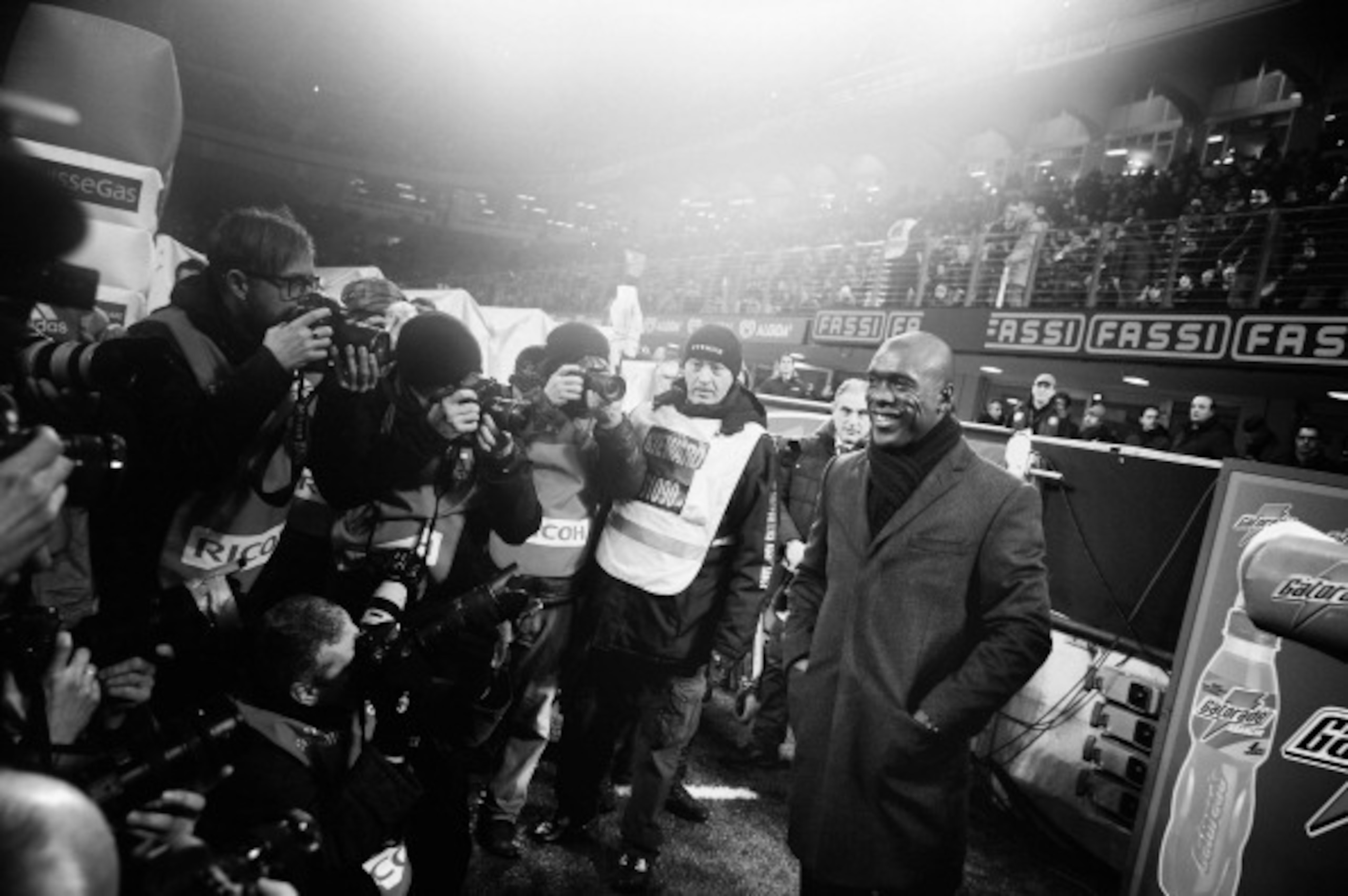
Stadium: The Stadio Giuseppe Meazza—the San Siro
Capacity: 80,000
Opened: 1929
Club: AC Milan, Internazionale
I never met him, but Giuseppe Meazza sounds like quite the character. Beyond the long goal-scoring streaks, the long bouts of drunkenness and the long evenings of womanising, he is perhaps best known, today, for the eponymous stadium that stands as the cathedral of Milanese football.
Opened in 1926, it was only some 50 years later that the San Siro took the name of Meazza, one of Inter’s finest players and one of the few to star for both sides.
Liverpool and Everton fans who grumble and frown about the possibility of a ground share are often encouraged to look to Lombardy as an example of how things might work out. The San Siro, however, holds a place in the global psyche beyond just being the home of these two.
It was the site of Inter’s European Cup final victory against Benfica in 1970 and was also once the venue for a Bob Dylan concert.
12. Hampden Park
9 of 20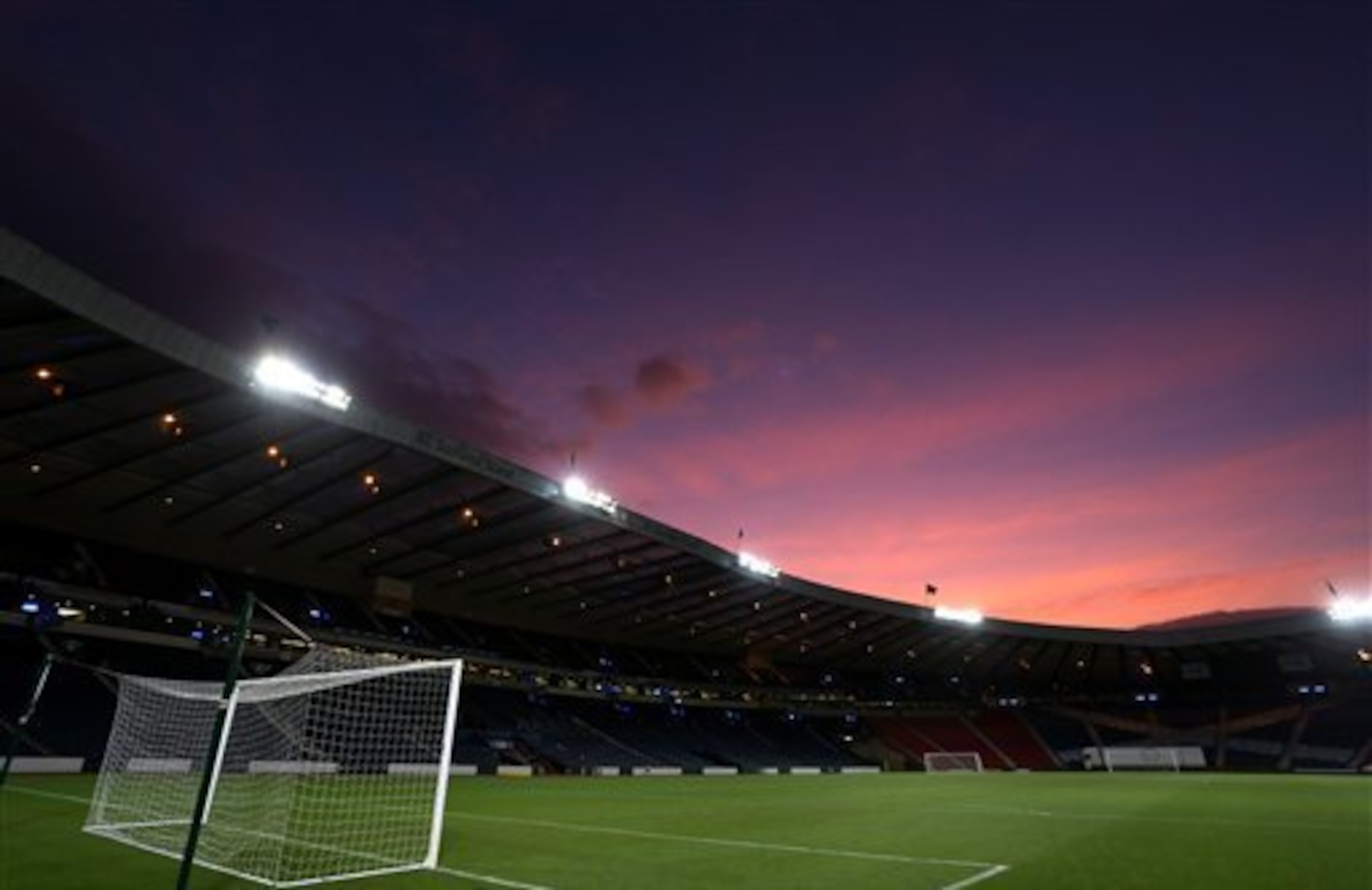
Stadium: Hampden Park
Capacity: 52,025
Opened: 1903
Club: Queen’s Park FC, Scotland
For almost half a century, Hampden Park was the largest stadium in the world. It was the site for numerous explosive local derbies between England and Scotland, including in 1937 when 149,415 saw the home side defeat the Three Lions.
In a city not short of big stadia, Hampden Park is a giant.
On the European and global stage, it was the site for one of the most-celebrated matches in history, the 1960 European Cup final.
This match, when Real Madrid beat Eintracht Frankfurt 7-3, has gone down in history as one of the most iconic fixtures of all time—Hampden Park was a fitting venue.
11. Estadio da Luz
10 of 20
Stadium: Estadio da Luz
Capacity: 120,000
Opened: 1954
Closed: 2003
Club: Benfica
While the current Benfica stadium, also named Estadio da Luz, but housing only 65,000 people, is an architectural masterpiece, it doesn’t possess the cultural value or the iconic identity as the club’s former stadium.
Opened in 1954, the Estadio da Luz was—perhaps most famously—the venue for Celtic’s unlikely 2-1 European Cup final victory over Internazionale.
The late Eusebio was one of the key players in Benfica’s rise to the pinnacle of the sport in the late '60s and early '70s, when a remarkable 14 league titles and two European Cups were paraded around the ground before a delirious public.
The joy had to come to an end, however, and ever since Hungarian coach Bela Guttmann, furious at the perceived defeat of his employers, walked onto the turf and cursed the side, the Eagles haven’t come close to continental glory since.
10. Estadio Monumental Antonio Vespucio Liberti
11 of 20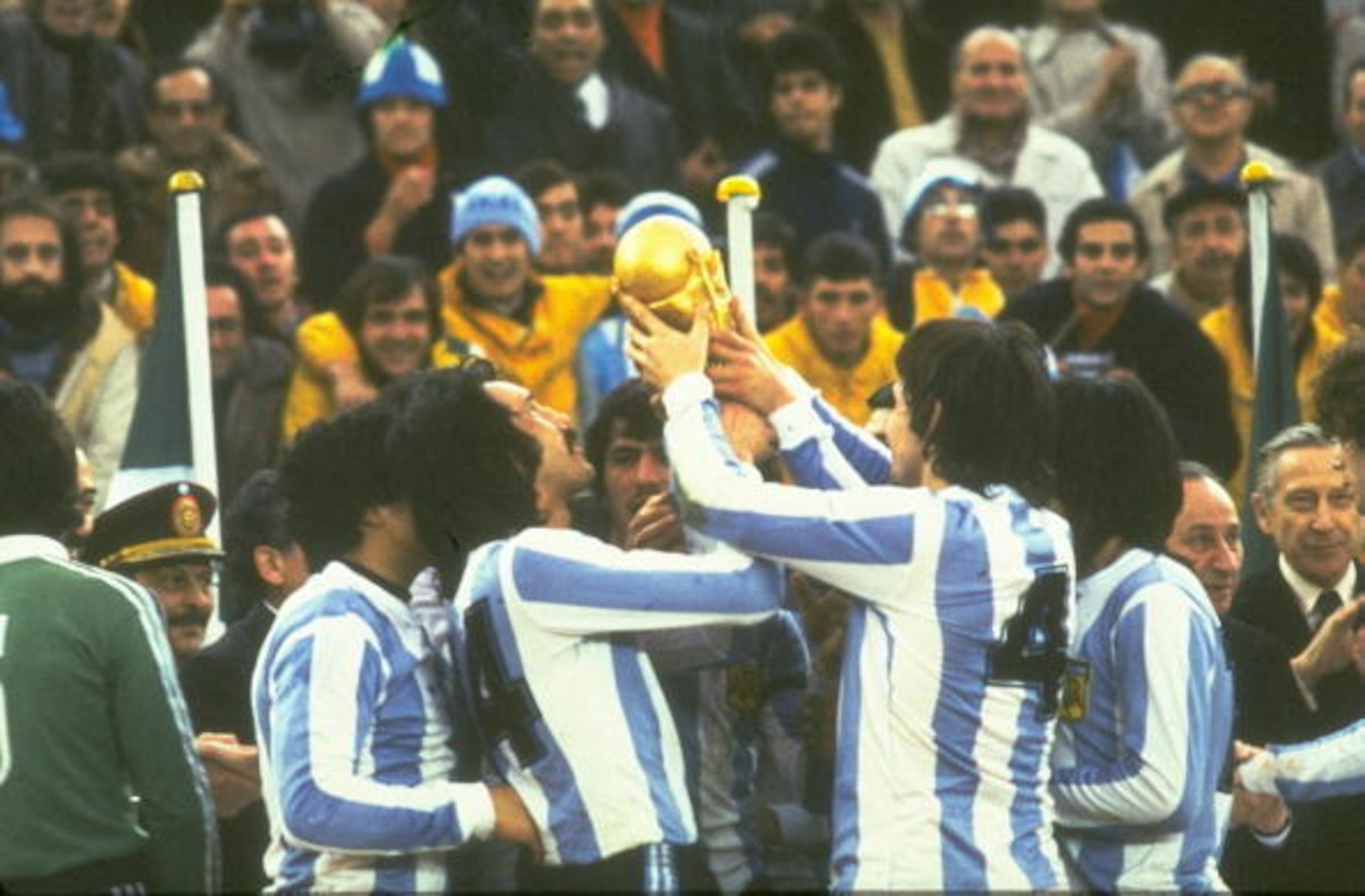
Stadium: Estadio Monumental Antonio Vespucio Liberti
Capacity: 67,432
Opened: 1938
Club: River Plate, Argentina
As well as being the home ground for Buenos Aires giants River Plate, the Monumental is also home to the Argentine national side. It was here, in 1978, that the Albiceleste beat Holland to win the world title.
Four Copa America finals have also been hosted here, since its opening in the late thirties.
Like other stadia in this list, the ground has been used as a vehicle for a malevolent political power—the ruling military junta of the '70s—but it has also been the site of some unforgettable scenes of Argentina national pride.
The ticker tape that accompanied the side at the ’78 World Cup final is an image etched deeply into the national psyche.
9. Olympic Stadium (Munich)
12 of 20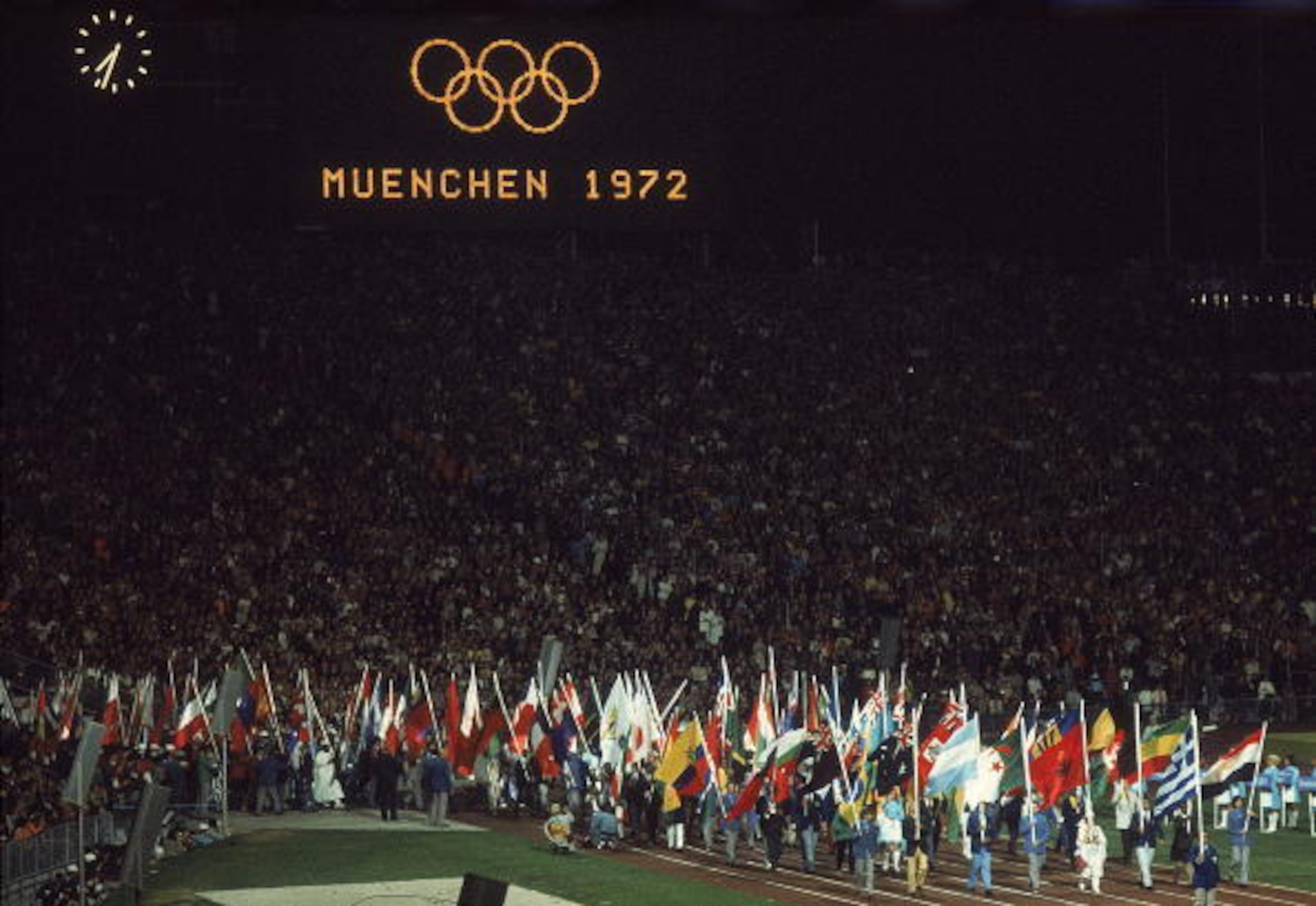
Stadium: Olympic Stadium (Munich)
Capacity: 69,250
Opened: 1972
Costing 137 million marks when it was constructed in the late '60s and early '70s, the Olympiastadion has been the site of great triumph and tragic disaster.
The 1972 Olympics are often remembered for the murder of Israeli athletes at the hands of Arab terrorists, a devastating inauguration for the arena and its enduring legacy.
The Dutch preserve much happier memories of the stadium. It played host to their triumphant European Championships final against the Soviet Union in 1988—to date the nation’s only international honour.
Bayern took the arena as their home in the year of its completion and remained there for almost 30 years, establishing themselves as one of the world’s greatest clubs in the process.
TSV 1860 Munich were also tenants…although with much less success.
8. San Mames
13 of 20
Stadium: San Mames
Capacity: 40,000
Opened: 1913
Closed: 2013
Club: Athletic Bilbao
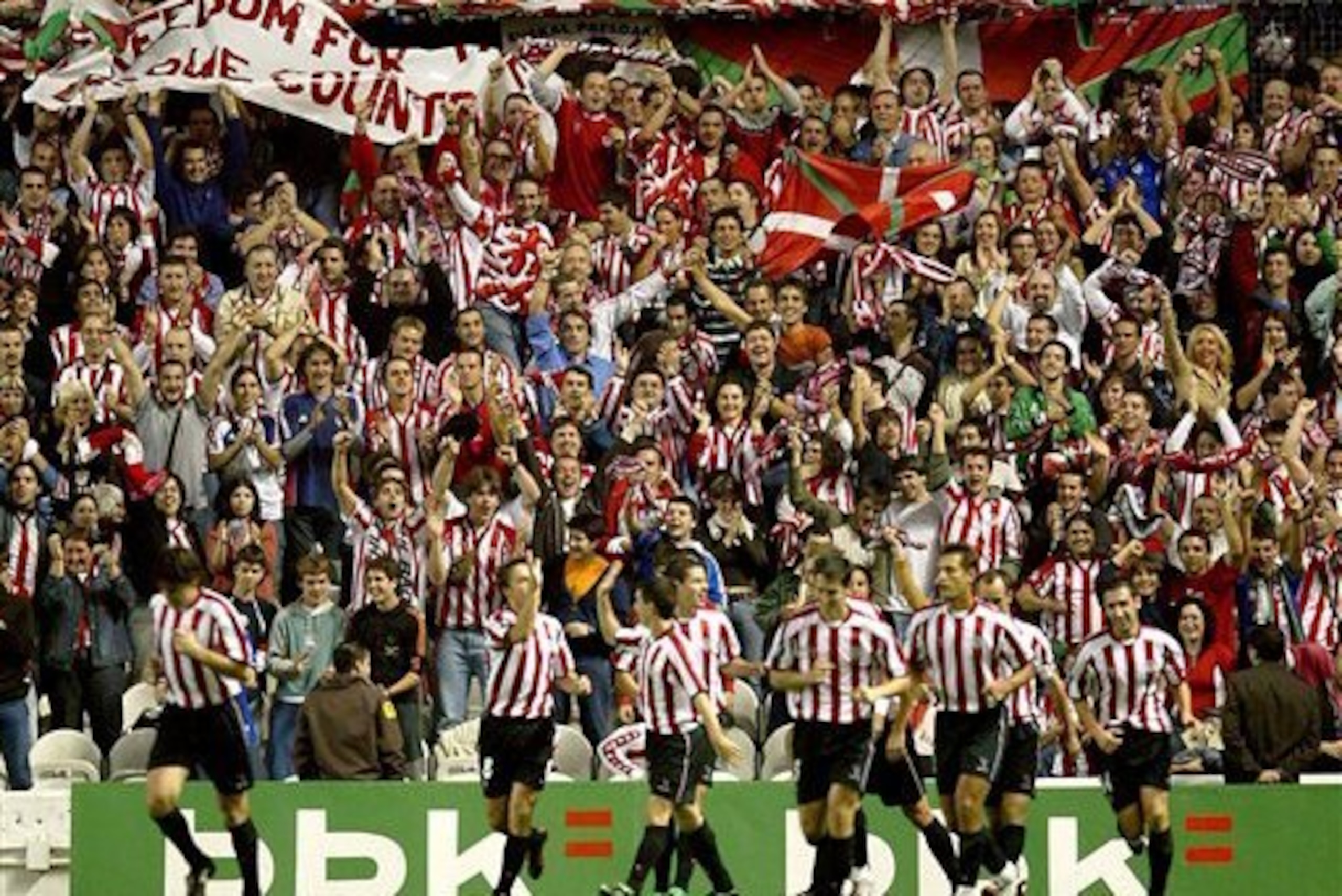
The new San Mames, with a capacity of over 53,000, build at a cost of 160 million Euros, is a masterpiece of a stadium, a truly beautiful construction. However, it will be years before it can ever begin to compare—in terms of aura or reputation—to its predecessor, the Cathedral.
Build in 1913, the stadium was, for a time, Spain’s oldest. It was famous for its incredible, inimitable atmosphere and the rare fusion of incredible intimacy and ferocious power and passion.
After 100 years, the plug was pulled on this iconic homeland for Basque football and Basque nationalism—the new stadium has a lot to live up to.
7. Estadio Centenario
14 of 20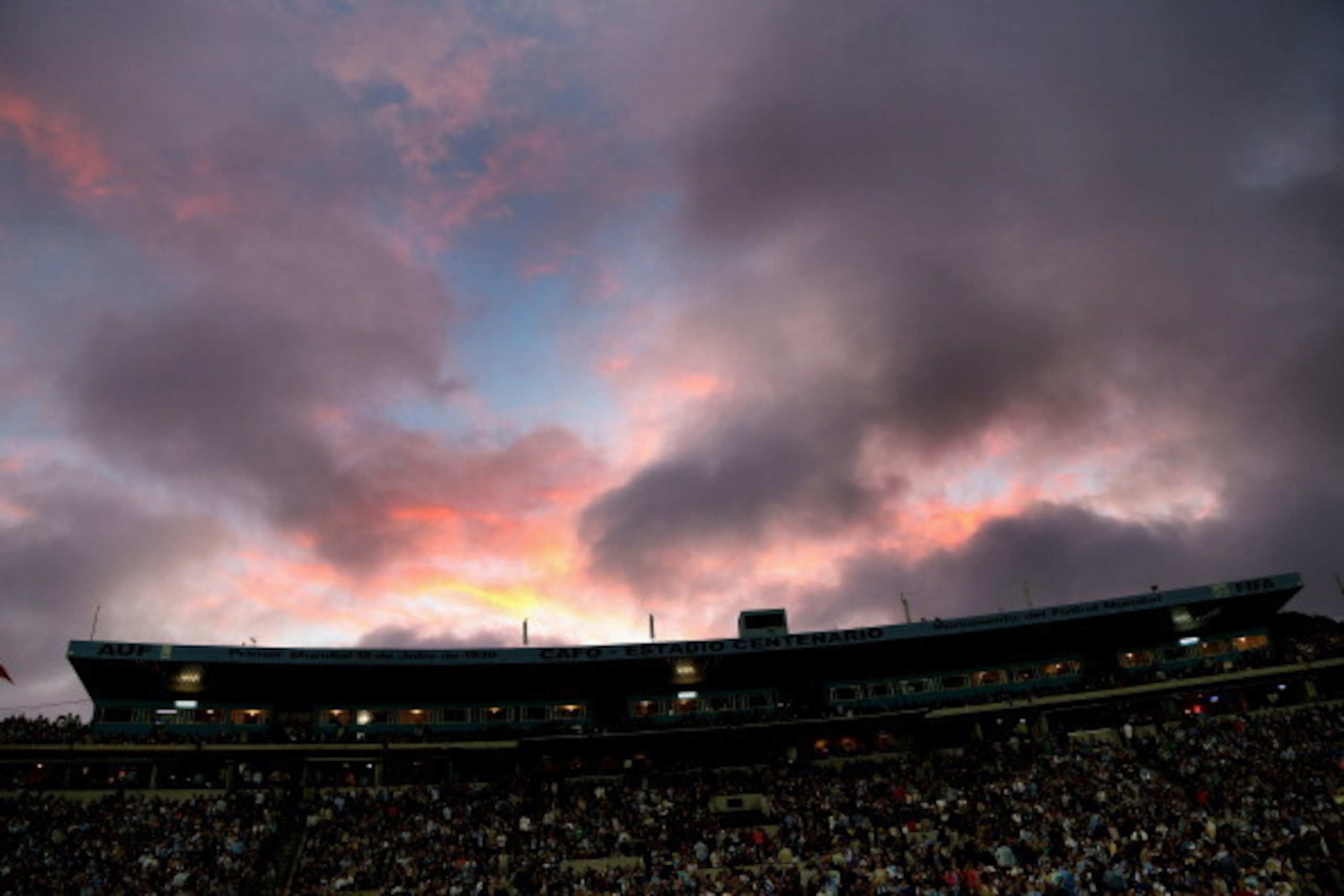
Stadium: Estadio Centenario
Capacity: 65,235
Opened: 1930
Club: CA Penarol, Uruguay
As the venue for the first-ever World Cup, back in 1930, the Estadio Centenario in Montevideo, Uruguay holds a special place in football folklore.
Back then the Celeste were the world’s dominant force, having picked up Olympic gold in the years prior to their triumph in the inaugural event. The fact that the first final was again bitter rivals Argentina only made the occasion more special—the home side won 4-2 having been 2-1 behind at half-time.
The arena is also home to one of the city’s two giants, Penarol, and is the former home of their major rivals, Nacional.
6. Olympic Stadium (Berlin)
15 of 20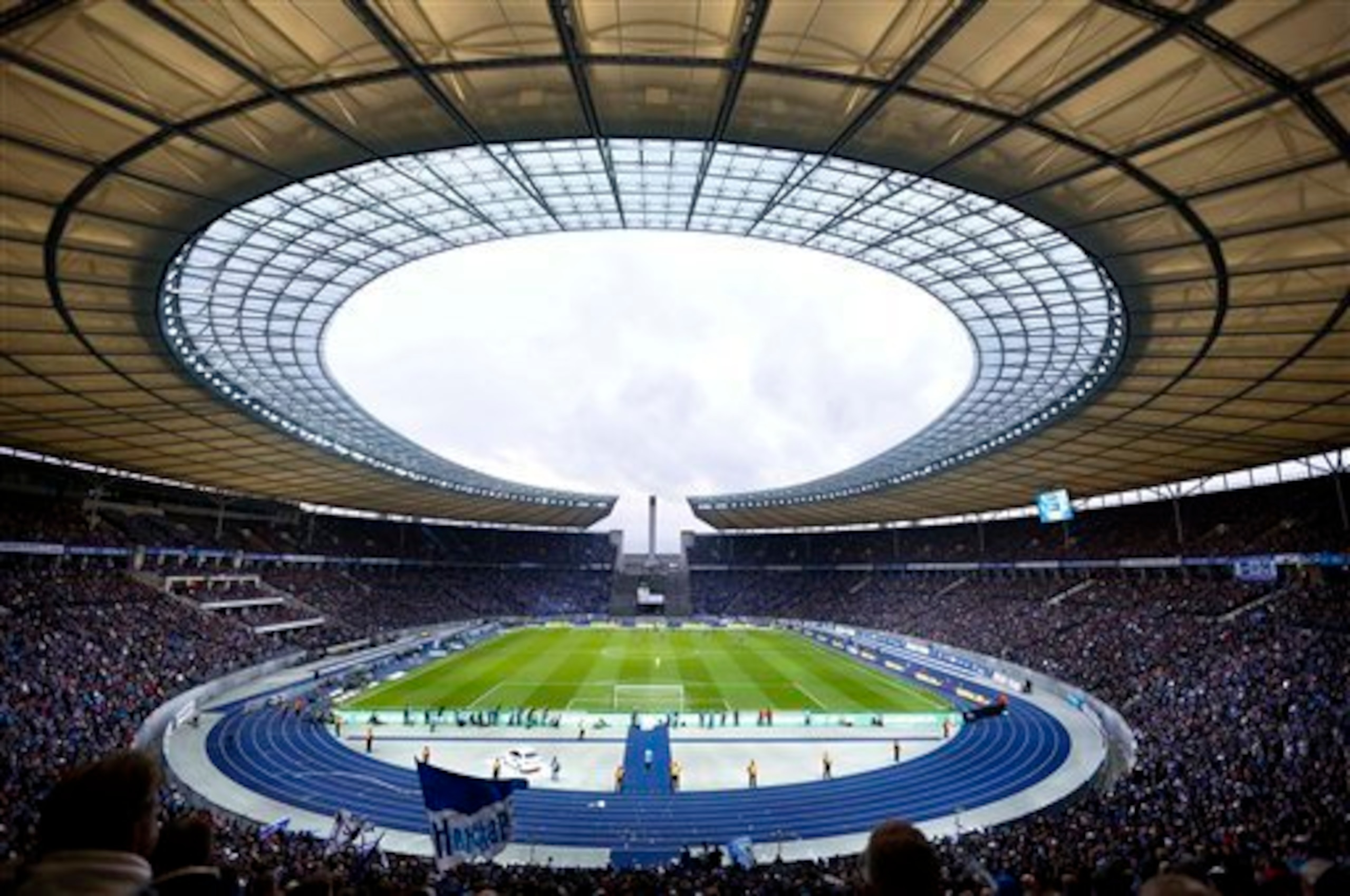
Stadium: Olympic Stadium (Berlin)
Capacity: 74,064
Opened: 1936
Club: Hertha Berlin
The Olympic Stadium in Berlin has been the venue for matches in both the 1974 and the 2006 World Cup (including the final remembered so vividly for Zinedine Zidane’s headbutt on Marco Materazzi) as well as the 1936 Olympic final, when Italy once again prospered, beating Austria 2-1.
In that same year, the stadium was opened by Adolf Hitler who celebrated the building as a monument for his regime and the venue for socialist supporters to gather.
It was in this arena that American athlete Jesse Owens stunned the world by winning four gold medals—giving the proverbial two fingers to Hitler and his notions of Aryan primacy in the process.
5. Wembley
16 of 20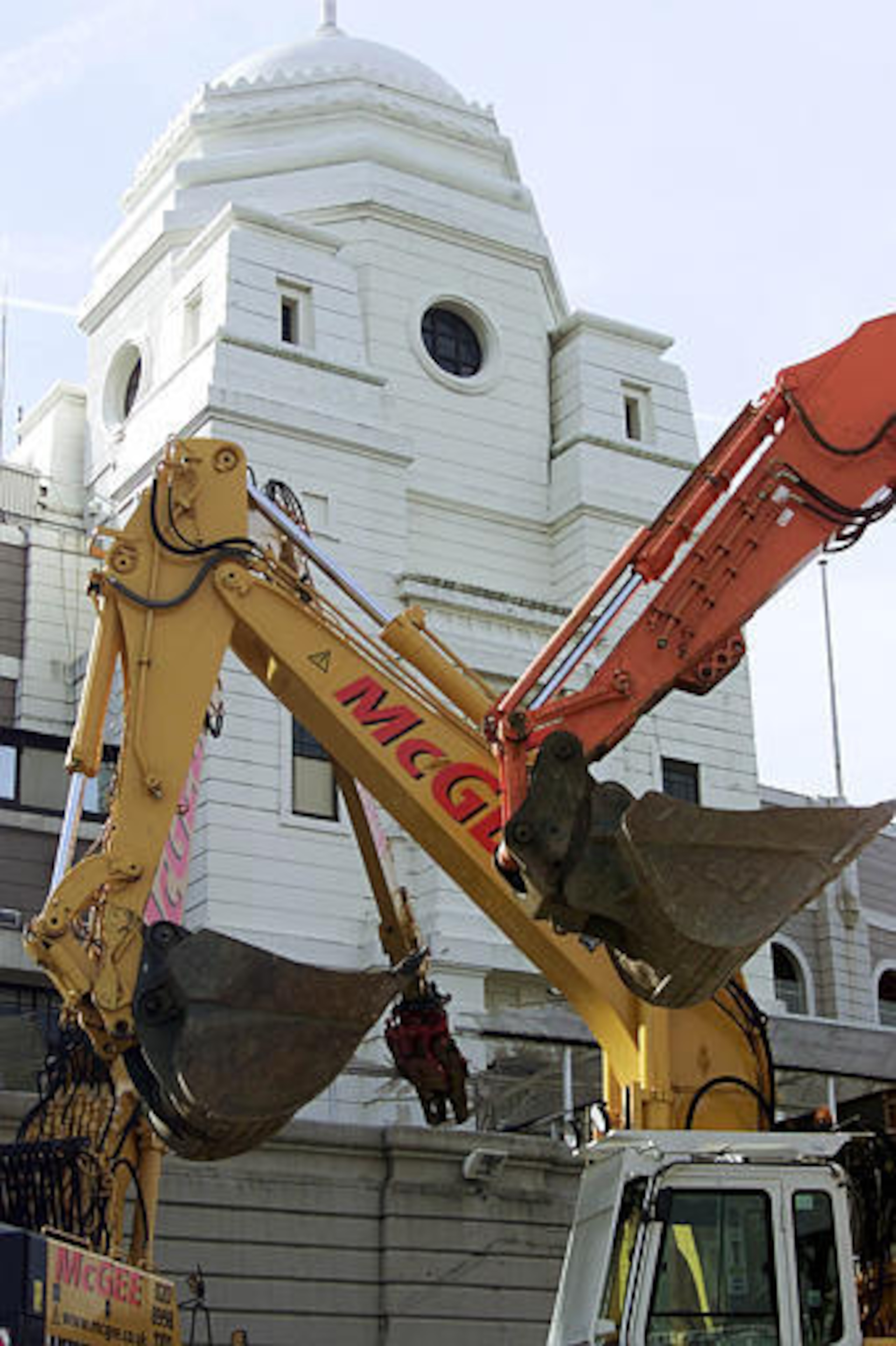
Stadium: Wembley Stadium
Capacity: 82,000 (earlier 127,000)
Opened: 1923
Closed: 2000
Club: England
The new Wembley has grown into its apportioned place and status within English football. However, it has a long way to go before it can even begin to boast of a catalogue of memories as vivid and diverse as its predecessor, the “old Wembley.”
The most unforgettable of these memories is, perhaps, the 1966 World Cup final between England and Germany, when the home side managed to defeat their bitter enemies in extra time. This event, with its glorious goals, its dubious goals and Sir Bobby Moore’s humble hand-wipe before meeting Her Royal Highness, the Queen, is one of the most important in British sporting history.
Beyond this, it was also the venue for the 1948 Olympic final and numerous European Cup finals, notably, 1968, when Manchester United became the first English club to lift “Old Big Ears” by spanking Benfica 4-1.
4. Santiago Bernabeu Stadium
17 of 20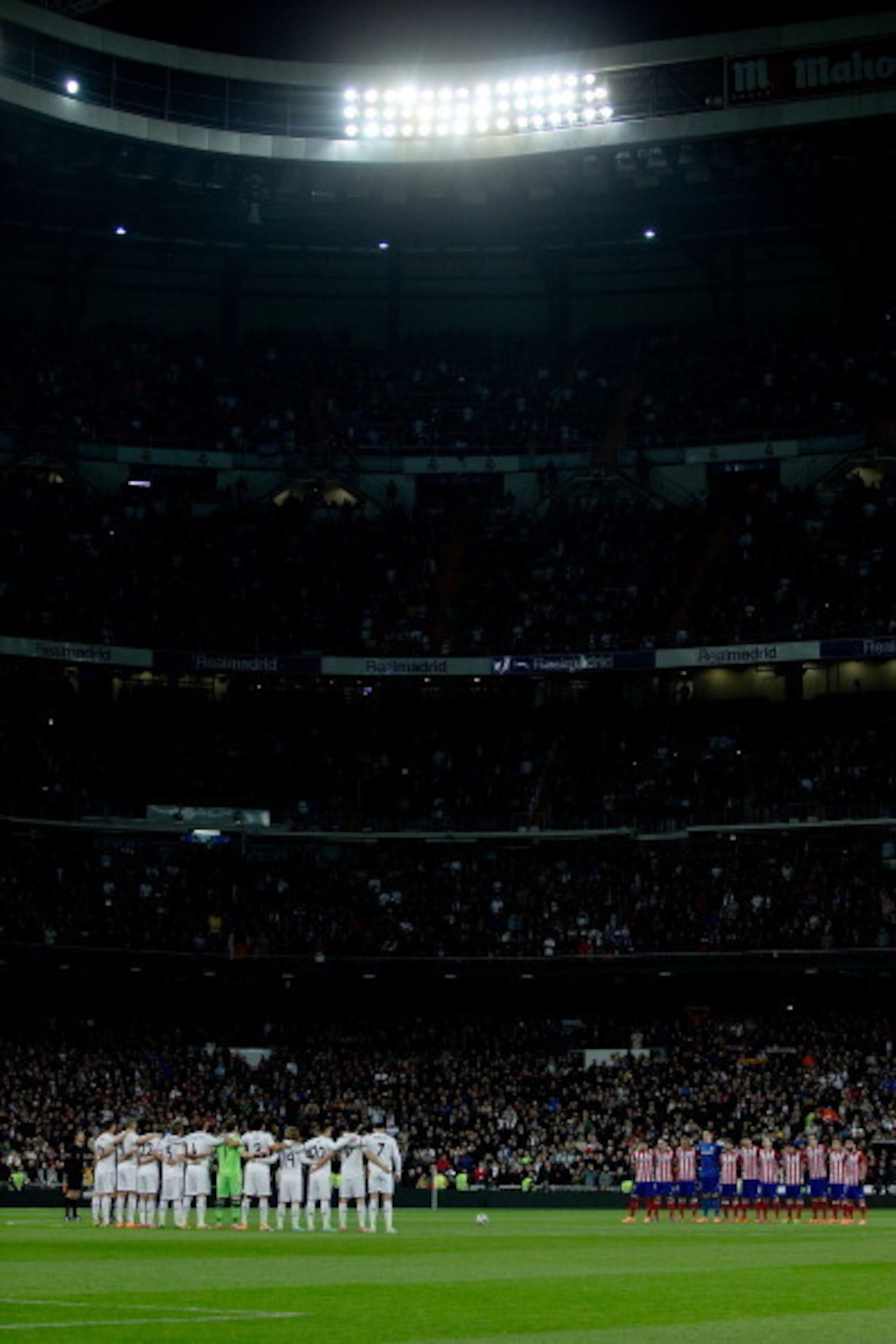
Stadium: Santiago Bernabeu Stadium
Capacity: 85,454
Opened: 1947
Club: Real Madrid, Spain
Santiago Bernabeu is remembered as Real Madrid’s founding father and, perhaps, greatest inspiration. He served the club as a player, a captain, a coach, a club secretary and, from 1942, as club president.
His greatest contribution, however, perhaps came in the form of his vision for this stadium—a grand home for such a majestic club. It became one of the crucial cornerstones in the building of the modern powerhouse that is Real Madrid.
Key international events include the 1964 European Championship final—when Spain beat the Soviet Union—and the 1982 World Cup final, when Italy beat West Germany following a thrilling contest.
3. Azteca
18 of 20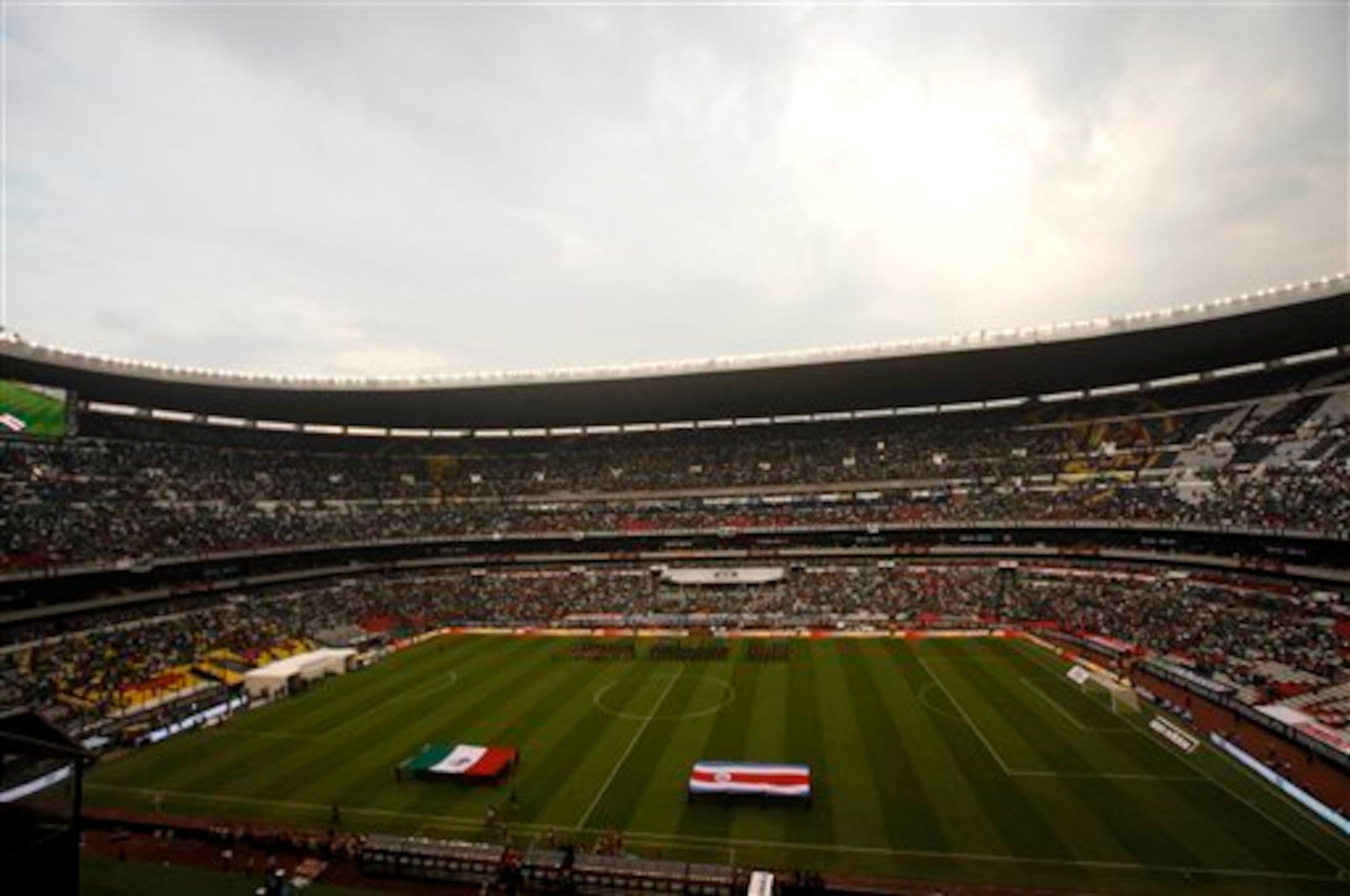
Stadium: Estadio Guillermo Canedo—The Azteca
Capacity: 105,000
Opened: 1966
Club: Club America, Mexico
The Azteca has been the been the backdrop for some of the most memorable matches in football’s greatest tournament, the World Cup.
It is the only stadium on the planet to have hosted two World Cup finals (Brazil’s 4-1 victory over Italy in 1970 and the 1986 showpiece when a Maradona-inspired Argentina beat West Germany 3-2) and also played host to the 1970 semi-final between Italy and West Germany. The match, which finished 4-3 to the Italians after extra time, is remembered as the “Game of the Century.”
Beyond winning the World Cup there, Maradona also enjoyed one of the nights that looms largest in his legacy, that infamous 1986 quarter-final against England.
2. Camp Nou
19 of 20
Stadium: Camp Nou
Capacity: 99,786
Opened: 1957
Club: FC Barcelona
Barcelona, the club, is a vehicle for Catalonian nationalism, then the Camp Nou is the People’s Palace—a cultural landmark that stands as a global signifier for the Spanish region of Catalonia.
Today, the stadium is one of Europe’s most iconic grounds and provides the backdrop for the world’s greatest rivalry.
Historically, it has hosted the 1992 Olympic Final, the 1982 World Cup Final and the 1989 European Cup Final—when AC Milan trounced Steaua Bucharest.
Beyond the pitch, there is a magnificent museum, an indoor sports hall, La Masia and also, somewhere, a players’ chapel…although this writer never seems to be able to find it.
1. Estadio Do Maracana
20 of 20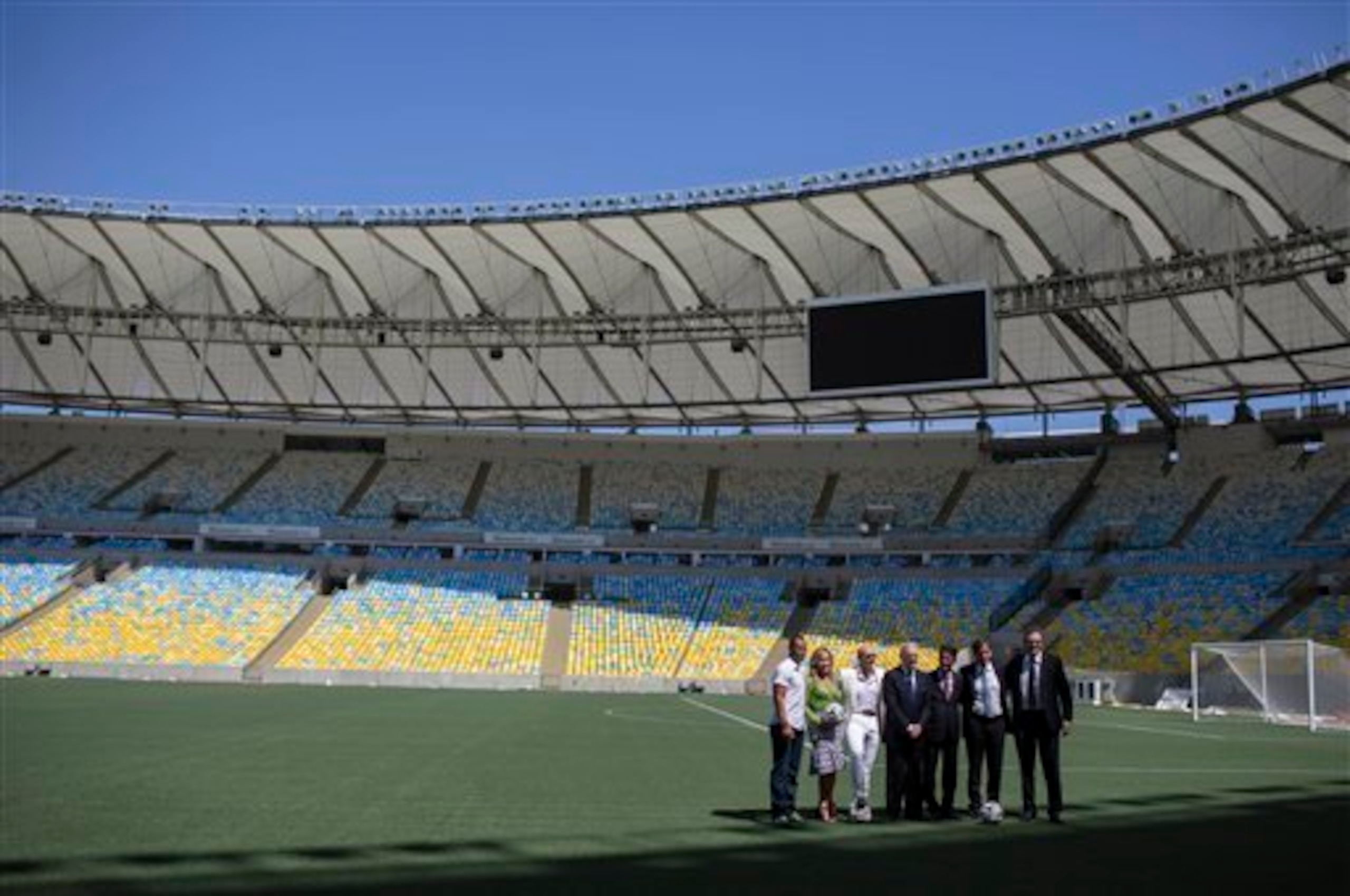
Stadium: Estadio do Maracana—the Estadio Jornalista Mario Filho
Capacity: 78,838
Opened: 1950
Club: Flamengo, Fluminense
The Maracana was, of course, the venue for Brazil’s greatest failure.
In the 1950 World Cup final against rivals Uruguay, the home side were blindly confident of success, never countenancing the possibility of an opposition victory.
Unfortunately for the Selecao, the unthinkable happened. Inspired by captain Obdulio Varela, the Celeste turned things around, having fallen behind and secured an unlikely victory in front of 199,850.
The defeat prompted a national depression.
However, in 2014, the World Cup returns and a new-look Maracana will once again be the backdrop for the final. Brazil have undone the wrongs of 1950 many times over the last half-century, but what redemption and what a symbolic narrative it would be if they could lift the World Cup trophy again in this iconic ground this summer.


.jpg?w=2560 "Viral Rams Coach Vid 🖕")

.jpg?w=2560 "Injury-stricken Seahawks signing veteran RB")
