
What WWE Must Do to Restore Survivor Series to Former Glory
Survivor Series needs more stars and space to breathe to once again be one of WWE's biggest pay-per-views.
Once one of WWE's "Big Four" pay-per-views, the event has seen its prestige lessen while other shows become more popular and more successful. One could argue that Extreme Rules has bypassed Survivor Series as one of the four biggest shows of the year.
In 2012 for example, Extreme Rules brought in 251,000 buys, compared to that year's Survivor Series earning 212,000 buys, per Wrestling Observer, h/t CagesideSeats.com.
.jpg?w=2560)

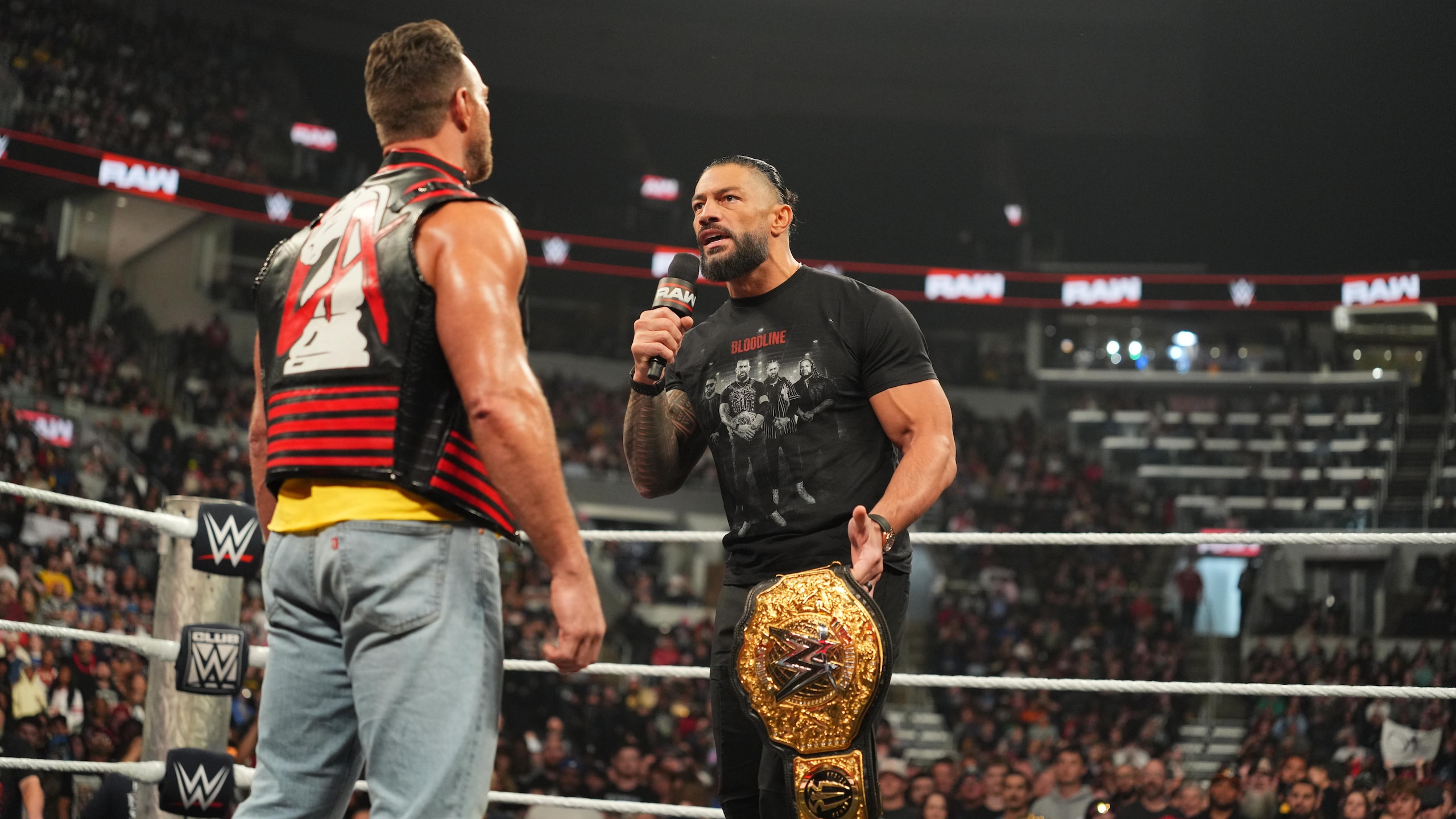
Beyond the numbers, Survivor Series just doesn't feel like the special attraction that it once did and that can be partially blamed on a departure from the gimmick match that made it special. A crowded pay-per-view schedule is a factor as well.
With a few tweaks and additions, though, WWE can build Survivor Series up once more and have fans anticipate it as much as they do Royal Rumble and SummerSlam.
More Stars in Elimination Tag Team Matches
WWE will likely never go back to having the entire pay-per-view consist of 4-on-4 and 5-on-5 elimination tag team matches, but there needs to be bigger names involved in these.
The Royal Rumble doesn't struggle with star power. Each year it features a number of the top guys on the roster while too often Survivor Series trademark matches are packed with filler.
In 2012, the two traditional elimination bouts didn't have CM Punk, John Cena, Sheamus or Big Show in them. Sheamus fought Big Show in singles action just as he did at Hell in a Cell about three weeks prior to Survivor Series and at TLC: Tables, Ladders & Chairs less than a month afterward.
Having repeat matches from other shows is a surefire way to make the event feel like just another event.
WWE appears to be going that route, setting up an Alberto Del Rio vs. Cena title fight fans have seen before. Putting those men into a traditional elimination tag match provides variety and sets Survivor Series apart.
It should be an event where fans get to see the biggest names team up, providing something unique.
The final match of Survivor Series 1990 had Hulk Hogan, the Ultimate Warrior, Tito Santana and Ted DiBiase in the same match. That's three Hall of Famers and Warrior who many believe will soon join them.
The 2001 version of the event stacked a single match with some of the biggest Superstars in company history.
Steve Austin, The Rock, Chris Jericho, Undertaker, Kane, Big Show, Kurt Angle, Rob Van Dam and Booker T were all in the same match. Every single one of those men could end up in the Hall of Fame in due time. Now that's how you make an event feel like it's something unmissable.
With as many pay-per-views are on the docket, it's okay for WWE's major titles not to get defended while fans instead get to see intriguing combinations of the current biggest names.
More Time In Between Pay-Per-Views
When Survivor Series debuted in 1987, WWE only produced four pay-per-views all year. Now, we see that many events in four months.
With as much money as WWE brings in for all those shows, the company isn't ever going to be convinced to trim down to what it had in '87, but having Battleground so closely followed by Hell in Cell then having Survivor Series less than a full month after that leads to more difficult booking.
In order for WWE to put together its elimination tag team bouts, alliances have to form too quickly and rivalries aren't given the proper time to simmer.
There is insufficient time to build Survivor Series' bouts any more than for the ones we see at Payback or Night of Champions. Meanwhile, WrestleMania feels so huge partly because of the lengthy gap between that show and Elimination Chamber.
This year, there were nearly 50 days in between those two pay-per-views while the distance between Hell in a Cell and Survivor Series will be just 28 days.
Giving the writers more time to find homes for all the moving pieces of the booking puzzle would greatly benefit Survivor Series. Shifting the calendar around would accomplish that to a degree, but scaling down to one less pay-per-view a year would be an even bigger help.
Fans are sure to appreciate having to shell out 50 bucks one less time a year, especially if it means that at least one of WWE's pay-per-views is given the chance to be better thanks to more time put into it.
Higher Stakes
With more time for WWE to attach stories to the traditional elimination tag team matches, there will be more opportunities to make those victories mean something.
Seeing big names team up in a kind of match we only see once a year is fun, but the best Survivor Series matches have often had more at stake than victory itself.
In 1990, all the survivors from each winning team battled in a "Grand Finale Match of Survival." The winners from Team WWF vs. Team Alliance in 2001 would have the wrestling company they represented continue to exist while the losing team's company would fold. Two years later, Steve Austin and Eric Bischoff captained teams with the Raw General Manager position on the line.
When WWE has inserted something other than bragging rights as a prize, the drama has multiplied. The more often the company can find ways to do that, the better.
With Big Show and Triple H locked in a feud involving lawsuits and restraining orders, it would have been a perfect time for a Big Show-led squad to battle whoever Triple H chose to send to the ring with control of the company at stake.
Big Show potentially becoming COO and Triple H possibly being fired would have been far more intriguing than the Big Show and Randy Orton title match WWE has decided to book.
Orton vs. Big Show could happen on any pay-per-view. Cena vs. Del Rio can happen on any show as well.
Survivor Series needs to be an event with its own personality, its own traditions and offer the audience something it can't see throughout the rest of the year. For Survivor Series to be a top show once more, it needs to return to its tag team roots.

.jpg?w=2560)




.jpg?w=2560 "Viral Rams Coach Vid 🖕")


