Pirates Striving to Climb Pittsburgh Sports Hierarchy
It's difficult to imagine now, but there once was a time the Pirates stood indisputably atop the city of Pittsburgh's sporting hierarchy.
There once was a time the Battlin' Buccos actually justified the nickname with their play on the field, especially in surging back from three-games-to-one deficits to pilfer the 1971 and 1979 World Series championships from the Baltimore Orioles.
Heck, there once was a time pro baseball was truly relevant among all ages of 'Burgh sports fans, not just the ladies and gents who can honestly remember the last time the Pirates claimed the National League pennant.
TOP NEWS
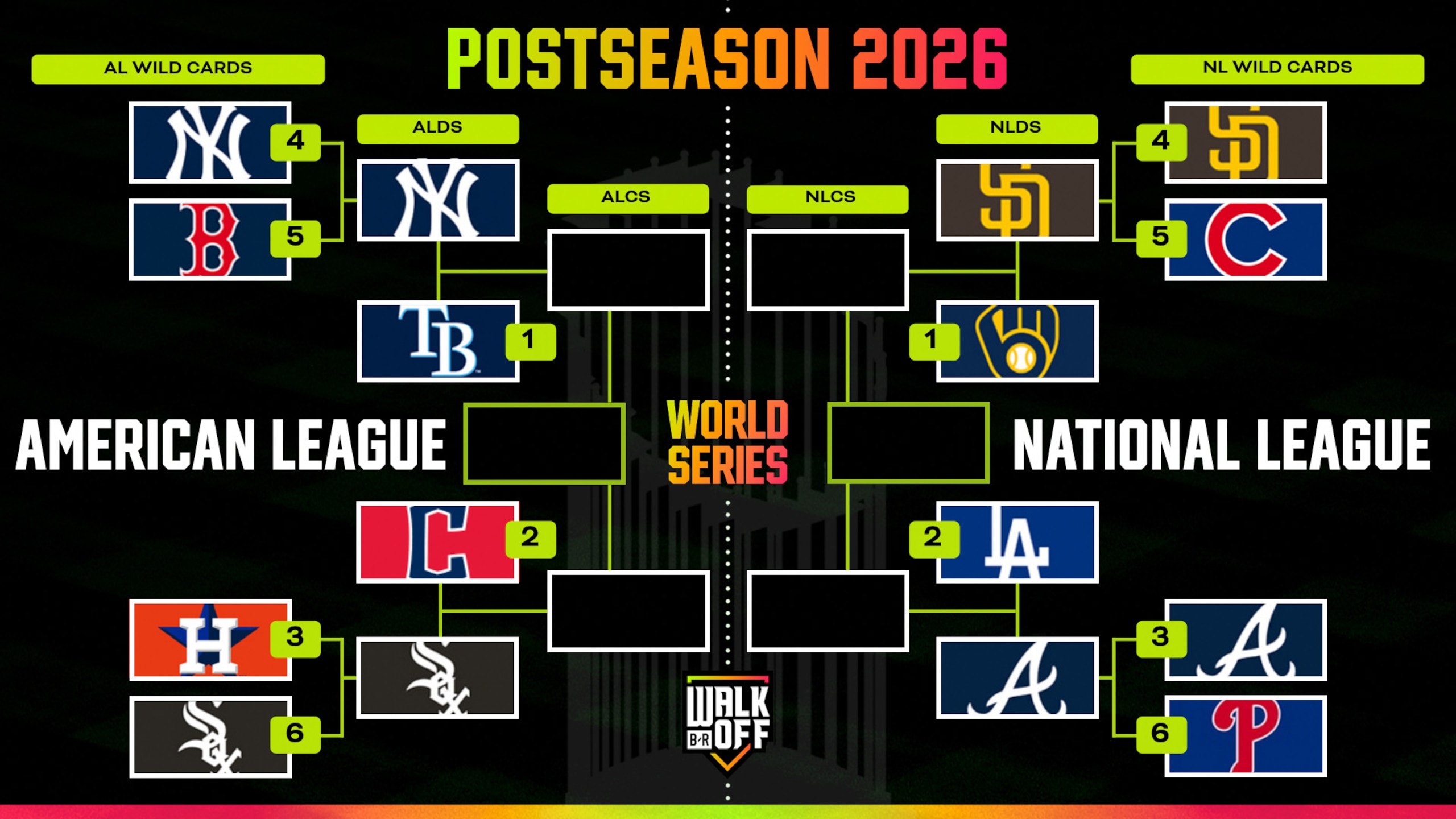
Brewers Stun Padres in Game 2 😧
Braves' Opener Shines vs. LA 💪
Aaron Boone Calls Out Yankees Catcher 🗣️
And, yes, there once was a time in which Opening Day inspired realistic hope and genuine excitement that the Bucs could play meaningful games in September.
As the Pittsburgh Pirates open their 2009 season striving to put a 16-year losing streak to bed, and thus avoid setting a new mark for futility in the annals of major North American professional sports, it's blatantly obvious those times are long gone.
But I'm not here to discuss when (and if) those redletter days for the Pirates will return. As an avid follower of the Bucs, I certainly hope they do.
Rather, I want to explore how the Pirates' record-tying rotten run has injured them in the hearts and minds of Pittsburgh sports fans.
As I touched upon in the opening paragraph, the Pirates were king in Western Pennsylvania and the Tri-State Area throughout the first half of the 20th Century and, contrary to conventional wisdom, matched the National Football League's Steelers for popularity all the way through the 1970s.
The Steelers captured their first four Super Bowl crowns in the '70s, outpacing the "Lumber Company" Pirates by two championships, but the Sports Illustrated "Sportsman of the Year" issue from 1979, featuring both Terry Bradshaw and Willie Stargell on its cover, tells the story best: the Steelers and Pirates ruled the Black and Gold kingdom concurrently and with equal power.
But regardless of the co-monarchy status of that era, the thought that the Pirates could be challenged became a reality, and even though both the Bucs and Steelers suffered through dark days in the 1980s, the seed for pro baseball's decline in Pittsburgh was germinating nonetheless.
Entering the 1990s, the Pirates found themselves facing a new challenger for regional supremacy: the National Hockey League's Penguins. The Pens, whose outsider status prompted the changing of team colors from blue and white to black and gold in 1980, had built a consistent winner with the help of French-Canadian superstar Mario Lemieux and revived Pittsburgh's "City of Champions" identity in 1991 and '92 with back-to-back Stanley Cups.
Simultaneously, the Pirates were charging back into NL contention, winning three straight Eastern Division titles from 1990-'92. Powered by a lithe Barry Bonds, an in-his-prime Andy Van Slyke, and ace Doug Drabek, the Buccos came within one game of the pennant in '91 and as close as one (freaking) out shy in '92, but were turned away by the Atlanta Braves both times.
After Sid Bream's slide home eliminated the Pirates from the '92 playoffs and broke countless hearts, the losing began and it hasn't ceased since due to a remarkable combination of payroll stinginess and gross mismanagement of assets.
In the meantime, the Bill Cowher-led Steelers took flight, leading to a handful of divisional crowns and eventually a fifth Super Bowl in February 2006. Also during the Pirates' dormancy, the Penguins perennially contended through the '90s, rebuilt and now have arguably the NHL's most exciting team, led by mega-talents Sidney Crosby and Evgeni Malkin.
On top of all that, improbably, the University of Pittsburgh's men's basketball team has established itself as one of college hoops' premier programs, even though it has yet to make a Final Four appearance after nearly a decade of high-quality play.
But even in spite of the Panthers' tight loss to Villanova in the Elite Eight late last month, I still feel comfortable placing the Pitt cagers above the more-than-100-year tradition of the Pirates, simply because an entire generation of Pittsburghers have grown up without experiencing a pennant race.
So there it is. In a decidedly pro-centric city such as Pittsburgh, the Pirates have fallen below a college team. Dodging the ignominy of 17 consecutive sub-.500 summers would clearly be the first step out of fourth place, but it's only a small step.
New management, anchored by team president Frank Coonelly and general manager Neal Huntington, has started to implement a seemingly-sound plan for improvement, but for the near future it appears the Bucs still have time to serve in the basement of the NL Central, as well as last place in regional relevance.
The one-time and long-time king of 'Burgh sports is dead...at least for now.


.jpg?w=2560 "NFL investigating 2 referees for separate viral exchanges")

.jpg?w=2560 "Report: Chiefs Contact Hill's Agent")
.jpg?w=2560 "OBJ Calls Out Giants 😳")
.jpg?w=2560 "Tyreek makes another cryptic post amid Chiefs rumors")