NHL Fight Night 2008: Double Impact
What dimension has fighting brought to the 2007-08 NHL season?
A part of hockey since the beginning, fights and physicality have allowed players to vent emotion and lift their teams with the passion and self-sacrifice which define the game. Each team, each generation finds a man to step up for the group as an enforcer, someone who keeps the opposition in check in a sport where aggressive physical contact is the norm.
In the past some clubs maintained their popularity largely because of aggressive tendencies. Today, with a speedier more skilful League, players and teams have generally had to find a balance between grit and talent, combining them as often as possible.
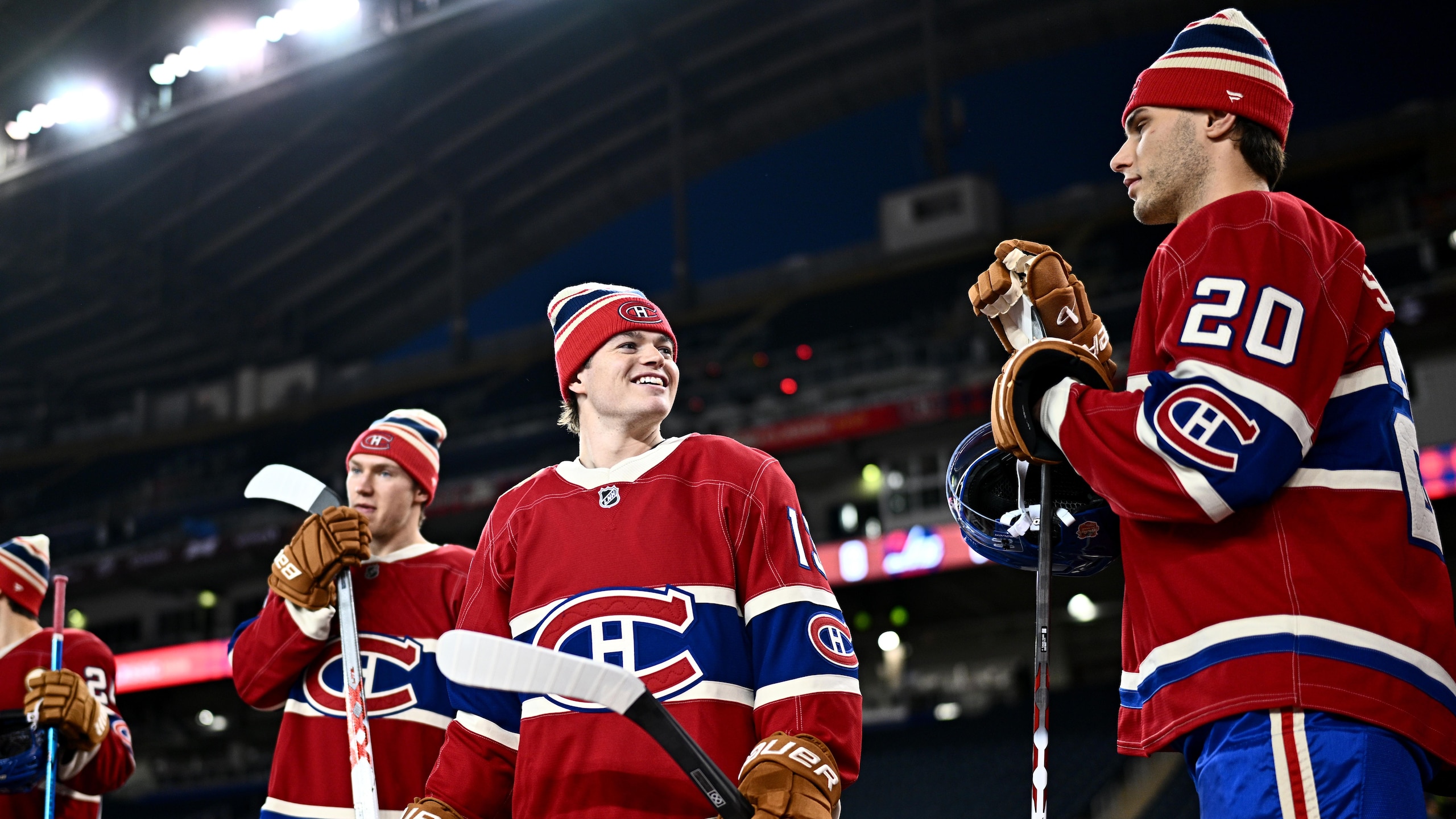
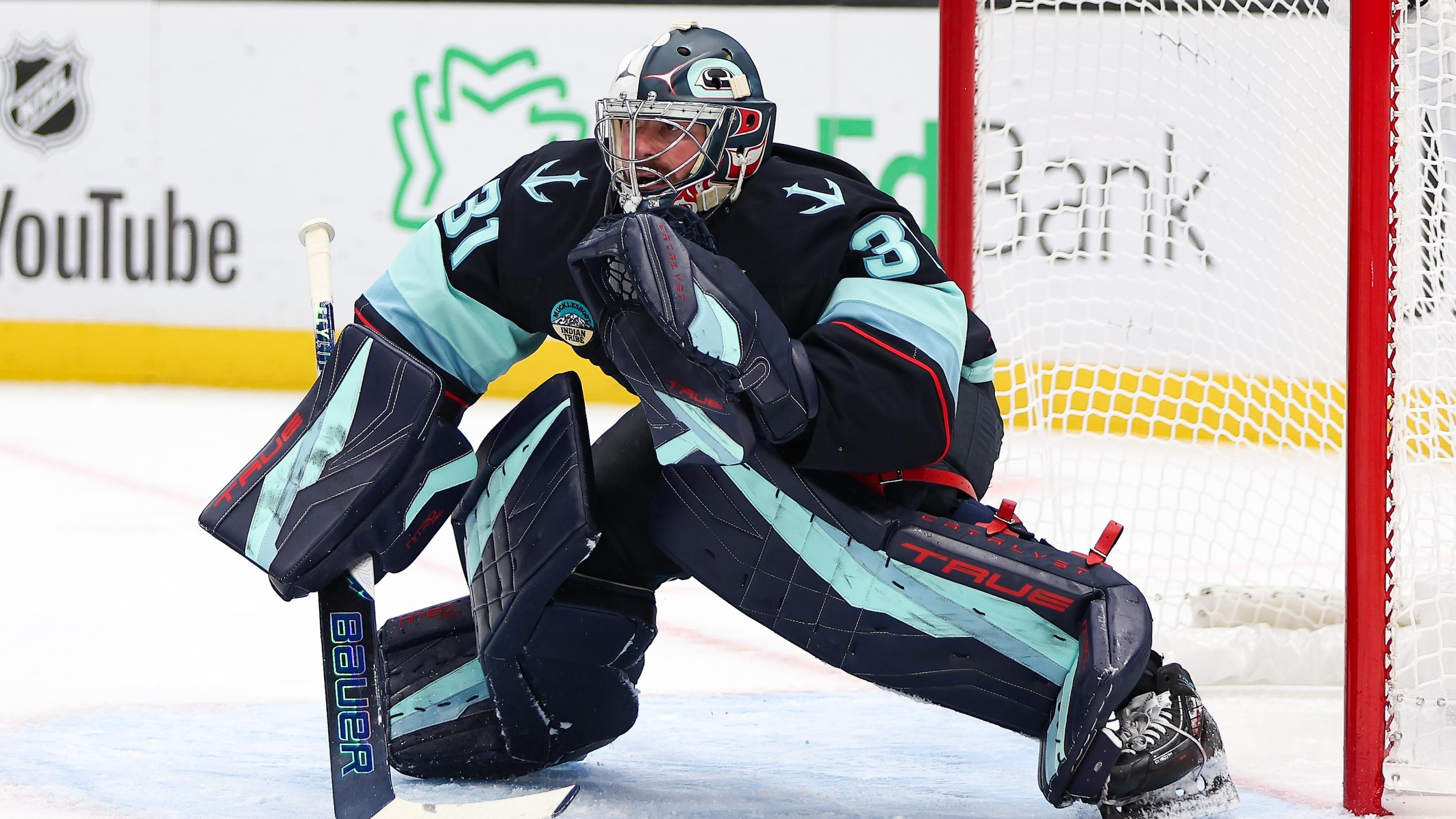
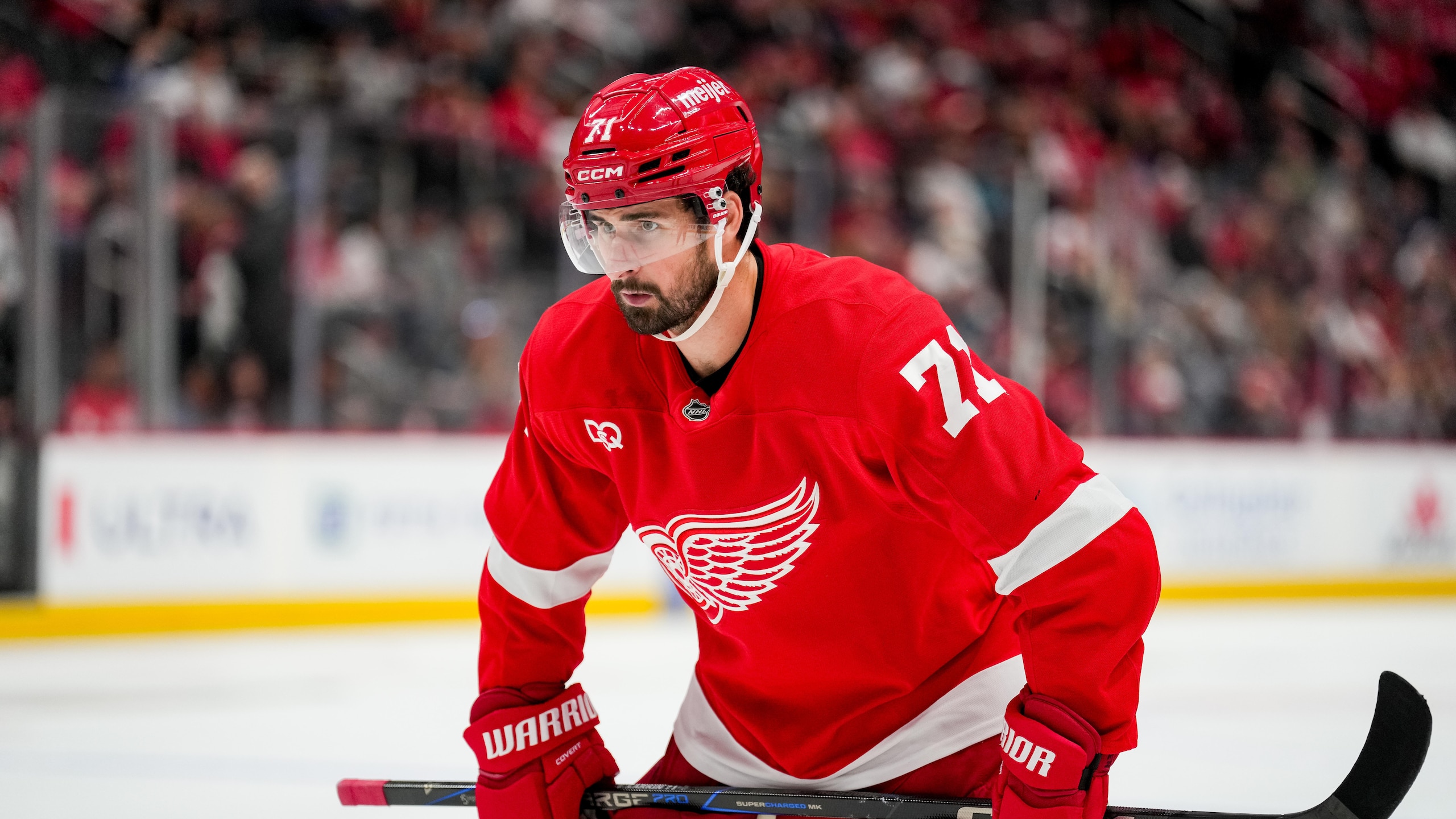
The initial act is simple: pair up, chirp, make the call, drop the gloves and go! The reasons and the results vary. Sparking the team when they are behind in scoring; keeping the opposition from taking liberties; protecting team-mates. The best outcome, on top of a win, is to show heart. Players respond when they see a team-mate personally step up for the squad, and it often spurs them to play their very best.
As a team unit, there is no better motivator to win than to realise how hard mates are willing to play for each other.
This season certain teams have seen these morale-lifting performances more than others. The statistics are interesting. Of the top-ten teams on the fighting-majors column, seven will almost certainly make the post-season. Of those in the bottom ten, only four are in playoff contention.
Leading the way in the pugilistic sciences are the Anaheim Ducks and Calgary Flames, tied for first in fights at time of writing. Both teams have had successful seasons overall, and the Ducks are seeking to defend their Stanley Cup title. In Anaheim, George Parros holds almost a third of his team’s fighting majors, with team-mates Brain Sutherby and Travis Moen rounding out the tally. This team has had fantastic success over the past few years as they have built themselves into what they feel is another Championship team.
The Flames have had showings from throughout their squad. At the top stands Eric Godard, brought in to fill the enforcer role, and he has had ample support from up and down the Calgary lineup. Blue-liners Dion Phaneuf and Jim Vandermeer have pitched in (Phaneuf is second in fights amongst NHL defensemen), as have forwards Mark Smith and Eric Nystrom, all in the NHL's top 60 scrappers. And of course when team Captain Jarome Iginla drops the gloves as he has five times this year, his club responds explosively to his dedicated leadership.
The Vancouver Canucks, Philadelphia Flyers and Chicago Blackhawks fill out the last of the top five fighting teams. Chicago, though not in the playoffs this season, have seen impressive performances from a very youthful corps. 25-year-old Adam Burish leads the team in brawls, while Jonathan Toews, Patrick Kane and newly added Andrew Ladd headline a roster which the ‘Hawks organisation is building for the future.
Meanwhile, the Philadelphia Flyers have partially revived their “Broad Street Bullies” persona of the 1970‘s. Returning to a combination of general skill and intense physical intimidation, the Flyers have made their presence felt despite a stream of suspensions this season. Although barely holding on to 8th place in the East, the Flyers have the potential to wear down the opposition as the clock winds down.
With so many “fighting” teams in contention for the post-season, does that mean a run-em-rough style guarantees a ticket to the playoffs? Absolutely not. Jared Boll of the “also-ran” Columbus Blue Jackets leads the NHL in major penalties, while the Edmonton Oilers who are 8th in fights overall spent most of this year at the bottom of the Western standings. The Minnesota Wild (16th overall in NHL fights) have maintained top standings within their division while staying mid-road in the fights column, proving the effectiveness of moderation and balance. However, by and large in 2007-08, teams that fight well, win well.
Of course there are exceptions to every rule. The Ottawa Senators and Montreal Canadiens, while ranking in the lowest echelons of the “fights-for” category are wrapping up the year at the top of the Eastern Conference. The Detroit Red Wings have the fewest fights in the NHL and are on pace for another President’s Trophy. Of the four teams previously mentioned from the bottom ten which have playoff hopes, three are current division leaders, including the San Jose Sharks.
Teams like these have done well without the use of excessive force by focusing on other strengths, such as scoring flair or strong team identity.
The impact of a timely bout can be massive, and can counter-balance the most uneven matchups. Fans watching a game feel a personal lift as they cheer on their enforcer; imagine the impression of players sitting on the bench or watching from the ice.
Certain games and playoff series are decided largely on the physical momentum of the match. Calgary Flames forward Kristian Huselius learned this the hard way as he watched his ice time slowly reduced to nothing when his club faced demanding contests. Although Calgary's second leading scorer, Huselius lacks grit or physical presence to back up his magic hands.
His team remains competitive by utilising the tools at their disposal at chosen times, shifting the roster and playing to their strengths. Bench-bosses and GM’s are constantly looking for the perfect combinations.
Every team has it’s own unique style of play, it’s own path to victory. Speedy, skilful teams and players often seem less likely to drop the gloves, and it can be a great surprise when they do. Other men, who play with grit throughout their careers stay away from fisticuffs altogether.
Fighting shall always have a place in hockey. The will to drop the gloves and battle for the team is part of a skater’s repertoire, and over the years many a-player has been signed in the NHL because of the fear he will elicit. The role of the enforcer is different for every player and every team, but it remains integral. Throughout 2007-08, some teams made a name for themselves as scrappers, some as punishing, some as dangerously skilled, and some as inconsequential. As the regular season makes way for the playoffs, watch to see which roles and styles become most significant as the eliminations begin.
***Check back after the Stanley Cup Finals, when I will discuss the art of fighting in hockey as a general topic. The etiquette involved in NHL match-ups. The shifting role of fighting in the game. What counts as going too far?***

.jpg?w=2560 "Rodgers Iced Out on Plane 💎")
.jpg?w=2560 "Raiders Could Start Mendoza")
.jpg?w=2560 "🚨 Week 8 AP Top 25 Poll")
.jpg?w=2560 "Mahomes Told Teammate to Leave Meeting")
.jpg?w=2560 "Lamar Being Out Shocked Ravens")

.jpg?w=2560 "Packers Safety Slams Refs 🤬")