
Another NHL Lockout May Be Spurred by Fights, Head Shots
We may soon witness yet another lockout.
Recent GM meetings in Florida have produced two reliable facts: The owners want to resolve the issue of fighting, while players are speaking out about hits to the head.
Of course this is a sign of concern to both the league and the players' association. The players want to reduce the number of traumatic head injuries while the owners are attempting to tweak the game, attracting more fans.
TOP NEWS

BS Meter on Latest Trade Rumors 🌡️
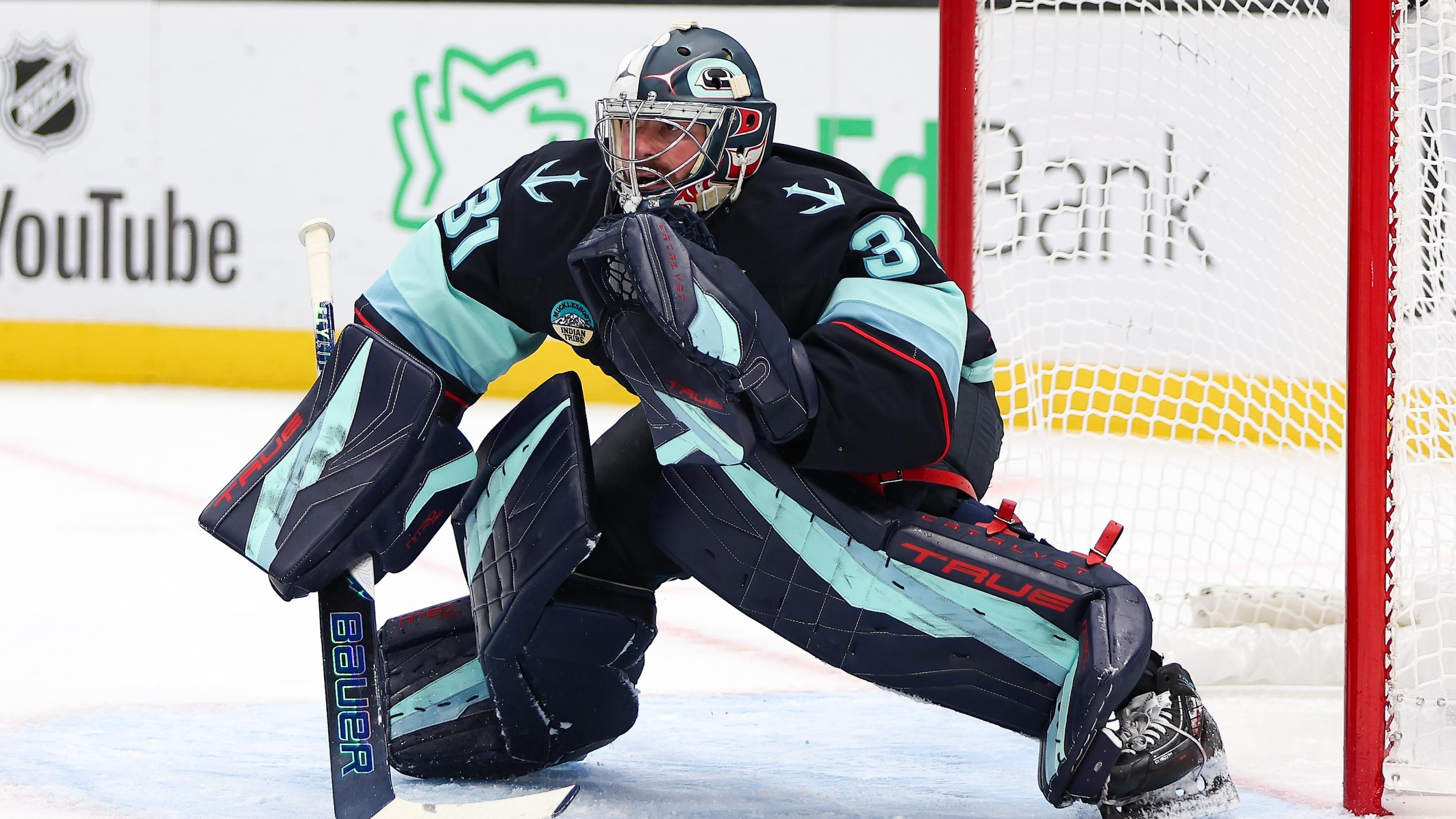
Teams That Need Goalie Trade💡
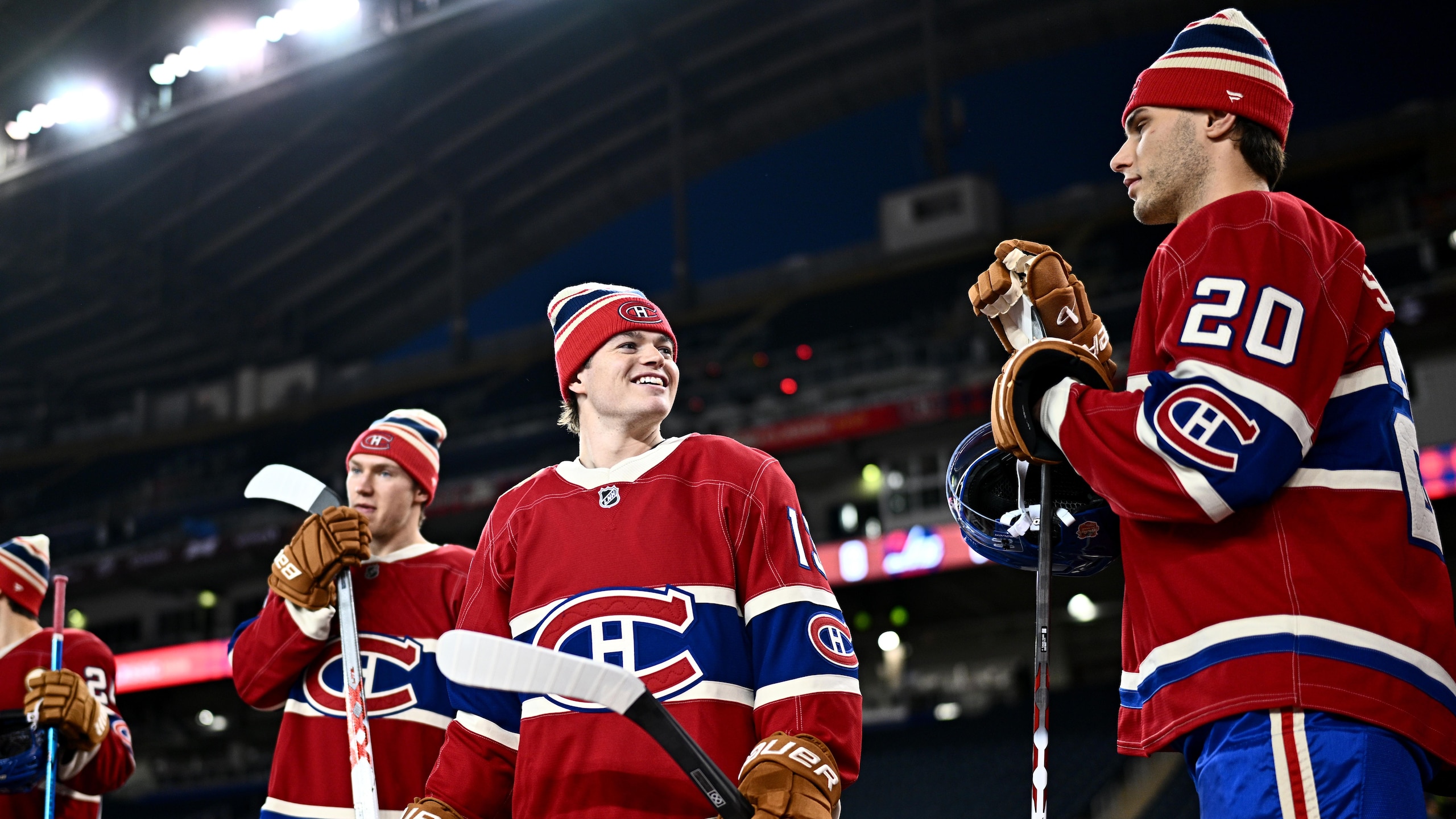
Best NHL Heritage Classic Jerseys 📋
Whether or not they can co-exist is yet to be seen. The possibility that this will turn into a back-and-forth courtroom battle is apparent.
Since the tragic death of Senior-A player Don Sanderson late last year, the NHL Board of Governors have decided to take action and reduce the chances of an on-ice fighting accident leading to the death of their players. There have been many different options that vary from 10-minute majors, ejections from the game and having to keep the helmets on at all times during a scrap.
While the league and its executives are looking to punish fighters, they are ignoring the big picture—what the players want.
According to TSN's hockey insider Darren Dreger there were 27 NHLers in an anonymous 33-player survey who suggested hits to the head should be outlawed. Clearly, there is a problem with the lack of respect between players in today's league, and the number one way to avoid injury is to get rid of head-shots. It's easy to see that their biggest issue doesn't include fighting.
And why would it? Since the 1999-2000 season there have been an average of 64 players each season who have endured concussion-related issues. The sense of urgency from the players' side is evident: The hits to the head have to go.
It would appear that both the NHL and NHLPA could work together and resolve both problems. The only catch here is that commissioner Gary Bettman and the owners have made the fighting issue their priority, while a poll from The Toronto Star shows that 63 percent of hockey fans believe the fisticuffs have a place in the game.
The same can be said about the players. Their first topic is the ongoing head-shots while completely ignoring the fighting problem.
So what can be done?
Frankly, the onus rests on the players. At the end of the day, it's the owners who sign the pay checks, and in this world, money talks. The players' association has to agree to a change with fighting so that they will be able to get the owners to agree on head checks.
On the other side of the puck, many players and coaches agree that fighting is what keeps players accountable for their actions during the play. Fights in hockey are traditional and mainly occur as a result of a cheap shot.
The only question is from which side will the first move come. Which of the parties will be willing to negotiate what actions need to be taken immediately and which ones need to be brought back to the drawing board.
As of next season, the Collective Bargaining Agreement is subject to change and both sides have the ability to re-open it if necessary. If neither side decides they want to institute an update to the CBA then the league will play out under the rules of the current one.
The CBA is based on revenue and the economic status of the game. Seeing as how our own economy is on its way down to rock bottom there is plenty of speculation that both sides would have an interest in adjusting the current bargaining agreement.
When that day comes some of the on-ice rules can also be changed in the same fashion as they were in 2005. As negotiations begin, both sides are going to be lobbying to institute new rules to protect the players and protect league assets.
And if it is indeed re-opened, don't hold your breath waiting for the puck to drop in October.
.jpg?w=2560 "NHL Trade Grades Connor Hellebuyck")
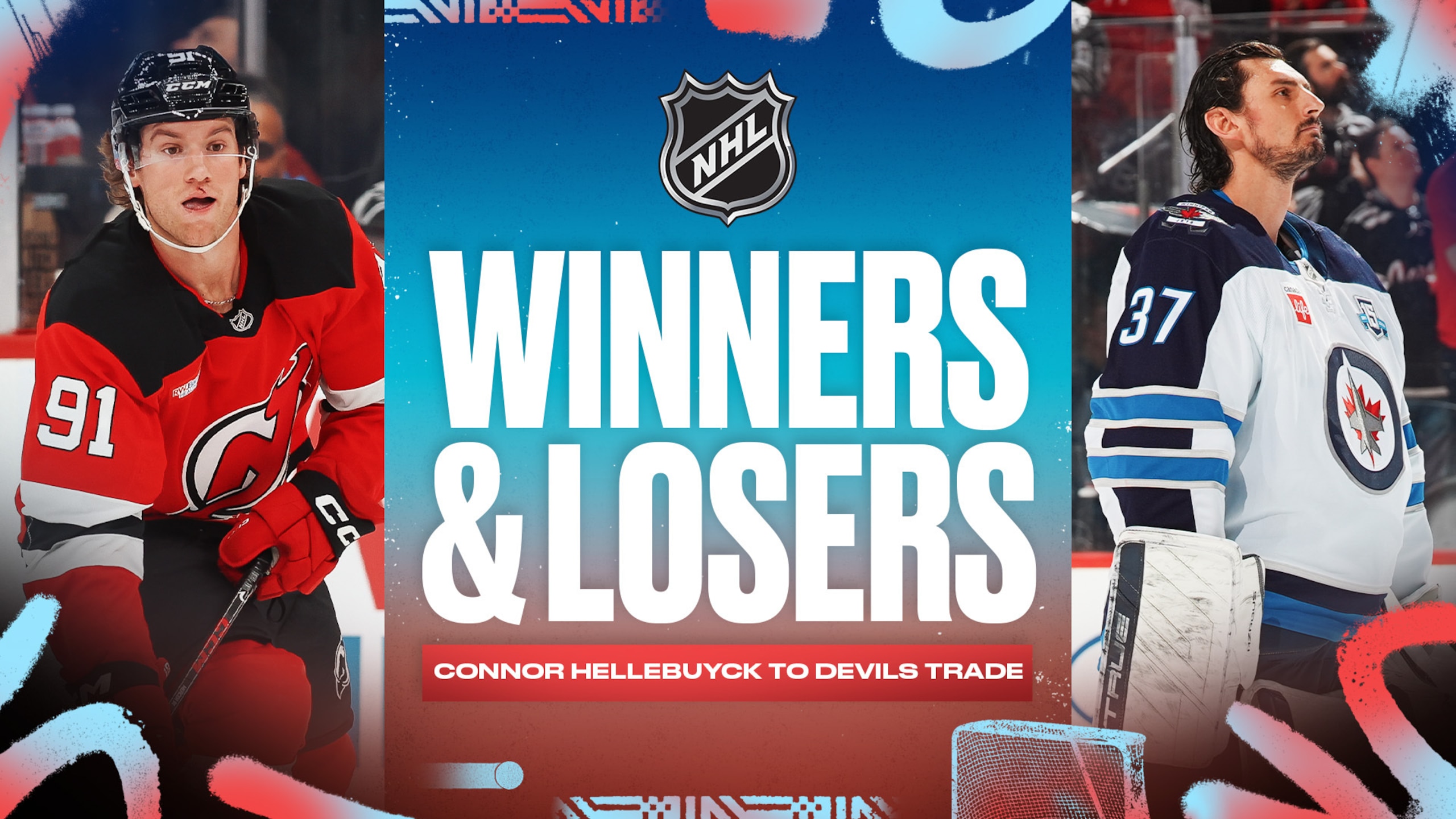


.jpg?w=2560 "Latest Peyton-Colts Rumors")


.jpg?w=2560 "Landing Spots for Trade Candidates 📍")
.jpg?w=2560 "Ugly Jets Scoring Stat 😳")