Why One Game Means More Than You Think in the NBA
One game, that's what always seems to be the excuse a team makes after a loss. If you're the Celtics, Lakers or Wizards (I guess) after losing on opening night there's no reason to think that the season is derailed because of one simple game.
The Celtics showed that they're not in sync enough at this point to beat a team like Miami this early in the season, the Lakers were still putting their team together and really learning their offense and the Wizards were missing their two best players, plus they're the Wizards.
Nobody's ringing any kind of alarm yet, and nobody should be blowing an alarm.
TOP NEWS

J-Dub, Wallace May Miss Entire Season
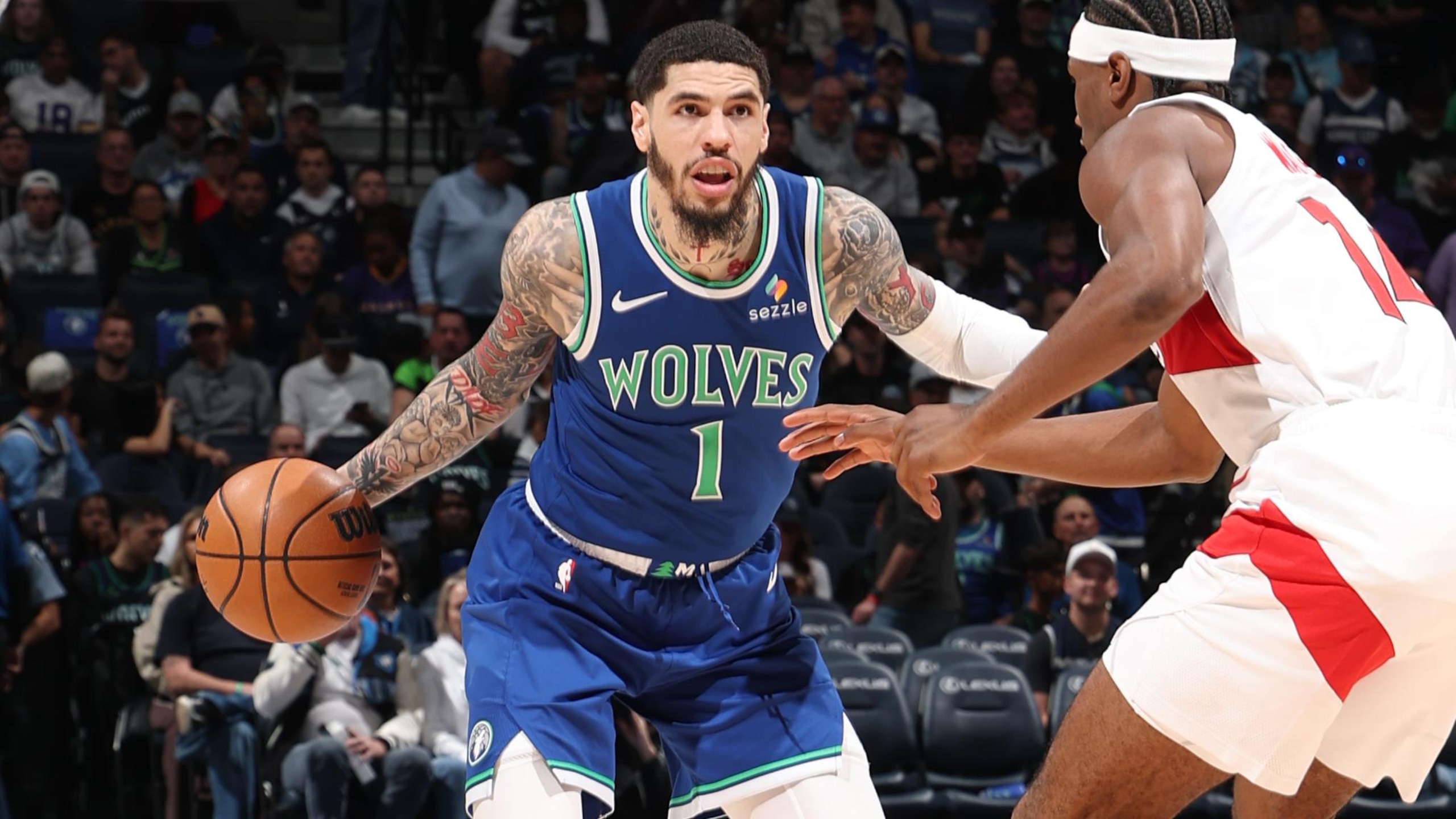
Melo's Quote on Confidence 😎
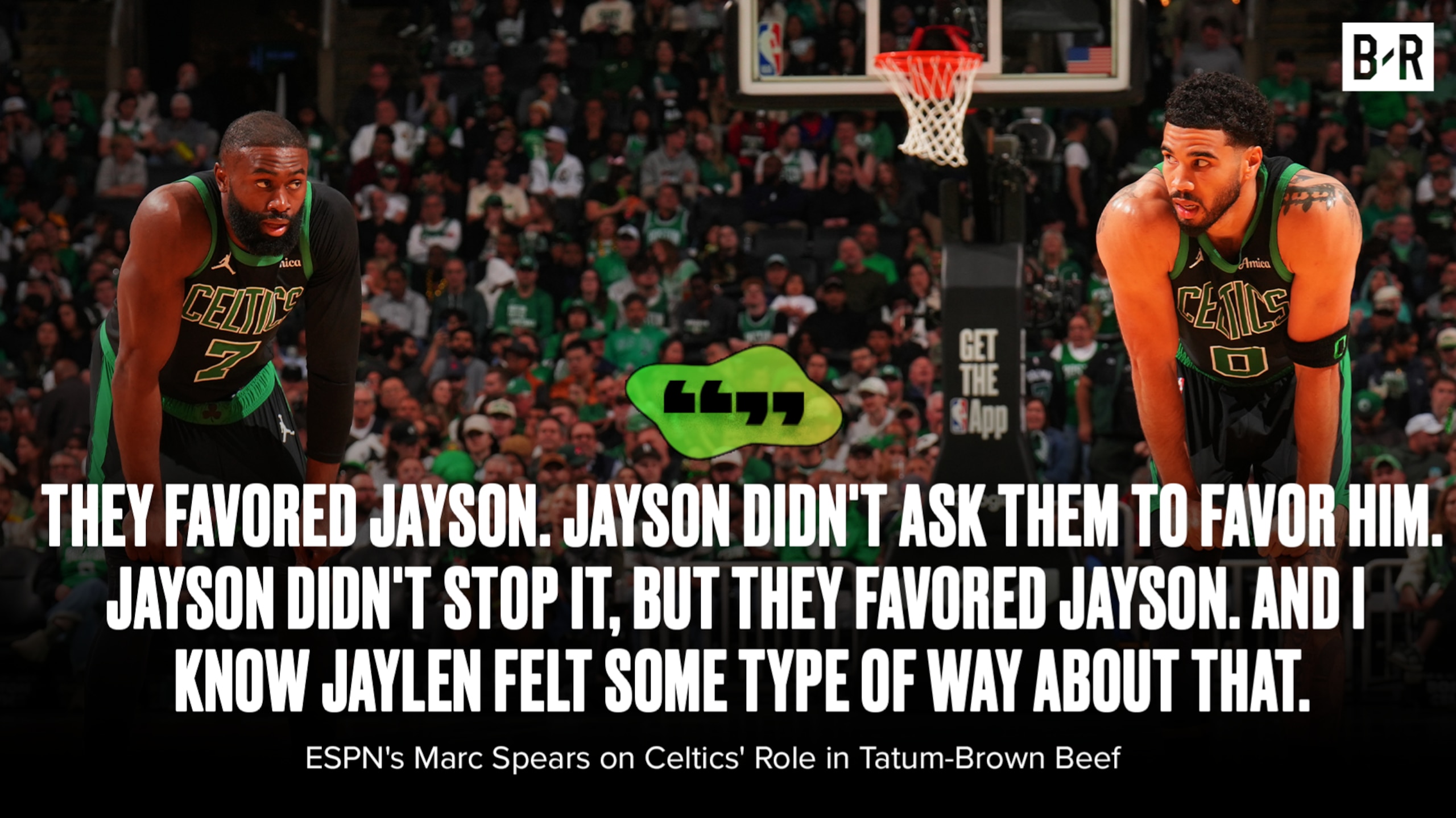
Celtics at Fault for JT-JB Beef? 🤔
That's no reason, however, to completely ignore one game, to blow it off and act like it has no effect on the season, because there are endless examples of one game making all the difference in the world.
How many times have we seen teams jockey for playoff positioning with just a single game separating them from an easier playoff matchup, home-court advantage, or even just making the playoffs at all?
It's not like we consistently see the top eight teams run away from the bottom seven in each conference, it's a consistent ebb and flow right around the middle that almost always leads to one team missing out on the playoffs by one or two games.
The biggest examples of one game being the difference between teams going home for an early break and playing on into the playoffs are quite recent.
2008 saw the Atlanta Hawks beat out the Indiana Pacers by just a single game, putting them in the playoffs and leaving Indiana on the outside looking in. The same thing happened to the Toronto Raptors in 2010 as the Bulls won one more game than they did.
It's not all about making the playoffs, however, there's a lot in it about who you end up playing against.
In terms of playoff positioning, just take a look at the 1978 Washington Bullets. Their 44-38 record put them one game ahead of the Cavs, giving them a favorable matchup with the Atlanta Hawks, rather than the New York Knicks.
Washington was able to sweep Atlanta in the first round, while Cleveland was swept by the Knicks. The Bullets also drew the favorable semifinals matchup with the Spurs, rather than the 76ers, whom they beat en route to an NBA Championship.
Then again, losing one game might be a blessing in disguise. Just take a look at the 1995 Houston Rockets, a team seeded sixth that ended up winning the NBA Championship. Would they have won one more game and jumped the Lakers for fifth place they'd be matched up with the Seattle Supersonics in the first round.
Instead of matching up with a Jazz team that was up-and-down in the playoffs, they'd be going up against a young, athletic Supersonics team featuring Gary Payton and Shawn Kemp. Would things have gone differently for them? Perhaps.
Heck, just a few seasons ago we saw the ultimate show of one game completely reshaping the playoffs in the Western Conference.
In 2011, we had a tie for the seventh and eighth seed as well as a tie for the second and third seed. What happened then?
For starters we saw Dallas, the third seed, nearly falling to Portland in the first round, with the Lakers having problems with New Orleans themselves. What happens if these two teams switch places? Perhaps a completely different NBA Champion.
What definitely made a difference, however, was the seventh and eighth seed. Memphis ended up with the final spot while New Orleans grabbed seventh.
The Grizzlies went on to take down the Spurs in the first round of the playoffs in what was the absolute worst matchup for them to meet up with in the first round. If Memphis would have won one more game during the season it's a pretty safe assumption that the Spurs would have won in the first round of the playoffs and perhaps went on to stroll through the playoffs into the Finals.
What we're dealing with here is a lot of "what if" scenarios, but there's no question the possibilities of a different history are very real.
Just be careful next time you take a look at a loss in the middle of the NBA season and brush it off as "just one game."

.jpg?w=2560 "Chiefs, Steelers Eye WR Trades")