
Why the NHL Should Not Stop Worrying About Improving Scoring
The excitement of a scoreless playoff game that goes into overtime cannot be denied. Fans are on the edge of their seat, waiting for that one goal that will lead one team into unrestrained joy and the opponent into a long night of heartache.
If that game goes two, three, or four overtimes, avid fans won’t care as long as their team wins. They will stay at the game or in front of their television set, no matter how long it takes.
However, what about the non-avid fans? What about the casual fans who are just getting interested in the game? What about the fans who will give hockey the growth it needs if it is going to compete with basketball and baseball? (Professional football, as played by the NFL, is simply out of reach.)
.jpg?w=2560 "Golden Knights Blues Hockey")

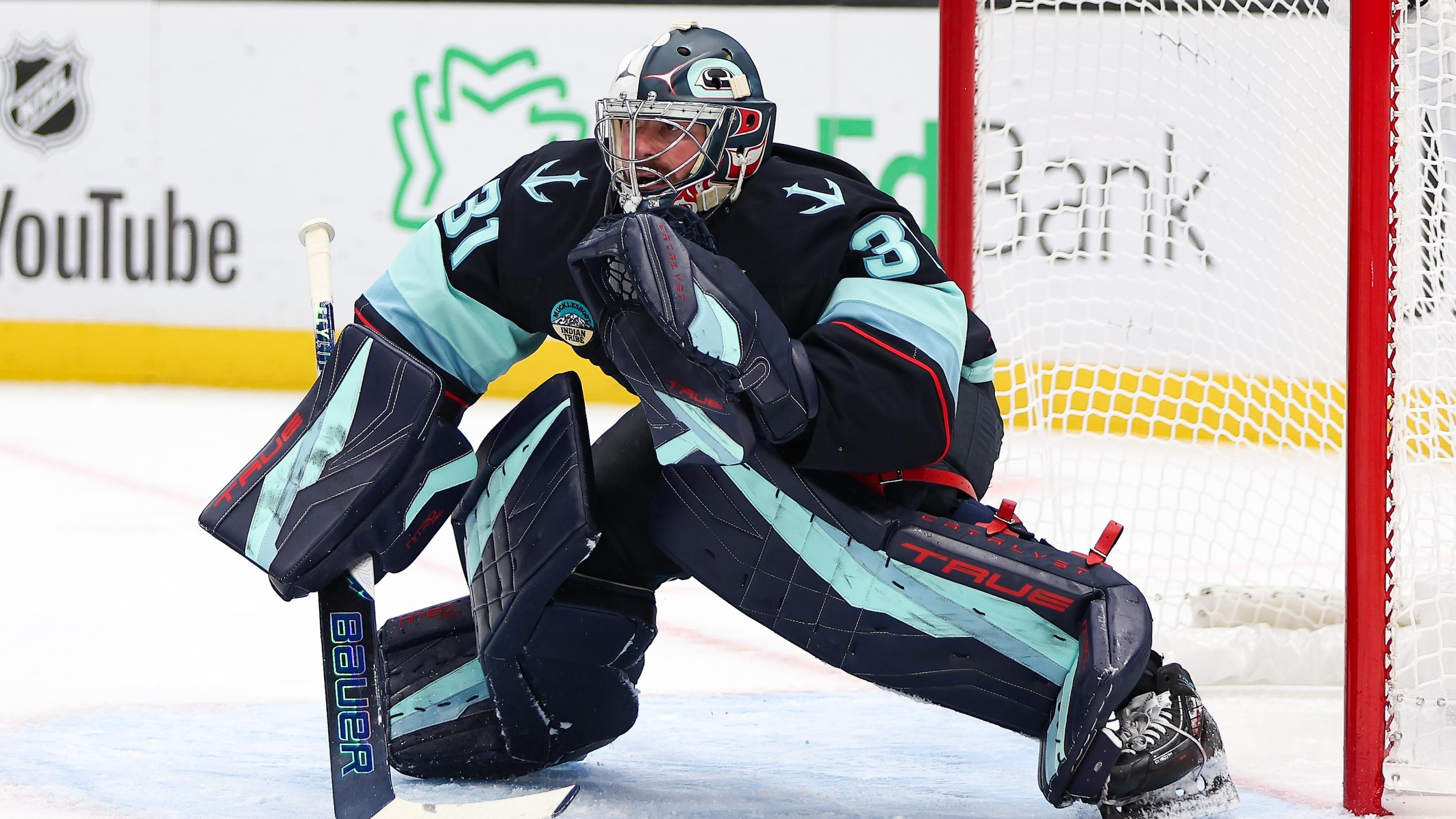
Can those newbie fans appreciate the competitive aspect of a 0-0 or 1-1 game enough to stay interested in what they are watching, or do they need more scoring?
In order to grow the game, you probably need more goals. However, if you make too many changes to the game, you may be left with something that is not the ideal version of ice hockey.
The NHL is in a very difficult position and it is getting more critical. Scoring has been going down every year since 2005-06 (source: QuantHockey.com). That was the year the NHL came back from a year-long work stoppage.
That season, the NHL had an average of 6.17 goals per game. In 2003-04, just 5.14 goals per game were scored. The 2005-06 season represented the NHL's highest scoring year since 1995-96, when 6.29 goals per game were scored.
Since the 2005-06 season, goals have dipped precipitously. The level fell below 6.00 goals per game in 2006-07 when 5.89 gpg were scored and the level hit 5.47 gpg last season, the lowest since 2002-03.
To the hardcore fan who loves brilliant goaltending, hard hitting and blocked shots, it may not matter a lick. However, there are many fans who long for the days when Wayne Gretzky and Mario Lemieux filled the nets with goals on a regular basis.
Goal-scoring reached a modern-day peak in 1981-82 when 8.03 goals were scored per game. That's the same year that Gretzky scored his record 92 goals. He also added 120 assists for 212 points.
After the work stoppage of 2004-05, officials were concerned about making the game more exciting and high scoring. Several rule changes were instituted to increase scoring and excitement, but they had limited long-term impact.
One of those was increasing the distance of the end board to the end line from 9 feet to 11 feet and another was reducing the size of the neutral zone from 54 feet to 50 feet (source: NHL.com).
The NHL also allowed passes from behind the defending blue line to the attacking blue line. This was previously considered offsides. Players were also allowed to "tag up" if they preceded the puck into the offensive zone.
The trapezoid was also put in behind the end lines. This represented the areas that goaltenders were not allowed to enter to make plays on the puck.
While a move like making the 6-foot-by-4-foot net larger would seem an obvious way to increase scoring, many within the game would consider that too radical a rule change (source: Mike Brophy of Sportsnet.ca.).
However, decreasing the size of goalie equipment and pads might help skaters light the lamp with more frequency (source: New York Times).
That's one of the few changes that could be made at this point that would not turn the game into something other than the version of ice hockey that so many fans love.
.jpg?w=2560 "Chiefs, Steelers Eye WR Trades")






.jpg?w=2560 "Raiders Sticking with Cousins")