
How Early Is Too Early to Start Looking at High School Basketball Prospects?
In today's highly competitive recruiting environment, college basketball coaches will go to great lengths to gain an advantage, and that includes scouting and evaluating players at an extremely young age.
It's no longer abnormal for prospects to be identified in seventh, eighth or ninth grade, and some schools, such as Southern California and Kentucky, have made scholarship offers to middle school athletes.
I don't have a problem with coaches scouting young players, but so many coaches are highly valuing these 13- and 14-year-olds and taking enormous stock in their talent.

Several of these kids are being told they're the next Derrick Rose or Anthony Davis before they've played a single high school game. Schools such as Indiana, USC and Kentucky have all made scholarship offers to prospects who were in eighth grade or younger.
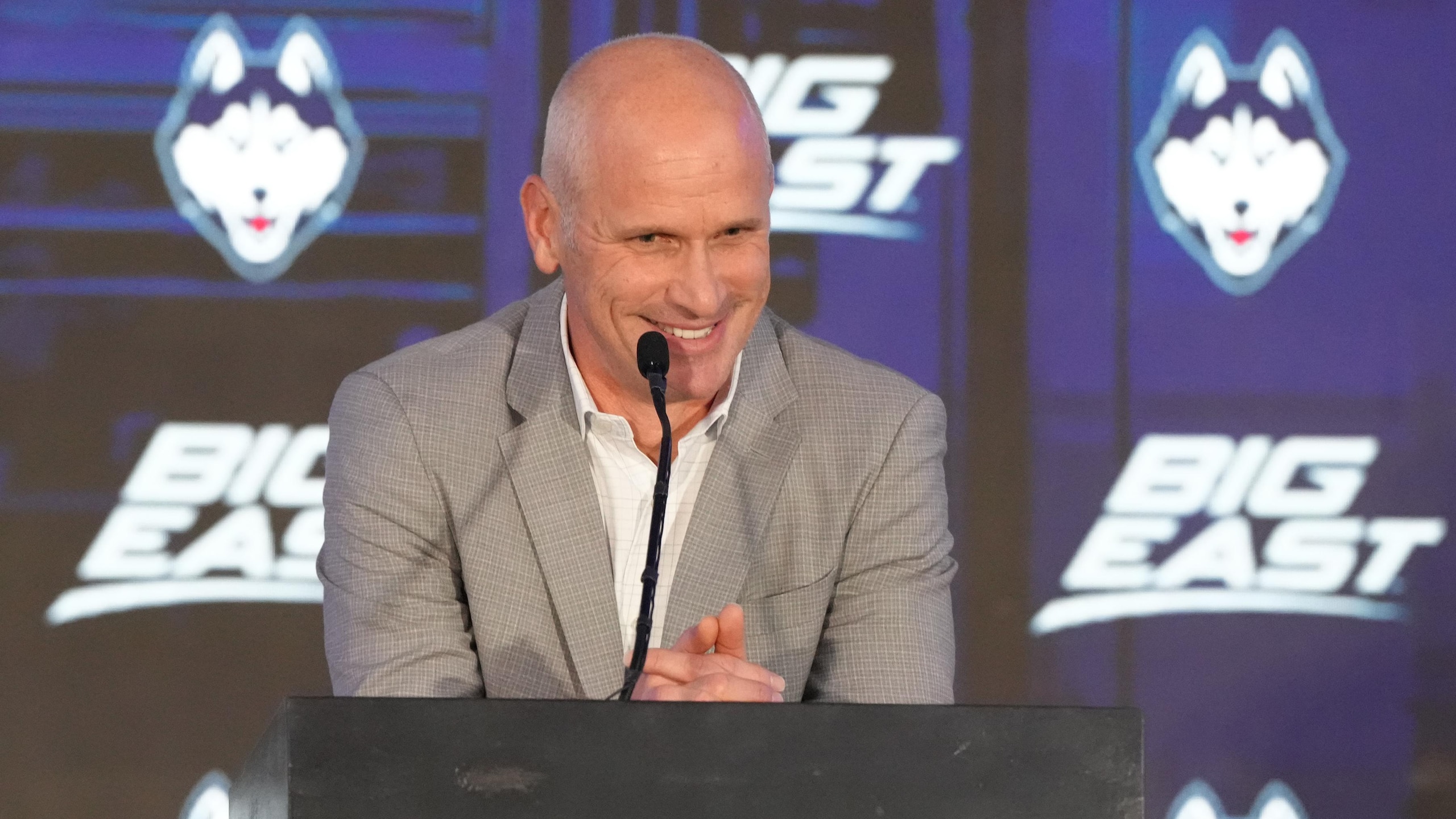
Back when he was 14, Connecticut Huskies guard Ryan Boatright committed to USC before he even chose which Chicago-area high school he would play for. In his case, it all worked out in the end, as he landed with a top-tier program superior to the one in which he initially committed.
But for every Boatright or Rose, there are 50 other "cant-miss" prospects who don't pan out. And even Boatright's case shows the flaws of early recruitment: He didn't end up with the school he originally committed to, and his road to Connecticut included some rule-bending and receiving improper benefits.
There's something wrong about declaring a junior high student as a future star. Coaching staffs and programs are not being fair to themselves or to the athletes. It's also irregular to put so much stock in a kid who may not develop into the elite prospect they were expected to be.
Most importantly, it's not fair to the young prospect who faces a world of stardom at an extremely young age. These athletes become the centerpiece of a recruiting war between the best college hoops programs. They become wrapped up in the culture of AAU and other All-Star events when they should be learning how to be well-rounded young adults.
I'm not saying that dedication to basketball and playing in summer leagues is inherently bad, but the younger the recruit, the less likely it is that he'll be able to handle the hoopla.
For the college program, it's wise to steer clear of overvaluing prospects when they're still in middle school.
Deeming a prospect worthy of a scholarship offer at 13 or 14 is much different than making the same assessment when he's 16 or 17. When he's a sophomore or a junior, he can be more accurately assessed because he has a couple years of high school basketball under his belt, along with a few more years of off-the-court maturity.
Unfortunately, the eat-or-be-eaten mentality of modern recruiting has forced big-time programs to look hard at 12- and 13-year-olds. In 2009, the NCAA declared that seventh graders are officially classified as prospects.
NCAA coaches need to be careful. Middle school is not too early to keep an eye on potential stars, but too much attention and too much stock in these youngsters can hurt everyone involved.
Elementary school is certainly too early to even look at players, and middle school is too early to crown kids as the next big thing.


.jpg?w=2560 "NFL investigating 2 referees for separate viral exchanges")
.jpg?w=2560 "OBJ Calls Out Giants 😳")



.jpg?w=2560 "Ward Nearly Walks Out of Presser 😳")
.jpg?w=2560 "Tyreek makes another cryptic post amid Chiefs rumors")