The History Of NHL Expansion To Canada Part 3: Lost Franchises And A Bungled Bid
In 1980, six cities in Canada had populations of between 500,000 and 750,000. Eventually it would be able to divide them into two groups whose economic fortunes and future change in population would determine the fate of NHL expansion in Canada from then until the present day. In group one would be Edmonton, Calgary, and Ottawa; group two was made up of Quebec, Winnipeg, and Hamilton.
John Ziegler would prove more Canadian than Canadians for it was during his presidency that Canadian teams in the NHL would reach its maximum. Forcing a second vote, the merger came about with Vancouver and Montreal (who also had opposed merging because it meant sharing CBC TV money) dropping their opposition and the number of Canadian NHL cities doubled with the admission of Quebec, Winnipeg, and Edmonton.

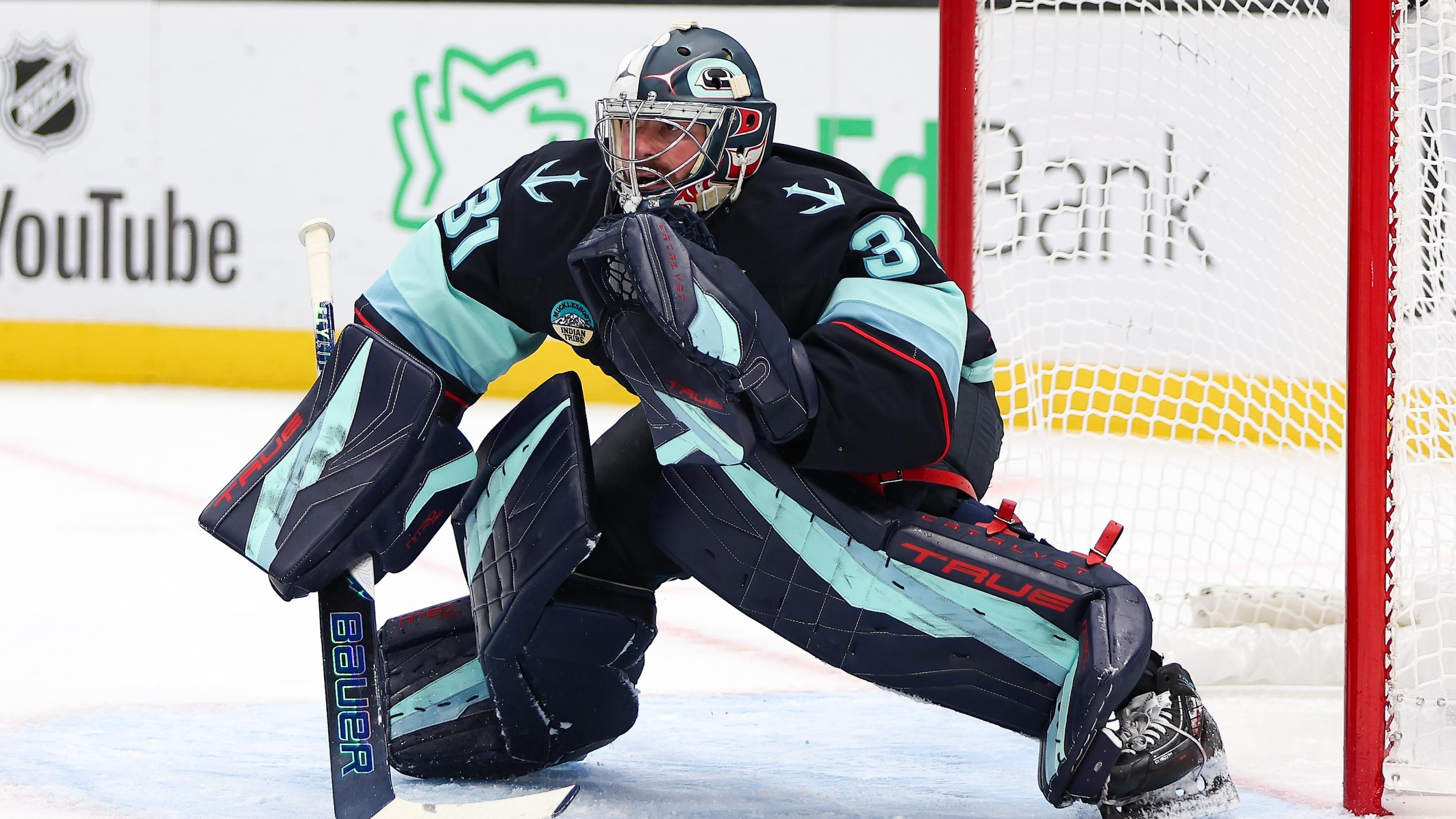

Right away there was a difference detected among the three new members. Even before the merger took place Edmonton had built a modern arena that would stand them in good stead for long-term membership. The median for arena size in 1980 was 16,000 seats and Edmonton's new arena was over 17,000.
In contrast, Quebec and Winnipeg were just content to expand their old buildings to the 15,000 range. It would prove to be an ominous sign for what would happen to their franchises.
Next year, another Canadian city joined the NHL. The Atlanta Flames had poor attendance, no TV money, and they were sold to a group of Canadian businessmen who moved the franchise to Calgary. Like Edmonton, the new owners understood that to survive as a "big-league city" the team had to play in a big-league facility.
Work was immediately started on the Saddledome, initially seating 16,000 but then increased to 19,000. The Flames were set for the long-term.
All the teams drew great support in the 1980's and enjoyed some success on the ice. But the fate of the two groups would be shown by the change in their populations between 1980 and the present day: group one cities would grow to over one million; of the group two cities only Quebec would rise from under 600,000 to just over 700,000. Group one cities would prosper; group two cities would stagnate.
Meanwhile it was decided to expand the NHL once again in 1988. Two new franchises would be admitted in 1990 with play to begin in 1992. Ziegler and the governors favoured another Canadian franchise and it seemed like Hamilton would be the likely winner.
Everything seemed to favour them. Hamilton had already built a modern, NHL-size arena, and its prospective owners were wealthy enough to sustain an NHL franchise. However they did not take into account the arrogance of the absolute power of sports teams owners (a characteristic shared by all major professional sports leagues, not just the NHL).
The prospective owners thought they could renegotiate some of the expansion terms. Even the mere attempt to alter the terms was enough to arouse the NHL Board of Governors; the new franchise slipped out of Hamilton and into the waiting arms of an Ottawa group who accepted every condition without questioning them.
Actually, Ottawa was much less prepared for an NHL franchise than Hamilton because it did not have an NHL arena. However, the new owners astutely followed Edmonton and Calgary's path and began construction of one the largest arenas in the present-day NHL.
Ottawa also had other advantages over Hamilton. It was a much larger market and there was no comparison between its population growth rate and Hamilton's. It was also more politic to put a franchise in the Canadian capital to buy some government good-will just as it had been shrewd to locate a franchise in the American capital.
Throughout these years, there were two factors to threaten the existence of the Canadian teams: the rise in players' salaries, and the fall of the Canadian dollar. It is true that Edmonton, Calgary, and Ottawa were more prosperous than Quebec and Winnipeg, but the former three had all built modern arenas to get them through tough times.
If anything, Quebec and Winnipeg needed larger, modern arenas to compensate for their small markets, but their owners could or would not raise the capital necessary for such projects, nor make headway against small-city thinking.
Quebec lost its franchise in 1995 and Winnipeg the following year; both cities have been without NHL hockey since. Their fate could be explained mostly by economics; but no white knights appeared from any part of Canada to save them.



.jpg?w=2560 "Rodgers Iced Out on Plane 💎")
.jpg?w=2560 "Raiders Could Start Mendoza")
.jpg?w=2560 "🚨 Week 8 AP Top 25 Poll")
.jpg?w=2560 "Mahomes Told Teammate to Leave Meeting")
.jpg?w=2560 "Lamar Being Out Shocked Ravens")

.jpg?w=2560 "Packers Safety Slams Refs 🤬")