
To Leaf or Not to Leaf...the Effect of No-Movement Clauses in the NHL
Early Monday morning, Mats Sundin and his agent declared to the media, that after much reflection, he was not waiving his no-trade clause.
Though his Leafs are currently experiencing one of their worst seasons in memory, and that his rental would bring in some much needed youth and talent, he still refused to let Cliff Fletcher try and do what he was brought in to do.
Many fans will probably see this as a betrayal and boos will most probably be heard next time he steps on to the Air Canada ice surface, but his decision, as baffling as it may be, is certainly not the first time we have seen this.
TOP NEWS
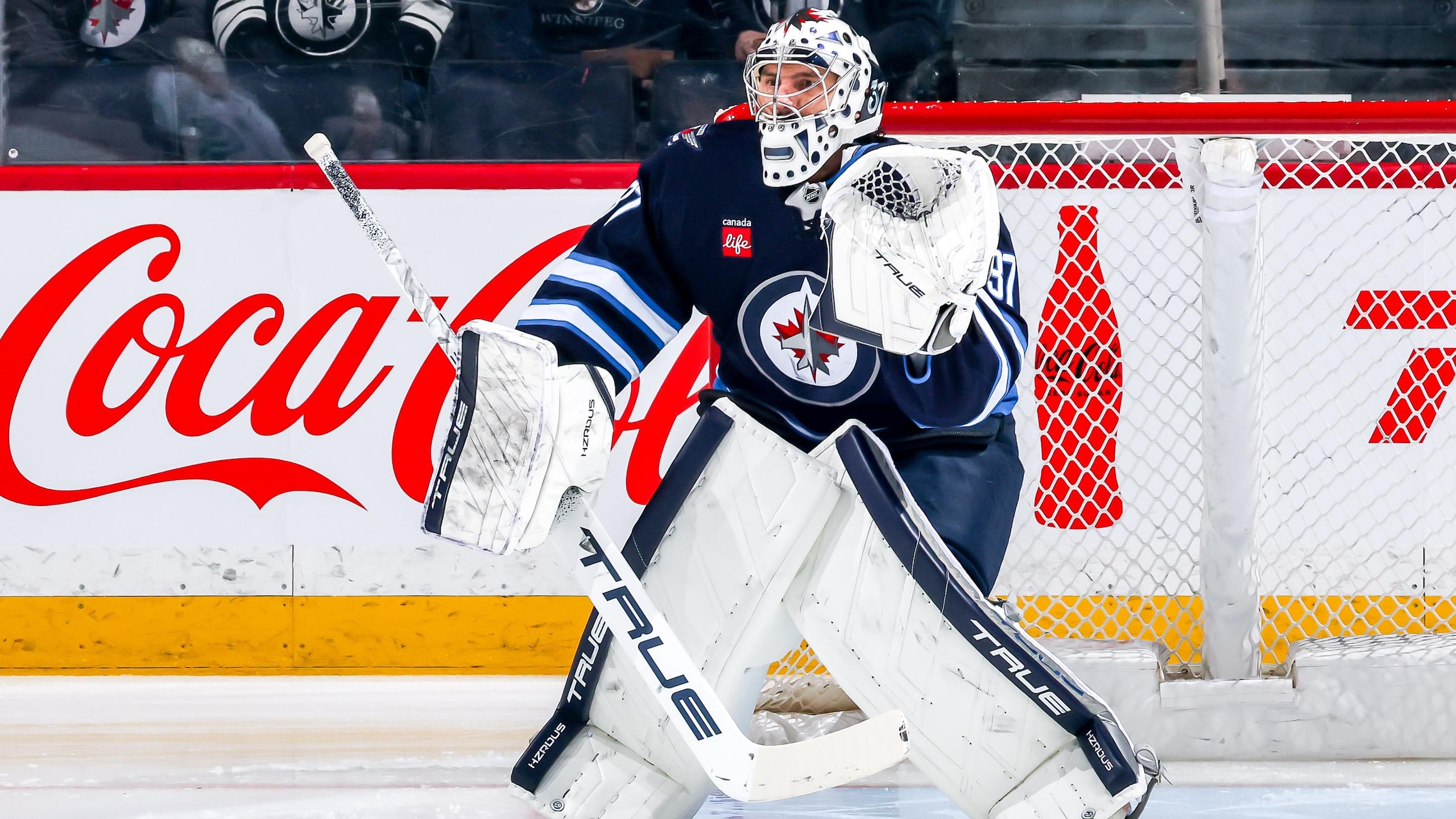
3-Way Trade Ideas for Hellebuyck 💡
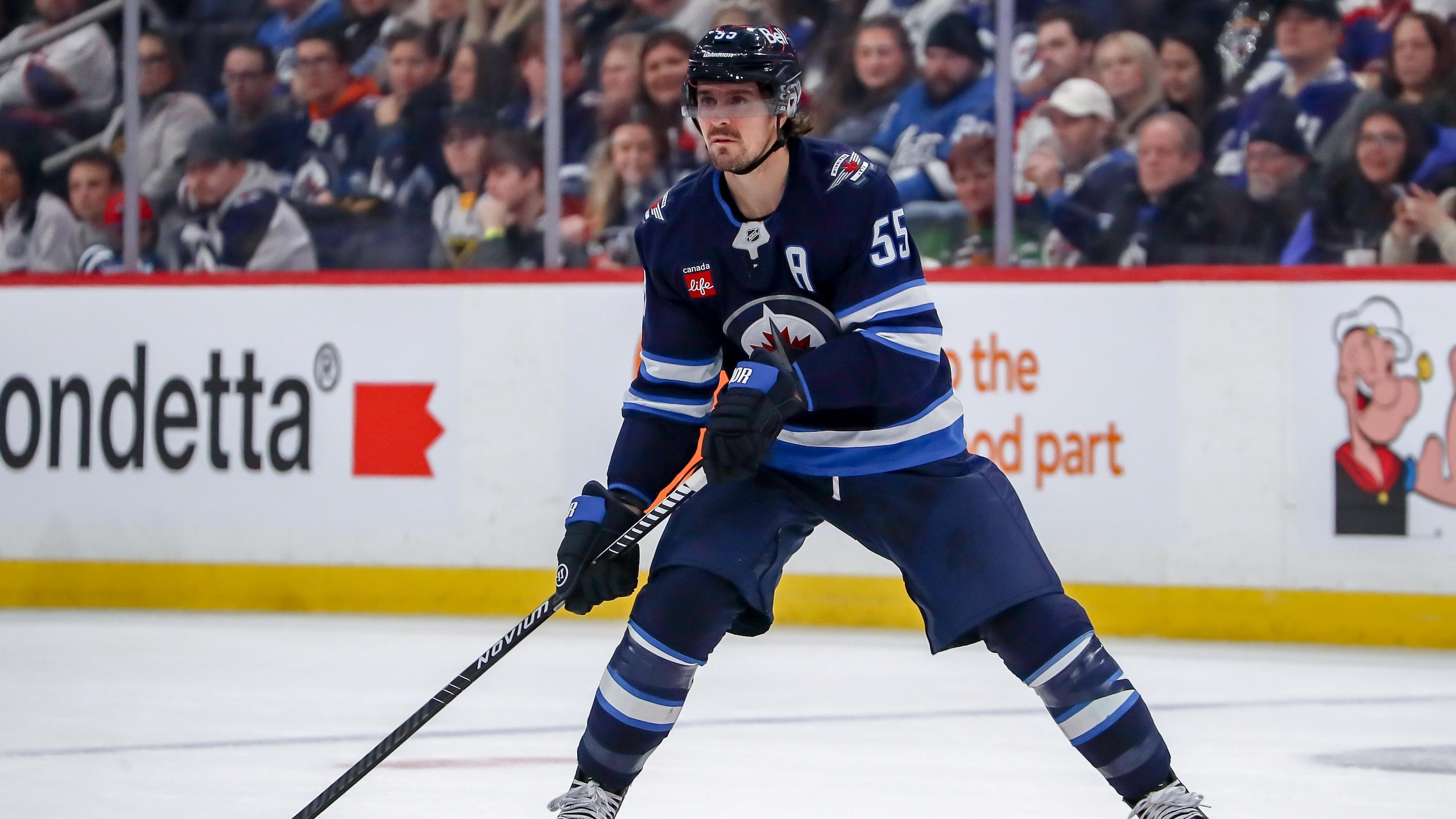
Mark Scheifele Landing Spots 📍

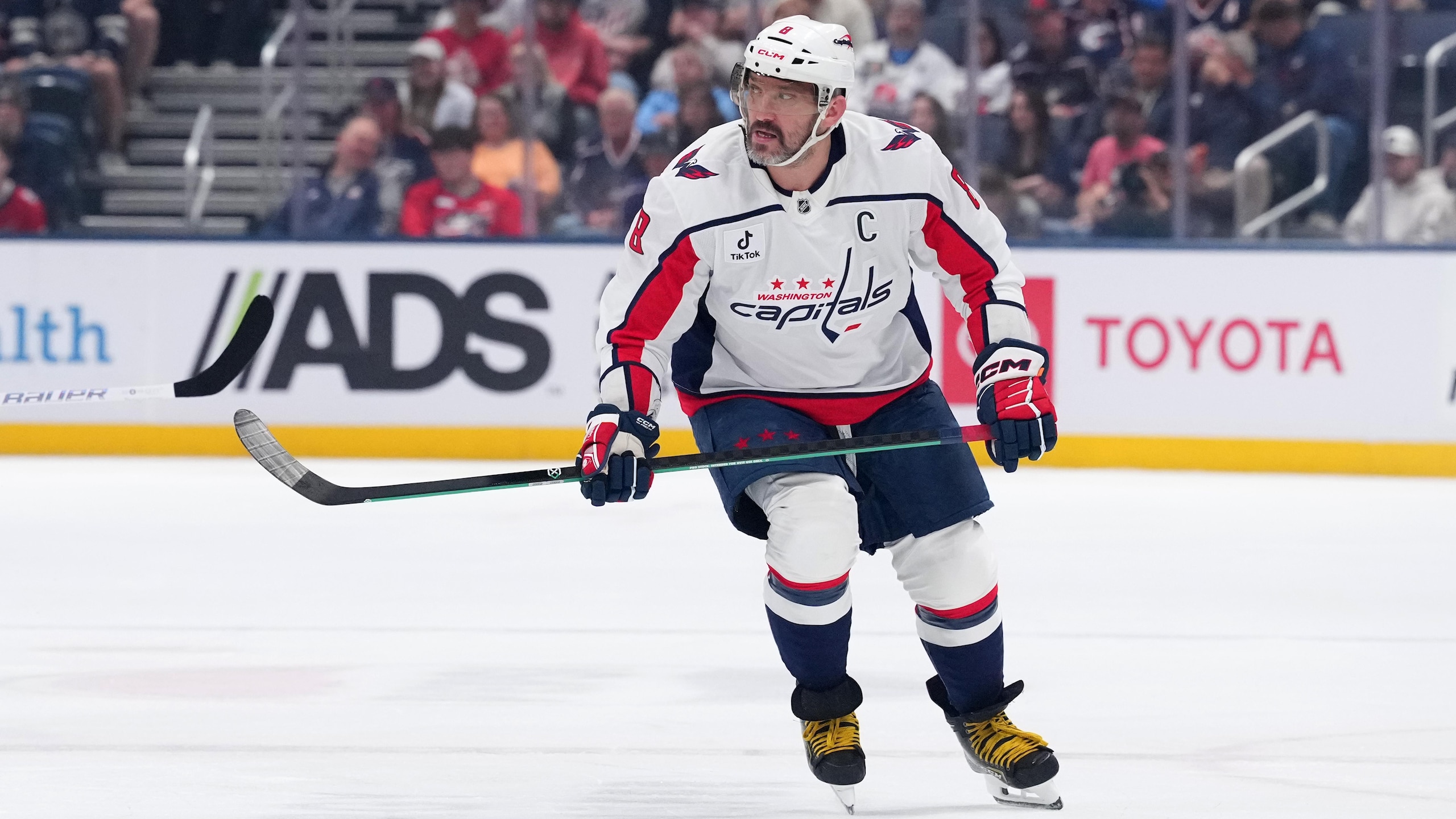
Ovechkin's Greatest Moments 🎱
As the deadline approaches, the Toronto GM has asked in no particular order to Tucker, Kubina, Kaberle, and McCabe, on top of Sundin, to waive their no-trade clauses, and all have refused, with McCabe stating that he would only be moved to a very select number of teams.
Some might celebrate their decisions as proof of devotion to the team, but when you look more closely, how can they possibly be comfortable in a situation that will not get better without their ousting?
So, it's closer to a betrayal of the Leafs we are seeing, as they are hindering progress.
Let us be clear now, this is not an attack on the Toronto Maple Leafs, as many players around the league have also refused to budge.
Wade Redden is a prime example, having in consecutive years shot down deals that could have sent him elsewhere.
With players salaries under a hard cap, clauses like the no-trade, or even the no-movement clause, which is more suffocating to a team's salary cap, are being used as incentives to get players to sign.
But as we are already seeing, just shy of three years under the new collective bargaining agreement, these types of incentives are starting to strangle teams.
John Ferguson Jr. had arguably one of the worst tenures a General Manager could ever have with a team.
He dumped picks for declining talent, and signed players to confining contracts, but he did so under the new system thinking he could continue building through the free agent market as the Leafs had done in previous years.
Without the chance of being able to shed some salary and pick up draft picks, the Leafs are doomed to be bottom dwellers for the foreseeable future.
Joining them in hockey purgatory are teams like the Lightning, who have three players taking up 40% of the cap, and the Rangers, who in the off-season reverted to their old ways and appear to be that classic, underachieving team with overpaid players we have grown accustomed to.
In the NFL, if you are too financially invested to a cap, you can just cut a player and have only a percentage of his salary count against it.
As tragic as this may be to those players who usually do not play with guaranteed contracts, as all other professional sports do, it does allow the team to continue to progress.
However, in the NHL you cannot simply buyout a player without having at the minimum two-thirds of the money tacked on to your cap.
There are ways to circumvent this by placing players on waivers, but you are still tapped for a large percentage if they are claimed.
In 2008, we have seen the rise of a few young, talented teams as the Canadians, the Bruins, the Wild, and the continued progression of financially wise teams as the Senators and Sharks.
These teams have built from within or through savvy trading in which they did not take on stiffling contracts, and sign their up and coming players to reasonable market value deals.
For every Daniel Briere signing with a no-movement clause, there was a smart move locking up a young players like Nick Schultz up to long term deals that did not affect the bottomline.
Mats Sundin made a gutsy move to stay with the sinking ship that is the Maple Leafs, but his decision and those of many others will continue to benefit the better managed teams who have made the wise decision to evolve with time and strive within the new system, and that first-round victory parade in Toronto will seem like a fond memory.


.jpg?w=2560 "Viral Rams Coach Vid 🖕")
.jpg?w=2560 "Injury-stricken Seahawks signing veteran RB")
.jpg?w=2560 "2 NFL Officials Suspended")


.jpg?w=2560 "Mahomes' Wife Trolls Kubiak 💀")

.jpg?w=2560 "Grading WWE Raw 🔠")