
World Football: Deciphering the "Holding Midfielder" Myth
On May the 12th last year, England captain Scott Parker stepped onto a London stage to receive his Football Writers' Association Player of the Year award.
Highlights on the big screen showed an all-action player, who single-handedly nearly kept West Ham in the top division. He drove forward at every opportunity, rarely settling for the easy pass to his full-backs. He was everything you want in a midfielder—composed, hardworking, dynamic.
Parker's role has now changed since his summer move across London to Tottenham. He sits deeper, allowing midfield maestro Modric to roam and provide that needed creativity.
TOP NEWS
Alexia Wins Ballon d'Or 🏆
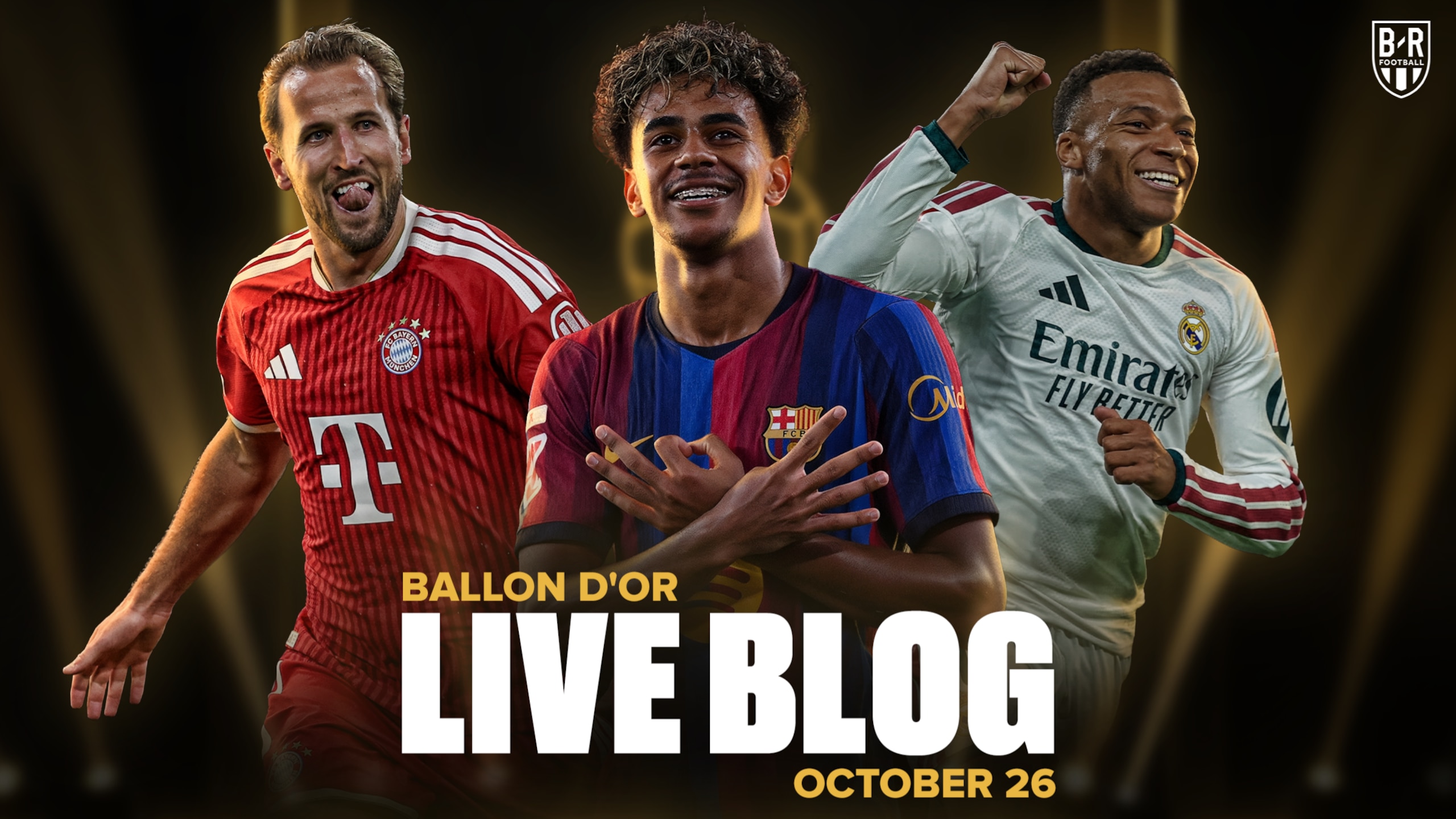
Live Ballon d'Or Ceremony Winners 🎉

Final Men's Ballon d'Or Rankings 📊
In my opinion, he is not half the player he was at West Ham. He is settling for that easy pass to the full-back rather than looking at a forward pass, which would unlock the opposition midfield. He still does that gritty, hard work, but he is beginning to lack that dynamism that earned him so many plaudits.
This observation made me think, what does "holding midfielder" actually mean?
Firstly, let's look at a few players who are defined as "holding midfielders." Cheik Tiote, Sergio Busquets and Alex Song. Looking at the positions these players take up, I don't actually think there is a true position that can be defined as "holding/defensive" midfielder.
Because Tiote looks well-built and has a fiery temperament, some people think he is suddenly a good midfielder. He plays in a midfield two beside the average player Cabaye. He puts his boot in and starts fights and amazingly fans/journalists think he is great defensively.
Simon Kuper of the Financial Times made a fascinating point when he produced a stat that said Maldini only made on average one tackle every two games so good was his positioning. Tackles never made a defensive player evidently.
Busquets' situation is different at Barcelona as is Song's at Arsenal. He is playing in a midfield three and has to sit deeper due to the quality in front of him. I don't think Busquets is a good midfielder at all. He is simply needed due to the attacking nature of the other players, and Guardiola has to have a player that plays in front of the defense.
Secondly, lets look at what people think a "holding midfielder" is.
1) "They break up attacks better than a normal midfielder would"—Every midfielder should be working hard and breaking up attacks. If a team have two good passing midfielders, they won't lose the ball half as much, so there is no need for a destroyer.
2) "They take the ball off the defense and initiate attacks"—Again, every good midfielder should do this. That should be a centre-midfielder's staple action.
3) "They control games"—This was what makes the good midfielders good. Xavi, Scholes, Iniesta, Alonso, Schweinsteiger all have a major impact on their team. If they play, more than likely the team will play well.
These three points have been used as explanation of what a good holding midfielder is, but they explain what makes any midfielder good.
Believe me, some of these so-called "holding/defensive midfielders" have never done any of these things. It is a media persona that is put on players.
For example, Joey Barton is seen in some quarters as one of these type of players. If he had never been arrested and labeled a thug, he would not be seen this way.
As an analyst, you have to judge only what you see. If you do not see a midfielder doing these three things, he is not a good midfielder. Don't listen to analysts who list off the same rhetoric by calling average central players "holding midfielders."
Looking at the Barcelona vs Gijon highlights, I see Xavi working hard, taking the ball off the defense and controlling the game. Does that make him a "holding midfielder?"
No, Conor. It's a myth.
.jpg?w=2560 "Seahawks Chiefs Football")
.jpg?w=2560 "WWE Raw Live Grades 🔠")


.jpg?w=2560 "🚨Jay-Z Headlining Super Bowl")
.jpg?w=2560 "Cowboys Handle Eagles on MNF 🤠")