12 Things Newer MMA Fans Need to Know
2011 brought a brand new group of fans to one of the fastest growing sports in the world as a network television deal with FOX catapulted mixed martial arts and specifically the UFC into the national spotlight.
Though it lasted only 64 seconds, the heavyweight title fight between Cain Velasquez and Junior dos Santos drew in millions of fans, many of whom had never seen or rarely seen the sport before. With that and the shows that will air on the network in 2012, the UFC hopes to capture an even broader audience than it has ever had access to in the past.
However, with that new group of fans comes responsibility. A responsibility to entertain remains most important, but there is also a responsibility to educate these new fans on just what is happening when these athletes step into the cage.
The UFC is attempting to do this in various ways such as the new weekly television program UFC Tonight on Fuel TV, but before fans dive into that type of programming, I believe that it’s important that they understand some basic principles about the sport.
These 12 topics will give new fans a quick glance at the inner-workings as well as the history of the sport. From there, it’s up to you to decide just how much more you want to learn.
1.Weight Classes and Their UFC Champions
1 of 12One common misconception from new MMA fans is that every fighter is eligible to fight every other fighter. While this was true in the early days of the UFC particularly, things have changed dramatically over the years and there is now a fairly set group of weight classes which is used among the various MMA promotions throughout the world.
These can vary slightly, particularly in foreign countries that do not use the same units of measurement that Americans do, these numbers are fairly common and it is not often that you see fighters bounce from one weight class to another.
Flyweight: 116 - 125 pounds
Current UFC champion: Vacant (new division has not debuted yet)
Bantamweight: 126 - 135 pounds
Current UFC champion: Dominick Cruz
Featherweight: 136 - 145 pounds
Current UFC champion: Jose Aldo
Lightweight: 146 - 155 pounds
Current UFC champion: Frankie Edgar
Welterweight: 156 - 170 pounds
Current UFC champion: Georges St-Pierre (Carlos Condit is Interim champion while St-Pierre recovers from injury)
Middleweight: 171 - 185 pounds
Current UFC champion: Anderson Silva
Light Heavyweight: 186 - 205 pounds
Current UFC champion: Jon Jones
Heavyweight: 206 - 265 pounds
Current UFC champion: Junior dos Santos
2.“Pound-for-Pound”
2 of 12“Pound for pound” is a phrase that has been used for a long, long time in other sports such as boxing and even gets some use from professional football analysts.
So what does it mean? Well, that’s a question that even the best MMA analysts in the world disagree on.
Some believe that “pound-for-pound” has to do with a fighter’s ability to compete and be successful at multiple weight classes. Others simply believe that it is a way of describing how dominant a fighter is in their current weight class. Still others would argue that it is a way of ranking fighters in a theoretical situation where they all weighed the same exact amount.
Regardless of what definition you’re going off of, though, the fact is that that pound-for-pound isn’t real. It means nothing. It’s a complete guess. It’s basically the equivalent of asking who would win in a fictional fight between The Incredible Hulk and Spider-Man.
You’ll hear just about everyone from the casual fans all the way up to the head honchos in the top MMA companies in the world talk about who is the best “pound-for-pound” fighter, but the reality is that it’s all a matter of opinion. It can’t be proven.
So if you’re a new fan, don’t concern yourself with who believes what. Have fun if you’d like and crown your own “pound-for-pound” champion, but understand that it has absolutely no barring on what happens inside the cage.
3.Safety Concerns
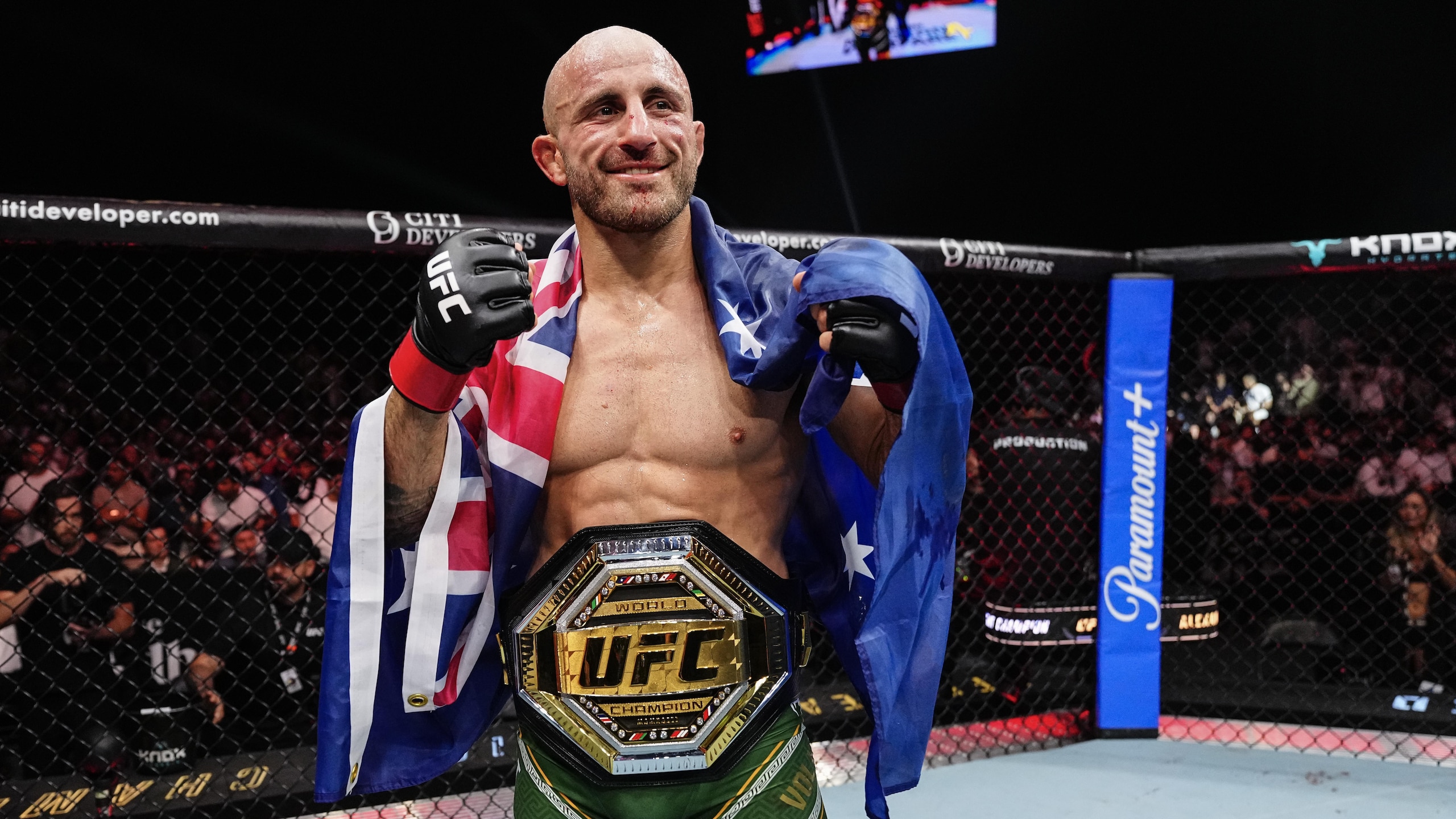
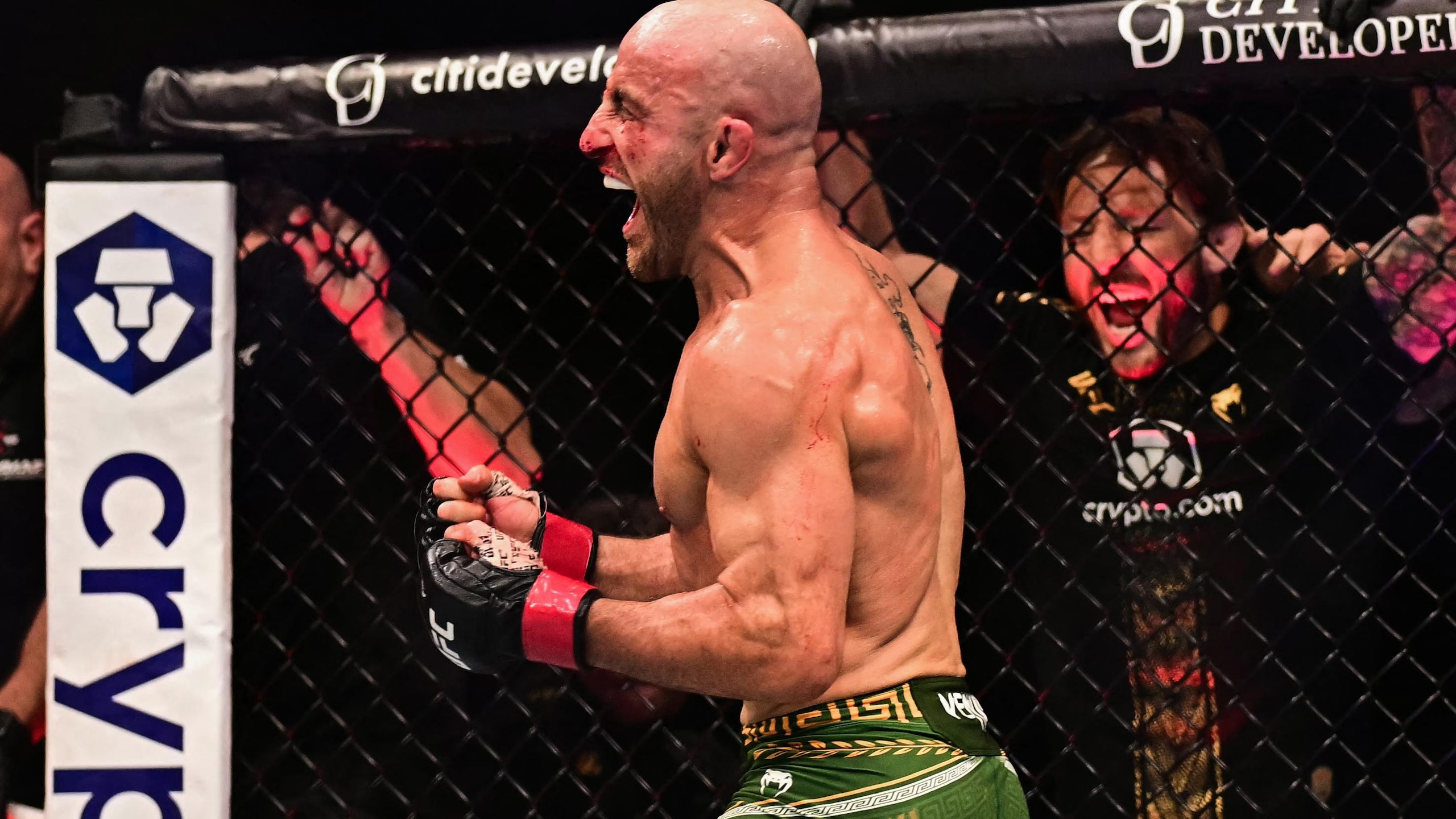
3 of 12Not all that long ago, former U.S. Senator and 2008 Republican Presidential Candidate John McCain was quoted referring to mixed martial arts as “human cockfighting.”
Some would even agree with him that the dangerous appearance of two men being locked inside of a cage, combined with the brutal and often times borderline-horrific brawls that would happen in the past probably deserved that phrase.
However mixed martial arts has changed significantly since those days and through the work of many activists, has fought to become regulated and sanctioned in almost every state and in most countries around the world.
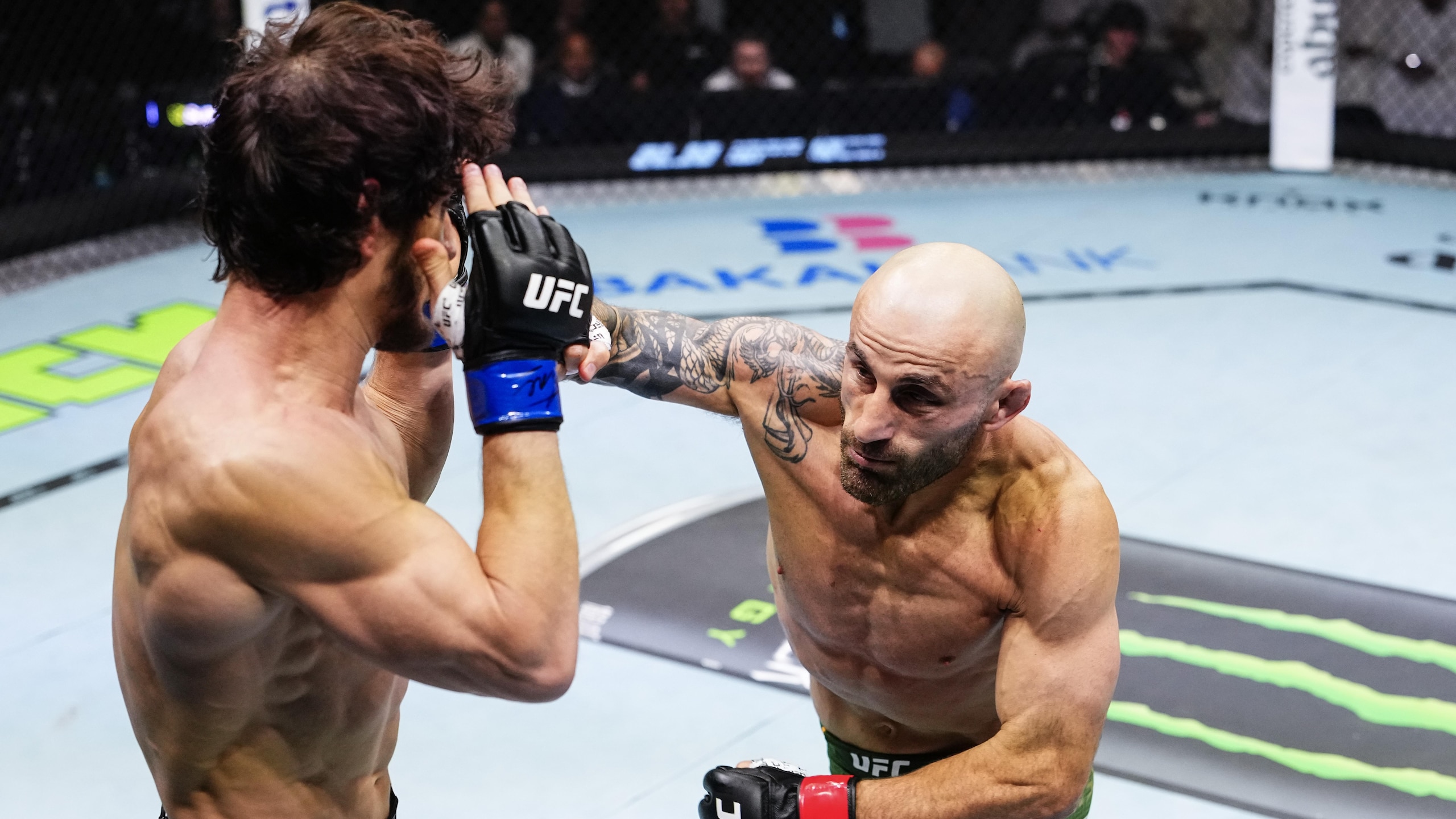
The cold reality is that just about every sport is dangerous. Careers, or even lives, can be ended without a second’s notice in any sport that has major fan appeal in America today.
But it’s the job of those putting on the events to keep these athletes as safe as they possibly can be. It’s not perfect, but given the circumstances of two athletes actually fighting one another, mixed martial arts has done a very good job of making things increasingly safe for the fighters.
4.The Unified Rules of MMA
4 of 12Playing off of the last slide a bit, the rules in MMA have changed dramatically since the UFC 4 when Keith Hackney famously delivered fist after fist right to the groin of his opponent Joe Son.
The Unified Rules of MMA that have been adopted throughout the U.S. now give us a strict set of guidelines to go off of for every fight. While there are still things that need to be tweaked, most of the rules are essentially unanimously agreed upon by experts.
Some of the rules include....
Rounds
Each round is set to be five minutes long with a one-minute break in-between.
Judging Requirements
All rounds are on a “10-point must” system, meaning that the winner of the round will receive 10 points. The loser of the round can receive anywhere from 7-9 points depending on the dominance the round’s winner displayed. A tie in a round can also lead to a 10-10 score.
Fouls
Eye-gouging, headbutting, hair-pulling, fish-hooking, small joint manipulation (finger/toes), groin attacks, biting and spitting, among others actions, are all specifically noted as being a foul in the unified rules of MMA.
In addition, dangerous strikes such as knees or kicks to the head of a downed opponent, spiking an opponent on his or her head or neck (piledrivers) and downward-pointing elbow strikes are also against the rules.
Any fighter found completing these actions is subject to having points taken away from him or being disqualified at the referee’s discretion.
5.The UFC Wasn’t First, Wasn’t Always Best
5 of 12Though it is now the dominant force in the world of mixed martial arts, the UFC wasn’t always the biggest show in town.
In fact, that title has been held by numerous promotions throughout history, most notably the former Japanese promotion known as Pride Fighting Championships.
Pride was the organization that developed and made famous some of the biggest superstars the sport has ever seen including Wanderlei Silva, Mirko “Cro Cop” Filipovic, Quinton “Rampage” Jackson, Fedor Emelianenko and even current UFC middleweight champion Anderson Silva. The UFC’s parent company, Zuffa purchased the assets of Pride Fighting Championships on March 27, 2007.
Zuffa now simultaneously owns and operates both the UFC and Strikeforce, however there are hundreds of other mixed martial arts promotions throughout the United States and the world. Some of the largest remaining competitors for Zuffa include Bellator, DREAM, ONE Fighting Championship and ProElite, among many others.
6.The Fertitta Brothers
6 of 12Zuffa, LLC is the parent company of the Ultimate Fighting Championship and the two men who own and operate that company are brothers Frank and Lorenzo Fertitta.
The Fertitta Brothers, who created the company in January 2001, are also executives of the Station Casinos empire, and control 81 percent of the Zuffa company between the two of them (40.5 percent each).
The two brothers created Zuffa in order to take over and re-invent the struggling UFC brand from the Semaphore Entertainment Group. After years of struggling to get the sport sanctioned, losing countless millions of dollars building the brand back up and developing a real roster of talent, the UFC has finally become a highly profitable organization and a worldwide phenomenon, largely due to the hard work and dedication of these two businessmen.
7.Dana White
7 of 12While it is the Fertitta Brothers who invested the capital to make things happen, it was their childhood friend and former MMA manager Dana White who most credit as being the person who put it all together.
White is perhaps now the most well-known personality in all of MMA, and that includes the fighters. His smart business sense along with his fiery personality almost always leads to great things and he has been successful in creating one of the fastest-growing sports in the world.
You may not like everything that he says and he may say it with far more four-letter words than your typical sports front office executive would use, but one thing’s for sure—Dana White truly is one of a kind.
8.Joe Silva
8 of 12Dana White and the Fertitta brothers deservedly get most of the credit for building the company up, however the man behind the scenes who is rarely given any face time, but has every bit as much to do with what fans see on TV is matchmaker Joe Silva.
Silva, who also doubles as the Vice President of Talent Relations for the UFC, is the one who has put together just about every one of the biggest fights that the company has ever promoted.
So when you see a great fight between Frankie Edgar and Benson Henderson at UFC Japan on Feb. 25, make sure to remember that the fight, and all the fights leading up to it, were put together by one man.
9.Fighting on the Ground
9 of 12One of the most frustrating things for long-time MMA fans who are watching an event with a new MMA fan is trying to explain that just because a fight goes to the ground doesn’t mean that it’s “boring.”
Some new fans get it right away. They understand that jiu-jitsu and wrestling are just as important, if not more important, than the striking game. But for others, it’s difficult to get over the perception that once guys stop punching and kicking one another in the face, that the action comes to a grinding halt.
However with time, just about everyone begins to appreciate the fact that there is some seriously amazing work that happens on the ground in many fights. Whether it’s crushing ground-and-pound, incredible transitions and sweeps, joint-popping submissions or just the ever-interesting physical chess match that takes place, fights that go to the ground CAN be every bit as interesting as those that stay on the feet.
But the truth is that mixed martial arts isn’t for everyone.
If you’re one of those people who can’t stand when a fight goes to the ground, then there is a sport just for you. It’s called kickboxing. Look it up and enjoy. You’re welcome.
10.Yes, That’s a Girl and Yes, She Can Kick Your Butt
10 of 12While mixed martial arts is growing as a whole, the world of women’s mixed martial arts has really taken a step forward in recent months with the dominance of Cristiane “Cyborg” Santos and the sudden intense rivalry between Strikeforce bantamweight champion Miesha Tate and challenger Ronda Rousey.
With these women weighing less than 150 pounds, the majority of men find themselves in an interesting quandary. It’s not often that we are confronted with the realistic possibility that a woman could “take” us.
But the truth is that the majority of the women who you see fighting on television could probably beat the snot out of 90 percent of the men in the world.
So think before you just look at these girls as pure eye candy. Yes, they are beautiful, but they are also tremendous athletes.
11.Joe Rogan Is Legit
11 of 12We’ve all seen it before... The awkward, forced celebrity guest spots on various sports broadcasts make us cringe like the sound of nails on a chalkboard. Honestly, who wants to listen to Christina Aguilera breakdown why she thinks the Packers are going to beat the Bears on Sunday night?
So when comedian Joe Rogan showed up on UFC 12 in a role as a fighter interviewer, it was probably going to be a short run for him, right?
Wrong.
It is now 15 years later and Joe Rogan has firmly cemented himself as one of the most informed and beloved commentators in the sport. Not only does he bring a level of excitement as a fan of the sport that few others possess, but Rogan also knows what he’s talking about.
As a black belt in tae kwon do and a brown belt in Brazilian jiu-jitsu under the great Eddie Bravo, Rogan is a legitimate bad ass who has even been seen teaching current UFC champions a thing or two about various techniques.
12.It’s Only Getting Bigger
12 of 12Mixed martial arts is a growing sport, but it’s only getting bigger. With the new network TV on FOX and the addition of the fights on Fuel TV and FX, the UFC is now more accessible than ever. While that certainly helps the company itself, it also helps the entire sport in helping to expand from being a niche sport to something that has been embraced by the mainstream.
MMA is the fastest growing sport in the world and the only thing stopping it from growing now is itself. Fans love the sport in the United States and the ever-expanding overseas markets have continued to grow exponentially.
Now with the UFC making such a huge impact in Brazil, we are seeing mixed martial arts become the first true worldwide mainstream sport where the best of the best compete and are farmed from all corners of the globe.
Where things go next is anyone’s guess, but if 2011 was any indication, the rest of 2012 is going to be absolutely crazy.
For more MMA news, fighter interviews and opinions, follow Nick Caron: @NicholasCaron

.jpg?w=2560 "Mahomes Told Teammate to Leave Meeting")
.jpg?w=2560 "🚨 Week 8 AP Top 25 Poll")

.jpg?w=2560 "Baker Gets Glove From Rays 🧤")
.jpg?w=2560 "5 Teams Eyeing Jonathan Taylor")


.jpg?w=2560 "Steelers Roll Saints in Paris")
.jpg?w=2560 "NFL investigating Eagles")
