
Outside of the Oakland Athletics, just about every MLB team will have some level of optimism entering the 2024 season. That's the beauty of Opening Day: Even if only 12 of the league's 30 teams will ultimately make the postseason, fans of most teams can find a reason to be excited on March 28.
It's just a matter of how quickly each fanbase—particularly of the 18 teams who will end up missing the playoffs—are able to spot the perceived fatal flaws in their teams. Some of these flaws will be able to be corrected in advance of the July 30 trade deadline. Others will be so bad that they doom the entire season and leave you wondering what caused such puzzling choices.
To that end, here's a look at what the biggest regret of all 30 teams from this past offseason will prove to be.
Arizona Diamondbacks: Not Reaching Long-Term Deal With Zac Gallen
1 of 30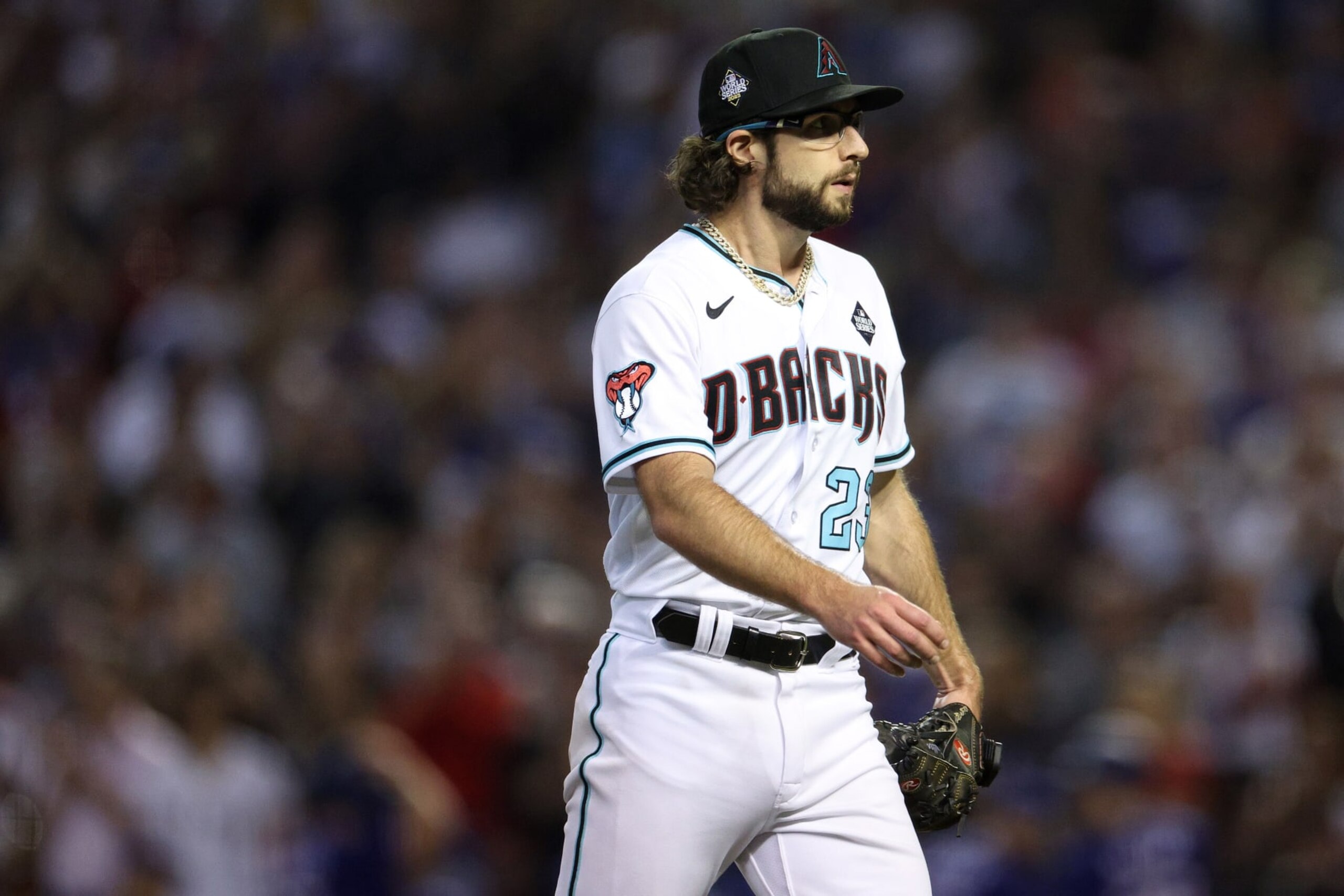
To be honest, it was difficult to find much to dislike about the offseason approach that Diamondbacks general manager Mike Hazen took following a surprise run to the World Series.
Arizona upgraded over Evan Longroia at third base by acquiring power-hitting Eugenio Suárez in a trade from the Seattle Mariners. Tommy Pham's veteran presence was made up for with the addition of Joc Pederson, who always seems to be on a contending team. And lefty Eduardo Rodríguez should prove to be a massive addition to the starting rotation, potentially making a solid top four if Brandon Pfaadt builds off a strong postseason and emerges as an above-average MLB pitcher in a rotation that also includes Zac Gallen and Merrill Kelly.
So, there had to be some creativity here in trying to find something to dislike about the offseason that the Snakes had, because seemingly they are set up well to reach the postseason again. Not reaching a long-term deal with Gallen—who came in at No. 5 on B/R's ranking of all 30 MLB aces—would be the biggest complaint.
The 28-year-old righty has finished in the top five in NL Cy Young Award voting in each of the last two seasons, including a third-place finish a season ago. If he's not one of the top five pitchers in baseball, he's certainly in the top 10.
Gallen will make just over $10 million in his second year of arbitration eligibility. If he has another big year in 2024, his price will only go up. That will leave the Diamondbacks with three possibilities: extend him for more than it would have cost this winter; carry him into his walk season without any long-term security; or consider trade offers next winter. The latter would be a bummer, especially for a team in a World Series window.
Atlanta Braves: Not Signing Aaron Nola
2 of 30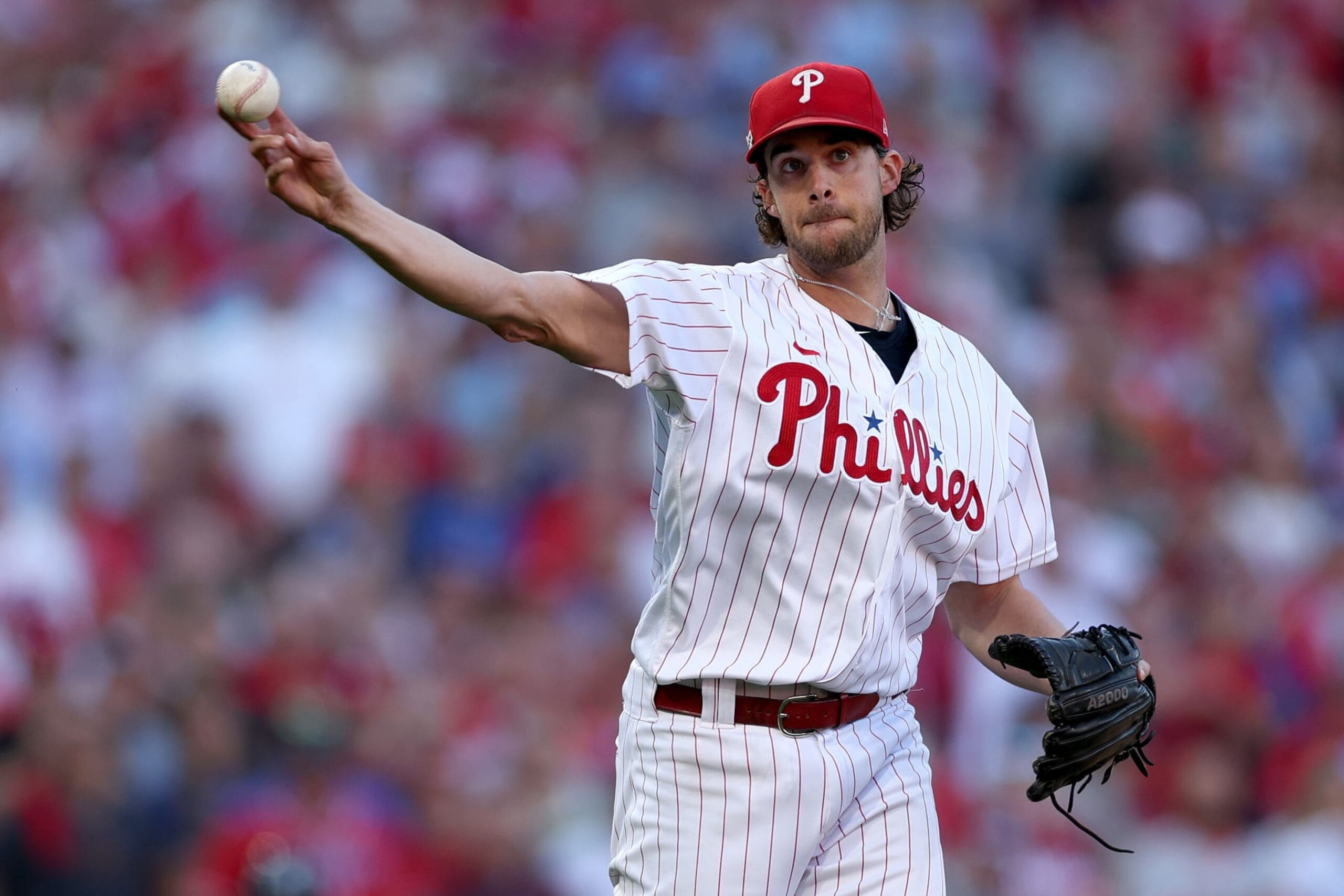
The Braves won 104 games a season ago and have captured six consecutive NL East titles. Any critique of them truly is nitpicking.
Atlanta had a historic offense in 2023 and will return Ronald Acuña Jr., Matt Olson, Ozzie Albies, Austin Riley and Michael Harris II. So if you want to poke a hole, it has to be in its pitching staff.
Even there, the Braves have one of the best one-two punches in the sport, with Spencer Strider and Max Fried. If offseason acquisition Chris Sale looks as good as he has this spring, Atlanta has a chance to have an elite rotation.
But the Braves were reportedly interested in Aaron Nola at the outset of free agency, and it made sense. Not only have the division-rival Philadelphia Phillies upset the Braves in the playoffs in consecutive seasons, but Nola's 1,065.1 innings pitched since the start of the 2018 season are second in baseball only to Gerrit Cole's.
For as great as Fried is, he's pitched more than 165.2 innings just once in his career, as opposed to six times from Nola. Sale—who likely wouldn't have been acquired if the Braves signed Nola—may very well have a bounce-back season, but he has made 31 total starts over the last four seasons. Charlie Morton has been a workhorse late in his career, but he's 40 years old, so it's fair to wonder how many more times you can successfully go back to that well.
According to Scott Lauber of the Philadelphia Inquirer, the Braves offered Nola a six-year, $162 million deal early in free agency. It's unclear if Atlanta was willing to offer a seventh season, but Nola instead returned to the Philadelphia on a seven-year, $172 million deal.
Had the Braves signed Nola, he would have been part of a rotation with Strider and Fried for at least a season, giving Atlanta a starter sure to make 30-plus starts. It also would have weakened Atlanta's top NL East rival.
Again, it's nitpicking, but landing Nola would have been quite the heist for the Braves.
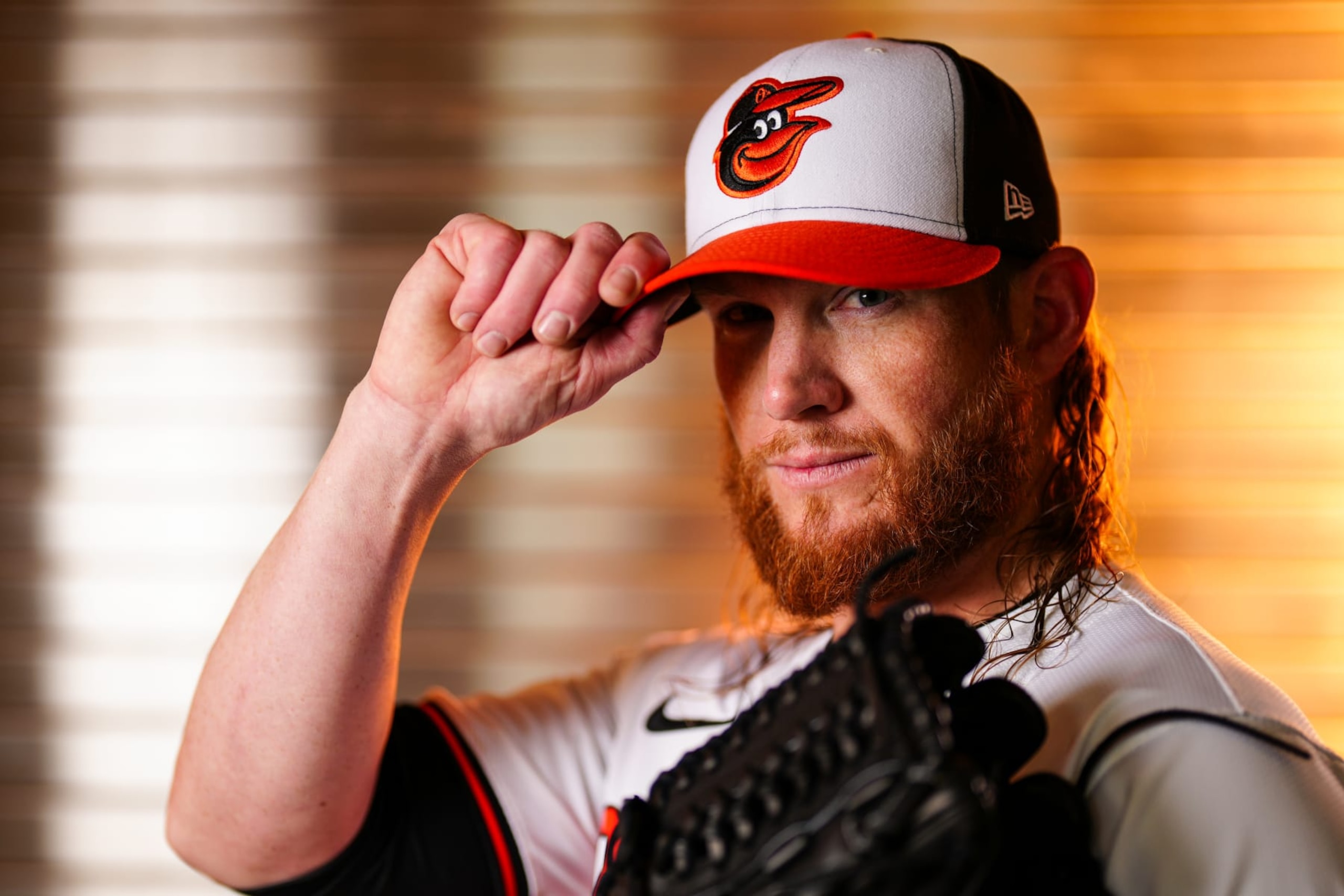
Baltimore Orioles: Betting on Craig Kimbrel To Be Closer
3 of 30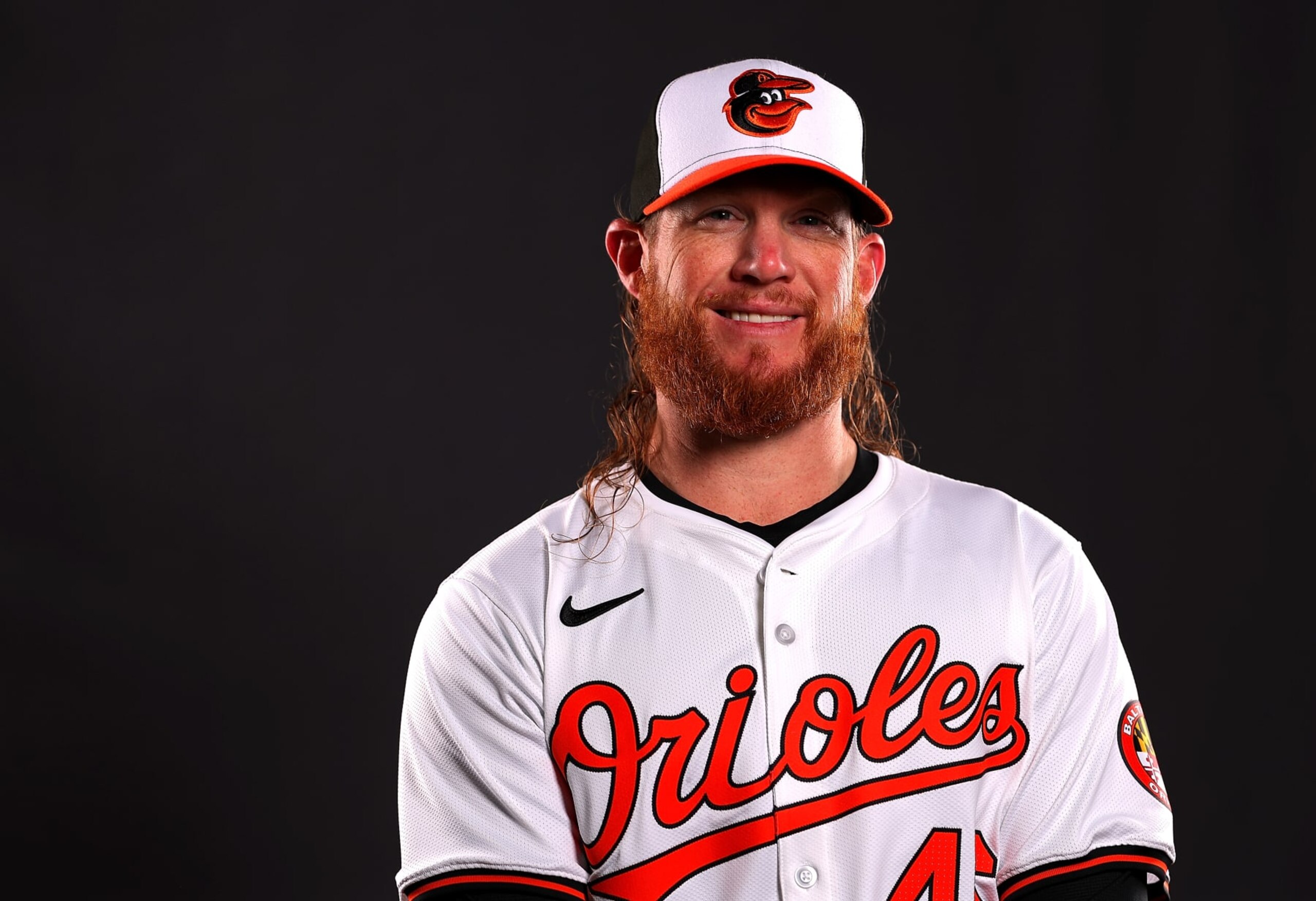
The Orioles will be without last year's Mariano Rivera AL Reliever of the Year Award winner, as Félix Bautista will miss the entire 2024 campaign after undergoing Tommy John surgery last October. Considering Bautista had a 280 ERA+ (100 is the league average) in 2023, pretty much anyone Baltimore acquired to pitch in the ninth inning was going to be a downgrade.
There are some particularly concerning trends with Craig Kimbrel, though.
First of all, Kimbrel will turn 36 in May and has made 780 regular-season relief appearances in his career. There are always going to be concerns about a reliever with that profile.
Secondly, with José Alvarado spending two stints on the injured list last summer, the Phillies leaned heavily on Kimbrel to get them through the dog days of summer. The 71 games and 69 innings pitched that Kimbrel had a year ago for Philadelphia were both his highest totals since he won the NL Rookie of the Year Award with the Atlanta Braves in 2011. The workload certainly appeared to catch up with Kimbrel in a disastrous postseason, and it's fair to be worried about a hangover effect the next season when an aging pitcher logs so many innings the prior year.
With general manager Mike Elias having acquired former NL Cy Young Award winner Corbin Burnes this offseason to add to one of the greatest pipelines of young talent the sport has ever seen, the Orioles very much view themselves as World Series contenders this season. That means Kimbrel will likely find himself pitching high-leverage innings in October once again.
Even if the Orioles manage his workload better than the Phillies did a year ago, Kimbrel has a 4.50 career postseason ERA, with a history of running out of gas in the playoffs. Should that happen again in 2024, Kimbrel's Orioles legacy will be defined by postseason disappointment, even if he has a strong regular season. Just ask Phillies fans.
With almost too much position-player talent for its own good, Baltimore would have been better served going all-in to trade for an elite closer like David Bednar of the Pittsburgh Pirates than giving Kimbrel a one-year, $13 million with a club option for 2025.

.jpg?w=2560)
Boston Red Sox: Not Spending Like The Red Sox
4 of 30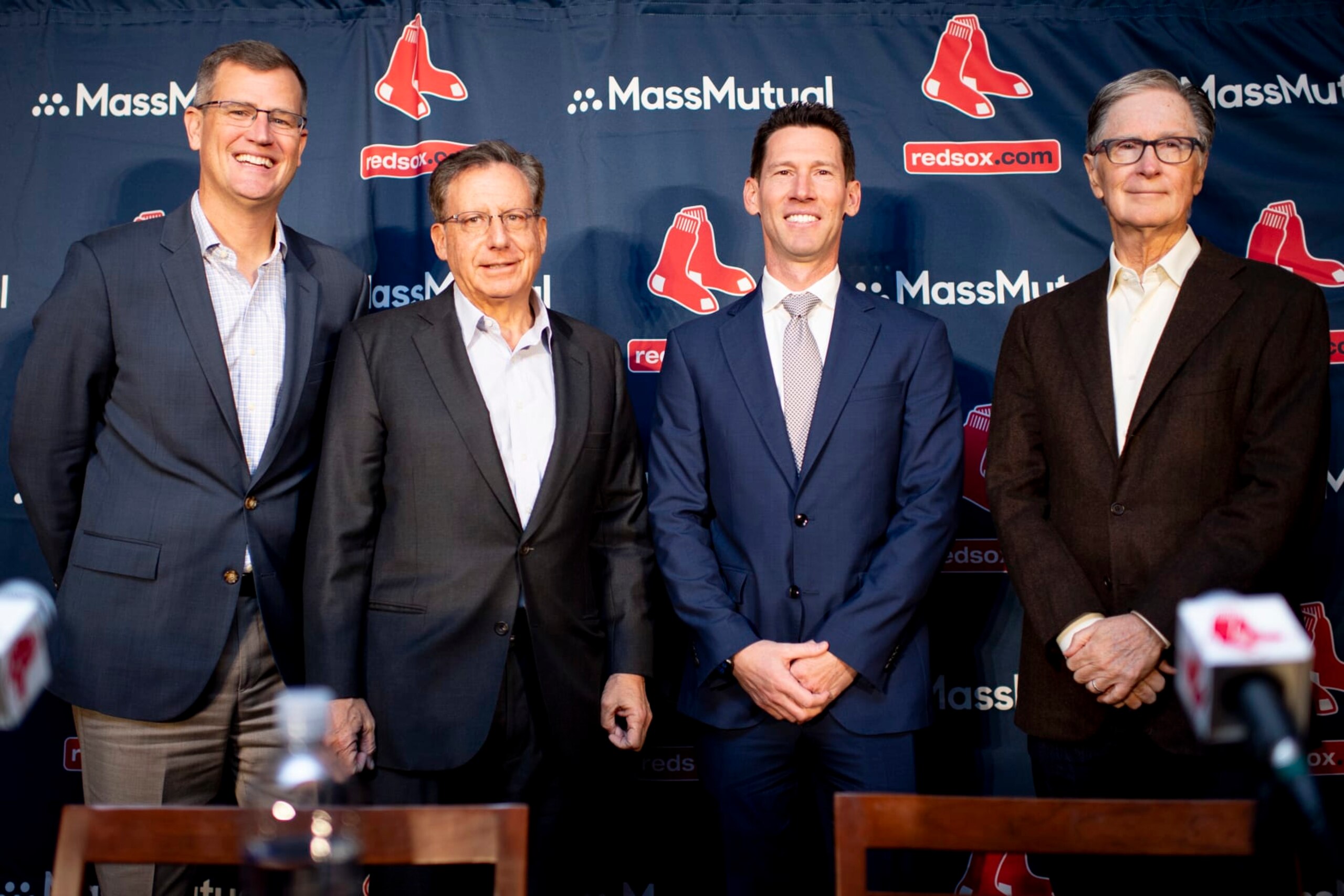
The Red Sox looked like the worst team in the loaded AL East when it appeared Lucas Giolito would be their Opening Day starter. Now, they really look like the worst team in the sport's deepest division, as Giolito will likely miss all of 2024 as he recovers from receiving an internal brace to repair an injury to the UCL in his throwing elbow.
For some team, the two-year, $38.5 million deal that Giolito signed this past offseason would have been a worthwhile gamble, even after a disastrous season that he split with the Chicago White Sox, Los Angeles Angels and Cleveland Guardians. The Red Sox—who really needed to add multiple front-line arms to be a contender—were not that team.
Not making serious pushes for Jordan Montgomery and/or Blake Snell—among other starters who were free agents this past offseason—speaks to a larger issue in Boston. The Red Sox don't act like the Red Sox anymore. Increasingly, it appears to be an ownership problem.
Boston fired Dave Dombrowski in September 2019. Under his successor, Chaim Bloom, the Sox traded Mookie Betts and allowed Xander Bogaerts to leave in free agency. There was a real feeling that Bloom—who previously had been the top baseball executive for the Tampa Bay Rays—tried to run Boston like a smaller-budget team. But, unlike the Rays, the Red Sox shouldn't have those constraints. They're literally the Red Sox. As recently as 2018, they won 109 games and a World Series title spending a league-high $235 million on payroll.
Since then, the Red Sox have cut spending, and predictably, won a lot less. Bloom was fired last September, but new chief baseball officer Craig Breslow didn't immediately return Boston to acting like a large-budget team. Giolito was the big offseason addition, and he's already been lost for the season.
For many teams, spending $161 million on payroll would be welcome. For the Red Sox, having the 12th-highest payroll to open the season is embarrassing. And it would be fitting for Boston's ownership group of John Henry, Tom Werner and Larry Lucchino to end up with a third consecutive last-place finish in the AL East. Maybe then they'll start spending like the Red Sox again.
Chicago Cubs: Not Signing Rhys Hoskins
5 of 30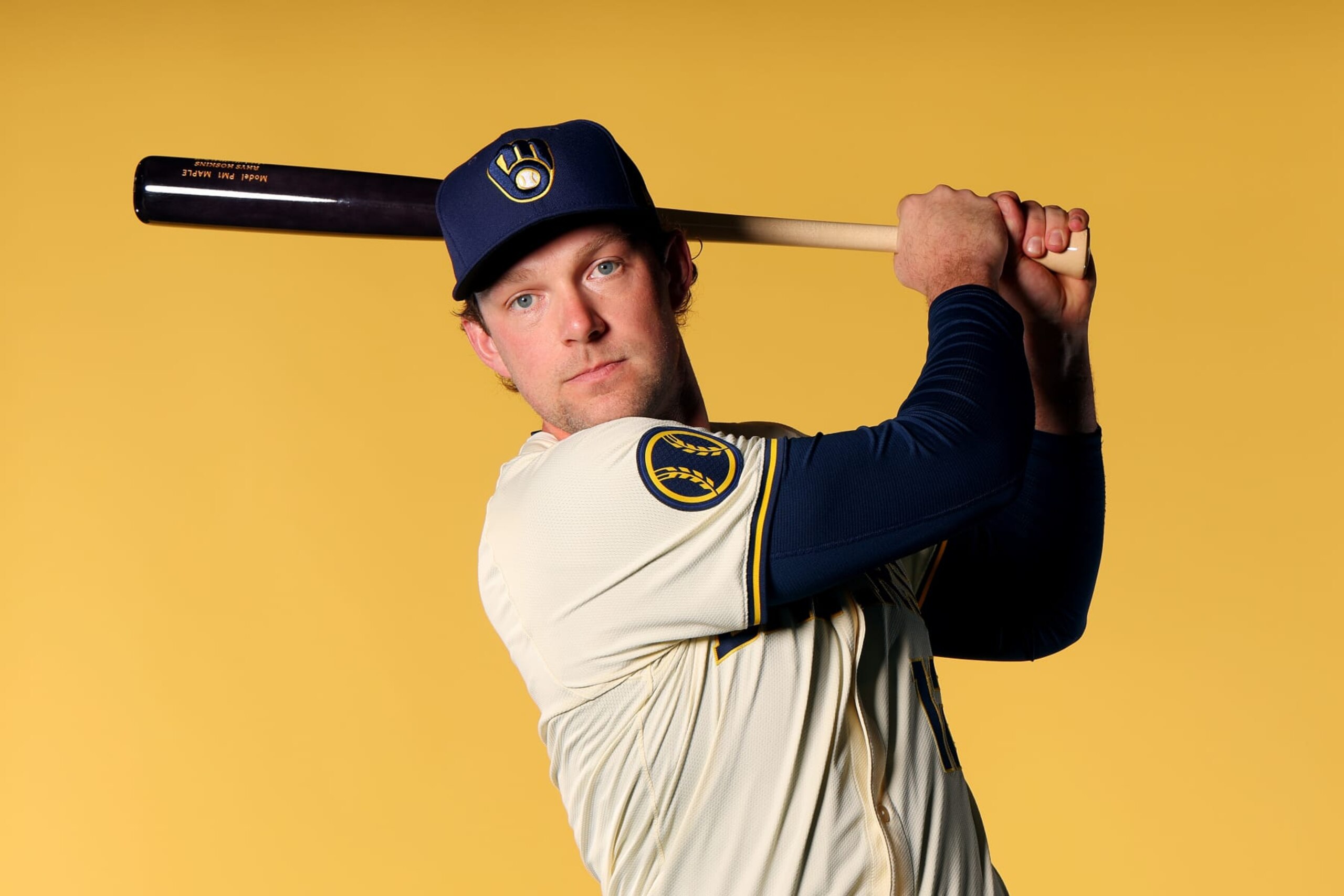
Once it became clear that the New York Mets weren't going to trade All-Star first baseman Pete Alonso this offseason, president of baseball operations Jed Hoyer and the Cubs were frequently connected to free-agent first baseman Rhys Hoskins. Ultimately, though, the Cubs watched Hoskins sign a fair market value deal with the division-rival Milwaukee Brewers.
The Cubs did bring back former NL MVP Cody Bellinger on a three-year, $80 million deal, a pact that features player opt-outs after each of the next two seasons. Bellinger will likely be the Opening Day first baseman, so it's not as though the Cubs will have a scrub at the position.
Still, signing Hoskins—who got a two-year, $34 million deal with a player opt-out clause after the 2024 season—wouldn't (or shouldn't) have precluded the Cubs from also bringing Bellinger back. Had Hoskins signed, he would have been the primary first baseman, also getting some at-bats at DH after missing all of last season with a torn ACL in his left knee. Bellinger would have been the starting center fielder but also spelled Hoskins at first base.
Instead, Bellinger projects to get most of his at-bats at first base, with Mike Tauchman in center field. Nothing against Tauchman, but which arrangement would have been better?
With Corbin Burnes traded to Baltimore and All-Star closer Devin Williams expected to be out for three months, it may be a stretch to say Hoskins will be able to help the Brewers finish with a better record than the Cubs. But with Hoskins, the Cubs would have had a better chance to win their division for the first time since 2017. Perhaps if the Brewers sell at the deadline, the Cubs will again be interested in Hoskins.
Chicago White Sox: Signing Paul DeJong to Be Starting SS
6 of 30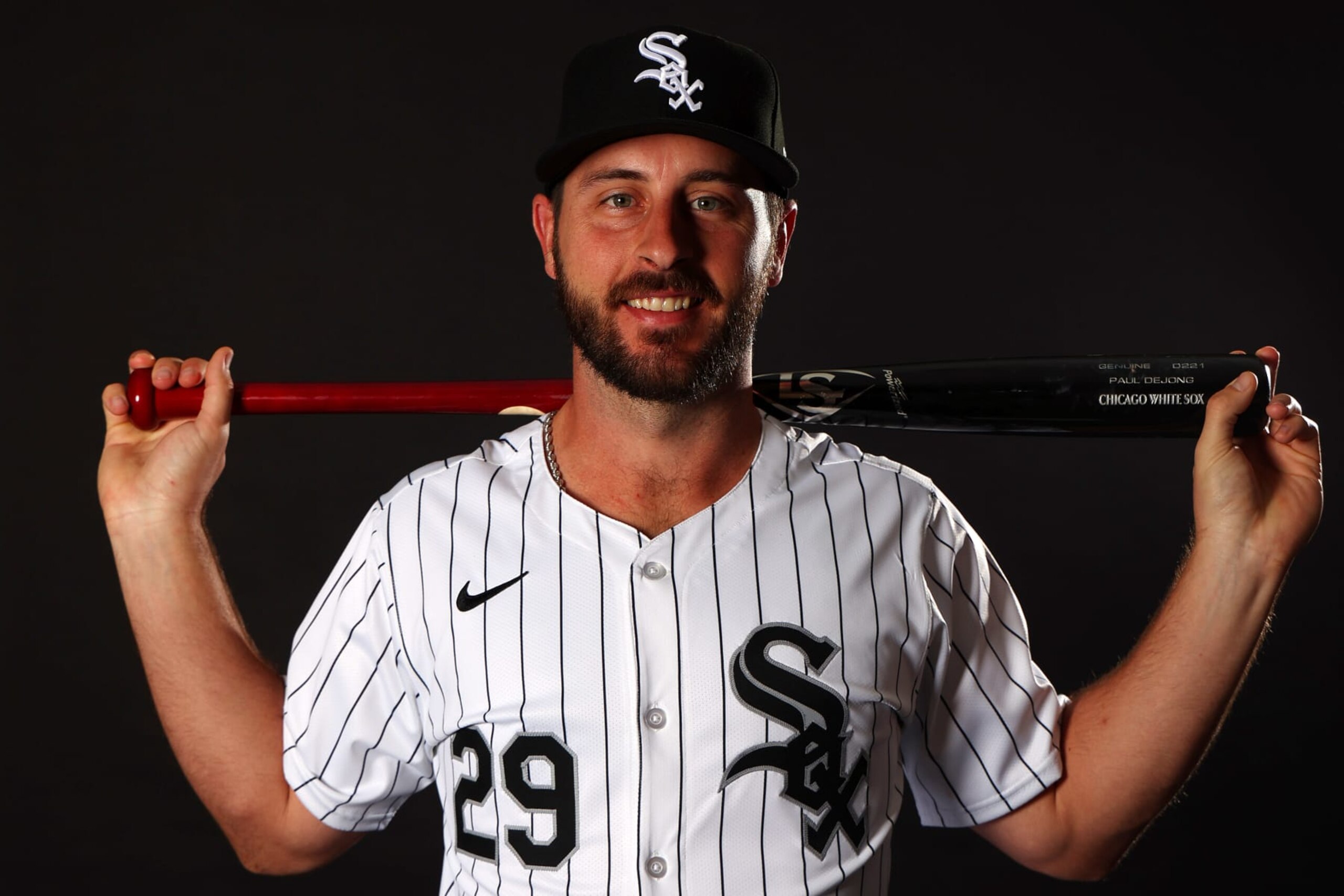
There was only so much that Chris Getz could do in his first offseason as White Sox general manager. Considering that the team allowed Tim Anderson to depart in free agency and traded former AL Cy Young runner-up Dylan Cease to the San Diego Padres during spring training, it's clear that the White Sox are rebuilding. It will take a few years to see how Getz's plan pans out.
But even if things had run their course between Anderson and the White Sox, letting him go and signing Paul DeJong to be the team's starting shortstop is a pretty underwhelming move. DeJong was an All-Star with the St. Louis Cardinals in 2019 but has hit .200 with a meager .625 OPS in four seasons since. He played for three teams a year ago—the Cardinals, Toronto Blue Jays and San Francisco Giants—and wasn't on an MLB roster to finish the season, which usually isn't the profile of someone who gets a starting job in free agency.
DeJong is a tremendous defensive shortstop, with 41 career defensive runs saved. But if you can't post an OPS of at least .700, great defense only counts for so much. For the past four seasons, DeJong's bat hasn't justified him being an MLB regular, even if he provides excellent glovework.
Maybe turning the page on the Anderson Era was necessary. But man, this is a player who hit .318 between 2019 and 2022. His 2023 campaign, in which he hit .245, was a disaster. He's probably better-geared to be a second baseman than a shortstop. But would it not have made more sense to pick up Anderson's $14 million club option for 2024, hope he bounces back offensively and try to flip him at the trade deadline? Surely, Anderson hitting at even a decent level would fetch an asset.
Top prospect Colson Montgomery could make his MLB debut in 2024, so DeJong's reign at shortstop might not be very long. But that seems to be all the more reason to have brought Anderson back for half a season and seen if he could bounce back before Montgomery takes over at the position.
Cincinnati Reds: Failing To Add a Better Backup Catcher
7 of 30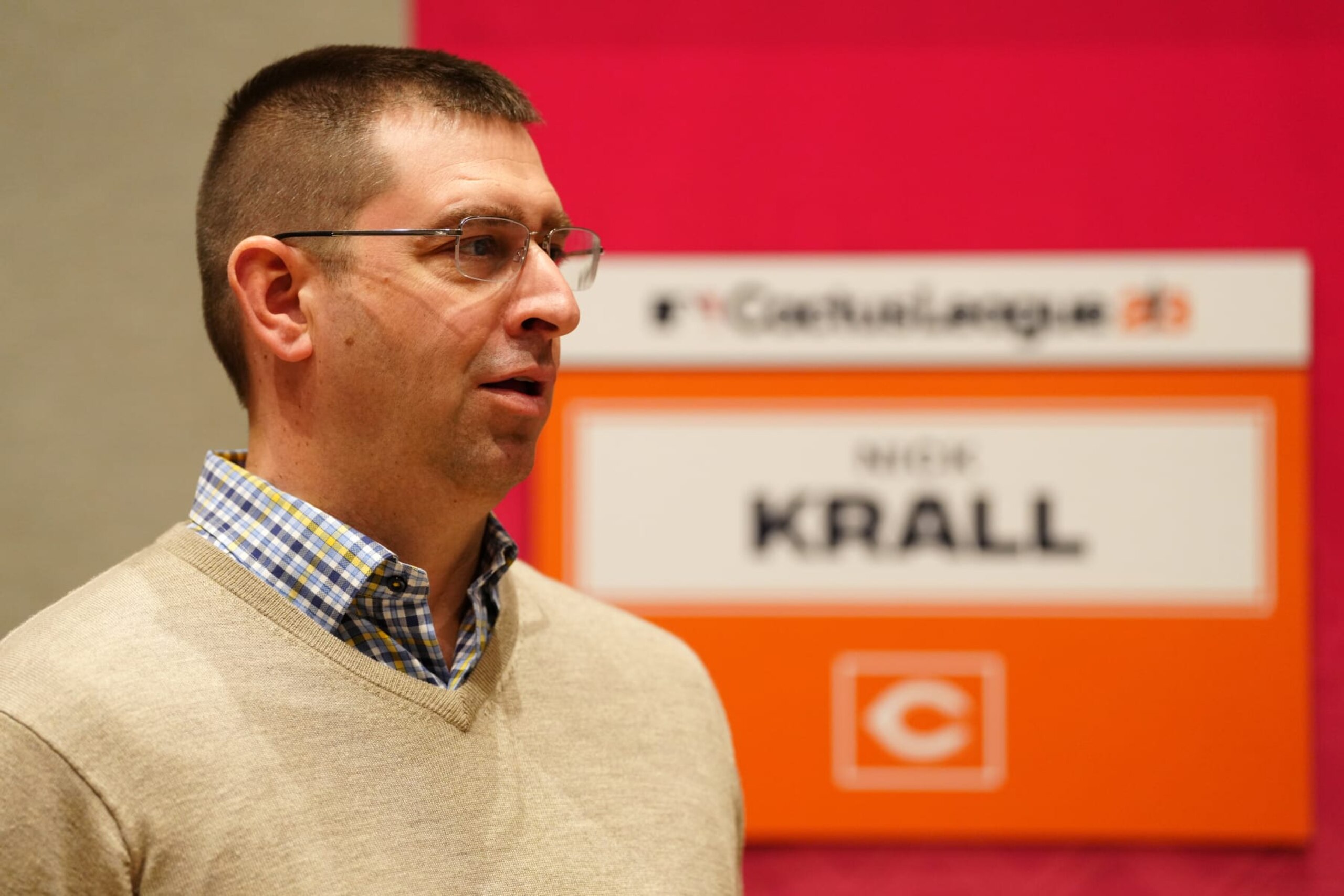
The Reds added veterans Jeimer Candelario and Frankie Montas this offseason to a team full of young talents, including Spencer Steer, Matt McLain, Elly De La Cruz, Christian Encarnacion-Strand, Hunter Greene and Graham Ashcraft.
While the Reds did make the playoffs during the pandemic-shortened 2020 season, it's been since 2013 that they reached the postseason during a full 162-game slate, a streak that seems to have a real chance of being snapped in 2024.
In general, Cincinnati president of baseball operations Nick Krall seems to be doing a good job, despite some very real budget restrictions. But in a year where they have playoff aspirations, the Reds are really banking on catcher Tyler Stephenson having a bounce-back season.
A year ago, Stephenson did hit 13 home runs and drive in 56 runs, but he also finished the campaign with a .696 OPS, -11 defensive runs and a -0.7 WAR. Veteran Luke Maile isn't exactly an inspiring option as the backup if Stephenson struggles again. Cincinnati also doesn't have a catcher in the upper levels of the minors who is close to the majors.
Gary Sánchez isn't a player without his flaws, but he homered 19 times and posted a .792 OPS in 72 games for the San Diego Padres a year ago. Some injury concerns forced what was initially a one-year, $7 million deal with the Milwaukee Brewers to be renegotiated into a one-year, $3 million pact with $4 million in addition incentives for Sánchez. Either feels like the type of deal the Reds could have made.
Cleveland Guardians: Not Adding Another Big Bat
8 of 30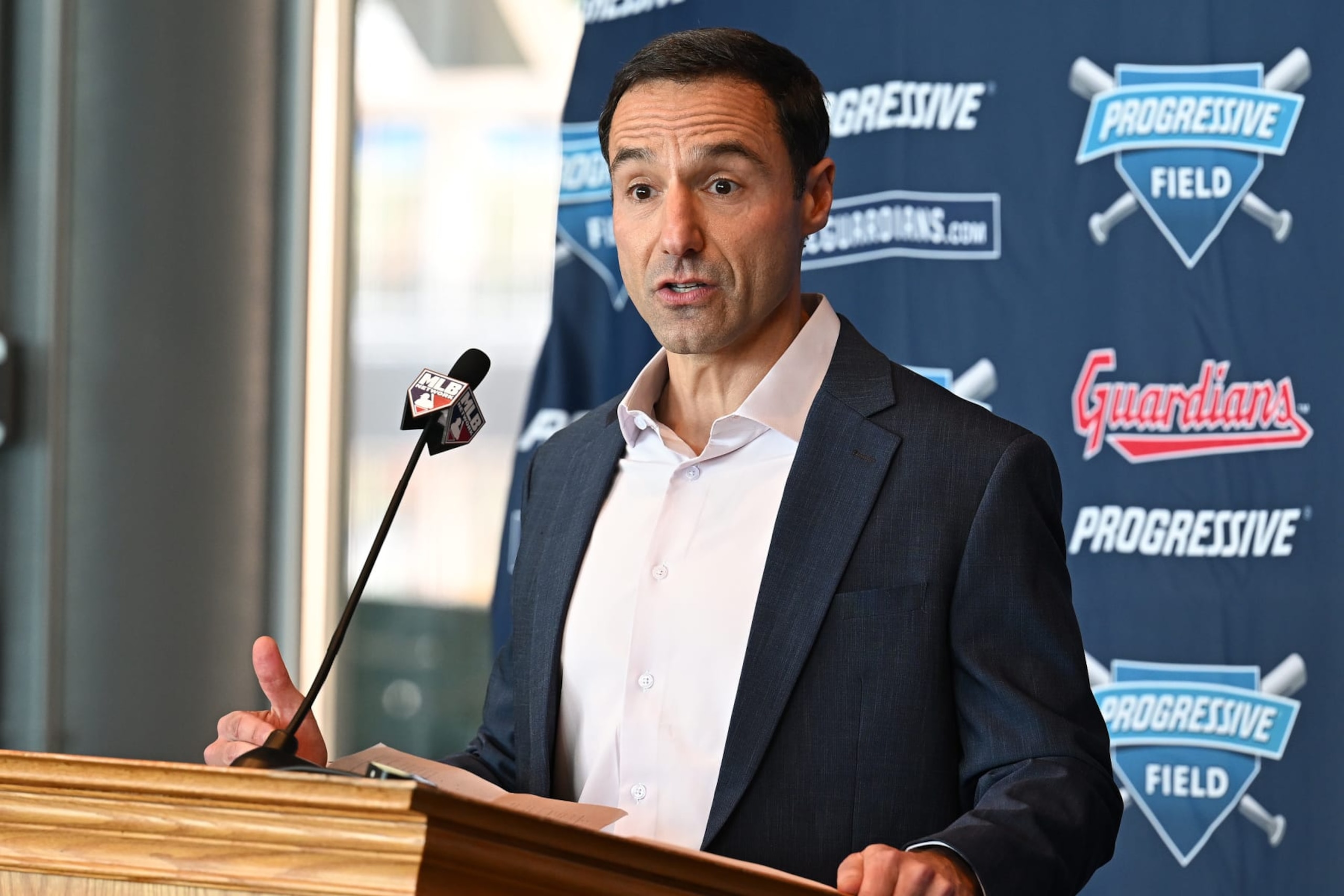
What this really comes down to is the Guardians shouldn't have dumped Josh Bell's salary in a trade with the Miami Marlins last July. After a difficult first half in Cleveland, Bell homered 13 times with a .793 OPS in the second half for the Fish. He elected to exercise his $16.5 million player option for 2024 and would look pretty good in new manager Stephen Vogt's lineup.
Cleveland may get bailed out for the Bell trade if first base prospect Kyle Manzardo—who has had a tremendous spring training—is able to make a major impact in 2024. But there will be quite a bit of pressure on the 23-year-old to provide immediate thump whenever he is promoted in a lineup that really needs it.
What the Guardians could have done is signed a veteran slugger to a short-term deal, aware that Manzardo is looming but not banking so much on him being a vital piece this year.
Maybe the multiyear deal Rhys Hoskins got from the Milwaukee Brewers would have been more than the Guardians would have been comfortable with, but six-time All-Star J.D. Martinez is still a free agent after a strong season with the Los Angeles Dodgers. Martinez will likely eventually sign for one year, and the same is probably true with Brandon Belt. Joc Pederson and Joey Votto are other short-term options the Guardians could have considered at DH and/or first base, with Josh Naylor able to shift to play first base if need be.
Cleveland will enter 2024 with a payroll of just over $84 million, with only the Pittsburgh Pirates and Oakland Athletics projected lower. Paul Dolan and Guardians ownership have managed to remain competitive over the last decade without spending much because of excellent player development and a Hall of Famer manager in Terry Francona. It will be interesting if post-Francona, the cheapness of this ownership group becomes more apparent.
Colorado Rockies: Not Adding Pitching
9 of 30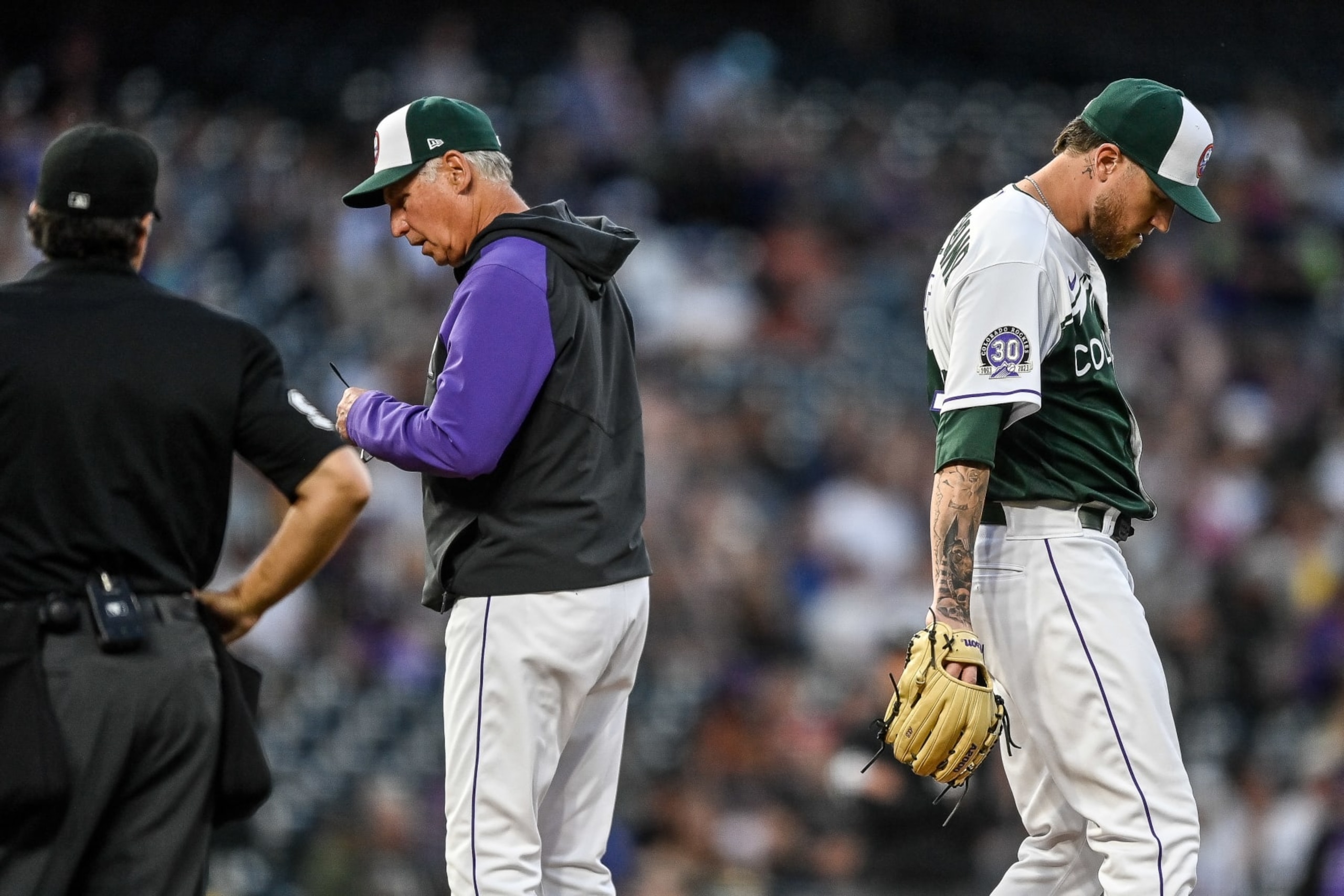
For as beautiful as Coors Field is, the Rockies need to give free-agent pitchers hazard pay to make half their starts in the most hitter friendly park in MLB history. But the franchise began play in 1993, so this isn't a new development. Owner Dick Monfort just hasn't authorized his front office to spend the way they need to in order to acquire above-average pitching.
To make matters worse, the investments that the Rockies have made in their pitchers haven't panned out. Kyle Freeland—who is entering the third season of a five-year, $64.5 million deal—has a 4.77 ERA over the first two years of his pact. Former All-Star Germán Márquez is back on a two-year, $20 million deal, but he will open the season on the injured list as he continues to recover from the Tommy John surgery he had last May.
There may not have been an amount of money to convince a star free-agent pitcher like Blake Snell or Jordan Montgomery to come to Colorado, but there's no evidence that the longer the two remained on the market, the Rockies made any attempt to swoop in. Even a pitcher like Michael Lorenzen—who settled for a one-year, $4.5 million deal with the Texas Rangers—would have been an upgrade for the Rockies. But the Rockies appear content to go into their season with what is probably the worst starting rotation in the senior circuit.
A lineup led by Nolan Jones and Ryan McMahon will produce runs, particularly if veterans Charlie Blackmon and Kris Bryant can make an impact in 2024. But with a starting rotation for which every pitcher is projected to have an ERA north of 5.25, Colorado has no path to the playoffs.
Detroit Tigers: Failing To Add 1 More Big Bat
10 of 30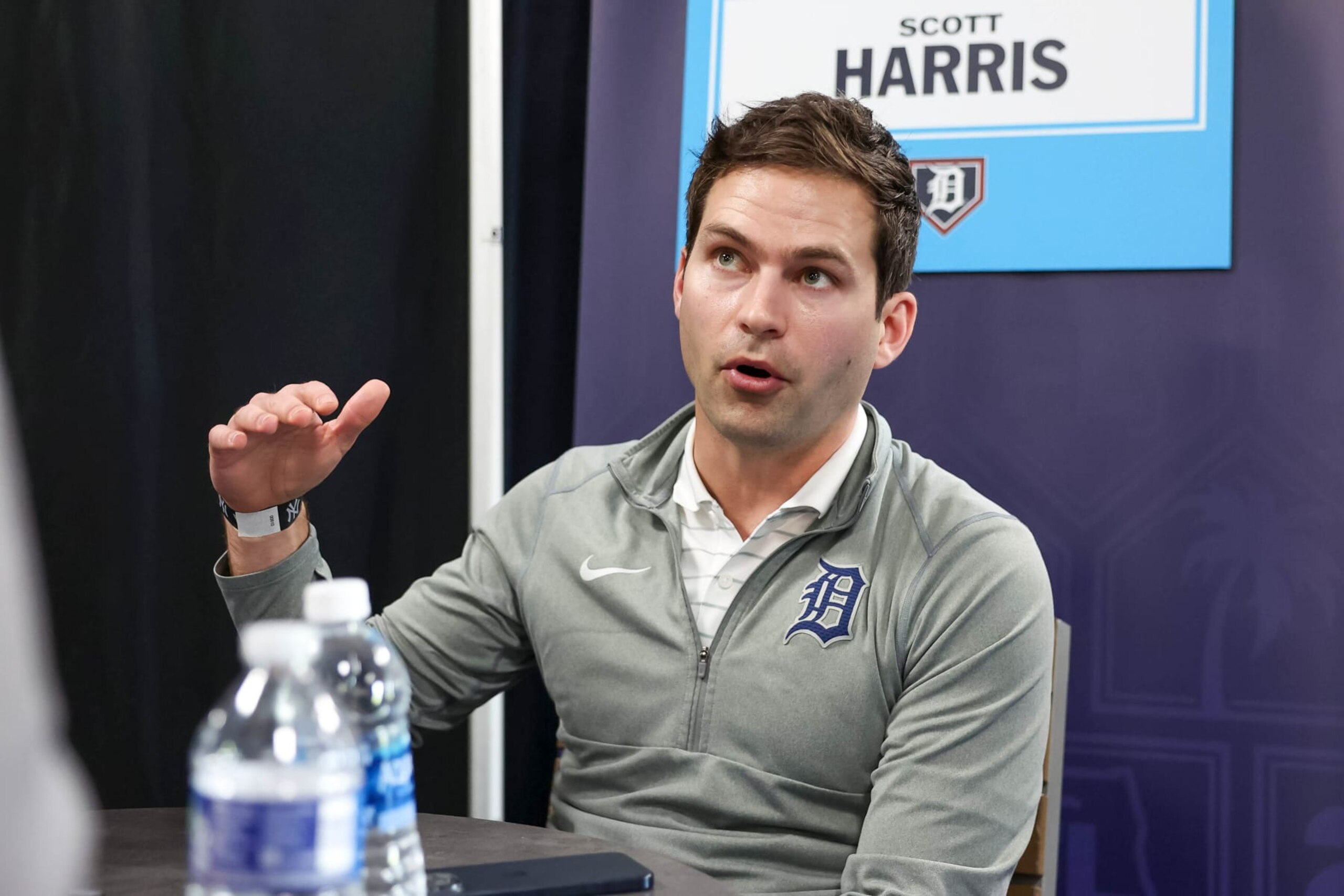
President of baseball operations Scott Harris added two nice pieces to the Detroit lineup this offseason in outfielder Mark Canha and third baseman Gio Urshela. With the talented young trio of Kerry Carpenter, Spencer Torkelson and Riley Greene, the Tigers have been a a trendy dark-horse playoff pick this spring.
Imagine how many more pundits would be picking the Tigers to win the AL Central if they had brought back old friend J.D. Martinez to be a veteran anchor in their lineup. What about if they had made a multiyear investment in a slugger like Jorge Soler or Teoscar Hernández?
It's not that there's much to dislike with Canha or Urshela—they're both solid big league players. It just feels like at one of those two positions—probably the corner outfield/DH role, just based on what the market looked like—Detroit should have aimed a bit higher.
The organization's top prospect—outfielder Max Clark—is someone the Tigers are very excited about. But he's 19 years old and probably a few years away from the majors. Signing a veteran corner outfielder for two or three years wouldn't have prevented the Tigers from promoting Clark in the coming years if he is fast-tracked to the majors.
Houston Astros: Not Reaching Long-Term Deal With Framber Valdez
11 of 30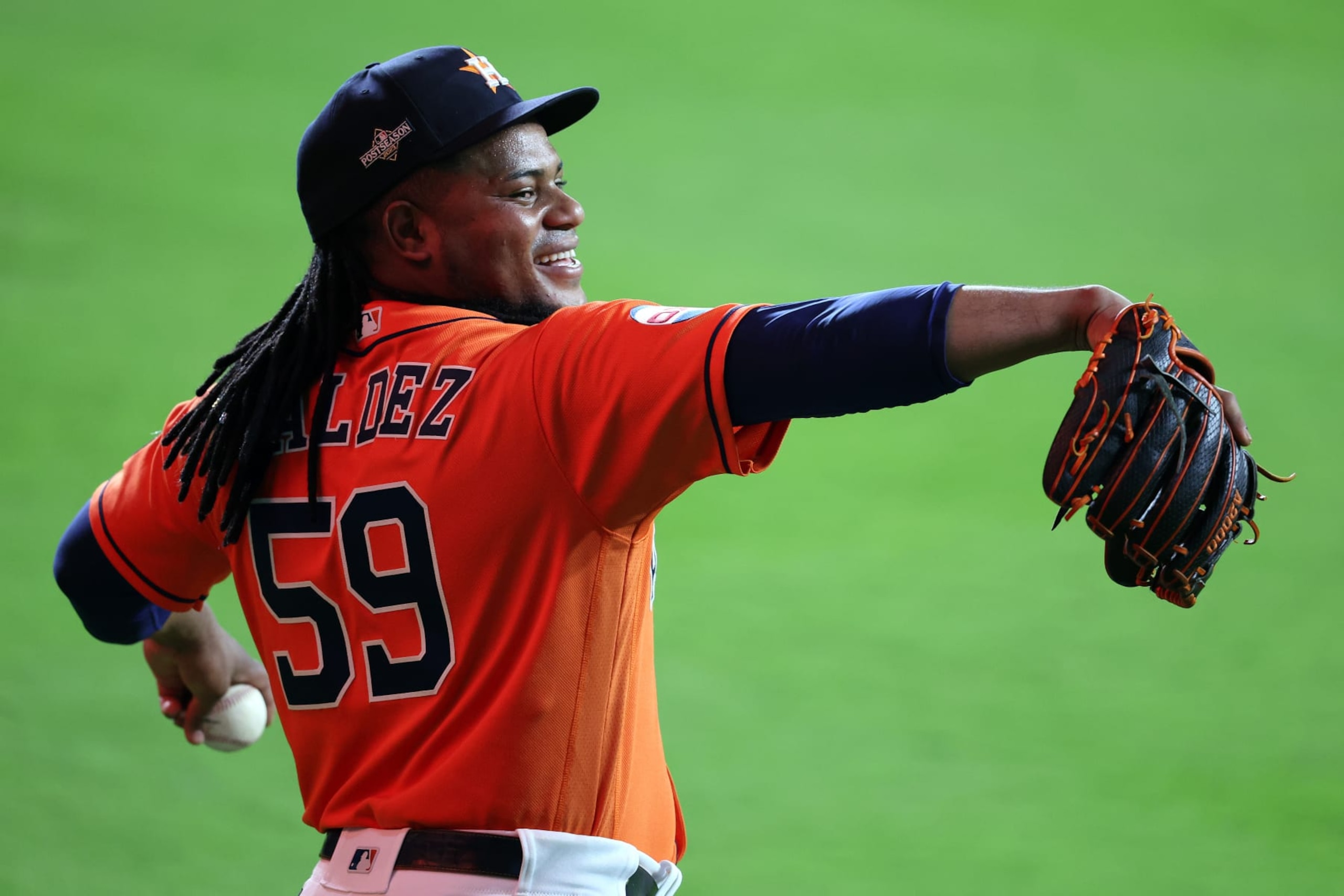
The Astros reached a five-year, $125 million extension with Jose Altuve in February that will likely allow the franchise great to spend his entire career in Houston. But it would have been nice if they could have locked in one of their other stars coming up on free agency this offseason in addition to him.
Given that third baseman Alex Bregman is represented by Scott Boras, he'll almost certainly test free agency after this season. But Valdez—who can become a free agent after the 2025 season—would have been a nice piece for general manager Dana Brown to lock up this offseason, because Houston has a ton of decisions to make in the next 24 months.
Bregman will likely be seeking the largest deal possible next winter. Star outfielder Kyle Tucker can become a free agent after the 2025 season and will likely command in excess of $100 million himself. And while his age and current injury status make him a year-to-year proposition at this stage, future Hall of Famer Justin Verlander can become a free agent after the 2024 season, unless he pitches 140 innings this year and his $35 million option for 2025 vests.
Valdez's agent pushed back vehemently against a report that his client was looking for $150 million in an extension last winter. Frankly, given that Valdez is 30 and has a 3.13 ERA over 534 innings the last three seasons, something like a six-year, $150 million extension wouldn't be a ridiculous opening ask.
Instead, it appears the Astros are going to go year-to-year with Valdez. As he gets closer to free agency, his price tag will likely only get higher. And it could leave the Astros empty-handed after the 2025 season.
Kansas City Royals: Going Quantity Over Quality
12 of 30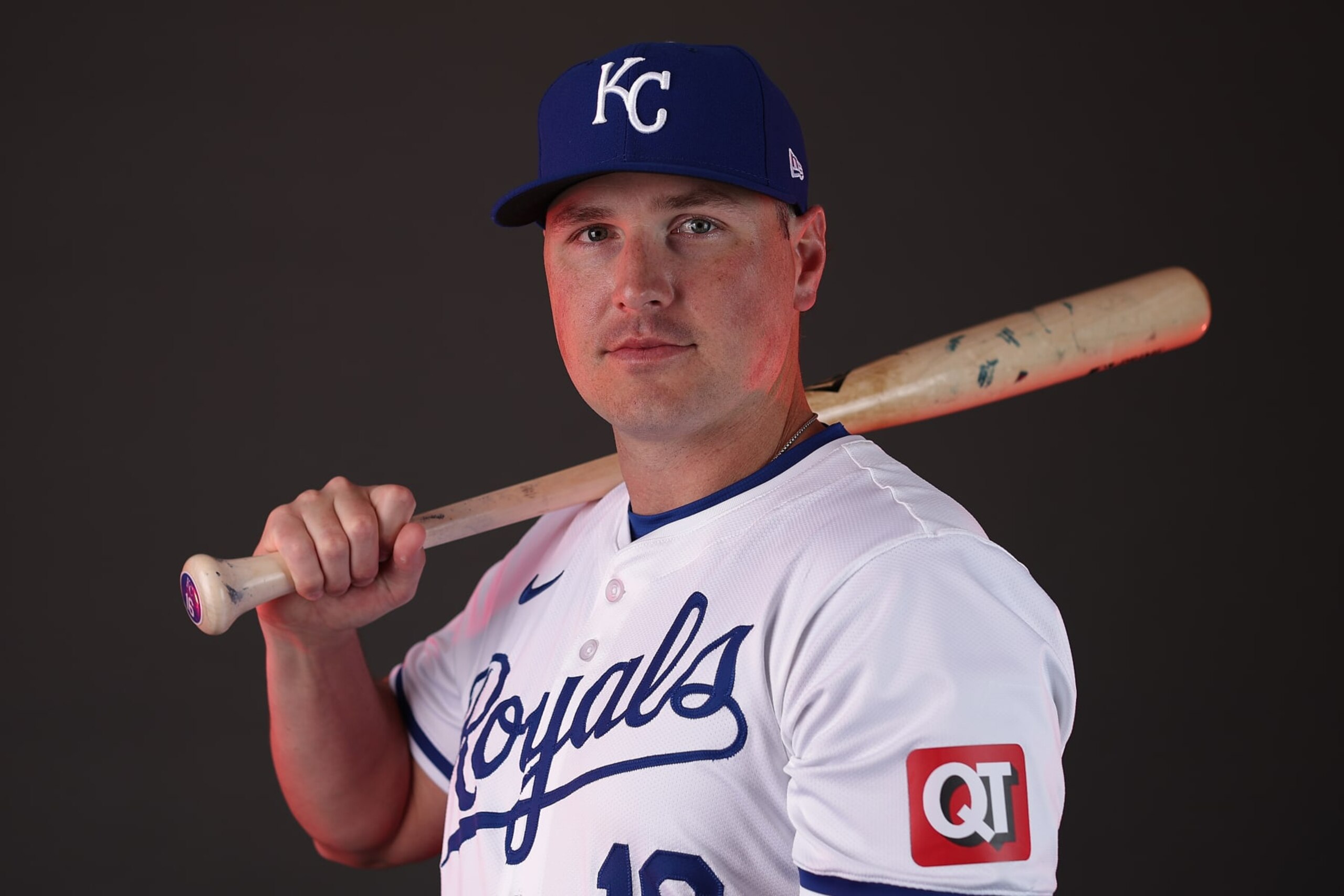
Give the Royals some credit: after winning just 56 games a season ago, general manager J.J. Picollo had the financial freedom to make Kansas City one of the more active teams this past offseason. But it's fair to wonder whether they went a bit quantity over quality with their moves.
Consider some of the players the Royals added.
RF Hunter Renfroe: One of the ultimate Immaculate Grid answers, Renfroe has played for six teams in eight years. But while he's had some strong seasons, 2023 wasn't one of them. In a campaign split between the Los Angeles Angels and Cincinnati Reds, Renfroe posted a .713 OPS with -9 defensive runs saved and -5 outs above average.
UTIL Adam Frazier: He was an All-Star at second base with the Pittsburgh Pirates in 2021 but has hit .239 with a .648 OPS the last two seasons with the Seattle Mariners and Baltimore Orioles. There's a reason he was available for just a $2 million salary in 2024.
Reliever Will Smith: Though he's won three consecutive World Series titles, the former All-Star reliever has a 3.91 ERA and 3.95 FIP since the start of the 2021 season, so he's no longer a standout lefty out of the bullpen.
Renfroe, Frazier and Smith will make a combined $12.5 million in 2024. What would have been a better use of resources: investing in that trio or a reunion with slugger Jorge Soler, who landed a three-year, $42 million deal with the San Francisco Giants that will pay him $7 million in 2024?
Michael Wacha and Seth Lugo were actually pretty strong additions to the starting rotation, though both are hardly certain to make 30-plus starts for the Royals in 2024.
This isn't meant to rain on the parade of the Royals—they should be a better team this year. But more significant moves were needed to go from a 56-win team in 2023 to the playoffs in 2024.
Los Angeles Angels: Not Spending on Pitching
13 of 30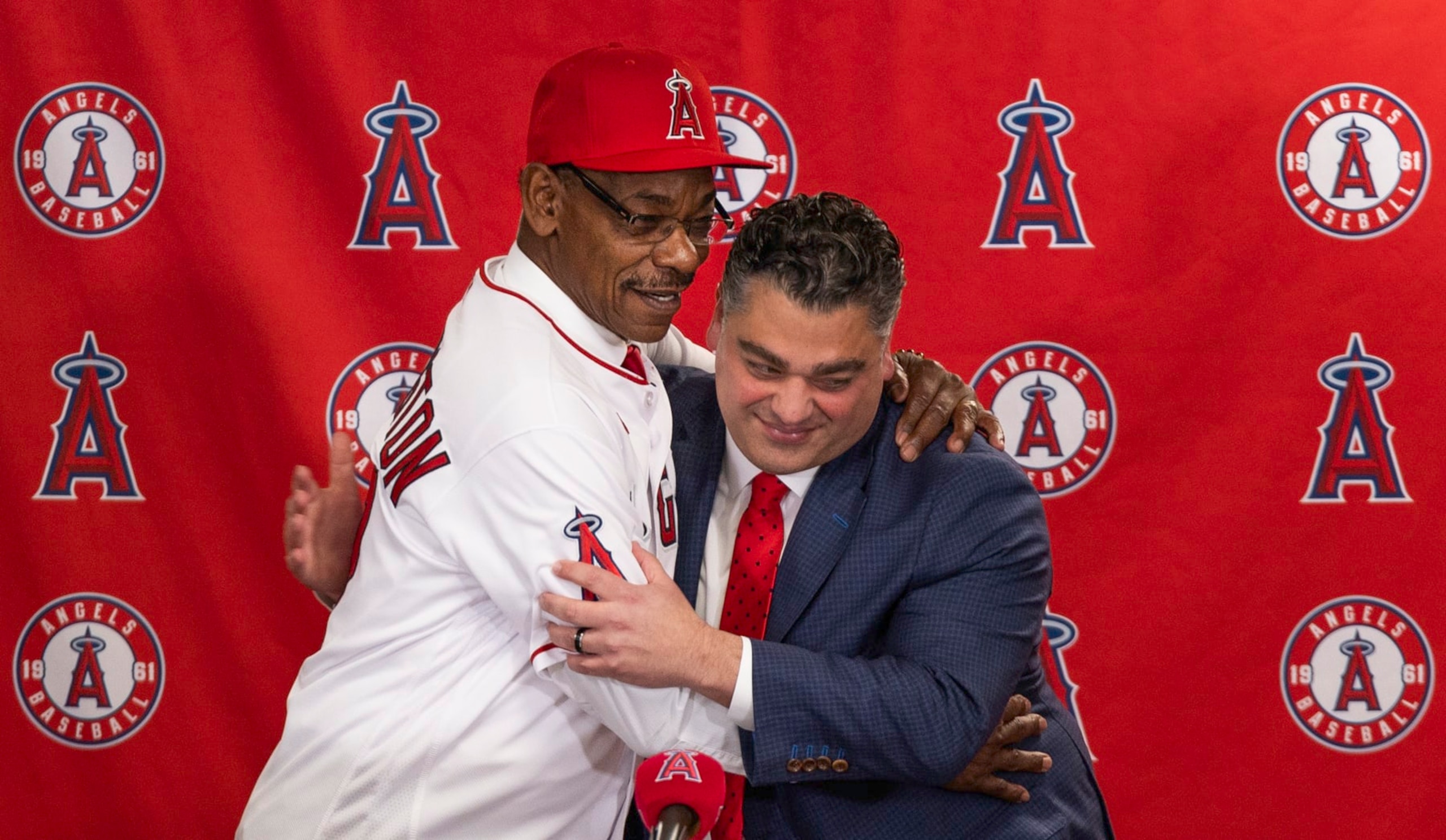
Obviously, the biggest regret the Angels will have from this past season is seeing two-time AL MVP Shohei Ohtani depart to join the Los Angeles Dodgers. But after another disappointing season that saw the team go 73-89, that felt inevitable by the time the offseason started.
It is a little surprising how underwhelming the post-Ohtani plan has been for the Angels, particularly when three-time AL MVP Mike Trout continues, probably to a fault, to be a loyal soldier for the organization. No one was going to replace Ohtani's offensive production, but there were plenty of DH-types available this offseason. Instead, it appears that the Halos will go into 2024 with Brandon Drury sliding into Ohtani's old role.
Even more concerning is the state of the starting rotation. It was bad with Ohtani at the top of it. With Ohtani gone, the Angels don't have a single starter projected to have an ERA below 4.09.
If the plan wasn't to entirely tear things down after Ohtani left, why didn't owner Arte Moreno and general manager Perry Minasian take advantage of a starting pitching market that didn't develop as many expected it to?
For whatever flaws he has, Blake Snell is a two-time Cy Young Award winner that seemingly was interested in joining the Angels. Instead, he landed a two-year, $62 million deal from the San Francisco Giants that features a player opt-out after 2024.
If the Angels didn't want to give up draft compensation to sign Snell—who rejected a qualifying offer from the San Diego Padres—Jordan Montgomery has been on the market for months now. There hasn't been any indication the Angels have seriously pursued Montgomery.
The reality is that if the Angels wanted to be aggressive and try to contend post-Ohtani, they probably should have tried to sign Snell and Montgomery. And if not, they should have traded Trout and gone all in on accumulating talent for the future. Instead, they are stuck somewhere in the middle, without it feeling like there's much of a direction.
Los Angeles Dodgers: Failing to Add a SS
14 of 30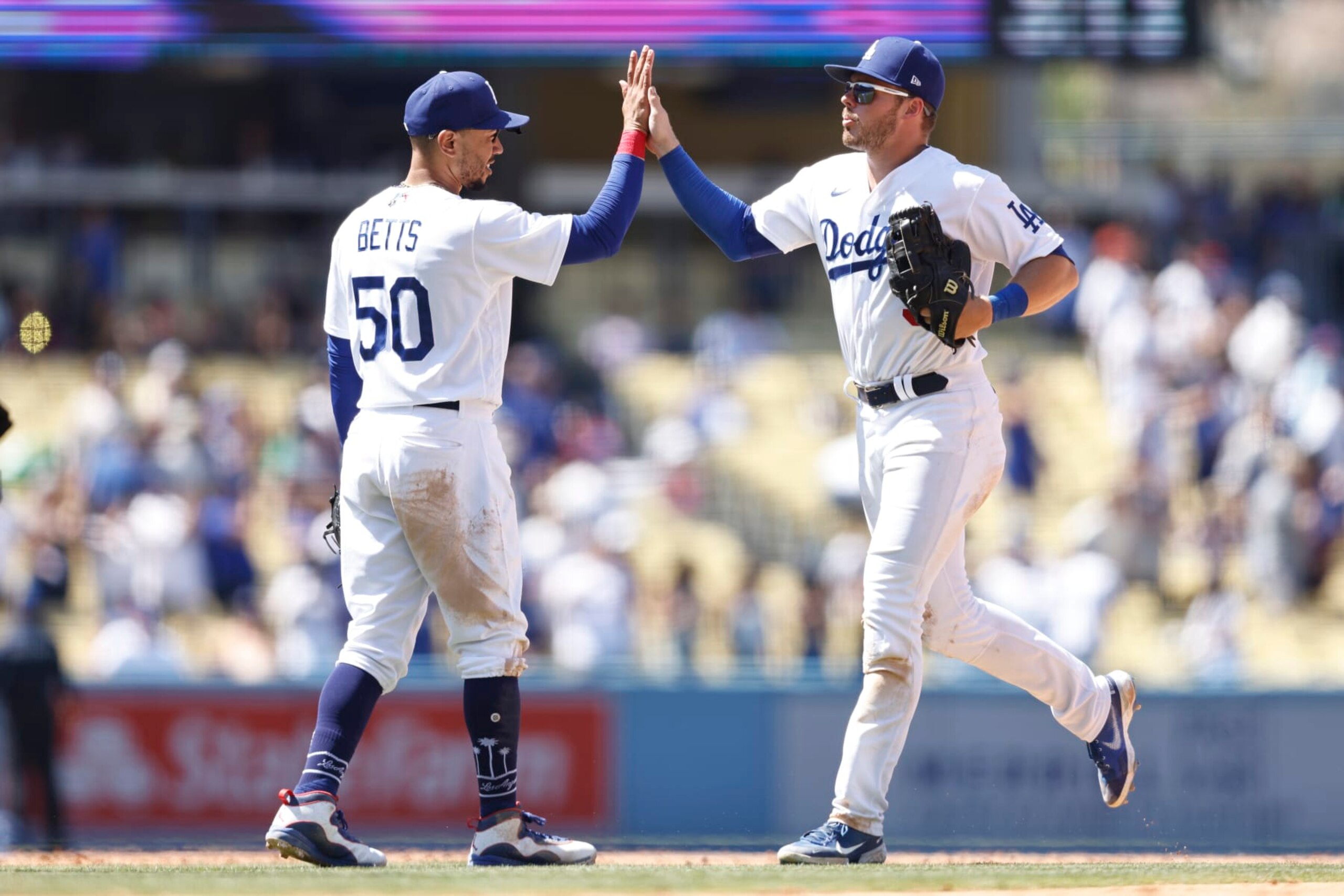
President of baseball operations Andrew Friedman has assembled one of the greatest lineups the sport has ever seen, and if the pitching gets healthier as the season goes along, the Dodgers could very well win in excess of 105 games this upcoming season.
But with Gavin Lux dealing with the yips, the Dodgers shortstop on Opening Day was Mookie Betts. As manager Dave Roberts put it, this arrangement is "permanent, for now," for a player who it initially appeared would come in from right field and play second base primarily in 2024.
Betts is such a gifted athlete that it would hardly be a surprise if he finds a way to be an above-average defender at shortstop if given an extended period to get comfortable playing the position. And Betts is such a valuable offensive player that whatever position he's playing, he immediately becomes one of its best players.
But there should be an element of trying to protect a player from himself. Now 31, Betts is under contract through the 2032 season. With that type of profile, you would think the Dodgers would be inclined to move Betts away from a high-stress defensive position, not to one.
The Dodgers probably had too much faith in Lux's ability to make things work at shortstop, and while their bench provides quite a bit of positional flexibility, none of the trio of Kiké Hernández, Chris Taylor or Miguel Rojas is going to take over at shortstop on a regular basis. That may speak to a desire to keep Lux's bat in the lineup, but it also leaves you to wonder why the Dodgers weren't players for Tim Anderson, who signed for just $5 million with the Miami Marlins. When you consider how much money the Dodgers spent this past offseason, that would have been a write-off for them.
Things may very well work out with Betts at shortstop, or Lux may be able to return to the position at some point during the 2024 campaign. But not having a better fallback option than shifting Betts to a position he had never played at the MLB level until last season seems like poor planning by an otherwise extremely well-run organization.
Miami Marlins: Failing to Improve at DH
15 of 30
The Marlins snuck into the postseason as a wild-card representative a season ago and really seem to have struck gold with manager Skip Schumaker. However, a second consecutive playoff appearance doesn't appear to be in the cards for the Fish.
It's possible that with former NL Cy Young Award winner Sandy Alcántara out for the season as he recovers from Tommy John surgery, 2024 was never going to be a great year for the Marlins. The team will enter the regular season in dire straights from a starting pitching perspective, with Edward Cabrera, Braxton Garrett and Eury Pérez also dealing with injuries.
But man, it really feels like the Marlins—who replaced former general manager Kim Ng with Peter Bendix as the president of baseball operations—didn't even try with offense this offseason.
Jorge Soler, who homered 36 times a season ago, was allowed to depart for a three-year, $42 million deal with the San Francisco Giants. Currently, Avisaíl García is penciled in as their DH. For those of you scoring at home, García has an unsightly .576 OPS in two seasons with Miami.
The Marlins did add shortstop Tim Anderson on a one-year deal, and it's possible they'll get a bounce-back season out of the former AL batting champion. But the Marlins offense—which already wasn't a juggernaut—got worse this offseason.
Milwaukee Brewers: Not Adding Starting Pitching
16 of 30
The biggest strength that the Brewers had in recent years was the amount of top-tier pitching they had, both in their starting rotation and bullpen. But Josh Hader is long gone, and two-time All-Star Devin Williams is likely out for three months as he recovers from two stress fractures in his back. The starting rotation that new manager Pat Murphy has might be in even worse shape.
Gone is former NL Cy Young Award winner Corbin Burnes. For most of the offseason, it appeared Burnes would at least open his contract season in Milwaukee. Instead, the Brewers shipped him to the Baltimore Orioles in February.
On top of that, while Brandon Woodruff is back on a two-year, $17.5 million deal, it's unclear if he will pitch at all in 2024 as he recovers from the shoulder surgery he had last October. Woodruff may not be Burnes, but he is a two-time All-Star who has a 2.76 ERA and 3.13 FIP over the last four seasons.
Freddy Peralta will now step into the spotlight, going from arguably the best No. 3 starter in the sport to the ace for the Brewers. He's an excellent pitcher in his own right, but the 165.2 innings he logged a year ago were a career high. To have a real chance to be a playoff team in 2024, the Brewers probably need Peralta to pitch close to 200 innings and be in contention for the NL Cy Young Award.
Even still, not adding another veteran or two in the rotation will probably be among the factors that doom the Brew Crew in 2024. Williams' injury complicates his trade candidacy, but shortstop Willy Adames feels all but certain to be traded at some point this year. Offseason signee Rhys Hoskins—who can opt out of his deal after this season—also could become a trade candidate by virtue of Milwaukee not having enough pitching to stay in the playoff race.
Minnesota Twins: Letting Sonny Gray Walk in Free Agency
17 of 30
Sonny Gray seemed to be a perfect fit in Minnesota, and what proved to be his final act with the Twins best exemplified that. Gray led the sport with a 2.83 FIP over 184 innings, finishing second in AL Cy Young Award voting to Gerrit Cole.
Ultimately, though, the Twins allowed Gray to walk for what feels like a pretty reasonable three-year, $75 million deal with the St. Louis Cardinals, a pact that includes a $30 million club option for 2027. It's not a cheap deal, but it's the going rate for front-line starting pitching, which the Twins now have less of for not meeting the price.
Pablo López will anchor what still has a chance to be a pretty strong rotation. There's a lot to like about Joe Ryan and Bailey Ober, and Minnesota is hopeful this is the year it finally gets a healthy version of Chris Paddack.
But with Gray and López, the Twins had one of the best one-two punches in the sport. It's hard to think that the Twins are set up better for a short playoff series post-Gray.
New York Mets: Not Adding More Starting Pitching
18 of 30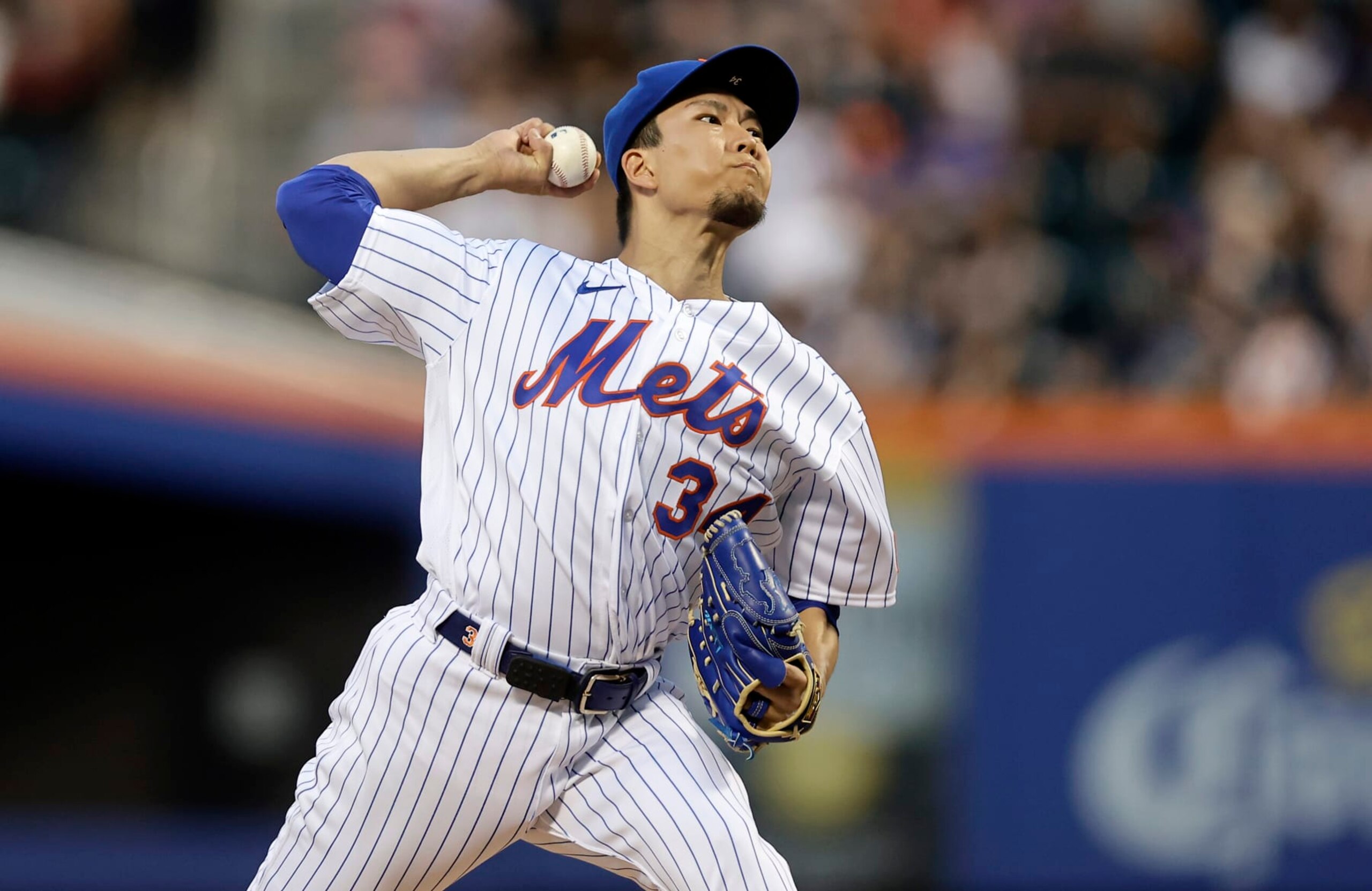
Perhaps the Mets aren't all-in on trying to win a World Series in 2024, but they aren't a team hoping to bottom out either.
So when they lost out on Yoshinobu Yamamoto, it was a bit perplexing that the Mets didn't at least consider going after the likes of Blake Snell or Jordan Montgomery. It's not as though Snell or Montgomery won't still be really good pitchers in 2025 or 2026, when the Mets will be hoping to contend.
Not signing another pitcher became even more glaring when Kodai Senga went down early in spring training with a shoulder injury. There's hope that rest, rehab and a PRP injection will allow Senga to return at some point in the first half of the season and avoid surgery. But there are no guarantees.
Even with Senga in the fold, there wasn't enough pitching depth beyond him. The clearest evidence of that is that with Senga not available, Jose Quintana—who was limited to just 13 starts himself last season—will get the ball on Opening Day. Quintana has had a solid career, but if you ranked all the Opening Day starters, he would be much closer to No. 30 than No. 1.
Owner Steve Cohen may not have wanted to give up draft-pick compensation to sign someone like Snell as he tries to build a deep farm system. But because Montgomery was traded last season, the Texas Rangers couldn't extend a qualifying offer to him this offseason. So signing him wouldn't require giving up draft pick compensation, just money. And whatever the luxury tax implications signing a front-line pitcher would have come with, Cohen—who Forbes estimates is worth $19.8 billion–can afford it.
New York Yankees: Failing to Add Another Front-Line Starter
19 of 30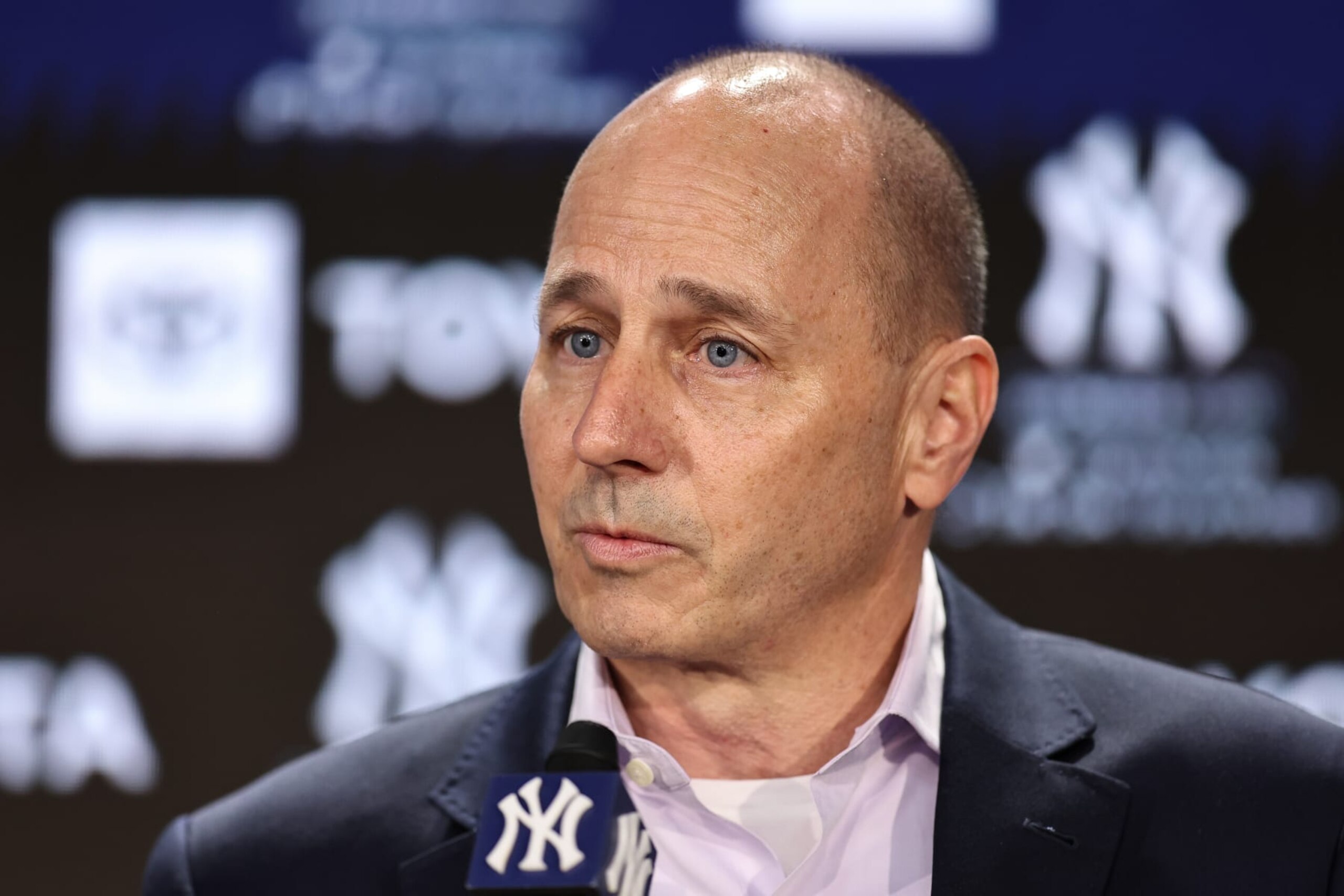
You can copy and paste a lot of what we said in regards to the Mets for the Yankees slide. The only difference here is that the Yankees are in a World Series window.
Like the Mets, the Yankees will be without their ace to open the season. Reigning AL Cy Young Award winner Gerrit Cole isn't currently throwing as he deals with nerve inflammation in his right elbow. At this time, the belief is that Cole won't require surgery, but just rest and rehab, before potentially returning this summer. These things often have a cause of not requiring Tommy John surgery until the exact moment that they do, but we'll see.
Even when Cole was in the fold, it was fair to wonder if the Yankees had enough pitching behind their ace.
Marcus Stroman was signed to a two-year, $37 million deal. But while he was an All-Star with the Chicago Cubs a season ago, right hip inflammation destroyed the second half of Stroman's season. The last time he logged 200 innings in a season was back in 2017 with the Toronto Blue Jays.
There is, of course, Carlos Rodón, who is hoping to have a bounce-back season after posting a 6.85 ERA in 14 starts during the first campaign of a six-year, $162 million deal. It's hard to know what to expect of the two-time All-Star in 2024.
Questions also exist around Nestor Cortes, who followed up a breakout 2022 season by posting a 4.97 ERA and 4.49 FIP over just 12 starts last year.
For much of the spring, the vibes have been bad with the Yankees. It was fair before Cole's injury to wonder whether the Yankees had enough starting pitching to edge out the Baltimore Orioles in the AL East.
Now, facing life without Cole at least for a while, it appears the Yankees should have waited out Blake Snell's market and signed him instead of or in addition to Stroman. The late George Steinbrenner might have signed Snell and Jordan Montgomery after Cole went down. He would have laughed off any concerns about the luxury tax.
Oakland Athletics: John Fisher Not Selling the Team
20 of 30
The initial thought was to title this slide: Everything. But ultimately the point person for what's currently the most embarrassing franchise in North American professional sports is owner John Fisher.
How did the A's respond to a pathetic 50-112 record a season ago? By acquiring two castoffs of the crosstown-rival San Francisco Giants; third baseman J.D. Davis and LHP Alex Wood. If all goes well, the A's will win 57-60 games this year, trade both of them at the deadline and then still not spend any significant amount of money next winter.
It feels like the plan from Fisher and MLB has been to work backward from the conclusion of getting the team to Las Vegas. But what about the passionate fans in the Bay Area desperate not to lose their team? Fisher doesn't care. What about the fact that the A's are entering the final season of their lease at the Oakland Coliseum—which Fisher has allowed to get into comically bad shape to up the ante on a move—and don't yet have finalized plans for a stadium in Las Vegas? Fisher doesn't seem to care. He seems intent on having the A's call Las Vegas home by the late-2020s, and if that means ripping the franchise away from a city with an established fanbase and going through more than a half decade of not even pretending to try to compete, so be it.
Perhaps it's a slippery slope for MLB to try to push ownership groups to sell their teams just because their fans aren't happy with the organizational direction. But what would be best for the A's franchise is for someone other than Fisher to own the team. Maybe if the Las Vegas plan falls through, Fisher will tap out and someone interested in building a competitive team in the Bay Area will purchase the franchise.
Philadelphia Phillies: Not Signing Josh Hader
21 of 30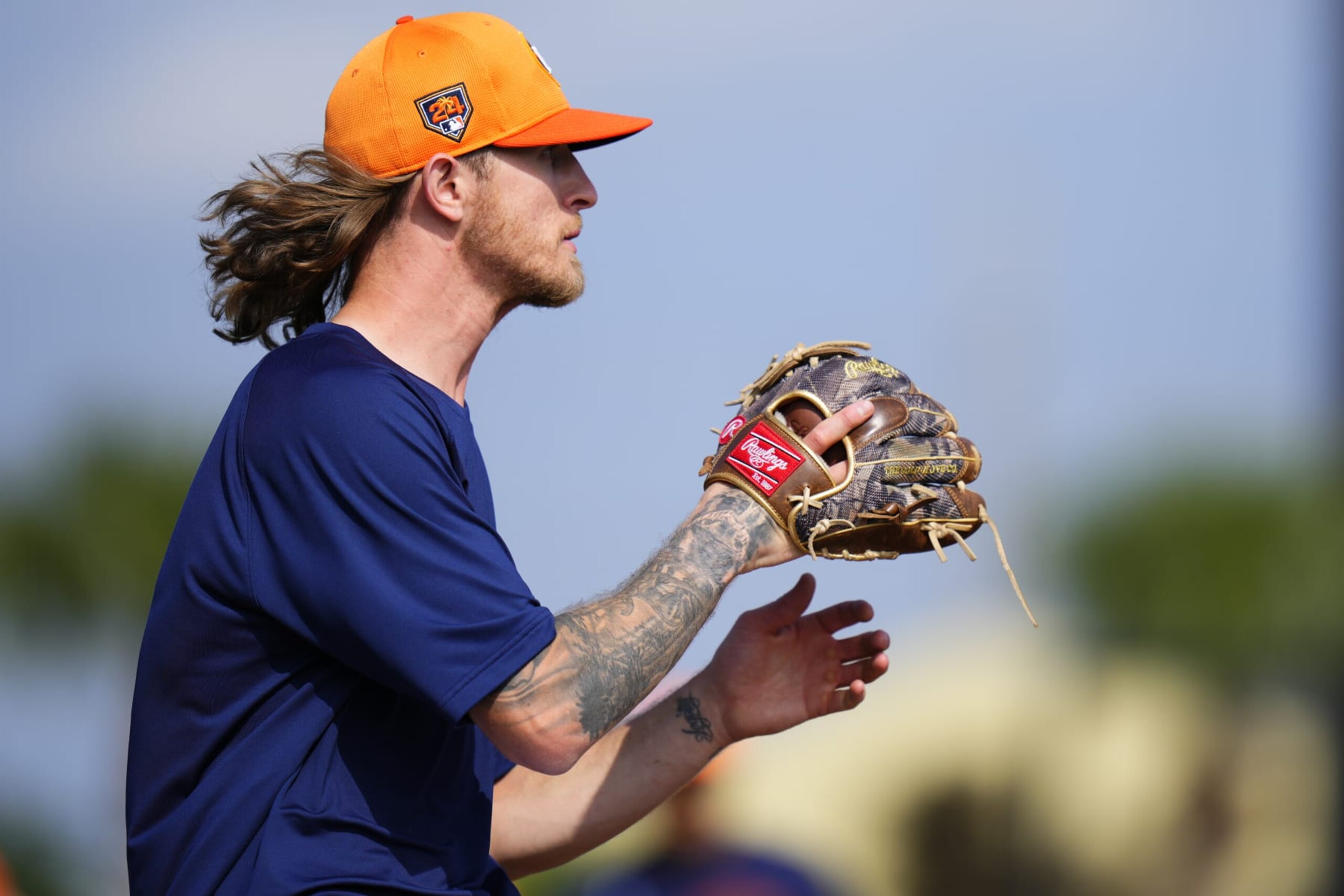
The Phillies project to have a pretty deep bullpen in 2024 with José Alvarado, Seranthony Domínguez, Jeff Hoffman, Orion Kerkering, Gregory Soto and Matt Strahm. They would have baseball's best bullpen if they had added five-time All-Star Josh Hader in free agency.
But while the Phillies made sense as an on-paper fit for Hader at the outset of free agency, all indications are that the team wasn't interested in the three-time Trevor Hoffman NL Reliever of the Year. Perhaps the unwillingness that Hader had to pitch more than one inning with the San Diego Padres turned them off. The counter to that, though, is the Phillies have enough other high-leverage relief options that they wouldn't have needed Hader very often for four or five outs.
Having a closer on a Hall of Fame trajectory would have been the icing on the cake for a team with World Series aspirations, especially when you consider that the five-year, $95 million deal he ultimately received from the Houston Astros is more than fair given that he's been the most dominant reliever in baseball since breaking into the league with the Milwaukee Brewers in 2017.
There might be enough in the Phillies bullpen for them to win a title already. After all, they've been pretty close the last two years. Then again, if they had Hader last season, they probably would have at least won the NL pennant for the second year in a row.
If closer is an issue in advance of the July 30 trade deadline in 2024, president of baseball operations Dave Dombrowski could pursue a closer on the market, such as Emmanuel Clase and David Bednar, both of whom are years away from free agency. With that, though, the Phillies will need to give up more prospect capital than if they had signed a free agent like Hader, who rejected a qualifying offer.
Pittsburgh Pirates: Signing Rowdy Tellez to Play 1B
22 of 30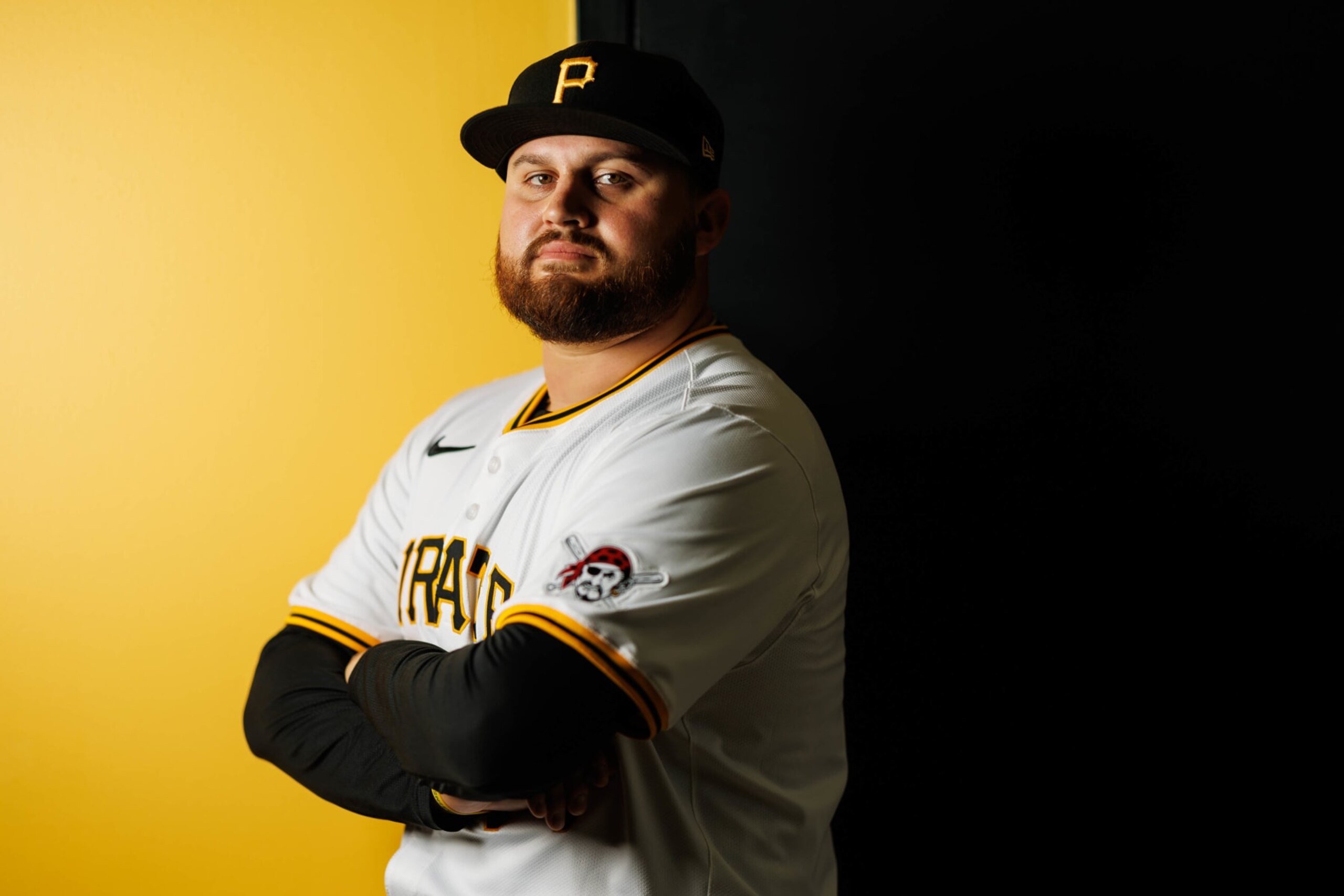
With Oneil Cruz seemingly primed for a breakout year, it's not that far-fetched to think that a Pirates team that won 76 games a season ago could compete in what appears to be a wide-open NL Central.
But while they made some offseason moves that made sense—bringing back Andrew McCutchen while also adding Michael A. Taylor and Aroldis Chapman—signing Rowdy Tellez to be their starting first baseman may prove to be a misstep.
First of all, Tellez has -19 outs above average in his career at first base. He'll likely play a lot of first base as McCutchen projects to get a lot of DH starts.
Secondly, while Tellez did homer 35 times and drive in 89 runs for the Brewers in 2022, Milwaukee was willing to non-tender the slugger following a disappointing 2023 campaign that saw him post a .667 OPS.
In fact, Tellez's struggles forced the Brewers to acquire Carlos Santana from the Pirates last July. Even at this late stage of his career, Santana feels like more of a sure thing than Tellez. The Pirates could have brought back Santana this offseason, but instead saw him sign a one-year, $5.25 million deal with the Minnesota Twins. Pittsburgh elected to bring in the non-tendered Tellez for $3.2 million. Hopefully that extra $2.05 million goes toward something nice for the Pirates.
San Diego Padres: Trading Juan Soto
23 of 30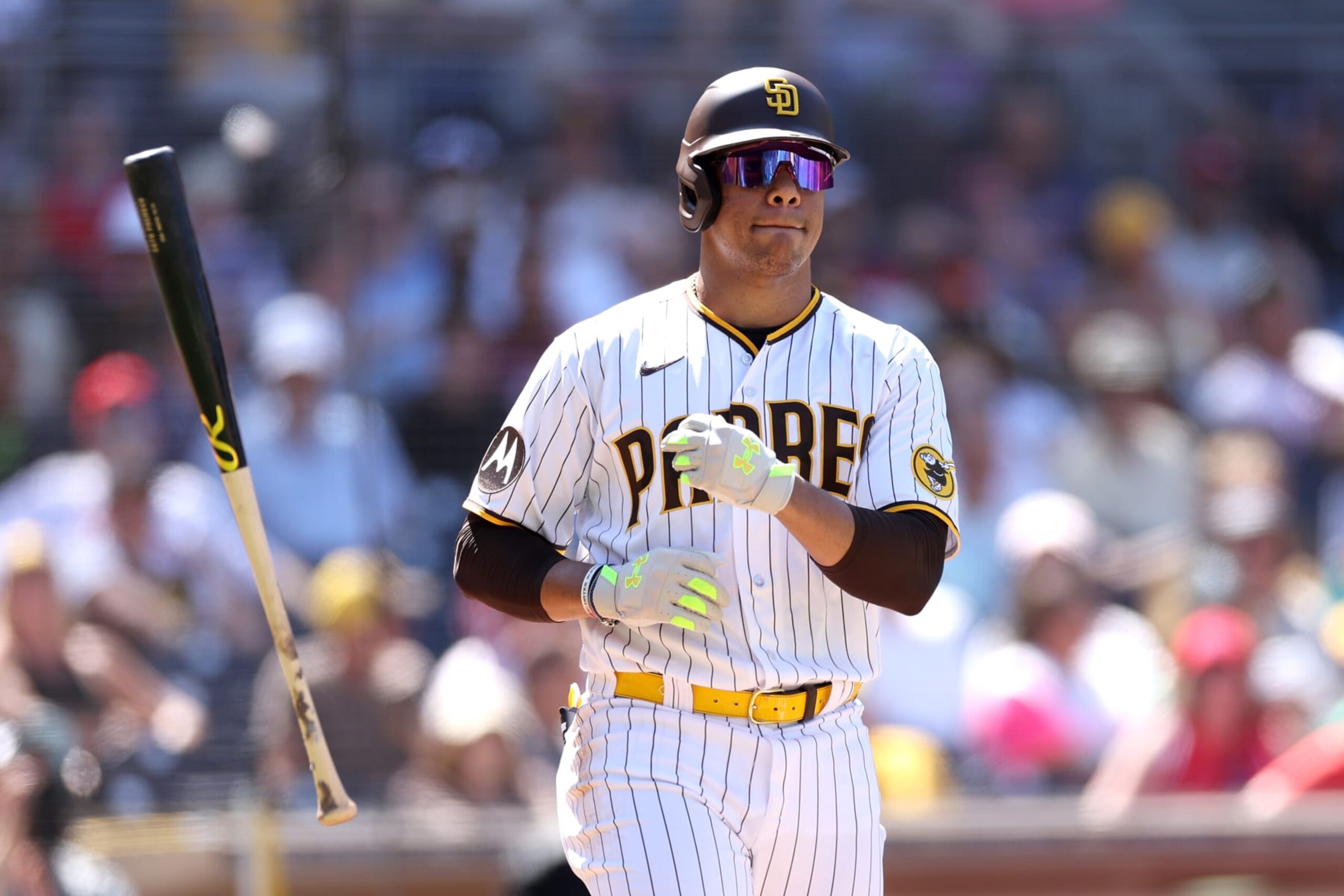
In the wake of beloved owner Peter Seidler dying and with the backdrop of uncertainty in regards to their local TV deal, the Padres cut costs this offseason. That included trading away the $31 million salary that Soto will make in his final year of arbitration.
But Soto is such a special player that even if the Padres weren't willing to meet the $500-plus million asking price he'll have after this season, there was a case for keeping him for his walk year and trying your hardest to win a title, the bottom line be damned.
It's not as though the Padres have completely dismantled their organization this offseason. Even with Soto, Josh Hader and Blake Snell departing, this is a team hoping to contend in 2024. They just acquired Dylan Cease from the Chicago White Sox, carried top prospect Jackson Merrill on the Opening Day roster and still have Manny Machado, Fernando Tatis Jr., Xander Bogaerts, Ha-Seong Kim, Yu Darvish and Joe Musgrove in the fold.
Perhaps it's overly idealistic, and Michael King, Jhony Brito and Randy Vásquez are all pieces who could be contributors for the Padres in 2024. But it's going to be a tough pill for Padres fans to swallow if Soto competes for the AL MVP in his contract year, which could have come in San Diego.
San Francisco Giants: Betting on Jordan Hicks To Be a Starter
24 of 30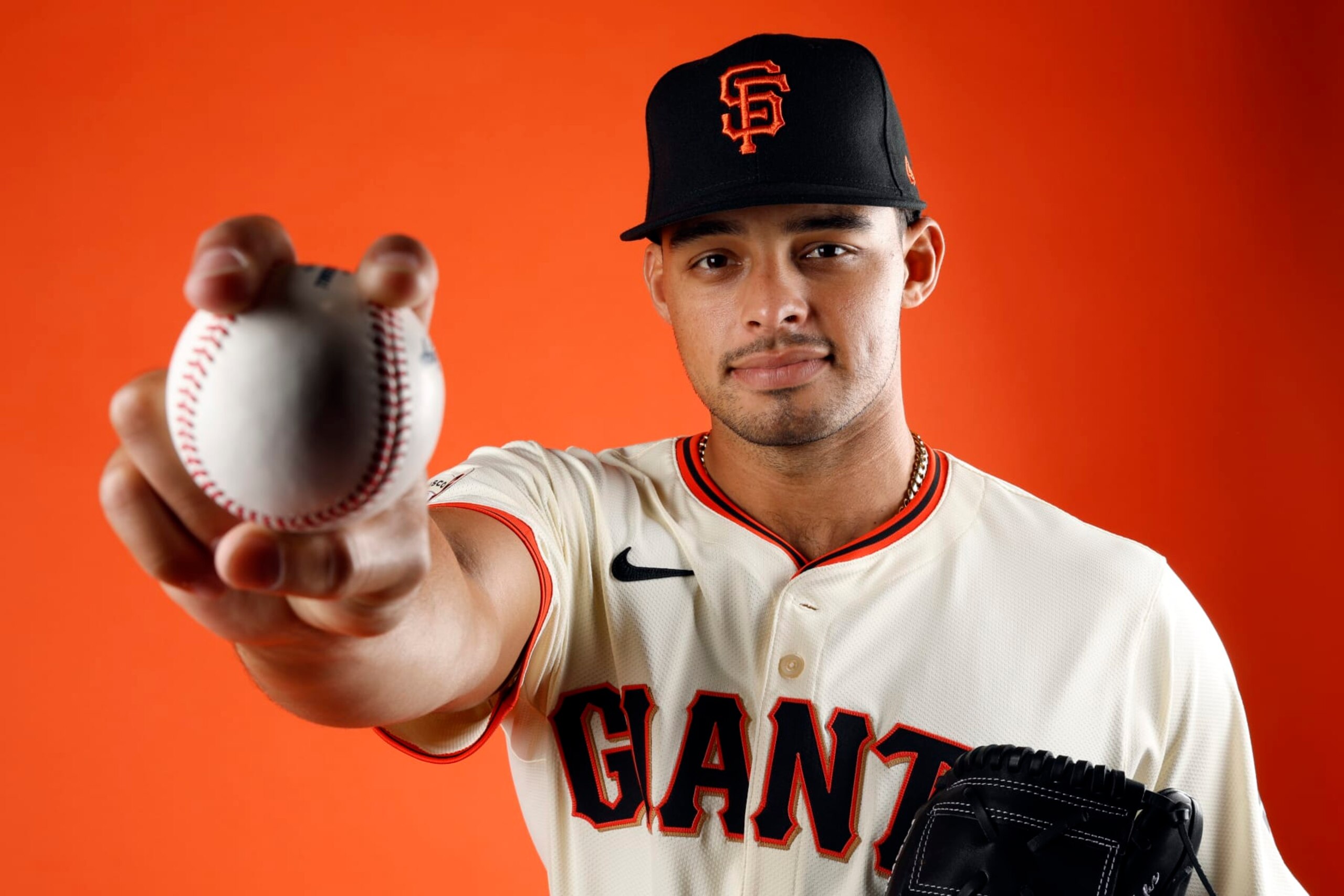
Given that Jordan Hicks is 27 and can throw about as hard as anyone in MLB history, it's not surprising he did well in free agency. But the Giants giving him a four-year, $44 million deal to be a starting pitcher was puzzling and feels like president of baseball operations Farhan Zaidi trying to come off as the smartest person in the room.
Hicks' only starting pitching experience at the MLB level came with the St. Louis Cardinals in 2022. Across eight starts for the Cardinals, Hicks went 0-4 with a 5.47 ERA. Perhaps there's something the Giants know that the rest of the sport doesn't and that will allow Hicks to thrive as a starter. But there's no previous evidence that leads you to believe Hicks is going to be more effective as a starter than a reliever.
On one hand, if things don't work out for Hicks as a starting pitcher, the Giants can move him back to the bullpen. Hicks' presence along with Camilo Doval, Tyler Rogers and Taylor Rogers would give new skipper Bob Melvin quite the quartet with which to work.
On the other hand, if Hicks doesn't pan out, the Giants will be pretty thin on rotation depth after one of the league's best one-two punches in Logan Webb and Blake Snell. 22-year-old Kyle Harrison will open the season in the starting rotation, but the organization's top prospect posted a 5.53 FIP in his first seven starts a year ago. Former AL Cy Young Award winner Robbie Ray is expected to join San Francisco's rotation at some point in 2024, but he's recovering from Tommy John surgery, which he underwent last May. What he'll look like in his first season with the Giants is unclear.
So while Hicks moving to the bullpen might give Melvin quite the arsenal of arms, he'll need it if the arm barn is expected to throw four or five innings per game.
Seattle Mariners: Picking Mitch Garver as DH
25 of 30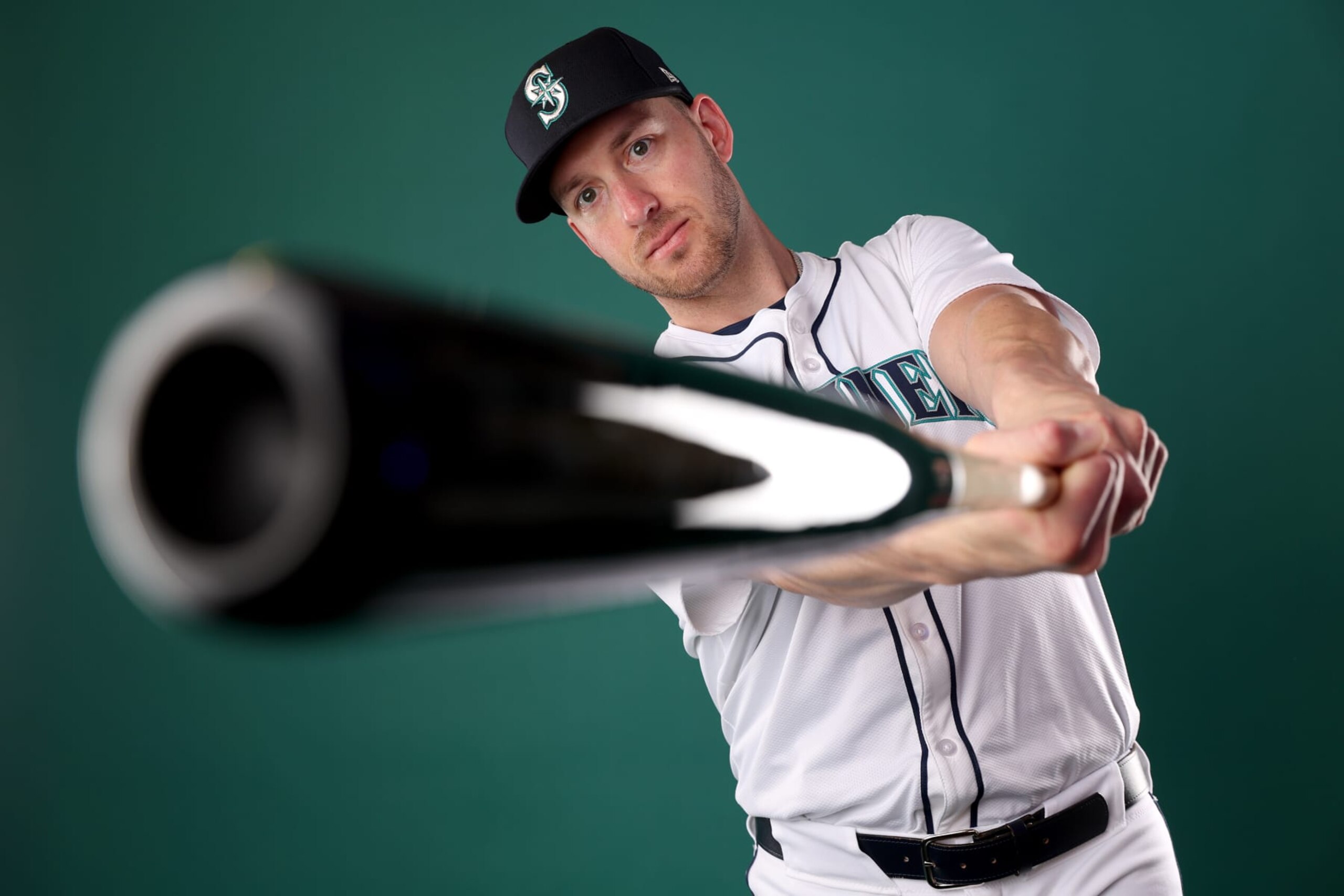
Fresh off of winning a World Series with the Texas Rangers, Mitch Garver landed a two-year, $24 million deal with the Mariners, which includes a $12 million mutual option for a third season. With the Mariners already employing one of the better catchers in the league in Cal Raleigh, Garver will be the club's primary DH in 2024.
It's not that Garver isn't up to the task when he's on the field, because he had 19 home runs and 50 RBI in just 87 regular-season games for the Rangers a year ago. But he's never played in more than 102 games in a season, and even that came back in 2018 as a member of the Minnesota Twins.
Getting to focus almost exclusively on DH might help Garver to stay healthy, but he only caught 354 innings for the Rangers over the past two seasons and still struggled with availability. So that's a concern.
You also need to weigh Garver against what the right-handed power production that the Mariners lost this offseason.
Teoscar Hernández may not have enjoyed hitting at T-Mobile Park, but he still homered 26 times and drove in 93 runs in his lone season with the Mariners while playing in 160 games. Hernández signed a one-year, $23.5 million deal to join the Los Angeles Dodgers.
Elsewhere, Eugenio Suárez—who averaged 28 home runs and 87 RBI over the last three years—was traded to the Arizona Diamondbacks. He played in all 162 games last season.
Suárez and Hernández both struck out a ton, but they posted every day and delivered a ton of power production. Garver doesn't have a history of being available consistently. Perhaps right-handed power options like Rhys Hoskins and J.D. Martinez didn't want to play their home games at T-Mobile Park, but it feels like they would have been better fits for this role than Garver.
St. Louis Cardinals: Betting on Pitchers With a Lot of Mileage on Their Arms
26 of 30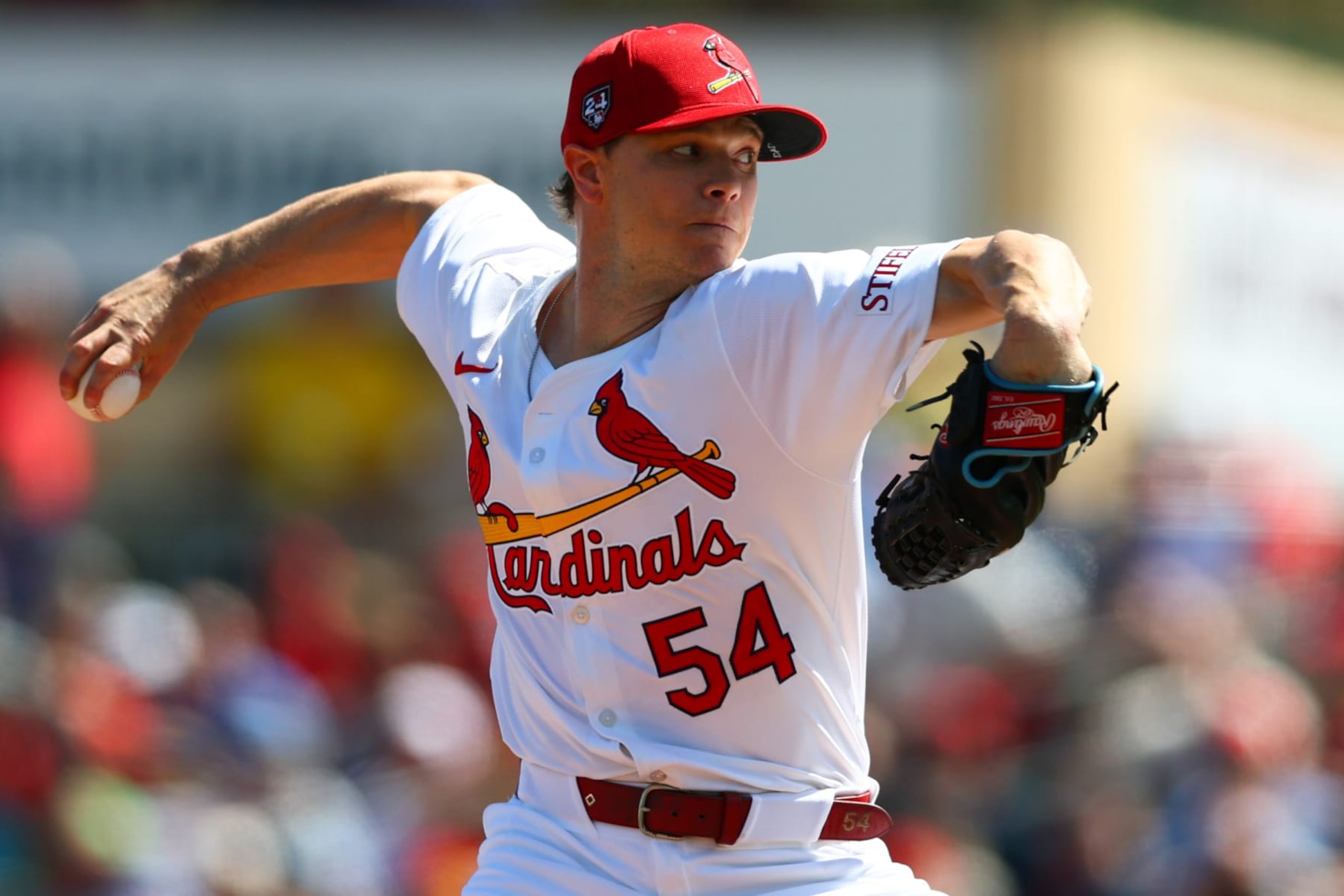
This might seem contradictory when you consider that we criticized the Twins for letting Sonny Gray walk, but there's more to this.
Though Gray isn't going to be able to start on Opening Day as he manages a hamstring injury, he was a wise investment for a team that needed to overhaul its rotation. But what's questionable is that at 34, Gray was the *youngest* starting pitcher St. Louis president of baseball operations John Mozeliak signed this offseason.
Journeyman Kyle Gibson was given a one-year, $13 million deal with a club option for 2025. Gibson has logged over 175 innings five times in his career, including 192 a season ago for the Baltimore Orioles. But Gibson also has a 4.88 ERA and 4.20 FIP over the last two seasons, split with the Orioles and Philadelphia Phillies. It's not as though he's a front-line starter. And at age 36, you wonder how many more years Gibson can continue to be an innings-eater.
Lance Lynn—who will turn 37 in May—is also back for a second stint in St. Louis. Lynn is only a few years removed from being a top-of-the-rotation starter for the Chicago White Sox, but he gave up an MLB-worst 44 home runs a season ago. Lynn signed for $10 million, with an $11 million club option for 2025.
Mind you, Gray, Gibson and Lynn have joined a rotation that already included 35-year-old Miles Mikolas and 32-year-old Steven Matz. There is a lot of faith here being put in pitchers who are on the wrong side of 30, and not by a little.
There's something to be said for knowing what your rotation will be early on, but would the Cardinals have been better off being a little more patient and signing a duo like Marcus Stroman and Michael Lorenzen than placing so much faith in Gibson and Lynn early in free agency? We'll see.
Tampa Bay Rays: Failing to Add a Veteran Starting Pitcher
27 of 30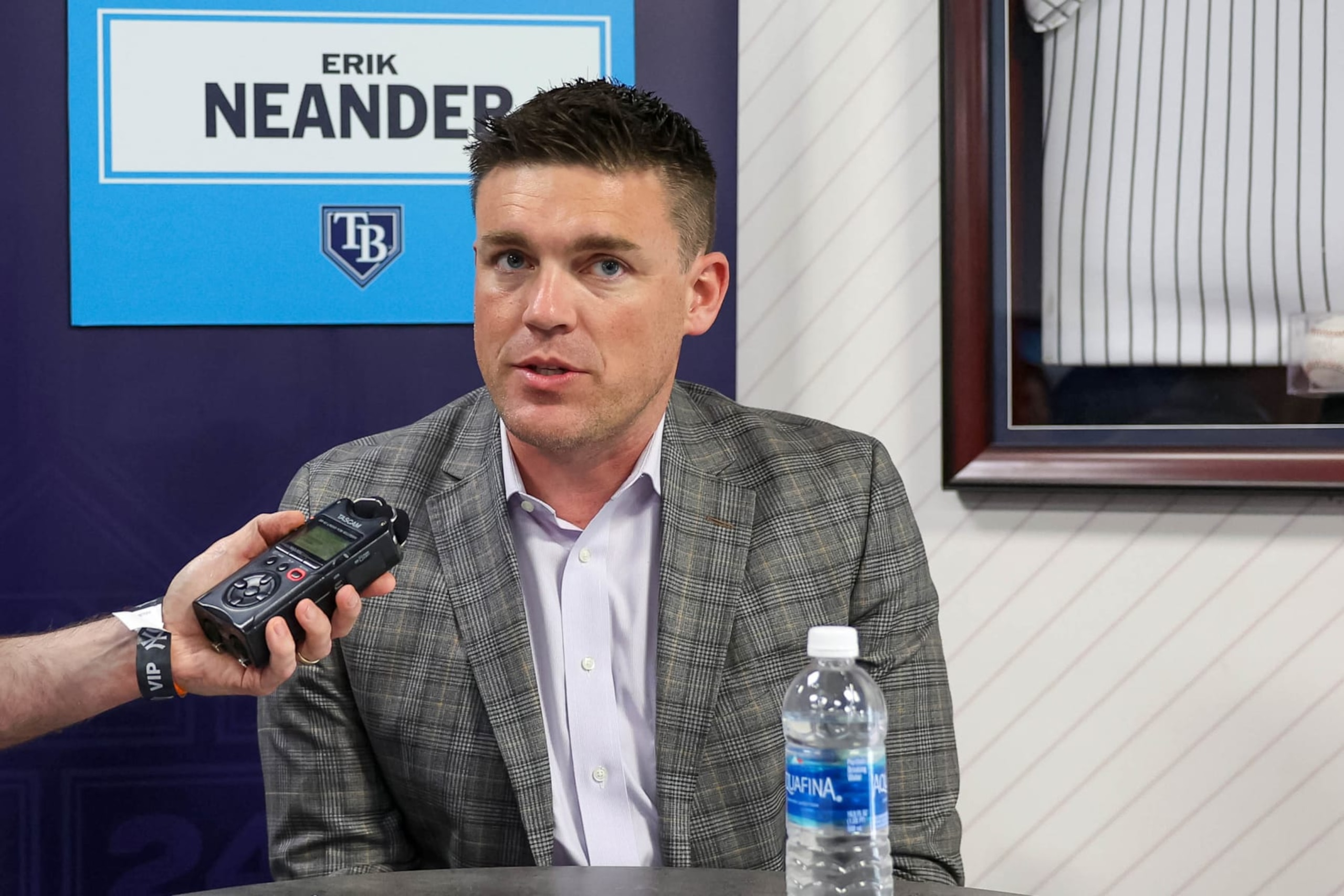
It's hard to look at the Rays before a season and be critical of them, because there are probably five players on their roster at any given point setting up to have career years.
But Tampa Bay is going to be thin on rotation depth to open the season. Two-time All-Star Shane McClanahan will miss the entirety of 2024 as he recovers from Tommy John surgery. Jeffrey Springs (Tommy John surgery in April 2023) and Drew Rasmussen (internal brace procedure on right elbow in July 2023) probably won't be in play until later in the season. Taj Bradley will also open the season on the injured list with a pectoral strain.
Tampa Bay does still have Zach Eflin and Aaron Civale atop its rotation, but both of them have injury histories of their own. The Rays may very well have a deep rotation in July or August, but they have to make it there in one piece first, which will be a difficult task in the loaded AL East.
It seemingly would have behooved the Rays to add an innings-eater type to help steady the ship in the first half of the season. As noted on the St. Louis Cardinals slide, Kyle Gibson's durability didn't come cheaply. But he's the type of pitcher that would have made sense for the Rays, assuming they weren't going to make a play for a more expensive option, like Aaron Nola.
Texas Rangers: Not Re-Signing Jordan Montgomery
28 of 30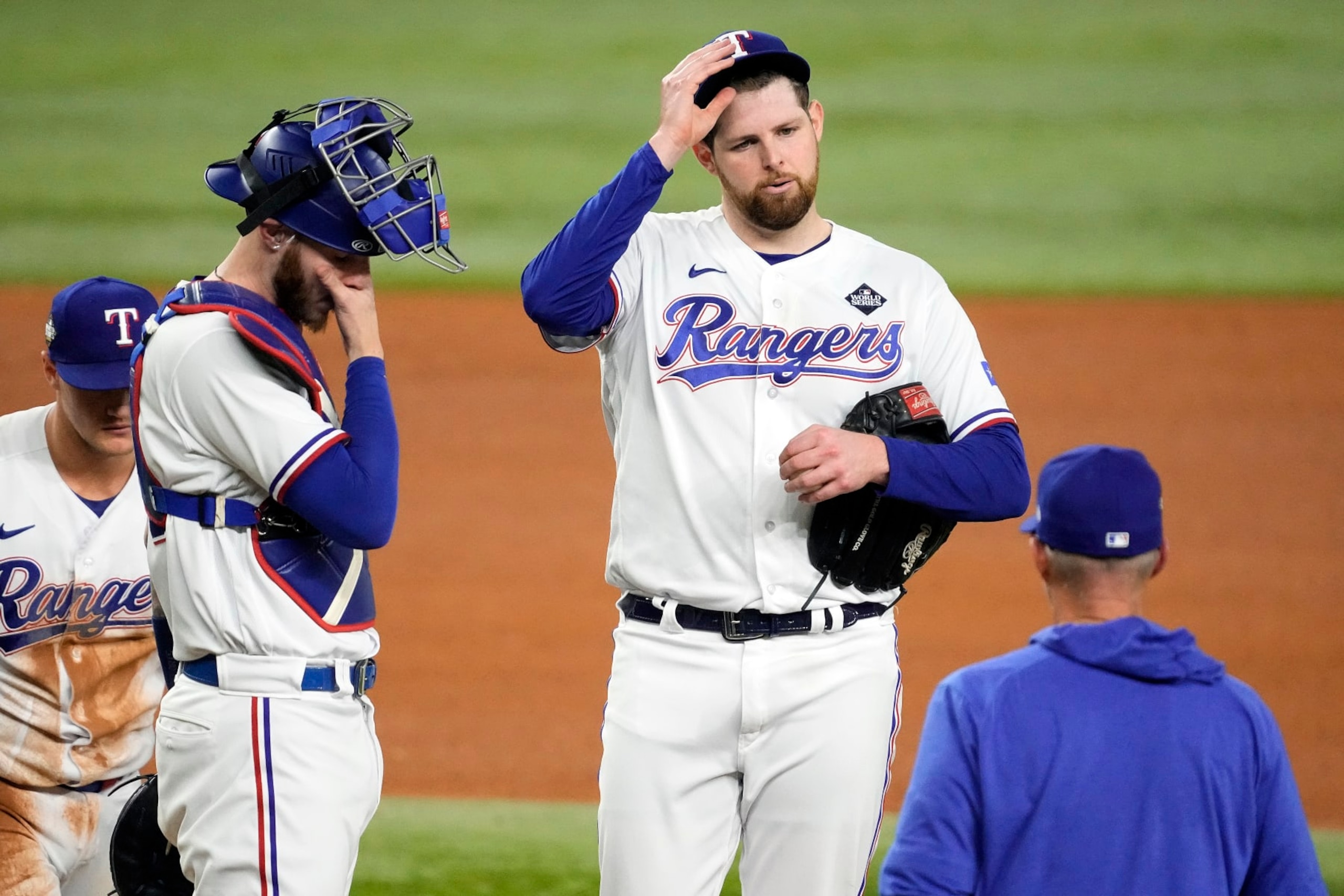
Until Jordan Montgomery signs elsewhere, his returning to the Texas Rangers can't be 100 percent ruled out. But general manager Chris Young has made it pretty clear this spring that Texas doesn't plan to bring its World Series hero back or make any more significant expenditures before Opening Day—which is likely even more true now that the team has added Michael Lorenzen.
The Rangers are among the teams that have had their budgets affected by uncertainty over the long-term future of their television deal with Diamond Sports Group. A deal was reached for 2024, but it's unclear what the future will hold for the Rangers from a TV perspective and therefore how much revenue they can expect to receive annually from that source.
Still, while the Rangers will have to settle for "between $90-$100 million" in revenue from their TV deal this year as opposed to the $111 million initially agreed to, they have certainty for this year and are in a World Series window. They're the defending World Series champions, and they wouldn't have been able to win the franchise's first title without Montgomery, who posted a 2.90 ERA over 31 postseason innings last October.
There was a case for just re-signing Montgomery and worrying about the future in the future. Max Scherzer's $43 million luxury tax salary and Nathan Eovaldi's $17 million luxury tax salary will come off the books after 2024. Given the advanced age of both, Texas probably won't retain both Scherzer and Eovaldi, if either, beyond this upcoming season. So that would allow them to pay for Montgomery's 2025 salary, even if the worst-case scenario unfolds with the TV deal, which probably won't happen.
Signing Montgomery for five or six years—assuming, eventually, he would come down from his asking price of seven seasons—doesn't feel like an especially risky investment considering he's 31 and has logged 367 innings over the past two seasons.
What feels like a bigger mistake is not bringing back Montgomery when Scherzer, Jacob deGrom and Tyler Mahle all will miss significant time to open the season, and the aforementioned Eovaldi has a lengthy injury history of his own. In a division with the Houston Astros and Seattle Mariners, the Rangers may be in too big of a hole to climb out of by the time the reinforcements come.
Toronto Blue Jays: Letting Matt Chapman Walk
29 of 30
If the Blue Jays had succeeded in luring two-time AL MVP Shohei Ohtani north of the border, losing Matt Chapman would have been an afterthought.
But when you consider that Ohtani signed with the Los Angeles Dodgers, Chapman landed a relatively affordable deal with the San Francisco Giants and Isiah Kiner-Falefa is going to be the starting third baseman in Toronto, general manager Ross Atkins may have misread the market.
It was fair to be skeptical of giving Chapman—who will turn 31 in April—five or six years, which it appeared he may get at the outset of the offseason. But Chapman ultimately signed a three-year, $54 million deal with the Giants, which features the chance for him to opt out after each of the next two seasons.
The Giants did that despite Chapman declining a qualifying offer, which meant they have to surrender draft-pick compensation. Because Chapman was already a Blue Jay, Toronto wouldn't have had to give up anything other than dollars to re-sign him, even once he became a free agent.
That might mean the Blue Jays had to give him close to $60 million over three seasons, but that seems like more than a fair price for a player who posted 12 defensive runs saved last year and has 25-home run power.
Washington Nationals: Not Doing Right By Stephen Strasburg
30 of 30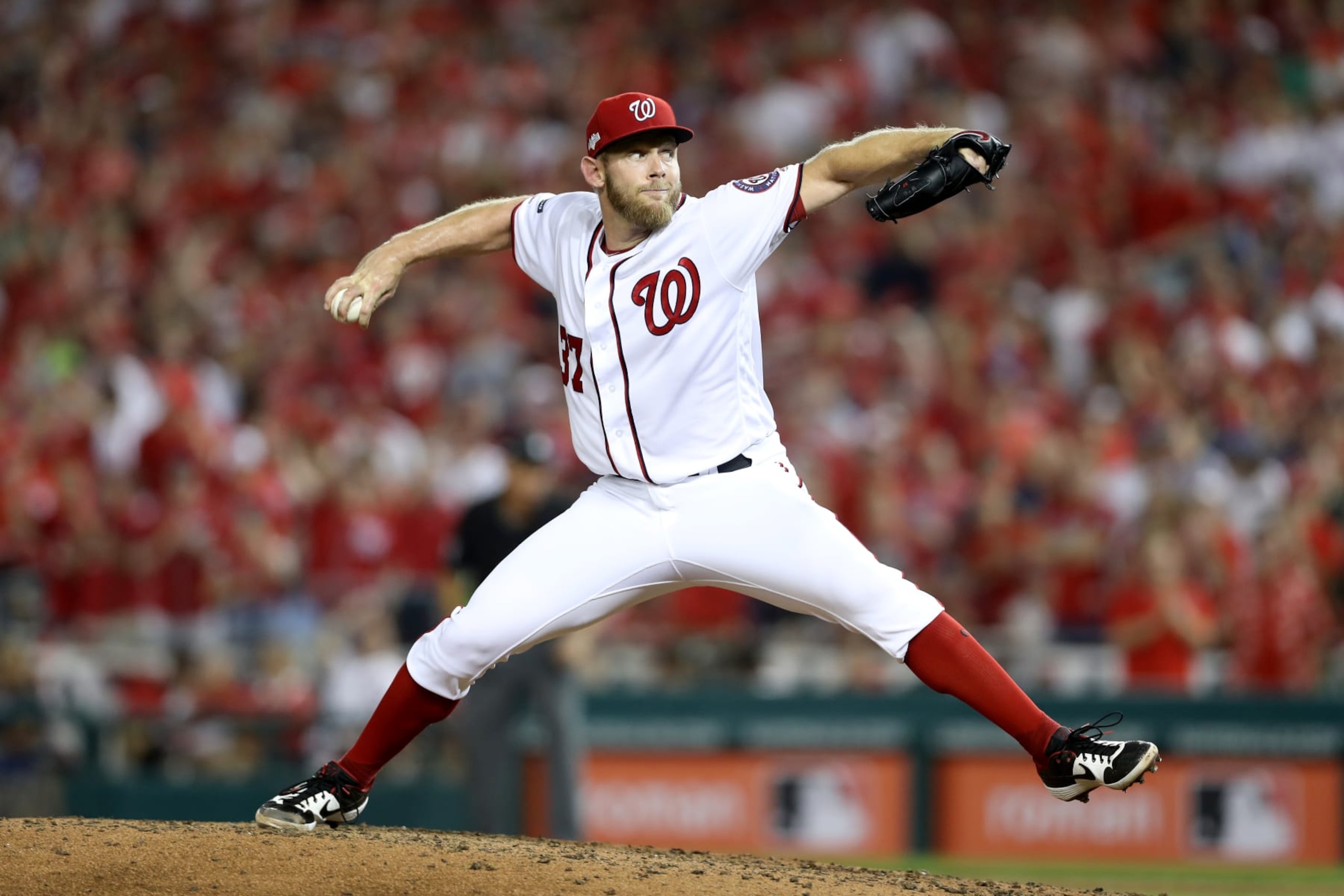
In recent years, the Nationals have torn down a World Series roster under the the guise that the Lerner family was trying to sell the team and having massive contracts on the books makes it harder to do so. But now Mark Lerner says his family doesn't plan to sell the Nationals, and the team no longer employs Juan Soto, Trea Turner, Max Scherzer and Kyle Schwarber, among others.
So while there are some tremendous prospects on the horizon like James Wood and Dylan Crews, there's not a ton to be excited about with the 2024 Nationals. For a team that spent money in the not-so-distant past, you wonder if it would rather have Soto and/or Turner still in the fold than some of the prospects.
In any event, the black cloud that continues to hang over the Nationals is the seven-year, $245 million deal they gave World Series MVP Stephen Strasburg after the 2019 season. The pact has aged horribly, as many predicted it would.
Strasburg is owed $35 million in each of the next three seasons, but it's clear that the 2009 No. 1 overall pick's career is over because of "severe nerve damage." Rather than just accepting that, the Nationals seem hell-bent on getting Strasburg to restructure his contract. Naturally, he doesn't have any motivation to do so, and the franchise has refused to give him a proper sendoff because he won't work out a settlement with the Nationals.
The question is, what is Strasburg's salary preventing the Nationals from doing? It's not as though they are in a World Series window and trying to free up additional funds to sign more players. Even with Strasburg's $35 million on the books, the Nationals are expected to carry a payroll just over $90 million this season, 24th in the sport. When they won the World Series in 2019, the Nationals had a payroll north of $160 million, so they can afford Strasburg's salary in 2024, especially considering the state of their roster currently.
Also worth noting is that when Strasburg signed the original contract, he agreed to defer $80 million to 2027-2029. So he's already met the Nationals halfway to facilitate the deal. His injury is an occupational hazard, and it's ended his career. It's not like he didn't make an attempt to return to the mound, but at a certain point you just have to accept defeat. Rather than just letting things be and celebrating one of the greatest players in franchise history, the Nationals have added more stress during what certainly has been a trying time in Strasburg's life. And for what?

.jpg?w=2560 "B/R's Expert Week 7 NFL Picks 🔮")
.jpg?w=2560 "LaMelo Claps Back at Lonzo 🤣")
.jpg?w=2560 "Steelers Fan Event in Paris Canceled (AP)")