
Predictions/Questions for the NCAA Tournament Selection Committee's Top 16 Reveal
At 12:30 p.m. ET this Saturday on CBS, the selection committee will provide its one and only peek behind the proverbial curtain with the "Top 16 Reveal" for the 2024 men's NCAA tournament.
It's worth noting this will be an "if the season ended today" snapshot and not a guarantee of where teams will be seeded one month from now on Selection Sunday.
However, history has shown that every team in the reveal eventually at least makes it into the bracket, and that it's basically impossible to get a No. 1 or No. 2 seed if you aren't already in the top 16.



So, who should we expect to see where in the reveal?
With well over a decade's worth of professional bracketology experience under my belt, here's my best guess at what the top 16 will be, followed by some questions I'm already looking to have answered.
East Region (Boston)
- Connecticut (No. 2 overall, in Brooklyn)
- Kansas (No. 7 overall, in Omaha)
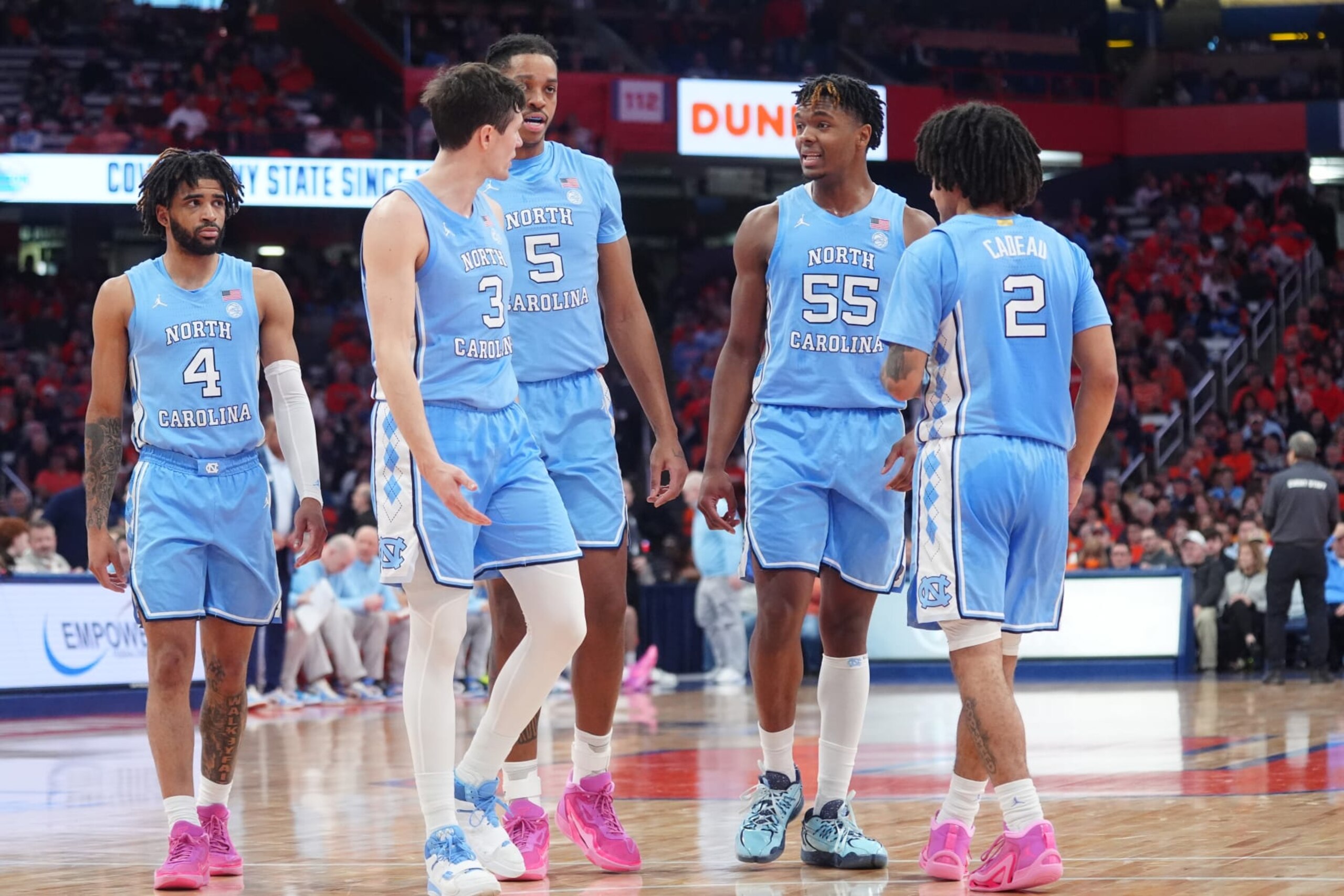
- North Carolina (No. 9 overall, in Charlotte)
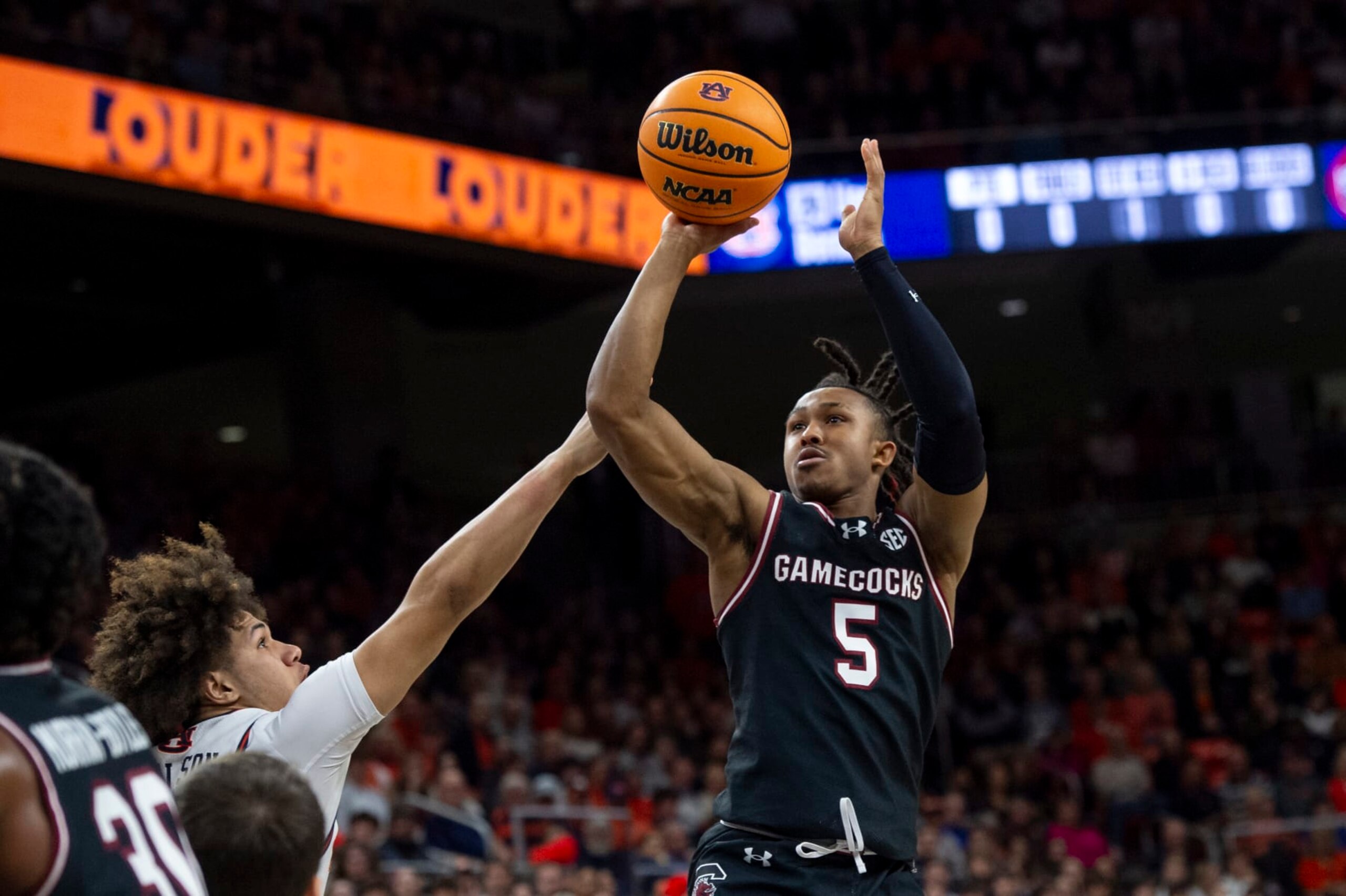
- South Carolina (No. 15 overall, in Spokane)
Midwest Region (Detroit)
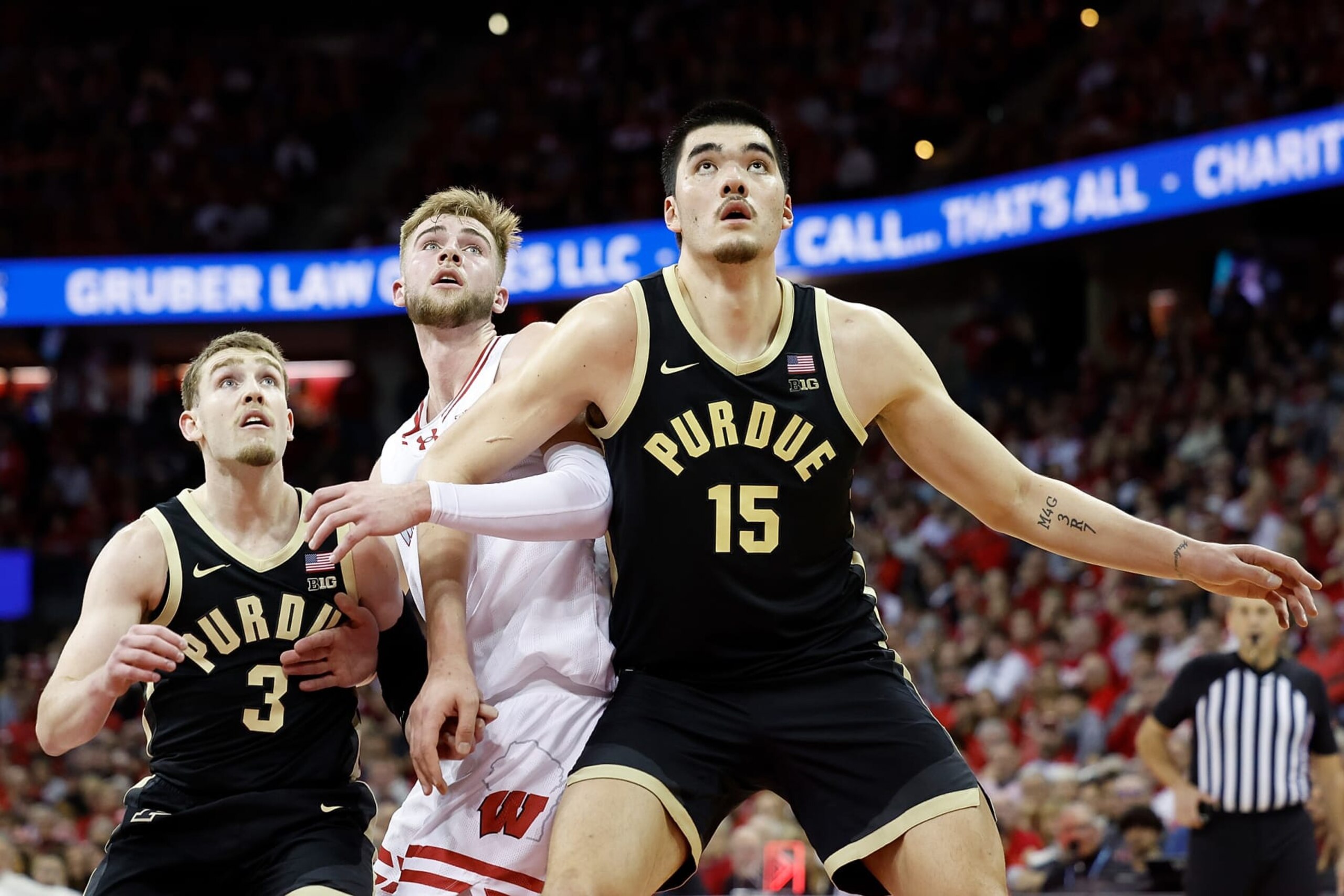
- Purdue (No. 1 overall, in Indianapolis)
- Tennessee (No. 6 overall, in Charlotte)
- Baylor (No. 11 overall, in Memphis)
- Dayton (No. 16 overall, in Spokane)
South Region (Dallas)
- Houston (No. 3 overall, in Memphis)
- Marquette (No. 5 overall, in Indianapolis)
- Alabama (No. 12 overall, in Pittsburgh)
- Wisconsin (No. 14 overall, in Salt Lake City)
West Region (Los Angeles)
- Arizona (No. 4 overall, in Salt Lake City)
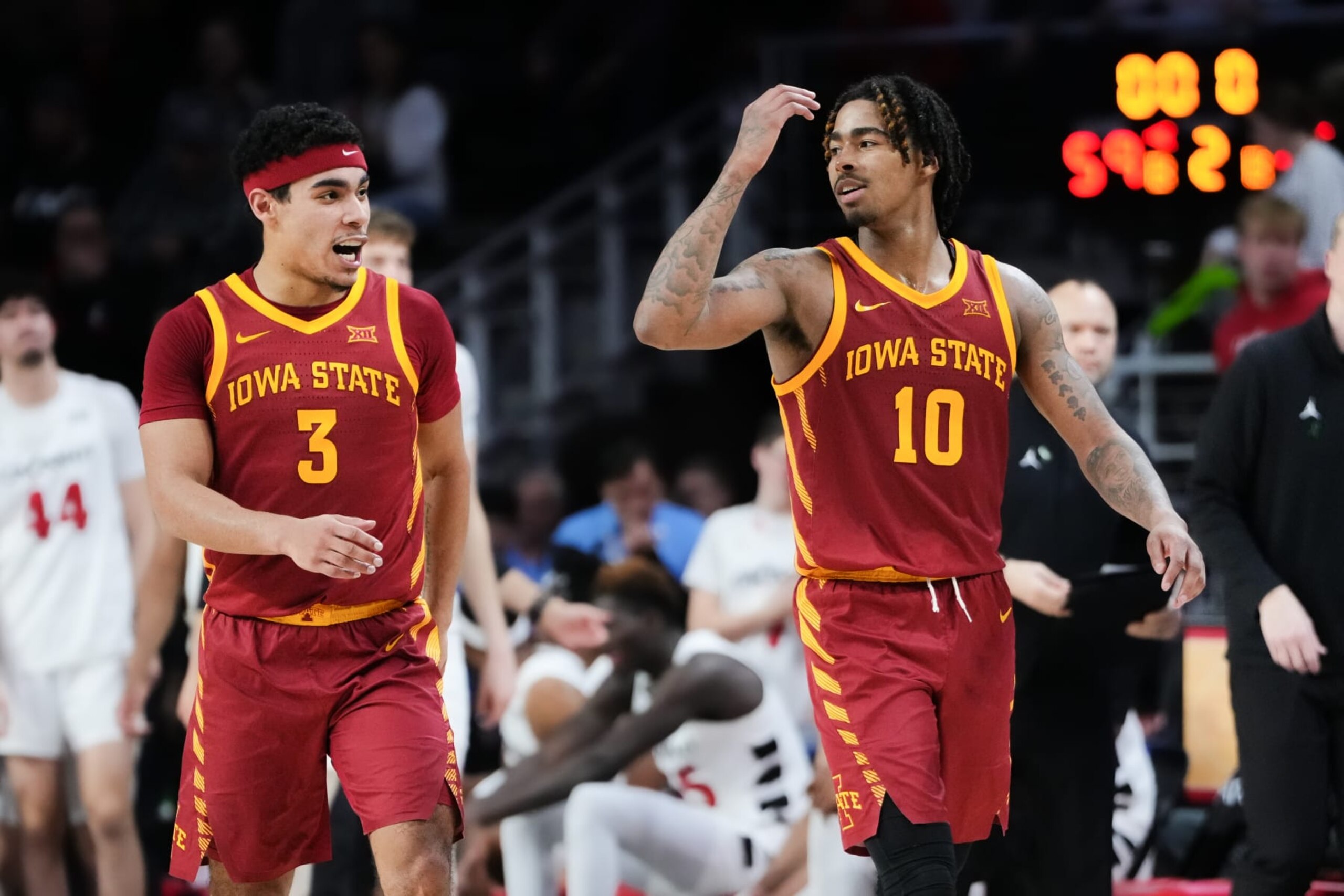
- Iowa State (No. 8 overall, in Omaha)
- Duke (No. 10 overall, in Pittsburgh)
- Auburn (No. 13 overall, in Brooklyn)
Just Missed: Illinois, BYU, San Diego State, Texas Tech, Creighton, Clemson
Along the No. 1 seed line, the only real debate is Houston or Connecticut at No. 2 overall. But we know the selection committee loves Quad 1 wins, and Purdue, Houston, Connecticut and Arizona are the only four teams with at least seven each.
Things get much more interesting down on the No. 2 line, though Marquette and Tennessee at Nos. 5 and 6 in one order or the other looks very likely. We'll get to the Iowa State conversation shortly, but recent losses by Kansas and North Carolina have opened that door.
The No. 3 line is tougher still, especially that No. 12 overall spot. Though we do have a nice little H2H hierarchy going on at Nos. 9, 10 and 11 with UNC > Duke and Duke > Baylor. Head-to-head results don't often play as much of a factor as fans would like (see: Kansas seeded directly behind Tennessee despite the Jayhawks beating the Volunteers in Maui), but it somewhat played a factor there with Duke and Baylor not separated by much.
And save for Auburn, I wouldn't be terribly surprised if any of my projected No. 4 seeds miss the cut. We're in a weird spot right now where it feels like there are about 10 No. 5 seed resumes, but we need to pick three of them for No. 4 seeds.
On to the questions.
Question No. 1: When does the selection committee finalize its top 16?
This was a big talking point last year, as there were Big Ten results on both Wednesday (Indiana losing to Northwestern and still getting the No. 13 overall seed) and Thursday (Purdue losing by 14 to Maryland and still landing at No. 3 overall) prior to the reveal that did not seem to factor into the conversation at all.
Which would make sense, if the conversation was already over by end of business on Wednesday.
It was a similar story in 2022. On the Wednesday night before the reveal, AP No. 7 Baylor lost to No. 11 Texas Tech while No. 12 Illinois lost to unranked Rutgers. The committee seemed to ignore those outcomes, but I did not with my guess at what the top 16 would be. And I ended up two spots too high on Texas Tech and two spots too low on each of Baylor and Illinois. Had I just ignored those Wednesday games, I probably would've nailed all three.
Officially, though, we don't know on which days of this past week the selection committee actually met, which makes it that much more difficult for us to forecast what it decided.
We assume Kansas getting blasted by Texas Tech Monday night factored into the debate, as well as North Carolina's loss to Syracuse on Tuesday. But did Auburn beating the hell out of South Carolina Wednesday night happen before or after the selection committee had packed up shop and headed home?
Because those Wednesday games didn't seem to matter in either of the past two years, I used records and resume data pulled from Wednesday morning for this projection and ultimately kept the Gamecocks at a No. 4 seed.
But let's talk a little more about South Carolina...
Question No. 2: Will the results-based metrics reign supreme again?
At last year's top 16 reveal, it was clear the KPI/SOR average fueled a lot of the selection committee's conversations. All 16 teams ranked top 20 in the nation in KPI/SOR average, and the top nine overall seeds were not-coincidentally also the top nine teams in KPI/SOR average. (Albeit, not in the exact same 1-9 order).
This also rang true a month later when the bracket actually mattered. The top 10 overall seeds ranked top 11 in KPI/SOR average. And every single team that ranked top 37 in KPI/SOR average earned a No. 10 seed or better. (No one lower than 44th in KPI/SOR earned one of those top 40 spots in the field.)
So, about South Carolina and Dayton...
Prior to Wednesday's game at Auburn, the Gamecocks had the 13th-best KPI/SOR average in the nation. Dayton was even a little better than that, tied with Alabama and Iowa State for the ninth-best mark.
At least with the Flyers, the predictive metrics (NET: 19; KenPom/BPI average: 22.0) somewhat support the results-based metrics. Their problem is a dearth of marquee wins, losing their only Q1A game against Houston and going 3-4 overall against Q1. In fact, if you don't consider either Cincinnati or St. John's to be teams on the correct side of the bubble right now—I don't have either of them in at the moment—Dayton does not have a single win over the projected field.
I do have the Flyers as my choice for No. 16, but I couldn't even pretend to be surprised if they don't make the cut.
South Carolina is the much more interesting one, though, because the Gamecocks do have one outstanding win (at Tennessee), two pretty good wins (vs. Kentucky, Grand Canyon neutral) and a handful of bubbly wins over Ole Miss, Mississippi State and Virginia Tech.
However, South Carolina entered Wednesday 45th in NET with a 47.0 BPI/KenPom average, which really just confirms what we already knew: The Gamecocks have a lot of wins and some great ones, but they rarely win in blowout fashion.
When Providence (at 21-3 with razor-thin margin after razor-thin margin) somewhat controversially made the cut at No. 15 in the reveal two years ago, at least the Friars had made it up to No. 29 in the NET and were only hovering around 40th on KenPom. For South Carolina to make the top 16 despite a NET ranking suggesting they should be a bubble team, the committee would be making one heck of a statement about the importance of wins as opposed to winning margins.
If the Gamecocks do appear in the top 16, that would be most welcome news for the likes of Ole Miss, Northwestern, Syracuse and Memphis—bubble teams that all have results-based metrics light years ahead of their predictive metrics. (As well as bad news for Gonzaga and Saint Mary's, whose resumes go to the opposite extreme.)
It would also reaffirm our notion that Wednesday games don't matter, because, holy cow, did South Carolina get destroyed by Auburn.
Question No. 3: How much does nonconference strength of schedule (NCSOS) really matter here?
When you're talking about teams on the bubble, a horrific NCSOS can be a deal-breaker. Rutgers found that out the hard way last March, as have many other teams over the years who didn't make any real scheduling effort in November and December.
What about for the teams with really good resumes, though?
Will the selection committee really care about whether you challenged yourself in those first 11 to 13 games of the regular season if you're able to put together one heck of a strong resume over the course of the next 20 games?
It wasn't a problem last year for Kansas State, which got a No. 3 seed despite ranking 24th in NET and 310th in NCSOS. By winning 11 Big 12 games, the Wildcats simply stockpiled a ton of quality wins in January and February after making sure not to screw up too badly in November and December.
So, why couldn't Iowa State be headed for a No. 2 seed in Saturday's top 16 reveal?
The Cyclones did diddly squat during the nonconference portion of the season. Their best win was a neutral-site game against VCU, which is a result that only recently climbed from Q3 to Q2 by virtue of the Rams upsetting both Richmond and Dayton in A-10 play. They just fattened up on Q4 blowouts, which would be grounds for keeping them out of the projected field if they were hovering down in the Nos. 10-11 seed range with just one or two quality wins.
Instead, Iowa State has five Q1 wins and would be the No. 1 seed if the Big 12 tournament started today, by virtue of their tie-breaking head-to-head victory over Houston.
As of Wednesday morning, the Cyclones were one of nine teams with at least four wins against the top half of Quad 1, as well as one of only seven teams ranked eighth or better in at least four of the five metrics (NET, KPI, SOR, BPI, KenPom).
The only real case against Iowa State being a No. 2 seed is the NCSOS.
Is that enough? When North Carolina is just 2-2 vs. Q1A with several questionable losses?
And if it's enough to impact the state of the No. 2 and No. 3 seeds, should we expect it to be an even bigger factor than usual when it comes to the bubble and teams such as Pittsburgh, Northwestern, TCU, etc.?
Question No. 4: How important is NET?
We've already suggested that the KPI/SOR average is the most important singular data point on a team's resume, but just how important is the NET?
One of our biggest takeaways from the top 16 reveals in recent years is that your NET matters...but only so much.
In the 2022 reveal, 14 of the top 15 teams in the NET landed in the top 16, but with one colossal exception in Houston (NET No. 4) missing the cut—thanks to an 0-3 record in Q1 games.
Similar story last year when 14 of the 16 teams in the reveal were ranked top 17 in NET, but with No. 7 Saint Mary's and No. 8 Connecticut left out.
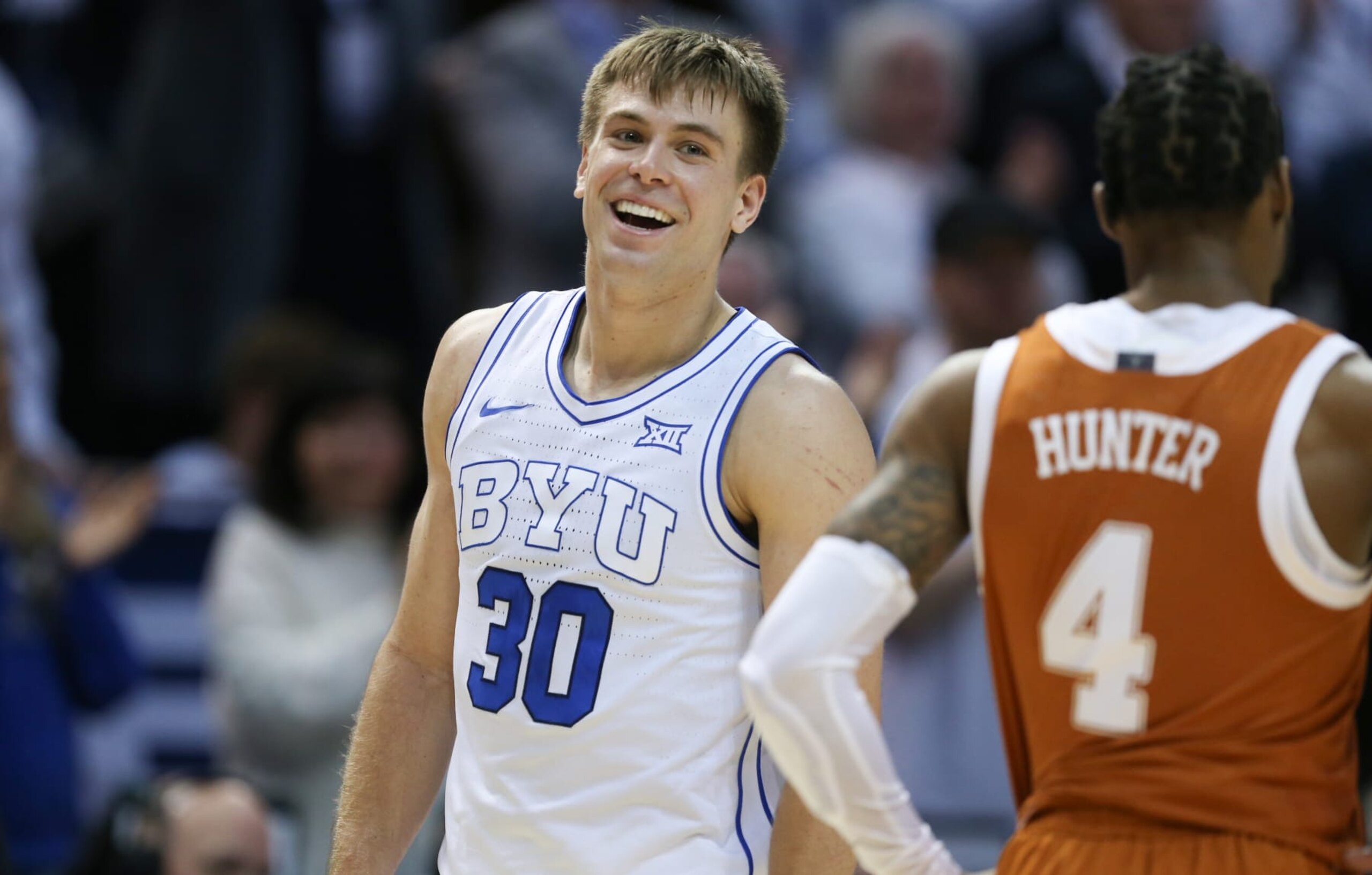
The big question mark this year is BYU at No. 9 in the NET.
The Cougars do have a couple of great home wins over Iowa State and San Diego State, but they also have just about the worst results-based metrics of any team we considered, as well as a 6-6 record against Q1/Q2. (Every team in my top 16 is at least two games above .500 against Q1/Q1.)
BYU is close. Probably should be a low No. 5 or high No. 6 seed. But it really doesn't deserve to land in the top 16 unless this committee cares more about a team's NET than other committees have in the past. Which would be a shame, further enforcing the notion that winning nine nonconference Q4 games by an average margin of 35-plus PPG is an acceptable path to a strong seed.
Question No. 5: Who could be a surprise inclusion?
We've talked a lot about Big 12 teams already, but how about one more?
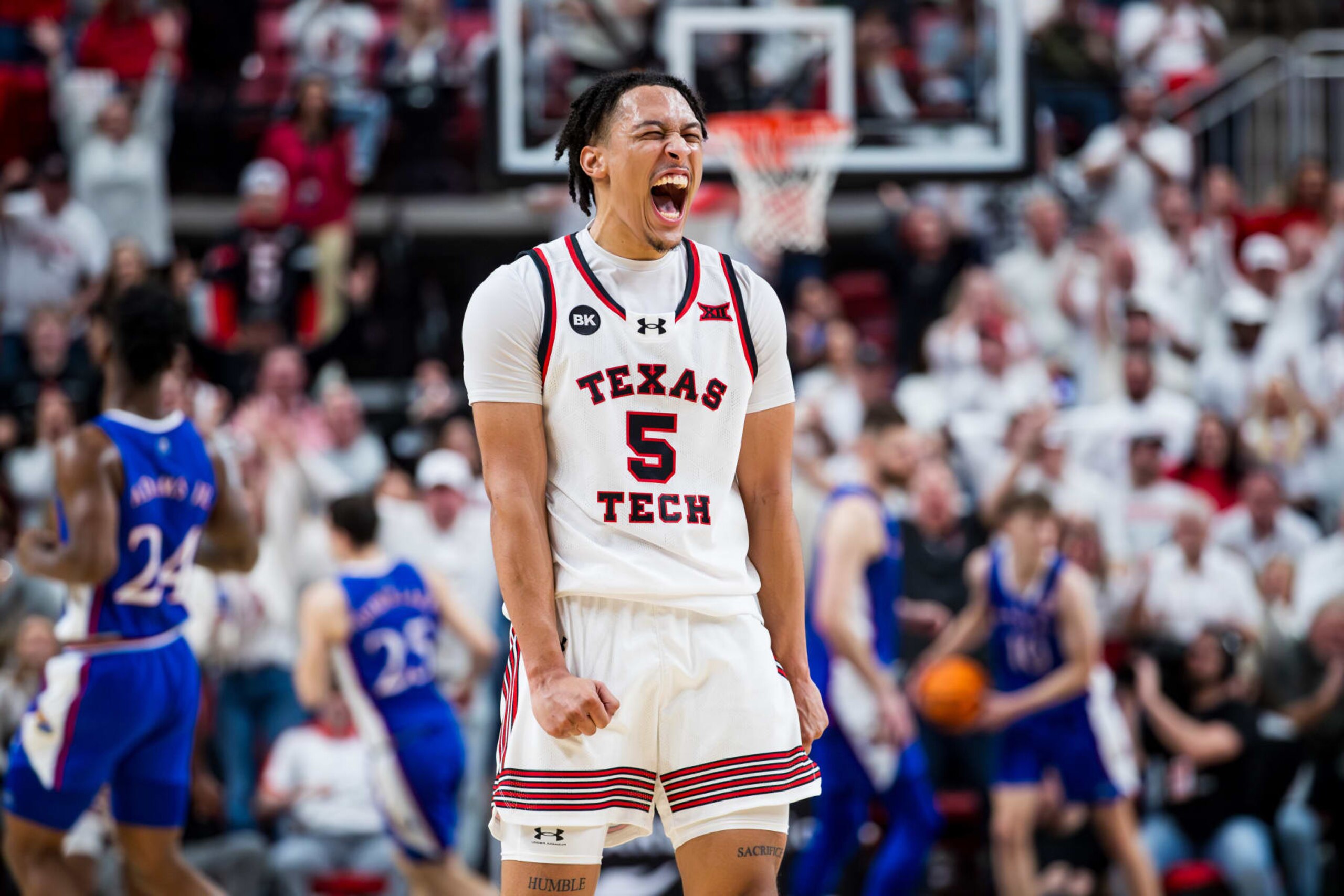
Texas Tech is not top-16 in any of the five metrics. It played a pathetic nonconference schedule, losing its only two games that weren't against Q3 or Q4. It has a sub-.500 record against the top two Quadrants (5-6). Heck, not a single one of the 106 brackets in the Matrix had the Red Raiders higher than a No. 5 seed as of Wednesday.
And yet, they just annihilated Kansas on Monday, scored road wins over Texas and Oklahoma and a quality home win over BYU while avoiding anything close to a bad loss.
With teams like "Zero Q1A Wins" Illinois and Dayton, "Can't Beat Anyone Lately" Wisconsin and "Terrible NET" South Carolina among the most logical candidates for the No. 4 seeds, would it really surprise you if the committee used the ol' "Eye Test" justification for putting Texas Tech at No. 15 or No. 16?

.jpg?w=2560 "Cardinals Giants Football")



.jpg?w=2560 "Mahomes' Wife Trolls Kubiak 💀")
.jpg?w=2560 "Tyreek Deal May Come Soon")