

With the start of spring training just around the corner, there's a relatively clear line in the sand between MLB's haves and have-nots from a 2024 World Series perspective.
There are 10 teams with +2500 or better odds of winning it all, per DraftKings, and the top seven have separated from the pack as the first and second tier of best candidates.
But what if those haves could have even more, fixing what presently looks like their biggest shortcomings?
We've drawn up some ideas for doing just that. Within reason, of course.
We're not about to suggest the Orioles or Twins go sign Blake Snell—though, someone has to sign him eventually, right? Nor are we going to recommend trades for players who are virtually untouchable.
Maybe these contenders can put a final touch or two on what they hope will be masterpieces.
Teams are presented in ascending order of current World Series odds.
Honorable Mentions
1 of 11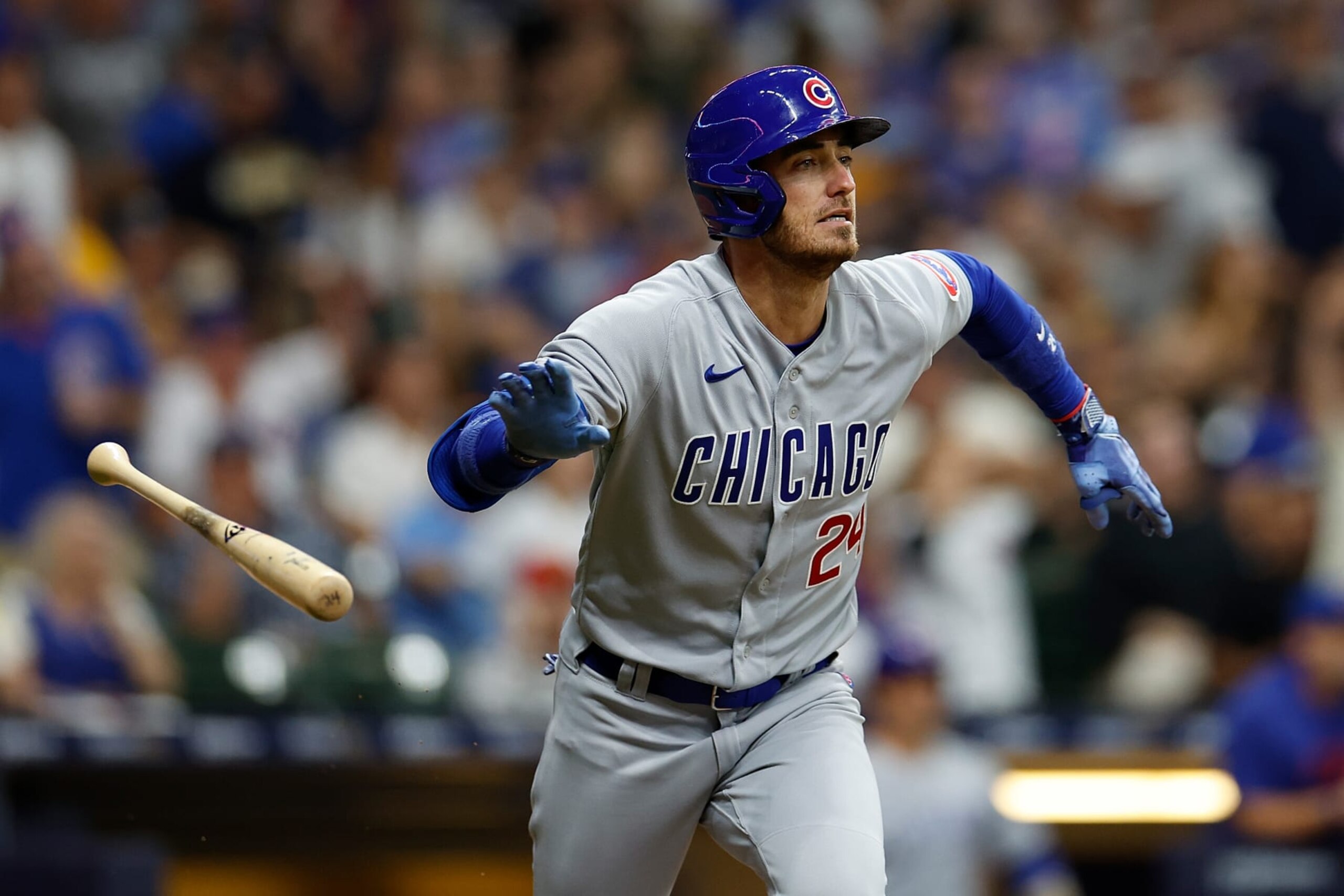
Chicago Cubs (+2800)
Biggest Problem: Corner Infield
The Cubs have made a handful of moves to improve the pitching staff, but nothing yet to address a first base situation that is a gaping hole, nor a hot corner that could be a weak point. But the obvious solution—if they have the money to make it happen—is to re-sign Cody Bellinger and lock him in as the primary first baseman, letting Patrick Wisdom and Nick Madrigal battle it out for the third base gig.
St. Louis Cardinals (+3000)
Biggest Problem: The Bullpen
The Cardinals signed a trio of elder statesmen in hopes of repairing what was a disastrous starting rotation in 2023. But save for taking a flier on Keynan Middleton and trading for Andrew Kittredge—who missed most of the past two seasons after undergoing Tommy John surgery—they have yet to do anything about a bullpen that was also rather awful last year (aside from closer Ryan Helsley). Most of the coveted arms have been snatched up by this point, but Phil Maton and Ryan Brasier are still out there. Go get at least one of them.
Arizona Diamondbacks (+3500)
Biggest Problem: Back of the Rotation / Front of the Bullpen
The Diamondbacks feel undervalued at this line, though it does make sense with the assumption L.A. will win the NL West. The Snakes have a strong top three of their rotation, maybe top four if Brandon Pfaadt can build on a great October run. They also have a good one-two punch at the back of the bullpen in Kevin Ginkel and Paul Sewald. But the fifth starter and the sixth and seventh innings are much less solid. If they have any money left to spend, Jakob Junis could be a solid pickup as a spot starter/long reliever.
Tampa Bay Rays (+3500)
Biggest Problem: Catcher
Honestly, what are we doing here, Rays? They currently have one catcher on the 40-man roster, and it's René Pinto, who has all of 188 career plate appearances with a 0.2 bWAR. It doesn't have to be Gary Sánchez, but they have to sign somebody.
8 (tie). Minnesota Twins (+2200)
2 of 11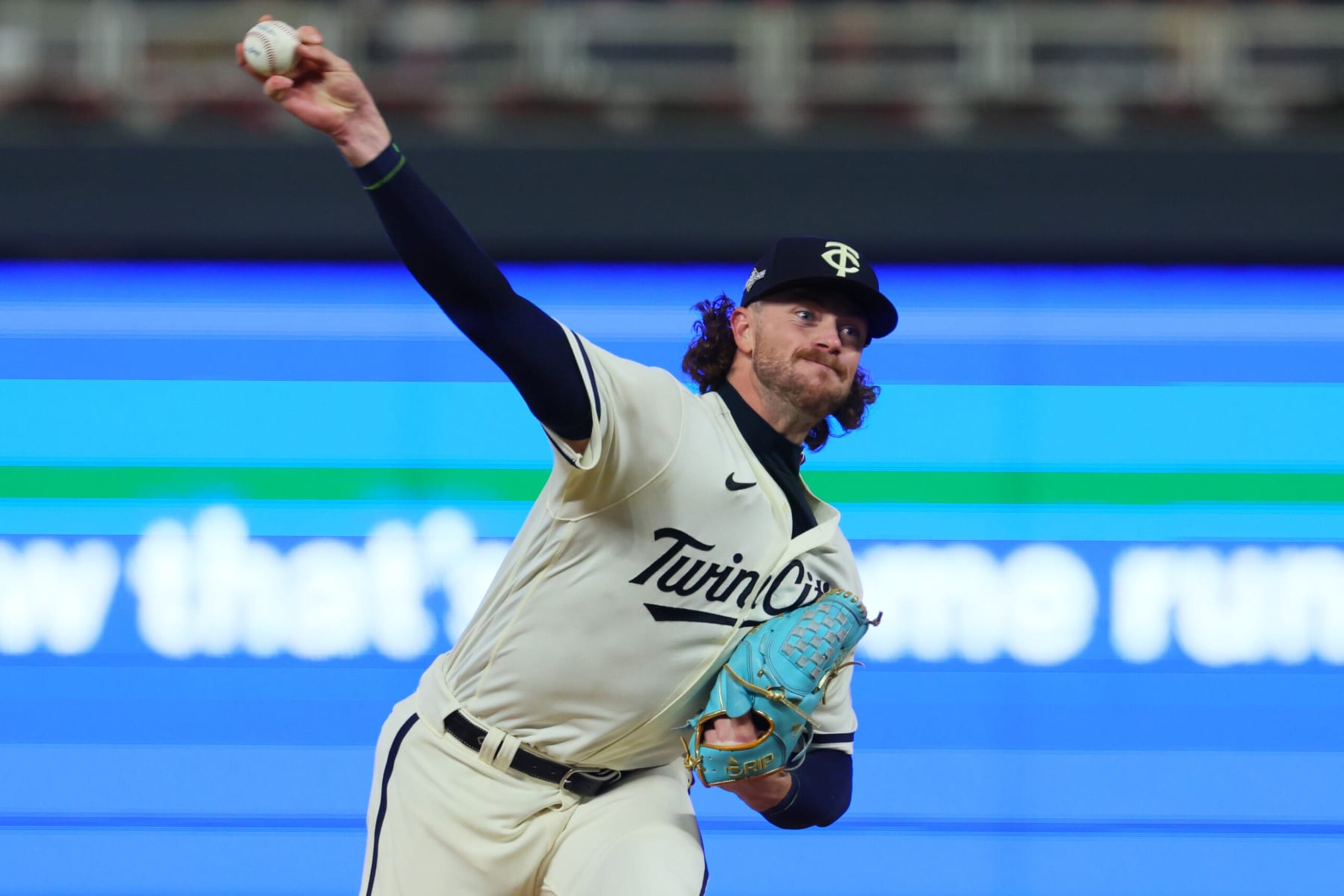
Biggest Problem: No. 4 and No. 5 starters
The Twins had one of the better starting rotations in 2023. In fact, only San Diego got a better ERA (3.69) from its 162 starts than Minnesota's mark of 3.82, per FanGraphs.
But after losing Sonny Gray and, to a lesser extent, Kenta Maeda, that rotation is looking much more questionable heading into 2024.
Pablo López is a solid ace, and teams can do a whole lot worse than handing the ball to Joe Ryan and Bailey Ober 5-6 times per month.
Who else is getting turns through this rotation, though?
Can they bank on Chris Paddack after he missed almost all of the past two seasons following Tommy John surgery?
Third year's the charm with Louie Varland?
Newly acquired Anthony DeSclafani and his 5.16 ERA since the beginning of 2022?
Is former highly touted prospect Simeon Woods Richardson getting a shot after tough runs through 2021 and 2023?
Lots of options, but maybe not any great ones.
Minnesota did just sign veteran 1B/DH Carlos Santana the other day, so there could be a willingness to spend on one more starter.
Hyun-Jin Ryu is probably obtainable for less than eight figures. Same goes for Noah Syndergaard, if the Twins are taking flyers on guys who have been injured in recent years.
8 (tie). Seattle Mariners (+2200)
3 of 11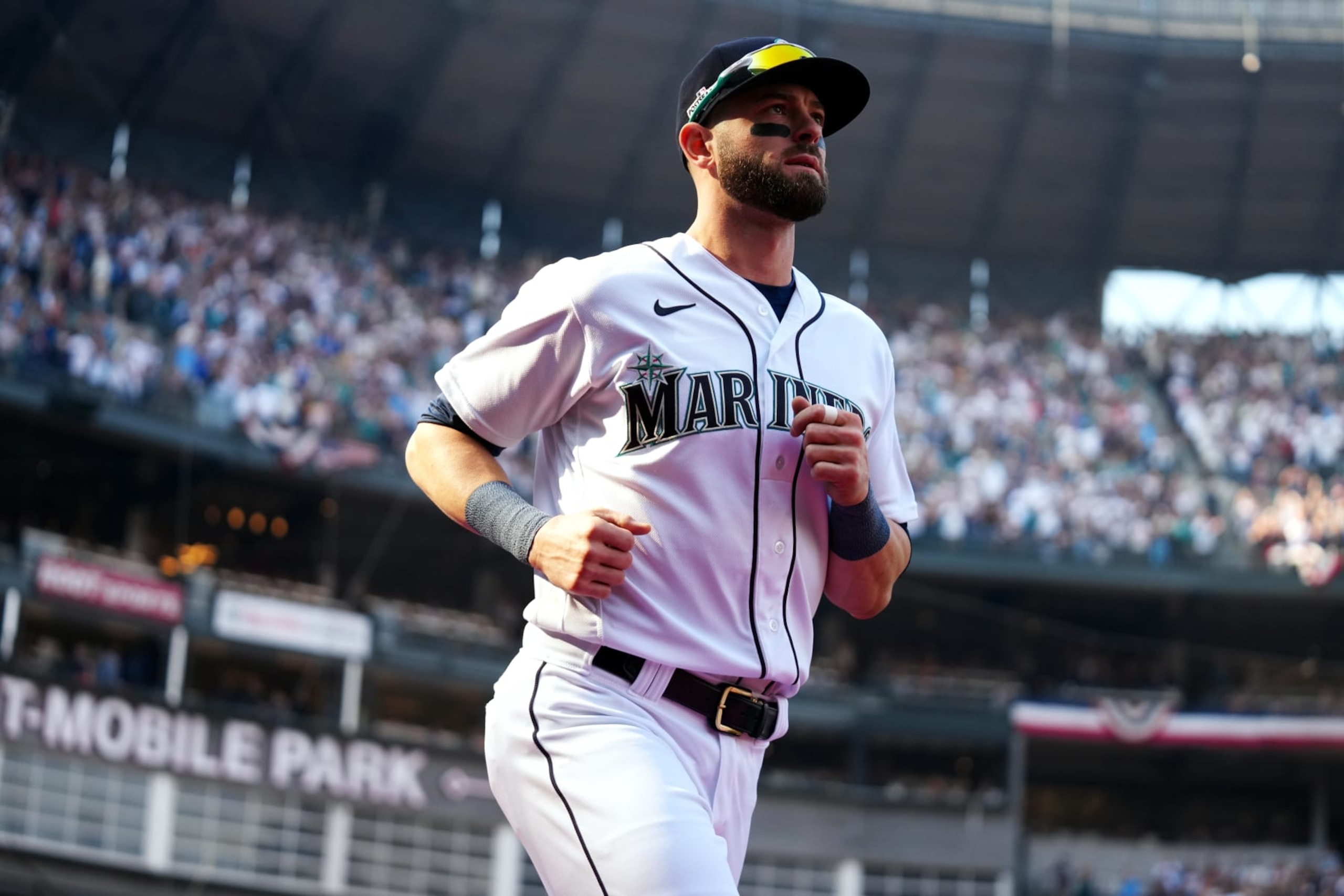
Biggest Problem: Corner Outfield
Seattle's closer situation is also concerning, but at least that's largely unchanged from the end of last season, when Andrés Muñoz was fine after the M's traded away Paul Sewald.
At corner outfield, though, they've gone from Jarred Kelenic and Teoscar Hernández to some conglomeration of Mitch Haniger, Luke Raley, Dominic Canzone, Sam Haggerty and Cade Marlowe.
If they get the 2018 or 2021 version of Haniger, they'll be in business. Those are the two years he was both healthy and productive. However, he returns to Seattle after a two-year stretch of a combined total of 118 games with a sub-.400 slugging percentage.
Raley is also a big risk, doing next to nothing in 2021 or 2022 before an impressive first half of 2023 gave way to a .195 batting average from July 19 through the end of the season.
At least those two have been good at some point in the past, though. Canzone and Marlowe are decent prospects who played sparingly as rookies in 2023, while Haggerty has amounted to 2.3 bWAR since his MLB debut five seasons ago.
With a payroll already north of $140 million, it's unlikely the Mariners can/would buy their way out of this predicament via free agency. But Eddie Rosario wouldn't be a bad or terribly expensive option if they do have a rainy-day fund somewhere.
Alternatively, they could trade away one of their young starting pitchers to substantially upgrade the outfield. Put Bryce Miller or Bryan Woo on the block, and they could get an All-Star-caliber LF or RF back.
8 (tie). Toronto Blue Jays (+2200)
4 of 11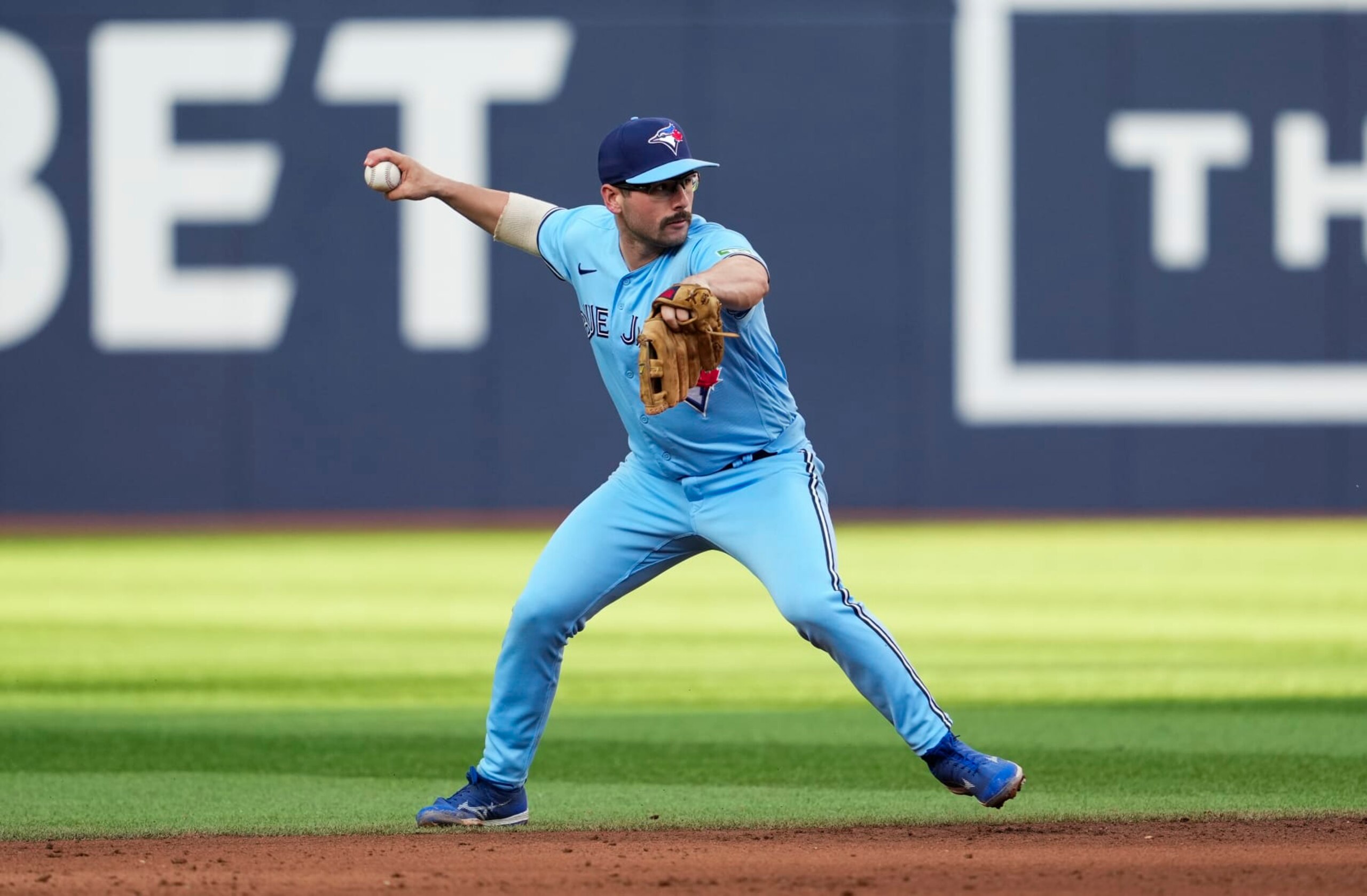
Biggest Problem: Second and Third Base
Of the nine players who led the Blue Jays in plate appearances in 2023, four—2B Whit Merrifield, 3B Matt Chapman, CF Kevin Kiermaier and DH Brandon Belt—hit free agency.
They re-signed Kiermaier on a one-year deal, but the only other moves they've made to address those departures were signing light-hitting utility man Isiah Kiner-Falefa and 39-year-old Justin Turner.
Turner can play first or third, but he will likely set up shop as the primary DH, with hopes the veteran can match Belt's .490 slugging percentage from yesteryear. And while IKF's versatile glove should be a fine addition, he's not going to hit as well as either Merrifield or Chapman did.
Long story short, what was already an underperforming offense in 2023 looks even worse heading into 2024—unless you're a huge believer in Davis Schneider as the possible everyday second baseman, though he hit .169 over his final 20 games after an incredible first couple of weeks in the majors.
Merrifield is still an unsigned free agent, though. As is Chapman, but that reunion seems unlikely to happen at this point.
They could alternatively/also trade for one of Cincinnati's plethora of infielders. Or now that Milwaukee traded away Corbin Burnes—essentially throwing in the towel on 2024—maybe see if Willy Adames (one year remaining before free agency) is both available and willing to slide from shortstop to either second or third.
Unless they do something more, though, it's going to feel like the Blue Jays are taking a step backward from last year while both the Orioles and Yankees got better this offseason.
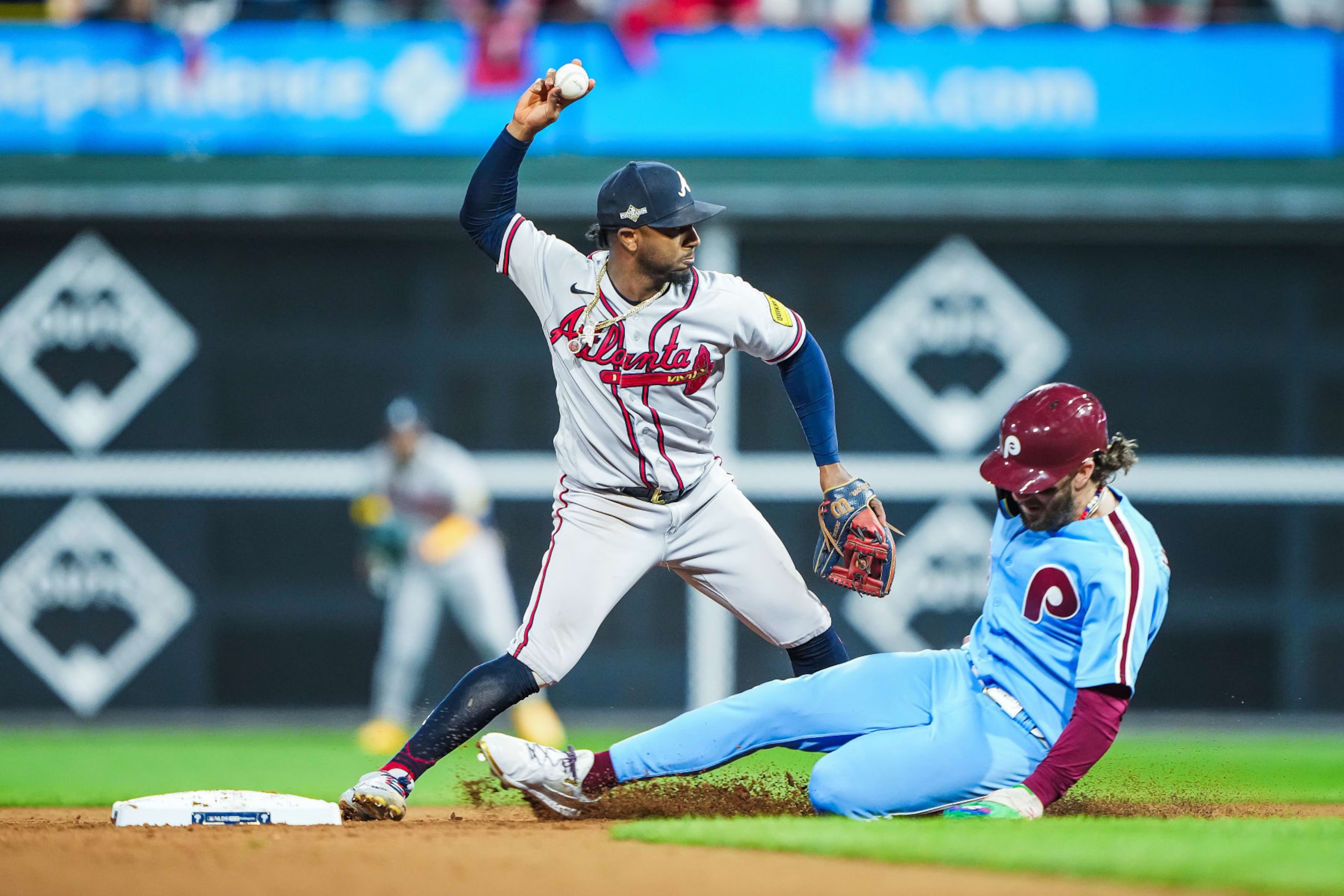
7. Philadelphia Phillies (+1500)
5 of 11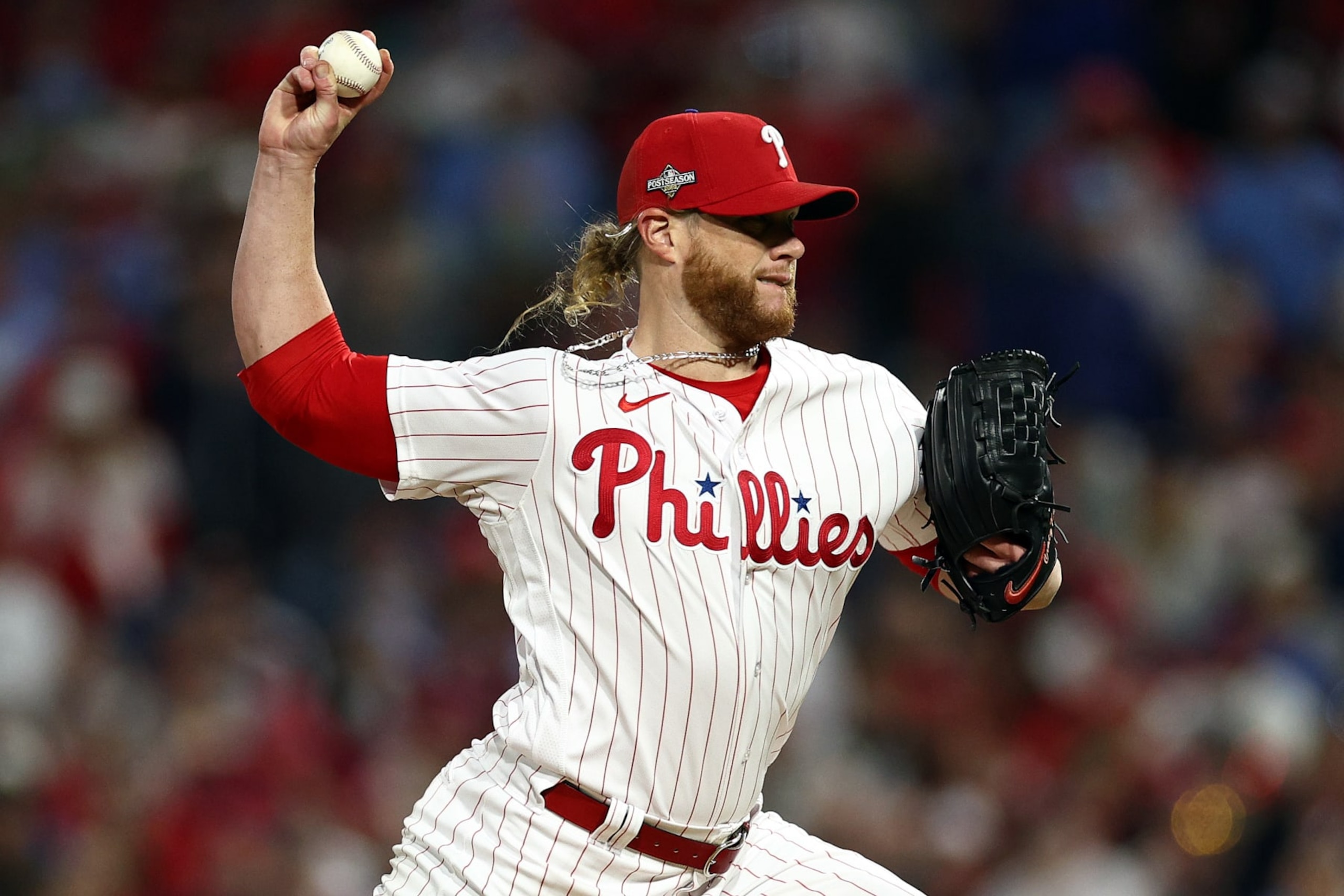
Biggest Problem: Closer / Late Inning Pitching
With one key exception, virtually nothing changed about the Phillies this offseason.
They re-signed Aaron Nola, so the starting rotation returns intact (sans trade-deadline acquisition Michael Lorenzen, who imploded after throwing his no-hitter). And the only position player they lost was Rhys Hoskins, who was lost to injury before last season began.
But they did lose Craig Kimbrel.
After his struggles in Games 3 and 4 of the NLCS against Arizona, Phillies fans weren't exactly sad to see Kimbrel go. But he had a 3.26 ERA, 1.04 WHIP and 12.3 K/9 during the regular season. He was lights-out from early June through late August as the Phillies rallied from their 25-32 start to get into postseason position.
They do have José Alvarado, who figures to become the full-time closer for the first time in his career. And final-week-of-the-regular-season call-up Orion Kerkering should inherit a good chunk of the innings Kimbrel leaves behind.
But let's just say there's a reason the Phillies were high on the list of Josh Hader suitors, even though it was hard to fathom where they were going to find that sort of money in the budget.
Will Jeff Hoffman—who had a career ERA of 5.68 prior to last season—still be a solid setup man in 2024? Or will the oft-injured Seranthony Domínguez be a reliable source of innings?
It might work out fine, but if they don't sign one more free-agent reliever, you can already pencil in the Phillies as "bullpen buyers" at the trade deadline.
6. Baltimore Orioles (+1300)
6 of 11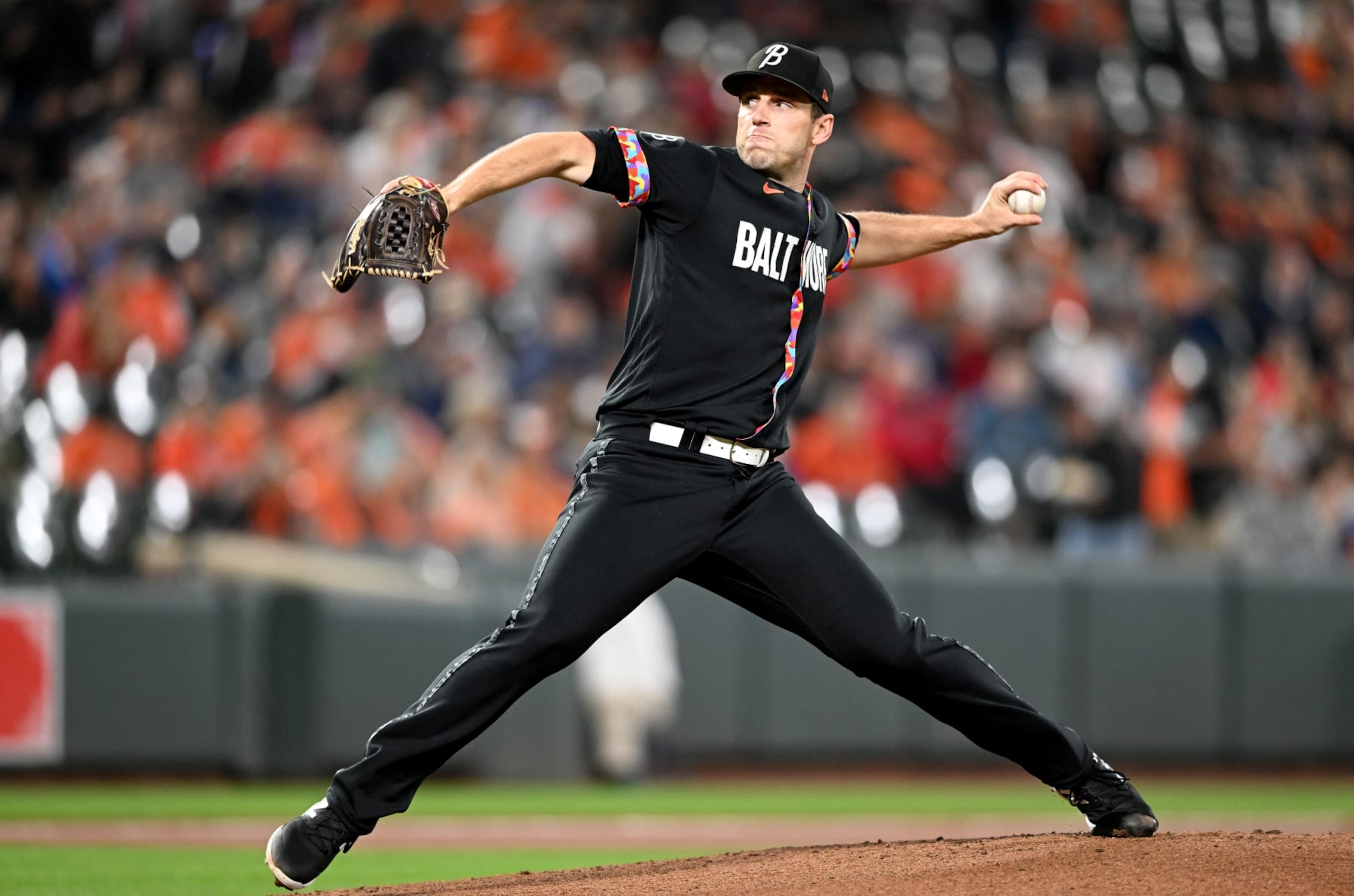
Biggest Problem: Might still need one more starting pitcher
Trading for Corbin Burnes was a massive move for the Orioles, especially considering they didn't need to give up all that much to make it happen.
The former Brewer should be immediately penciled in as the Opening Day starter with Kyle Bradish and Grayson Rodriguez lined up behind him.
Is the rest of the rotation good enough, though?
How you answer that question largely hinges on how you feel about John Means, who missed the vast majority of the past two seasons due to Tommy John surgery. The southpaw was Baltimore's Opening Day starter in both 2021 and 2022 and was an All-Star as a rookie in 2019, but is he all the way back and ready for a regular workload in 2024?
If not, going with Dean Kremer and Tyler Wells at No. 4 and No. 5 in the rotation isn't the end of the world. At any rate, letting them pitch nearly 300 combined innings this past season didn't stop Baltimore from winning 101 games.
But as soon as the O's lost Bradish's start in Game 1 of the ALDS against Texas, one look at the rest of the respective pitching options made it clear they wouldn't be coming back in that series.
So, can they add one more middle-of-the-rotation (or even top-of-the-rotation) starter?
No one realistically expects Baltimore to spend what it would take to get Blake Snell or Jordan Montgomery, but why couldn't it also now trade for Dylan Cease or Shane Bieber?
How much of that loaded farm system it's willing to part with would determine which AL Central ace it could get, as Cease (with two years of team control remaining) would be more expensive than Bieber.
However, the O's could get Cease if the new ownership is serious about winning right away.
5. Texas Rangers (+1200)
7 of 11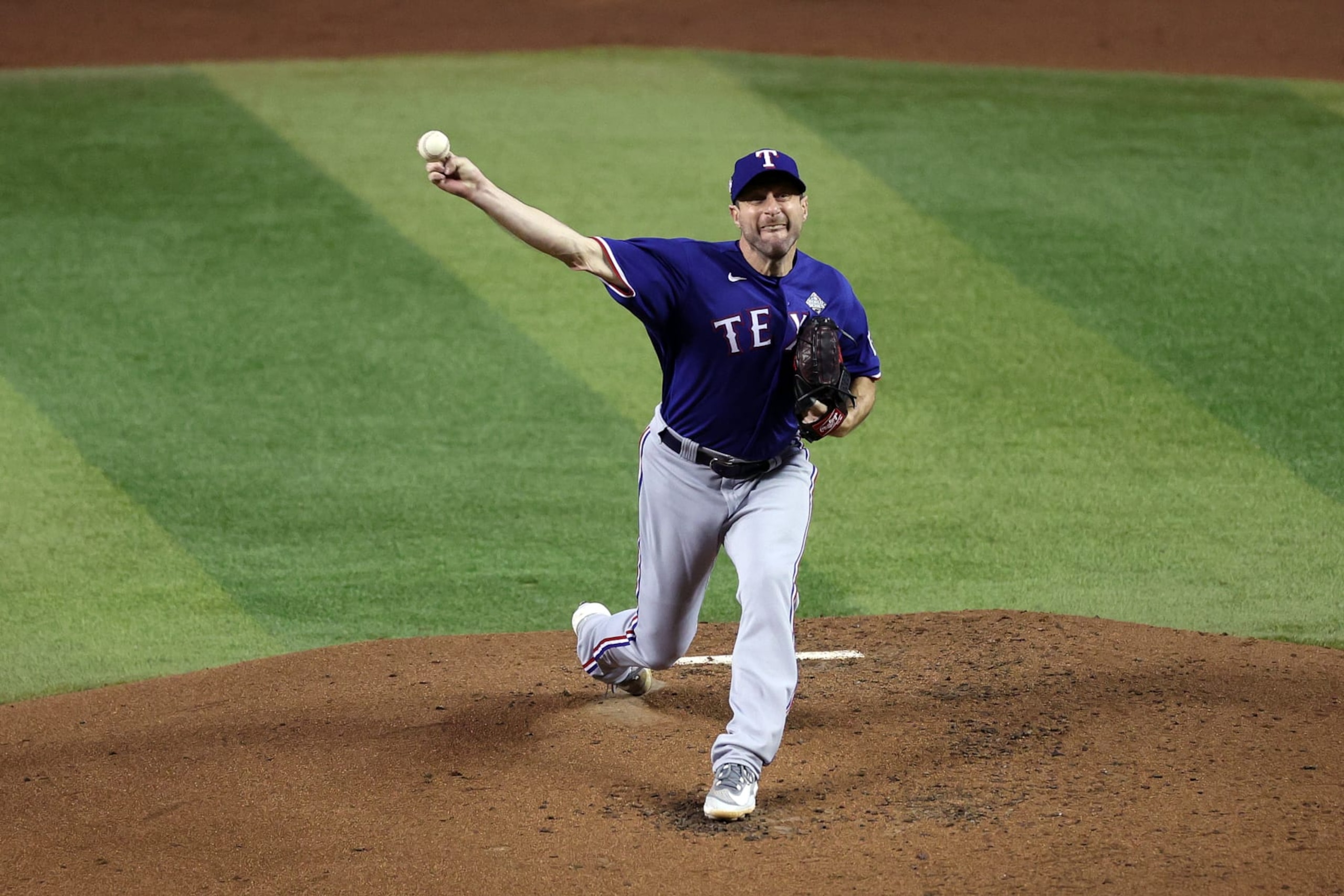
Biggest Problem: Pitching Health
If Texas' pitching staff gets to full strength, it's going to be loaded for the postseason.
We're talking a four-man starting rotation of Jacob deGrom, Max Scherzer, Nathan Eovaldi and Tyler Mahle with Jon Gray, Andrew Heaney and Dane Dunning available as long relievers. Pair that with closer José Leclerc and recently acquired veterans Kirby Yates and David Robertson and, baby, you've got a stew going. (RIP Carl Weathers)
But with deGrom, Scherzer and Mahle all out probably until at least the All-Star break while they recover from their surgeries, are the Rangers really going to just let it ride with Heaney at No. 3, Dunning at No. 4 and Cody Bradford in the fifth spot in the rotation?
Seems a bit foolish when there are several great options still available in free agency.
Both Blake Snell and Jordan Montgomery are maybe not within Texas' budget, as the ongoing Regional Sports Networks mess keeps it from truly knowing what its 2024 budget is. But what about a one-year plus player-option deal with either Mike Clevinger or Michael Lorenzen—with the plan of trading away either that pitcher or maybe Heaney once the rank and file gets healthy?
All we're saying is that banking on "our pitching will be great once we're healthy" is not a good idea. Just ask the 2023 Mets, who were .500 by the time Justin Verlander made his season debut in early May and a hot mess by the time José Quintana finally got on the mound in late July.
4. New York Yankees (+1000)
8 of 11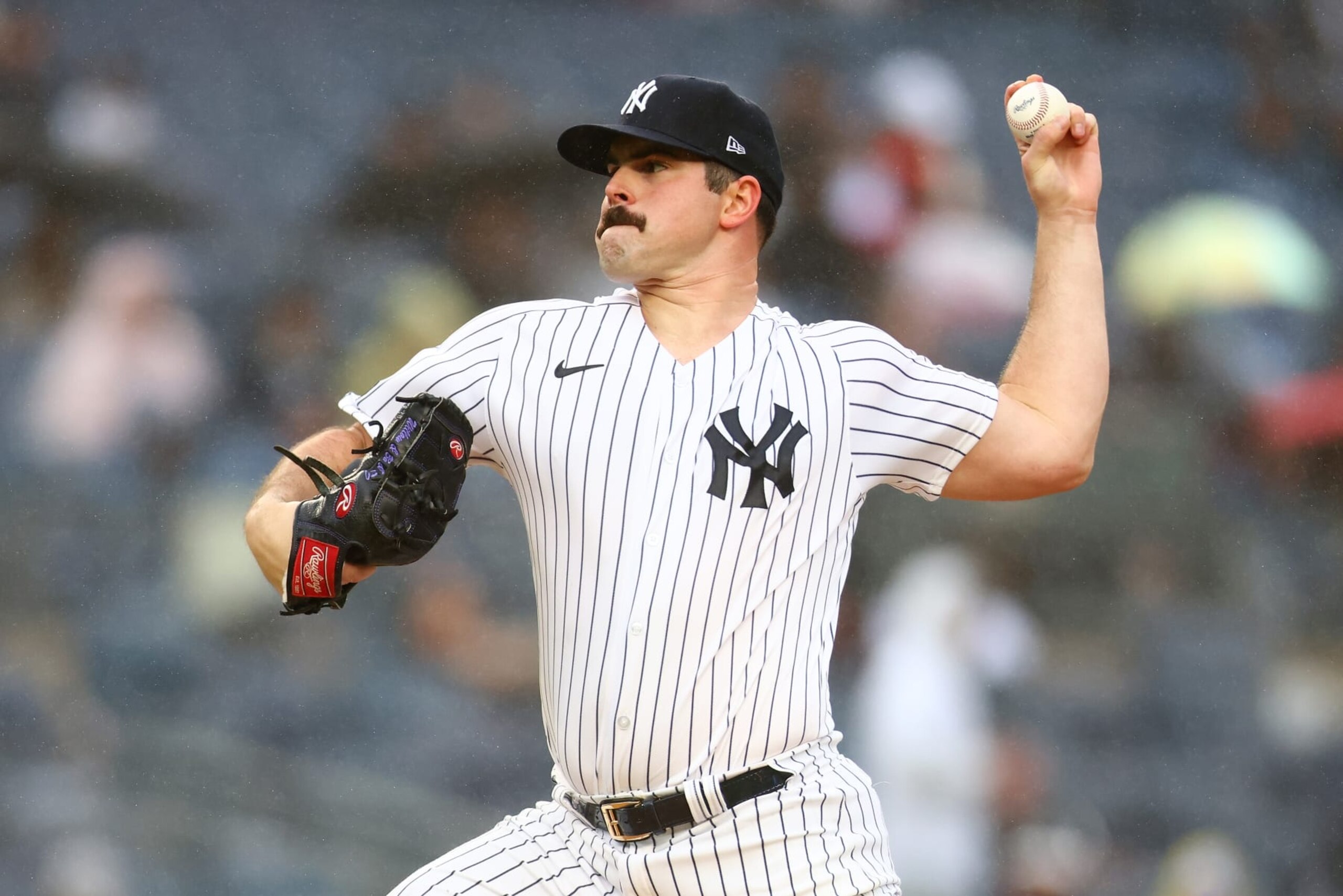
Biggest Problem: Starting Rotation Health/Depth
New York entered the offseason with Carlos Rodón and Nestor Cortes at Nos. 2 and 3, respectively, in the starting rotation behind Gerrit Cole, which was a bit of a scary proposition after a season in which they combined to make a modest 26 starts with a poor 5.92 ERA.
With any luck, those two will revert to what they were in 2022, when they made 59 starts with a combined ERA of 2.68. But, just to be safe, maybe sign a fourth starter who has had a clean bill of health in recent years?
They tried to get Yoshinobu Yamamoto, but they settled for Marcus Stroman, who has spent at least a month on the IL in each of the past two seasons, and who couldn't get anyone out toward the end of last season, posting an 8.31 ERA over his final 10 appearances.
It's a bold strategy, Cotton, let's see if it pays off for 'em.
What's particularly concerning about it is they no longer have Domingo Germán, Michael King, Jhony Brito or Luis Severino, who ranked third through sixth, respectively, on the team in innings pitched last season.
Clarke Schmidt figures to be the No. 5 starter, but he wasn't much better than replacement level last season. Beyond Schmidt, Yoendrys Gómez, Clayton Beeter and Luis Gil are all options, but with little to no MLB experience. So, if any of Rodón, Cortes or Stroman spend time on the IL, things could get messy.
Sure, "If the starting rotation doesn't stay healthy" is a flippant concern you could have with any team. But it's pertinent to the Yankees who need to rely on three guys who couldn't stay healthy last year. Moreover, of the top four World Series contenders, New York is least positioned to deal with that concern, as Houston, Atlanta and Los Angeles each has, frankly, too many starting pitchers to choose from.
The Yankees are probably done spending money, though, already saddled with the largest payroll, so it's not readily apparent how to fix the problem.
Maybe they can trade one or two of the unestablished, controllable starters for an arm with a little more experience. Something like Beeter and Gil to Oakland for Paul Blackburn, perhaps?
3. Houston Astros (+800)
9 of 11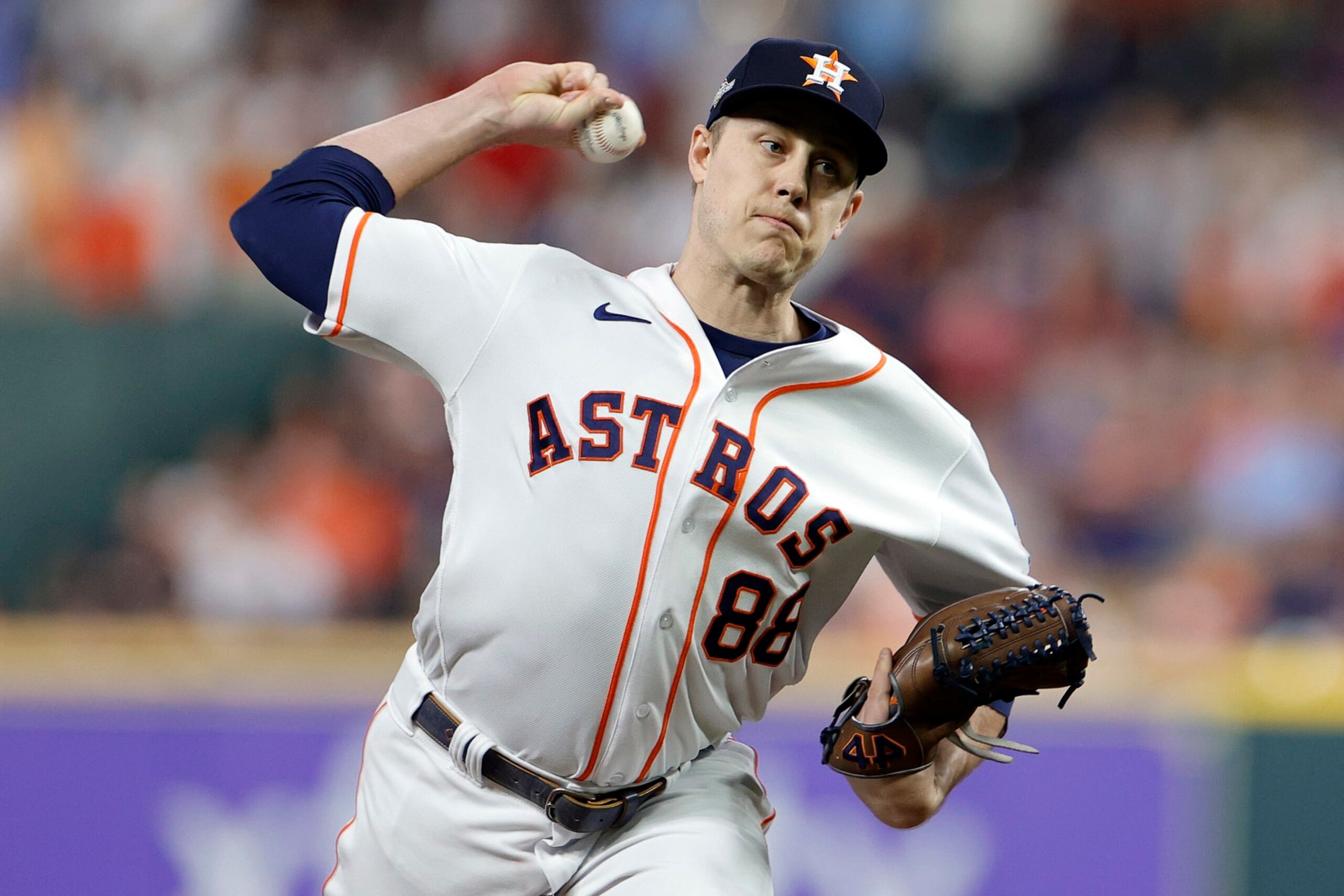
Biggest Problem: Bullpen Depth
Following the acquisition of Josh Hader, the back end of Houston's bullpen is absurd.
It's likely where the opposing team is at in its batting order will dictate whether the Astros go with Hader in the eighth and Ryan Pressly in the ninth or vice versa. Either way, "trailing through seven innings against Houston" might be a death sentence in 2024.
But the Astros lost Héctor Neris, Phil Maton and Ryne Stanek to free agency. And it was announced less than a week before the Hader signing that Kendall Graveman will miss all of 2024 after undergoing shoulder surgery.
Hader is great, but he isn't replacing all four of those arms.
As is the case with their AL West rival in Texas, the Astros do have a surplus of starting pitching if and when they are healthy. They could have a main five of Justin Verlander, Framber Valdez, Cristian Javier, Luis García and Hunter Brown with Lance McCullers Jr., José Urquidy, J.P. France and Brandon Bielak in spot starter/long relief roles.
However, as far as conventional, full-time relievers go, things could get ugly for Houston in the sixth and seventh innings.
Both Maton and Stanek are still available, though. Go re-sign at least one of them, and it becomes that much harder to find a legitimate fault with this American League favorite.
2. Atlanta Braves (+500)
10 of 11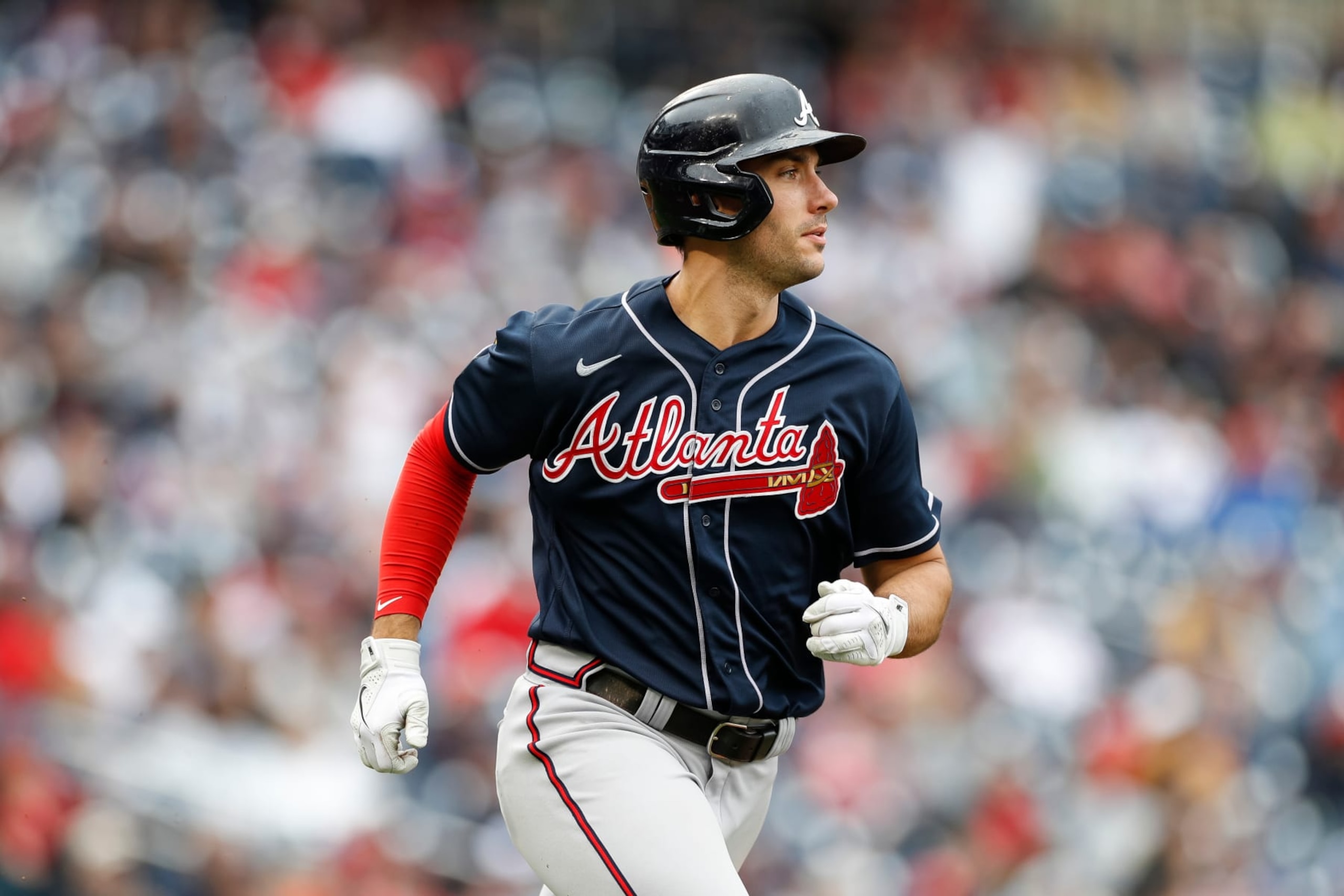
Biggest Problem: Positional Depth
"Backups? We don't need no stinking backups!" — Atlanta management, presumably.
Atlanta was forced to tinker with its lineup early in 2023 because of injury, but from May 24 through August 11 of last season, it started Matt Olson at first, Ozzie Albies at second, Orlando Arcia at short, Austin Riley at third, Michael Harris II in center and Ronald Acuña Jr. in right for a staggering 66 consecutive games. (Marcell Ozuna was also the starting DH for all but two of those games.)
It wasn't until Albies landed on the shelf for two weeks in mid-August that the Braves had to rely upon anyone outside of their usual suspects.
And the current roster sure makes it look like they are banking on an injury-free campaign in 2024.
Excluding the tandem of Sean Murphy and Travis d'Arnaud at catcher, Atlanta only has three bench players on its 40-man roster: Utility infielder Luis Guillorme (who was non-tendered by the Mets), pinch runner Forrest Wall and recently-acquired-via-trade outfielder J.P. Martínez. The latter two have a combined total of 59 career plate appearances in the majors.
Considering Jarred Kelenic has yet to appear in more than 105 games in a season in his career, it's quite the unnecessary risk to not have some better backup plans in place.
Atlanta likely has next to nothing left in its 2024 budget, so signing even Whit Merrifield or Kiké Hernández in a utility role probably isn't feasible. But perhaps it could trade from its wealth of bullpen options to get a versatile position player without increasing the payroll. (St. Louis does need relievers and has some bats to spare.)
1. Los Angeles Dodgers (+360)
11 of 11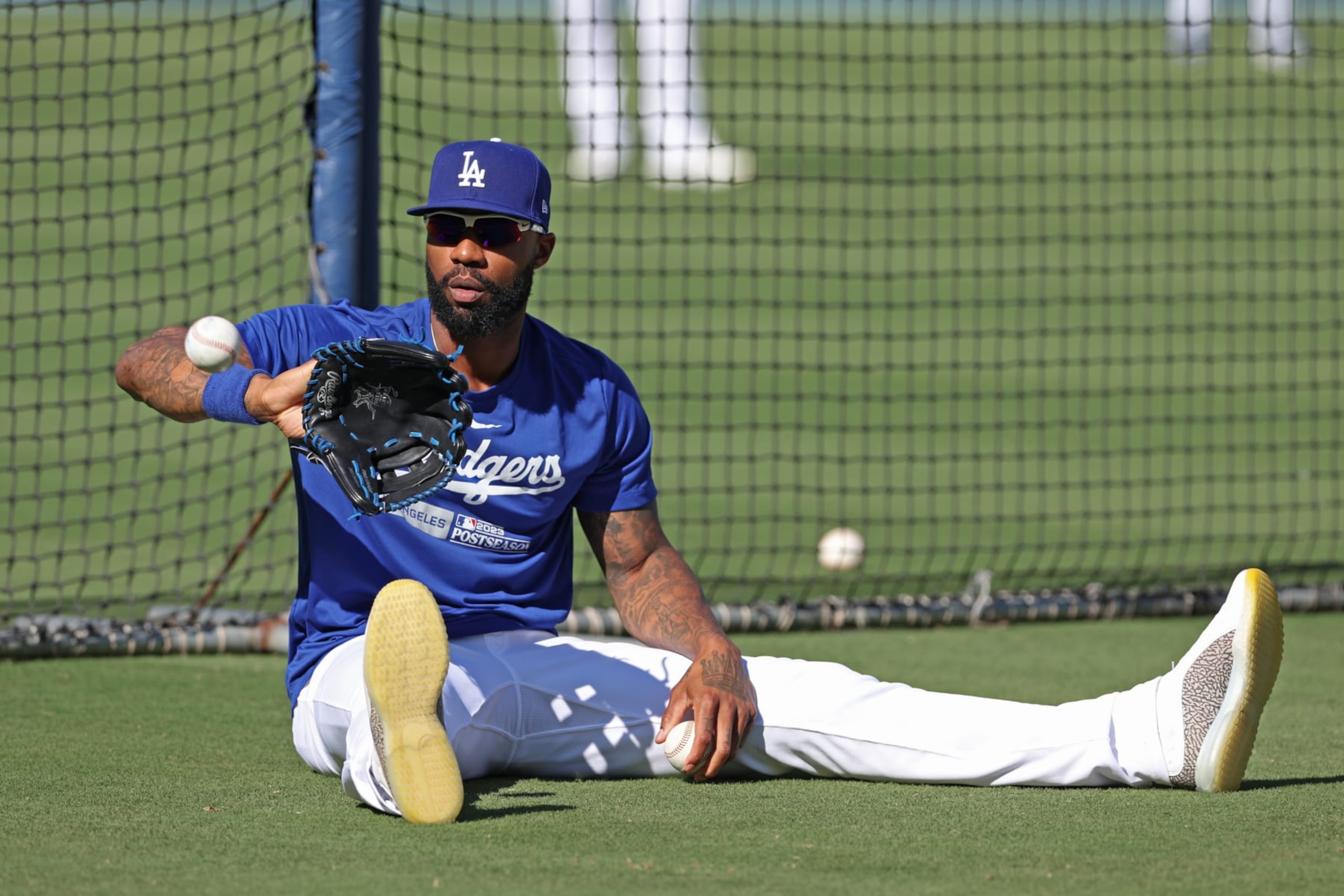
Biggest Problem: Corner Outfield Defense
As we all well know, the actual biggest problem for the Dodgers is surviving the NLDS after being doggone good for six months.
But something we could try to actually fix is their outfield defense, at least late in games.
Similar to the Phillies for much of last season—when Bryce Harper could only DH, leaving them with no choice but to trot Kyle Schwarber and Nick Castellanos out to LF and RF on a regular basis—there's only so much roster-doctoring we can do with the lineup with Shohei Ohtani locked in as the designated hitter.
They're practically stuck with Teoscar Hernández in left and the platoon of Jason Heyward and Manuel Margot in right while James Outman patrols center.
The problem with that is Hernández has never been a good outfielder, worth negative-4.9 dWAR over the course of his career. Margot's outfield defense has been OK at best over the past two years. And while Heyward used to be an elite outfielder, neither his range nor his cannon are what they used to be.
Simply put, they need a regular defensive replacement on the roster.
What they could do is just slide Mookie Betts out there late in games, letting Chris Taylor, Miguel Vargas or Miguel Rojas sub in at second base. But do they really want to keep messing with Betts on defense?
Taylor could also sub out there, but his outfield defense isn't that much of an upgrade.
The better solution would be to sign Michael A. Taylor—a Gold Glove recipient two years ago who has always had excellent range, as well as a guy with enough pop in his bat (21 HR in 2023) to be used as a pinch hitter and the occasional starter in any of the three spots, affording Outman the periodic night off.
It's possible Taylor has no interest in signing on for a part-time role, but he could be the final piece of L.A.'s World Series puzzle.


.png?w=2560 "Is Darnold Part of the Problem? 🤔")