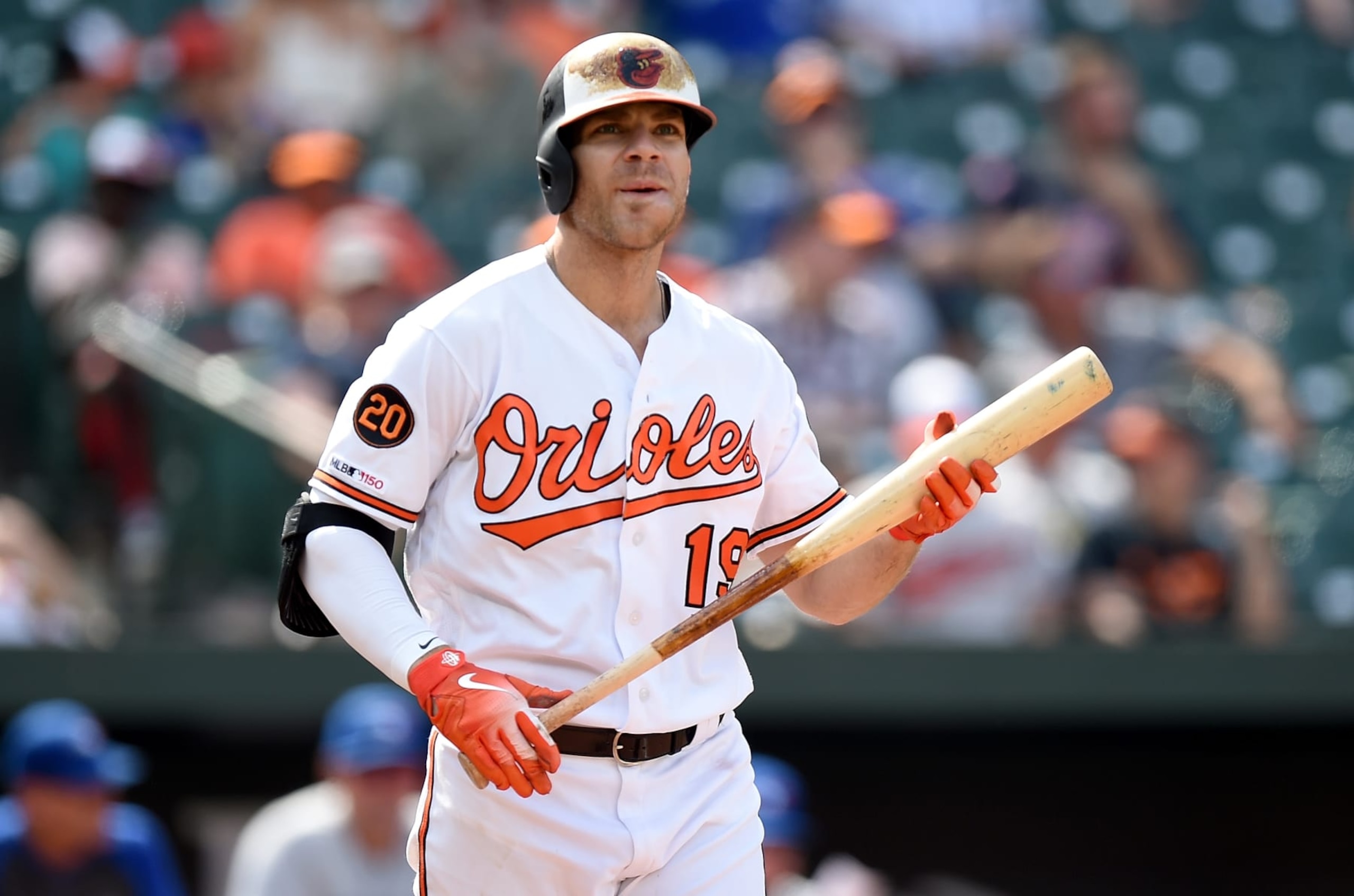

Ranking MLB's Worst Free Agent Signings of the Last 10 Years
Nobody is saying success stories can't emerge from Major League Baseball's free-agent market. Just for the last 10 years, Bryce Harper, Manny Machado and Max Scherzer can vouch.
Yet horror stories can and will happen, and we're about to dive deep into 10 from the last decade that should serve as cautionary tales.
Before I set about picking the worst free-agent signings of the last 10 years, I figured it was best to avoid dunking on low-hanging pieces of fruit. As such, I let Ian Desmond, Mike Moustakas, Rusney Castillo and Yasmany Tomás and others off the hook by setting $85 million in guaranteed money as the bar for entry.
From there, I narrowed my focus to signings that were questionable even before they devolved into disasters with few, if any, redeeming qualities. And whereas the teams that signed James Shields and Robbie Ray ultimately found escape hatches, there wasn't or indeed still isn't any such luck with the deals we're about to discuss.
There was no single metric that determined the final rankings. They're based on an intuitive sense of how bad things went or are still going wrong relative to the amount of money involved.
But first, let's dish on some honorable mentions and review a separate list of the five worst big-money signings of last winter, for which there's still plenty of time for redemption.
Note: All wins above replacement are courtesy of Baseball Reference.
Honorable Mentions
1 of 12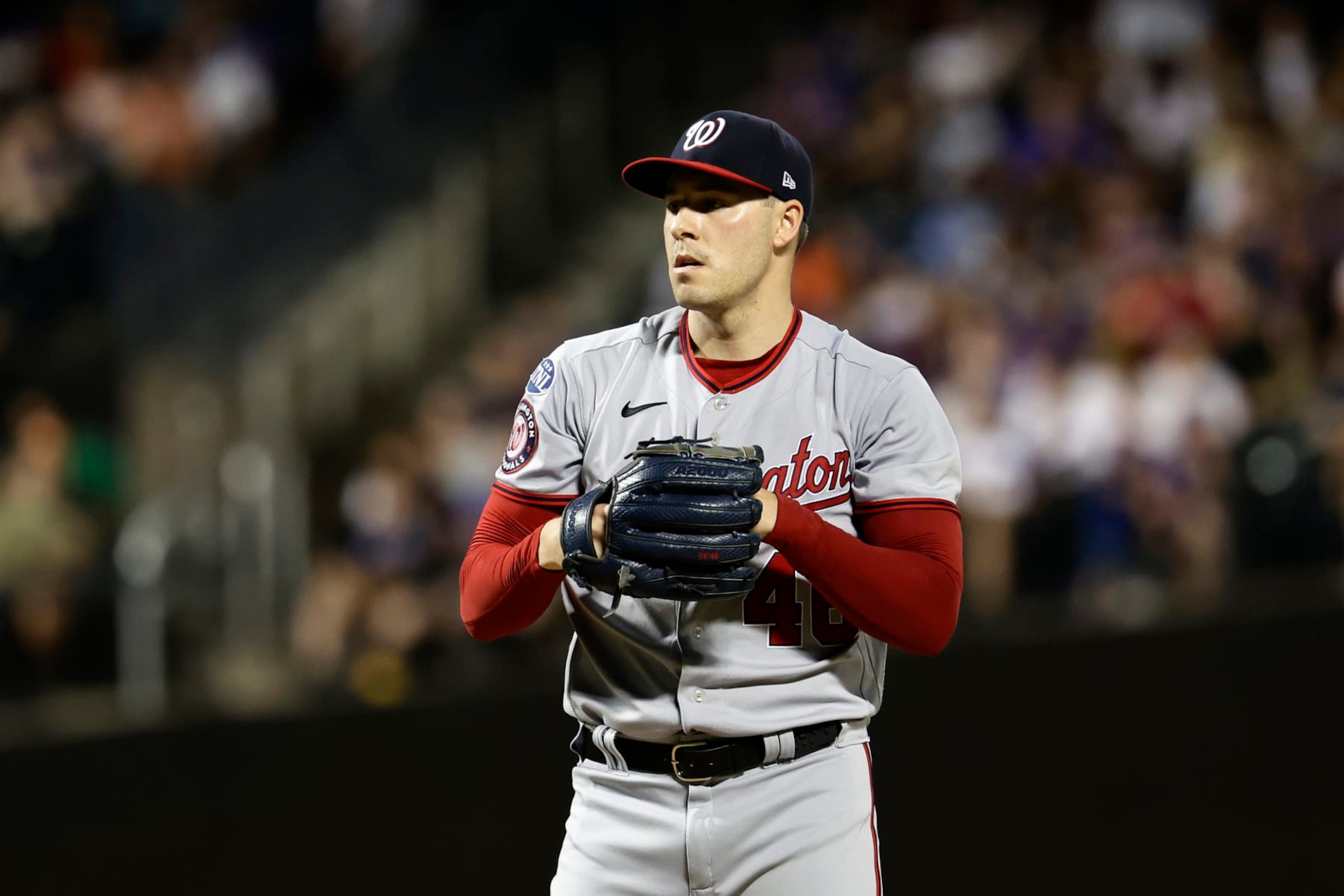
LHP Patrick Corbin, Washington Nationals
The Deal: 6 years, $140 million on Dec. 7, 2018
Pre-Deal WAR: 11.1
Post-Deal WAR: 3.4
Whereas no other pitcher has done so more than once, Corbin has lost at least 15 games in each of the last three seasons. But lest anyone think the Nationals wouldn't do this deal over again, just remember that they might not have won the 2019 World Series without Corbin.
CF Jacoby Ellsbury, New York Yankees
The Deal: 7 years, $153 million on Dec. 7, 2013
Pre-Deal WAR: 21.4
Post-Deal WAR: 9.8
Ellsbury was never the same player for the Yankees that he was with the Boston Red Sox, and injuries ultimately contributed to an early end to his Bronx tenure. But in the scheme of things, a roughly 2-rWAR average over a four-year span isn't that bad.
RF Jason Heyward, Chicago Cubs
The Deal: 8 years, $184 million on Dec. 15, 2015
Pre-Deal WAR: 29.8
Post-Deal WAR: 9.0
Save for when he had an .848 OPS in the shortened 2020 season, Heyward's bat was never really there for the Cubs. But, hey, at least they got two Gold Gloves and the critical Picard-style speech that spurred them to victory in the 2016 World Series.
The 5 Worst Deals from the 2022-23 Offseason
2 of 12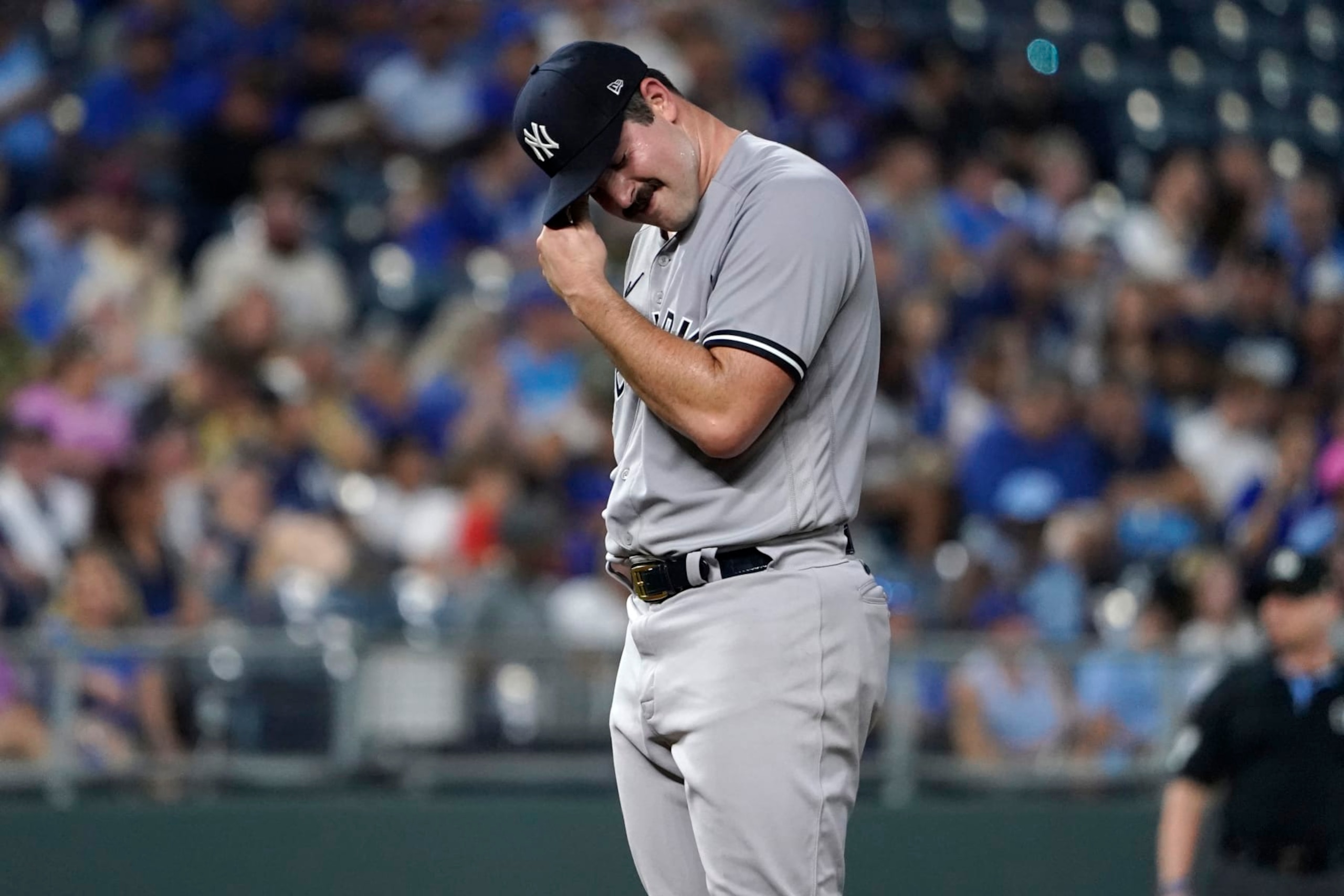
5. RHP Edwin Díaz, New York Mets
The Deal: 5 years, $102 million on Nov. 9, 2022
Pre-Deal WAR: 10.4
Post-Deal WAR: 0
The first season of Díaz's record-breaking deal was a wash, but not in any kind of way that should have anyone majorly concerned about the next four seasons. The torn ACL that ended his 2023 season before it started was a fluke injury from which he's fully recovered.
4. LF Masataka Yoshida, Boston Red Sox
The Deal: 5 years, $90 million on Dec. 15, 2022
Pre-Deal WAR: N/A (played in Japan)
Post-Deal WAR: 1.4
The initial uproar over Yoshida's contract seemed silly as he hit .316 in the first half of last season, but then he hit just .256 in the second half and he's now reportedly on the trading block. But whoever he's playing for in 2024, at least his elite bat-to-ball skill will still be there.
3. SS Carlos Correa, Minnesota Twins
The Deal: 6 years, $200 million on Jan. 11, 2023
Pre-Deal WAR: 39.5
Post-Deal WAR: 1.4
It seemed like a huge win for the Twins when they rebounded Correa after failed deals with the Mets and San Francisco Giants, but then he had the worst season of his career in 2023. He should be OK, but his ankle and feet made me hesitant to write "will" just now.
2. LHP Carlos Rodón, New York Yankees
The Deal: 6 years, $162 million on Dec. 21, 2022
Pre-Deal WAR: 16.7
Post-Deal WAR: Minus-0.9
To go from arguably MLB's most dominant pitcher to a mostly injured mess with a 6.85 ERA sounds like no fun, and nobody can say Rodón handled it well. But unlike the next guy on this list, at least he came out of 2023 healthy.
1. RHP Jacob deGrom, New York Mets
The Deal: 5 years, $185 million on Dec. 2, 2022
Pre-Deal WAR: 41.2
Post-Deal WAR: 0.9
The Rangers spending $185 million on a deGrom, a Tommy John survivor who had made all of 26 starts across the last two seasons, was never a good idea, and it only looked worse when he went in for his second Tommy John. Chances are he won't be back on the mound until after his 36th birthday on June 19, 2024.
10. 1B Kris Bryant, Colorado Rockies
3 of 12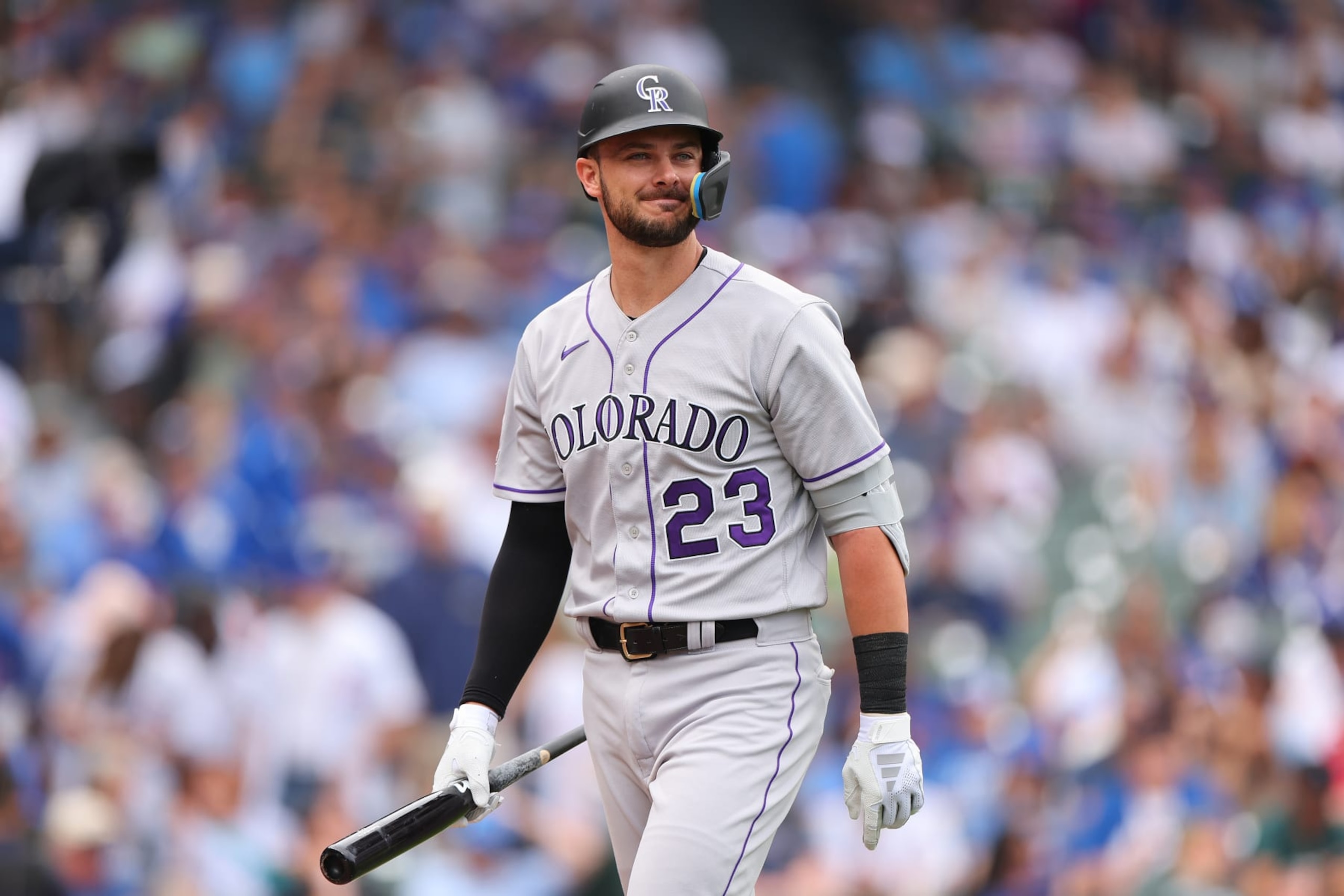
The Deal: 7 years, $182 million on March 18, 2022
Pre-Deal WAR: 28.8
Post-Deal WAR: Minus-0.6
Why It Was Doomed to Fail
From thinking that Mike Hampton could conquer Coors Field to moving Ian Desmond (previously a shortstop and center fielder) to first base, the Rockies have a history of applying galaxy-brained logic to their free-agent pursuits. It's just a thing they do, for good or ill.
As such, perhaps nobody should have been surprised that it was them who won the bidding for Bryant two winters ago.
Once a Rookie of the Year and an MVP for the Chicago Cubs, Bryant's star faded in plain sight as he averaged a modest 2.6 rWAR between 2018 and 2021. A decline in athleticism had something to do with that, so of course the Rockies had the idea to play him full-time in the outfield upon his arrival in Denver.
How It Has Failed
Bryant's first two seasons as a Rockie have mostly been literally painful, as he's played in just 122 of 324 possible games because of back, foot, heel and finger injuries. And his once-mighty power? With just 15 home runs to show for his time with Colorado, it's basically gone.
If there's any hope for the 32-year-old Bryant, it's couched in the possibility that playing first base on more of a full-time basis will help keep him healthy. And since he's still a good fastball hitter, it's possible that he isn't totally over the hill as a capable batsman.


9. 3B Anthony Rendon, Los Angeles Angels
4 of 12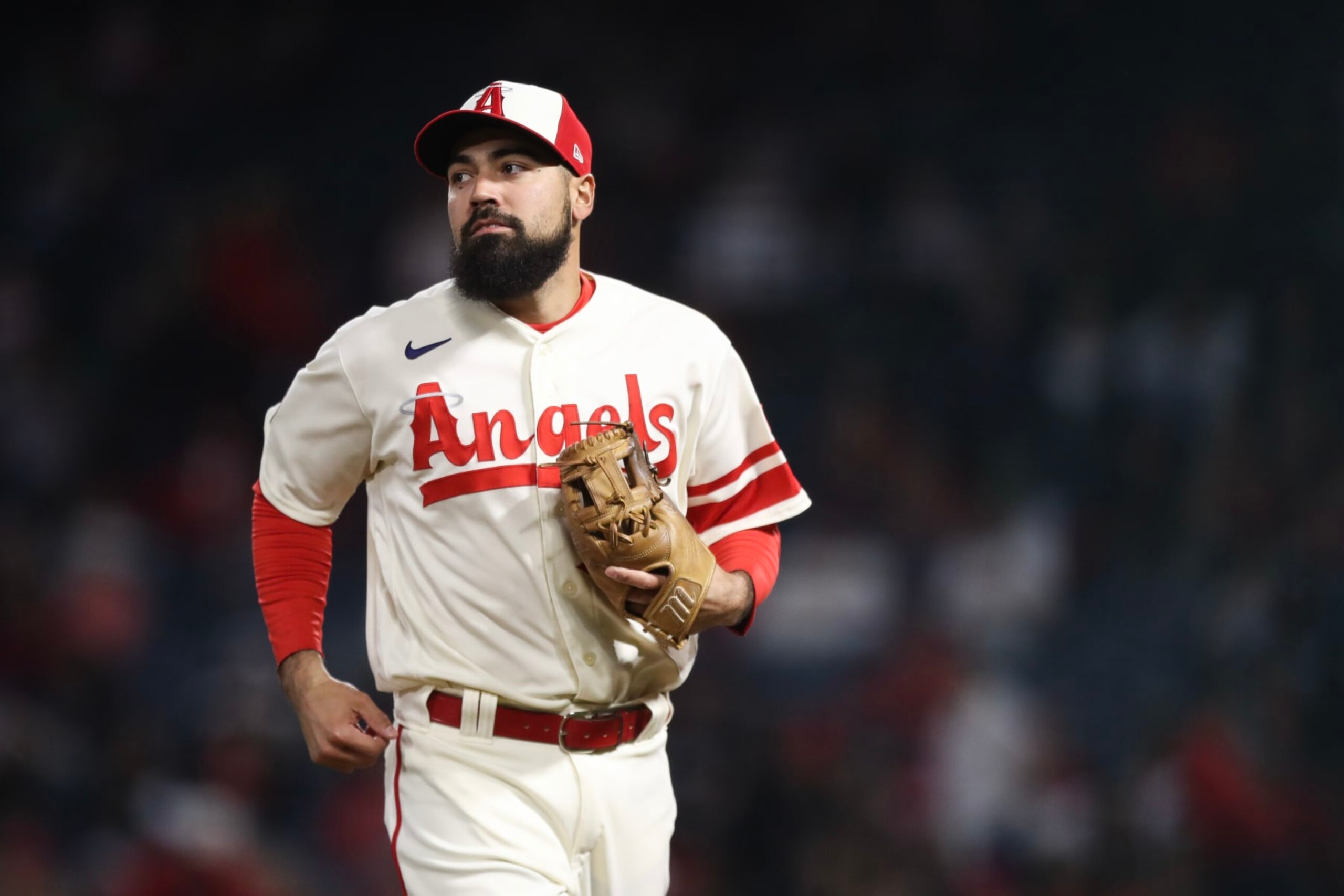
The Deal: 7 years, $245 million on Dec. 13, 2019
Pre-Deal WAR: 30.1
Post-Deal WAR: 3.1
Why It Was Doomed to Fail
There is, if anything, a better argument for why Anthony Rendon's deal with the Angels wasn't doomed to fail.
He had been one of the 10 best position players in MLB between 2014 and 2019, after all, and he was arriving in Anaheim on the highest possible high. All he had done the previous season was set career bests with a 1.010 OPS and 34 homers, and he was otherwise instrumental in helping the Nationals win their first World Series.
The other side of this argument, however, is that the Angels were very obviously buying high on Rendon. And since they were doing so on the eve of his age-30 season, down was the only direction he was ever likely to go.
How It Has Failed
Albeit in just 52 games amid the shortened season, Rendon was as advertised in his first year with Angels in 2020. He got on base at a career-high .418 clip and was second on the team to Mike Trout in home runs and runs batted in.
By contrast, Rendon's last three years in Anaheim have been, uh, not great. A laundry list of injuries and a truly embarrassing suspension have kept him out of all but 37 percent of the Angels' games. Factoring in the 33-year-old's apparent attitude problem, it's only getting harder to imagine Rendon salvaging what's left of his contract.
8. 1B Eric Hosmer, San Diego Padres
5 of 12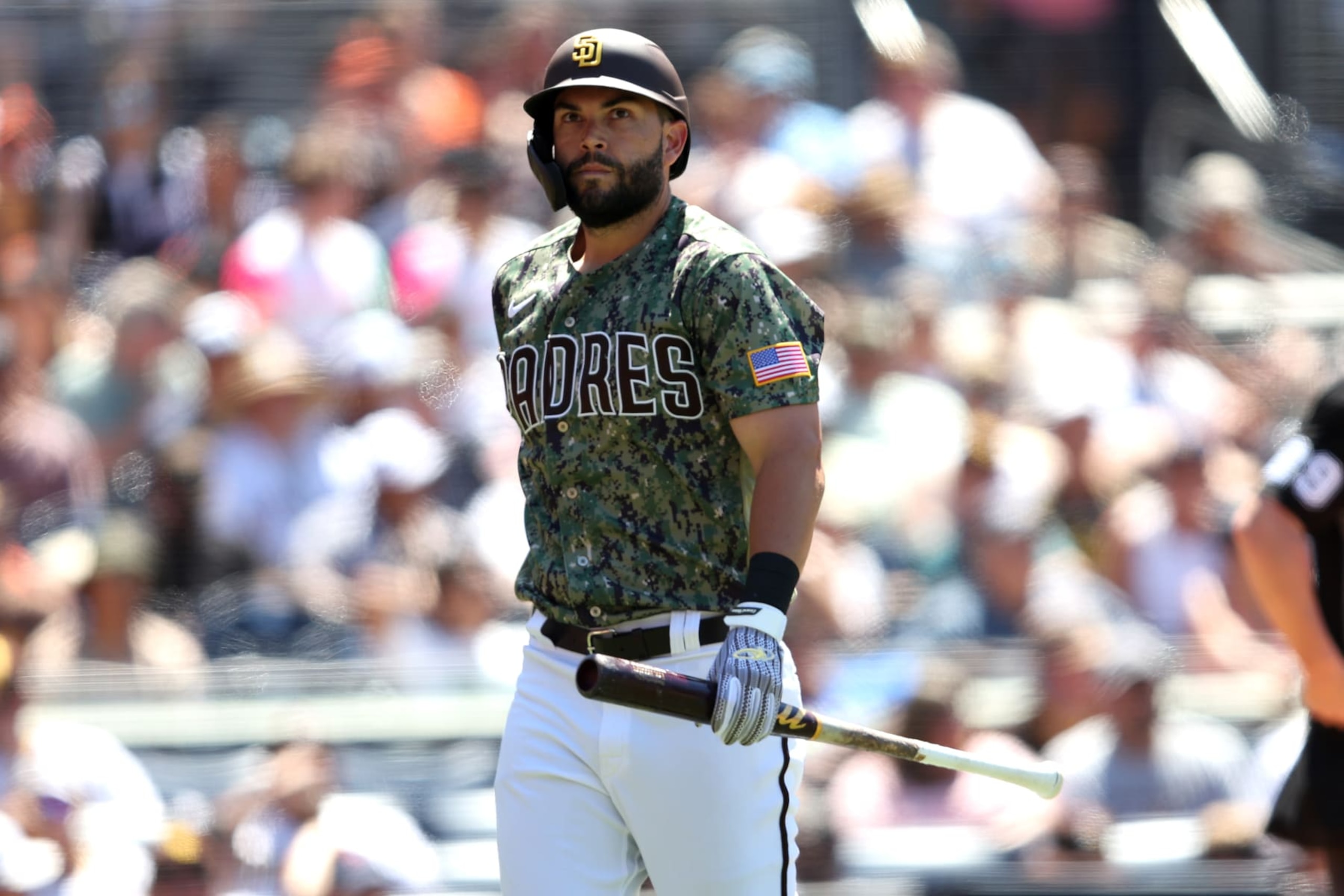
The Deal: 8 years, $144 million on Feb. 19, 2018
Pre-Deal WAR: 15.4
Post-Deal WAR: 3.7 (for San Diego)
Why It Was Doomed to Fail
Just as the Angels would do with Rendon a year later, the Padres bought high on Eric Hosmer when they signed him with mere weeks to go before the start of the 2018 season.
Previously more of a solid hitter than a good one in his first six seasons, Hosmer broke out every which way on the eve of free agency in 2017. He tied his career high with 25 homers and set new personal bests for average and both his on-base and slugging percentages.
Even then, though, Hosmer's underlying abilities still contained a massive red flag in the form of his persistent inability to lift the ball. And despite his four Gold Gloves, it was also an open secret that Hosmer generally rated as a poor defensive first baseman.
How It Failed
Though he played in 150-plus games three times and had a solid season in 2020, Hosmer's stint in San Diego mostly saw him continue with his struggles to get the ball in the air and to keep his defensive metrics above water. On not one occasion did his rWAR go over 1.2.
If you want to look at the Aug. 2022 trade that sent Hosmer to Boston as an escape hatch, well, go right ahead. But that requires ignoring that the Padres agreed to pay the entirety of the $44 million he was still owed at the time. They'll keep paying him through 2025.
7. LF Yoenis Céspedes, New York Mets
6 of 12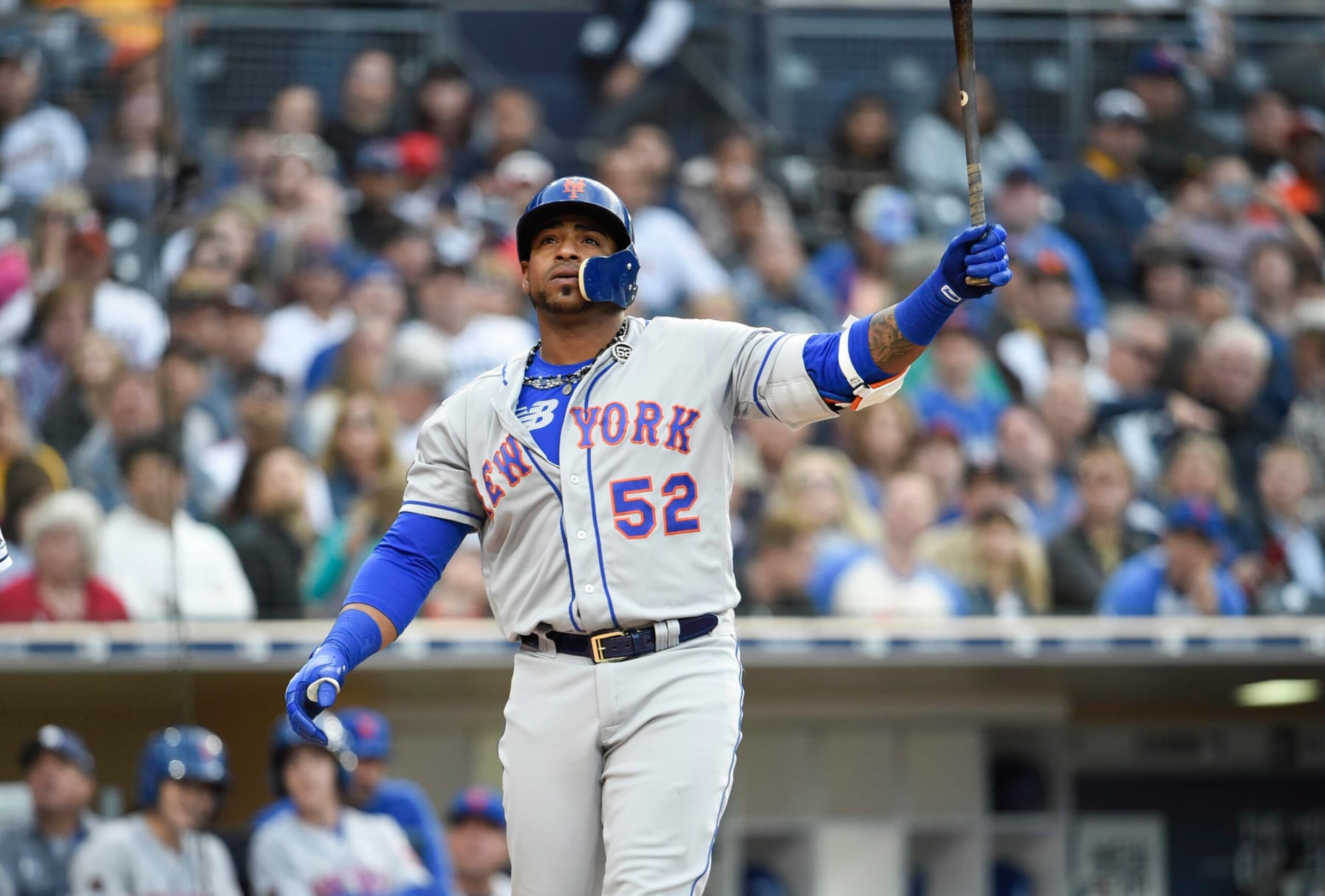
The Deal: 4 years, $110 million on Nov. 30, 2016
Pre-Deal WAR: 18.9
Post-Deal WAR: 2.7
Why It Was Doomed to Fail
He was very much at the tip of the spear for both their World Series run in '15 and their return the playoffs in '16, posting a .903 OPS and 48 home runs in 189 regular season games. When he was in the starting lineup, the Mets went 106-74.
Yet Céspedes was already over 30 when the Mets re-signed him after the 2016 season, which had notably seen him miss time with a serious quad injury. Between these things and his tendency to run hot and cold with his production, the risk of disaster was always there.
How It Failed
Céspedes did keep hitting when he was healthy in 2017 and 2018, posting an .869 OPS and 26 home runs in 119 games. But that was out of a possible 324 games, and he would end up playing in only eight more across the next two seasons.
Though the highlights include surgery on both heels, a wild boar-related broken ankle and a poorly handled opt-out, there's really too much ground to cover with the story of what happened. In the end, the only real bright side for the Mets is that they recouped some of his deal as part of a grievance settlement.
6. LF Hanley Ramírez, Boston Red Sox
7 of 12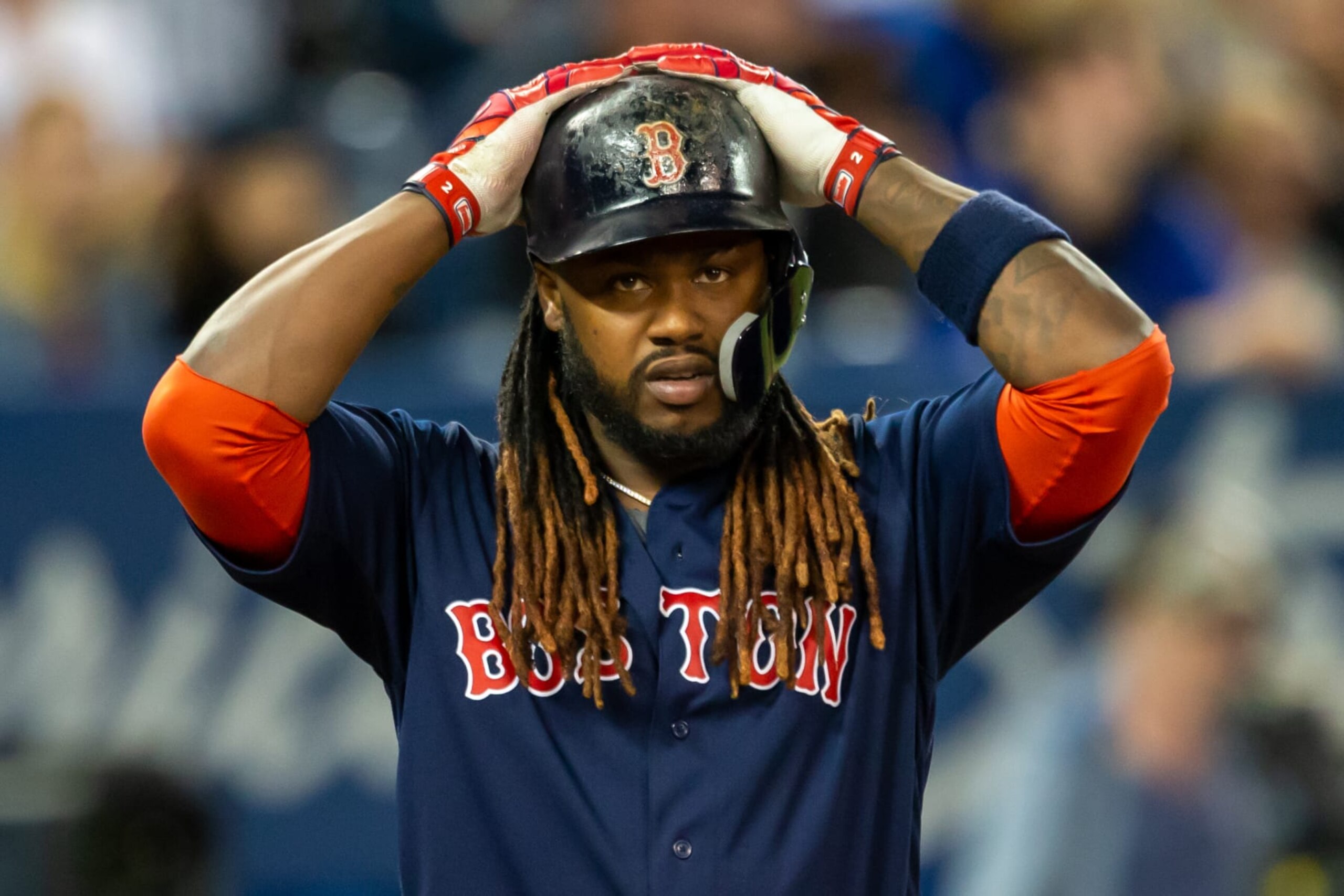
The Deal: 4 years, $88 million on Nov. 25, 2014
Pre-Deal WAR: 36.5
Post-Deal WAR: 1.7
Why It Was Doomed to Fail
Very little went right for the Red Sox in a 91-loss 2014 season, but where they really struggled was in scoring runs.
Hence why they made two big splashes on bats the following winter. We'll get to the other in a bit, but for now let's grant that the one on Hanley Ramírez always had an "Oof, this had better work" vibe to it.
He had been a frequently good and occasionally great hitter between 2006 and 2014, but he was heading into his age-31 season off a two-year stretch in which injuries limited him to 214 games. And whereas he had previously been a shortstop, Boston had the questionable idea to try him at one of the toughest left fields in MLB.
How It Failed
Ramírez's second tenure with the Red Sox did have its moments, including a 2016 season in which he slammed 30 homers. Yet even that year was only worth 2.6 rWAR, and on the whole he was only three percent better than the average hitter between 2015 and 2018.
It takes good defense and/or good baserunning to justify such meager batting production, and Ramírez gave the Red Sox neither prior to his release in June 2018. Suffice it to say the left field experiment didn't work out, as he shifted to first base after debuting with minus-14 Defensive Runs Saved in left field in 2015.
5. RHP Jordan Zimmermann, Detroit Tigers
8 of 12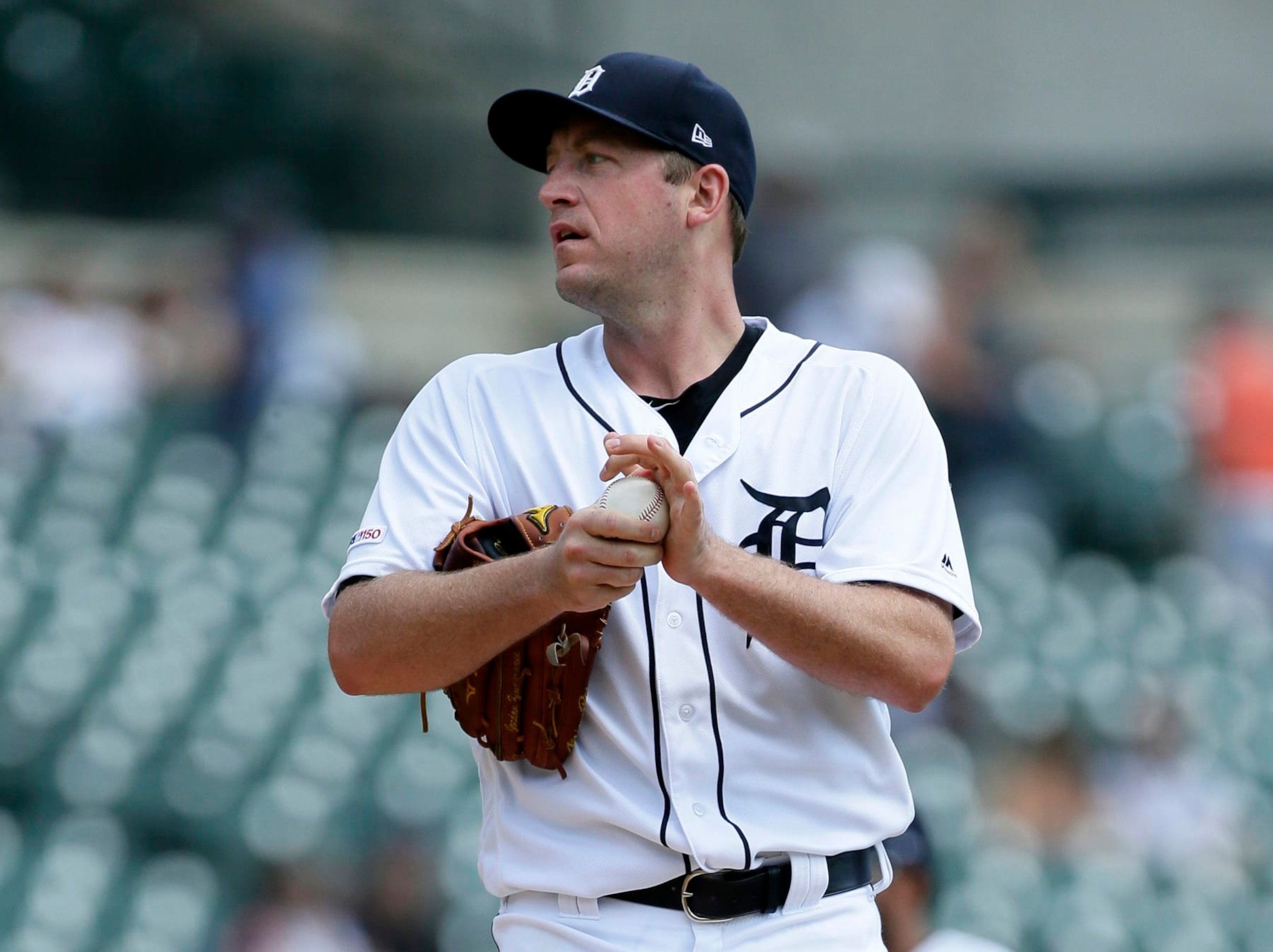
The Deal: 5 years, $110 million on Nov. 30, 2015
Pre-Deal WAR: 19.5
Post-Deal WAR: 2.0
Why It Was Doomed to Fail
Other pitchers had better seasons for the Nationals between 2012 and 2015, but nobody was as consistently excellent for them as Jordan Zimmermann.
Indeed, few pitchers across the entire league could claim to have done what he did across those four seasons. He was one of only seven hurlers to post an ERA+ of at least 120 while tallying over 800 innings. Five of the other six have Cy Young Awards.
But while such things signaled that the Tigers had signed one of MLB's best hurlers, the warning signs that it wouldn't last weren't subtle. Zimmermann had posted a modest 3.66 ERA in 2015, with diminished velocity and a lower strikeout rate that portended further trouble.
How It Failed
Say this about Zimmermann's tenure in Detroit: Unlike the next pitcher on this list, at least he stayed there for the entire five-year life of his contract. Even if a guy is going to do nothing else, at least he can post.
Alas, this is the extent to which Zimmermann's Tigers days can be remembered fondly. He ended it with a 5.63 ERA, mostly because the quality stuff that started abandoning him in 2015 just never came back. Among pitchers who logged 500 innings between 2016 and 2020, he tied for the fifth-lowest strikeout rate.
4. LHP Madison Bumgarner, Arizona Diamondbacks
9 of 12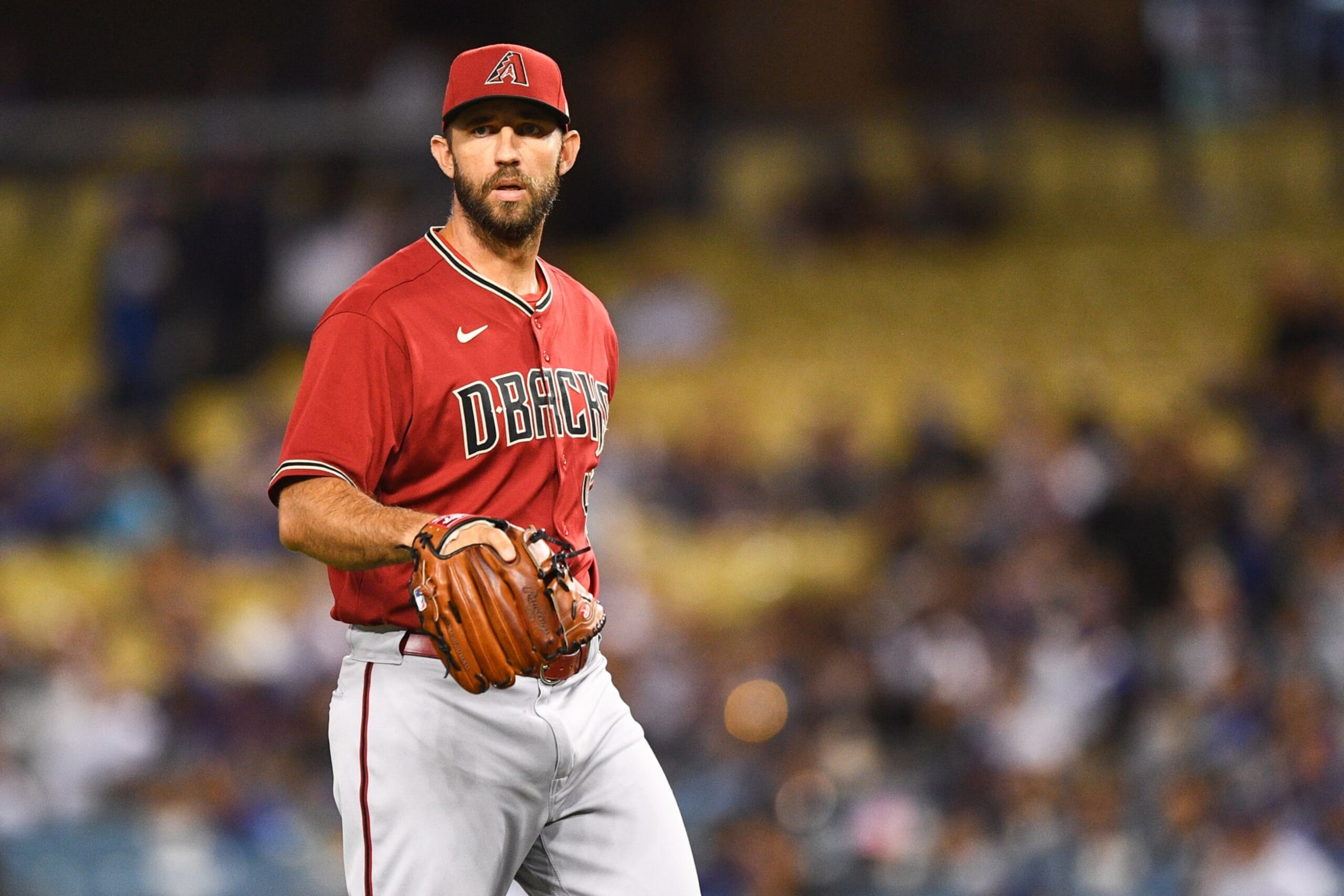
The Deal: 5 years, $85 million on Dec. 17, 2019
Pre-Deal WAR: 32.9
Post-Deal WAR: Minus-0.5
Why It Was Doomed to Fail
There was some sense in the Diamondbacks signing Madison Bumgarner, at least to the extent that they were a borderline playoff contender in need of an ace to replace the recently traded Zack Greinke.
To this end, well, why not Bumgarner? Even aside from his postseason heroics, he had been a mainstay among the top pitchers in MLB as he topped 200 innings with a sub-3.00 ERA annually between 2013 and 2016. And after injury-marred campaigns in 2017 and 2018, he'd had a comeback year in 2019.
Or had he? Though the lefty's results showed a 3.90 ERA over 207.2 innings, he had actually been crushed throughout 2019. Most notably, to the tune of average exit velocity in the 9th percentile and a hard-hit rate in the 10th percentile.
How It Failed
Bumgarner continued to get crushed in Arizona, only now he had a harder time hiding it as both his fastball velocity and his strikeout rate dipped below his previous career norms. The result, in the end, was a 5.23 ERA over 69 starts before his release last April.
It initially seemed like a classic tale of age taking its inevitable toll on a former wunderkind hurler. But in this case, Father Time got an assist from Bumgarner himself. Per the account authored by Zach Buchanan of The Athletic, the lefty was "resistant to trying new things" even as his stardom crumbled.
3. 3B Pablo Sandoval, Boston Red Sox
10 of 12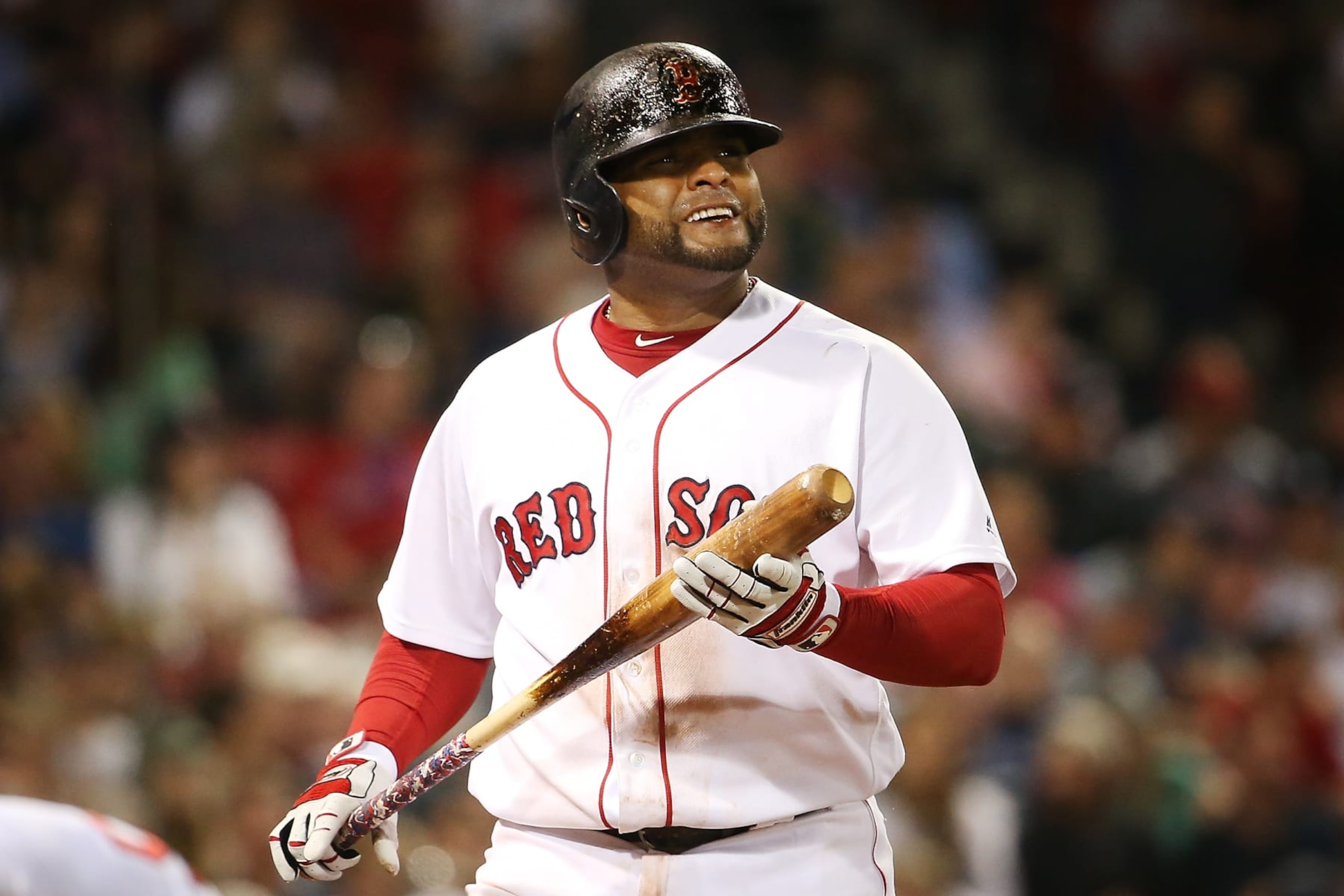
The Deal: 5 years, $95 million on Nov. 15, 2014
Pre-Deal WAR: 20.4
Post-Deal WAR: Minus-1.6 (for Boston)
Why It Was Doomed to Fail
In addition to Ramírez, Pablo Sandoval was the other free agent the Red Sox brought in to help perk up the miserable offense they'd experienced in 2014.
You really had to squint to see the sense of the transaction. Sandoval had enjoyed some good years in San Francisco, but had also been inconsistent and he was coming off a two-year stretch in which he was only 13 percent better than the average hitter.
Arguably the best thing Sandoval had going for him as he arrived in Boston was a good opposite-field stroke from the left side. If that could show through even in San Francisco, surely it would be that much more useful in tandem with the Green Monster, right?
How It Failed
Wrong. Sandoval simply never hit in the two-and-a-half seasons he spent with the Red Sox, for which he recorded a dismal .646 OPS before he was cut loose midway through 2017. He still had nearly $50 million remaining on his deal, which the Red Sox simply ate.
The torn labrum that Sandoval suffered in 2016 surely didn't help matters, but he ultimately came to see the mere act of leaving San Francisco for Boston as a mistake. As he told Joseph Bien-Kahn of GQ in 2022: "I should have stayed. I know. I learned my lesson."
2. 1B Chris Davis, Baltimore Orioles
11 of 12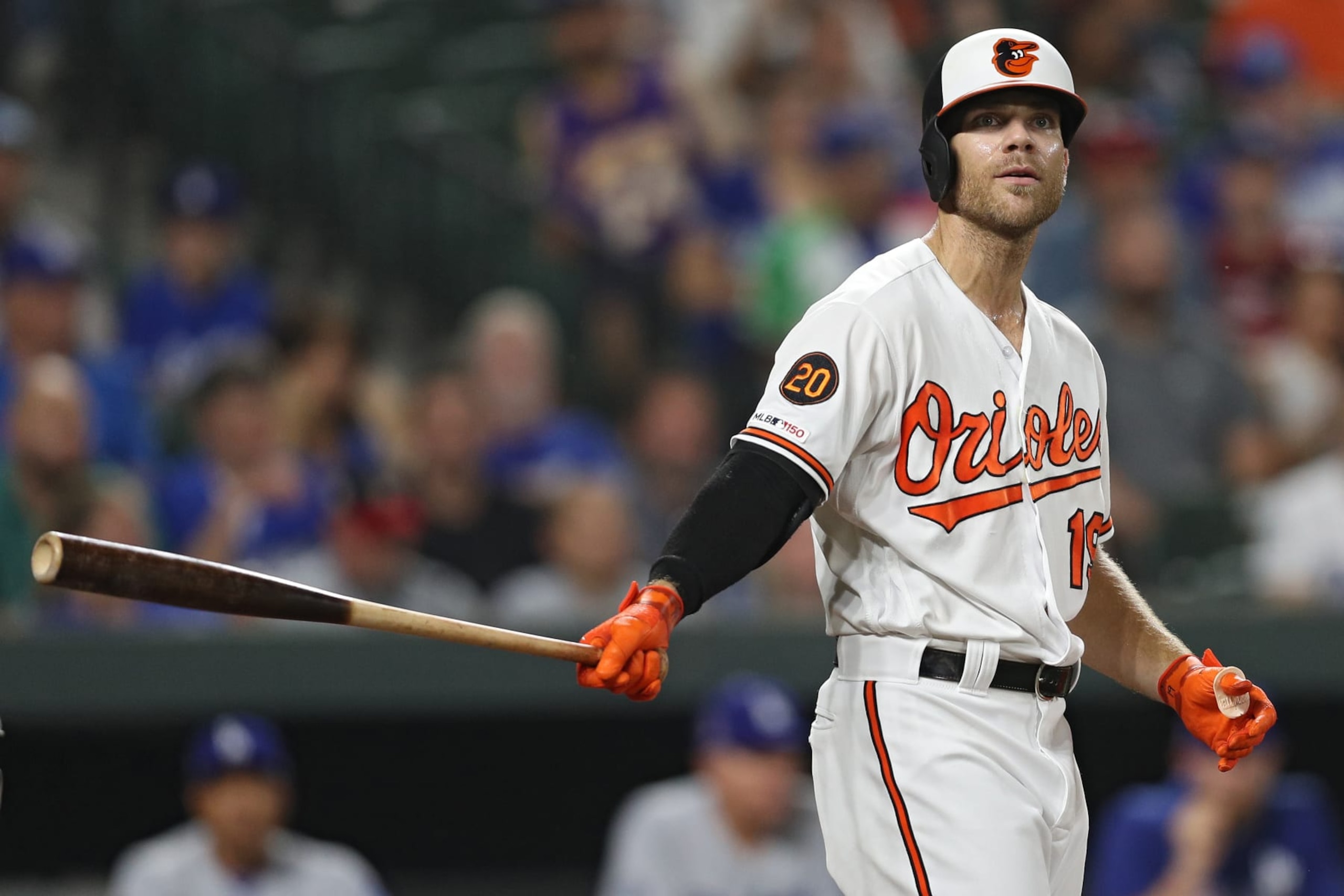
The Deal: 7 years, $161 million on Jan. 21, 2016
Pre-Deal WAR: 14.3
Post-Deal WAR: Minus-2.7
Why It Was Doomed to Fail
Home runs were scarce in the early 2010s, especially as the average per game fell below 1.0 in 2013 and 2014. Though it went back over that mark in 2015, it was largely due to a second-half surge in homers. Whether that would last was anyone's guess.
Against this backdrop, the Orioles being willing to make such a big bet on Chris Davis wasn't totally indefensible. He was, after all, a two-time MLB home run champion who had hit more long balls than anyone between 2012 and 2015.
Yet with no baserunning or defensive value to speak of and a major preexisting strikeout problem, home run power was pretty much the only thing Davis had to sustain his stardom. If it went away, things would get ugly.
How It Failed
Davis' home run power was nice enough to stick around for the 2016 season, but even the 38 homers he hit that year only did so much to paper over his .221 average and MLB-leading 219 strikeouts. His prime, it seemed, was already over.
Even still, it would have been hard to predict things getting as bad as a record-setting hitless streak, a rare minus-3 rWAR season and an overall .615 OPS between 2017 and 2020. It was a bit of mercy when Davis hung 'em up in 2021, though he now has the distinction of being the highest-paid retired baseball player in the world.
1. RHP Stephen Strasburg, Washington Nationals
12 of 12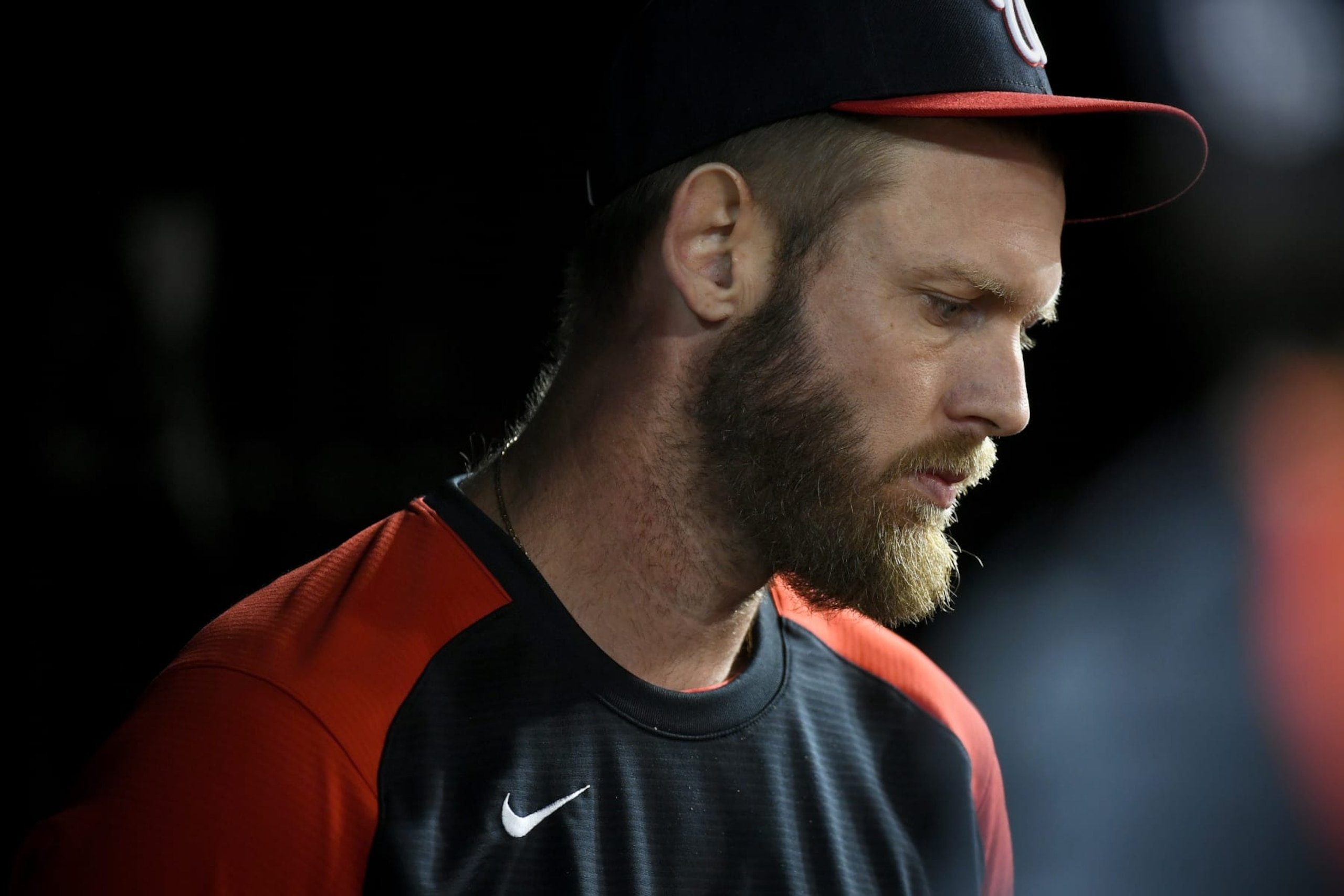
The Deal: 7 years, $245 million on Dec. 9, 2019
Pre-Deal WAR: 31.4
Post-Deal WAR: Minus-0.5
Why It Was Doomed to Fail
Perhaps the Nationals were willing to go to such great lengths to re-sign Stephen Strasburg because they felt emboldened?
Strasburg inked a seven-year, $175 million deal with Washington in May 2016, and all he did after that was collect two All-Star nods, a top-three finish in the National League Cy Young Award voting and, oh yeah, a World Series ring that he very much earned in 2019.
Yet if ever there was a case of a team buying high on a risky player, this was it. For all Strasburg's accomplishments, he was now past 30 with a Tommy John surgery and a handful of other notable injuries on his record. Him remaining durable for another seven years was never even remotely likely.
How It Failed
It's one thing to be skeptical, but not even the most committed pessimist could have foreseen Strasburg making only eight total starts in the first four years of his deal. Most recently, severe nerve damage put a stop to the 35-year-old's attempt to rehab from a stress reaction in his ribcage and a recurrence of thoracic outlet syndrome last year.
It's technically possible that Strasburg will return to the mound, but only because the Nationals backed out of a retirement ceremony that was planned for last September. One way or another, though, they'll have to pay the $105 million they still owe him.
Stats courtesy of Baseball Reference, FanGraphs and Baseball Savant.


.jpg?w=2560 "Viral Rams Coach Vid 🖕")
.jpg?w=2560 "Injury-stricken Seahawks signing veteran RB")
.jpg?w=2560 "2 NFL Officials Suspended")


.jpg?w=2560 "Mahomes' Wife Trolls Kubiak 💀")

.jpg?w=2560 "Grading WWE Raw 🔠")