

The 2023-24 NBA season hasn't quite reached the first-quarter turn, but the data on hand is starting to reveal things about each of these teams.
Like which club has the best starting lineup, for instance.
While that might be a subjective label, objective stats certainly play a part in this exercise. So, too, do the things we already know about these players, as early struggles or sizzling hot streaks aren't necessarily signs of things to come. Speaking of which, future projections have a say in this process, too, particularly with units that haven't logged a lot of floor time together.
One quick note before getting started, though. Since we're analyzing each team's starting lineup "so far," we're only considering units that have hit the hardwood at some point this season. That's not great news for the Phoenix Suns, who are still awaiting the debut of their Big Three, and it's awful news for the Memphis Grizzlies, who've looked completely lost without suspended star guard Ja Morant.
30. Detroit Pistons
1 of 30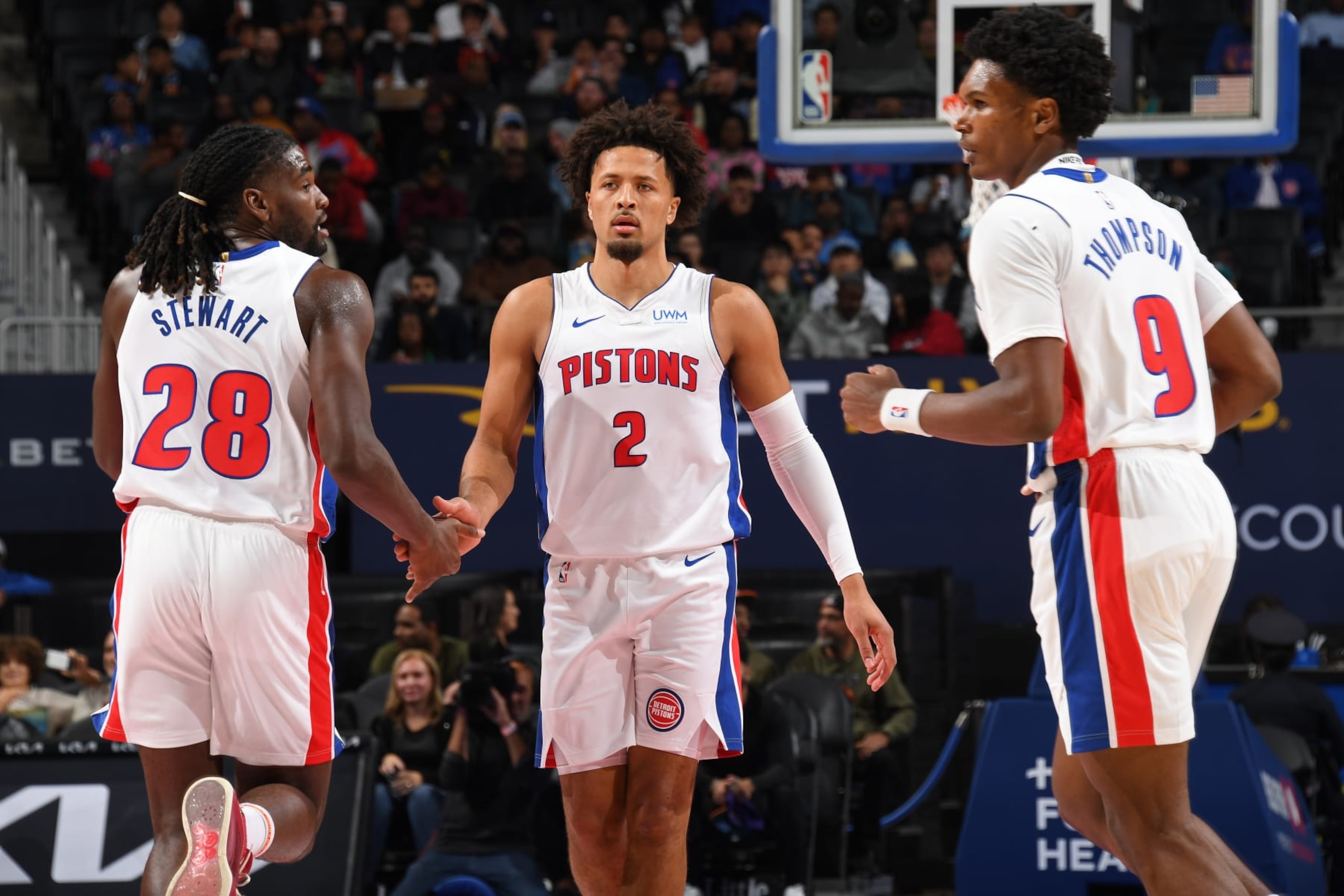
Killian Hayes, Cade Cunningham, Ausar Thompson, Isaiah Stewart, Jalen Duren
Remember the talk about how the Pistons might be turning a corner this season? Offseason optimism sure is something, isn't it?
Detroit is off to another dreadful start, and while the absence of Bojan Bogdanović hasn't helped, let's be honest: This team isn't exactly a 34-year-old non-star away from breaking out.
He would've at least helped the offensive spacing with this unit, though, which is instead populated by so many non-shooters you'd forget we are, in fact, still living in the three-point era. Stewart at least has a 41.4 percent splash rate; remove him from the equation, and the remaining quartet has gone a combined 47-of-166 (28.3 percent).
29. Portland Trail Blazers
2 of 30
Scoot Henderson, Shaedon Sharpe, Matisse Thybulle, Jerami Grant, Deandre Ayton
It's a good thing the post-Damian Lillard Trail Blazers are fully focused on the future, because no one should have to stomach much viewing time of their present form. Even tracking prospect development has been tough, as the injury bug has knocked out both Henderson and Anfernee Simons (a likely starter if healthy).
While you'll sometimes find a good first five on an otherwise brutal team, that is not the case here. This quintet has been an absolute mess. It has logged 54 minutes together and lost them by 32 points.
Grant hasn't shot well (42.4/35.3/79.5), Sharpe has averaged more turnovers (3.3) than assists (3.2), Henderson's numbers look rough from all angles and Ayton is somehow scoring fewer points (career-low 12.2) than he did while sharing touches with Kevin Durant and Devin Booker. Thybulle, who's seemingly lost his starting spot already, has had more games with two or fewer points (four) than double-digit efforts (three).
28. San Antonio Spurs
3 of 30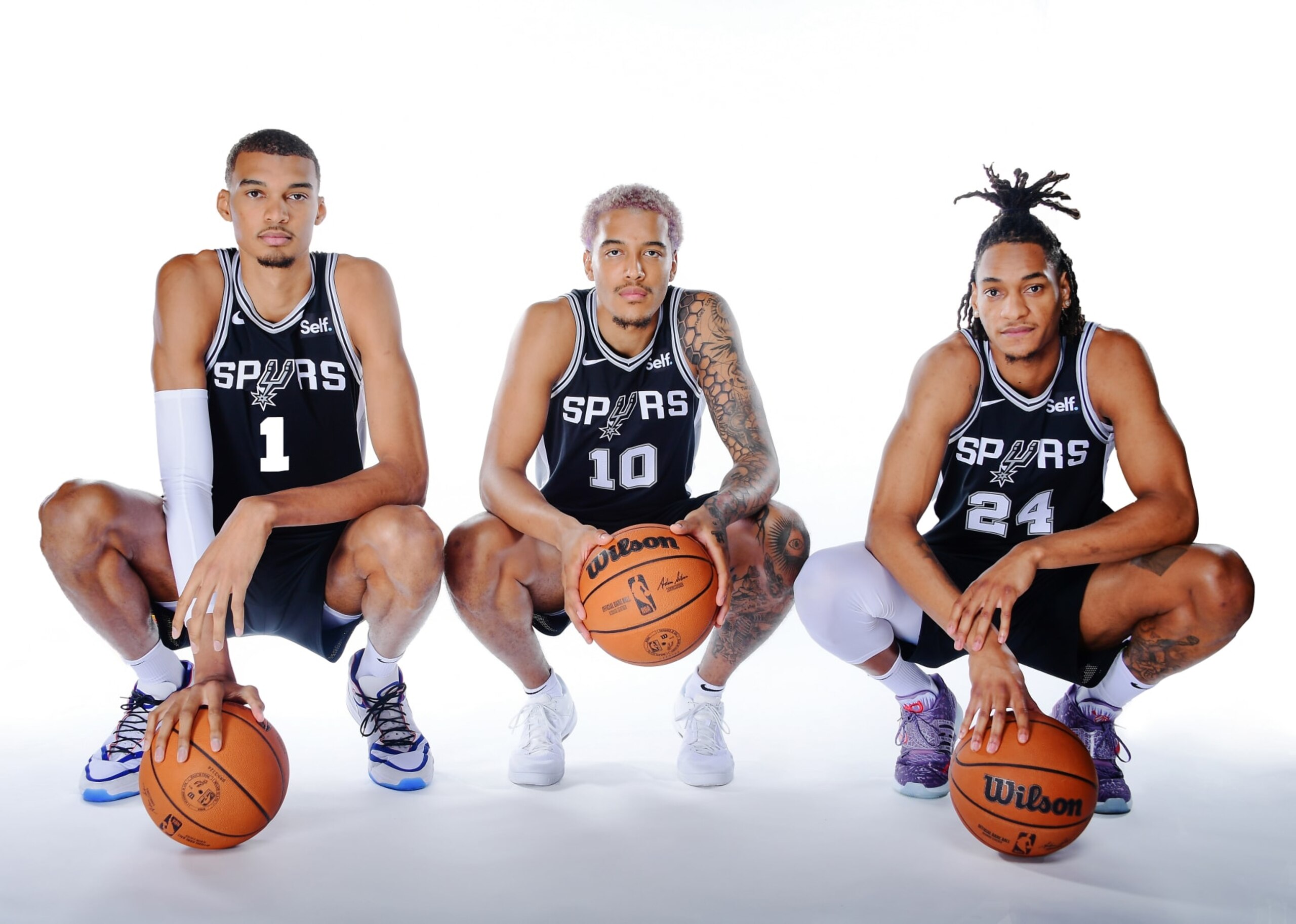
Jeremy Sochan, Devin Vassell, Keldon Johnson, Victor Wembanyama, Zach Collins
Letting Sochan, a 6'9", 230-pounder who primarily played power forward last season, run point is certainly innovative, and a team with a talent as unique as Wembanyama should be thinking outside the box.
Still, it's hard to overstate the offensive challenges this quintet has faced without having a natural playmaker on the floor. This group has a 104.2 defensive rating that would be the NBA's best, and its net rating is still a wholly atrocious minus-13.8. That's what happens when an attack generates an anemic 90.4 points per 100 possessions.
The Spurs could correct this problem if they wanted. When they've had Tre Jones in Sochan's spot, that unit has produced a monstrous plus-29 net rating. But they clearly aren't chasing wins, and they're instead hoping they are laying the groundwork for something spectacular way down the line.
27. Washington Wizards
4 of 30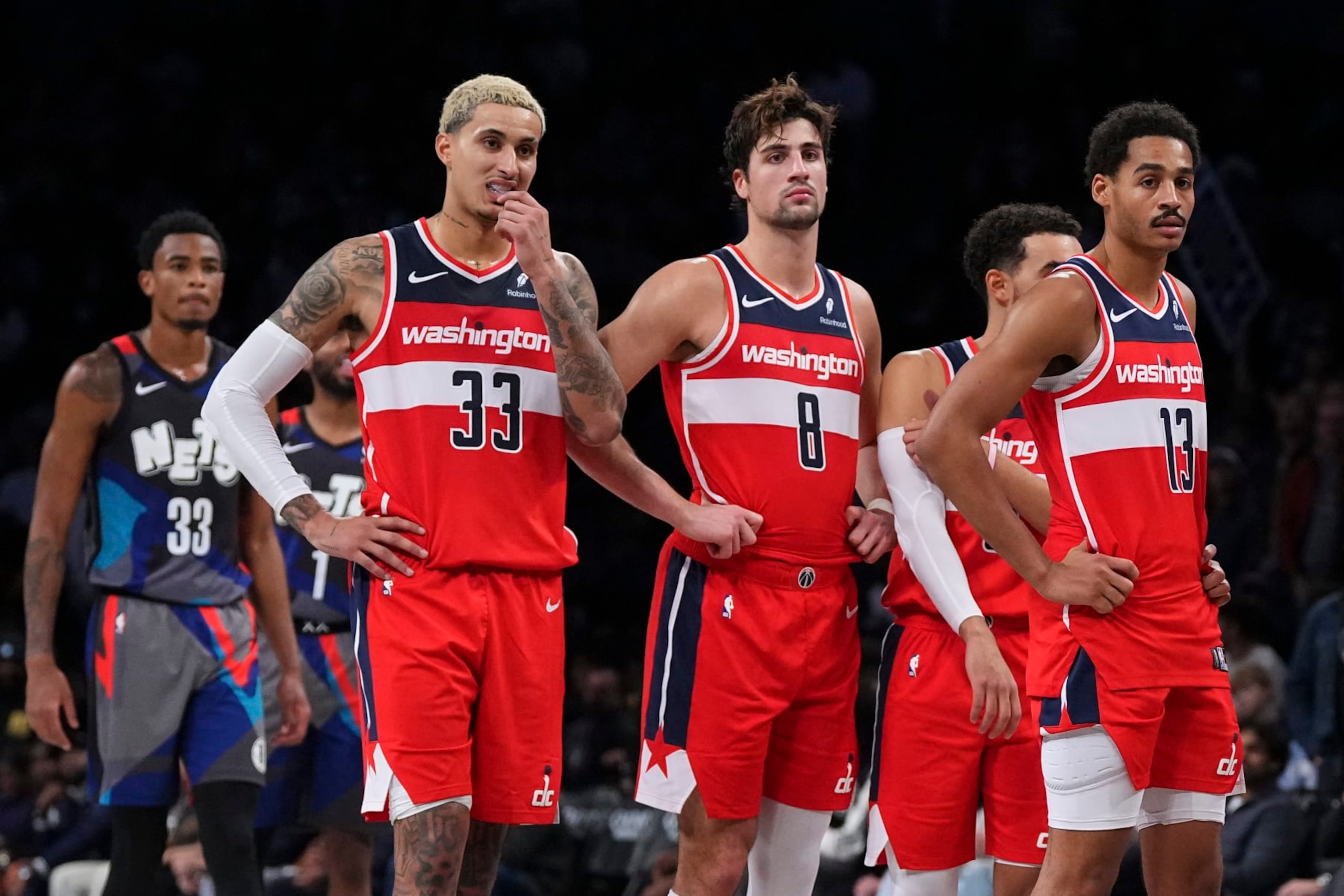
Tyus Jones, Jordan Poole, Deni Avdija, Kyle Kuzma, Daniel Gafford
Washington's post-Bradley Beal rebuild is off to an abysmal start. Or maybe it's a great one by the inverted grading scale utilized in the league's annual race to the bottom.
Either way, there aren't a lot of on-court positives in the District right now, and this fivesome is front and center of the struggles. Its minus-4.7 net rating over 139 minutes may not be comically bad, but it's objectively not good.
The neon-green lights for Poole and Kuzma could both be dialed back, though the former has had a much rougher go than the latter. Jones and Gafford are at least in line with their expectations. The one bright spot here is Avdija, who may have found a leap year in a hopeless place, netting a personal-best 12.7 points on 53.2/41.0/77.3 shooting while widening the gap between his assists (3.6) and turnovers (1.5).
26. Memphis Grizzlies
5 of 30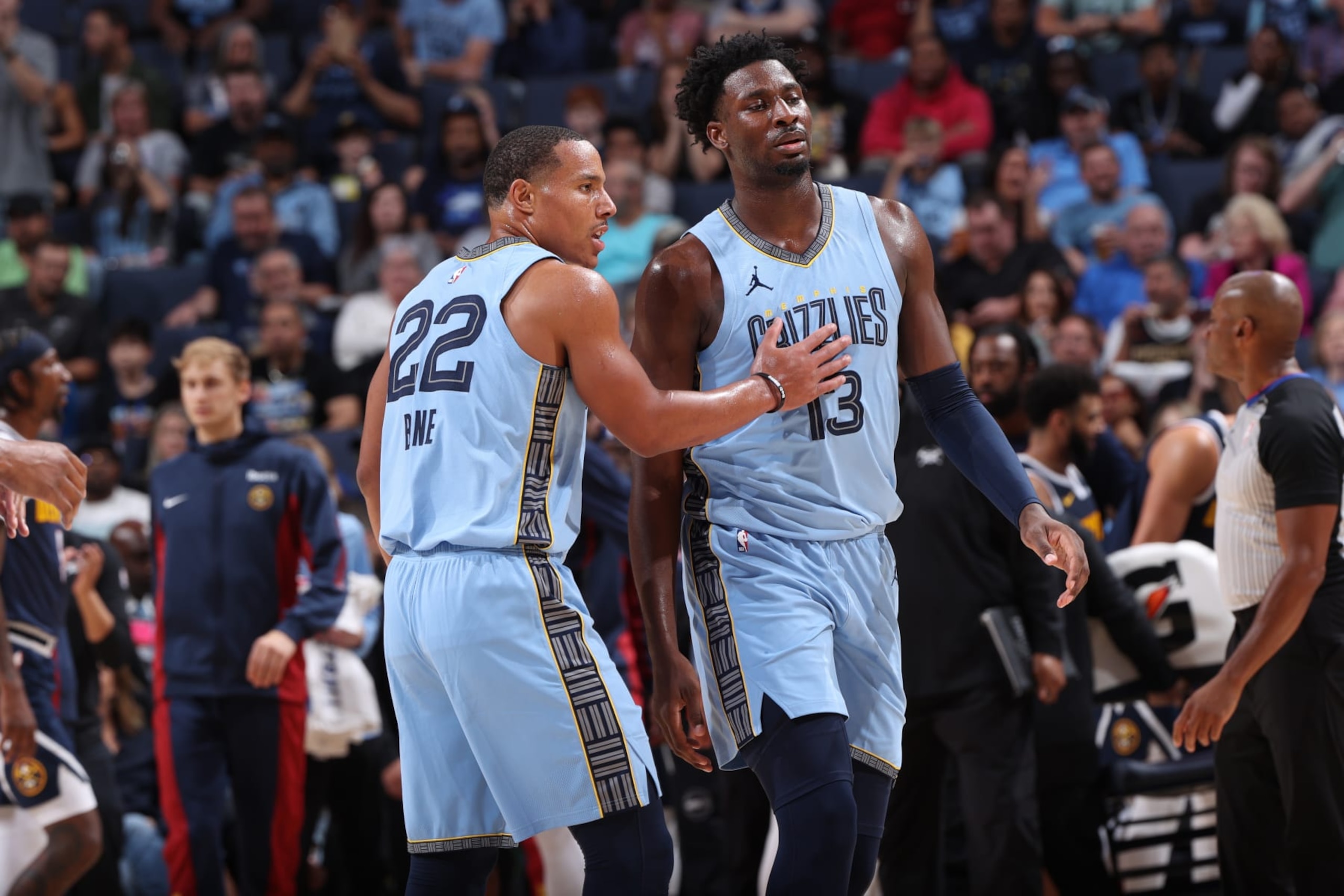
Jacob Gilyard, Marcus Smart, Desmond Bane, Jaren Jackson Jr., Bismack Biyombo
The Grizzlies have rolled out six different starting lineups already, which is apparently what you do when your best player (Ja Morant) is suspended and your top two centers (Steven Adams and Brandon Clarke) are injured. The expiration date on this quintet may have already passed, too, as Gilyard, who's on a two-way contract, came off the bench his last time out.
These five at least looked great together (plus-21.3), especially if you could convince yourself that three-game, 28-minute samples were reliable. Give them more floor time, though, and you'd start to see all the limitations, like shot-creation, shooting and off-the-dribble scoring.
Jackson's efficiency has tumbled, which makes some sense when he can't benefit from the defensive attention Morant normally demands. Smart was underperforming before an ankle injury forced him off the floor. Bane has laid an egg every now and then, but he has mostly handled his promotion to the No. 1 option well.
25. Utah Jazz
6 of 30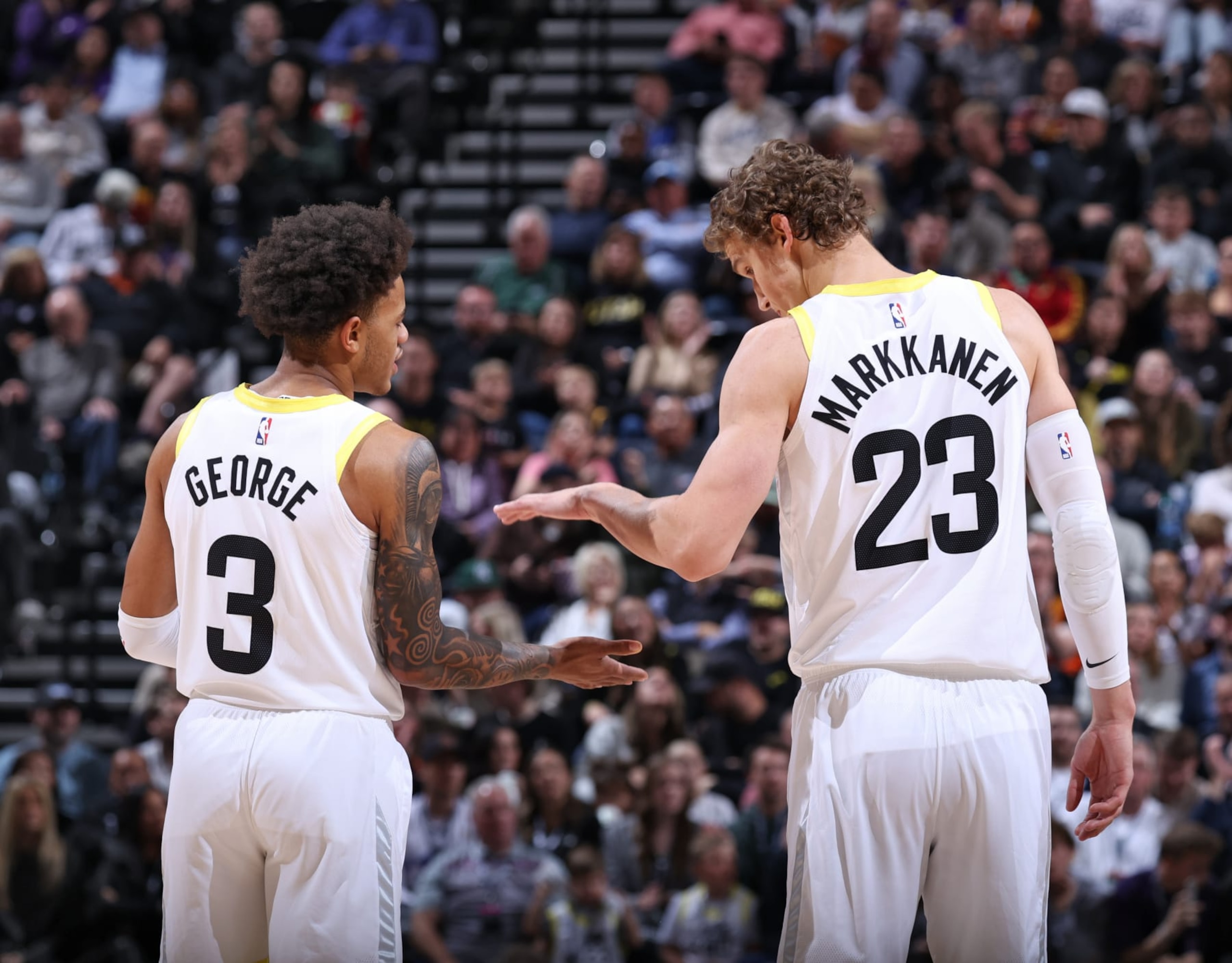
Keyonte George, Jordan Clarkson, Ochai Agbaji, Lauri Markkanen, John Collins
Deciding which Jazz lineup to highlight was tricky, because a key player would've been excluded no matter which was chosen. This group obviously leaves out Walker Kessler, who was having a relatively quiet start but would clearly have control of the interior if an elbow injury hadn't gotten in the way.
But excluding Kessler meant including George, who seems in line for a lengthy audition to show whether he can be this group's point guard of the present and future. So far, he's nailing it. He's struggled with his shot (36.6/29.8/79.2), but that feels forgivable when his playmaking is so far ahead of schedule (70 assists against 27 turnovers).
Beyond the rookie, this lineup hasn't had many surprises—in a good way. Markkanen is angling for a second consecutive All-Star nod, Clarkson keeps getting buckets, Collins has rediscovered his outside shot (44.7 percent) and Agbaji is doing fine in his three-and-D role. It would help if this group could get a stop every once in a while, though.
24. Charlotte Hornets
7 of 30
LaMelo Ball, Miles Bridges, Brandon Miller, Gordon Hayward, Mark Williams
Charlotte's preferred first five is currently unknown. It probably features Ball, Hayward and Williams, but what about those last two spots? Does Terry Rozier get his starting gig back once his groin strain is behind him? Was Monday's decision to start Bridges over P.J. Washington a permanent change?
It's all way too early to tell. Just like it's way too early to know how much this group's hot start actually means. This lineup has bulldozed opponents by 29.8 points per 100 possessions so far, but it's only spent 32 minutes together, so is any of this sustainable? This ranking shows our skepticism.
There's a good amount of skill overlap between Bridges, Miller and Hayward, a good number of turnovers from Ball and, when Nick Richards is healthy, a good amount of volatility in Williams' role. Maybe these Hornets have some sting to them, but we'll need more than three outings to be fully swayed.
23. Brooklyn Nets
8 of 30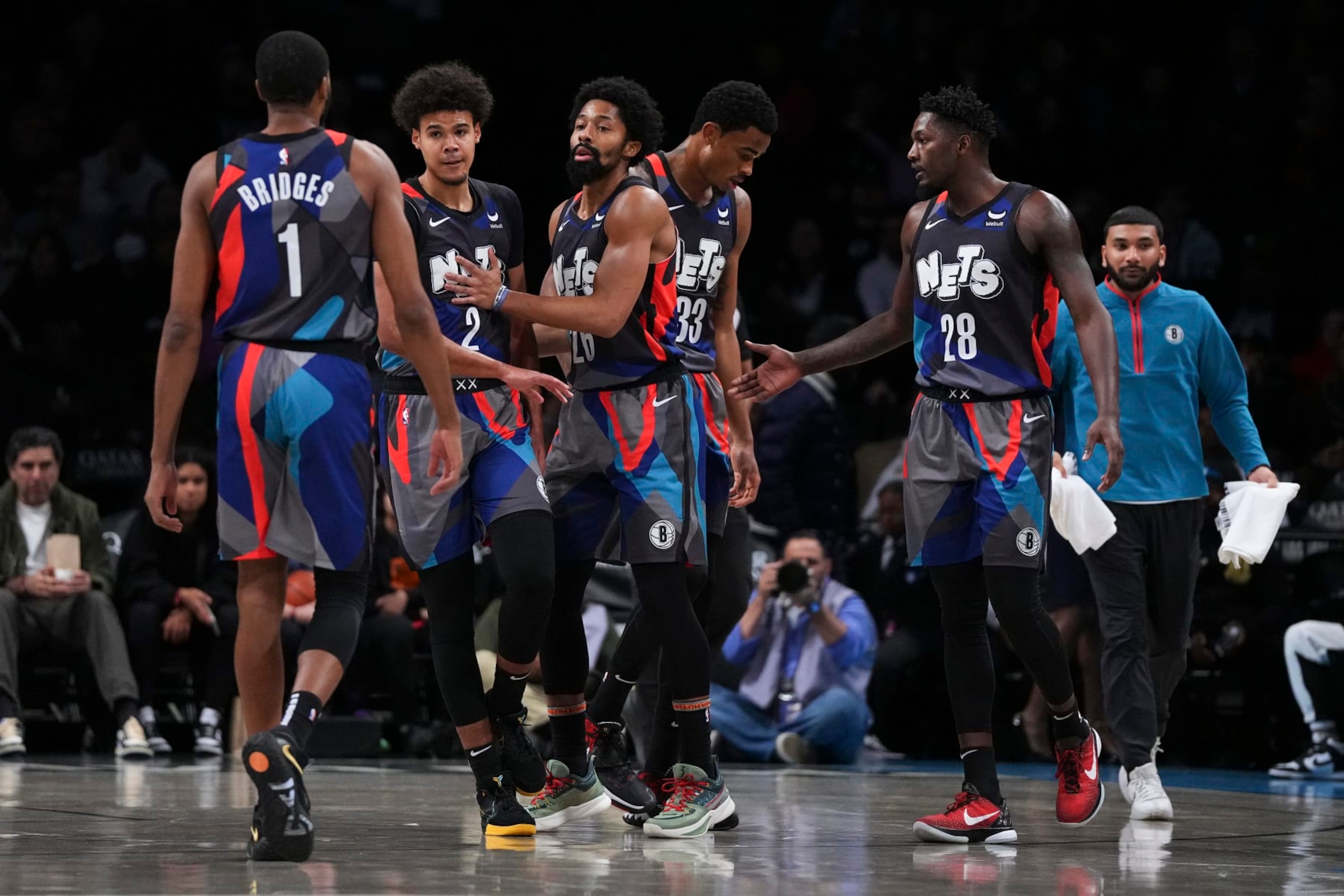
Spencer Dinwiddie, Mikal Bridges, Dorian Finney-Smith, Cameron Johnson, Nic Claxton
This probably isn't the Nets' preferred starting five, but chances are we haven't seen that lineup yet. They've yet to have Johnson in the same starting group as breakout scorer Cam Thomas, and it's anyone's guess how and where Ben Simmons will fit whenever he gets over his left lower-back impingement.
This unit has looked great on both ends, though, for whatever that's worth (plus-10.0 net rating). Given the minuscule sample size (41 minutes over four games), that probably isn't worth much.
The Nets have length, but they lack size. They have capable shooters, but without Thomas, they don't really have anyone opponents fear off the dribble. It'd help if Bridges found whatever formula he stumbled into after his arrival at last season's trade deadline, but if he's closer to good than great, Brooklyn could be in trouble.
22. Indiana Pacers
9 of 30
Tyrese Haliburton, Bennedict Mathurin, Bruce Brown, Obi Toppin, Myles Turner
The numbers aren't as high on this lineup as our eye test is.
Much like the Pacers as a whole, this group scores a ton of points and allows a ton of points. The difference is that while the team manages to hold its head above water, this bunch does not, posting a minus-2.8 net rating due to entirely to its defensive generosity (121.5 points allowed per 100 possessions).
Still, the pieces align in ways that make you believe better days are coming. The lineup is bookended by perhaps the league's best passer in Haliburton and one of its best paint protectors in Turner. In between, Indiana has finishers in Mathurin (who'd be super interesting if he ever found his outside shot) and Toppin (ditto) and a two-way connector in Brown.
21. Chicago Bulls
10 of 30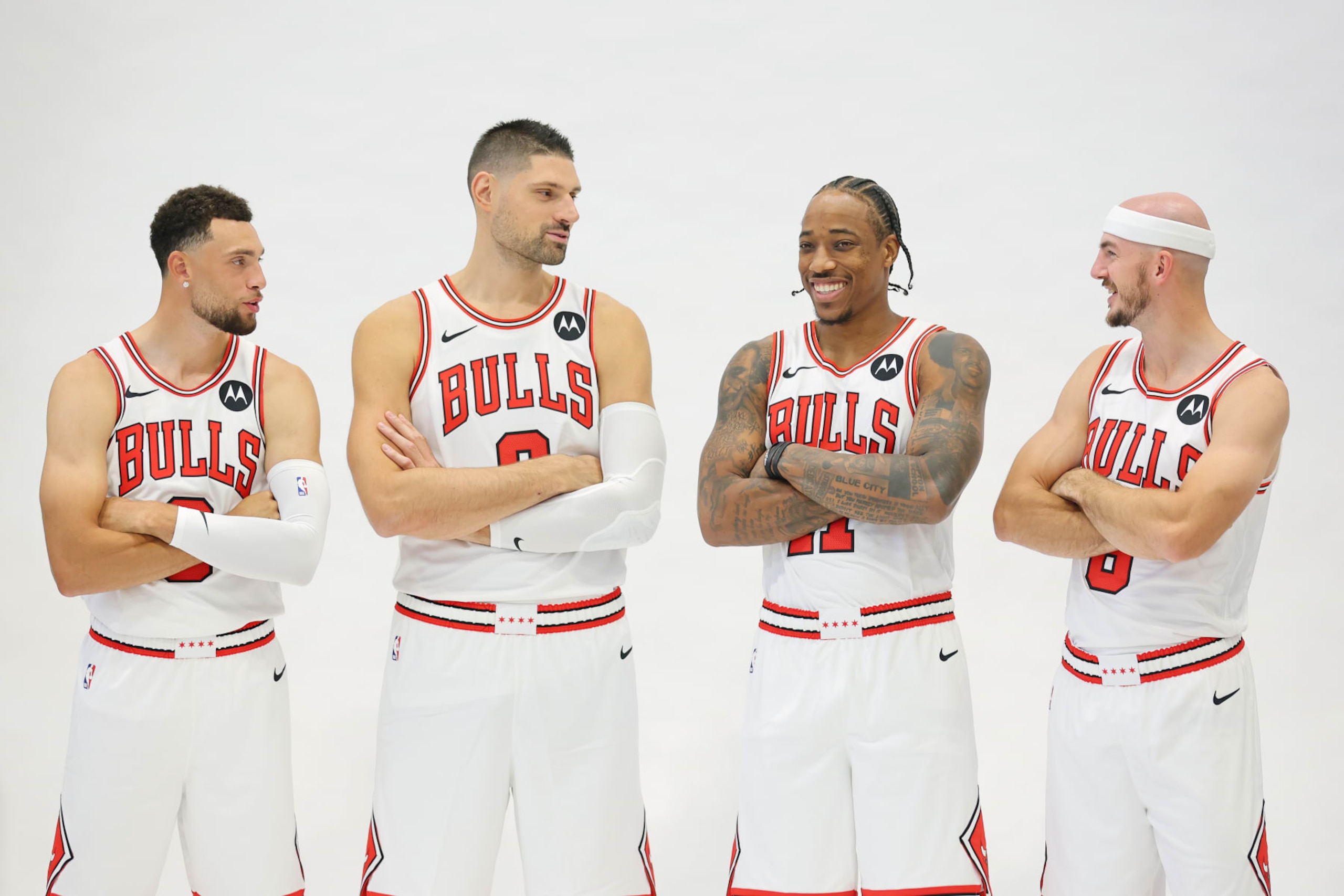
Coby White, Alex Caruso, Zach LaVine, DeMar DeRozan, Nikola Vučević
From a franchise standpoint, the Bulls are a mess. In terms of a starting five, though, they're fine.
Moving Caruso into the mix was a no-brainer decision given Patrick Williams' regression and Torrey Craig's shooting woes. Caruso is the closest player they've had to a two-way connector since Lonzo Ball went down, so it makes sense to see if he can provide any kind of spark before the inevitable tear-down begins.
To that end, this quintet has done nothing to dispel the idea this group has already bumped into its ceiling and requires a full reset. In 114 minutes, it has a minus-0.8 net rating, which feels like an appropriate number to capture this era of stuck-in-the-middle hoops in the Windy City.
20. Atlanta Hawks
11 of 30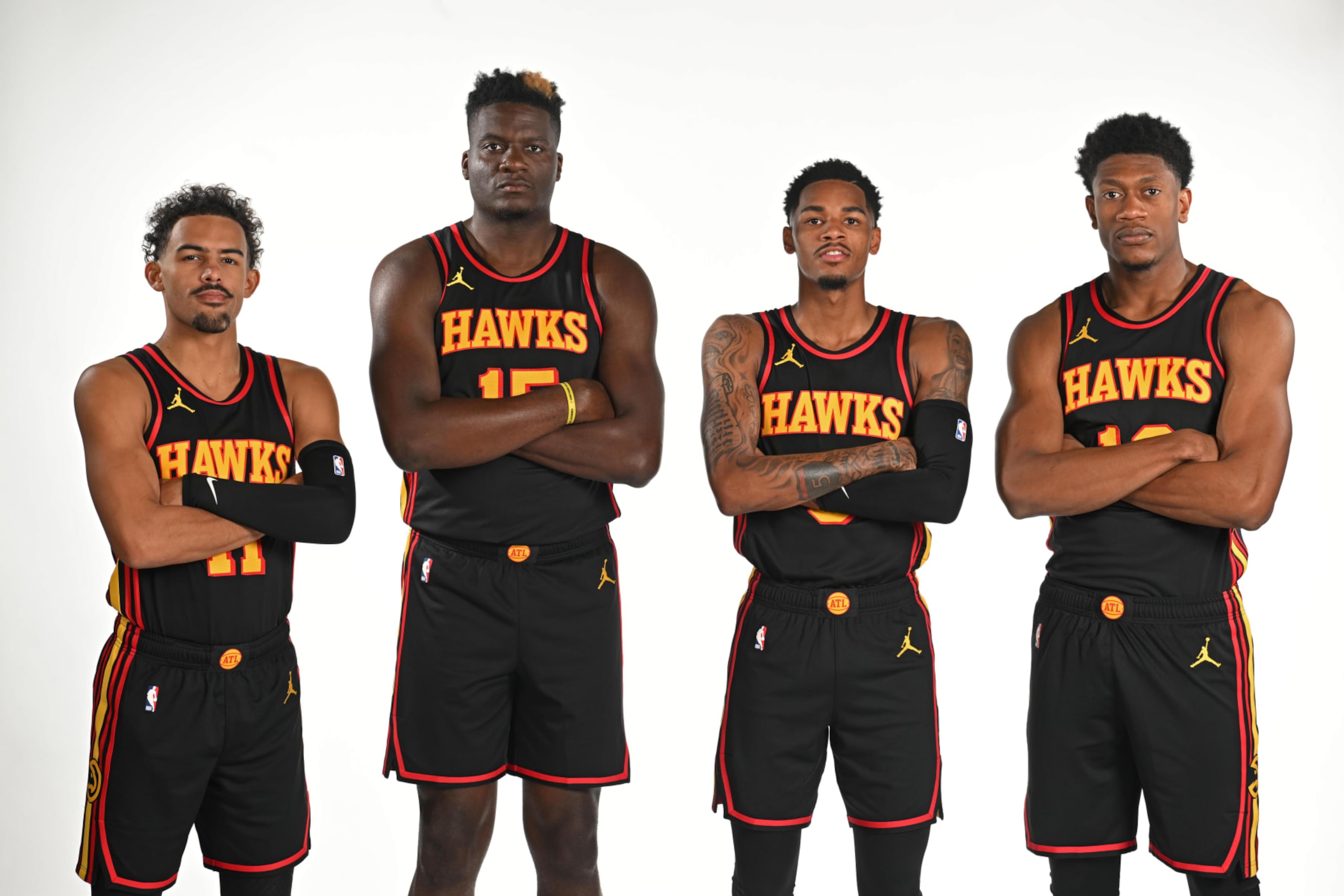
Trae Young, Dejounte Murray, De'Andre Hunter, Jalen Johnson, Clint Capela
This ranking feels a touch too low for the perpetually mediocre Hawks, but the numbers won't let it climb any higher. Atlanta's first five has landed in the red (minus-2.1 net rating), and its offense is actually to blame.
Now, you could frame that as a good thing, since the Hawks have routinely ranked as one of the Association's better attacks throughout Young's tenure. However, Capela and Hunter don't offer creation, Johnson's career rates are dubious of his strong shooting start (60.8/44.1/73.1) and Young's shooting marks have failed to impress since Murray's arrival.
If these five keep defending at a high level (110.2 defensive rating, would rank ninth), they might make this ranking look low in hindsight. However, there are reasons to believe they could regress on that end and reasons to wonder whether this offense can come alive in ways to offset that.
19. Toronto Raptors
12 of 30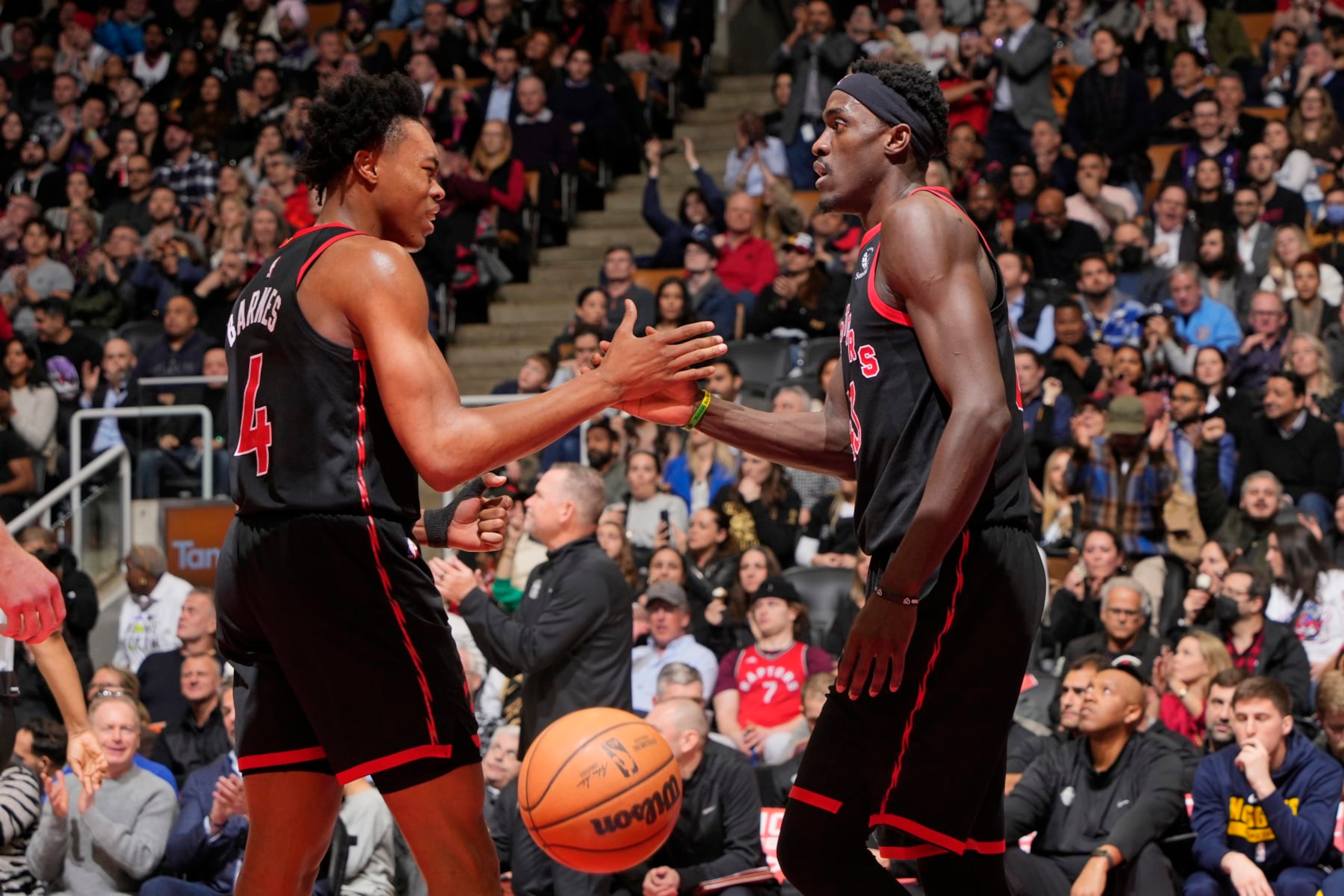
Dennis Schröder, OG Anunoby, Scottie Barnes, Pascal Siakam, Jakob Poeltl
The Raptors can—and maybe should—self-destruct this trade season, but if the front office pulls the plug, it won't be due to the play of this lineup.
This group has paired a good-enough offense with a dominant defense to post a plus-8.1 net rating over 115 minutes. It's short on shooting and not super threatening on isolation plays, but the sum of its individual parts is great enough to overlook some of the whole's shortcomings.
Barnes has a cooled a bit from his scorching hot start, but his do-it-all (including hitting threes now!) skills are hugely helpful no matter if Toronto is pushing for the playoffs or resetting the roster around him.
18. New Orleans Pelicans
13 of 30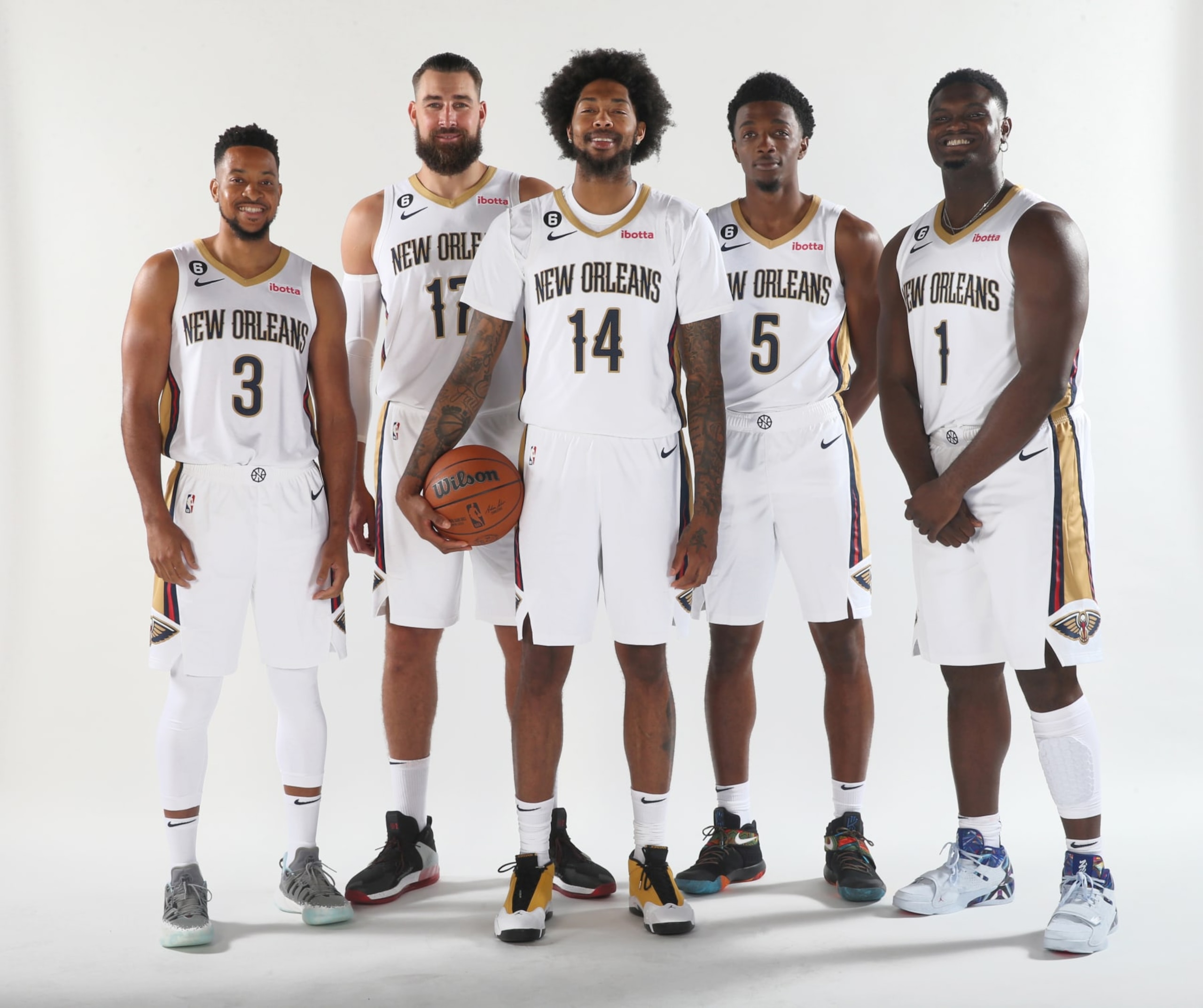
CJ McCollum, Brandon Ingram, Herbert Jones, Zion Williamson, Jonas Valančiūnas
This is a fun, functional group in theory, but in practice, it's never quite clicked. Maybe that's because injuries have limited it to such a short run together. As we speak, McCollum is on the mend from a collapsed lung.
These five have logged just 41 minutes together this season, and they weren't particularly productive. The Pels posted a minus-12.2 net rating, surprisingly struggling mostly on the offensive end, where they managed a meager 98.9 offensive rating.
New Orleans should expect much better offensive results going forward, but can the defense hold up? That has always been the question in the Crescent City, as Jones is the lone impact defender of the bunch.
17. Houston Rockets
14 of 30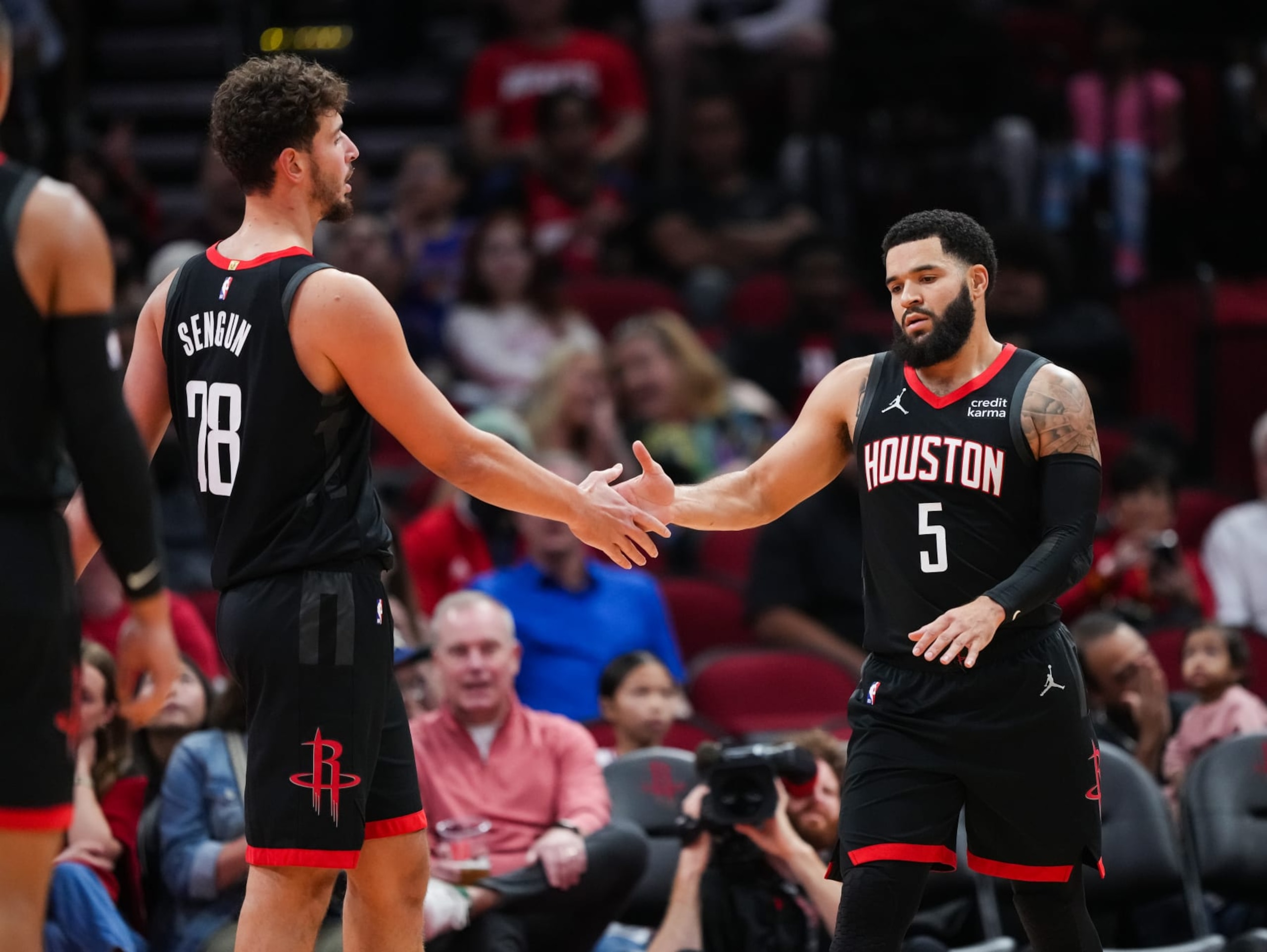
Fred VanVleet, Jalen Green, Dillon Brooks, Jabari Smith Jr., Alperen Şengün
The Rockets are doing everything they can to silence those skeptical of their summer spending. It's too early to say Houston has the last laugh on its doubters, but things are at least trending that direction.
And that starts with Space City's starters. These five have routinely trounced over any and everything in their path, racking up a hulking plus-13.0 net rating over 189 minutes. Şengün, an early favorite in the Most Improved Player Award race, has the offense humming, while VanVleet, Brooks and new head coach Ime Udoka have gotten the defense going.
Now, the stats are better than this ranking, so we have questions about sustainability here. Brooks' 50.8/50.0/82.1 shooting slash is a prime candidate for regression, for instance. And who knows whether the young Rockets will stay committed on the defensive end over the course of this 82-game marathon. It's still a start worth celebrating, though, even if it may not have a ton of staying power.
16. Orlando Magic
15 of 30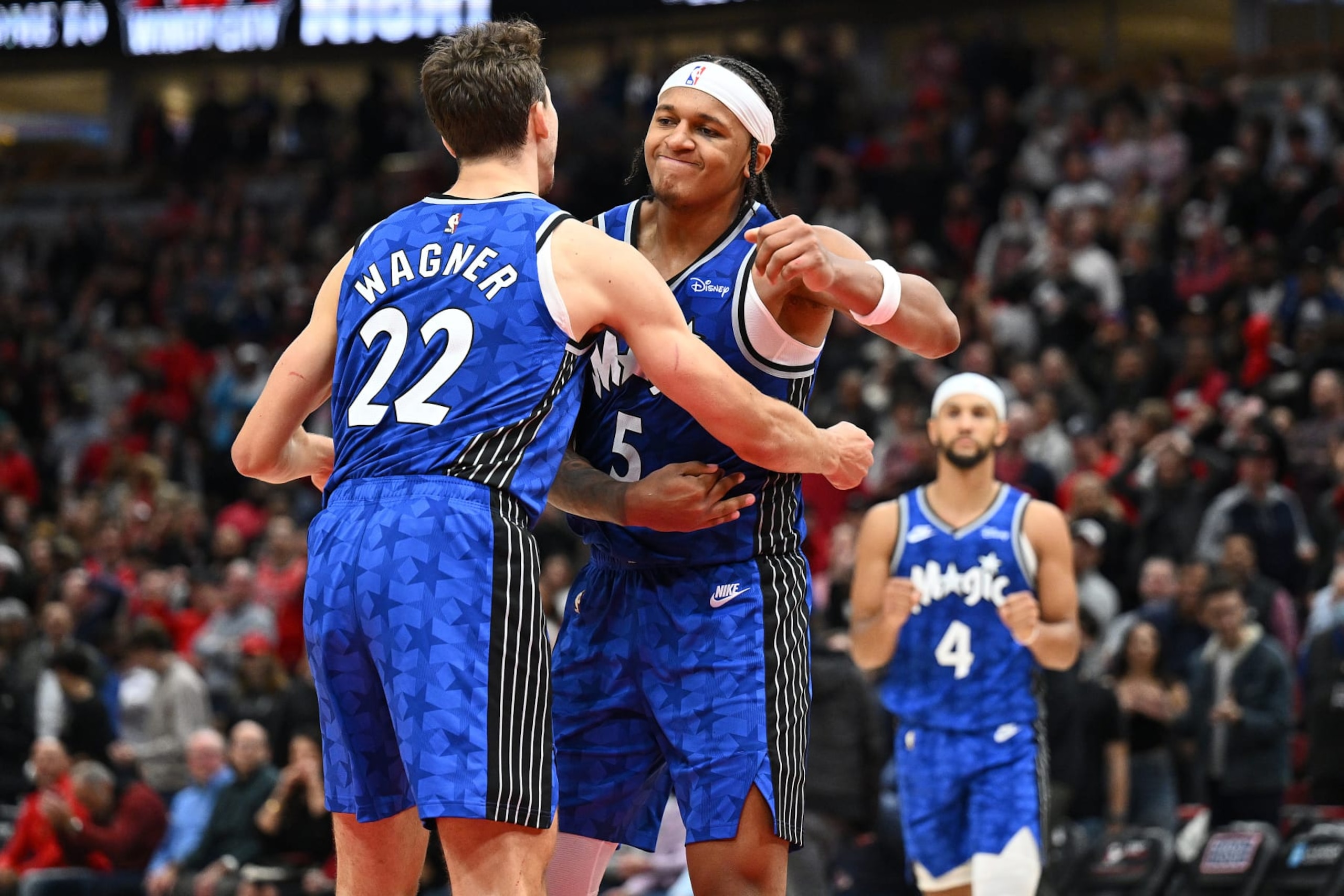
Markelle Fultz, Jalen Suggs, Franz Wagner, Paolo Banchero, Wendell Carter Jr.
The Magic spent the final four months of last season signaling that a 2023-24 breakout could be in the works. So far, they're looking quite prophetic.
Orlando is up to No. 2 in defensive efficiency, and this lineup is a big reason why. While injuries have limited it to just 78 minutes over four games, Orlando's opposition got next to nothing in those contests. With these five on the floor, the Magic have yielded just 95.1 points per 100 possessions.
Now, the offense hasn't been great (or even good—105.4 offensive rating), but it should be at least functional and maybe something much better than that. Wagner and Banchero are rising stars on that end, Suggs has never shown more promise there, Fultz is a handful when he gets downhill, and Carter, when healthy, helps connect the dots. Keep an eye on this group whenever it gets whole again.
15. Golden State Warriors
16 of 30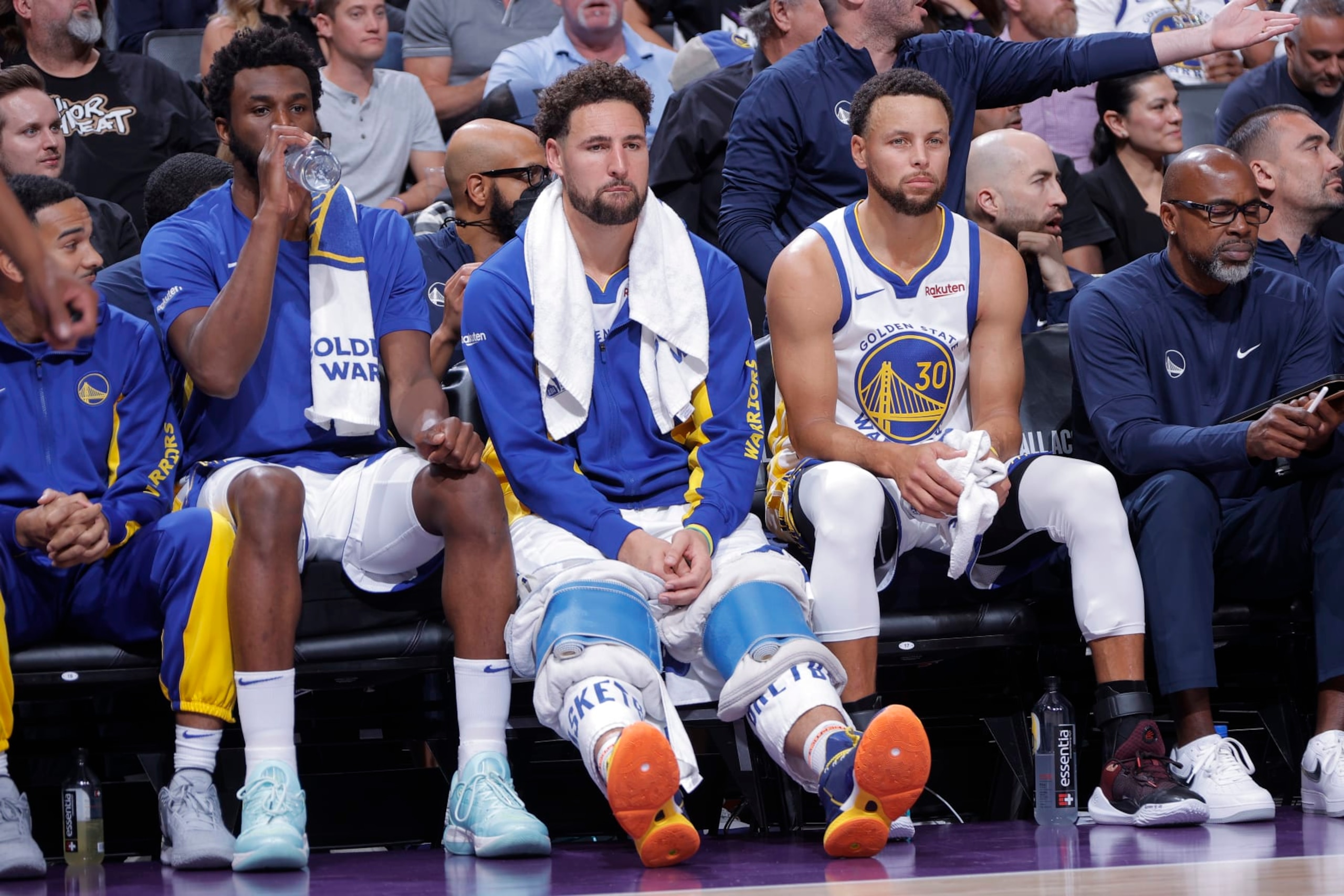
Stephen Curry, Klay Thompson, Andrew Wiggins, Draymond Green, Kevon Looney
This season's Dubs don't deserve this ranking. But one choppy month (minus-14.4 net rating) hasn't zapped our mind of the image of these five players steamrolling everything in their path the past few seasons.
Their previous accomplishments will only go so far if Wiggins and Thompson continue to struggle on the offensive end. For now, though, we're at least open to the idea of this previously dominant lineup (plus-21.9 net rating last season) dominating again.
Curry appears in MVP form (30.4 points on 48.4/45.3/93.1 shooting), and his greatness impacts players around him like few others' can. If Thompson and Wiggins simply play up to par, this lineup could be among the Association's very best yet again.
14. Los Angeles Lakers
17 of 30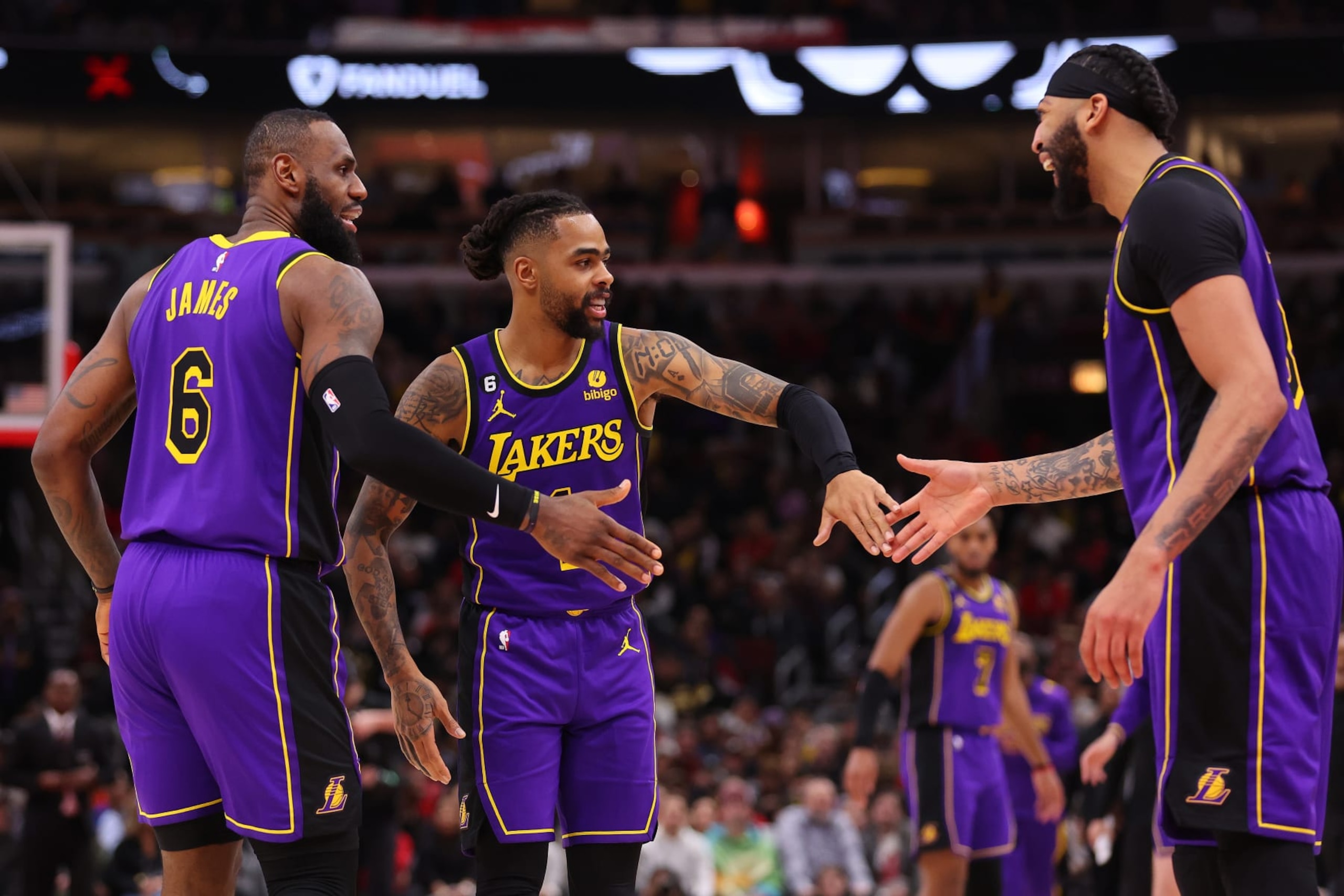
D'Angelo Russell, Cam Reddish, Taurean Prince, LeBron James, Anthony Davis
This unit embodies the story of the Lakers' season overall. James has been elite—not elite for a 38-year-old, just flat-out elite—but his supporting cast has been lacking.
Russell looks like Russell (loads of offense, not much defense), but Davis remains too inconsistent on offense to take the torch from James. Reddish has again impressed more with his physical tools than his production, and Prince's frigid shooting has failed to check the first box for his three-and-D label.
So, for as good as James has been, this lineup has been perfectly mediocre with identical marks in offensive and defensive ratings (111.5).
13. Dallas Mavericks
18 of 30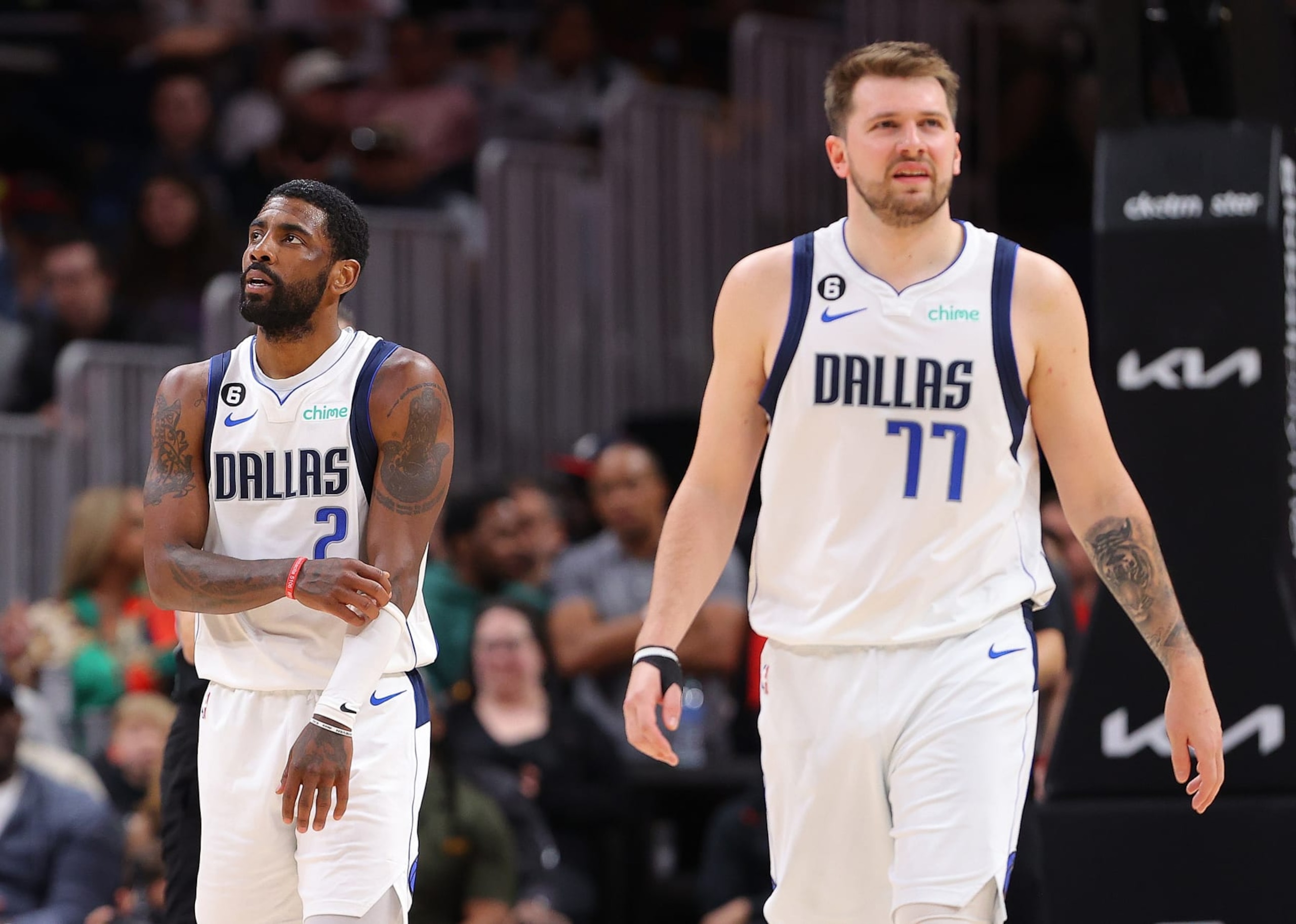
Luka Dončić, Kyrie Irving, Derrick Jones Jr., Grant Williams, Dereck Lively II
The numbers think we're being too generous here. The eye test thinks we're selling this group short.
In 89 minutes together, it has managed a disappointing minus-3.2 net rating. That's hardly any time, though, since the lineup features three players added this offseason (Jones, Williams and Lively) and a fourth acquired at last season's deadline (Irving). Give this unit room to grow, and it could rocket into the top 10—or push for the top five if everything breaks right.
Dončić and Irving are two of the league's top offensive weapons. Jones and Williams give the Mavs serious frontcourt flexibility on defense. Lively looks like a reboot of a young Tyson Chandler and has made his presence felt as a bouncy, rim-running big. These five haven't quite clicked yet, but good luck if they ever do.
12. Cleveland Cavaliers
19 of 30
Darius Garland, Donovan Mitchell, Max Strus, Evan Mobley, Jarrett Allen
After a humbling first-round exit from last season's playoffs, the Cavs fortified their roster this summer for a deeper postseason push. If the early signs are any indication, though, this group still doesn't have what it takes to compete for the crown.
There's talent, sure, but if the plan was to spawn a superstar to pair with Mitchell (who looks awesome), then where is that player? Garland's numbers are down in most key categories, and Mobley has shown no signs of offensive improvement. It'd be one thing if he was simply missing outside shots, but the fact he almost never even takes them (1-of-7) makes him a wonky offensive fit with Allen.
Strus has been solid as both a shot-maker (36 percent from range) and a passer (3.8 assists), so at least that part of the plan is working. And the Cavaliers have assembled enough talent that these five still have a positive net rating (plus-0.5) even amid the issues they've encountered. This is an above-average group, but the hopes of it becoming much more have yet to materialize.
11. Miami Heat
20 of 30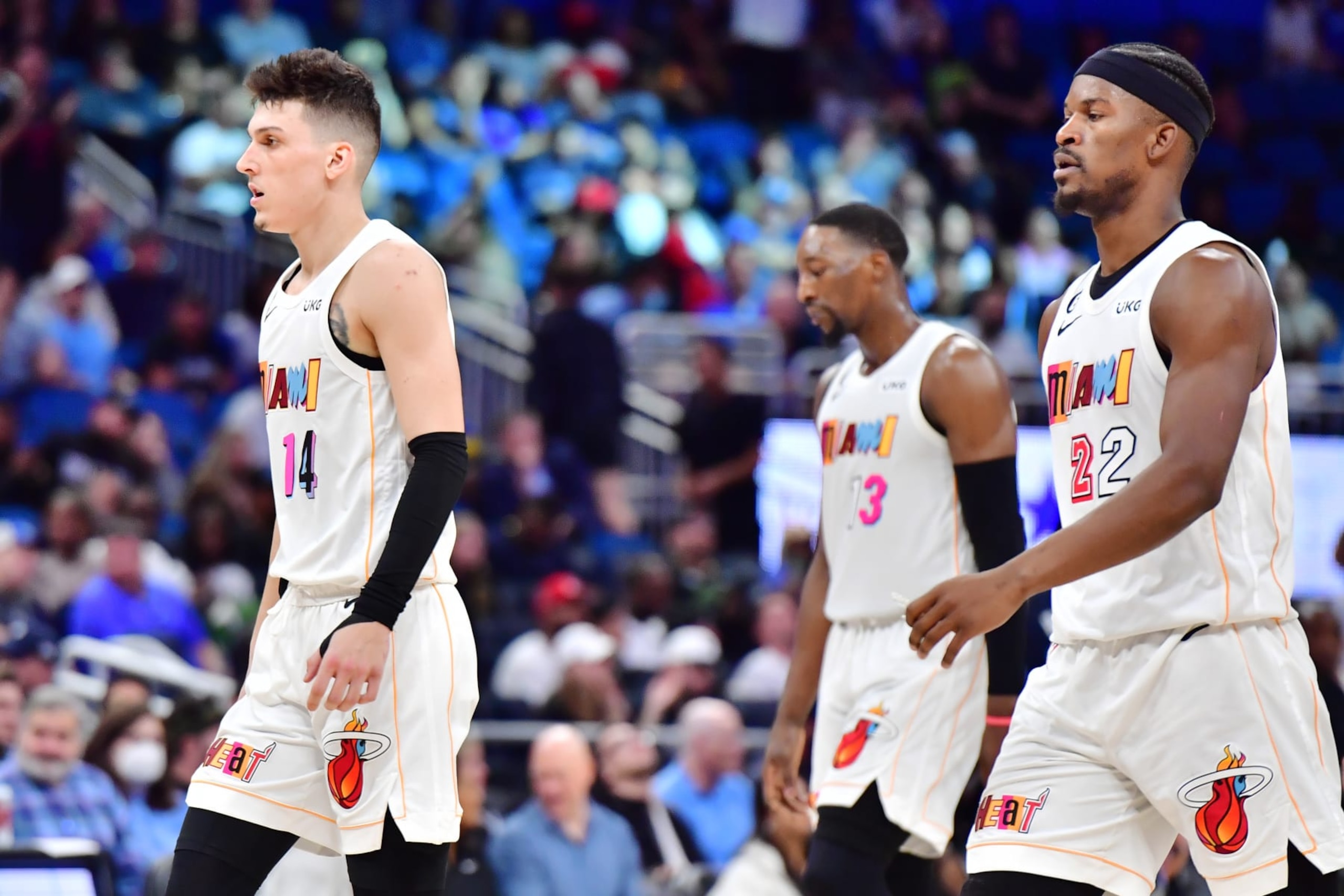
Kyle Lowry, Tyler Herro, Haywood Highsmith, Jimmy Butler, Bam Adebayo
Just like during last year's playoffs, the Heat are elevating while an injured Herro (ankle) watches from the sideline. That's not even intended as a criticism of him, as he was authoring a strong offensive season before the injury, but the fact it's happening for the second time in less than a calendar year is something at least worth mentioning.
Does that make Miami rethink his place in the starting lineup? Probably not, but the more this pattern continues, the more head coach Erik Spoelstra will have to think about.
Then again, it's not like the starters were off to a rough start with him. They had thumped opponents by 13.4 points per 100 possessions, a number made all the more outrageous by the fact they were allowing 126.3 points per 100 possessions. Granted, the offense wasn't going to remain that good, but the defense wasn't going to be that bad, so maybe regression at both ends would've canceled each other out.
10. New York Knicks
21 of 30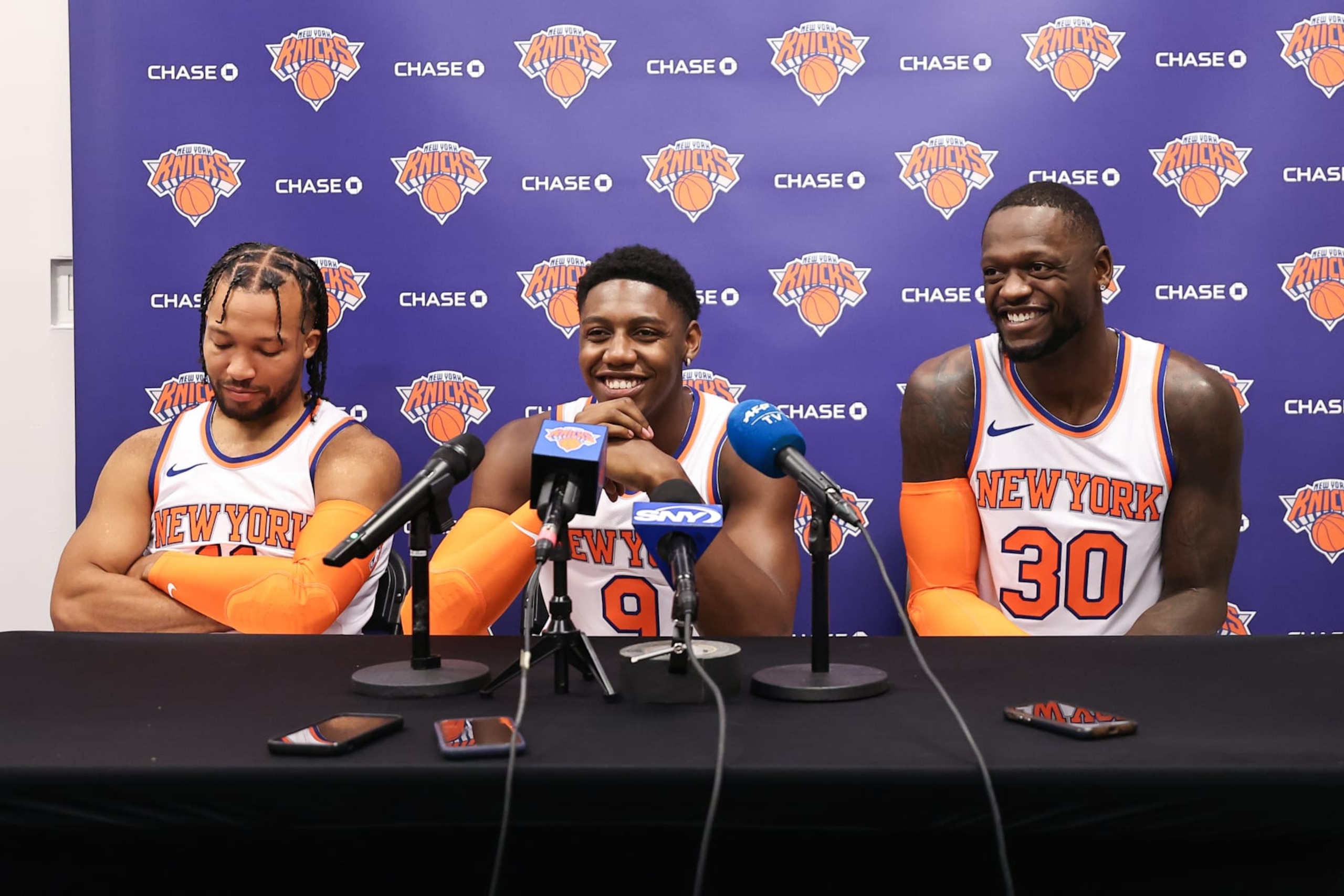
Jalen Brunson, Quentin Grimes, RJ Barrett, Julius Randle, Mitchell Robinson
While both Randle and Grimes are shooting worse than normal, that's been about it for gripes with this group.
As for the plusses, there have been many. Like, how about the simple fact this lineup sports a plus-13.4 net rating across 131 minutes? Or that its plus-6.7 mark over 526 minutes last season ups the odds of this early success continuing? Or that Brunson (3.2 threes on 47.9 percent shooting) and Barrett (2.7 on 49.0) have been two of the best quantity-plus-quality marksmen around? Or that better conditioning and fewer fouls have helped Robinson stay on the floor for a career-high 29.8 minutes?
This isn't the kind of start that necessarily erases the Knicks' need to broker a blockbuster trade for a superstar, but it is enough to buy them time and allow them to be selective on that front. If a few of these developments—Barrett's shooting chief among them—stand the test of time, the Knicks could be closer to contending than anyone imagined.
9. Sacramento Kings
22 of 30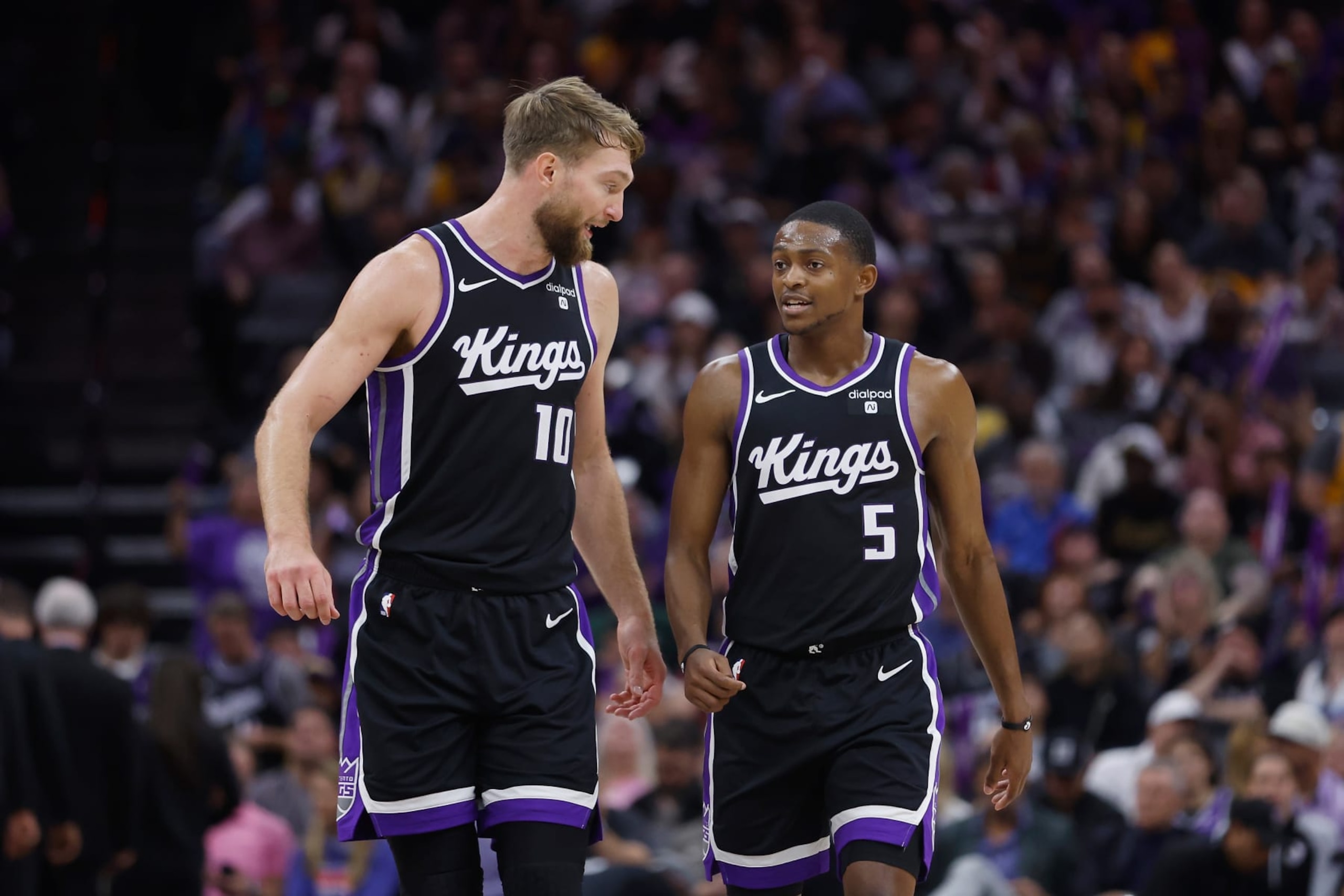
De'Aaron Fox, Kevin Huerter, Keegan Murray, Harrison Barnes, Domantas Sabonis
Fox has twice cracked the top 10 in Most Improved Player Award voting. He might be making another run at that hardware. He's been unguardable through the early going. His 29.6 points, 3.4 triples and 37.5 three-point percentage are all career highs. His 1.9 turnovers are a career low. If he keeps this up, maybe he'll add a different trophy to his collection.
"The only thing that surprises me is every list I see on these MVP things, I don't see (Fox's) name on it at all," Kings coach Mike Brown told reporters. "Now that amazes me. That surprises me, that I don't see his name mentioned on that list at all. Even when you start talking about lead guards, his name's not mentioned."
Fox has been incredible, and Sabonis has been pretty close to it. Sacramento's skilled center is on course to join Wilt Chamberlain, Oscar Robertson and Nikola Jokić as the only players to average at least 20 points, 12 rebounds and seven assists.
That one-two punch has powered the Kings' first five to an enormous plus-16.9 net rating over 122 minutes. Now, last season's plus-2.2 mark for this group over 900 minutes says that figure will fall, but last season's numbers also suggest Huerter, Murray and Barnes will play better than they have, so regression may not be a major worry for the Kings.
8. Minnesota Timberwolves
23 of 30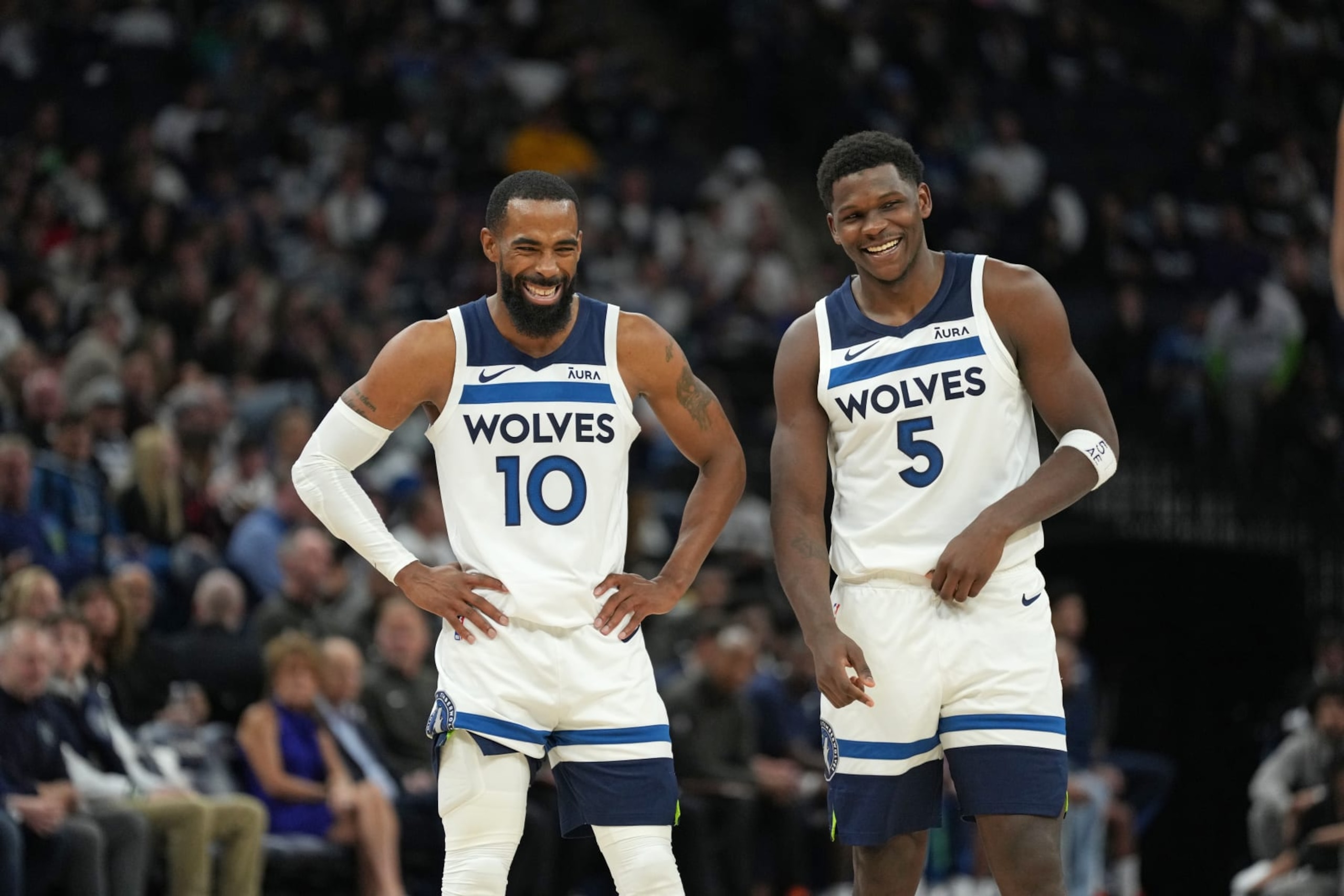
Mike Conley, Anthony Edwards, Jaden McDaniels, Karl-Anthony Towns, Rudy Gobert
While the Wolves will need a championship if they're ever going to justify the cost of the Gobert trade, this group is at least helping the vision come together.
Last season, these five managed to post a plus-6.4 net rating across 75 minutes on the strength of their defense. This season, the offensive end is most responsible for their plus-4.0 mark over 133 minutes. They essentially have a pair of go-to scorers in Edwards and Towns, a couple consistent finishers in McDaniels and Gobert and a floor general who can connect the puzzle pieces in Conley.
The Towns-Gobert fit still feels a little funky, and it may not allow either player to be the best version of himself, but there are reasons to buy what this unit is selling on both ends. They could be rubbing elbows with the league's elites all season.
7. Philadelphia 76ers
24 of 30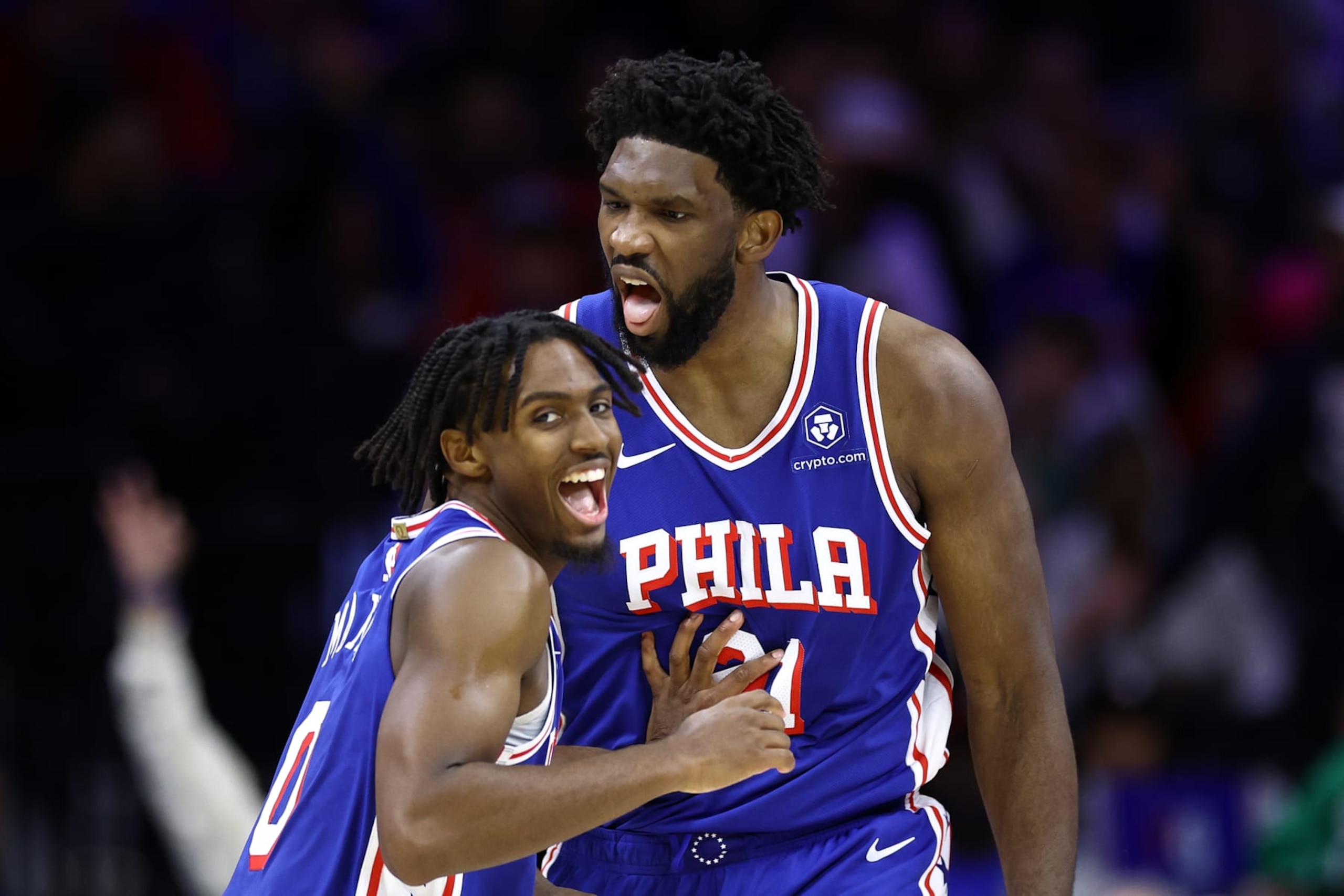
Tyrese Maxey, De'Anthony Melton, Kelly Oubre Jr., Tobias Harris, Joel Embiid
So, the stat sheet says we're too high on these five. Their defense has hemorrhaged points at an alarming rate (121.6 per 100 possessions) to the point of saddling this lineup with a negative net rating (minus-6.0). But with just 91 minutes of data, we'll trust what our eyes are seeing instead.
And from that angle, we might be selling the Sixers short.
After all, they have the reigning MVP in Embiid and perhaps the current Most Improved Player Award favorite in Maxey. Not to mention one of the better third options in the business in Harris, who's converting a preposterous 62.2 percent of his two-point shots. Tack on Melton (and his fiery 44.1 three-point percentage) and Oubre (a two-way energizer when healthy), and this lineup has just about everything you'd want.
6. Phoenix Suns
25 of 30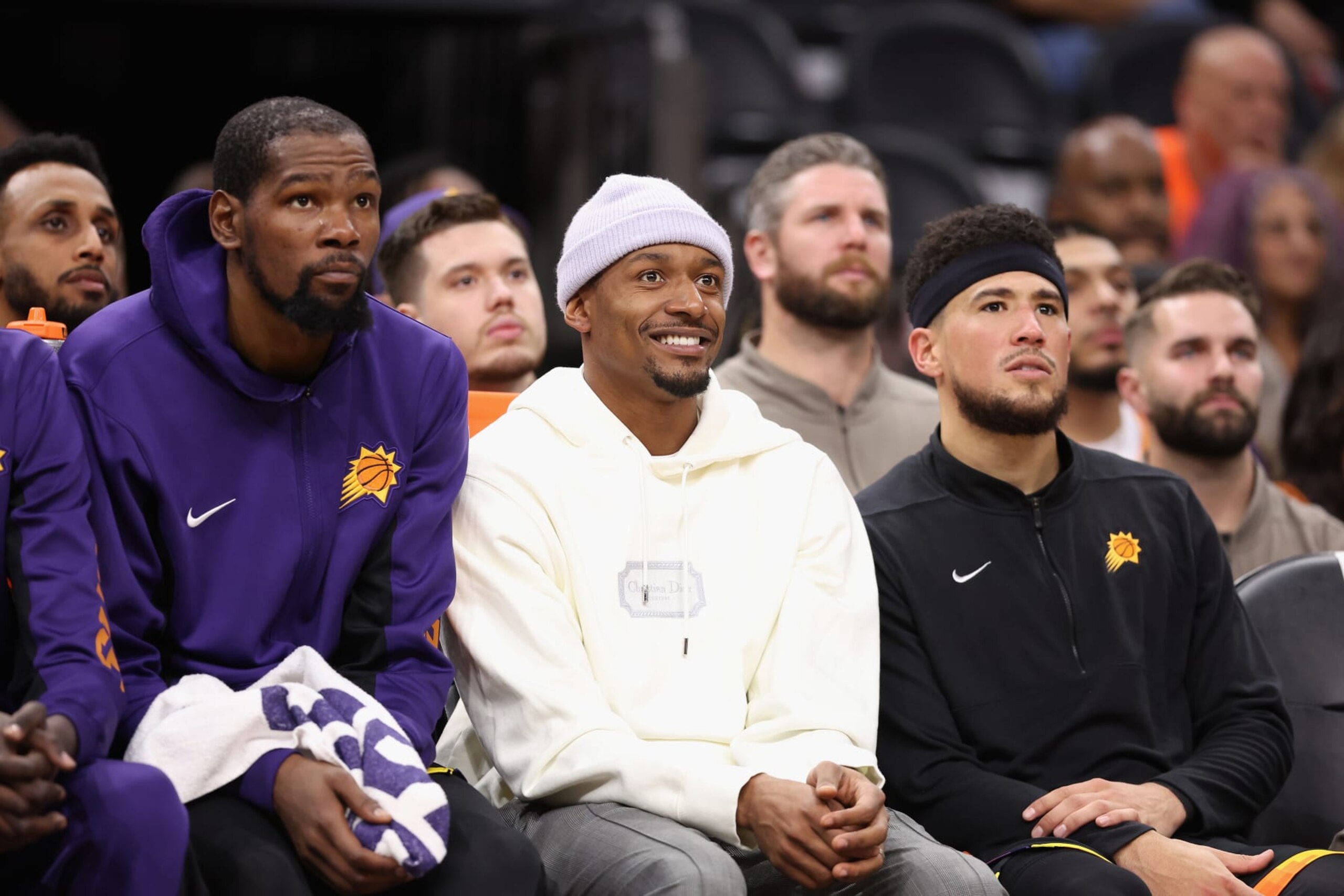
Devin Booker, Eric Gordon, Grayson Allen, Kevin Durant, Jusuf Nurkić
The Suns are top-heavy by design, as they're banking on the collective talents of Booker, Durant and Bradley Beal being enough to overwhelm opponents. Strip one of those players away, though, and you start to see the flaws in this setup.
But as long as Booker and Durant are on the floor, Phoenix still has two of the 10 best players in the league (in our view, at least). Each is a matchup nightmare on his own, but combined, they are the proverbial unstoppable force. When flanked by the three players listed above, they've averaged an absurd 137.9 points per 100 possessions.
Gordon, Allen and Nurkić are all average-to-worse starters, but because Booker and Durant are involved, that merely keeps the Suns from the snagging a top-five spot.
Editor's note: As explained on the intro, a lineup with Beal, Booker and Durant was not eligible for this list because those three have not played together yet.
5. Oklahoma City Thunder
26 of 30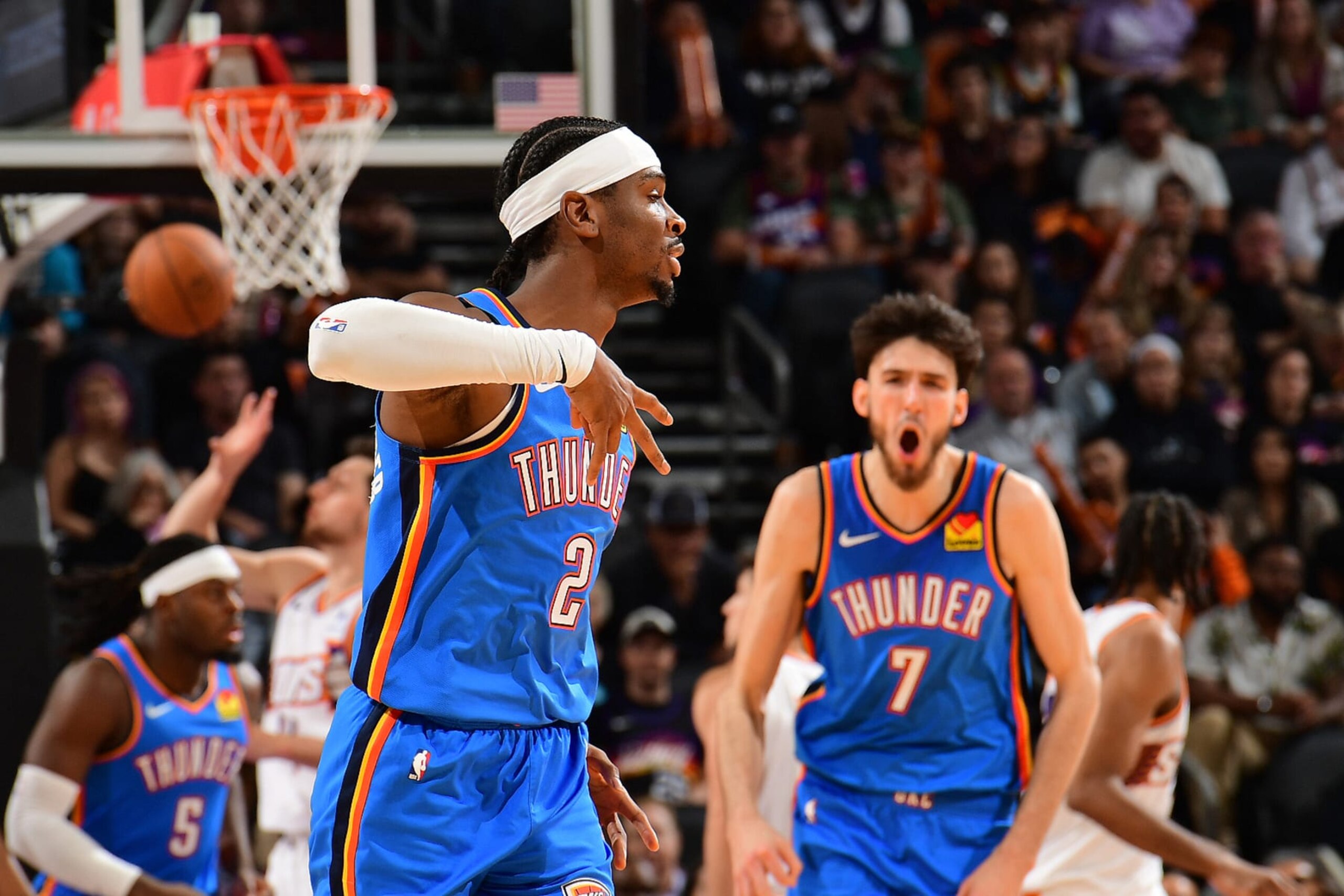
Shai Gilgeous-Alexander, Josh Giddey, Lu Dort, Jalen Williams, Chet Holmgren
With the best draft pick collection in the business and more prospects than they can play, the Thunder have long loomed as a likely candidate in any superstar swap. Yet they've practiced patience at every turn, and it's getting more obvious why. Rather than coughing up assets in exchange for a plug-and-play star, OKC has fueled its own acceleration by spawning a batch of good-to-great young players.
"The reason we're so hell-bent on developing the roster is because we want to have a lot of success for a long time," Thunder coach Mark Daigneault told ESPN's Tim MacMahon. "... We're willing to be measured in that process and we're willing to be patient in that process if it's going to yield a longer runway or a higher ceiling."
Patience may no longer be required. One year after turning heads with a 40-win season, the Thunder might already be on the verge of crashing the championship party, and their opening quintet is the biggest reason why. They have scoring and creation, perimeter defense and paint protection, skills and smarts beyond their years—anything needed to win a game (or multiple playoff series?) is in their arsenal.
They have so far throttled opponents by 8.9 points per 100 possessions, and this is only the beginning. Their upside is truly terrifying for anyone residing outside of the Sooner State.
4. Milwaukee Bucks
27 of 30
Damian Lillard, Malik Beasley, Khris Middleton, Giannis Antetokounmpo, Brook Lopez
There is some benefit of the doubt driving this ranking, but it's entirely deserved until proved otherwise. Antetokounmpo is a two-time MVP who remains firmly entrenched in the best-player-on-the-planet debate. Lillard is a seven-time All-Star coming off perhaps the most productive campaign of his career. Lopez is a premier paint protector with deep shooting range.
Even if you have questions about the others—Middleton has averaged 23.1 minutes since the start of last season, Beasley is a shooting specialist who shot below 36 percent last season—that trio alone arguably warrants that ranking. Oh, and even though these five are still feeling things out, they're also posting an impressive plus-5.7 net rating over their first 76 minutes together.
Better things are almost assuredly ahead, even if (when, really) Beasley's 46.9 percent splash rate inevitably cools. Lillard won't shoot worse than 40 percent from the field and under 33 percent from distance like he is now, and his chemistry with Antetokounmpo will only improve. And Middleton, presumably, should up his floor time and shooting efficiency over the course of this campaign.
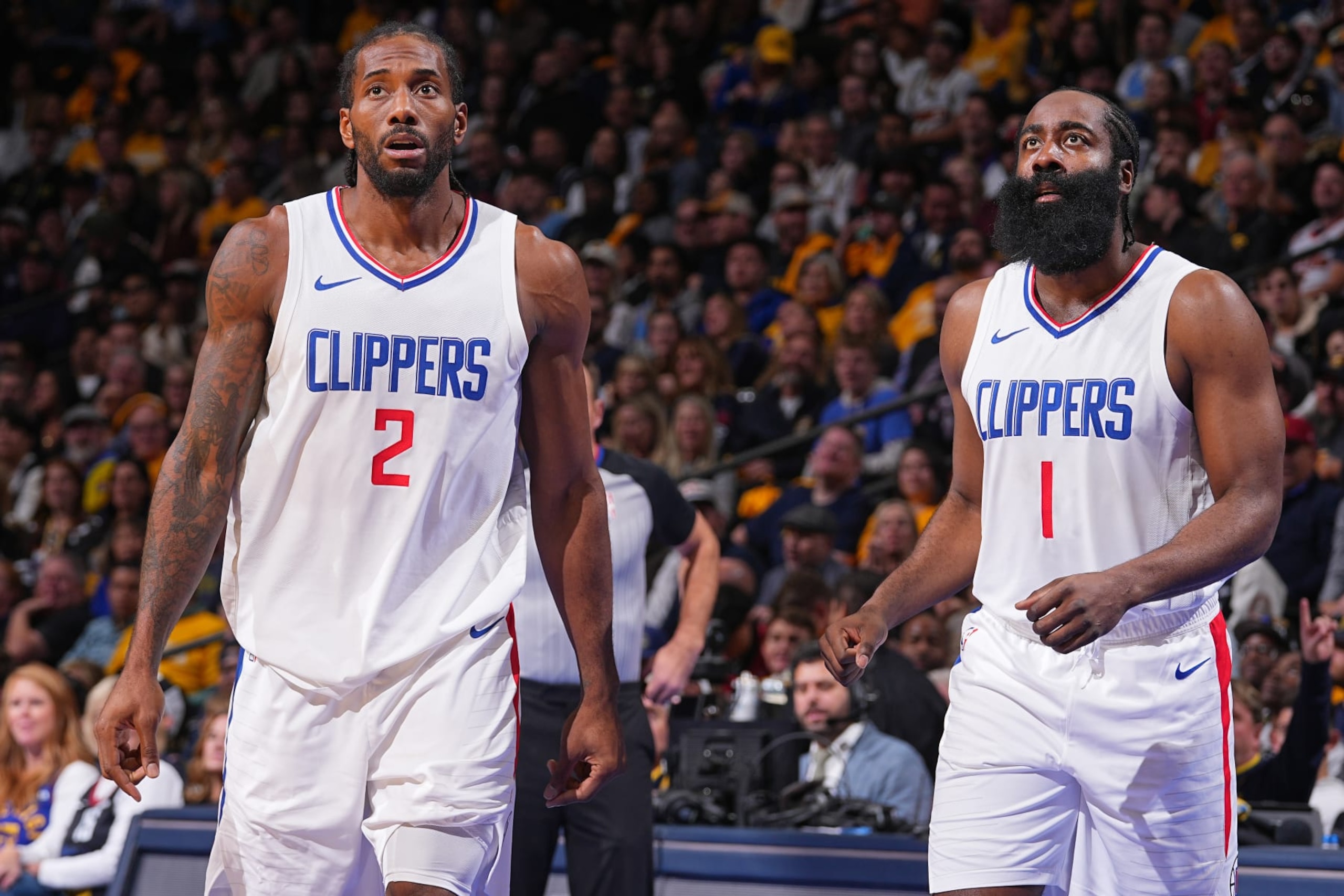
3. Los Angeles Clippers
28 of 30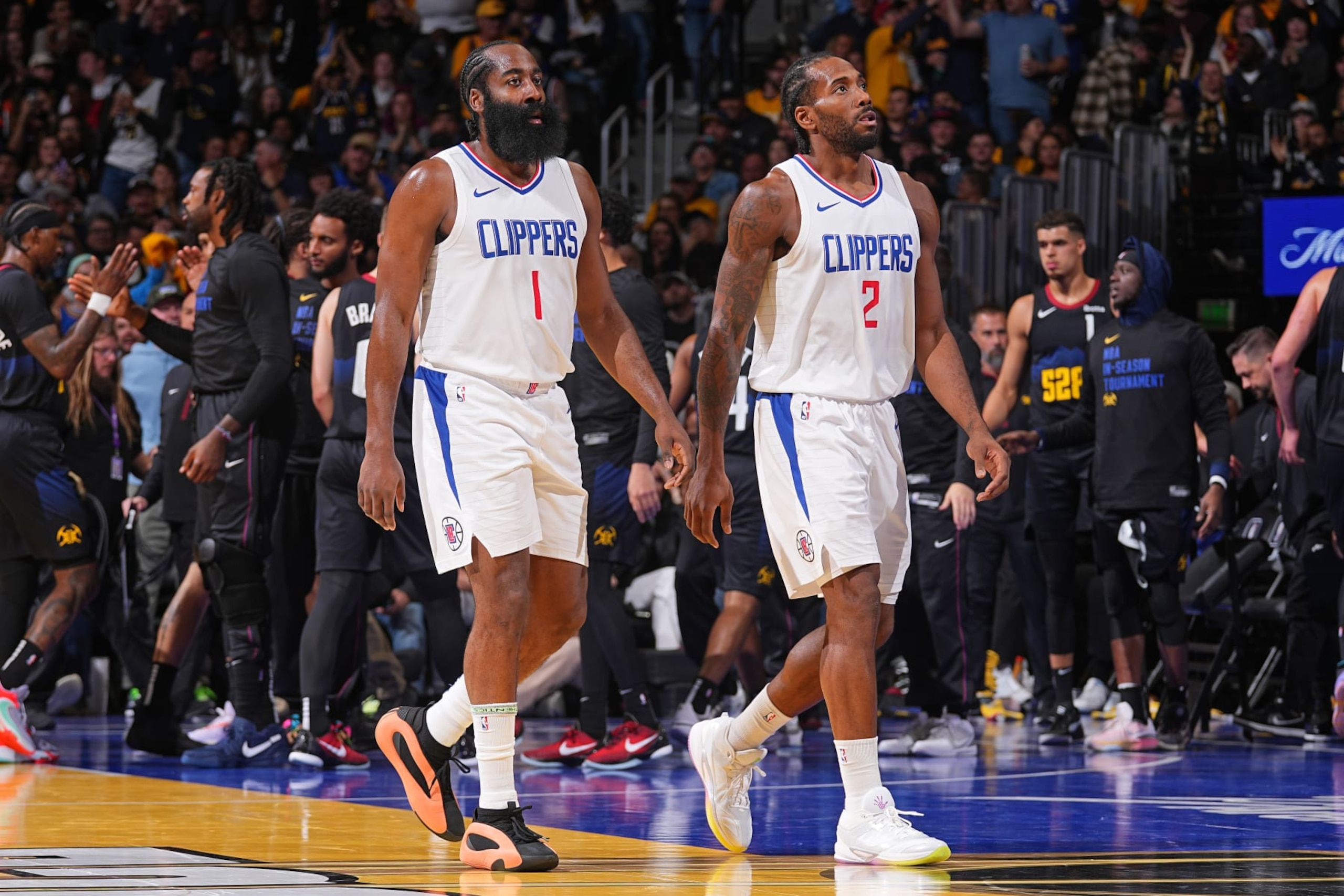
James Harden, Terance Mann, Paul George, Kawhi Leonard, Ivica Zubac
Before racing to the comments to rant about the Clippers' early struggles following the Harden trade, remember two things. One, this isn't a power ranking, so our sole focus is on the five-man pairing listed above. Two, this lineup has only started twice together, and both were wins decided by a combined 31 points.
L.A. has questions to answer and issues to sort through, still, but there are signs this team is turning the corner.
"I think we have gone through the rough patch of how to play, what it looks like and we found success in who we are," Harden told reporters.
Injuries, of course, could strike down this unit at any time, and there's no guarantee this group will show urgency from one night to the next. But it's hard to argue with the talent here. George and Leonard remain two of the league's top two-way wings, Harden is an ideal offensive complement with his shooting and table-setting, Mann's energy can liven things up, and Zubac is rock-solid up front.
2. Denver Nuggets
29 of 30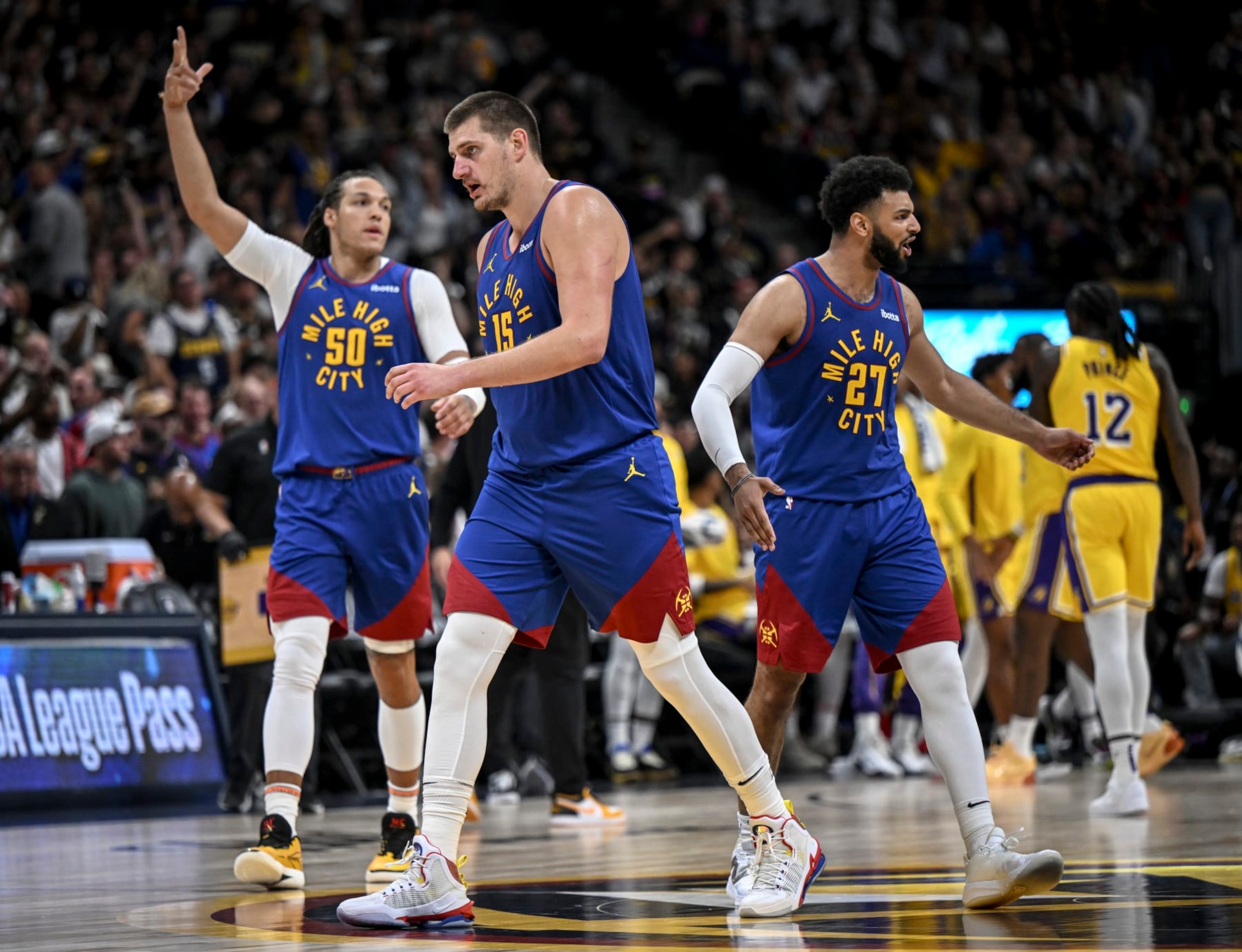
Jamal Murray, Kentavious Caldwell-Pope, Michael Porter Jr., Aaron Gordon, Nikola Jokić
This lineup just played a massive role in delivering Denver its first NBA title, so denying it the top spot isn't easy. No, it hasn't been quite as sharp (plus-5.6 net rating) as it was last season (plus-13.1), but that was a 706-minute sample, and this is compiled across only 118 minutes. It certainly has a compelling case for the No. 1 spot.
There have been a few hiccups here and there, though. Losing Murray to a hamstring injury obviously isn't ideal, particularly because his two-man actions with Jokić effectively render opposing defenses helpless. But Denver also hasn't seen the level of shooting it expected out of Jokić (29.7 percent from three) or Porter (37.7). Gordon's conversion rates are down across the board. The offense isn't quite as precise, and the defense is a pinch more leaky.
These are nitpicky issues, but when sorting through the best quintets around, you'll only find small separations. This could eventually emerge as the best lineup in basketball, but it hasn't hit that top gear yet this season.
1. Boston Celtics
30 of 30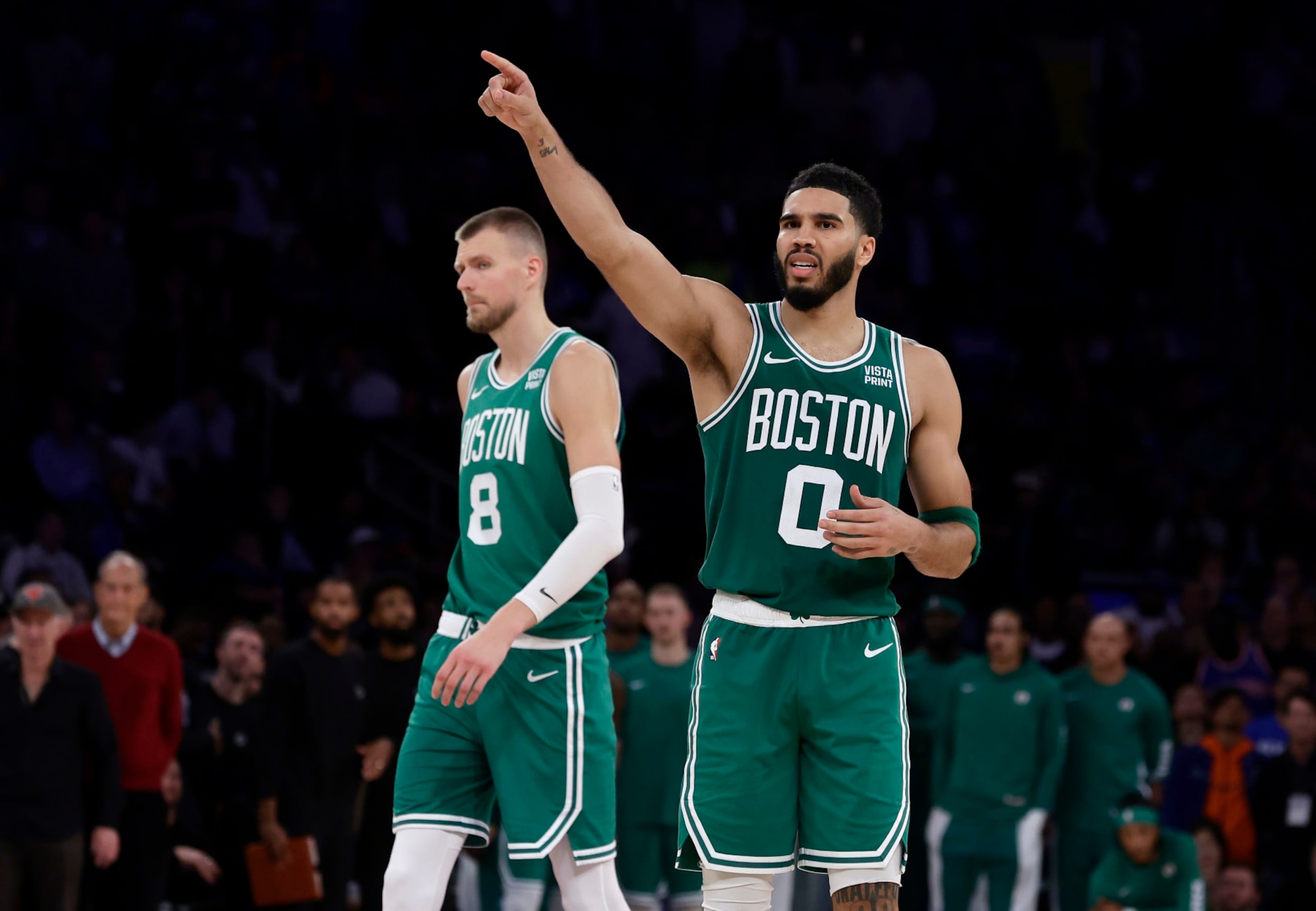
Jrue Holiday, Derrick White, Jaylen Brown, Jayson Tatum, Kristaps Porziņģis
Boston made a slew of massive moves this summer—signing Brown to the richest contract in league history, sacrificing multiple starters to acquire Holiday and Porziņģis—and it can't fully gauge their effectiveness until next June. The early indications, though, suggest this front office absolutely crushed it.
Tasking a rival coach with finding this lineup's weak spot is no different than presenting them with an unanswerable trick question. All five players can shoot, dribble and pass. All five of them play defense, too. Holiday and White were All-Defensive selections last season. Tatum, Brown and Porziņģis have all received All-Defensive votes.
It's early, but the Celtics have seemingly constructed a two-way superpower. When these five share the floor, the Shamrocks clown opponents on both ends. Their 124.1 offensive rating would be the league's best by a healthy margin. Their 95.7 defensive rating and 28.4 net rating would lead the league by a mile. When it comes to starting lineups, the stat sheet and eye test both agree this is as good as it gets.
Statistics courtesy of Basketball Reference and NBA.com and current through games played on Nov. 20.
Zach Buckley covers the NBA for Bleacher Report. Follow him on X, @ZachBuckleyNBA.

.jpg?w=2560 "4 Arrested in February Shooting of 49ers' Keion White")

.jpg?w=2560 "Top Trade Targets Entering Week 6")