
The 9 Stats of MLB's 2023 Season That Don't Make Sense
Every time you go to a Major League Baseball stadium, there's a chance you'll see something that has never been done before.
And over the course of this near-complete 2023 campaign, there have been quite a few mind-boggling season-long statistics, both by individual players and entire teams.
For instance, Miami has been absurdly good and/or lucky in nail-biters, while San Diego has been historically awful in those same close contests.
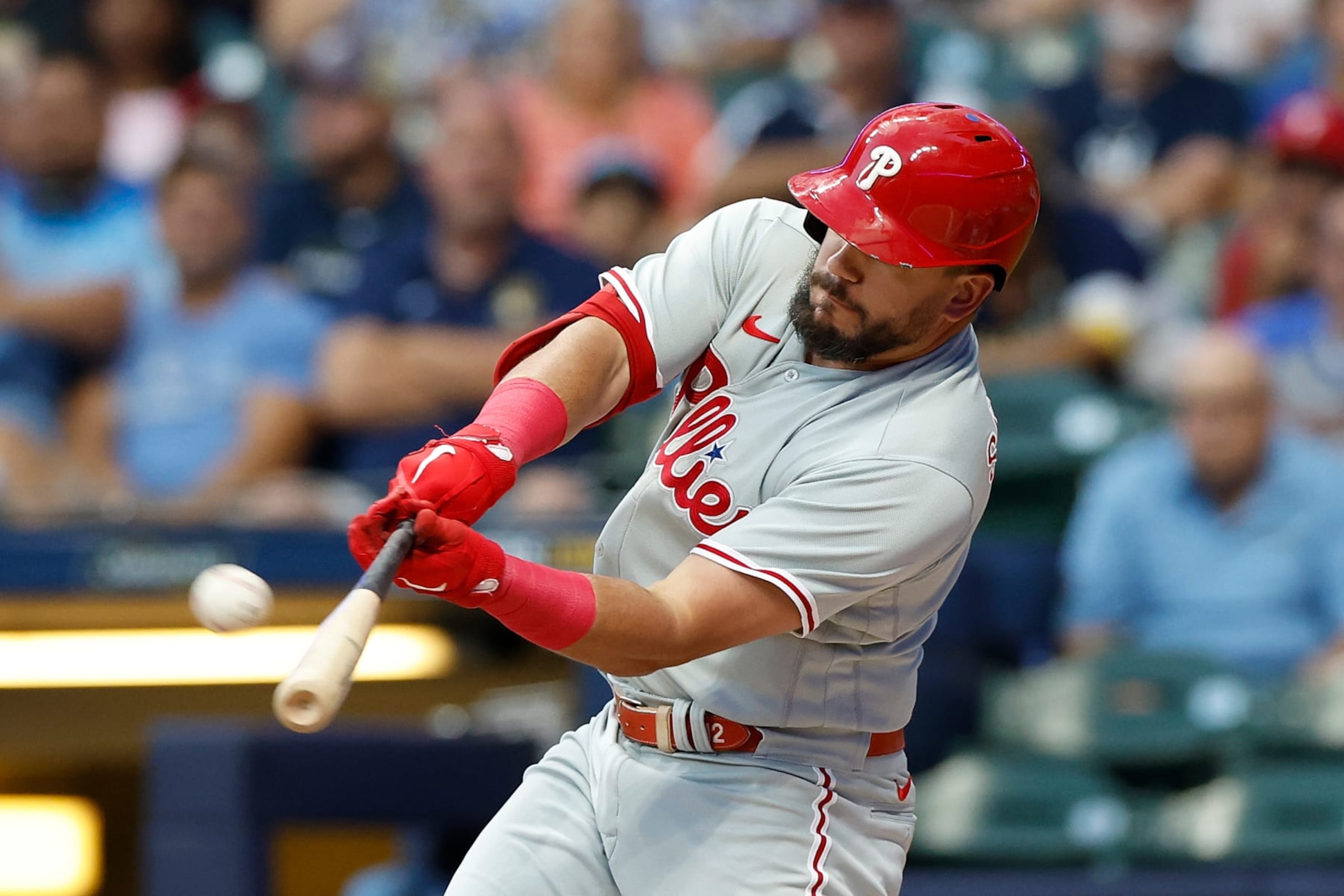
Kyle Schwarber is walking (and homering) his way to a slightly-made-up stat that hasn't happened since Barry Bonds' 73-HR campaign, while Blake Snell is on his way to a second Cy Young trophy in spite of a preposterous amount of walks allowed. (Fun fact: In Snell's only start against the Phillies, Schwarber did not walk, going hitless in those three plate appearances.)
And you just know we need to point out some of the absurd stuff Shohei Ohtani accomplished before his season-ending, free agency-altering surgery.
Unless otherwise noted, statistics are current through the start of play Saturday, Sept. 23.
Blake Snell Posting MLB's Lowest ERA and Highest BB/9
1 of 9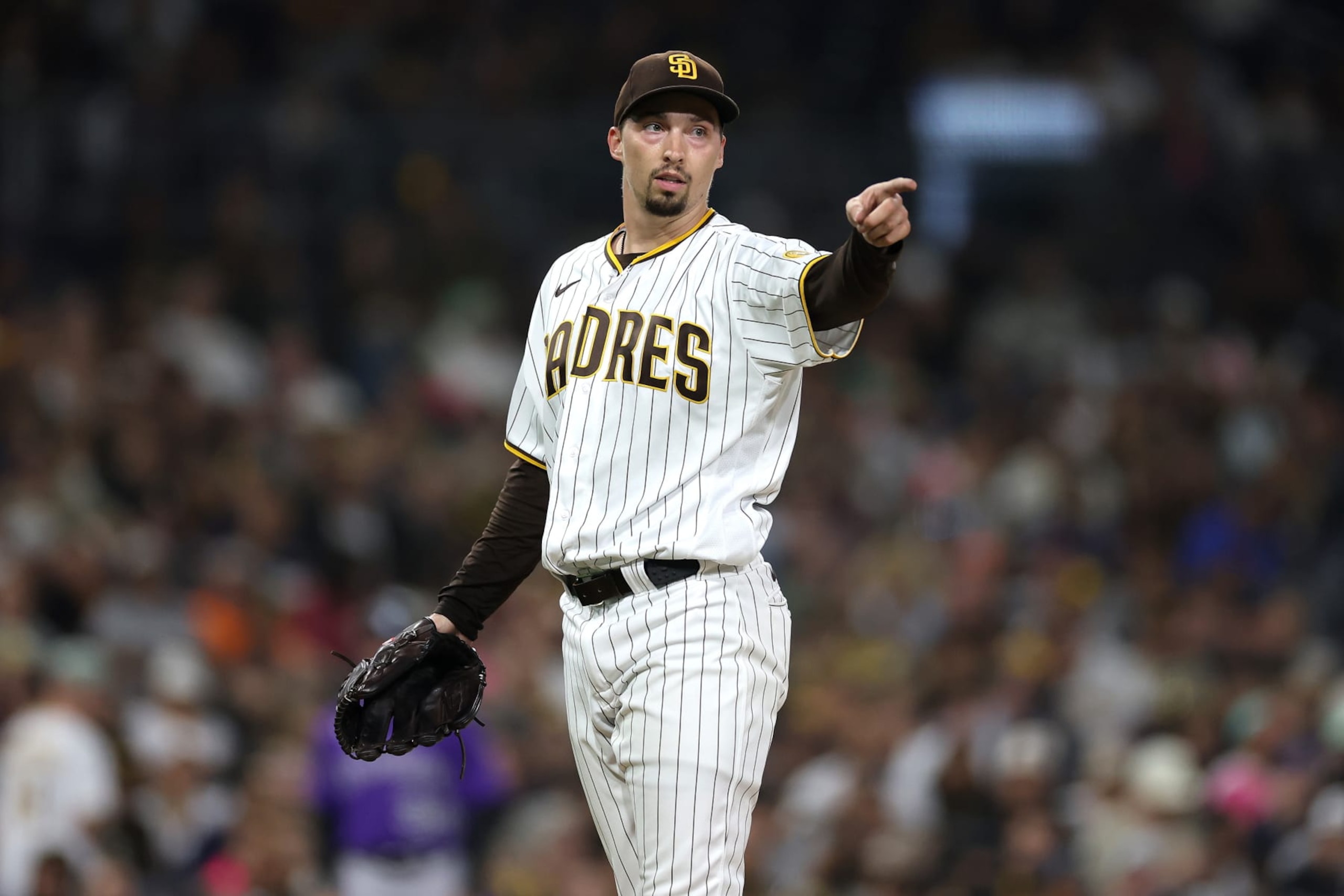
Dating back to 2000, there have been 67 single-season cases of a pitcher logging at least 150 innings with a BB/9 rate of 4.50 or greater.
Most of them have ended quite poorly.
Prior to Blake Snell's inexplicable 2.33 ERA this season, the only members of that club with a sub-3.20 ERA were Daisuke Matsuzaka in 2008 (2.90) and Clayton Kershaw in 2009 (2.79).
Of the 67, 49 had an ERA of 4.10 or worse, and nearly half (28) ended up with an ERA north of 5.00.
But that's what you expect when a pitcher is handing out free passes left and right, right?
While not every walk issued is going to result in a run scored, repeatedly shooting yourself in the foot with walks usually means you get hurt when you allow hits, especially home runs.
By some miracle, though, Snell has walked 97 batters this season, and only 14 of those batters came around to score.
Going back to that "150+ IP since 2000" data set, there were 2,035 pitchers to reach that mark. Of the bunch, 2009 Kershaw had the highest ratio of walks issued (91) to total runs allowed (55), which equates to 1.65. The overall ratio in that 2,035-pitcher group is 0.645, or basically three runs allowed for every two walks issued.
At 97 walks and only 47 runs allowed, Snell's ratio is 2.06.
But wait.
There's more.
There have been 17 innings this season in which Snell issued multiple walks without allowing a run. Three times—July 20 vs. Toronto, July 25 vs. Pittsburgh and August 28 vs. St. Louis—he had two such innings in the same game. And in three of those 17 innings, he walked the first two batters faced before wriggling out of yet another self-induced jam.
Credit where it's due, Snell does average 2.34 strikeouts per walk and has been masterful when backed up against a wall. In 169 plate appearances with runners in scoring position, he has allowed just one home run, limiting opponents to a triple-slash of .159/.260/.228 with 54 strikeouts. And of the 15 home runs he has allowed this season, 11 have been solo shots.
Still, it's some serious voodoo magic that he is so infrequently snake-bitten by all of those walks.
San Diego's Record in One-Run/Extra-Inning Games
2 of 9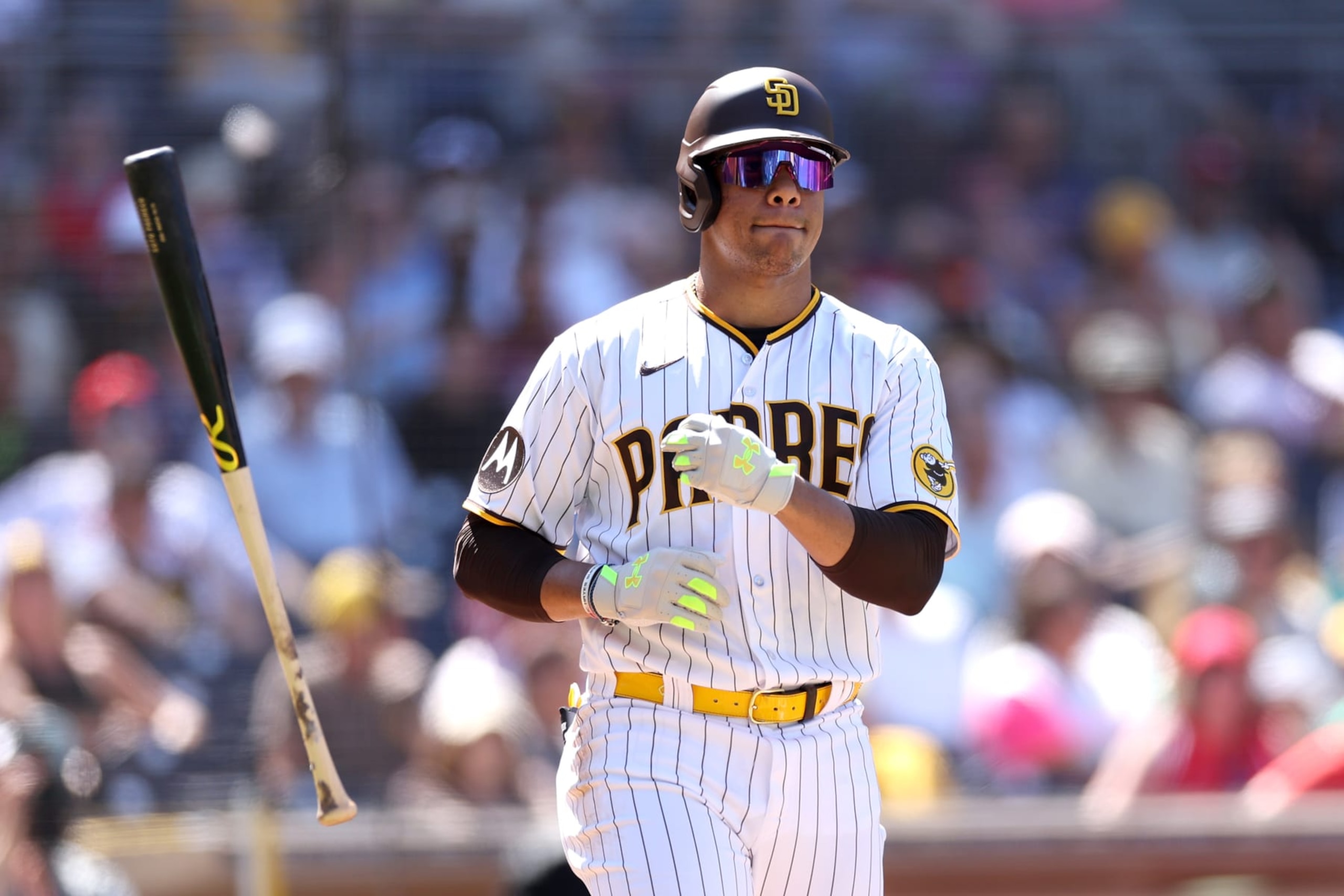
As far as run differential is concerned, the Padres are the fourth-best team in the National League.
They "should" be 18 games over .500 and somewhat comfortably in the postseason field.
However, they are three games below .500 and almost certainly will not make the playoffs because they have gone 7-22 in one-run games and a historically awful 0-12 in extra-inning affairs.
(In hindsight, perhaps San Diego should have used some of its luck attribute points on "occasionally wins close games" instead of assigning all of them to "Blake Snell's walks never turn into runs.")
On the one-run games front, San Diego is the only team in the majors without at least 13 such victories, which just makes no damn sense because Josh Hader is arguably the best closer in all of baseball with 31 saves and a 1.19 ERA.
However, he has only entered the game with a one-run lead 11 times and he blew five of those saves.
Granted, two of the five were cases where San Diego scored one run in the top of the 10th inning and Hader was unable to keep the runner who started the inning on second base from tying the game.
But that segues right into San Diego's impossibly bad record in extra-inning games.
The last time a team played in at least five extra-inning games without winning a single one of them was the 1969 Montreal Expos, who went 0-12. But even in that nightmarish run from over half a century ago, we're talking about an expansion-year team which lost 110 games and had a negative-209 run differential.
For these legitimately-good-but-terribly-unlucky Padres to be in the same boat as those dreadful Expos is nothing short of mind-boggling.
Also, the Padres lost five of those 12 extra-inning games by multiple runs, so they're actually 7-27 in games decided either by one run or in extra innings.
Woof.
Miami's Record in One-Run Games
3 of 9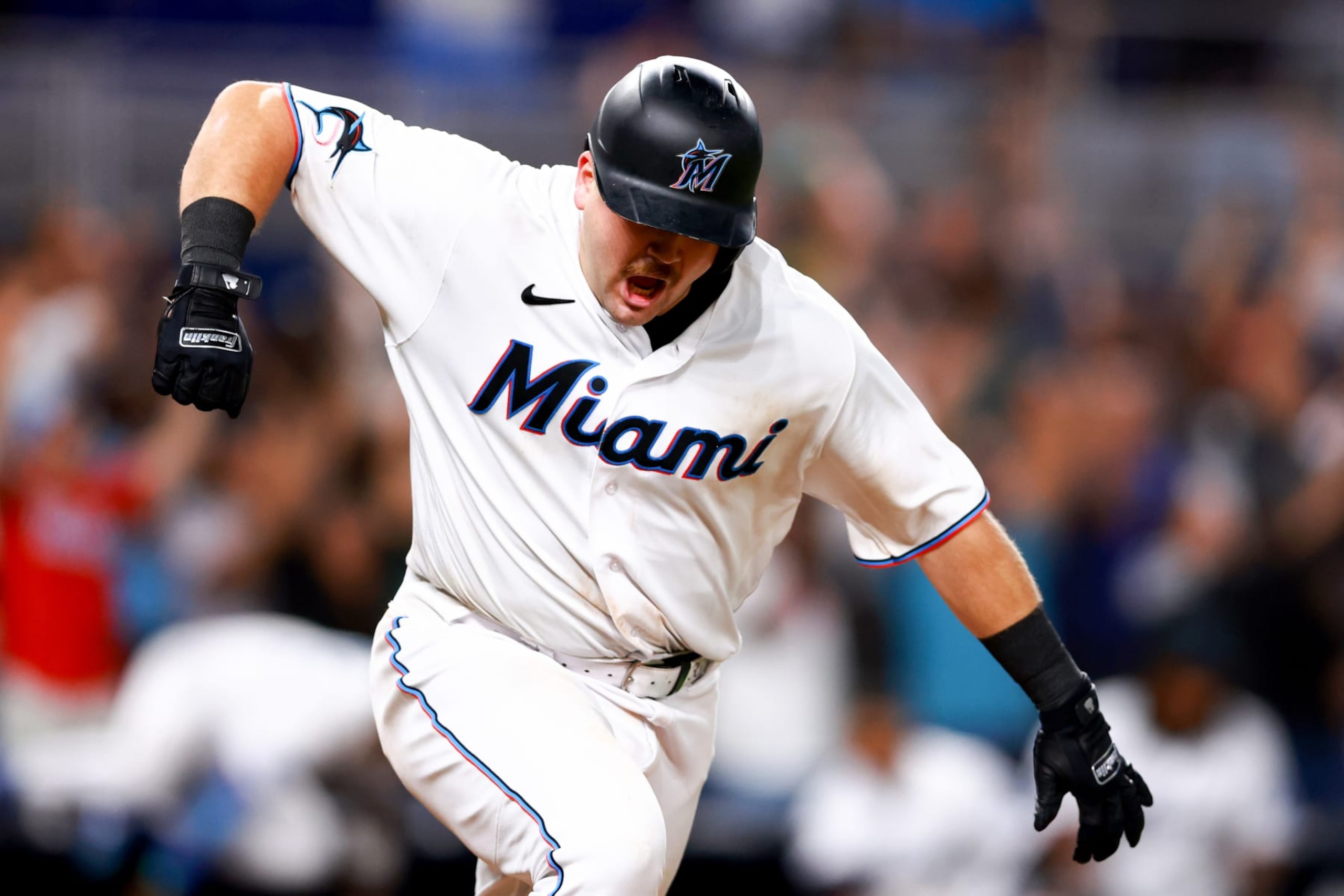
While close games have been the Achilles' heel of the San Diego Padres, the Miami Marlins might become the unlikeliest postseason team in MLB history because of their propensity for dramatic victories.
Excluding 2020—when there were only 60 regular-season games and when eight teams from each league made the postseason—the last team to make the playoffs with a negative run differential was the 2007 Arizona Diamondbacks, finishing at minus-20.
Before that, it was the 2005 San Diego Padres, winning the woebegone NL West with an 82-80 record and a minus-42 run differential—the all-time record for worst run differential to make the playoffs.
But even after outscoring Atlanta by 23 runs during a three-game sweep last weekend, there's a chance the Marlins break that record, currently at minus-57 and very much in the mix for a wild-card spot.
How is this possible, you ask?
A 31-13 record in one-run games.
The Marlins have come back to earth a little bit since going 12-0 in one-run games in the first six weeks of the season. But given the mediocre-at-best overall state of this bullpen—4.42 ERA with 27 blown saves—a .705 winning percentage in one-run games really doesn't seem possible.
Nevertheless, the Fish have managed to win nine games in walk-off fashion, the two most recent of which came courtesy of game-winning hits by trade deadline acquisition Jake Burger.
We thought for sure that playing 13 games in 13 days against the Dodgers, Phillies, Brewers and Braves from Sept. 5-17 would be the death of Miami's playoff dreams. But these resilient Marlins went 8-5 overall and 2-0 in one-run games during that gauntlet.



Ronald Acuña Jr.'s Strikeout Rate
4 of 9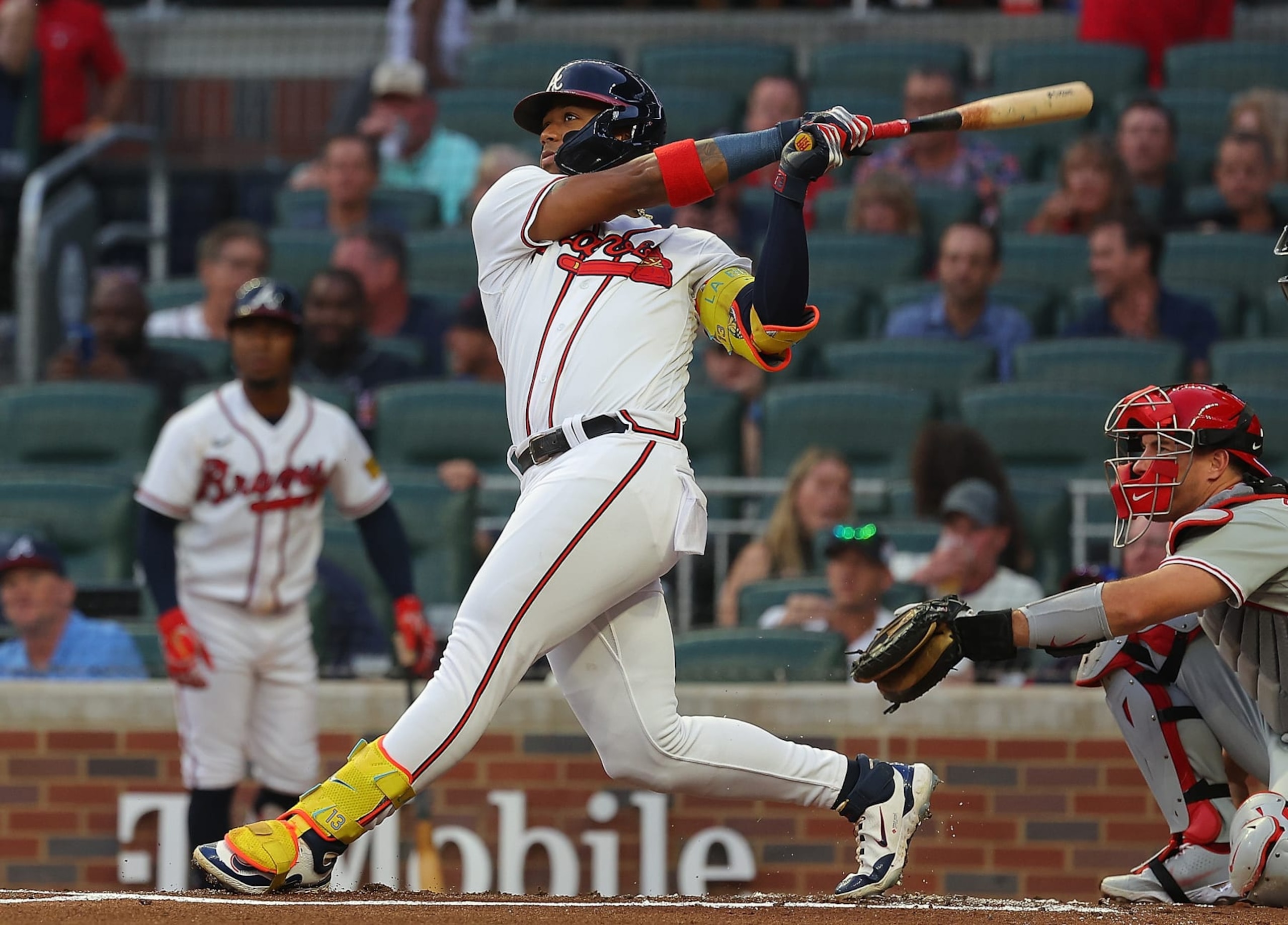
Before we dive into this one, I want to make it perfectly clear that I am not implying that any sort of foul play is afoot.
But what Ronald Acuña Jr. has accomplished this season from a strikeout-slashing perspective is...uncommon, to say the least.
A batter's whiff rate typically doesn't change much from one year to the next. And if there is any sort of significant deviation, it's usually that the whiff rate increases as the player advances in years.
Take Manny Machado, for example. In every season of his 12-year career, Machado has been somewhere in the 14.6 percent to 20.7 percent strikeout range.
Likewise, Mookie Betts has lived in the 11.0-16.3 percent range in each of his 10 seasons.
But Acuña's K percentage?
- 25.3% in 2018
- 26.3% in 2019
- 29.7% in 2020
- 23.6% in 2021
- 23.6% in 2022
- 11.3% in 2023
That is more than a 50 percent reduction in whiffs, which is ludicrous.
At the start of play Wednesday, there were 257 players with at least 200 plate appearances in each of 2022 and 2023.
Nearly one-fourth (63) of those players had a strikeout rate within one percentage point of what they put up in 2022. And nearly 90 percent (225) had a strikeout rate within five percentage points of last season.
But there are three who had a strikeout rate more than eight percentage points better than last year: Washington's Luis García (9.4%), Chicago's Cody Bellinger (11.4%) and Acuña (12.4%).
In García's case, you're talking about a 23-year-old still adjusting to MLB pitching; one who went from wildly flailing at breaking balls (36.9 percent whiff rate last year) to actually identifying pitches out of the hand and only whiffing on 20.4 percent of breaking balls this season.
In Bellinger's case, it's both a return to what was his norm in 2019-20 and a situation where a guy finally broke out of a years-long slump by changing teams.
In Acuña's case, I don't have a good explanation beyond an observation that he's doing a way better job of putting the ball in play in two-strike counts.
Per Baseball Reference pitch splits, in each of the previous five seasons, he struck out at least 42.4 percent of the time when the count got to two strikes. He never had a batting average better than .182 with two strikes. But this season, he's at 25.2 percent and .268, respectively.
Considering Acuña struck out in 25.3 percent of all plate appearances from 2018-22, striking out in just 25.2 percent of plate appearances that have gotten to two strikes this season is absurd.
Joey Gallo's "Three True Outcomes"
5 of 9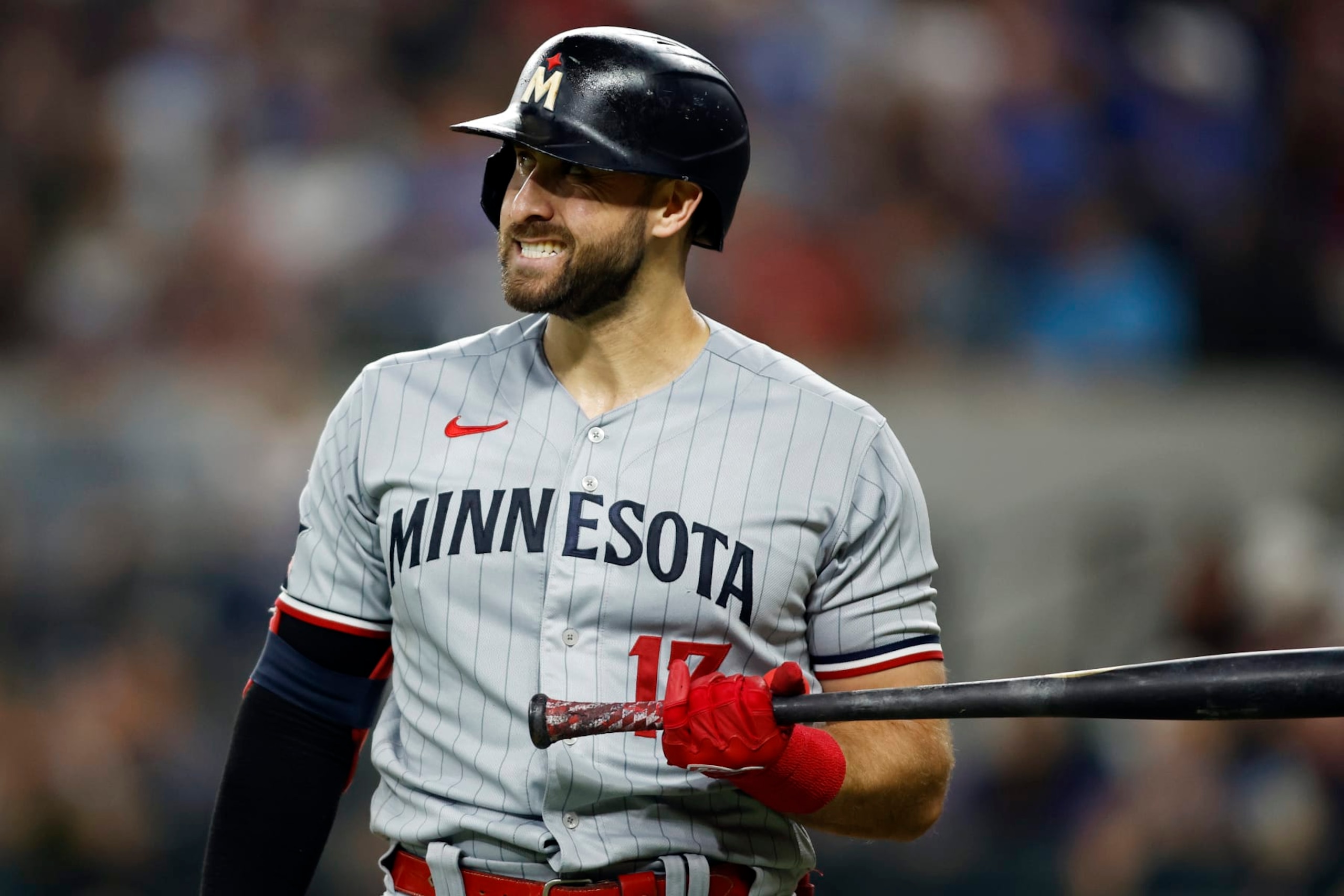
If you're not familiar with the three true outcomes, it's a measure of how often a hitter either walks, homers or strikes out.
It may have been a thing before Adam Dunn came around, but I remember him being sort of the catalyst for people starting to track it, as he ended his career with a three true outcomes ratio of 49.93 percent.
Dating back to 1997, there have been 50 instances of a player reaching at least 400 plate appearances in a single season and either walking, homering or whiffing in at least 50 percent of them. Aaron Judge is finishing up his fifth such campaign, with Kyle Schwarber (more on him momentarily), Jack Suwinski and Ryan Noda also in the 2023 club.
But Joey Gallo has taken this "never put the ball in play" thing to a whole new level.
Gallo already had three of the four highest marks of the aforementioned 50 instances, finishing last season at 58.05 percent, 2017 at 58.65 percent and 2021 at 58.77 percent. (The only other player to finish a season in the past quarter century above 57.1 percent was Jack Cust at 58.19 percent in 2007.)
This season, he's not going to get to 400 plate appearances because he has been banged up and often used as a pinch hitter/runner. Through 332 trips to the plate, though, Gallo has 21 home runs, 48 walks and 142 strikeouts for a staggering three true outcomes percentage of 63.6.
Of the 73 games in which he had at least three plate appearances, there was only one where he put the ball in play all three times, going for a double and a pair of groundouts on June 16 against Detroit.
Meanwhile, Gallo has had 14 games with at least three plate appearances and zero balls put in play, including putting Toronto's fielders to sleep on May 27, with one walk and four strikeouts in his five trips to the plate.
With the elimination of the shift, I thought Gallo's batting average would go up this season. Silly me for forgetting that for BABIP to matter, the batter has to actually put balls in play on occasion. (And getting rid of the shift hasn't even helped him anyway, as his BABIP is still at .250 or below for the sixth time in the past seven seasons.)
Kyle Schwarber's OPS to AVG Ratio
6 of 9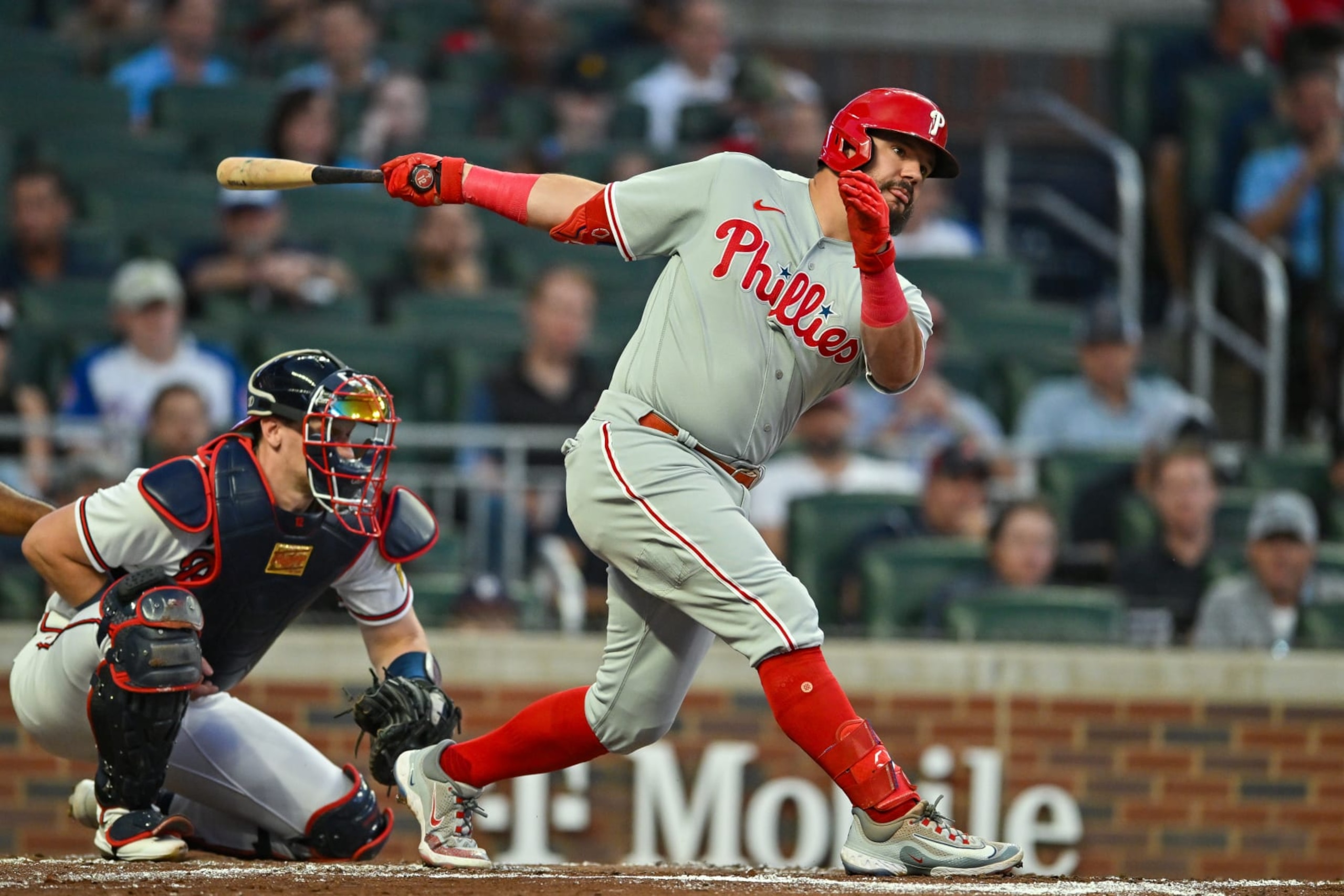
Yes, we're making up a new stat here that's sort of a twist on the three true outcomes, but wait until you see what we found with it.
Dating back to 2000, there have been 2,638 cases of a player recording at least 550 plate appearances in a season. And, of that bunch, there have been just two instances where the player's OPS was at least 4.1 times greater than his batting average:
- 2001 Barry Bonds: 1.379 OPS, .328 AVG, 4.20 ratio
- 2023 Kyle Schwarber: .818 OPS, .198 AVG, 4.13 ratio
So, yeah, it's exclusively what Schwarber is currently doing and the historic season when Bonds set both the single-season HR record and the single-season BB record. (He later broke his own walk record in both 2002 and 2004.)
Obviously, these are two very different situations. Bonds ranked among the league leaders in batting average; Schwarber is struggling to get above the Mendoza Line. Bonds' slugging percentage (.863) was 45 points greater than Schwarber's OPS.
But break it down to a simple OPS-to-AVG ratio and they are 1A and 1B since Y2K.
Schwarber is neither walking nor homering like Bonds was, but he has been one of the best in the business in both departments this season. Only Atlanta's Matt Olson (52) has more home runs than Schwarber (45), and only San Diego's Juan Soto (126) has more walks than Schwarber (123).
It's the deplorable batting average putting Schwarber in a two-man club with Bonds, but who cares, right?
Because he walks so much, Schwarber still has an above-average OBP and OPS and is currently eighth in the majors in runs scored with 104 of them.
If he didn't have horrific defensive metrics, he'd register as one of Philly's most valuable players from a Wins Above Replacement perspective, even in spite of what could end up being the worst batting average in a 550-PA season since 1904. (That record is currently .194 by Frankie Crosetti in 1940.)
Trea Turner's Perfection as a Base Stealer (And a New Record for 25/25 Campaigns)
7 of 9
In MLB history, there has never been an "official" case of a player stealing at least 25 bases in a single season without getting caught at least once.
We're putting "official" in air quotes because there were a good number of Negro League players who stole at least 25 bags—most notably Cool Papa Bell with 49 in 1929—but they didn't keep track of times caught stealing. Nor did MLB reliably keep track of times caught stealing prior to 1920.
From the historical data that we do have, though, there are no instances of a player finishing a season with at least 25 stolen bases and nary a failed attempt.
Until now, perhaps?
Trea Turner is a perfect 29-for-29 with one week to go.
Even with the new pitch clock, base sizes and disengagement rules, no other player has more than 13 SB without at least one CS. But despite starting slow with just four stolen bases in his first 38 games, Turner is on the brink of making history.
The swift, smooth-sliding shortstop has always been a good swiper. From 2016-22, he went 228-for-268 (85.1 percent), leading the NL in stolen bases in both 2018 and 2021. But last year (27-for-30) was his first with a 90 percent success rate.
Turner is also one of eight players already in the 25 HR/25 SB club, along with Ronald Acuña Jr., Julio Rodríguez, Bobby Witt Jr., Kyle Tucker, Francisco Lindor, Fernando Tatis Jr. and Corbin Carroll. It's plausible that José Ramírez (24 HR, 27 SB) and/or Randy Arozarena (23 HR, 22 SB) will also join the club before the season ends.
If either one gets there, it will mark a new record for the most 25/25 campaigns in a single season. At the moment, 2023 is tied with 1987, which also had eight 25/25 players.
Suffice it to say, the new rules to increase stolen bases have had their desired effect. We're on pace for just under 3,500 stolen bases, which would be the second-highest total since 1915, trailing only 1987's mark of 3,585.
Could someone let Jeremy Peña know it's now much easier to steal bases, though? He went 11-for-13 last year, but he's 11-for-19 this season.
Sweepless in Baltimore
8 of 9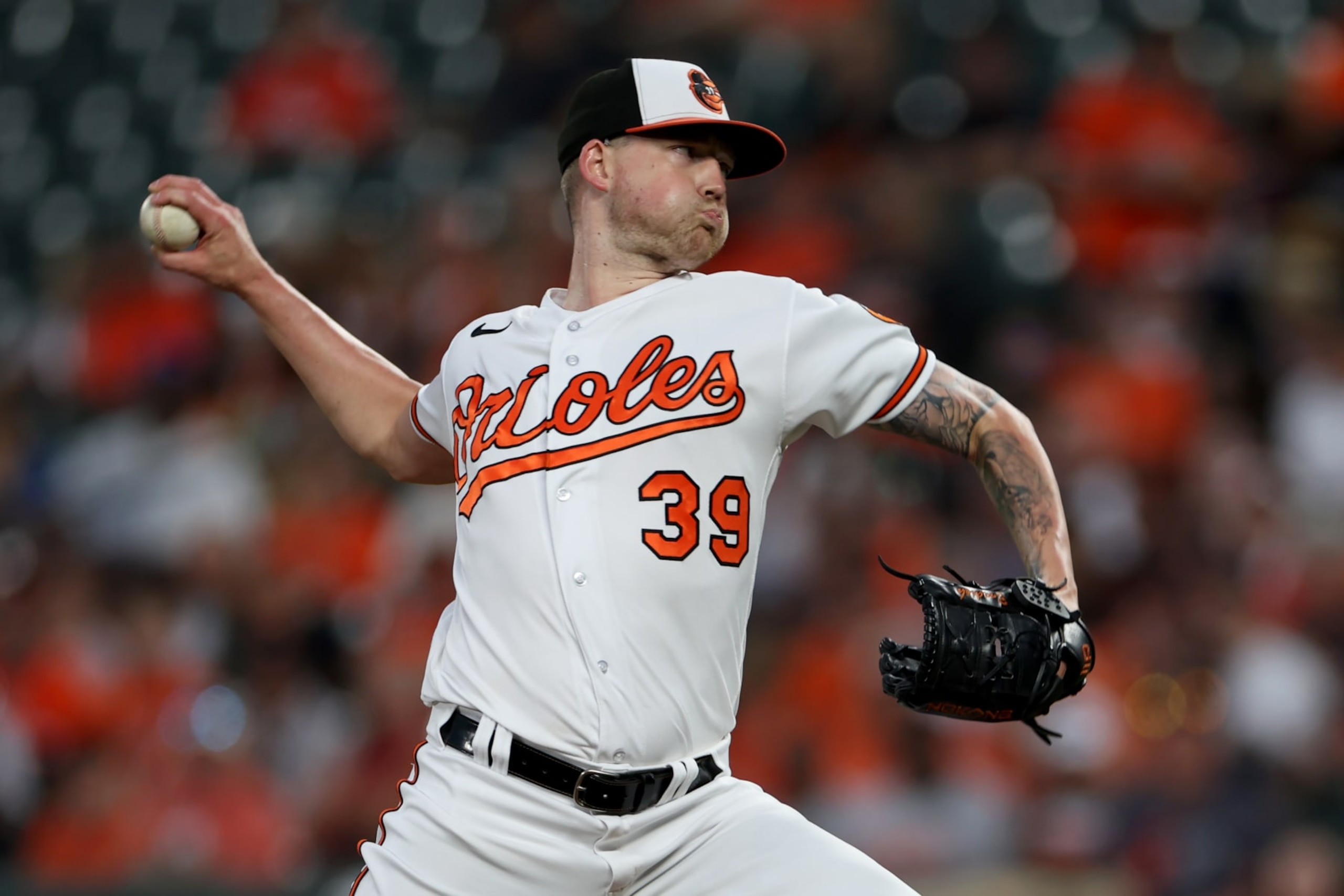
As R.E.M. opined more than 30 years ago: Everybody hurts sometimes.
The mighty Atlanta Braves were swept in a three-game series just last weekend by the Miami Marlins, getting outscored 36-13. They were also swept in Toronto in May and swept by Houston in April.
The Dodgers were swept by the Giants in June. The Rays were swept by both the Phillies and the Rangers in July. And while the Brewers are going to win the NL Central, they've been swept in a 3+ game series four times this season, including at home by the Oakland A's in mid-June.
It happens. Bats go cold. Pitchers miss their spots. Even the best teams hit rough patches.
But not the Baltimore Orioles.
Per MLB's Sarah Langs in a tweet dated after a Sept. 11 victory over St. Louis, the O's hadn't been swept in a two-game series—let alone a three-game or four-game series—in any of their past 86 sets. That streak dates back to a three-game series sweep at the hands of Detroit in May 2022, is now at 88 after victories over both Tampa Bay and Houston.
It is the longest such streak since the 1942-44 Cardinals made it through 125 series without being swept. (Notably, those Cardinals also made it to the World Series in all three years, winning two of them.)
What's most baffling about this Baltimore team making that history is the fact that the starting rotation simply isn't anything special.
I mean, the 1993 Atlanta Braves with Greg Maddux, Tom Glavine, John Smoltz and Steve Avery were swept twice in April and a third time in July. And the 2011 Philadelphia Phillies with Roy Halladay, Cliff Lee, Cole Hamels and Roy Oswalt? They suffered an eight-game losing streak in September, including a four-game sweep at the hands of the last-place Washington Nationals.
But Kyle Gibson, Kyle Bradish, Dean Kremer, Tyler Wells and a rotating cast of other contributors? That's the secret sauce to going 280 games and counting without getting swept once?
The O's have had a pair of four-game losing streaks this season, one of which was part of a stretch in which they lost six out of seven games. There was also a 17-game stretch from June 14 through July 3 when the offense was held to three runs or fewer 11 times, so there's certainly been some cold spells.
By some miracle, though, no sweeps.
Here's hoping they don't have that streak snapped in their first multi-game postseason series since 2014.
Some Obligatory Shohei Ohtani Stuff
9 of 9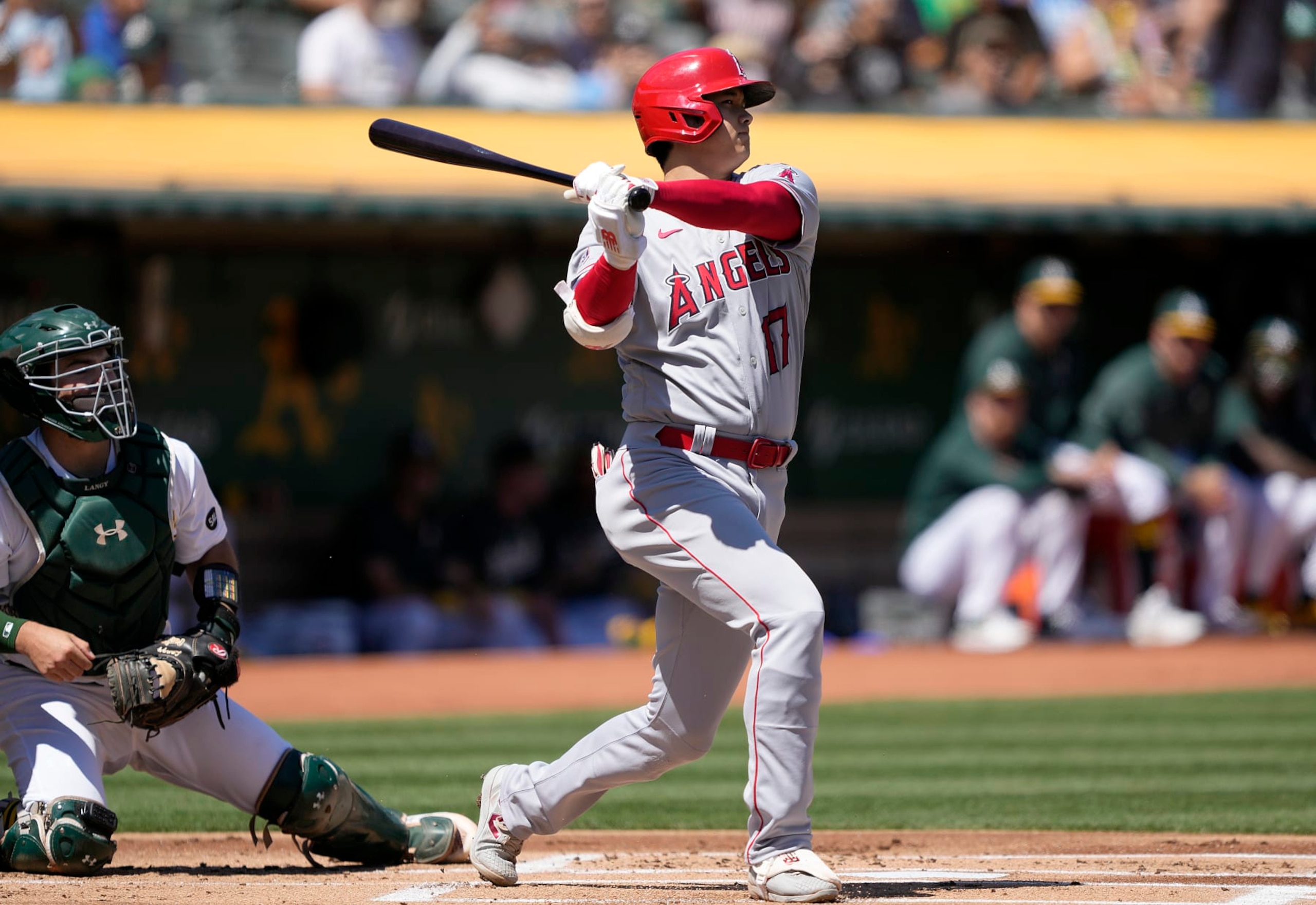
It's a damn shame for the entire sport of baseball that Shohei Ohtani's 2023 campaign ended as abruptly as it did.
Because in early August, a double Triple Crown was a somewhat legitimate possibility.
After his final pre-injury turn through the starting rotation on August 9, Ohtani had 10 wins, a 3.17 ERA and 165 strikeouts. Among AL pitchers who were on track to qualify for an ERA title, he was tied for sixth (two wins behind Zach Eflin), fourth and third, respectively.
At the same time, he was batting .306 with 40 home runs and 83 RBI, good for fourth, first and third, respectively.
Even if he had stayed healthy, he probably wasn't beating Corey Seager for the batting title, nor was he catching Kevin Gausman for the strikeout crown. But he was on pace to blow right by his career-best hitting work from 2021 and was on his way to being worth as much as a pitcher as he was while placing fourth in the Cy Young vote last year.
He was also on track for possibly the most wins above replacement in a single season in the past century.
As is, he got to a career-high bWAR of 10.1, becoming the 180th player in MLB history to reach double digits in that department.
Most of those came more than 100 years ago, though.
The highest mark in the past 20 years was Mookie Betts' 10.7 bWAR in 2018. Ohtani was on pace to obliterate that.
Expand it to the past half-century and the record belongs to Dwight Gooden at 13.3 in 1985. There's no guarantee Ohtani would've gotten there, but, at the rate, he was delivering through the Angels' first 116 games, it was feasible.
And aside from that magical season by Gooden, the only other bWAR north of 12.6 in the past century was Babe Ruth's mark of 14.1 in 1923.
Wouldn't that have been fun, given all the Ruth/Ohtani comparisons over the past few years?
Alas.
At least we'll always have June 27 when he homered twice while striking out 10 White Sox, as well as the historic double-header against Detroit on July 27, when he tossed a one-hit shutout in Game 1 and mashed a pair of homers in Game 2.

.jpg?w=2560 "Grading WWE Raw 🔠")



.jpg?w=2560 "2 NFL Officials Suspended")

.jpg?w=2560 "Viral Rams Coach Vid 🖕")