
Ranking the 10 Most Dominant September Showings of MLB's Wild Card Era
Through the first half of this September, Atlanta's Matt Olson, Philadelphia's Trea Turner, San Diego's Blake Snell, New York's Gerrit Cole and Chicago's Justin Steele have been on quite the tear.
However, they would need to match what they've done as of late and then some the rest of the way in order to go down as one of the 10 most dominant Septembers of the past three decades.
The list of viable candidates for this ranking was about a mile long, as just about every season featured at least one player or team catching fire right as the weather was starting to cool down.
For instance: In addition to the top 10 and the many honorable mentions listed below, Jake Arrieta had a 0.39 ERA over the final six starts of his 2015 Cy Young season, but even that wasn't quite enough to make the cut.
Where applicable, we'll discuss standings implications and any history that was made with these strong finishes, but the ranking is based solely on how impressive/dominant these runs were, with Wins Above Replacement for players and run differential for teams the primary data points considered.
Honorable Mentions
1995 Albert Belle: .313/.420/.929, 17 HR
2001 Oakland A's: 23-4
2002 Randy Johnson: 0.66 ERA, 2.18 FIP, 10.8 K/9
2003 Roy Halladay: 1.41 ERA, 2.11 FIP, 7.4 K/9, five complete games
2003 Pedro Martinez: 0.82 ERA, 1.43 FIP, 10.0 K/9
2012 Craig Kimbrel: 0.00 ERA, -0.13 FIP, 18.4 K/9, 3-0 with 10 saves in 14 appearances
2013 Ubaldo Jimenez: 1.09 ERA, 1.09 FIP, 11.1 K/9
2017 JD Martinez: .396/.431/.950, 16 HR
2017 Aaron Judge: .311/.463/.889, 15 HR
2018 Justin Verlander: 1.09 ERA, 1.07 FIP, 13.6 K/9
2018 Christian Yelich: .370/.508/.804, 10 HR, 7 SB
2019 Gerrit Cole: 1.07 ERA, 1.50 FIP, 15.9 K/9
2021 San Francisco Giants: 23-7
2022 Shohei Ohtani: 1.18 ERA, 1.80 FIP, 10.2 K/9; .291/.341/.479, 4 HR
10. Randy Winn, 2005
1 of 10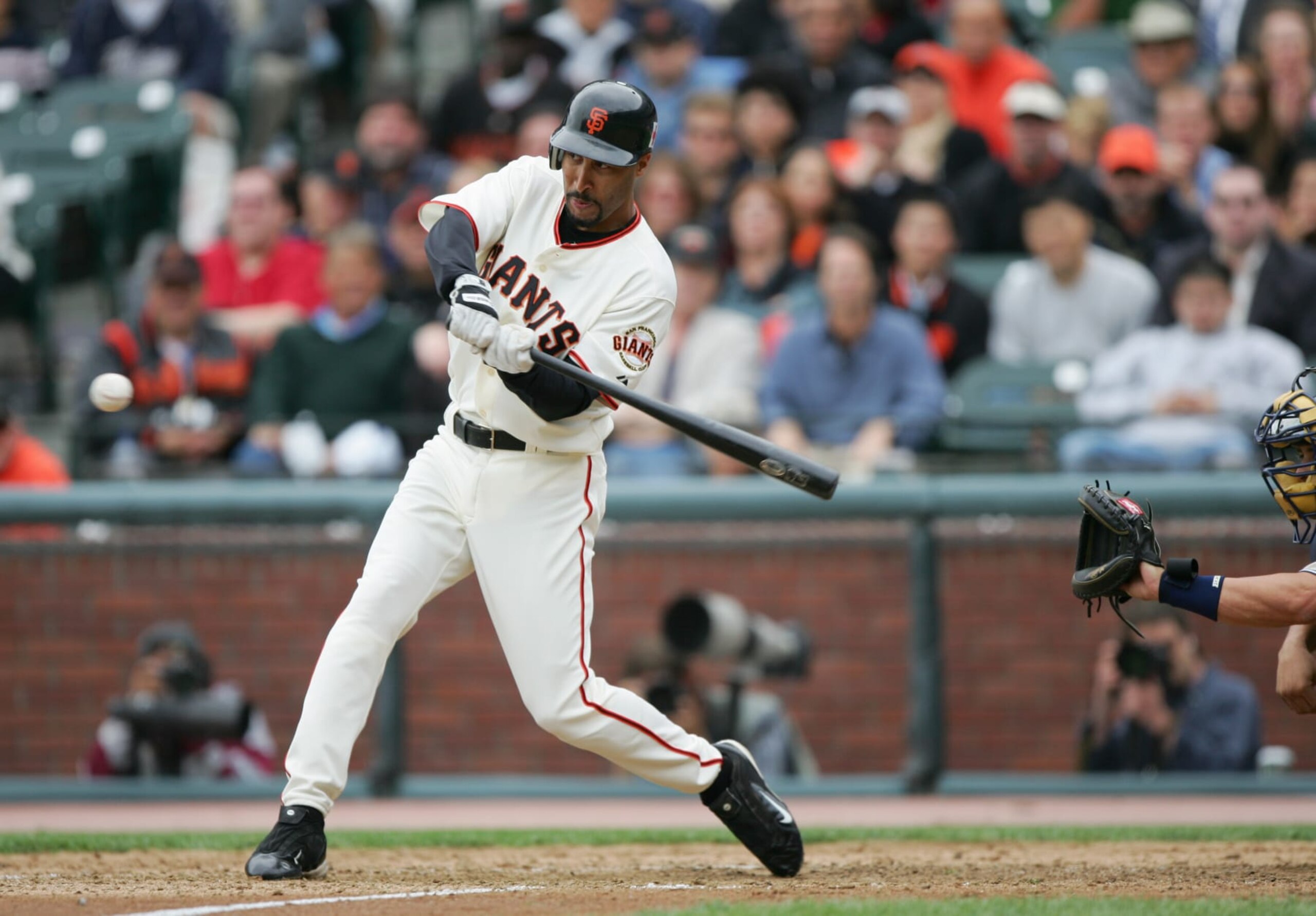
September/October Stats: .439/.469/.862, 11 HR, 18 RBI
Let's get this party started with what might be the most "Where in the world did that come from?" September of all-time.
Randy Winn did not hit 15 home runs in any other season of his 13-year career, nor did he have a single round-tripper in his first 57 games of the 2005 campaign.
But after relocating from Seattle to San Francisco at the trade deadline, Winn did one heck of a Barry Bonds impression that September, hitting 11 home runs in the span of 27 games.
While that sudden burst of power was out of character for a guy who otherwise hit 99 home runs in 1,690 games played, it's the batting average that really jumps off the page.
The switch-hitting outfielder had 18 multi-hit games that month, including a trio of 4-for-4 performances. All told, he had 54 hits, good for a .439 clip and a 162-game pace of darn near 300 hits.
Winn did have one other month in his career with a .400 batting average, getting there in August 2008. However, he only slugged .600 in that one. Batting .439 and slugging .862 in September 2005 was something else.
9. CC Sabathia, 2008
2 of 10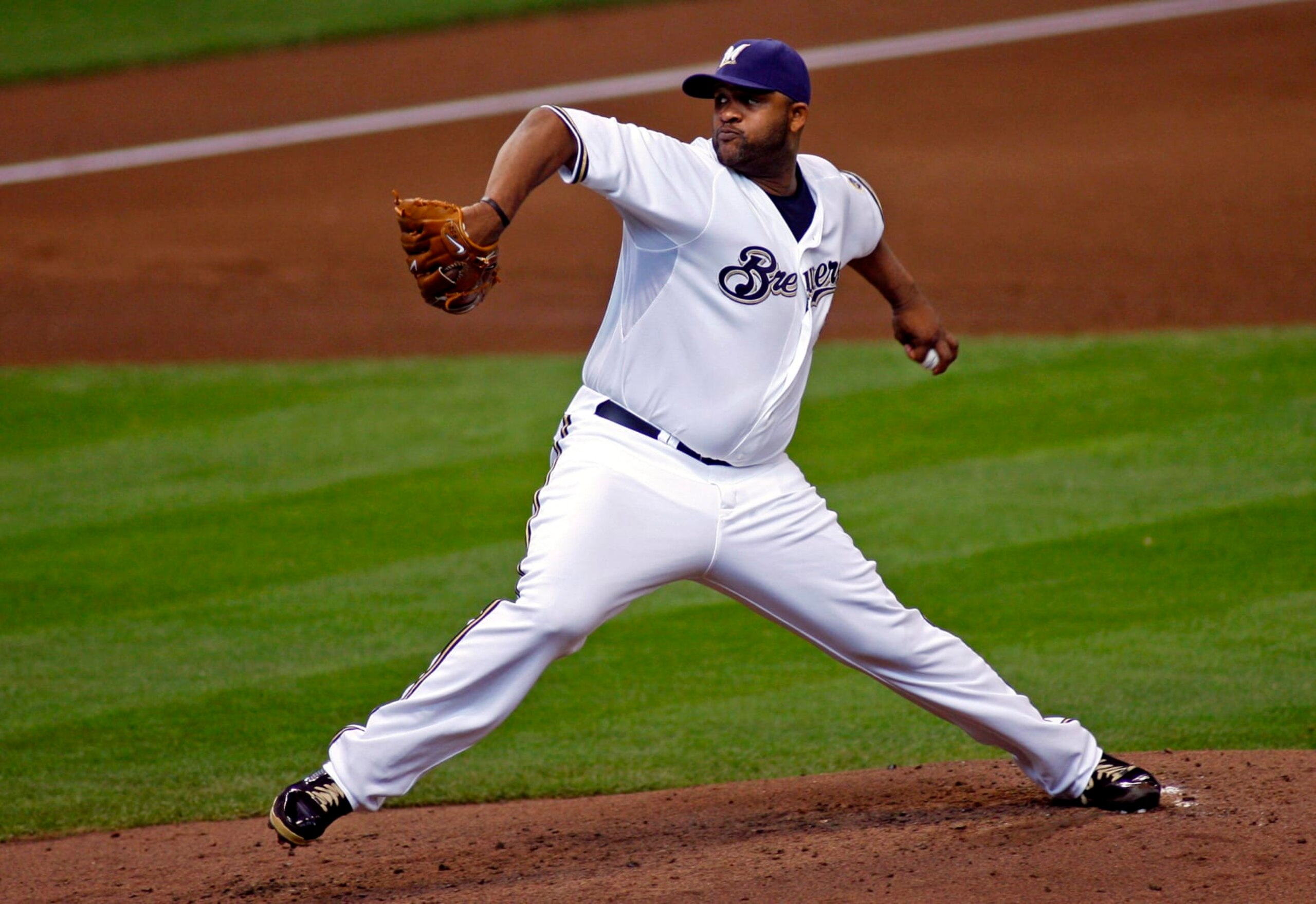
September/October Stats: 42.2 IP, 37 H, 10 ER, 7 BB, 43 K, 2.11 ERA, 2.36 FIP, 9.1 K/9
Statistically speaking, there have been better September runs that missed the cut.
Randy Johnson had an 0.66 ERA in September 2002. Both Pedro Martinez (0.82 ERA) and Roy Halladay (1.41 ERA, five complete games) were sensational in September 2003. Even Shohei Ohtani's pitching over the final month of last season (1.18 ERA) was clearly statistically superior to what CC Sabathia did down the stretch in 2008.
But it's amazing that Sabathia still had this much gas left in the tank after how hard the Brewers rode him on their playoff push.
The impending free agent started the year with Cleveland before getting traded to Milwaukee and becoming the best three-month rental ever.
Thanks to the All-Star Break, Sabathia pitched back-to-back complete games for the Brew Crew in Games No. 95 and 96 of their season. He then tossed a shutout his next time through the rotation, and added three more complete games in August.
Even though his arm had already been taxed to the tune of 231.1 innings pitched through his first 32 starts, they turned to Sabathia on three days rest not once, not twice, but three times in the final two weeks of the regular season, desperate to finally make it back to the playoffs for the first time since 1982.
And in Game 162, with everything hanging in the balance, Sabathia allowed one unearned run while tallying his seventh complete-game victory with Milwaukee.
Again, there are other, arguably better Septembers that were omitted while Sabathia made the list. But best of luck finding a more Herculean, indispensable, individual pitching stretch in recent history.
8. Oakland Athletics, 2000
3 of 10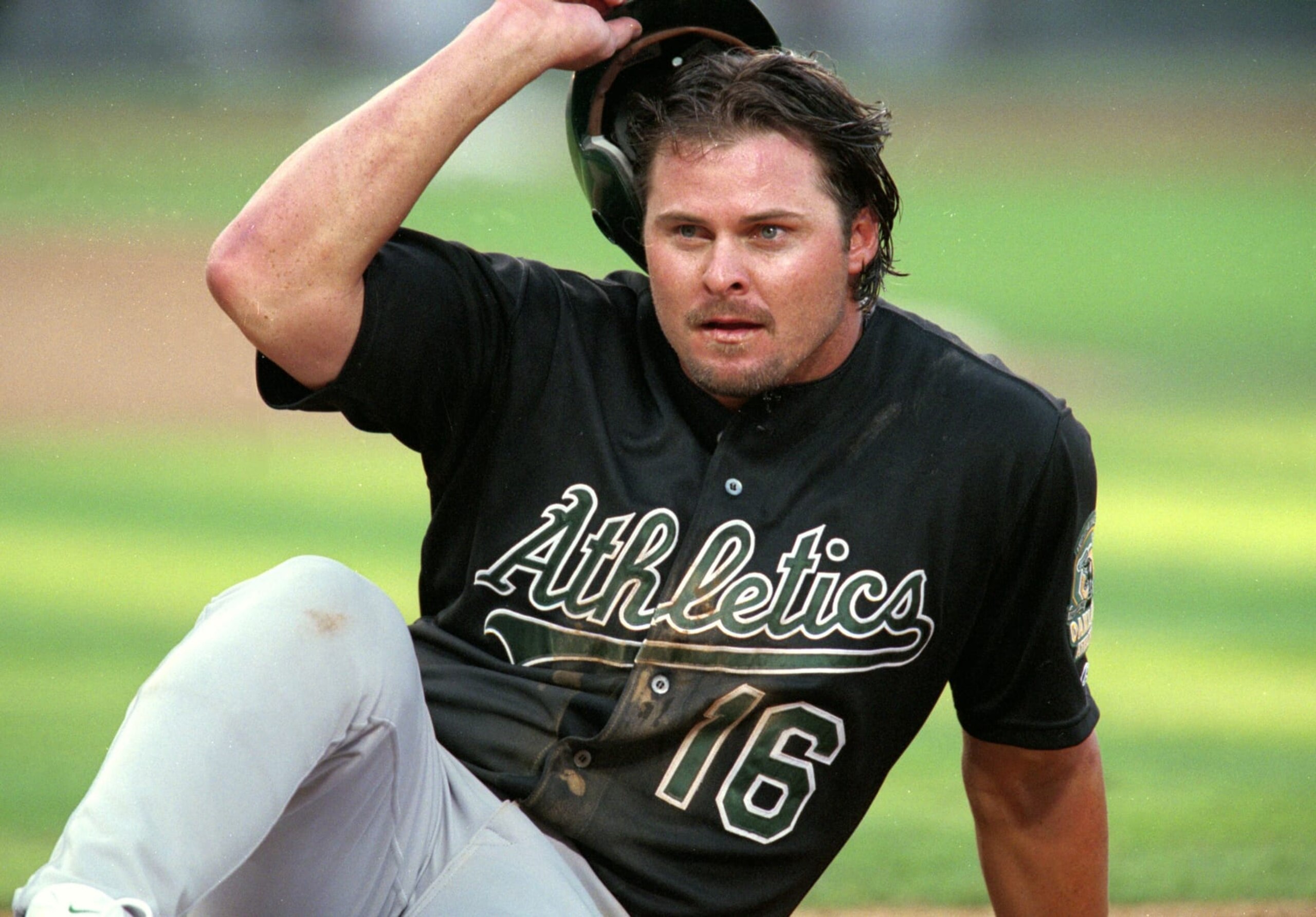
September/October Stats: 22-7, 201 runs scored, 88 runs allowed
From a purely wins and losses perspective, this wasn't even Oakland's most impressive September of the early 2000s, as the A's went 23-4 down the stretch of the 2001 season.
However, that latter run was neither as dominant, nor even remotely as consequential.
The 2001 A's outscored their September/October competition by 78 total runs, and they were hopelessly locked into a wild-card spot that year. They finished 14 games behind 116-win Seattle in the AL West, but 17 games ahead of 85-win Minnesota in the "race" for the No. 4 seed. They could've gone 7-20 instead of 23-4 and still ended up in the same spot.
Conversely, the 2000 A's led the majors in both runs scored and runs allowed in September/October, posting a +113 run differential. And they needed every last one of those wins in order to finish a half game ahead of Seattle for the AL West crown.
Had they lost their season finale against Texas, they would've had to travel to Tampa Bay to make up a game that was previously rained out to determine whether Oakland or Cleveland got the AL's wild card spot.
But they didn't. They won via shutout and clinched the division.
At the dish, Jason Giambi led the month-long charge, batting .396 with 13 home runs and a 1.380 OPS, ultimately edging out Frank Thomas for the AL MVP trophy. Miguel Tejada (.288 AVG, 9 HR), Terrence Long (.296 AVG, 4 HR) were also key contributors on offense.
And on the mound, it was Tim Hudson (6-0, 45.1 IP, 1.39 ERA) and Barry Zito (5-1, 41.2 IP, 1.73 ERA) doing the heavy lifting. On September 9-10, they tossed back-to-back complete-game shutouts against the artists formerly known as the Devil Rays. That was part of a 17-game stretch in which Oakland allowed more than four runs just once.



7. Aaron Judge, 2022
4 of 10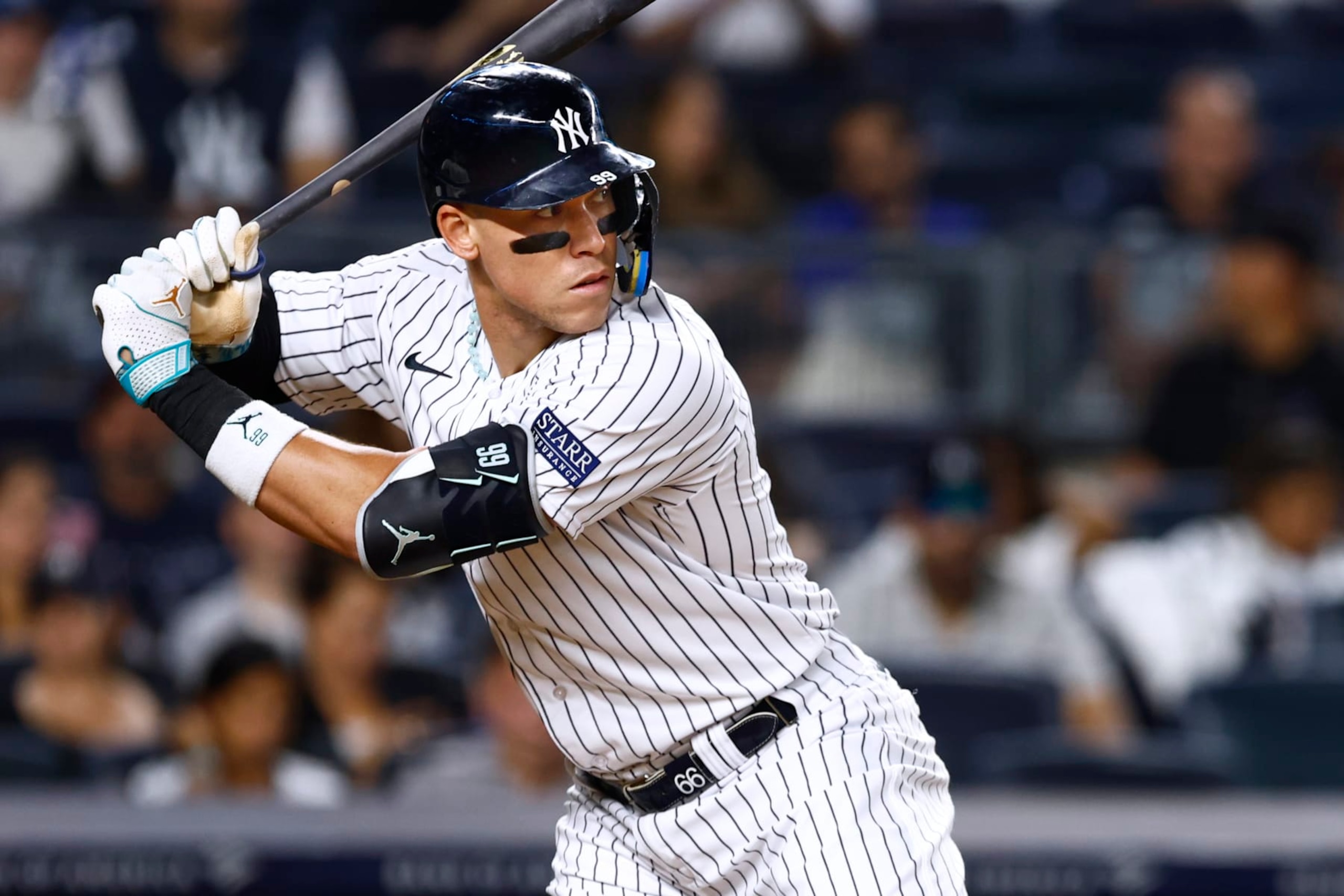
September/October Stats: .380/.533/.790, 11 HR, 18 RBI
What Aaron Judge did over the final month-plus of last season was certainly one of the most inescapable Septembers of all-time. Even fans who were just trying to watch football that month will remember the constant cut-ins to every Judge plate appearance as he spent the final two weeks trying to match and eventually break Roger Maris' single-season AL home run record.
But even without factoring in the historic nature of Judge getting to 62 home runs, it was a ridiculous closing stretch that almost resulted in just the second batting triple crown since 1967.
You see the numbers above that he put up for the full 30-game stretch, but what Judge did in the 15 games from Sept. 3-20 was particularly absurd. He hit .491 (28-of-57) with nine home runs and an OPS of 1.636.
At that point, he was at 60 home runs with 15 games yet to be played. It seemed like he was going to get to at least 65 and perhaps even 70, but maybe the pressure got to him, as he didn't get to 62 until the next-to-last game of the season.
Still, even in that "slump" over the final two weeks, he darn near got on base 50 percent of the time and had an OPS of .947 while helping the Yankees secure the AL East crown and a first-round bye.
6. Johan Santana, 2004
5 of 10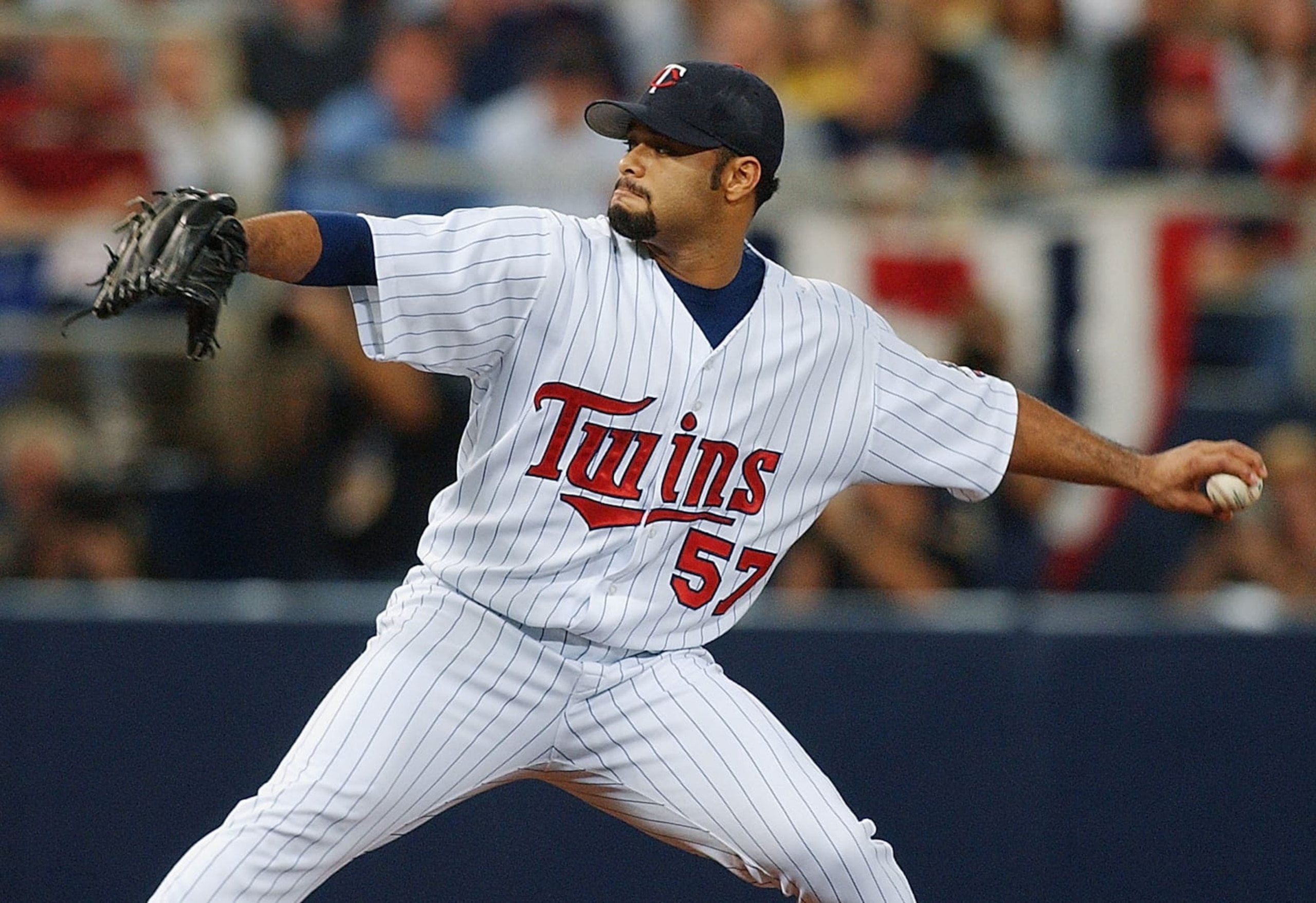
September/October Stats: 40.0 IP, 20 H, 2 ER, 7 BB, 52 K, 0.45 ERA, 1.12 FIP, 11.7 K/9
2004 was the first time that Johan Santana was a full-time starter in the big leagues, leading to some concern/uncertainty about how well he would hold up down the stretch while drastically exceeding his previous career high for innings pitched in a season.
Suffice it to say, things worked out OK for the 2004 AL Cy Young winner.
After entering September on a streak of 16 consecutive quality starts, Santana opened the month with four straight starts in which he went at least seven scoreless innings with at least seven strikeouts. That run was punctuated by an eight-inning, 14-strikeout gem against the Baltimore Orioles as the Twins moved to the brink of officially clinching the AL Central.
Once they secured that division title, they didn't ask quite as much of their ace. In fact, Santana only threw 71 pitches in his final start of the season, snapping a streak of 21 quality starts while getting some light work in to stay fresh for the postseason.
Still, Santana had a sensational September, posting a minuscule 0.45 ERA while mowing down the would-be competition.
He subsequently tossed seven shutout innings in Game 1 of the ALDS for a win over the Yankees. Unfortunately, Minnesota has been cursed since then, losing 18 consecutive postseason games after Santana silenced the likes of Derek Jeter, Alex Rodriguez and Gary Sheffield.
5. Richard Hidalgo, 2000
6 of 10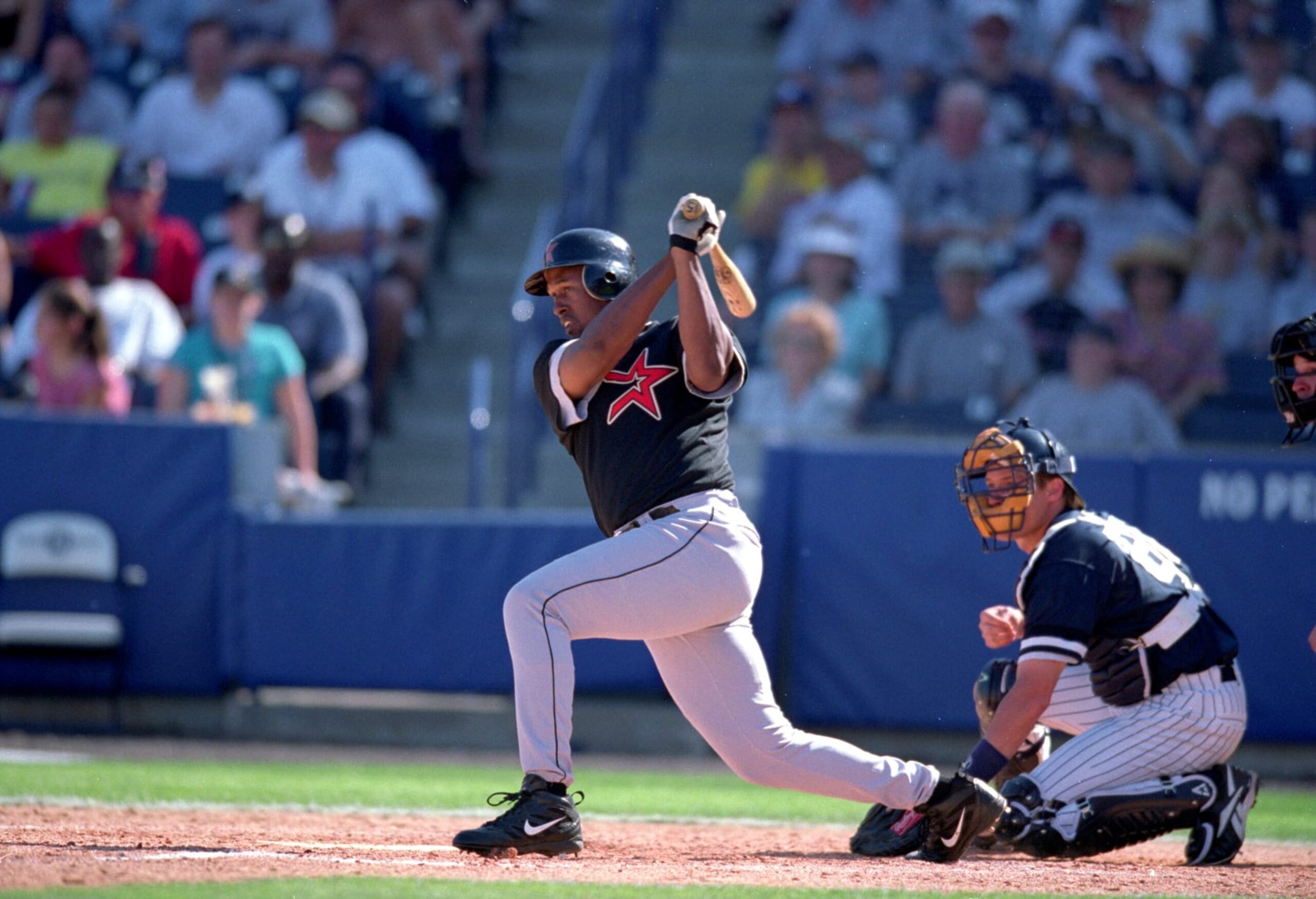
September/October Stats: .477/.532/.953, 11 HR, 32 RBI
People always remember Brady Anderson's 50-HR campaign in 1996 as one of the greatest out of nowhere seasons in MLB history, but zero-time All-Star Richard Hidalgo had quite the bottle-rocket year of his own in 2000.
Hidalgo never finished any other season of his nine-year career with 30 home runs or 90 RBI, but he racked up 44 and 122, respectively, in 2000. And though the Houston Astros sputtered their way to a 72-90 record, he sure had a September to remember.
He entered the month with respectable-but-not-jaw-dropping marks in batting average (.275) and slugging percentage (.561) before going 51-for-107 with 27 extra-base hits. He would end the year at .314 and .636, respectively.
During this final month, Hidalgo had more games with multiple hits (16) than games without multiple hits (13), including seven games with at least three hits and three games with multiple home runs.
The only time during that 29-contest stretch that he made at least one plate appearance and didn't get a hit, he still got on base four times via two walks and two HBPs. And he made up for it with a four-hit game the following night.
At the time, his .477 batting average was the best one-month showing in Houston history. Jose Altuve beat that record with a .485 average in July 2017, but at least Hidalgo's remarkable run wasn't fueled by buzzers and trash cans.
4. Greg Maddux, 1995
7 of 10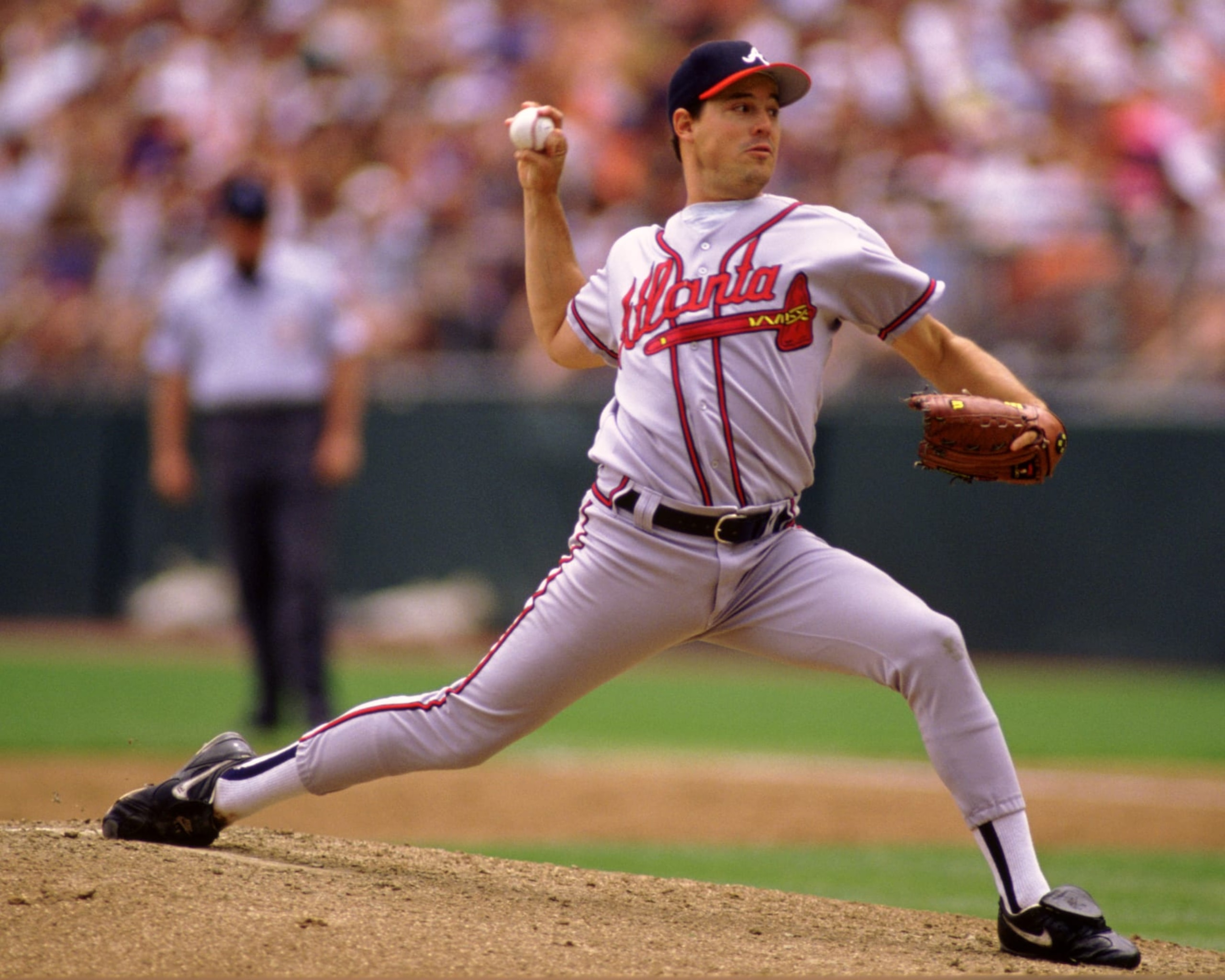
September/October Stats: 31.0 IP, 21 H, 1 ER, 3 BB, 29 K, 0.29 ERA, 1.72 FIP, 8.4 K/9
In the process of winning the 1992, 1993, 1994 and 1995 NL Cy Young awards, Greg Maddux had quite a few impressive stretches, including racking up five of the complete-game shutouts in under 100 pitches now known simply as a Maddux.
But one run allowed in an entire calendar month?
He only did that in September 1995.
My favorite thing about this stretch for Maddux is that the lone run that he allowed was so upsetting it made the heavens cry.
It came on a sacrifice fly in the first inning of the September 10 game in Florida, after which there was a lengthy rain delay from which neither starting pitcher returned.
Take that game out of the equation and you're talking about 30 scoreless innings with 29 strikeouts against just one walk.
Even by Maddux's Hall of Fame standards, it was a ridiculous month that played a big part in him darn near winning NL MVP in addition to his fourth consecutive Cy Young.
And while a lot of the players/teams on this list proceeded to struggle in the postseason (if they even got there), Maddux made five starts that October with a 2.84 ERA, leading Atlanta to a World Series title.
3. Cleveland Guardians, 2017
8 of 10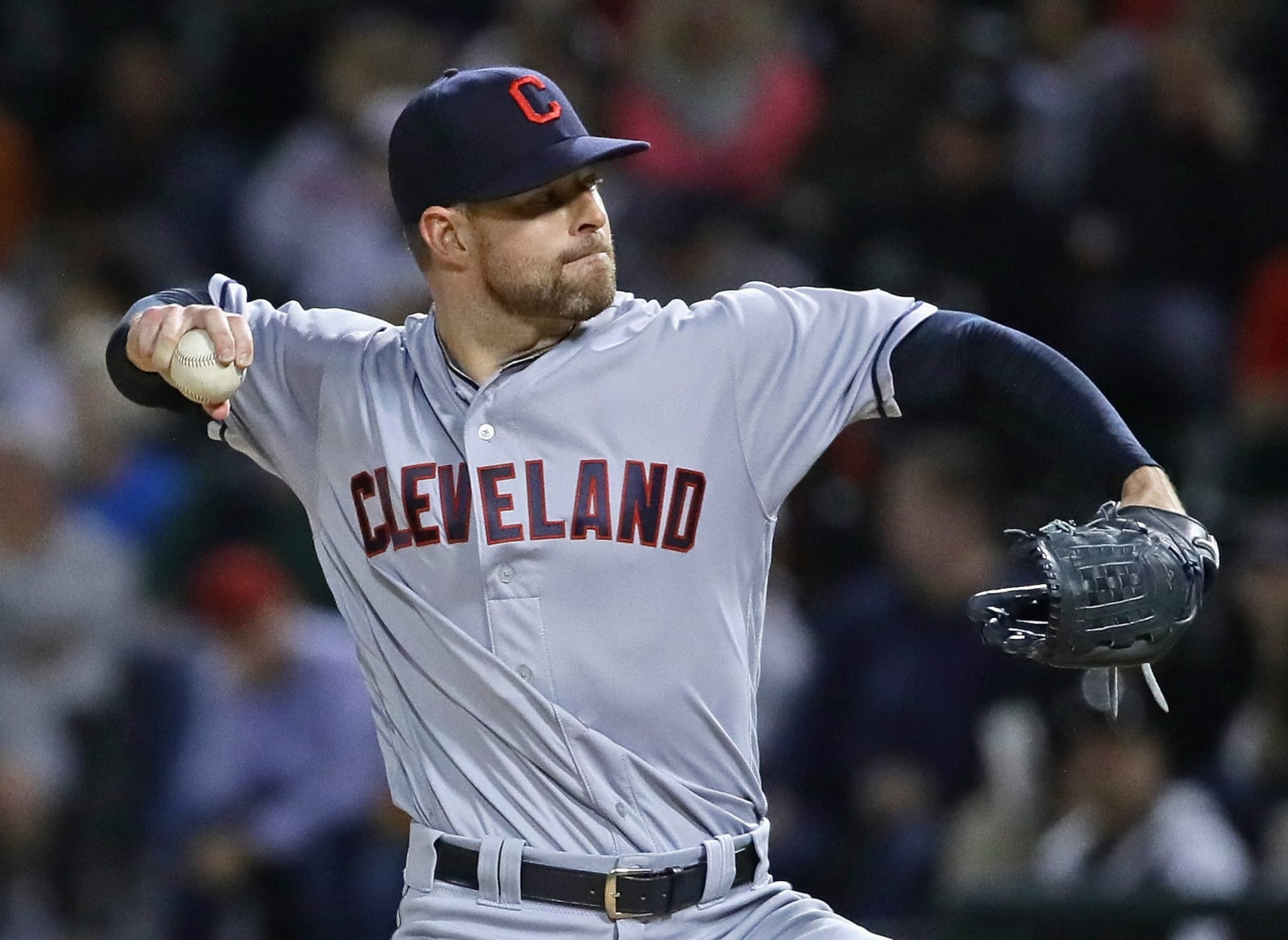
September/October Stats: 26-4, 167 runs scored, 68 runs allowed
As far as FanGraphs is concerned, 2017 Cleveland had the most dominant pitching season in MLB history.
And those arms were especially on point down the stretch.
If we temporarily factor in the final week of August, Cleveland won 32 of its final 36 games, allowing a grand total of just 75 runs during that stretch. They allowed more than four runs in two of those games while racking up seven shutouts.
En route to his second Cy Young award, Corey Kluber was the brightest star of the bunch, posting an 0.84 ERA over his six September/October appearances. But neither Mike Clevinger (0.99 ERA in 27.1 IP) nor Carlos Carrasco (1.48 ERA in 42.2 IP) were far behind him. Relievers Andrew Miller, Zach McAllister and Tyler Olson were also flawless in their combined 25 innings of work.
Cleveland's offense was pretty darn good, too.
José Ramírez triple-slashed .407/.465/.895 with nine home runs and reasonably could have landed in this top 10 for his individual dominance. Francisco Lindor (.998 OPS) and Edwin Encarnación (.978 OPS) were also on fire as the team averaged 5.6 runs per game.
From August 24 through September 14, Cleveland won 22 consecutive games, good for the second-longest winning streak in MLB history.
And it needed every single one of those wins to chase down the Houston Astros for the AL's No. 1 seed, making this prolonged run even more noteworthy.
Cleveland entered September 3.5 games behind Houston, who went 21-8 the rest of the way to finish at 101-61. But Cleveland improved from 76-56 to 102-60 with the best finish in recent history.
(Unfortunately, that late-season success didn't carry over into October. Cleveland blew a 2-0 series lead over the Yankees in the ALDS, getting immediately eliminated from the postseason.)
2. Barry Bonds, 2001
9 of 10
September/October Stats: .403/.607/1.078, 16 HR, 38 BB, 11 K
Put as many asterisks on it as you deem necessary, but what Barry Bonds did over those final 27 games of the 2001 season was out of this world.
Fourteen of his 16 home runs were solo shots, as teams pretty much refused to pitch to Bonds with runners on base—which then became the standard operating procedure throughout his 2001-04 run of NL MVPs, even though it did nothing to actually slow him down.
One of the exceptions to the solo shot rule came in what would be the final three-homer game of his career. On September 9, in the thin air of Denver, Colorado, Bonds hit solo home runs in the first and fifth innings before launching a three-run bomb in the 11th.
En route to passing Mark McGwire for the single-season home run record, Bonds homered at a 162-game pace of 96.0—a stat that becomes even more mind-blowing when you factor in all of the walks he was issued.
Bonds only had 77 official at-bats during this run, homering in 20.8 percent of them. Extrapolate that to a standard 500 AB season and you're talking about 104 dingers.
As a result, he had an OBP north of .600, a slugging percentage north of 1.000 and an OPS of 1.685 that might not even be feasible if you're playing a season of MLB: The Show on its easiest setting.
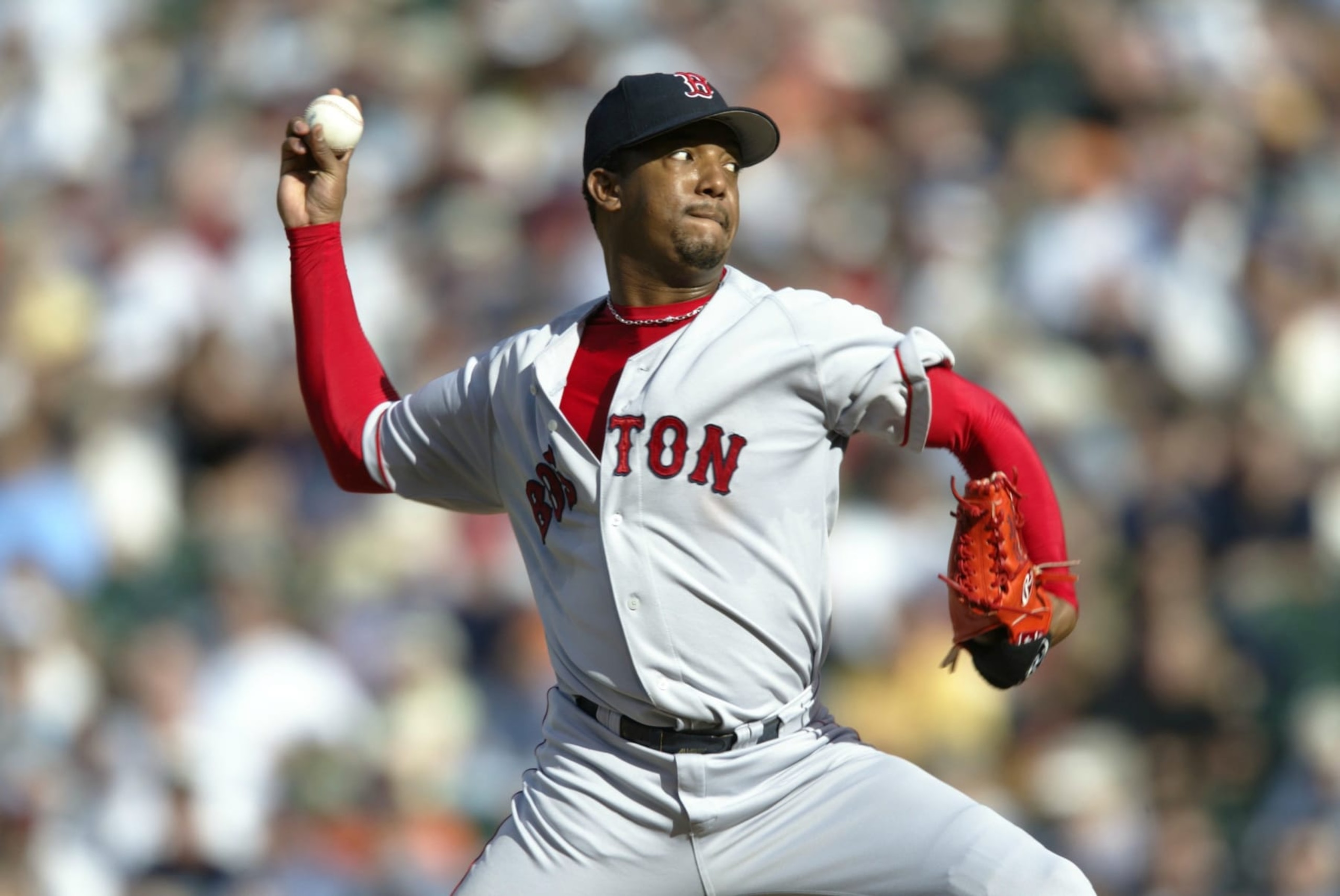
1. Pedro Martínez, 1999
10 of 10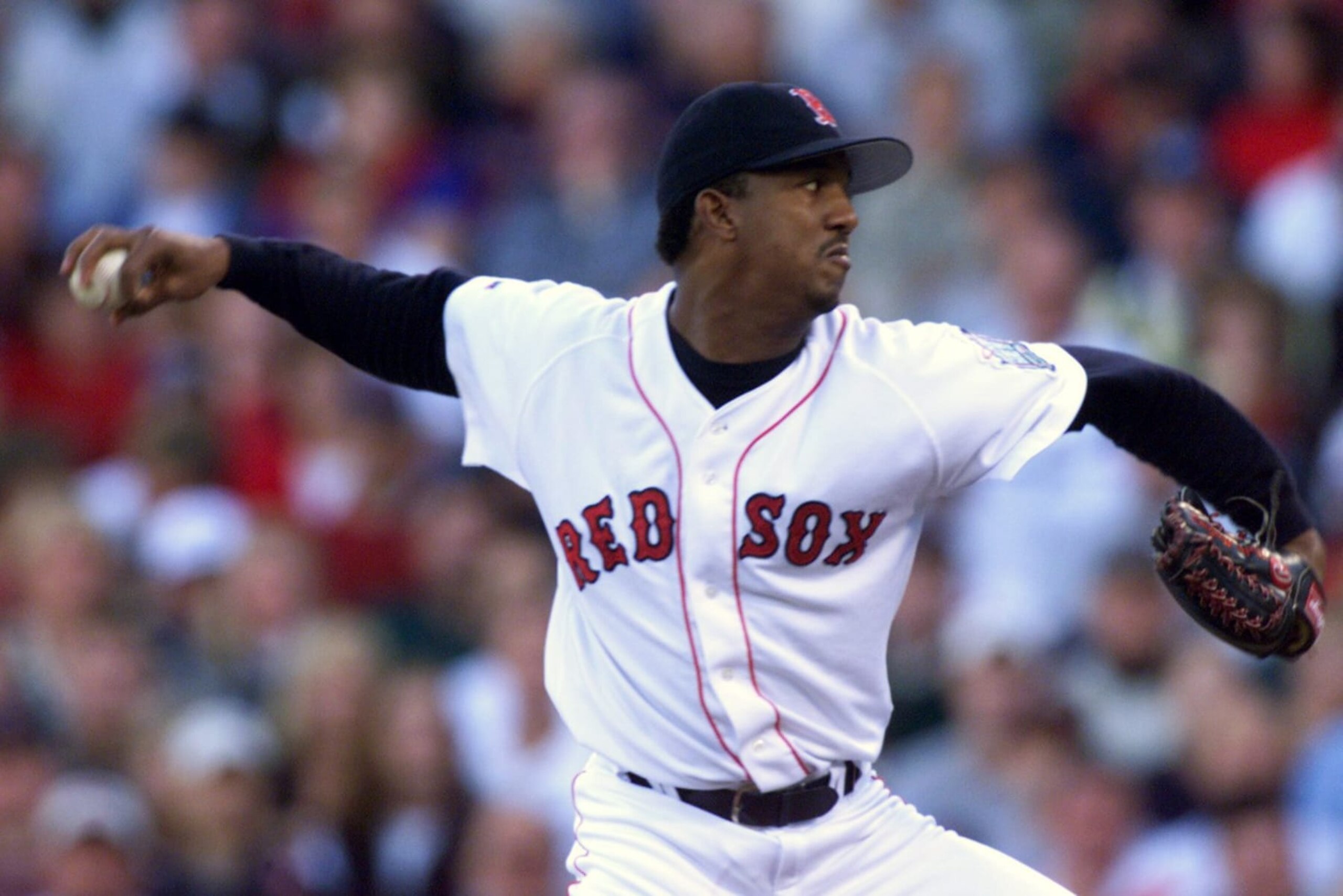
September/October Stats: 42.0 IP, 20 H, 4 ER, 6 BB, 71 K, 0.86 ERA, 0.78 FIP, 15.2 K/9
There were several ludicrous prolonged stretches of Pedro Martínez's three-time Cy Young winning, Hall of Fame career. But what he did toward the end of the 1999 campaign was easily the most dominant September pitching run of the past three decades.
Let's start with the strikeouts.
In each of his five starts in September 1999, Martínez racked up at least a dozen whiffs. And if you can't appreciate the absurdity of that, maybe this will help: Among qualified pitchers in a 162-game season, Atlanta's Spencer Strider is currently just barely behind 2019 Gerrit Cole for the highest single-season K/9 rate in MLB history...and he hasn't even recorded 11 strikeouts in two consecutive starts this season.
Getting to 12+ strikeouts in five straight starts is truly outrageous.
In the process of missing all of those bats, Martínez logged at least 120 pitches in each of those starts. (George Kirby would never.)
The most impressive outing was his 17-strikeout complete game against the New York Yankees. A Chili Davis solo home run in the second inning was the only hit or walk he allowed in that entire contest against the team Boston was trying to chase down atop the AL East.
Martínez also tossed a 14-strikeout gem against Cleveland, which was the only offense in the past 70 years to score at least 1,000 runs in a single season.
Per FanGraphs, Martínez was worth 2.8 fWAR that month. No other pitcher has had a September/October fWAR of 2.4 or better in MLB's wild-card era.

.jpg?w=2560 "Grading WWE Raw 🔠")



.jpg?w=2560 "2 NFL Officials Suspended")

.jpg?w=2560 "Viral Rams Coach Vid 🖕")