
The Los Angeles Dodgers and the Atlanta Braves are going to win the NL West and NL East, respectively. But before you even think about locking in the Minnesota Twins as AL Central champs, the Milwaukee Brewers as NL Central champs or the Tampa Bay Rays, Baltimore Orioles or Philadelphia Phillies as playoff teams, let's take a look back at the most painful September collapses of Major League Baseball's wild-card era (1995-today).
Because September is the ninth month of the calendar—and because it was tough to decide between the 1998 Angels, 2004 Cubs, 2007 Padres and 2018 Cardinals for the 10th spot on the list—we've ranked the nine biggest September collapses of the past 30 years.
To be clear up front, these aren't necessarily "full September" meltdowns.
For instance, 2005 Cleveland imploded over the final eight days of the regular season. The 2007 Mets blew up over the last two-and-a-half weeks. Several others on the list reached their pinnacle about a week into September before crashing and burning. As long as it was a big collapse in September (and/or early October), it didn't need to begin on September 1 to be worthy of consideration.
We are only ranking teams who completed the collapse, though. Plenty of teams almost blew a massive lead. They won't be mentioned here.
However, we will get things rolling with a sextet of honorable mentions who had to settle for a wild-card spot after squandering a late lead in their division.
If you're a fan who had to live through one of these collapses, you have my sincerest apologies. (As does Adrián González, who was an MVP candidate for teams who collapsed in historic fashion in back-to-back seasons.) No one should have to endure a weeks-long gut punch.
But let's revisit the worst of the worst regular-season finishes.
Honorable Mentions Tier 1: Collapses Which Still Resulted in a Wild-Card Spot
1 of 11
1996 Los Angeles Dodgers
We start things off with not so much a collapse as an extremely inopportune time to quit scoring runs and match a season-long losing streak. With four days remaining in the regular season, the Dodgers had a 2.5-game lead over the Padres in the NL West, albeit with a massive head-to-head series remaining. Los Angeles lost 6-1 to the Giants before getting swept at home by San Diego, with two of the three games going to extra innings. The Dodgers scored five runs between the four games and had to settle for the wild-card spot—where they were immediately swept by Atlanta.
2006 Detroit Tigers
Detroit had been in sole possession of first place in the AL Central from mid-May onward, leading by as many as 10 games in early August and still holding a 5.5-game lead at the end of play on September 1. But the Tigers went 11-16 the rest of the way, paving the way for Minnesota to win the division by a one-game margin. Detroit rallied in October, though, knocking out the Yankees and sweeping the A's before losing to the Cardinals in the World Series.
2010 New York Yankees
With 15 AL East titles dating back to 1996, the Yankees don't blow it often. But they did wilt at the end of 2010, taking a 2.5-game division lead with 11 days to go and turning it into a wild-card berth by going 3-8 down the stretch. In each of the eight losses, they allowed at least seven runs.
2012 Texas Rangers
After reaching the World Series in both 2010 and 2011, the Rangers led the AL West by a five-game margin—and had a two-game lead over the Yankees for the AL's No. 1 seed—with just nine games to play in 2012. Unfortunately, six of those nine games were against the team five games behind them, and they lost five of those six games against the A's. They also dropped two out of three against the Angels while Oakland swept Seattle and won the division. The Rangers proceeded to lose the Wild Card Game against the Orioles.
2015 Houston Astros
After enduring the tanking basement from 2011-13, the Astros were finally ready to hold their own again in 2015. But playing in meaningful September games for the first time proved to be too much for much of the young roster. Houston opened September with a four-game lead in the AL West, but went 13-17 the rest of the way, just barely hanging onto the No. 5 seed.
2018 Chicago Cubs
At the end of play on September 6, not only did the Cubs have a 4.5-game lead in the NL Central, but they had the best record in the National League by a 4.5-game margin. But they went 12-11 from there, ending up in a tie with the Brewers. They lost the "Game 163" tiebreaker, as did the Rockies in their bonus game against the Dodgers to decide the NL West title. Those two then squared off at Wrigley Field for the Wild Card Game with Colorado winning in 13 innings.
Honorable Mentions Tier 2: Teams That Turned Slight Leads into Hopeless Deficits
2 of 11
In a way, turning a one-game lead into a seven-game deficit is just as much of a meltdown as turning a seven-game lead into a narrow miss. For it to properly resonate as a September collapse, though, the team needs to still be in the hunt until the bitter end. But let's quickly, chronologically run through nine of the biggest cases of teams embarrassingly failing to stick the landing.
1996 Houston Astros
Houston entered September at 74-63, leading the NL Central by 2.5 games. But after losing 16 of their next 20 games, the Astros had plummeted all the way to 78-79 and were mathematically eliminated with five games yet to be played.
2003 Philadelphia Phillies
On September 19, the Phillies held a half-game lead over the Marlins for the NL wild-card spot, only to lose seven of their final eight games, including getting swept by the Marlins. They ended up missing the playoffs by five games. And, strangely enough, they did something quite similar 17 years later. On September 19, 2020, they had a 1.5-game cushion above the wild-card cutline and had to be passed by three teams to miss the cut. They went 1-7 in their final eight games and indeed missed the playoffs.
2005 Florida Marlins
With less than three weeks remaining, the Marlins were in wild-card position, one game ahead of Philadelphia and 1.5 games ahead of Houston. They lost 12 of their next 14 games and ended up six games behind the Astros.
2010 Colorado Rockies
The Rockies didn't actually blow a lead, but this was still a memorable meltdown. On September 18, they were one game back in the NL West and still within feasible striking distance for the wild card, 2.5 games behind Atlanta. But they lost 13 of their final 14 games, missing the postseason cut by a full eight games.
2014 Milwaukee Brewers
At the end of play on August 19, the Brewers were just one game behind the Nationals for the best record in the NL. And even after starting their collapse in the second half of August, they woke up on September 1 tied for first place in the NL Central. They went 9-17 in September, finishing eight games back for the division title and six games out of the wild-card mix.
2018 Arizona Diamondbacks
The Serpents spent most of the 2018 regular season in first place in the NL West and still held a one-game lead at the end of play on August 31. September was a nightmare, though, as Arizona went 8-19 to finish nine games back of the division title, as well as eight games back for a wild-card spot.
2019 Chicago Cubs
With 13 days remaining in the season, the Cubs were right in the thick of things, two games back in the NL Central with a one-game lead over Milwaukee for the final wild-card spot. And then they imploded with nine consecutive losses, including a four-game sweep at the hands of the first-place Cardinals to end the dream of winning the division. They ended up five games behind Milwaukee for the No. 5 seed.
2021 San Diego Padres
At the beginning of September, the race for the NL's No. 5 seed was jam-packed. San Diego had a slight lead, but Cincinnati, St. Louis and co-NL East leaders Atlanta and Philadelphia were all right there, breathing down the Padres' necks. And they completely fell apart, going 7-21 the rest of the way to finish at 79-83, 11 games behind the Cardinals.
2022 Minnesota Twins
On September 4, Minnesota and Cleveland were tied for first place in the AL Central. One month later, the Twins were 14 games behind the Guardians. Minnesota went 10-20 overall, including losing seven out of eight against Cleveland, taking what was a tight race and turning it into a blowout in two weeks' time.
9th-Biggest Collapse: 2004 Oakland Athletics
3 of 11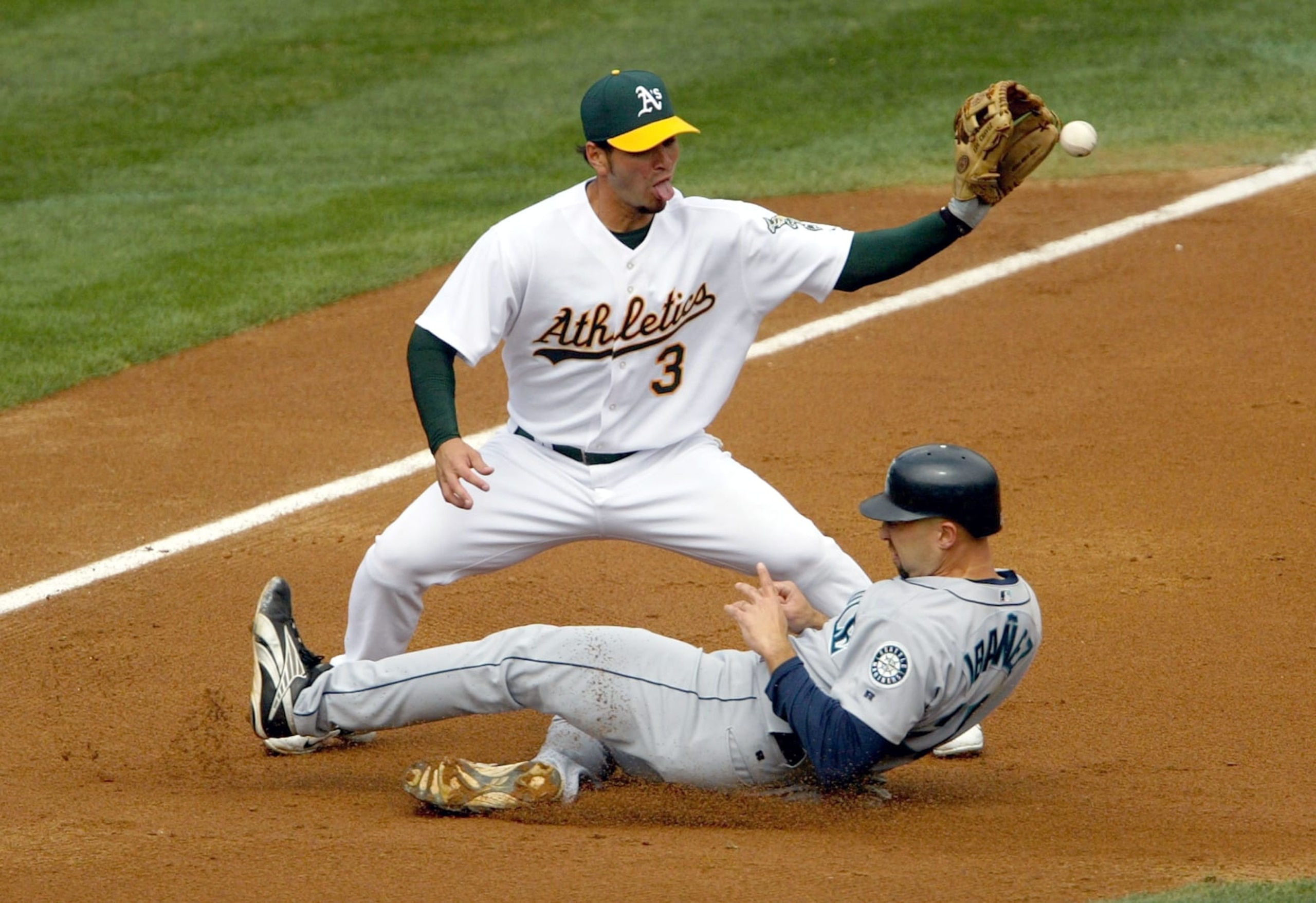
How It Started
Oakland was 81-54 on September 4, four games ahead of the Angels for first place in the AL West.
How It Finished
The A's went 10-17 the rest of the way, finishing one game behind the Angels, against whom they lost two out of three to close out the regular season.
What Went Wrong
The offense just vanished.
Every other AL team scored at least 110 runs from September 5 onward, but the A's managed just 99, or 3.7 per game.
Third baseman Eric Chavez had been their most valuable hitter with 27 home runs in his first 99 games that season, but he hit just .236 with two home runs in those last 27 games.
At least Chavez hit north of .200, though. Shortstop Bobby Crosby hit .189, catcher Damian Miller hit .164 and first baseman Scott Hatteberg—after hitting .310 through Sept. 4—hit .158 down the stretch.
As a result, they were held to three runs or fewer in 16 of their final 27 games.
The A's were only shut out once during those final four weeks, but it came at the worst possible time.
With their trio of aces—Mark Mulder, Barry Zito and Tim Hudson—lined up to pitch the colossal season-ending series at home against the Angels, they should've been able to salvage the division. Instead, they were blanked 10-0 in Mulder's start and subsequently lost Game 2, which was the clincher for Anaheim and the final nail in Oakland's coffin.


8th-Biggest Collapse: 2005 Cleveland Guardians
4 of 11
How It Started
With eight days remaining in the regular season, Cleveland was 92-63, 1.5 games behind Chicago in the AL Central, but 1.5 games ahead of Boston and New York, who were tied for the AL East lead.
How It Finished
Cleveland lost six of its final seven games, allowing both the Red Sox and the Yankees to pass them by.
What Went Wrong
A 1.5-game lead with eight days to go might not seem like much of a collapse, but let's add some context here.
By that point, no other team was realistically in the mix for the AL's wild-card spot. Some three-team combination of Chicago, Cleveland, Boston and New York was going to make the playoffs, along with whomever won the AL West.
And the schedule was set up perfectly for Cleveland to be one of those teams.
They had one game left at Kansas City—which at that time had the worst record in the majors by a 10.5-game margin—three home games against Tampa Bay, which was the worst AL team aside from Kansas City, and a three-game series at home against Chicago, where it could clinch the division and potentially the No. 1 seed.
Meanwhile, Boston and New York still had a three-game series against each other, guaranteeing that at least one of those teams would lose at least two more games.
Basically, as long as Cleveland didn't royally screw up against the two worst teams in the American League, it would be in great shape.
Lo and behold, it blew an early 3-0 lead and lost the game at Kansas City in walk-off fashion before losing two more one-run affairs against Tampa Bay.
Heading into the final weekend, Cleveland was still tied with Boston for the wild-card spot and still could have forced a tie for the AL Central crown by sweeping Chicago. Instead, it was the White Sox doing the sweeping, sending Cleveland packing.
7th-Biggest Collapse: 2013 Texas Rangers
5 of 11
How It Started
Texas ended August at 79-56, two games ahead of Oakland in the AL West and seven games clear of the first runner-up for a wild card spot. At the time, the Rangers were just one game back for the AL's No. 1 seed.
How It Finished
While the A's finished strong (19-8) and Cleveland had the best record in the majors to storm back into the wild-card mix (21-6), the Rangers laid a great big egg, losing 15 of their final 27 regular-season games to set up a "Game 163" tiebreaker at home against the Tampa Bay Rays—which they lost.
What Went Wrong
This was Texas' second consecutive September meltdown. The 2012 Rangers were one of our honorable mentions, blowing a five-game AL West lead over the final nine days of the regular season.
But at least that team still got a wild-card spot.
This one fully blew what looked like a sure thing, and in a hurry.
Those aforementioned 15 losses? They came in Texas' first 20 games of the month. The Rangers fell so hard so fast that they had to win their final seven games just to get into that tiebreaker game with Tampa Bay.
The biggest disappointments during that collapse were Adrián Beltré at the plate and Derek Holland on the mound.
The former ended August batting .326 with 28 home runs and ended up getting the seventh-most AL MVP votes, but he hit .266 with nary a dinger for those 20 games. The latter entered September as a viable candidate for at least some Cy Young votes, boasting a 3.00 ERA through his first 27 starts. But in starts 28-30, Holland had a 10.13 ERA, allowing five home runs while only striking out seven batters.
What really hurt, though, were the back-to-back games in which they gave Yu Darvish zero run support. In each of those games, he went 7.0 innings, allowing four hits and one run en route to a 1-0 loss. All told, Texas suffered a 1-0 loss in four of Darvish's starts in 2013, which is outrageous. Even Jacob deGrom—who notoriously had poor run support throughout his nine seasons with the Mets—has only pitched in four 1-0 losses in his entire career.
6th-Biggest Collapse: 2010 San Diego Padres
6 of 11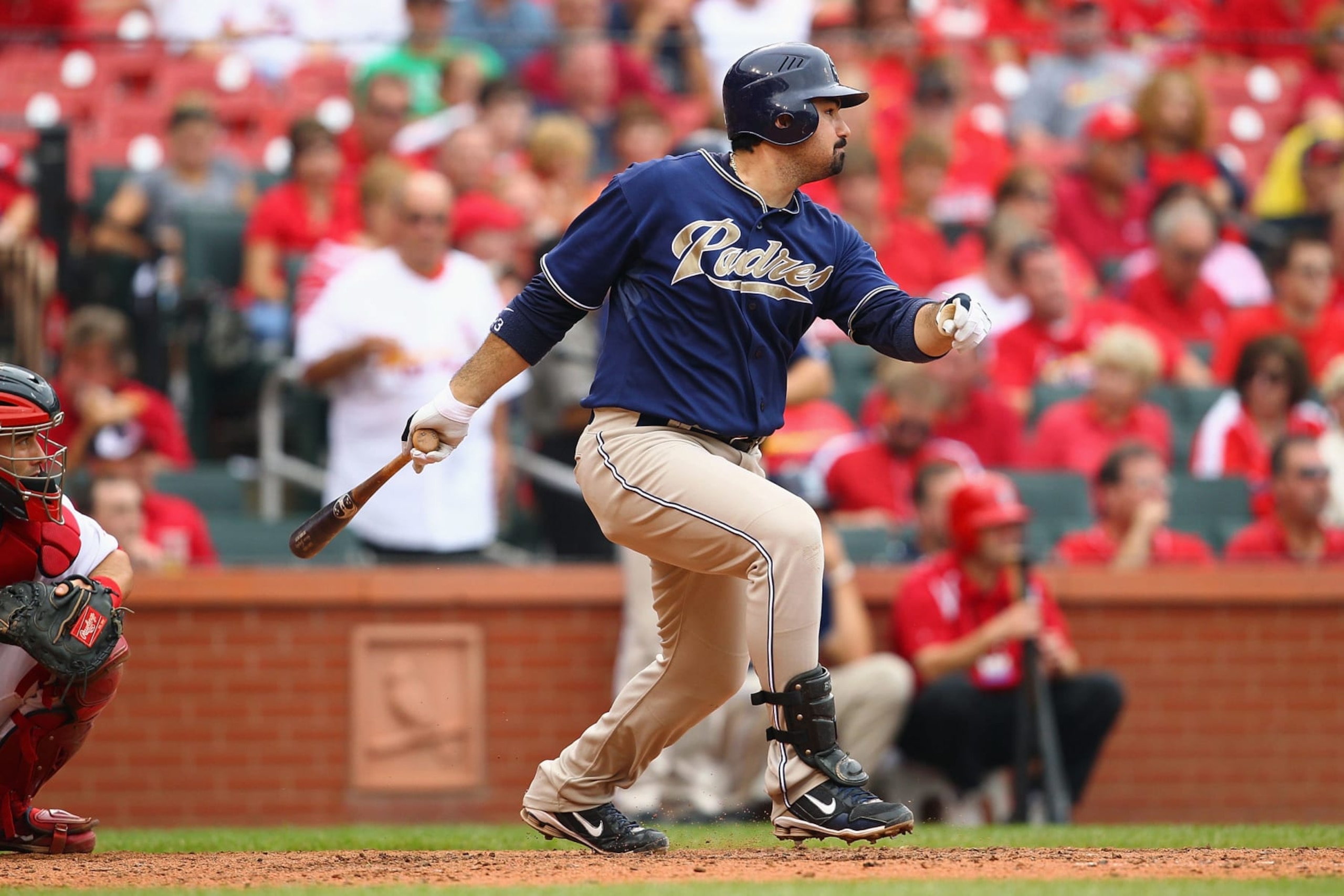
How It Started
From April 20 through the end of August, San Diego spent all of four days not in first place in the NL West and entered September at 76-55, four games ahead of the Giants. The Padres were also 2.5 games ahead of Philadelphia for the wild-card spot, if it came to that.
How It Finished
While the Phillies caught fire (23-7) and the Giants did enough (19-10) to make up some ground, the Padres went ice cold, losing 17 of their final 31 games. They finished two games back in the division and one game behind Atlanta for the wild-card spot.
What Went Wrong
This collapse actually began with a week left in August, and you could argue it belongs at No. 1 on this list if we factor in those first six games of what was a 10-game losing skid. The Padres went from 6.5 games ahead of San Francisco—as well as 4.0 games ahead of Atlanta and Cincinnati in the race for the NL's No. 1 seed—on August 25 to barely clinging to a one-game NL West lead by Labor Day.
In fact, from August 26 onward, the Padres posted the worst record in the NL at 14-23.
The pitching staff did its part, posting a better ERA in September/October (3.61) than it did in July (3.70) or August (3.71).
But what was already a mediocre offense through the first 131 games took a turn for the worse down the stretch.
The Padres triple-slashed .230/.297/.345 in September/October, well below the league-average marks of .250/.319/.390 during that month-plus. MVP hopeful Adrián González was more than adequate with an .896 OPS in those 31 games, but six of the other eight regulars had an OPS below .660, with both Chase Headley (.544) and David Eckstein (.542) really bringing up the rear.
In the big four-game series against the Giants in mid-September, San Diego scored a grand total of five runs. They were also held to five total runs in a four-game series against the Cubs. And in the season finale against the Giants—a game in which a win would have forced a tiebreaker for the NL West title and would have also brought San Diego into a tie with Atlanta for the wild-card spot—the Padres managed just four singles in a 3-0 loss.
5th-Biggest Collapse: 1995 California Angels
7 of 11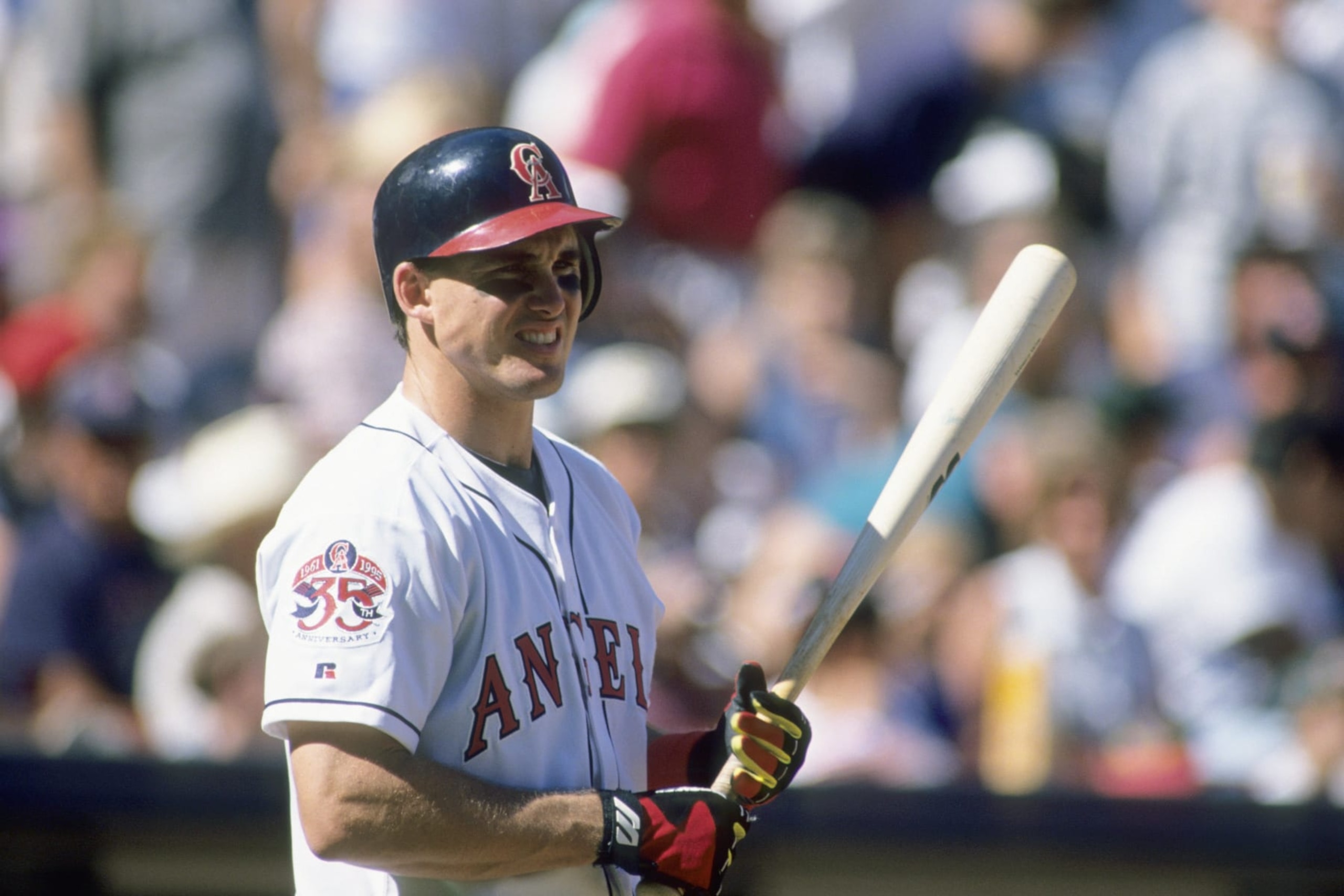
How It Started
It was a truncated season because of the players' strike from the previous summer, but California was 67-50 at the start of September. The Angels were 14 games behind Cleveland with no hope of getting the AL's No. 1 seed, but they were 7.5 games ahead of both Texas and Seattle in the AL West.
How It Finished
The Angels lost 16 of their next 22 games, going from "commanding lead" to "three games back" in less than four weeks' time. They did end the regular season on a five-game winning streak to force a tiebreaker with Seattle, but they got trounced in that game.
What Went Wrong
As was the case for the 2010 Padres, if we were to consider the full extent of the Angels' collapse, it would make a strong case for No. 1. Because on August 15—prior to finishing the month with losses in 12 of 15 games—California was 64-38, boasting a 10.5-game lead in the AL West.
But even just focusing on September, blowing a 7.5-game lead is pretty brutal.
It was the nine-game losing skid that doomed the Angels, and what particularly hurt is that all nine of those losses came against teams that ended up missing the postseason.
It's one thing to fall apart against contenders, but that stretch was just plain embarrassing.
And it was fueled by the offense's disappearing act.
Prior to September, California had the most potent offense in the majors, averaging 5.9 runs per game. Between the outfield trio of Jim Edmonds, Tim Salmon and Garrett Anderson, J.T. Snow at first base, Gary Disarcina at short, Tony Phillips at third and Chili Davis at DH, they had seven regulars finish the season with an OPS north of .800.
They just didn't pack the same punch down the stretch, averaging 3.6 runs during the aforementioned run of 16 losses in 22 games.
And when they needed that offense more than ever in the tiebreaker game against Randy Johnson, they didn't get their first baserunner until the sixth inning and didn't get on the scoreboard until it was way too late, hitting a sad solo homer in the ninth inning of a 9-1 loss.
4th-Biggest Collapse: 2009 Detroit Tigers
8 of 11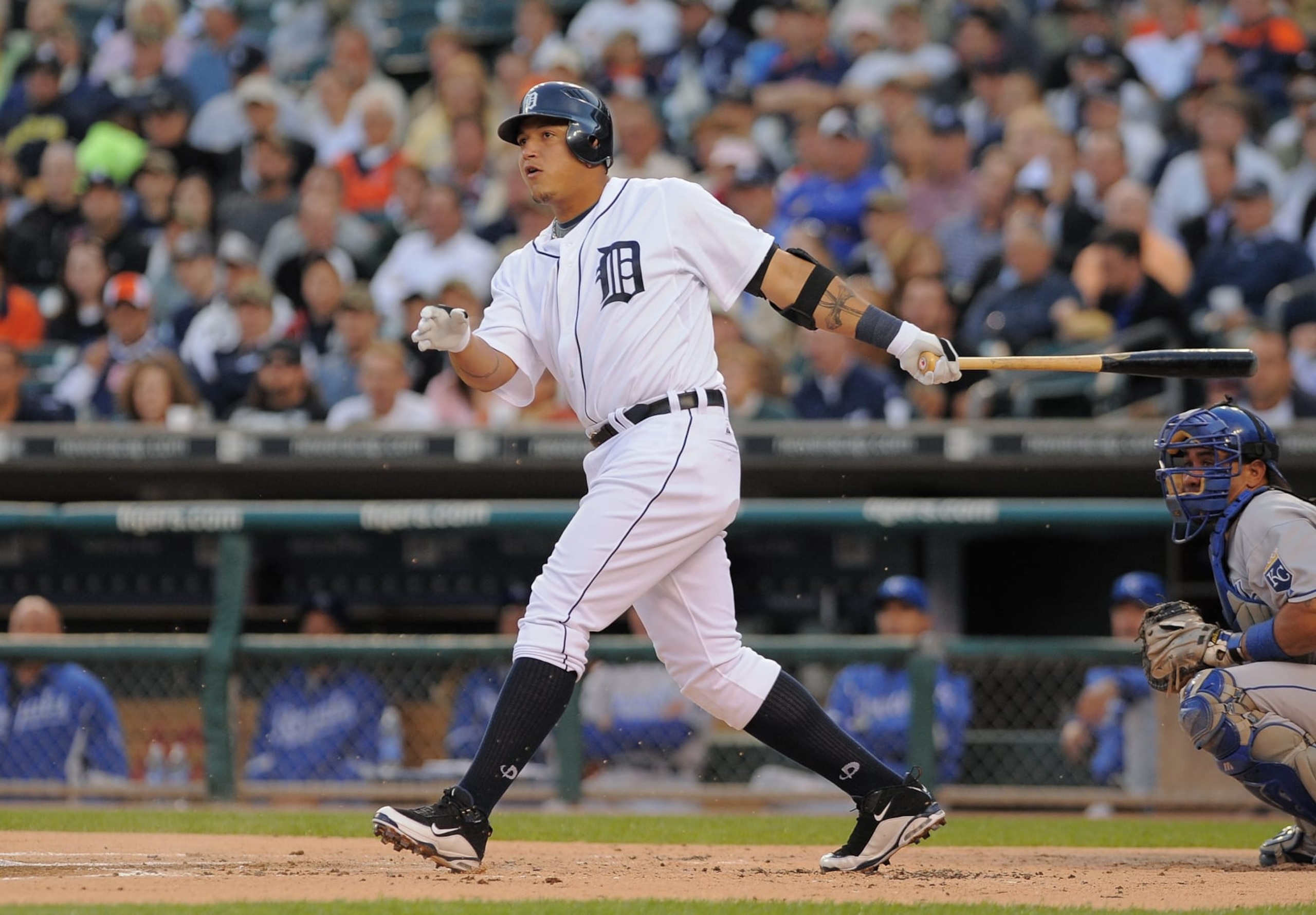
How It Started
After opening September on a six-game winning streak, Detroit entered Labor Day with its biggest lead of the entire season. The Tigers were 75-61, seven games ahead of Minnesota in the AL Central.
How It Finished
Despite losing 12 of their next 20 games, Detroit still entered October with a three-game lead and could've clinched the division with a win over Minnesota on Oct. 1. However, the Tigers lost that game and two out of three against Chicago to force a "Game 163" tiebreaker that Minnesota won in a 12-inning affair.
What Went Wrong
Prior to that dramatic tiebreaker, Detroit did reasonably well against the team it was trying to keep at bay, going 3-4 against the Twins over the final few weeks of the regular season.
It was everywhere else that the Tigers dug their own grave.
They went 2-5 against 97-loss Kansas City and 2-4 against 83-loss Chicago, with all nine of those losses coming by multiple runs. Detroit also split a four-game series at home against 87-loss Toronto.
All the while, Minnesota handled its business, going a combined 9-1 against the Royals and White Sox and 17-4 overall in its final 21 games, making this perhaps more of a triumphant comeback by the Twins than a collapse by the Tigers.
The Twins needed Detroit's help, though, and there's no question that the Tigers' five most important players of that season fell apart down the stretch.
Detroit won four of Justin Verlander's final five starts, but he posted a 4.62 ERA and struggled in both games against Minnesota—9 ER in 15.1 IP. Meanwhile Edwin Jackson had a 3.10 ERA on Labor Day, but was lit up for a 6.68 ERA in his last five appearances, allowing at least five earned runs in four of those starts.
Miguel Cabrera entered September 8 batting .336 with a .964 OPS before putting up marks of .267 and .840 the rest of the way. Similarly, Curtis Granderson had an .800 OPS when the schneid began and gave Detroit just a .680 OPS during the collapse. And after racking up 27 home runs in his first 134 games, Brandon Inge started every remaining contest at third base without a single four-bagger.
Still, they had a chance. Several of them, in fact. The Tigers jumped out to a 3-0 lead in Game 163, reclaimed a 5-4 lead in the top of the 10th and had the bases loaded with one out in the top of the 12th. But they just kept letting it slip away.
From May 9 through October 5, Detroit never once ended a day in second place in the AL Central.
Snapping that nearly five-month streak on October 6 was excruciating.
3rd-Biggest Collapse: 2011 Atlanta Braves
9 of 11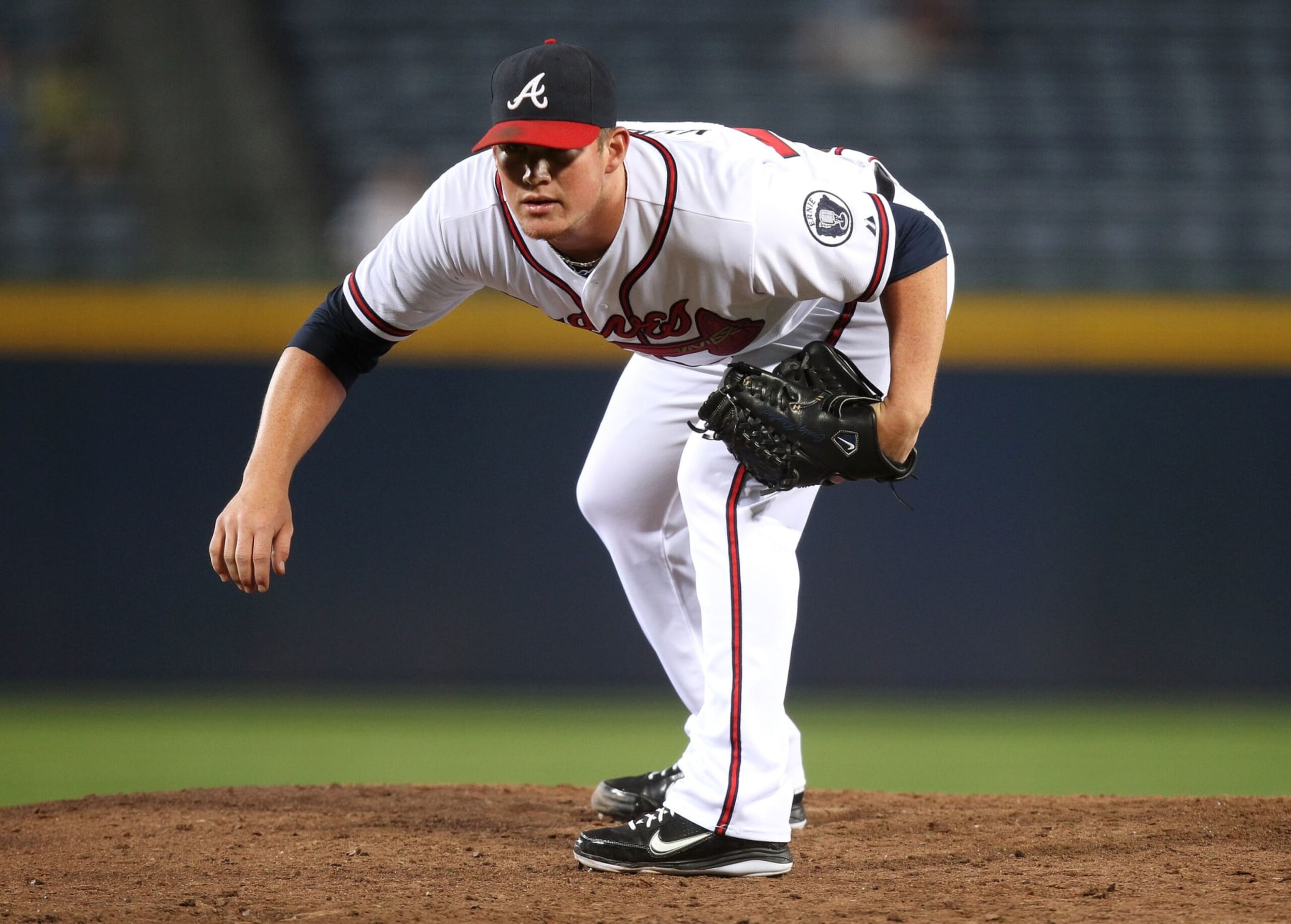
How It Started
Though the Phillies (86-46) already had a firm grip on the NL East crown, Atlanta had the second-best record in the National League (80-55) and had seemingly already locked up the wild-card spot in what was the final year of the eight-team playoff format. The Braves entered September 8.5 games ahead of the Cardinals.
How It Finished
Atlanta posted the worst September record in the NL (9-18), including finishing the season on a five-game losing streak. Meanwhile, the Cardinals went 18-8, snagging the wild-card spot and eventually winning the World Series.
What Went Wrong
Not only did Atlanta open September with an 8.5-game lead over St. Louis, but it still held a 7.5-game edge when their head-to-head series began on the 9th.
Had they swept that series, the race would've been over. They would've been 87-60 with the Cardinals and Dodgers tied 10.5 games back at 76-70.
But, really, as long as they didn't get swept, they would've been in fantastic shape for the final two-and-a-half weeks of the regular season.
They did get swept, though, somewhat symbolically blowing a two-run lead with two outs in the ninth inning of the first game of that series.
At least the Cardinals were playing for something, though.
Ending the season by getting swept at home by the Phillies—who had already clinched home-field advantage through the World Series and were more or less in "just don't get injured" mode—was especially embarrassing for Atlanta.
The Braves entered that series still one game ahead of St. Louis, and were handed quite the gift when the Cardinals lost their series opener against what was the worst team in the majors that season (Houston).
As long as they won one of their final two games, the Braves would have at least forced a tiebreaker game. They instead lost Game 2 by a score of 7-1 before repeatedly fumbling away the season finale, losing that one in 13 innings.
Over those final 27 games, Atlanta averaged just 3.2 runs per contest. Craig Kimbrel—who won NL Rookie of the Year that season—blowing three of his final six save chances didn't help matters.
2nd-Biggest Collapse: 2011 Boston Red Sox
10 of 11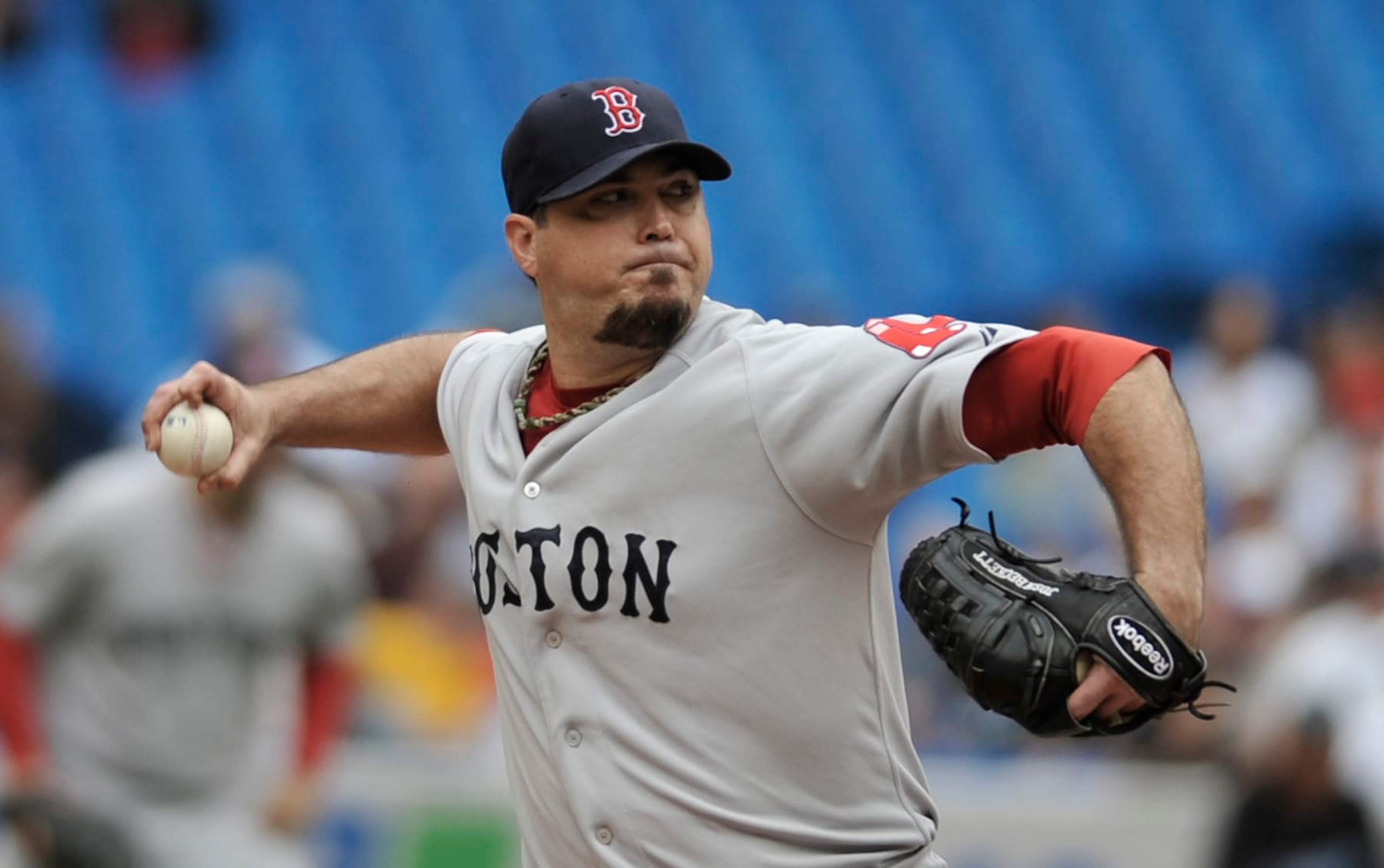
How It Started
At 83-52, Boston entered September in the driver's seat for the AL's No. 1 seed. The Red Sox were 1.5 games ahead of the Yankees, seven games up on Texas, 8.5 games clear of Detroit and held a nine-game cushion over the closest challenger for a wild-card spot (Tampa Bay).
How It Finished
Stringing together even two consecutive wins suddenly became impossible for the Red Sox, who failed to win a single series in September. They went 7-20, punctuated by Jonathan Papelbon blowing the save and the season on the final day.
What Went Wrong
September 28, 2011 was arguably the most theatrical day in the history of regular season Major League Baseball.
We previously mentioned Atlanta's 13-inning loss that handed the Cardinals a playoff spot. But that was nothing compared to what transpired in the AL, with Boston blowing a 3-2 ninth inning lead (with two outs and no one on base) against the 93-loss Orioles while the Rays simultaneously rallied from a 7-0 eighth-inning deficit against the 97-win Yankees, tying the game on a Dan Johnson homer with two outs in the ninth and punching their ticket with Evan Longoria's walk-off homer in the 12th.
But for as wild as the ending was, it's so much more absurd that Boston paved the way for it to happen.
The Red Sox directly helped out the Rays by going 1-6 in the head-to-head games, though going 2-5 against last-place Baltimore was arguably even more damning.
Don't blame the offense, though. Jacoby Ellsbury and Marco Scutaro each posted an OPS north of 1.000 in September. Adrián González and Dustin Pedroia also finished strong. And though he only homered once, David Ortiz had a .396 OBP for the month. They entered September averaging exactly 5.4 runs per game and put up 5.41 runs during that 27-game collapse.
The pitching, on the other hand, was a travesty.
Seven different Red Sox pitchers made multiple starts that September, none of whom posted an ERA better than 5.25. Jon Lester ended August with a 3.09 ERA before going 1-3 with a 5.40 mark in September. Josh Beckett's collapse was even worse, allowing six earned runs in each of his final two starts after entering that home stretch with a 2.50 ERA.
That September is also when Daniel Bard suddenly lost the ability to throw strikes, going 0-4 with a 10.64 ERA in 11 appearances.
All told, the Red Sox allowed 6.4 runs per game, going 1-19 in contests where the offense failed to score at least seven runs.
Biggest Collapse: 2007 New York Mets
11 of 11
How It Started
With 18 days remaining in the regular season, the 83-62 New York Mets had both a one-game lead over Arizona for the NL's No. 1 seed and a seven-game lead over Philadelphia for the NL East crown.
How It Finished
Despite an extremely favorable schedule, the Mets choked it away, losing 12 of their final 17 games and allowing the Phillies to win their first of five consecutive NL East titles.
What Went Wrong
Let's start with the "extremely favorable schedule" part.
New York opened that final 2.5-week stretch with a three-game set at home against Philadelphia. That series wasn't easy, of course, but all the Mets really had to do to maintain a somewhat comfortable lead was avoid getting swept.
They got swept.
Even so, here's where the world was their oyster: The Mets woke up on Sept. 17 with a 3.5-game lead and 14 games remaining against the 65-84 Florida Marlins (seven games), the 66-83 Washington Nationals (six games) and the 70-78 St. Louis Cardinals (a one-game rainout makeup). That's 13 out of 14 games against two of the worst teams in the majors, plus one home game against a sub-.500 team playing for nothing.
Not only should they have won the NL East, but they still had the clear inside track to the No. 1 seed.
But they got shut out by the Cardinals, lost five of six to the Nationals and didn't exactly capitalize on facing the Marlins, losing three of those seven games.
Throughout that meltdown, New York's pitching was atrocious. A total of 19 pitchers took the mound across those final 17 games, only three of whom managed an ERA below 4.70.
In the six games against the Nationals—who still finished the season ranked dead last in the majors in total runs scored—they allowed an absolutely staggering 57 runs. The Nats scored nine or more runs just 12 times in that entire season, but five of those 12 outbursts came in late September against the Mets.
Even after all that letdown, had the Mets won their season finale against the Marlins, it would have created a tiebreaker extravaganza. Not only would they have tied the Phillies for the NL East title, but they both would have been tied with San Diego and Colorado for the wild card. MLB might have needed a Game 163, 164 and 165 to sort out that mess.
Instead, in what was both his final appearance with the Mets and indisputably the worst outing of his entire career, Hall of Famer Tom Glavine got destroyed for seven earned runs in 0.1 IP, putting an emphatic capstone on the worst September collapse of the wild-card era.




.jpg?w=2560 "Malik Beasley Negotiating Plea Deal (AP)")


.jpg?w=2560 "Aikman Blasts Cowboys WR 🫣")

.jpg?w=2560 "Jonathan Taylor Landing Spots")