
Projecting Celtics' Depth Chart, Rotation After 2023 NBA Free Agency
A busy 2023 NBA offseason for the Boston Celtics is essentially in the books.
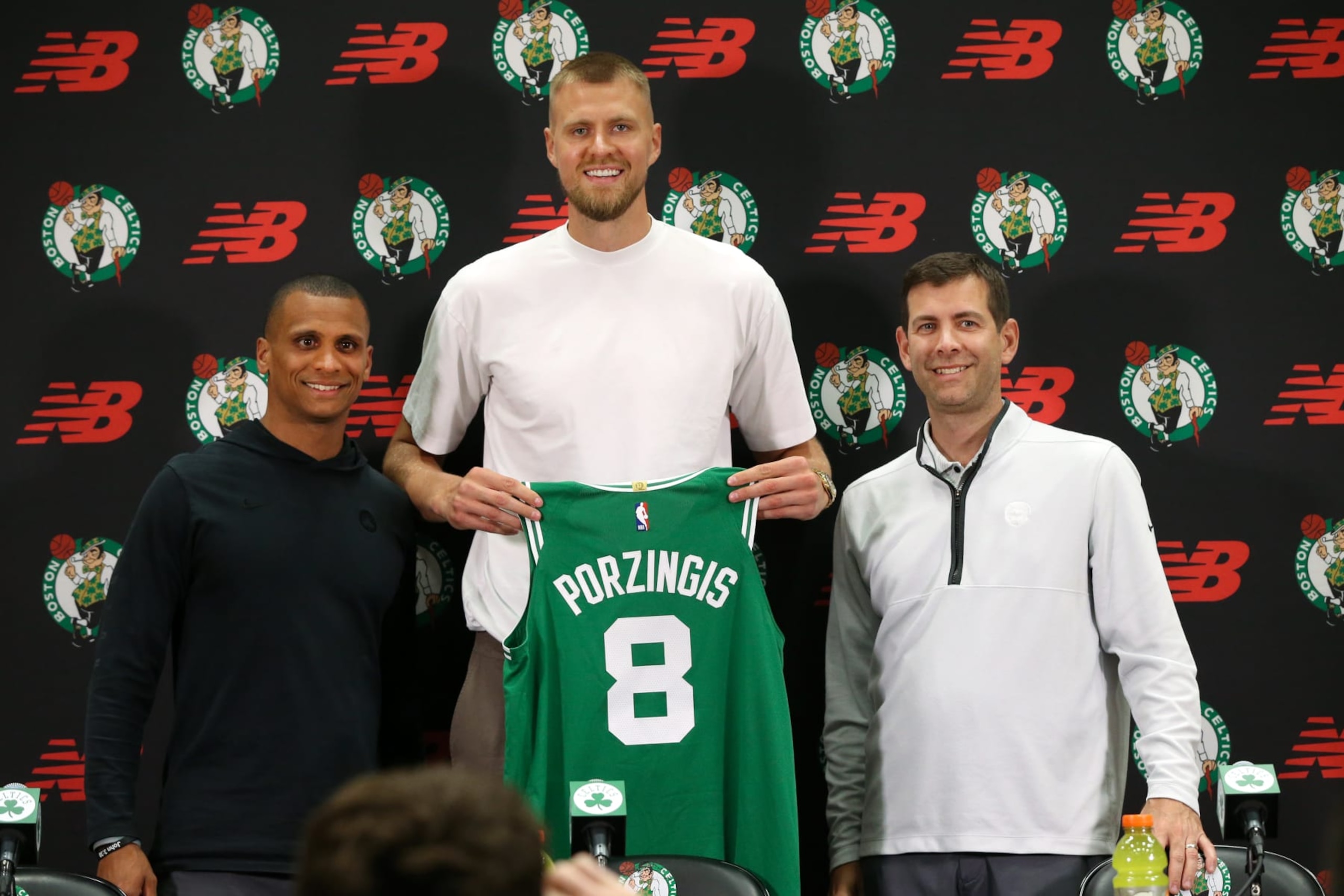
Marcus Smart and Grant Williams are out. Kristaps Porziņģis is in. And Jaylen Brown is now the proud owner of the biggest contract in league history.
That's a lot of activity for a team that's been among the league's most successful squads in recent seasons, but since Boston had failed to capture a championship despite making three conference finals appearances in four years, this front office must have felt a shake-up was needed.
Where to the Celtics stand after all of this activity? Let's take a closer look with a projected depth chart for the 2023-24 Shamrocks.
Projected Depth Chart
1 of 3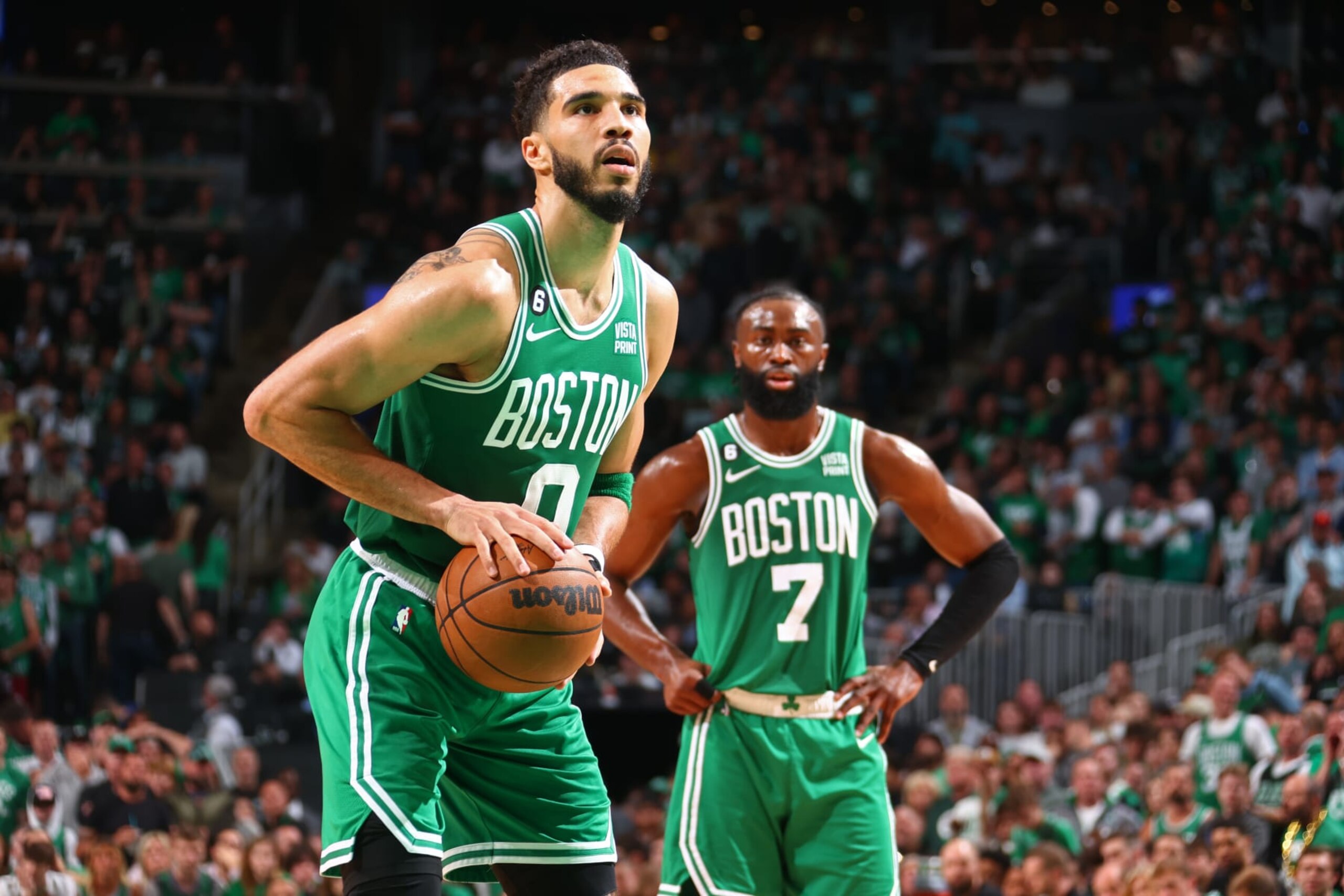
Point guard: Derrick White, Payton Pritchard, Dalano Banton
Shooting guard: Jaylen Brown, Malcolm Brogdon
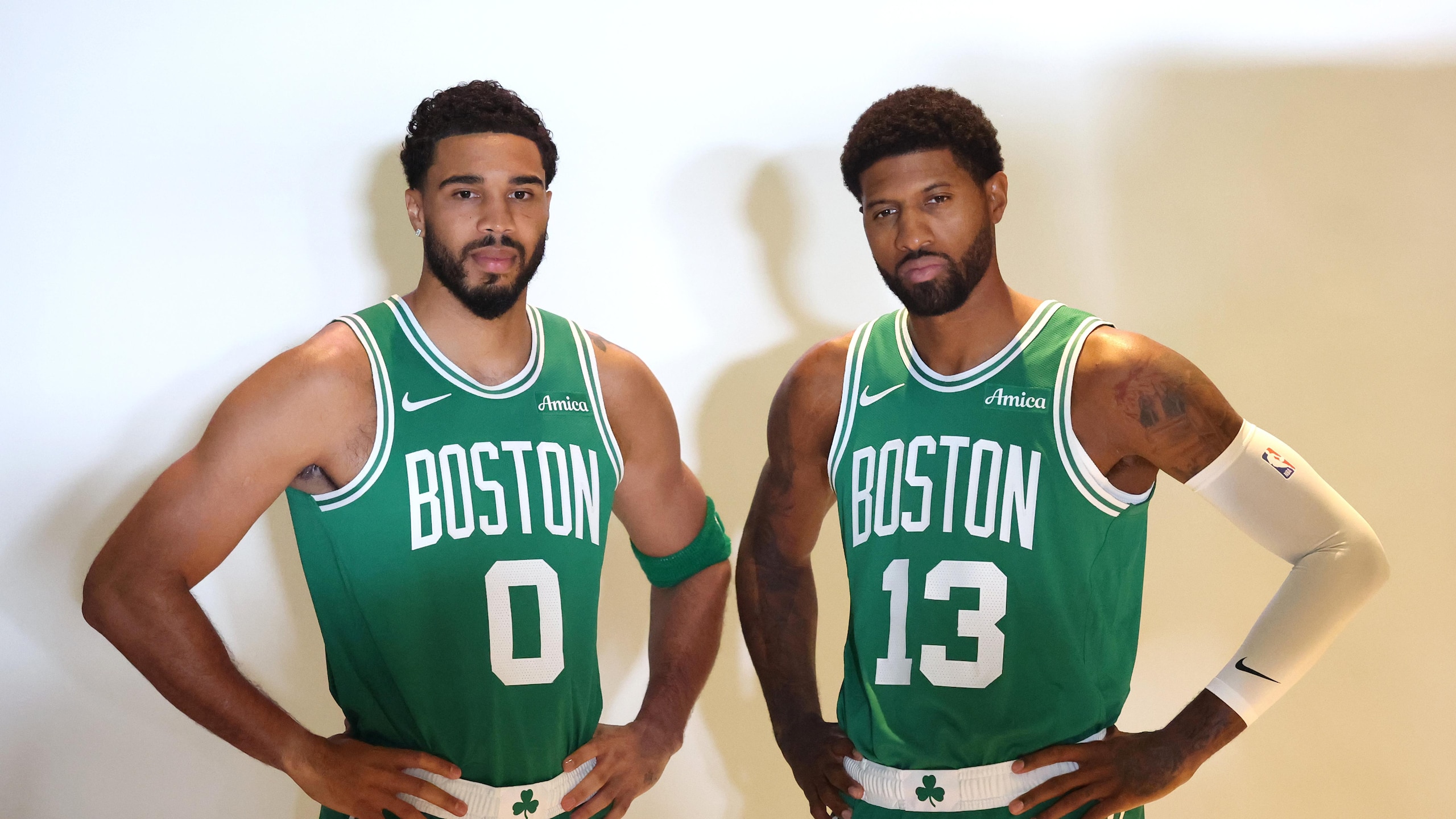
Small forward: Jayson Tatum, Sam Hauser, Jordan Walsh
Power forward: Kristaps Porziņģis, Oshae Brissett
Center: Al Horford, Robert Williams III
Backcourt
2 of 3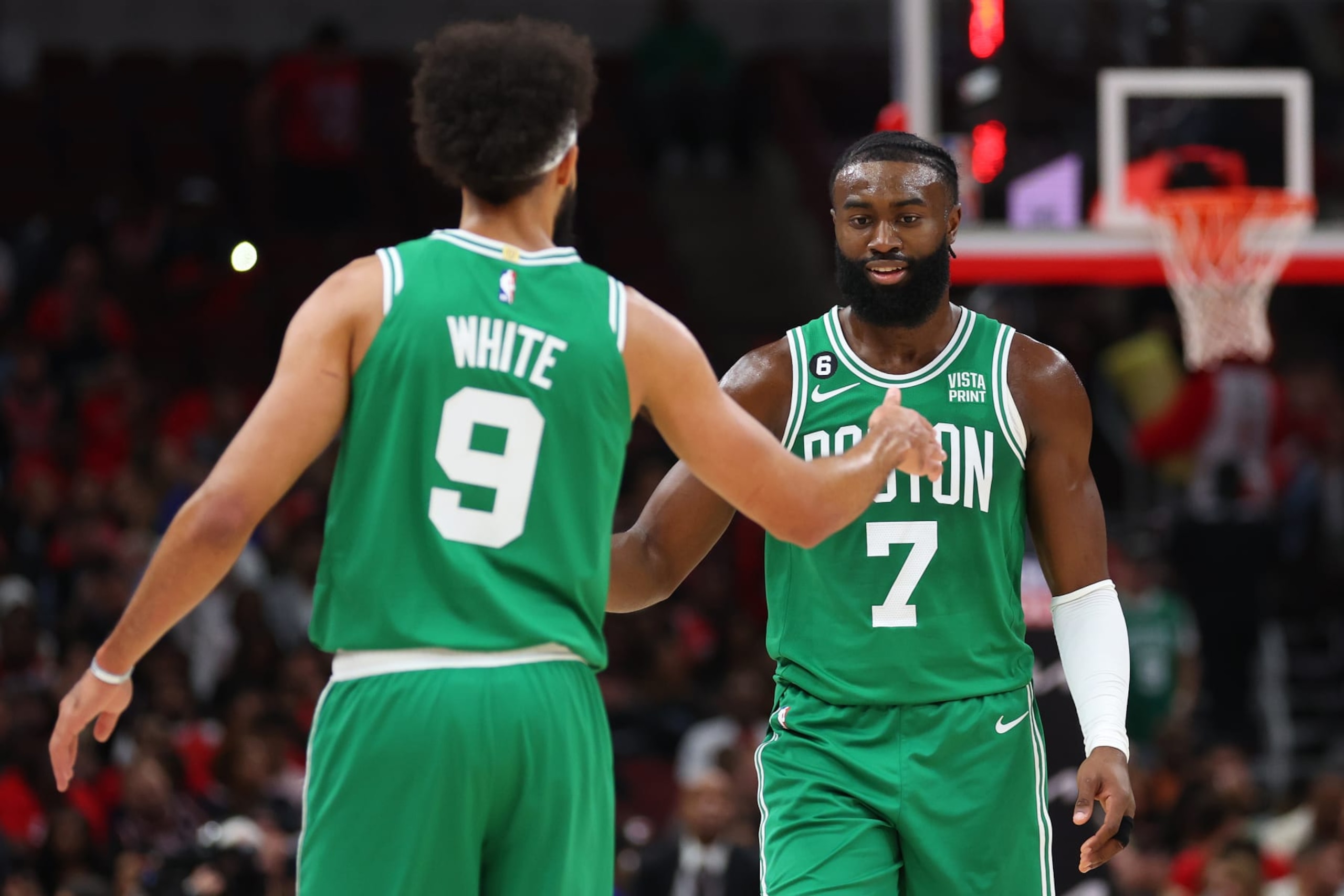
Starters: Derrick White, Jaylen Brown
Few position groups will feel more pressure this upcoming season than Boston's (projected) starting backcourt.
White is the likely choice to slide in the spot vacated by Smart, the team's emotional leader and longest-tenured player at the time of his trade to the Memphis Grizzlies. White isn't the same caliber defender as Smart (few guards are), but the hope is that any defensive slippage will be offset by an upgrade on the offensive end.
As for Brown, he has plenty to prove after inking that pact. While he has established himself as one of the league's better two-way wings, his postseason struggles highlighted some of the shortcomings in his game. Living up to his new pay rate will require tightening his handle and leveling up his playmaking.
Reserves: Malcolm Brogdon, Payton Pritchard, Dalano Banton
Brogdon's name bounced around the rumor mill this summer, and it could possibly end up there again. If the Celtics feel the need to cut costs—Tatum is extension-eligible next summer, after all—Brogdon could be the odd man out.
If no deal happens, though, he should be back in the sixth man role he played at an award-winning level this past season. As long as he's healthy, he is a reliable two-way contributor who can operate both on and off the ball.
Pritchard has been pining for more playing time, and with Smart out of the equation, Boston might finally give it to him. It isn't guaranteed, though. Pritchard's shot-making alone might not be enough to get him on the floor. He has to hold up reasonably well on defense to stick.
Banton, a newcomer who spent his first two seasons with the Toronto Raptors, has great size for the point guard spot at 6'9", What he doesn't have, though, is much reliability in the half-court offense, since his scoring range is severely limited. If he's getting regular minutes, he'll either be covering for an injured player (or multiple injured players) or will have experienced exponential growth in his game.
Frontcourt
3 of 3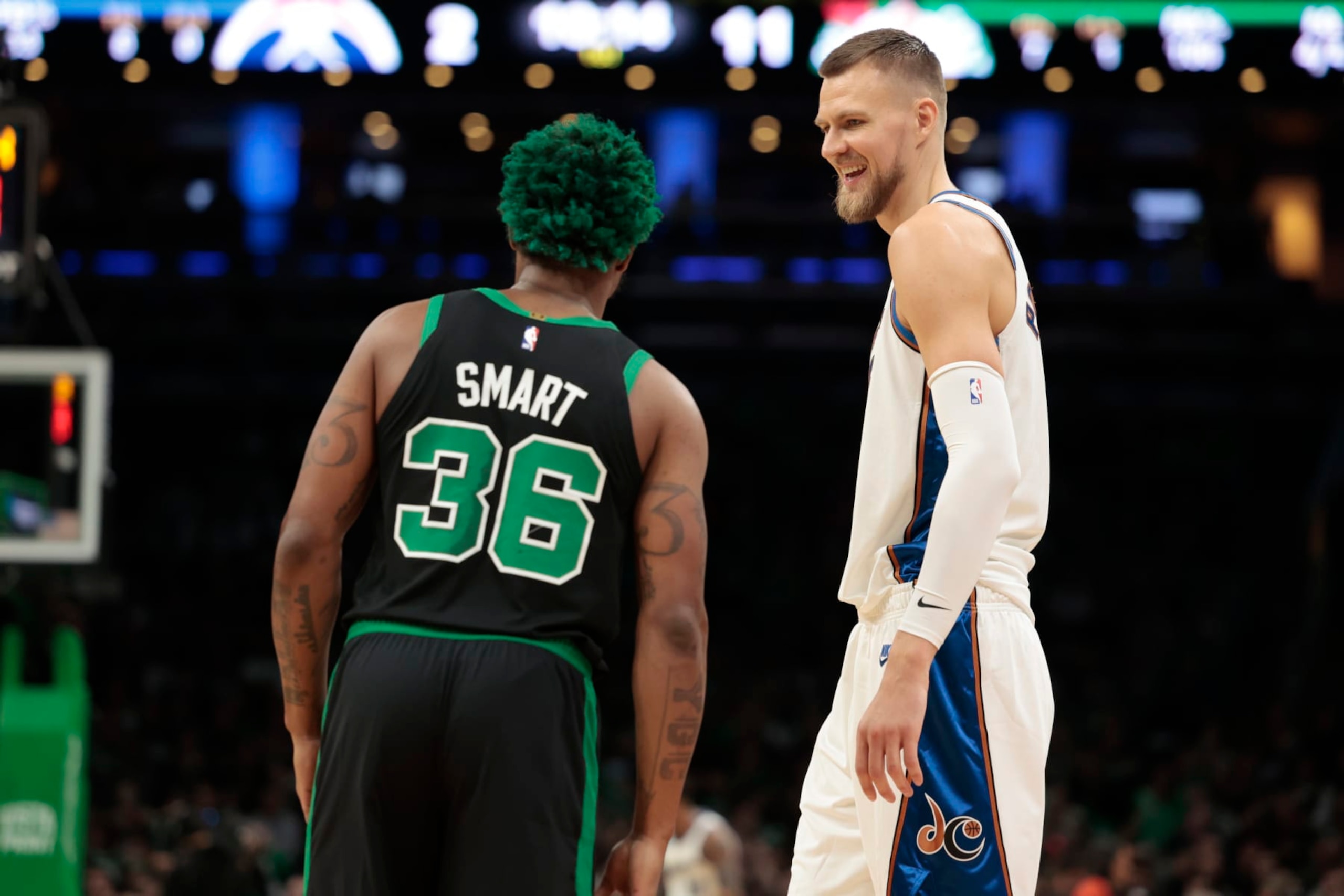
Starters: Jayson Tatum, Kristaps Porziņģis, Al Horford
Tatum was a strong MVP candidate this past season. At 25 years old, he is presumably still working toward his prime. Boston will give him all the minutes he can handle.
Porziņģis is a no-brainer for the starting—and closing—group. Health is always a concern for the 7'3" unicorn, but he did play more games this past season (65) than he had since 2016-17. If that trend continues, he should be a major asset as a complementary scorer, pick-and-pop shooter and shot-blocker.
The other frontcourt gig is essentially a coin flip between Horford and Williams. Still, this could be a case where Horford opens games to maximize the offensive spacing and Williams closes them to make Boston's defense as stingy as possible.
Reserves: Robert Williams III, Sam Hauser, Oshae Brissett, Jordan Walsh
Williams is seemingly in a perpetual tussle with the injury bug, but he is an impact player whenever he is upright. His health concerns might limit his minutes allotment—he averaged 29.6 in 2021-22, but only 23.5 this past season—but Boston will lean on him as much as it can.
Hauser will likely lead the backup wings in minutes, due both to his three-point shooting and the dearth of alternatives. Brissett, a four-year pro who's played in Toronto and Indiana, adds energy and defensive versatility, but his offensive niche is nearly nonexistent. This past season, he shot just 38.6 percent overall and 31 percent from three.
Walsh, a rookie second-rounder, is an impressive athlete, but that's probably not enough to get him on the court any time soon without major injury issues to the players ahead of him.


.jpg?w=2560 "Cam Ward Says He's Not A Loser")
.jpg?w=2560 "🚨 Texans Trade for MHJ")
.jpg?w=2560 "Grading MHJ Trade 📝")
.jpg?w=2560 "Chargers Fall to 0-5 🤢")
.jpg?w=2560 "MHJ Bought Own Jugs Machine")