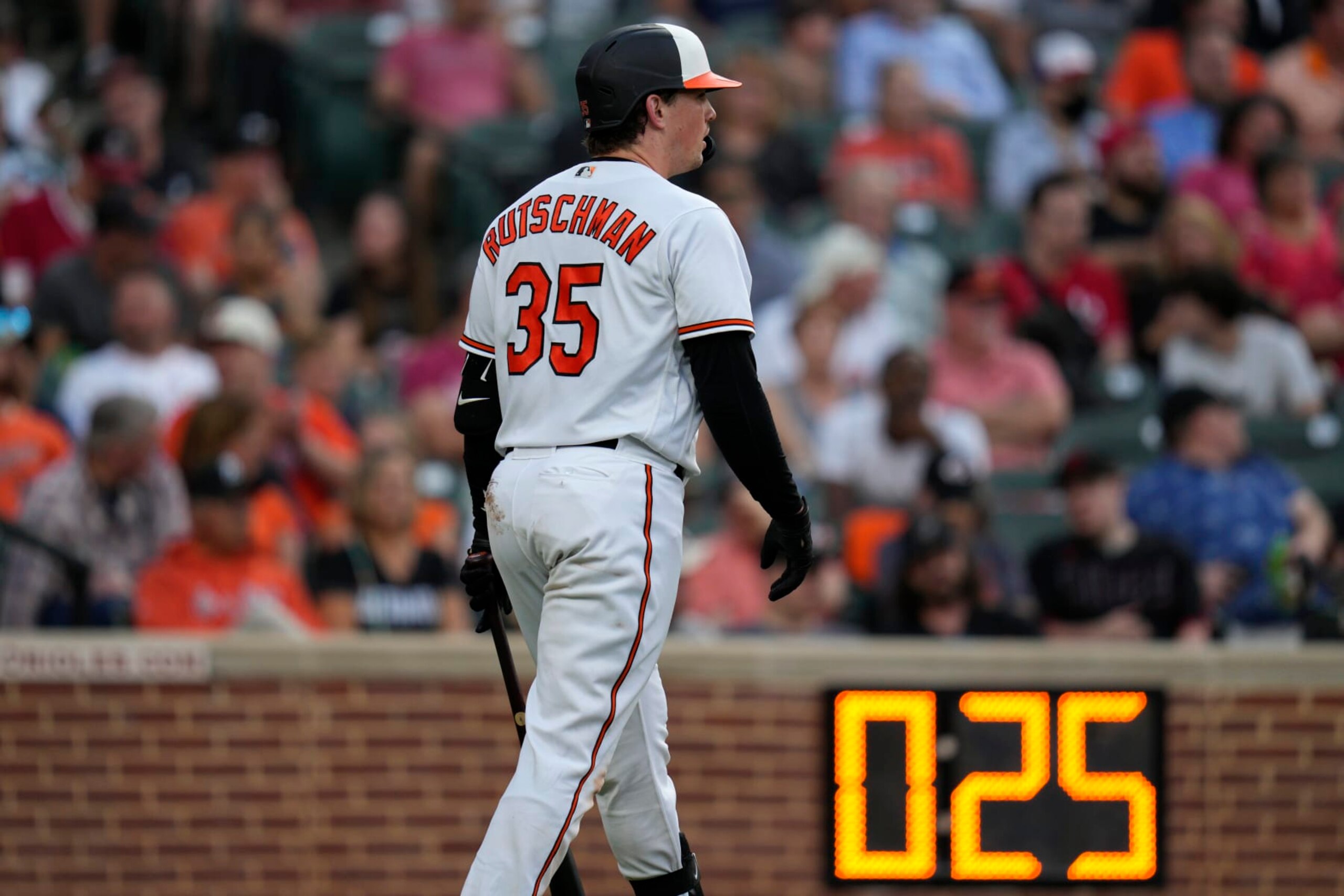

MLB Players Want Pitch Clock Rule Change for Playoffs, MLBPA's Tony Clark Says
While the pitch clock has been a resounding success in the 2023 MLB regular season, players would like to see the league consider tweaking the timing rules for the playoffs.
Speaking to reporters ahead of the All-Star Game on Tuesday night, MLB Players Association executive director Tony Clark explained players want an adjustment in the postseason "that will afford them and those watching a chance to take a few extra seconds here and there and a deep breath."
Clark also mentioned he's been open to the idea of reducing the regular-season schedule from 162 games, but the union quickly dismisses it when the league tries to use that as an excuse to cut back on player salaries.
TOP NEWS
MLB Proposes Fewer Games
.jpg?w=2560)
Jazz Chisholm Landing Spots📍
.jpg?w=2560)
Best Fits for Michael King and Casey Mize ⚾
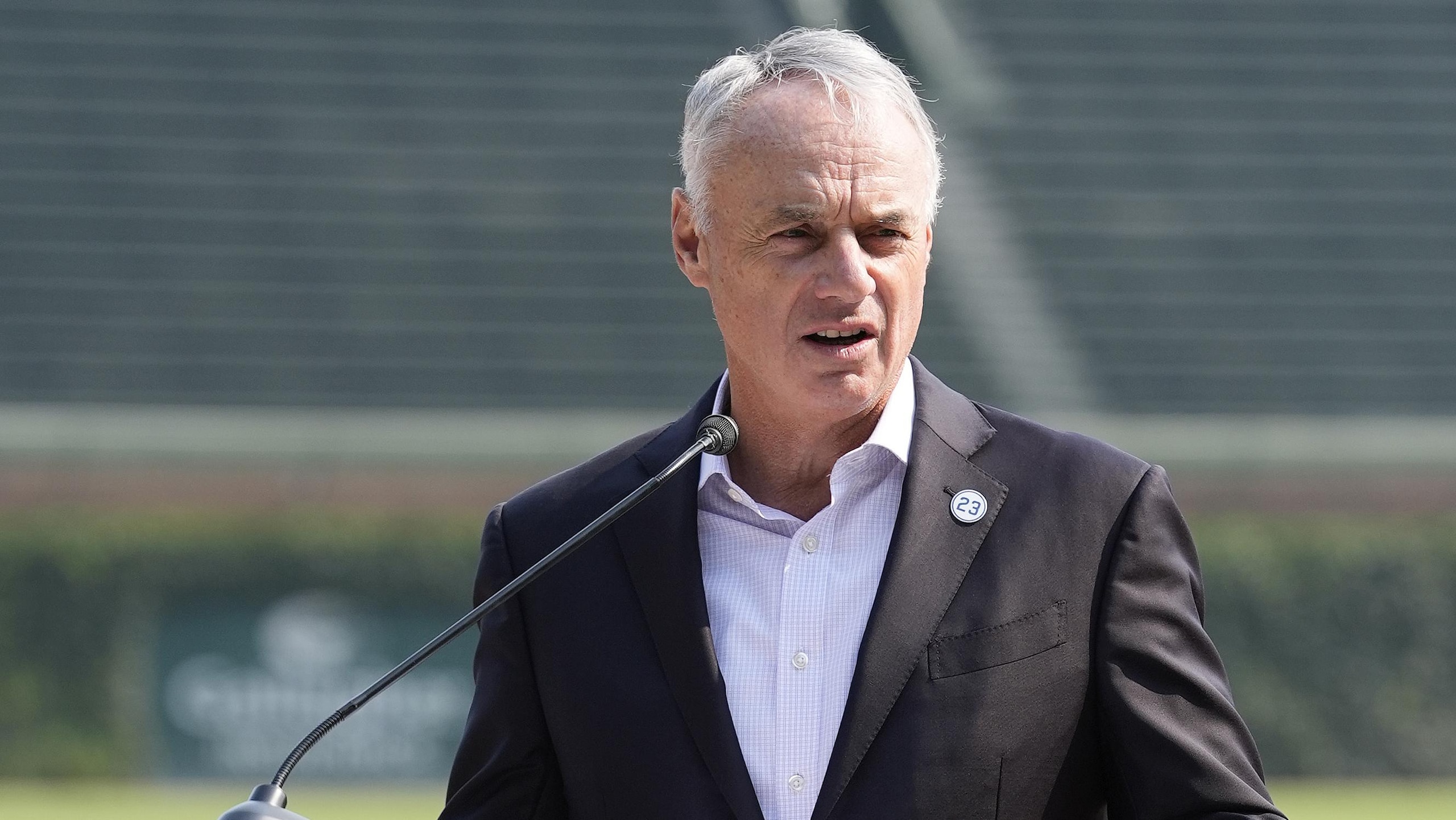
In response to Clark's comment, Manfred said talks about the postseason pitch clock will continue before a final decision is made.
Prior to the start of the 2021 season, when the league was still trying to navigate around the COVID-19 pandemic, MLB proposed a delayed start to the regular season and a 154-game schedule.
Per ESPN's Jeff Passan, the MLBPA did ponder the offer but raised concerns on "multiple fronts" in part because players "believe language in the proposal would grant commissioner Rob Manfred power beyond what he currently has to cancel games and, accordingly, potentially cut into players' pay."
While nothing wound up coming from those discussions, Manfred told reporters in the wake of the Chicago Cubs-St. Louis Cardinals series in London last month a 154-game schedule would make it easier to accommodate more overseas games.
"There's been conversation over the years about 154 (games) as opposed to 162," he added. "That would be an easy alternative."
MLB's regular-season schedule has consisted of 162 games since 1961.
Under the current pitch-clock rules, pitchers have 15 seconds to throw a pitch with the bases empty and 20 seconds with a runner on base. Hitters are required to be in the batter's box with eight seconds on the clock.
Pitchers who violate the clock rules are assessed an automatic ball. Hitters who aren't in the box before the eight-second mark are assessed an automatic strike.
Through May 31, the average length of an MLB game this season was two hours, 39 minutes. By comparison, the average game during the 2022 campaign was three hours, six minutes.
Despite the reduced game time, The Athletic's Will Sammon, Brittany Ghiroli and Eno Sarris reported on May 2 that managers, coaches and players have some concerns about the health of players because the clock doesn't allow for additional recovery time on the mound when feeling fatigued.
While having shorter games, particularly during the regular season, makes for a better viewing experience as a fan, the clock can impact the level of drama in a high-leverage moment.
The World Baseball Classic didn't use a pitch clock, and no one was complaining about the amount of time between pitches when Shohei Ohtani was pitching to Mike Trout in the top of the ninth to close out Japan's 3-2 win over the United States in the championship game.



.jpg?w=2560 "Lions DC Defends Play Calls 🫥")