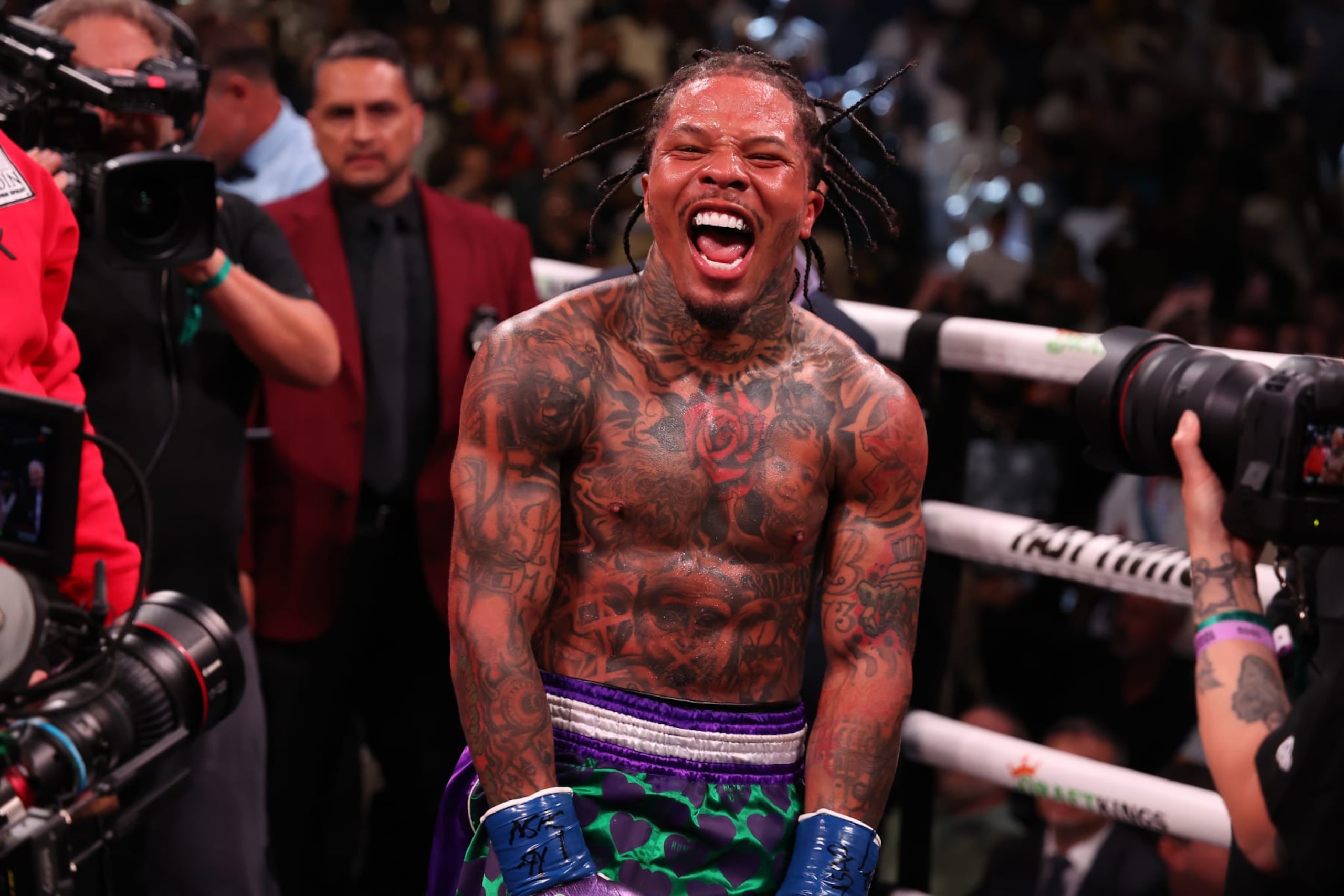

Boxing Needs More Fights Like Gervonta Davis vs. Ryan Garcia to Rebuild the Sport

It was a great night in Las Vegas.
Maybe.
After all, the catchweight main event between a championship-level operator in Gervonta Davis and a blue-chip prospect-turned-contender in Ryan Garcia created a substantial buzz among boxing types, drew a big crowd to the T-Mobile Arena and was positioned as pay-per-view material on Showtime and DAZN.
TOP NEWS
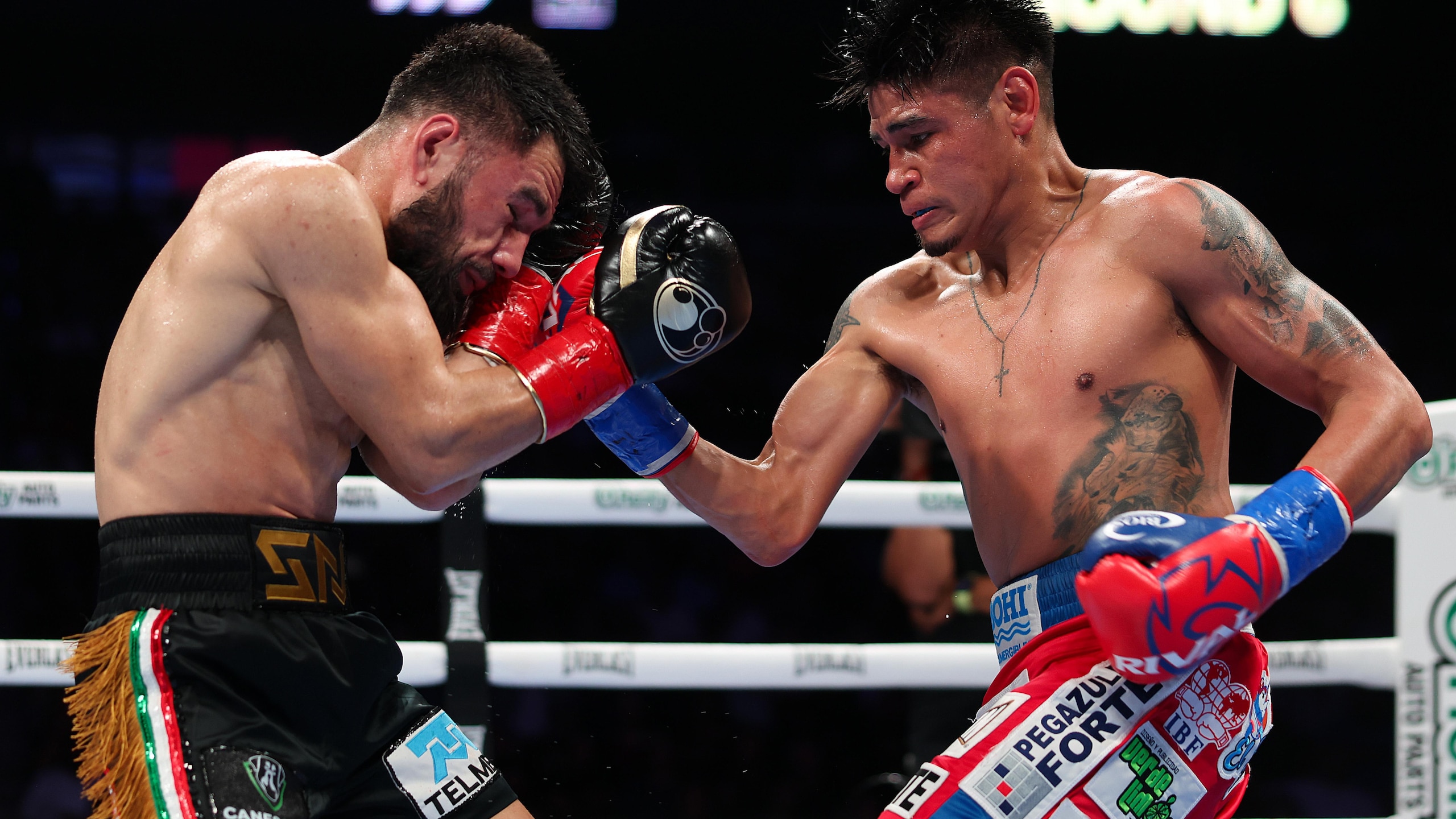
Emanuel Navarrete vs. O'Shaquie Foster
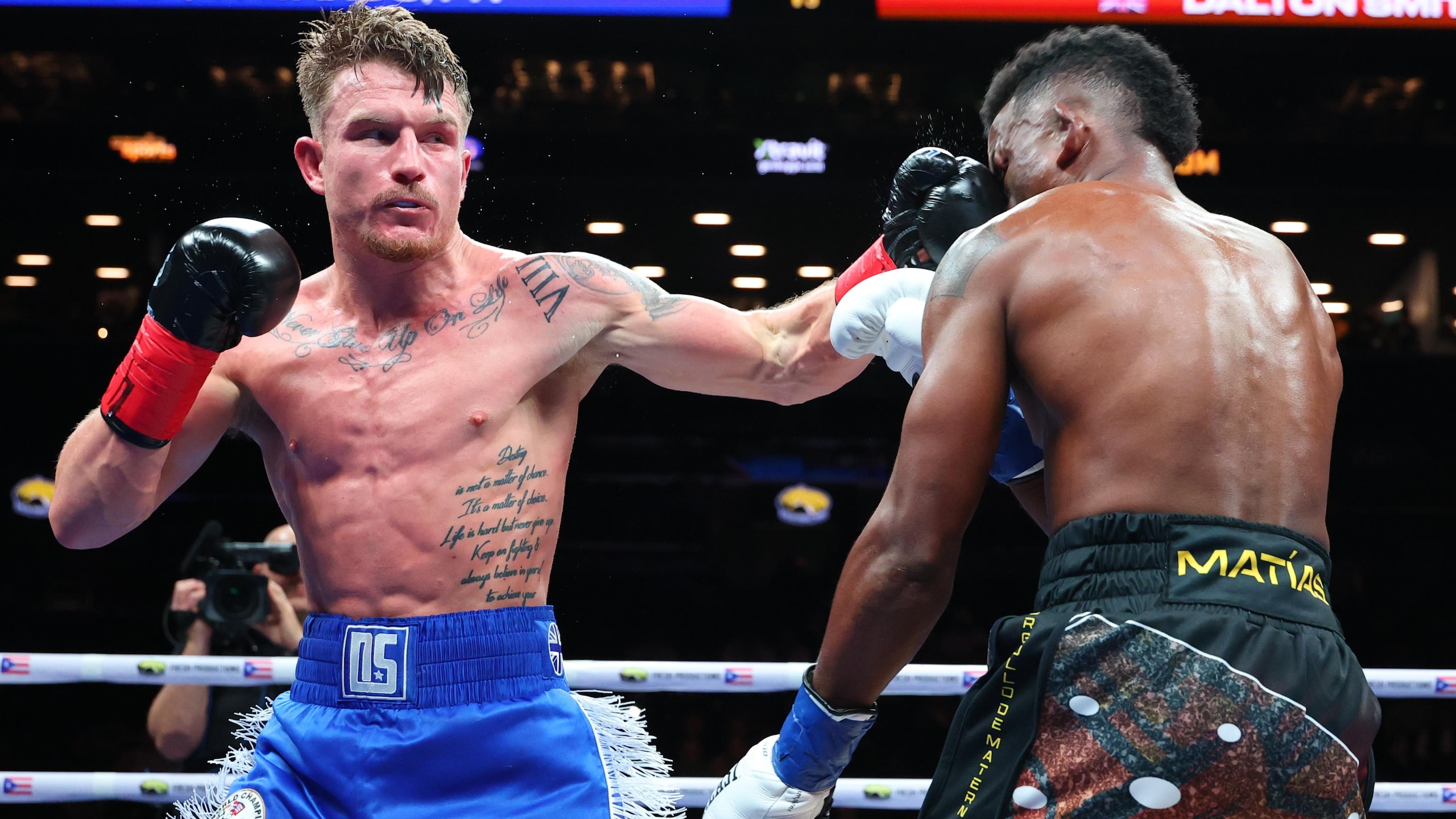
Dalton Smith Retains WBC Belt 🏆

Unranked CFB teams cause chaos in Week 8
None of those are bad things.
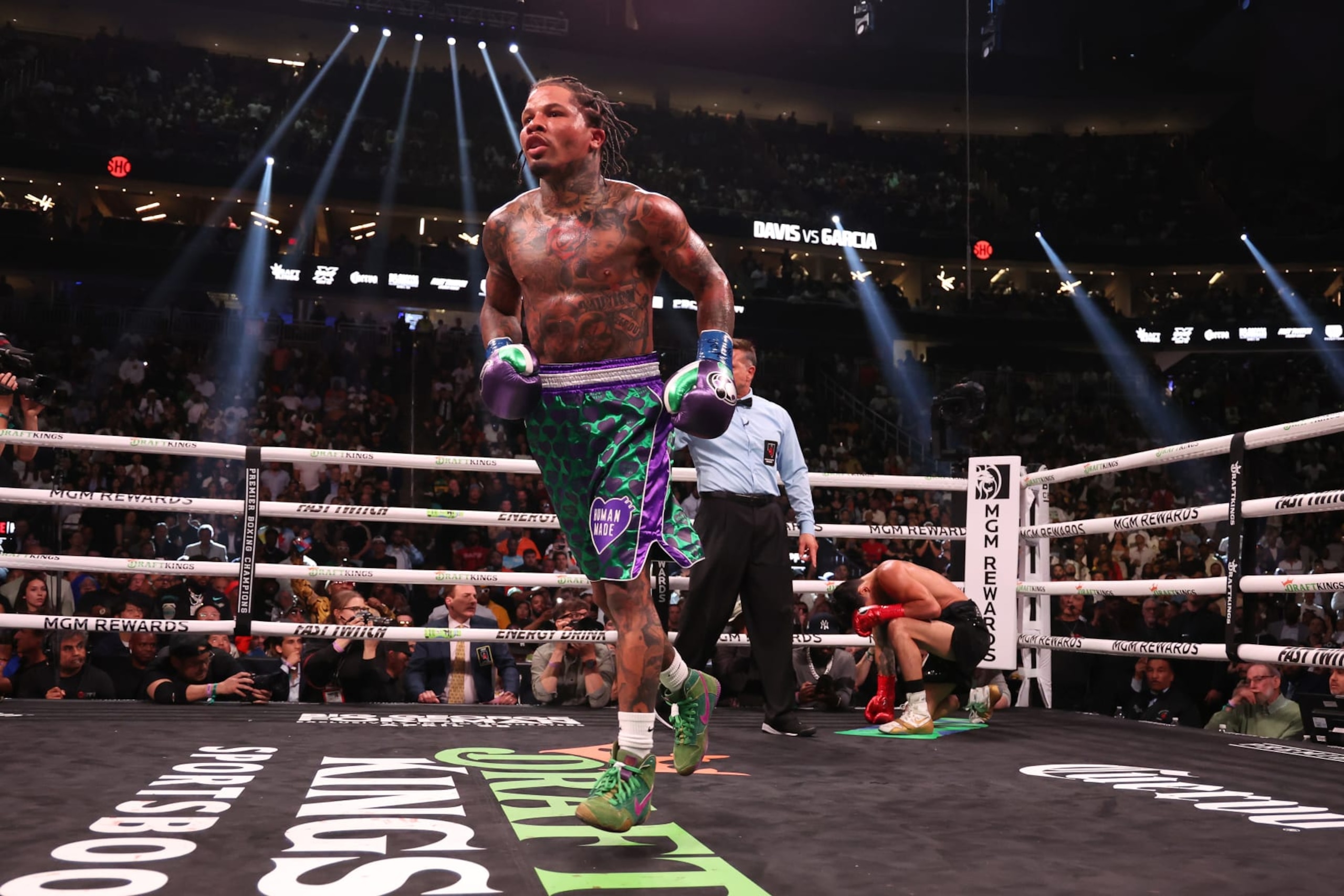
And the fact that it turned out to be a compelling, albeit mainly one-sided competition in the ring, ultimately ended by Davis with a single body shot in Round 7 didn't hurt a bit.
He was the favorite. He was the more established guy. He won.
That's the good news.
But it's not all good.
The mere fact a match at a made-up weight between two non-titleholders—remember, the belt Davis holds at 135 pounds is a second tier at best and laughable at worst—was lauded as perhaps the biggest happening of the gloved year is evidence far more indicative of lethargy than a renaissance.
Not too long ago, a meeting between similarly unbeaten but beltless (and largely untested against prime foes) commodities would have been a tasty appetizer to a more prestigious PPV main course or perhaps a headline bout on a Saturday night card earmarked for premium cable television.
These days, though, with promotional boundary lines boldly drawn and heavily fortified, it's gotten far harder to make the sort of fights that used to be considered transcendent. Al Haymon's fighters fight Al Haymon's fighters. Bob Arum's fighters fight Bob Arum's fighters. And unless a third party like Eddie Hearn or Lou DiBella or, in this case, Oscar De La Hoya, gets involved, the talent pools don't often mix.
Meaning rivals like Davis and Garcia, though surely valid—and Jake Paul, though recently unveiled as far closer to fraudulent—are elevated to a much loftier peak, particularly if they possess the sport's newest credibility collateral: a social media presence.
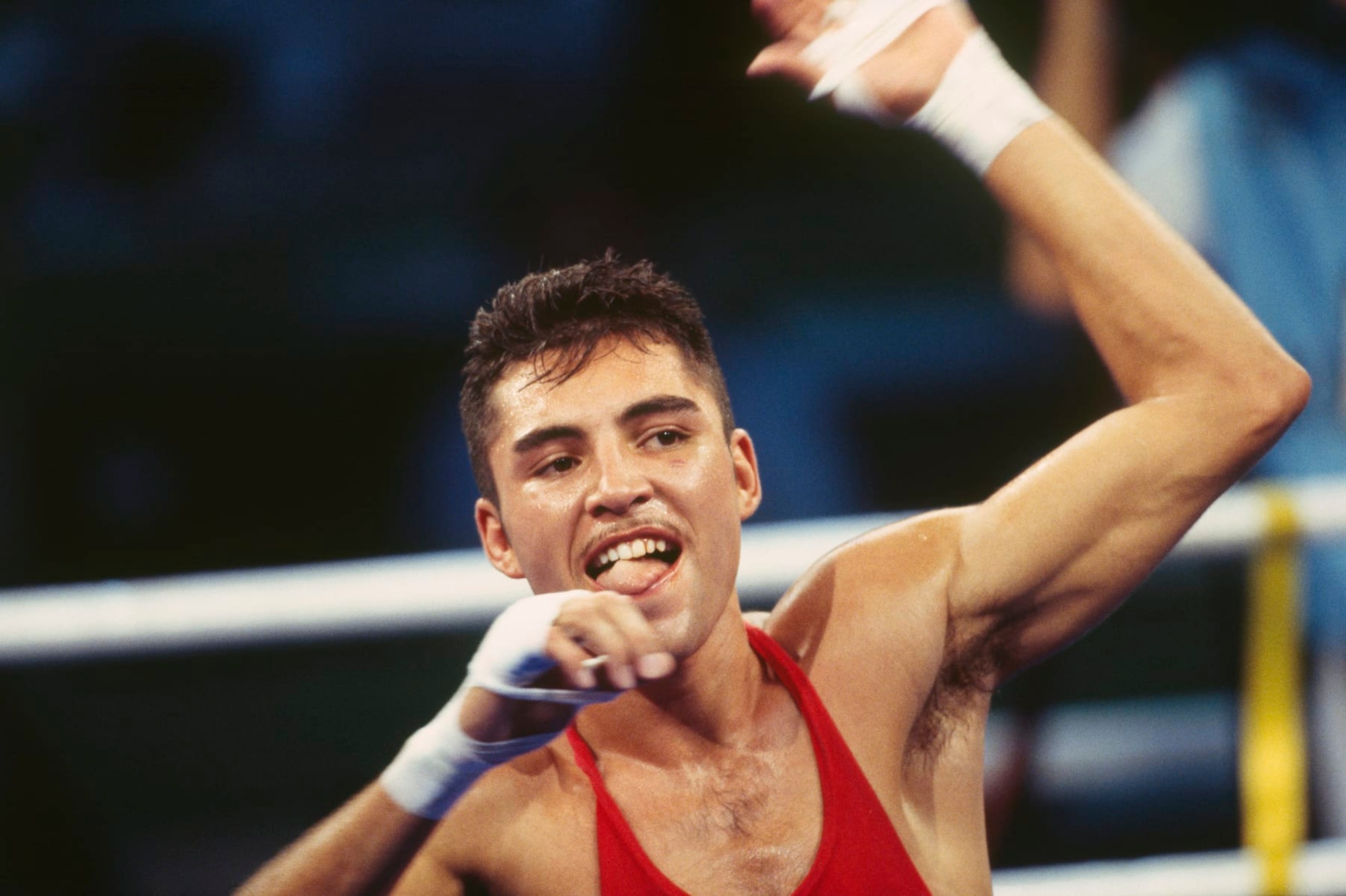
Case in point: Garcia has 9.7 million followers on Instagram. Davis has 4.9 million.
No surprise then that De La Hoya, an Olympic champ in 1992, called Instagram the "new gold medal."
But to former HBO boxing voice Jim Lampley, it's more indicative of a lean toward illegitimacy.
"The shrinking boxing base is overboard for this social media fight," he told Bleacher Report a few hours before the fighters entered the ring. "Anything which owes its cultural impact to social media is by nature overblown. If girls weren't ga-ga for Garcia, it would carry way less buzz. Nature of the sport now. Just a few short steps to blending with the illegitimacy of WWE. But what is truly legitimate now?"
The correct answer to Lampley's query is the very problem: Not much.
Or certainly not enough anyway.
Though the die-hard crowd will salivate through the late spring and summer if quality fights like Devin Haney vs. Vasiliy Lomachenko, Josh Taylor vs. Teofimo Lopez and Naoya Inoue vs. Stephen Fulton come off as planned, none will move the mainstream needle as far as those that appear impossible these days—namely ones that'd unify marquee divisions at heavyweight and welterweight.

And it seems each time a Tyson Fury vs. Oleksandr Usyk or an Errol Spence Jr. vs. Terence Crawford falls flat at the negotiating table, fewer people care the next time a subsequent big event is rumored. Why bother getting excited, they'll suggest. It'll never actually happen.
As often as not in this era, they've been right. And they needn't search far for the three-lettered combat option that's been elevated to household status as the ring empire eroded.
Will the fact that Davis and Garcia actually fought solve that problem?
Sort of.
There's no arguing—whether or not their resumes remotely compare to the Furys, Usyks, Spences and Crawfords of the world—both of Saturday's fighters had followings. So while it's borderline repugnant to Lampley and other old-schoolers, there is clearly a new-school crowd (including 20,842 in the building) that paid attention.
Given the lack of undisputed opportunities on the horizon, it'll need to be good enough because boxing needs big-time fights. It needs marquee matchups. It needs something, anything, that'll draw attention away from the endless weight classes and bogus title belts.
"Canelo, the biggest brand in boxing, is still living off the marketing and storytelling that HBO did," ex-title challenger Dmitry Salita, whose promotional company works with multi-division women's champion Claressa Shields, told Bleacher Report. "The UFC is a great storyteller. That's one of the reasons they are such a success."
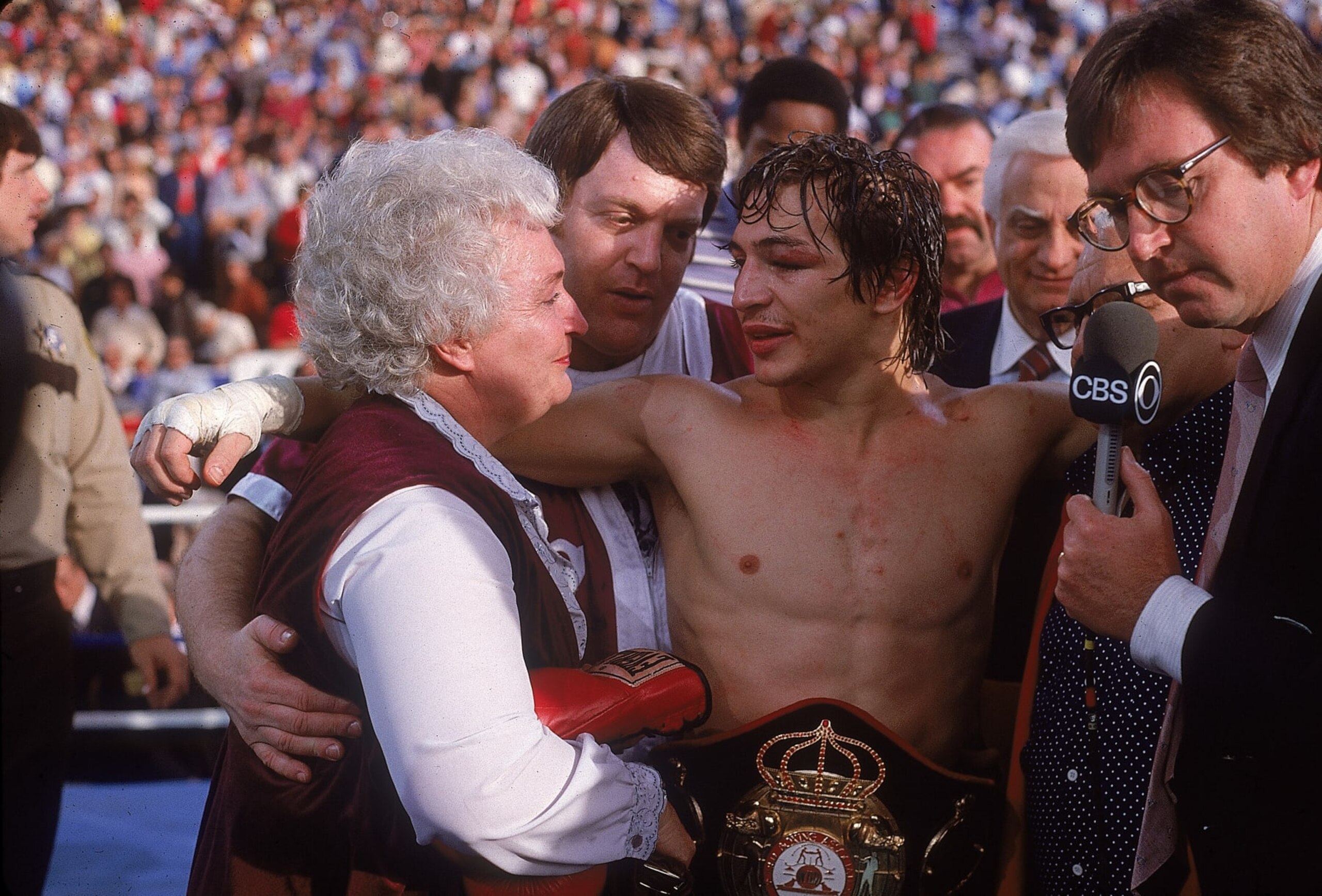
And if the traditional means of creating new stars and telling their stories—the Olympics, weekend fights on network TV, and others—aren't what they were in the days of "Golden Boy" De La Hoya, "Sugar" Ray Leonard and Ray "Boom Boom" Mancini, perhaps the paradigm shift is all that's left.
From Wide World of Sports and Boxing After Dark to trending tweets and menacing emojis.
Post first. Prove yourself later.
"A thirsty man crossing the desert will see pools of water when, in fact, it's just sand," SiriusXM radio host Randy Gordon and former The Ring editor told Bleacher Report. "Thirsty boxing fans see two superstars in Davis vs. Garcia when, in fact, they have done nothing to achieve that lofty status."
Welcome to the age of "Tank" and "King Ry." Ready or not.
"I'm definitely the face of boxing," Davis said. "Absof--kinglutely."
Maybe so. But follow at your own risk.


.jpg?w=2560 "Jonathan Taylor Landing Spots 📍")





