
Celtics' Blueprint for 2023 NBA Trade Deadline
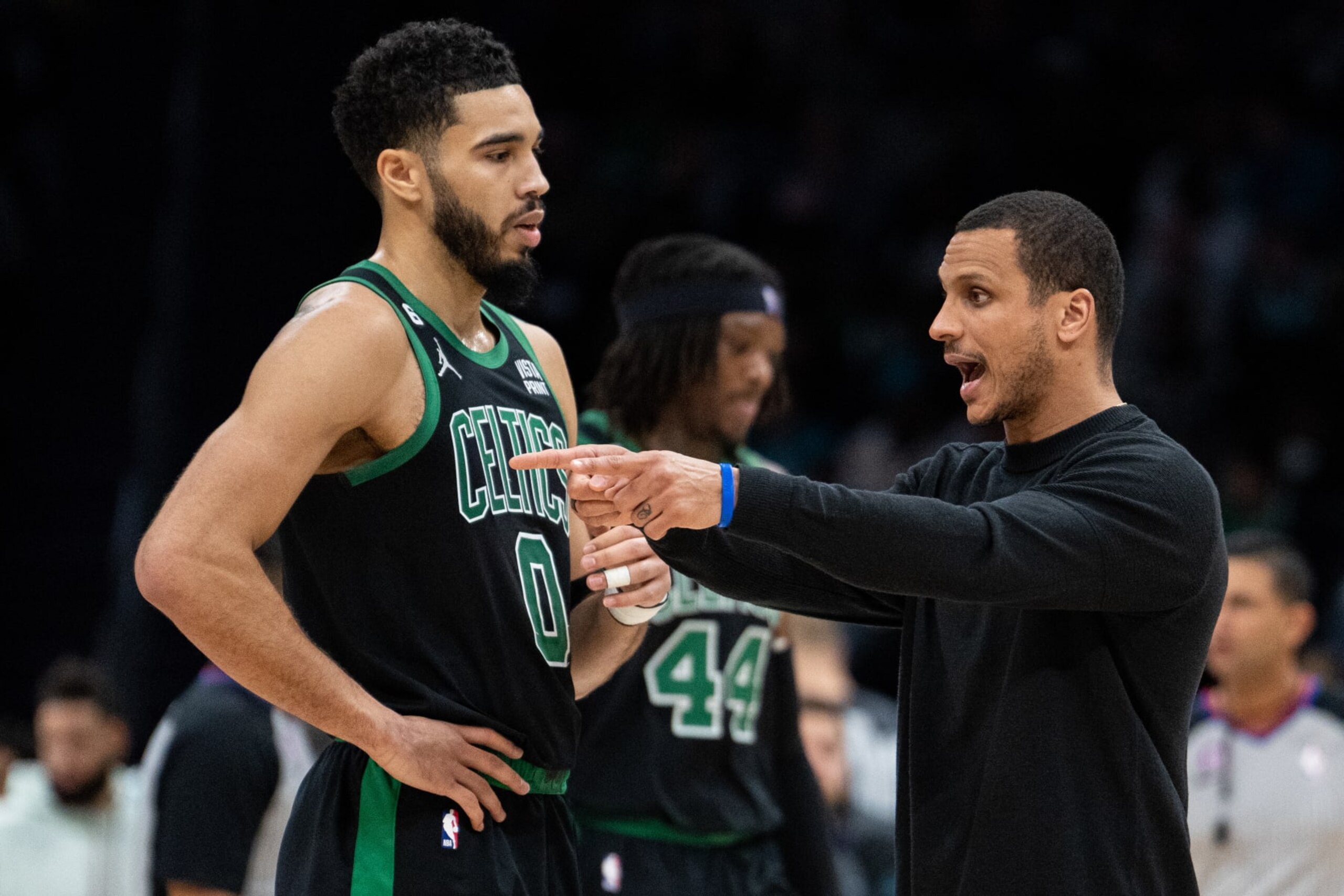
The Boston Celtics wobbled a bit around the midpoint of December, but those wobbles are clearly behind them.
The Shamrocks have 11 wins to show for their last 13 trips to the hardwood, further cementing their spot as the best team of the 2022-23 NBA season.
Could that mean a quiet trade season is in order for the defending Eastern Conference champions? Without question.
Still, though, there are a few weaknesses—or at least worries—that the front office could try tackling between now and the Feb. 9 trade deadline. If the Celtics plan on being active, then this three-step blueprint could steer them to a successful trade season.
1. Add Interior Insurance Plan
1 of 3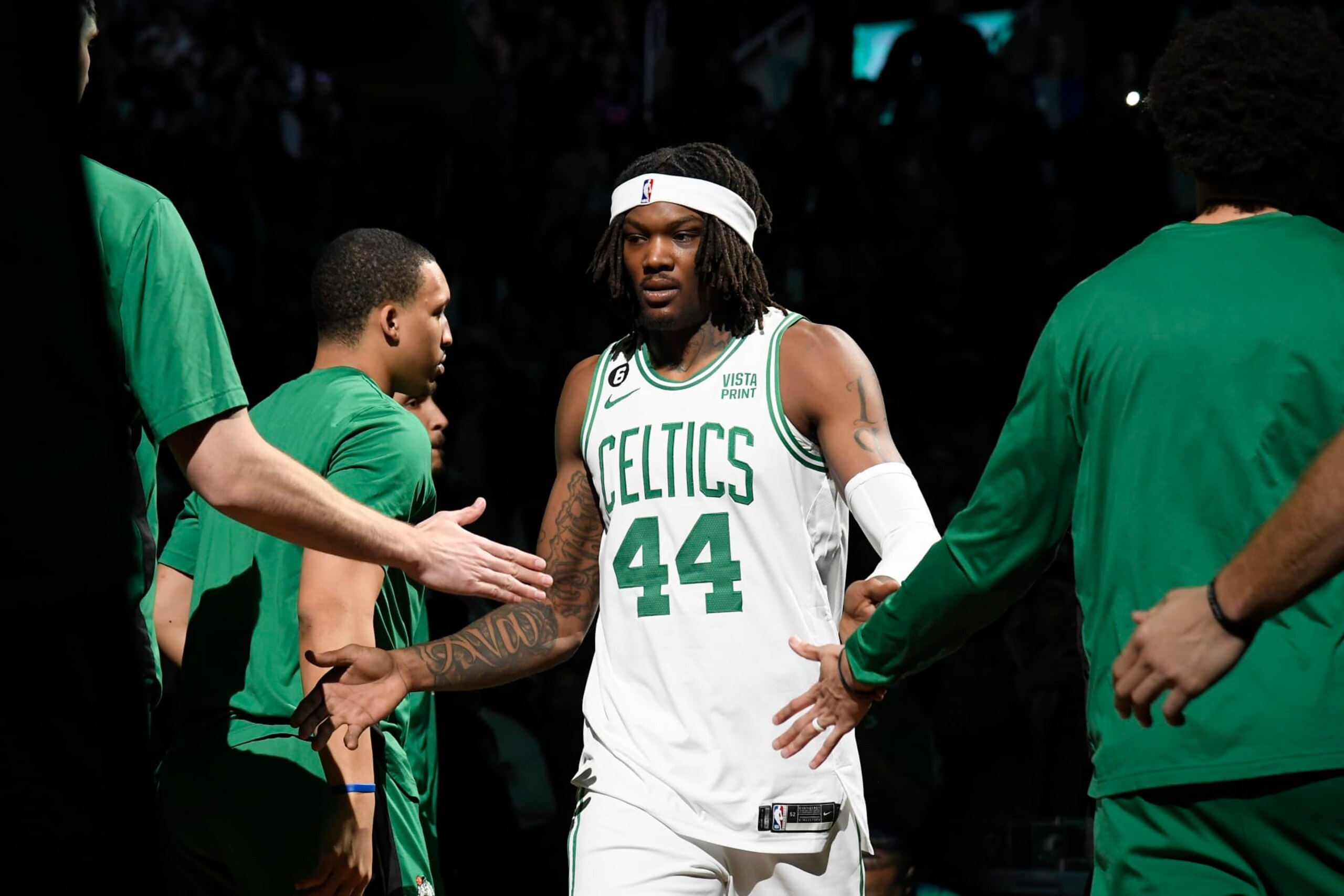
It shouldn't be this easy to identify the weakness of the NBA's top team, but it is: Boston needs a backup big.
More than that, though, the Celtics need a sub they'd be comfortable starting if the injury bug bites Robert Williams III—or if Al Horford ever remembers that his 36th birthday is behind him. Small-ball minutes with Grant Williams are fine in spurts, but when Boston needs size up front, it has to find more reliable options than Luke Kornett and a well-past-his-prime Blake Griffin.
The Celtics already know this, by the way. It's the reason they have "significant trade interest" in Jakob Poeltl, per The Athletic's Shams Charania. Poeltl's interior activity would be an awesome upgrade, but unless Boston sees Poeltl sliding into the starting lineup, this is probably a pipe dream. Why? Because the San Antonio Spurs reportedly want two first-round picks for Poeltl, per The Athletic's Jared Weiss.
That's a high price to pay for a free-agent-to-be who offers zero spacing. It's an absolutely colossal cost if a club forked it over for a backup big. Maybe the Celtics have bigger plans for Poeltl, but it feels more likely Boston will seek out a more cost-effective way of adding some paint protection.
2. Field Offers for Payton Pritchard
2 of 3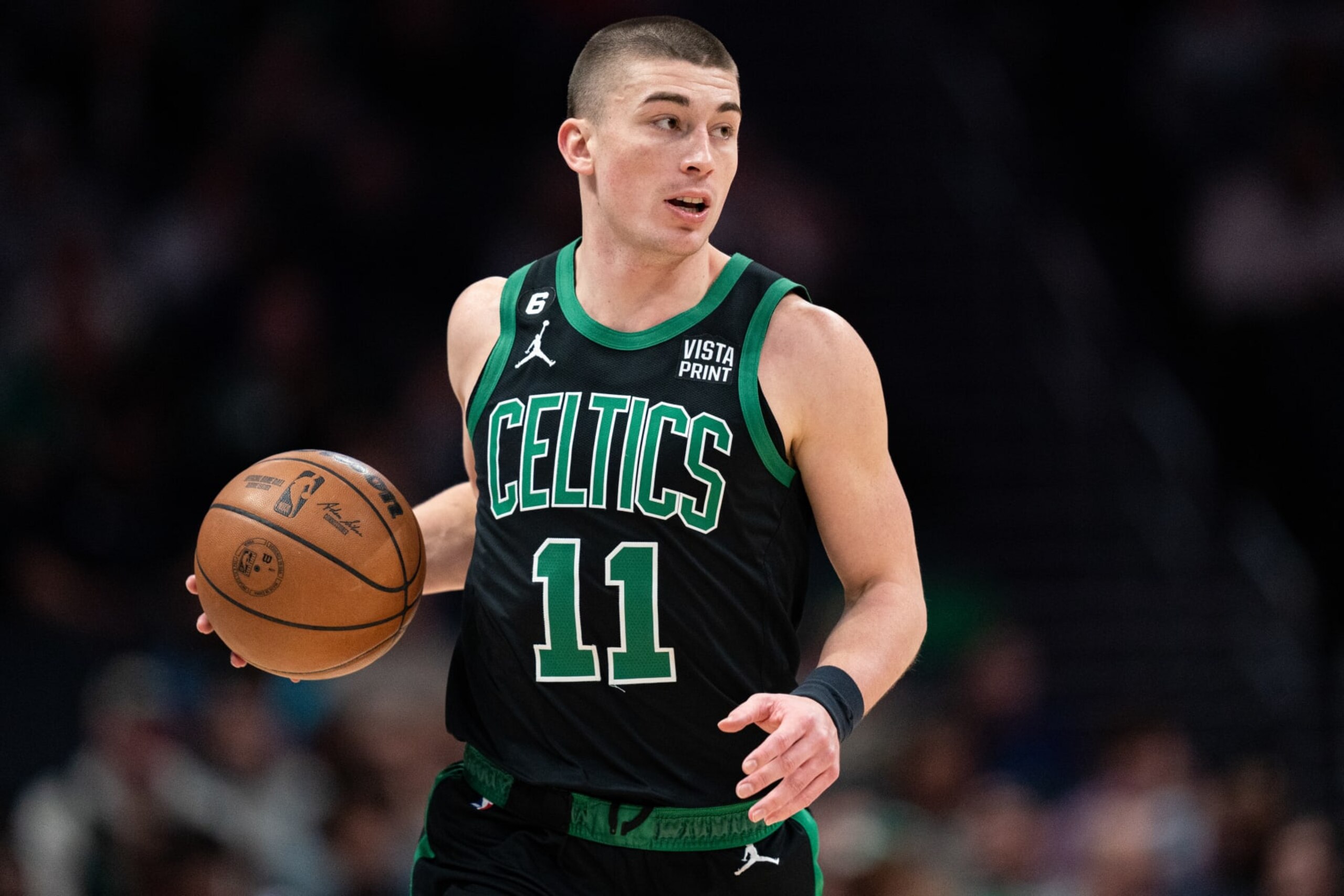
Payton Pritchard can play. I think.
It's hard to tell since the Celtics so often keep 2020's No. 26 pick tethered to the bench. His minutes have fallen each season. He went from logging nearly 20 minutes per night as a rookie to now seeing just 10.7 minutes of action when his number is called.
This isn't a plea to play Pritchard. He's been squeezed out of this rotation for a reason. Unless you're a member of the Pritchard family, you can't be clamoring for him to find minutes over Marcus Smart, Malcolm Brogdon and Derrick White.
Rather, the idea is for Boston to accept that Pritchard offers more value as a trade chip than he does as a break-glass-in-case-of-emergency reserve. Teams won't pay a premium for him, but maybe he'd help deliver a reserve center or floor-spacing wing.
3. Search for Wing Shooter
3 of 3
Since Sam Hauser logged fewer than 200 minutes last season, are we still allowed to characterize his recent woes as running into the rookie wall?
The Celtics had big plans for the 6'8" sharpshooter—particularly after Danilo Gallinari tore his ACL—and that belief seemed well-placed when Hauser started the season on a net-shredding tear. By the end of November, he was averaging 2.1 threes in just 17 minutes a night while splashing 47.9 percent of his long-range looks.
Ever since then, though, he's hit the proverbial sophomore slump. In his 23 outings since, he's down to just 0.9 triples on 28.8 percent shooting.
Given Hauser's lack of track record, the Celtics can't be sure he'll snap out of this in time to contribute. And if he isn't giving them spacing, then he isn't giving them anything. Boston should poke around for a cheap shooter, because it clearly needs an alternative when Hauser can't find his mark.





.jpg?w=2560 "NFL investigating 2 referees for separate viral exchanges")

.jpg?w=2560 "OBJ Calls Out Giants 😳")

.jpg?w=2560 "Love's Body Already 'Tired'")
.jpg?w=2560 "Ward Nearly Walks Out of Presser ▶️")
.jpg?w=2560 "Buzz: Tyreek Eyeing November Return")