
Ranking Men's CBB Best Potential 2023 March Madness Cinderella Teams
Failing to prepare is preparing to fail, even when it comes to choosing the best candidates to shock the world in the early rounds of the men's NCAA tournament.
Bracket season will be here before you know it, and submitting the perfect bracket in March Madness is all about picking the right spot for a huge upset (or three).
In case you haven't been paying much attention to the mid-major conferences, we've got you covered with a ranking of the best Cinderella candidates.
Not all of these teams will make the tournament, but watch out for the ones that do—especially if they are matched with the right first-round opponent.
Note: Teams from the top nine conferences (ACC, American, Big 12, Big East, Big Ten, Mountain West, Pac-12, SEC and West Coast) were excluded.
10. Iona Gaels
1 of 10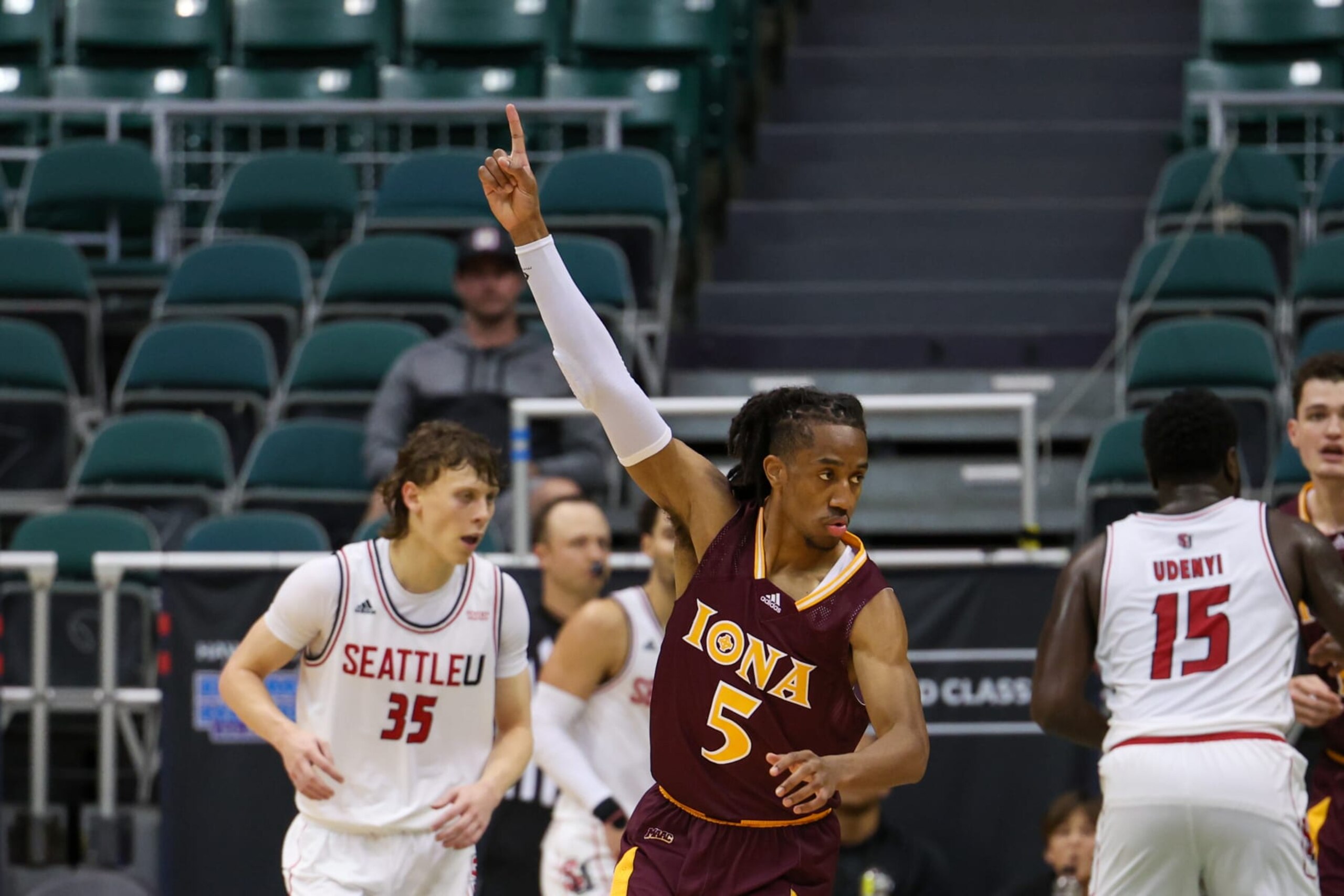
What They Do Well: Rejections
At 6.2 blocks per game, Iona serves up rejections at one of the highest rates in the nation. But what sets the Gaels apart from the other teams up top is that those blocks come from everywhere.
Though Nelly Junior Joseph is leading the way with 30 blocks, four of Iona's five starters have blocked at least 16 shots, including 6'3" point guard Daniss Jenkins. Gotta keep your head on a swivel when facing this defense.
What They Don't Do Well: Shut Down Lead Guards
In its recent surprising blowout loss to Quinnipiac, Iona had no answer for 5'10" Dezi Jones, who went for 23 points, nine rebounds and six assists.
That was nothing new for Iona's D. In the loss to SMU, the combo backcourt of Zach Nutall and Zhuric Phelps finished with 44 points and six dimes. New Mexico's Jaelen House had 22 points and five assists. In each of their first five losses, the Gaels allowed at least 81 points and let someone 6'5" or shorter score at least 22 points.
Star Player: Daniss Jenkins (16.4 PPG, 4.7 APG, 4.6 RPG, 1.0 SPG, 0.9 BPG, 37.8% 3PT)
While he isn't quite putting up numbers like Jalen Pickett has been for Penn State, Jenkins has been Mr. Everything for the Gaels. He's leading the team in both points and assists, ranks second in rebounds and is a significant contributor in both steals and blocks. His biggest gem was going for 31-5-4-3-3 in the MAAC opener against Niagara.
9. Oral Roberts Golden Eagles
2 of 10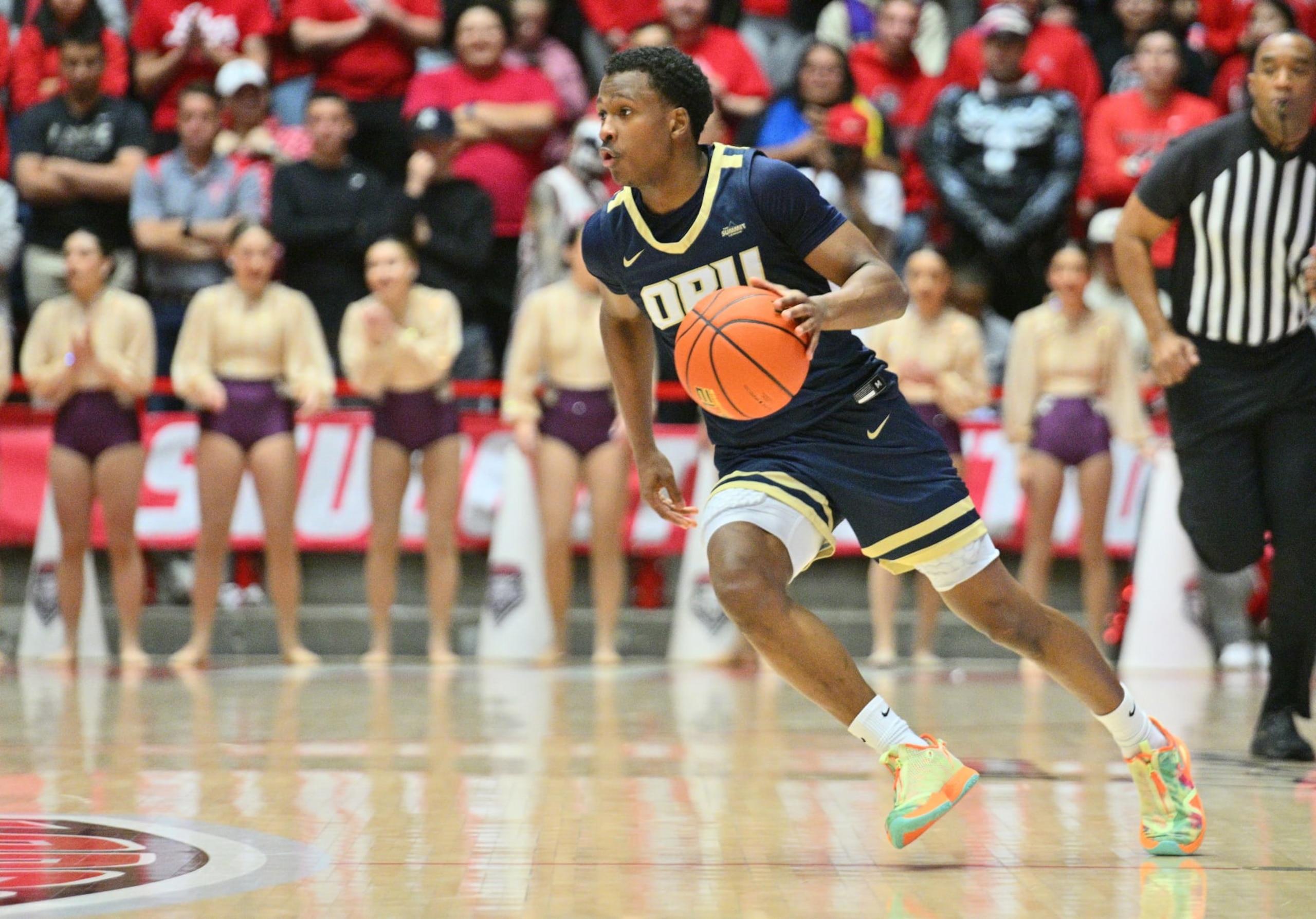
What They Do Well: Turnover-Averse Offense
As was the case two years ago when Oral Roberts stunned both Ohio State and Florida in the NCAA tournament, this is a great perimeter-shooting team that rarely shoots itself in the foot with turnovers.
The Golden Eagles absolutely could not buy a bucket in their early 83-45 loss at Houston. However, they only coughed the ball up 10 times in that game against an outstanding turnover-forcing D, and they've shot 48.9 percent from the field and have averaged 86.4 points per game since that disaster.
What They Don't Do Well: Defend or Manufacture Points
On the latter front, ORU is one of the worst in both offensive rebounding and free-throw rate, meaning cold fronts, though rare, can get brutal in a hurry.
And on the defensive side, ORU has allowed at least 77 points on eight occasions, going 4-4 in those games. This defense does rate better than it did two years ago, though, and it did manage to hold a potent Liberty offense to 70 in that mid-December showdown.
Star Player: Max Abmas (21.8 PPG, 5.2 RPG, 3.7 APG, 1.2 SPG, 38.3% 3PT)
Abmas perhaps could have gone pro after that incredible run in 2021, but he's still hanging around Tulsa, Oklahoma, putting up 30-burgers on a semi-regular basis. He had 31 against Central Arkansas, 32 at Nebraska-Omaha, 35 against UMKC and 37 against Western Illinois, all in the past six weeks. And we should see him again in the Big Dance, as ORU is the best team in the Summit League by a wide margin.
8. UAB Blazers
3 of 10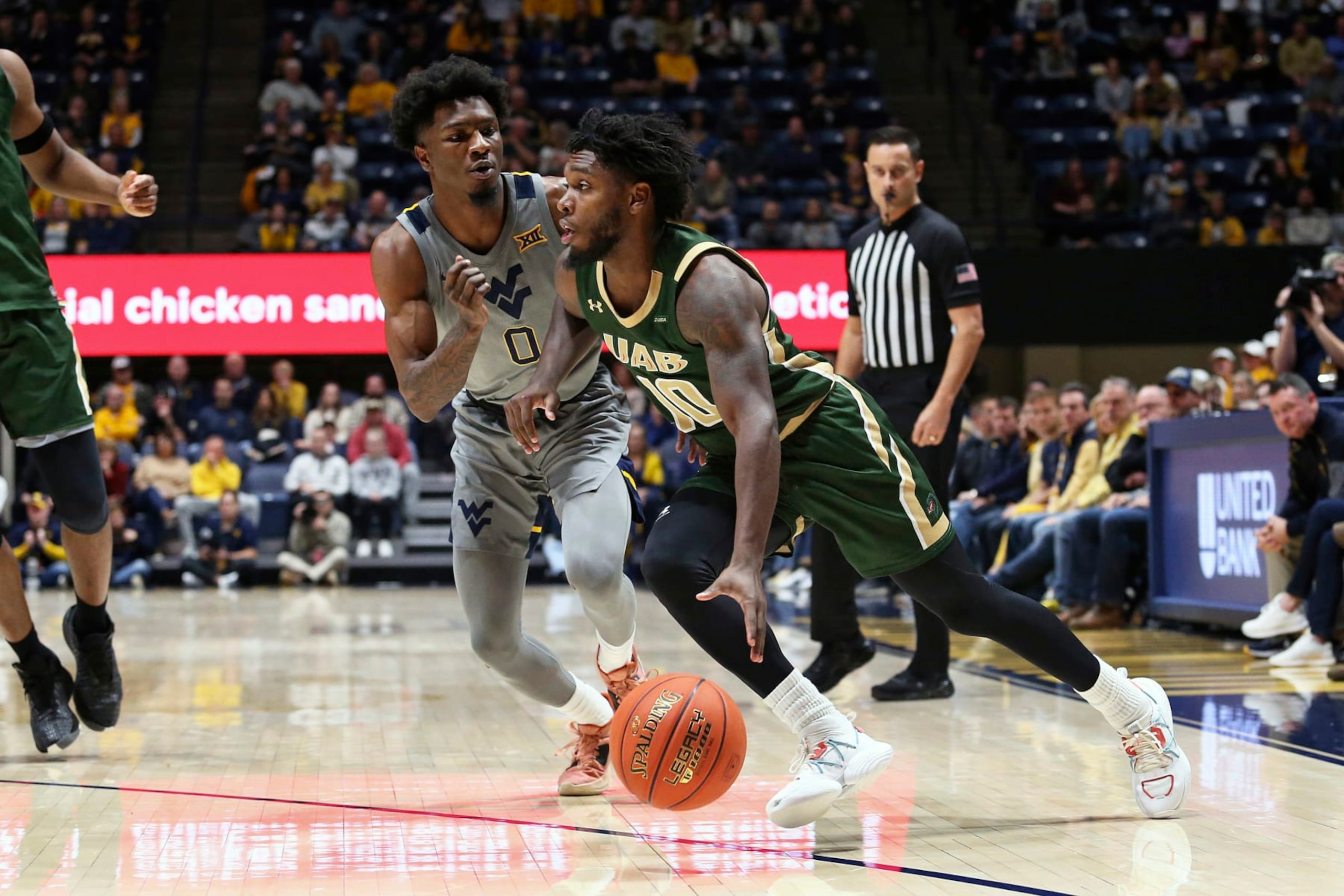
What They Do Well: Score in Bunches
At 85.1 points per game, UAB has the third-highest scoring average in the nation, trailing only Southern Utah (86.1) and Gonzaga (86.9). And while each of those other teams has had a handful of scoring explosions, the Blazers have been pretty consistent, putting up at least 70 points in every game.
UAB pushes the pace on offense and has a ton of scoring options at its disposal, but it also has an outstanding presence on the offensive glass led by KJ Buffen, Trey Jemison and Javian Davis. Better plan on scoring at least 80 points if you want to beat the Blazers.
What They Don't Do Well: Defend
It's great that UAB averages 85 points per game, but it has also allowed an average of 84.3 points in its six losses.
The Blazers do force turnovers at a good clip and typically win that battle, but there are nights where they just can't seem to do anything to keep the ball from going through the opponent's hoop.
Struggling to slow down Toledo or West Virginia is understandable. Giving up 90 to FIU is not.
Star Player: Jordan "Jelly" Walker (23.8 PPG, 4.3 APG, 2.6 RPG, 1.3 SPG, 40.0% 3PT)
Walker was leading the nation in scoring prior to a horrific five-point, eight-turnover effort in the Jan. 7 loss at FIU. It was the only time this season that UAB's veteran leader was held below 15 points, and it snapped a 39-game streak of double-digit scoring dating back to last December. When he gets into a groove, anything is possible.

.jpg?w=2560 "Cardinals Giants Football")
7. Marshall Thundering Herd
4 of 10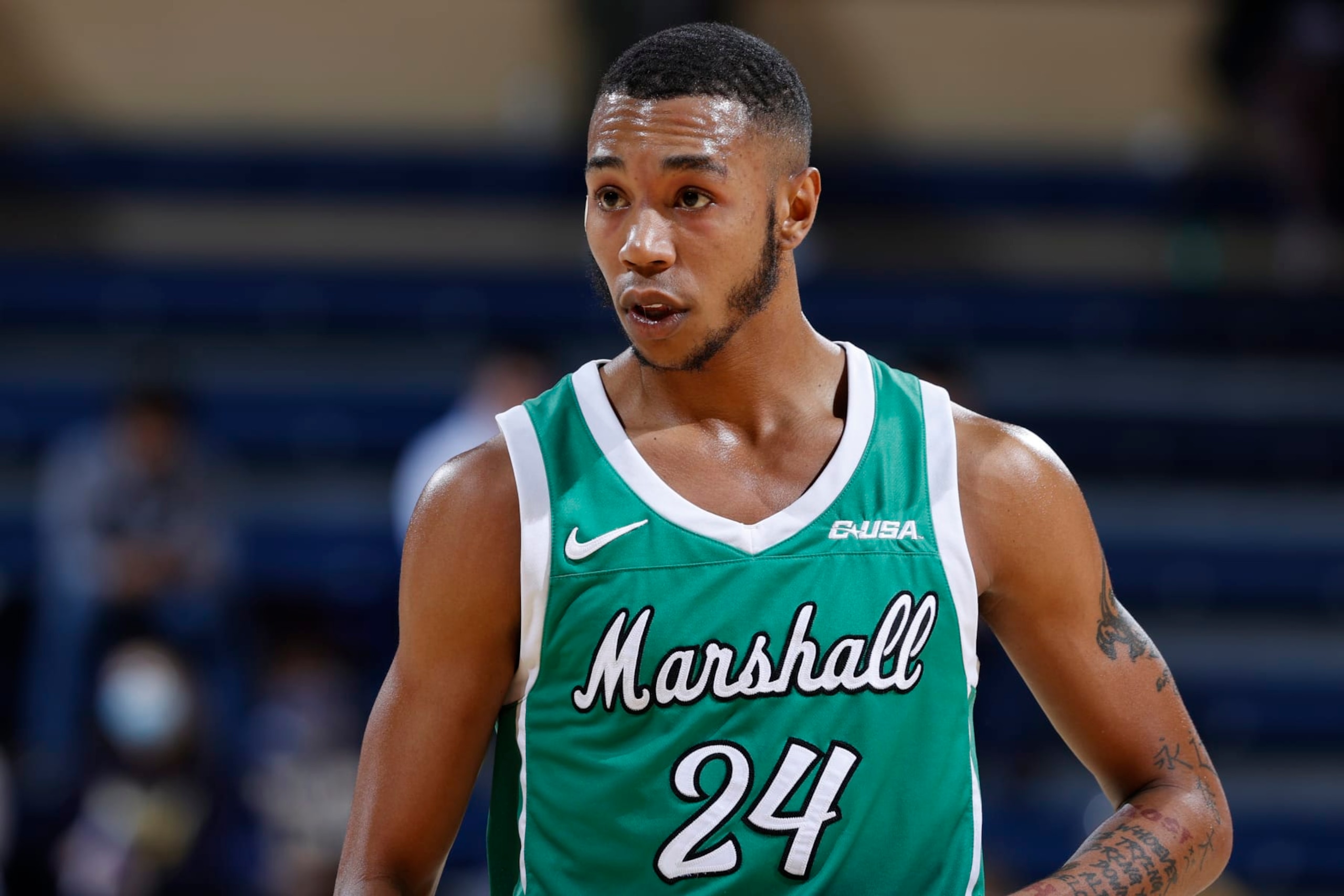
What They Do Well: Get Up Shots
Mike D'Antoni popularized the Seven Seconds or Less offense with the Phoenix Suns nearly two decades ago, and brother Dan D'Antoni has instilled that mentality at Marshall over the past nine seasons. Marshall gets up shots in a hurry, rarely commits turnovers and very rarely has its shots blocked.
What's different from years past, however, is that this edition of the Thundering Herd also dominates on the offensive glass, led by 7'1" freshman Micah Handlogten. As a result, Marshall averages nearly 70 field-goal attempts per game and is 12-1 when shooting at least 44 percent from the field.
What They Don't Do Well: Protect the Paint on Defense
In back-to-back losses at the turn of the calendar year, Marshall allowed James Madison to shoot 59.5 percent on twos and let Georgia Southern shoot 60.4 percent inside the arc.
The Thundering Herd have also had issues when it comes to ending possessions with defensive rebounds. The worst was Duquesne getting 23 second-chance opportunities, but they allow more than a dozen per game.
Star Player: Taevion Kinsey (21.2 PPG, 6.0 APG, 4.8 RPG, 1.7 SPG)
Handlogten's 11.4 rebounds and 2.7 blocks per game are crucial for Marshall, but Kinsey is the star of the show who plays darn near every minute of every game. The fifth-year senior point guard has scored at least a dozen points in every game while racking up at least seven dimes on 10 occasions. He's the Energizer Bunny who makes this team go.
6. Liberty Flames
5 of 10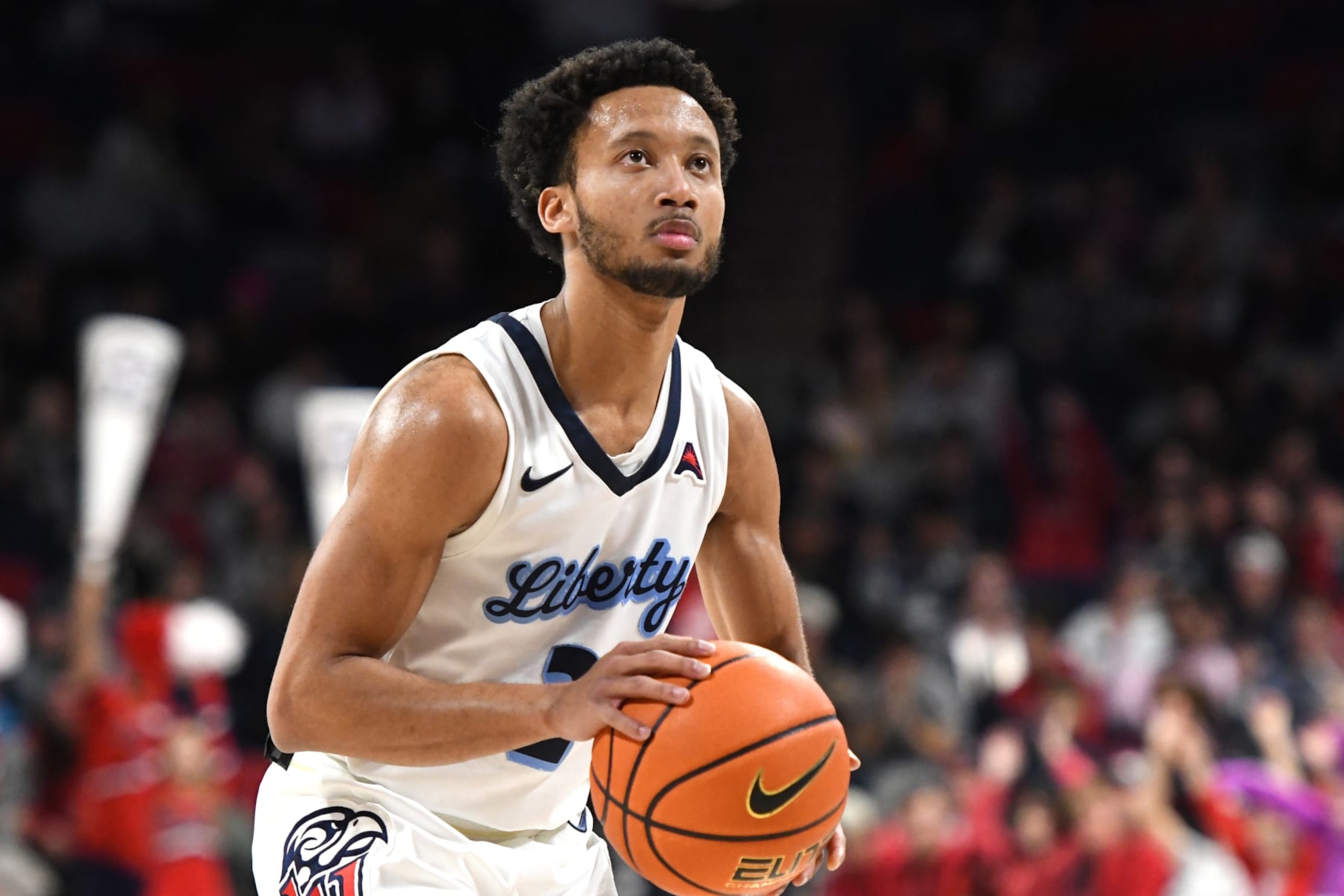
What They Do Well: Rain Threes
Darius McGhee has a permanent green light from the perimeter, averaging more than 10 three-point attempts per game. He makes 45 percent of them and is quietly on pace to break Steph Curry's single-season record of 162 made triples.
But it's not just McGhee. Brody Peebles is shooting just a shade under 50 percent on more than four attempts per game, Colin Porter is about as accurate as McGhee on more than three attempts per game, and point guard Kyle Rode can catch fire on occasion. Liberty takes well over half of its shots from distance and makes 39.5 percent of them.
This is also one of the best defensive rebounding teams in the nation, only allowing about seven second-chance opportunities per game.
What They Don't Do Well: Make Shots Against Quality Opponents
In the 95-59 loss to Alabama, Liberty shot 8-of-29 from downtown. It was only slightly better (9-of-30) in the 66-52 loss to Northwestern, and basically the same the following night (9-of-29) in a 55-44 win over Bradley.
And when the threes go cold, there's no plan B for Liberty, as the Flames don't grab offensive rebounds, and they don't draw fouls. They live and die by the three like no other.
Star Player: Darius McGhee (21.4 PPG, 3.0 RPG, 2.9 APG, 1.6 SPG, 44.6% 3PT)
McGhee ranked second in the nation in scoring last season at 24.6 points per game, eclipsing 40 on three separate occasions. He has taken a slight step back in volume this year, topping 30 in a game just once thus far. But he's still a pressure-cooker scorer who had a 10-game stretch from mid-November into late December in which he scored at least 21 points in every game.
5. North Texas Mean Green
6 of 10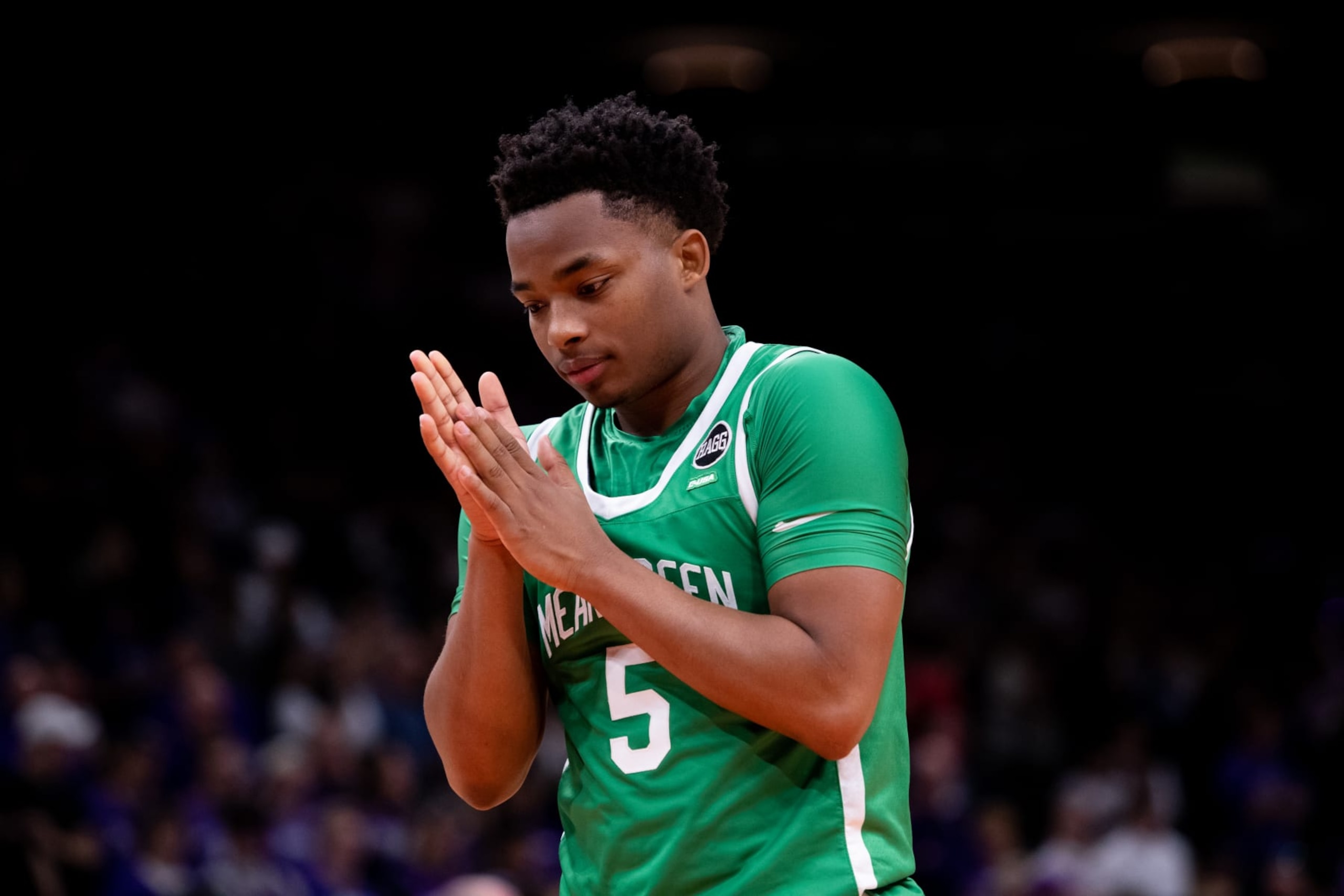
What They Do Well: Defend in Slow-Paced Affairs
There's no speeding up North Texas, and because of that, it's next to impossible to get into any sort of offensive rhythm against the Mean Green. Dating back to the start of last season, they have held 51 consecutive opponents to 71 points or fewer. Only four teams have hit 60 against them this season.
Granted, the only quality opponents they've faced were Saint Mary's and Florida Atlantic twice, and they lost all three of those games. But they allowed 59.7 points in those contests and could have reasonably won both games against the Owls. North Texas' defense will keep it in any game.
What They Don't Do Well: Score in the Paint
North Texas does a great job on the offensive glass and has a solid three-point assault led by Tylor Perry. But getting buckets inside the arc has been a struggle.
Even if you take out the incomprehensibly bad 5-of-30 effort in the early 30-point loss to Saint Mary's, North Texas is still shooting below 50 percent on twos for the season.
Star Player: Tylor Perry (17.6 PPG, 2.5 APG, 1.4 SPG, 47.0% 3PT)
Perry leads North Texas in points, three-point attempts, free-throw attempts and steals, and he ranks second on the team in assists. Pretty much everything the Mean Green do runs through him, which has been abundantly clear since they scored just 33 points against Saint Mary's in a game that he missed. He has scored in double figures in all but one game played.
4. Dayton Flyers
7 of 10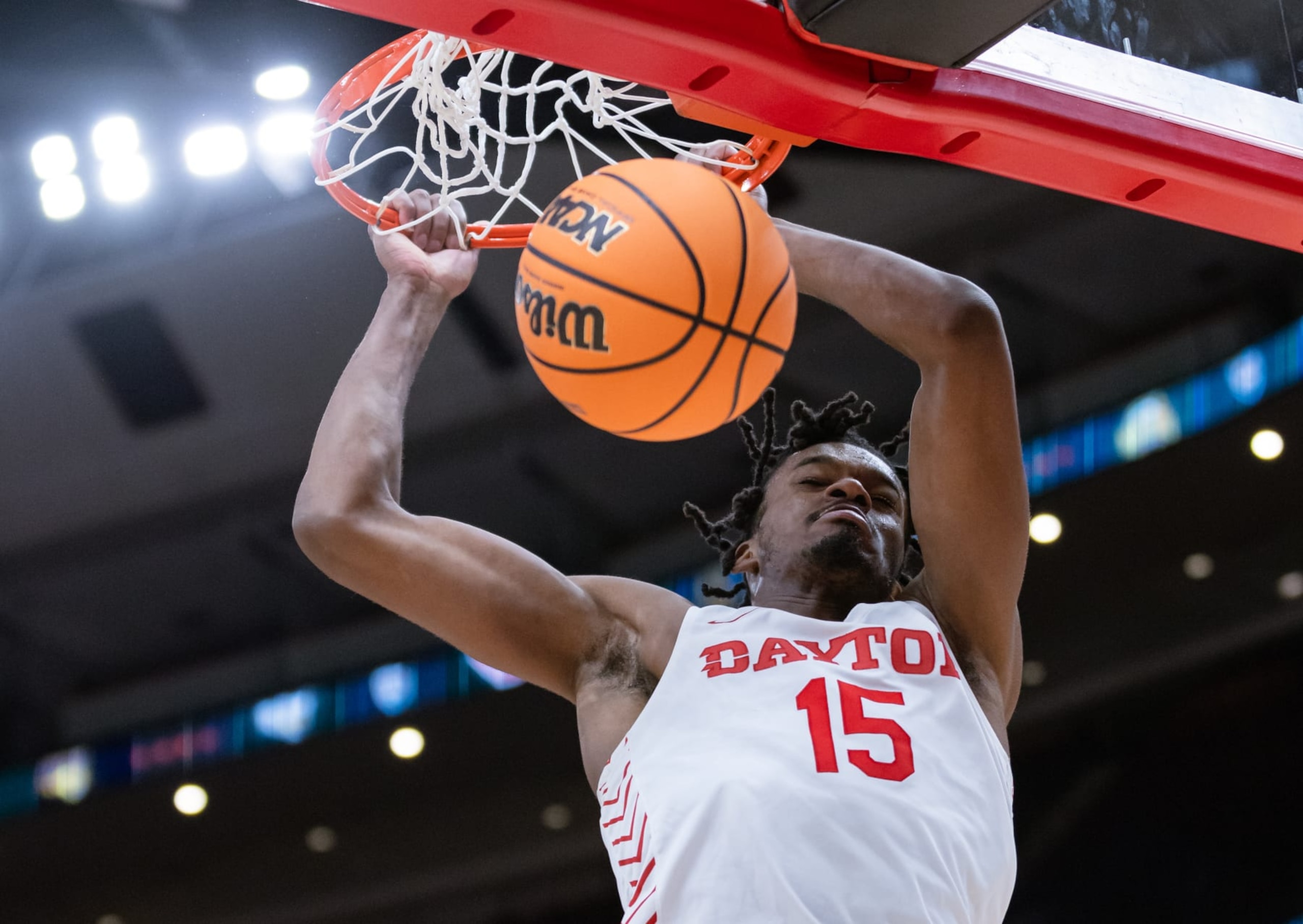
What They Do Well: Defend Without Fouling
Dayton certainly doesn't have a scrappy defense, averaging fewer than five steals per game. But the Flyers are Virginia-like in their ability to defend deep into the shot clock before contesting whichever shot the opponent chooses to attempt.
Teams are shooting 27.3 percent from three-point range against the Flyers, and good luck scoring inside against a primary seven-man rotation where everyone stands 6'6" or taller. That will change a bit with Malachi Smith back after nearly two months on the shelf and Kobe Elvis potentially not far behind him, but at least getting those guards back should provide a big boost on offense.
What They Don't Do Well: Beat Quality Opponents
Dayton is 12-6 overall but 0-6 against KenPom top 100 foes.
Plenty of close games in the bunch. One-point losses to Wisconsin and VCU. An overtime loss to BYU. And against both NC State and UNLV, the Flyers led by double digits before falling apart.
Still, the story of their season has been the inability to beat an opponent worth mentioning. Doesn't mean they can't do it, but they haven't done it yet.
Star Player: DaRon Holmes II (19.4 PPG, 8.2 RPG, 2.0 BPG, 1.9 APG)
Holmes could have gone one-and-done, but he came back for a second season and has been much more assertive in the paint. His block rate is down slightly, though still quite good, and he is taking more shots and grabbing more rebounds than he did as a freshman. During a recent seven-game winning streak, Holmes averaged 25.7 points and 9.4 rebounds.
3. Florida Atlantic Owls
8 of 10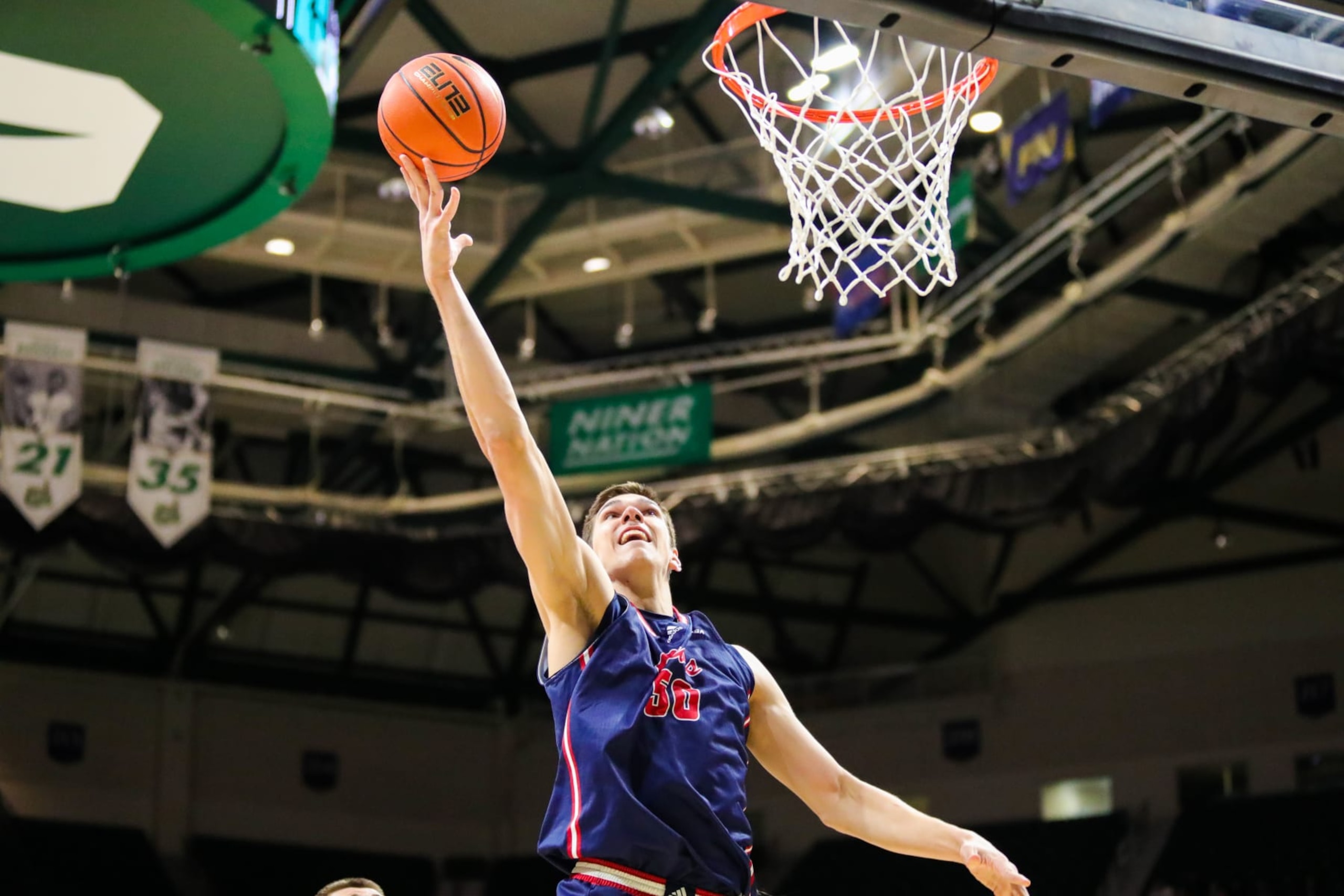
What They Do Well: Shoot It
When Dusty May became the head coach at FAU five years ago, he took over one of the worst shooting teams in the nation. The Owls had a dreadful 43.8 effective field-goal percentage in their final season under Michael Curry.
But they have improved with each passing year and now have one of the better perimeter attacks, averaging 10 made triples per game at a 38 percent clip. Throw in 7'1" center Vladislav Goldin making 64 percent of his shots inside the arc, and Florida Atlantic can put points on the board in a hurry.
What They Don't Do Well: Free Throws
Florida Atlantic neither gets to nor converts from the charity stripe with much regularity.
Goldin is the biggest culprit on the conversion front, making just 55.2 percent of his attempts. (Though he did hit a pair of clutch ones at the end of Saturday's win over North Texas.) And he is FAU's leader in free-throw attempts by a considerable margin, which compounds the problem.
The Owls did shoot a combined 33-of-41 (80.5 percent) in their back-to-back key wins over North Texas and UAB, though. If they keep that up, they become even more dangerous.
Star Player: Vladislav Goldin (10.3 PPG, 6.1 RPG, 0.9 BPG)
Quality depth and the ability to use guys interchangeably has been one of the biggest keys to FAU's success, with nine Owls averaging at least 15 minutes per game. But Goldin is the staple in the paint, averaging 21 points and 12 rebounds per 40 minutes. He had a double-double (11 points, 13 rebounds) in the first win over North Texas and matched a career high with 19 points and nine rebounds at Ole Miss in FAU's lone loss to date.
2. Charleston Cougars
9 of 10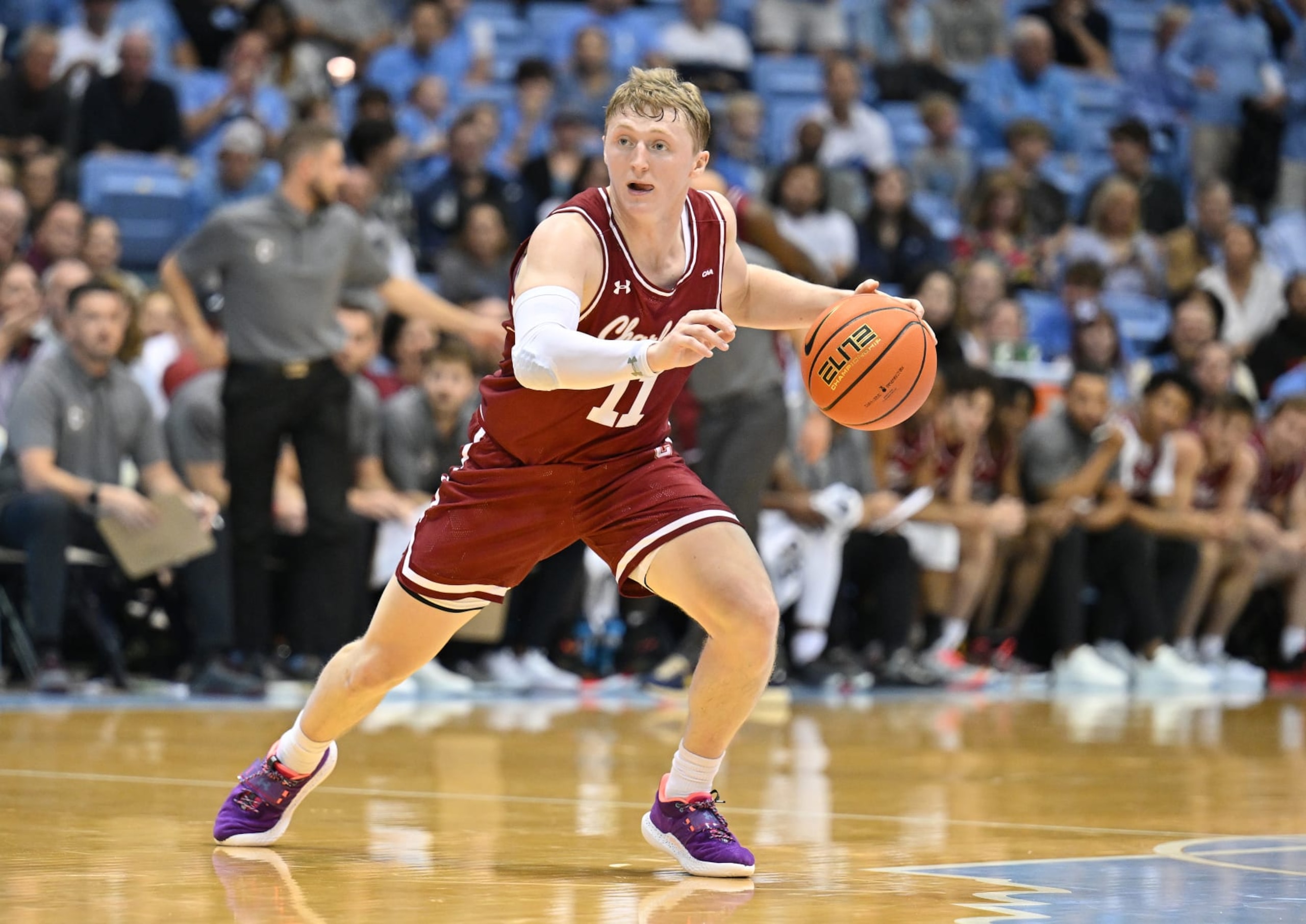
What They Do Well: Crash the Glass
The Cougars aren't a big team by any means. In fact, their starting lineup for every game has been a center surrounded by guys who stand 6'1", 6'2", 6'4" and 6'5".
Yet, they're one of the better rebounding teams in the country, grabbing 14.0 offensive boards per game. And they manage to crash the glass without getting too physical. Charleston's last 16 opponents have averaged just 11.6 free-throw attempts.
Between extending possessions by creating second-chance opportunities and then limiting freebies on the other end, the Cougars have been almost unbeatable.
What They Don't Do Well: Win Convincingly
Charleston is up to No. 18 in the AP poll, but it's outside the top 40 in the NET and outside the top 75 on KenPom. That's because they've barely eked out all of their best wins, beating each of Virginia Tech, Kent State, UNC-Wilmington, Richmond and Towson by two points—and two of them were in overtime.
Whether you choose to interpret that as clutch or lucky is up to you, but there simply haven't been many dominant performances by the Cougars. And in their lone opportunity to beat a ranked opponent, the Cougars gave up 102 points in a loss to North Carolina.
Star Player: Ryan Larson (10.8 PPG, 4.2 APG, 3.2 RPG, 1.2 SPG, 32.4% 3PT)
After four years at Wofford, Larson relocated within South Carolina to become the veteran leader of the Cougars. In the recent quality win over UNC-W, Larson finished with 13 points, seven assists and four rebounds with no turnovers.
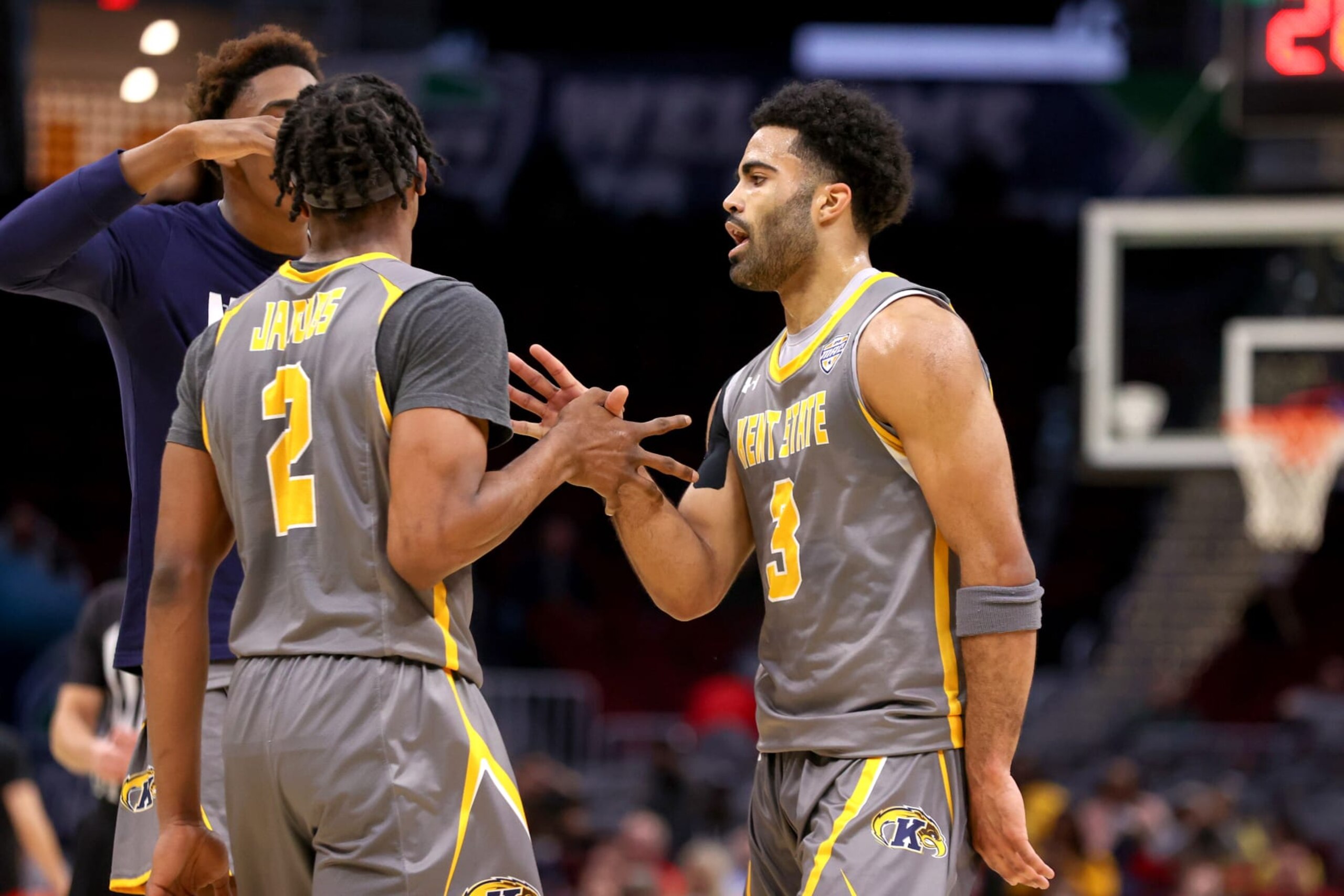
1. Kent State Golden Flashes
10 of 10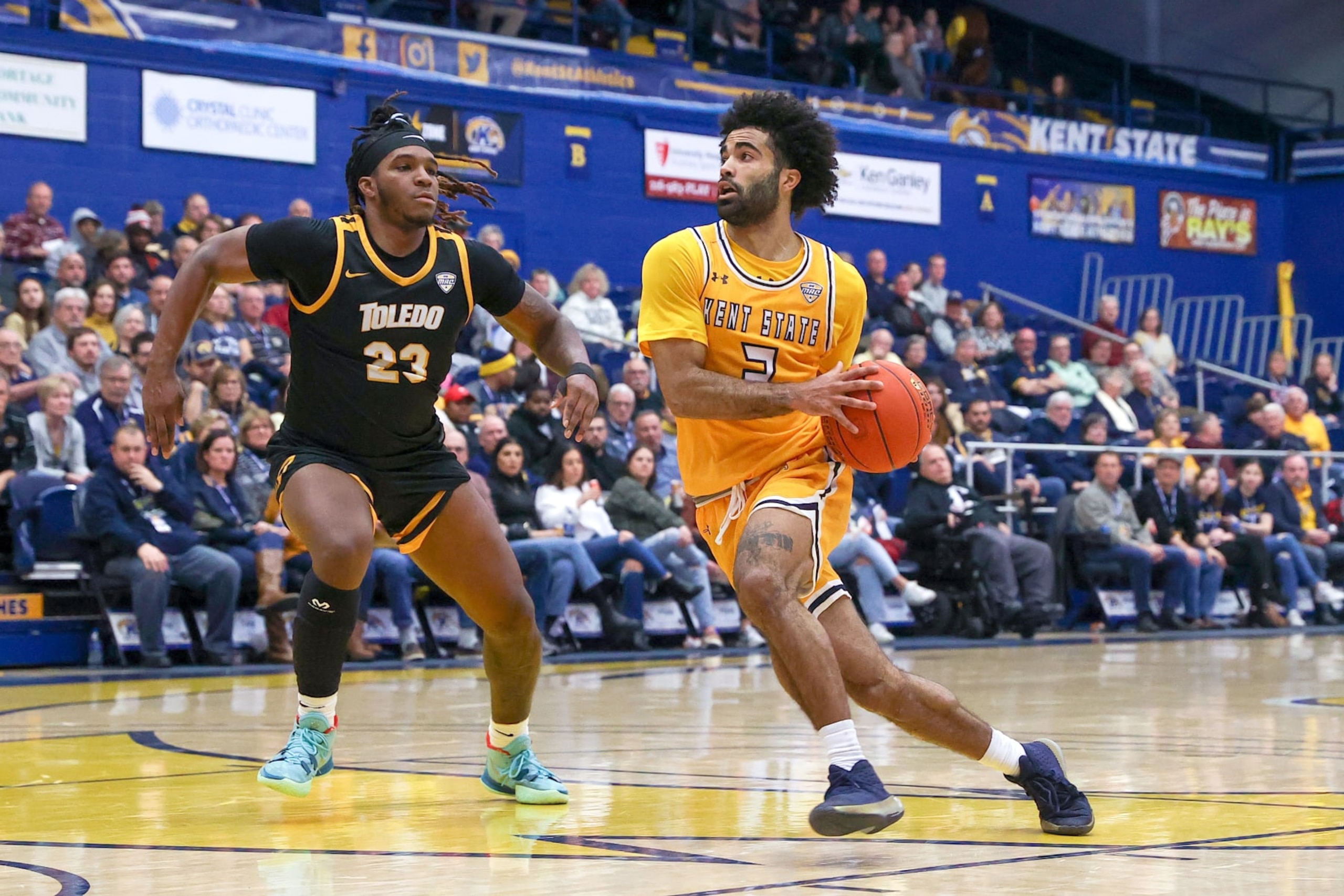
What They Do Well: Force Turnovers
Kent State averages 10.1 steals per game, and not just against lackluster competition. The Golden Flashes had 14 live-ball takeaways in their this-close road loss to AP No. 1 Houston and 10 steals at AP No. 22 Charleston.
And it's not just steals. Kent State also forces dead-ball turnovers (offensive fouls, shot-clock violations, balls thrown out of bounds, etc.) at a high rate. The Golden Flashes have lost the turnover battle just once this season, and they will be a major problem if matched up against any turnover-prone backcourts in the first weekend of the NCAA tournament.
What They Don't Do Well: Make Shots
Being able to put the ball through the hoop is, well, an important part of basketball. And unfortunately, Kent State is a below-average shooting team. The Golden Flashes did put up 106 in a win over Concord. But take out that game and the one against Baldwin-Wallace, and they've got some rough numbers against D-I competition.
Scoring 44 against Houston was understandable. That's an elite defense. Scoring 47 against UTEP was much less forgivable. Kent State barely ranks top 250 in the nation in effective field-goal percentage.
Star Player: Sincere Carry (17.1 PPG, 4.8 APG, 3.8 RPG, 1.9 SPG)
Malique Jacobs is Kent State's king of steals at 3.1 per game, but it's Sincere Carry who carries this team. If he hadn't had a nightmare of an offensive performance against Houston (2-of-22 from the field with seven turnovers), the Golden Flashes would've pulled off that massive upset. No double-doubles yet, but Carry has tallied at least 16 points and five assists in seven games.

.jpg?w=2560 "Hill Injury Update Football")
.jpg?w=2560 "OBJ Calls Out Giants After Release")
.jpg?w=2560 "Tyreek makes another cryptic post amid Chiefs rumors")


.jpg?w=2560 "Greenlaw Talks Payton Exchange")
