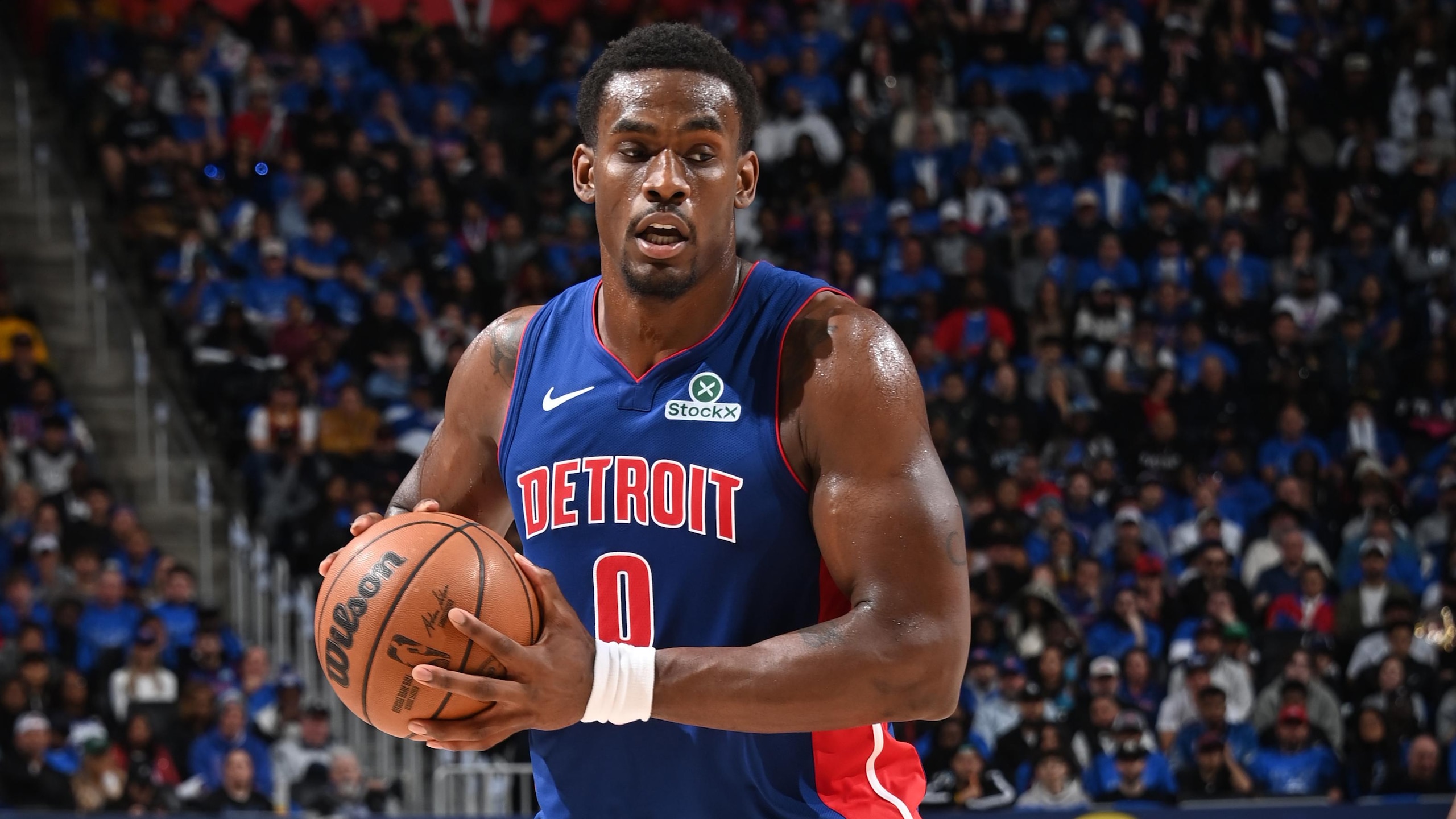

New Year's Resolutions in 2023 for Every Top 25 Men's College Basketball Team
The start of January means it's time for making New Year's resolutions, even for top teams in men's college basketball.
While most people resolve to exercise more often or consume less alcohol/caffeine/sugar, contenders for the 2023 national championship are thinking more along the lines of improving in the turnover department, getting out to less disastrous starts when playing away from home or making sure certain key players get into a rhythm during conference play.
For a bunch of the AP Top 25 teams, it's going to take more than just one thing to reach their full potential. But we've highlighted what is arguably the main thing each team should be focusing on/hoping for in the 2023 portion of this campaign.
Our New Year's resolutions for each AP Top 25 team are presented in ascending order of ranking in the Dec. 26 poll.
Nos. 25-22: North Carolina, West Virginia, Xavier and New Mexico
1 of 8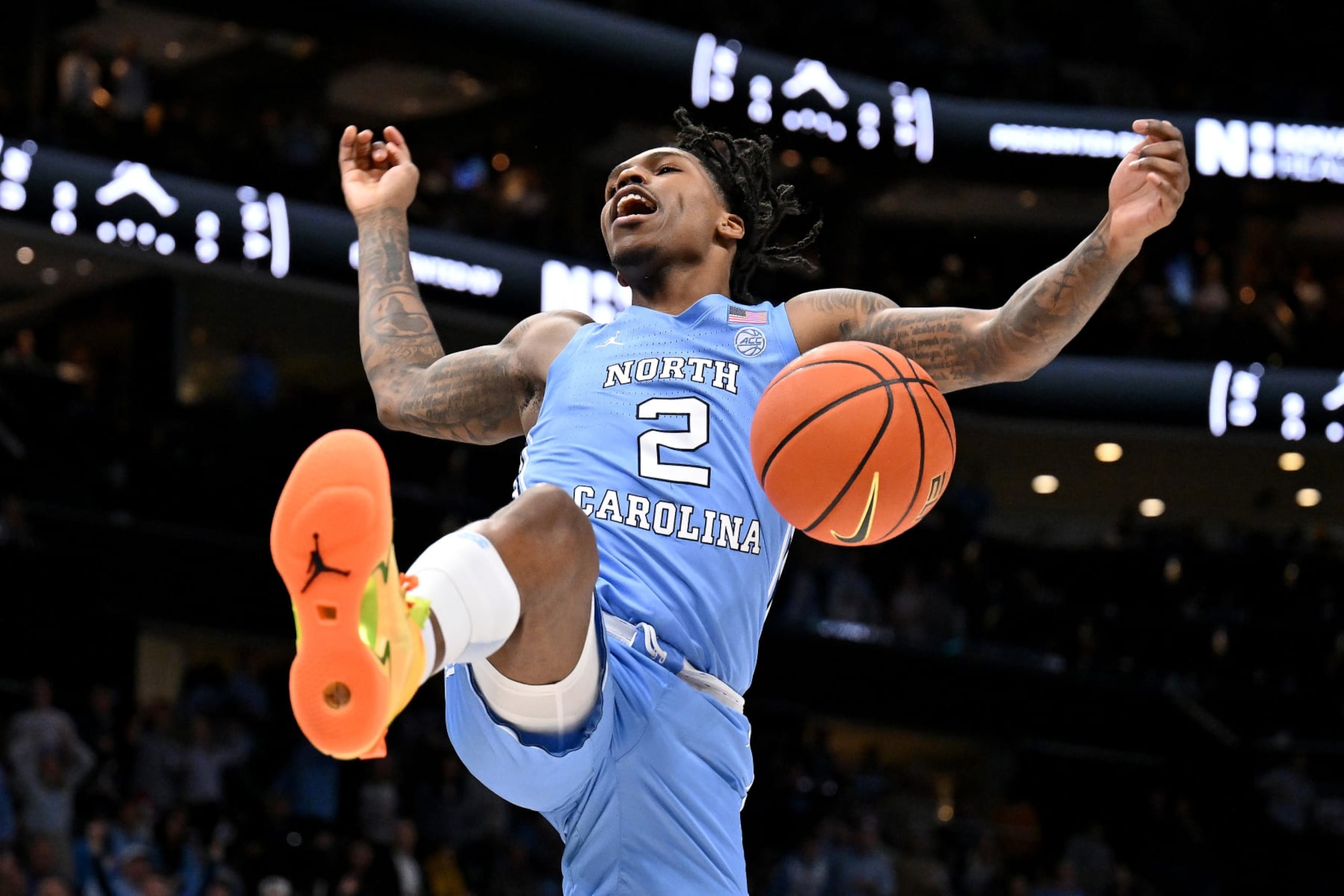
No. 25 North Carolina Tar Heels: Get back the good version of Caleb Love
North Carolina won seven games last season against teams that finished in the KenPom top 30. In six of those games, Caleb Love scored at least 21 points. He was named the KenPom game MVP for five of them. He also had 22 points and seven assists in the key win over Ohio State a few weeks ago. But in UNC's four regulation losses thus far, Love has averaged 12.5 points, shooting 35 percent from the field with more turnovers (nine) than assists (seven). If they don't get him going, the Tar Heels will never come anywhere close to their ceiling.
No. 24 West Virginia Mountaineers: Cut down on the fouls
This West Virginia team hits shots better than it has at any point since Bob Huggins replaced John Beilein in 2007. But because of its aggressive approach on defense, it also commits fouls at a sky-high rate. Between the losses to Purdue and Xavier, the Mountaineers allowed a combined total of 47 points just on free throws. The good news, though? WVU is the only Big 12 team that ranks in the top 125 in the nation in free-throw percentage.
No. 23 Xavier Musketeers: Improve the perimeter defense
Opponents are shooting 37.1 percent from three-point range against Xavier. To some extent, three-point defense is dumb luck. However, both Gonzaga and Connecticut hit 13 triples against the Musketeers, while Duke, Montana, West Virginia and St. John's each hit better than 44 percent of their attempts against the X-Men. Sean Miller's teams have historically done well in this department, though, so an already-strong team could make the leap to a legitimate title contender if that luck turns.
No. 22 New Mexico Lobos: Don't squander this 14-0 start
As one of two remaining unbeatens in men's college basketball, New Mexico has been one of the best feel-good stories of the season. The Lobos already have more wins than they did during last year's entire 13-19 campaign. But we will never forget the 2015-16 season when South Carolina started out 15-0, lost eight of its final 17 games and missed the NCAA tournament. And as merely a consensus No. 8 seed in the latest Bracket Matrix refresh, the Lobos, haven't exactly built up a ton of wiggle room. Fingers crossed for a successful run through a deep Mountain West Conference.
Nos. 21-19: Mississippi State, Auburn and Kentucky
2 of 8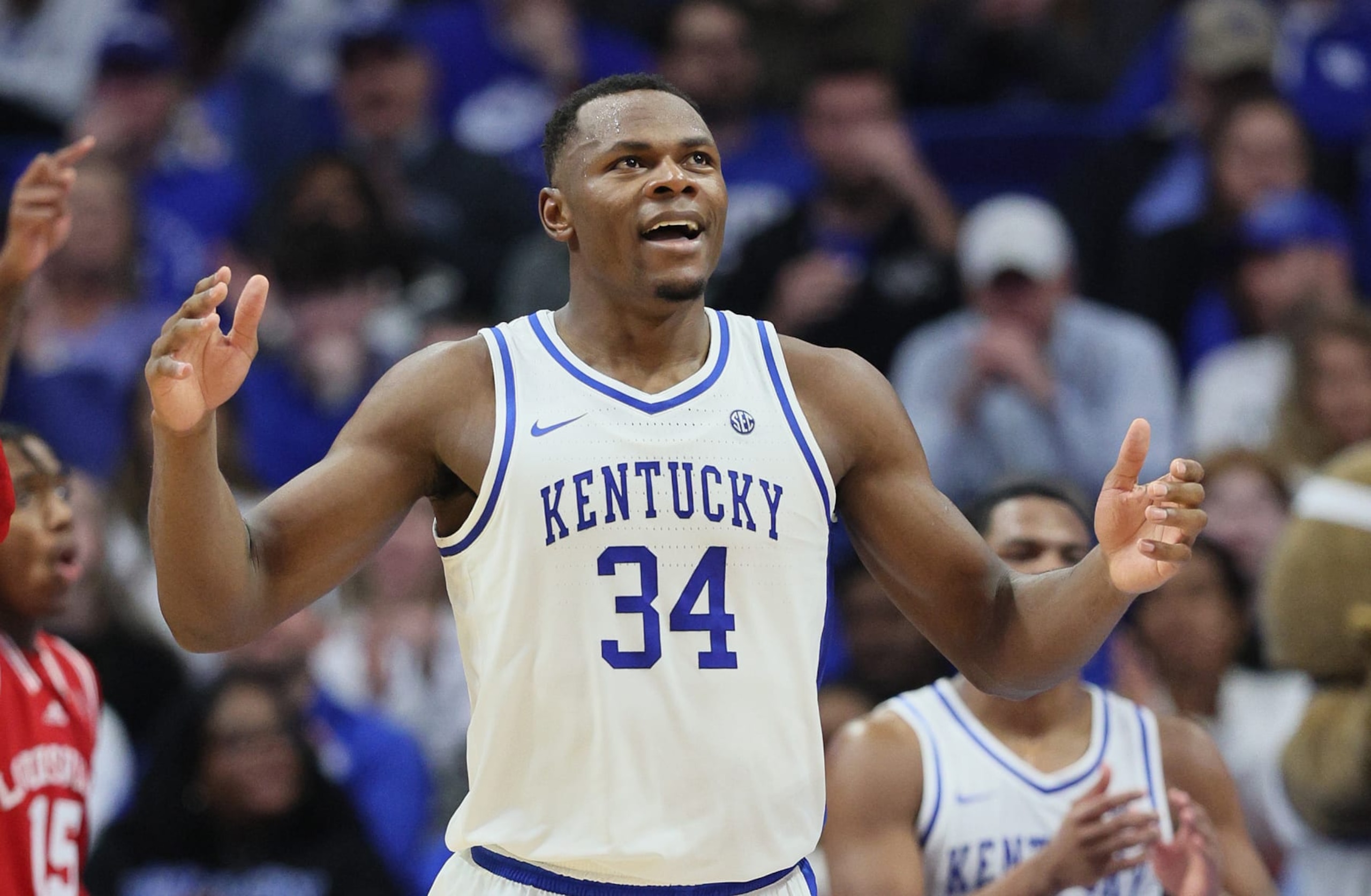
No. 21 Mississippi State Bulldogs: Find some shot makers
Credit to the Bulldogs for getting out to an 11-0 start in spite of their shortcomings, but this team just plain cannot shoot. Their effective field-goal percentage is 48.0, which doesn't even rank in the top 250 in the nation. It's reminiscent of the 2019-20 Virginia team that was elite on defense and finally emerged as a contender when Tomas Woldetensae started draining buckets out of nowhere in late January. Who's going to become that go-to guy for Mississippi State?
No. 20: Auburn Tigers: Get even more aggressive on defense
Auburn already has a stout defense, but it could be considerably more aggressive. The Tigers boast one of the deepest rotations in the nation with 11 players each averaging at least 10 minutes per game, which means fatigue should never be an issue. And they pretty much always have a shot-blocking last line of defense at the rim, be it Johni Broome or Dylan Cardwell. They should be gambling more often and forcing way more than 14.4 turnovers per game. Because an uptick in fast-break buckets would be a huge boost for what has not been a great half-court offense.
No. 19: Kentucky Wildcats: Find an identity on offense
In theory, the Wildcats should be incredible on offense. They have the most dominant offensive rebounder in the nation in Oscar Tshiebwe. They have five players around him who are shooting at least 38 percent from three-point range, not to mention a dual combo guard backcourt in Sahvir Wheeler and Cason Wallace. It is downright baffling that they can't figure out spacing and that they keep chucking up mid-range twos. In six games against KenPom top 100 foes, Kentucky has averaged just 69.8 points. John Calipari needs more than tweaks here.
Nos. 18-16: TCU, Duke and Indiana
3 of 8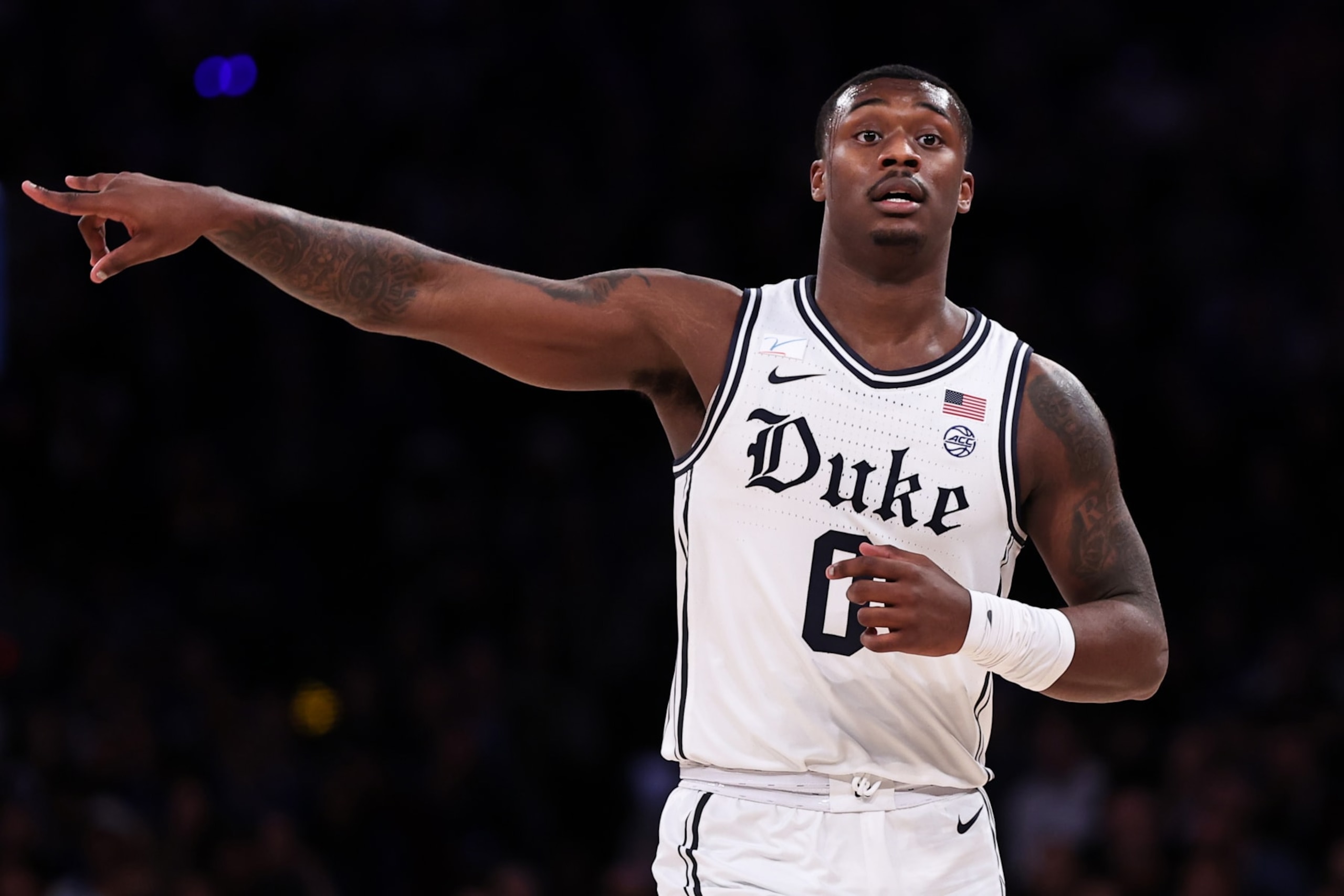
No. 18 TCU Horned Frogs: Find some three-point shooting
You don't need to be an elite three-point shooting team to win a championship, but it's problematic that TCU has been one of the worst—even while playing one of the weakest nonconference schedules of any team. The Horned Frogs are shooting 29.2 percent as a team and averaging just 5.6 makes per game. Then again, TCU finished last season at 30.2 and 5.5, respectively, and won an NCAA tournament game for the first time since 1987. And the Horned Frogs did just beat Texas Tech despite shooting 2-of-14 from distance.
No. 17 Duke Blue Devils: Get and stay healthy
Stud freshmen Dereck Lively II and Dariq Whitehead both suffered preseason injuries, missed the start of the campaign and didn't start making a real impact until the end of November. They were also both out with an illness in the recent loss to Wake Forest. And veteran leader Jeremy Roach has been battling a toe injury for more than a month. Duke has been adequate in Jon Scheyer's first season at the helm, but the freshman-heavy Blue Devils could really blossom over the next three months if they can keep a clean bill of health.
No. 16 Indiana Hoosiers: Quit digging early holes away from home
The Hoosiers were able to claw back from an early 28-19 deficit to win by two at Xavier in mid-November, but their other three games away from home didn't end so well. An early 23-18 deficit at Rutgers eventually turned into a 15-point loss. At Kansas, Indiana was down by double digits barely five minutes into the game and never recovered in a 22-point blowout. And against Arizona in Las Vegas, getting outscored 27-8 in the first nine minutes was just too much to overcome.

Nos. 15-13: Wisconsin, Miami and Virginia
4 of 8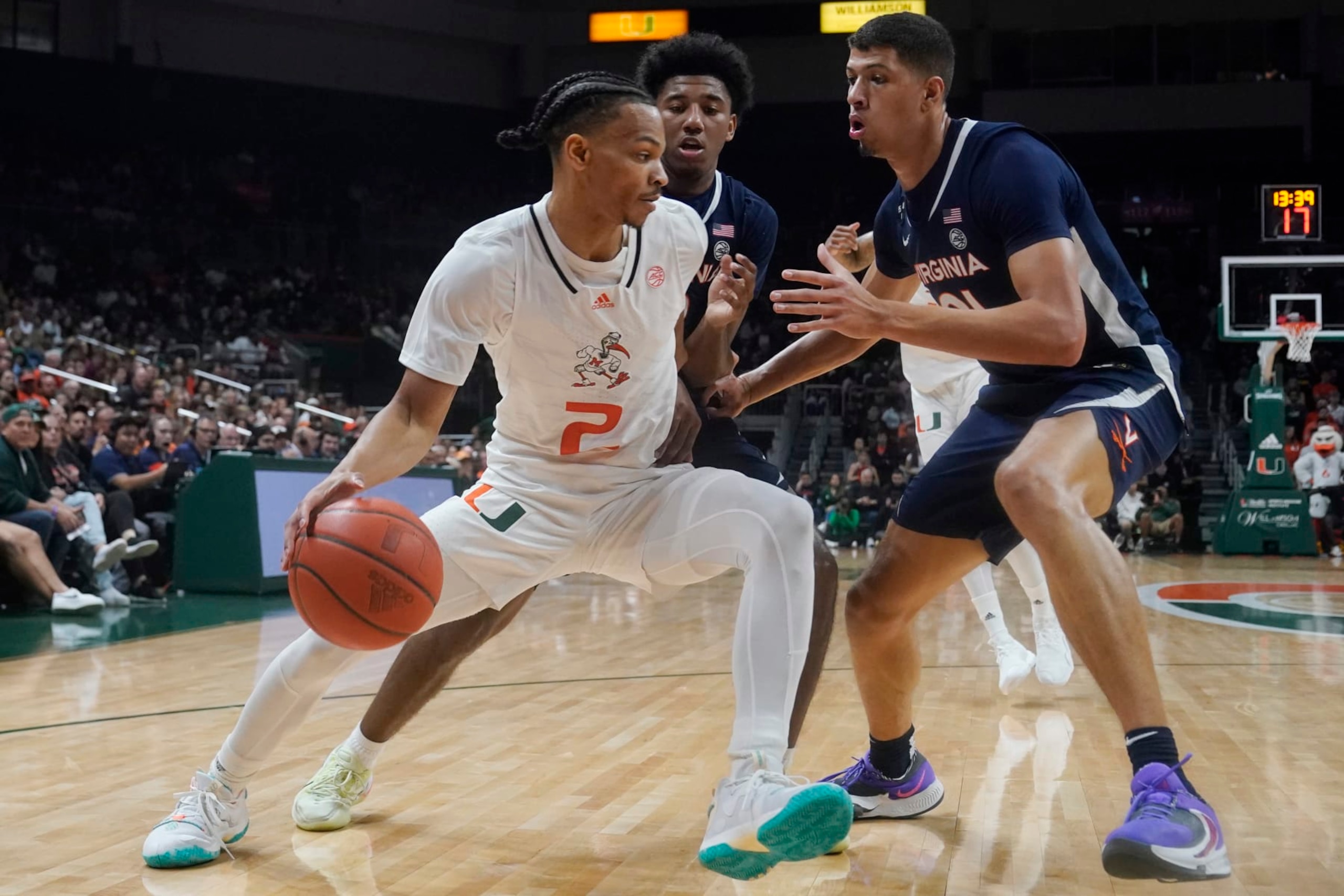
No. 15 Wisconsin Badgers: Get better in the paint on defense
Wisconsin is averaging fewer than two blocks per game, with opponents making 49.6 percent of their two-point attempts. The only time in the past 17 seasons that the Badgers have done worse in either department was when they went 15-18 and missed the 2018 NCAA tournament. And the scary thing is they have yet to face a dominant big man like Zach Edey, Hunter Dickinson or Trayce Jackson-Davis. The Jan. 14 game at Indiana should let us know how big this problem actually is for the Badgers.
No. 14 Miami Hurricanes: Box out better on defense
Height is not Miami's forte. No one in the Hurricanes' primary six-man rotation stands taller than 6'7". But they still need to do a better job of limiting second-chance opportunities, as opponents are averaging 11 offensive rebounds per game. Thus far, it only really hurt Miami in the loss to Maryland, but it was brutal that night with the Terrapins finishing plus-21 on the glass.
No. 13 Virginia Cavaliers: Also box out better on defense
Since hiring Tony Bennett in 2009, Virginia has made the NCAA tournament (would have made it in 2020) in every season that it held opponents below 26 percent offensive rebounding and has missed the NCAA tournament in every season it fared worse than that. Simply put, limiting second-chance opportunities has been a huge reason for the success of the pack-line defense. But this year's team is sitting at 27.0 percent and darn near lost home games to both Florida State and James Madison because of it. The Cavaliers need to tighten up what is usually one of their biggest strengths.
Nos. 12-10: Baylor, UCLA and Gonzaga
5 of 8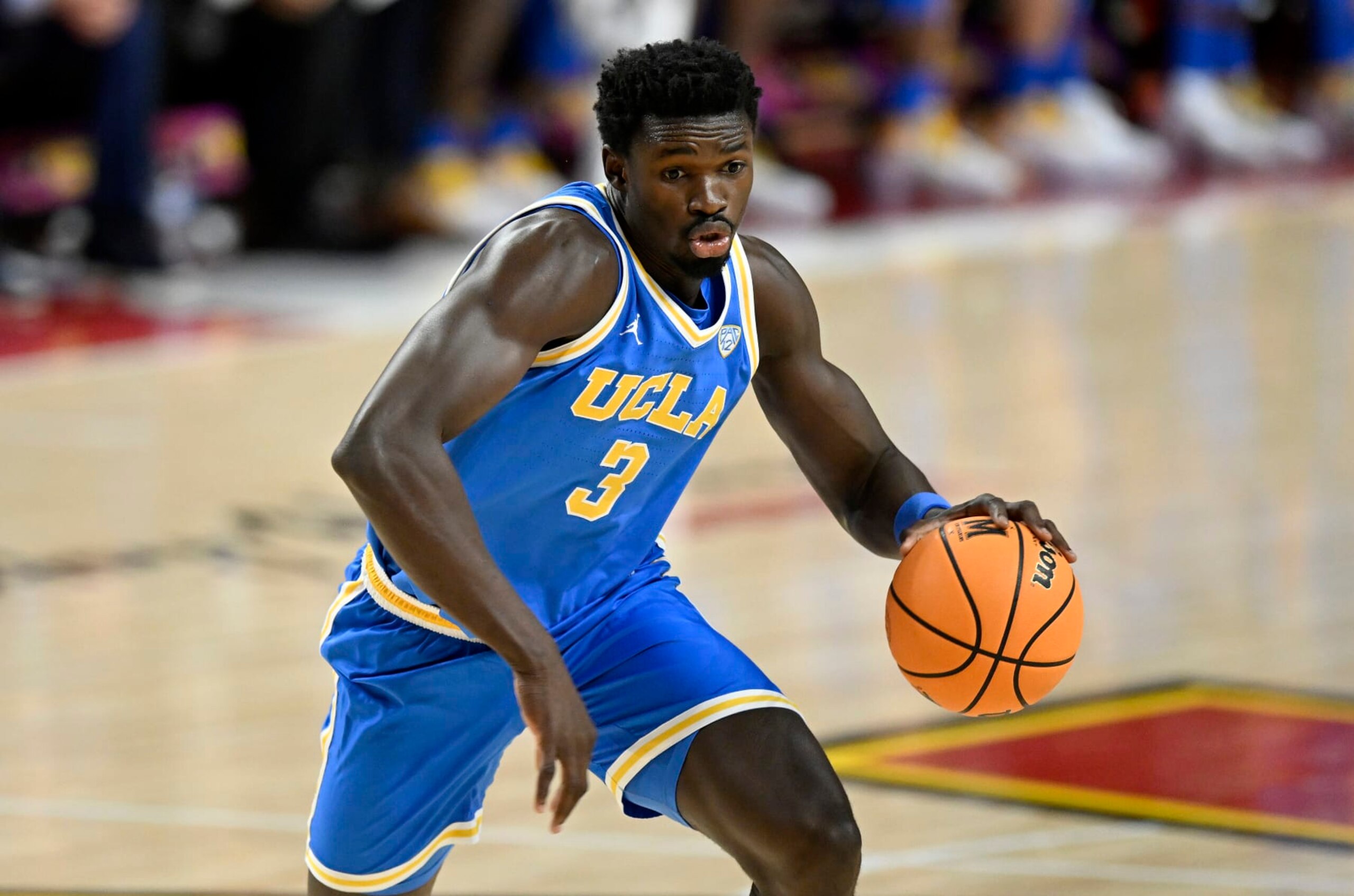
No. 12 Baylor Bears: Value the ball
Over the final 17 games of the 2020-21 championship season, Baylor committed 14 or more turnovers just once. This season, the Bears are averaging 14.2 giveaways per contest, with 18 or more in four of their past seven games. That wasn't the only issue in the blowout losses to Marquette and Iowa State, but allowing 24 first-half points off turnovers against the Golden Eagles sure was a disaster.
No. 11 UCLA Bruins: Get more out of the 5
UCLA has one of the best turnover margins in the nation and has gotten a lot of great production out of Jaime Jaquez Jr., Jaylen Clark, Tyger Campbell, David Singleton and Amari Bailey. But between Adem Bona, Kenneth Nwuba and Mac Etienne, the Bruins have been nothing special in the paint, which was a big factor in the loss to Baylor and the recent close call against Washington State. If nothing changes, Arizona may well annihilate UCLA down low when the two square off on Jan. 21. (Bona did rack up 18 points and three blocks—career bests in both departments—in UCLA's 25-point victory over Washington on Sunday. If he's heating up, that would be huge for the Bruins.)
No. 10 Gonzaga Bulldogs: Start contesting shots
Gonzaga ranked in the top 90 in defensive effective field-goal percentage in each of the past 16 seasons, including two years (2016-17 and 2021-22) at No. 1 in that department. But the Zags are currently outside the top 200, badly missing Chet Holmgren's impact on that end of the floor. Their percentage will improve simply because the schedule is nowhere near as difficult the rest of the way, but interior defense has not been the strength it usually is in Spokane.
Nos. 9-7: Arkansas, Alabama and Tennessee
6 of 8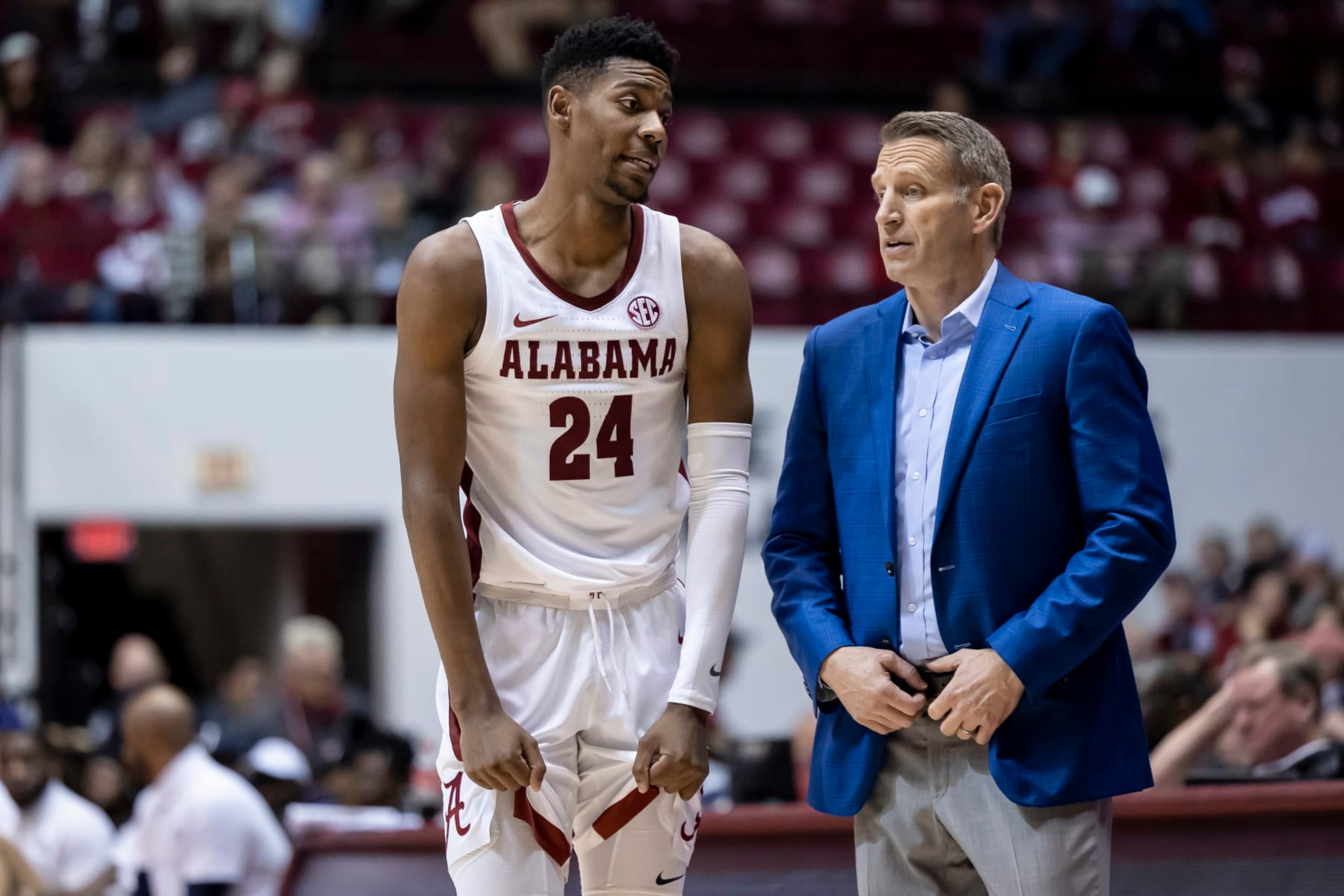
No. 9 Arkansas Razorbacks: Get Nick Smith Jr. healthy
Freshman star Nick Smith Jr. is out indefinitely for "right knee management," and Arkansas' perimeter offense has been a disaster without what we all assumed would be its top scorer. The Razorbacks shot 4-of-25 (16 percent) from three-point range in their recent loss to LSU, part of an eight-game stretch in which they've shot 28.3 percent and averaged 4.3 makes from downtown. They're still a contender because of their great defense, but the team-wide inability to shoot threes is a clear issue.
No. 8 Alabama Crimson Tide: Improve the turnover margin
Turnover margin hasn't exactly been a strength for the Crimson Tide in recent years, but it has never been this much of a problem, already sitting at minus-61 through 13 games. Both in terms of turnover percentage on offense (22.1) and turnover percentage on defense (16.0), Alabama is on pace for its worst season since 1999-2000.
No. 7 Tennessee Volunteers: Get better at shooting
Much like fellow SEC schools Arkansas and Mississippi State, Tennessee has gotten out to a great start thanks to a great defense that has made up for a lackluster offense. The Volunteers are shooting 41.9 percent from the field, which ranked 302nd in the nation at the start of play Sunday. They are at least one of the best offensive rebounding teams in the country, but they do need to actually make some shots at some point.
Nos. 6-4: Texas, Arizona and Kansas
7 of 8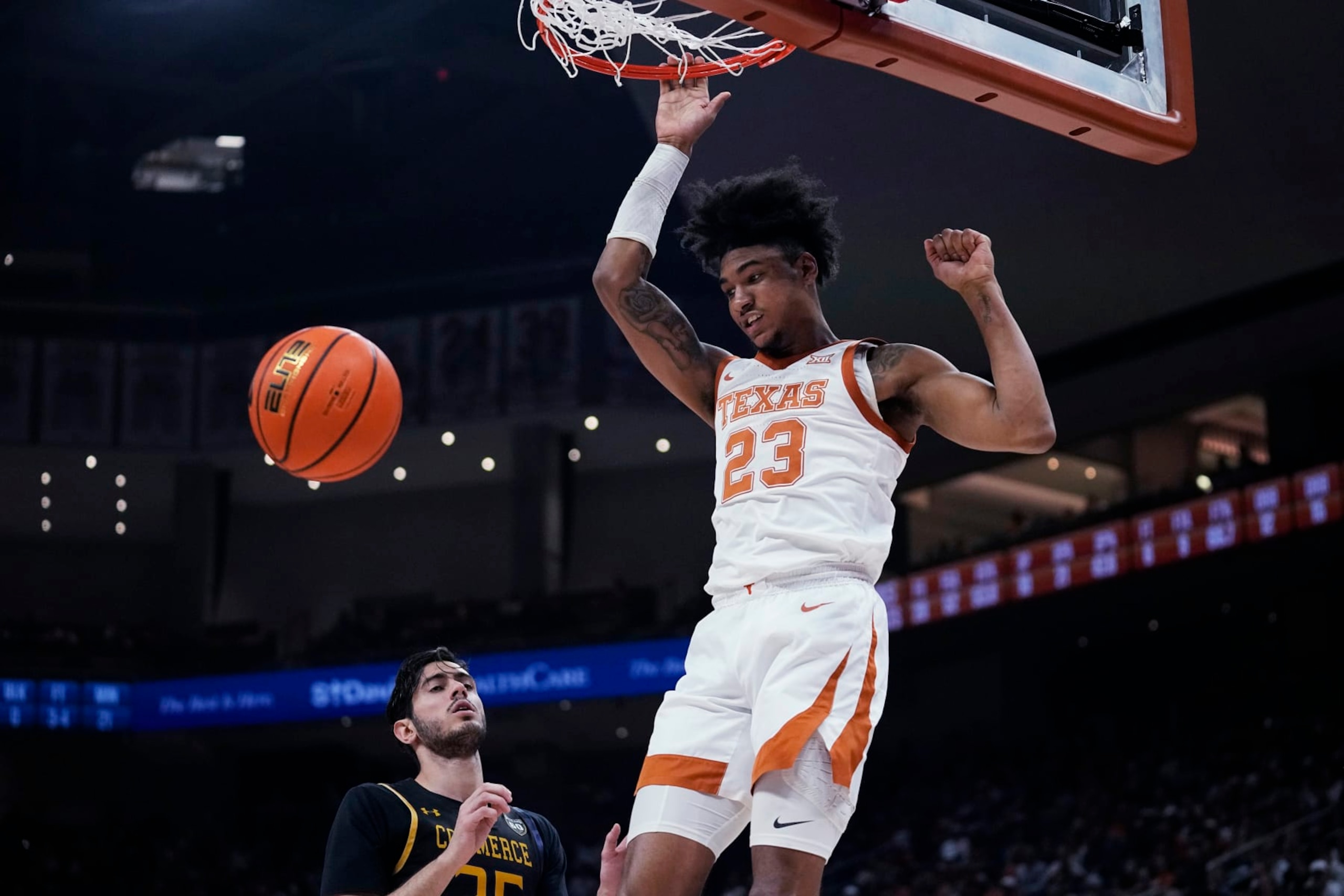
No. 6 Texas Longhorns: Run more offense for Dillon Mitchell
Freshman Dillon Mitchell might be the bounciest player in the nation, but Texas cannot figure out how to maximize his potential. In Saturday's nail-biter at Oklahoma, Mitchell played 14 minutes, finishing with two points and one rebound. And that's just inexcusable for a player who will likely be a first-round pick if he declares for the 2023 NBA draft. Throw him alley-oops. Design some backdoor cuts. Do something to get this superathlete some confidence.
No. 5 Arizona Wildcats: Shoot better on the road
At home, Arizona has been a runaway freight train on offense, averaging 93.6 points per game. That even includes a game against Tennessee and the most efficient defense in the nation. But in its two true road games to date, Arizona scored 66 in a loss at Utah and 69 in a relatively close game at Arizona State. Big men Ąžuolas Tubelis and Oumar Ballo fared well in both games, but the guards and wings (Kerr Kriisa and Pelle Larsson, in particular) have vanished in hostile environments.
No. 4 Kansas Jayhawks: Get more from the young bigs
If one of 6'9" Zuby Ejiofor, 6'10" Zach Clemence or 6'11" Ernest Udeh Jr. could emerge as even a "15 minutes per game" type of asset at the 5, it would be a major development for the undersized Jayhawks, who have had to lean heavily on their 6'8" do-it-all starting "center" Jalen Wilson. But in the Big 12 opener against Oklahoma State, that trio combined for 15 minutes, four points and three rebounds while Kansas had to overcome a 15-point deficit in the second half.
Nos. 3-1: Houston, Connecticut and Purdue
8 of 8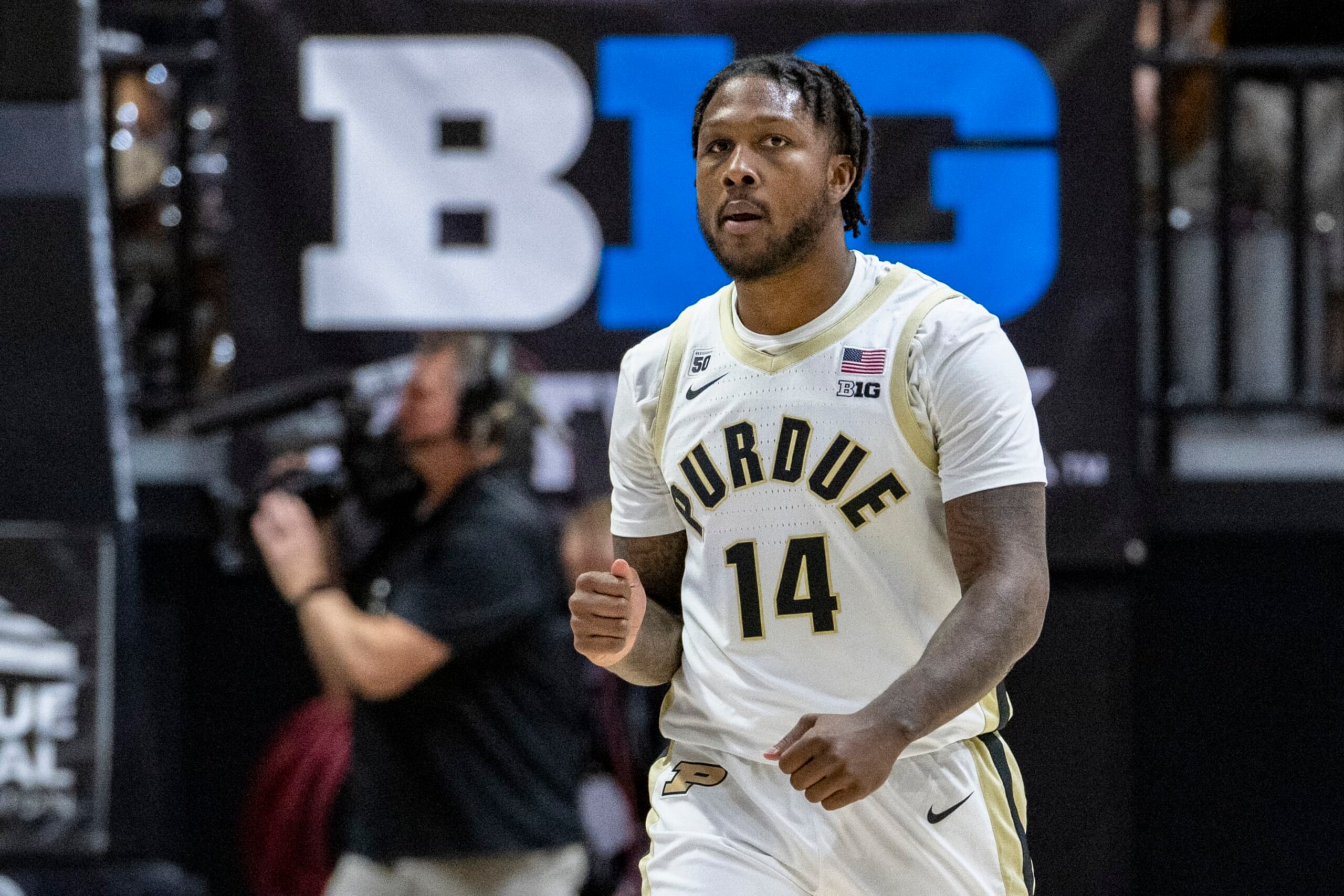
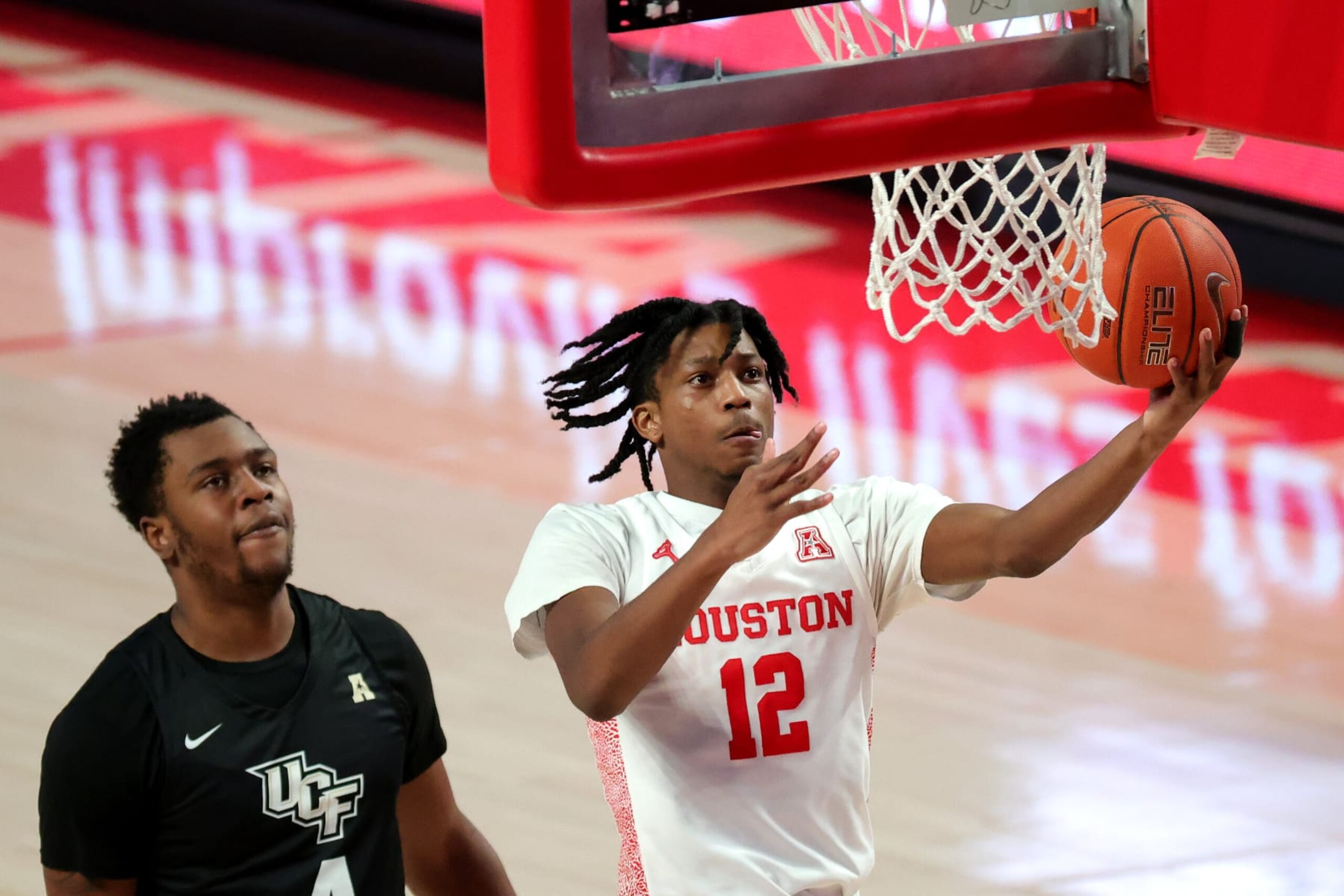
No. 3 Houston Cougars: Win out and lock up the No. 1 overall seed
Houston might be the best team in the country—KenPom sure thinks so—and it has the easiest remaining schedule of the teams in that conversation. The Cougars should be favored in every game the rest of the way. That includes the NCAA tournament, since the Final Four is in Houston this year. Finishing as 39-1 national champions and setting the NCAA's single-season record for wins is within the realm of possibility.
No. 2 Connecticut Huskies: Cut down on fouls
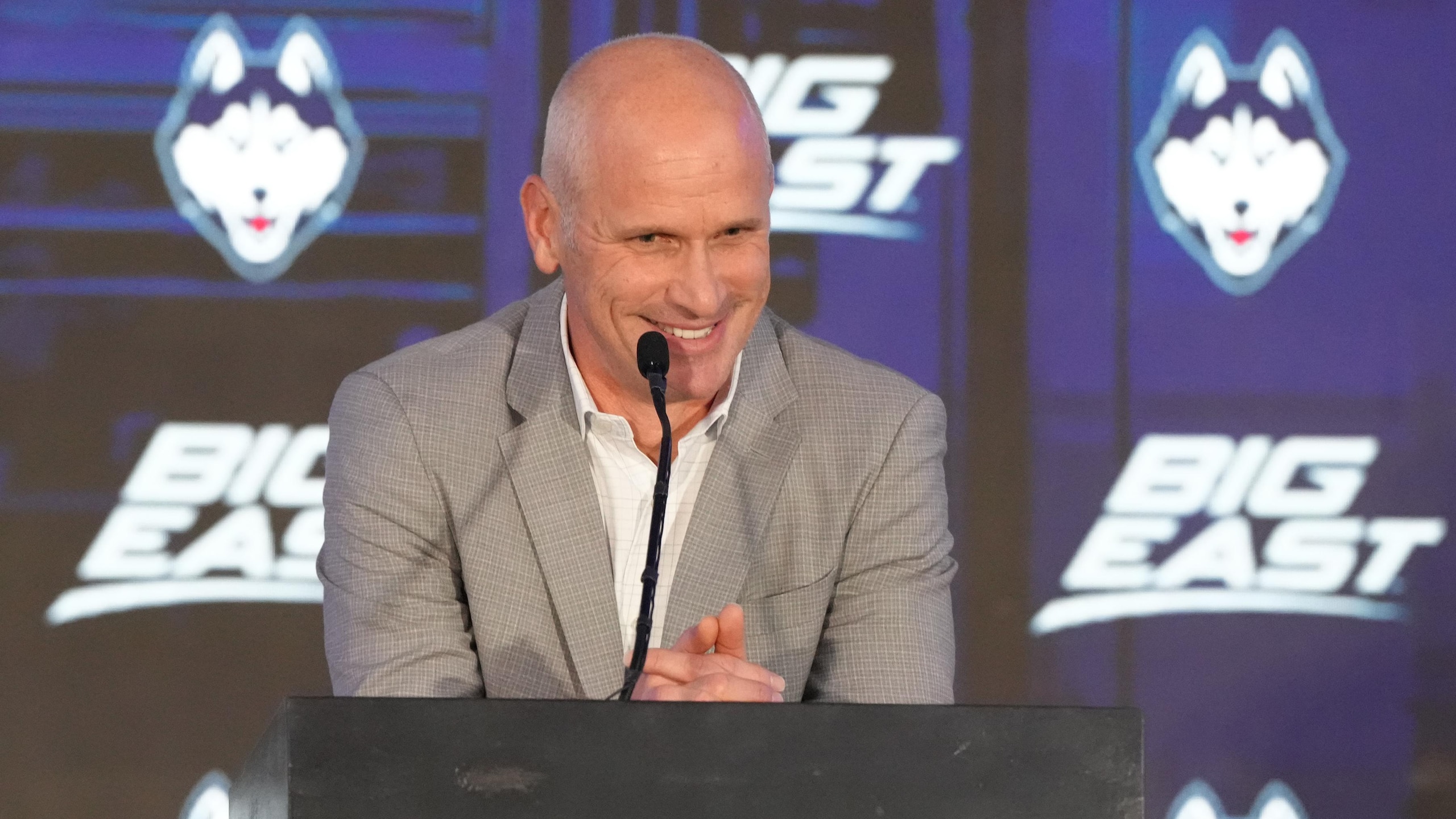
Just like West Virginia, Connecticut has an excellent, aggressive defense...which sometimes gets a little too physical. The Huskies allow 21.2 free-throw attempts per game, and they were outscored 23-4 from the charity stripe at Xavier in their lone loss of the season. They usually make up for it by limiting three-point looks, making triples of their own and dominating both the turnover and rebounding margins, but minus-19 on free throws is tough to overcome.
No. 1 Purdue Boilermakers: Get David Jenkins Jr. going
In two seasons at South Dakota State, David Jenkins Jr. averaged 17.8 points and shot 42.0 percent from three-point range. In two seasons at UNLV, he averaged 14.8 points and shot 40.9 percent from distance. But the sixth-year senior is averaging 3.5 points and shooting 22.2 percent from downtown with Purdue. Considering three-point shooting has been the Boilermakers' biggest weakness thus far, there's a possible solution to the problem.
.jpg?w=2560 "Cardinals Giants Football")

.jpg?w=2560 "Report: Chiefs Contact Hill's Agent")
.jpg?w=2560 "OBJ Calls Out Giants 😳")
.jpg?w=2560 "Tyreek makes another cryptic post amid Chiefs rumors")