
Most basketball players, at some point in their lives, want to be starters. There's just something innately satisfying about that designation.
For plenty of teams, there's at least an argument that the starting five isn't the most important lineup, though. A lot of squads finish with different players, and that's the focus today.
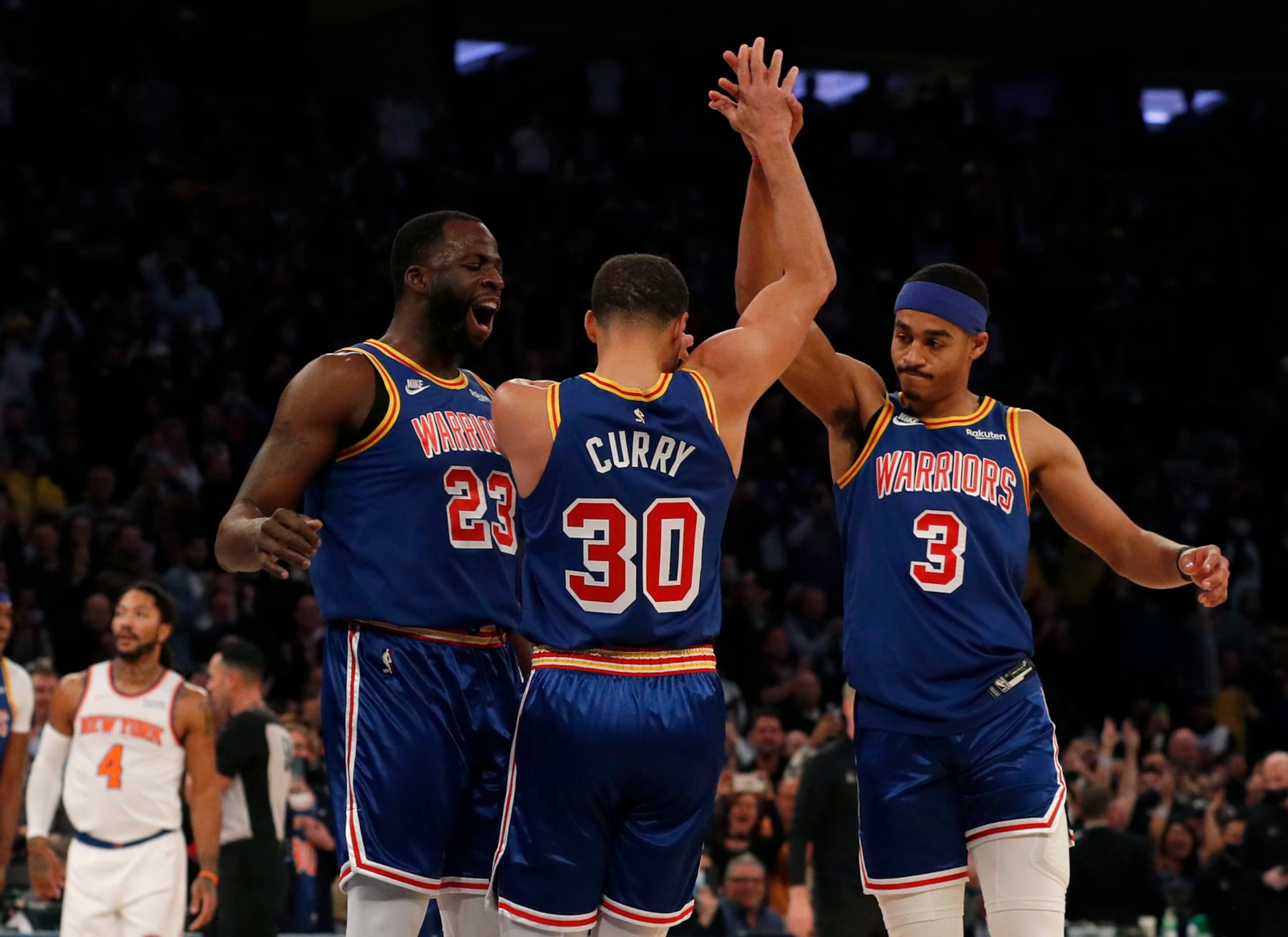
Generally speaking, modern closing lineups need to be fast, versatile and able to switch all over the floor. We can thank the dynastic Golden State Warriors for that.
But not every team will close small (or small-ish). Some don't have the personnel. Some have it, but the philosophical advantages don't outweigh the sheer talent of bigger groups.
Teams are sure to experiment throughout the year, but these are the closing fives that make the most sense for everyone right now.
Atlanta Hawks
1 of 30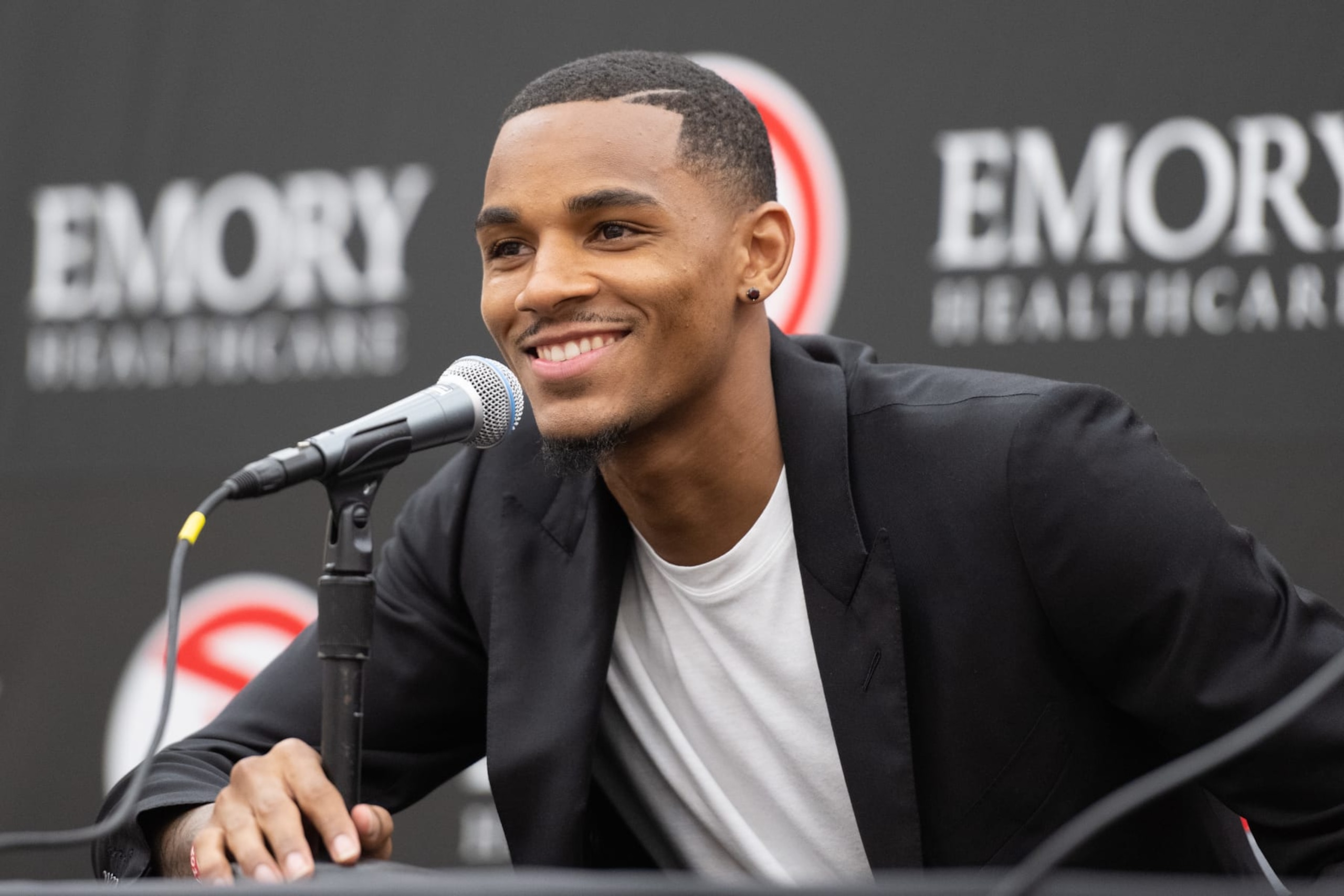
Trae Young, Dejounte Murray, Bogdan Bogdanovic, De'Andre Hunter and John Collins
Trae Young and Dejounte Murray are givens. They're the two best players on the Atlanta Hawks, and even if they're both used to being ball-dominant, they're also unselfish enough to figure it out.
Young's range should widen driving lanes for Murray. The other side of the coin is Murray's slashing pulling defenders inside and giving Young a few more catch-and-shoot opportunities.
Surrounding those two with as much shooting as possible should be the goal from there. De'Andre Hunter shot 37.9 percent from deep last season. Bogdan Bogdanovic is at 38.4 percent for his career, and he adds a dash of playmaking, too.
Having that much shooting and creation around a big like John Collins, who can score as either a roll man or floor-spacer, is going to be impossible to defend.
Boston Celtics
2 of 30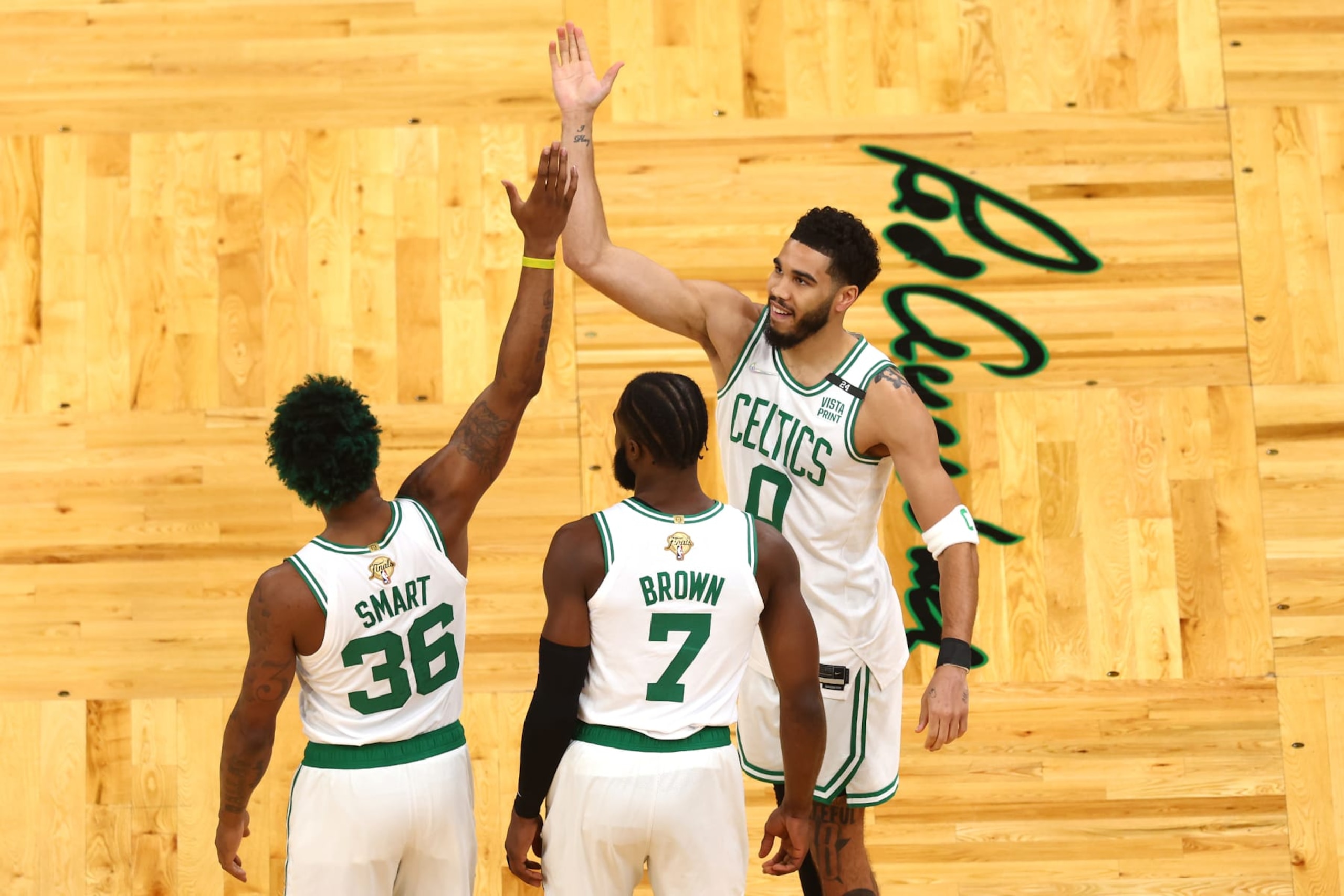
Marcus Smart, Malcolm Brogdon, Jaylen Brown, Jayson Tatum and Al Horford
Robert Williams III is going to be out for 8-12 weeks because of arthroscopic surgery on his knee, but the Boston Celtics' best closing lineup might still include him once he's healthy.
But the group above, which includes the recently acquired Malcolm Brogdon, brings more playmaking, shooting and switchability.
All three of those boxes are checked, to varying degrees, at all five spots.
The lineup also features Defensive Player of the Year-level defense from Marcus Smart, MVP candidate potential from Jayson Tatum and 15 years of experience from Al Horford.
One more developmental leap from Jaylen Brown, particularly as a ball-handler, decision-maker and passer, and the Celtics could certainly make a return trip to the Finals.
Brooklyn Nets
3 of 30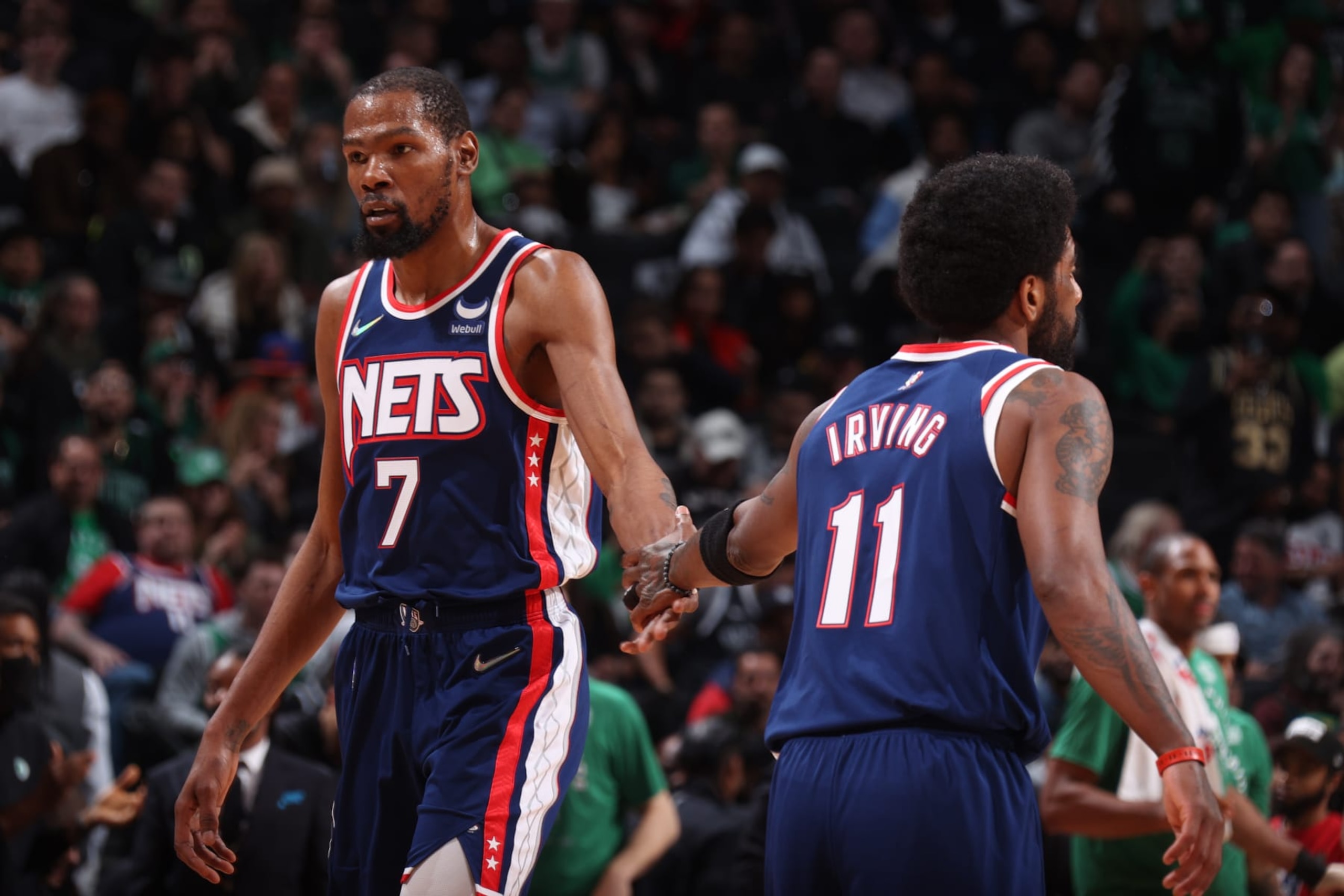
Kyrie Irving, Seth Curry, Joe Harris, Kevin Durant and Ben Simmons
It's long felt like the ideal setup for Ben Simmons would be to play him as a point center surrounded by shooting. The Brooklyn Nets can absolutely give him that.
The fit with Simmons, Seth Curry and Joe Harris is obvious.
Simmons is one of the most prolific creators of three-point shots in the league.
Curry and Harris, meanwhile, are third and fourth in NBA history in career three-point percentage.
Having all three on the floor together will be nightmarish for opponents.
Kevin Durant and Kyrie Irving, of course, are also among the game's best shooters, but there will be more of an adjustment period for them with Simmons. All three are used to handling the ball, but once the proper balance is struck, this lineup has the potential to be the most offensively potent in basketball.
Charlotte Hornets
4 of 30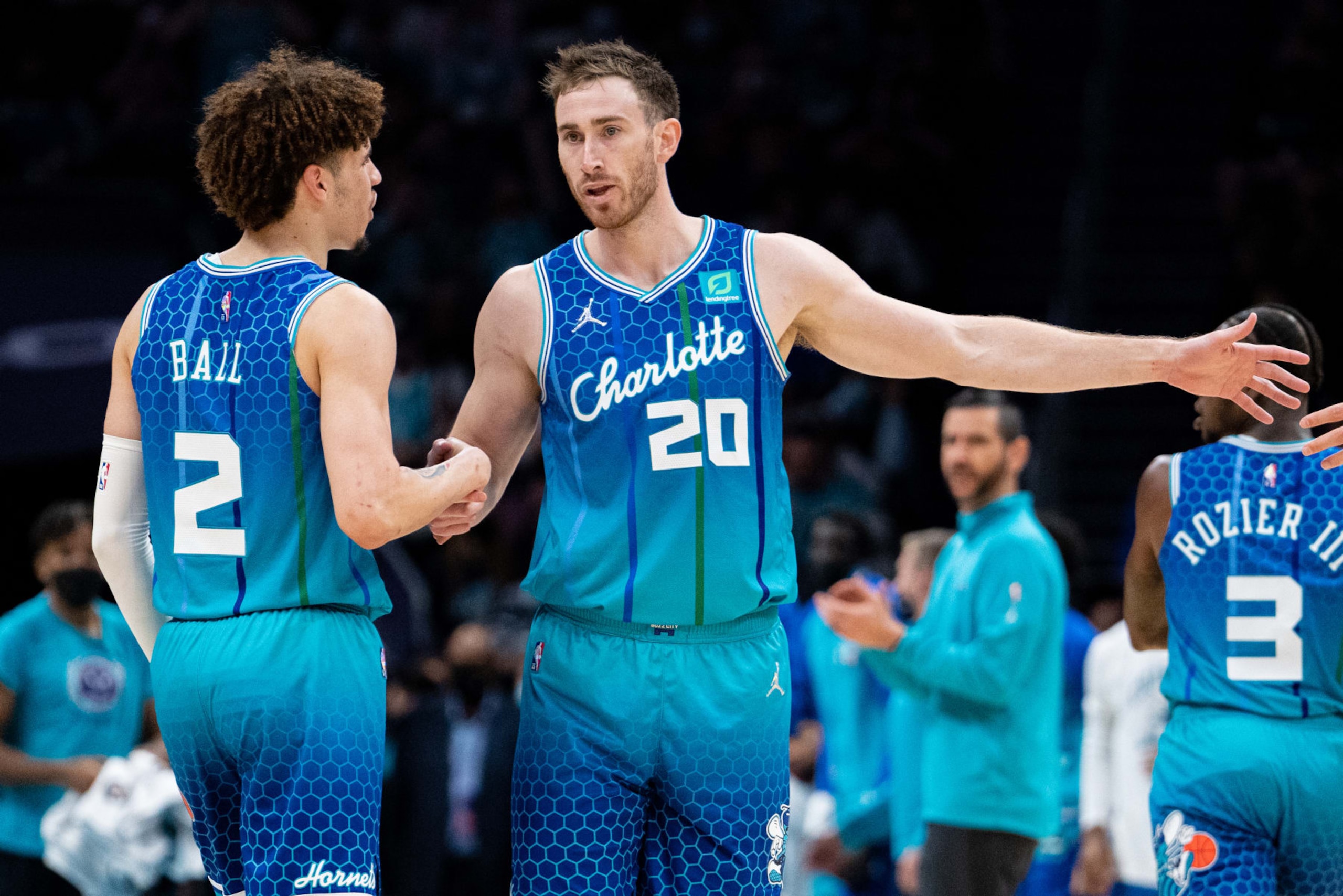
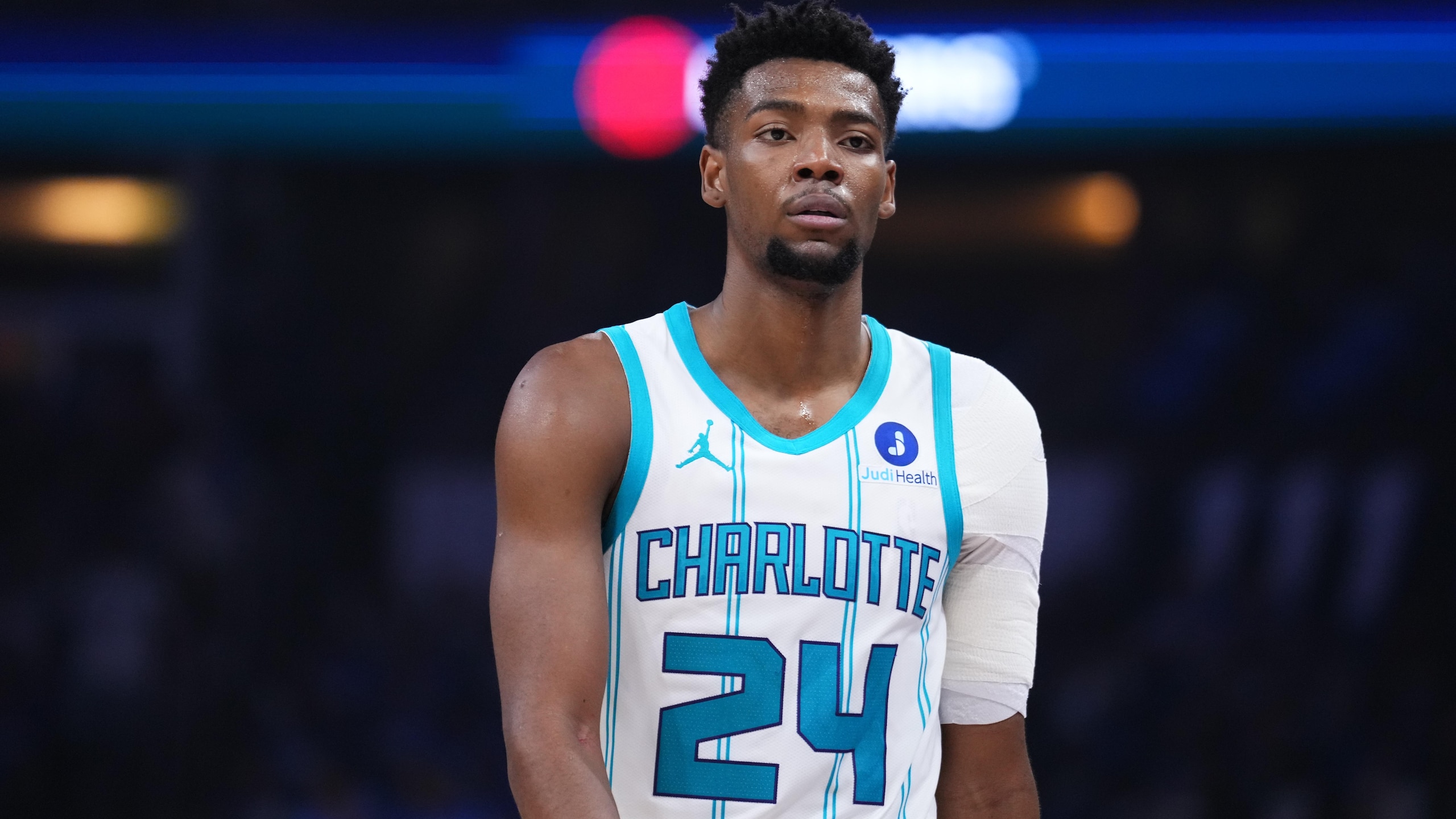
LaMelo Ball, Terry Rozier, Cody Martin, Gordon Hayward and P.J. Washington
Kelly Oubre Jr. probably has an argument to be in this group, but there's already a lot of usage tied up in LaMelo Ball, Gordon Hayward and Terry Rozier. Going with Cody Martin gives them a low-usage forward who's more committed to defense and shot 38.4 percent from three last season.
P.J. Washington makes more sense than the traditional centers because he can keep the floor spread for playmaking from Ball, Hayward and Rozier.
The success or failure of this group largely rests on the shoulders of Ball, though. After averaging 20.1 points, 7.6 assists, 6.7 rebounds and 2.9 threes in 32.3 minutes last season, he looks ready for a superstar leap (if he hasn't already taken it).
Chicago Bulls
5 of 30
Lonzo Ball, Alex Caruso, Zach LaVine, DeMar DeRozan and Nikola Vucevic
It's impossible to know when Lonzo Ball will be ready to play NBA basketball again. After several months of mystery and setbacks, he's set to have another surgery on his knee.
He'll reportedly be reevaluated in four to six weeks, but timelines have served little purpose throughout an injury bout that started midway through last season.
If he can get back to full strength at some point, this is the obvious closing five.
They played together for fewer than 200 possessions last season (thanks to injuries to Ball and Alex Caruso), but they were dominant in that limited sample. Remove Nikola Vucevic from the equation and the sample size doubles, while the net rating is a stellar plus-16.3.
The unselfishness and defense of Ball and Caruso, the shotmaking of Zach LaVine and DeMar DeRozan and the floor spacing, rebounding and passing of Vucevic make this one of the most interesting and well-balanced units in the league.
We just have to cross as many fingers and toes as possible in hopes that we see it a decent amount in 2022-23.
Cleveland Cavaliers
6 of 30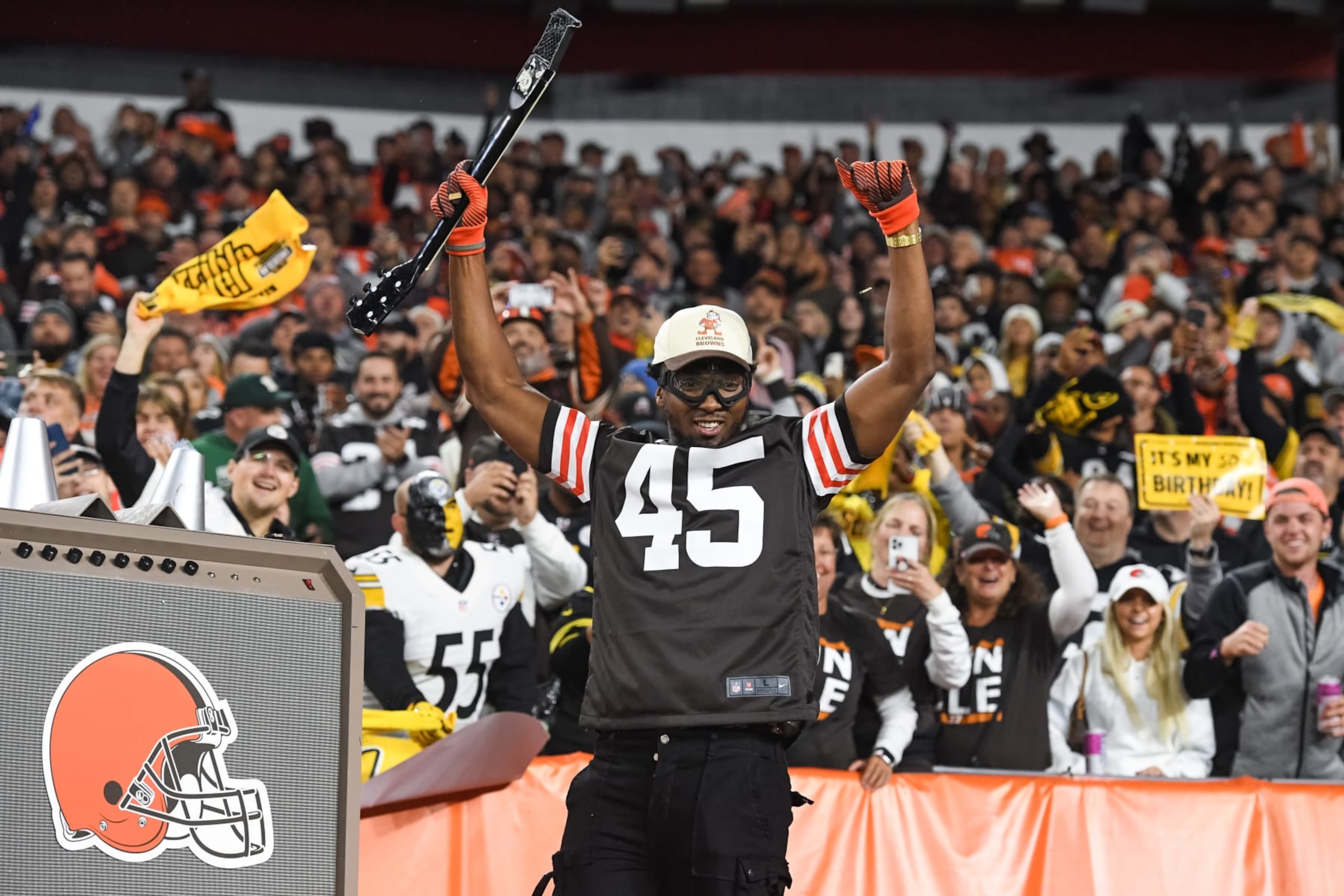
Darius Garland, Donovan Mitchell, Isaac Okoro, Evan Mobley and Jarrett Allen
It's not unusual for a team to close with the same five players it started the game with, and we could see that here.
Because Darius Garland and Donovan Mitchell are both 6'1", the backcourt may have some of the same defensive issues that plagued the Utah Jazz last season (who started Mitchell with Mike Conley), but Isaac Okoro, Evan Mobley and Jarrett Allen provide enough upside on that end to make up for that.
If Okoro and Mobley can develop into reliable floor-spacers, this bunch has the chance to be lethal.
Mitchell and Garland were 10th and 23rd, respectively, in offensive box plus/minus last season. Surrounding them with defense and shooting feels like an easy path to success.
Dallas Mavericks
7 of 30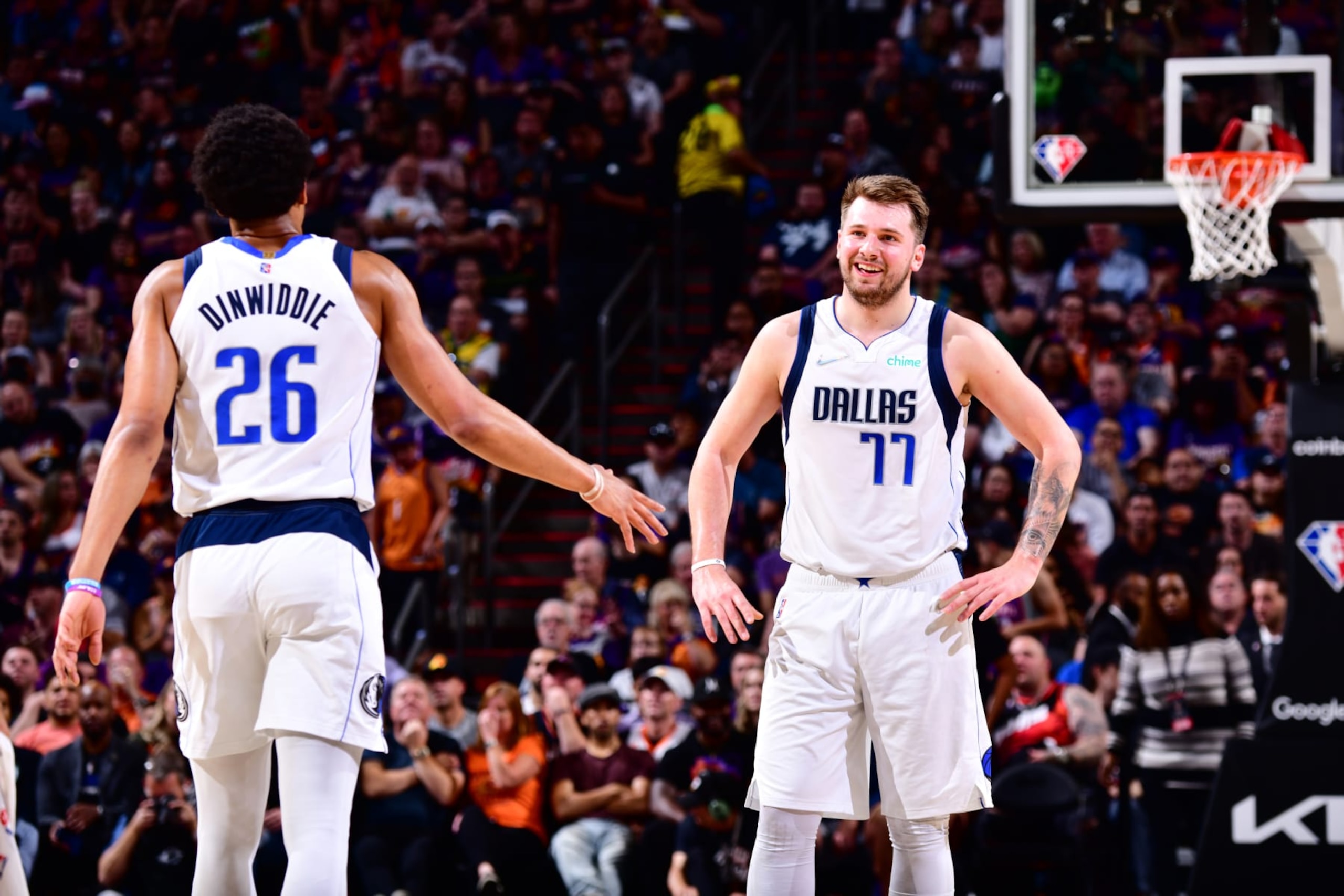
Luka Doncic, Spencer Dinwiddie, Dorian Finney-Smith, Reggie Bullock and Christian Wood
The offseason demise of the Dallas Mavericks has been greatly exaggerated.
Yes, they lost Jalen Brunson, but Spencer Dinwiddie is not too far removed from an individual campaign that was on par with (or better than) Brunson's 2021-22.
Of course, Dinwiddie has been through an ACL recovery since then, but those aren't the death knell they once were, and Dinwiddie is only 29.
His secondary playmaking, the three-and-D prowess of Dorian Finney-Smith and Reggie Bullock and the potential 20-and-10 wild card that is Christian Wood make this a lineup that might be better than anything Dallas put on the floor last season.
Denver Nuggets
8 of 30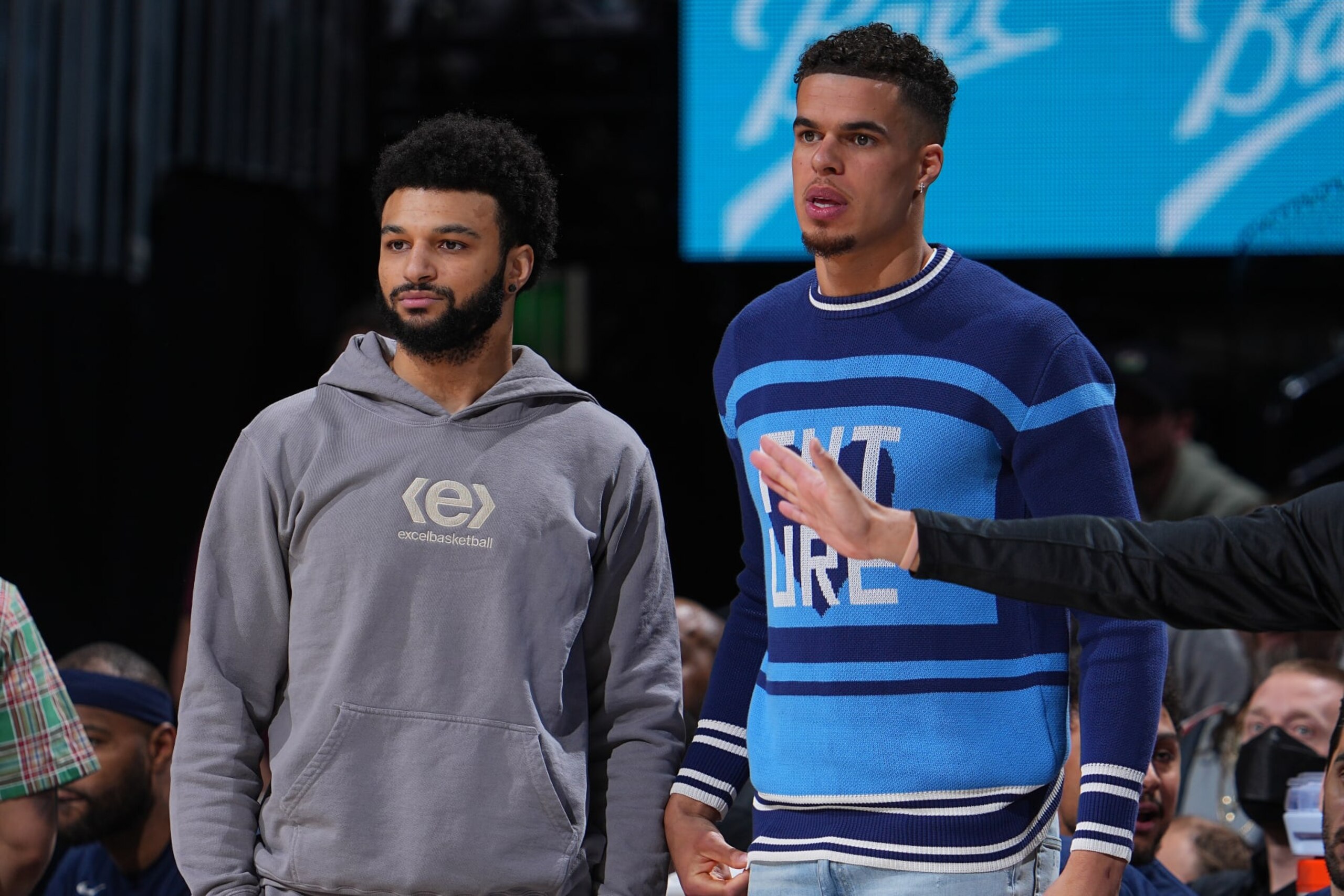
Jamal Murray, Bruce Brown, Michael Porter Jr., Aaron Gordon and Nikola Jokic
The only real question here is who plays the 2. Kentavious Caldwell-Pope obviously has an argument, and he appears to have the inside track on starting.
His three-point volume, slightly bigger frame than Bruce Brown's and championship experience are all real advantages.
Brown's versatility alongside the staples is too hard to keep out of the lineup, though. If he's anywhere near the 40.4 percent he shot from deep last season, he might win this closing spot because he can create, defend and occupy either side of a pick-and-roll combo.
Of course, the real upside of this group will be decided by the two-time MVP Nikola Jokic, the return of his chemistry with Jamal Murray, the absurd shooting of Michael Porter Jr. and the gap-filling game of Aaron Gordon.
Detroit Pistons
9 of 30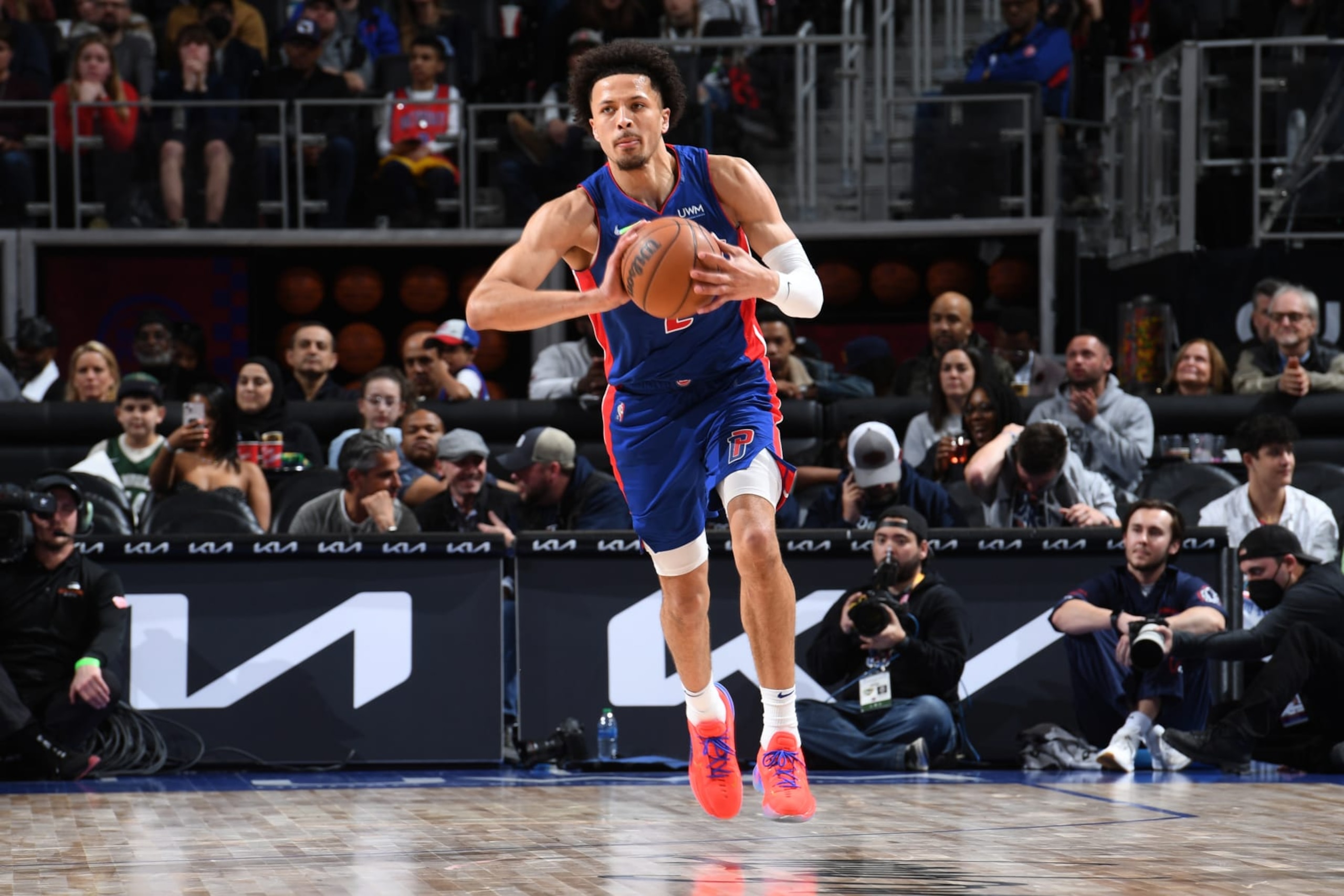
Cade Cunningham, Alec Burks, Bojan Bogdanovic, Saddiq Bey and Isaiah Stewart
Trading for Bojan Bogdanovic telegraphs to the league that the Detroit Pistons are entering the next chapter of their rebuild.
No, Bogey doesn't vault them onto the tier of teams competing for home-court advantage. It might not even guarantee a play-in berth. But this is a vote of confidence in Cade Cunningham.
Detroit clearly believes it has its superstar. Piling up losses for better lottery odds is out for this season, and now Cade has multiple proven veterans to kick out to in Bogdanovic and Alec Burks.
If Saddiq Bey and Isaiah Stewart (or Marvin Bagley III) can step forward as shooters, Detroit could have a very interesting five-out offense featuring plenty of spray-out assists from Cade.
Golden State Warriors
10 of 30
Stephen Curry, Jordan Poole, Klay Thompson, Andrew Wiggins and Draymond Green
Injuries severely limited the availability of the "Poole Party" lineup in the regular season, but the Golden State Warriors went to it a decent amount in their title-winning playoff run.
In the 105 postseason minutes in which Stephen Curry, Jordan Poole, Klay Thompson, Andrew Wiggins and Draymond Green shared the floor, the Warriors were plus-18.0 points per 100 possessions.
Assuming everyone is mostly healthy, we'll surely see more of this group this season, especially since potentially costly decisions are coming up on a number of Warriors, including Poole and Green.
Houston Rockets
11 of 30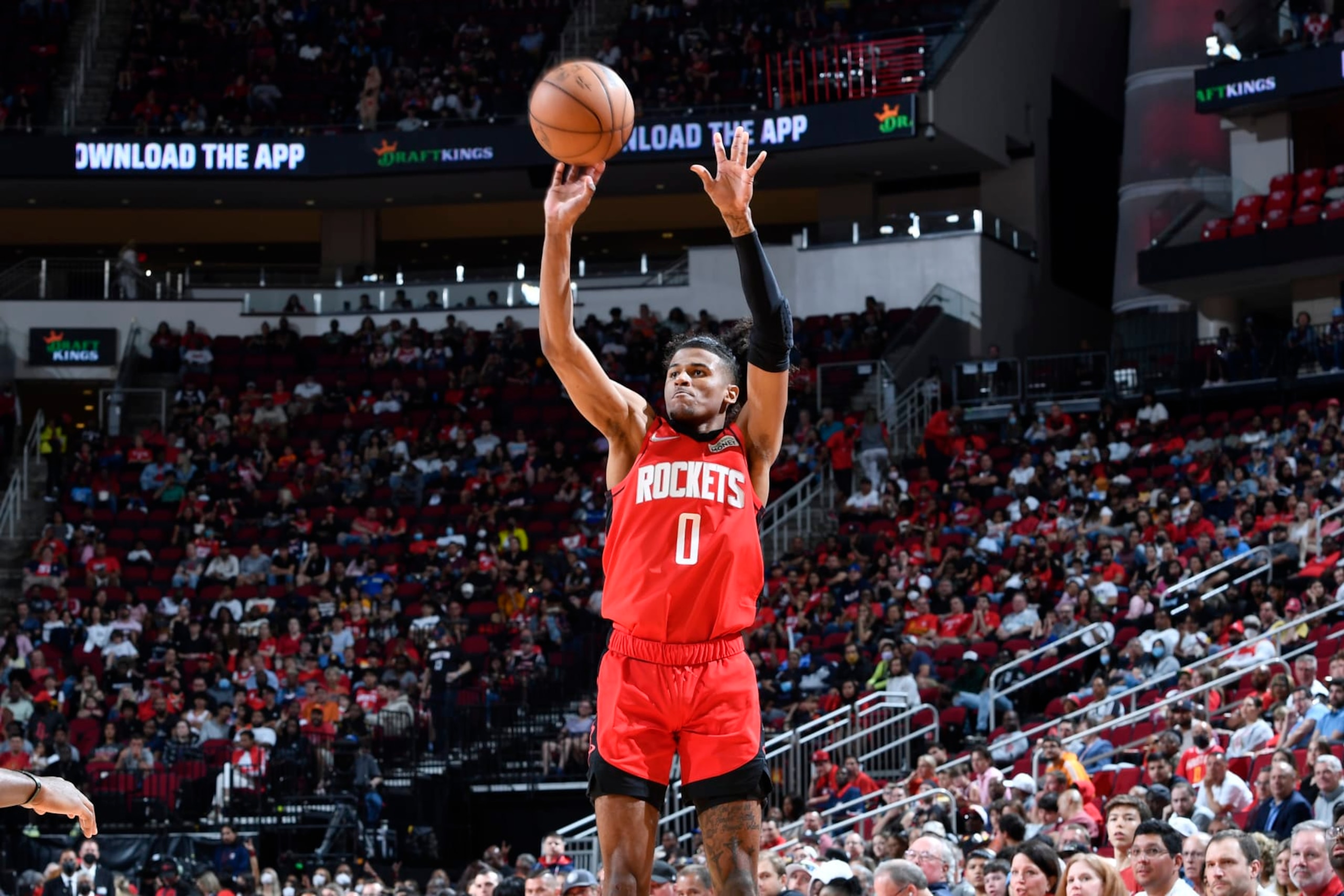
Kevin Porter Jr., Jalen Green, Jae'Sean Tate, Jabari Smith Jr. and Alperen Şengün
The Houston Rockets have one of the most intriguing young backcourts in the NBA.
The headliner, of course, is 2021's No. 2 pick Jalen Green. He averaged 22.1 points and shot 38.7 percent from three after the All-Star break, but Kevin Porter Jr.'s playmaking deserves a nod, too.
With KPJ setting up shooters like Green and Jabari Smith Jr., this lineup already has the potential to unleash some barrages.
If Jae'Sean Tate (a career 31.0 percent three-point shooter) and Alperen Şengün (only shot 24.8 percent from three as a rookie, but 1.6 attempts per game is encouraging from a center) can elevate themselves to average outside shooters, Houston could surprise some people.
Indiana Pacers
12 of 30
Tyrese Haliburton, Buddy Hield, Bennedict Mathurin, Chris Duarte and Myles Turner
The Indiana Pacers are right on the edge of joining the race to the bottom in earnest. Rumors have swirled around Buddy Hield and Myles Turner all summer, and if they're traded, Indiana will likely start stacking up losses.
For now, though, they probably have to be considered staples of the Pacers' closing lineup.
The man setting them up, of course, will be Tyrese Haliburton, who averaged 17.5 points and 9.6 assists after he was traded to Indiana.
If Chris Duarte can replicate his shooting from last season (or get a little better) and Bennedict Mathurin's scoring translates to the league, this lineup will at least frustrate some opponents.
Los Angeles Clippers
13 of 30
Reggie Jackson, Luke Kennard, Paul George, Kawhi Leonard and Nicolas Batum
There are so many options for the Los Angeles Clippers. It's not hard to imagine any of John Wall, Norman Powell, Marcus Morris Sr. or Robert Covington playing well enough to wiggle their way into the closing five.
The three who join Kawhi Leonard and Paul George on this slide are there for the combination of shooting and playmaking they bring.
Reggie Jackson's three-point shooting plummeted to his early-career levels in 2021-22, but he's probably easier to trust out there than Wall. Over the three seasons prior to last, he took 5.0 threes per game and shot 39.3 percent from deep.
Luke Kennard is a career 42.5 percent shooter from three, and he averaged 4.1 assists in 2019-20 when the Pistons gave him a little more freedom as a playmaker.
And Nicolas Batum has hit 40.2 percent of his three-point attempts during the course of his metamorphosis to stretch big with the Clippers.
Los Angeles Lakers
14 of 30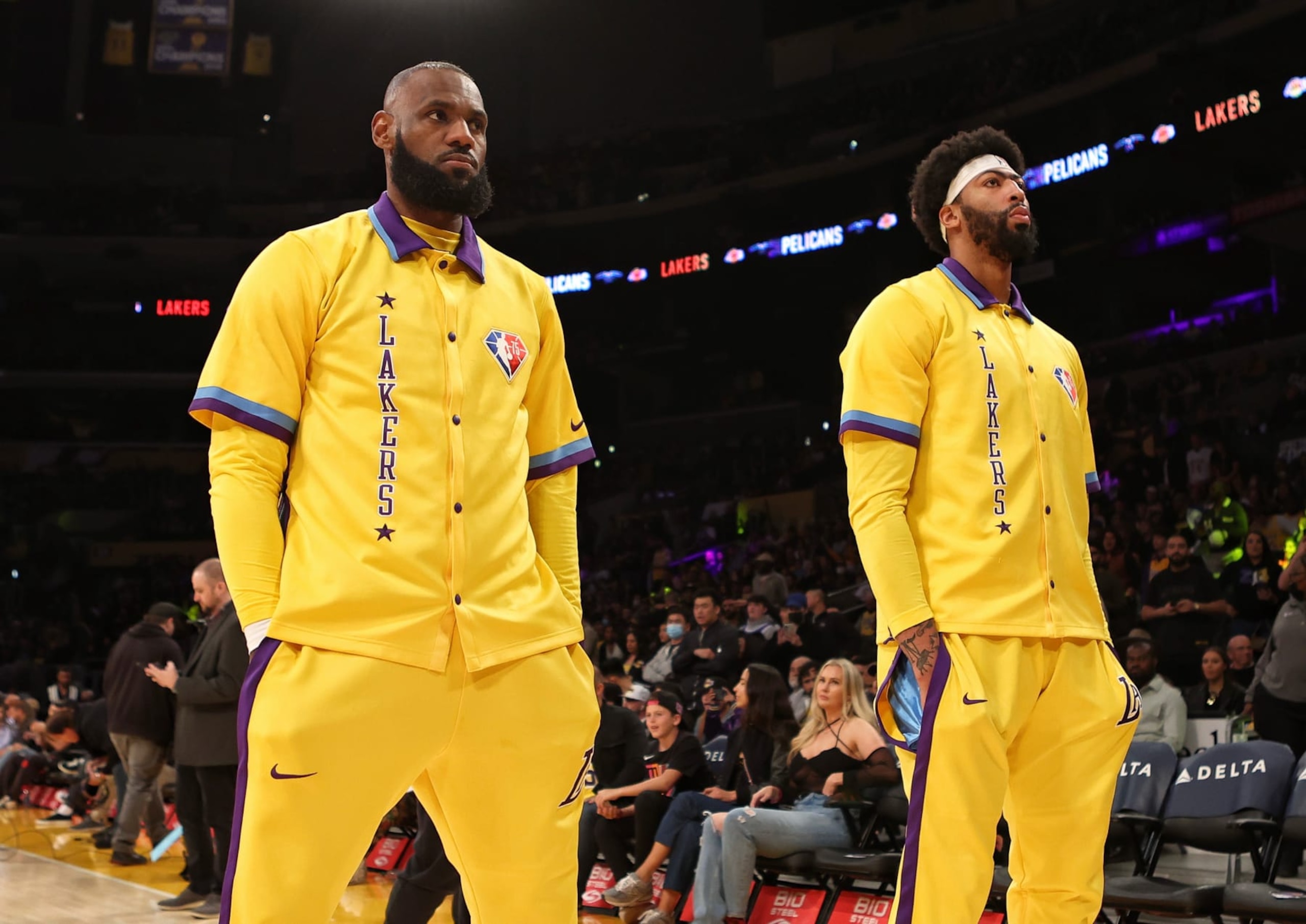
Patrick Beverley, Kendrick Nunn, Austin Reaves, LeBron James and Anthony Davis
The options are quite a bit more, well, limited for the other team in Los Angeles.
The starting point for any high-end Los Angeles Lakers lineup should be getting LeBron James and Anthony Davis into the positions they should probably occupy full time at this point: the 4 and the 5.
The next step should be finding as much shooting and wing defense as possible to put around them. Unfortunately, L.A. doesn't have a ton of that on the wings.
This group is undersized at spots 1 through 3, but Beverley may be the best three-and-D player on the roster. He probably needs to be in.
Kendrick Nunn is a bit of a question mark after missing all of 2021-22, but if he shoots as well as he did in the previous season (when he was at 38.1 percent), he probably needs to be in too.
That leaves Austin Reaves, who played as hard as anyone on last season's underwhelming team but struggled to a 31.7 percent mark from deep. During his first two seasons at Wichita State, when he was in an even smaller role than the one he occupied as an NBA rookie, he shot 45.1 percent from three.
Of course, Russell Westbrook isn't part of the equation here. That's less than ideal for a player making $47.1 million, but his pound-the-ball game just clashes too much with those of LeBron and AD.
Memphis Grizzlies
15 of 30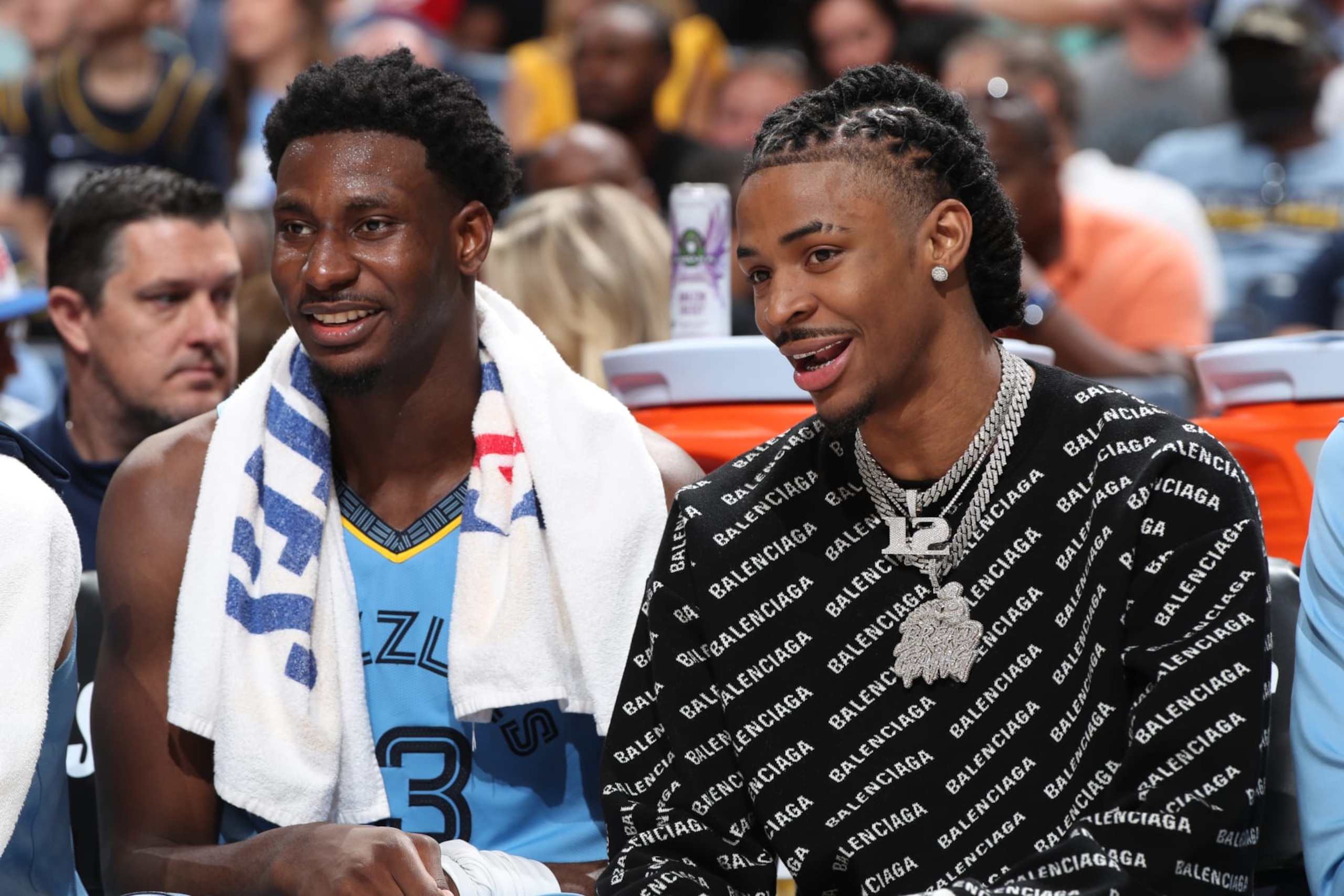
Ja Morant, Tyus Jones, Desmond Bane, Ziaire Williams and Jaren Jackson Jr.
Because of a surgery he underwent in late June, Jaren Jackson Jr. may not be available for the start of the regular season, but he's almost a given for the closing 5 whenever he's back to 100 percent.
By flipping the floor and having the 5 beyond the three-point line, Ja Morant gets more space to explore inside it. Each dangerous shooter added to that duo only makes that more true for Morant.
That makes Desmond Bane, a career 43.5 percent three-point shooter, a no-brainer. Tyus Jones, who shot 39.0 percent from deep in 2021-22, could be there for that reason too, but it's the playmaking potential that's more intriguing.
Memphis was plus-14.9 points per 100 possessions when Morant and Jones shared the floor last season. Unpredictability made it tough to defend those units since there were multiple potential points of attack. And Jones can easily vacillate between creator and floor-spacer.
That leaves just one last spot, and there are a number of potential combo forwards who can fill it. Dillon Brooks could work, but that lineup is suddenly ultra-small. If David Roddy or Jake LaRavia are ahead of schedule, either could find his way in there. The upside, length and switchability of former top-10 high school recruit Ziaire Williams is ultimately what wins out.
Miami Heat
16 of 30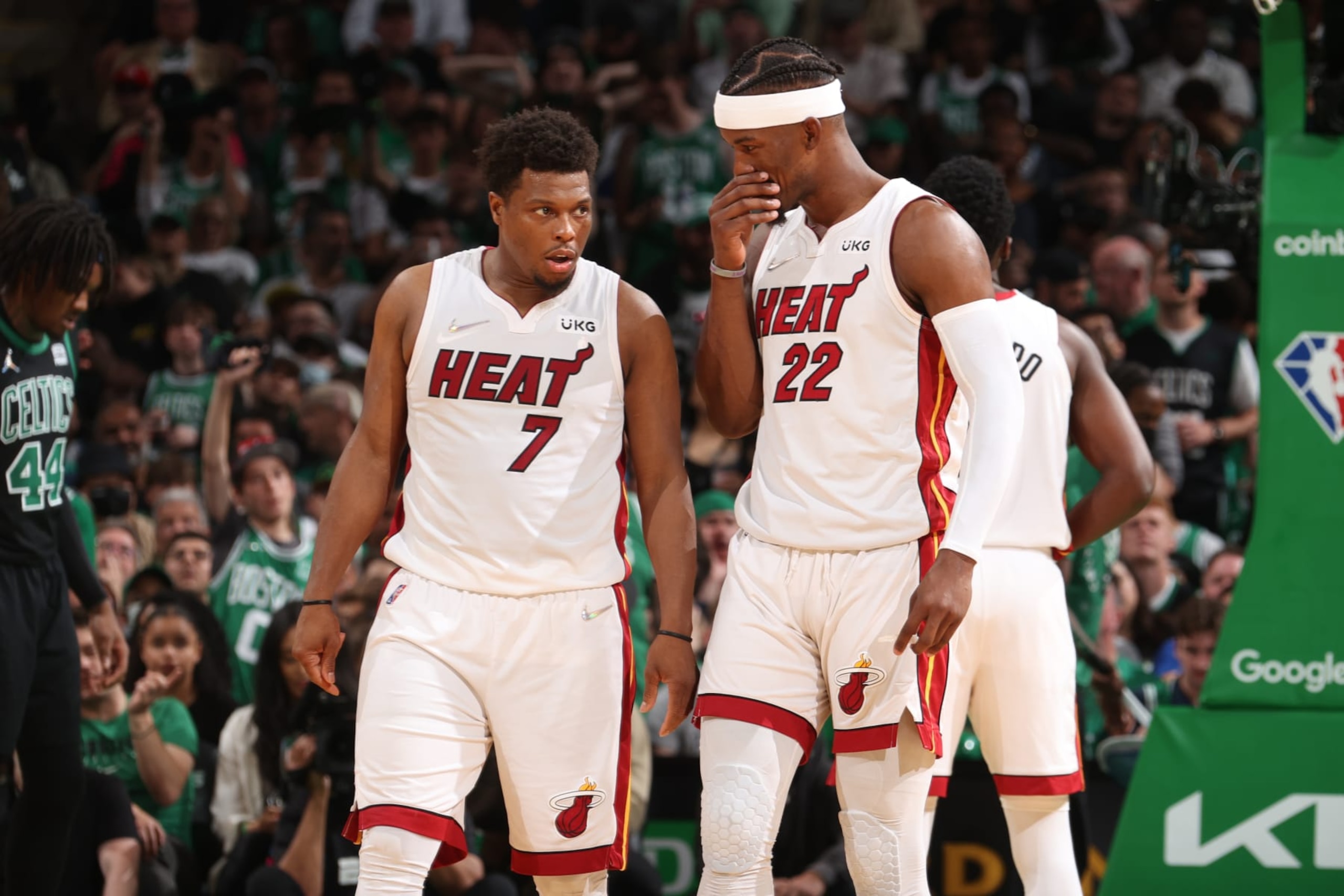
Kyle Lowry, Tyler Herro, Caleb Martin, Jimmy Butler and Bam Adebayo
Jimmy Butler and Bam Adebayo are the gimmes here. Kyle Lowry, despite entering his age-36 season, probably is too.
Given Erik Spoelstra's affinity for switch-heavy and largely positionless lineups, it feels like the last two spots probably have to go to wings.
Tyler Herro has a ways to go defensively, but his tough shotmaking and budding creativity should be welcome in closing lineups when defenses typically tighten the screws.
That leaves one spot, and Max Strus may have the inside track on it, but Caleb Martin is a better and more versatile defender. With plenty of offense at the other four spots, Martin may make more sense.
Milwaukee Bucks
17 of 30
Jrue Holiday, Pat Connaughton, Khris Middleton, Joe Ingles and Giannis Antetokounmpo
There isn't a ton of guesswork for the Miwaukee Bucks.
Jrue Holiday, Khris Middleton and Giannis Antetokounmpo are all in, and Pat Connaughton has plenty of experience (including in the playoffs) with the Big Three.
Since Holiday joined the Bucks, they're plus-18.6 points per 100 possessions when all four are on the floor (and that mark includes almost 200 postseason minutes).
That leaves the fifth spot and a philosophical question. Do you want to close with Giannis at the 5?
The answer is affirmative here, thanks to the extra versatility those lineups provide, and that means a combo forward is probably necessary for the last spot.
Thanks to a midseason torn ACL last season, it could be a few months before Joe Ingles is back on the floor, but his three-point shooting (40.8 percent for his career) and ability to run the pick-and-roll would add another layer of unpredictability.
Minnesota Timberwolves
18 of 30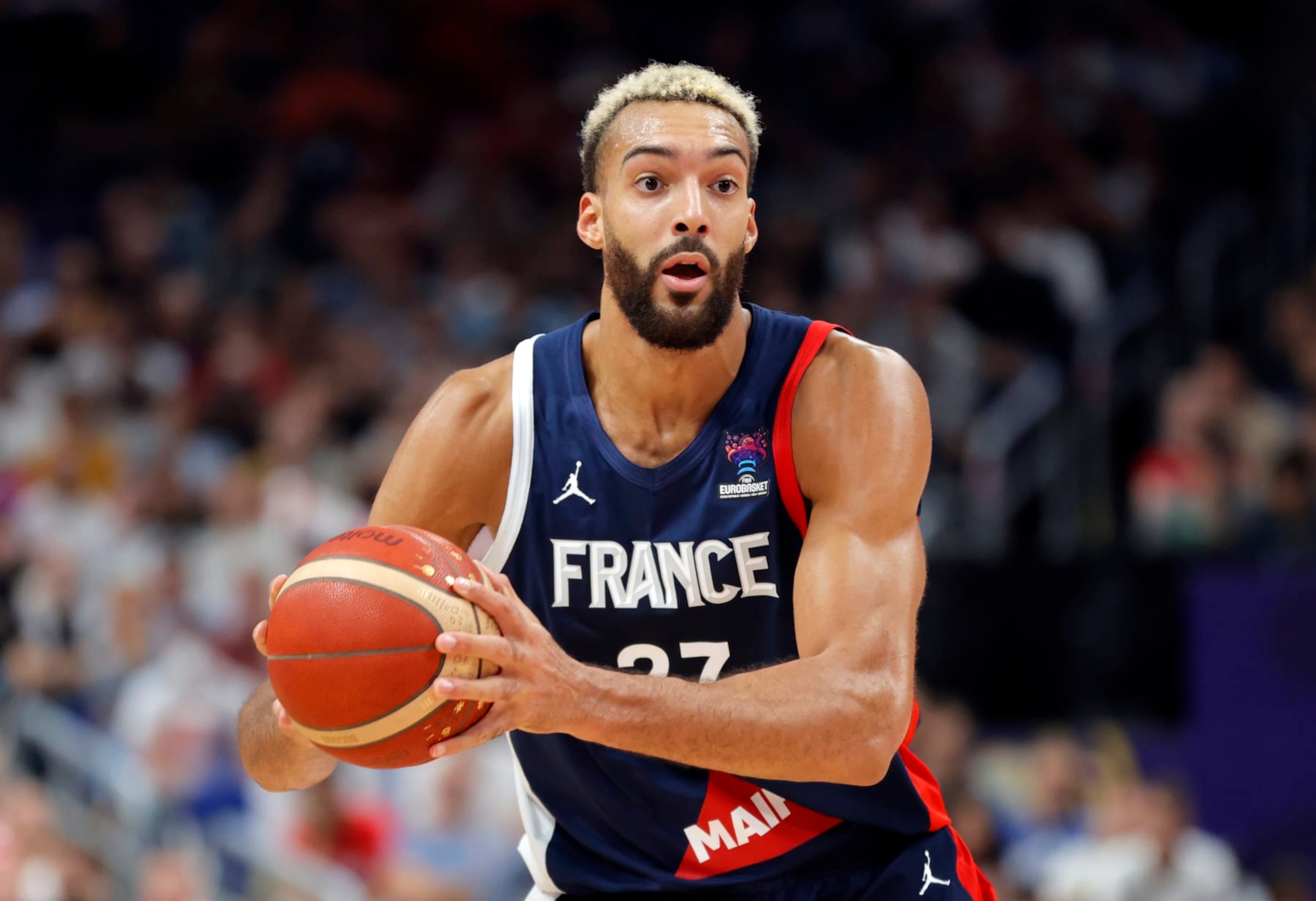
D'Angelo Russell, Anthony Edwards, Jaden McDaniels, Karl-Anthony Towns and Rudy Gobert
While plenty of teams will likely downsize a bit for a shot at more versatility down the stretch, the Minnesota Timberwolves may be invested in staying big.
They certainly could close with Karl-Anthony Towns at the 5, but making it work with KAT, Rudy Gobert and Anthony Edwards should be the ideal.
And if you have the right two players in the other spots, it can work.
D'Angelo Russell is a high-end pick-and-roll playmaker who had success with Jarrett Allen as his lob threat in Brooklyn in 2018-19. Now, he'll play with an even better version of that threat in Gobert.
The real key, though, may be Jaden McDaniels and his ability to shoot consistently from the outside. As a rookie, he hit 36.4 percent of his threes, but that number fell to 31.7 percent in 2021-22. Moving back to above average will loosen things up for everyone else.
New Orleans Pelicans
19 of 30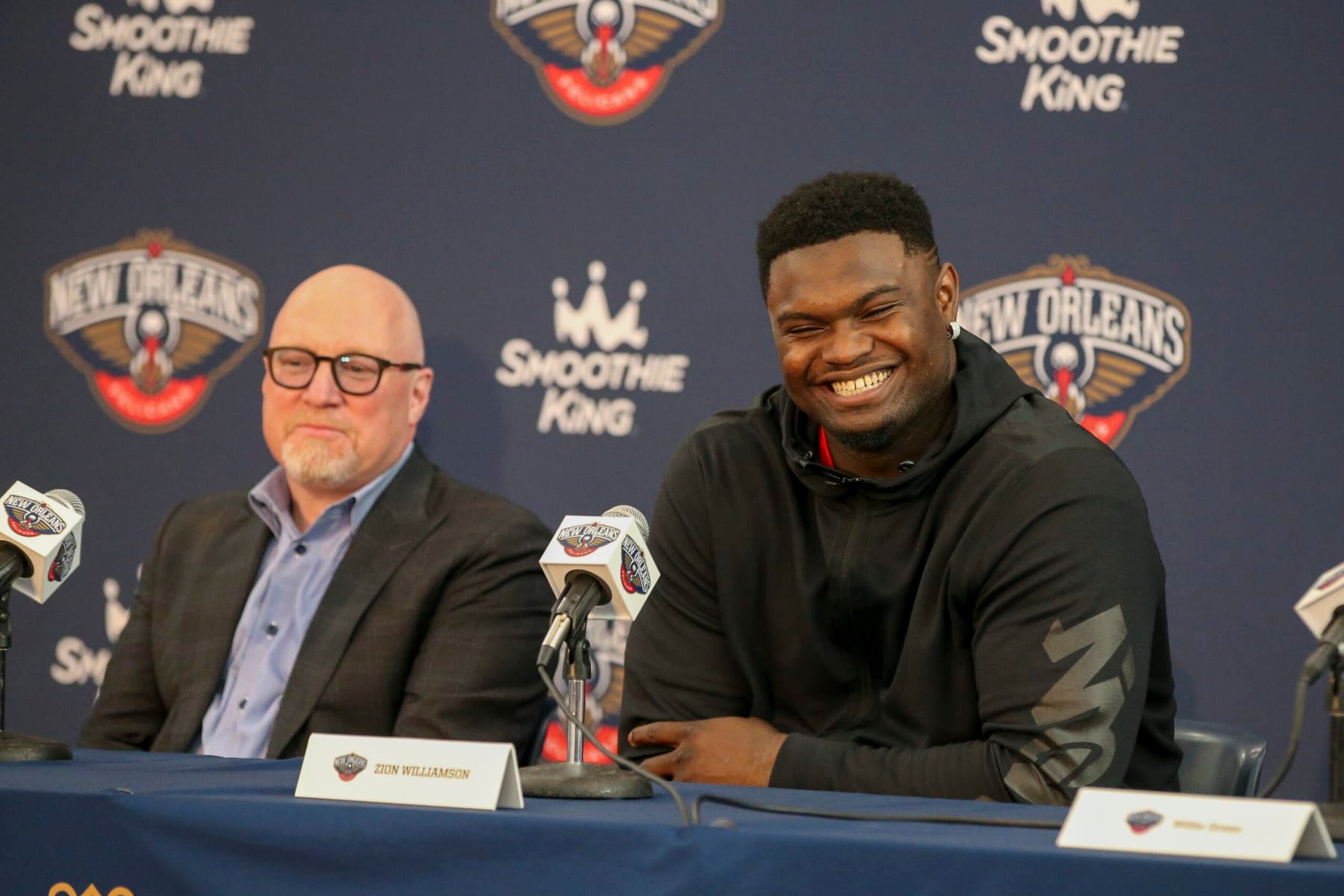
Jose Alvarado, CJ McCollum, Herbert Jones, Brandon Ingram and Zion Williamson
I just want to see point center Zion Williamson.
In his lone season with relatively decent health, he averaged an eye-popping 27.0 points on 61.1 percent shooting in 33.2 minutes. He was undoubtedly one of the most dynamic cutters and finishers the NBA's ever seen.
The games in which he was allowed to do a little more creating were the ones that were truly interesting, though.
That season, the New Orleans Pelicans were 16-8 in games in which Zion had at least five assists. They were 15-33 in all other games.
This season, the Pelicans need to lean into that "spread the floor around Zion" philosophy, and they have the personnel to do it.
CJ McCollum and Brandon Ingram can both spread the floor, but that's obviously far from the extent of their abilities. With Zion forcing defenses to collapse inside, Ingram and McCollum would have plenty of closeouts to attack.
And with the amount of offense those three can provide, filling the other two with defenders makes sense. Few are better on that end at their positions than Jose Alvarado and Herbert Jones.
New York Knicks
20 of 30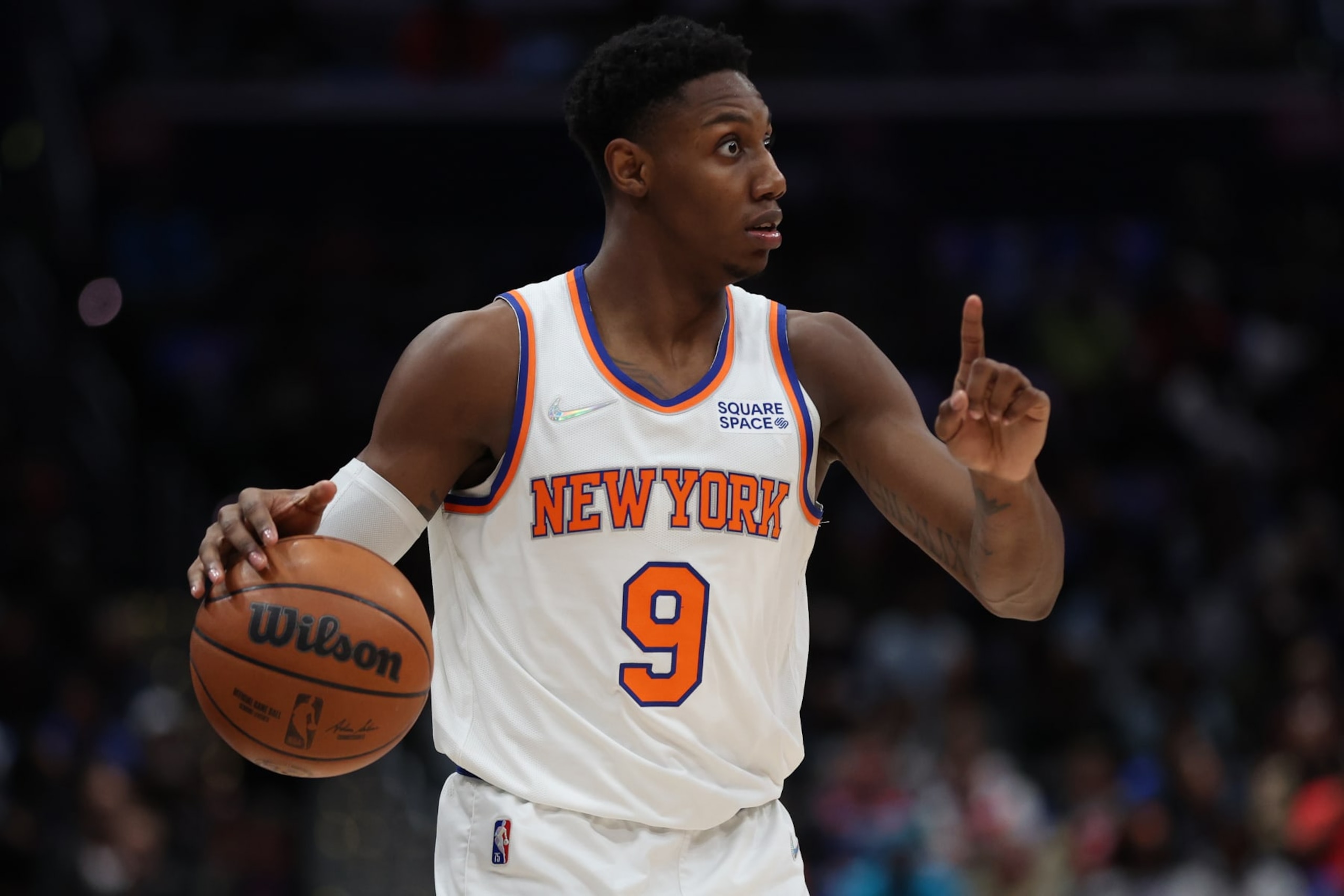
Jalen Brunson, Immanuel Quickley, Quentin Grimes, RJ Barrett and Obi Toppin
It'll be tough (maybe impossible) to convince Tom Thibodeau to move away from the veterans, but that's exactly what the New York Knicks need to do this season.
In 2021-22, the Knicks were plus-10.4 points per 100 possessions when Obi Toppin, Immanuel Quickley and Quentin Grimes were on the floor. Of course, those three were often facing reserves, but they outplayed them by more than enough of a margin to earn more high-leverage minutes.
Combining the shotmaking of Quickley, the floor spacing and positional versatility of Grimes and the explosiveness of Toppin with Jalen Brunson's experience and playmaking and RJ Barrett's upside makes this a more interesting lineup than what New York started games with last season.
Oklahoma City Thunder
21 of 30
Josh Giddey, Shai Gilgeous-Alexander, Luguentz Dort, Darius Bazley and Aleksej Pokusevski
News of a foot injury that will keep Chet Holmgren out for all of 2022-23 was among the NBA offseason's biggest bummers, but the Oklahoma City Thunder still have plenty to look forward to.
Whenever Shai Gilgeous-Alexander is back from a sprained MCL, he and Josh Giddey will make up a jumbo-sized backcourt packed with passing ability (largely from Giddey) and high-end scoring (largely from SGA).
In this lineup, they're surrounded by the grit, defense, length and hopefully improved shooting of Luguentz Dort and Darius Bazley.
The real wild card, though, is Aleksej Pokusevski. In his last eight games of 2021-22, Poku averaged 6.6 assists, and that kind of playmaking from a 7-footer can make life significantly easier for everyone else (particularly guards who are often the ones responsible for creating shots).
Orlando Magic
22 of 30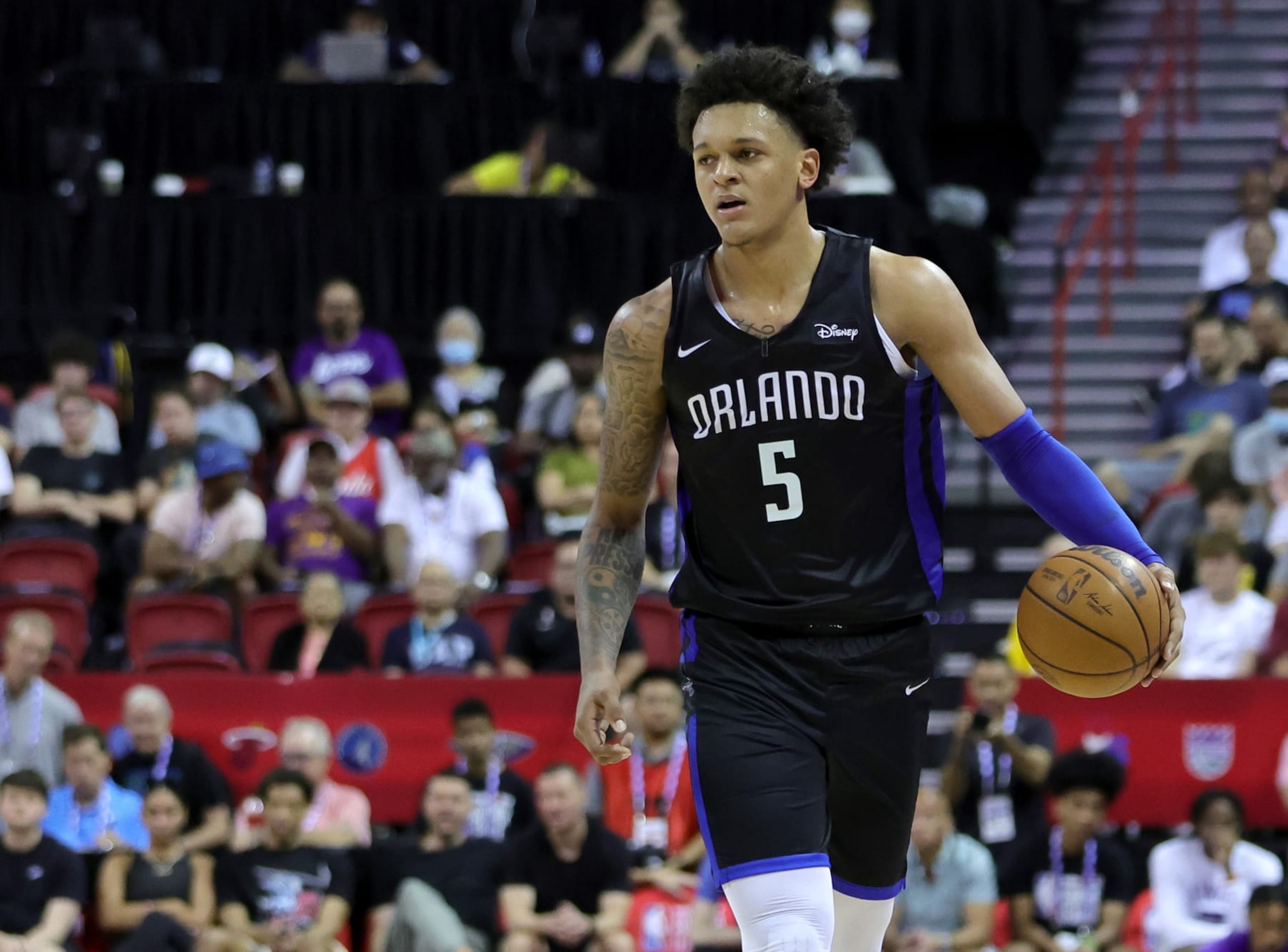
Markelle Fultz, Jalen Suggs, Franz Wagner, Paolo Banchero and Wendell Carter Jr.
A lot of the description that applied to the Los Angeles Clippers could go here, just on a lesser scale.
There are plenty of options for closing lineups, including Cole Anthony, Jonathan Isaac and Chuma Okeke, but this one offers the most intriguing combination of offense, defense and upside.
There's playmaking potential at all five positions, but particularly in a backcourt populated by Markelle Fultz and Jalen Suggs.
Then, at the forward spots, there's the Swiss Army knife game that Franz Wagner displayed at this summer's EuroBasket and the No. 1 scorer profile of Paolo Banchero.
And finally, Wendell Carter Jr. has exactly the kind of gap-filling game at the 5 that can tie all of the above together (think of him as sort of a more scoring-minded Al Horford).
Philadelphia 76ers
23 of 30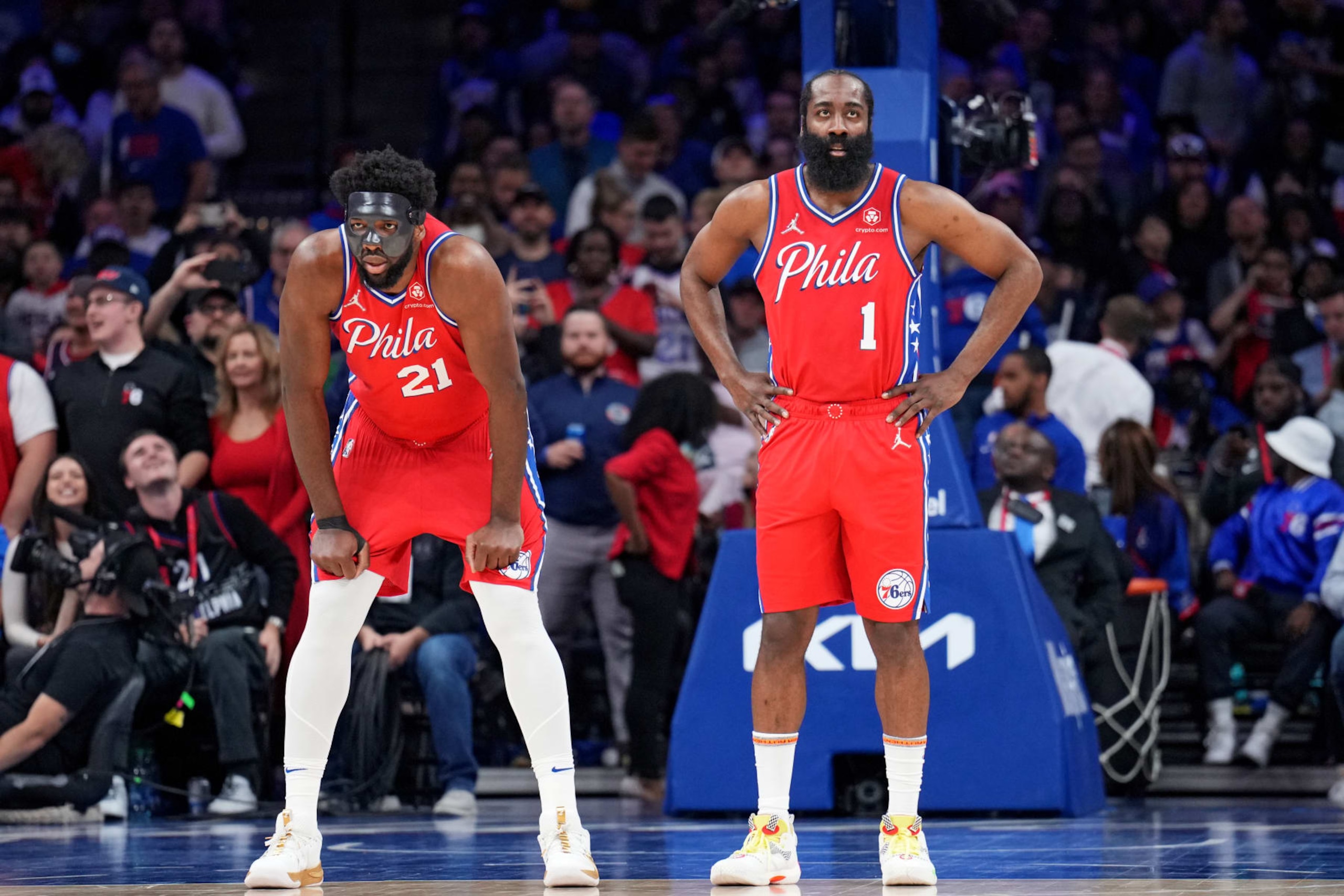
James Harden, Tyrese Maxey, De'Anthony Melton, Tobias Harris and Joel Embiid
The Philadelphia 76ers are another team that really only has one question.
Last season, Philly was an absurd plus-17.9 points per 100 possessions (99th percentile) when James Harden, Tyrese Maxey, Tobias Harris and Joel Embiid were on the floor.
The most common fifth man for those lineups was Matisse Thybulle, and his defense would certainly help again in 2022-23.
But the 76ers acquired a guard at the deadline in De'Anthony Melton who can provide 90 to 95 percent of the defensive upside of Thybulle while being far more capable on the other end.
You don't necessarily need a ton of creation in lineups with Harden and Maxey, but Melton can do a little of that. More importantly, he's hit 38.8 percent of his three-point attempts over the last two seasons.
Of course, P.J. Tucker is probably going to be the most used fifth option alongside the aforementioned core four, but Melton raises the versatility quotient just enough to get the nod.
Phoenix Suns
24 of 30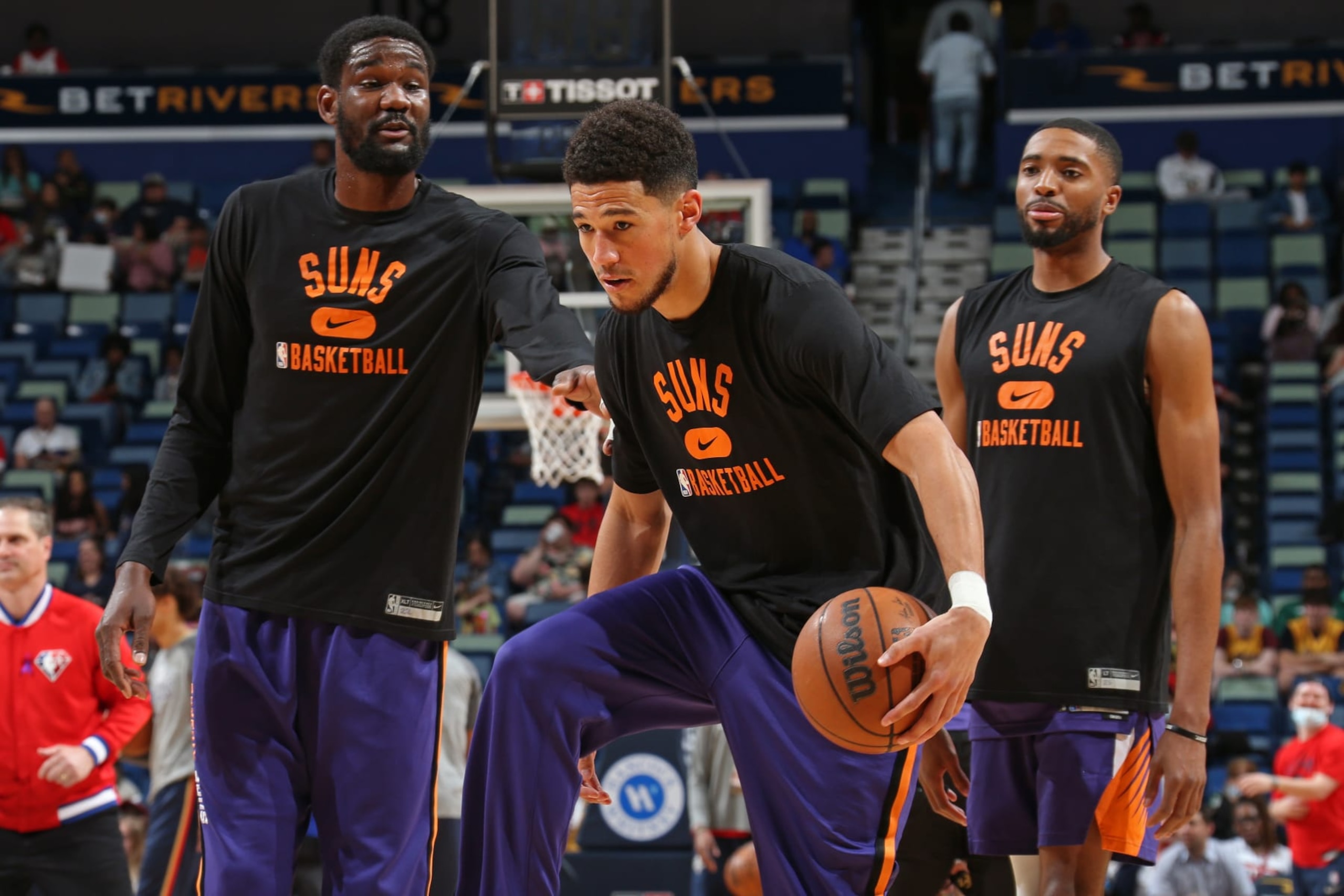
Chris Paul, Devin Booker, Mikal Bridges, Cameron Johnson and Deandre Ayton
With Jae Crowder apparently headed toward a trade, the lineup above figures to be the Phoenix Suns' starters, too. And the time they've already played together suggests the lineup will be just fine without Crowder.
Over the last two years, when Chris Paul, Devin Booker, Mikal Bridges, Cameron Johnson and Deandre Ayton are on the floor, the Phoenix Suns are plus-12.7 points per 100 possessions.
The sample size is too small (297 regular and postseason minutes) for sweeping takeaways, but it's easy to see how it'll work in longer stretches.
Johnson isn't as scrappy on defense, but he's bigger than Crowder. More importantly, he's a far better shooter.
And the same blueprint that's made Phoenix a regular-season juggernaut with a more reliable floor-spacer opposite Bridges figures to score about as well as anyone.
Portland Trail Blazers
25 of 30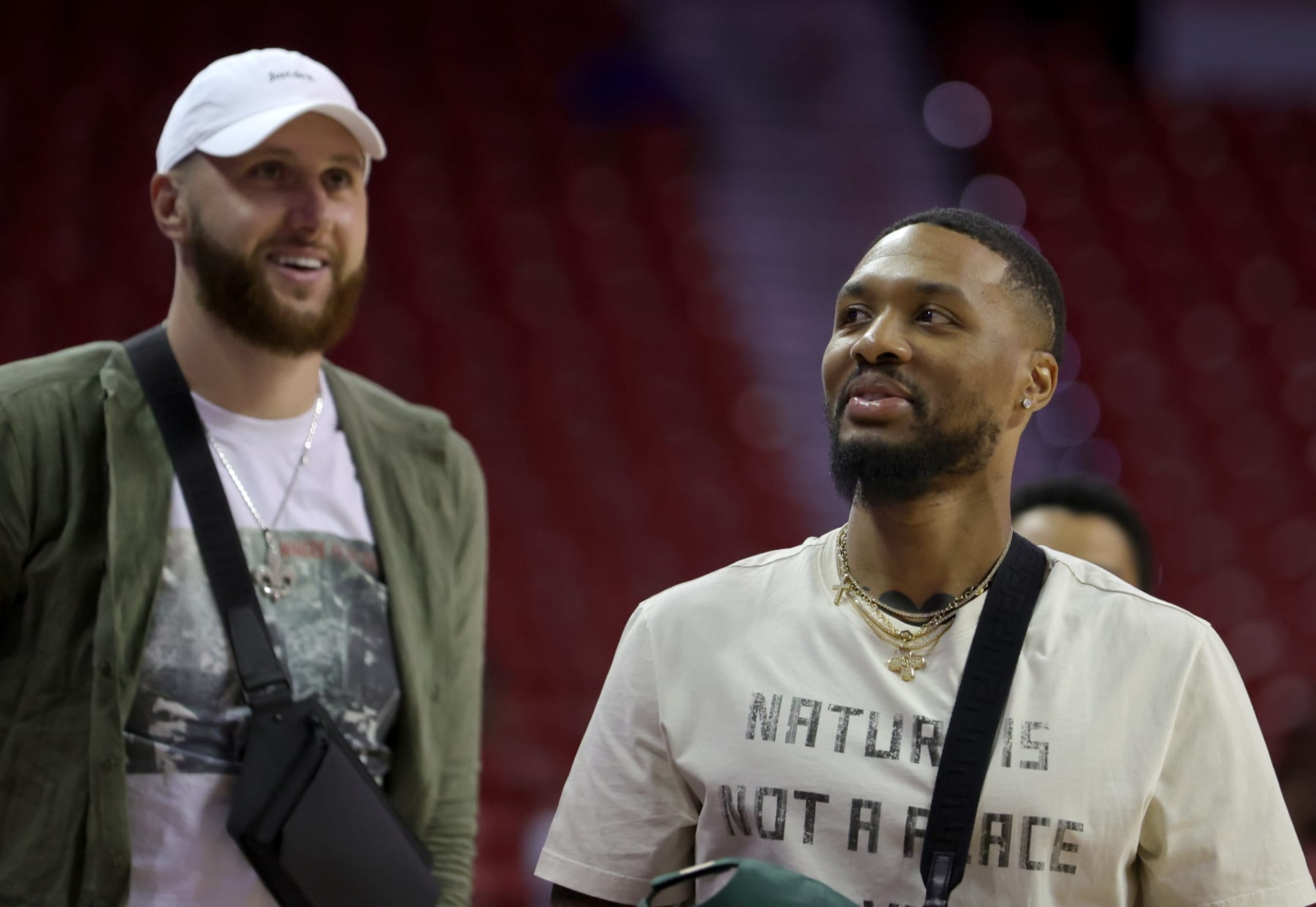
Damian Lillard, Gary Payton II, Josh Hart, Jerami Grant and Jusuf Nurkic
It may seem odd to omit the recently extended Anfernee Simons from this group, but we've never truly seen the "superstar and grit" model that won Dirk Nowitzki a championship deployed for Damian Lillard.
This lineup does that while still providing Lillard with some interesting offensive options.
Gary Payton II proved himself a devastating cutter and adequate corner three-point shooter for the Warriors last season.
After he was traded to the Portland Trail Blazers, Josh Hart averaged 19.9 points, 4.3 assists and 2.4 threes.
Jerami Grant averaged over 20 points in his two seasons with the Detroit Pistons, but he's also shown an ability to thrive in a smaller role for the Thunder and Nuggets.
And assuming he's healthy, Jusuf Nurkic should still be a bruising, old-school post player with some underrated passing ability.
Sacramento Kings
26 of 30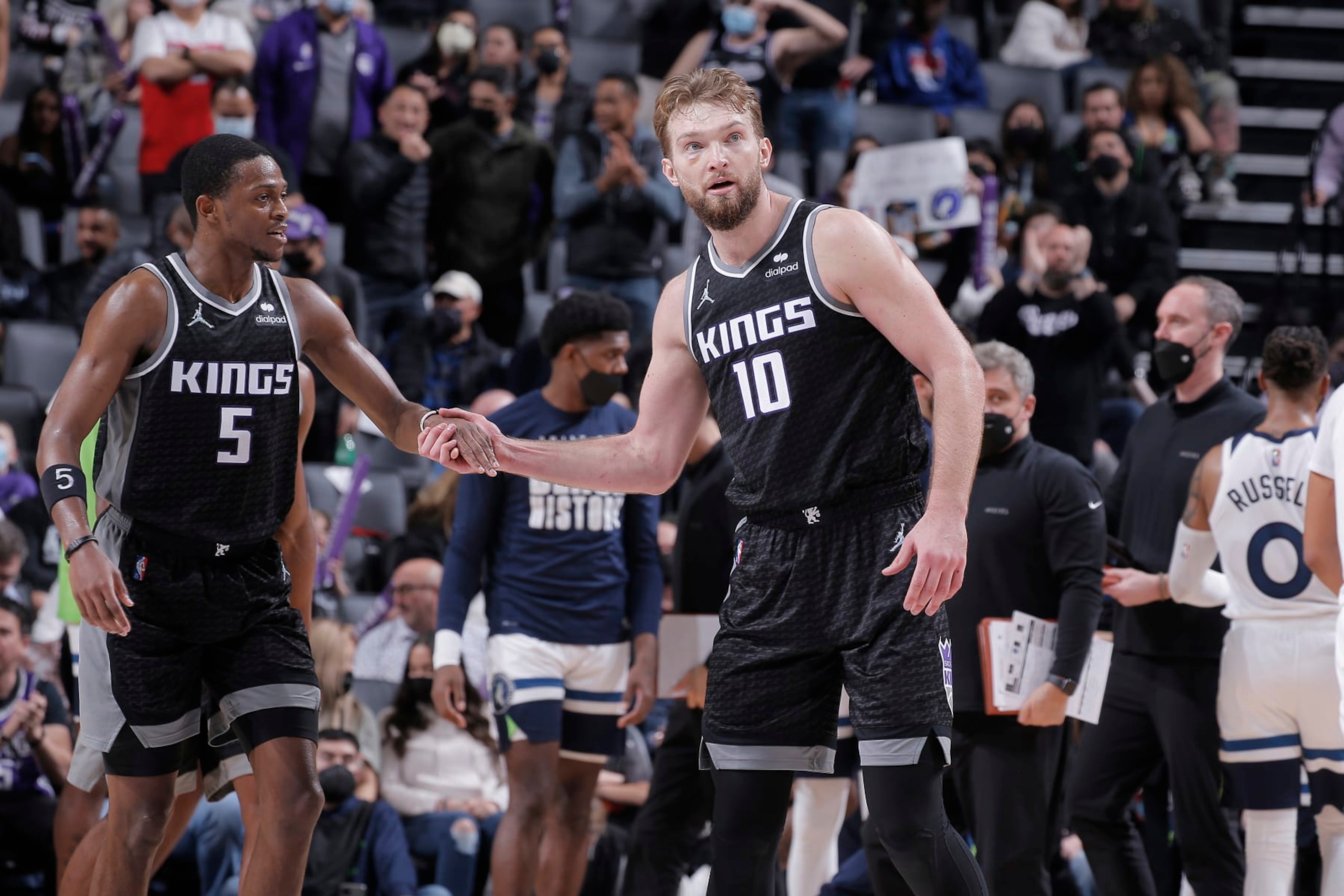
De'Aaron Fox, Kevin Huerter, Harrison Barnes, Keegan Murray and Domantas Sabonis
Another team whose best closing five might just be its starters, the Sacramento Kings have a lot more to be excited about than they've had in years.
The combination of De'Aaron Fox and Domantas Sabonis just sort of fits on paper. Pick-and-rolls between those two should put a lot of pressure on the paint, and this lineup features the kind of shooting that should surround those actions.
Kevin Huerter is a career 37.9 percent three-point shooter. Ditto for Harrison Barnes. And incoming rookie Keegan Murray is coming off a sophomore campaign in which he averaged 23.5 points and 1.9 threes while shooting 39.8 percent from deep in 31.9 minutes.
San Antonio Spurs
27 of 30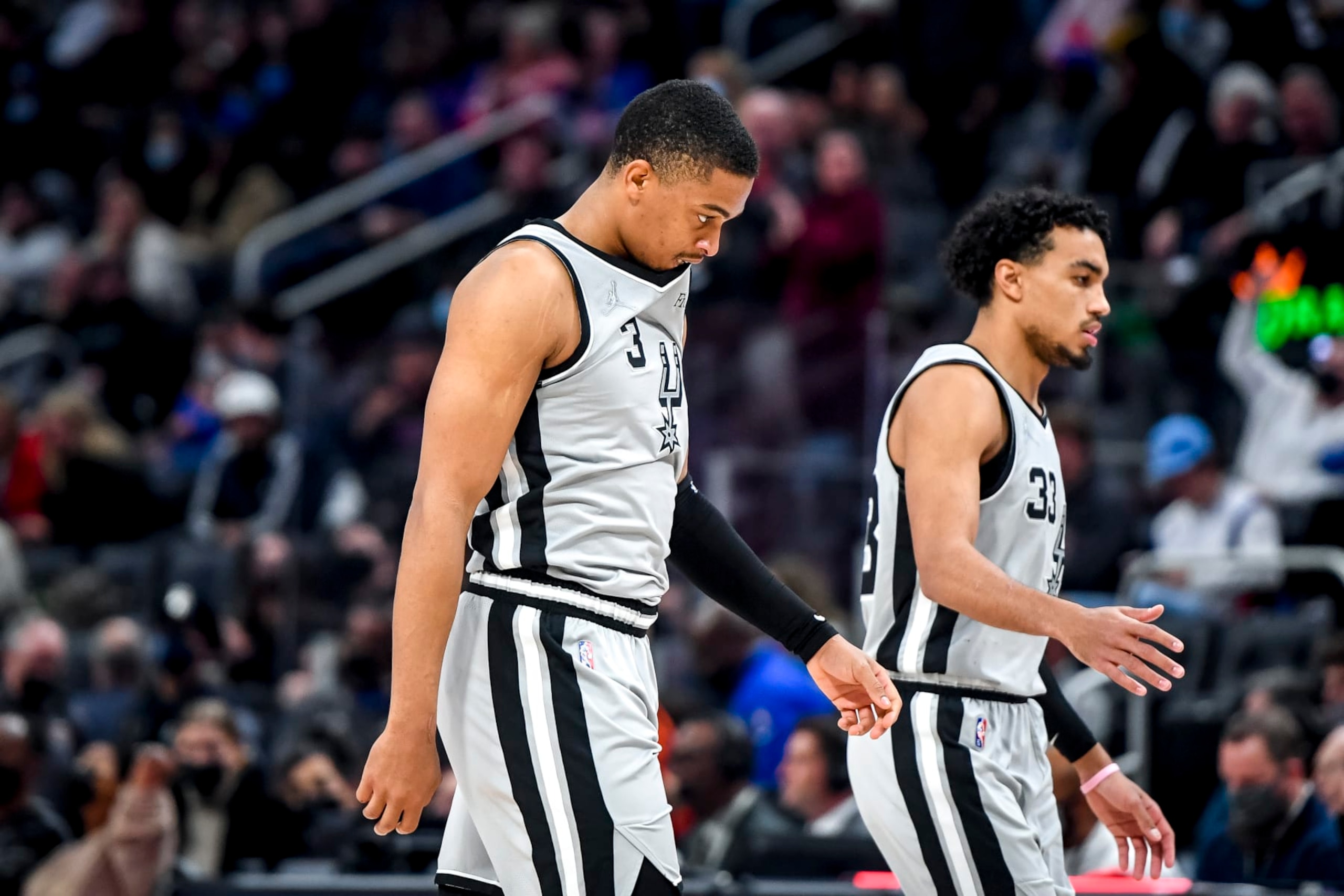
Tre Jones, Keldon Johnson, Devin Vassell, Doug McDermott and Jakob Pöltl
The San Antonio Spurs' situation feels awfully similar to Indiana's. For now, veterans such as Jakob Pöltl, Doug McDermott, Josh Richardson and Gorgui Dieng are on the roster, but a deeper commitment to the rebuild could lead to trades of any of the above.
For now, assuming the goal is to actually win, the team's best closing lineups probably need the defense and passing of Pöltl and the shooting of McDermott.
Beyond those two, there's plenty of upside. Keldon Johnson just averaged 17.0 points as a 22-year-old and has the size and three-and-D profile to play either wing spot. Devin Vassell is another (slightly younger) option in a similar mold. And Tre Jones is a steady-handed floor general who'll orchestrate the offense without making many unforced errors.
Toronto Raptors
28 of 30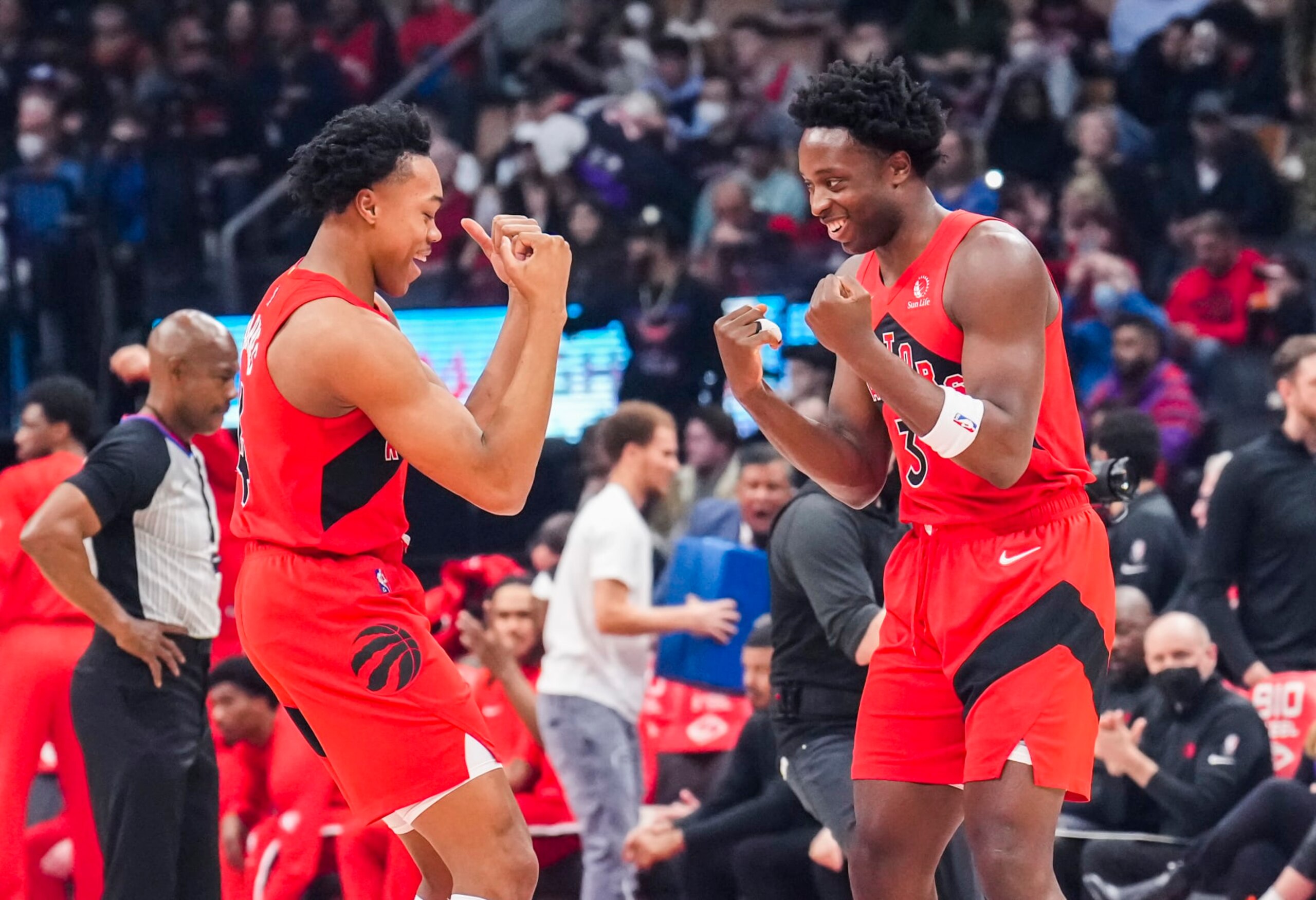
Fred VanVleet, Gary Trent Jr., OG Anunoby, Scottie Barnes and Pascal Siakam
This figures to be the Toronto Raptors' starting lineup (as it was for much of last season), and it's also its highest-upside closing five.
There's a temptation to move Scottie Barnes to the 1 (the position he essentially played in college) and put Otto Porter Jr. on the floor for some truly positionless basketball, but Fred VanVleet has just been too good in the post-Kawhi era to pull him.
Over that stretch, VanVleet has averaged 19.2 points, 6.5 assists and 3.3 threes. And while he's undersized, there's enough defense and switchability at the other four spots to cover for him.
With another step forward for both Barnes and OG Anunoby this season, Toronto could threaten for home-court advantage.
Utah Jazz
29 of 30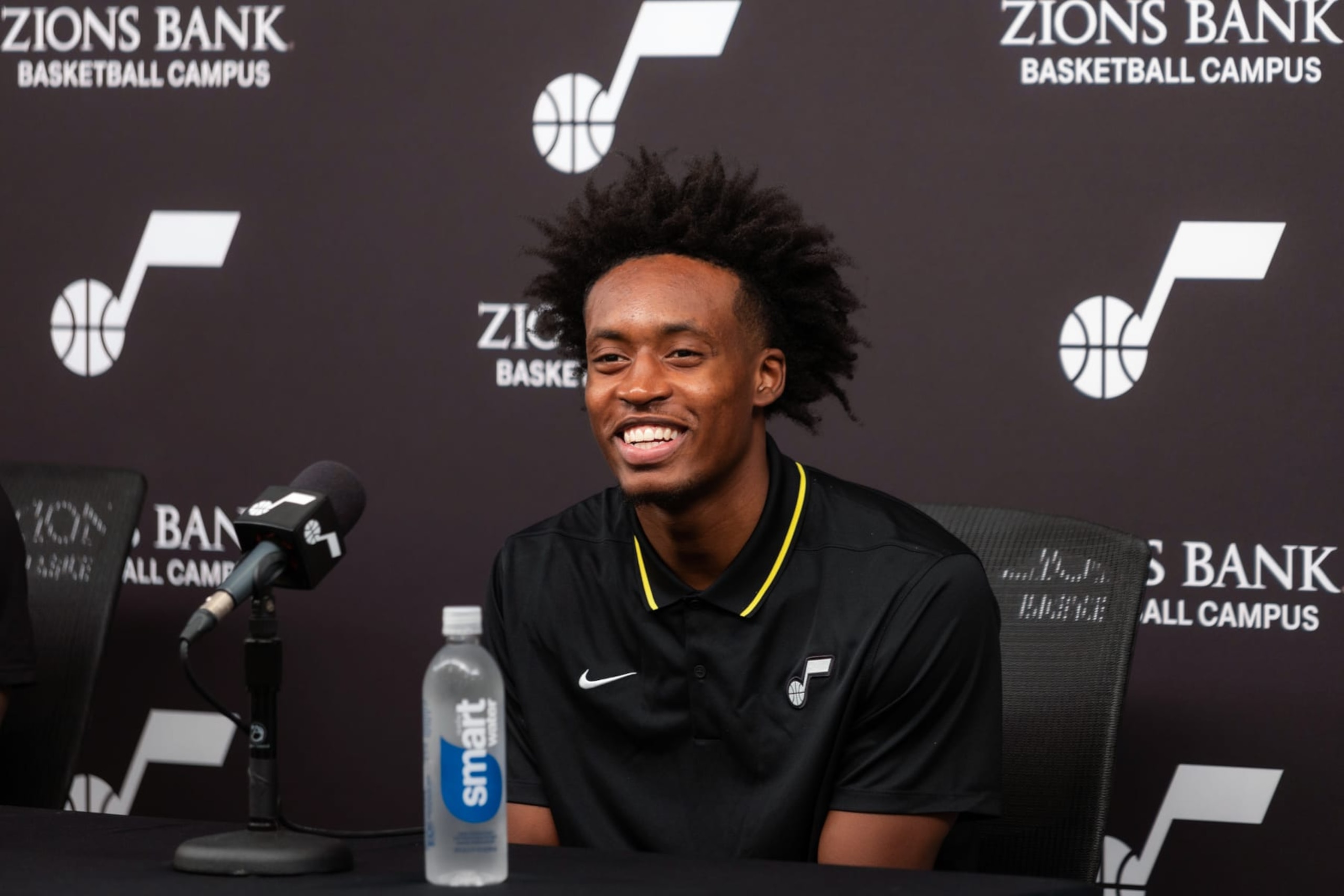
Mike Conley, Collin Sexton, Jordan Clarkson, Jarred Vanderbilt and Lauri Markkanen
We'll operate under the same assumption deployed for San Antonio here. If the Utah Jazz aren intent on winning games (not a given for any of these rebuilding teams) and Mike Conley and Jordan Clarkson are still on the roster, they probably have to close.
Of course, playing them with Collin Sexton, who was acquired in the Donovan Mitchell trade, would make Utah ridiculously small, but the goal of this group would be to simply outshoot opponents.
They'd have to play a chaotic, helter-skelter brand of defense spearheaded by Jarred Vanderbilt and push for a bunch of transition three opportunities for the four shooters in the lineup.
Washington Wizards
30 of 30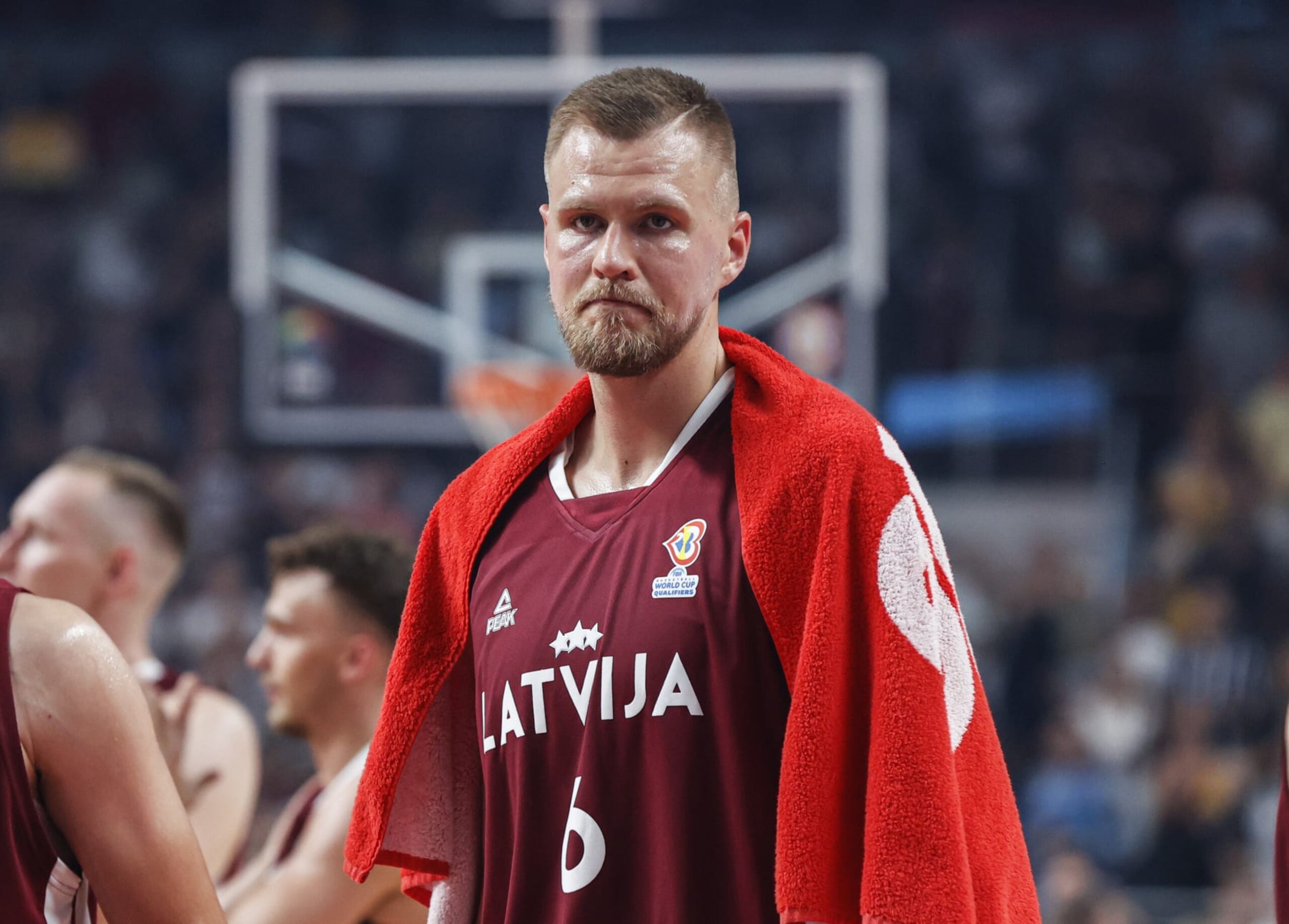
Monte Morris, Bradley Beal, Deni Avdija, Kyle Kuzma and Kristaps Porzingis
There hasn't been a ton of chatter about the Washington Wizards this offseason, but if Kristaps Porzingis can stay healthy and Deni Avdija can play with the confidence he displayed at EuroBasket, they might surprise some people.
Add Kyle Kuzma to a positionless forward duo with Avdija, and the frontcourt has a decent amount of both firepower and defense.
Then, in the backcourt, a healthy Bradley Beal is among the most prolific scorers in the league. And Monte Morris plays a mistake-free brand of basketball that will just sort of smooth things out for everyone else.

.jpg?w=2560 "🚨 Davante Out 6-10 Weeks")
.jpg?w=2560 "Live: Monday Night Raw 🔴")
.jpg?w=2560 "Tank Dell Playing Sunday 💯")