
Grading Every NFL Team's 2018 Draft Haul
Experts say we don't truly know how good any given draft class is until several years pass.
With four years in the books for the 2018 NFL draft class, it's time to grade every team's haul from what was a quarterback-heavy talent pool. We now have the benefit of seeing how each player performed throughout his rookie contract.
On the surface, the 2018 NFL draft class lived up to most expectations. Of the 32 first-round picks, only 10 fifth-year options were not picked up. Of the 10 who hit free agency this offseason, three re-signed with their previous team, and only two are currently unsigned (Josh Rosen and Billy Price).
Our grades for each team will heavily weigh what happened with Day 1 and 2 picks, since missing on top-100 picks is more impactful than Day 3 whiffs. Shrewd front offices that landed a Day 3 gem will see a boost, though.
Let's dive into what will be remembered as an era-defining draft class and grade every team's 2018 draft haul.
Arizona Cardinals
1 of 32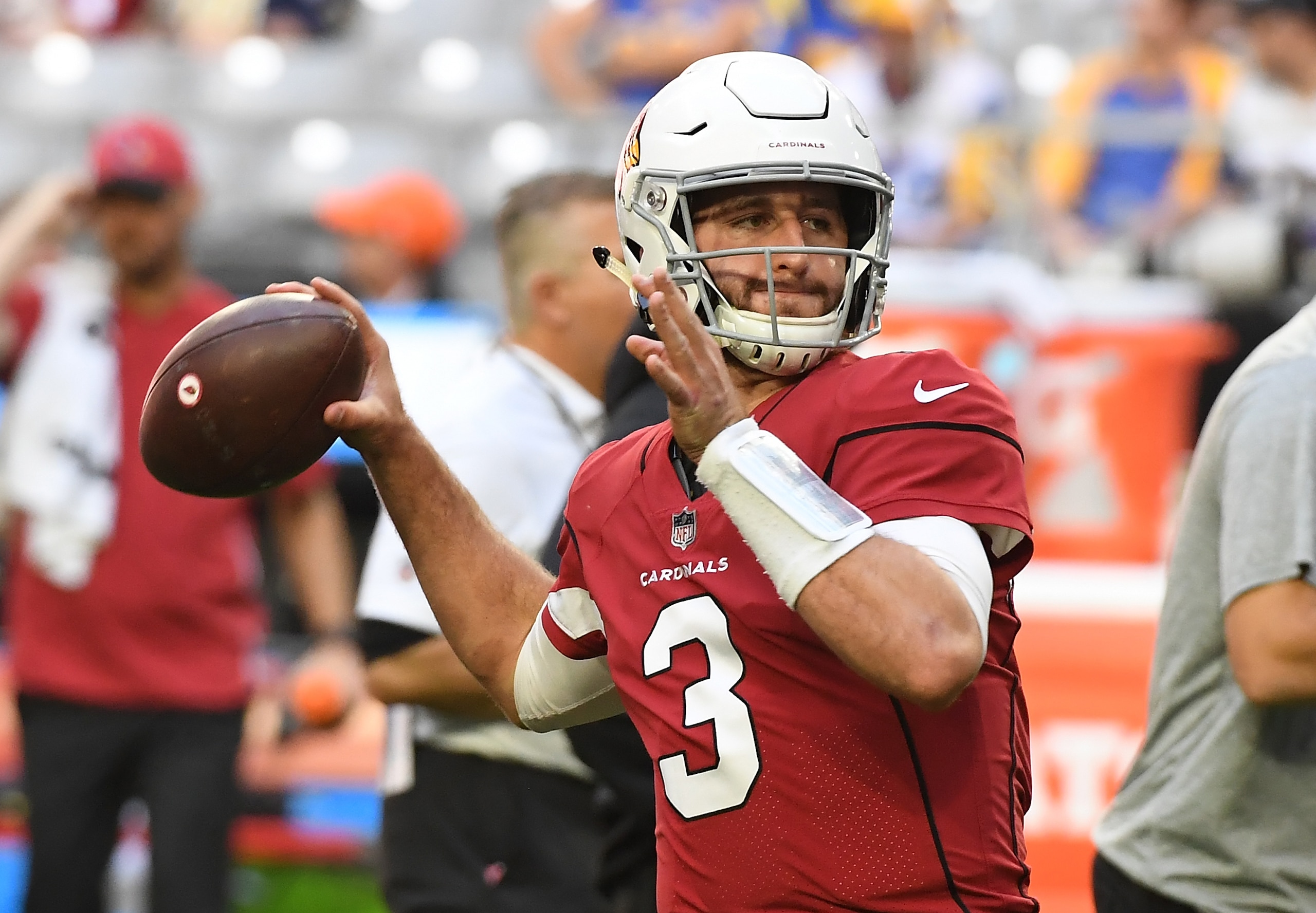
2018 Draft Class: UCLA QB Josh Rosen (No. 10 overall), Texas A&M WR Christian Kirk (No. 47 overall), Michigan C Mason Cole (No. 97 overall), Fordham RB Chase Edmonds (No. 134 overall), Penn State DB Chris Campbell (No. 182 overall), Cincinnati OT Korey Cunningham (No. 254 overall)
The 2018 draft class was supposed to redefine the Arizona Cardinals' offensive future.
Quarterback Josh Rosen appeared pro-ready after playing in a traditional dropback system that gave him quality reps compared to the emerging spread offensive systems. But Rosen struggled enough for Arizona to give up on him after one season and a coaching change.
The Cardinals later selected Kyler Murray with the No. 1 overall pick in the 2019 draft, while Rosen became a journeyman with only 120 pass attempts for Miami and Atlanta in 10 games over the past three seasons. At least Arizona cut its losses quickly by trading Rosen for the 62nd overall pick in the 2019 draft.
The Cardinals did have two solid hits in this class with Christian Kirk and Chase Edmonds. Both proved to be solid role players before departing Arizona this past offseason.
Edmonds was an efficient dual-threat out of the backfield. It's too bad Arizona limited his touches before his 2020 breakout campaign, because he could have been a bigger impact if given the opportunity.
Unfortunately, third-round pick Mason Cole never established himself as a quality starter, and the rest of the Cardinals' class failed to make an impact. Arizona was able to squeeze some production out of Kirk and Edmonds, but its 2018 haul will be remembered more for the missed opportunities than any lasting success.
Grade: D
Atlanta Falcons
2 of 32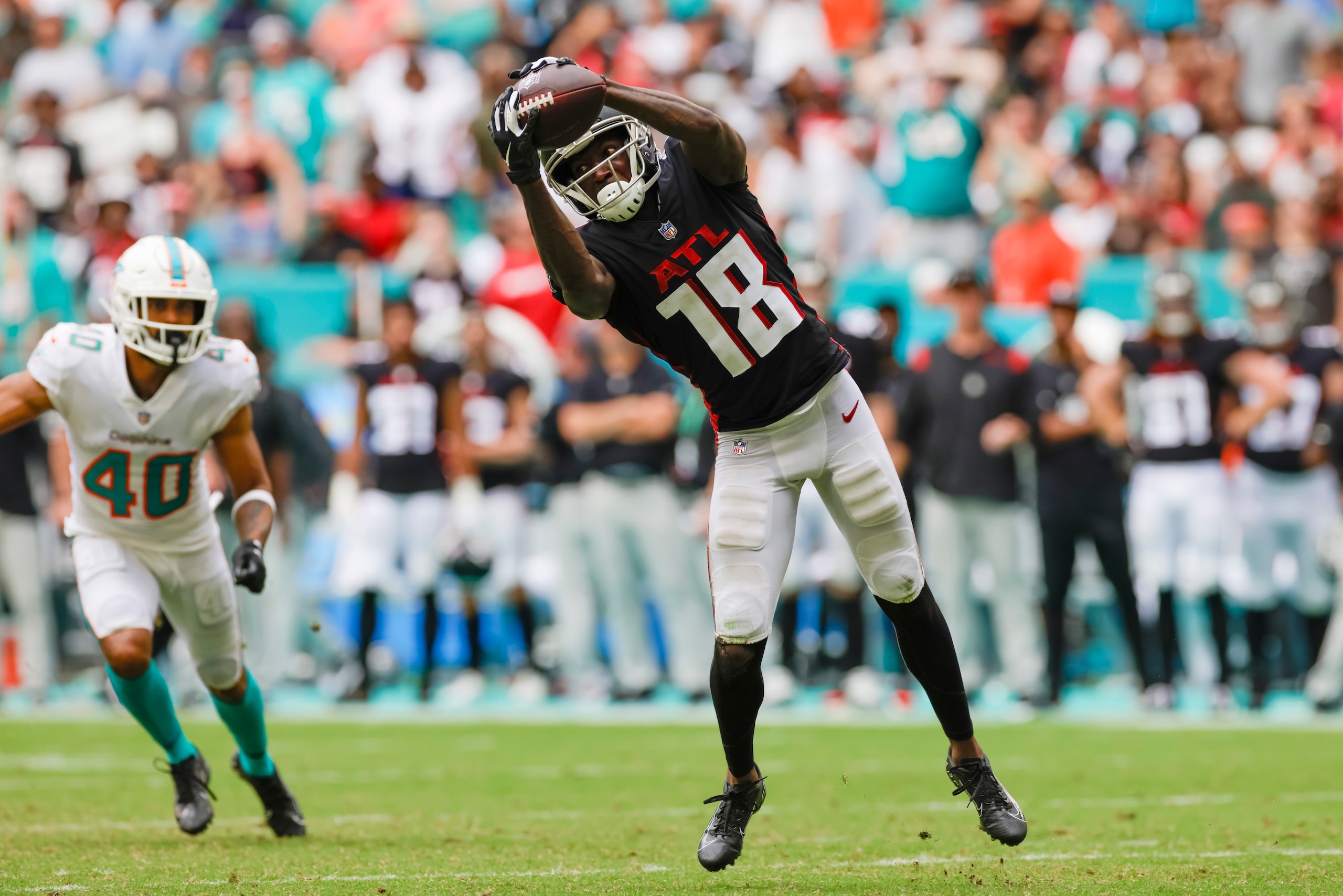
2018 Draft Class: Alabama WR Calvin Ridley (No. 26 overall), Colorado CB Isaiah Oliver (No. 58 overall), South Florida DT Deadrin Senat (No. 90 overall), Southern Mississippi RB Ito Smith (No. 126 overall), LSU WR Russell Gage (No. 194 overall), Yale LB Foye Oluokun (No. 200 overall)
In terms of acquiring talent and maximizing their return, the Atlanta Falcons did better than most teams in the 2018 draft.
First-round receiver Calvin Ridley was an immediate contributor, and he was on pace to receive a big contract extension this offseason until he was suspended for at least the 2022 campaign for gambling on NFL games while on injured reserve last year. In 49 career games, Ridley has caught 248 passes for 3,342 yards and 28 touchdowns.
Second-round cornerback Isaiah Oliver has been a solid contributor, but he also suffered a major knee injury in 2021, limiting him to four games. He's settled in as a quality slot defender, and re-signed with the Falcons this past offseason. The goal is to get a starter on Day 2, and Oliver was a fine value for that definition.
The big values of this class came within six picks of each other in the sixth round. Receiver Russell Gage and linebacker Foye Oluokun were terrific gems who produced at a high rate for three out of their four years. Both departed Atlanta for big $10 million-plus per-year deals this offseason.
It's unfortunate that the Falcons failed to maximize this draft haul while they could. Injuries to Oliver and Ridley were ill-timed, and the rest of the roster wasn't ready to compete.
Grade: B
Baltimore Ravens
3 of 32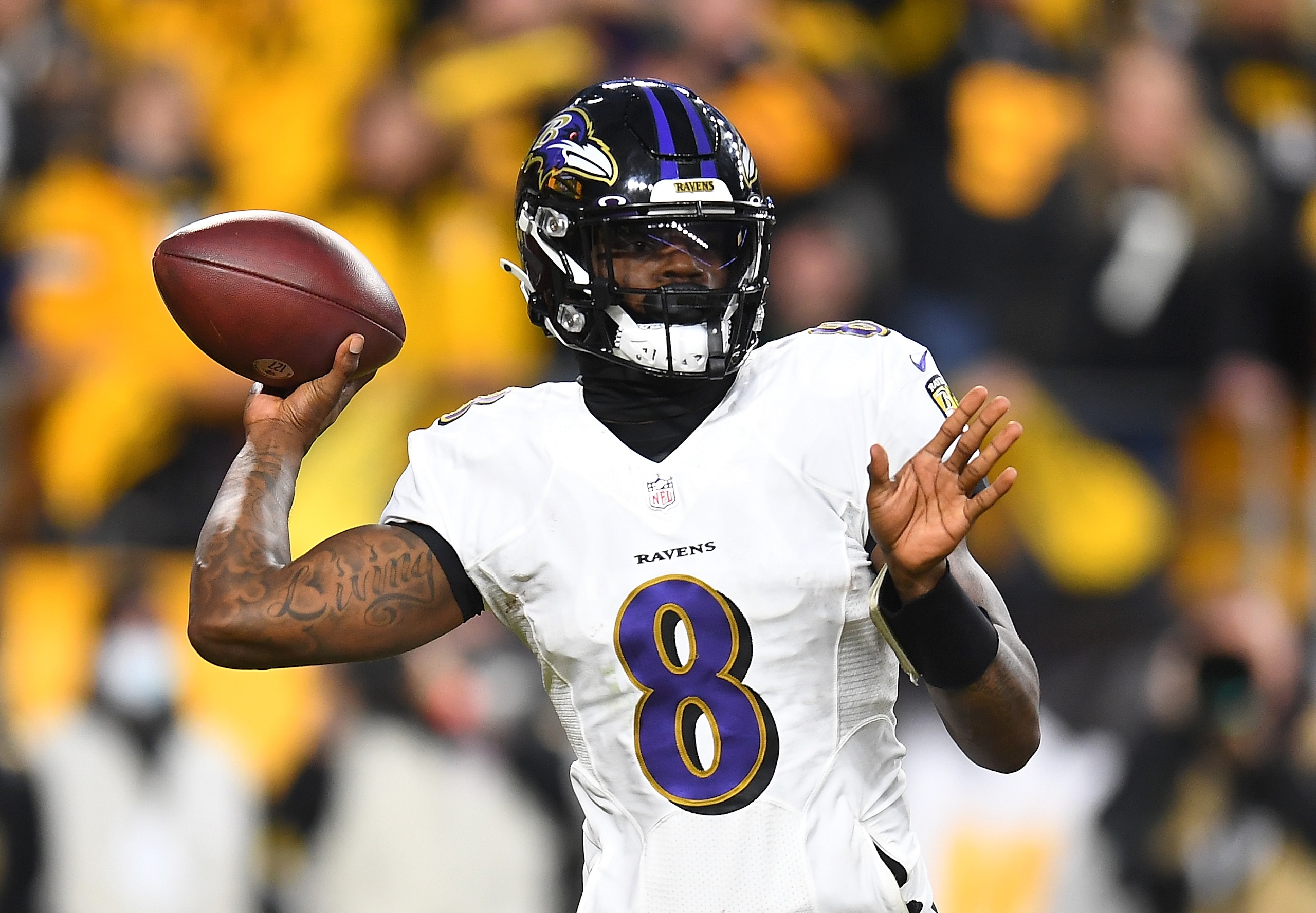
2018 Draft Class: South Carolina TE Hayden Hurst (No. 25 overall), Louisville QB Lamar Jackson (No. 32 overall), Oklahoma OT Orlando Brown (No. 83 overall), Oklahoma TE Mark Andrews (No. 86 overall), Alabama CB Anthony Averett (No. 118 overall), UCLA LB Kenny Young (No. 122 overall), New Mexico State WR Jaleel Scott (No. 132 overall), UCLA WR Jordan Lasley (No. 162 overall), Texas S DeShon Elliott (No. 190 overall), Wagner OT Greg Senat (No. 212 overall), Alabama C Bradley Bozeman (No. 215 overall), Ferris State DE Zach Sieler (No. 238 overall)
The Baltimore Ravens walked out of the 2018 class with a set of bold moves that set them up for a chance to win the Super Bowl for the foreseeable future.
Trading up to No. 32 for future MVP quarterback Lamar Jackson was a massive steal, and the Ravens altered their identity to accommodate for his unique talent. In a 2018 redraft, Jackson would go no lower than No. 2 overall.
The order of the Ravens' picks can be debated since they selected Hayden Hurst over Jackson and Mark Andrews, two offensive stalwarts. But in total, Baltimore walked away with two All-Pros in Jackson and Andrews, a three-time Pro Bowl tackle in Orlando Brown, rotational defenders in Anthony Averett and DeShon Elliott, a blocking tight end in Hurst and a three-year starting center in Bradley Bozeman.
This draft haul justifies the approach of accumulating as many picks as possible. The Ravens struck out on five of their picks and still had a phenomenal class. They also recouped draft picks in trades featuring Hurst and Brown before their contracts expired.
Legendary general manager Ozzie Newsome stepped down after the 2018 season, but he dropped the mic with one final display of draft wizardry before he did.
Grade: A
.jpg?w=2560 "Packers 49ers Football")
.jpg?w=2560 "Lions Cardinals Football")
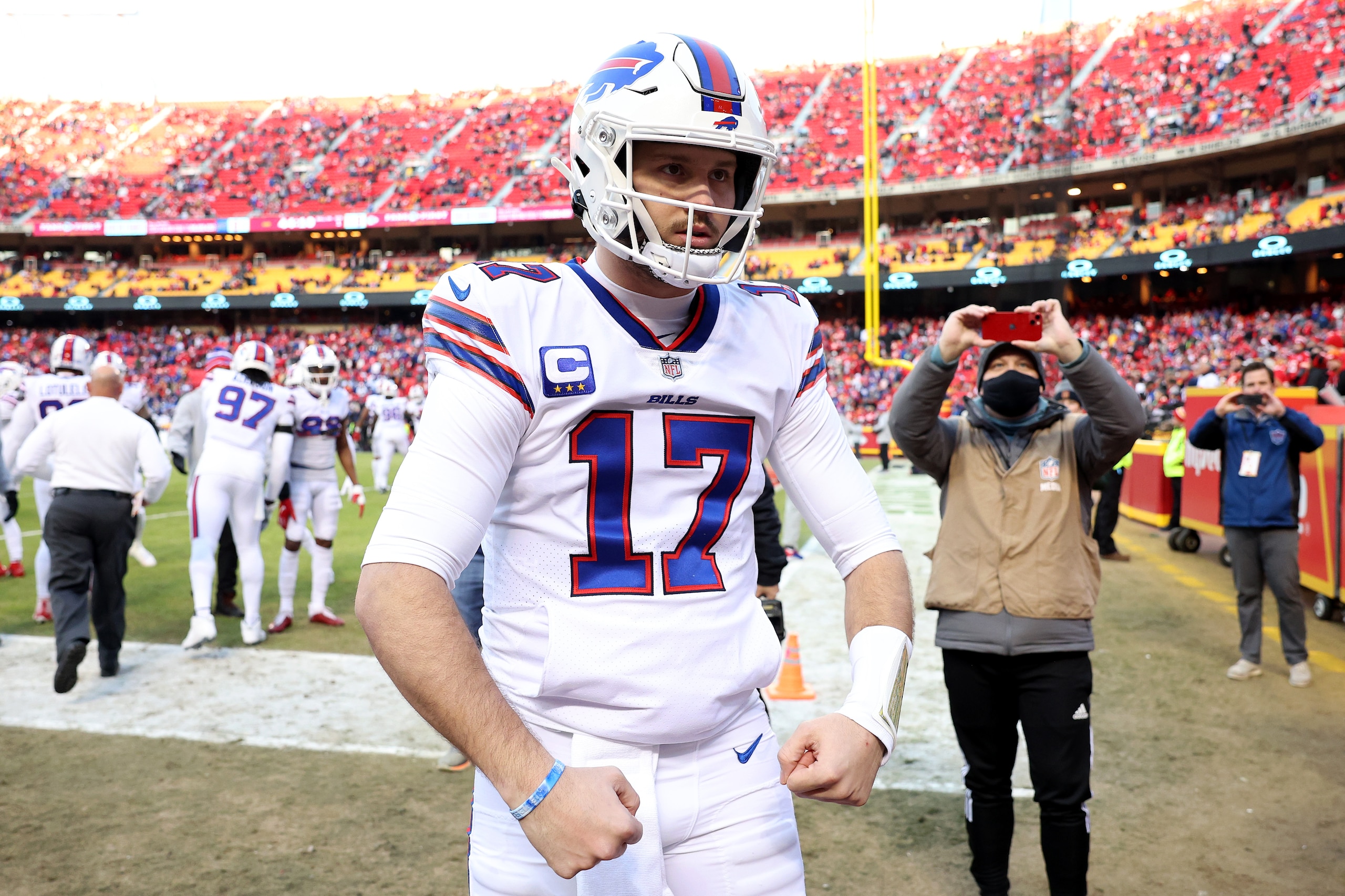
Buffalo Bills
4 of 32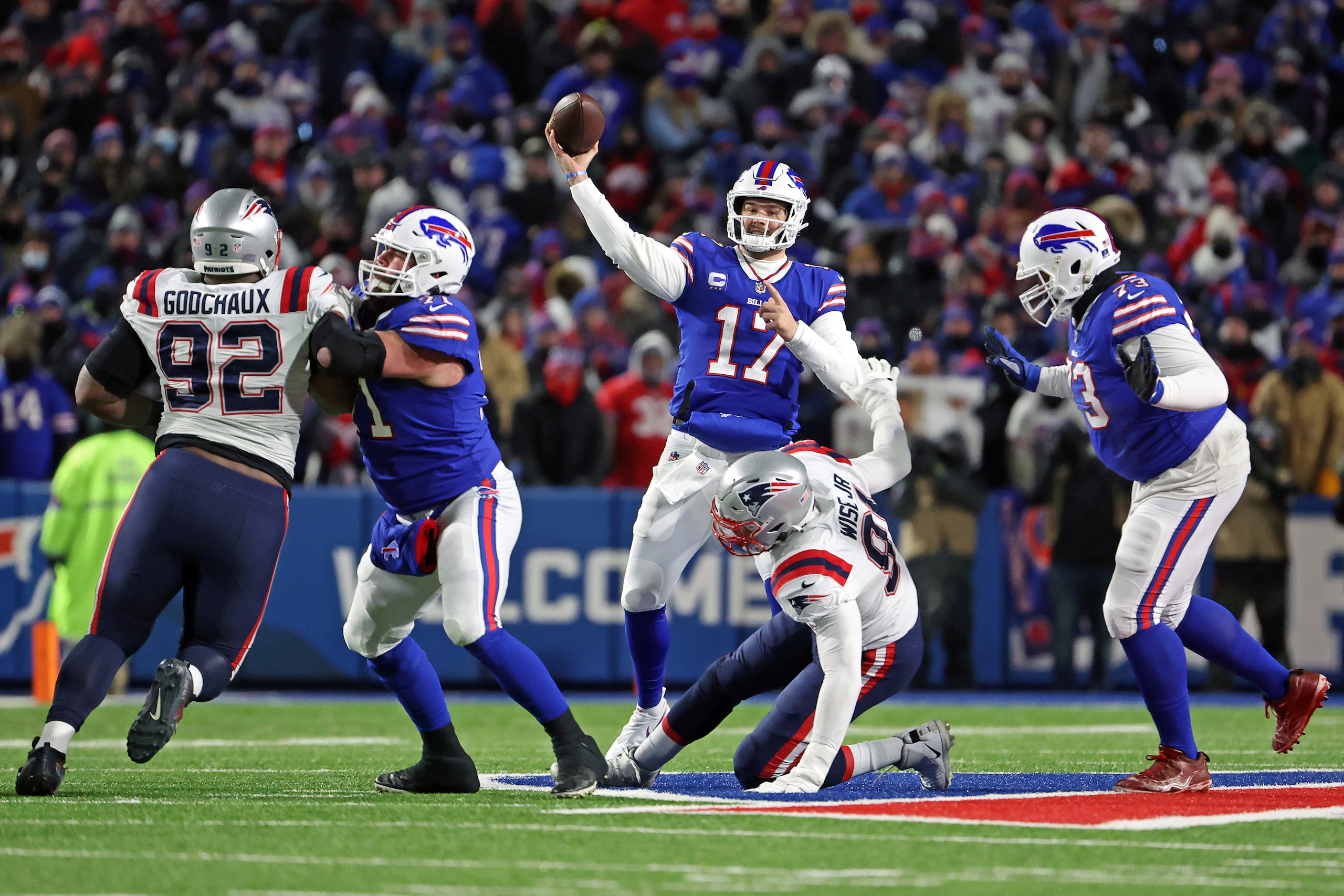
2018 Draft Class: Wyoming QB Josh Allen (No. 7 overall), Virginia Tech LB Tremaine Edmunds (No. 16 overall), Stanford DT Harrison Phillips (No. 96 overall), Weber State DB Taron Johnson (No. 121 overall), Jacksonville State DB Siran Neal (No. 154 overall), Virginia Tech OG Wyatt Teller (No. 166 overall), Clemson WR Ray-Ray McCloud (No. 187 overall), North Carolina WR Austin Proehl (No. 255 overall)
The Buffalo Bills took the ultimate gamble on Josh Allen and have been rewarded handsomely for their patience.
Allen has flourished into one of the most devastatingly effective offensive weapons of this era with his elite athleticism and incredible arm talent. It took time for Allen to hone his craft, but the Bills' strong infrastructure helped him take a massive leap in 2020.
What makes this draft close to perfect for Buffalo was its continued ability to unearth quality talent into Day 3. Linebacker Tremaine Edmunds is a productive and versatile linebacker who has totaled at least 108 tackles in each of his four seasons. He already has two Pro Bowls under his belt and is only 24 years old.
Defensive backs Taron Johnson and Siran Neal are underrated in their roles as well. Johnson is a premier slot defender who emerged in 2019 when given the opportunity to play more. Neal has helped on special teams more than on defense and re-signed on a three-year deal this offseason.
It's also notable that Buffalo picked guard Wyatt Teller in the fifth round. Teller lasted only one season in Buffalo before being traded to Cleveland and blossoming into a Pro Bowler. Although the Bills whiffed on their decision to trade Teller, they correctly evaluated him as a future starter.
Grade: A+
Carolina Panthers
5 of 32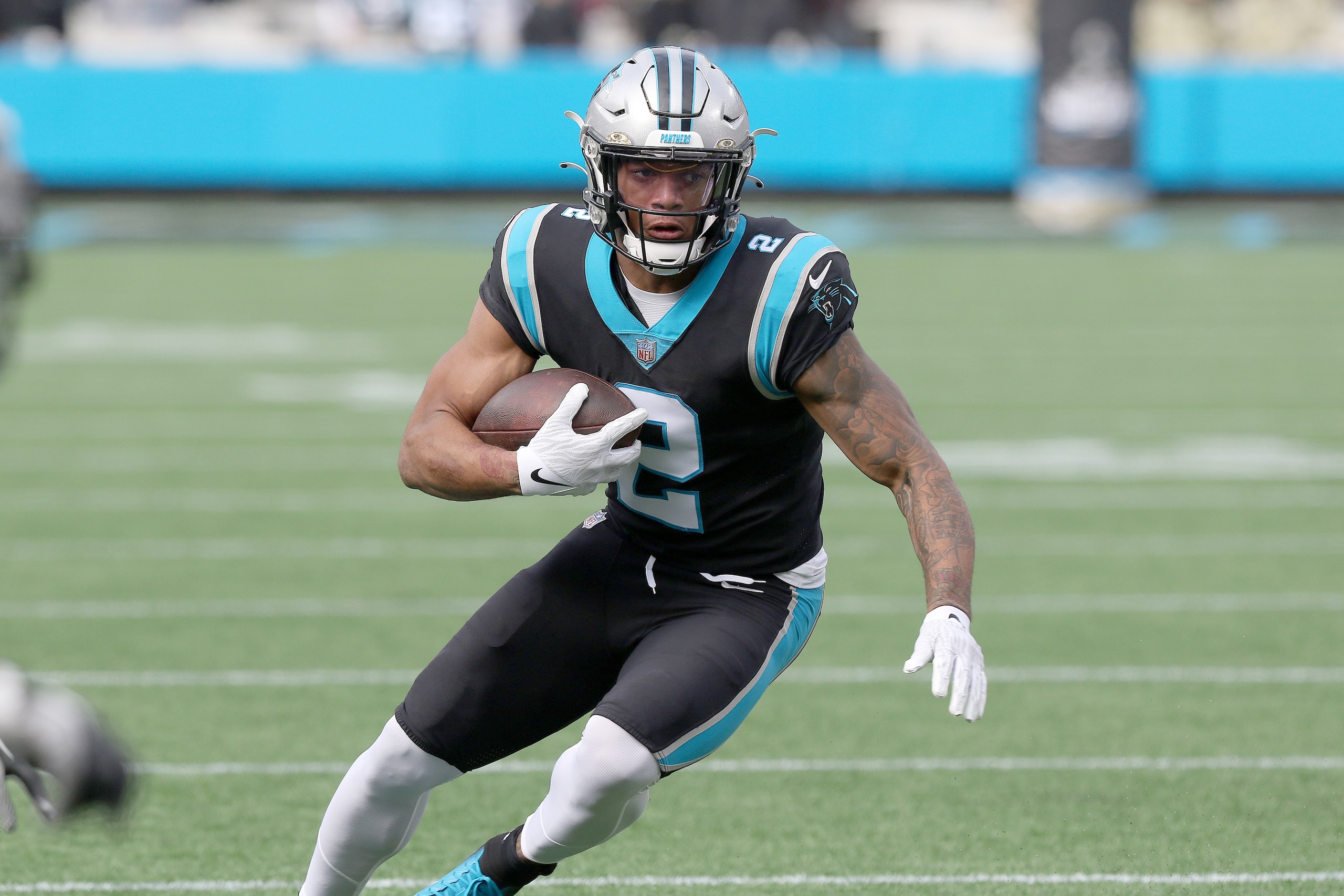
2018 Draft Class: Maryland WR D.J. Moore (No. 24 overall), LSU CB Donte Jackson (No. 55 overall), Tennessee DB Rashaan Gaulden (No. 85 overall), Indiana TE Ian Thomas (No. 101 overall), Mississippi LB Marquis Haynes (No. 136 overall), Maryland LB Jermaine Carter (No. 161 overall), North Carolina LB Andre Smith (No. 234 overall), Miami DT Kendrick Norton (No. 242 overall)
Most draft classes start strong and finish with a whimper. General managers are expected to do well with early picks, while any contributions that come outside of the top 100 can define the best talent evaluators.
The Carolina Panthers' 2018 haul was top-heavy with two standout starters, but it quickly fell off with few other contributions to this point.
Receiver D.J. Moore has been a star despite playing with a revolving door of middling quarterbacks. Despite catching passes from Cam Newton, Kyle Allen, Teddy Bridgewater and Sam Darnold, Moore is one of only seven receivers in NFL history to have posted at least three seasons of 1,200 yards from scrimmage before turning 26.
The only other notable draftee from this class is cornerback Donte Jackson, who has been a quality starter since Day 1. Jackson has totaled 209 tackles, 12 interceptions and 38 pass deflections in 55 games, and he signed a three-year, $35.2 million extension with the Panthers this offseason.
Carolina was able to get one starting season from linebacker Jermaine Carter in 2021, but he departed this offseason. Tight end Ian Thomas averaged about 200 yards and one touchdown per year, which somehow merited a three-year, $16.95 million extension.
Barring a sudden Thomas breakout, the 2018 class is all about Moore and Jackson for Carolina.
Grade: B
Chicago Bears
6 of 32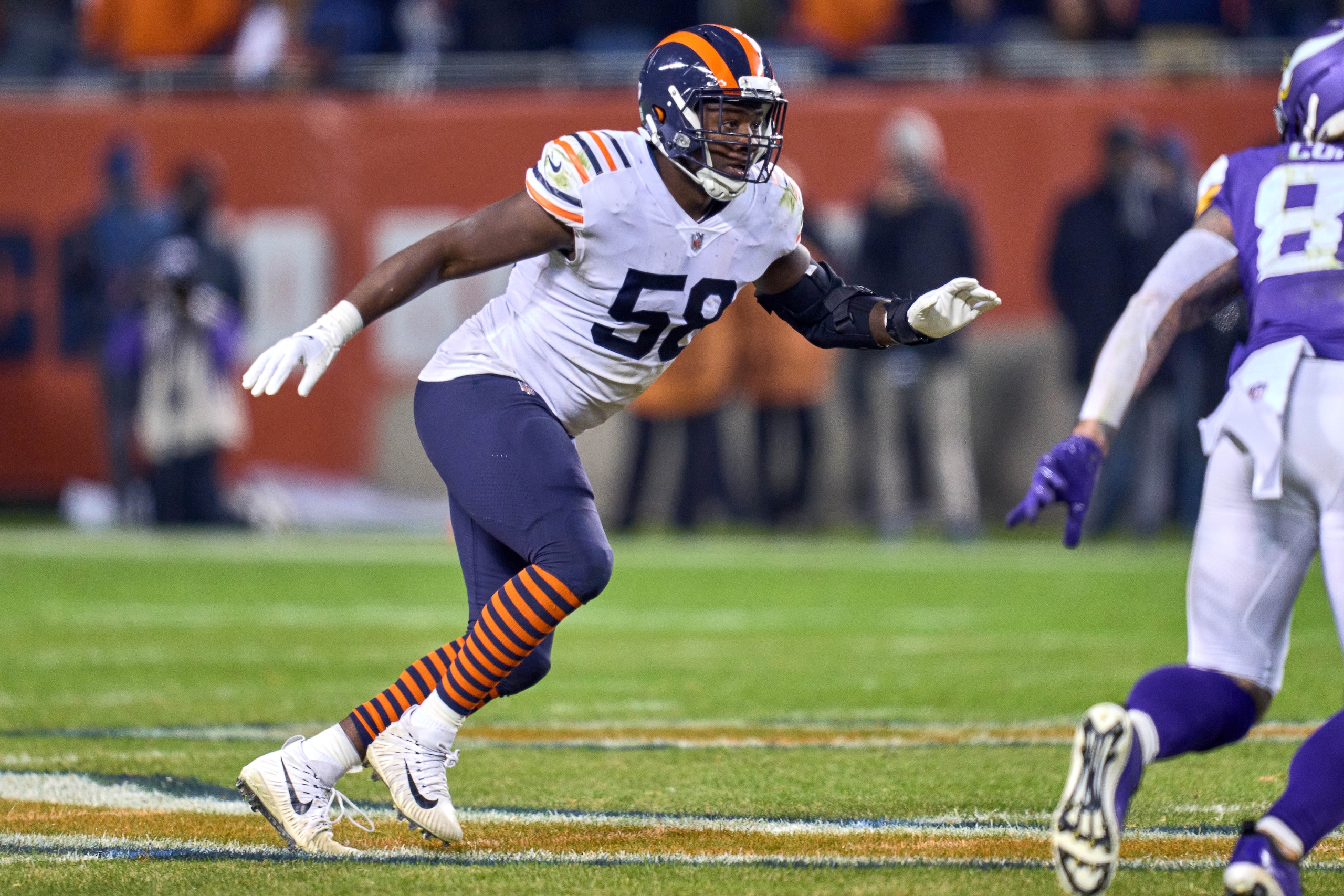
2018 Draft Class: Georgia LB Roquan Smith (No. 8 overall), Iowa C James Daniels (No. 39 overall), Memphis WR Anthony Miller (No. 51 overall), Western Kentucky LB Joel Iyiegbuniwe (No. 115 overall), Delaware DE Bilal Nichols (No. 145 overall), Utah LB Kylie Fitts (No. 181 overall), Georgia WR Javon Wims (No. 224 overall)
Few teams saw as sharp of a difference in post-draft grades to their current grade from the 2018 class as the Chicago Bears.
The Bears had seemed to toe the line between acquiring pro-ready talent and long-term developmental prospects. However, it quickly became clear that Day 2 picks James Daniels and Anthony Miller were far from becoming the promising starters they had appeared to be in college.
This class was all about first-round linebacker Roquan Smith and fifth-round defensive lineman Bilal Nichols. Smith was an obvious star out of Georgia, and he has lived up to expectations. He's coming off a monstrous 2021 season with a career-high 163 tackles, three sacks and one interception.
Nichols became a solid starter within his first two years, and he tallied 146 tackles and 11 sacks across his four seasons as a versatile 3-4 tackle and end. Chicago watched him bolt to Las Vegas this offseason.
The failure to develop Daniels and Miller into reliable contributors ultimately cost the Bears over the last few seasons. Daniels finally showed more promise in 2021, but he was not a priority to re-sign this offseason with a new coaching staff in town.
Miller is with Daniels in Pittsburgh now, but the combined 1,079 yards and nine touchdowns from his first two seasons are a distant memory at this point. At least Chicago was able to get the best out of Miller before trading him to Houston last offseason.
Grade: C
Cincinnati Bengals
7 of 32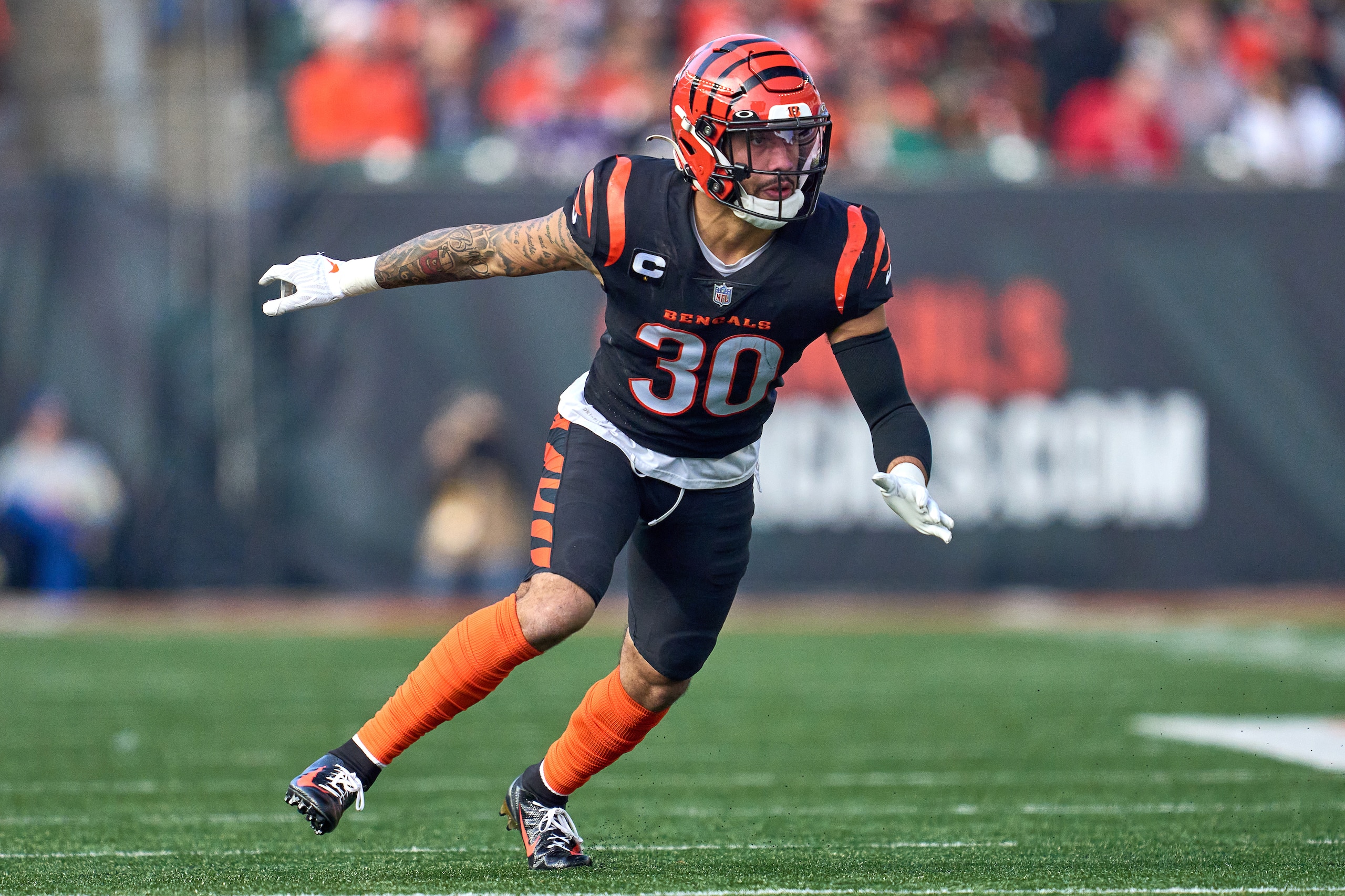
2018 Draft Class: Ohio State C Billy Price (No. 21 overall), Wake Forest S Jessie Bates III (No. 54 overall), Ohio State DE Sam Hubbard (No. 77 overall), Texas LB Malik Jefferson (No. 78 overall), Miami RB Mark Walton (No. 112 overall), Illinois State DB Davontae Harris (No. 151 overall), Virginia DT Andrew Brown (No. 158 overall), Western Michigan CB Darius Phillips (No. 170 overall), Toledo QB Logan Woodside (No. 249 overall), Mississippi OG Rod Taylor (No. 252 overall), Florida State WR Auden Tate (No. 253 overall)
The Cincinnati Bengals likely wouldn't have made the Super Bowl last season without the help of their 2018 draft class.
First-round pick Billy Price was a massive bust, but the Bengals cut the cord in August 2021 when they wisely traded him for defensive tackle B.J. Hill. Hill immediately bolstered the Bengals defense.
Missing on Price hurt the Bengals' efforts to build a quality offensive line over his tenure, but they saved their 2018 class by landing both Jessie Bates III and Sam Hubbard with Day 2 picks. Bates is one of the best safeties in the NFL and is playing on the franchise tag in 2022.
Hubbard is less spectacular but is one of the better strong-side run defenders in the NFL. He's also consistent and relatively durable. With 239 tackles and 24 sacks in his career, the Bengals have received great value out of the third-round pick. Hubbard signed a four-year, $40 million extension last summer.
However, the rest of Cincinnati's class has barely contributed anything.
Grade: C-
Cleveland Browns
8 of 32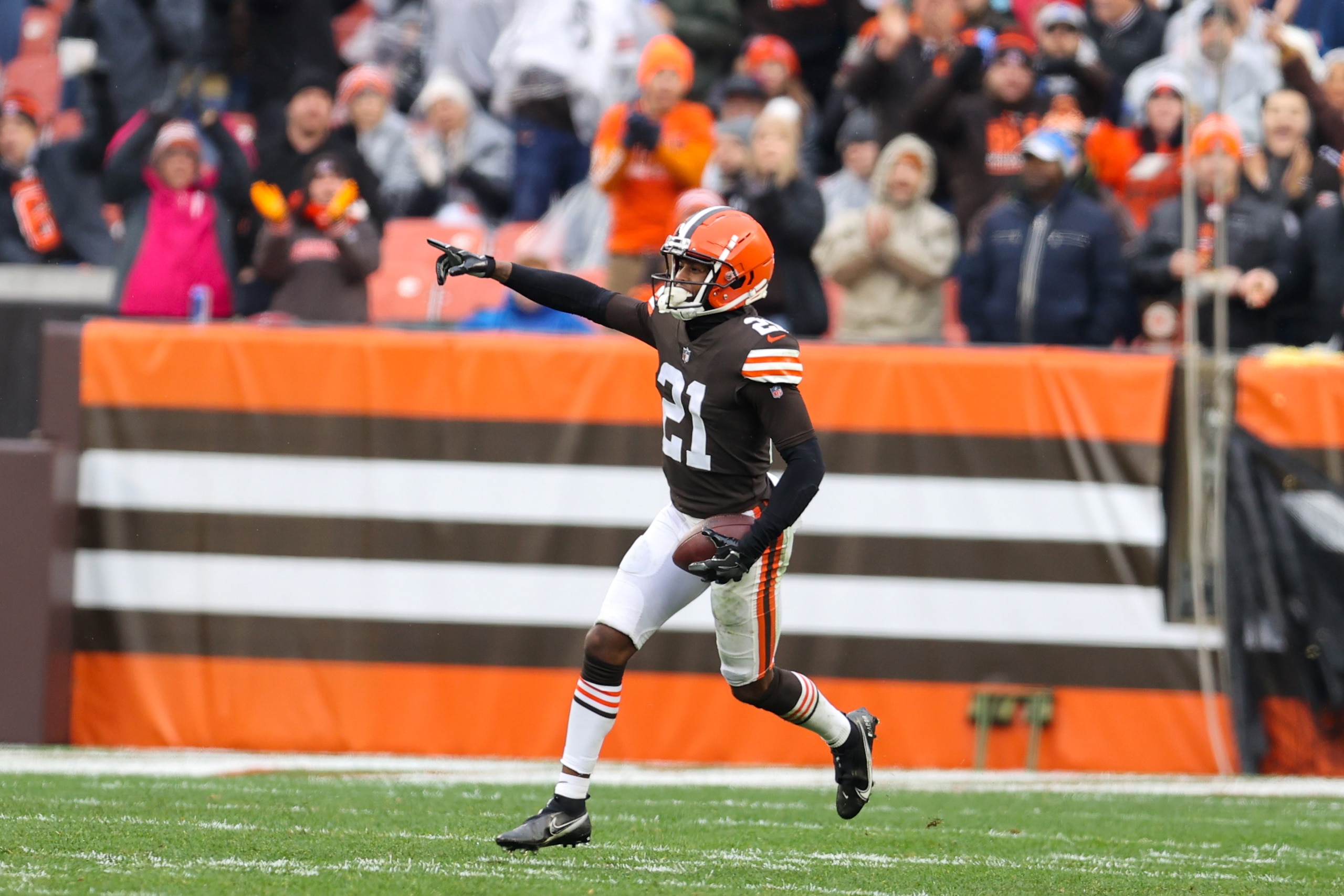
2018 Draft Class: Oklahoma QB Baker Mayfield (No. 1 overall), Ohio State CB Denzel Ward (No. 4 overall), Nevada OG Austin Corbett (No. 33 overall), Georgia RB Nick Chubb (No. 35 overall), Miami DE Chad Thomas (No. 67 overall), Florida WR Antonio Callaway (No. 105 overall), Memphis LB Genard Avery (No. 150 overall), Texas A&M WR Damion Ratley (No. 175 overall), Louisiana-Lafayette CB Simeon Thomas (No. 188 overall)
The Cleveland Browns walked out of the 2018 draft with the best cornerback and running back, but the success of the class hinged on Baker Mayfield.
The No. 1 overall pick guided the Browns to their first playoff appearance in nearly two decades. However, he was also marred by injuries and inconsistent play, and the Browns recently traded him to the Carolina Panthers for a conditional 2024 fourth- or fifth-round pick.
It's clear with hindsight that Mayfield was neither the best or worst possible selection. He was an average quarterback even when healthy, but he's far behind draft classmates Josh Allen and Lamar Jackson.
Denzel Ward and Nick Chubb are the main treasures from this class. Both are among the top players at their position across the NFL and have been rewarded with huge contract extensions. They were unequivocal home run picks.
The rest of Cleveland's draft was a waste of assets. The Browns wound up trading second-round guard Austin Corbett to the Los Angeles Rams in October 2019 for a 2021 fifth-round pick, and he wound up starting every game for the Super Bowl champions this past season. He signed a three-year, $26.3 million deal with Carolina this offseason.
Grade: B
Dallas Cowboys
9 of 32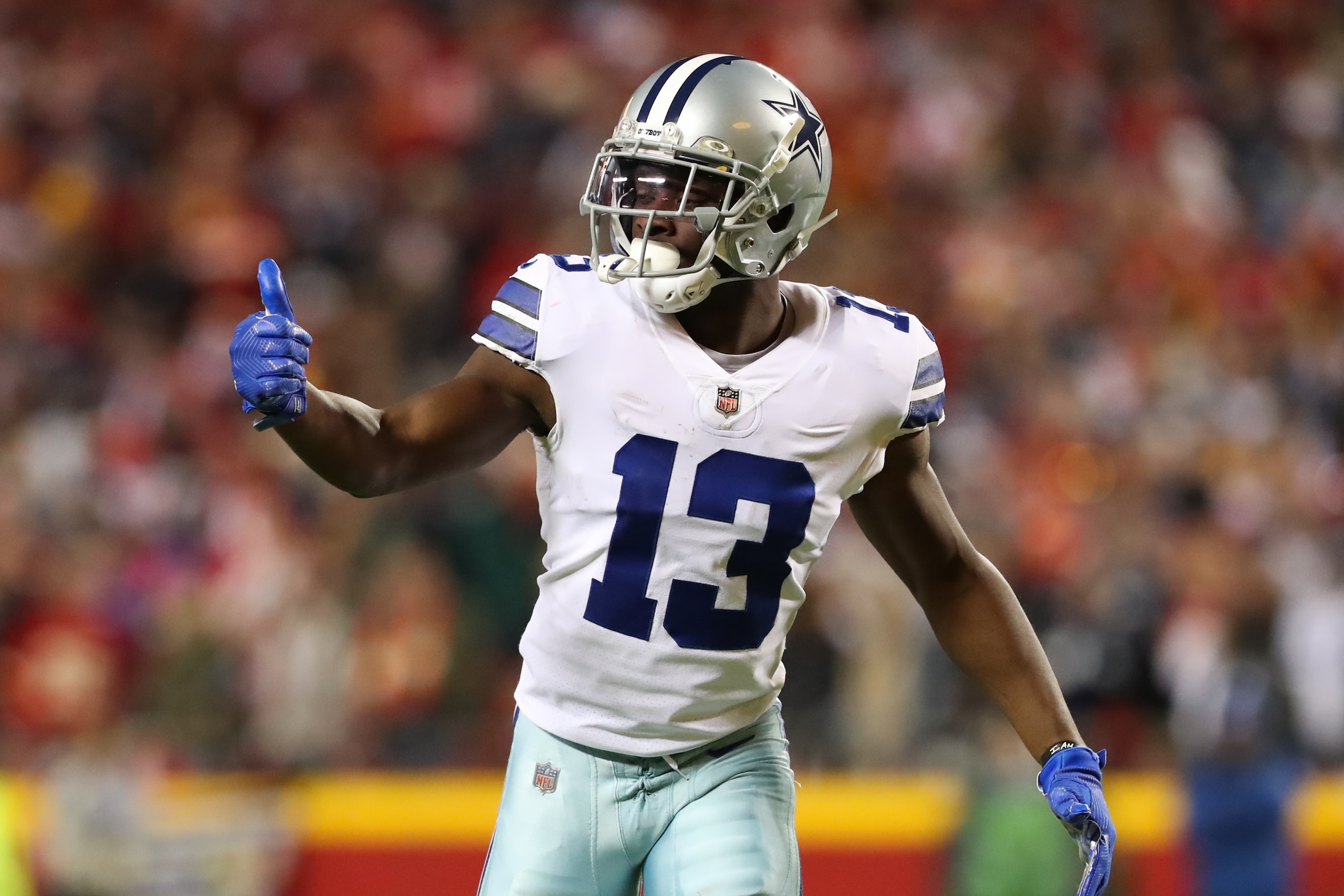
2018 Draft Class: Boise State LB Leighton Vander Esch (No. 19 overall), Texas OG Connor Williams (No. 50 overall), Colorado State WR Michael Gallup (No. 81 overall), Kansas DE Dorance Armstrong (No. 116 overall), Stanford TE Dalton Schultz (No. 137 overall), Western Kentucky QB Mike White (No. 171 overall), Indiana LB Chris Covington (No. 193 overall), Boise State WR Cedrick Wilson Jr. (No. 208 overall), Alabama RB Bo Scarbrough (No. 236 overall)
Few teams can find a contributor in almost every round of the draft. While the top of the Dallas Cowboys' 2018 draft class fell short of expectations over four seasons, the collective return from this haul was impressive.
The Cowboys were unable to get the best out of this class at the same time, though. Leighton Vander Esch was terrific in his rookie season, earning a second-team All-Pro and Pro Bowl nod. Injuries in 2019 robbed him of his effectiveness, though, and he became a role player almost immediately.
Second-round guard Connor Williams was a decent but inconsistent starter over his tenure and signed with the Miami Dolphins this offseason on a modest two-year, $14 million deal. Cedrick Wilson Jr. also signed with Miami after a career year with 602 yards and six scores last season, while Dorance Armstrong re-signed with the Cowboys on a two-year, $12 million contract after proving to be a decent third pass-rusher in 2021.
Pass catchers Michael Gallup and Dalton Schultz were the most impactful picks in this class. Gallup tore his ACL last year but has accumulated 193 receptions, 2,902 yards and 15 scores in 55 games. Schultz broke out in 2020 after two quiet seasons and is playing on the franchise tag.
Dallas found quality contributors throughout the 2018 draft. Vander Esch and Gallup's injuries may have cost the Cowboys a chance to reach a higher ceiling, though.
Grade: B+
Denver Broncos
10 of 32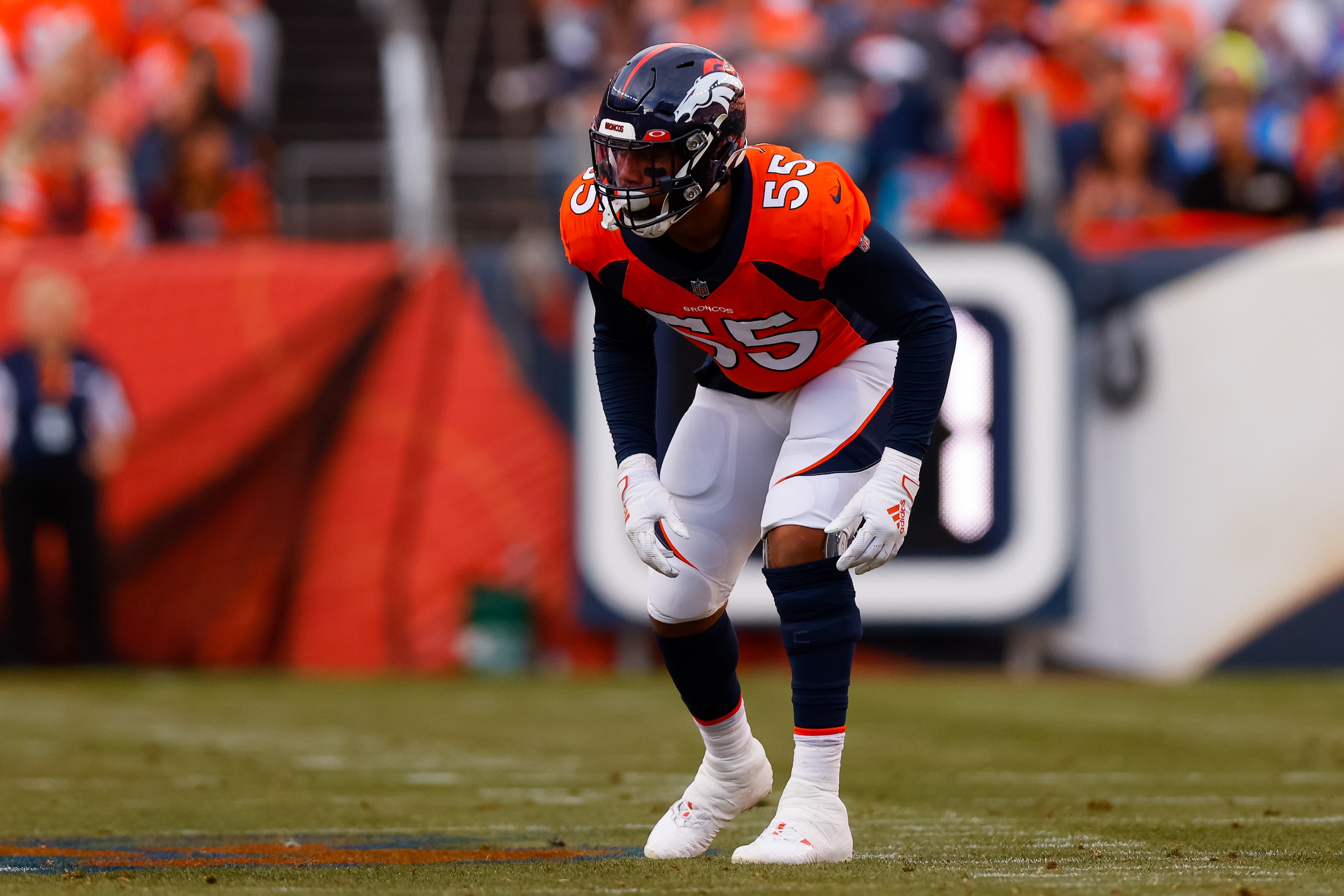
2018 Draft Class: NC State DE Bradley Chubb (No. 5 overall), SMU WR Courtland Sutton (No. 40 overall), Oregon RB Royce Freeman (No. 71 overall), Boston College DB Isaac Yiadom (No. 99 overall), Iowa LB Josey Jewell (No. 106 overall), Penn State WR DaeSean Hamilton (No. 113 overall), Wisconsin TE Troy Fumagalli (No. 156 overall), Arizona State OG Sam Jones (No. 183 overall), Washington LB Keishawn Bierria (No. 217 overall), Arkansas RB David Williams (No. 226 overall)
Acquiring two Pro Bowl players in one draft usually constitutes a great haul. It still could be for the Denver Broncos, but injuries have severely limited the availability of No. 5 overall pick Bradley Chubb. How he fares in 2022 may sway how this draft is remembered.
Chubb appeared to be a budding star as a rookie when he racked up 12 sacks across from Von Miller and showed advanced run-defense potential. But Chubb tore his ACL four games into 2019, bounced back with a Pro Bowl year in 2020 and then missed 10 games in 2021 with an ankle sprain.
With only 20.5 sacks in four years, it's hard to count Chubb as a home run pick right now. The Broncos need him to be a star to reach their peak in 2022.
The two other big hits have been receiver Courtland Sutton and linebacker Josey Jewell. Sutton enjoyed his own Pro Bowl season in 2019 with 1,112 yards and six touchdowns, then missed 15 games in 2020 with a torn ACL. He's shown star potential without quality quarterback play, which makes his pairing with Russell Wilson exciting this coming season.
Jewell has showed the potential to be another impactful pick, although injuries have limited his availability as well. He tallied a career-high 113 tackles in his first full season as a starter in 2020, but he tore his pec in Week 2 last season and missed the rest of the year.
If Chubb and Jewell can't get back to their peak production, this grade will drop in the future, as the rest of Denver's class hasn't made much of an impact. Should both become their best selves once again, the Broncos may challenge for a Super Bowl in 2022.
Grade: B
Detroit Lions
11 of 32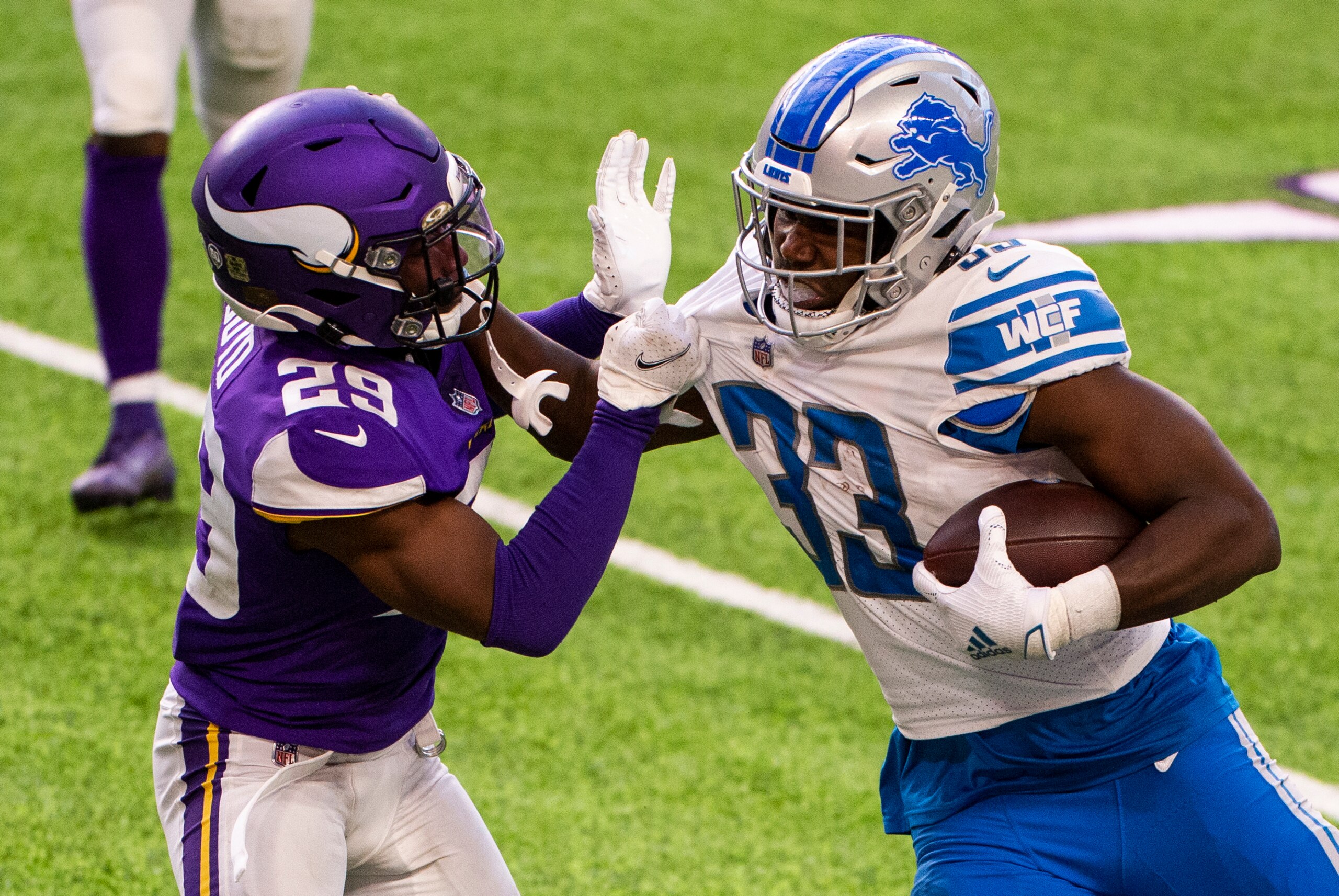
2018 Draft Class: Arkansas C Frank Ragnow (No. 20 overall), Auburn RB Kerryon Johnson (No. 43 overall), Louisiana-Lafayette DB Tracy Walker (No. 82 overall), Alabama DT Da'Shawn Hand (No. 114 overall), Oregon OL Tyrell Crosby (No. 153 overall), San Diego State RB Nick Bawden (No. 237 overall)
There's nothing flashy about a draft class that is headlined with someone who would eventually become the NFL's highest-paid center.
It's great that the Detroit Lions hit on Frank Ragnow at No. 20, and his presence will continue to stabilize the interior of their line for years to come. However, the center has not been a difference-making piece yet in terms of wins and losses.
Often overlooked in the discussion of top safeties, third-round gem Tracy Walker has been as reliable as any two-high safety over the last three years. He's racked up 298 tackles since claiming the starting job in 2019.
The lone playmaker whom Detroit selected in this class was running back Kerryon Johnson. However, injuries cost him 14 games in his first two years and noticeably robbed him of his once promising quickness and power. Detroit cut him after only three years.
This class brought positives for Detroit, but little else outside of Ragnow and Walker. Missing on Johnson and Da'Shawn Hand failed to help elevate the team around Matthew Stafford enough to create a long-term winner.
Grade: C+
Green Bay Packers
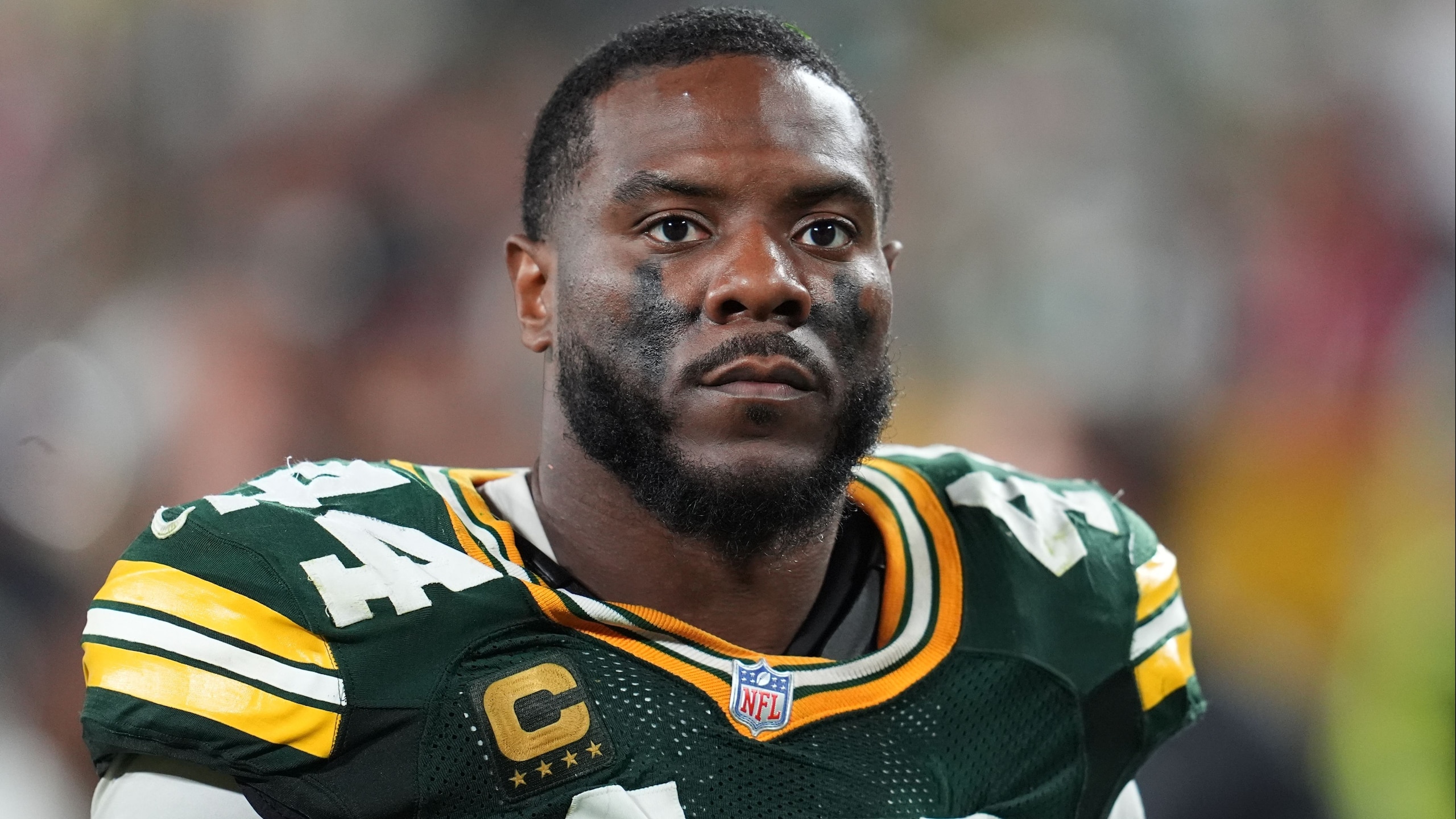
12 of 32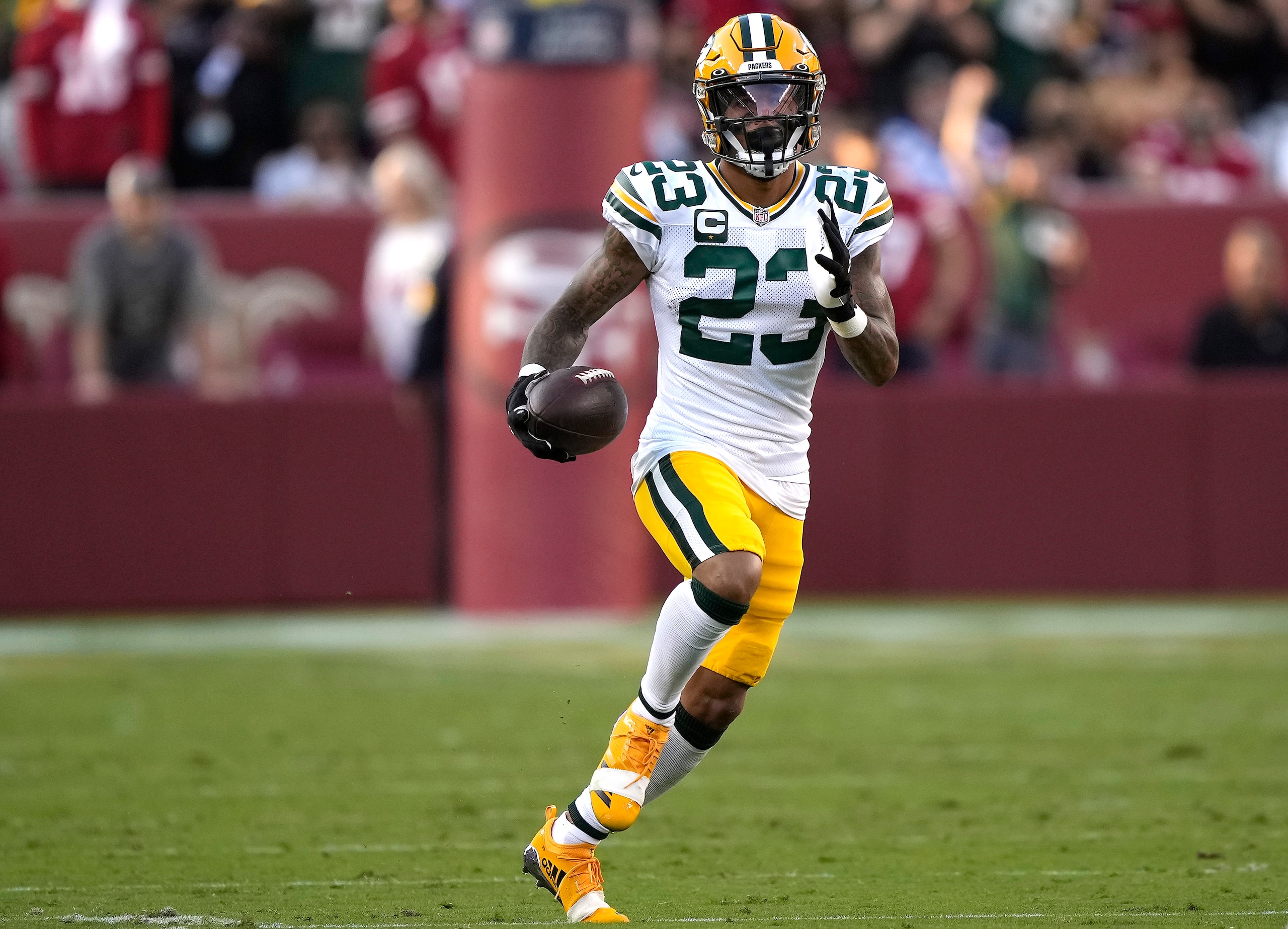
2018 Draft Class: Louisville CB Jaire Alexander (No. 18 overall), Iowa CB Josh Jackson (No. 45 overall), Vanderbilt LB Oren Burks (No. 88 overall), Missouri WR J'Mon Moore (No. 133 overall), Washington State OG Cole Madison (No. 138 overall), Alabama P JK Scott (No. 172 overall), South Florida WR Marquez Valdes-Scantling (No. 174 overall), Notre Dame WR Equanimeous St. Brown (No. 207 overall), Cal DT James Looney (No. 232 overall), Mississippi State LS Hunter Bradley (No. 239 overall), Southeast Missouri LB Kendall Donnerson (No. 248 overall)
By selecting three defenders in a row atop the 2018 draft, the Green Bay Packers thought this would be a revolutionary class for a unit that was rebuilding.
Landing star cornerback Jaire Alexander proved to be a defining moment for the defense. They didn't add another helpful defender in this class, though.
Cornerback Josh Jackson proved to be a poor fit in Green Bay's scheme after starting 10 games as a rookie. The Packers wound up trading him to the New York Giants in 2021 for Isaac Yiadom. Meanwhile, Oren Burks couldn't break into the lineup and instead was a special teams contributor throughout his tenure.
Fifth-round receiver Marquez Valdes-Scantling proved to be a feared deep threat in a limited role, averaging 17.5 yards per catch with the Packers. He never showed consistency or a well-rounded game, though, catching only 49.8 percent of targets despite playing with the historically accurate Aaron Rodgers.
Alexander carries this class most of the way. JK Scott was a fine punter before being replaced, and Valdes-Scantling filled a role enough to land a second contract in Kansas City this offseason. But this group didn't push the Packers over the top in their Super Bowl quest.
Grade: C-
Houston Texans
13 of 32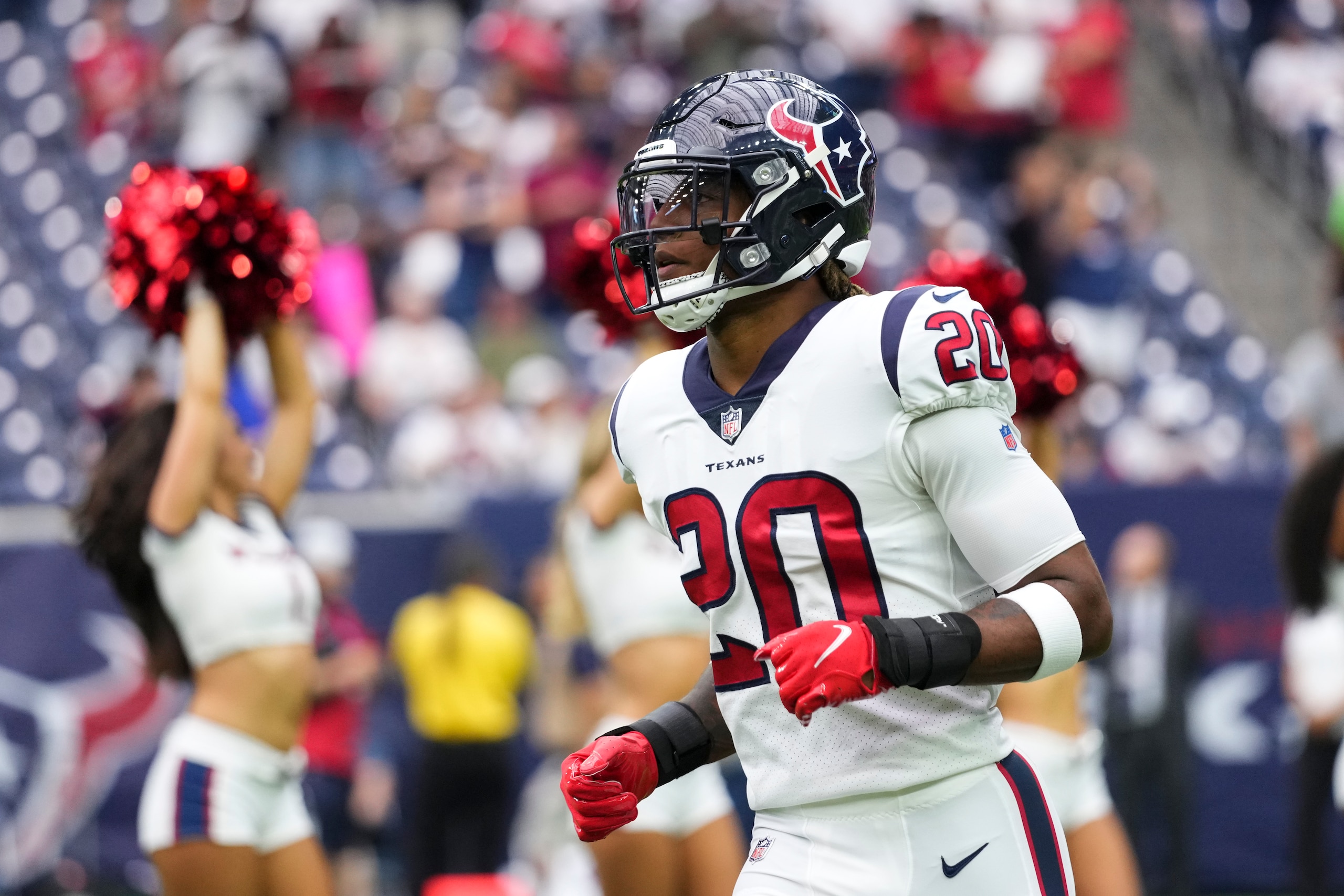
2018 Draft Class: Stanford S Justin Reid (No. 68 overall), Mississippi State OL Martinas Rankin (No. 80 overall), UCF TE Jordan Akins (No. 98 overall), Texas Tech WR Keke Coutee (No. 103 overall), Wake Forest LB Duke Ejiofor (No. 177 overall), Mississippi State TE Jordan Thomas (No. 211 overall), Stanford LB Peter Kalambayi (No. 214 overall), San Jose State CB Jermaine Kelly (No. 222 overall)
Sometimes, the gamble on athletic developmental talents pays off with a franchise-defining impact. Other times, a team strikes out.
The Houston Texans have struggled to draft over the last half-decade, and their 2018 class was a glaring miss as a whole. Safety Justin Reed was the only quality player they found with their eight picks.
Houston had traded its 2018 first- and second-round picks to the Cleveland Browns in 2017 in separate deals. The Texans' first-round pick was included in their trade up for Deshaun Watson on draft night, and they then used their second-round pick to salary-dump Brock Osweiler's massive contract.
It's hard to find contributors with every top-100 pick, but Houston failed to find any playable talent outside of Reid.
Reid was a notable steal, tallying 315 tackles, seven interceptions and 23 pass deflections over his career. The Texans allowed Reid to depart this offseason, as he fell out of the rotation in Lovie Smith's defense.
The combined contributions from Martinas Rankin, Jordan Akins and Keke Coutee were next to nothing. Rankin started four games as a rookie before being traded for Carlos Hyde before his second season. Akins was a 26-year-old as a rookie who never found his footing with Houston, while Coutee couldn't stay healthy enough to play more than nine games in any season.
Grade: D-
Indianapolis Colts
14 of 32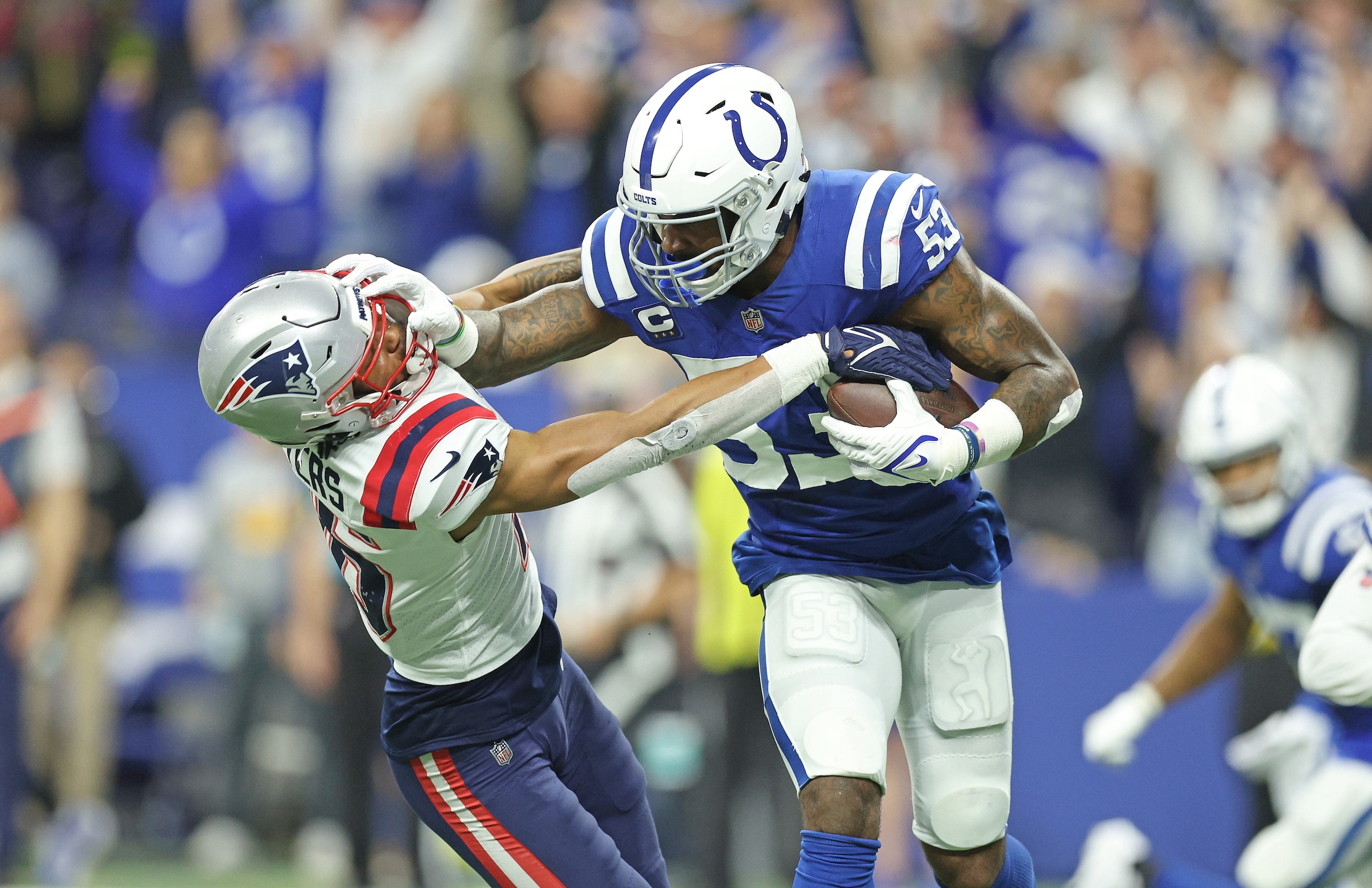
2018 Draft Class: Notre Dame OG Quenton Nelson (No. 6 overall), South Carolina State LB Darius Leonard (No. 36 overall), Auburn OT Braden Smith (No. 37 overall), Rutgers DE Kemoko Turay (No. 52 overall), Ohio State DE Tyquan Lewis (No. 64 overall), NC State RB Nyheim Hines (No. 104 overall), Northern Iowa WR Daurice Fountain (No. 159 overall), Mississippi RB Jordan Wilkins (No. 169 overall), Clemson WR Deon Cain (No. 185 overall), Houston LB Matthew Adams (No. 221 overall), Syracuse LB Zaire Franklin (No. 235 overall)
The Indianapolis Colts entered the 2018 draft desperately needing to fix their offensive line. Quarterback Andrew Luck had faced unending waves of pressure since being drafted. Indianapolis did its best by adding two blocking stalwarts in guard Quenton Nelson and right tackle Braden Smith.
Nelson was an immediate star and has earned three first-team All-Pro nods in four seasons. His mauling style has made him a human highlight reel. He's expected to receive a massive contract before entering free agency next offseason.
Smith quickly earned the starting tackle job and solidified another key position. The former Auburn Tiger signed a four-year, $70 million extension with the Colts last summer.
The steal of the draft came in the second-round, though. Darius Leonard, an athletic linebacker who wasn't well-known to the public, proved to be an immediate Defensive Player of the Year candidate. Like Nelson, he's earned three first-team All-Pro bids and changed the face of the Colts defense.
The Colts also added rotational pass-rushers Kemoko Turay and Tyquan Lewis in the second round. Neither proved to be a star, but they were both serviceable in their time. Turay signed a one-year deal with San Francisco this offseason, while Lewis re-signed on a one-year deal in Indianapolis.
The Colts' lone Day 3 hit came on Nyheim Hines, who is one of the NFL's best pass-catching tailbacks thanks to his fantastic quickness and reliable hands. He signed a three-year, $18.6 million extension last September.
The only reason the Colts don't get an A-plus is that they didn't quite hit on their pass-rushers. Spending two top-64 picks on rotational players slightly held this class back.
Grade: A
Jacksonville Jaguars
15 of 32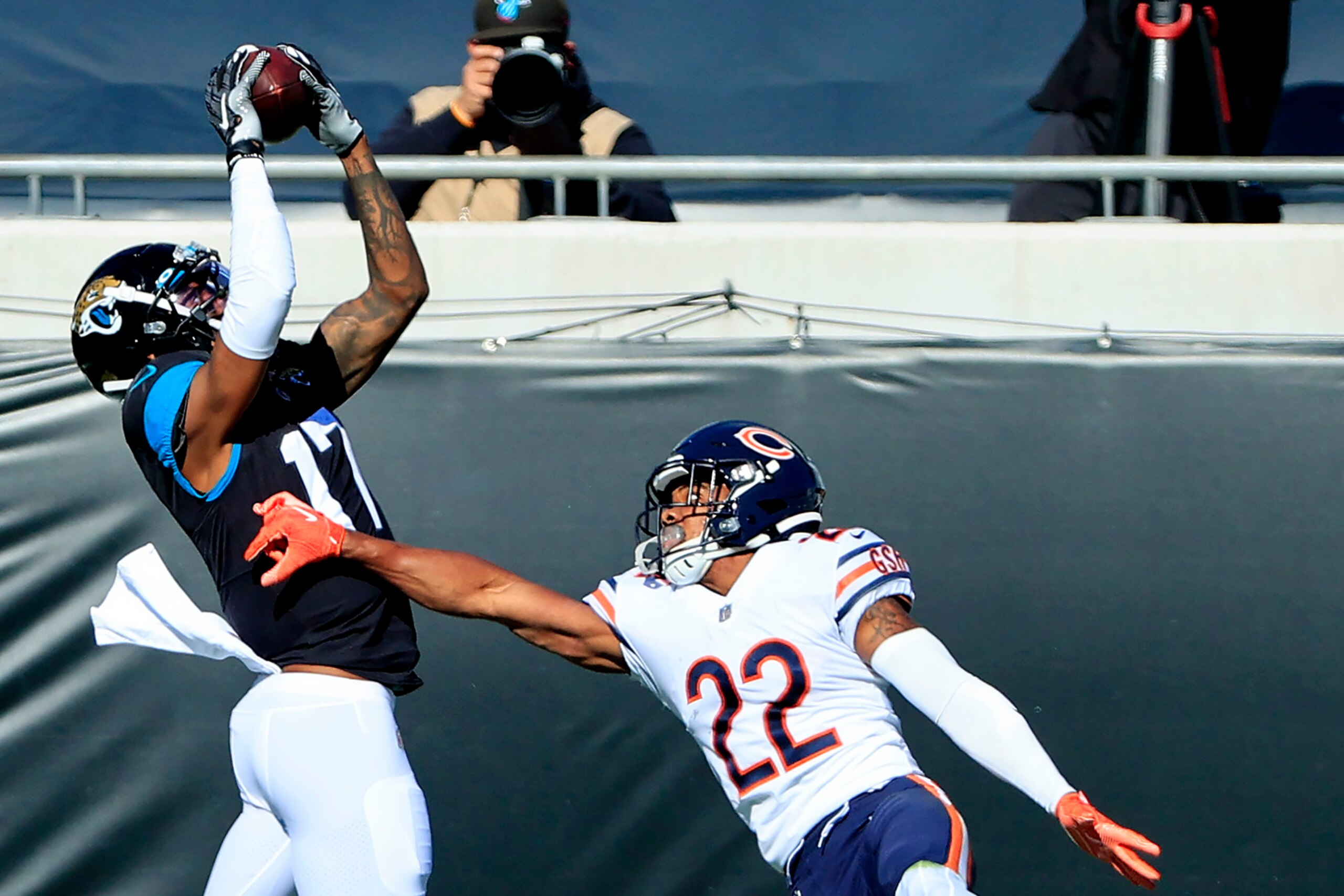
2018 Draft Class: Florida DT Taven Bryan (No. 29 overall), LSU WR D.J. Chark (No. 61 overall), Alabama S Ronnie Harrison (No. 93 overall), NC State OT Will Richardson (No. 129 overall), Nebraska QB Tanner Lee (No. 203 overall), Wisconsin LB Leon Jacobs (No. 230 overall), Mississippi State P Logan Cooke (No. 247 overall)
The Jacksonville Jaguars avoided a complete disaster during the 2018 draft, but they'd surely love to have another crack at it. It's hard to get over how big of a bust Taven Bryan was as the 29th overall pick.
Bryan entered the NFL as a pass-rushing defensive tackle who won with quickness. The Jaguars wanted an eventual successor for Malik Jackson. Unfortunately, Bryan was a non-factor in four seasons, producing only 86 tackles and 5.5 sacks in 63 games.
At least second-round receiver D.J. Chark and third-round safety Ronnie Harrison brought some production before each left Jacksonville. Chark showed big-play talent in 2019 when he earned a Pro Bowl bid after catching 73 passes for 1,008 yards and eight scores. He struggled with injuries over the next two years and signed with Detroit this past offseason.
Harrison looked like a quality strong safety after starting 14 games in 2019. Instead of building on his 71-tackle season, the Jaguars traded him to Cleveland for a fifth-round pick in 2021. Harrison has since been a decent third safety for the Browns.
The Jaguars weren't able to get anything else out of their picks, as each of their Day 3 selections were relegated to nothing more than bench roles.
Grade: D
Kansas City Chiefs
16 of 32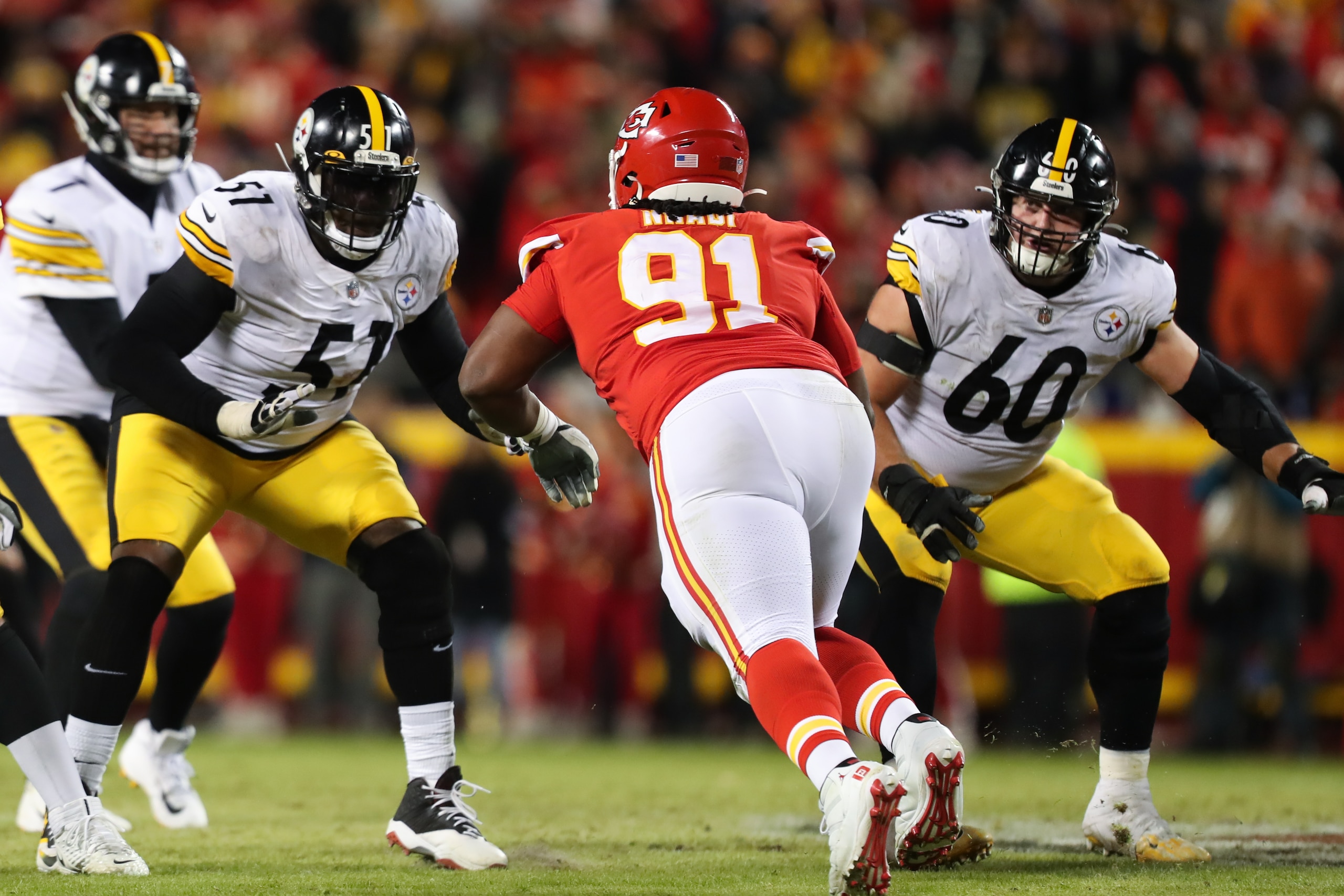
2018 Draft Class: Mississippi DT Breeland Speaks (No. 46 overall), Florida State DT Derrick Nnadi (No. 75 overall), Clemson LB Dorian O'Daniel (No. 100 overall), Texas A&M S Armani Watts (No. 124 overall), Central Arkansas CB Tremon Smith (No. 196 overall), Tennessee OG Kahlil McKenzie (No. 198 overall)
The worst draft class of 2018 belongs to the Kansas City Chiefs.
The Chiefs were without their first-round pick after trading up for Patrick Mahomes in 2017. That made finding contributors more difficult, but the Chiefs barely got any return from their other six picks, either.
The only helpful producer was third-round defensive tackle Derrick Nnadi, who has been a fine run-stuffer in the NFL. He re-signed with the Chiefs on a one-year deal after totaling 168 tackles and four sacks in 64 career games.
However, Nnadi's contributions aren't enough to save a group of picks that barely even saw the field. The Chiefs cut second-rounder Breeland Speaks after playing in only 16 games. Dorian O'Daniel, Armani Watts and Tremon Smith combined for 121 tackles in their time with the franchise.
No team has gotten less production from its 2018 draft class than the Chiefs.
Grade: F
Las Vegas Raiders
17 of 32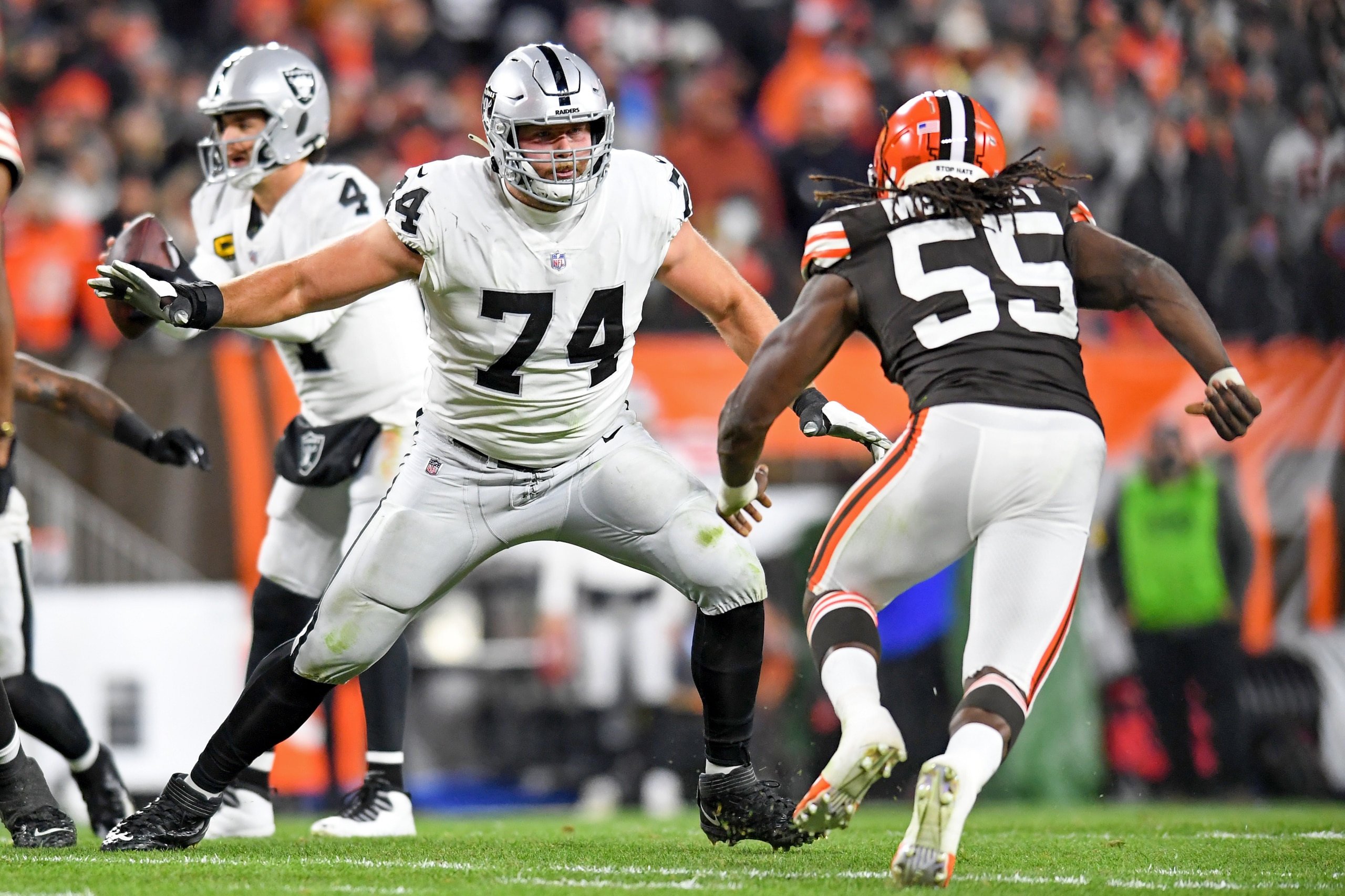
2018 Draft Class: UCLA OT Kolton Miller (No. 15 overall), Sam Houston State DT P.J. Hall (No. 57 overall), North Carolina A&T OT Brandon Parker (No. 65 overall), LSU DE Arden Key (No. 87 overall), Wisconsin CB Nick Nelson (No. 110 overall), Michigan DT Maurice Hurst (No. 140 overall), Florida P Johnny Townsend (No. 173 overall), Washington LB Azeem Victor (No. 216 overall), Oklahoma State WR Marcell Ateman (No. 228 overall)
The Las Vegas Raiders narrowly avoided disaster in Jon Gruden's first draft class with the franchise. First-round tackle Kolton Miller was a risky bet on an unrefined ball of athletic traits that looked like a complete miss in his rookie year, but he quickly developed into a franchise building block as his technique improved considerably.
The franchise believed in Miller enough to extend him even before it made a decision on his fifth-year option. His three-year, $54 million contract locked him into the silver and black through the 2025 season. Among all of the dice rolls the Raiders took, Miller has been the only one to make a positive impact over multiple seasons.
Brief flashes from Maurice Hurst created hope that the Raiders might have taken the right gamble on a big-named collegiate talent who fell in the draft for health reasons. Hurst had 7.5 sacks through his first two years, but he then hit a wall in 2020. He finished his third season with only 0.5 sacks, and the Raiders released him before his contract expired.
Key ended up in San Francisco with Hurst in 2021 and had more success with the 49ers last season than he had with the Raiders across three seasons. He had only three sacks in 37 games with the Raiders before they released him.
The only other player still on the Raiders' roster from the 2018 draft is tackle Brandon Parker, who has been a below-average starter. He re-signed this offseason on a modest one-year deal that suggests he'll be a backup for this coming season.
Grade: D+
Los Angeles Chargers
18 of 32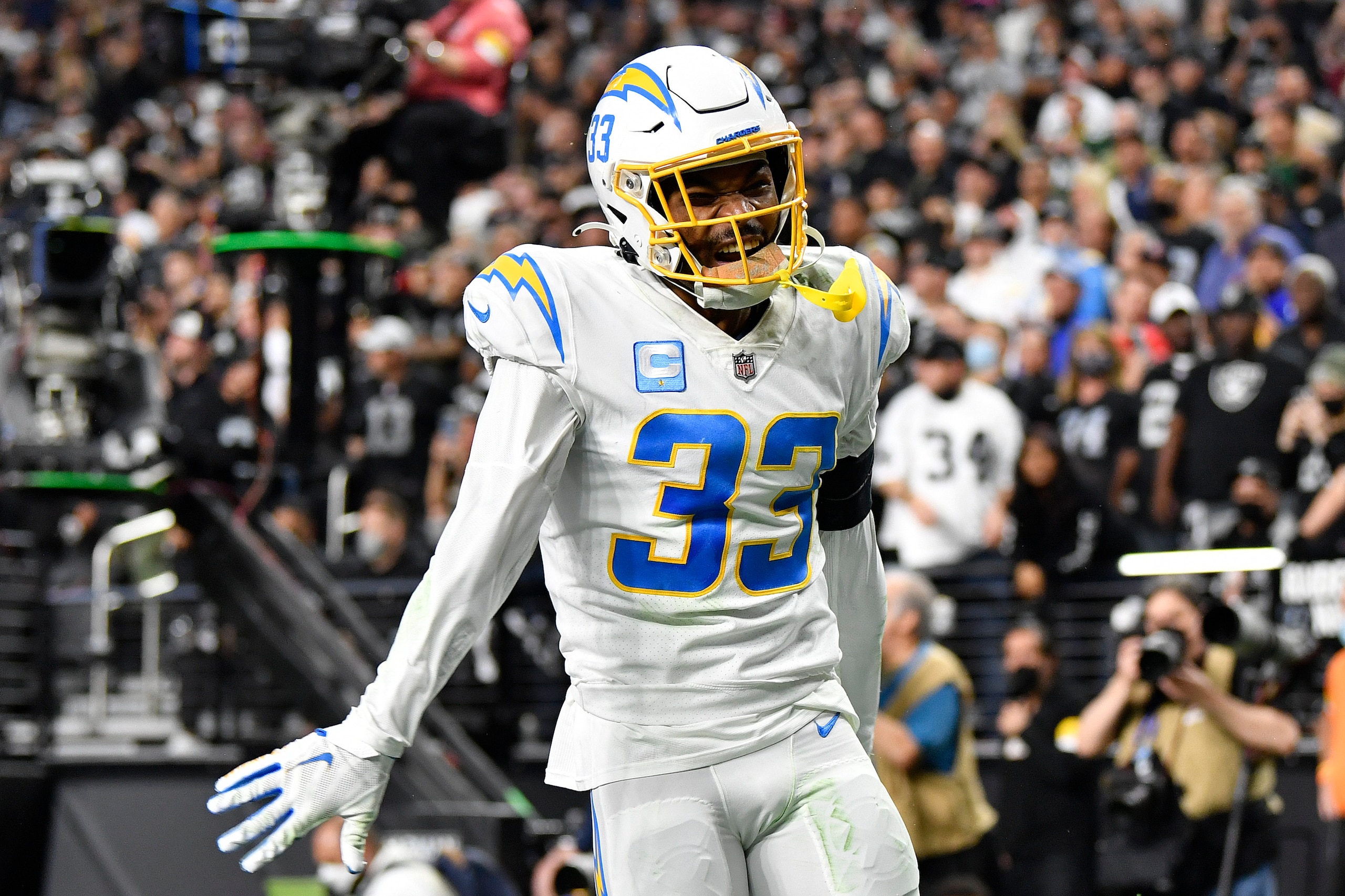
2018 Draft Class: Florida State S Derwin James (No. 17 overall), USC LB Uchenna Nwosu (No. 48 overall), NC State DT Justin Jones (No. 84 overall), West Virginia S/LB Kyzir White (No. 119 overall), UCLA C Scott Quessenberry (No. 155 overall), Texas Tech WR Dylan Cantrell (No. 191 overall), Northwestern RB Justin Jackson (No. 251 overall)
Certain draft classes look better because the players were on the field more than their peers. However, logging snaps does not mean those snaps were effective.
That embodies the Los Angeles Chargers' 2018 draft class.
Star safety Derwin James is the obvious exception, even though he missed 11 games in 2019 and the entire 2020 season because of injuries. James has earned two All-Pro bids in the two seasons in which he's played the majority of games.
The rest of this class hasn't fared as well. Day 2 selections Uchenna Nwosu and Justin Jones played rotational roles over their four-year tenure but could not find a consistent footing despite the Chargers desperately needing help at their respective positions.
The Chargers replaced Nwosu with Khalil Mack this offseason, while Jones signed with the Los Angeles Rams as a run-stopper.
Fourth-round linebacker Kyzir White enjoyed a breakout year in 2021 with a career-high 144 tackles and two interceptions. A hamstring injury cost him five games in 2020 just as he was establishing himself as a reliable starter. Despite those gaudy tackle numbers, the Chargers did not retain White, and he signed with the Philadelphia Eagles this offseason.
The Chargers had a few hits here, but James was the only addition with long-term value.
Grade: B
Los Angeles Rams
19 of 32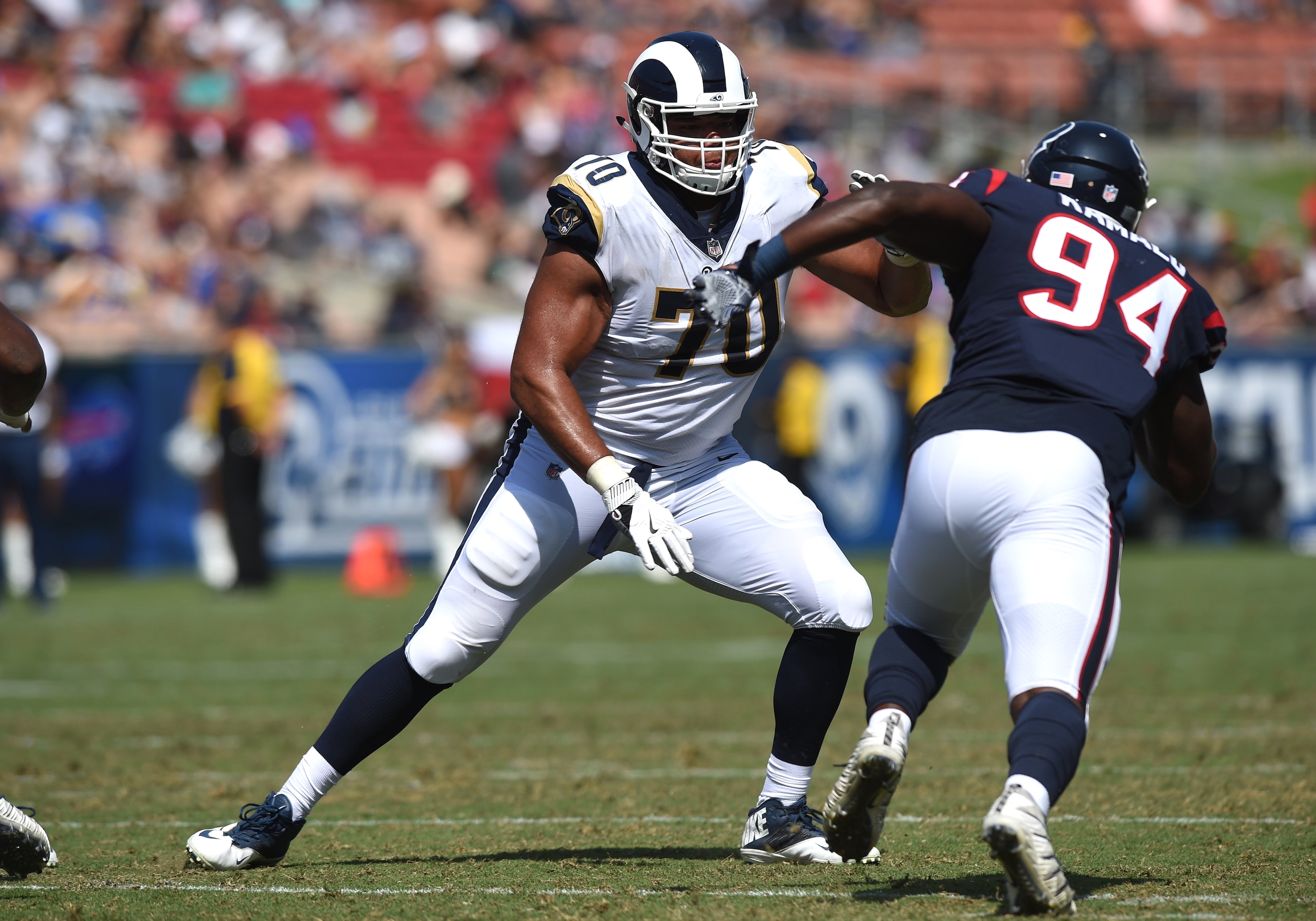
2018 Draft Class: TCU OT Joseph Noteboom (No. 89 overall), Michigan State C Brian Allen (No. 111 overall), Stephen F. Austin DE John Franklin-Myers (No. 135 overall), Virginia LB Micah Kiser (No. 147 overall), Oklahoma LB Ogbonnia Okoronkwo (No. 160 overall), Tennessee RB John Kelly (No. 176 overall), Maine OG Jamil Demby (No. 192 overall), Rutgers DT Sebastian Joseph-Day (No. 195 overall), Louisville LB Trevon Young (No. 205 overall), TCU LB Travin Howard (No. 231), SMU DE Justin Lawler (No. 244 overall)
Before the Los Angeles Rams began trading a ton of draft picks for talented veterans, they were a moderately well-drafting team. They might not have won the Super Bowl this past season if not for this class.
Tackle Joseph Noteboom, center Brian Allen and defensive tackle Sebastian Joseph-Day have each earned their way into the starting lineup throughout their careers and are quality starters. Noteboom and Allen signed multi-year deals with the Rams this offseason, while Joseph-Day signed a three-year $24 million deal with the Chargers.
It's also worth mentioning current New York Jets defensive lineman John Franklin-Myers, who played only one season with the Rams before being dealt to the Jets. He's carved out a solid starting role there and earned a massive four-year, $55 million extension this offseason.
Los Angeles didn't land stars in this class, but it helped build a foundation. That's a winning class.
Grade: B
Miami Dolphins
20 of 32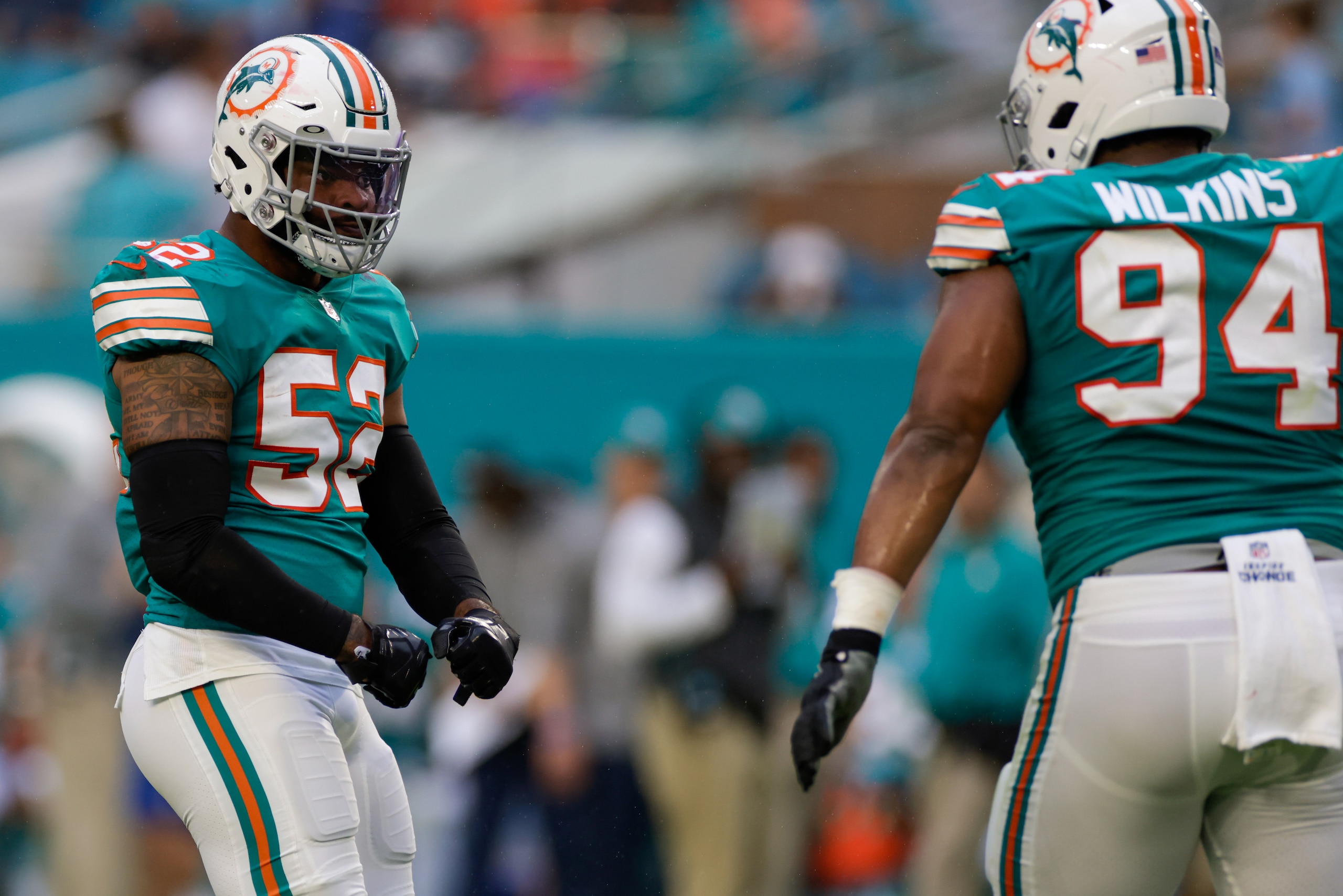
2018 Draft Class: Alabama DB Minkah Fitzpatrick (No. 11 overall), Penn State TE Mike Gesicki (No. 42 overall), Ohio State LB Jerome Baker (No. 73 overall), Notre Dame TE Durham Smythe (No. 123 overall), Arizona State RB Kalen Ballage (No. 131 overall), Southern Miss DB Cornell Armstrong (No. 209 overall), Ohio LB Quentin Poling (No. 227 overall), New Mexico K Jason Sanders (No. 229 overall)
One of the more baffling developments from the 2018 draft class was the Miami Dolphins' handling of star safety Minkah Fitzpatrick.
Although Fitzpatrick emerged as a clear steal at No. 11 overall, Miami traded him only two games into his second season. The Pittsburgh Steelers traded their 2020 first-round pick for him, and he quickly earned two first-team All-Pro nods in his first two years with them.
The Dolphins still get credit for drafting Fitzpatrick in this class. They were also able to hit on their Day 2 picks, with tight end Mike Gesicki and linebacker Jerome Baker becoming exciting young playmakers at their respective positions. Gesicki is playing on the franchise tag in 2022, while Baker signed a three-year, $37.5 million extension last offseason.
Gesicki has already caught 199 passes for 2,225 yards and 13 scores despite the Dolphins lacking a consistent play-caller or established quarterback throughout his career. He's more of a big slot receiver than tight end due to his alignments. How he transitions to new head coach Mike McDaniel could determine whether he stays in Miami for the coming years or hits the open market next spring.
The Dolphins were able to find a few contributors on Day 3 as well. Kicker Jason Sanders signed a five-year, $22 million extension after his 2020 All-Pro season, while second-string tight end Durham Smythe re-signed on a two-year, $7 million deal in March.
Grade: B+
Minnesota Vikings
21 of 32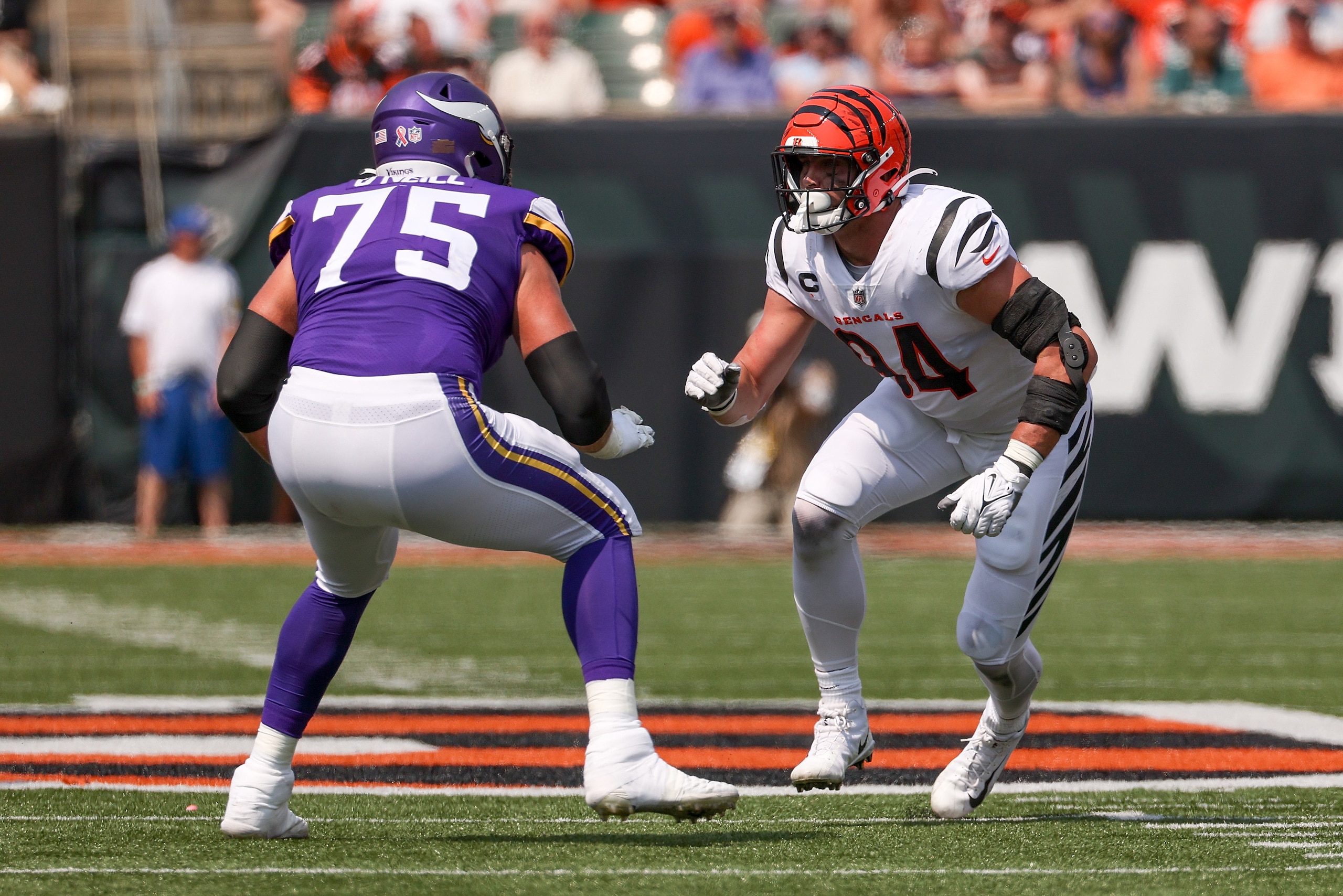
2018 Draft Class: UCF CB Mike Hughes (No. 30 overall), Pittsburgh OT Brian O'Neill (No. 62 overall), Ohio State DE Jalyn Holmes (No. 102 overall), Central Michigan TE Tyler Conklin (No. 157 overall), Auburn K Daniel Carlson (No. 167 overall), Appalachian State OG Colby Gossett (No. 213 overall), Tulane DE Ade Aruna (No. 218 overall), Cal LB Devante Downs (No. 225 overall)
Selecting toward the bottom of any round complicates the quest to find helpful talent. The Minnesota Vikings learned this the hard way in the 2018 class, but they walked away with a group of solid contributors.
The prize of their class was easily tackle Brian O'Neill, who was a raw athlete with tremendous physical traits coming out of Pittsburgh. Despite the obvious upside, he was taken a full round after a similarly gifted blocker in Kolton Miller. Both players were worth the risk and have since cashed in with large contract extensions.
Beyond O'Neill was a pair of clearly talented but inconsistent performers in cornerback Mike Hughes and tight end Tyler Conklin. Hughes missed 24 games over his three years in Minnesota before the Vikings traded him to the Kansas City Chiefs. He showed promise as a slot corner, but his technique hasn't been reliable enough to help him find a long-term home.
Conklin earned a three-year, $20.25 million deal from the New York Jets this offseason. Minnesota squeezed only one good year out of him, though. He tallied 593 of his 922 career receiving yards in 2021.
The rest of Minnesota's draft class did little while in a Vikings jersey. However, they traded fifth-round pick Daniel Carlson to the Raiders as a rookie, and he became one of the NFL's best kickers over the last two years.
Grade: C-
New England Patriots
22 of 32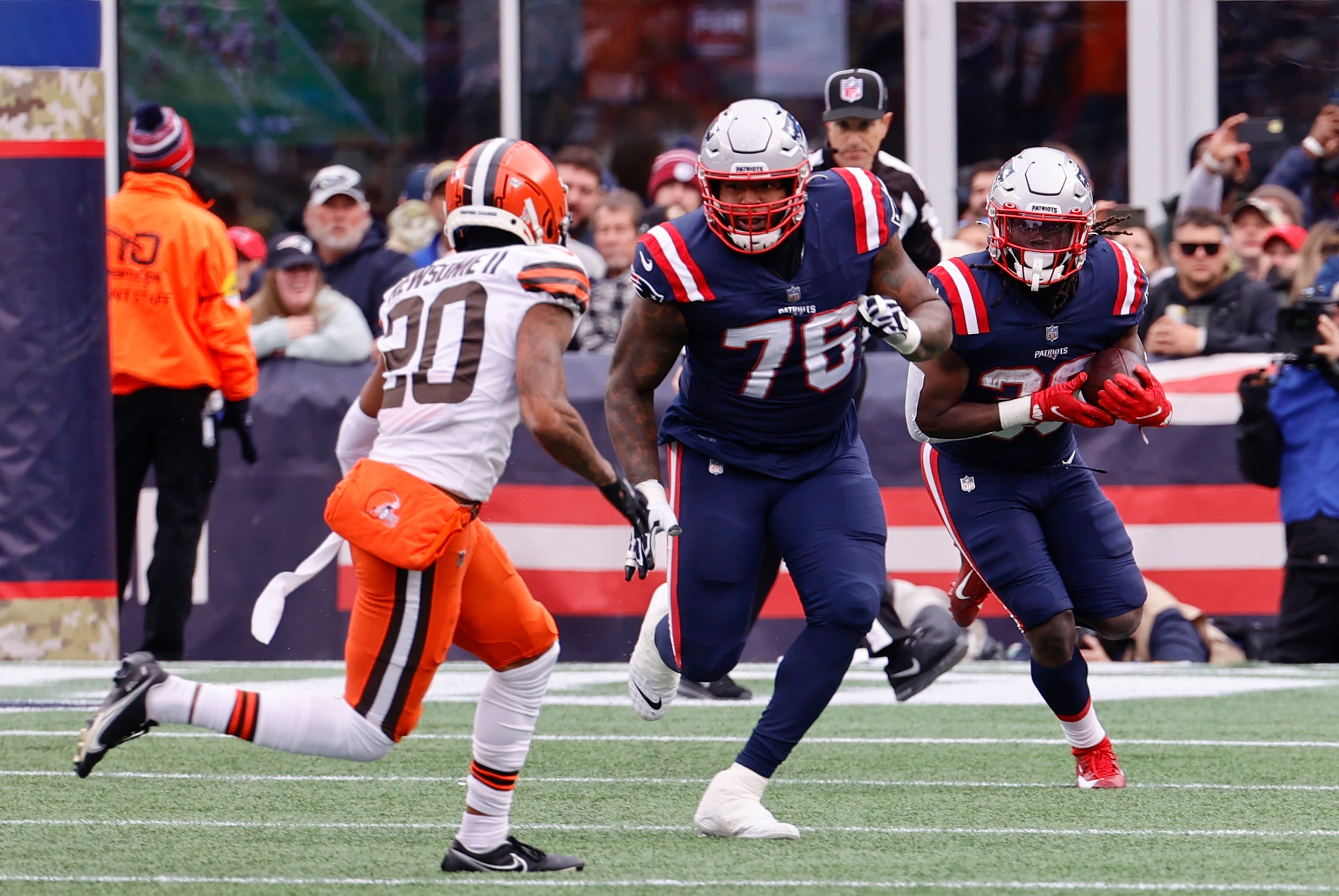
2018 Draft Class: Georgia OT Isaiah Wynn (No. 23 overall), Georgia RB Sony Michel (No. 31 overall), Florida CB Duke Dawson (No. 56 overall), Purdue LB Ja'Whaun Bentley (No. 143 overall), Arizona State LB Christian Sam (No. 178 overall), Miami WR Braxton Berrios (No. 210 overall), LSU QB Danny Etling (No. 219 overall), Western Carolina DB Keion Crossen (No. 243 overall), Florida State TE Ryan Izzo (No. 250 overall)
Under head coach Bill Belichick, the New England Patriots typically prefer accumulating more picks by trading down. They like having more chances to find contributors than to sit tight and take the best player available when they're on the clock.
Instead of moving around, Belichick chose to augment the Patriots' offense in 2018 with two first-round picks. He somewhat hit on both tackle Isaiah Wynn and running back Sony Michel, but it's hard to overlook who he passed up. Even if Belichick didn't want Lamar Jackson, he passed on Nick Chubb for Michel.
Wynn has been a solid starter when healthy. Michel was a fine rotational back but lacked explosiveness, and the Patriots eventually traded him to the Rams in 2021.
The Patriots' only other notable selection was receiver Braxton Berrios. Everyone else from this class did nothing of note. In fact, the Patriots traded Duke Dawson to Denver before he ever played a regular-season game.
Berrios also never suited up for the Patriots. He's shown some potential as a slot receiver over the last two years with the New York Jets, though. He re-signed with the Jets on a two-year, $12 million deal in March.
Grade: D+
New Orleans Saints
23 of 32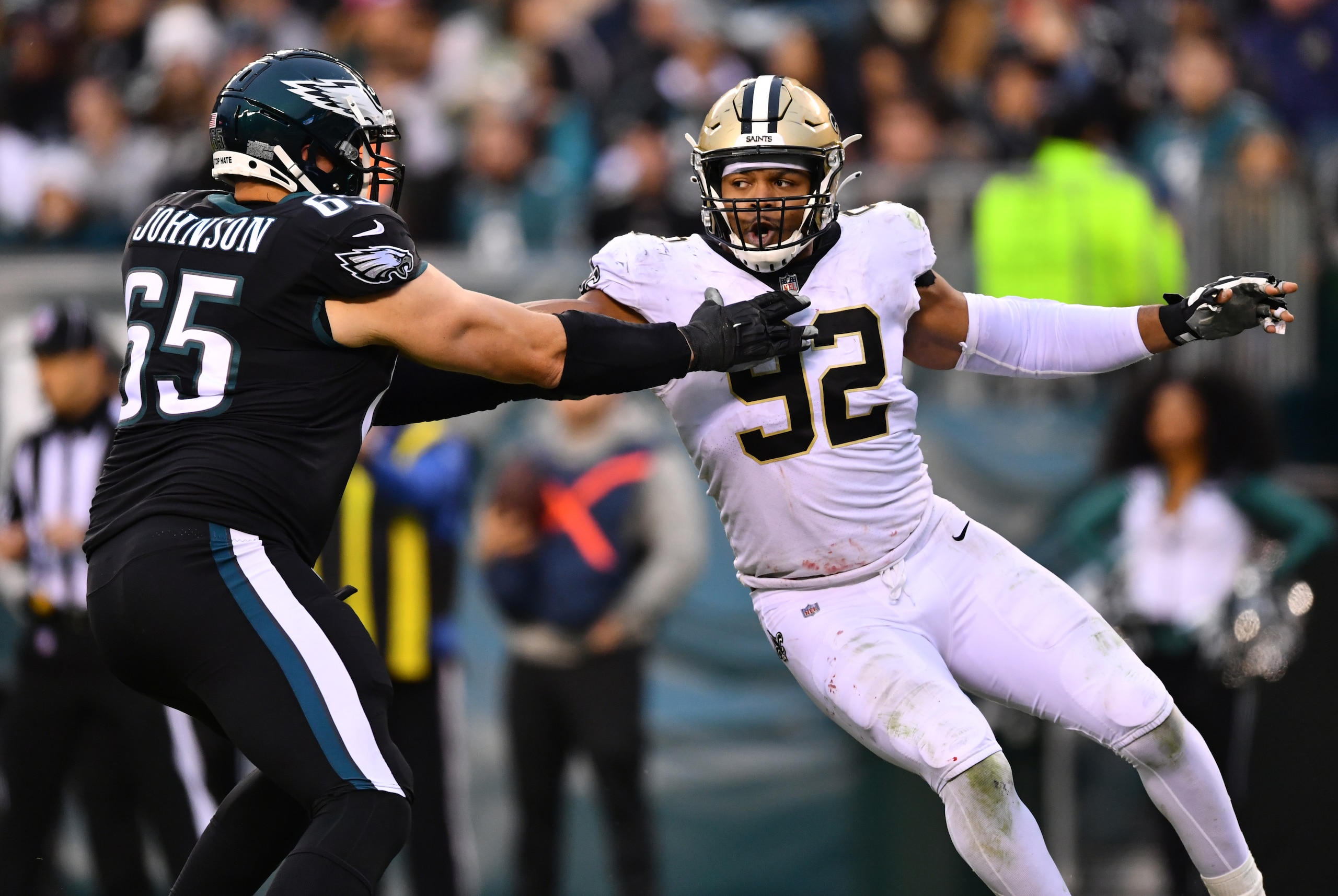
2018 Draft Class: UTSA DE Marcus Davenport (No. 14 overall), UCF WR Tre'Quan Smith (No. 91 overall), Florida State OT Rick Leonard (No. 127 overall), Wisconsin S Natrell Jamerson (No. 164 overall), Boston College DB Kamrin Moore (No. 189 overall), Louisiana Tech RB Boston Scott (No. 201 overall), LSU C Will Clapp (No. 245)
When the New Orleans Saints traded up to the 14th overall pick in the 2018 draft, many thought Lamar Jackson was destined to land with Sean Payton. Instead, the Saints moved their 2019 first-round pick to select big, raw pass-rusher Marcus Davenport.
Davenport has been the only impactful player of the Saints' seven selections.
While the upside with Davenport is still intriguing, he's missed between three and six games in each season thus far. He finally broke out in 2021 with nine sacks but has not proven to be the franchise-changing presence expected of someone who cost the team two first-round picks. The Saints would likely want a re-do on this trade even if they like Davenport's contributions when healthy.
Third-round receiver Tre'Quan Smith looked destined for a role as a big-play receiver early on, but he has struggled with consistency ever since catching 28 passes for 427 yards and five scores as a rookie. He's a fine depth piece but not a difference-maker.
The only other contributor whom the Saints drafted was Boston Scott, but they weren't the ones to benefit from it. They cut Scott ahead of his rookie year, and he's been on the Philadelphia Eagles ever since. He re-signed with the Eagles this offseason after rushing for 992 yards and 13 scores over the last four years.
Grade: D+
New York Giants
24 of 32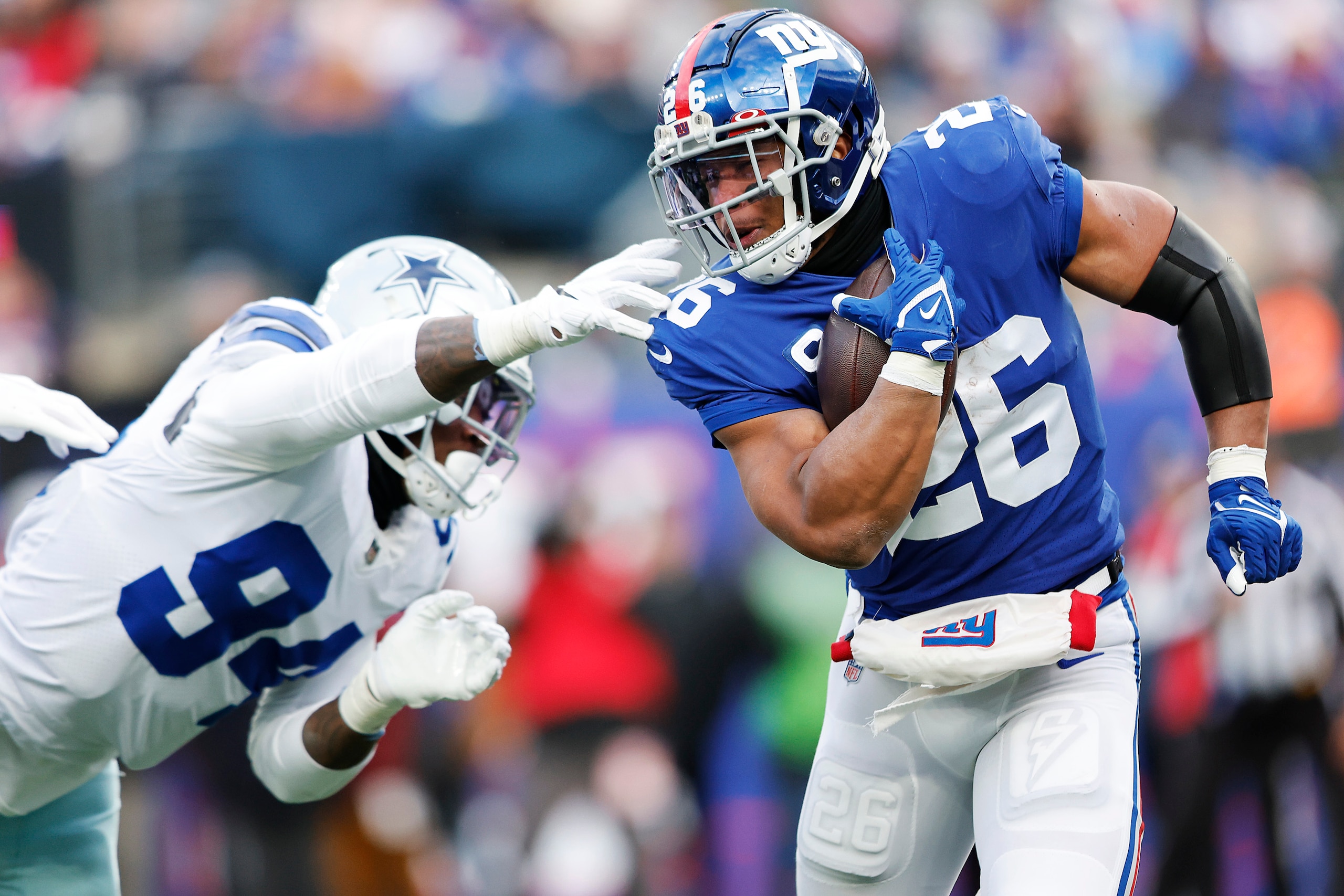
2018 Draft Class: Penn State RB Saquon Barkley (No. 2 overall), UTEP OG Will Hernandez (No. 34 overall), Georgia LB Lorenzo Carter (No. 66 overall), NC State DT B.J. Hill (No. 69 overall), Richmond QB Kyle Lauletta (No. 108 overall), Miami DT R.J. McIntosh (No. 139 overall)
The idea of taking the best available player sounds good until it leads to taking a running back No. 2 overall when the team needs a quarterback. Imagine where the New York Giants could be today had they drafted and developed either Josh Allen or Lamar Jackson rather than Saquon Barkley.
Barkley proved to be a stellar dual-threat playmaker in his first two seasons. He led the NFL with 2,028 yards from scrimmage and 15 touchdowns as a rookie and earned a Pro Bowl nod. He also got off to a great start as a sophomore before injuries started piling up.
Barkley has missed 21 games over the past three seasons due to a torn ACL and various ankle and hamstring injuries. His 13-game return in 2021 showed a drastically diminished athlete who lacked the same burst he once had. Now on his fifth-year option, Barkley is in a prove-it year before hitting free agency next spring.
The Giants whiffed on second-round guard Will Hernandez but were able to find role players in the third round. Pass-rusher Lorenzo Carter had 14.5 sacks during his four years with the Giants, although he never flourished into a reliable force. He signed with the Atlanta Falcons on a one-year deal, $3.5 million this offseason.
B.J. Hill had a solid rookie year with 5.5 sacks, but the Giants traded him to Cincinnati for Billy Price last August. Price was unable to establish himself with the Giants, while Hill immediately remade his career with the Bengals and signed a three-year, $30 million extension this offseason.
We aren't going to punish the Giants for their decision to draft Barkley at No. 2 since he was a star for two years. The rest of this draft class was a mediocre group who underachieved after a coaching change, though.
Grade: C-
New York Jets
25 of 32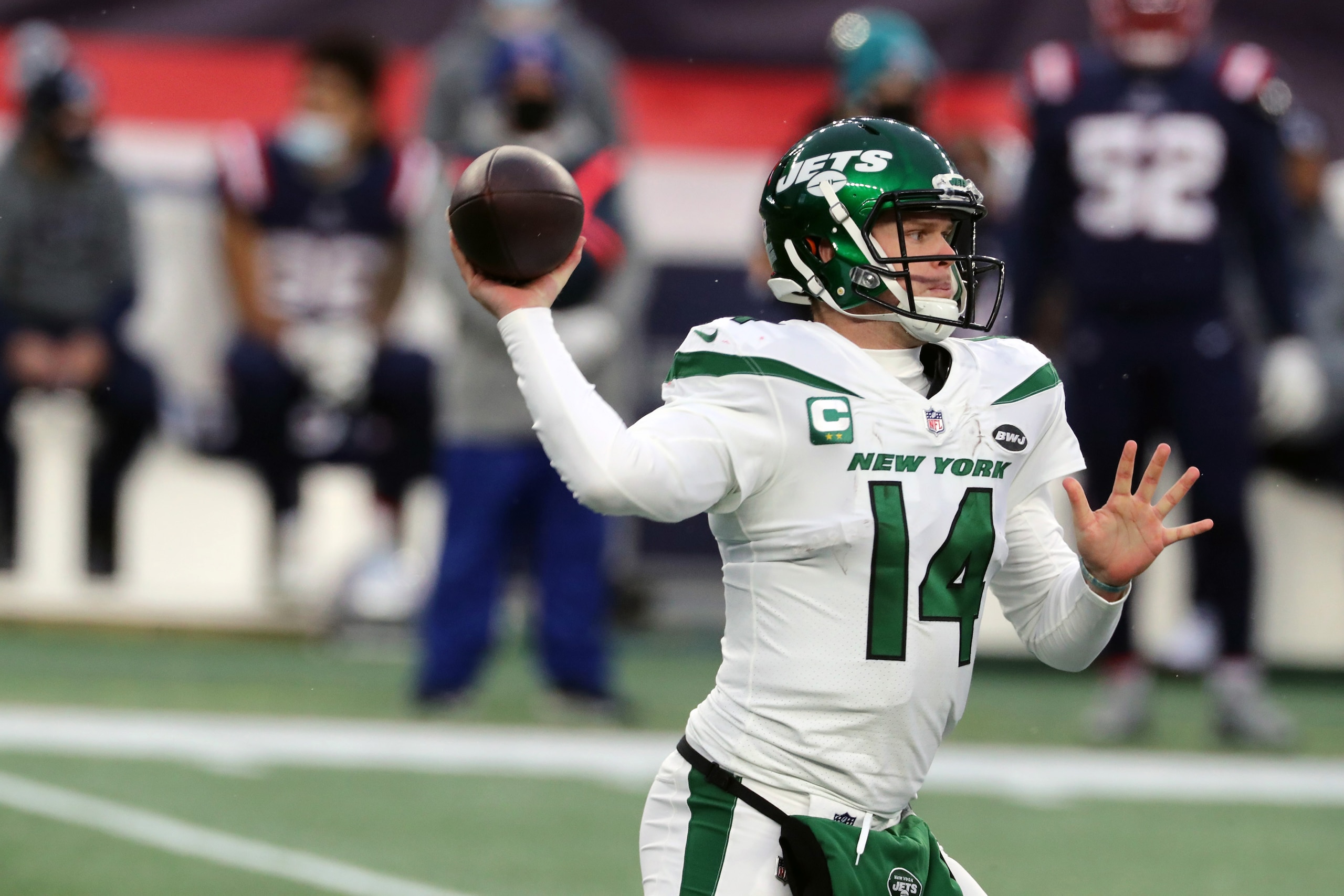
2018 Draft Class: USC QB Sam Darnold (No. 3 overall), Fort Hays State DT Nathan Shepherd (No. 72 overall), Miami TE Christopher Herndon (No. 107 overall), Tulane CB Parry Nickerson (No. 179 overall), Connecticut DT Foley Fatukasi (No. 180 overall), Virginia State RB Trenton Cannon (No. 204 overall)
Blowing a top-three pick on a quarterback makes it difficult for a team to earn any positive marks on its draft class.
The Jets actually traded up from the sixth overall pick to the third overall pick, surrendering two second-round picks in 2018 and another in 2019 to the Colts. This was an epic fail of a move considering they took the wrong quarterback.
Sam Darnold has not shown consistent NFL talent since entering the league. His struggles with consistent and decision-making plagued his tenure in New York. Any hope that the Jets were to blame for his issues was dashed as he flamed out in a much better situation in Carolina last year.
The only positive that came from the Jets' 2018 class was sixth-round defensive tackle Foley Fatukasi. The giant 6'4", 318-pound nose tackle is a force to be reckoned with in the run game. He was a true gem who has flourished over the last two years, but he left the Jets to sign a three-year, $30 million contract with the Jaguars this offseason.
Grade: F
Philadelphia Eagles
26 of 32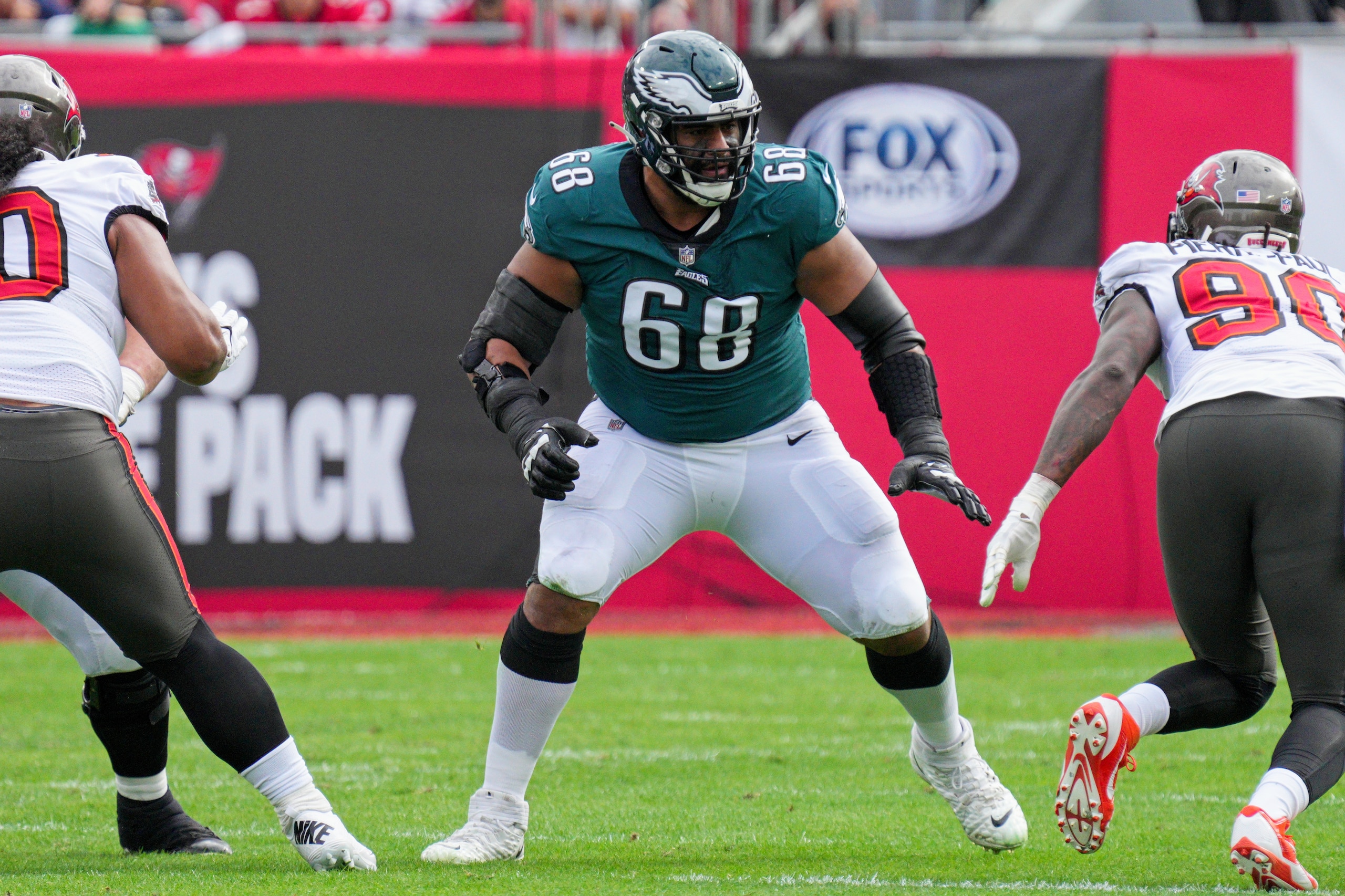
2018 Draft Class: South Dakota State TE Dallas Goedert (No. 49 overall), Pittsburgh CB Avonte Maddox (No. 125 overall), Florida State DE Josh Sweat (No. 130 overall), TCU OT Matt Pryor (No. 206 overall), OT Jordan Mailata (No. 233 overall)
The Philadelphia Eagles took advantage of their fantastic scouting department and coaching staff to get the most out of their five picks. With only one pick before Day 3, the Eagles walked away with four future starters and another valued backup. This was a home run class.
Tight end Dallas Goedert looks like a star in the making. He hauled in 56 passes for a career-high 830 yards and a 14.8 yards-per-catch average after taking over for Zach Ertz as the Eagles' full-time starter this past season.
Meanwhile, fourth-round picks Avonte Maddox and Josh Sweat have emerged as quality role players. Maddox is a fine slot defender thanks to his tenacious run defense, while Sweat has racked up 17.5 sacks over the last three years and started 13 games this past season.
Both have already been extended as well. Sweat is on a three-year, $40 million deal and Maddox signed a three-year, $22.5 million contract.
But the gem of the entire class was seventh-round tackle Jordan Mailata. The former rugby player has developed into a premier left tackle and signed a four-year, $64 million extension last September. He went from never playing a down of football to a star at one of the most difficult positions in professional sports.
Grade: A+
Pittsburgh Steelers
27 of 32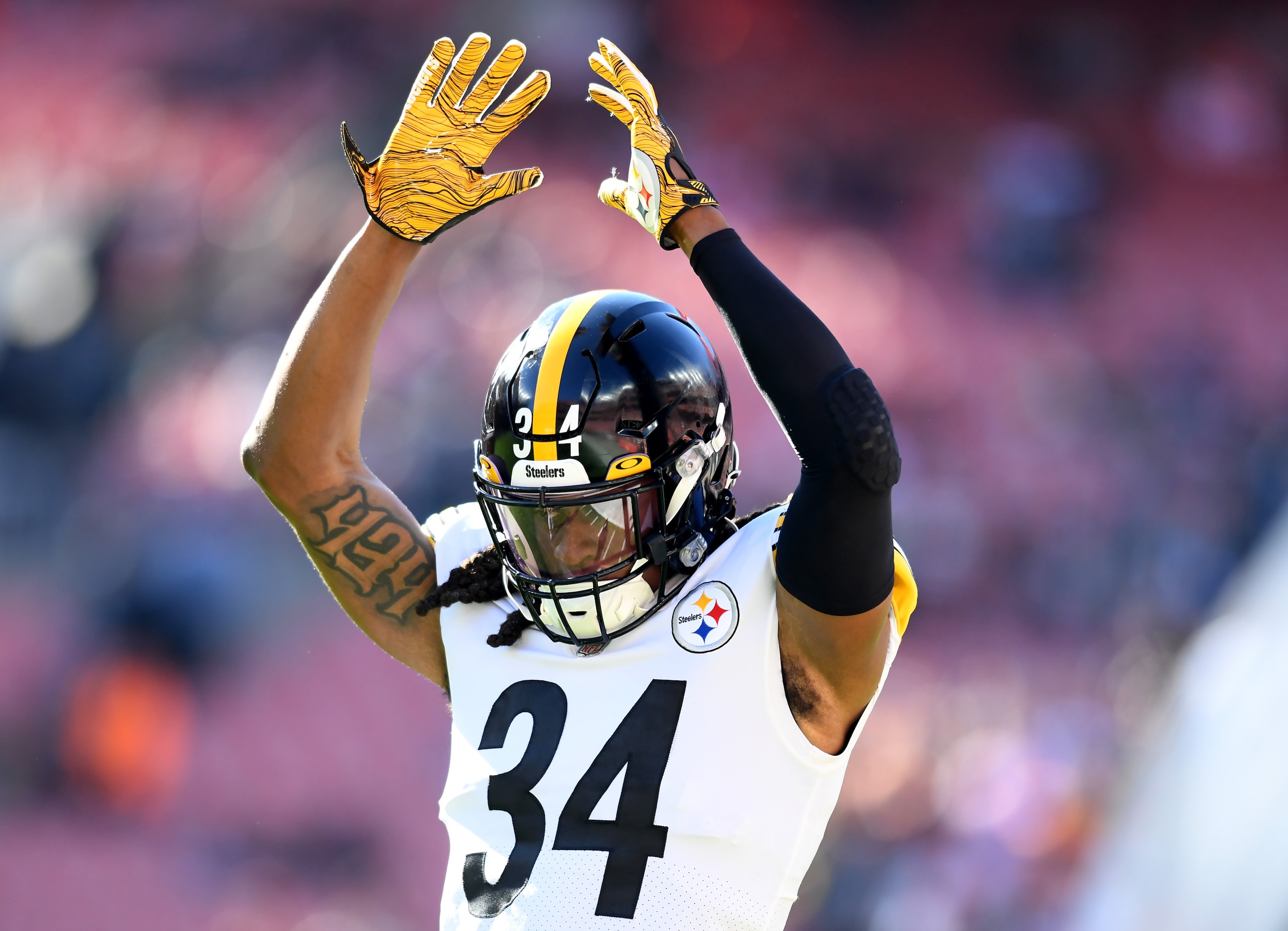
2018 Draft Class: Virginia Tech S Terrell Edmunds (No. 28 overall), Oklahoma State WR James Washington (No. 60 overall), Oklahoma State QB Mason Rudolph (No. 76 overall), Western Michigan OT Chukwuma Okorafor (No. 92 overall), Penn State S Marcus Allen (No. 148 overall), NC State RB Jaylen Samuels (No. 165 overall), Alabama DT Joshua Frazier (No. 246 overall)
The Pittsburgh Steelers did not land a star with their seven selections in the 2018 draft, but they did find two starters, two spot starters and two backups.
Their most valuable pick was third-rounder Chukwuma Okorafor, who emerged as the starting right tackle in 2020 and became a reliable enough presence to earn a three-year, $29 million extension this offseason. Finding a starting tackle at No. 92 overall is a good value.
First-round safety Terrell Edmunds has been an average contributor in his role. He never quite lived up to expectations despite his great athleticism, but he has carved a niche next to star safety Minkah Fitzpatrick. Edmunds is a solid downhill tackler who has little impact on the passing game.
The biggest whiff was James Washington. For as well as Pittsburgh has drafted receivers, Washington had only one good season in four years. He caught 44 passes for 735 yards and three scores in 2019, but he fell out of the receiving rotation after that year.
The lasting impact from Pittsburgh's 2018 draft class was mediocre. Re-signing Edmunds, Mason Rudolph and Okorafor kept the Steelers in the "C" range, though.
Grade: C-
San Francisco 49ers
28 of 32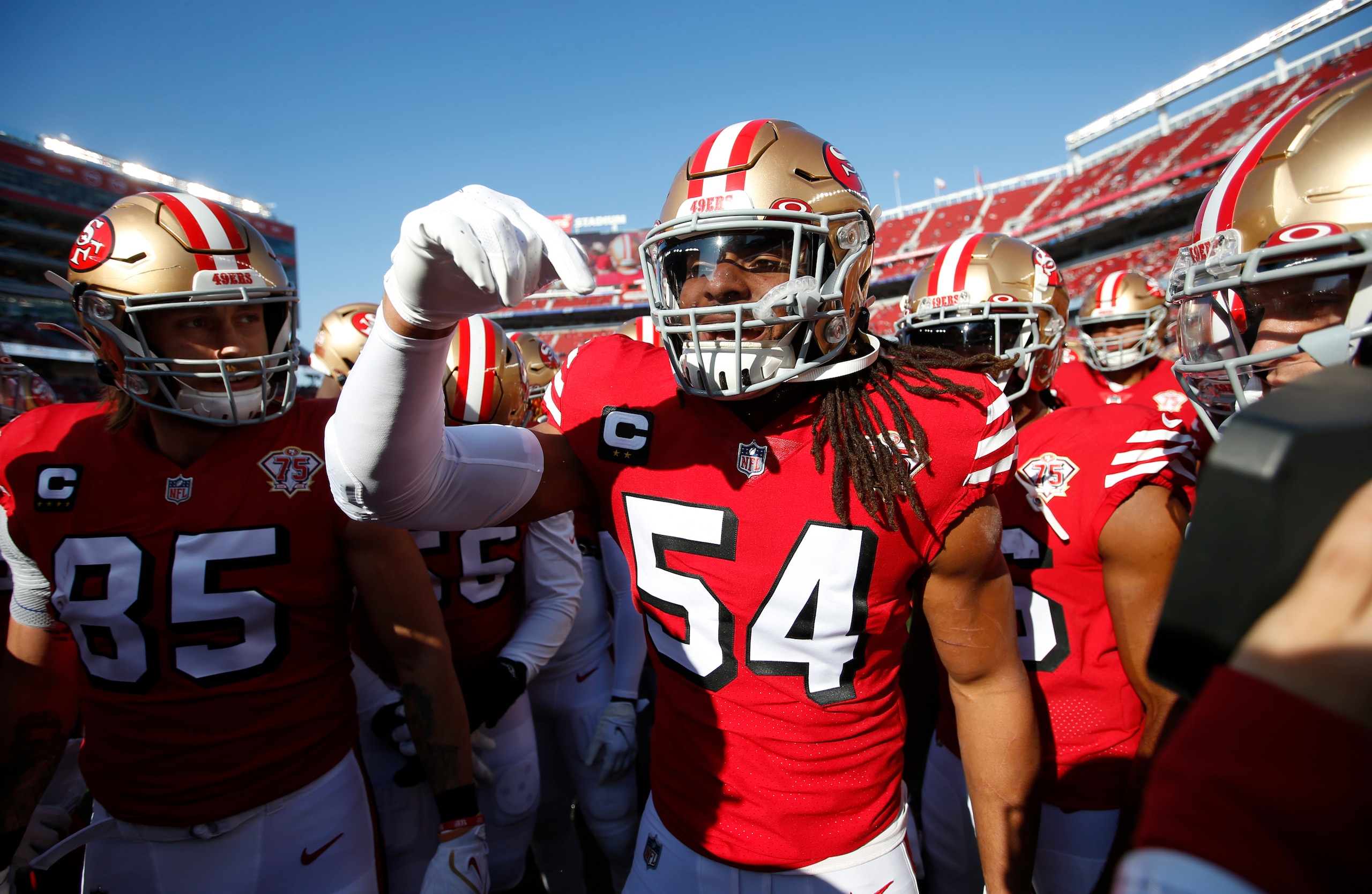
2018 Draft Class: Notre Dame OT Mike McGlinchey (No. 9 overall), Washington WR Dante Pettis (No. 44 overall), BYU LB Fred Warner (No. 70 overall), Southern Mississippi S Tarvarius Moore (No. 95 overall), NC State DE Kentavius Street (No. 128 overall), Kansas State DB D.J. Reed (No. 142 overall), Florida DB Marcell Harris (No. 184 overall), Temple DT Jullian Taylor (No. 223 overall), Middle Tennessee WR Richie James (No. 240 overall)
The San Francisco 49ers did quite well by acquiring two key starters in 2018.
First-round right tackle Mike McGlinchey was an immediate standout out of Notre Dame. He's been rock-solid throughout his rookie deal, although he did finish 2021 on injured reserve after tearing his quadriceps in November.
The star of the group is Fred Warner, who might be the NFL's best overall linebacker. His coverage talent transformed the Niners' ability to defend the pass, and they're now one of the most versatile and successful units in the league.
The Niners' other big draft hit talent-was was fifth-round cornerback D.J. Reed. They released him after only two years, but he caught on with the Seattle Seahawks and performed like a star this past season. Reed signed a three-year, $33 million deal with the Jets this offseason.
We won't give the Niners much credit for cutting Reed too early, but he proved to be a steal elsewhere.
The 49ers missed badly on second-round receiver Dante Pettis despite their need for help at the position. Pettis produced 467 yards and five scores as a rookie, but they waived him after he played only five games for them in 2020. He's produced just 272 yards and four touchdowns over the past three seasons.
The Niners' two big hits carry this class to a solid grade, but their misses keep them from one of our few "A"s.
Grade: B
Seattle Seahawks
29 of 32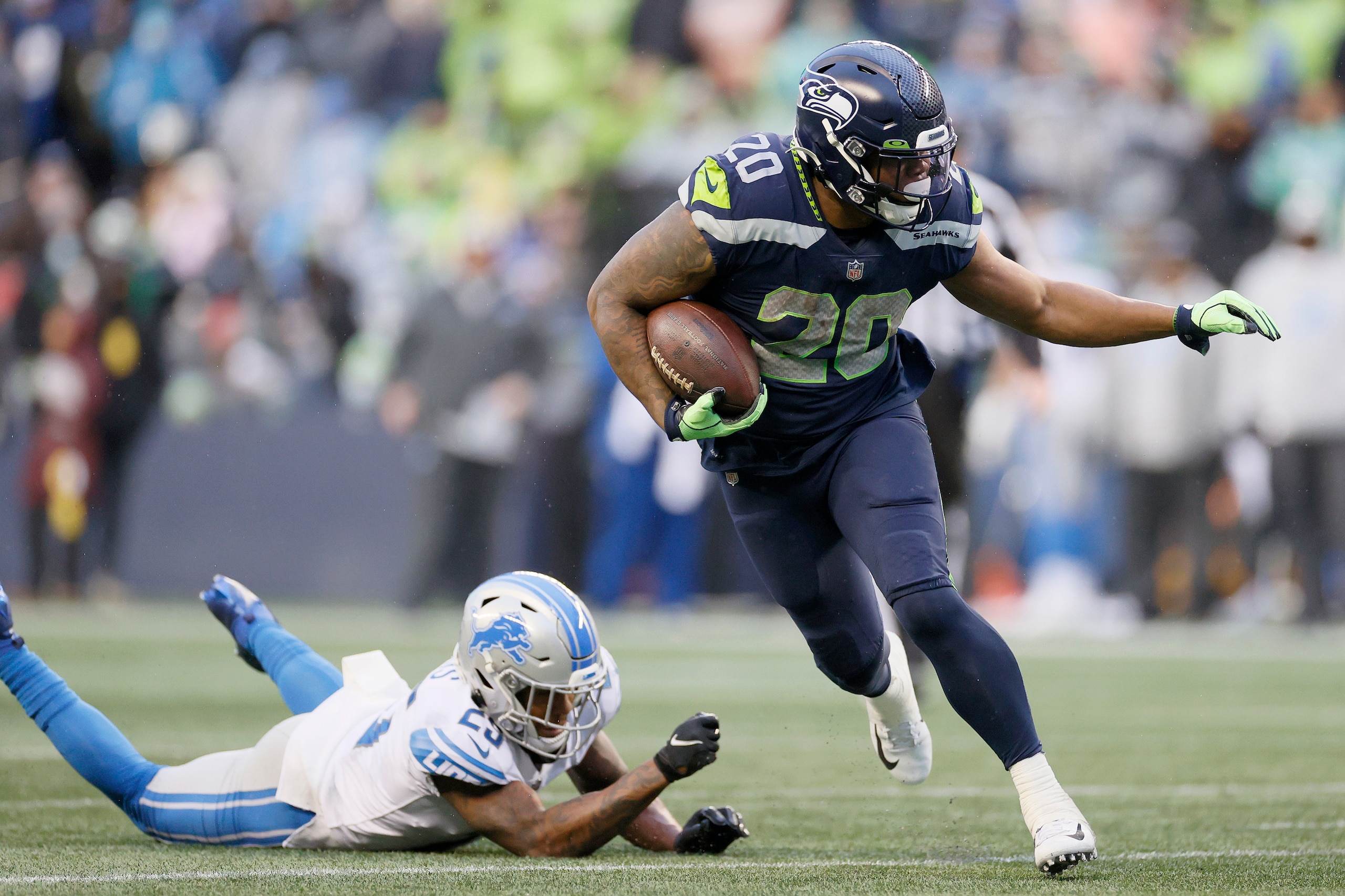
2018 Draft Class: San Diego State RB Rashaad Penny (No. 27 overall), USC DE Rasheem Green (No. 79 overall), Washington TE Will Dissly (No. 120 overall), UCF LB Shaquem Griffin (No. 141 overall), Oklahoma State DB Tre Flowers (No. 146 overall), Texas P Michael Dickson (No. 149 overall), Ohio State OT Jamarco Jones (No. 168 overall), Temple DE Jake Martin (No. 186 overall), Florida International QB Alex McGough (No. 220 overall)
The Seattle Seahawks have received little in return from their 2018 draft class. Fifth-round punter Michael Dickson has been the best player from this group. Despite that, the Seahawks re-signed three others in addition to extending Dickson.
First-round running back Rashaad Penny has dealt with injuries since entering the NFL, robbing him of the prime of his career. He came on strong at the end of last season and tallied a career-best 119 carries for 749 yards and six touchdowns. He'll fight for the starting job in a crowded backfield this season, but he has been a clear miss as a first-round pick.
Edge-rusher Rasheem Green also made little impact until last season, when he broke out with 6.5 sacks. Seattle has needed pass-rushing help for years, but Green's development was too little, too late. He's an effort-rusher who signed a one-year, $3.3 million deal with the Texans this offseason.
Tight end Will Dissly has produced very little but was extended by the Seahawks on a shocking three-year, $24 million deal. Dissly has never accumulated more than 29 receptions, 262 yards or four touchdowns in four seasons. He'll now be a backup to Noah Fant after acquiring Fant in the Russell Wilson trade this offseason.
The Seahawks' obsession with raw athletes hasn't paid off with high-end development in recent years. Their 2018 class exemplifies their roster-building conundrum as well as any of their drafts.
Grade: D
Tampa Bay Buccaneers
30 of 32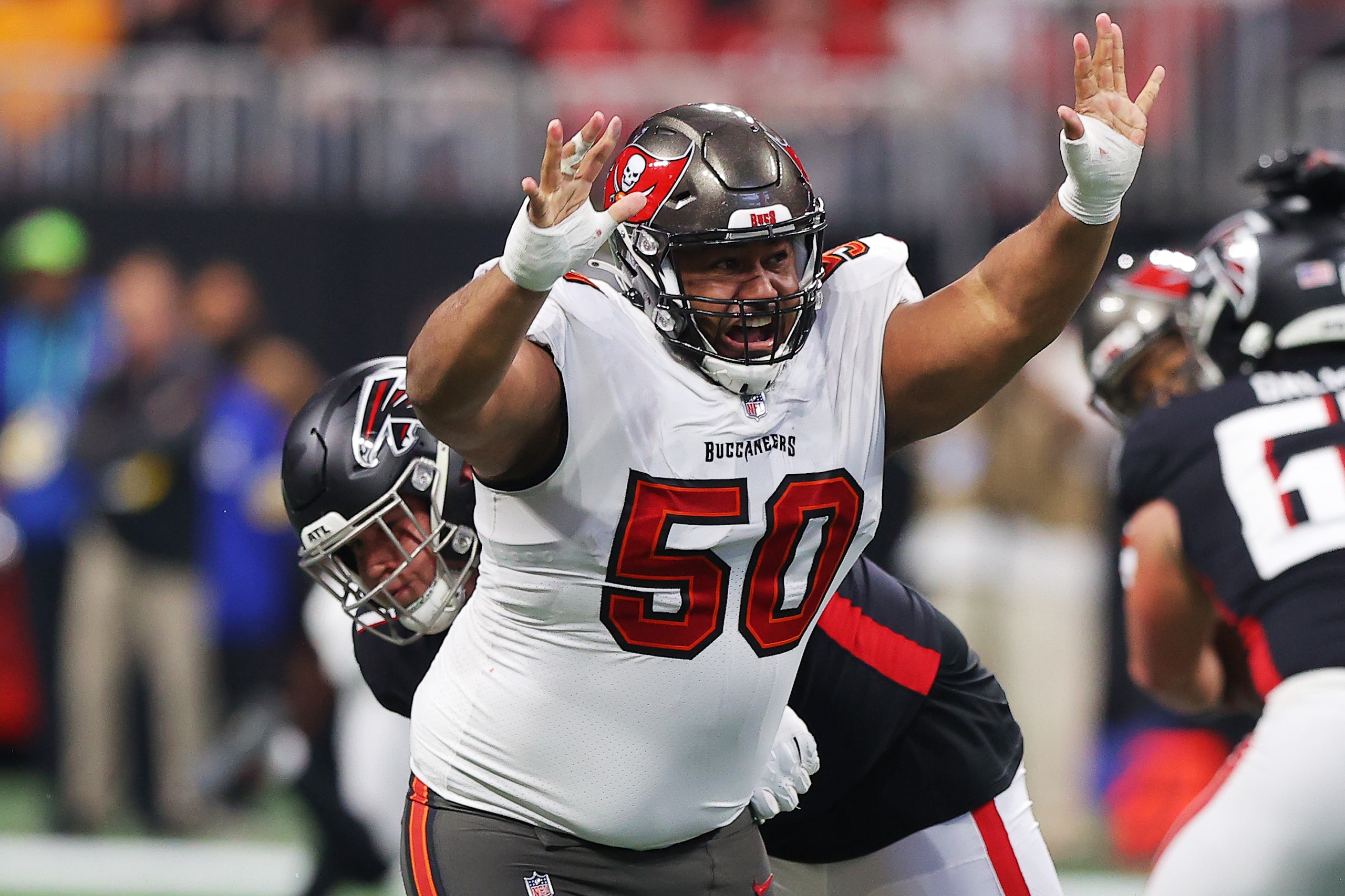
2018 Draft Class: Washington DT Vita Vea (No. 12 overall), USC RB Ronald Jones II (No. 38 overall), North Carolina DB M.J. Stewart (No. 53 overall), Auburn CB Carlton Davis (No. 63 overall), Humboldt State OG Alex Cappa (No. 94 overall), Pittsburgh S Jordan Whitehead (No. 117 overall), Pennsylvania WR Justin Watson (No. 144 overall), Wisconsin LB Jack Cichy (No. 202 overall)
Landing a dominant defensive tackle in the draft is incredibly difficult. The Tampa Bay Buccaneers took a risk when they selected Vita Vea with the No. 12 overall pick in 2018, but it has paid off for them handsomely.
Vea is a force in the middle of Tampa Bay's talented defense. Able to stuff the run, open gaps for teammates and get after the passer, he earned his first Pro Bowl nod in 2021. The 6'4", 347-pounder is one of the most unique athletes in the league.
The second round was slightly less successful for Tampa Bay, as neither Ronald Jones II or M.J. Stewart proved to be reliable starters. Jones was serviceable with 978 rushing yards and seven touchdowns in 2020, but Leonard Fournette replaced him as the Bucs' lead tailback in 2021 after his fumbling issues frustrated the coaching staff. He's now a backup in Kansas City.
Missing on Stewart, whom the Bucs released 2020, is absolutely overshadowed by hitting on star cornerback Carlton Davis and safety Jordan Whitehead. Davis played a key part in Tampa Bay's 2020 Super Bowl run and earned a $44.5 million extension this offseason. Whitehead was a reliable four-year starter on a rookie contract, providing immense value before signing a two-year, $14.5 million deal with the Jets in free agency this offseason.
The steal of the Buccaneers' haul was third-round gem Alex Cappa. The Buccaneers' stout offensive line was a huge asset over the last four seasons, and Cappa played a major role in that. He cashed in with the Cincinnati Bengals this offseason on a four-year, $35 million deal.
Grade: A
Tennessee Titans
31 of 32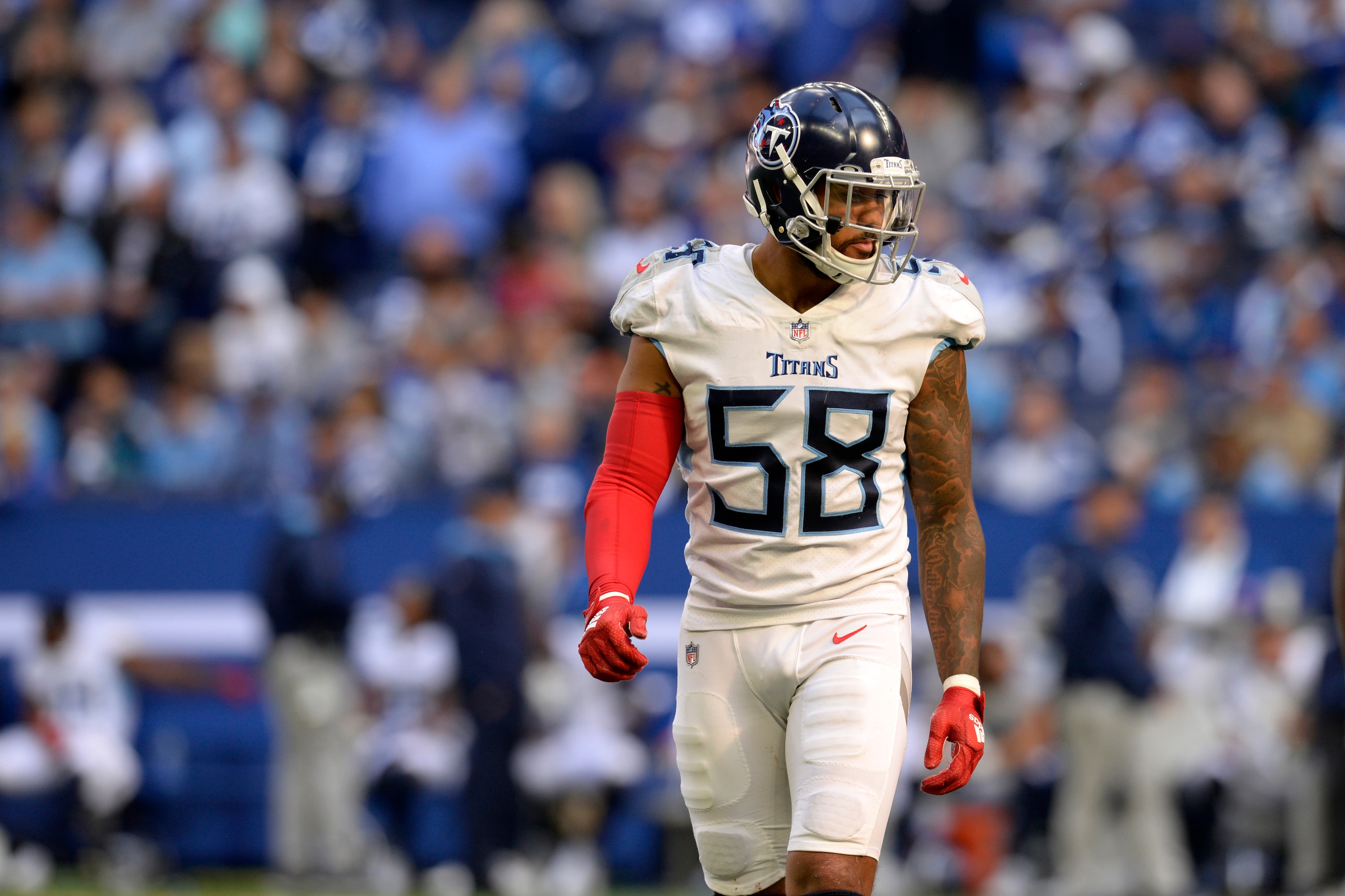
2018 Draft Class: Alabama LB Rashaan Evans (No. 22 overall), Boston College edge-rusher Harold Landry III (No. 41 overall), Arizona S Dane Cruikshank (No. 152 overall), Washington State QB Luke Falk (No. 199 overall)
Armed with only two selections in the first four rounds, the focus of the Tennessee Titans' class is on linebacker Rashaan Evans and edge-rusher Harold Landry. Day 3 picks Dane Cruikshank, who contributed 65 tackles over four years, and Luke Falk were taken for depth.
Landry was a massive steal in the second round, somehow slipping through the cracks despite the leaguewide need for pass-rushers. With 31 sacks in four seasons and a career-high 12 in 2021, he established himself as a top young building block. Tennessee wisely locked Landry up on a five-year, $87.5 million deal this past March.
Evans was a run-stuffer who struggled in coverage coming out of Alabama, but he filled his role admirably for the Titans. He was as advertised, finishing with 317 tackles and showing skill navigating the line of scrimmage.
As expected, Evans was a non-factor on passing downs. The Titans didn't pick up his fifth-year option even after his most productive campaign, a sign they knew change was needed. He signed with Atlanta on a modest one-year, $1.75 million deal this offseason.
The Titans landed one star and at least filled a need with their other important pick, which is more than most teams in the league could say.
Grade: B
Washington Commanders
32 of 32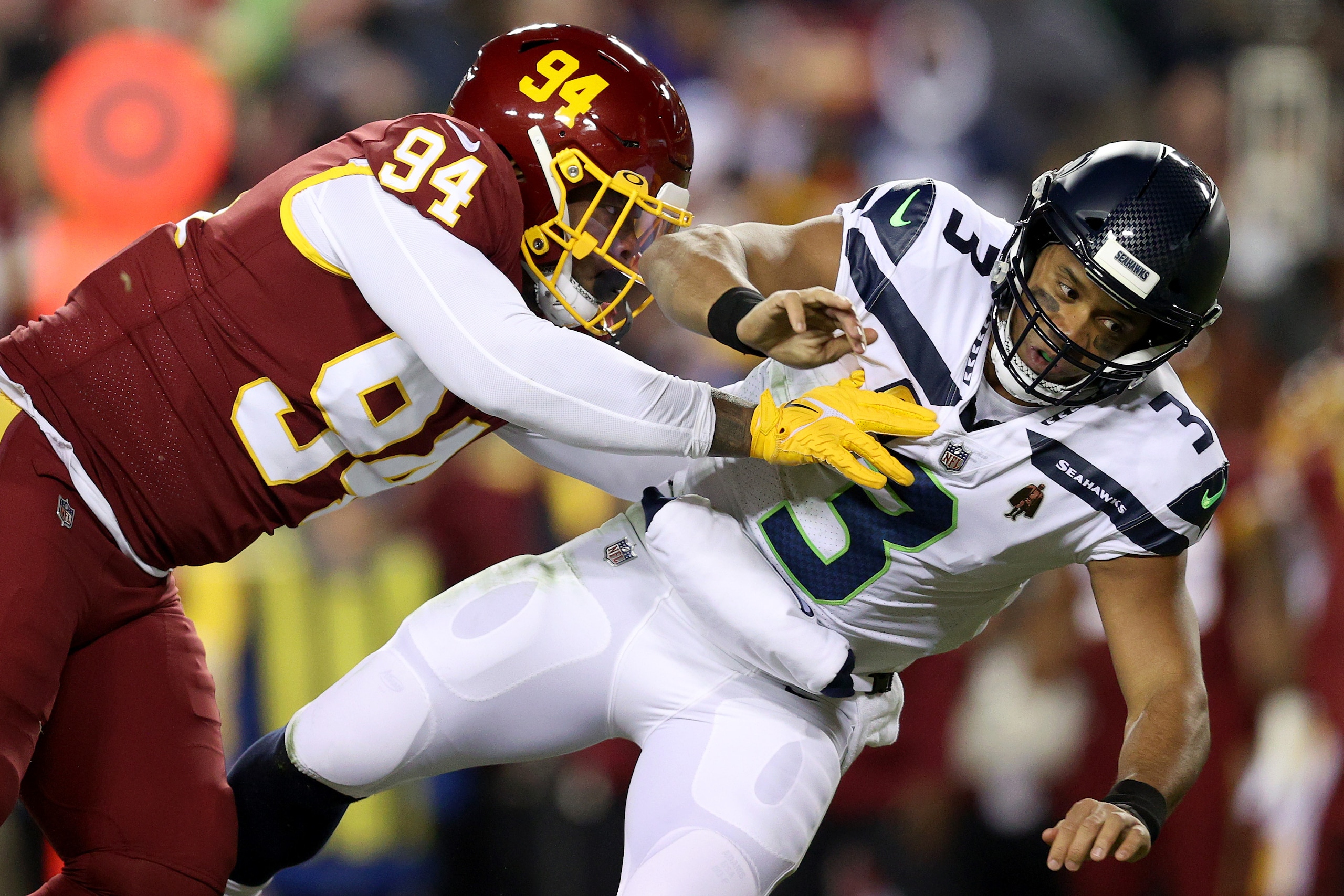
2018 Draft Class: Alabama DT Daron Payne (No. 13 overall), LSU RB Derrius Guice (No. 59 overall), Louisville OT Geron Christian (No. 74 overall), Penn State S Troy Apke (No. 109 overall), Virginia Tech DT Tim Settle (No. 163 overall), Alabama LB Shaun Dion Hamilton (No. 197 overall), Virginia Tech CB Greg Stroman (No. 241 overall), SMU WR Trey Quinn (No. 256 overall)
The start of the Washington Commanders' 2018 class had tar potential. Not only did they wisely add an athletically gifted defensive tackle in Daron Payne, but they also seemed to play the board right at running back by waiting until the second round to draft Derrius Guice.
With the debate swirling about whether the Giants should take Saquon Barkley at No. 2 overall, the comparative value of taking Guice late in the second round made the latter pick seem like a massive coup. After all, Guice was tremendous at LSU, totaling 3,074 rushing yards and 32 total touchdowns in three seasons.
Guice played only five regular-season games because of three major knee injuries. Washington released him in 2020 with felony strangulation and three misdemeanor counts of battery and assault along with one count of destruction of property. Prosecutors dropped the felony count, and the remaining charges were dropped after he and his girlfriend reached a settlement in 2021. Guice has not received NFL interest since.
Payne has been a big hit, though. The disruptive defender mans the middle of a feared front, and his blend of quickness and power terrorizes opposing blockers. He's totaled 227 tackles and 14.5 sacks across 64 career games thus far.
Washington found only one other notable role player in defensive tackle Tim Settle, who had seven sacks during his four seasons with the team. He signed in Buffalo this offseason.
Payne single-handedly carried a class that otherwise failed to help Washington win more games over the last four years. He's all that keeps the Commanders from dipping lower than below-average.
Grade: C-
All contract information provided by Over the Cap. All stats provided by Pro Football Reference.
.jpg?w=2560 "Steelers Browns Football")
.jpg?w=2560 "Texans Titans Football")
.jpg?w=2560 "Buzz: MHJ Hired Agents for Trade")
.jpg?w=2560 "Chargers Fall to 0-5 🤢")