

San Jose Sharks' Blueprint for a Miraculous Comeback in the Stanley Cup Final
The San Jose Sharks face two significant challenges in their quest for their first Stanley Cup.
The first is the Pittsburgh Penguins—a club that has made them look second-rate for the entirety of the final series. Although the Pens only have a 10-7 edge in goals, the shot clock tells a much uglier story. The Pens have a 133-98 edge in shots, despite having had to defend the lead for a decent portion of the series and having dominated territorially throughout.
It won’t be easy for the Sharks to tilt the ice back in their favour.
TOP NEWS
.jpg?w=2560 "Marchenko Landing Spots")
Trade Landing Spots for Marchenko 📍
The Best NHL Prospect Pool by Country
-(1).jpg?w=2560)
Landing Spots for Patrik Laine 📍
And that brings us to the second challenge: time. Even if San Jose were to gain the initiative and put Pittsburgh on its heels, the Penguins, leading the series 3-1, only need one win. If each of those games were a coin flip, Pittsburgh would have an 87.5 percent shot at winning. A 50-50 chance of winning each game would be an improvement from what the Sharks have done in this series.
What, then, will it take for San Jose to win this Cup?
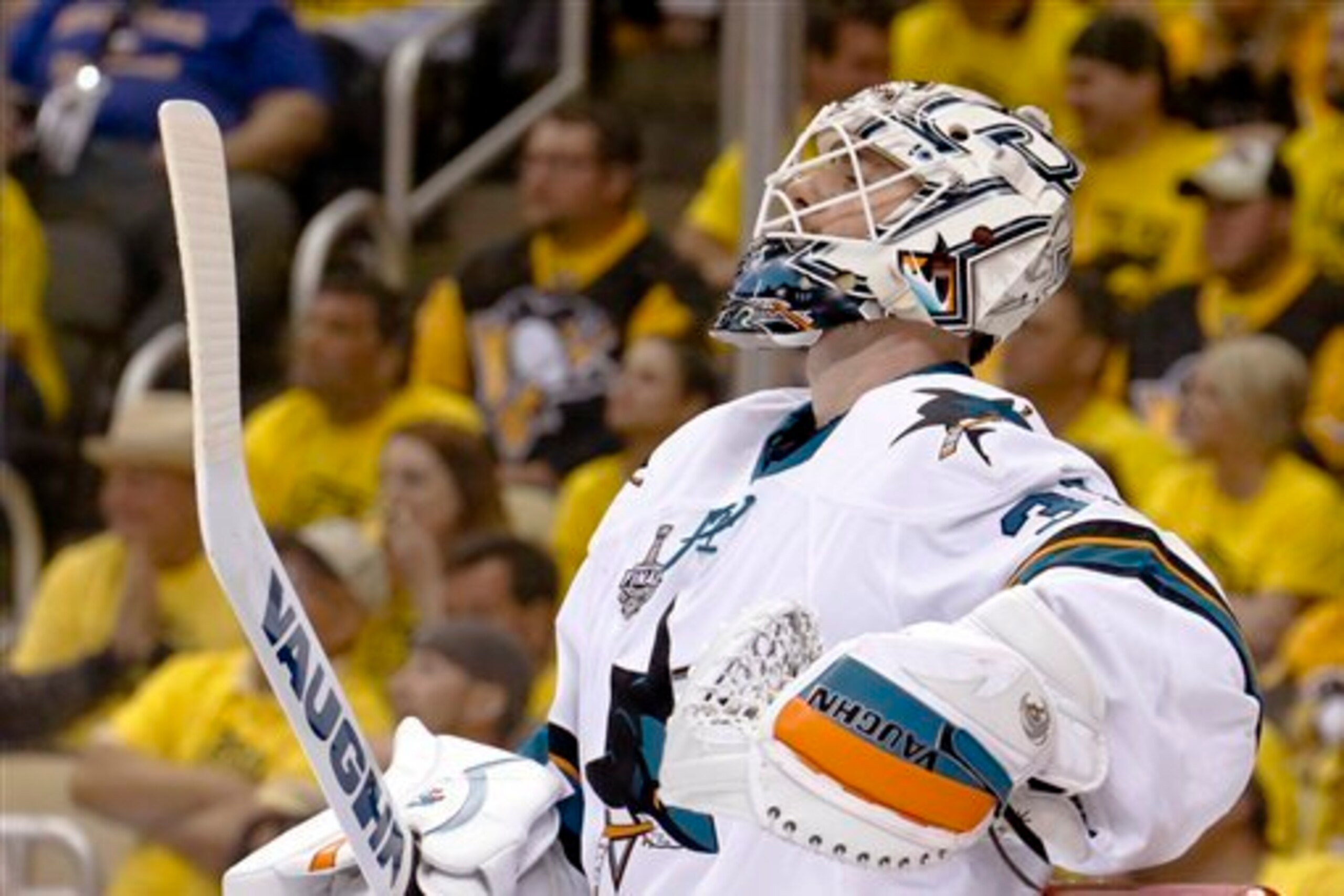
Martin Jones will have to do an uncanny impression of a 6’ x 4’ sheet of plywood. The Sharks have no reason to complain regarding how their starting goaltender, who has done everything that could reasonably be asked of him, has played.
This isn’t about reasonable, though. In a reasonable world, San Jose is going to lose one of the next three games.
In large part, it will be up to Jones to prevent that. Again, this isn’t a criticism of his play. His 0.925 save percentage in this series is within a whisker of his opponent on the other end of the rink (Matt Murray's .929), and the Sharks’ Game 3 win rested for the most part on his 40 saves.
To win it all, though, he’ll have to be better still. Virtually any narrative arc for the final that concludes with San Jose winning the Stanley Cup will include a superhuman performance in net. It’s not fair to expect perfection (or the nearest thing to it) the rest of the way, but if the Sharks win, that’s likely to be part of it.

San Jose must win the special teams battle. So far in the final, Pittsburgh and San Jose have battled to a draw on special teams, with each club going 1-of-8 on the power play and, by extension, 7-of-8 on the penalty kill.
Both teams were strong overall in the regular season with a combined special teams efficiency of more than 100 percent. Pittsburgh was great on the penalty kill and middling on the power play, while the reverse was true for the Sharks. On balance, though, San Jose was slightly superior.
The Sharks have been losing badly at even strength, and the two primary ways around that are goaltending and special teams. We’ve mentioned the necessity of Jones playing well, but a decisive edge on the power play and penalty kill the rest of the way isn’t out of the question and would do a lot to help, too.
A Chicago Blackhawks approach to the defence. James Mirtle of the Globe and Mail suggested this after Game 3, and we have yet to see San Jose coach Peter DeBoer embrace it. It’s time to take a page from the Blackhawks’ book and ride the Sharks' top defencemen for all they’re worth.
Or, as Mirtle put it:
"Where things are going wrong for San Jose, however, is with their depth players. With their third and fourth lines on the ice, the Sharks have been outshot 2-to-1 at even strength. Their third defence pairing of Brenden Dillon and Roman Polak is at roughly 42 per cent possession, the worst of any unit in the series. They were under 40 per cent in Game 3.
Subtract those minutes, this is a much closer series.
"
San Jose took a modest step toward fixing its problems up front in Game 4, with DeBoer rejigging his forward units and slashing his worst performers' ice time. The third line was a lot better; the fourth line barely played. The result was a Sharks team that wasn’t so badly manhandled at five-on-five.
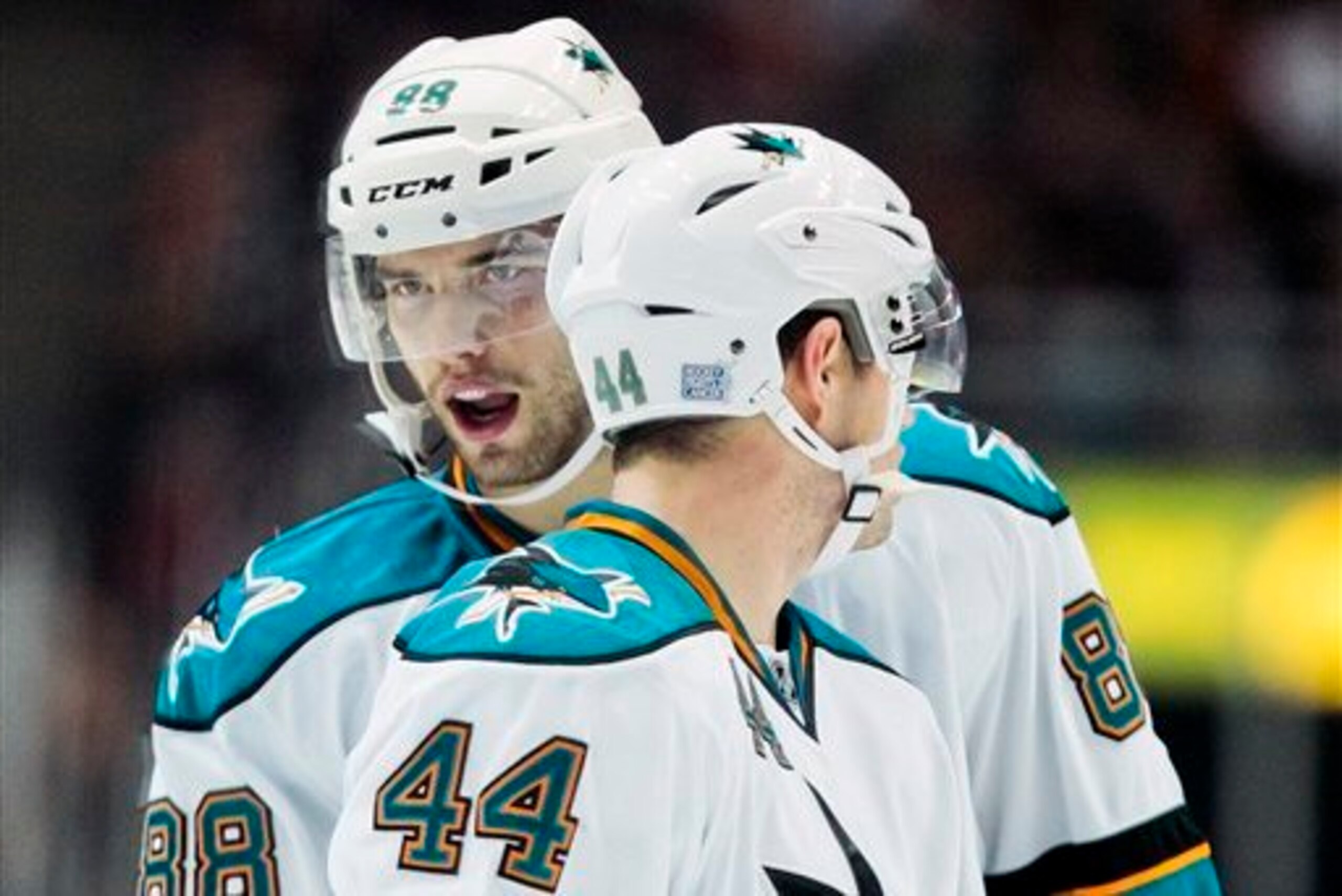
Now the time is ripe to do the same on the back end. Brent Burns, Paul Martin and Marc-Edouard Vlasic are all even or better in terms of plus/minus at five-on-five in the final and at 50 percent or better by Corsi rating. Justin Braun is struggling but has the talent to come out of it, while Roman Polak and Brenden Dillon have been weak points all postseason.
Burns is the Sharks’ most used defenceman but has trailed his opposite number (Kris Letang) in ice time in every game of the final. Both Martin and Vlasic have topped 25 minutes just once in the series. Overall, the three have averaged 25:19, 23:26 and 22:16 minutes per game in the playoffs.
Meanwhile, Dillon has played at least 15 minutes in all four contests, and both he and Polak are averaging more than that per game.
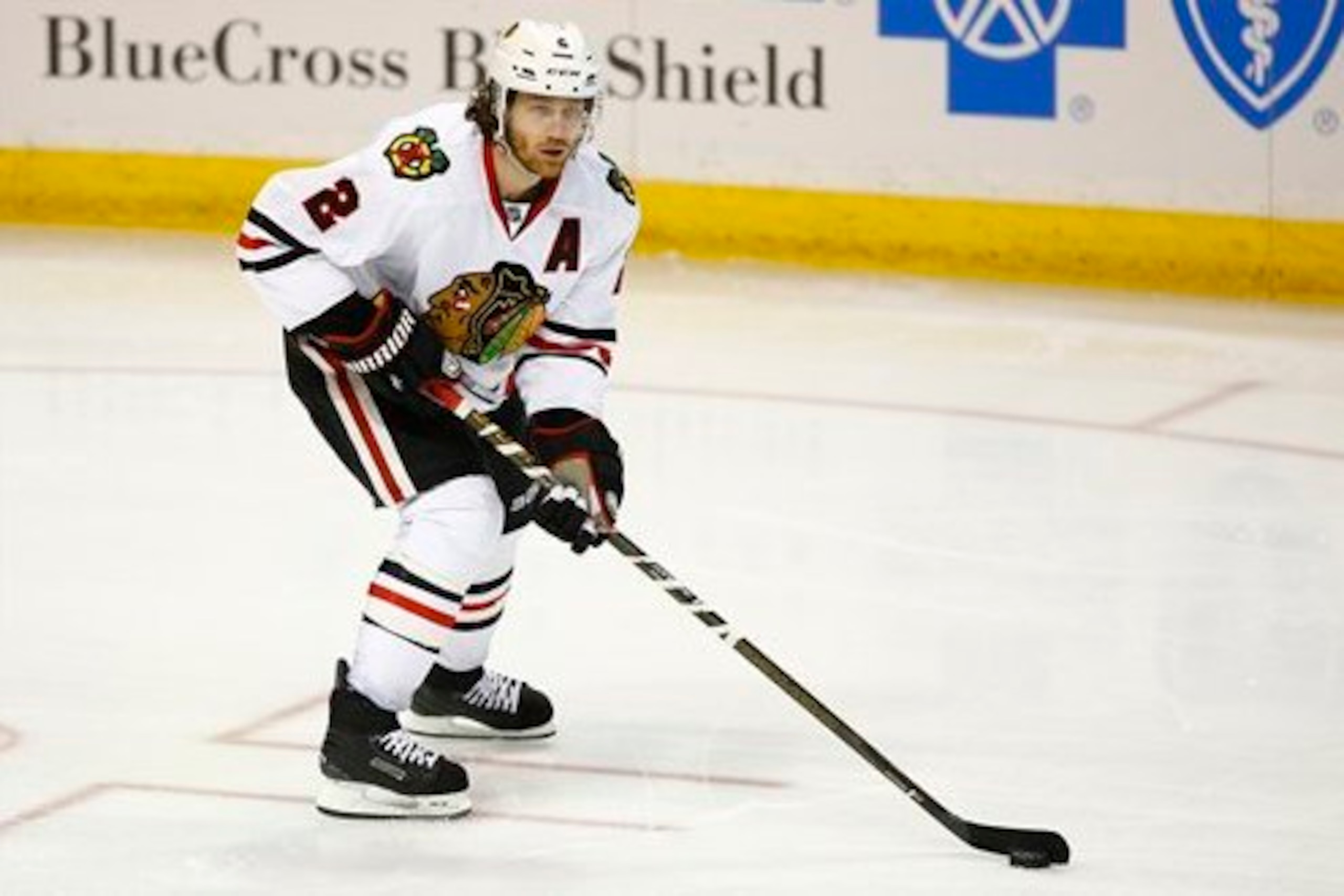
A year ago, Duncan Keith played 27-plus minutes per game in 20 of 23 playoff games and in every one of the last 16 Chicago played; he averaged 31:07 of ice time per contest over the playoffs as a whole. Brent Seabrook and Niklas Hjalmarsson were both over 26 minutes per night. Even No. 4 defender Johnny Oduya was averaging just under 25 minutes per game, while the third pair remained stapled to the bench as much as possible.
There are reasons why Chicago’s strategy over the long term is dangerous, but the Sharks do not have a long-term strategy. The team’s best defencemen have been good, while its worst defencemen have been bad. It’s time for San Jose to run its best horses into the ground because there may not be a tomorrow.
Even if all this happens, the Sharks will need some good fortune to overcome the Penguins. Now, though, the coach needs to lean on his best players, execute a superior special teams plan and get his netminder to deliver Dominik Hasek-level goaltending.
Do that, starting Thursday night in Pittsburgh, and there’s still a chance for San Jose to win its first Stanley Cup.
Statistics courtesy of Hockey-Reference.com, NHL.com, Corsica and Natural Stat Trick game logs.
Jonathan Willis covers the NHL for Bleacher Report. Follow him on Twitter for more of his work.



.jpg?w=2560 "Seahawks CB sets NFL record with new deal")


.jpg?w=2560 "Jaxson Dart Takes BIG Hit 😬")

.jpg?w=2560 "Jamal Adams Carted Off")