

Andy Murray's Legacy and Career at a Crossroads Heading into 2015
Andy Murray may or may not be finished adding Grand Slam titles to his legacy as he prepares for 2015. He has plenty of wins and at least a few more trophies to collect, but is he fighting against the tides of a gradual career decline?
Murray is at a crossroads. The upcoming tennis year will likely rediscover another path to glory, or it will run him into unpleasant writing on the wall.
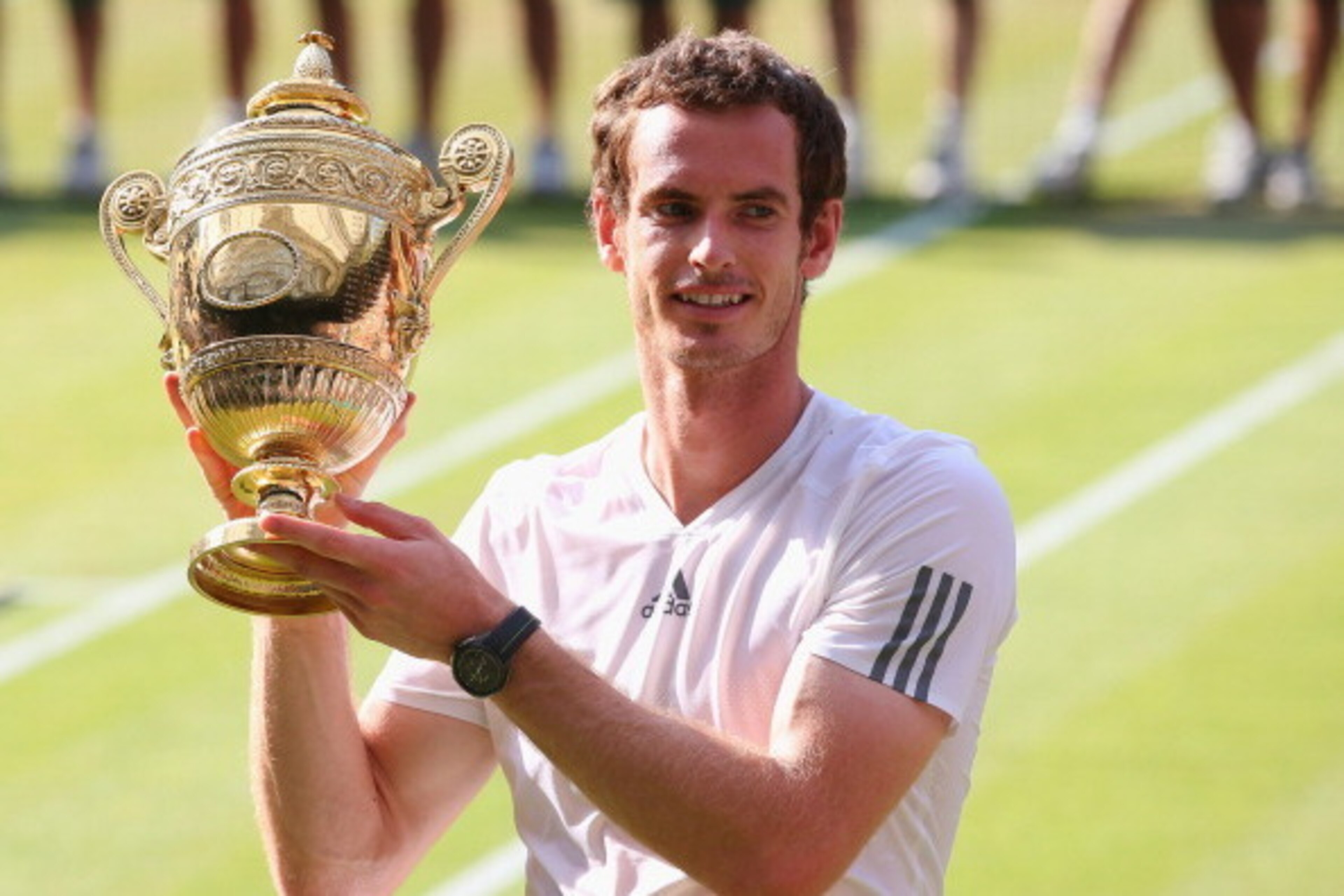
Murray’s Legacy
.jpg?w=3840 "49ers Football")
Depending upon how you rate Murray’s accomplishments in this generation, his legacy is somewhere inside the best 20-25 careers in the Open era. He’s ahead of Thomas Muster and Patrick Rafter, and his career numbers rank ahead of the more talented Marat Safin.
He’s behind stars such as Ilie Nastase, Gustavo Kuerten and Lleyton Hewitt, if only because he could not capture the No. 1 ranking with an important spell of dominance. Fans could argue that the strength of his contemporaries could swing greater support in his direction.
Murray owns the 2012 U.S. Open and 2013 Wimbledon titles, the latter one of the most historic major wins in recent history. He appeared in five other major finals, losing three times to Roger Federer and twice to Novak Djokovic. He has nine Masters 1000 championships and the 2012 Olympics singles gold medal as highlights to his 31 career titles.
He is already a sure-fire, hall-of-fame player, and we can pencil him in for at least a few more mid-major titles. There is plenty of time to finish out what figure to be a few more peak years, but unless he recovers his best form, his legacy is already scripted for his retirement plaque.

Firing on All Cylinders
Murray is a feisty tennis player with a lean, hungry appearance. He could be a Charles Dickens character scrapping in the streets for his next meal while plotting to make his fortune. He hardly fits the profile of a regal tennis champion, but his hard-working attributes and underrated intangibles have made him an everyman hero if not completely understood by his critics.
He is a gifted tennis retriever who is efficient, with a repertoire of precise shots and spins. He is patient in setting up his offense and rarely beats himself with unnecessary risks. He has almost always had the speed and fitness to outlast his opponents, while providing well-calculated offensive punch.
He has a wealth of big matches under his belt, and he understands the costs of training and the rewards of ultimate victories. It all comes together beautifully when everything works, like Beethoven’s Pastoral Symphony with a joyful kind of intensity. (Sidenote: Beethoven’s Pastoral Symphony was also overshadowed by the more fiery and famous Fifth Symphony, which seems an appropriate comparison when Murray is listed alongside his three bigger contemporaries.)
But Murray must have everything working well to be the best player in the world, and it’s virtually impossible to sustain. Federer can adapt and win in more conditions due to a better service game and forehand. Nadal has his big topspin forehand and more physical bite. (For instance, Nadal won the 2014 French Open after a relative struggle in which he was not playing his best tennis.) Djokovic has better offensive strokes and athleticism.
Murray must be nearly perfect to beat them. Anything less, and it’s a large mountain to climb.
In many ways, this is comparable to past players like Mats Wilander and Michael Chang. Wilander, a patient tactician with a verve for defensive tennis peaked in 1988 with nearly flawless precision on the depth of his groundstrokes. He had calibrated his game to its optimum efficiency.
Chang, who has slightly less but similar career achievements to Murray (One major, 34 titles and seven Masters Series titles), had to use his speed and tenacity to overcome his lack of weapons. By the 1996 U.S. Open, he had achieved the No. 2 ranking, and nobody thought he was set for a career decline. His next couple of years saw him win a handful of titles, but he was no longer a top contender.
Say that Murray has to have all of the following working at the same time in order to win another major:
- Extreme health and fitness, ideally without back or bipartite kneecap pain. Nobody is really sure if Murray is absolutely able to play without some degrees of physical limitations right now.
- Return game and variety must be the best. He must move opponents from corner to corner, stick his backhand up the line and control all shots.
- He must be aggressive with his forehand. How much of Murray’s extra punch during his time with coach Ivan Lendl was due to that relationship?
- Second serve must not sit up on a tee for the likes of Djokovic, Federer and Nadal. Will he look to improve his first-serve percentage and sacrifice some cheaper points in order to cover much of the damages done to his second serve?
- Hunger and urgency pushed Murray to achieve his pinnacle. There will never be another first major to capture or the pressures from his nation to finally win Wimbledon. While that must be a relief, does it also somehow excuse subsequent and future disappointments, even subconsciously?
2015 or Bust
Murray has reshuffled a few things in the past year. Coach Lendl has been replaced by Amelie Mauresmo. Longtime friend and hitting partner Dani Vallverdu was recently dismissed. (Sidenote: It’s a curious move for Tomas Berdych to sign up Vallverdu unless he feels that picking through Murray’s training history and fitness routines will somehow help his own game. Berdych is relying on more tactical improvements from Vallverdu, according to his comments in ATP World Tour, but the jury is out on whether this will be an upgrade.)
Currently ranked No. 6 in the ATP Rankings, Murray would love to have another strong run at the Australian Open. It tends to set the tone for the kind of year he has had. From 2010-13, Murray was a three-time finalist and one-time semifinalist Down Under. That was his peak. His 2014 quarterfinals appearance at Melbourne was far off, considering how easily he was defeated by Federer. It bookended his Federer match at the 2014 WTF final in London, sandwiching a year of frustration.
Can Murray rebound with the total consistency that once put him near the very top? Will he be able to grind away at both Indian Wells and Miami in March before making a dent in the clay-court season? Can he contend once again at Wimbledon? Will he rip off a streak at the North American hard-courts tour and dash into the indoors season with the energy and precision that made him great?
Outside of the United Kingdom, Murray has not recently garnered as much interest and attention. While Federer continues to accelerate, Nadal looks to return again from injuries and Djokovic keeps on grinding out titles, Murray might be fading beneath other players who are breaking through the tennis landscape.
His history is secure and his tennis potential still a source for optimism and success, but it does not mean he will be able to win another major or finally hold the No. 1 ranking. He might have to chase down these goals with the same urgency that made him a lean, hungry contender desperate to achieve his dreams. That’s not going to be easy.
.png?w=3840 "Ranking the Best Shooters of All Time 🎯")
.JPEG?w=3840 "Jordan Devey Dies at 38")
.jpg?w=3840 "Top Landing Spots for Jimmy Garoppolo 📍")
