
5 Reasons Why Not Tapping Is Just Dumb
The sport of mixed martial arts features a variety of ways to finish your opponent.
While knockouts always draw excitement from the crowd, the technique required to submit a foe is something that must respected by every fighter. Chokes and joint manipulations can turn safe positions into instantaneous finishes by talented submission specialists.
Anyone that has trained in the grappling arts knows that eventually, everyone gets caught, whether drilling or in competition. What you do from that unfortunate position is entirely up to you. Here are a few reasons why tapping is the best option.
5. You're Disrespecting Your Opponent
1 of 5One of the first things you learn in nearly every form of competition is to respect your opponent. MMA is no different.
Tapping from a submission is simply a way of telling your opponent that they've gotten the better of you at that moment.
The best approach is to learn from the experience and avoid putting yourself in the position the next time you're in a similar situation.
4. Lack of Oxygen/Blood to the Brain
2 of 5While getting choked temporarily during a fight will have little or no lasting effects for a highly-trained athlete, the effects on others may be more severe.
Cutting off the blood flow or oxygen to the brain can trigger a number of health problems if the competitor is not in proper health.
For a typical choke, lingering effects are unlikely. However, there is potential for moderate or even severe brain cell death, including permanent loss of neurological function if a choke were to extend beyond a few minutes. So before the lights go out, be sure to tap.
3. Broken Bones/Dislocations
3 of 5Joint manipulations can do damage in a variety of ways depending on which limb is attacked and which technique is applied.
One of the most common techniques is the armbar. Properly applied, the submission generates torque on the lower bones of the arms as well as the elbow joint.
If not released, the result could easily be a broken arm or a dislocated elbow.
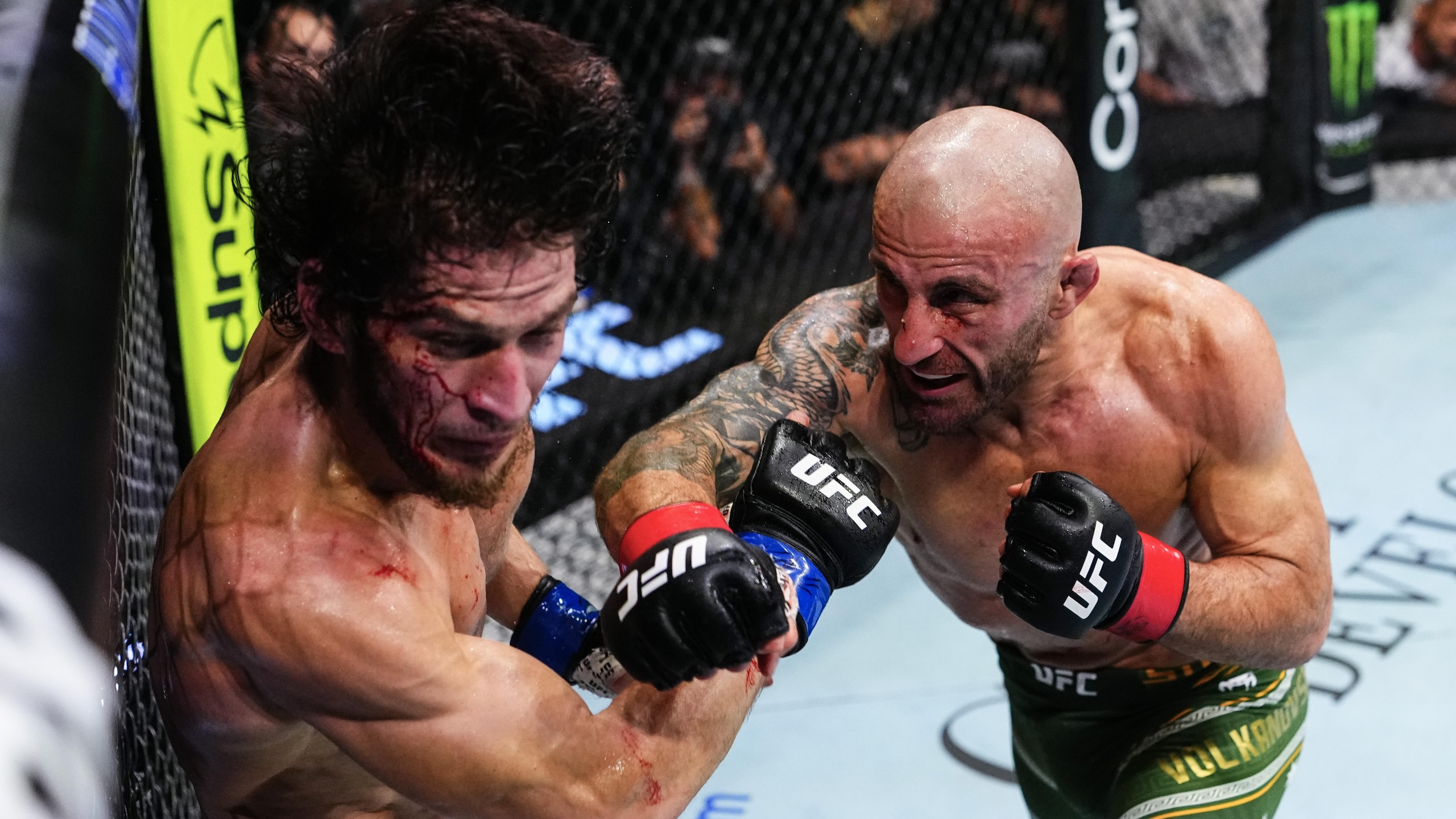
Other techniques, such as the keylock (shown in the photo) can produce the outcome if the fighter does not tap.

2. Torn Ligaments
4 of 5Another potential result of joint manipulations are torn ligaments. Specifically when the holds are applied to the legs.
Heel hooks, toe holds, ankle locks and kneebars all have the potential to damage the ligaments of the lower extremities. Pressure is applied to the knee in nearly every submission involving the leg.
Torn ligaments in the knee typically require surgery and require extended rehabilitation. The majority of introductory grappling classes do not drill leglocks due to the likelihood of serious injury. Many times, a tap to a leglock comes after the damage is already done.
1. Loss of Money
5 of 5For professional MMA fighters, the worst reason for not tapping is that it can result in time away from the cage.
Injuries such as broken bones and torn ligaments will keep a competitor from training, fighting and making money.
There's no merit badge or gold star for toughing it out during a submission. The best thing to do is tap and live to fight another day.
Rob Tatum is a Featured Columnist for Bleacher Report MMA. You can also find Rob’s work at TheMMACorner.com. For anything related to MMA, you can follow Rob on Twitter @RobTatumMMA.





.jpg?w=2560 "Jonathan Taylor Landing Spots 📍")





