
Sports Fans: Don Your Raincoats! The Sports Bubble Is About to Burst.
With the money I'm making, I should be playing two positions. ~Pete Rose, 1977
News hounding has taken on a surreal quality the past few months. As the world economies convulse and reel like a flock of headless chickens, watching the news has become more akin to watching pregnant bubbles drift and swell to their bursting point, than scanning standard fare news fish wrap.
One by one, the bubbles went up, floating free and easy, inflated by the hot gasses of greed and over speculation, until the harsh reality of living in air too pressurized for their thin shells to withstand forced them down into the sunlight, where the super agitated bubbles collide and stick to one another, the unwieldy weight of each pulling the other closer toward an explosive end.

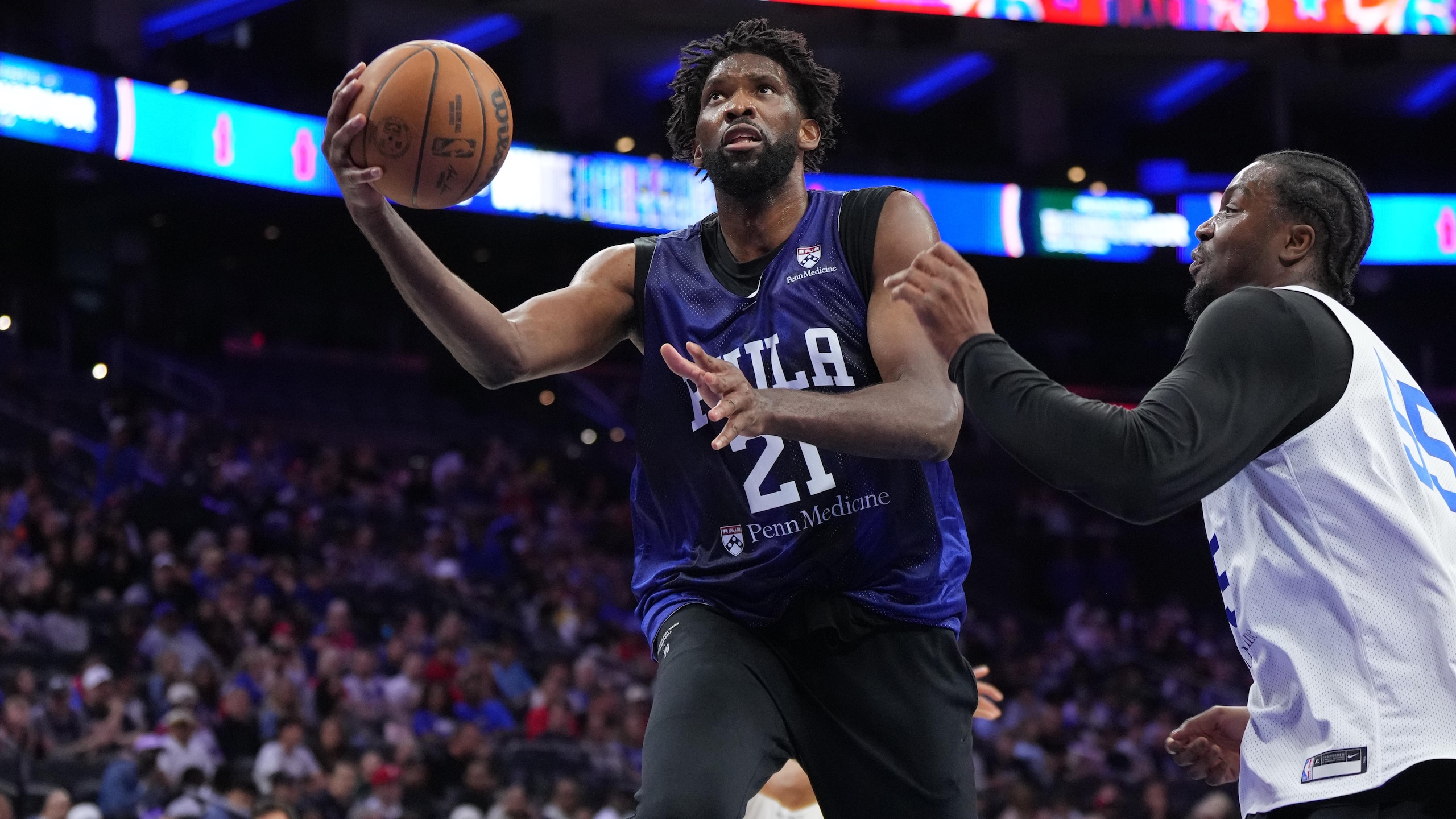
.jpg?w=2560 "Commanders Eagles Football")

And then, in the light of day, they all popped at once. First went the real estate bubble, which wrecked headlong into the stock market bubble, which took down the credit bubble, and so on.
Every day, vital industries come screaming down out of the sky, wings on fire, engines shot through, their pilots searching desperately in their shattered cockpits for a bailout handle to pull, crashing back down to earth, where reason dictates that to rise again, the captains of industry will have to launch their jets with new energy, or stay stagnant and flaccidly mothballed.
But there in the dawn of a new era of fiscal reorganization and responsibility, a single bubble wobbles upward into the stratosphere. The sports bubble holds the news hound's attention raptly. He watches it nervously, knowing the inevitable decline is near.
What keeps it aloft even now in these turbulent winds? The modern American sports industry is built on corporate sponsorships, bloated television contracts supported by outrageously expensive advertising rates, and large doses of discretionary income from diehard sports junkies.
Owners rake in exorbitant profits by casting wide nets into these revenue streams, extracting billions of dollars like fat, mindless trout. In turn, and perhaps, rightfully so, the players and athletes, the men and women who at times risk life and limb to entertain the beleaguered masses fleece the owners for their own, considerable take.
For example, on some cold night during this not-so great, depressed winter, some "lucky" baseball team will win the services of one Manny Ramirez, a 37-year-old professional hitter with the hand-eye coordination of a savant quilter.
Widely sought after for his preternatural ability to weave his silver bat expertly through the filthiest of darting laces, Ramirez is expected to sign with his next squad for upwards of $25 million a year, for perhaps the amount of years that a sloth has toes.
To spank a baseball solidly, this man ram makes over 500 times the median income of the average American household. Every time that he takes the field, assuming (ahem) that he plays all 162 games for whichever team is ballsy enough to gamble on a historically dodgy, half-assed player like Ramirez, he stands to take home $151,151, and 15 cents, or, in lame terms—Ramirez will make somewhere north of $18,900 an hour this next baseball season.
To experience the sheer ecstasy of bathing in the sunless shadow of Ramirez and (s)crew, a family of four will shell out around $200 per game.
Of course, players of Ramirez's (b)ilk drastically skew the numbers for the average Joe just trying to make a living swatting flies in the Bigs. Last year, the average player earned only $3.1 million dollars, and plenty of them were way down at the minimum of $390,000, not even eight times the take home for an average dual income family.
The space allowed for this column does not lend itself to a larger study of other sports a field, or out on the tracks, but suffice to say, when the top Bass Master is making over a $1 million bones in one event, as 24-year-old Michael Bennett did this summer in the Forrest Wood Cup in Lake Murray, South Carolina, it is a good (strike?!) indicator that finances in sports are seriously and totally out of whack with reality.
But look anywhere in the wide, weird world of sports and you will see it: The books are cooked, and the fools manning the buckets keep trying to douse the fire with gasoline. Soon enough, they too will all catch fire, and flee for the pool.
The real question is, what happens when the car company and financial sector sponsors disappear, when discretionary income becomes a novel concept reserved only for those with long memories and Mexican drug czars?
Who is going to go to the games, swill the beer, buy the shirts, the sushi-dogs, or even stay home and watch the games, when joblessness sweeps the nation like a vague plague and broadcast and internet advertisers can no longer justify the expense of footing the network bills?
Not to mention the drastic and unholy evisceration of the cable bill from the necessities lists of potentially hundreds of thousands of Americans. Forced to chose between a new sack of rice and clean water to drink, or a scaled back, intern produced, two camera shoot of an out of market game (don't forget the blackouts! When the stadiums fill up with emptiness, the owners jam the local feed), most folks are going to yank the plug on their TV's, done in by the cable companies definitions of a reasonable cable bill.
When things get truly desperate, and the fish flopping at the end of the pond begin to whither and die, how is a four year contract for $100 million dollars going to a seemingly ungrateful 40 year old freak case going to play, and just whom is going to pay?
If you ask me, the sports bubble has grown unwieldy and irrationally obese, and is an obvious indicator of another overwrought industry that has gorged itself into a diabetic stupor, over-saturated with the sweet plasma of fan money, which once flowed like the Niagara.
Now, cellularly unstable after decades of excessive, unreasonable growth at the expense (literally) of the fans that it is supposed to cater to, and so interdependent on all of the other failing markets, the Sports Bubble seems destined to self-cannibalize and burst, showering all of us down below with a terrible coating of soapy, oily scum.
*Corby Anderson writes Hang Time for the Aspen Daily News from a crowded bail out shelter buried underneath a new Hummer dealership near Carmel Valley, California, where he spends his days pondering what the antonym of "nonchalant" is, or why being "laid on" is never used when discussing hiring practices.

.jpg?w=2560 "Chiefs Dolphins Football")
.jpg?w=2560 "Injury-stricken Seahawks signing veteran RB")

.jpg?w=2560 "Love's Body Already 'Tired'")