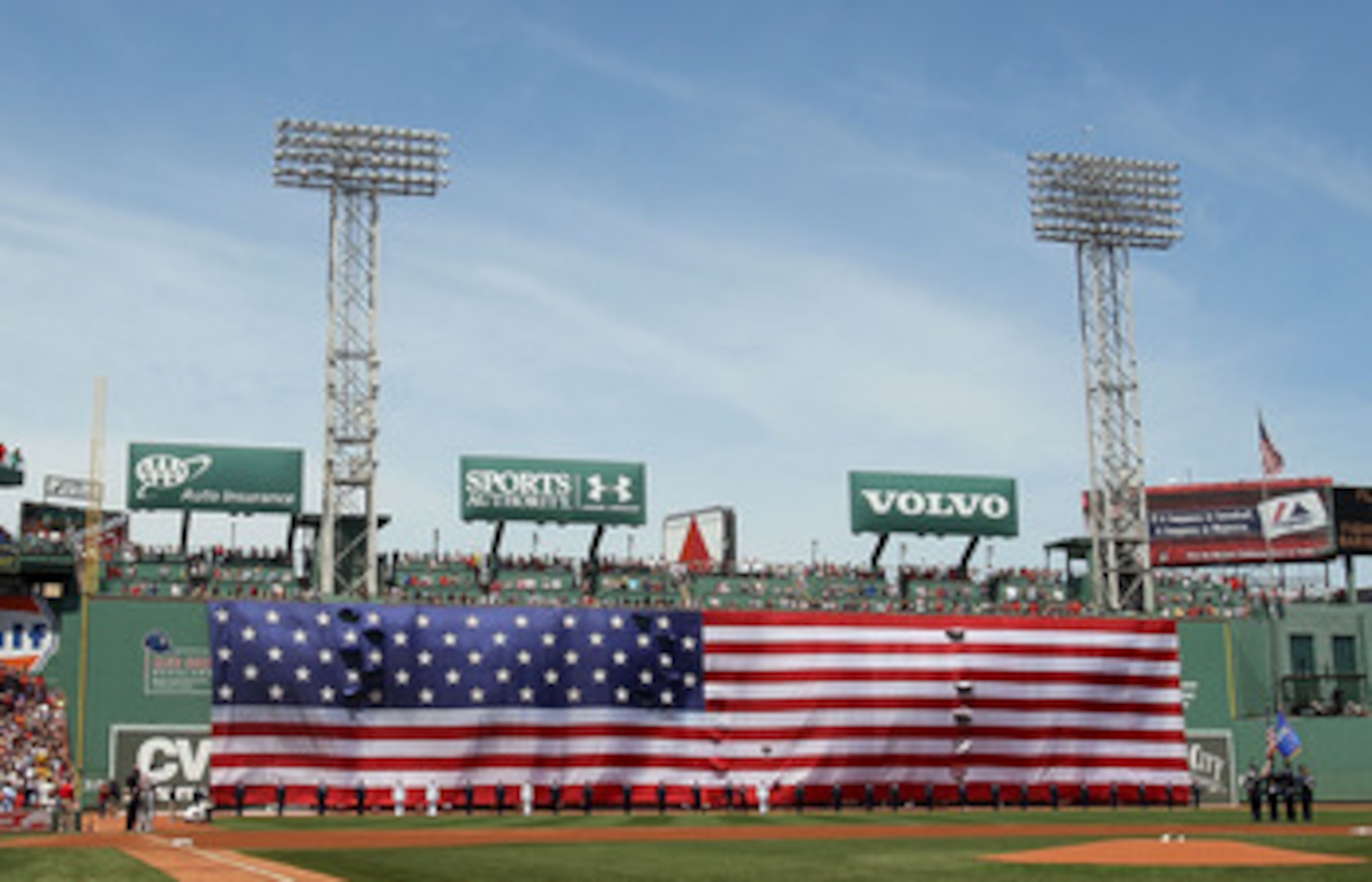

Fenway Park and 7 Other Game-Changing Ballparks
In baseball, anything can happen.
Pitchers can make mistakes that turn into home runs; hitters can pop up bunts on suicide squeezes; fielders can make unexpected diving plays to end innings.
Everyone on the diamond impacts the outcome of the game, but what goes under the radar is how much the actual park can help or hurt a team.
Every major league ball park is different—there is no dispute about that.
A field can be a pitcher's dream with far walls; a hitters paradise with a short porch in right field; or even a weird illusion with a towering wall in left field.
No matter what shape or size, these eight baseball havens change every game played in their confines.
Yankee Stadium, New York Yankees
1 of 8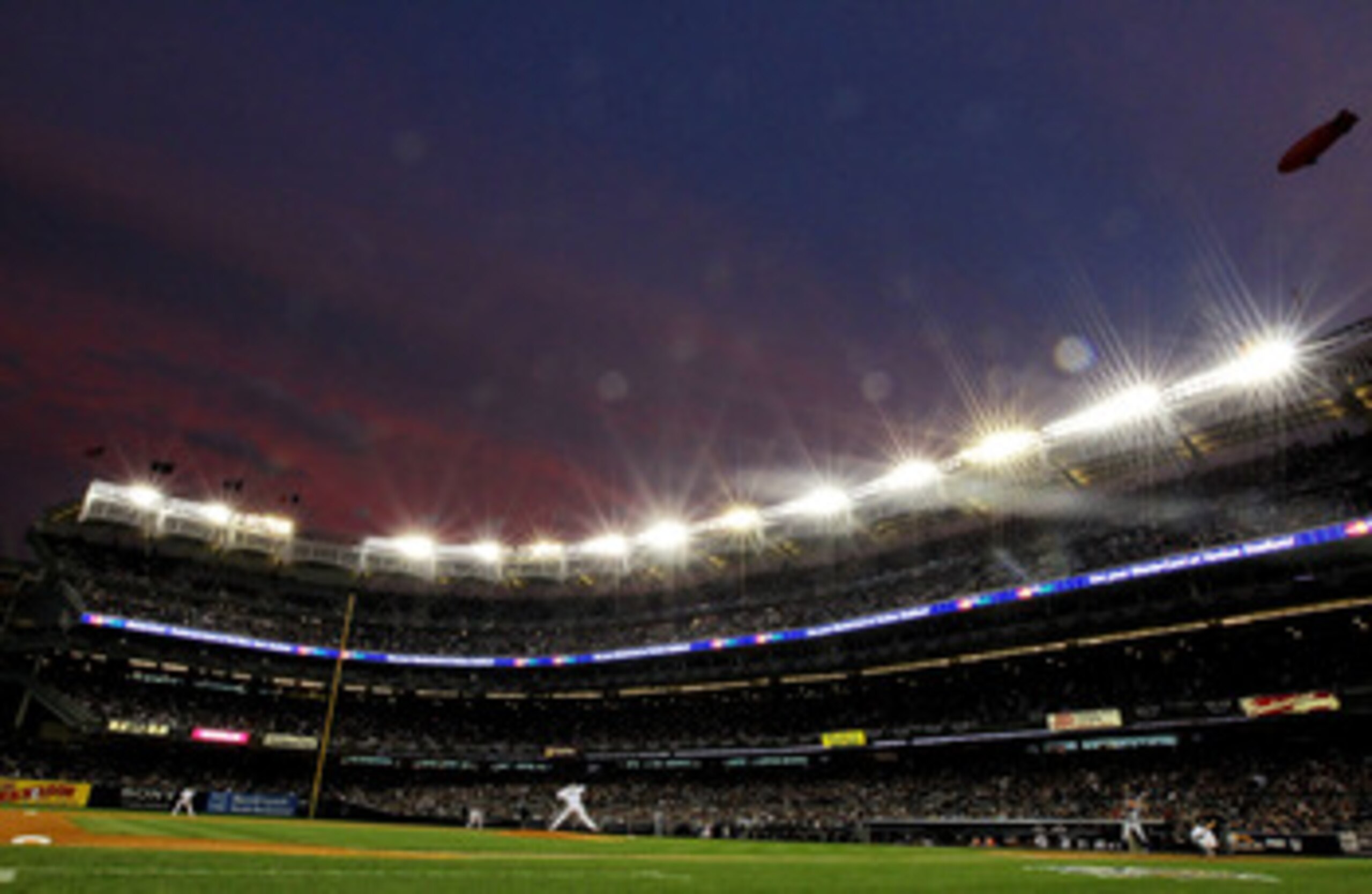
Let’s kick this list off with a brand new ballpark.
There is no doubt that Yankee Stadium inflates scores and home run totals, with left field being 318 feet away and right field 314.
What also changes the game is what happens to the line shots that would usually fall in front of the outfielders. Since the walls are a little tighter, the outfielders are a few feet closer to the infield, thereby in position to knock down line shots for potentials outs.
Another game changer is how runners advance because, again, the fielders are closer and a runner can be hosed down at home if he is not aware of the shorter distance the outfielders have to throw. This also leads to fewer opportunities for runners to advance that sometimes pivotal extra base.
Coors Field, Colorado Rockies
2 of 8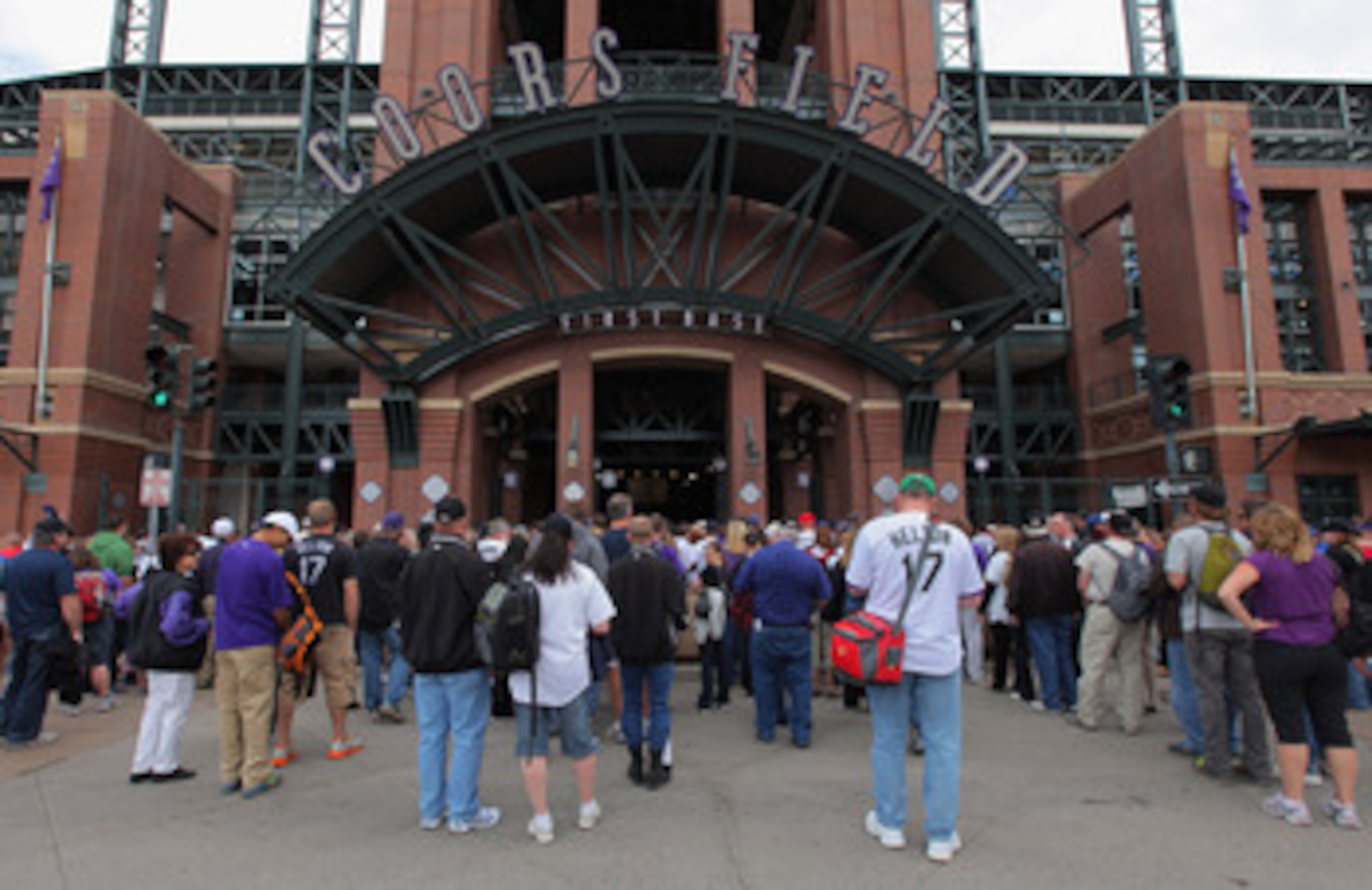
I’ll throw a curveball at you with Coors Field, because this time it’s not the dimensions that make the difference.
Speaking of curveballs, Coors Field’s elevation can send pitchers into a tizzy and their hanging breaking balls into the outfield seats.
The Rockies play at a higher altitude than any other team in the league, and pitchers have complained about how much bite their off speed pitches lose compared to when they're thrown in sea-level stadiums. The lack of air density leaves the ball hanging more, and the balls flying further and higher off the bat.
The dimensions at Coors don’t play as big a role in changing the game as the altitude does, but pitchers around the league hate pitching here nonetheless.
Minute Maid Park, Houston Astros
3 of 8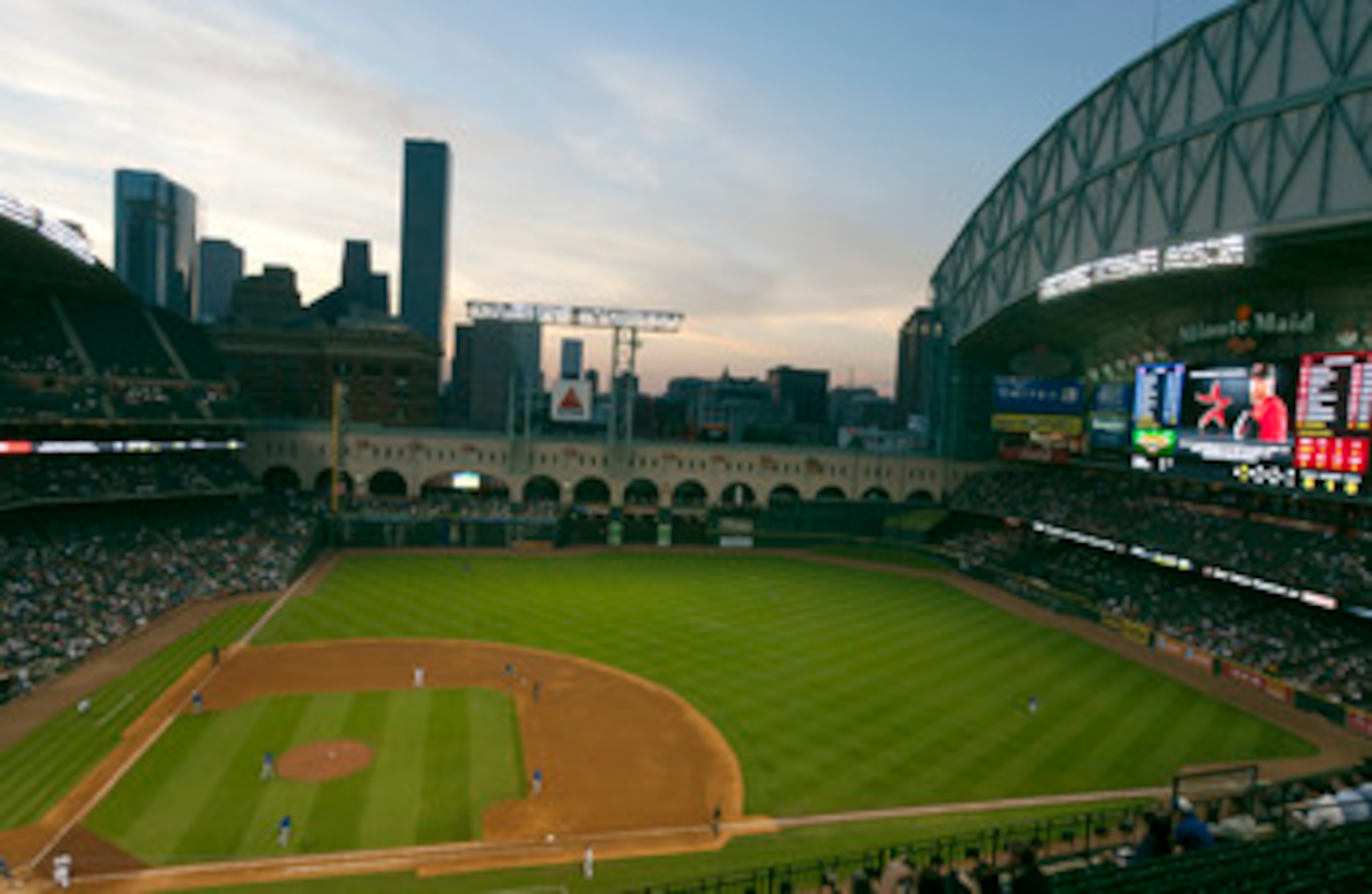
A personal favorite, the Astros home field is anything but the ordinary. Ever since it opened in 2000, the park has altered play for both the defensive and offensive sides.
Offensively, Minute Maid Park benefits the hitter with the short fence in left field. At 315 feet away, the set of bleachers is closer than most parks and greets a good number of home runs, despite the height of the wall.
Fielding is handicapped in center field, because “Tal’s Hill,” named after President Tal Smith, sports a 30-degree incline. The slope isn’t steep enough for the ball to roll back, so fielders have to run up and grab it from the hill that is 436 feet away from home plate.
However, this park can be beneficial for pitchers, too.
Out on Tal's Hill is a flag pole, which didn’t appear as a threat to hitters until it robbed Richie Sexson of a home run.
Plus, the square shape of the field, nicknamed the “juice box,” provides for dimensions rarely seen, and the divot in left center gives a tad bit of extra leeway for the pitchers.



Sun Life Stadium, Florida Marlins
4 of 8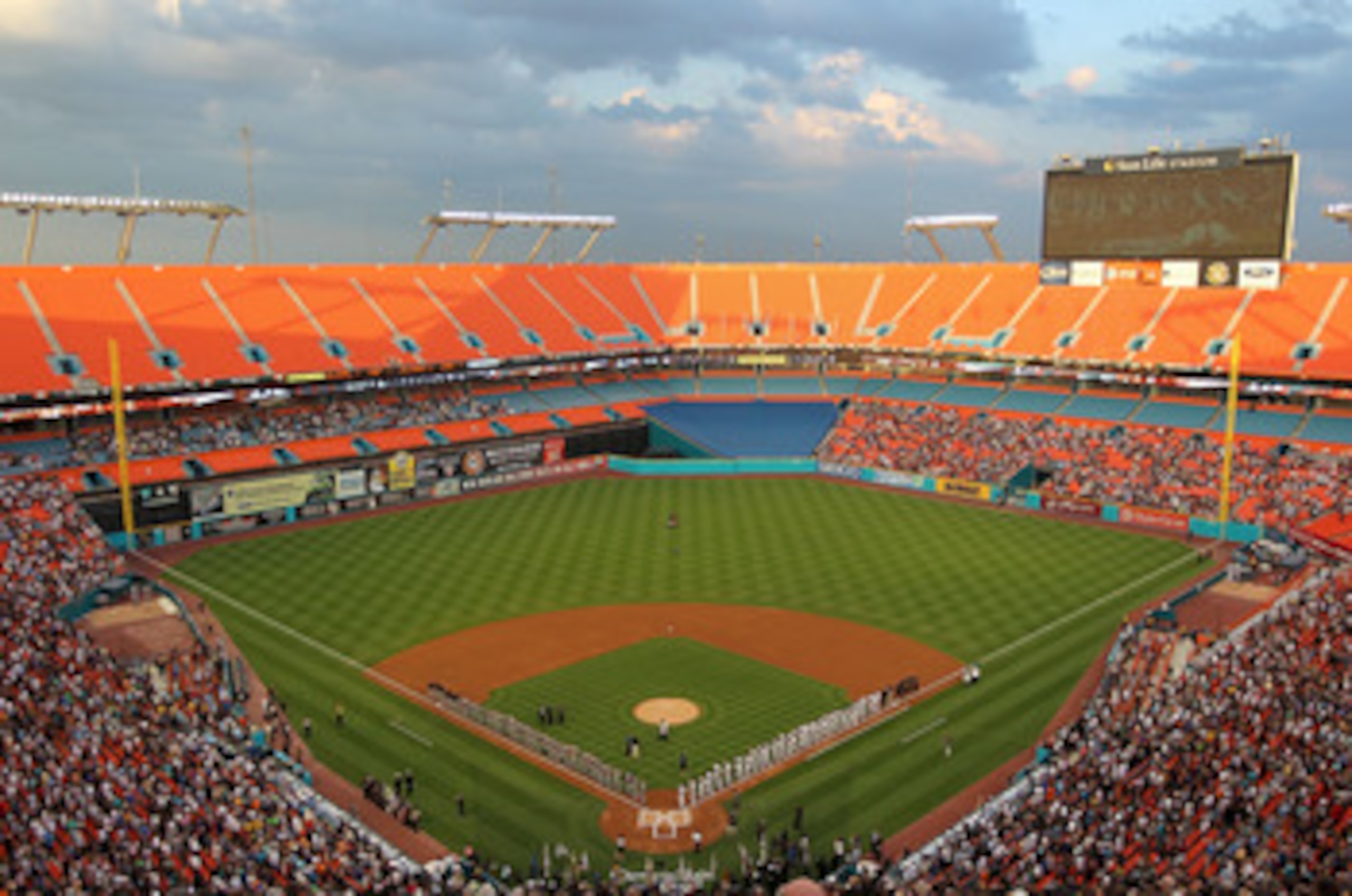
Sun Life Stadium may be a surprise on this list, but it has its share of game-changing variables.
The stadium helps the pitching team, since the walls are relatively far from home plate (385 in both power alleys). At 434 feet, the deepest point of the ball park is only two feet short of being the deepest in the league.
Not only does the batter have to reach the distance, but they also have to power the ball over the tall left-field walls.
Tropicana Field and Rogers Centre, Tampa Bay Rays and Toronto Blue Jays
5 of 8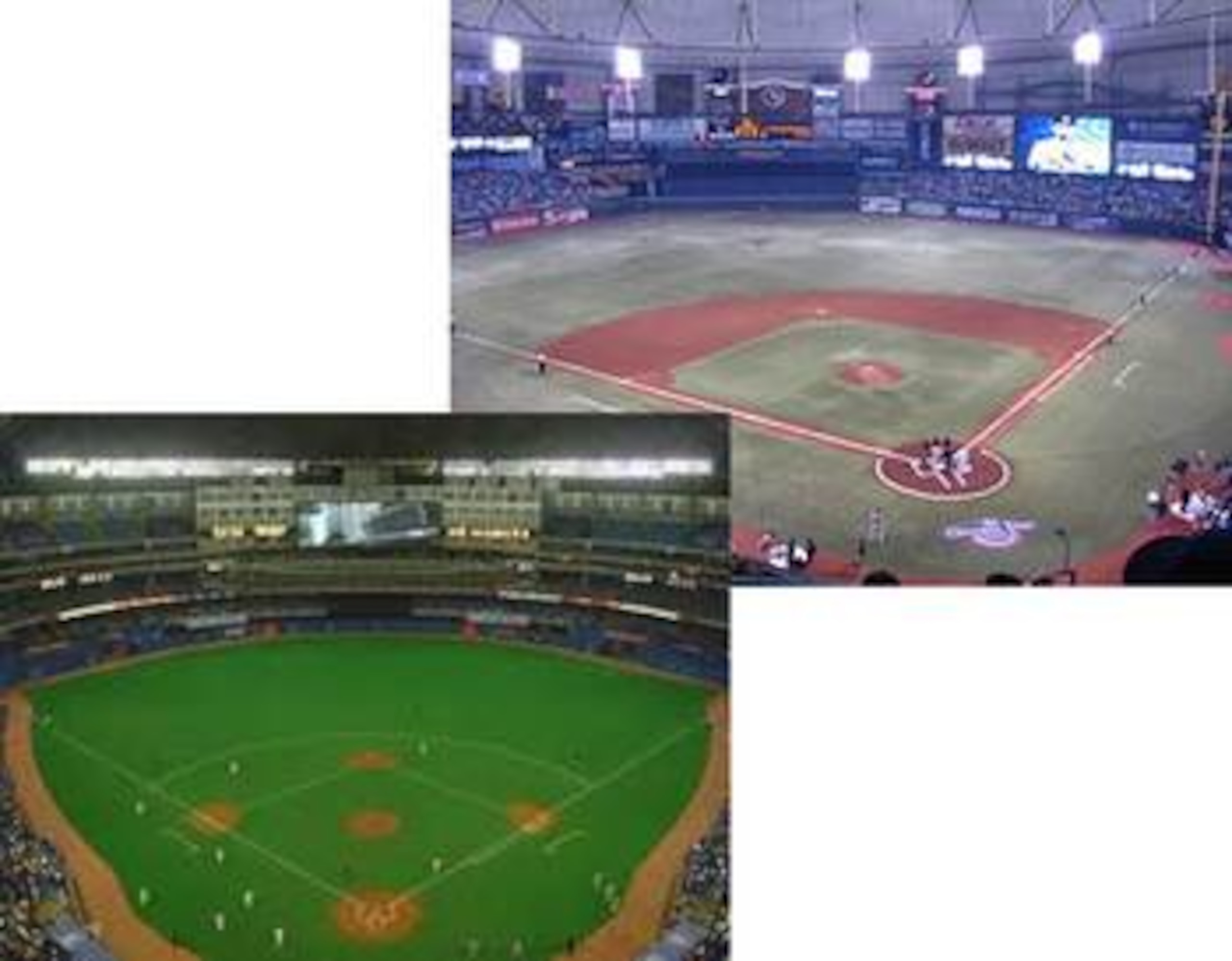
Both are domes, both have artificial turf, and both change games differently than most ballparks.
Tropicana Field sticks out a little further than Toronto’s home because of the dreaded catwalks that line the top of the dome. The most recent run-in with these was when the Minnesota Twins' Jason Kubel popped the ball up in a 6-6 game, something which would have usually resulted in an inning-ending out.
Well, the dome just wasn’t tall enough for the Rays—the inning was extended when the ball hit the catwalk, and the Twins went on to win the game by a score of 8-6.
The field at Rogers Centre is the only one in the majors that has dirt pads at each base rather than dirt on the whole infield. Due to this, instead of the ball slowing down in the dirt on its way through the hole, it keeps a consistent speed and gives the hitter more ground-ball hits.
Now back to both stadiums.
Turf has a different feel than grass, and since it is made with rubber, the ball bounces higher and grabs onto the field more than it would on grass. The turf also makes the ball roll faster, and when the ball gets through the infield faster, the game is changed in the hitter’s advantage.
Petco Park, San Diego Padres
6 of 8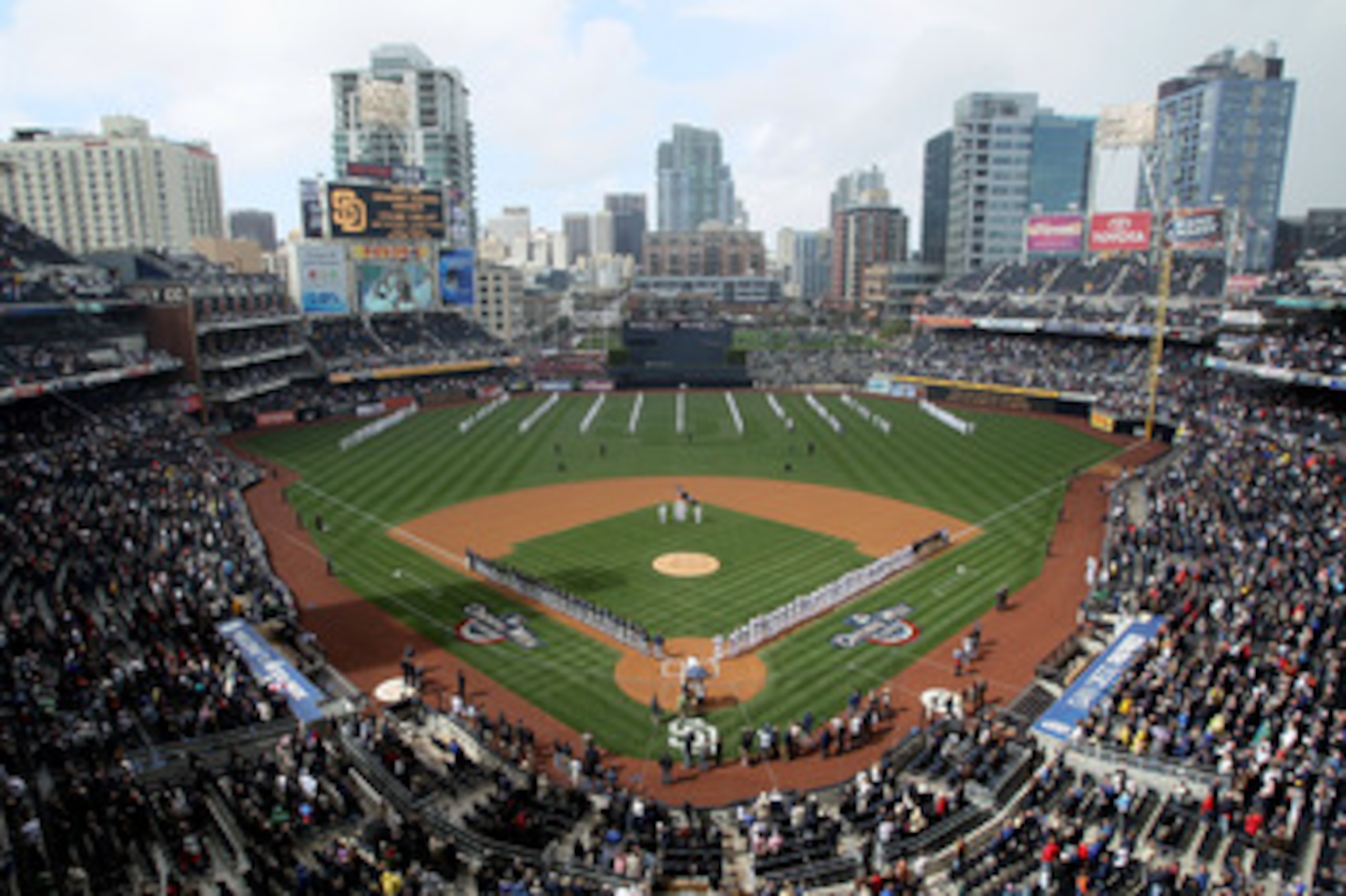
For the last nine years, Petco Park has been a top-five pitcher-friendly park according to mlb.com.
This is somewhat of a shock to some fans, because Petco doesn’t boast any high walls or odd configurations. With center field being only 396 feet, right field only 322 feet, and left field only 334 feet away from home, pitchers get a pleasant surprise when they pitch at Petco.
As odd as it sounds, the game is changed when played at Petco, and teams need to rely on small ball more than shooting the gaps and swinging for the fences.
Wrigley Field, Chicago Cubs
7 of 8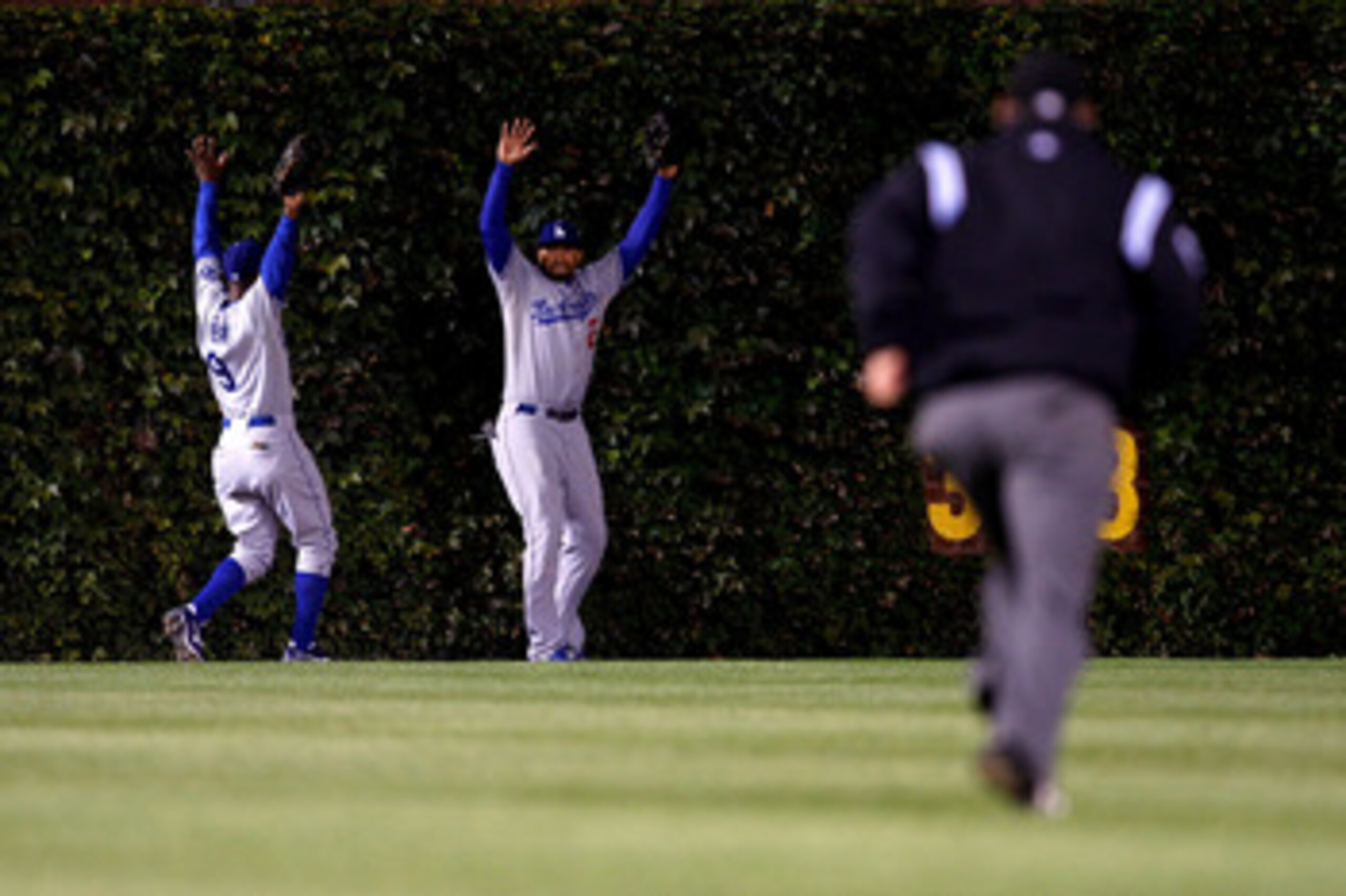
You may see a title at Wrigley, but odds are you have seen everything that can change a game’s outcome.
As indicated by the city's nickname—the “Windy City”—Wrigley Field’s players have to adjust to the unusual wind patterns of the ballpark.
In April and May, winds from Lake Michigan, which is a short mile away from the stadium, blows wind northeast, which causes balls headed to Waveland Avenue to stay in play and turn into outs.
On hot days, however, the summer breeze blows out to the fences, sending what would be routine fly balls into the streets of Chicago.
The dimensions of the field are also a bit deeper than most are accustomed to, with both the right field and left field poles further than 350 feet away from the batter.
Now that we have discussed weather and walls, let’s throw in Wrigley’s most iconic feature, the ivy covered walls.
Wrigley is the only park in the MLB that is known to swallow up balls and even spit one or two out on occasion.
Hard-hit balls can get caught in the ivy, and that can strand a runner headed for a triple with just a ground rule double or give a slow runner the extra base, as well.
On certain occasions, balls left over from batting practice pop out of the greenery and confuse players, umps, and fans.
And I would mention the space between the outside of the field itself, but I don't want to bring back bad memories. *Cough* Steve Bartman *Cough*
Fenway Park, Boston Red Sox
8 of 8
And now we get to the oddest of the odd, the craziest of the crazy, and the biggest head case in all of sports stadiums.
Yes ladies and gentleman, I give you Fenway Park.
Starting on the left side and working our way over, we are introduced to our big friend, the “Green Monster."
The thirty-seven foot tall menace of a wall can be an instant game changer since it is short in distance but tall in height. Some opposing players not used to the gaping wall can play balls that ricochet off the wall incorrectly, thereby allowing base runners to advance.
In center field “The Triangle” gives hitters the challenge of belting a homer above its wall, which stands 420 feet away. The center field wall length also gives centerfielders a lot more room to play with and can be a landing spot for shallow bloop singles.
Now for the shortest porch in the MLB, Pesky’s Pole.
Standing only 302 feet away, homeruns are surprisingly rare to see since the right field wall bends sharply to accommodate the foul ball pole. Umpires also had a tough time deciding if a ball was fair or not in the no-replay era, causing the score to change frequently, base on human error.
The field is unique, the games are exciting, and that is what makes Fenway Park not just the most historic ballpark, but also the most game-changing of them all.


.jpg?w=2560 "Grading WWE Raw 🔠")



.jpg?w=2560 "Viral Rams Coach Vid 🖕")

.jpg?w=2560 "Injury-stricken Seahawks signing veteran RB")
