
College Basketball Rankings: The Best 25 Pac-10 Players of the Last 25 Years
Finding the best Pac-10 basketball players of the last 25 years isn't that hard of a task. Cutting the list down to 25 and ordering them...that's a whole different story.
First, there's the task of figuring out exactly how you want to rank them. Do you want to go by career stats? Major awards? Postseason success?
As far as this list goes, it's pretty much a combination of all three, with a little more emphasis on how players carried their teams to success. Also, their NBA careers had no weight on their ranking.
Second, you want to determine how to differentiate players who played one year versus those who played all four.
I decided to give a little bit more credit to the guys who stuck around, as they had much more of a total impact on their school. The one- and two-year guys had to do something special to make the list.
Third, you need to find a way to separate all those "bleeping" Arizona guards. There's a million of them from the mid-90s and early 2000s. They all seemed to put up similar stats and they all seemed to take their team to at least one Final Four.
So here it is. My attempt at the best 25 Pac-10 players of the last 25 years.
Honorable Mentions
1 of 26
When I originally narrowed my list to about 60 players, I figured I would need an honorable mention category. So here they are by school.
Arizona: Gilbert Arenas, Michael Dickerson, Andre Iguodala, Richard Jefferson, Steve Kerr, Chris Mills, Khalid Reeves, Salim Stoudamire
Arizona St: Eddie House, Ahlon Lewis, Jeremy Veal
California: Ed Gray, Kevin Johnson, Sean Lampley, Lamond Murray, Leon Powe, Jerome Randle
Oregon: Terrell Brandon, Aaron Brooks, Luke Jackson, Fred Jones, Luke Ridnour
Oregon St: Brent Barry
Stanford: Josh Childress, Chris Hernandez, Brook Lopez, Mark Madsen
UCLA: Toby Bailey, Darren Collison, Baron Davis, Tyus Edney
USC: Sam Clancy, DeMar DeRozan, O.J Mayo, Brian Scalabrine, Nick Young
Washington: Jon Brockman, Todd MacCulloch, Quincy Pondexter, Nate Robinson, Isaiah Thomas
Washington St: Isaac Fontaine, Klay Thompson, Kyle Weaver
25. Derrick Williams, Arizona
2 of 26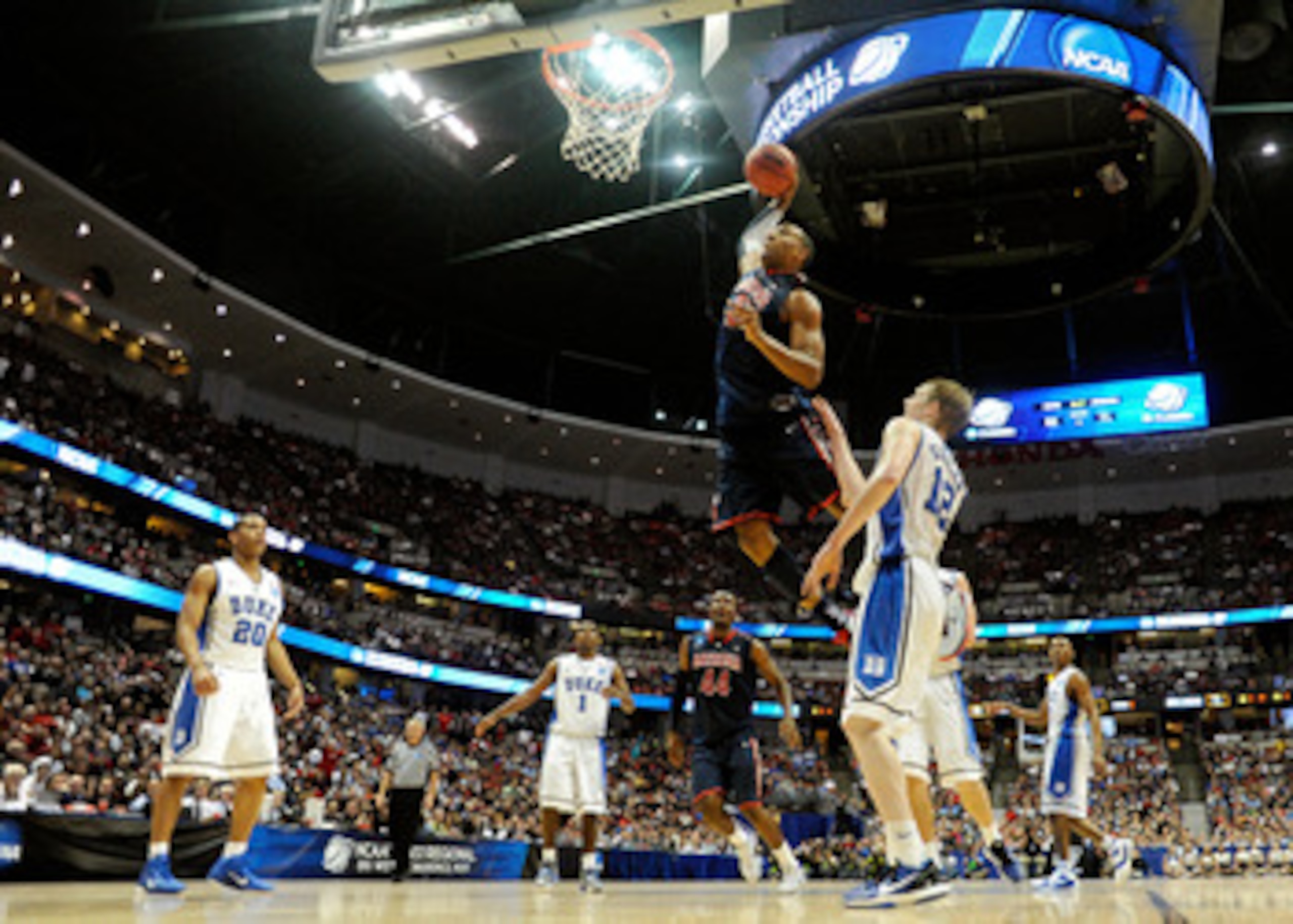
Career stats: 17.8 PPG, 7.7 RPG, 0.9 APG
Derrick Williams only played two years at Arizona, but he easily did enough to ensure a spot on this list.
During his freshman season, Williams was named Pac-10 Freshman of the Year and was named to the All-Conference team.
He certainly didn't suffer a sophomore slump, as he earned Pac-10 Player of the Year and second team All-America honors. He essentially carried Arizona to the Elite 8, and was seen as one of the most dominant and explosive players in the nation.
Many might feel that Williams doesn't belong on this list, but he was the main reason for a return to national prominence for Arizona.
24. Todd Lichti, Stanford
3 of 26
Career stats: 18.8 PPG, 5.3 RPG, 2.5 APG
During his four years at Stanford, Todd Lichti managed to cement himself as the Pac-10's third leading scorer. He managed to score at a high clip while shooting .538 from the field—an astounding number from a guard—and .434 from three-point range, good for the highest clip in Pac-10 history.
Lichti was a four-time All-Conference player, becoming just the third player ever to achieve that feat (Jason Kapono later became the fourth).
Lichti doesn't make it higher on this list, however, because of Stanford's struggles during his years there.
Stanford fell to the bottom half of the Pac-10 during Lichti's freshman and sophmore campaigns, but he managed to return them to the north side of 20 wins for his last two seasons.
The Cardinal finally returned to the tournament behind Lichti during his senior year, only to lose in the first round.

.jpg?w=2560)
23. Reggie Miller, UCLA
4 of 26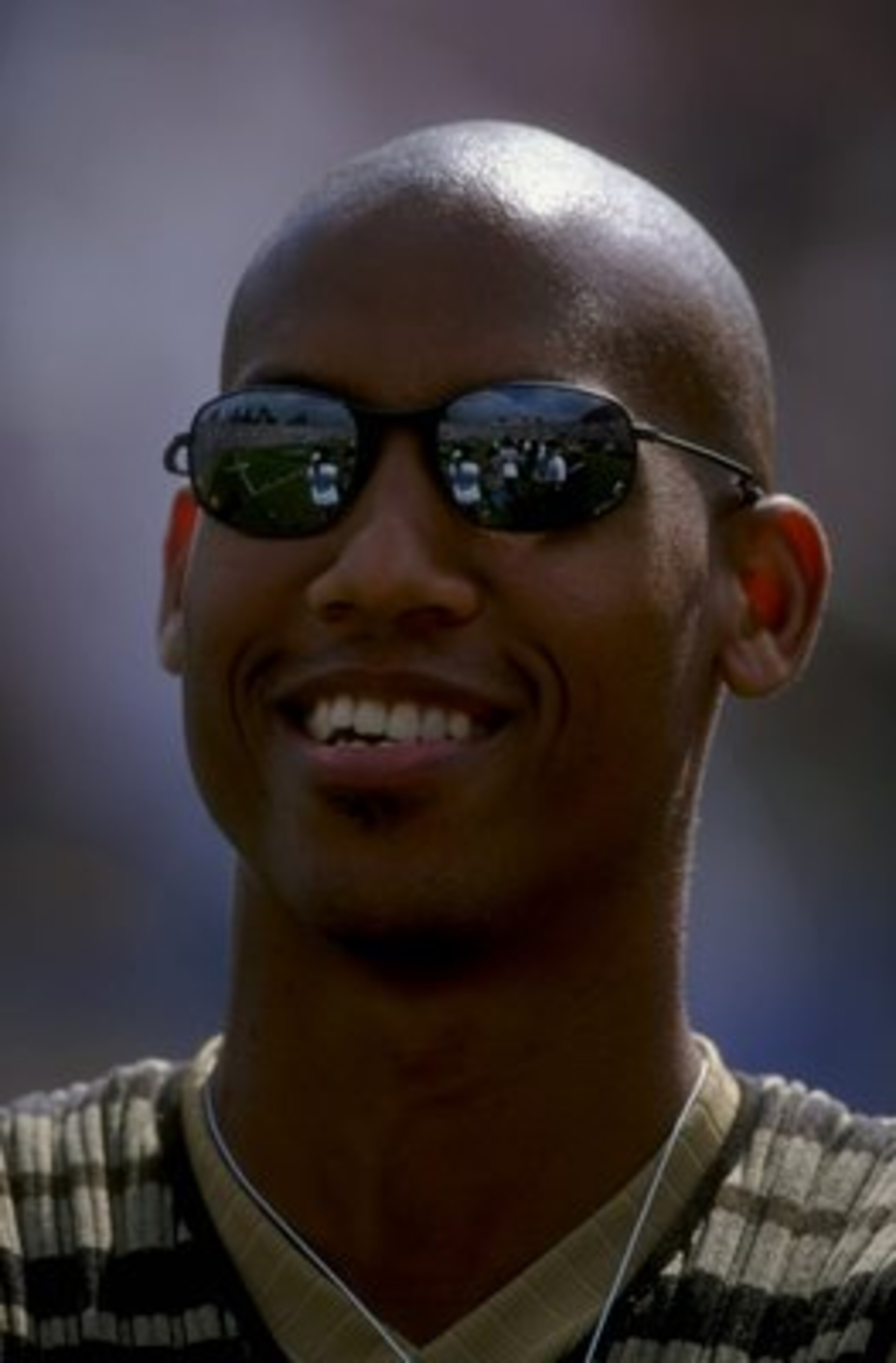
Career stats: 17.2 PPG, 4.2 RPG, 2 APG
Reggie Miller might be higher up on some people's lists, but I've got my reasons.
Miller was an electric shooter and scorer, that much is obviously true. He averaged an astounding 28 points per game during conference play in 1986, and he is seventh all time on the Pac-10 scoring list.
Besides his prolific scoring, though, what else was there? He averaged about a steal per game but was never seen as a lockdown defender. He wasn't a playmaker. He was an average rebounder.
On top of that, he was pretty much the leader on two UCLA teams that didn't make the tournament, which was part of their longest such stretch since the late-50s. They made it during his senior year, but lost in the second round.
Miller was good, clearly, but top 10 all time? Not so sure about that.
22. James Harden, Arizona St
5 of 26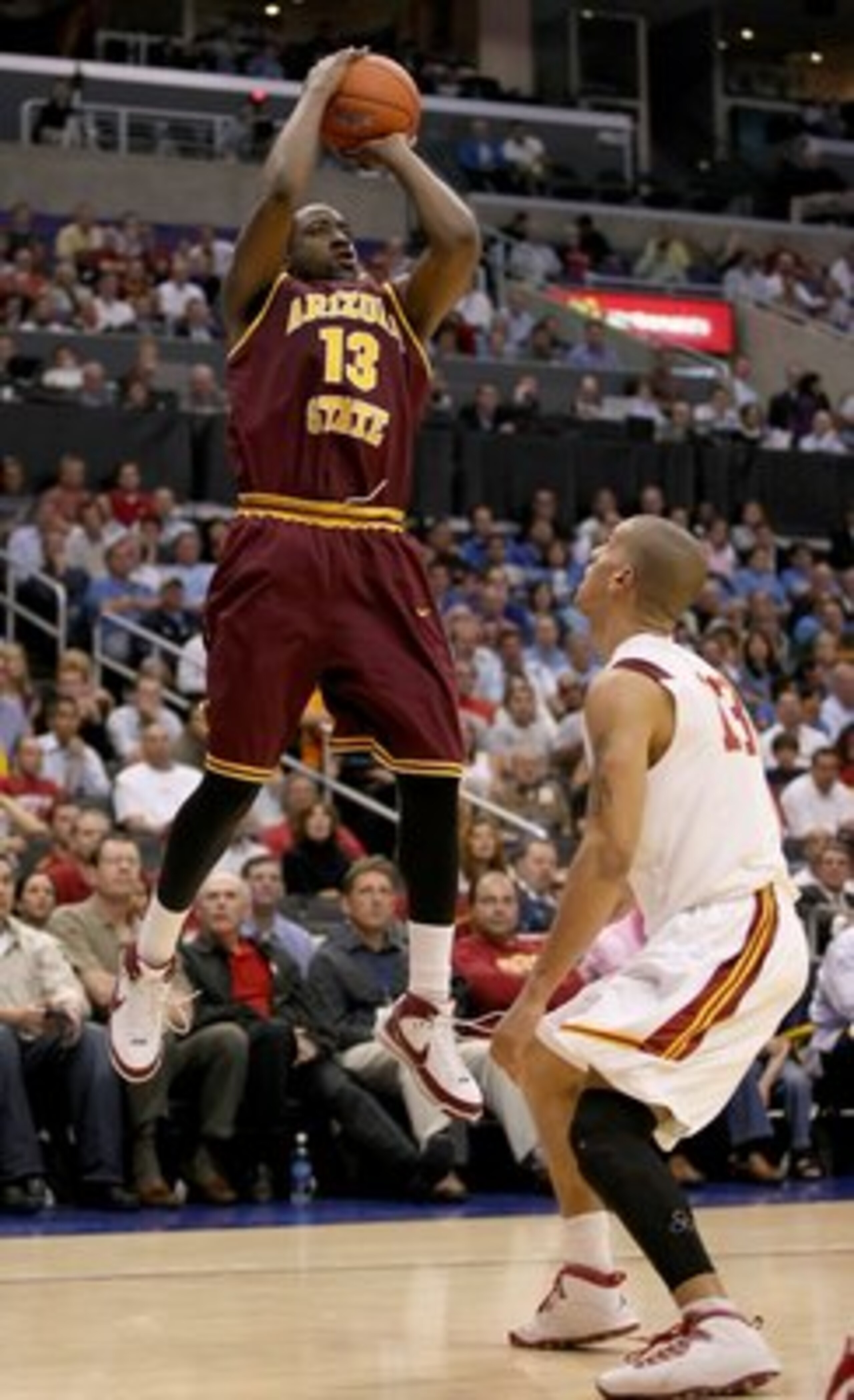
Career stats: 19 PPG, 5.4 RPG, 3.7 APG
Before the beard and before Jeff Van Gundy's man-crush, James Harden was tearing up the Pac-10. The 6'5" guard led the Pac-10 in scoring and steals during both of his years at Arizona State. He was first team All-Conference both seasons, including Pac-10 player of the year and first team All-American his sophomore year.
Harden was incredibly efficient, as he shot over 50 percent for his career while putting up one of the highest career scoring averages of anyone on this list.
Harden's only knock was the lack of ability to take his team to a lot of postseason success. Despite being ranked 15th during the preseason—a sign that Harden had help around him—Arizona State couldn't make it past the second round of the tournament.
21. Adam Keefe, Stanford
6 of 26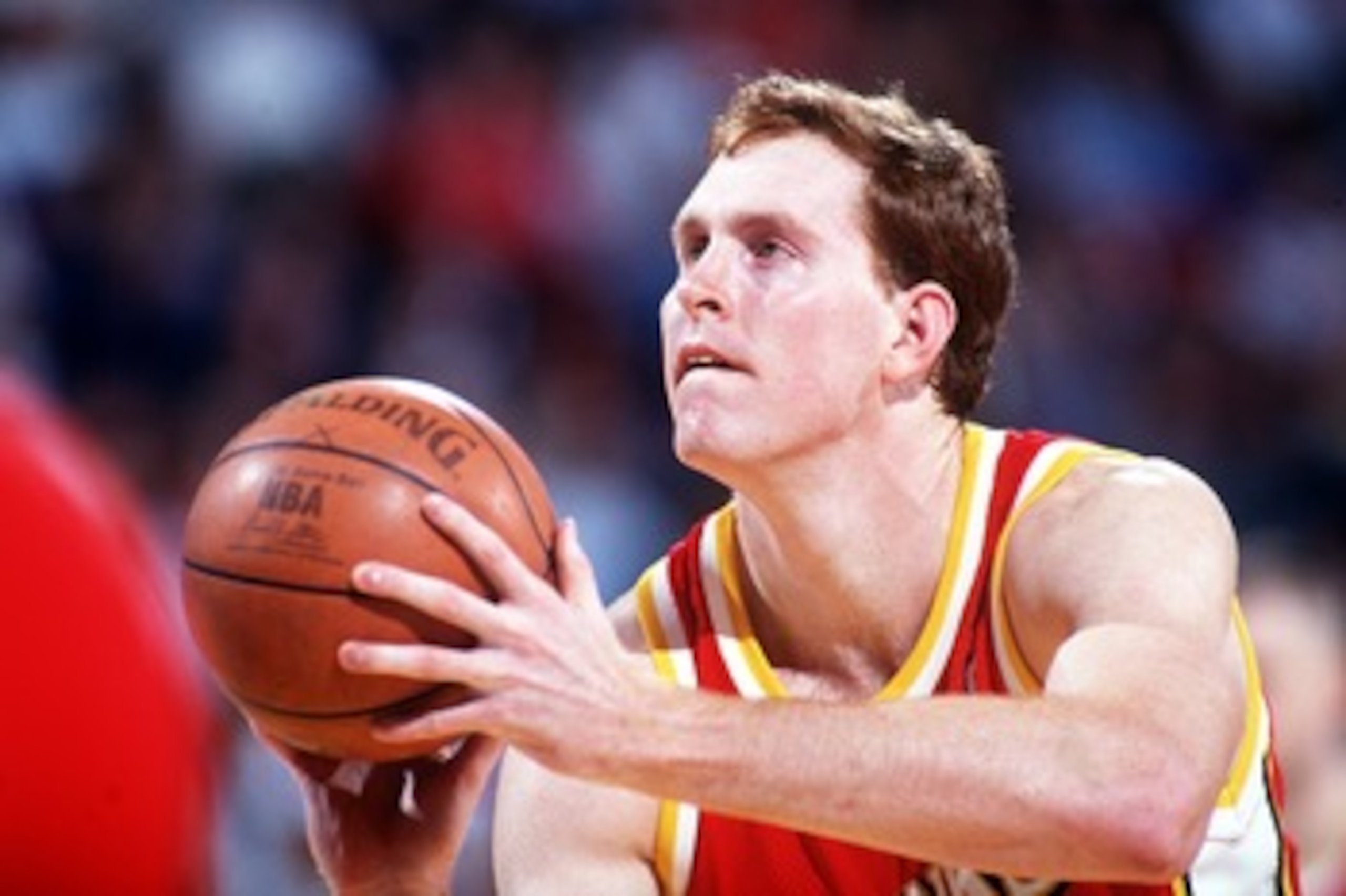
Career stats: 18.6 PPG, 9 RPG, 1.7 APG
Adam Keefe is fifth on the Pac-10 scoring list, first in free throws (pictured. Nice form) and fifth in rebounds.
He was voted to the all Pac-10 team three times, and if weren't for Harold Miner, he would have won a player of the year award, as well. Keefe shot over 56 percent on his way to 25.3 points and 12.2 rebounds per game his senior year. He also threw in three assists a game.
Keefe's Stanford teams didn't have much success, as he led the Cardinal to a first-round exit his senior year, and was a part of a first-round exit his freshman year. Nothing else.
Still though, Keefe's position on multiple Pac-10 statistical rankings easily lands him on this list.
20. Jason Kapono, UCLA
7 of 26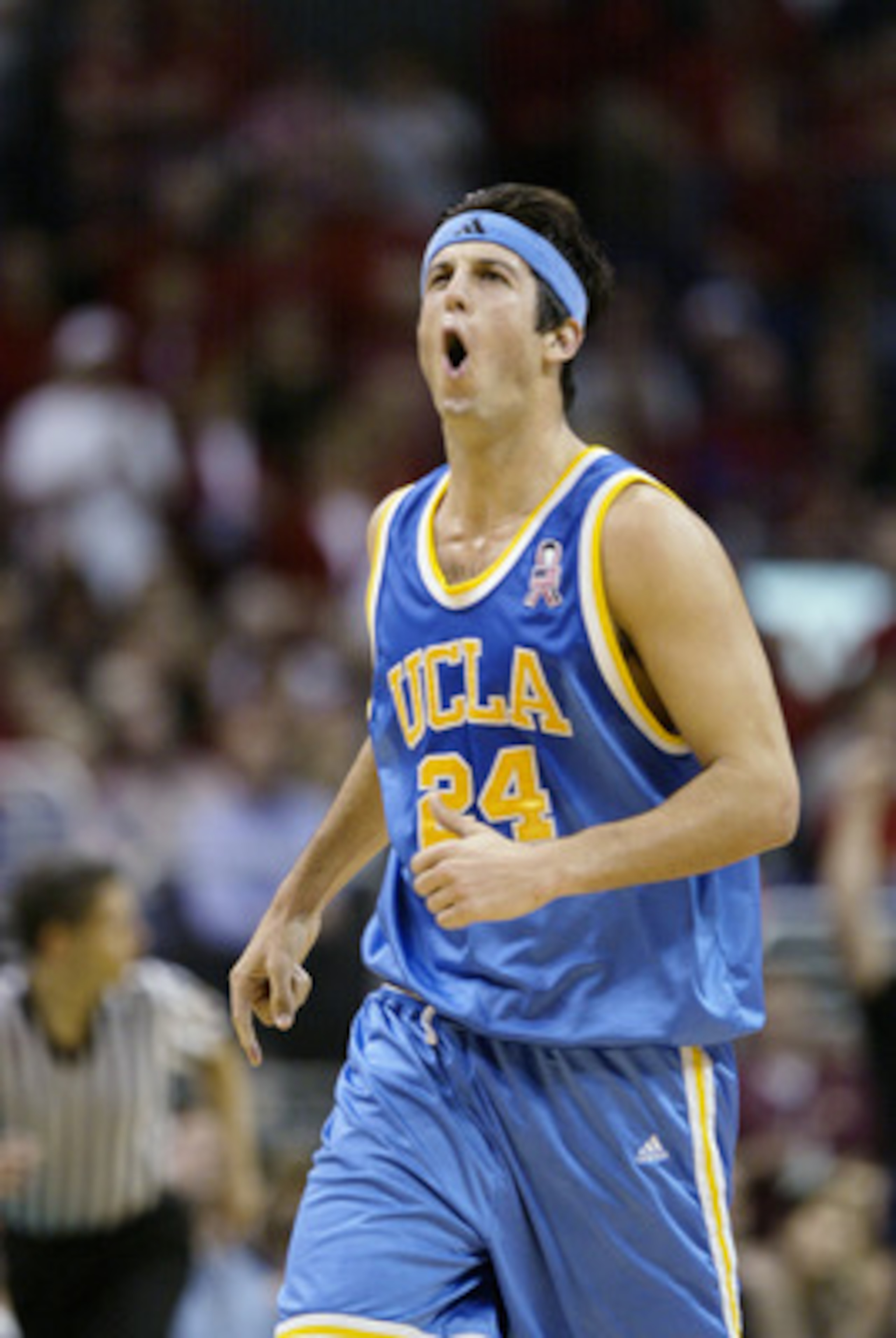
Career stats: 16.5 PPG, 5.1 RPG, 2.1 APG
Jason Kapono, believe it or not, made first team All-Conference all four years. He's only the fourth person in Pac-10 history to do that.
Kapono is tied with Reggie Miller for seventh on the all-time scoring list, and is fifth in three-pointers made.
UCLA didn't have a whole lot of talent around him during this time, but Kapono still managed to lead his school to three consecutive Sweet 16s.
19. Casey Jacobsen, Stanford
8 of 26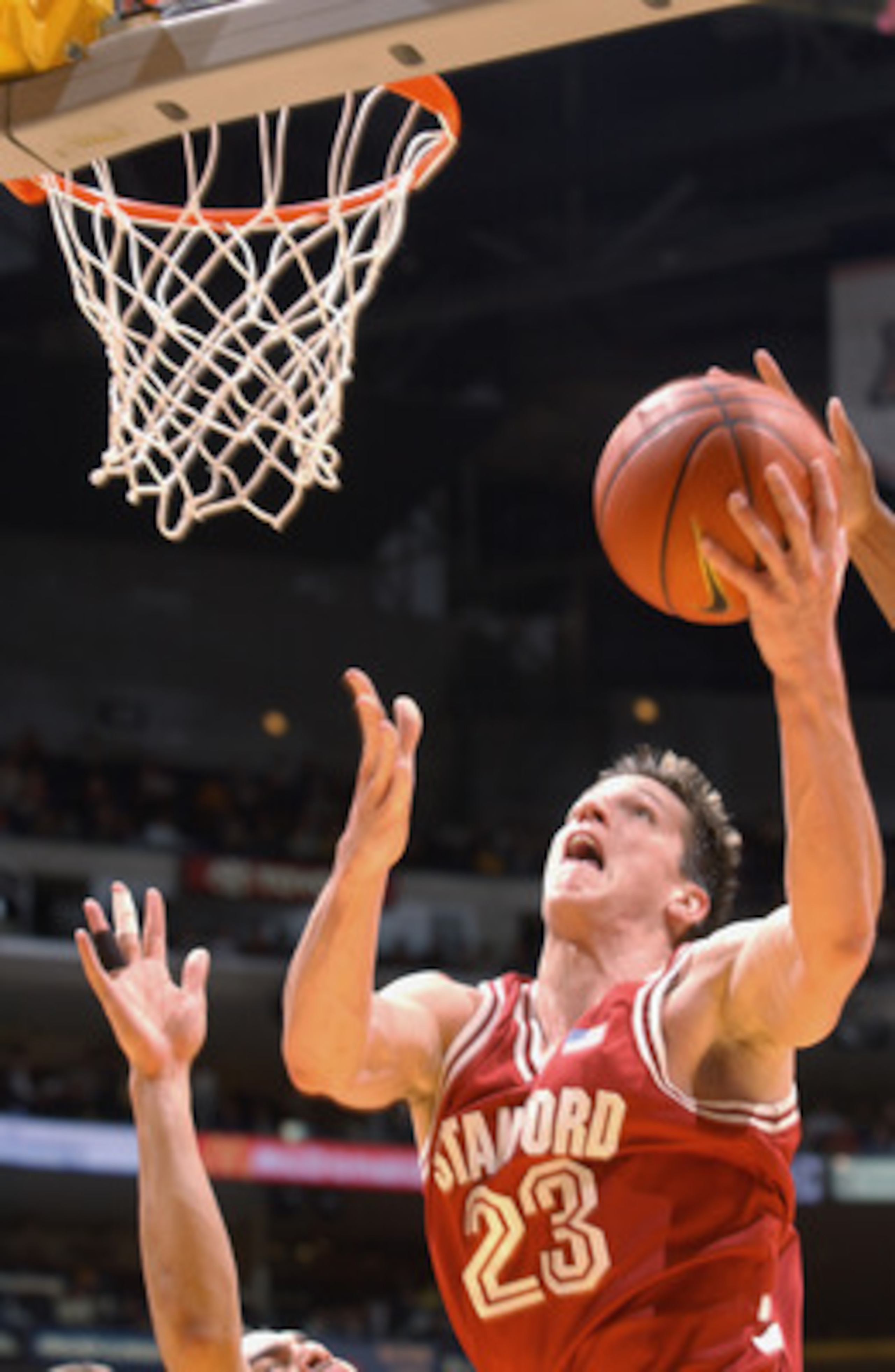
Career stats: 18.1 PPG, 3.8 RPG, 2.7 APG
During his three years at Stanford, Casey Jacobsen made three All-Conference first teams, two All-America teams (one first team, one second team) and led Stanford to three NCAA tournaments.
While Stanford came up short in the NCAA tourney during Jacobsen's time there, he was the leader of three really good teams.
During Jacobsen's freshman season, he led the team in scoring en route to a Pac-10 title and 27-win season. His sophomore year, he was again the leading scorer as Stanford won 30 games and another Pac-10 title.
18. Christian Welp, Washington
9 of 26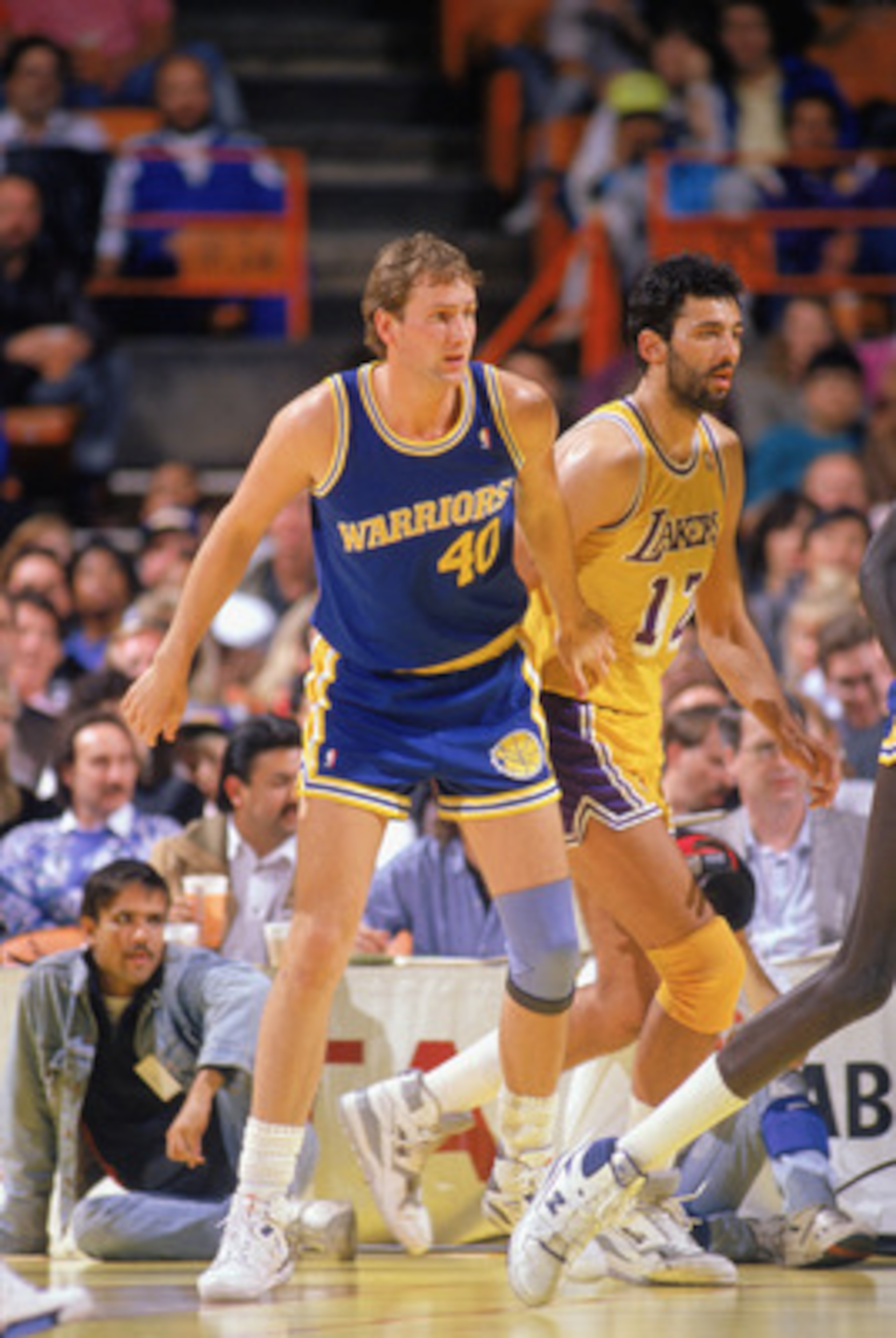
Career stats: 16.1 PPG, 7.7 RPG, 1.5 APG
Christian Welp was a contributor on both ends of the court, as he currently sits in 10th place on the Pac-10's scoring list, 14th in rebounds and eighth in blocks.
The seven-footer brought immediate success to a University of Washington team that had mostly struggled for the past few decades. During his freshman and sophomore seasons, he was a major part of the first two Pac-10 titles—and first Sweet 16 appearance—for the Huskies since the early 50's.
The German was a main part in putting Washington back on the map.
In addition to bring success to the Huskies, Welp was selected to the All-Conference team three times and won player of the year after averaging 21 points, nine rebounds and two blocks per game during his senior year.
17. Shareef Abdur-Rahim, Cal
10 of 26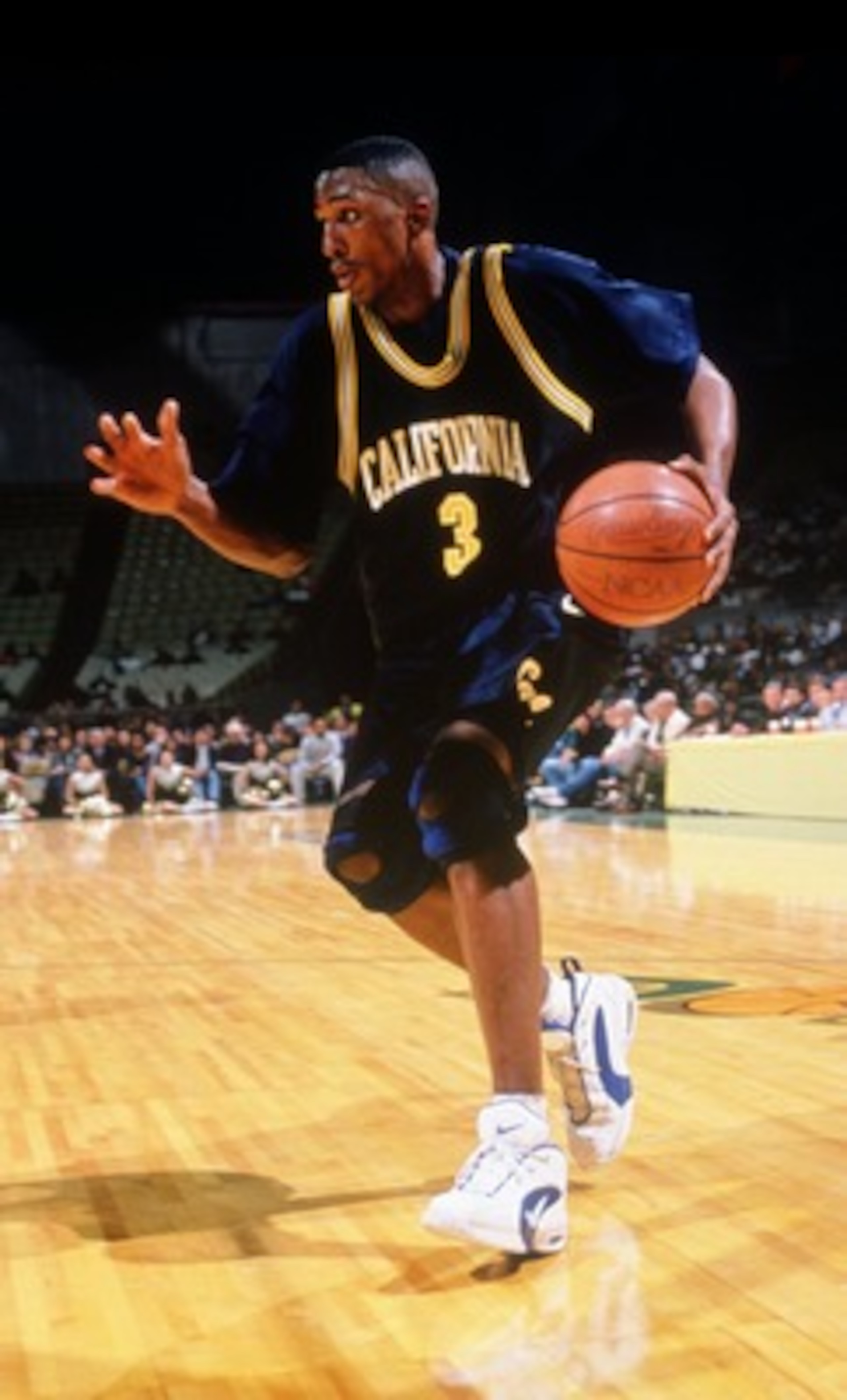
Career stats: 21.1 PPG, 8.4 RPG, 1.0 APG
Shareef Abdur-Rahim only stayed for one year, but what a year it was.
The California forward led the league in points on his way to the best freshman scoring season in history—a record that still stands. On top of that, he rebounded and played outstanding defense (1.9 SPG, 1.3 BPG).
Abdur-Rahim was named the Pac-10 player of the year—the first time a freshman had ever won the award—and third team All-American on his way to taking Cal to the NCAA tournament.
16. Damon Stoudamire, Arizona
11 of 26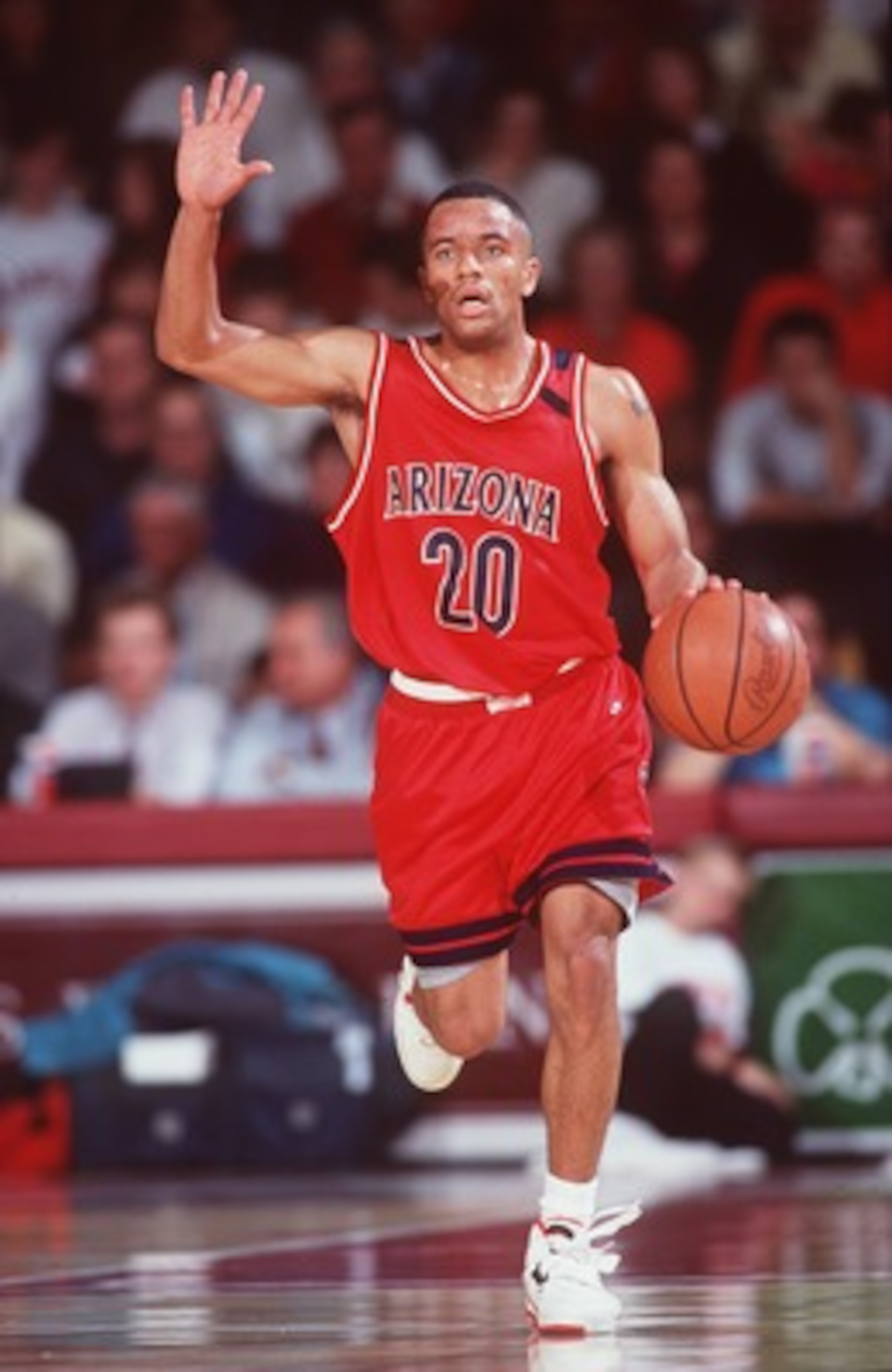
Career stats: 15 PPG, 3.8 RPG, 5.4 APG
During his sophomore season, Damon Stoudamire had to endure one of the biggest upsets in tournament history as his No. 2 Wildcats fell to No. 15 Santa Clara. Stoudamire went 0-for-7 in that game.
Stoudamire responded with one of the best two-year stretches of anyone in Pac-10 history. During his junior and senior seasons, "Mighty Mouse" averaged over 20 points, four assists, six rebounds and one steal per game.
He led Arizona to a Pac-10 title and a Final 4 during his junior season and was awarded Pac-10 player of the year—and third All-Conference selection—his senior season.
Stoudamire currently sits at 24th all-time in Pac-10 history in points, seventh in three-pointers made and seventh in assists.
15. Kevin Love, UCLA
12 of 26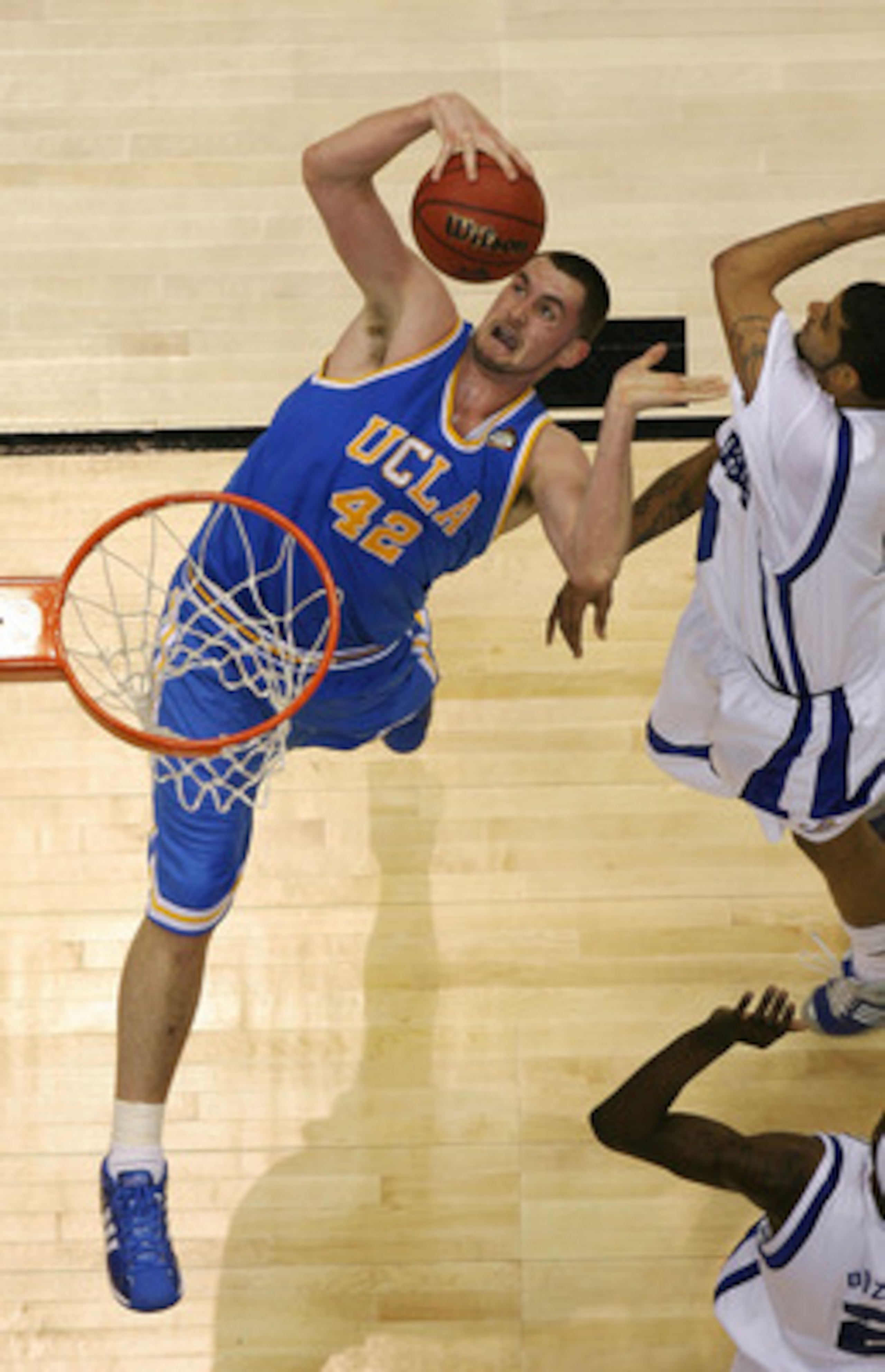
Career stats: 17.5 PPG, 10.6 RPG, 1.9 APG
Despite being at UCLA only one year, Kevin Love might have affected the conference unlike anyone else.
Love was practically unstoppable inside, as he put together one of the best freshmen seasons in conference history. He was named Pac-10 player of the year and a consensus first team All-American.
2008 was the year of the freshman in the Pac-10, as O.J Mayo and Jerryd Bayless also had terrific seasons, but neither of them had the year or the team success that Love did. The big man led UCLA to a third-straight Final 4.
Still though, the early draft entrance prevents Love from climbing higher on this list.
14. Jason Terry, Arizona
13 of 26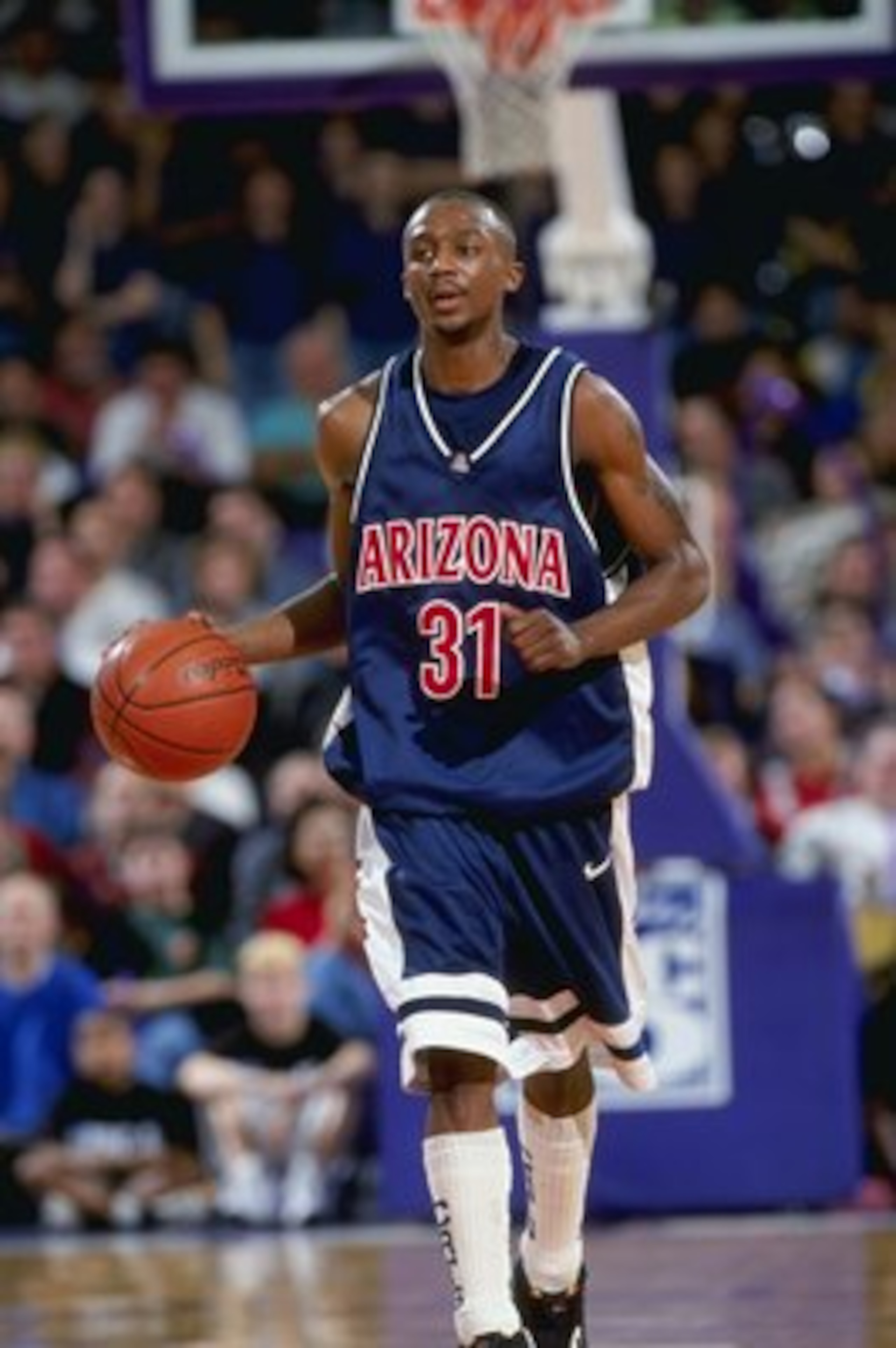
Career stats: 11.3 PPG, 2.3 RPG, 2.8 APG
Stuck behind Mike Bibby and Miles Simon for most of his career, Jason Terry played the part of sixth man until his senior season.
Terry was a part of that 1997 national championship team his sophomore year, but he really earned a spot on this list because of what he did once he was finally given a starting role.
During his senior season, Terry averaged 22 points, five-and-a-half assists, three rebounds and three steals per game as he was named Pac-10 player of the year and Sports Illustrated national player of the year.
Even though his overall career numbers are anything but exciting, Terry's terrific senior season showed that he was one of the most talented players in the history of this league. If he would have landed somewhere else in the conference, it's a little scary to think what he might have done.
13. Ike Diogu, Arizona State
14 of 26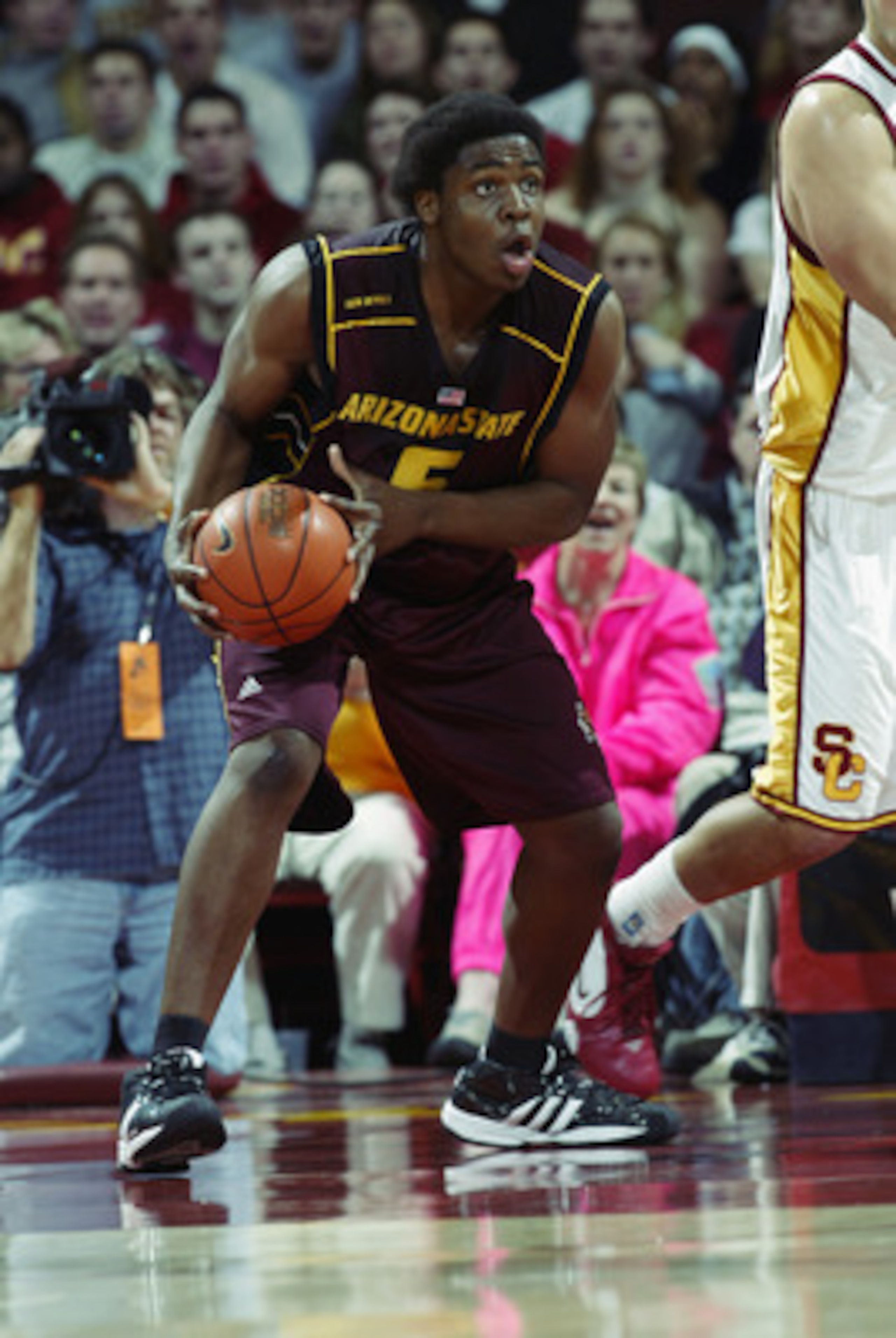
Career stats: 21.4 PPG, 8.8 RPG, 1.2 APG
Ike Diogu manages to find himself 20th on the Pac-10's all-time scoring list despite playing only three years. His scoring average, on the other hand, is good for fifth all time. Diogu's scoring prowess was due in part to his terrific .571 career shooting percentage and the ability to constantly get to the line. Diogu holds the top two records for free throws made in a season.
The 6'9" big man was named to the all-conference team during every one of his years at ASU, as well as second team All-America his junior year.
Arizona State didn't have much talent around Diogu, but he still managed to lead them to the second round of the tournament during his freshman season. This former Sun Devil might be one of the more underrated talents in recent Pac-10 history
12. Arron Afflalo, UCLA
15 of 26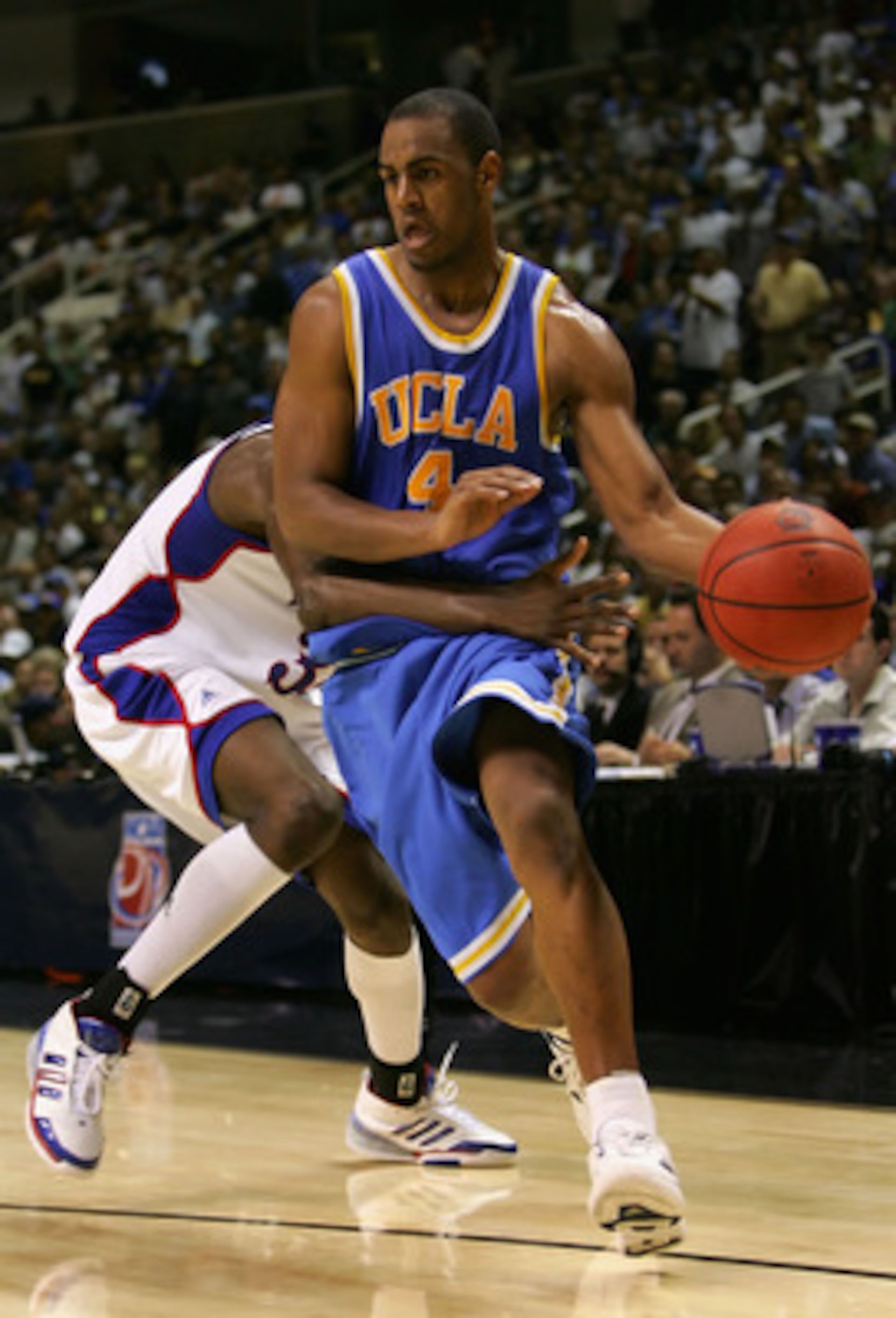
Career stats: 14.8 PPG, 3.5 RPG, 1.9 APG
Many might feel that Arron Afflalo doesn't belong here, but when you lead two straight Final 4 teams in scoring, you are doing something right.
Afflalo, as just a sophomore and junior, led UCLA to consecutive appearances in the national semifinals, an impressive feat no matter who's around you.
While Afflalo's stats aren't mind-boggling, he was a part of a defensively-minded team. He bought into that system and made himself one of the best defenders in the conference during his three years at UCLA. This led to two All-Conference selections, one player of the year award and one consensus first team All-America pick.
11. Mike Bibby, Arizona
16 of 26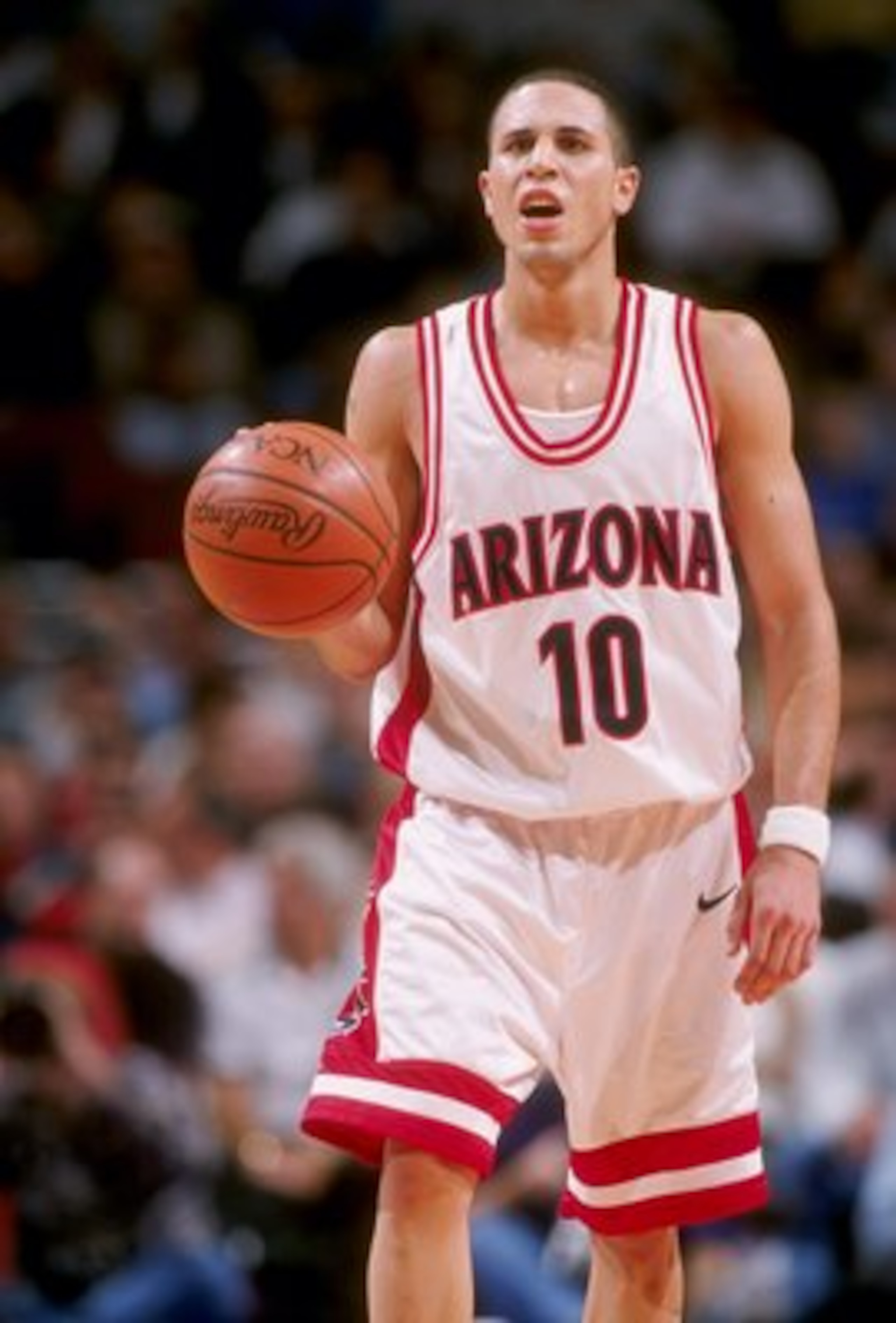
Career stats: 15.4 PPG, 3.1 RPG, 5.4 APG
Despite staying at Arizona for just two years, Mike Bibby established himself as one of the best point guards in Wildcat history.
During his freshman season, Bibby led the team in assists and steals en route to a national championship. Bibby, along with Miles Simon, led the Wildcats through the tournament as junior Michael Dickerson and sixth man Jason Terry both struggled. Bibby was named to the Final 4 all-tournament team.
Bibby averaged 17 points and almost six assists per game his sophomore year as he was named a first team All-American.
10. Jason Gardner, Arizona
17 of 26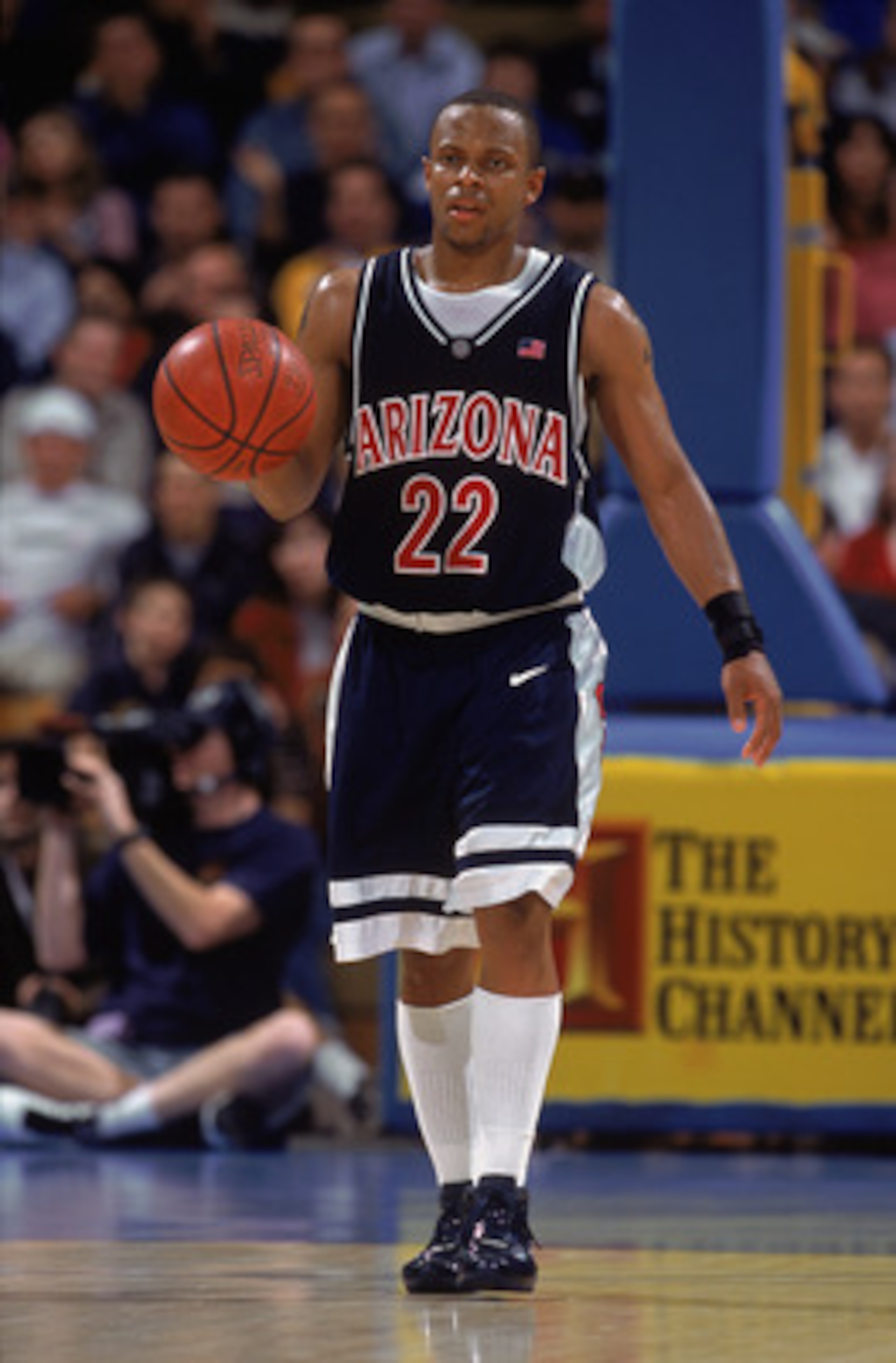
Career stats: 14.6 PPG, 3.4 RPG, 4.6 APG
Jason Gardner was the ultimate team player. During his freshman and sophomore seasons, he stepped back and let guys like Gilbert Arenas and Richard Jefferson do the scoring—and still won national Freshman of the Year.
When those guys left early and Gardner needed to step up, he upped his scoring to over 20 points per game while still dishing out the same amount of assists.
Gardner, the three-time All-Pac-10 player, stands in fourth place all-time in three-pointers made, 10th in assists and 10th in steals. He led the 'Cats to one national championship game and two more Sweet 16s.
9. Harold Miner, USC
18 of 26
Career stats: 23.5 PPG, 5.4 RPG, 1.8 APG
Harold Miner spent three seasons at USC, but he produced like most people do in four. If he would have stayed for his senior year, there's a pretty good chance Miner would be the conference leader in scoring. As it stands, however, he is still 11th all time.
During his stay at USC, Miner was elected to the all-Pac-10 team every year, and won player of the year his junior season, when he averaged 26.3 points and seven rebounds per game.
He led USC to the NCAA tourney twice, their only two appearances in an 11-year span. Unfortunately, it was Miner's team that was on the losing end of one of the greatest finishes in NCAA tournament history.
8. Brevin Knight, Stanford
19 of 26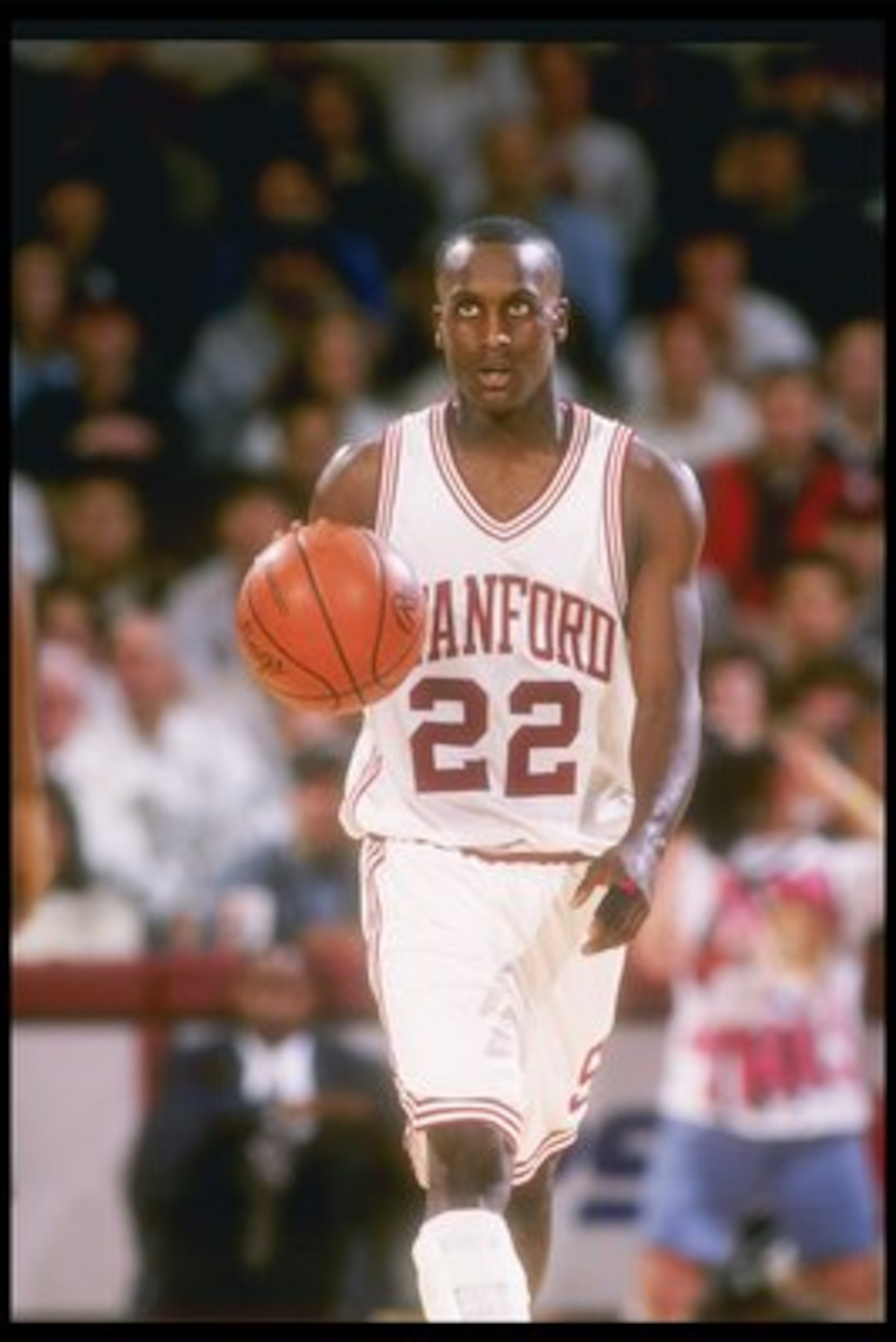
Career stats: 14.9 PPG, 3.8 RPG, 6.8 APG
Brevin Knight might just be responsible for turning Stanford's program around. The year before Knight got there, Stanford went a meager 7-22 and hadn't been past the first round of the NCAA tournament since 1942.
Knight led the Cardinal to three 20-win seasons, two second-round appearances and one Sweet 16 appearance. Beginning with Knight's sophomore year, the Cardinal started a streak that saw them make the NCAA tournament 13 times in 14 years, only losing in the first round twice.
Just what he meant to Stanford's overall success is impressive, but add in the fact that Knight is 29th all time in scoring, second in steals and fourth in assists. He was also named to the All-Pac-10 first team three times.
Perhaps no player has done more for Stanford.
7. Brandon Roy, Washington
20 of 26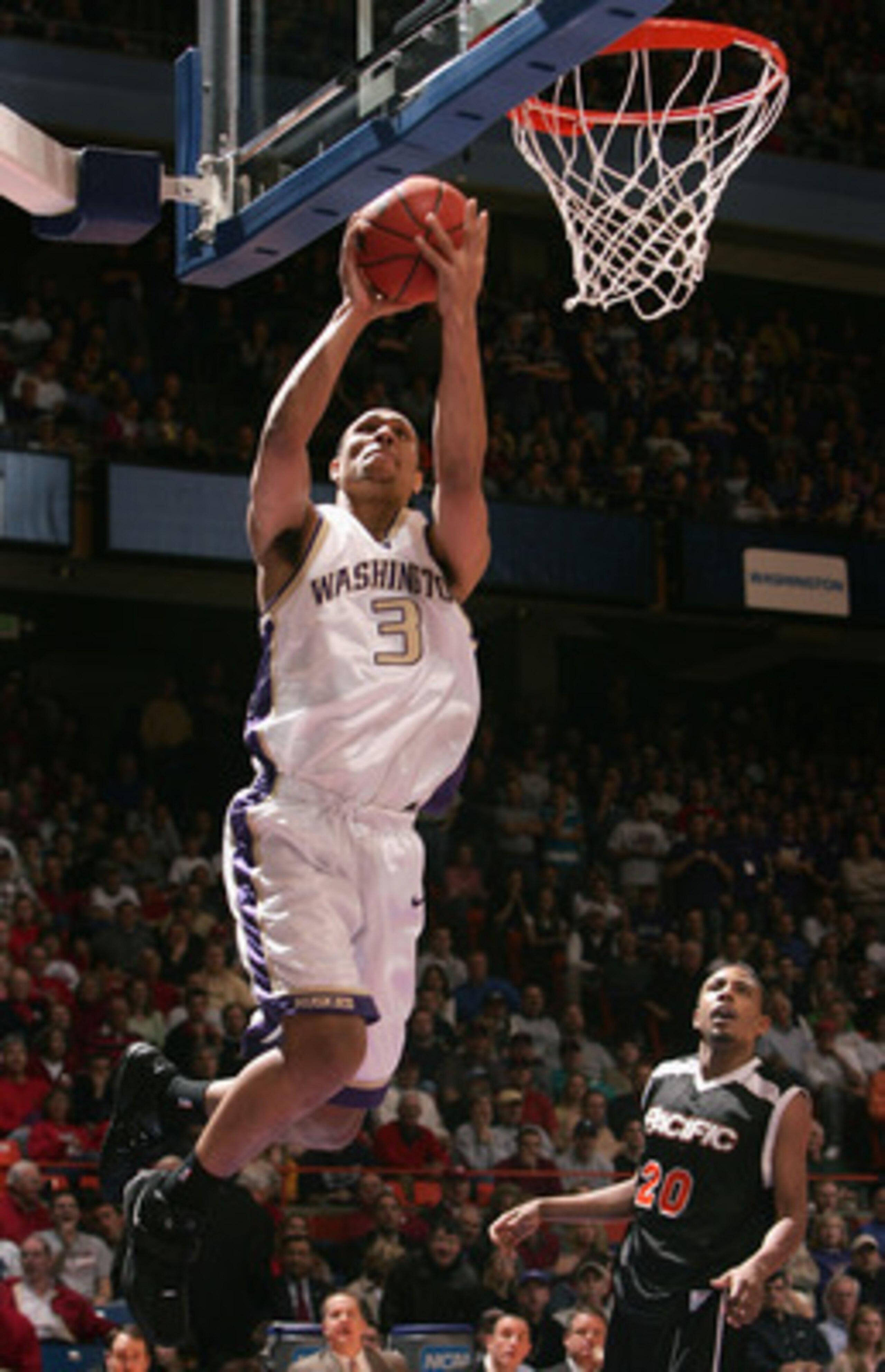
Career stats: 14.3 PPG, 5 RPG, 3 APG
Brandon Roy's career stats don't necessarily jump out at you, but his impact on the University of Washington can't be overstated.
After being used sparingly his freshmen year, Roy became one of the main cogs his sophomore year in leading the UW to their first NCAA tournament in five years.
After suffering a meniscus tear in his knee (Roy with a knee injury. Shocking, I know) his junior year, Roy was moved to the bench, but was still an important sixth man during UW's first trip to the Sweet 16 since 1998.
At full strength, Roy put together one of the best all around Pac-10 seasons ever during his senior year. He finished in the top 10 in 13 statistical categories on his way to winning player of the year, as well as being named first team All-America.
Even after Nate Robinson had bailed for the NBA, Roy led the Huskies to another Sweet 16. There, they lost a big lead to top-seeded Connecticut after Roy suffered a technical and was forced to the bench.
6. Miles Simon, Arizona
21 of 26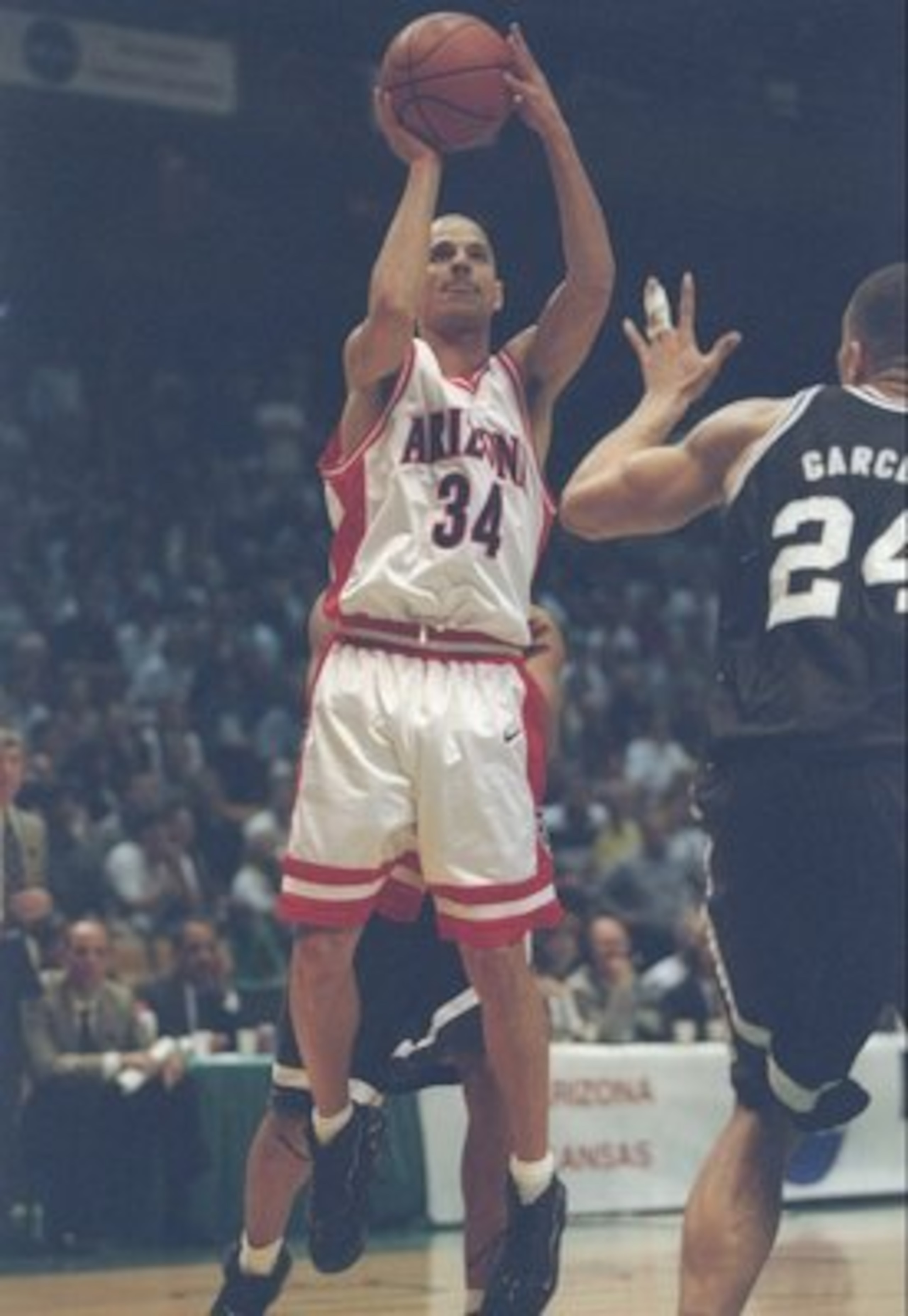
Career stats: 14.6 PPG, 3.8 RPG, 4 APG
Miles Simon had solid freshmen and sophomore years, but his legacy at Arizona was born during his junior year.
Due to being academically ineligible, Simon was forced to miss the first 11 games of Arizona's season. During those games, Arizona was a mediocre 6-5 even though they had the likes of Mike Bibby, Jason Terry and Michael Dickerson on the team.
Simon returned, and even though he battled through pneumonia and a serious car accident, averaged 18.4 points, 4.1 rebounds and 4.2 assists per game, leading Arizona to a No. 4 seed in the tournament. The rest is history. Arizona went on one of the greatest tournament runs of all time to win the national championship. Simon scored 30 in the final and was named the most outstanding player.
All Simon did his senior year was improve his numbers to earn a first team All-America selection. Oh, and the 'Cats made the Elite Eight.
5. Jason Kidd, Cal
22 of 26
Career stats: 14.9 PPG, 5.9 RPG, 8.4 APG
Jason Kidd cracks the top 10 despite only staying at Cal for two years. If he stayed all four, he would probably be No. 1. His assists per game and amazing 3.5 steals per game over his career are both higher than Gary Payton's, and his six rebounds per game for a point guard is quite astounding.
During Kidd's two years at Cal, he led them to two tournament appearances, including a Sweet 16. Not bad considering they were 10-18 before he got there.
Kidd was All-Conference both years, and won conference player of the year his sophomore year, which, at the time, was a first for the Pac-10.
4. Don MacLean, UCLA
23 of 26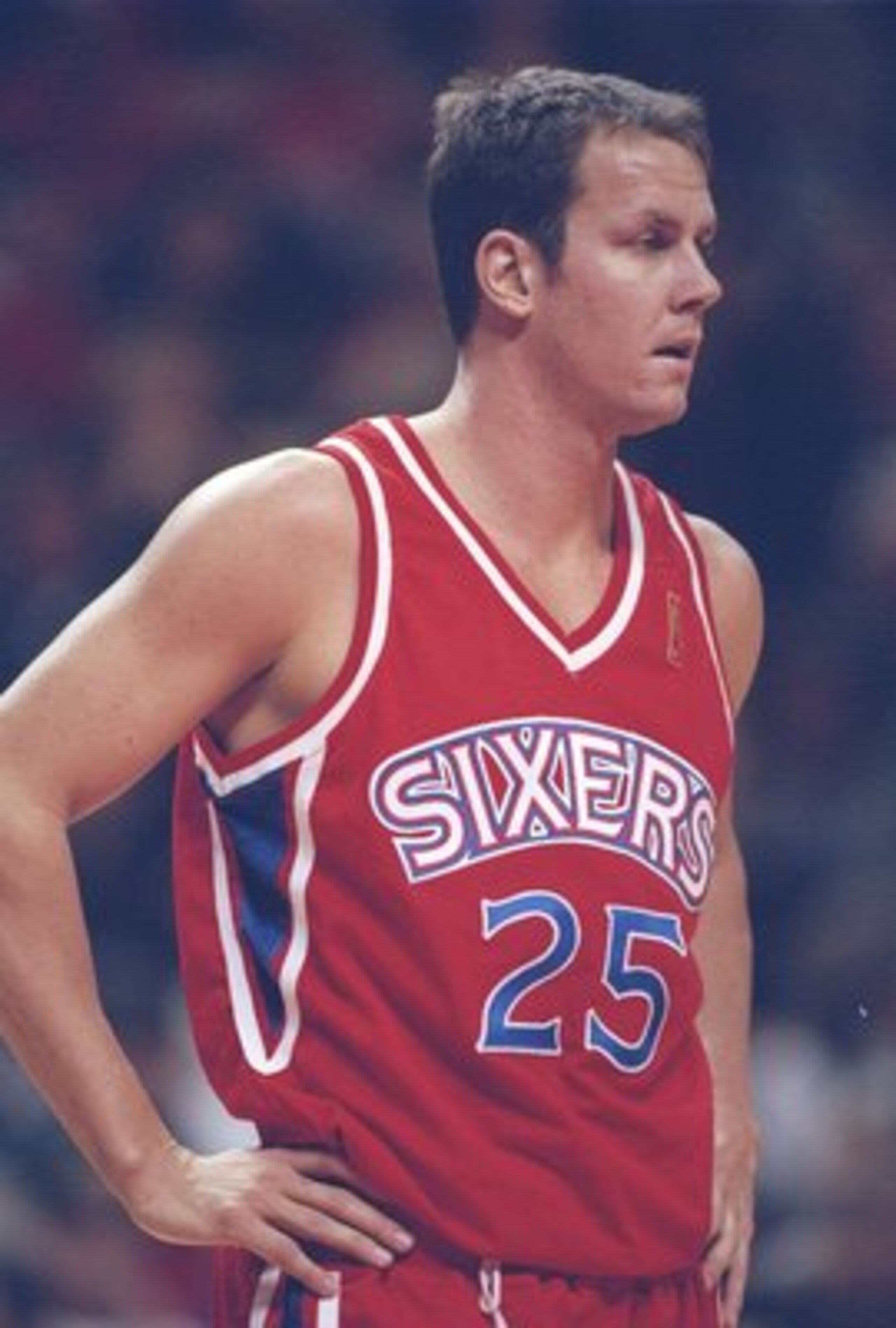
Career stats: 20.5 PPG, 7.8 RPG, 1.6 APG
Yup, that guy. Don MacLean is the Pac-10's all-time leading scorer and 15th leading rebounder.
He was named to the All-Conference team three times and the All-America team once. He is one of seven Bruins to have their jersey retired.
During his senior year, MacLean scored over 20 points per game and led the Bruins to a 25-8 record, but they were ousted in the Elite 8.
3. Ed O'Bannon, UCLA
24 of 26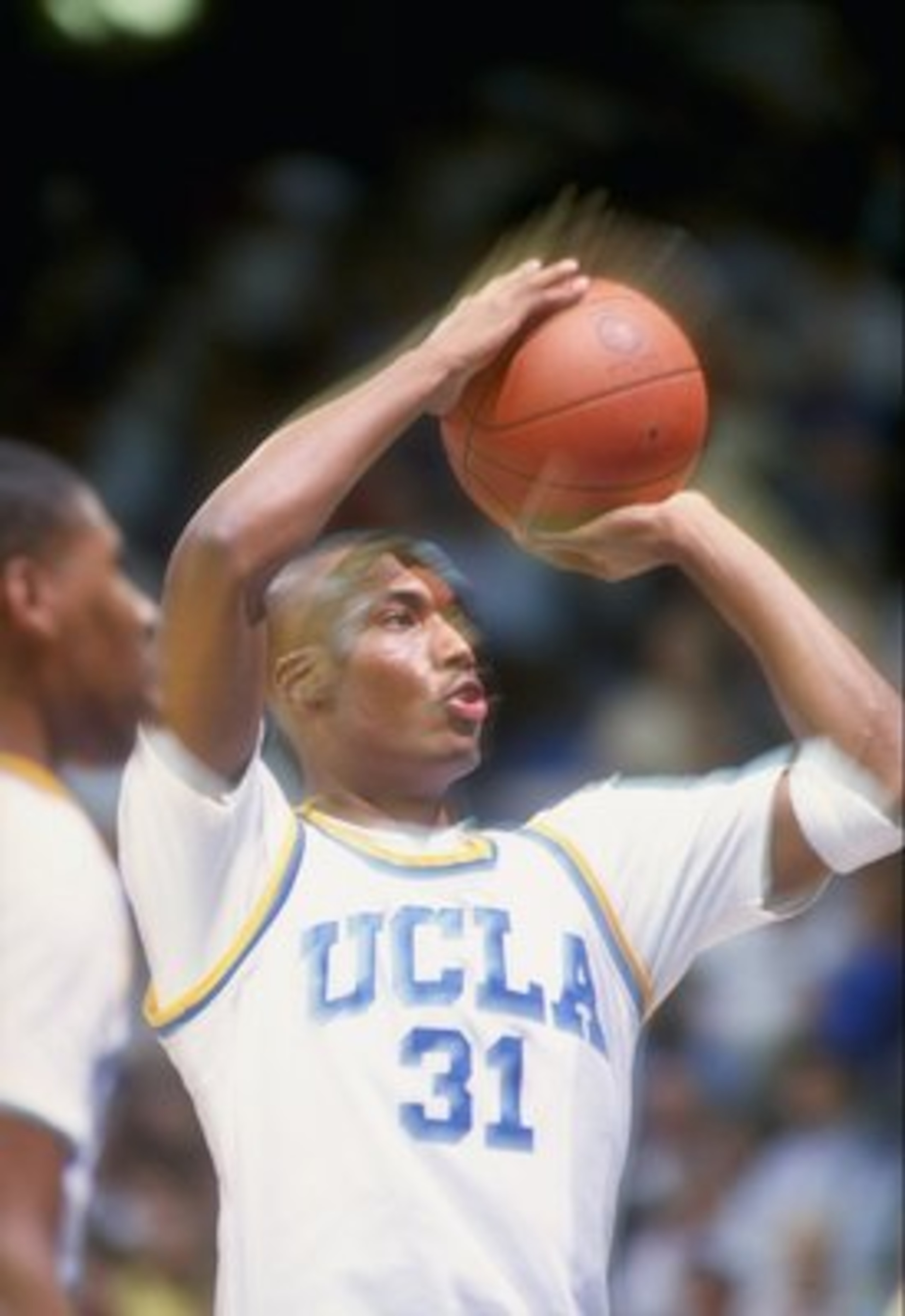
Career stats: 15.5 PPG, 7 RPG, 1.8 APG
Ed O'Bannon was terrific his whole career, but it all culminated in a magical 1995 season. He averaged over 20 points and eight rebounds per game en route to his third All-Conference selection, the conference player of the year, and the nationally-recognized Wooden award.
After all that, O'Bannon led UCLA to a national championship, including a 30-point, 17-rebound performance in the title game. Unsurprisingly, he was honored as the most outstanding player of the tournament.
2. Gary Payton, Oregon State
25 of 26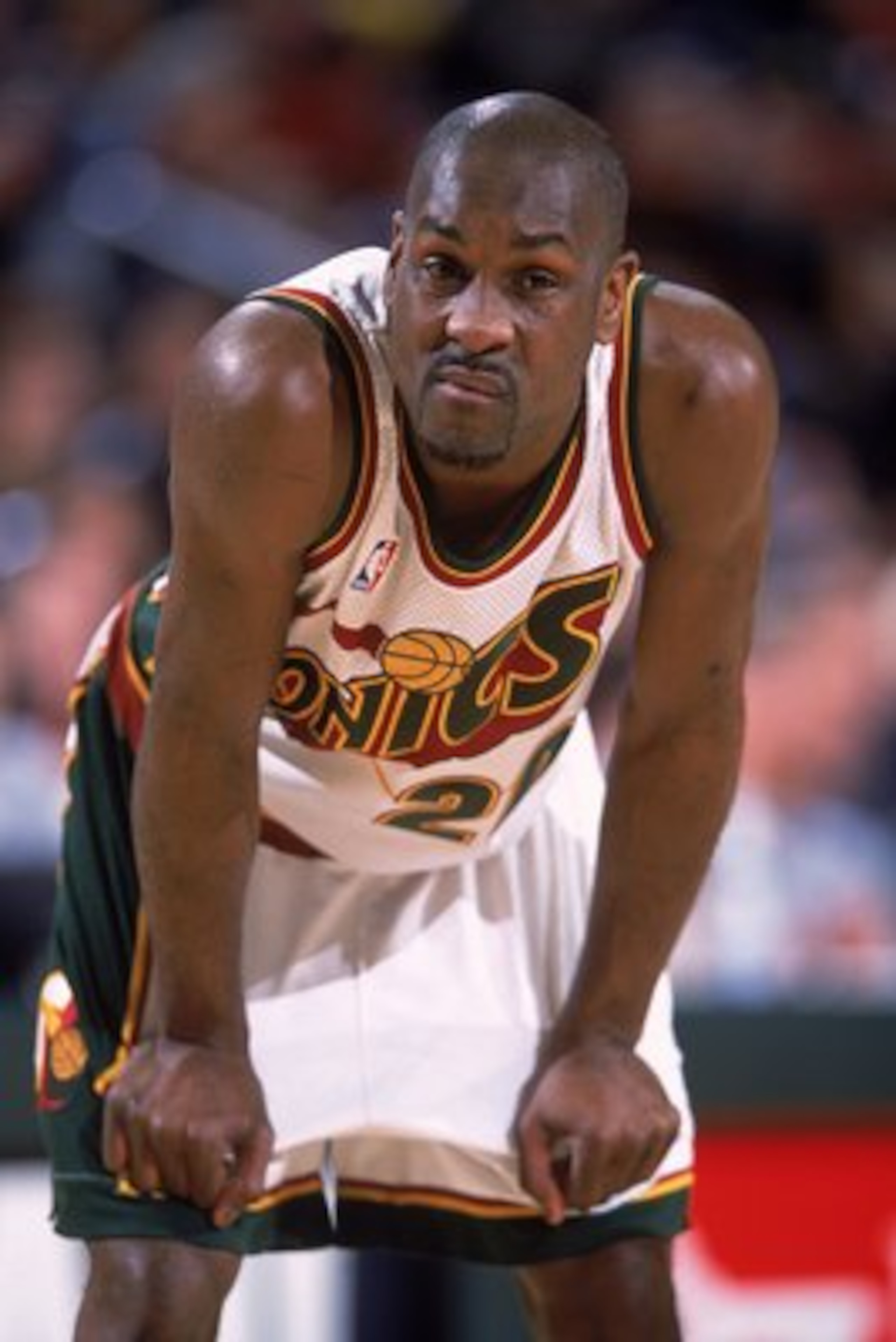
Career stats: 18.1 PPG, 4 RPG, 7.8 APG
Gary Payton is sixth in conference history in points, first in assists and first in steals. He led the league every year in assists and three times in steals.
As far as awards go, "the Glove" has a few. He won player of the week a record nine times, he was first team All-Conference three times, including one player of the year award. Payton was also named as a consensus All-American his senior year.
Possibly the only thing keeping Payton from No. 1 is his three first-round exits from the NCAA tournament.
1. Sean Elliott, Arizona
26 of 26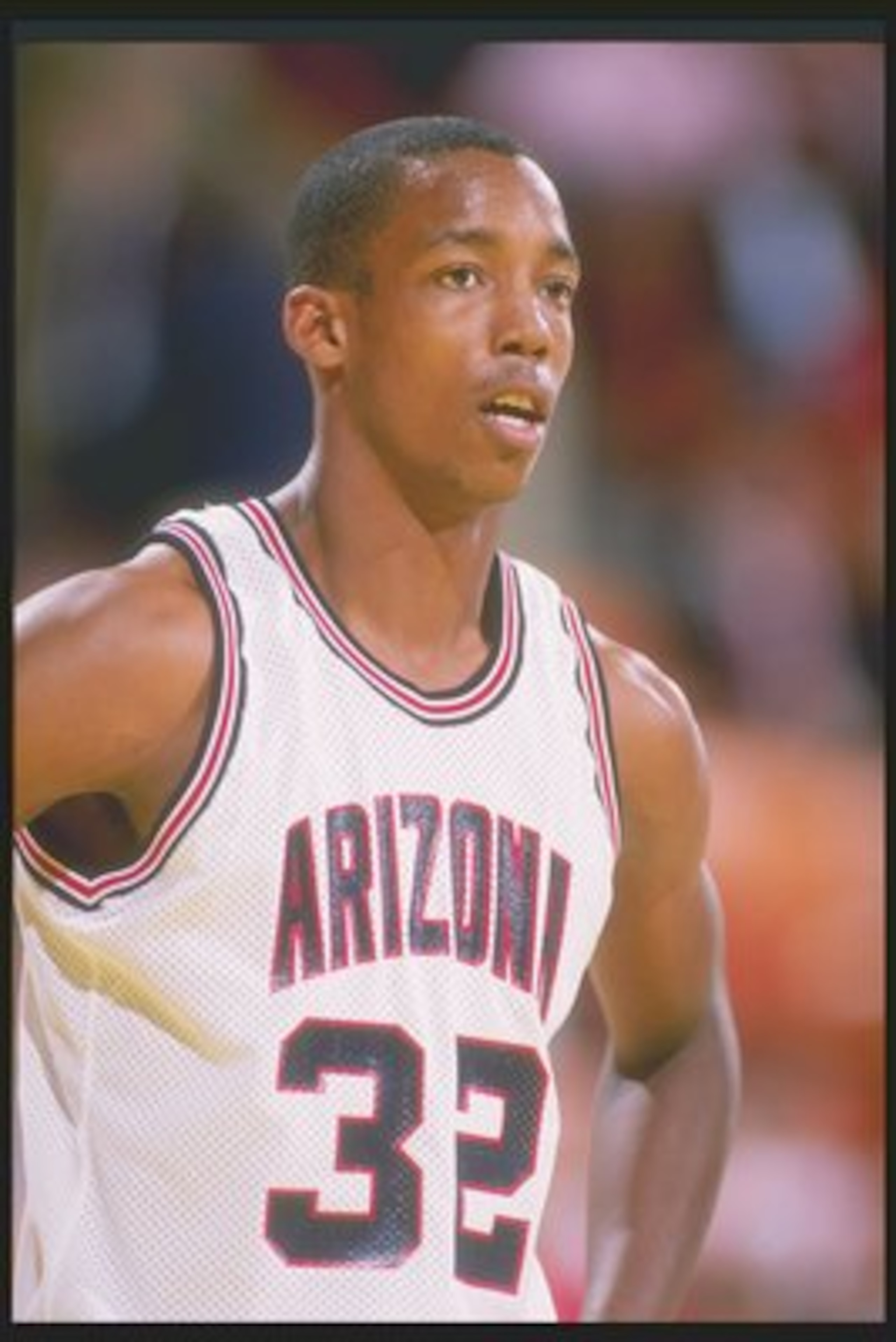
Career stats: 19.2 PPG, 6.1 RPG, 3.4 APG
Sean Elliot probably did more for Arizona than anyone else in the Pac-10 did for their school.
The Tuscon native is second in conference history in scoring, was named to the All-Conference first team three times, and won conference player of the year twice, becoming only the second player ever to accomplish that feat. David Greenwood did it in 1978 and 79.
Elliott was also named as the consensus national player of the year during his senior season, when he averaged over 22 points, seven assists and four rebounds per game.
He led Arizona to three Pac-10 titles, four NCAA tournament appearances, one Sweet 16 appearance and one Final 4.


.jpg?w=2560 "Viral Rams Coach Vid 🖕")

.jpg?w=2560 "Injury-stricken Seahawks signing veteran RB")
