
Mike Tyson and 5 Other Former Heavyweight Champs Who Fell on Hard Times
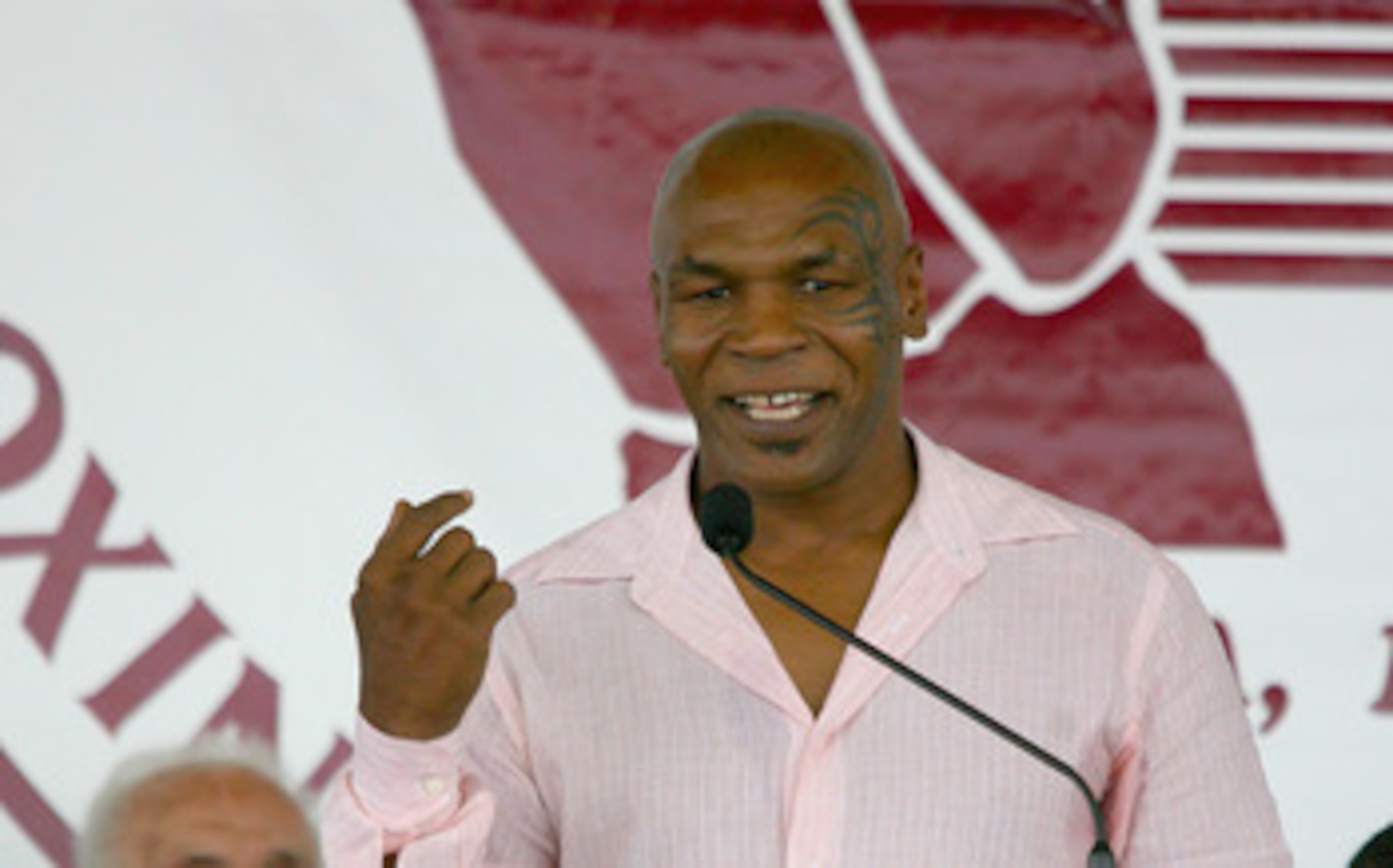
On Sunday, June 12, 2011, Mike Tyson was inducted into the International Boxing Hall of Fame in Canastota, NY. The former "Baddest Man on the Planet" officially entered the company of the sport's all-time greats. Tyson, an avid boxing historian since his youth, was visibly overwhelmed by the significance of the event and was unable to even finish his remarks at the ceremony.
It is an honor that many had expected him to garner posthumously. Tyson spent years living a wild and profligate lifestyle, battling drug and alcohol addiction and letting the hundreds of millions of dollars he earned in the ring pass through his hands like water. He filed for bankruptcy in 2003 and as recently as May of last year appeared on the television show The View, where he stated that he was "completely broke."
In interviews and media appearances leading up to the induction, a world-weary but ultimately thoughtful and engaging Tyson has emerged. He has spoken openly about his troubled childhood and his inability to psychologically adjust to the life-changing journey he undertook as an adolescent, traveling from juvenile thug to the most celebrated athlete on the planet in only a few short years.
The media, and most boxing fans, seem more than ready to embrace the new Tyson. Tyson's resume of bad and/or illegal behavior is too long to give an accurate synopsis here, and it is well enough known to make the synopsis unnecessary. But the Tyson the world saw riding in the "Parade of Champions" on Sunday, looking as bashful as his small daughter cradled in his lap, is a man who seems to mostly hunger now for redemption and peace.
The overwhelmingly positive reaction to his appearances in the Hangover franchise indicates there is a great opportunity for Mike Tyson to make a pretty good living from simply being Mike Tyson. There will always be a lot of debate about where to rank Tyson among the all-time heavyweight champions as a boxer. As a popular culture icon, he clearly ranks near the very top and should benefit from that status in retirement.
The story of once-great champions struggling through their retirement years is, unfortunately, as old as the sport. Most of boxing's great stars rose up from hard times, and too many fall back on hard times when their moments in the spotlight have passed.
Jack Johnson
1 of 5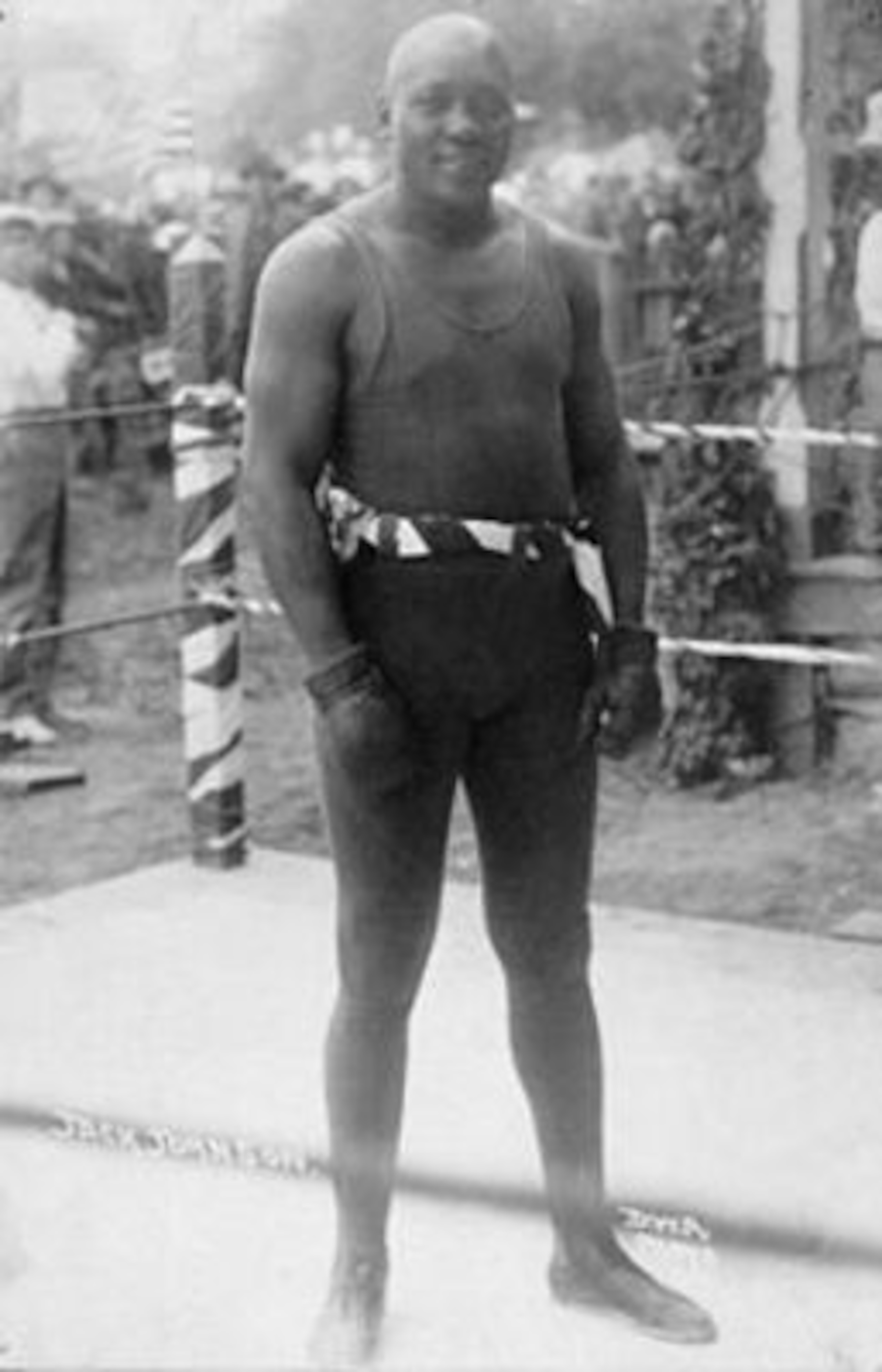
The first African-American heavyweight champion, Jack Johnson reveled in spending money in an era when most men of his race and social background spent their entire lives trapped in sharecropper debt. He liked clothes, he liked jewelry, he liked cars and he really liked being rich.
And it's not going too far to say that he particularly enjoyed being a rich black man who was still within the living memory of slavery.
A story is told about Johnson being pulled over by a rural southern sheriff. The local lawman took one look at the champ, all dressed up in his fancy car, and announced he was imposing a $50 cash fine, due on the spot. Johnson calmly handed him a $100 bill. The deputy dog sputtered that he couldn't make change. "Don't bother," replied Johnson, "I plan to come back through in a couple of days. "
While he may have spent recklessly, the ultimate source of his hard luck was the racist society in which he lived. When Johnson had the temerity to consort with white women in public and eventually, even marry one, a legal crusade was launched against him. In October of 1912, he was arrested under the Mann Act for "transporting women across state lines for immoral purposes."
Johnson was tried in the courtroom of Judge Kenesaw Mountain Landis, who would later do everything he could while serving as baseball commissioner to perpetuate the Major League color line.
An all-white jury found him guilty and sentenced him to a year and one day. Johnson skipped bail, fled the country and spent the next eight years living abroad.
He returned to the US in 1920 and served his sentence. Remarkably, while in prison he made modifications to a wrench and eventually received a patent. The great champion had brains to go with his brawn.
Johnson's waning years were a struggle. He continued to fight until age 56, losing seven of his last nine while chasing what were surely small money paychecks.
He died at age 68, when he crashed his car while driving angrily away from a diner near Raleigh that had refused to serve him. His grave site originally went unmarked for years.
Joe Louis
2 of 5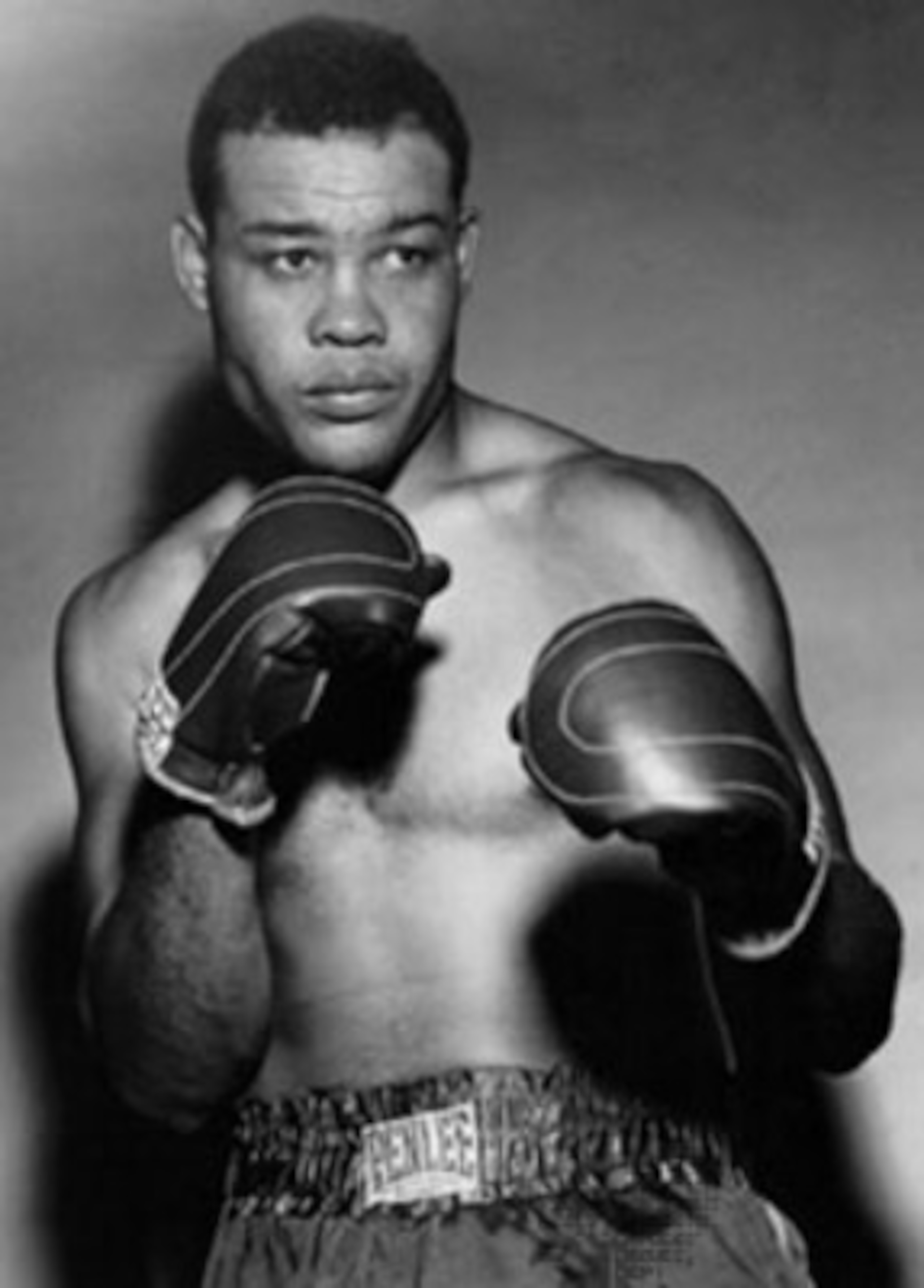
Like Jack Johnson before him, and like so many other fighters who grew up in desperate poverty, Joe Louis loved to buy clothes and cars. He also liked real estate and race horses.
At the height of his career, he was the highest-paid professional athlete in the United States. He made even more money on the side doing films and endorsements. Not long after his first retirement, he was already broke, and the iconic champion's final years were spent chasing nickles and dimes.
Louis was a compulsive spender. According to all accounts I've read, like many athletes and entertainers, he paid almost no attention at to his own finances while the rivers of money were flowing in. Of the $4.6 million in purses that Louis earned over the years, it is estimated that Louis' handlers kept all but $800,000 to cover expenses and line their own pockets.
But Louis' truly serious post-retirement problems were caused by a combination of his own patriotism and the predatory nature of the Internal Revenue Service. While serving on active duty during World War II, Louis fought a few bouts and donated all of his own purses to a relief fund for the families of fallen soldiers. Because he did not keep the money for himself, Louis was unaware that he needed to pay taxes on it.
By 1950, the IRS had issued Louis a bill of $500,000 for back taxes and late fees. Louis was forced to come out of retirement and received vicious beatings at the hands of Ezzard Charles and Rocky Marciano. He got paid well for both fights, but after paying the taxes on both purses (at the time 90% on the top income bracket), they hardly made a dent in his existing bills.
Each year that went by, more interest accumulated on Louis' tax bill. By the end of the 1950s, he owed over a million dollars. He scrambled to earn income however he could, working as a greeter at a Las Vegas Casino, making paid appearances and even, tragically, participating in "professional" wrestling. A deal with the IRS in the early 1970s eventually provided Louis some relief.
Among the most dignified and beloved champions of all time, the one thing Louis never seemed to lack were sympathetic friends. The New York City gangster Frank Lucas once paid a $50,000 lean against Louis. His former great rival, the German Max Schmelling, paid for part of his funeral expenses and served as a pall bearer for his funeral.
Sonny Liston
3 of 5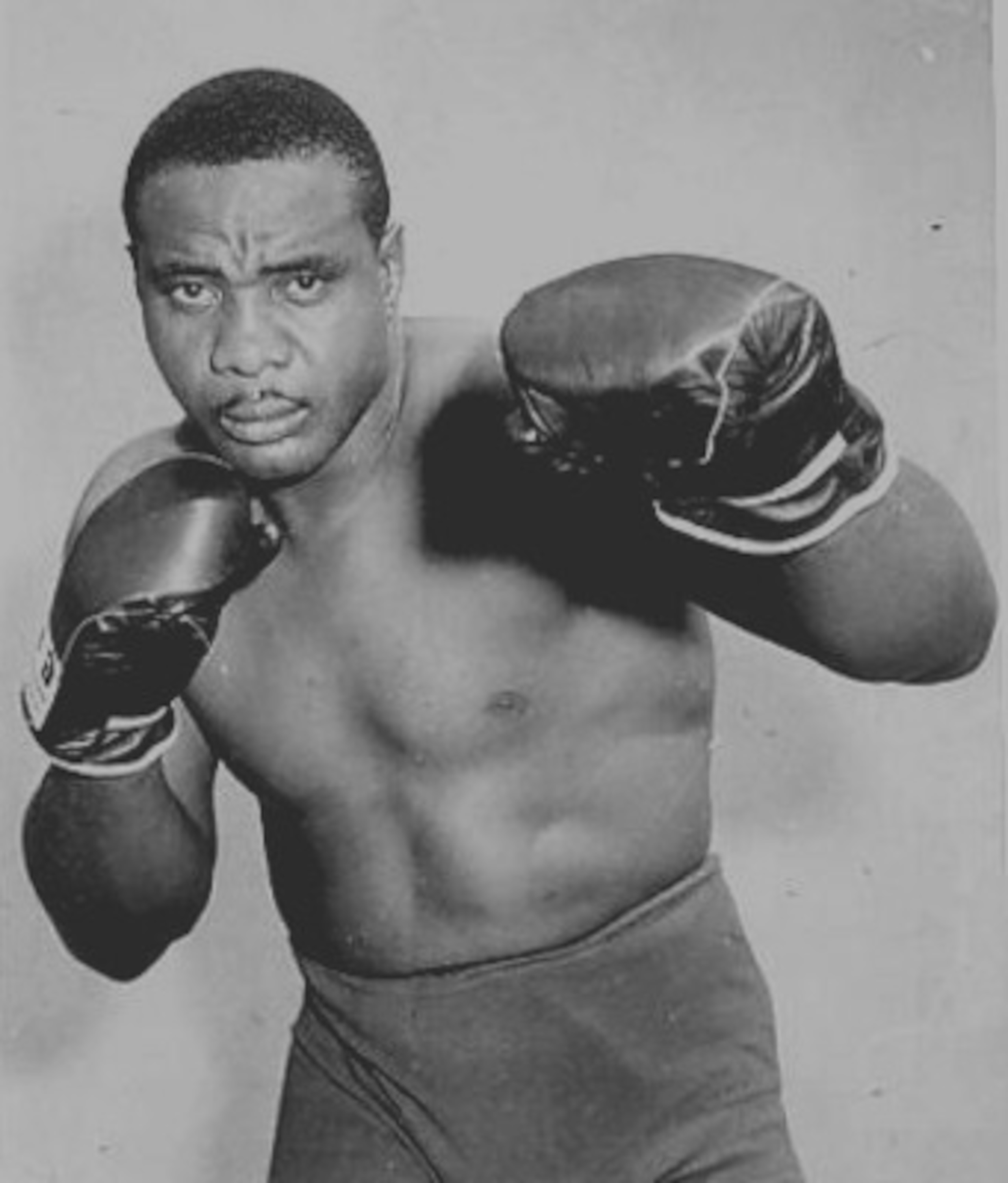
Sonny Liston was Mike Tyson 20 years before Tyson came along—a devastating puncher and menacing figure who often had opponents beat psychologically before the bell even rang. After pole-axing Floyd Patterson for the world title, in the early 1960s Liston was considered unbeatable. When Muhammad Ali (then still Cassius Clay) signed to fight Liston, almost nobody gave the young challenger a chance to win.
Instead Ali's blinding speed exposed Liston, and the title changed hands when Liston refused to come out for the 8th round.
A rematch in Lewiston, Maine, ended with Liston KO'd just seconds into the 1st round. This bout has gone down in history as "The Phantom Punch Fight." It has always been widely speculated that Liston was mob-controlled from the beginning of his career, and a large percentage of fight observers believe that Liston took a dive.
I personally maintain that Ali did hit him—you can even see Liston's leg jerk—but that the punch wasn't really a knockout punch. Liston just wasn't interested in getting up so he could take another beating.
The Ali of that period really was close to unbeatable. He had the speed of an elite middleweight and was just filling out into a legitimately fairly big heavyweight. Liston, the ex-con and underworld-connected guy, could see the writing on the wall. For who knows how many reasons, both fair and foul, that night in the northern New England sticks just wasn't going to be his night.
After losing to Ali, Liston took a year off from boxing and returned in 1966. He won 14 of 15 fights to close the decade and beat rising prospect Chuck Wepner badly in a 1970 bout. Liston was moving toward contender status, even though he was a very old-looking 38 (and had always been rumored to be even older than he was listed).
On January 5, 1971, Liston's wife found him dead in his Las Vegas apartment. He was estimated to have been dead for nearly a week at the time. Las Vegas police deemed it a heroin overdose, with the official cause of death as lung congestion and heart failure. Over the years, there have been persistent rumors of underworld involvement in Liston's death.

.jpg?w=2560)
Trevor Berbick
4 of 5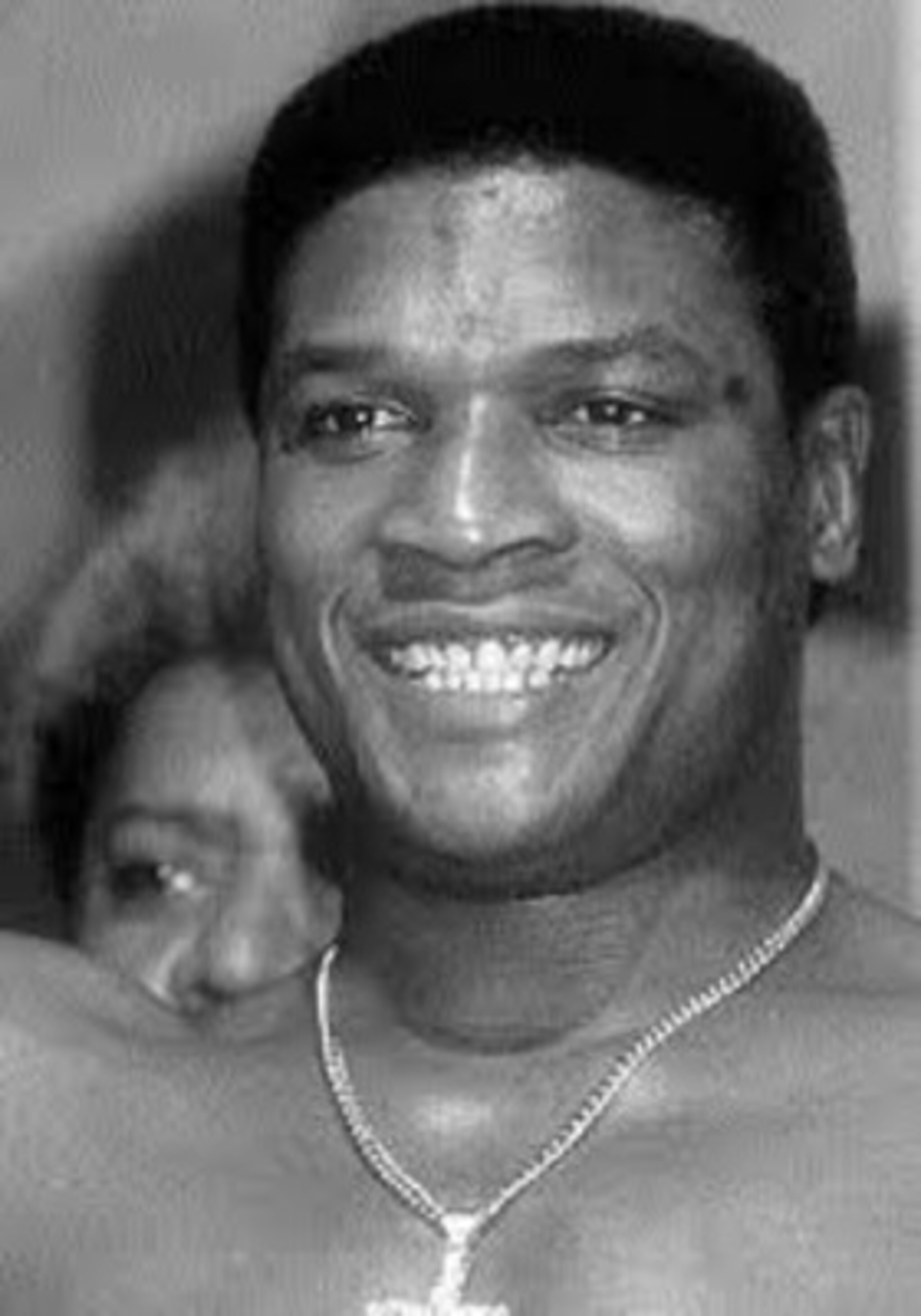
A powerful Jamaican, Berbick learned to box as a teenager while working as a bouncer at a night club on the U.S. naval base in Guantánamo Bay, Cuba. He emerged from obscurity in the early 1980s to become a player in the heavyweight division, briefly holding a piece of the world title.
His first big break came on the undercard of the first Duran-Leonard matchup, "The Brawl in Montreal." Selected to be an opponent for the former WBA world champion John Tate, Berbick instead won by KO. He then impressed the entire world by losing a much closer than expected unanimous decision to Larry Holmes.
Berbick is probably most famous for being the last man to fight Ali, winning a lopsided 10-round decision over "The Greatest" in the Bahamas. After defeating future world champion Greg Page, he upset Pinkleton Thomas by unanimous decision for the WBC belt. In his first defense, he was steamrolled by a 20-year-old phenom named Mike Tyson.
After his title reign, Berbick's most high profile fights were losses to contenders like Carl "The Truth" Williams and Buster Douglas.
His legal troubles began even as his career was winding down. In 1992, he was arrested and sentenced to five years in prison for sexually assaulting his family babysitter. In 1997, shortly after losing his last significant fight to rising prospect Hasim Rahman, Berbick was deported from Florida for parole violations.
Berbick was found murdered on October 28, 2006. In fairly short order, the investigation found that his own 20-year-old nephew was one of the killers. Incredibly, at the time of his death Berbick had reportedly been talking about trying to line up another fight.
Riddick Bowe
5 of 5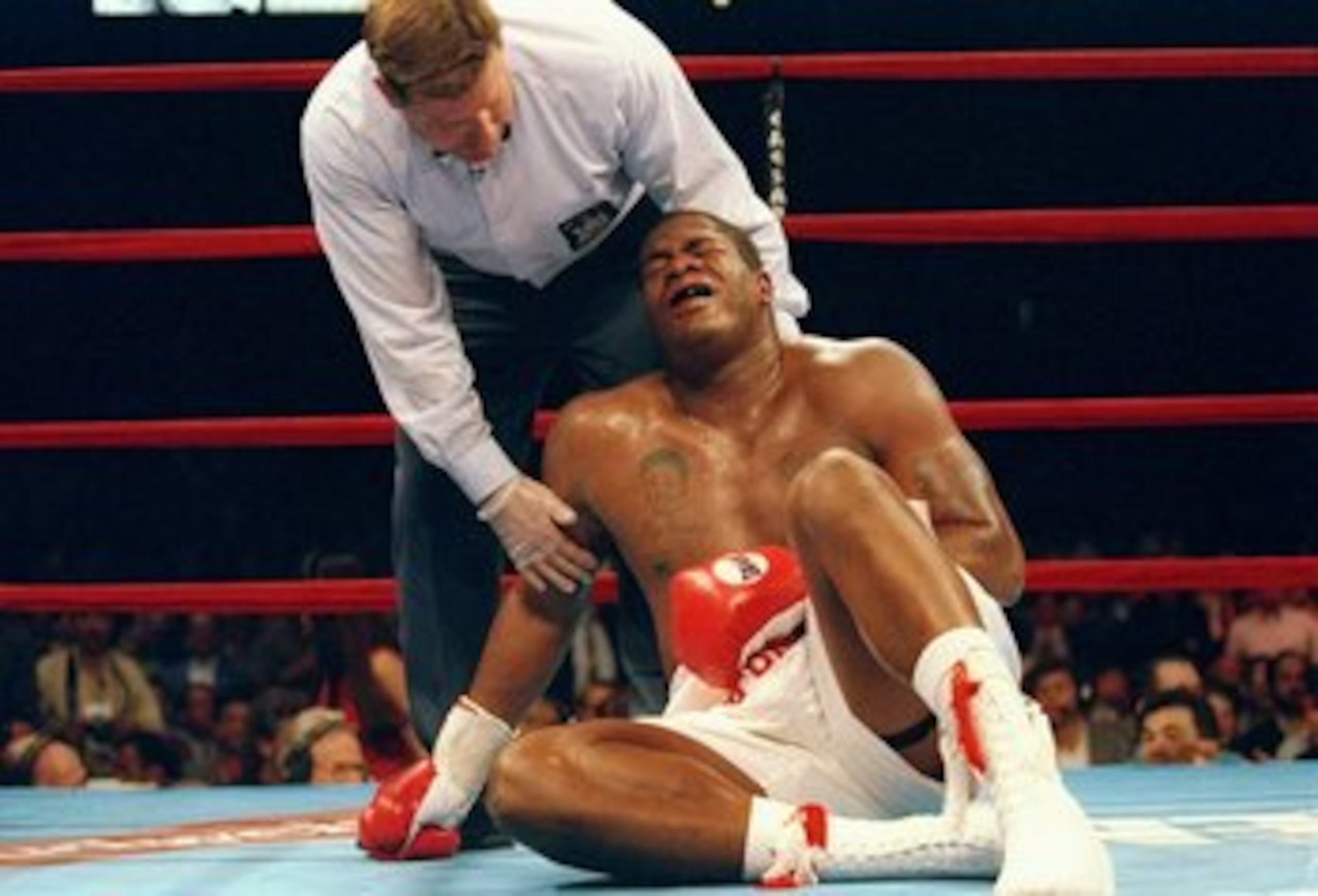
Like Mike Tyson, Riddick Bowe came from the tough Brownsville section of Brooklyn. And for a while in the 1990s, it looked like Bowe would succeed Tyson as the next big thing in the heavyweight division.
Bowe won a silver medal in the 1988 Olympics, getting knocked out by Lennox Lewis in the gold medal round. This was when a lot of people still followed Olympic boxing. There was a lot of mainstream interest in Bowe as he turned pro. By 1992, he had beaten Evander Holyfield for the undisputed Heavyweight Championship of the World.
That was the peak of the mountain for Bowe, and everything that followed was some degree of downhill.
After beating Holyfield, he proceeded to hold a press conference and throw the WBC version of the belt into a trashcan, signifying his unwillingness to meet mandatory No.1 contender Lewis. It had been informally agreed that the winner of Bowe-Holyfield would meet the winner of Lewis-Donovan Ruddock.
Instead Bowe met an over-the-hill Michael Dokes, TKOing him in the first round. He knocked out veteran journeyman Jesse Ferguson in two rounds, then came in way out of shape for a rematch with Holyfield and dropped a majority decision—the only loss of his professional career.
He got back on track with a unanimous decision win over Larry Donald to capture the WBO belt. He later knocked out Holyfield in a rubber match.
In 1996, he fought rising Polish heavyweight Andrew Golota twice. Bowe won both fights by disqualification for low blows, but took a lot of punishment and was trailing Golota on the judges' scorecards in both fights.
After the second Golota fight, Bowe retired and announced that he was joining the United States Marine Corps. He lasted exactly 11 days on Paris Island before the Marines sent him home.
Although Bowe always came across as a gentle giant during his career, legal problems have haunted him in retirement. Within six months of his attempt to join the Marines, he was accused of battering both his sister and his wife. He later served 17 months in federal prison for kidnapping his wife and kids. In 2001, he was arrested again in Long Island for assaulting his wife.
Bowe was already having serious financial problems by the early part of the century. He sued his former manager, Rock Newman, but later dropped the case and issued a formal letter of apology to Newman after Newman was able to explain exactly how much money Bowe had made and where it had gone. Bowe filed for bankruptcy in 2005.
Despite having testified in his assault cases that he already suffered from brain damage due to his Golota fights, Bowe made attempts to comeback in 2004, 2005 and 2008, winning three fights over three obscure opponents.
Bowe turns up in news stories from time to time, usually sounding upbeat and cheerful, always talking about a return to fighting, sometimes even talking about taking up mixed martial arts. In 2008, he signed an MMA contract with Xcess Entertainment. In 2010, he was trying to drum up a fight against former Cuban Champion Juan Carlos Gómez.
I found a couple of local newspaper articles from Autumn 2010 discussing Bowe's plans to appear in various Maryland area comedy clubs to promote an upcoming memoir entitled Big Daddy Forever: The Riddick Bowe Story. However, searches of Amazon and other online book sources fail to turn up any evidence the book was ever actually published.
It's too bad, because Bowe's life story would make a compelling book. And since he is still a relatively young man, perhaps there is time for a happier ending to emerge.



.jpg?w=2560 "Viral Rams Coach Vid 🖕")
.jpg?w=2560 "2 NFL Officials Suspended")
