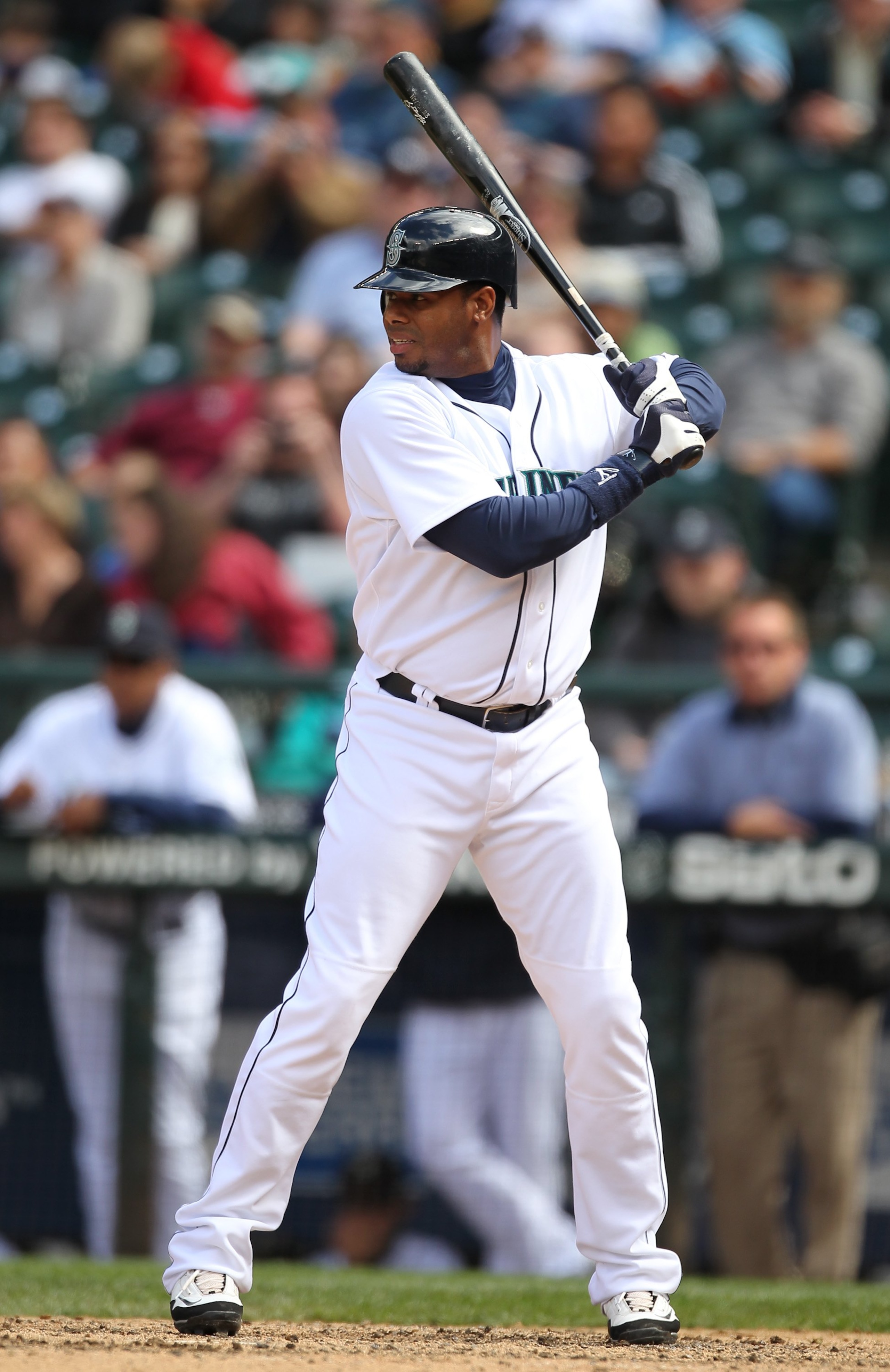

MLB Draft 2011: Ken Griffey Jr. and the Best No. 1 Picks of All Time by Position
With the 2011 MLB draft recently ending on June 8th and the Pittsburgh Pirates selecting right-hander Gerrit Cole with the first overall selection, I took a look at the history of the No. 1 pick in the pastimes' history.
Time has shown that the No. 1 pick has not been productive for those choosing hurlers.
The amateur draft in any semblance of its current form began in 1965. It wasn't until 1973 that a team actually took a pitcher with the first selection, when the Astros selected Floyd Bannister. The rest of the list is not all that impressive when it comes to pitchers, so good luck Pittsburgh.
This got me to thinking, if you put together a team and covered all positions, who would be on the all-time No. 1 pick team?
Here are my selections:
In the Bullpen: Luke Hochevar, Kansas City Royals
1 of 20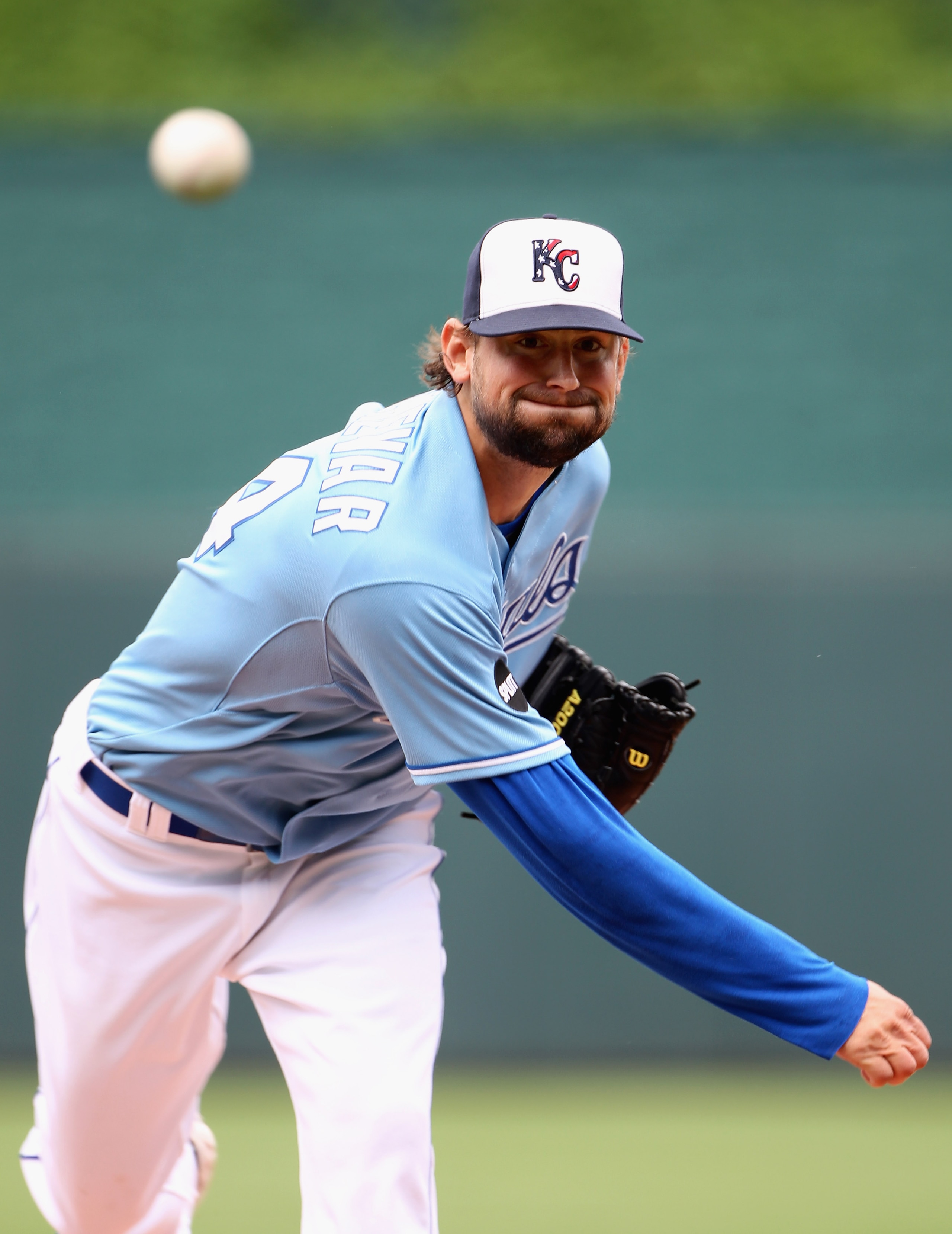
Hochevar was the Royals' selection at No. 1 in 2006. Luke has yet to come anywhere near the expectations the organization has had for him.
So far, his best season was 2010; he amassed a record of 6-6 with an ERA of 4.81. Hochevar will have to reach a turning point soon to avoid the bust label.
In the Bullpen: Paul Wilson, New York Mets
2 of 20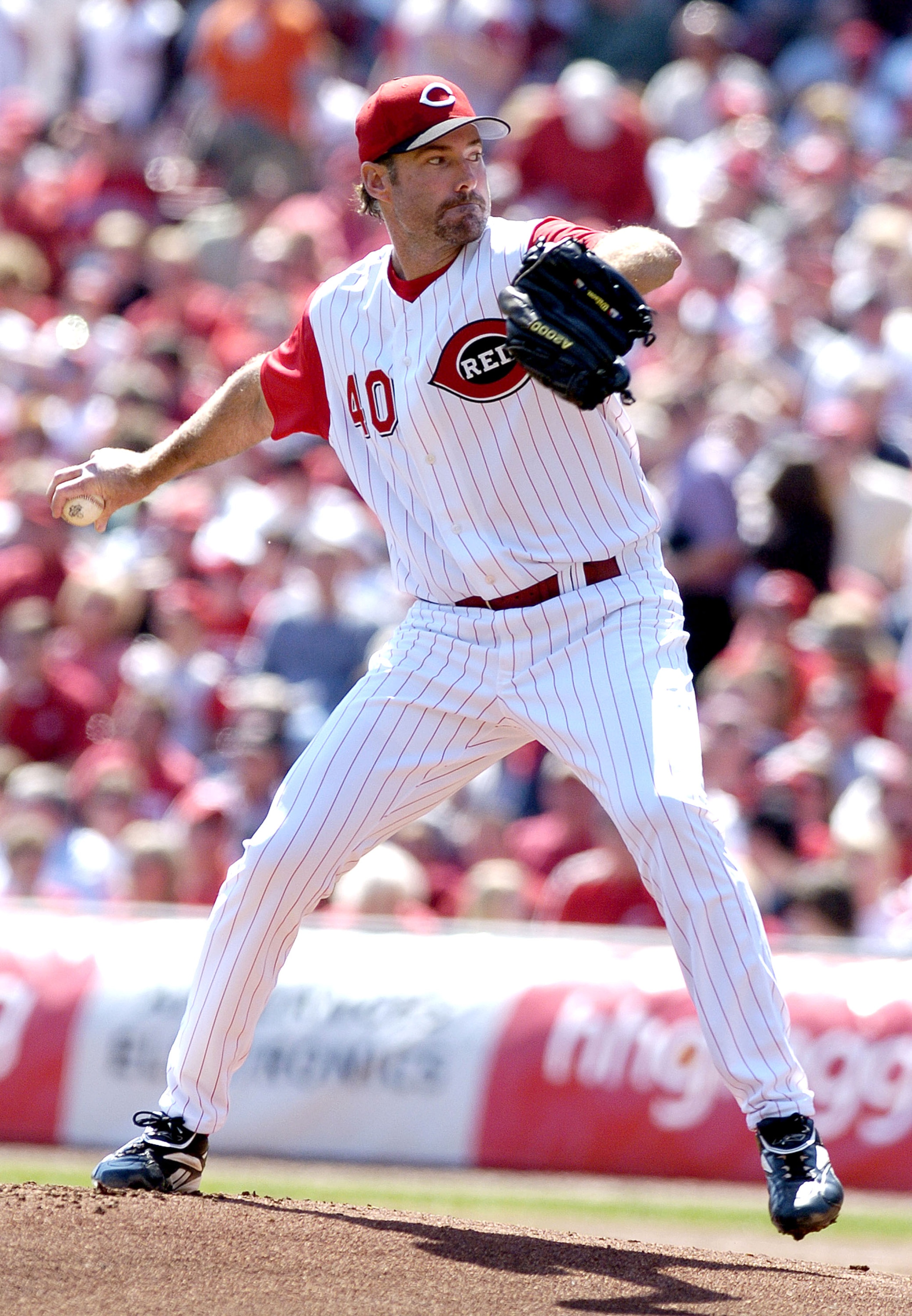
Paul Wilson was the No. 1 pick in the 1994 draft by the New York Mets. He was the most highly touted of the Mets' "Generation K" young prospects along with Bill Pulsipher and Jason Isringhausen.
As it turned out, Isringhausen was the only member of "Generation K" to have a good career. All of them battled injuries, but Pulsipher and Wilson were hit the hardest.
Wilson missed 1997 through 2000 due to injury. He made a comeback with the Rays but he only compiled a 40-58 record with an ERA of 4.86
In the Bullpen: Kris Benson, Pittsburgh Pirates
3 of 20
Kris Benson was supposed to be the ace of the Pittsburgh Pirates when he was drafted first in 1996. Benson was a consistent member of the Pirates rotation from 1999 to 2004 when he was traded to the New York Mets.
Benson had a career that mostly hovered around the .500 mark. He had a decent career but he only had one year with more wins than losses.
Benson was 70-75 in his career.



In the Bullpen: Ben McDonald, Baltimore Orioles
4 of 20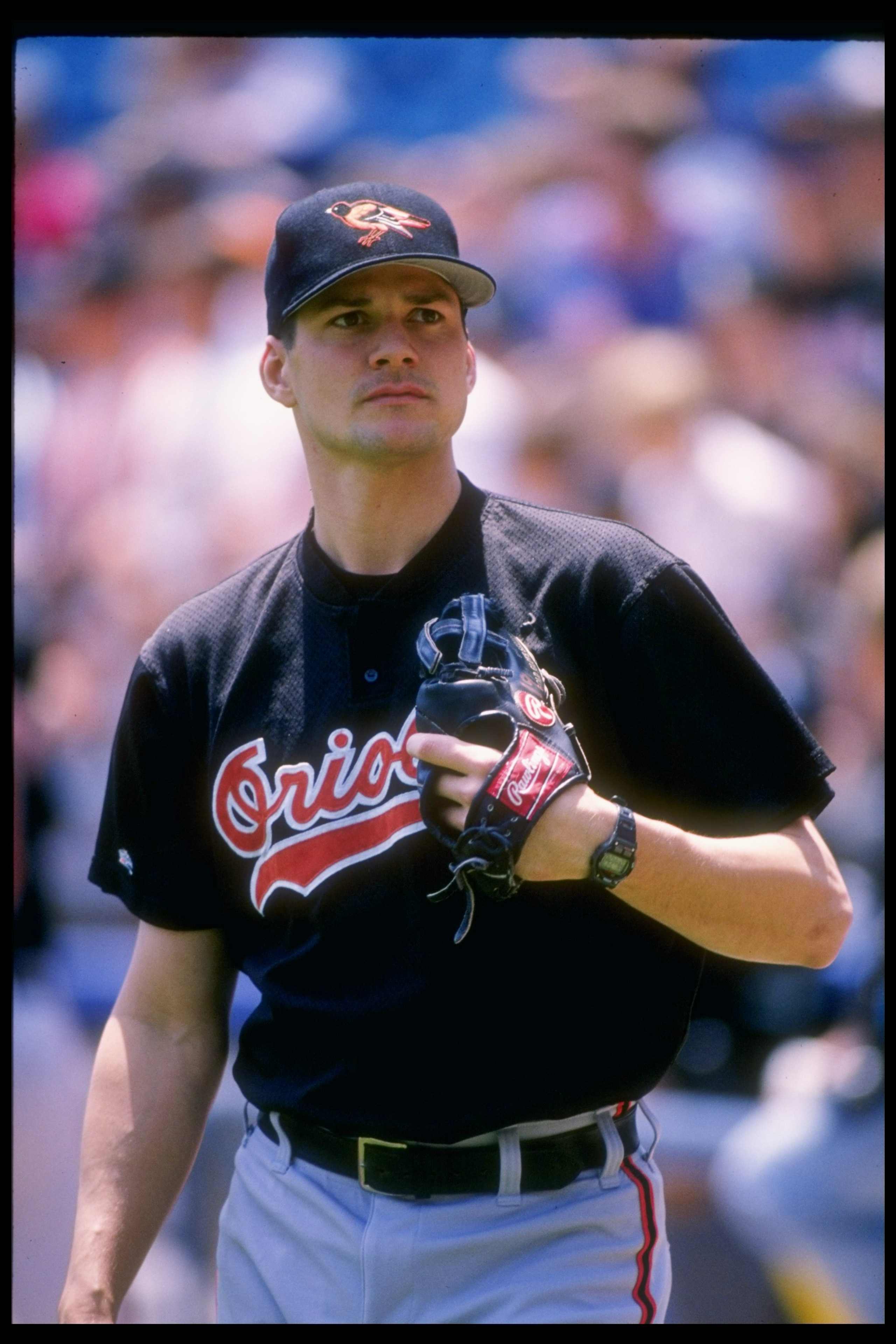
"Big" Ben McDonald was a highly touted prospect drafted No. 1 by the Baltimore Orioles in the 1989 draft. Like so many pitching prospects, injuries ruined the potential of what could have been.
McDonald did have a nine-year career with the Orioles and Brewers. The 6'7" McDonald was a hard thrower but injuries took some of his velocity and made him only a fraction of the ace he could have become.
McDonald compiled a record of 78-70 with 3.91 ERA in his career.
In the Bullpen: The Closer? Matt Anderson, Detroit Tigers
5 of 20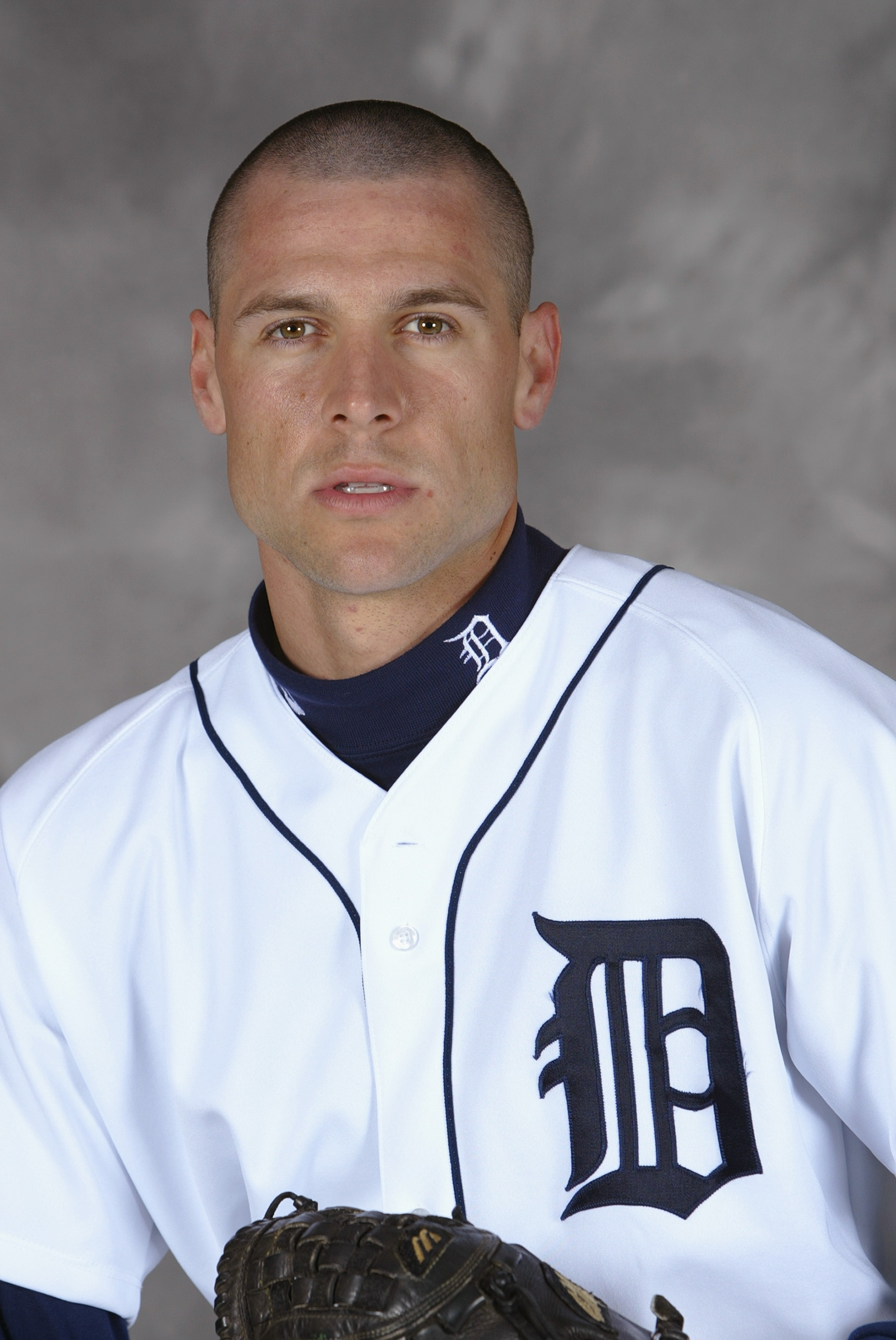
The closest thing to a closer ever picked first overall was the flame-throwing Matt Anderson selected by the Detroit Tigers in 1997. Anderson never started in the majors and his best year as a pro was in 2001 when he recorded 22 saves.
He recorded a total of 26 saves in an injury-shortened seven-year career with the Tigers and Rockies.
This team would ask a lot of its starters, so here they are:
The Rotation, 5th Starter: Floyd Bannister, Houston Astros
6 of 20
In 1976, the Astros made Floyd Bannister the first pitcher taken No. 1 overall. Bannister spent only two seasons with the Astros before moving on to Seattle for three years, the White Sox for five and bounced between the Royals, Angels and Rangers to close his out career.
Bannister had a decent major league career finishing 134-143 with a 4.06 ERA in 15 seasons.
The Rotation, 4th Starter: Mike Moore, Seattle Mariners
7 of 20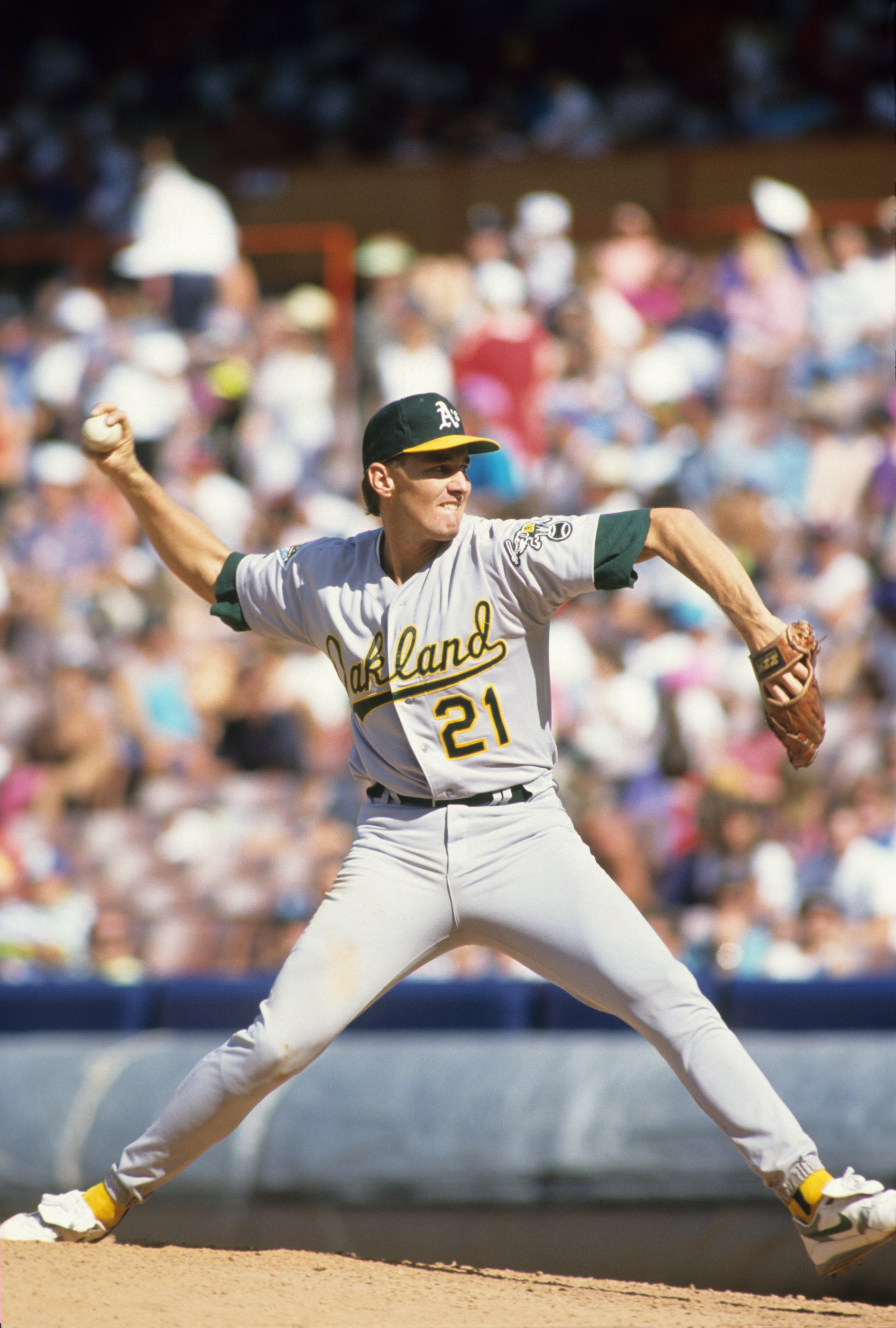
In 1981, the Mariners took seemingly can't-miss prospect Mike Moore with the first pick overall. If nothing else, Moore was an inning-eater for 10 years from 1984 to 1993. During that span, Moore logged less than 200 innings once.
From a standpoint of effectiveness, Moore was inconsistent. In 14 seasons, he had an ERA under 4.00 only four times. His best season was 1989 for the World Series champion Oakland A's. Moore was 19-11, with a 2.61 ERA, but he retired with an overall losing record of 161-176 with a 4.39 ERA.
The Rotation, 3rd Starter: David Price, Tampa Bay Rays
8 of 20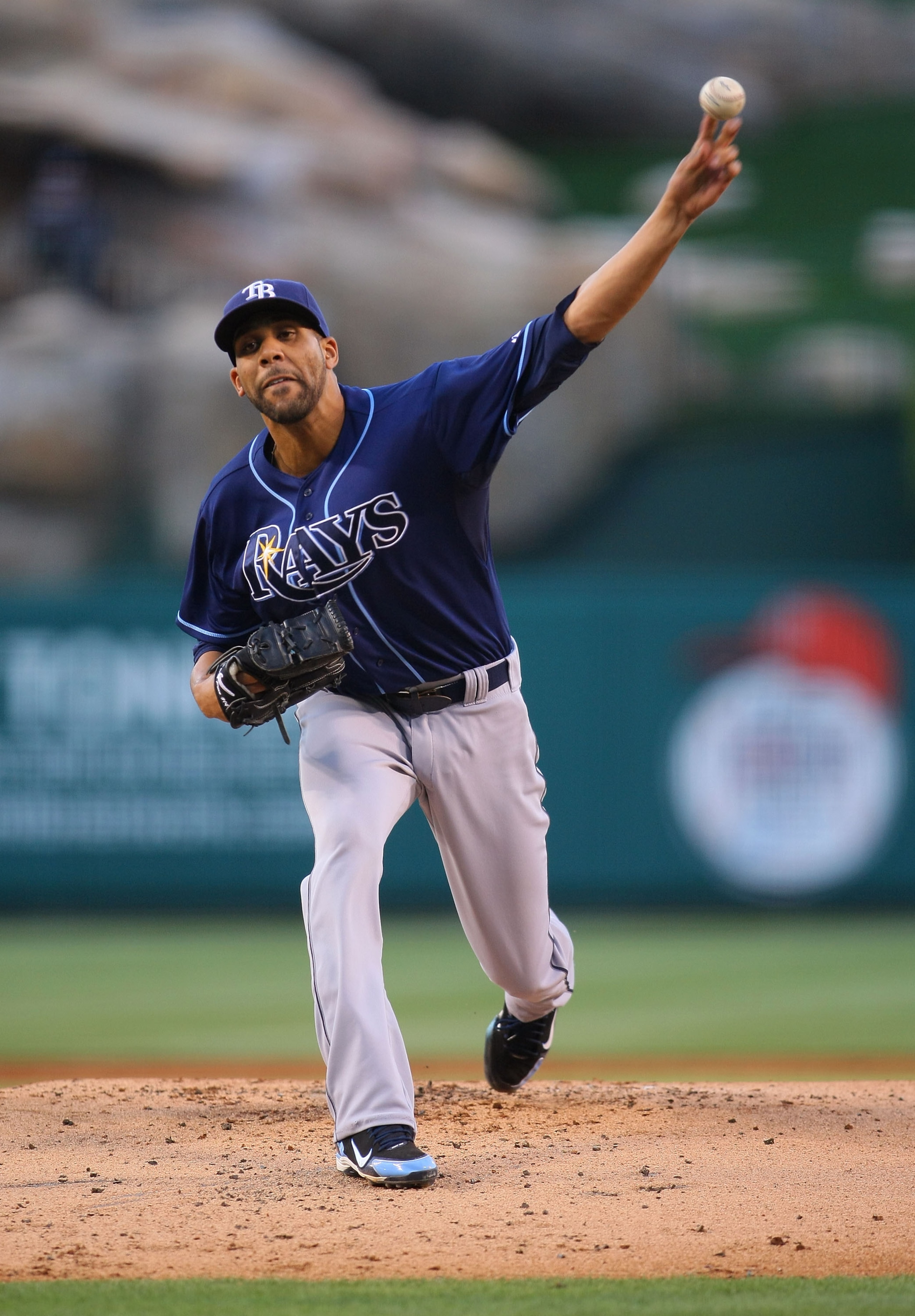
David Price was the first pick of the 2007 draft. He is now in his third full season with the Rays. In 2010, Price was a 19-game winner and he finished second for the Cy Young Award.
Barring injury, the ultra-talented left-hander has an opportunity to be the best pitcher ever taken first overall.
The Rotation, 2nd Starter: Andy Benes, San Diego Padres
9 of 20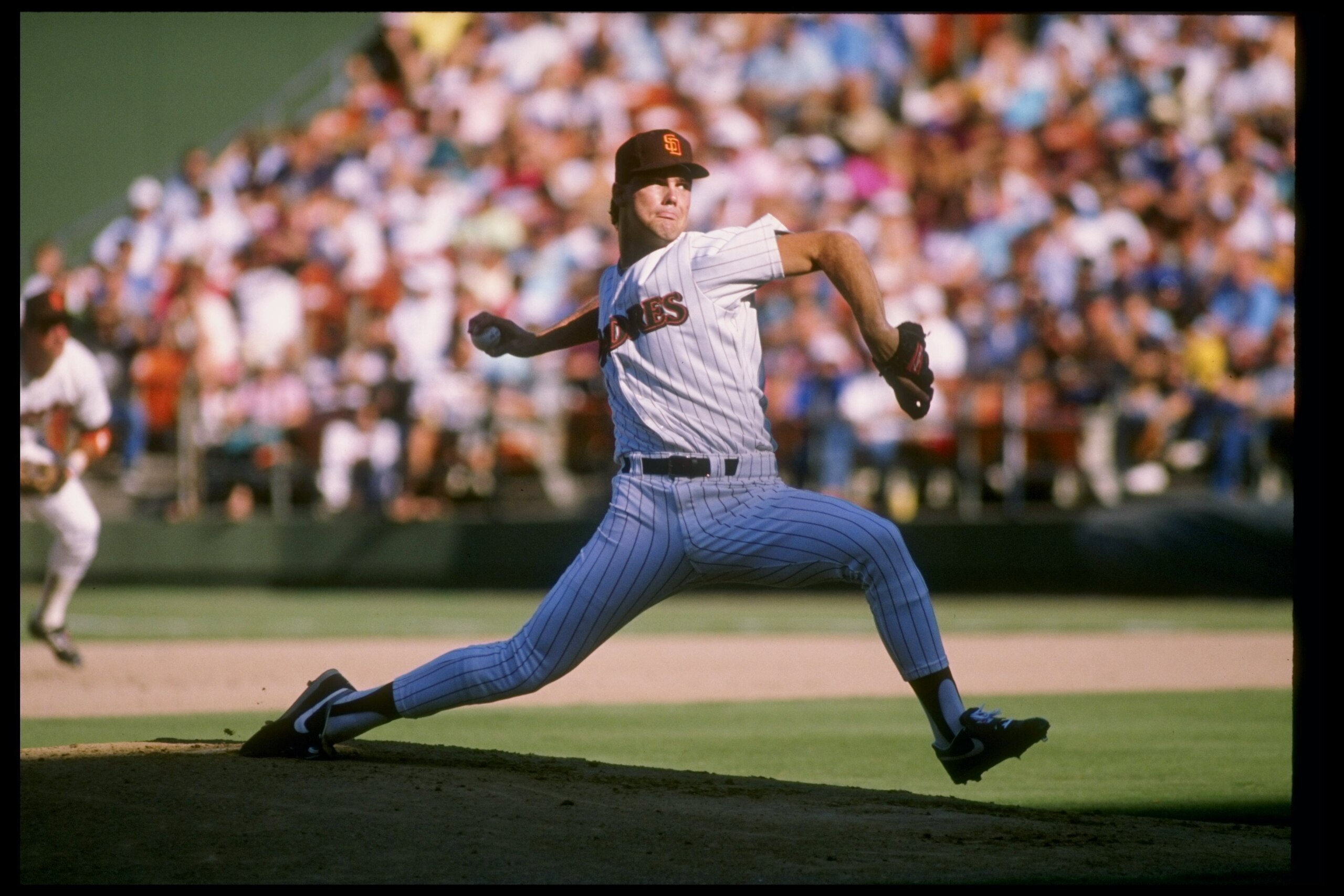
In 1988 the Padres tabbed Andy Benes as the No. 1 pick overall. Benes was a big (6'6" 235 lbs), hard-throwing right-hander from Evansville, IN. The Padres kept waiting on Benes to turn the corner and become that dominant starter.
Though he had two 15-win seasons in six-and-a-half years in San Diego, he was never the true staff ace they wanted him to become. His best year in the majors was in 1996 for the St. Louis Cardinals; Benes was 18-10 with a 3.83 ERA and finished third in the NL Cy Young voting.
Benes had a solid career though; he finished 155-139 with a 3.97 ERA and 2,000 strikeouts in 14 seasons.
The Rotation, 1st Starter: Tim Belcher, Los Angeles Dodgers
10 of 20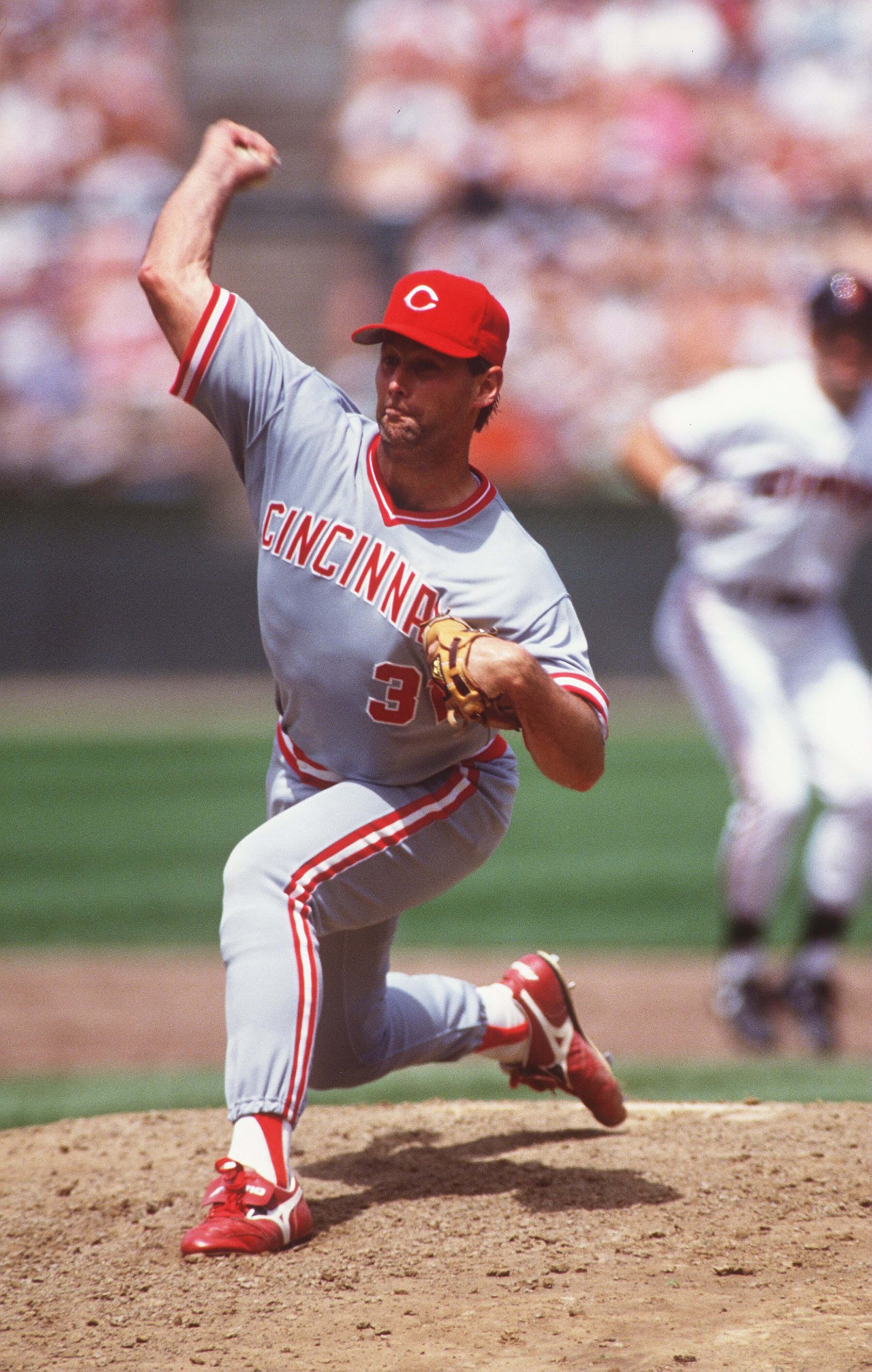
Belcher was the No. 1 pick in the 1984 draft by the Los Angeles Dodgers. Belcher was very effective for the Dodgers in his career, even though his record didn't always reflect his performance.
In 1989, Belcher led the NL in complete games and shutouts, but only compiled a 15-12 record with an ERA of 2.82. Belcher had an ERA under 4.00 every year but one for the Dodgers.
Belcher would bounce around the majors from 1992 until 2000, the year he retired. He retired with 146 wins, 140 losses and an ERA of 4.16 in 14 seasons.
Now for the hitters:
The Lineup, DH: Bob Horner, Atlanta Braves
11 of 20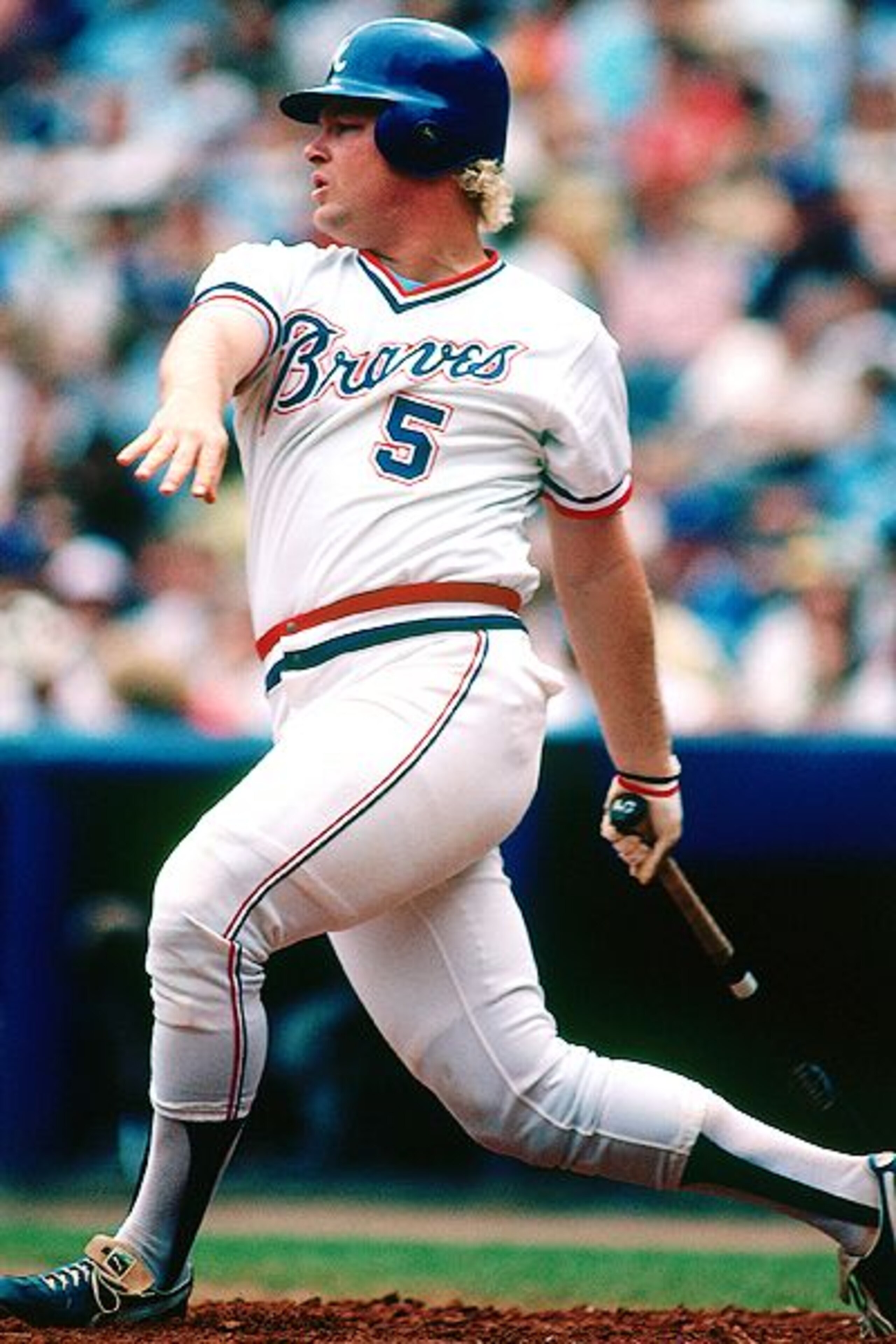
Every team has to have a DH nowadays and Bob Horner is the best candidate in this group. Horner had big-time power. He was taken No. 1 in 1978 by the Braves.
Horner is in a very select group of players that never spent a day in the minor leagues. He won NL Rookie of the Year over Ozzie Smith.
Horner continued to have a successful career in the majors as a power hitter for Atlanta from 1979 to 1986.
He was a free agent that winter, but due to baseball owners colluding to reduce salaries, Horner couldn't find an acceptable contract from a major league team. Horner then signed with the Yakult Swallows of the Japanese League for one season.
Horner would return to the majors after a one-year absence, but a recurring shoulder injury caused him to retire after a one-year stint with the St. Louis Cardinals.
Bob Horner clubbed 218 HR in his 10 major league seasons.
The Lineup, Batting 8th at 2B: Tim Foli, New York Mets
12 of 20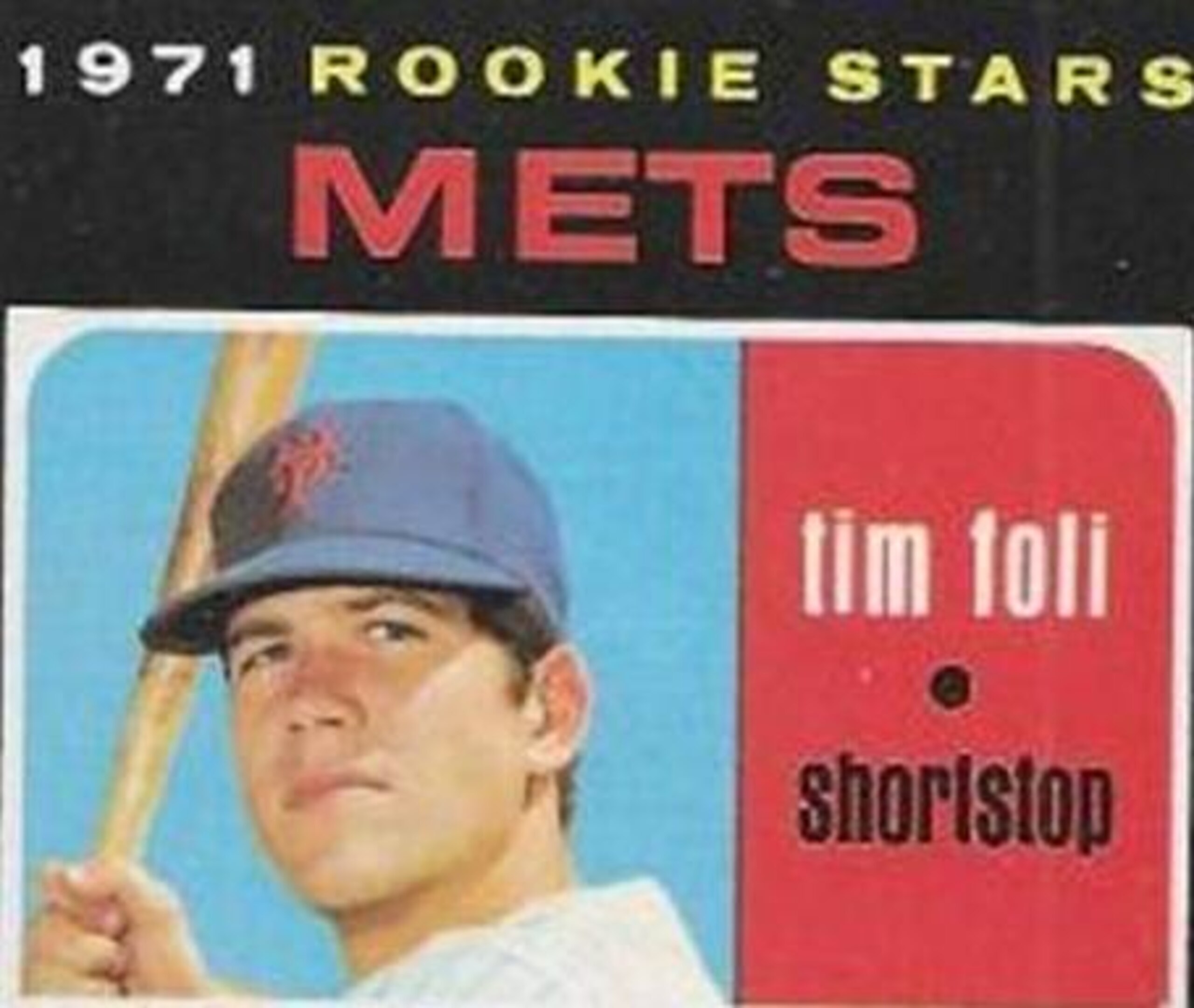
The pickings were so slim at second base. As a matter of fact, there has never been a natural second baseman selected No. 1 in the draft.
Tim Foli was the closest thing to it, drafted as a shortstop, but he played second along with third base.
Drafted first in 1968 by the New York Mets, Foli was only a lifetime .251 hitter with 25 career HR. He was a good defensive shortstop and second baseman. Hey, somebody has to be there.
The Lineup, Batting 7th at C: Joe Mauer, Minnesota Twins
13 of 20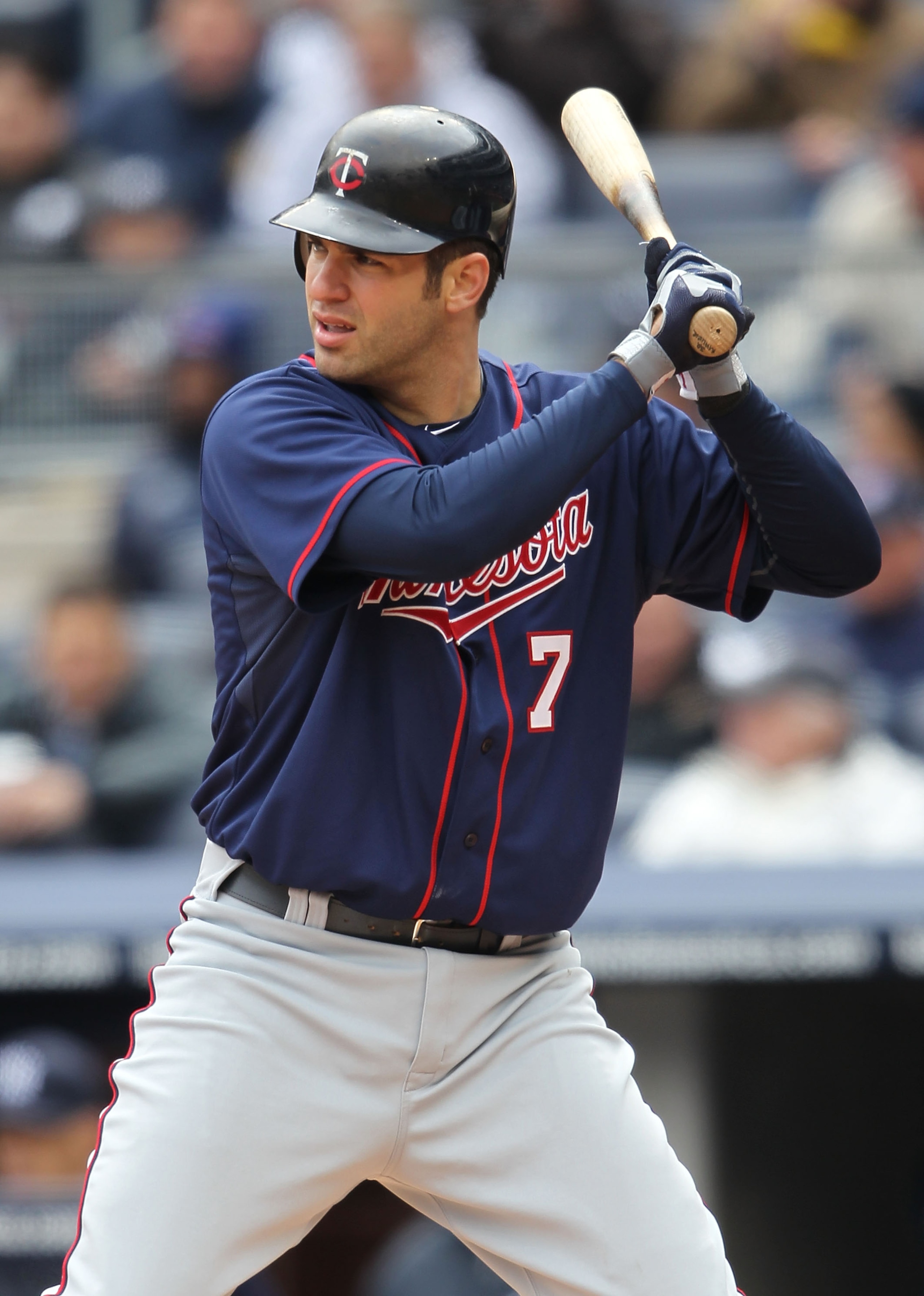
The game's best backstop was the No. 1 pick in 2001, but he wasn't the most highly touted. That was Mark Prior, but the Minnesota Twins didn't select him because they weren't willing to pay his hefty signing bonus.
So the Twins took Mauer, who is a St. Paul native and would give them the hometown discount making him a much more signable player. So, Prior fell to the Cubs, had a great start to his career, but injuries would soon derail tons of promise.
Prior is currently barely hanging on to his career in the Yankees' farm system, while Mauer is one of the game's most complete players. Mauer has already won three batting titles, one MVP and three Gold Gloves.
This is just another instance of bad Cub luck.
The Lineup, Batting 6th in LF: Harold Baines, Chicago White Sox
14 of 20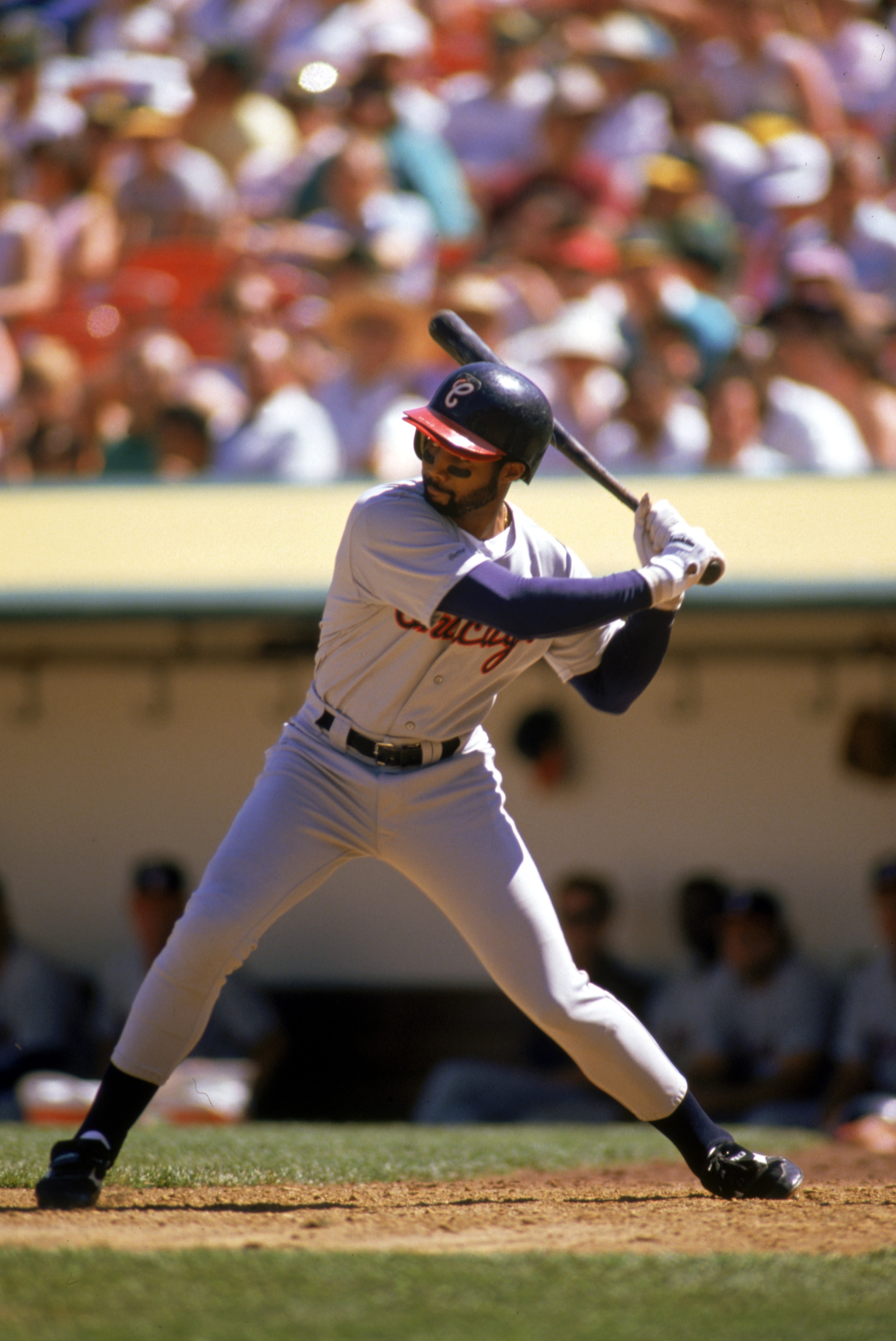
The White Sox haven't had the No. 1 pick in the draft since 1977. That year they selected the quiet, left-handed hitting machine, Harold Baines.
Baines was originally thought to be set up to play first base, but he possessed a very strong and accurate throwing arm. He was put in right field and was a fixture on the south side of Chicago for the first nine years of his 21-year career.
Baines was an excellent player; he retired with the White Sox with 384 HR and a .284 career average.
The Lineup, Batting 5th at 1B: Adrian Gonzalez, Florida Marlins
15 of 20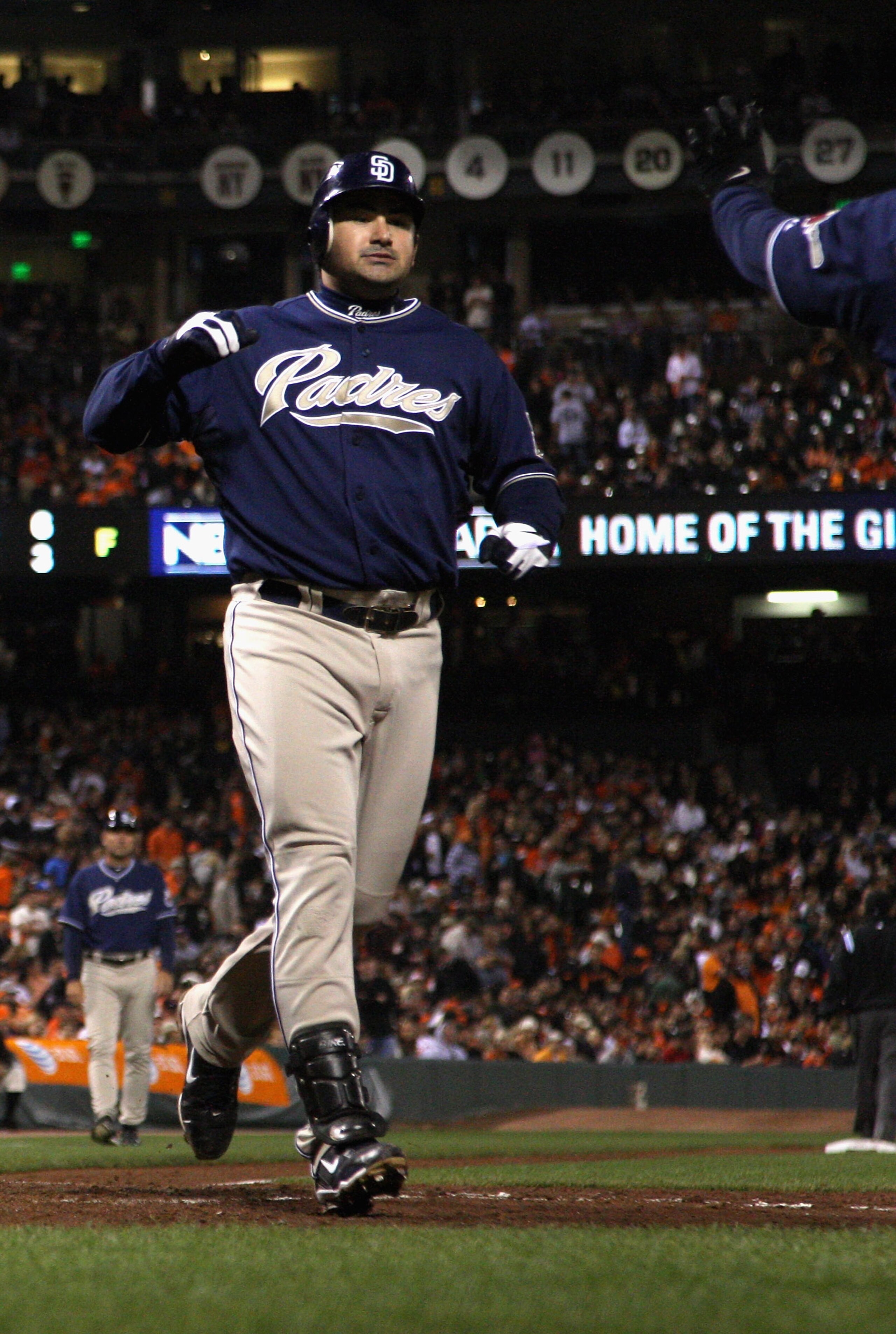
Gonzalez was selected by the Florida Marlins in 2000. He spent three years in the Marlins organization before being traded to the Texas Rangers.
He was included in the Ugueth Urbina trade and was a part of another moderately large move to San Diego involving Chris Young and Adam Eaton.
Gonzalez hit his stride with the Padres. In his first full season he hit .304 and tallied 24 HR. In 2008, Gonzalez had a career year; he had 36 HR, 119 RBI and 103 runs scored.
During the Padres' latest fire sale, Gonzalez, who was due to be a free agent in 2011, was dealt to the Boston Red Sox in December of 2010.
Gonzalez signed a seven-year contract extension worth $154 million through the 2018 season.
The Lineup, Batting 4th in LF: Darryl Strawberry, New York Mets
16 of 20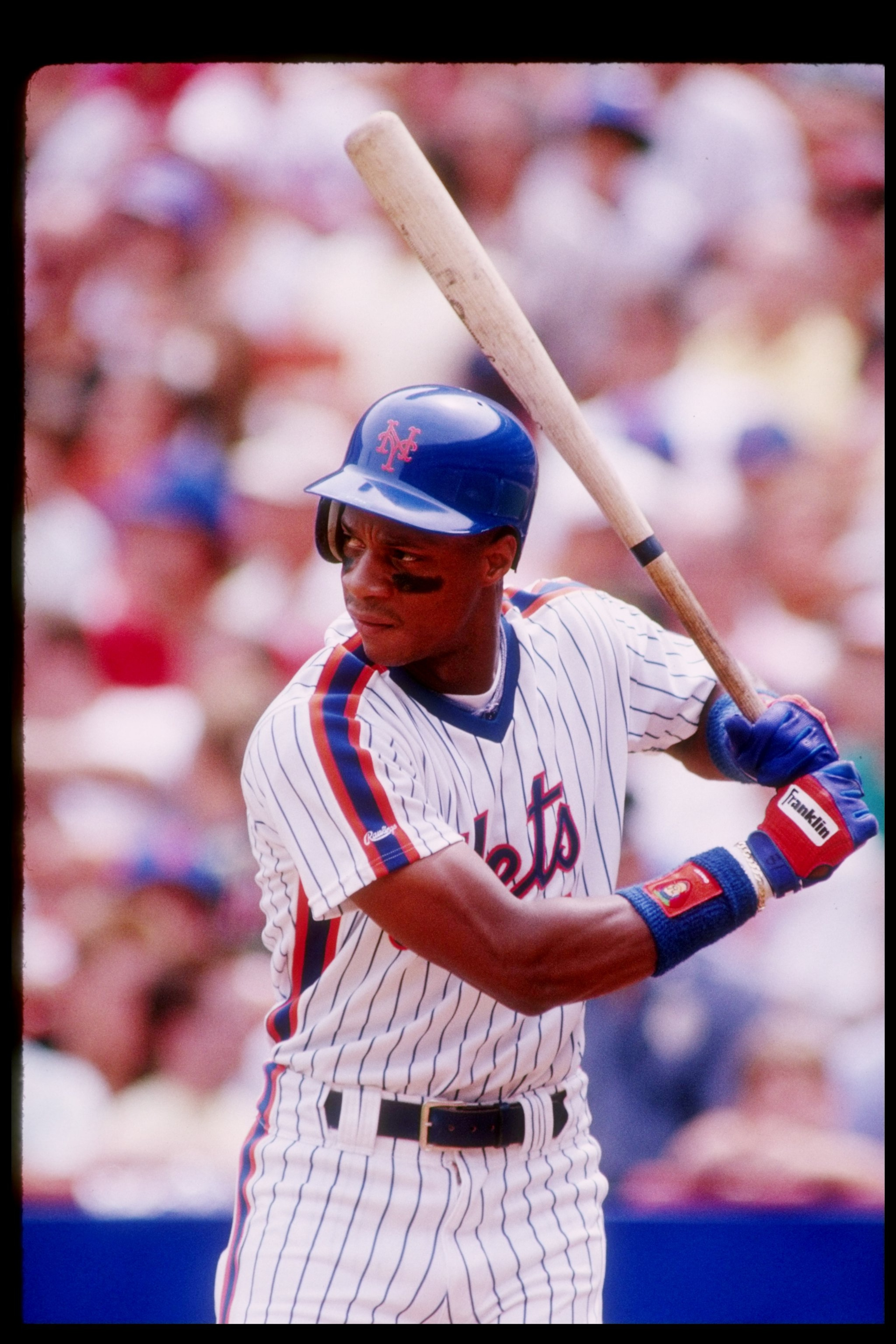
One of sports' greatest tragedies, "The Straw" was a natural athlete with a beautiful left-handed swing, but he had a substance abuse problem.
This issue robbed him of much of the opportunity to completely realize the enormous talent he possessed.
Strawberry had huge power with a rocket of an arm in right field. Even with his off-the-field issues, Strawberry still won Rookie of the Year for the Mets in 1983, was an eight-time All-Star and had 335 career HR.
Still, you wonder, just what could have been.
The Lineup, Batting 3rd in CF: Ken Griffey, Jr., Seattle Mariners
17 of 20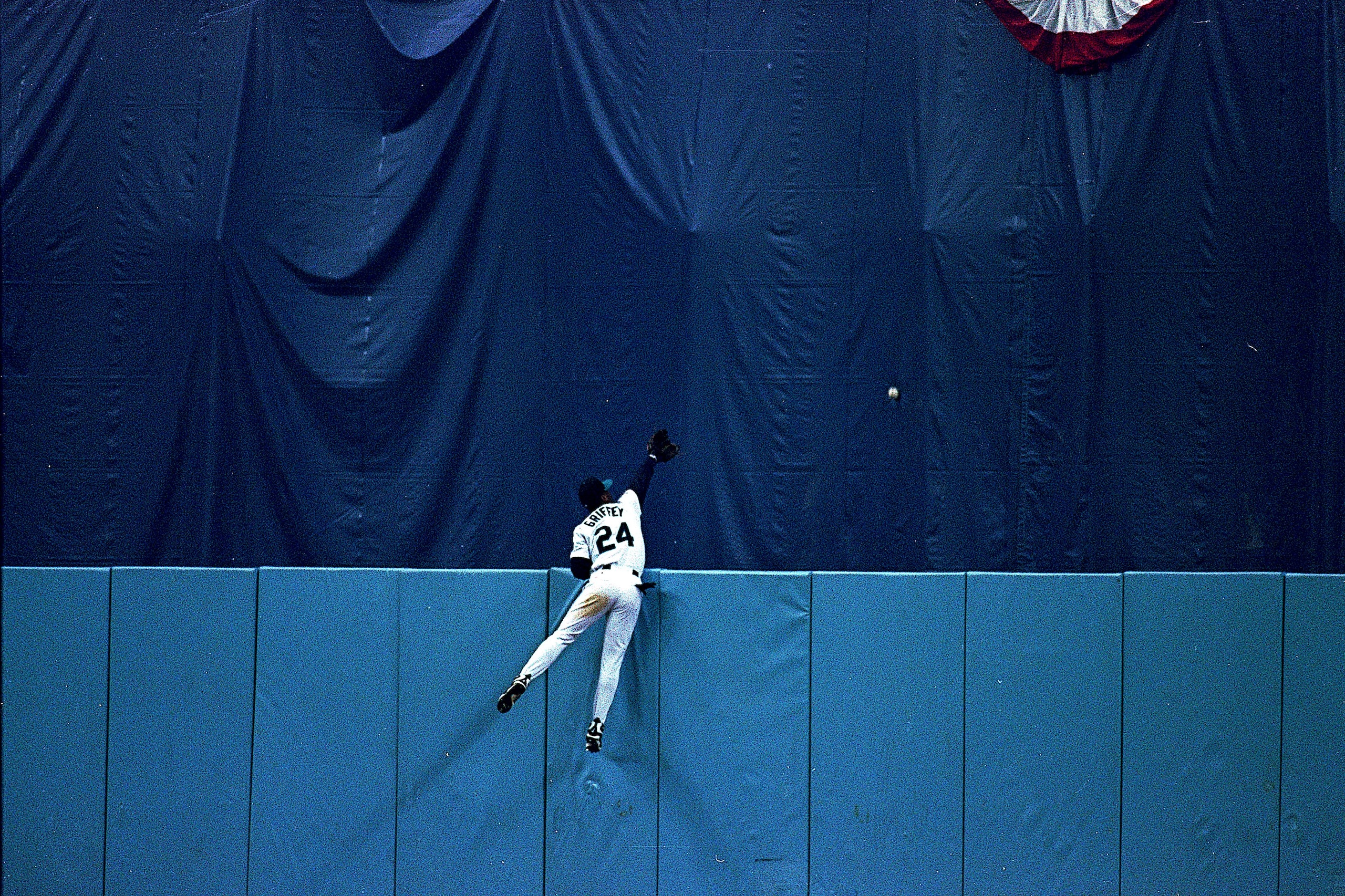
The most complete natural talent the game had seen since Willie Mays. Griffey Jr. was the most exciting player in the 1990s. The Mariners selected the second-generation star No. 1 overall in 1987 and he proceeded to have one of the most successful major league careers in history, but fell short of obtaining a World Series ring.
Griffey Jr. also battled injuries throughout his career. Even considering his frequent injuries, Junior still amassed this Hall of Fame resume: 10 Gold Gloves (straight), 630 HR, 2,781 hits and an MVP.
Just imagine what these numbers would have looked like if he hadn't been hurt continuously from 2001 through 2006.
The Lineup, Batting 2nd at 3B: Chipper Jones, Atlanta Braves
18 of 20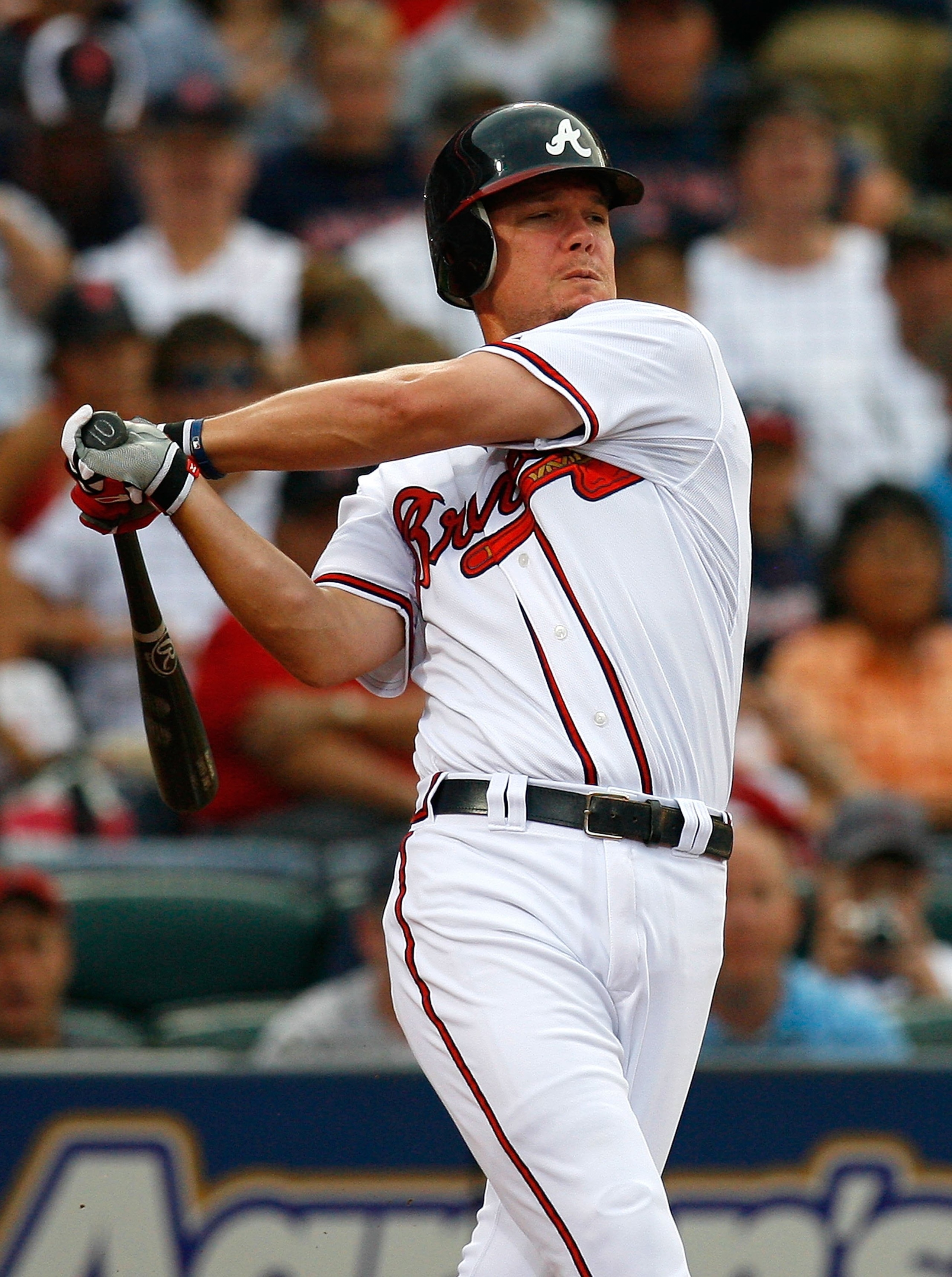
One of the greatest switch-hitters in history. Larry "Chipper" Jones has played his entire future Hall of Fame career with the Atlanta Braves.
Chipper was drafted as a shortstop, but he saw no time there, playing in left field and at third base in his major league career. Jones has been the model of consistency for the oft-contending Atlanta Braves.
He had a string of eight seasons in a row where he had at least 20 HR and 100 RBI.
He is a career .304 hitter with 441 HR and one MVP award. He is the only No. 1 pick with more than 10 years of experience who has played his entire career with one team.
The Lineup, Batting 1st at SS: Alex Rodriguez, Seattle Mariners
19 of 20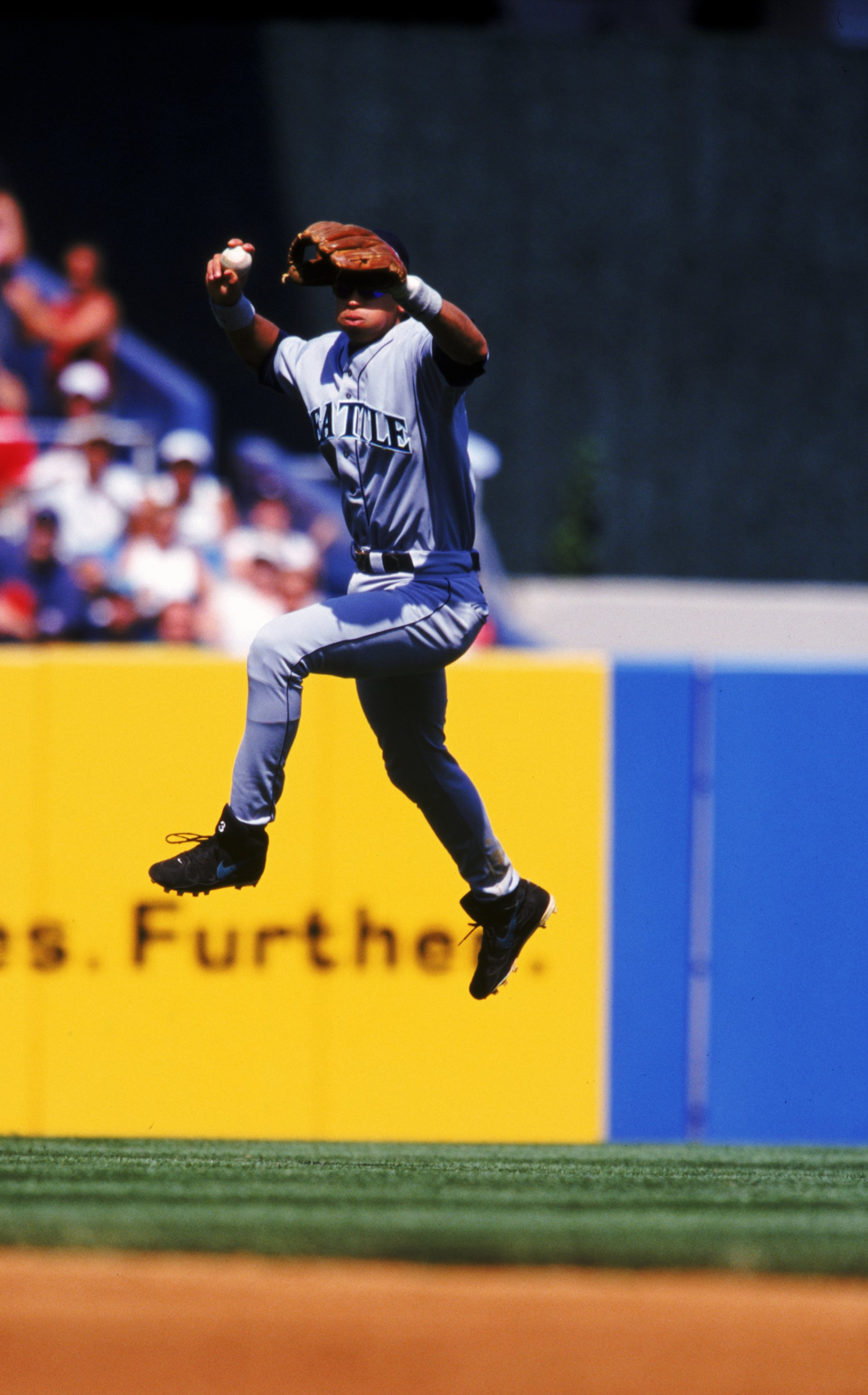
A-Rod is one of the greatest players in the history of the sport and the best excuse for a leadoff man in the bunch. He came up as a shortstop with the Mariners and played that position for the first 10 years of his career.
He moved to third base when he joined the Yankees as Derek Jeter was already entrenched at short.
A-Rod has led the majors in HR five times. He has hit over 50 HR three times and is a lifetime .302 hitter. So far in his career, he has amassed 623 HR, 1,864 RBI, 304 SB, 2,730 hits, three MVPs, two Gold Gloves, one World Series and a partridge in a pear tree.
With the exception of Ken Griffey Jr., A-Rod is without peer as the greatest No. 1 pick in baseball history and possibly in the history of any sports draft.
Conclusion
20 of 20
As you can see, the lineup is heavy in left-handed bats. Most of the "can't-miss prospects" hit from the left side or switch-hit. The pitching dynamic is really interesting; there has never been one selected first that has lived up to the hype. Maybe, David Price can be the first.
This article also shows that the Mariners have made out very well with the No. 1 pick, tabbing A-Rod, Junior and even Mike Moore.
This list only talks about the successful and somewhat successful. The honorable mentions are players like Josh Hamilton, Darin Erstad, BJ Surhoff, Pat Burrell and Jeff King.
On the flip side, there are others like Brien Taylor, Steve Chilcott, Al Chambers and David Clyde that spent little to no time in the majors. It is clear: Getting the opportunity to select first can be a gift and a curse.

.jpg?w=2560 "Grading WWE Raw 🔠")

.jpg?w=2560 "Viral Rams Coach Vid 🖕")
.jpg?w=2560 "Bijan's INSANE 1st Half 🤩")

.jpg?w=2560 "Injury-stricken Seahawks signing veteran RB")

.jpg?w=2560 "2 NFL Officials Suspended")
