The 20 Worst Sequels in Sports
The much-anticipated Hangover II turned out to be a catastrophic disappointment. Part of the reason is that it's just a bad movie. But another part of the reason is that it's simply too difficult for a sequel to exceed, or even live up to, the original.
This happens in movies all the time, but it also happens in sports.
After a great season, teams go into the offseason thinking "wow, it can only get better next year," and instead they end up falling flat on their faces.
Here are the 20 worst sequels in sports.
Be sure to follow me on Twitter (@CWardHenninger) along with the entire B/R Swagger team (@BR_Swagger)
20. Houston Rockets (1995-96)
1 of 20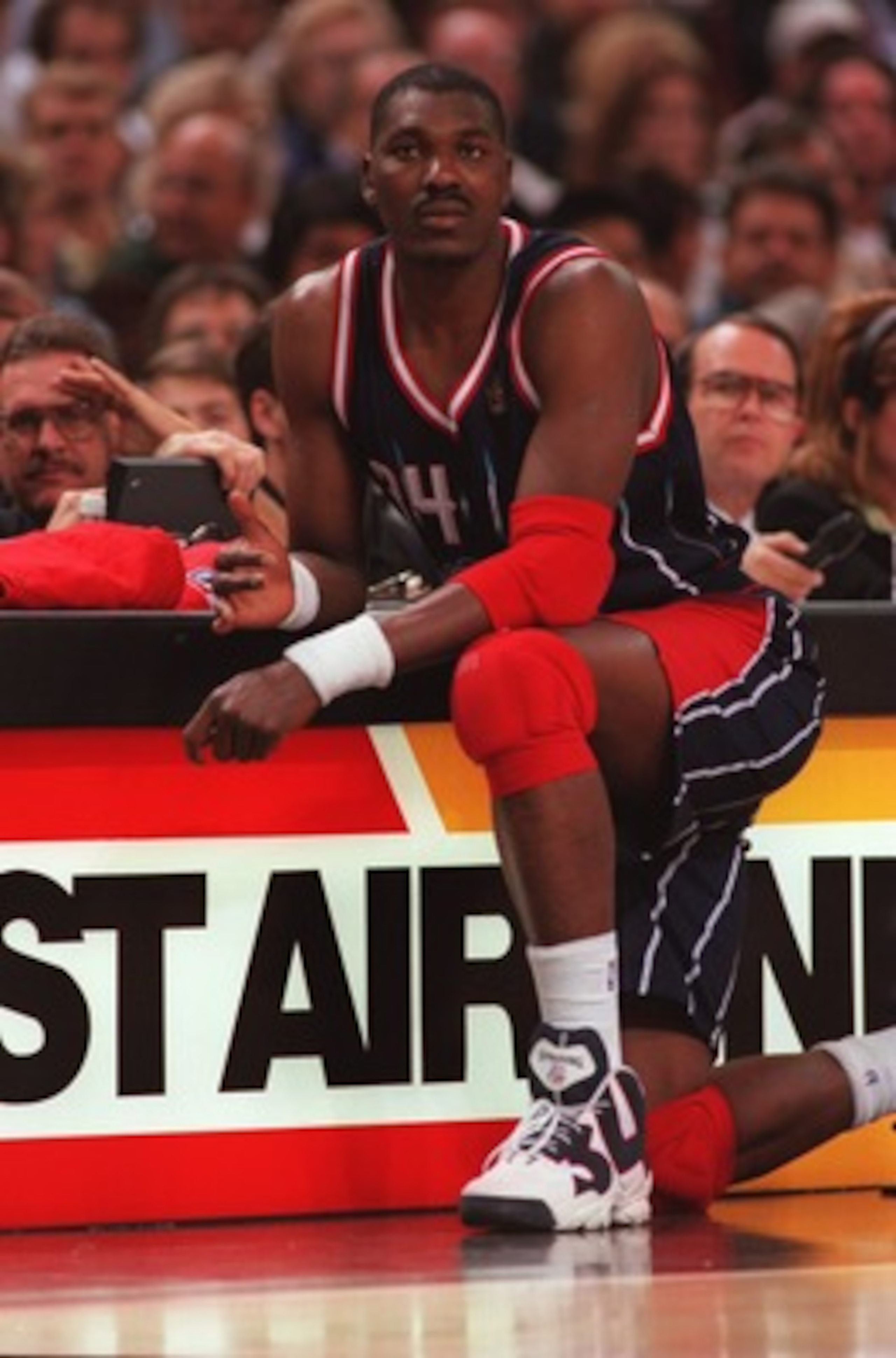
The Original: Despite earning the No. 6 seed in the playoffs, the Houston Rockets won their second straight NBA title in 1994-95 when they swept the young, athletic Orlando Magic. The Rockets, with Hall of Famers Hakeem Olajuwon and Clyde Drexler leading the way, had become the dominant NBA team in Michael Jordan's absence.
The Problem: The following year, the Rockets returned pretty much the same team and were expected to win the West once again, which would set them up for a showdown with Jordan and the Bulls in the Finals. The Rockets were injury-plagued all year long, but still managed to finish with a 48-34 record, one game better than the previous year.
Poised for another epic playoff run, this time as the No. 5 seed, they defeated the No. 4-seed L.A. Lakers, 3-1, in the first round. The Rockets' age and injury problems became apparent, however, in the Western Conference Semifinals when a 33-point thumping at the hands of the SuperSonics in Game 1 set the tone for the series. The Rockets went on to be swept and instead it was the Sonics who met the Bulls in the Finals.
Trilogy?: The Rockets reloaded for the 1996-97 campaign, picking up Charles Barkley, who had won the NBA MVP four seasons earlier. The combination seemed to work for the regular season, when the Rockets finished 57-25. In a rematch with the Sonics in the conference semis, the Rockets earned redemption with a seven-game victory. They couldn't keep the momentum going in the conference finals, however, when they lost to the Utah Jazz in six games.
19. Cleveland Browns (1995)
2 of 20
The Original: Led by coach Bill Belichick, the 1994 Cleveland Browns went from 7-9 the previous season to 11-5, good for second place in the AFC Central. Although they lost in the divisional round, experts considered them an up-and-coming team and some even picked them as a dark horse for the next season's Super Bowl.
The Problem: The Browns got off to a solid start, going 3-1, but at midseason they were stopped dead in their tracks by the news that owner Art Modell was going to move the team to Baltimore after the season. As you can imagine, that didn't help the home-field advantage much and the Browns finished at 5-11 in their final season in Cleveland.
Trilogy?: The Browns moved to Baltimore and became the Ravens in 1996, and Modell elected not to keep Belichick. While both Belichick and the Ravens have won Super Bowls since the move, Cleveland (which reacquired a franchise in 1999) has been mired in futility.
18. North Carolina Tar Heels (2009-10)
3 of 20
The Original: The 2008-09 UNC Tar Heels went 34-4 en route to their fifth NCAA championship.
The Problem: UNC was a team depleted in 2009-10 after losing four starters (Tyler Hansbrough, Ty Lawson, Wayne Ellington and Danny Green) to the NBA. Normally the influx of top recruits allows Carolina to stay afloat, but things just didn't work out that season.
The Heels finished 10th in the ACC with a 5-11 conference record and went 20-17 overall. They failed to gain entry into the NCAA tournament for the first time since Roy Williams took over as head coach in 2003-04.
Trilogy?: Due to the arrival of freshman stars Harrison Barnes and Kendall Marshall, the Tar Heels reloaded in 2010-11 to put together a run to the Elite 8.

.jpg?w=2560)

17. WrestleMania II (1986)
4 of 20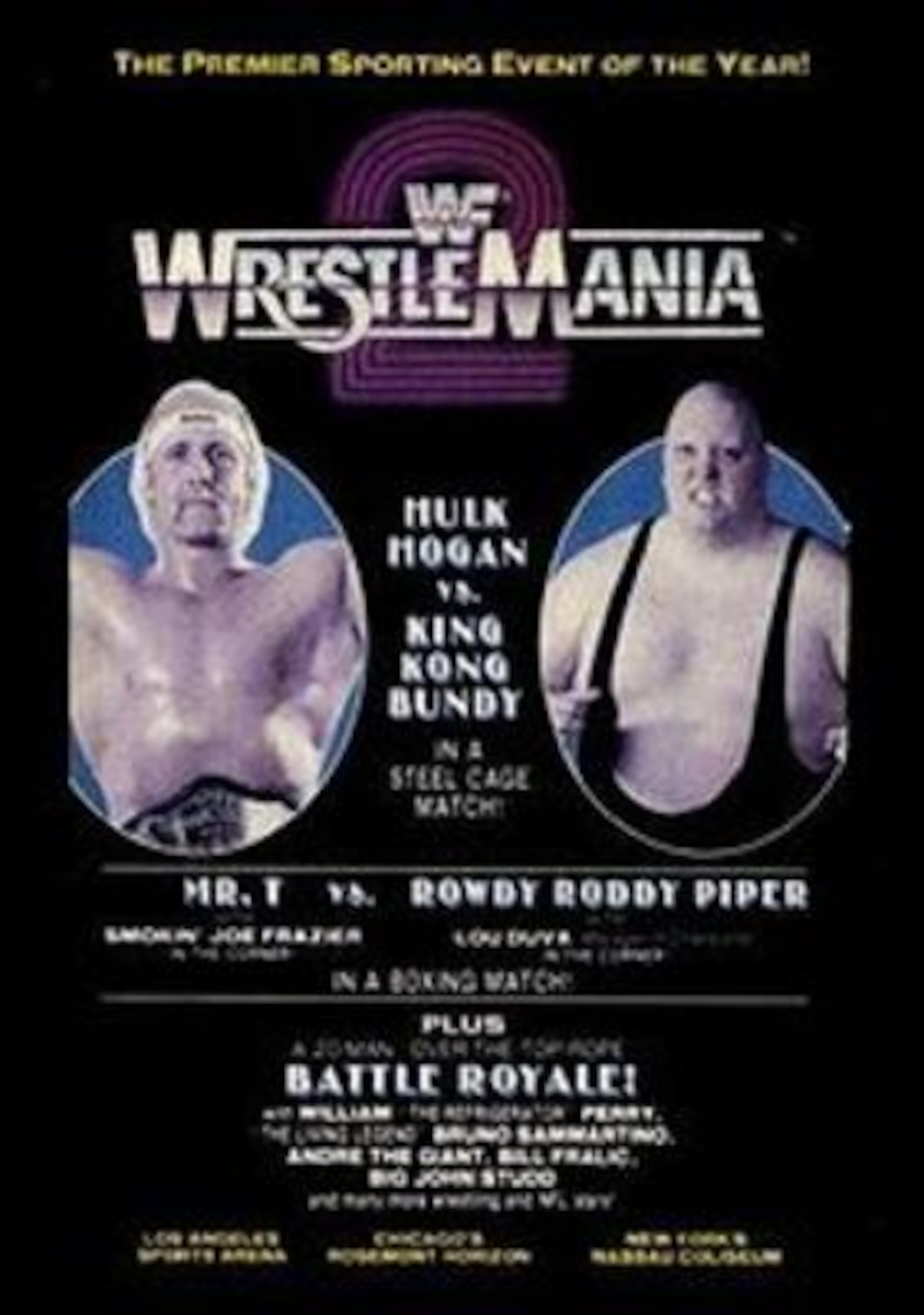
The Original: In 1985, the WWF embarked on what would become an annual tradition by holding the first WrestleMania at Madison Square Garden. The event featured nine matches, headlined by the main event in which Hulk Hogan and Mr. T teamed up to face "Rowdy" Roddy Piper and "Mr. Wonderful" Paul Orndorff.
The Problem: While WrestleMania 2 boasted more matches and was viewed by more people, the WWF made the crucial mistake of holding the event simultaneously in three different arenas (Nassau Coliseum, Rosemont Horizon and L.A. Sports Arena).
It was a novel idea, but it ended up being counterproductive, as only the fans in L.A. were treated to the real main event: Hulk Hogan vs. King Kong Bundy.
Trilogy?: The WWF wisely abandoned the three-venue idea and held the highly successful WrestleMania III at the Pontiac Silverdome in Pontiac, Michigan. The crowd of 93,173 set an attendance record for a live sporting event. The legendary main event featured Hulk Hogan doing the impossible: body slamming Andre the Giant.
16. St. Louis Rams (2002)
5 of 20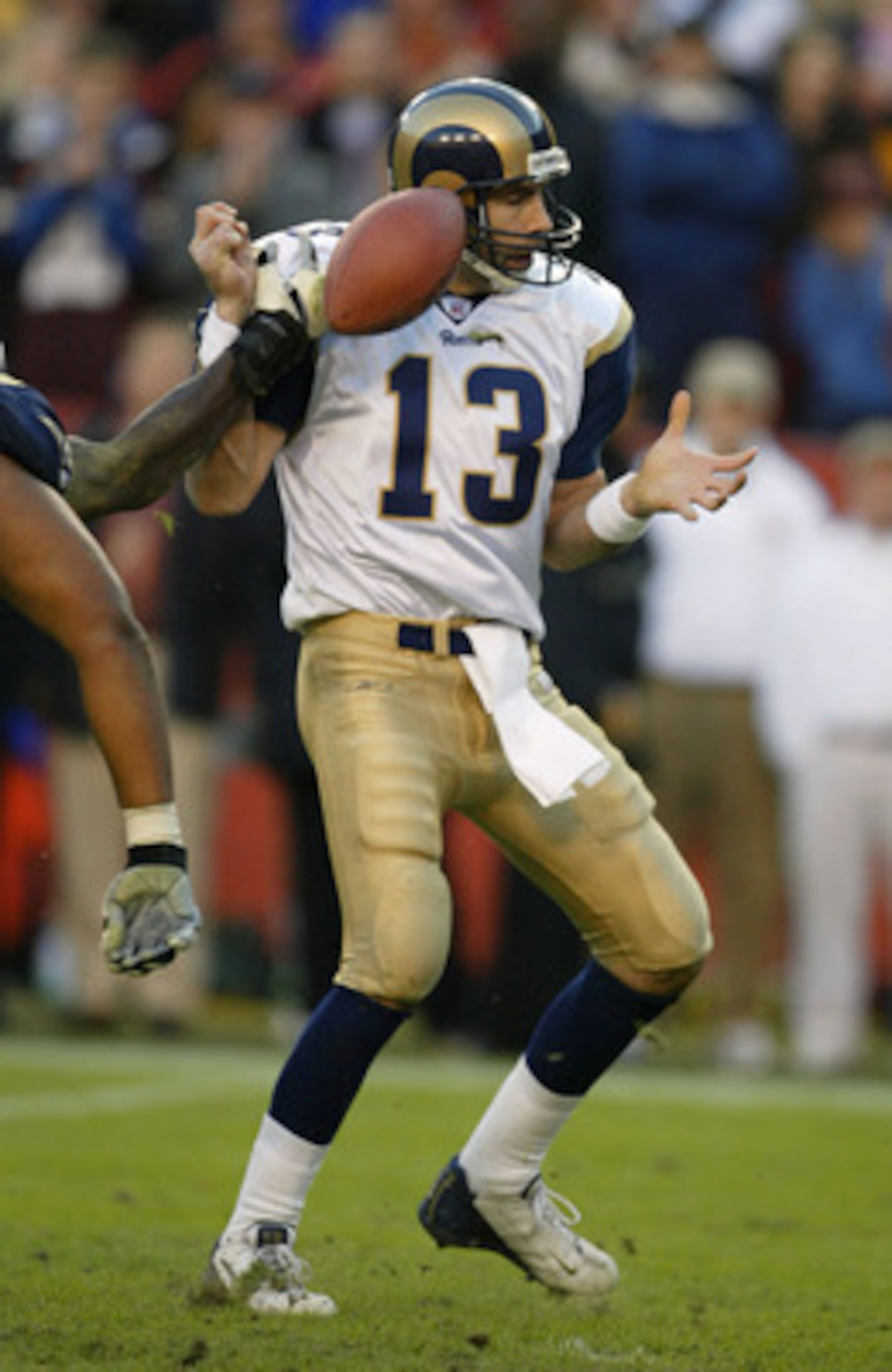
The Original: The Rams won the Super Bowl in 1999 and got back to the big game in 2001, this time losing to the Patriots on Adam Vinatieri's last-second field goal. The Rams had gone 14-2 during the regular season and were 14-point favorites going into the Super Bowl.
The Problem: Kurt Warner and the "Greatest Show on Turf" were expected to continue their high-powered offense, which had set an NFL record by scoring 500 points or more in three straight seasons. In 2002, however, the show ended.
Warner started off the season by throwing one touchdown and eight interceptions before breaking a finger on his throwing hand and missing most of the season. The Rams finished with a disappointing 7-9 record and scored just 316 points.
Trilogy?: In 2003, the Kurt Warner era was officially over in St. Louis, but new starter Marc Bulger led the Rams to a 12-4 record. They lost in the divisional playoffs that year and haven't made the playoffs since 2004.
15. Tampa Bay Rays (2009)
6 of 20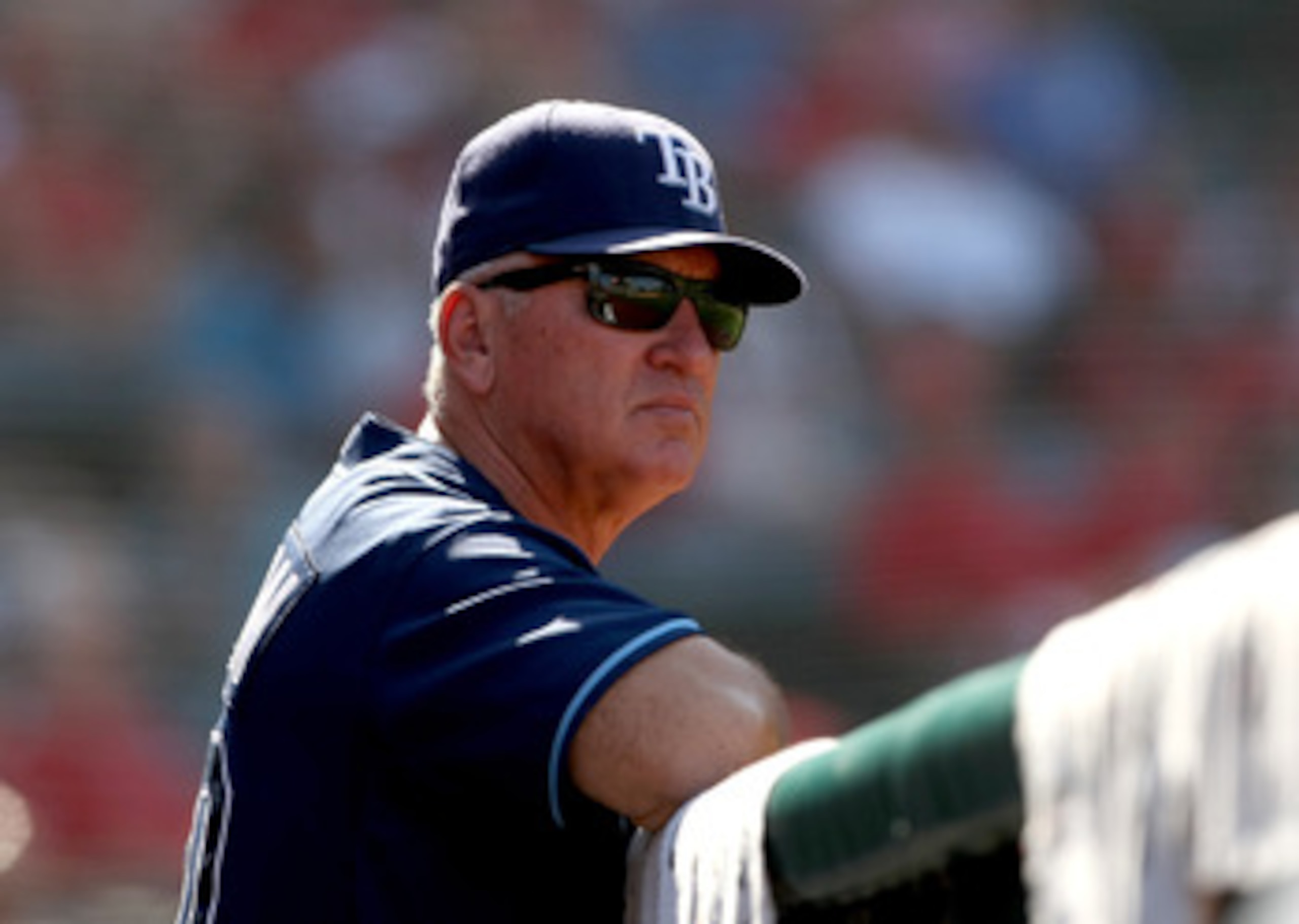
The Original: In 2008, the Rays dropped the "Devil" from their name and finally saw their crop of young talent produce results. The club shocked the baseball world by finishing in first place, ahead of the Yankees and Red Sox, in the vaunted AL East. The Rays made it all the way to the World Series, where they lost to the Phillies in five games.
The Problem: The young Rays were only expected to get better in 2009, but instead took a step backwards. Rookie David Price who had burst onto the scene in the 2008 World Series run had a disappointing year while teams adjusted to him and the Rays finished at 84-78, missing the playoffs.
Trilogy?: The Rays bounced back in 2010, reclaiming their title as AL East champions with a 96-66 record. They were unable to make it back to the World Series, however, losing to the Texas Rangers in the ALDS.
14. New York Mets (2001)
7 of 20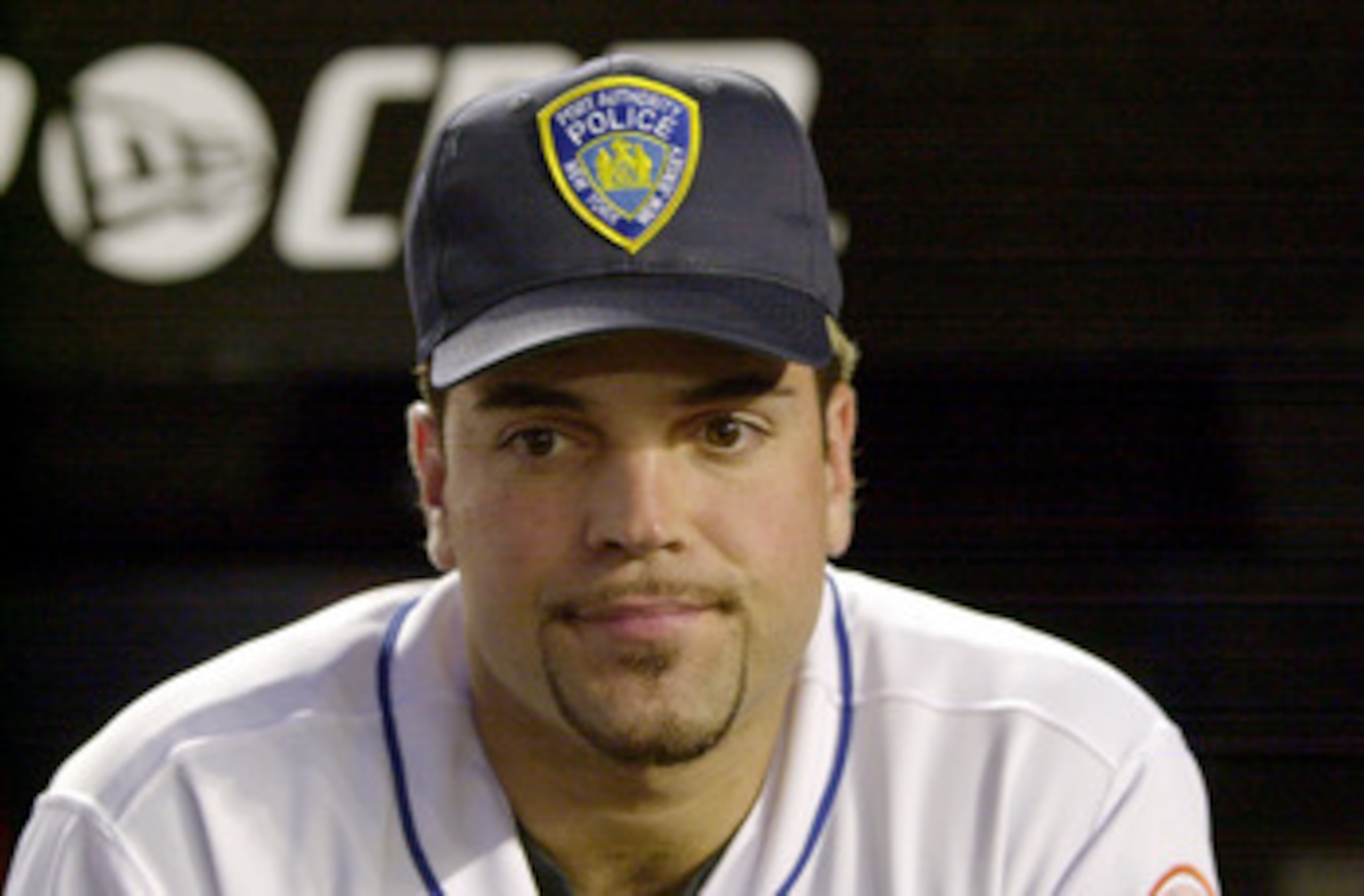
The Original: New Yorkers were salivating during the Subway Series of 2000. The Yankees expectedly were there for the third-straight year, but the Mets had surprised people by earning the Wild Card berth and riding it all the way to the series. The Yankees took the series in five very close games, but the Mets had established themselves as a top team in the National League.
The Problem: The Mets struggled from the get-go in 2001 and finished with a record of 82-80, good for third place in the NL East. The disappointment was due to a decline in the pitching rotation and a lack of power.
Trilogy?: The Mets continued to sputter in 2002, finishing the season in last place in the NL East with a record of 75-86. They didn't make the postseason again until 2006.
13. Los Angeles Lakers (2010-11)
8 of 20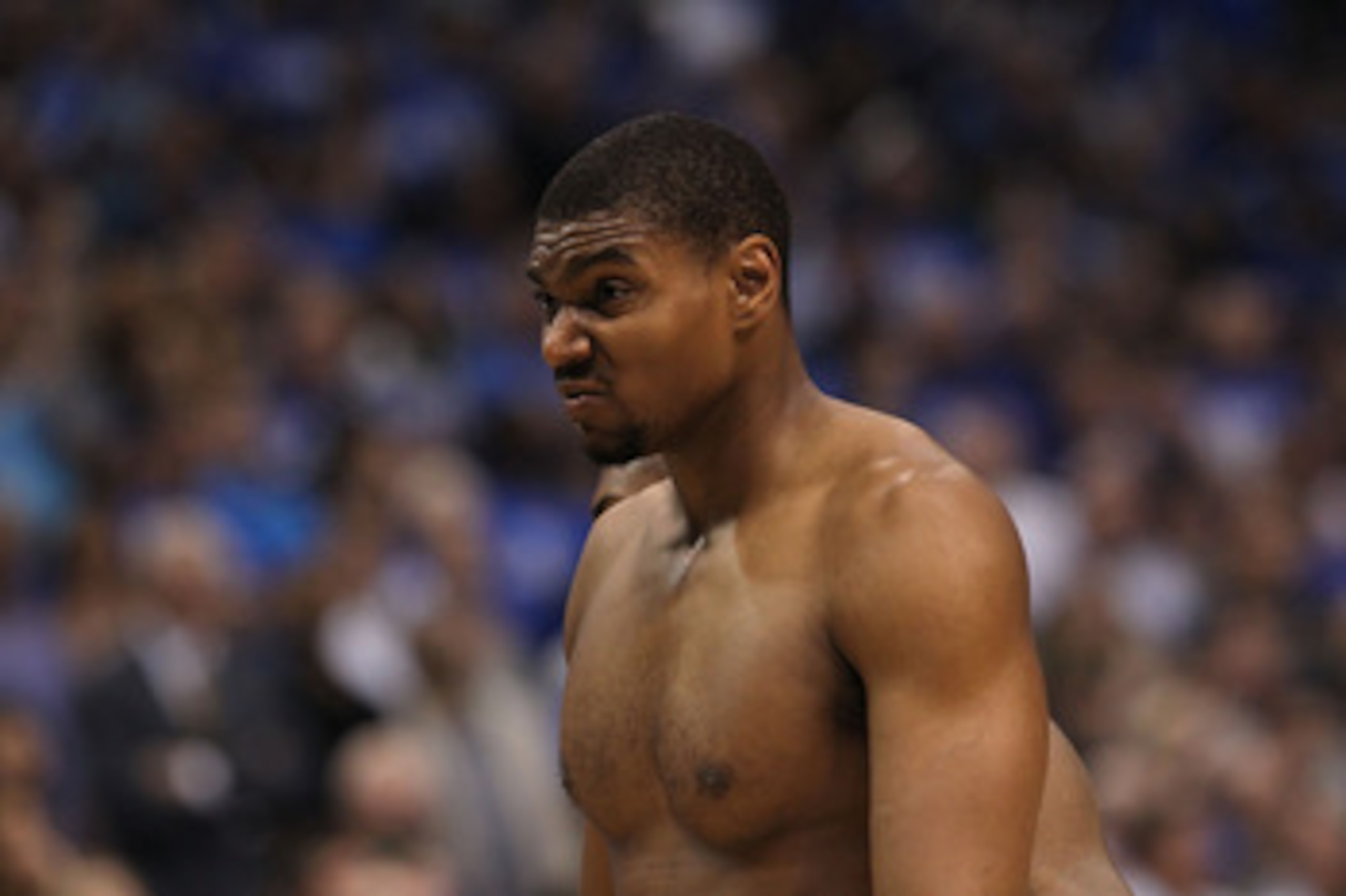
The Original: The 2009-10 Lakers won their second-straight NBA championship, but more importantly they proved that they had toughness by beating the Boston Celtics in a tough seven-game series.
The Problem: The Lakers had a lackluster regular season, but managed to hang onto the No. 2 seed in the West. They struggled through a six-game series with the undermanned New Orleans Hornets before meeting the Dallas Mavericks in the Western Conference Semifinals.
What happened there horrified Lakers fans. They were embarrassed in a four-game sweep at the hands of Dirk Nowitzki and company, culminating in Andrew Bynum taking one of the worst cheap shots in basketball history on J.J. Barea.
Trilogy?: It remains to be seen, but things don't look good. The Lakers are aging, Phil Jackson has retired, and he's been replaced by Mike Brown. If nothing else, they will probably need a small adjustment period before they return to dominance.
12. Oakland Raiders (2003)
9 of 20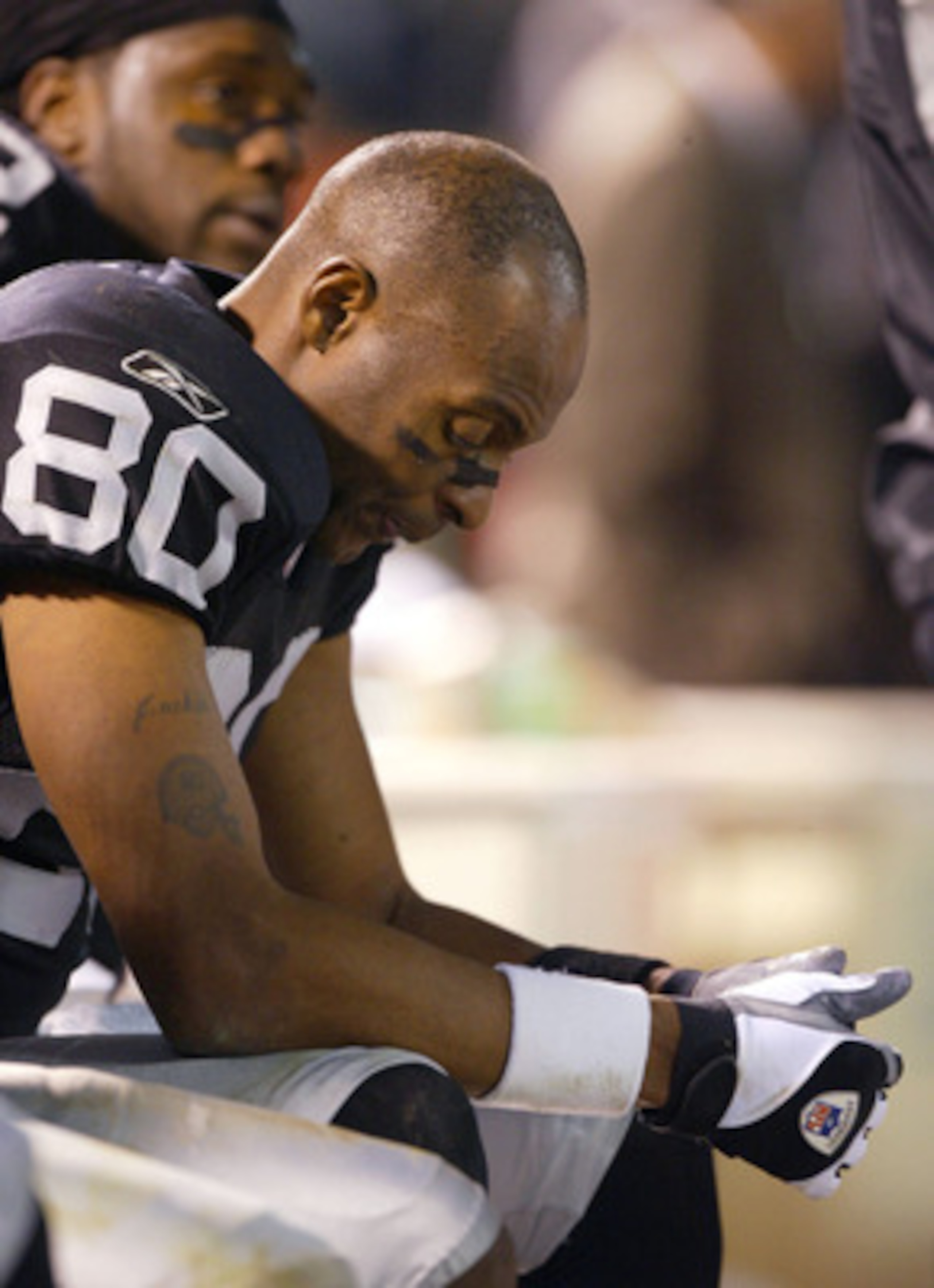
The Original: The 2002 Oakland Raiders put together a strong 11-5 regular season and marched their way to the Super Bowl, where they were defeated by the Tampa Bay Buccaneers.
The Problem: Expectations were high for a 2003 Raiders team that featured reigning NFL MVP Rich Gannon along with legendary receivers Jerry Rice and Tim Brown. However, injuries and age took over and the team never hit its stride. They finished the regular season at 4-12, tied for the worst record in the league.
Trilogy?: Al Davis, never one for patience, fired coach Bill Callahan just a year removed from leading his team to the Super Bowl, even though the team lost seven of its 12 games by a touchdown or less. The 2004 Raiders, led by new head coach Norv Turner, went 5-11.
11. New York Mets (1970)
10 of 20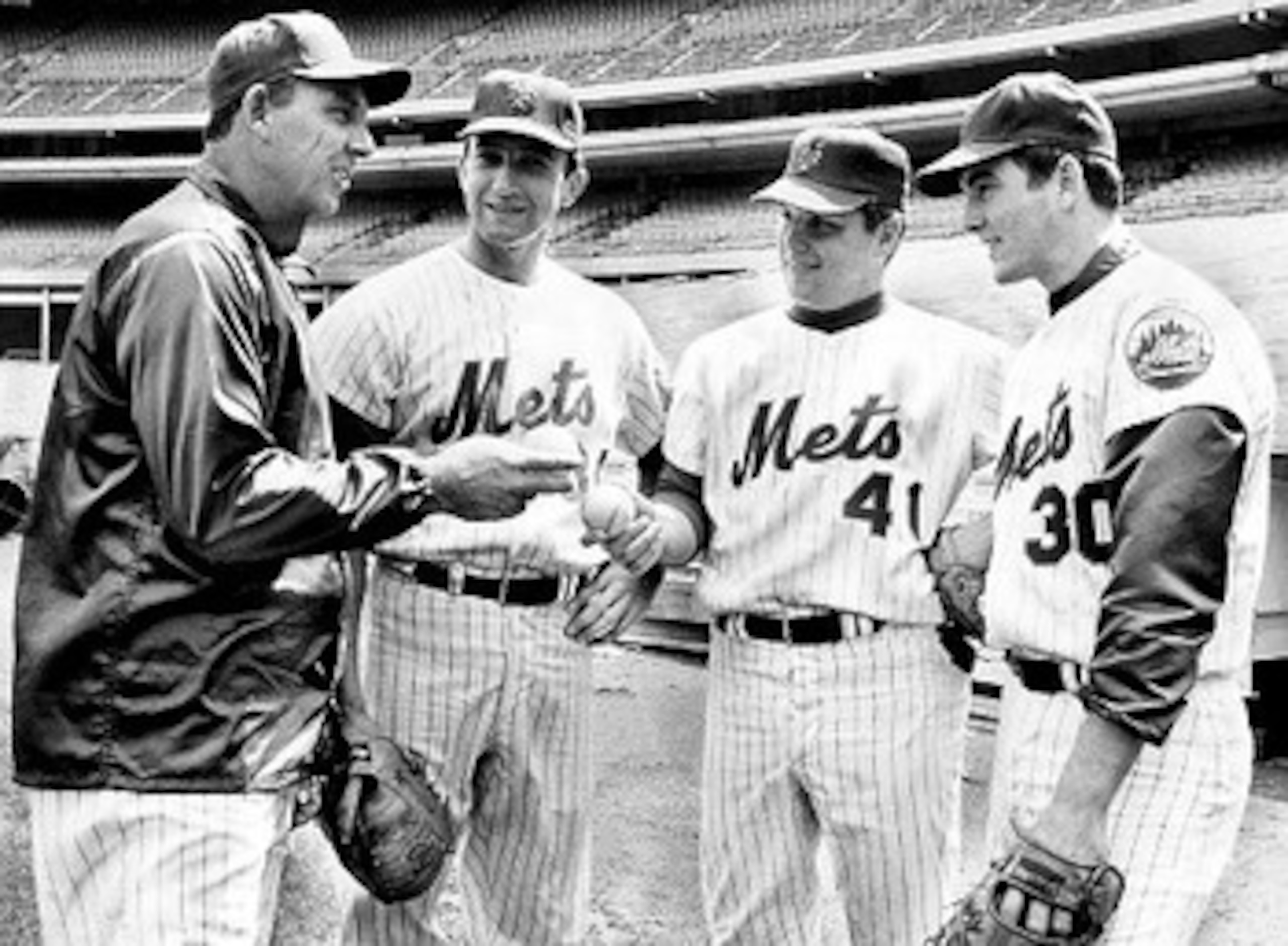
The Original: The Mets had never finished above ninth place in a 10-team division in their first seven seasons of existence. But in 1969, the Mets rose from the cellar to shock the baseball world and win the World Series. The unlikely season earned the team the moniker "Miracle Mets."
The Problem: Everybody roots for the underdog, but it's much more difficult when you're the favorite. The 1970 Mets had high expectations and a target on their backs, which led them to a disappointing 83-79 record, 17 wins short of the previous season's mark. They finished third and missed the playoffs.
Trilogy?: The 1971 Mets finished with the exact same record as they had the season before, 83-79. While Mets fans remained disappointed, you have to marvel at that type of consistency.
10. Florida Marlins (1998)
11 of 20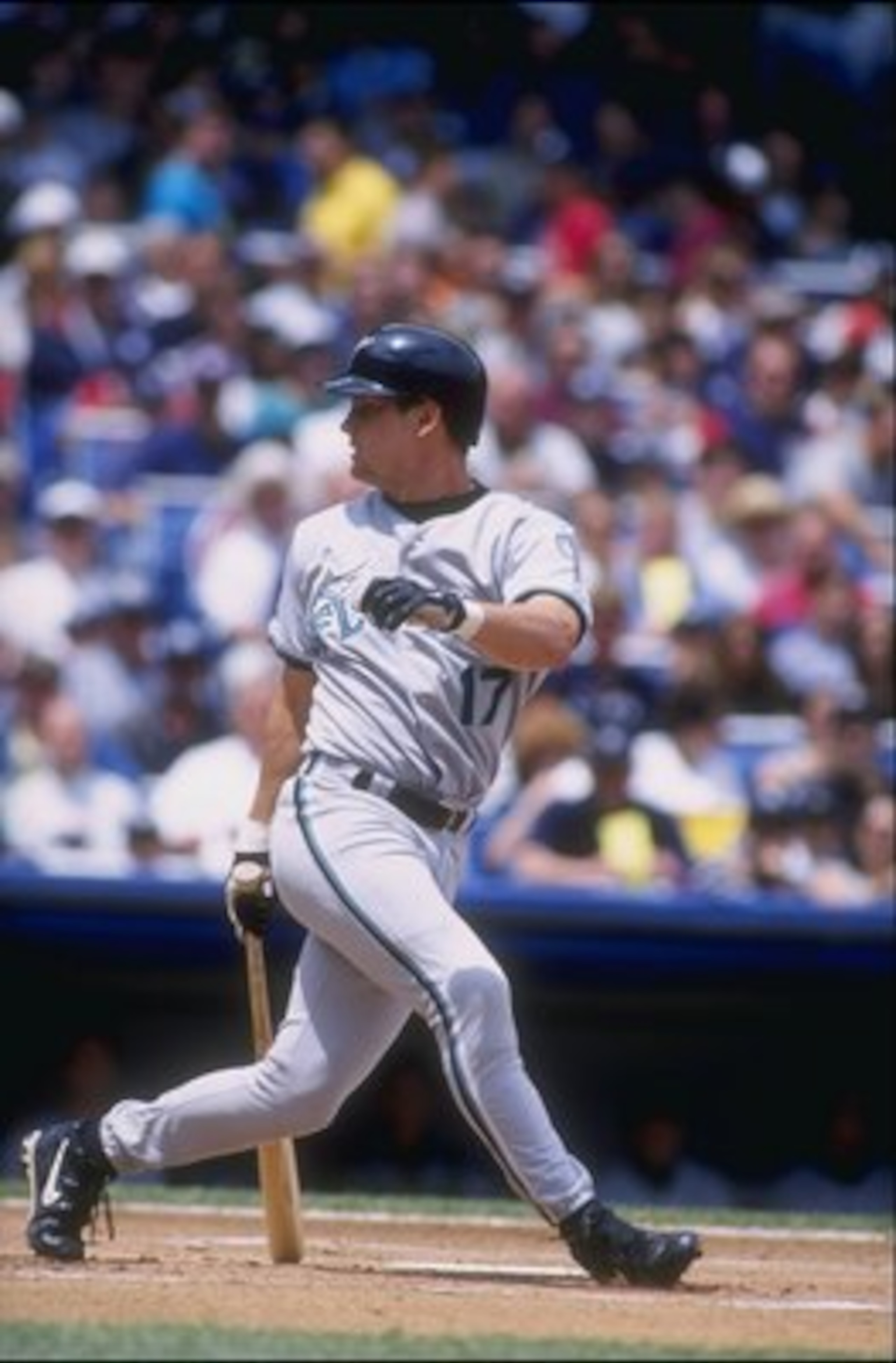
The Original: The Florida Marlins won a dramatic 1997 World Series on a walk-off single by Edgar Renteria in extra innings. They set a record by winning the World Series in just their fifth year of the franchise's existence (broken in 2001 by the Arizona Diamondbacks), and became the first Wild Card team to win the series.
The Problem: The term "fire sale" has never had a more appropriate use. The Marlins and owner Wayne Huizenga saw the team's payroll go from $53 million in 1997 to just $13 million a year later. The team deeply felt the offseason losses of players such as Moises Alou and Kevin Brown, then traded two more stars (Gary Sheffield and Bobby Bonilla) 40 games into the season in exchange for Mike Piazza.
That wouldn't have been a bad move if the Marlins hadn't turned around and traded Piazza to the Mets for three minor leaguers after just five games. The Marlins felt the sting and finished with an improbable 54-108 record, the worst in Major League Baseball, just a year after winning the World Series.
Trilogy?: The Marlins struggled again in 1999 and continued to flounder until 2003 when they loaded up and won their second World Series. In an eerily similar follow-up, the Marlins shed tons of salary and finished with a record of 83-79 in 2004, good for third in the NL East.
9. UNLV Runnin' Rebels (1990-91)
12 of 20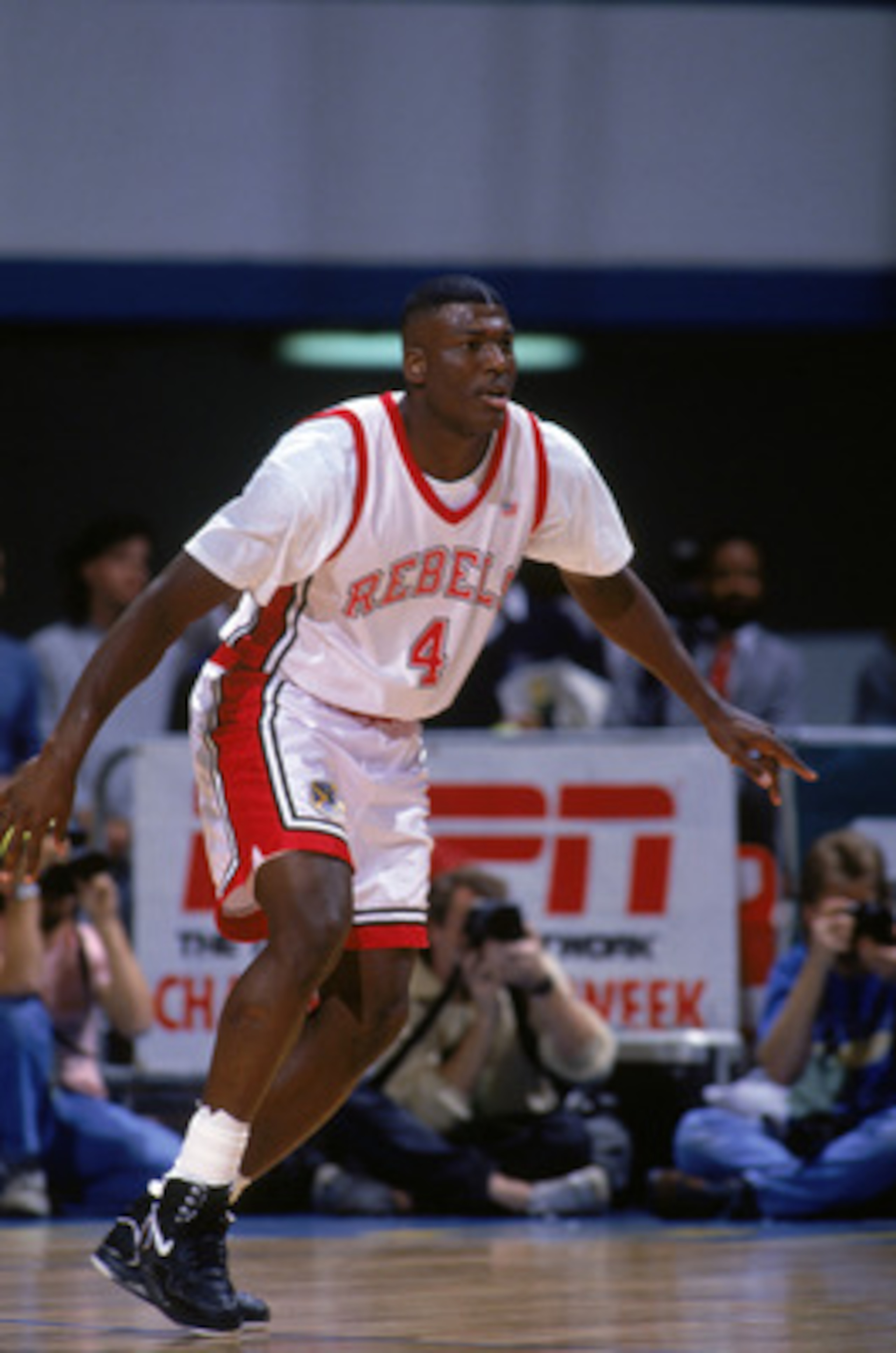
The Original: The 1989-90 UNLV basketball team won the first and only NCAA title in the program's history with a team that featured future NBA stars Larry Johnson, Stacey Augmon, and Greg Anthony. Led by Jerry "The Shark" Tarkanian, they destroyed Duke in the championship game by the widest margin in NCAA title-game history, 103-73.
The Problem: Augmon, Anthony and L.J. decided to stay another year for a chance to be the most dominant team in college basketball history...and they were. The Rebels rode a perfect 34-0 record into a Final Four match-up with Duke, the team they had dismantled the previous year.
This is where the sequel turns sour. The Rebels lost to Duke, 79-77, in the semifinals. If this were a decent sequel, they would have at least made it to the championship game...and then lost after the players pulled an all-night partying binge the night before the big game.
Trilogy?: Their star players, along with Tarkanian, left the following season and UNLV basketball has never come close to reaching that level again.
8. McCall-Lewis II (1997)
13 of 20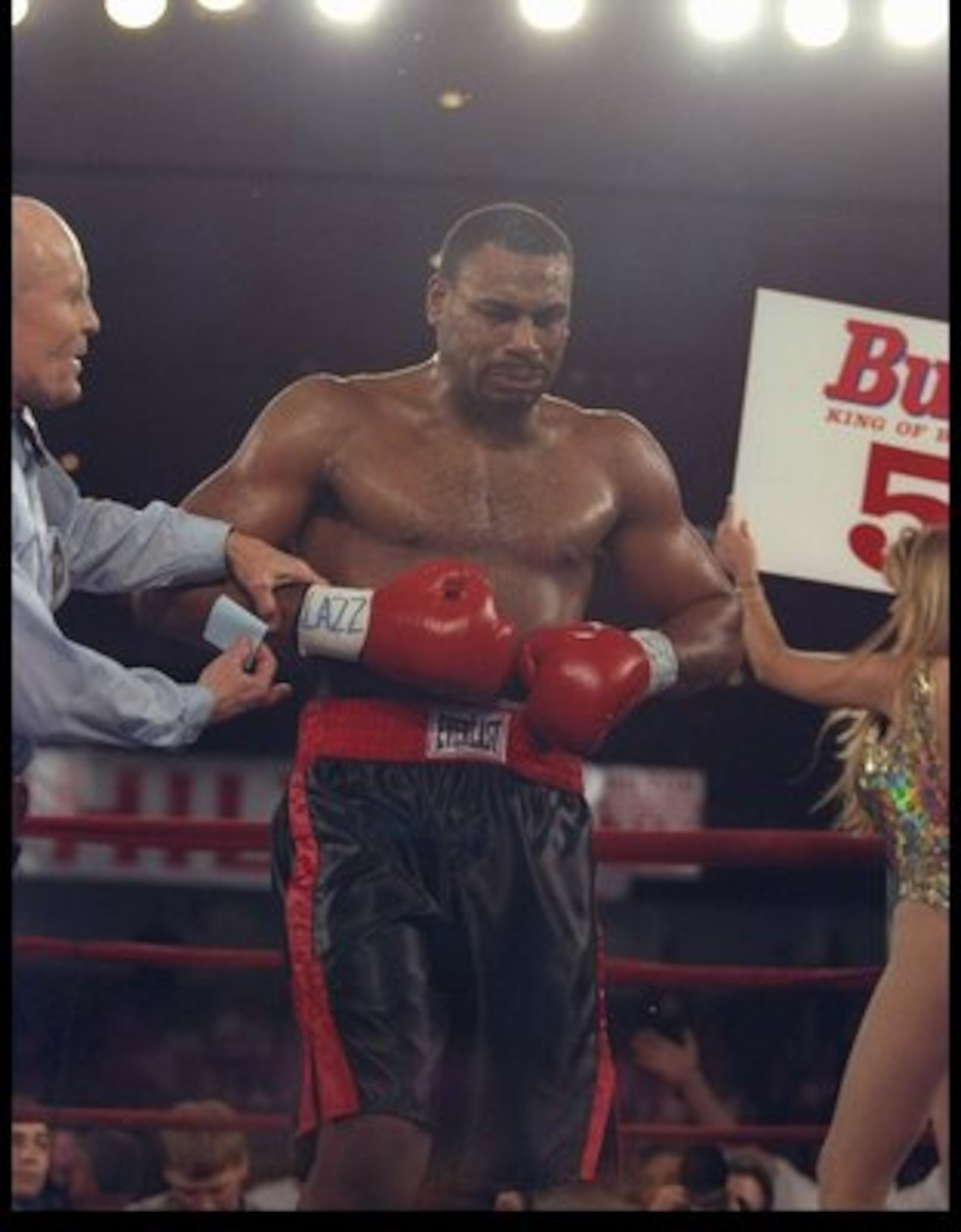
The Original: In 1994 up-and-comer Oliver McCall knocked out a heavily-favored Lennox Lewis on Lewis' home turf of London, England. The victory made McCall the WBC Champion.
The Problem: The rematch was held in February of 1997 and it started off like any other fight. In the third round, however, McCall began to hold his arms by his side and refuse to defend himself. Cameras also picked up the fact that McCall appeared to be crying.
The strange behavior continued for two more rounds until judge Mills Lane was forced to stop the fight. He said afterwards: "In the third round, he got in close, and then seemed frustrated, and then he just backed off and put his arms down...I thought he was playing possum but then I saw his lips started to quiver and I thought, 'My God, is he crying?'"
Trilogy?: McCall and Lewis never met again, but it was soon revealed that McCall had been battling mental issues and drug addiction. He has continued his career in the ring, but has also been arrested several times, most recently in December of 2010.
7. New England Patriots (2008)
14 of 20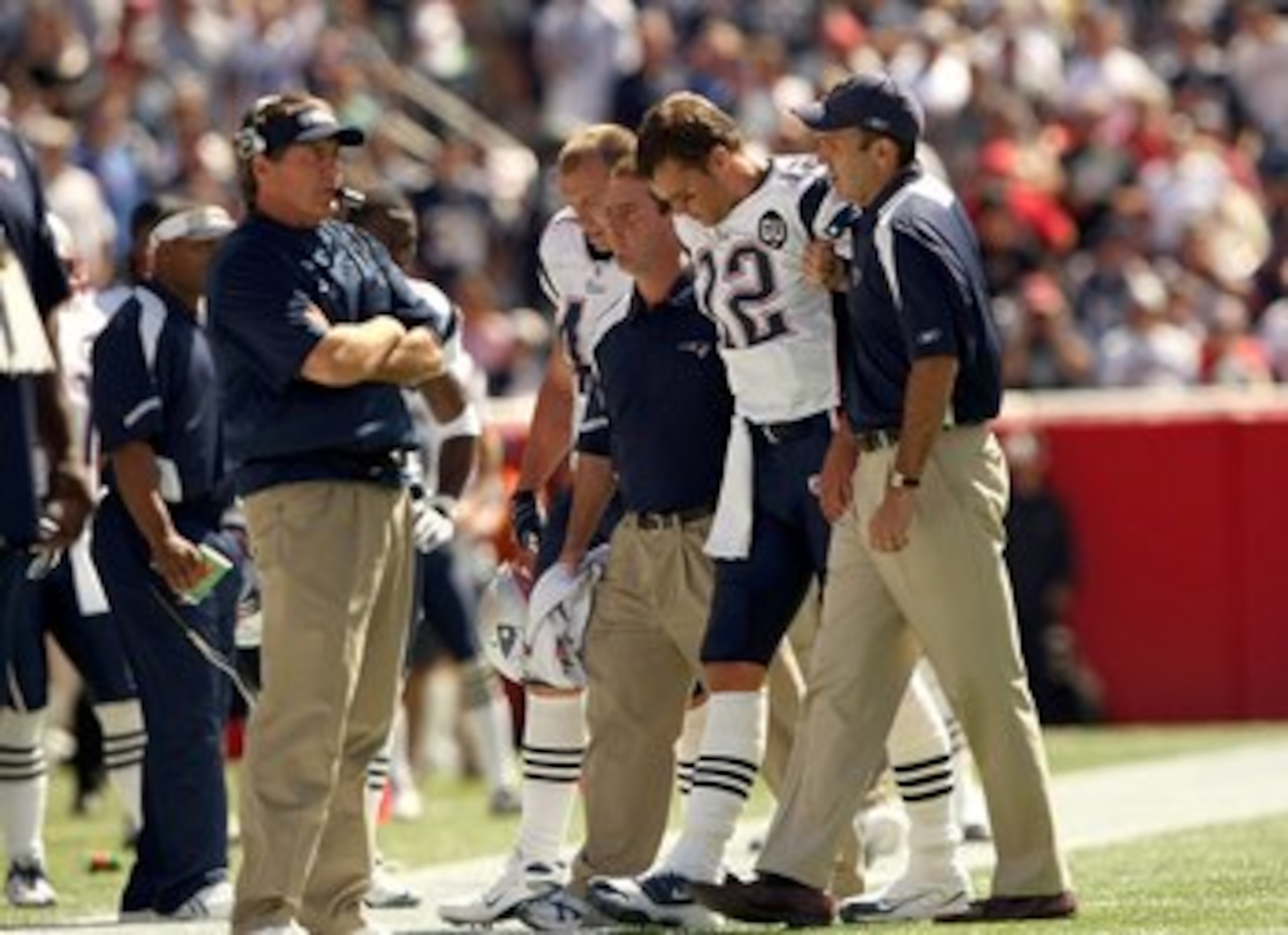
The Original: The 2007 New England Patriots were well on their way to going down in history as the best NFL team of all time. They had gone a perfect 16-0 in the regular season and won their first two playoff games with relative ease. Their dreams came crashing down, however, when Eli Manning and David Tyree connected on an impossible play that led to a Plaxico Burress touchdown, which gave the New York Giants the lead and the eventual Super Bowl victory.
The Problem: Despite losing the Super Bowl and failing to complete the perfect season in 2007, the Patriots were still favorites in 2008. That all ended on one tragic play in the first game of the season, when a Chiefs defender rolled into Tom Brady's leg, injuring him for the season.
Matt Cassel stepped in admirably and led the Pats to an 11-5 record, but that surprisingly wasn't good enough to get them into the playoffs.
Trilogy?: Brady returned in 2009 and the Patriots finished first in their division (ironically with a worse record than the previous year, 10-6), but they were stomped in the first round by the Baltimore Ravens, 33-14.
6. Cleveland Cavaliers (2010-11)
15 of 20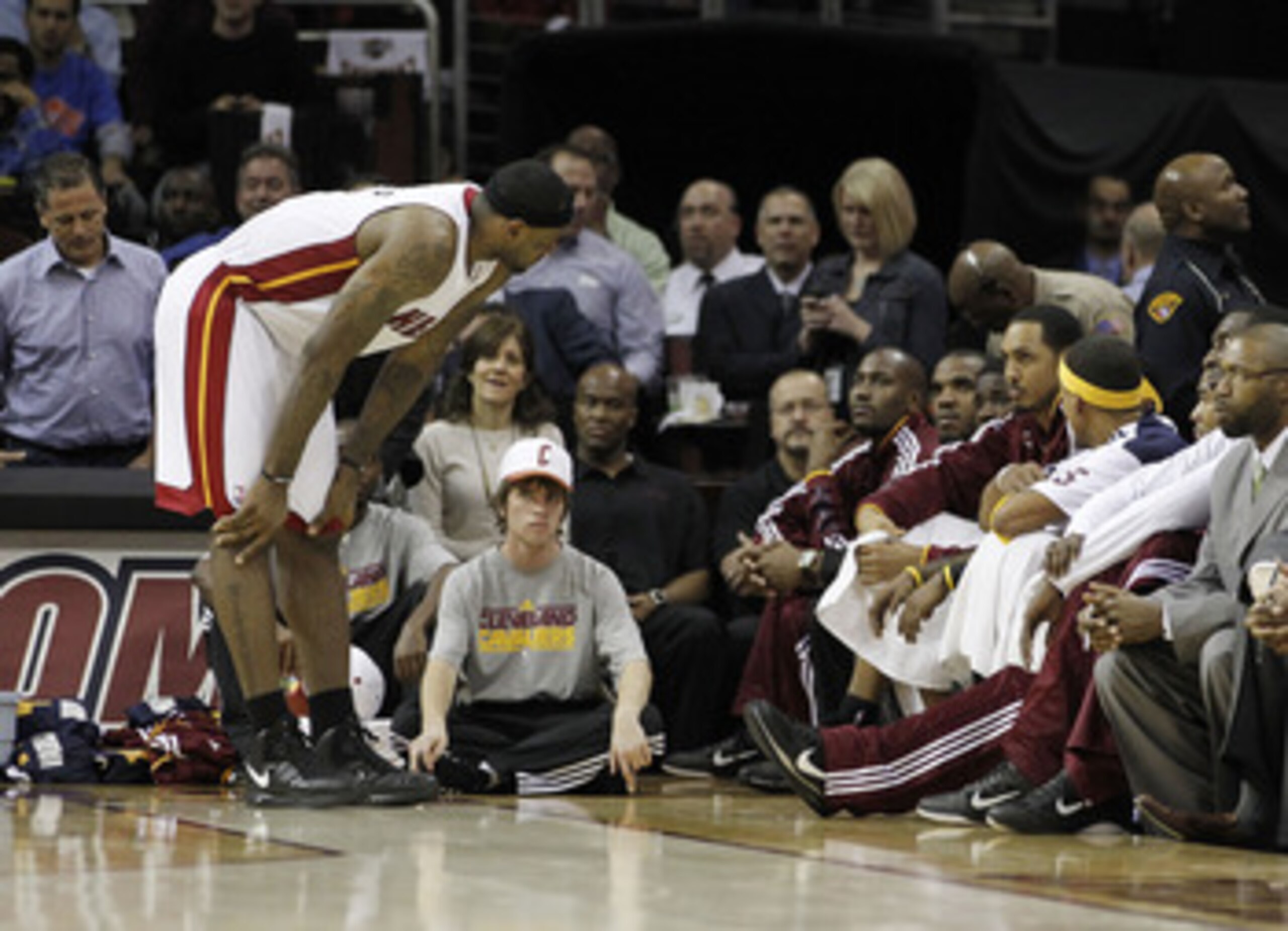
The Original: In 2009-10, LeBron James led the Cavaliers to a league-best regular-season record of 61-21. After a disappointing loss to the Boston Celtics in the Eastern Conference Semifinals, LeBron threw his jersey to the ground on the way to the locker room, and questions started to arise about whether he had played his last game as a Cav. Of course, we all know how that turned out.
The Problem: The Cavs were a team full of complementary players that were built around a superstar. When that superstar left, the team was in no-man's land. They weren't young...they weren't rebuilding...they were just...bad. The LeBron-less Cavs set an NBA record with 26 consecutive losses and finished the season at 19-63, second worst in the NBA.
Trilogy?: It remains to be seen when, if ever, the Cavs will get back to the playoffs. With the first and fourth picks in this year's draft, perhaps they'll pick up some pieces for the future.
5. Chicago Bears (1986)
16 of 20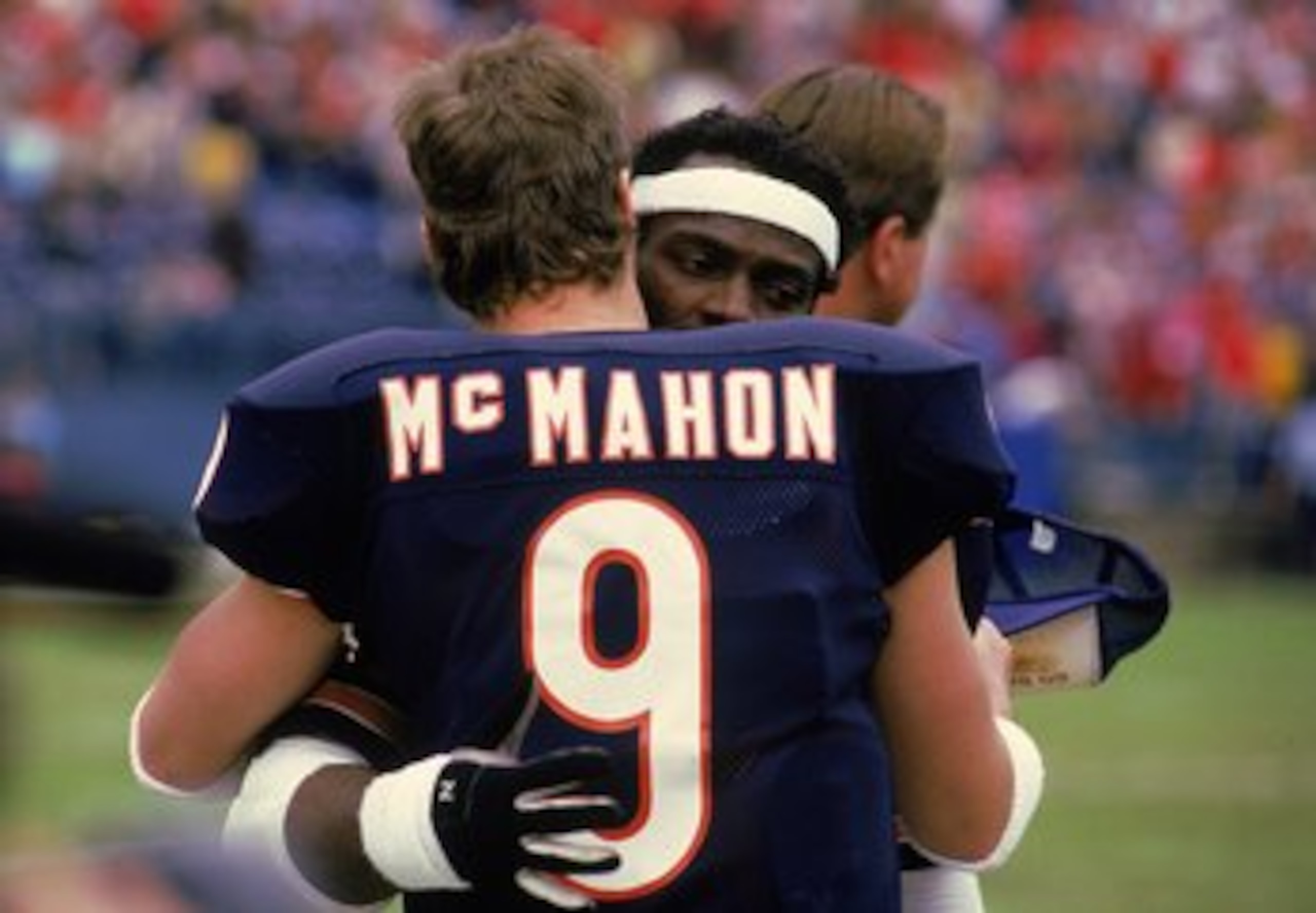
The Original: The 1985 Chicago Bears are considered one of the two best teams in NFL history, surpassing the undefeated 1972 Miami Dolphins on some lists. They went 15-1 in the regular season en route to the Super Bowl XX victory, and boasted the NFL Defensive Player of the Year (Mike Singletary), NFC Offensive Player of the Year (Walter Payton), NFL Coach of the Year (Mike Ditka), and the best music video of all time.
The Problem: Everyone expected the Bears to repeat in 1986, possibly starting a dynasty that would last for years. Instead quarterback Jim McMahon set the tone by showing up to camp 25 pounds overweight. McMahon only played in six of the first 12 games due to injury, but the Bears still managed to finish the regular season at 14-2.
They were still favorites in the playoffs, but were stunned in the divisional round (after a first-round bye) by the Washington Redskins, 27-13.
Trilogy?: Jim McMahon was at it again in 1987, this time upset that the team had drafted another QB, Jim Harbaugh, in the first round. The team finished 11-4 in a strike-shortened season and lost once again to the Redskins in the divisional round.
Be sure to follow me on Twitter (@CWardHenninger) along with the entire B/R Swagger team (@BR_Swagger)
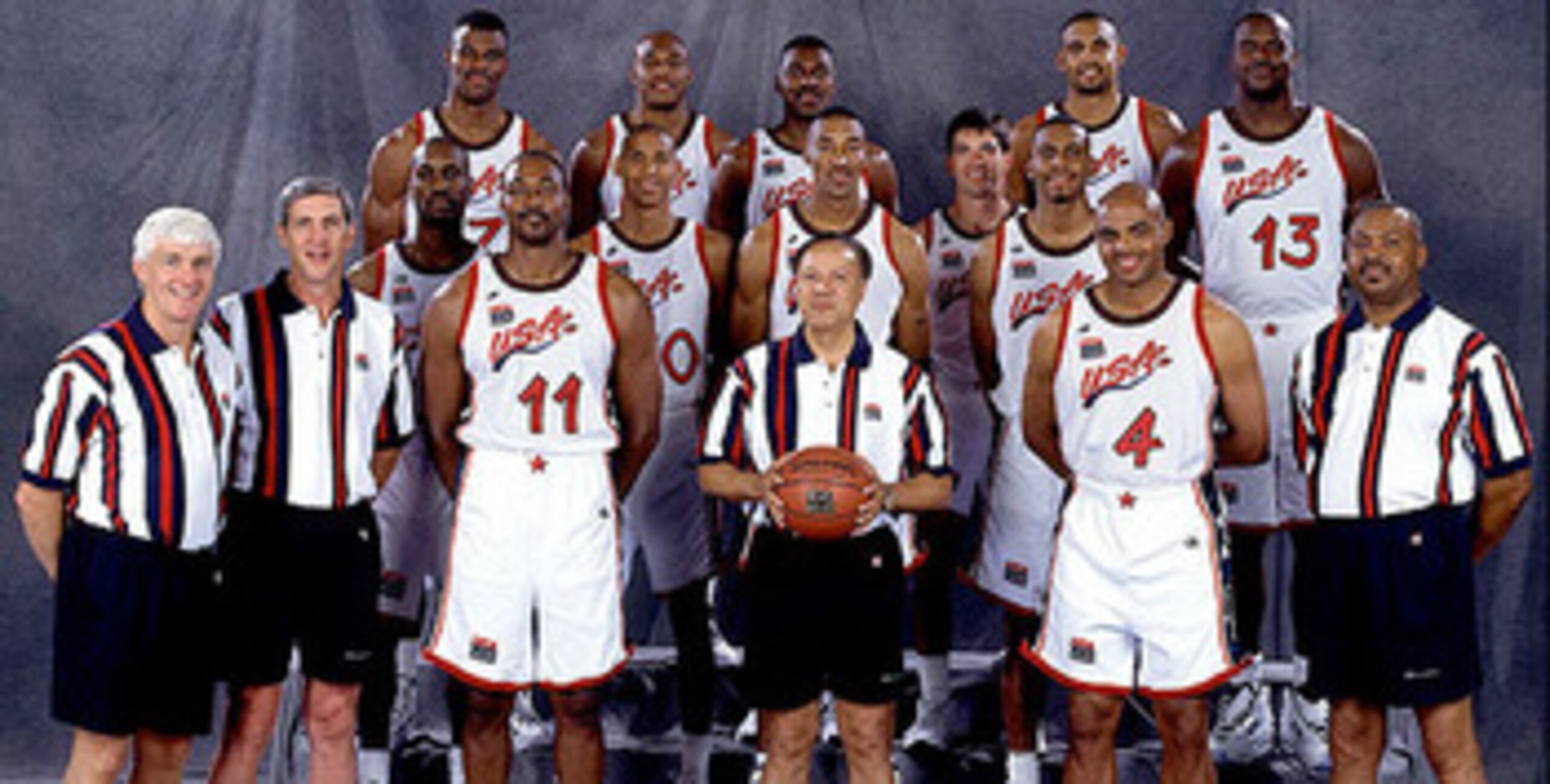
4. Dream Team II (1996)
17 of 20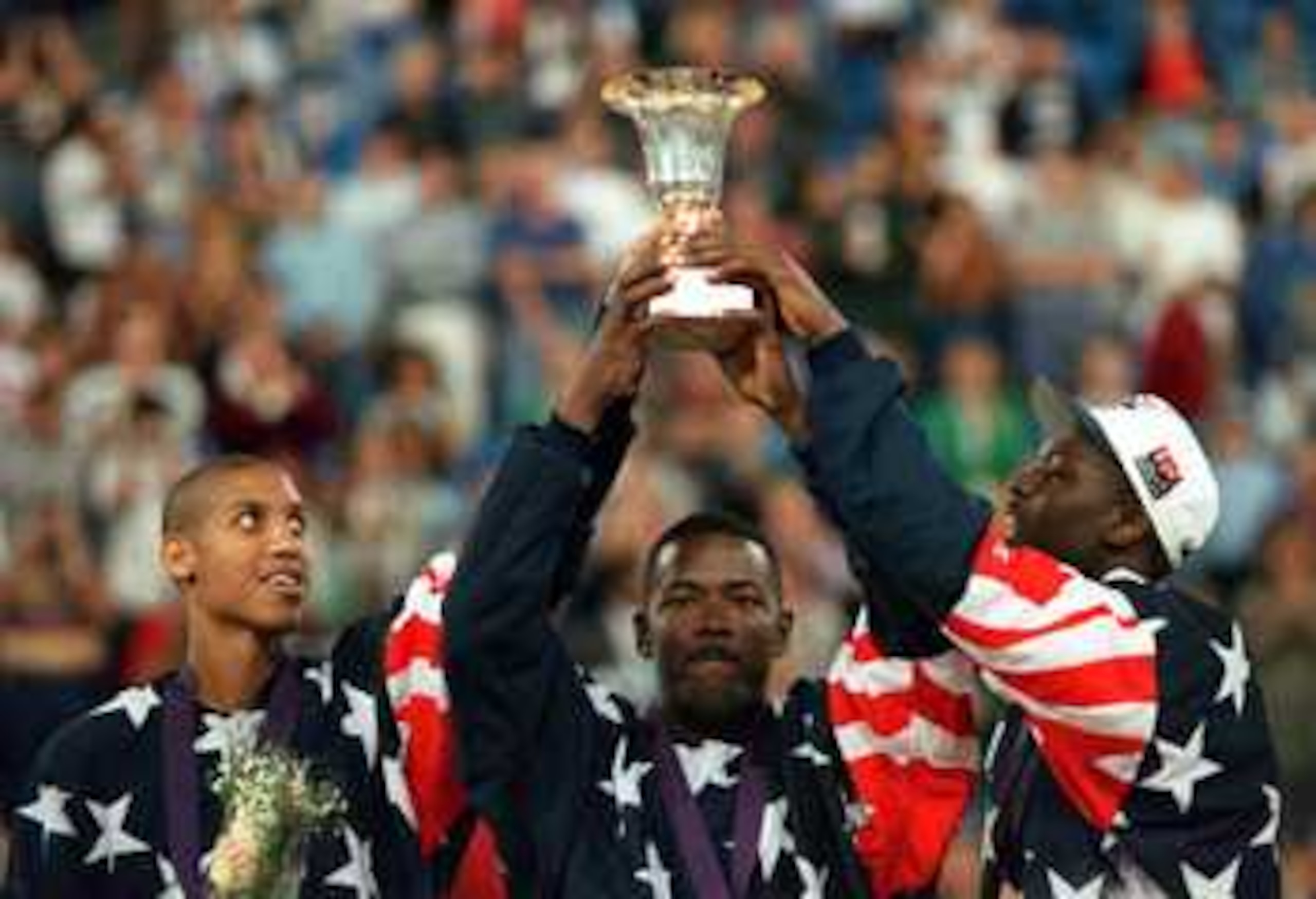
The Original: The Dream Team, assembled for the 1992 Olympics, consisted of 11 Hall of Famers...and Christian Laettner. The original Dream Team is considered one of the best teams in sports history, and you'd be hard-pressed to find a more talented group of athletes.
The Problem: It's not that Dream Team II didn't have its fair share of stars (Shaq, Olajuwon, Reggie Miller), it's just that they should have never called themselves the Dream Team. They still won gold at the 1996 Olympics, but there's no way they could ever live up to the original team with Larry, Magic, and Michael.
Trilogy?: Things just got worse with Dream Team III in 2000. The team featured such legends as Vin Baker and Shareef Abdur-Rahim, and nearly lost to Lithuania in the semifinals.
3. Minnesota Vikings (2010)
18 of 20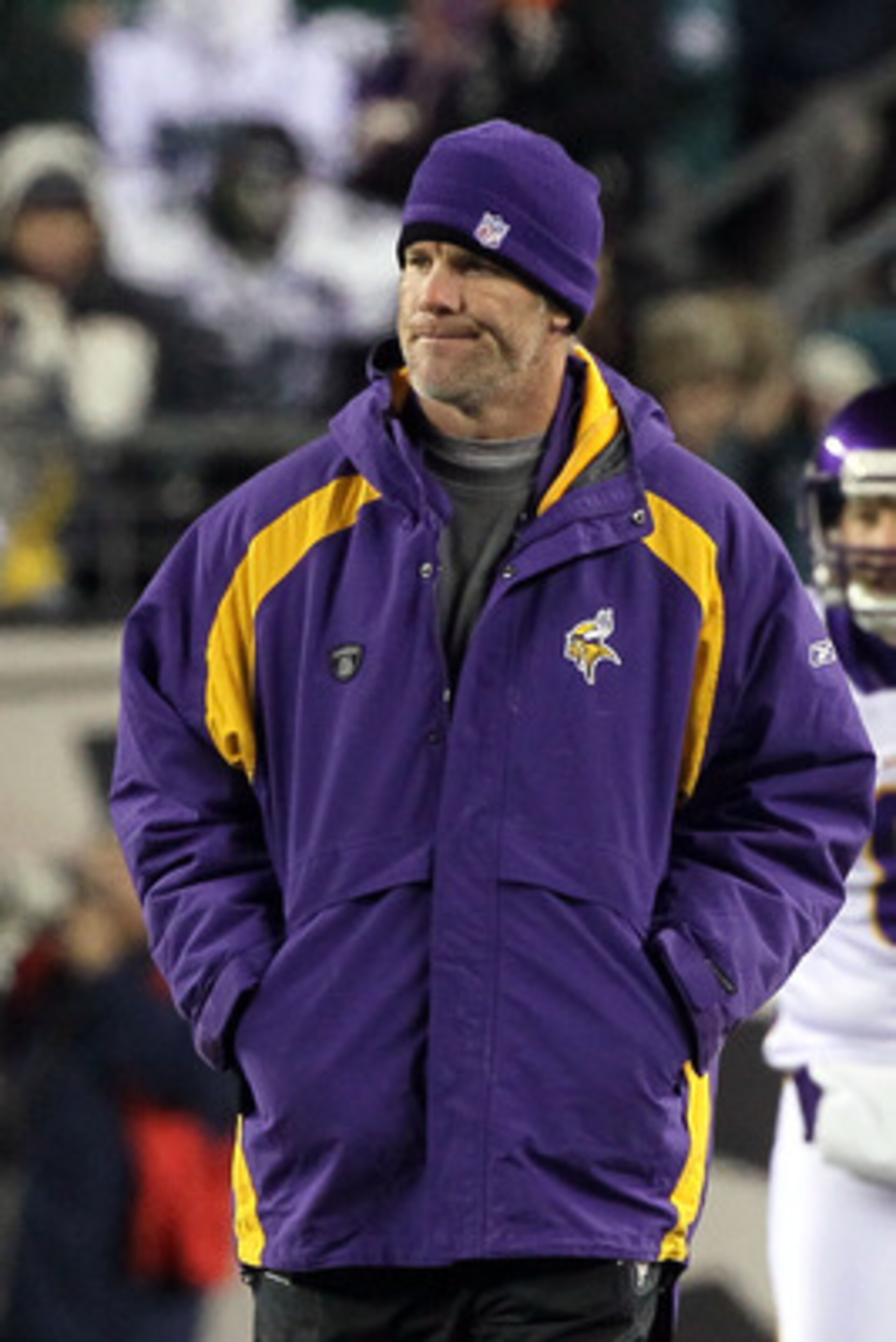
The Original: After much speculation and back-and-forth, Brett Favre decided to sign with the Minnesota Vikings prior to the 2009 season. The old gunslinger proved that he was still able to perform at a high level, putting together the best statistical regular season in his career (QB rating of 107.2). The Vikings went 12-4 and eventually lost in the NFC championship to the New Orleans Saints after a questionable decision by Favre.
The Problem: With Favre coming back and Adrian Peterson as strong as ever, it was Super Bowl or bust for the 2010 Vikings. Unfortunately, it turned out to be bust, as Favre battled injuries all year long and ended up throwing 11 touchdowns and 19 interceptions. The Vikings finished with a 6-10 record, missing the playoffs.
Trilogy?: Favre has announced his retirement, and this time it finally seems decisive, which leaves a giant hole at QB for the Vikings. They took Florida State quarterback Christian Ponder in the first round, but chances are he won't be ready to step in for a while.
2. Chicago Bulls (1998-99)
19 of 20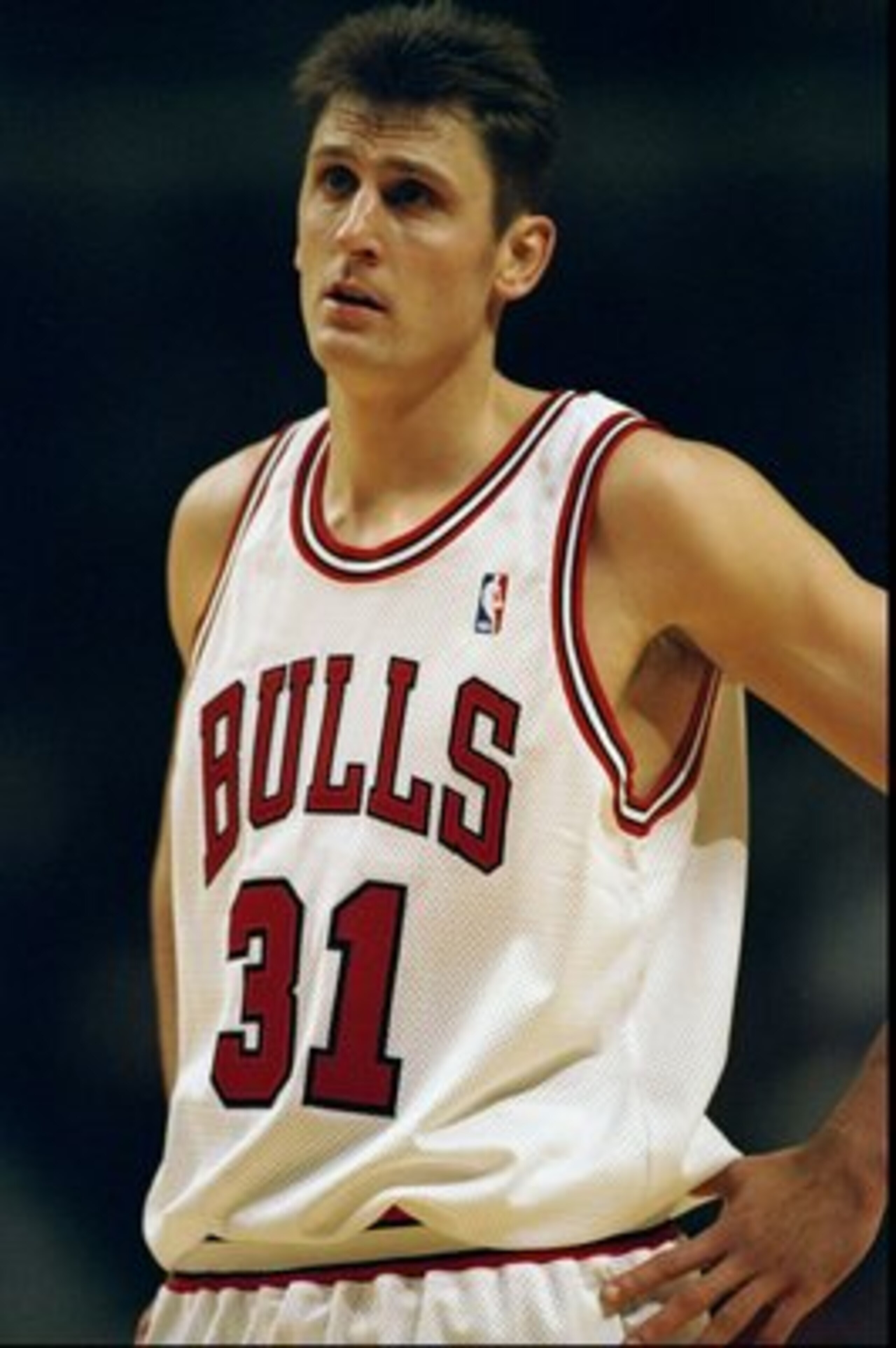
The Original: The Bulls capped their second three-peat of the '90s when they defeated the Utah Jazz in the 1998 Finals on Michael Jordan's historic game-winner.
The Problem: People expected the team to struggle in the 1998-99 season after the departure of M.J., Phil and Scottie, but they didn't know it would be this bad. Boasting a starting lineup of Ron Harper, Brent Barry, Toni Kukoc, Dickey Simpkins and Mark Bryant, the Bulls finished with the worst record in the East at 13-37.
The season started in February due to the lockout, and I can't imagine many Bulls fans were complaining about the shortage of games.
Trilogy? Things didn't get any better in the full season of 1999-2000 as the Bulls only won four more games than they did in the shortened season (17-65). It would be five more years until they reached the playoffs again, this time under coach Scott Skiles.
1. Holyfield-Tyson II
20 of 20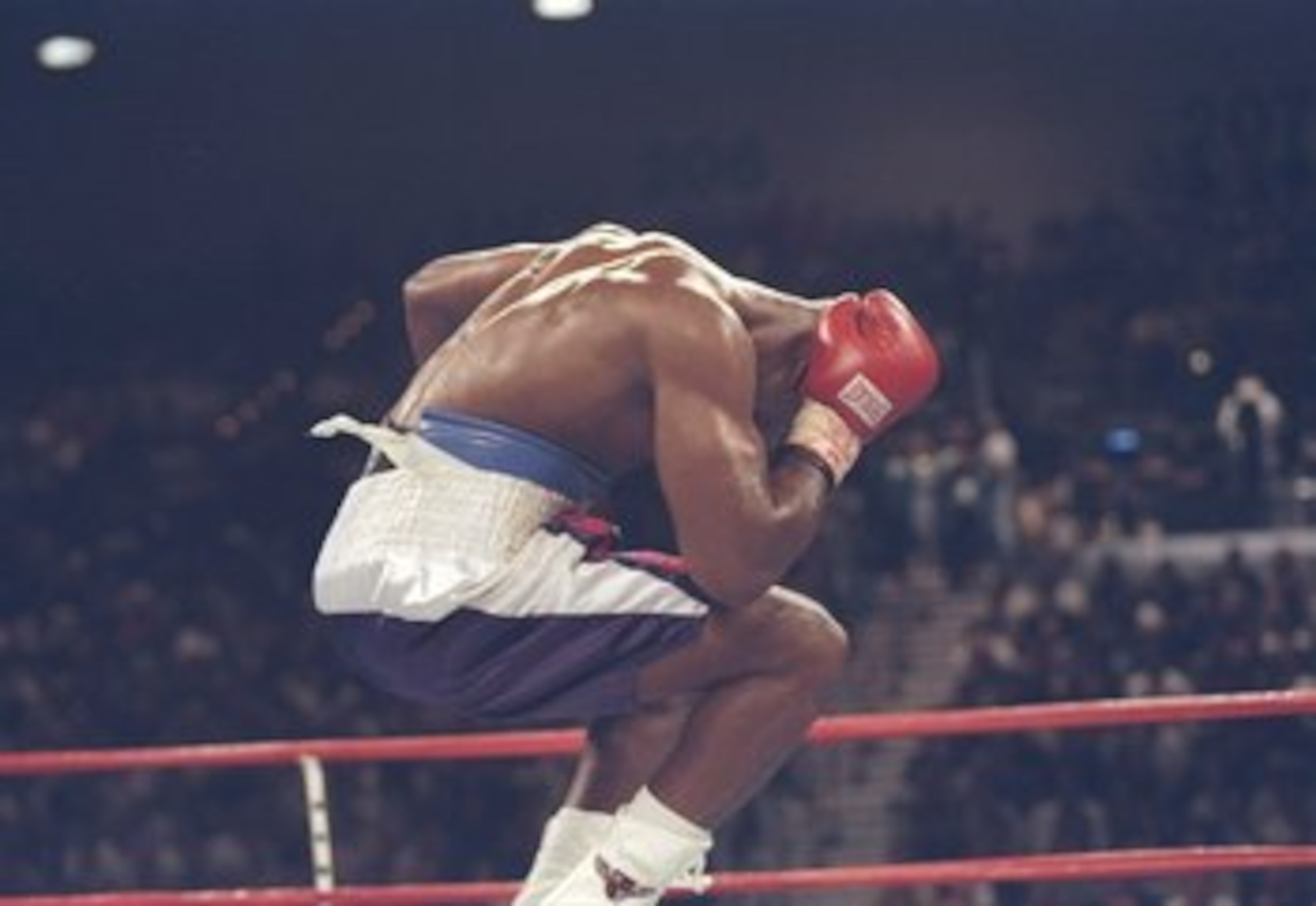
The Original: Mike Tyson faced his first true test since being released from jail when he finally fought in a much-anticipated bout with Evander Holyfield. Tyson, the champ, was TKO'd by Holyfield in the 11th round in what was considered one of the biggest upsets in boxing history at the time.
The Problem: Everyone expected Tyson to come out with fury in the rematch and attempt to avenge his loss, but instead we were treated to a circus of epic proportions. After Holyfield got off to a fast start, Tyson appeared to be coming back toward the end of the third round when the fighters got locked up in a clinch. Tyson then inexplicably bit Holyfield's right ear, tearing off a piece of it and spitting it to the floor.
Referee Mills Lane deducted Tyson two points and attempted to continue the fight, but Tyson immediately bit Holyfield's other ear as the round came to an end. The fight was stopped between rounds and Tyson went after Holyfield's corner, swinging wildly at anybody who got in his way.
Trilogy?: It's not hard to believe that Holyfield wouldn't agree to fight Tyson a third time. After a suspension, Tyson returned to the ring in 1999, knocking out Francois "The White Buffalo" Botha in the fifth round. Holyfield defeated Michael Moorer in his next match on a TKO after the eighth round.
.jpg?w=2560 "Falcons Saints Football")
.jpg?w=2560 "Rams Eagles Football")
.jpg?w=2560 "Injury-stricken Seahawks signing veteran RB")


.jpg?w=2560 "2 NFL Officials Suspended")
