
The Greatest Defensive Player in the History of Every MLB Franchise
The New York Yankees are the most historic franchise in all of sports. There are enough legends who donned pinstripes to field an entire division's worth of teams.
I can assure you, however, that the Yanks' 27 World Series championships weren't won solely on the bats of Ruth, Mantle and DiMaggio.
Every great team has had that fascinating shortstop who can make a hard-liner up the middle seem like a routine ground ball or that outfielder who makes the no-look over the shoulder grab look like a pop-fly.
They are a rare breed—making some of the most spectacular plays in all of sports.
After thorough research—which with over 100 years of data and statistics to decipher is no small task—I now present to you The Greatest Defensive Player in the History of Every MLB Franchise.
The Criteria: 5 Seasons with Team, 1,000 Total Career Games Played and Metrics
1 of 31
It was very hard to decide which methods and/or stats to use to determine each great defensive player. What I attempted to do was use an array of statistics to gain an overall picture of a player's defensive capabilities. I didn't base any selection solely on one measurement, rather I used a compilation of many measurements.
The four main components used are as follows:
1) Defensive Wins Above Replacement (dWAR)
This metric is considered "all-inclusive" and is a great starting point when considering defensive abilities. It states the amount of wins one player's defensive skills have garnered above or below the league average defender.
2) Range Factor/Game
The equation here is (Putouts+Assists)/Games Played
This gives you an idea of how much "action" a player was receiving at their position per game.
In essence, the higher the range factor the more times the player was physically involved in a play during the game
3) Fielding %
I am not hardcore on this statistic, but it was useful in comparing a player's fielding percentage over their career to the league average during the same time period.
This statistic was used in addition to the others and not on its own.
4) Gold Gloves
I have never been a huge fan of the Gold Glove award. Many players have seemed to get it based on their name alone rather than on their actual defensive abilities. The fact is, when you're talking about the greatest defensive players in history, there is no doubt that they will have some Gold Gloves on their shelves.
Note that the Gold Glove was not established until 1957.
Enjoy!
Arizona Diamondbacks: Steve Finley
2 of 31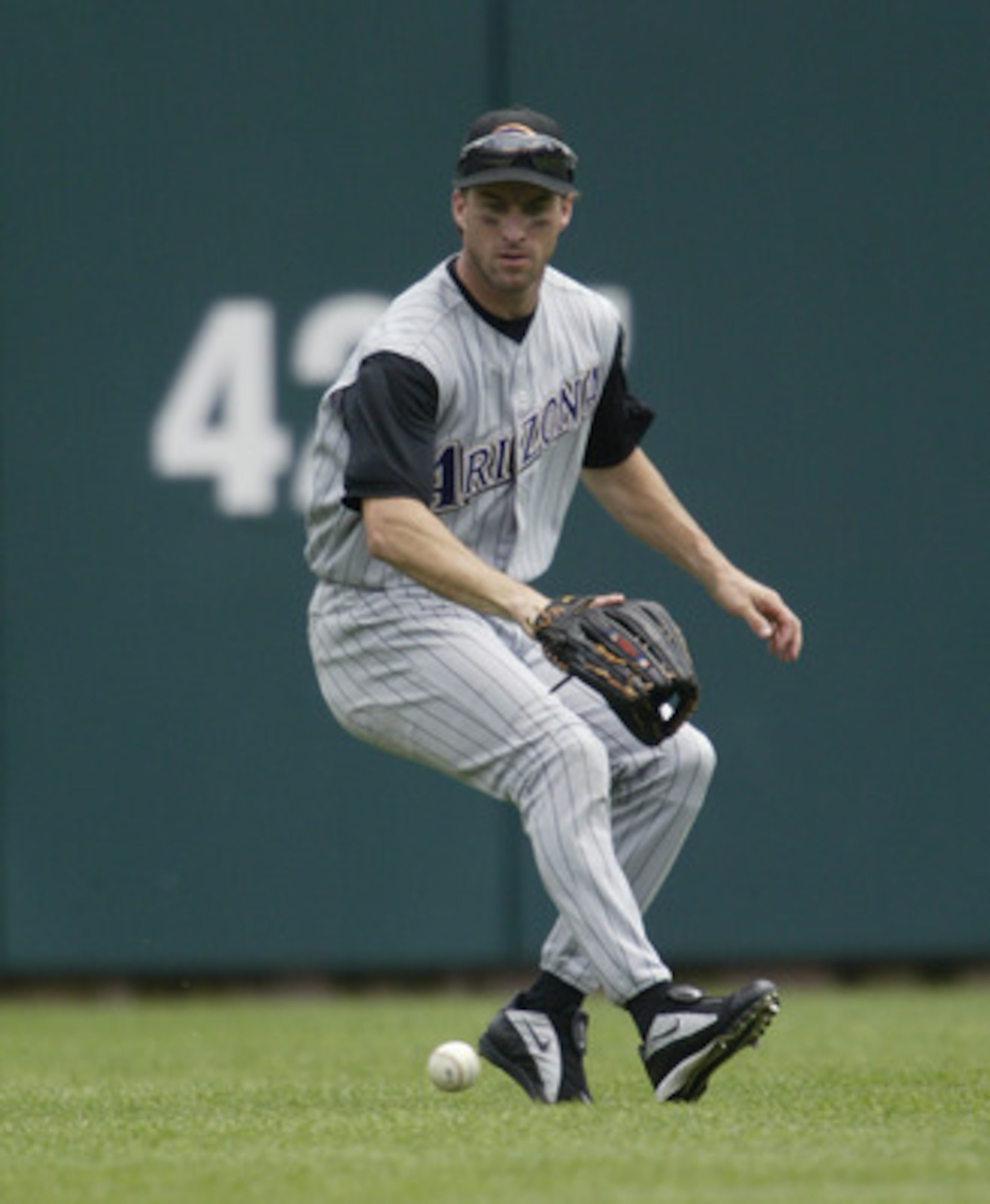
Position: Center Field
Fielding %: .988
dWAR: -2.0
Ranger Factor/Game: 2.33
Gold Gloves: five
Steve Finley is on a short list of good defensive players for the Arizona Diamondbacks. Finley—who played in Arizona from 1999-04—won three of his Gold Glove awards while with the team.
Finley was very underrated in the outfield and with the bat. He accumulated 2,500-plus hits over his 19-year career and is one of six players in MLB history in the 300-club (300 HR-300 SB).
The list includes Willie Mays, Barry Bonds, Bobby Bonds, Andre Dawson, Reggie Sanders and most recently, Alex Rodriguez.
I'd say that is pretty good company.
Atlanta Braves: Andruw Jones
3 of 31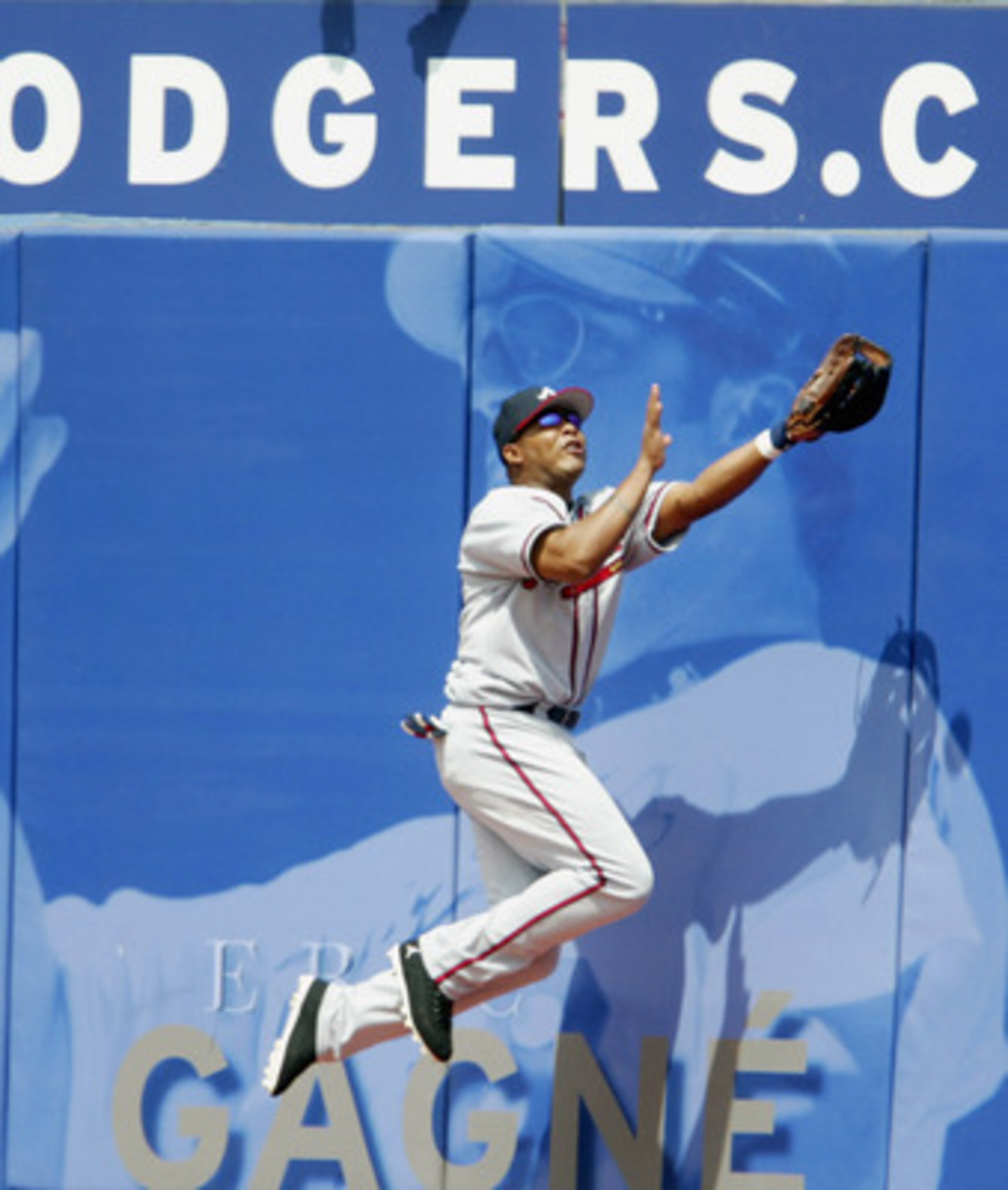
Position: Center Field
Fielding %: .990
dWAR: 23.6
Range Factor/Game: 2.55
Gold Gloves: 10
As much of a waste of talent Jones has turned out to be, there is no denying that he was considered one of the best outfielders of all time during his heyday with the Braves.
Jones—who won 10 straight Gold Gloves for the Braves from 1998-2007—was a defensive specialist while manning the outfield.
Surprisingly quick with a cannon for an arm, Jones put up a ridiculous 14.8 dWAR in his first five seasons with Atlanta.
Although his bat and his glove have steadily declined over the last five seasons, Jones did enter the 400 HR club in 2010.
.jpg?w=2560)
Baltimore Orioles: Brooks "The Human Vacuum Cleaner" Robinson
4 of 31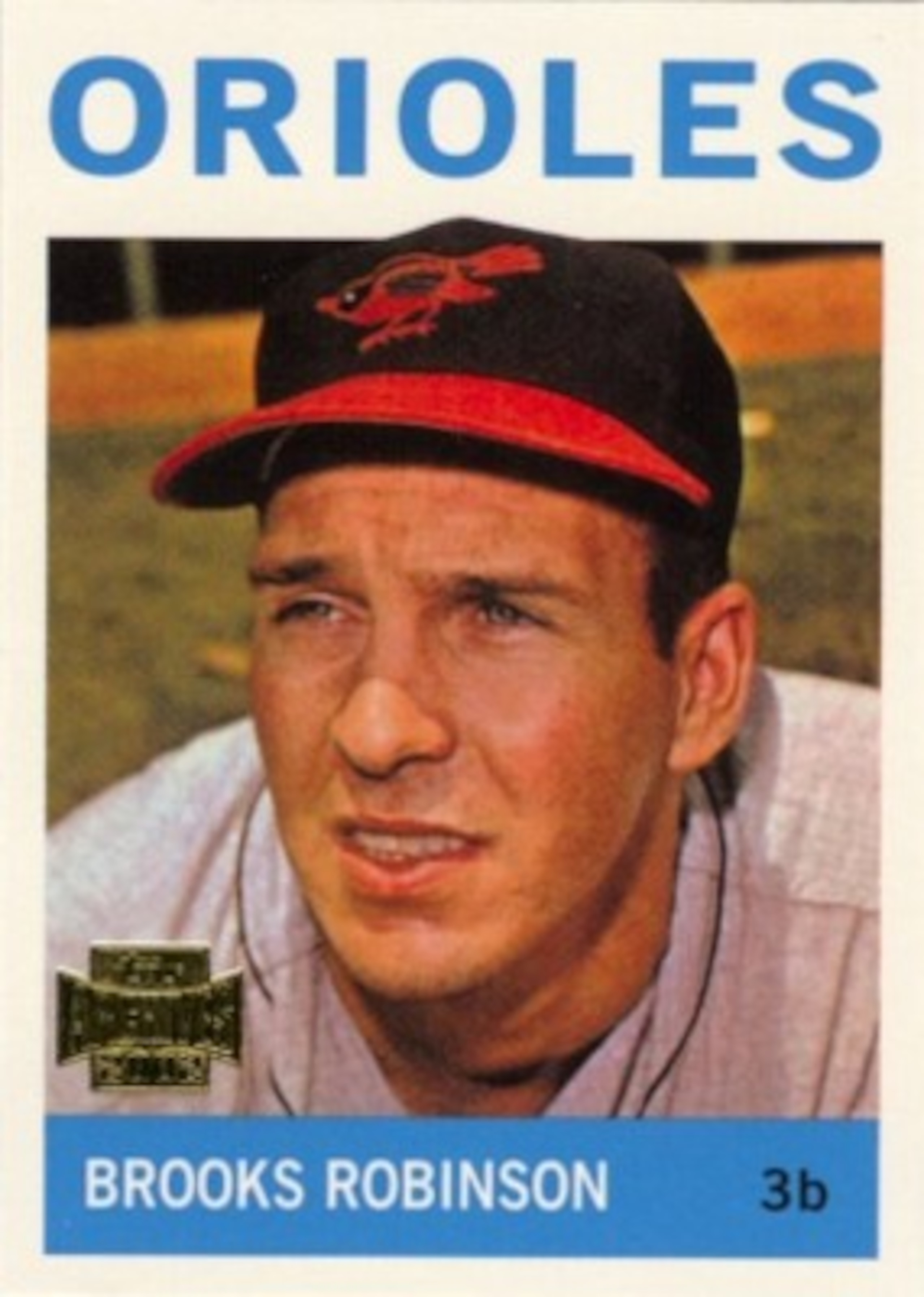
Position: Third Base
Fielding %: .971
dWAR: 27.3
Range Factor/Game: 3.10
Gold Gloves: 16
Brooks Robinson is regarded by most as the best defensive third baseman to ever play the game and with his gaudy defensive numbers it's hard to disagree.
Robinson wasn't nearly as threatening with his bat as he was with his glove—but he still managed almost 3,000 hits in his 23 seasons with the Baltimore Orioles.
The Orioles' franchise has had its share of many other great defensive players—most notably with Mark Belanger and Paul Blair.
Boston Red Sox: Carl "Yaz" Yastrzemski
5 of 31
Position: Outfield/First Base
Fielding %: .981/.994
dWAR: 19.9
Range Factor/Game: 1.99/9.11
Gold Gloves: seven
This award came down to between Yastrzemski and Tris Speaker. Although Speaker had one of the better outfield arms in MLB history, Yaz' was a stellar defensive player in his own right and even played above-average defense in the latter part of his career.
Yaz' spent his entire 23-year career with the Boston Red Sox—accomplishing almost every feat imaginable aside from a World Series championship.
He won a Triple Crown, smacked nearly 3,500 hits, won an AL MVP and was elected to 18 All-Star games.
Chicago Cubs: Ryne "Ryno" Sandberg
6 of 31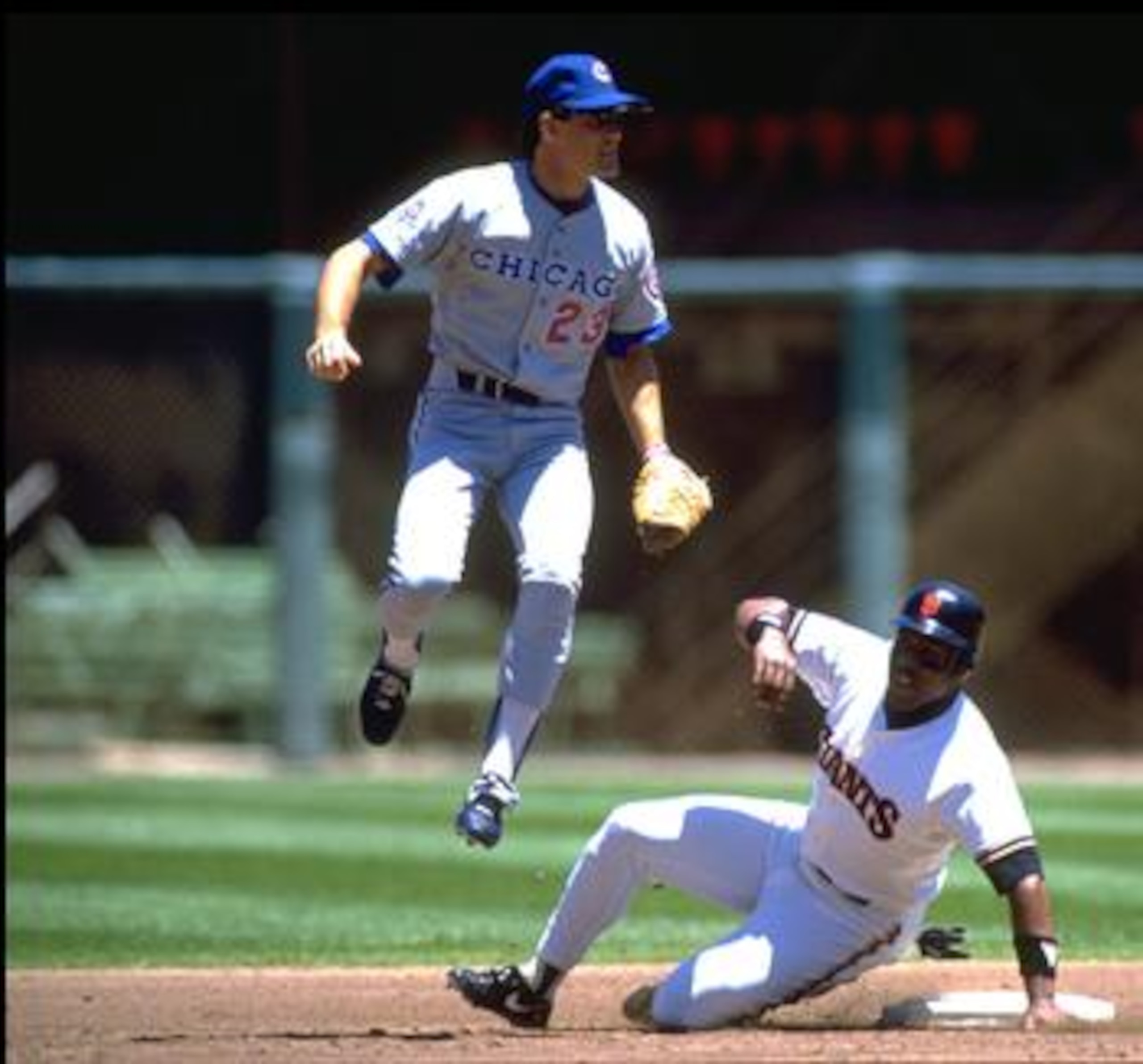
Position: Second Base
Fielding %: .989
dWAR: 5.3
Range Factor/Game: 5.10
Gold Gloves: nine
Ryno was a freak at second base. For 15 years, he was the face of a struggling Cubs' franchise—earning himself nine Gold Gloves and 10 All-Star nods.
Although his dWAR may seem lower than one would expect—Sandberg was as consistent as they come, and he had a knack for highlight reel plays.
Sandberg's career .989 fielding percentage was well above the .980 average for second baseman throughout the same 15 years of his career.
Chicago White Sox: Nellie Fox
7 of 31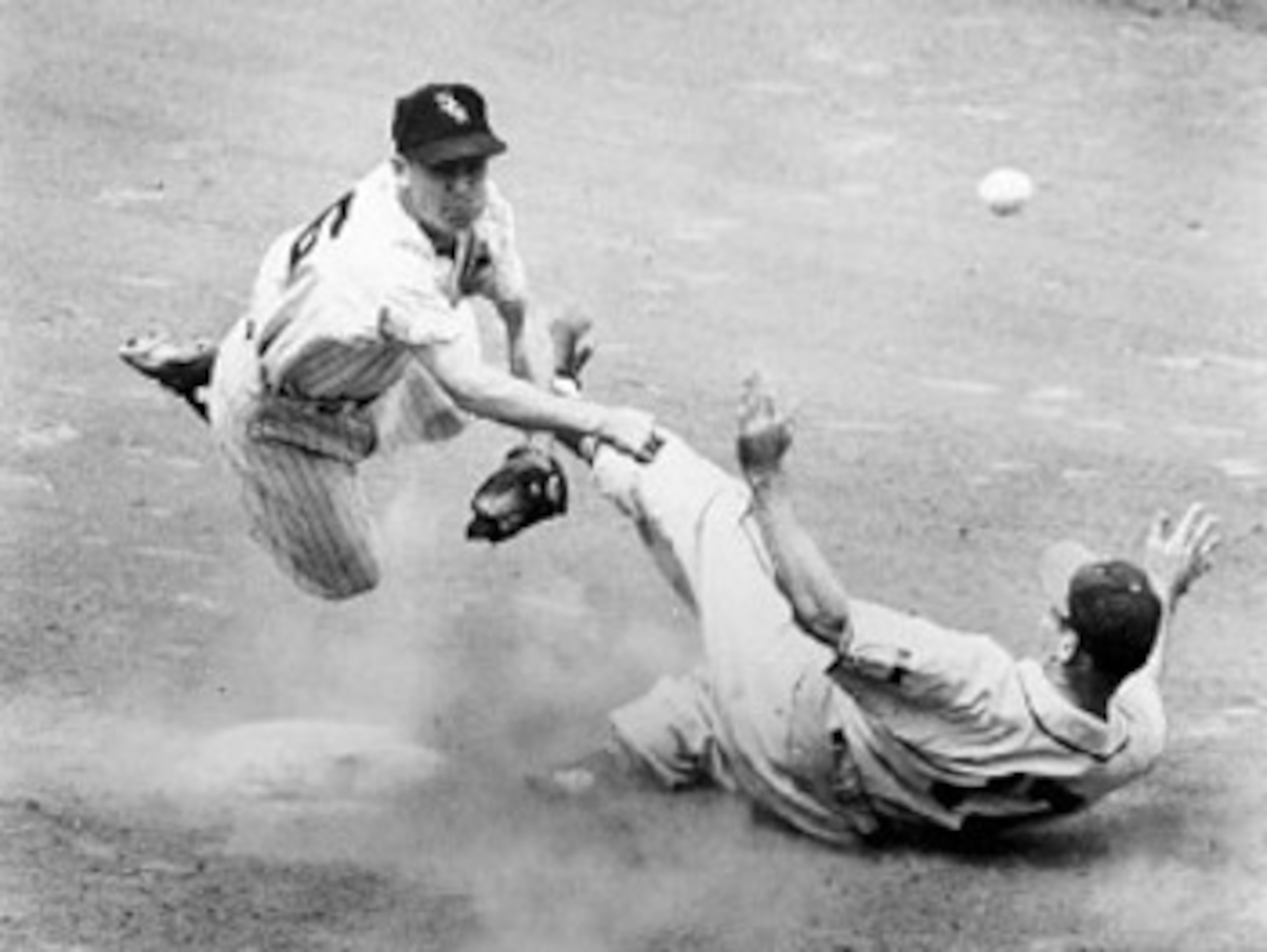
Position: Second Base
Fielding %: .984
dWAR: 10.0
Range Factor/Game: 5.43
Gold Gloves: three
Nellie Fox beats out Ray Schalk as the best defensive player in White Sox history.
Fox—who spent 14 of his 19 season's with Chicago—had a great glove at second base. He would have many more Gold Gloves on his shelf, but the award wasn't created until the 1957 season. Nellie's career spanned from 1947-65.
Fox was elected to 15 All-Star games throughout his career and won the AL MVP in 1959. He also owns the record for consecutive games started at second base with 798.
Cincinnati Reds: Johnny "Little General" Bench
8 of 31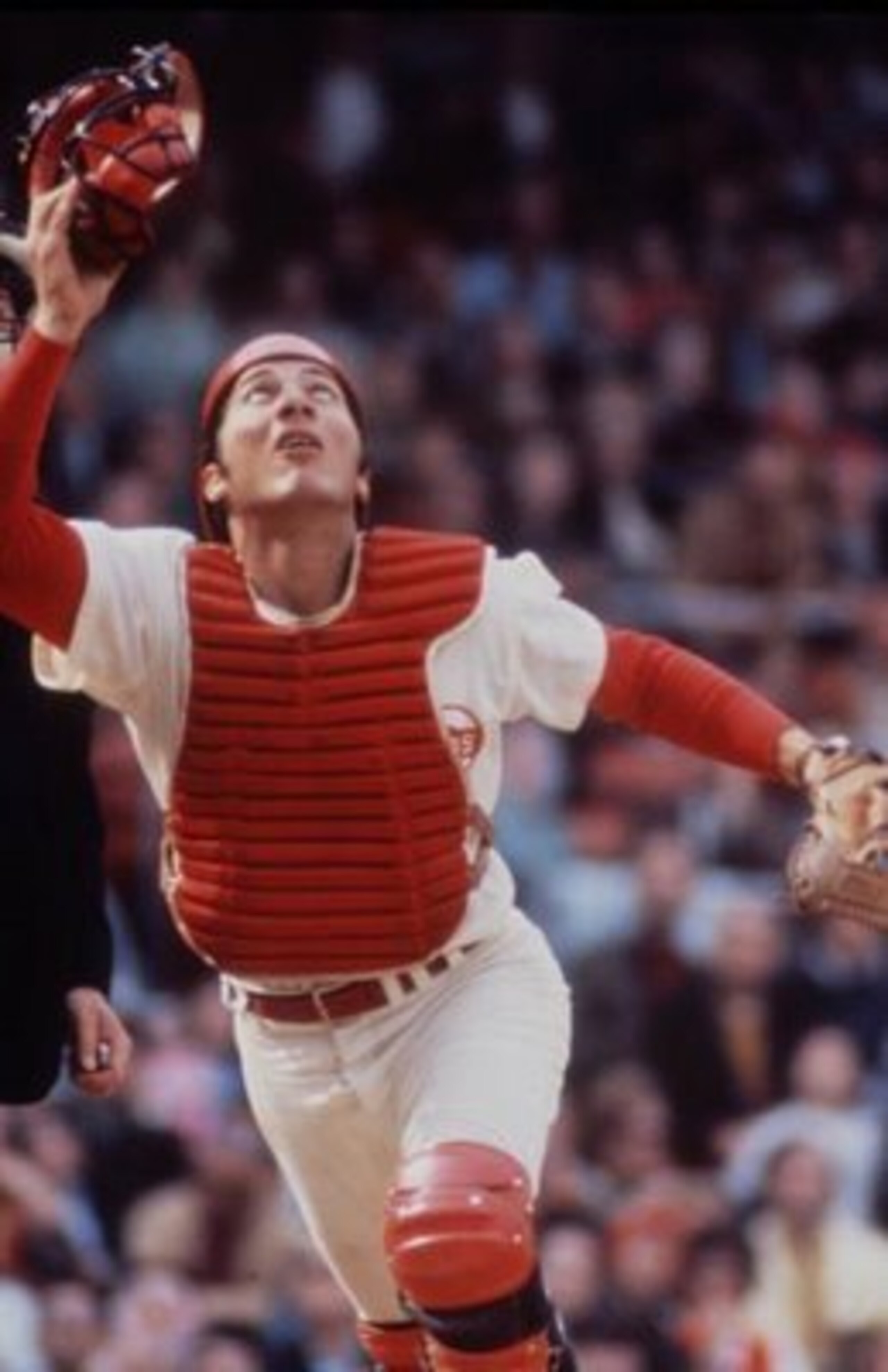
Position: Catcher
Fielding %: .990
dWAR: 6.5
Range Factor/Game: 5.80
Gold Gloves: 10
Johnny Bench defined what it meant to be a catcher. He was gritty, smart and fearless behind the plate. Some people (including myself) consider him to be the best catcher of all time.
Bench could do it all—hit for average, hit for power and call a great game with great defense. He was the 1968 Rookie of the Year with the Reds and went on to win two NL MVP's with the team as well.
In all, the Little General played in parts of 17 seasons in Cincinnati—going to the All-Star game during 14 of those years.
Cleveland Indians: Omar "Little O" Vizquel
9 of 31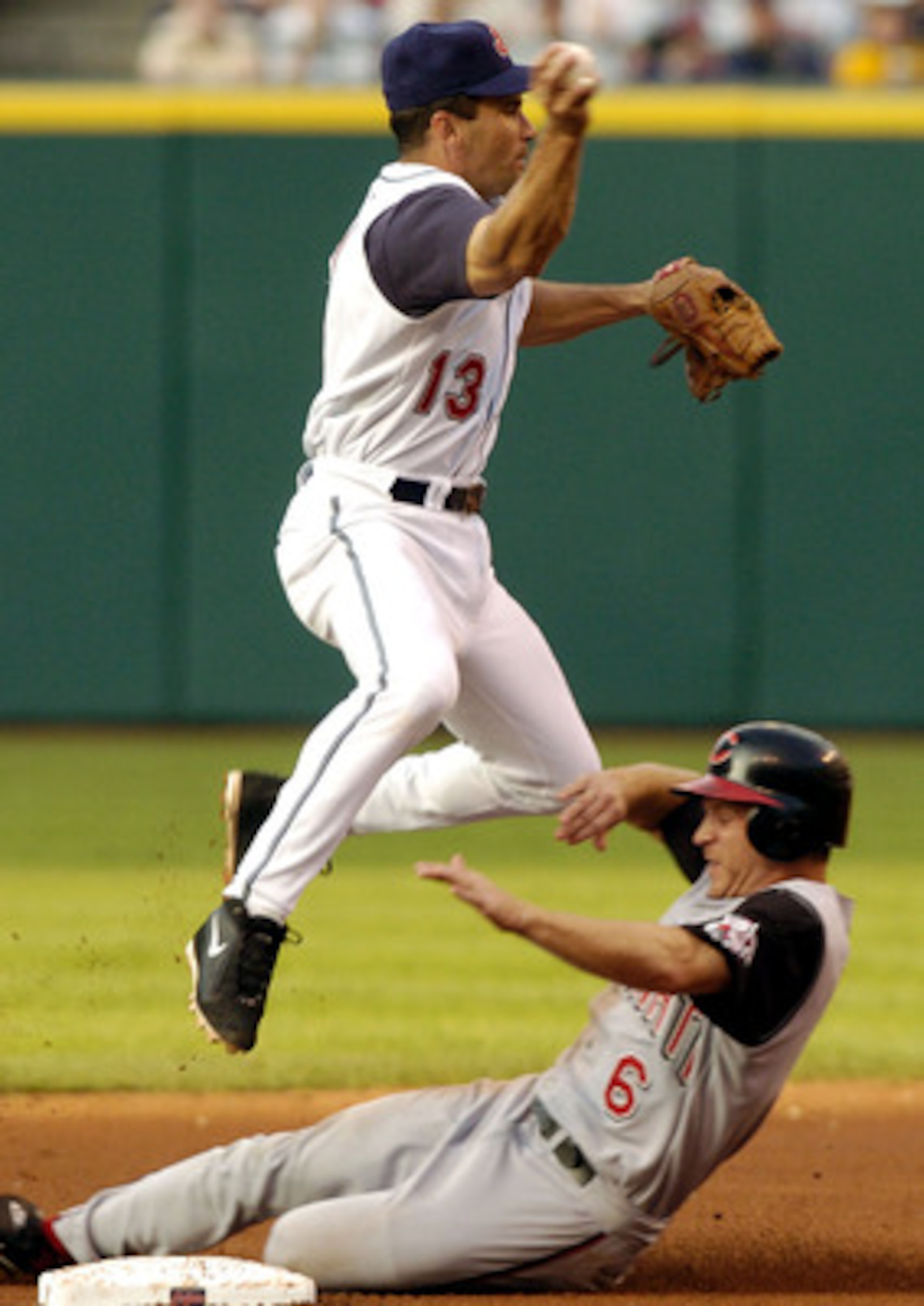
Position: Shortstop
Fielding %: .985
dWAR: 13.8
Range Factor/Game: 4.36
Gold Gloves: 11
Aside from one player later to be named on this list, Omar Vizquel is probably the best shortstop of all time. His uncanny ability to field balls all over the infield and his throwing accuracy made him a huge asset to his teams.
Vizquel joined the Indians in 1994 and teamed up with Roberto Alomar to form arguably the best defensive duo in the history of MLB. It was there where he discovered his batting prowess and was able to put his swift glove on display for the world to see.
Little O made it through the heart of the steroid era with a .985 fielding percentage while the rest of the league's shortstops stumbled to a .972 rate over the same period.
Colorado Rockies: Larry Walker
10 of 31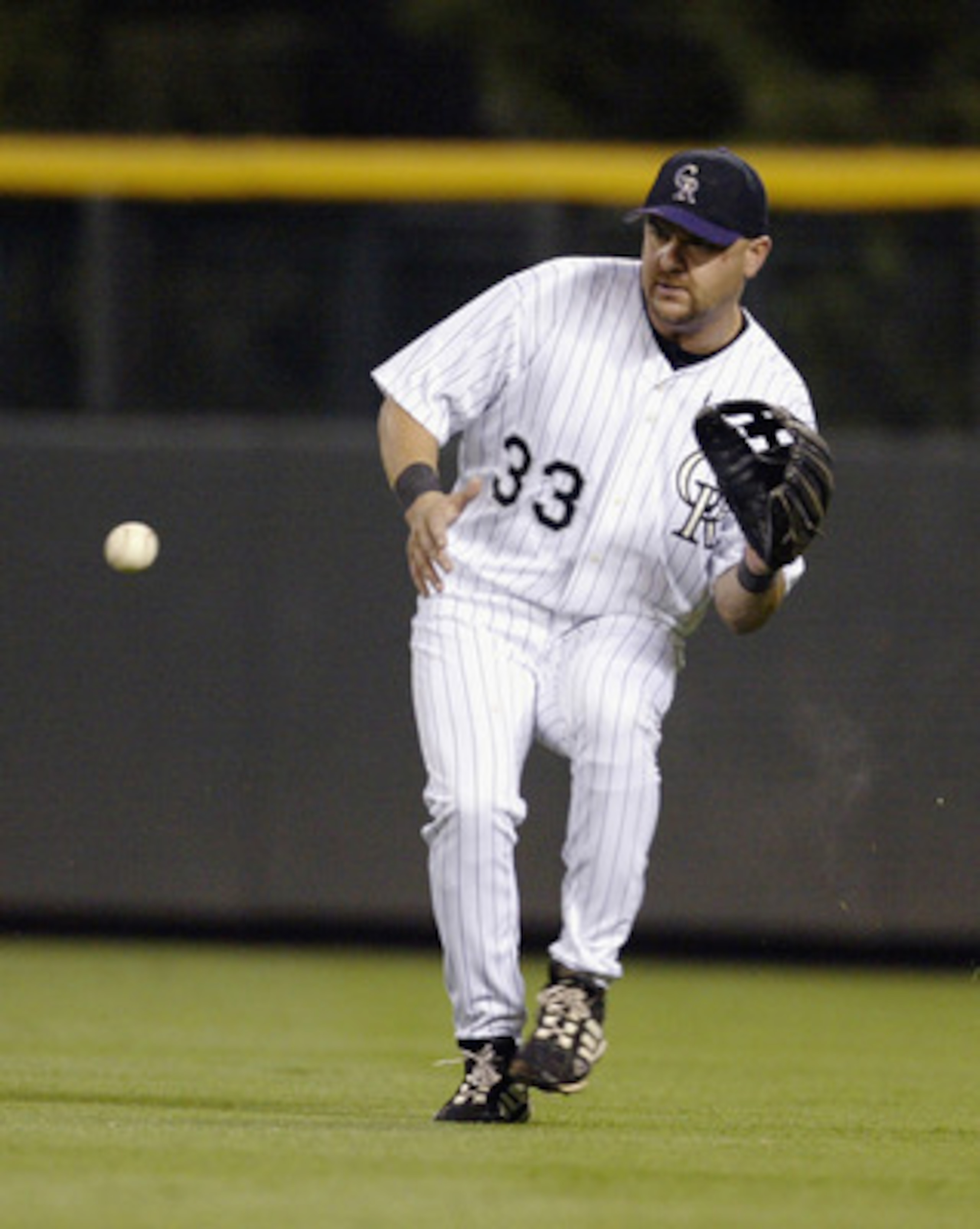
Position: Right Field
Fielding %: .986
dWAR: 9.6
Range Factor/Game: 1.92
Gold Gloves: seven
Larry Walker earned five of his seven Gold Gloves manning the outfield for the Rockies. Walker—who played in Colorado from 1995-04—had one of the strongest outfield arms of his generation.
During his NL MVP performance in 1997—where Walker hit .366, 49 HR, 130 RBI and 33 SB—he had an astonishing 12 outfield assists for the Rockies in what was one of baseball's finest single-season performances in recent MLB history.
Current Rockies shortstop Troy Tulowitzki is becoming a very solid defender and could eventually strip this title away from Walker. However, I felt it to be a tad premature to anoint him already.
Detroit Tigers: Charlie "The Mechanical Man" Gehringer
11 of 31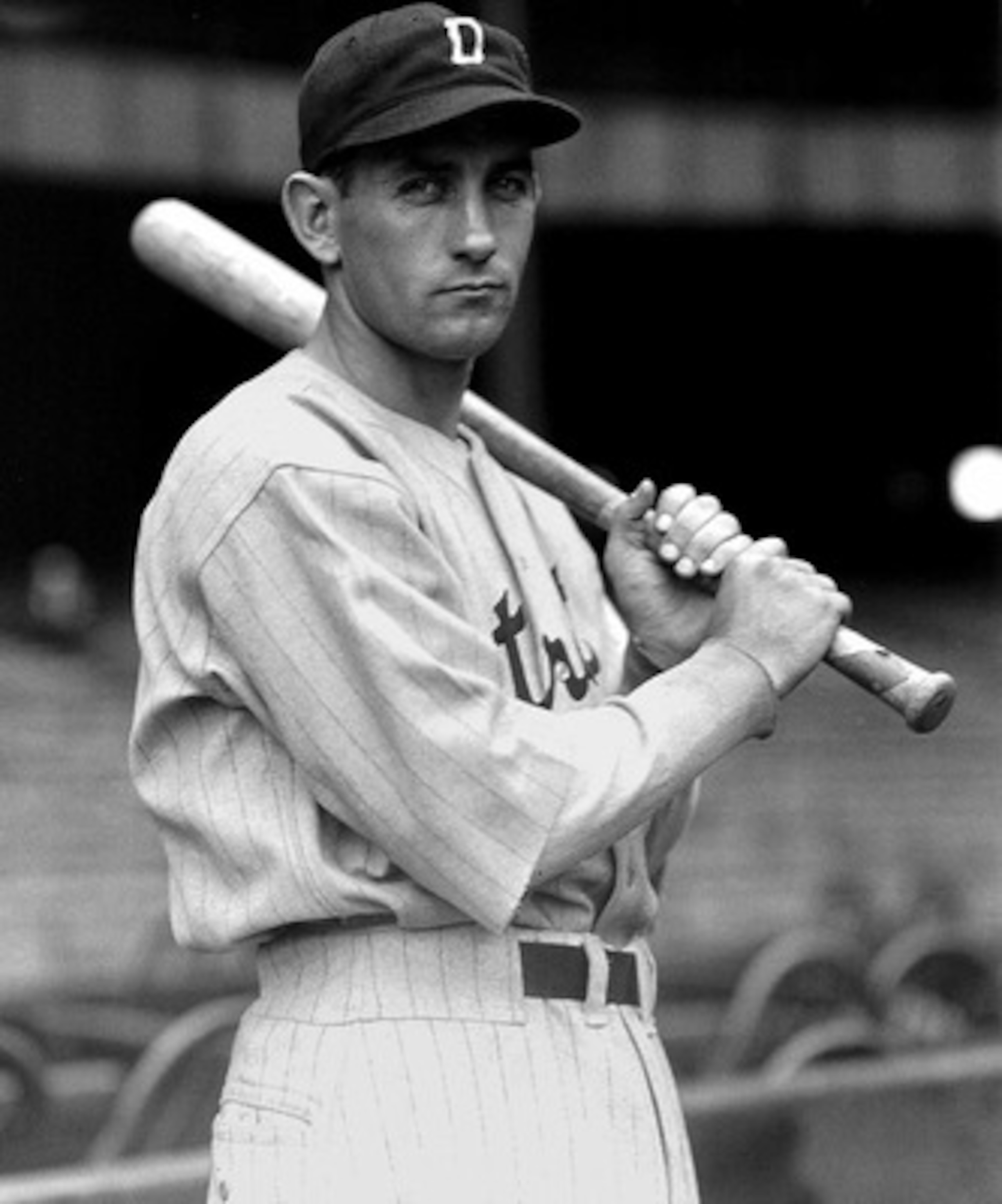
Position: Second Base
Fielding %: .976
dWAR: 3.3
Range Factor/Game: 5.64
Gold Gloves: 0
As much respect as I have for the defensive prowess of former Tigers 1B/RF Al Kaline, I have no doubt that this distinction belongs to Tigers legend Charlie Gehringer.
Gehringer played in Detroit for his entire career—which spanned from 1924-42. During that time, he established himself as one of the best defensive and all-around second baseman of all time.
Gehringer never had much power, but he ended his career with a .320 batting average and a ridiculous 77.6 oWAR—clearly setting himself apart from the rest of the league's second basemen.
(NOTE: The Gold Glove award wasn't established until 1957)
Florida Marlins: Luis Castillo
12 of 31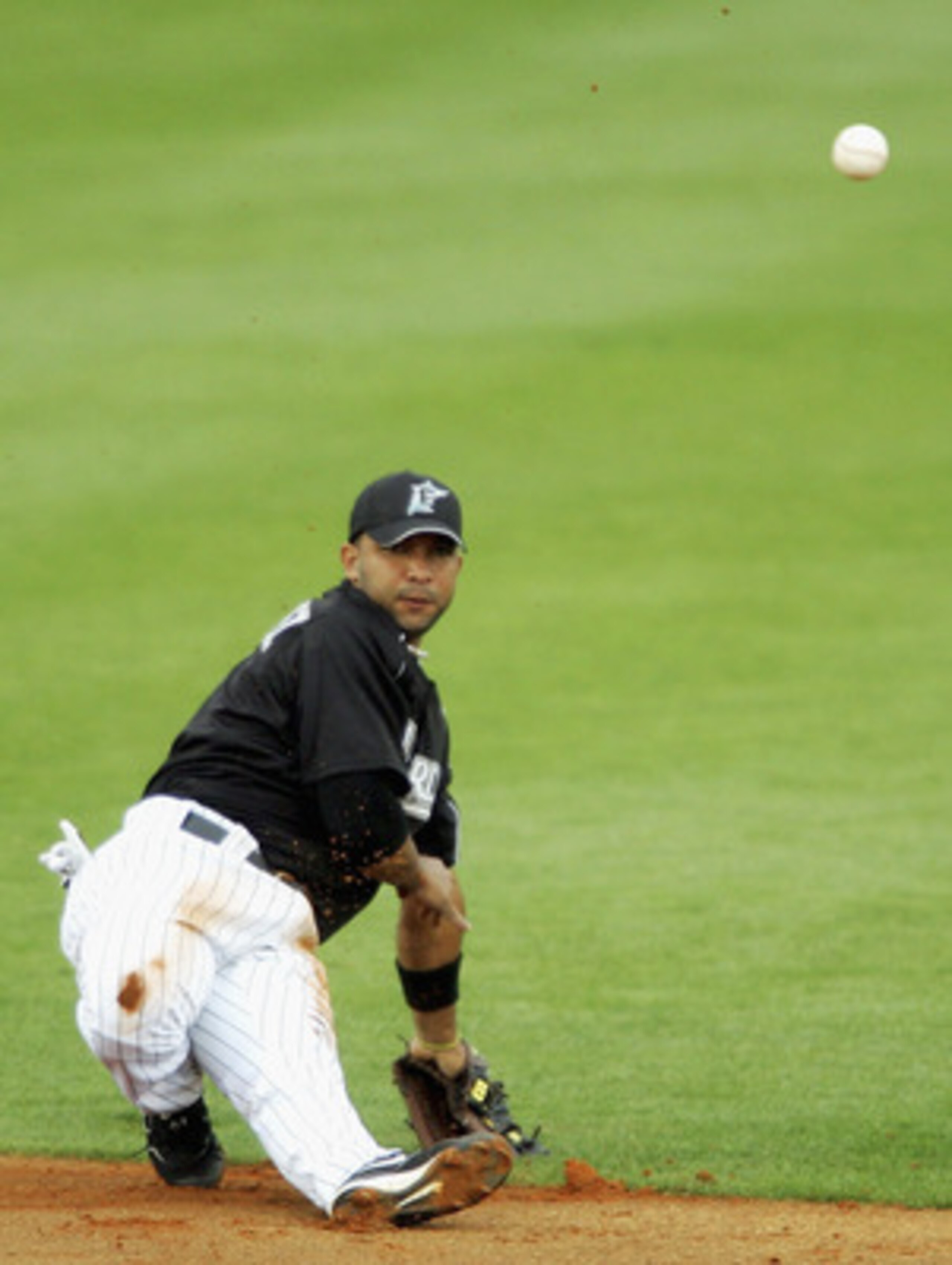
Position: Second Baseman
Fielding %: .984
dWAR: -0.7
Range Factor/Game: 4.62
Gold Gloves: three
Castillo is on a very short list of good defensive players to not only play for Florida—but to last in the organization for five years or longer.
Castillo did make plenty of flashy plays with the Florida Marlins from 1996-05—winning Gold Gloves in his final three years with the team while compiling a 4.1 dWAR over that span.
Once he left Florida as a 30-year-old in 2005, his defense began to decline sharply. Castillo represented the Marlins as an All-Star on three occasions.
Houston Astros: Doug "The Red Rooster" Rader
13 of 31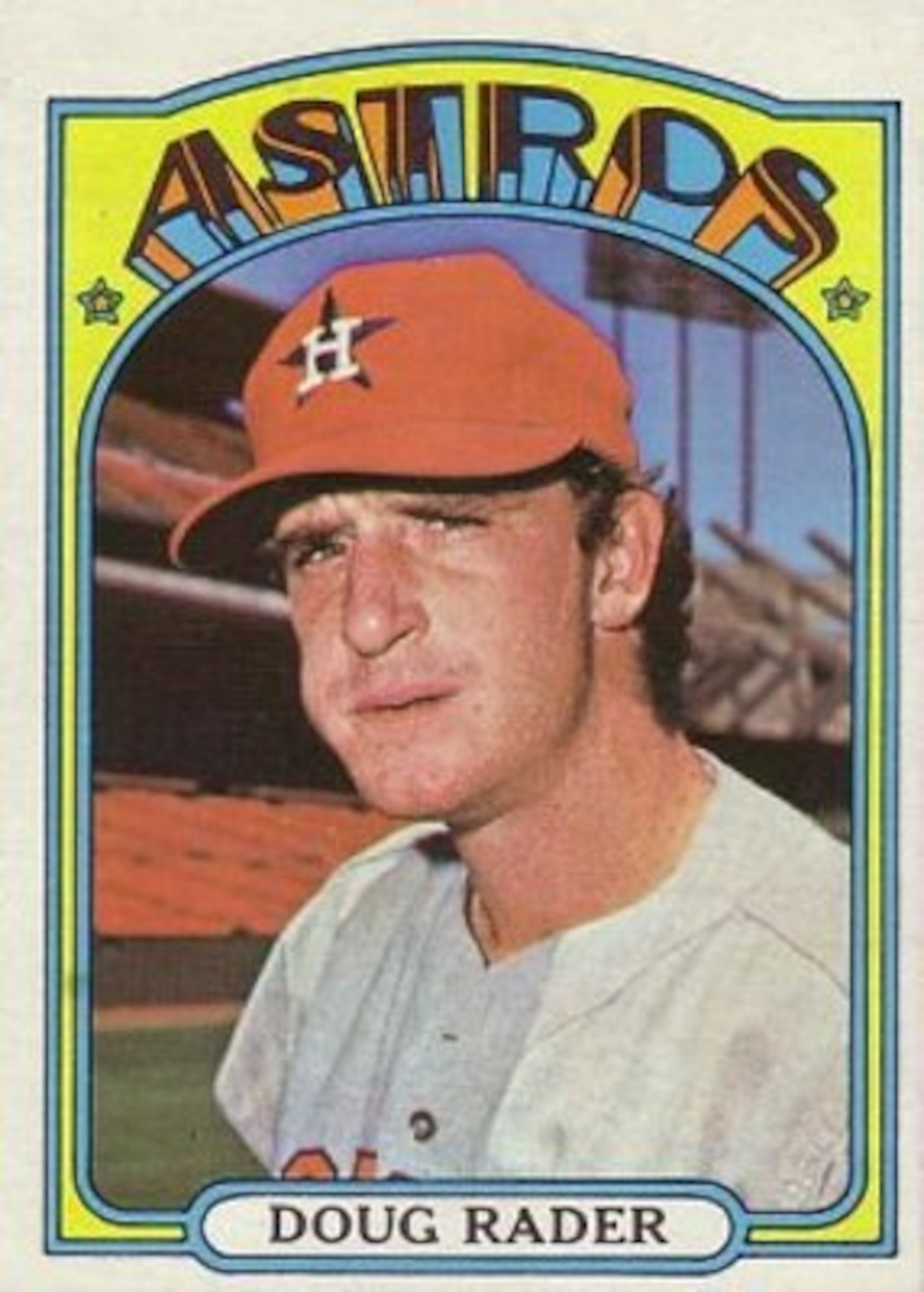
Position: Third Base
Fielding %: .956
dWAR: 2.0
Range Factor/Game: 2.98
Gold Gloves: five
Many will argue that Craig Biggio was the best defensive player in the history of the Houston Astros. Yes—Biggio won four Gold Gloves. Yet, his career -7.2 dWAR leaves much to be desired and makes it easy to call Biggio's defense overrated. It also points out how overrated a Gold Glove award may sometimes be.
Rader, on the other hand, was at the head of the class as far as third baseman went during his era. His .956 fielding percentage sits well above the .948 average for third basemen over that period, and his range factor of 2.98 was enough to surpass the rest of the league's mark of 2.92.
Current Astros' center fielder Michael Bourn—who has tallied two Gold Gloves to this point—may have what it takes to surpass Rader over time.
Kansas City Royals: Frank White
14 of 31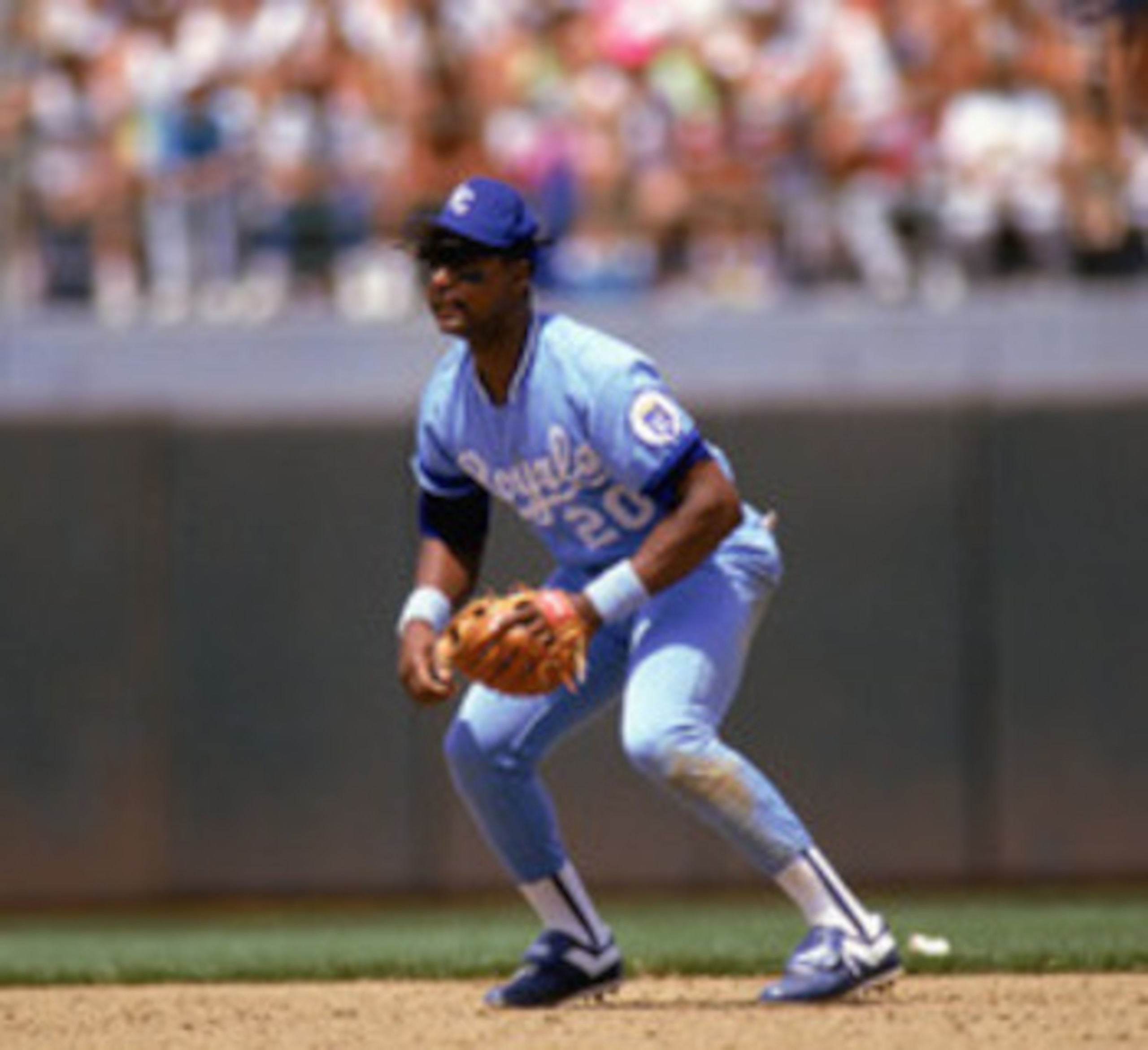
Position: Second Base
Fielding %: .984
dWAR: 11.0
Range Factor/Game: 5.56
Gold Gloves: eight
Frank White was about as smooth and consistent of a second baseman you'll ever find. From 1973-90, White was the backbone of the Kansas City Royals infield.
Along with his eight Gold Gloves, White made five All-Star teams and helped the Royals to the 1985 World Series—where his HR and six RBI helped secure the championship.
The only thing keeping White from the Hall of Fame is his lack of production on offense. White retired with a career .255 average and 160 HR.
Los Angeles Angels: Bobby Knoop
15 of 31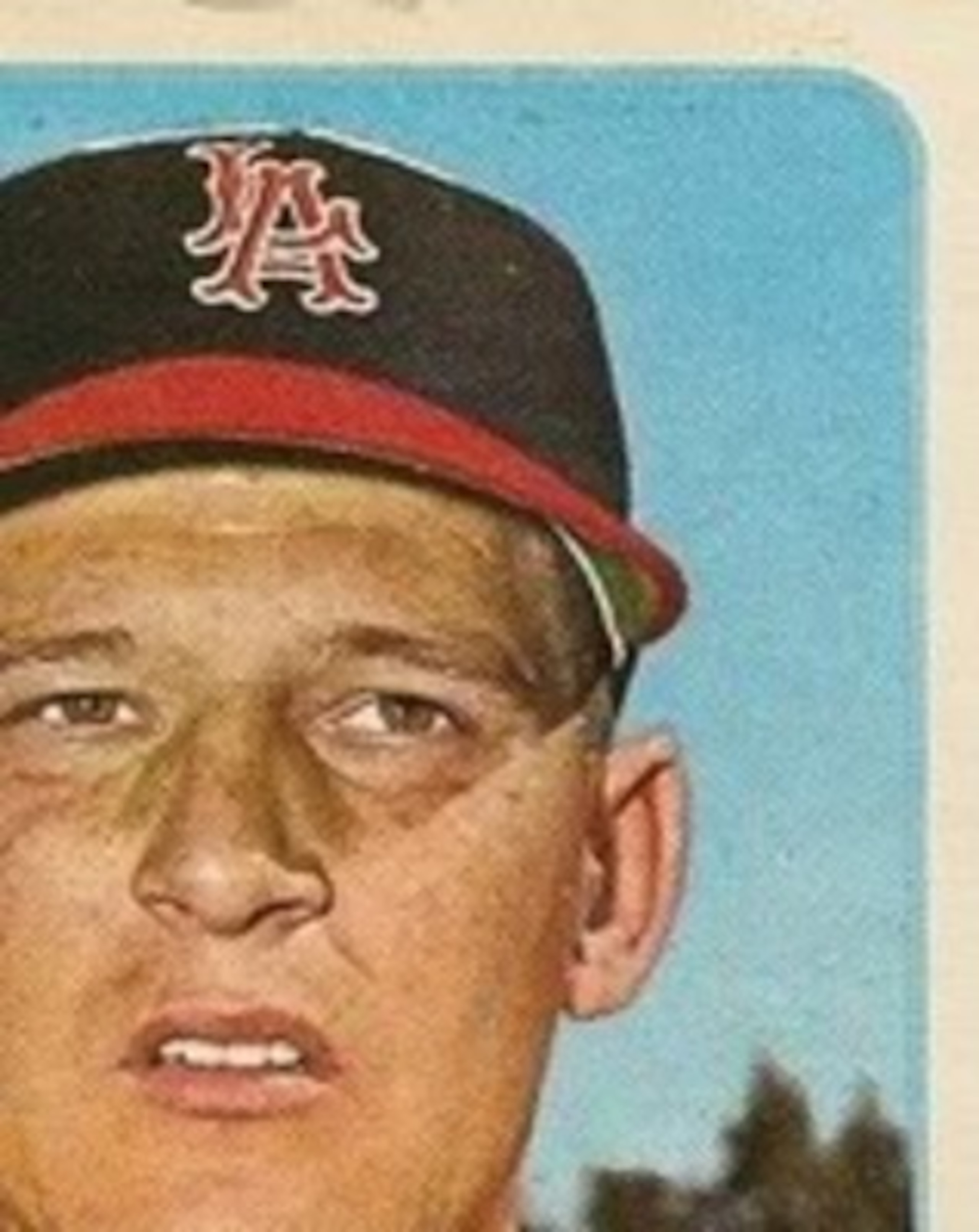
Position: Second Base
Fielding %: .980
dWAR: 5.2
Range Factor/Game: 5.18
Gold Gloves: three
Bobby Knoop and Jim Fregosi made quite the tandem in the middle of the infield for the California Angels, but Knoop proved to be the far superior defender.
Knoop—who played five seasons with the California Angels from 1965-69—won all three of his Gold Gloves with the team.
While with the Angels, he ranked among the tops in the AL in putouts, assists, errors committed, total zone runs and range factor.
Los Angeles Dodgers: Jimmy Sheckard
16 of 31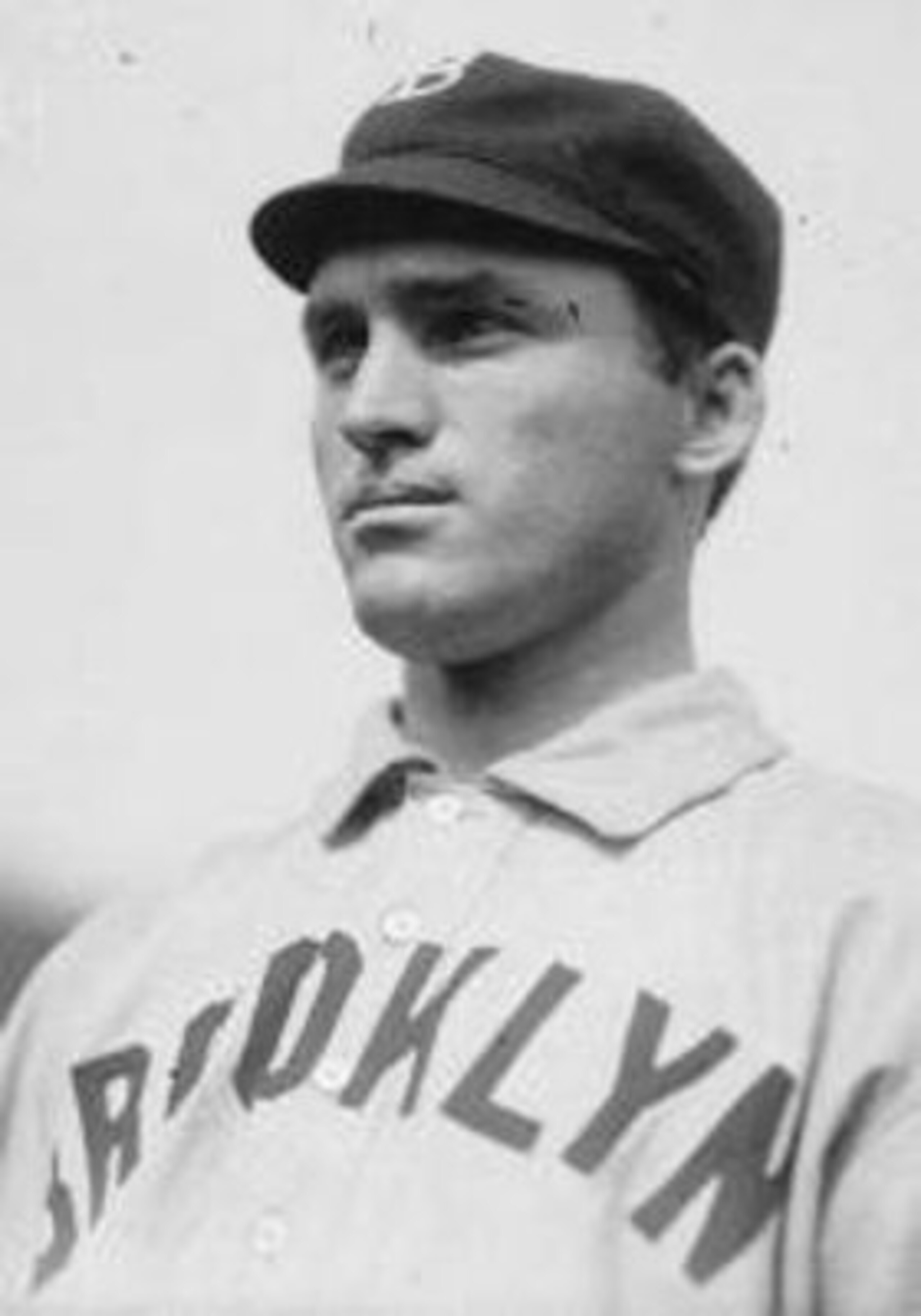
Position: Outfield
Fielding %: .958
dWAR: 7.9
Range Factor/Game: 2.18
Gold Gloves: 0
With all respects to Wes Parker, I felt Jimmy Sheckard was best suited for this distinction. Sheckard played for the Brooklyn Bridegrooms/Superbas for eight scattered seasons ranging from 1897-1905.
Sheckard was known as one of the best outfielders of his day while setting numerous records—some of which still stand today.
Two of the records he still owns are for most outfield assists in a season by a left fielder with 12, as well as most outfield assists by a right fielder with 14.
(NOTE: The Gold Glove award wasn't established until 1957)
Milwaukee Brewers: George "Boomer" Scott
17 of 31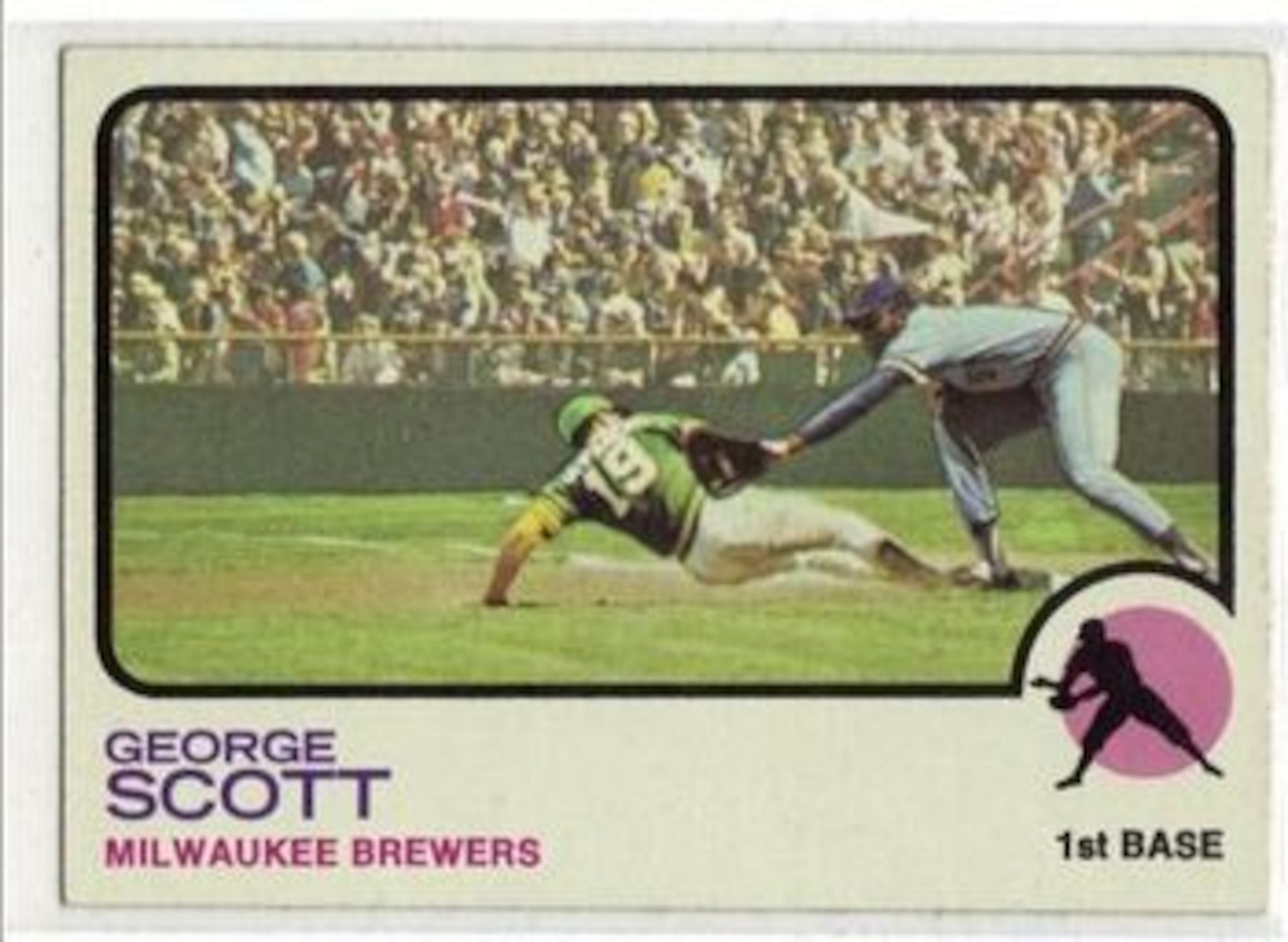
Position: First Baseman
Fielding %: .990
dWAR: 8.0
Range Factor/Game: 9.33
Gold Gloves: eight
Scott was one of the best defensive first baseman MLB has ever seen. He only played in Milwaukee for five seasons from 1972-76—but he won a Gold Glove each year with the Brewers.
In those five seasons, Scott compiled a dWAR of 4.6 to set the bar for first baseman. His career 9.33 range factor is far and way better than the rest of the league's 7.28 mark over the same period.
Scott—who referred to his glove as "Black Beauty"—had excellent glove-work at first base and year after year was among the league leaders in putouts and assists.
Minnesota Twins: Torii "Spider-Man" Hunter
18 of 31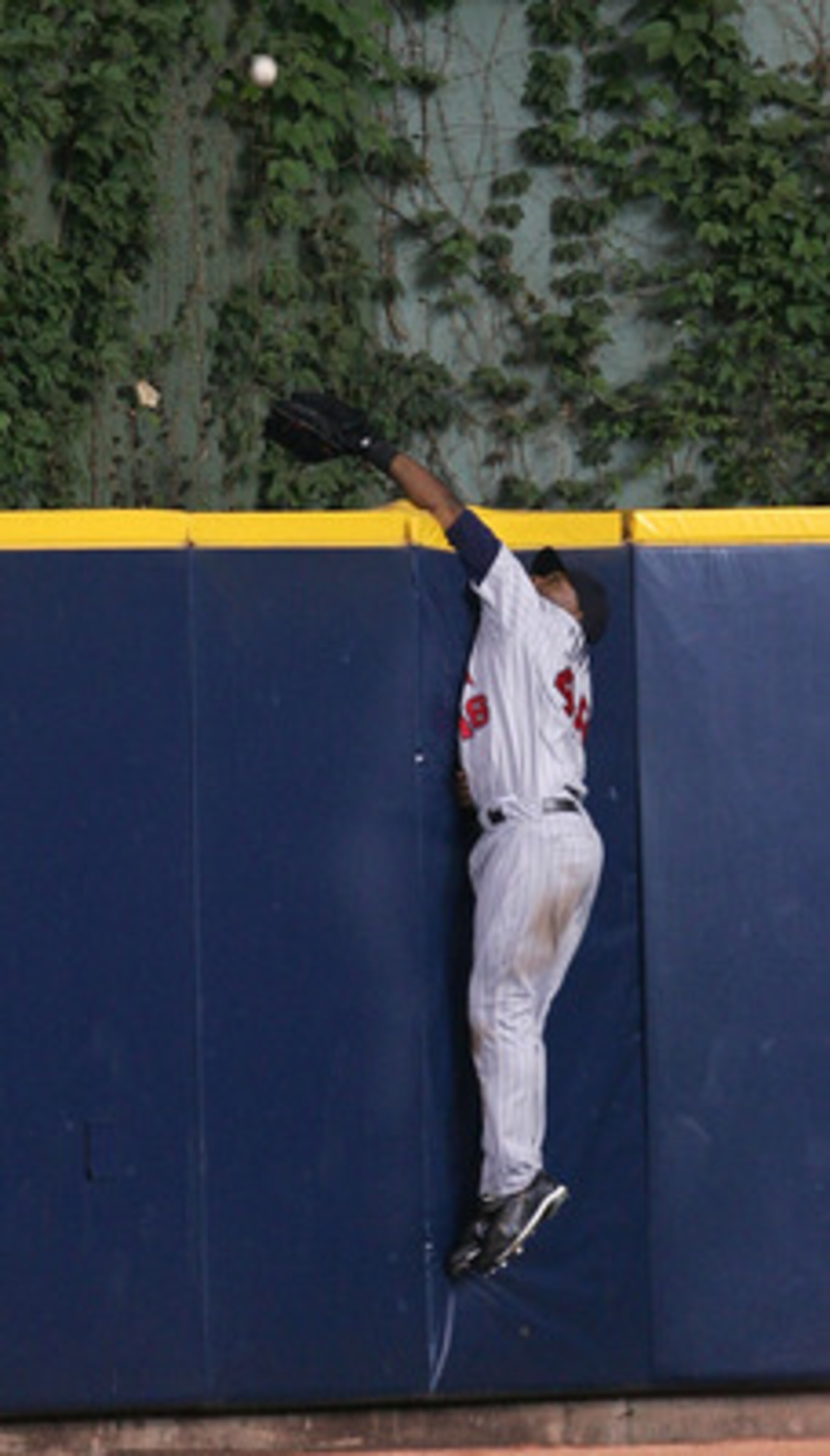
Position: Center Field
Fielding %: .993
dWAR: -2.1
Range Factor/Game: 2.61
Gold Gloves: nine
Torii Hunter may have lost a step when he joined the Los Angeles Angels, but in his nine full seasons with the Minnesota Twins, there was no better outfielder in the game.
Hunter has a resume built on highlight reel plays. Even though his dWAR is unusually low, his fielding percentage and range factor are far above the marks left by other outfielders over that period of time.
The Twins have a slew of other great defensive players in their franchises history, including Tony Oliva, Greg Gagne, Gary Gaetti and the late Kirby Puckett.
New York Mets: Keith "Mex" Hernandez
19 of 31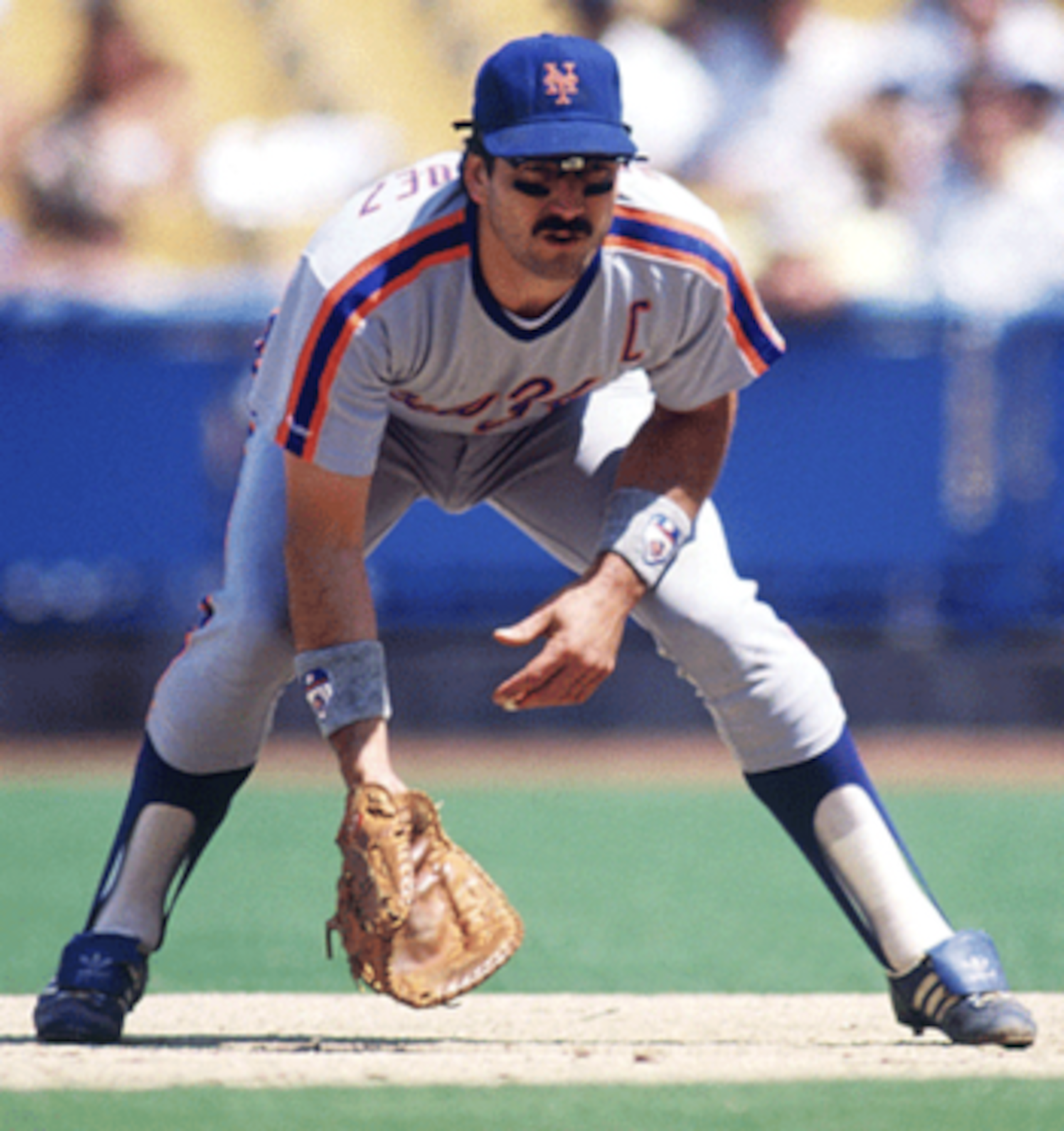
Position: First Base
Fielding %: .994
dWAR: 13.2
Range Factor/Game: 9.73
Gold Gloves: 11
Although he was with the St. Louis Cardinals for 10 seasons and with the Mets for only seven, Hernandez needed to be on this list and the Cards' spot is already spoken for.
Hernandez owns the MLB record with 11 Gold Glove awards at first base—five with the Mets and the other six with the St. Louis Cardinals. He is widely regarded as the greatest defensive first baseman of all time.
Mex was a five-time NL All-Star, and he helped lead the Mets to a World Series championship in 1986. He was also the first Team Captain in Mets history.
New York Yankees: Joe "Joltin' Joe" DiMaggio
20 of 31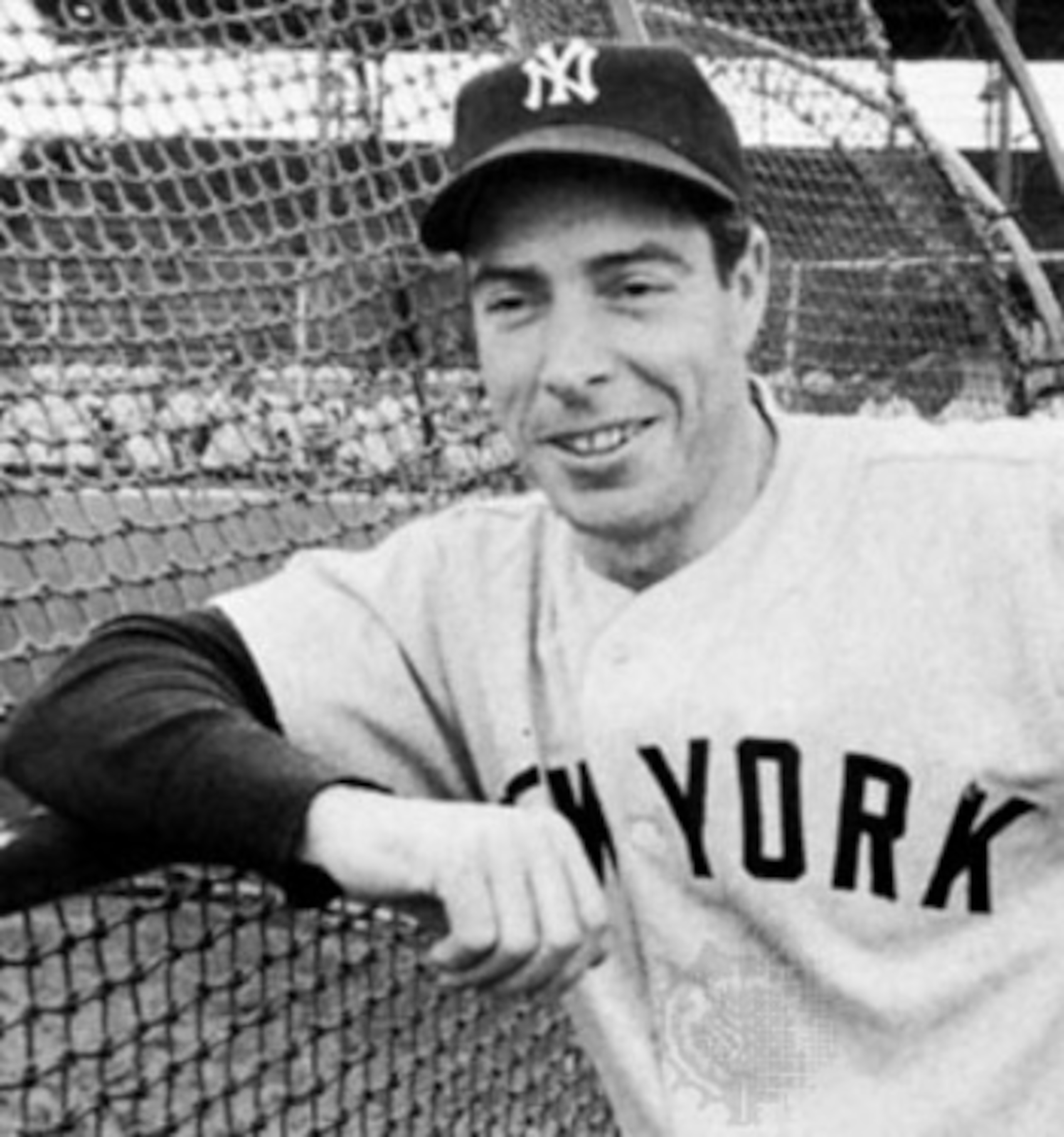
Position: Center Field
Fielding %: .978
dWAR: 4.7
Range Factor/Game: 2.71
Gold Gloves: 0
Joltin' Joe DiMaggio—in my opinion—is the greatest defensive center fielder to ever play the game. The Yankee Clipper played his entire 13 year career in pinstripes.
While in most cases his statistics run right in line with other center fielders during the era, no one in the history of baseball could cover as much ground in the outfield as Joltin' Joe. He also had impeccable range to go with it—making everything seem easy.
DiMaggio was a three-time AL MVP, and he made the All-Star team in each of his 13 seasons.
(NOTE: The Gold Glove award wasn't established until 1957)
Oakland Athletics: Eric Chavez
21 of 31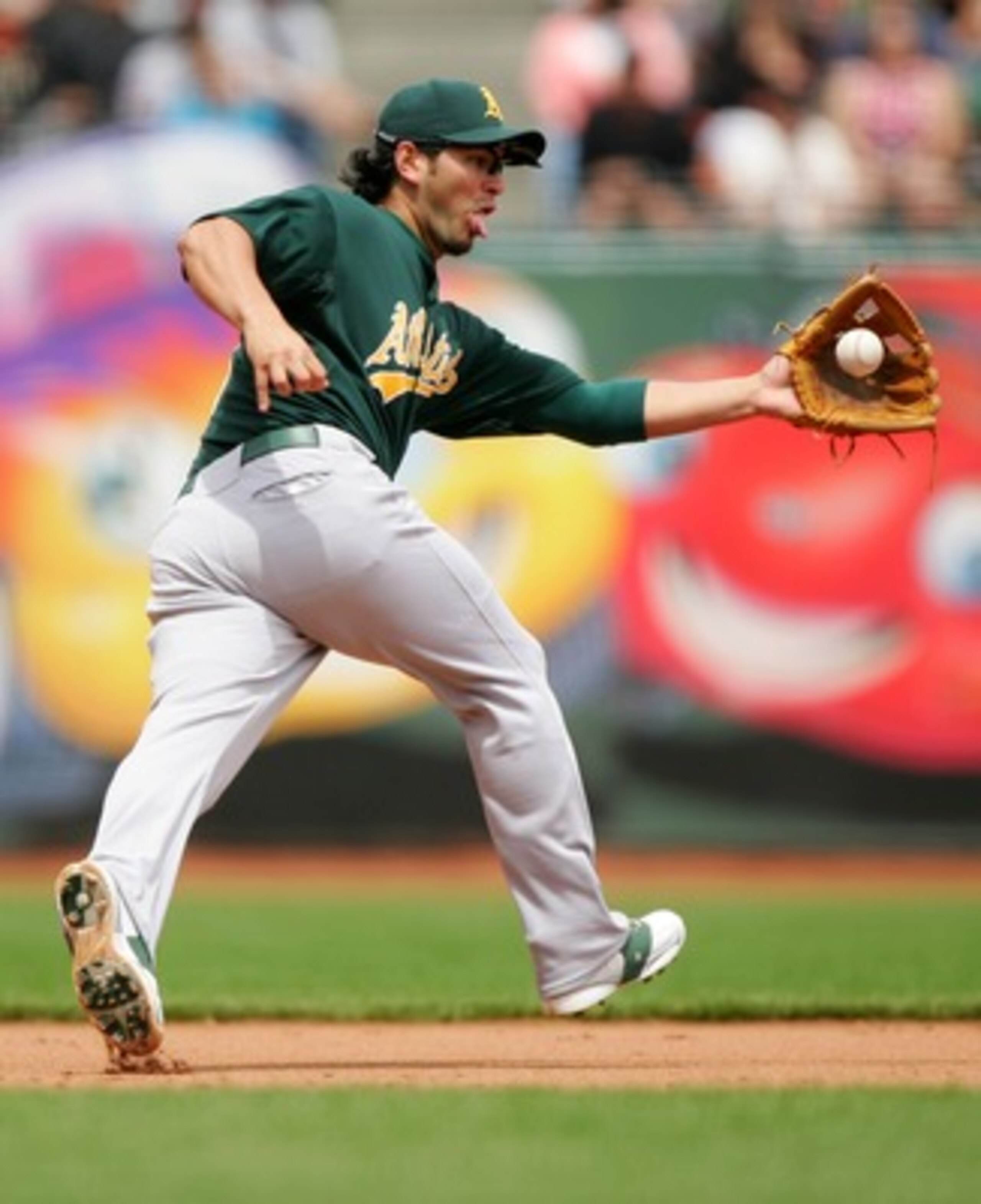
Positon: Third Base
Fielding %: .969
dWAR: 6.2
Range Factor/Game: 2.76
Gold Gloves: six
Dwayne Murphy almost made the cut here, but in the end, I had to give it to the guy in charge of the hot corner.
Chavez had a great glove at third base and was continually among the league's best during his 13 seasons in Oakland. He won six straight Gold Gloves and currently has the highest career fielding percentage at third base among all active players.
Chavez also had some pop in his bat—hitting 20-plus HR in seven straight seasons for the Athletics.
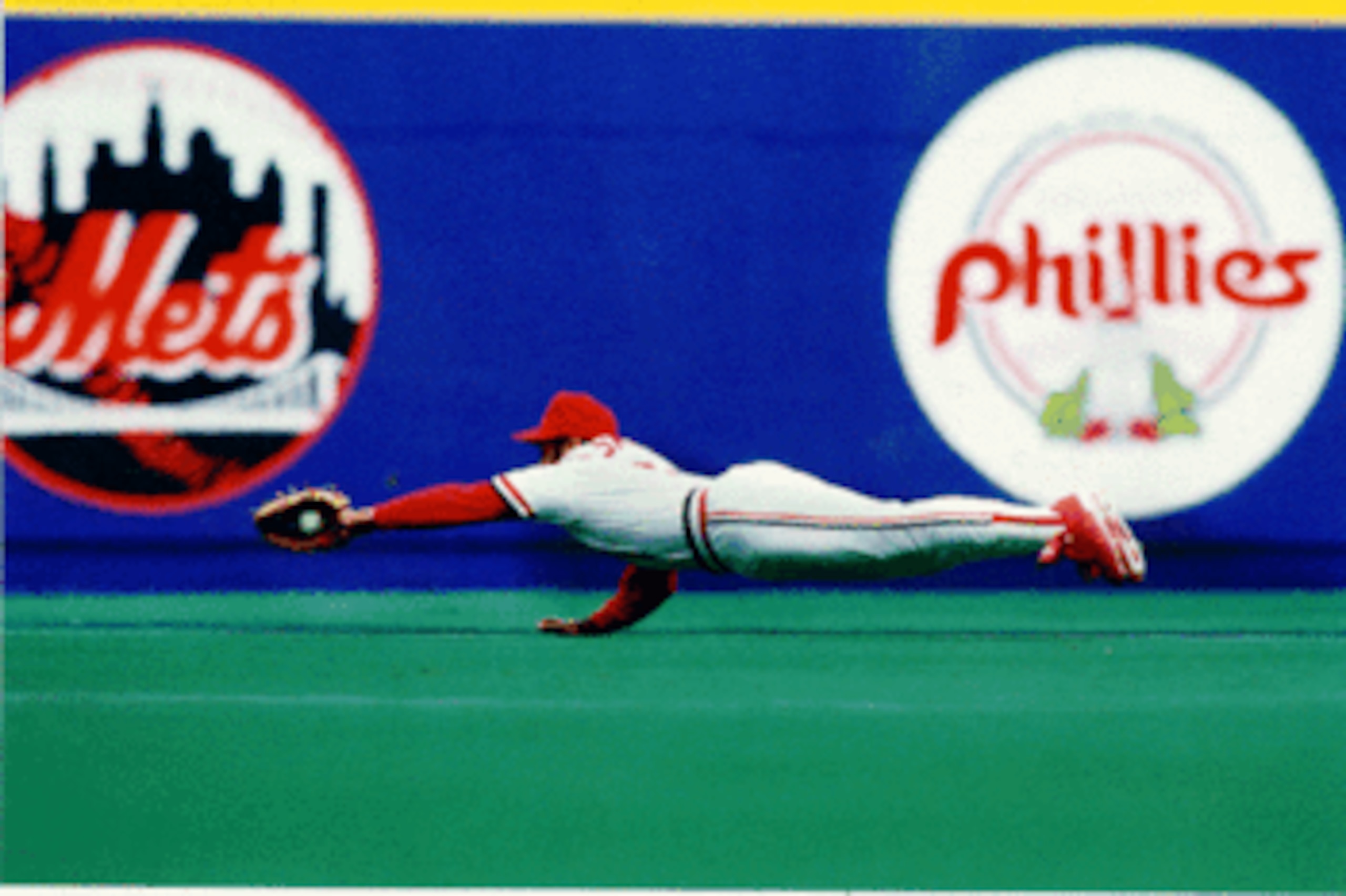
Philadelphia Phillies: Mike Schmidt
22 of 31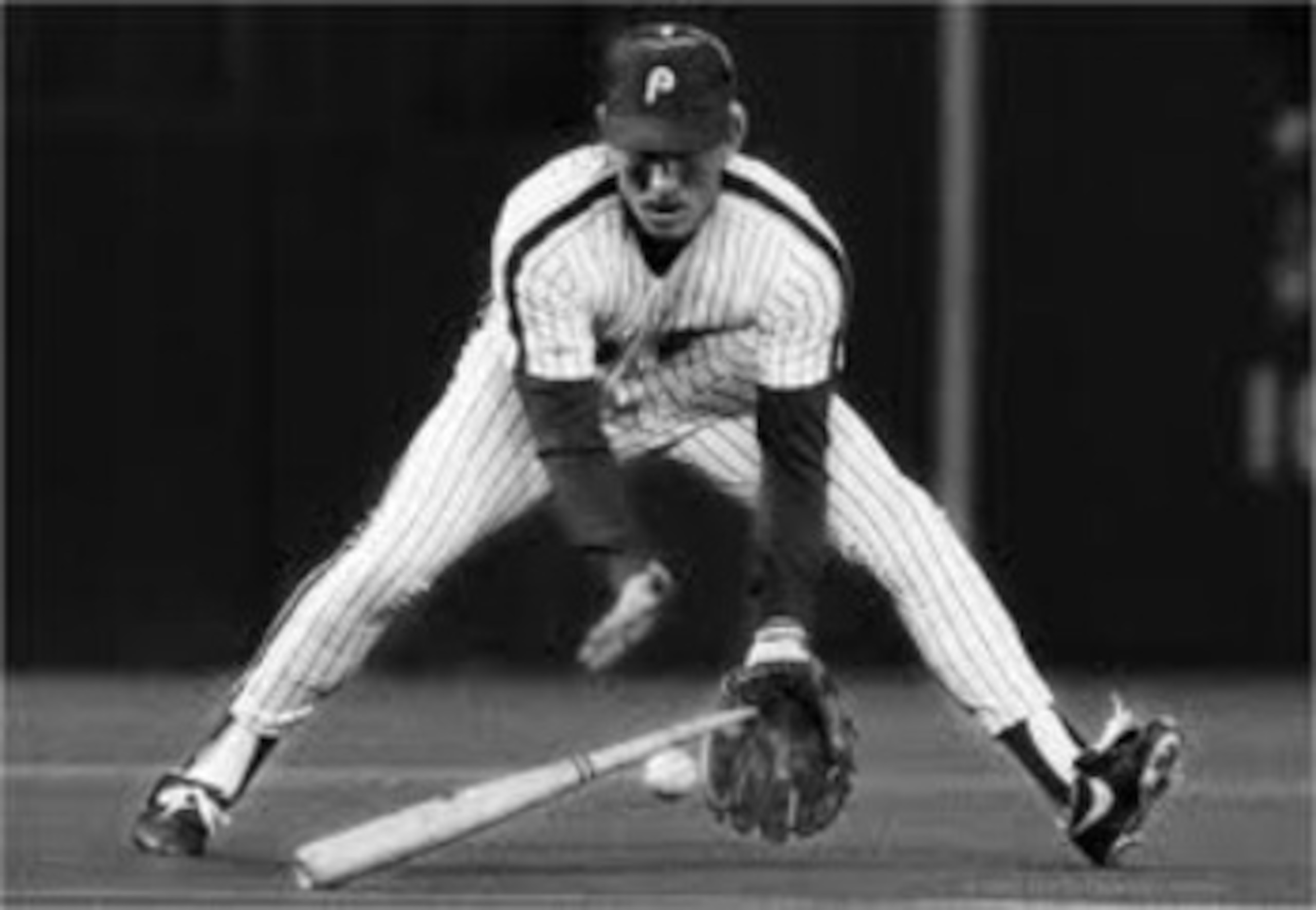
Position: Third Base
Fielding %: .955
dWAR: 13.9
Range Factor/Game: 3.00
Gold Gloves: 10
Mike Schmidt is up near the ranks of Brooks Robinson as the best third baseman of all time. He was just as dangerous with the bat as he was with his glove—or sometimes even his bare hand.
Schmidt had a very powerful arm at the hot corner and made fielding balls barehanded seem routine. He still holds the record for assists in a season at 404, which he accomplished in 1974.
Schmidt played in 12 All-Star games for the Phillies and was a three time NL MVP—including a World Series MVP during the Phillies 1980 championship run.
Pittsburgh Pirates: Bill "Maz" Mazeroski
23 of 31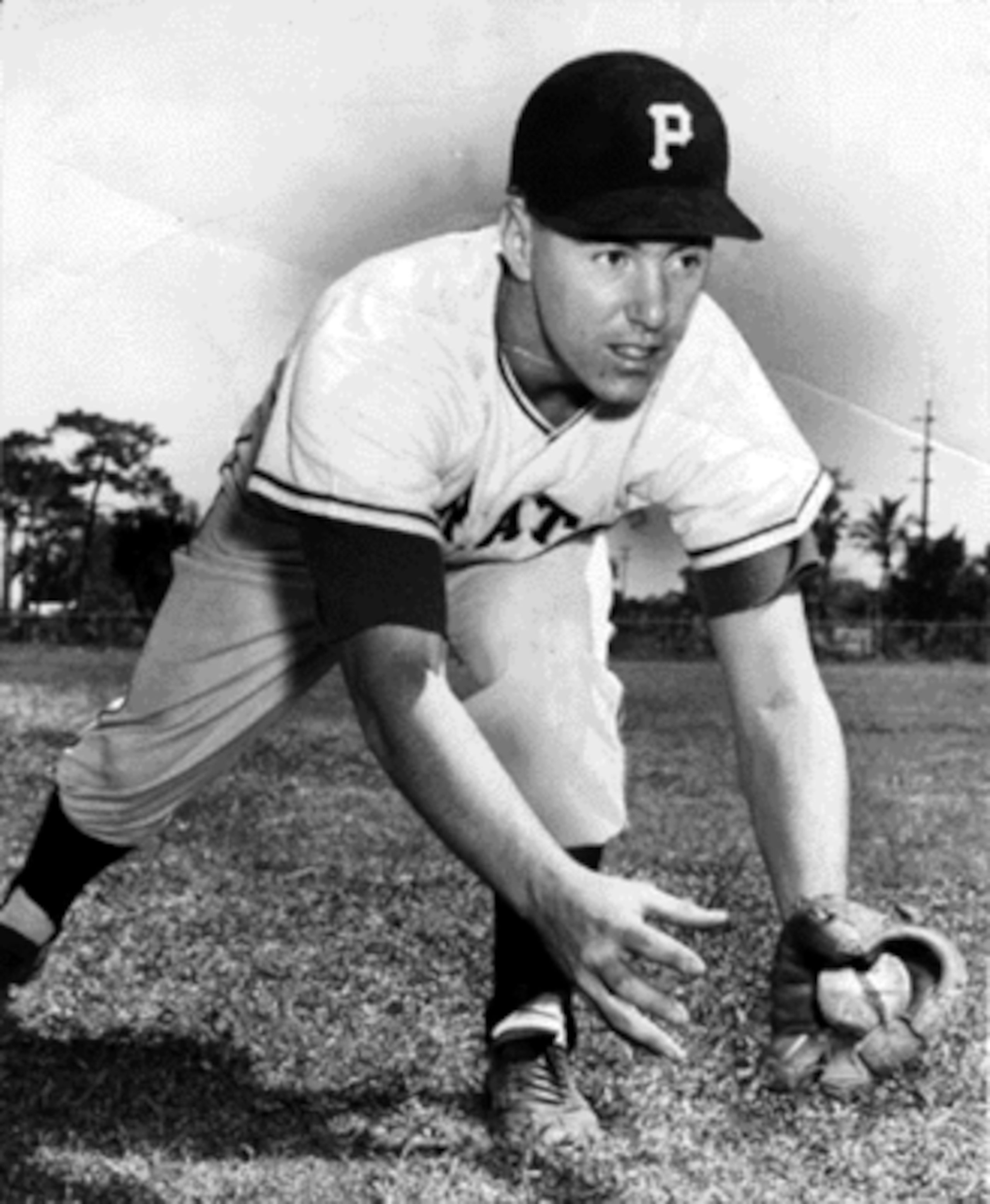
Position: Second Base
Fielding %: .983
dWAR: 11.9
Range Factor/Game: 5.57
Gold Gloves: 10
Bill Mazeroski is among the all-time greats at second base—with credit also going to Roberto Clemente for his defensive skills in the outfield.
Some have argued that his defensive statistics are more impressive than any player at any position in the history of baseball. Maz' annually led the league in assists and still holds the MLB record for double plays by a second baseman.
Even with all of his amazing defensive abilities, Maz' will always be most remembered for his dramatic walk-off home run in Game 7 of the 1960 World Series.
San Diego Padres: Adrian "A-Gon" Gonzalez
24 of 31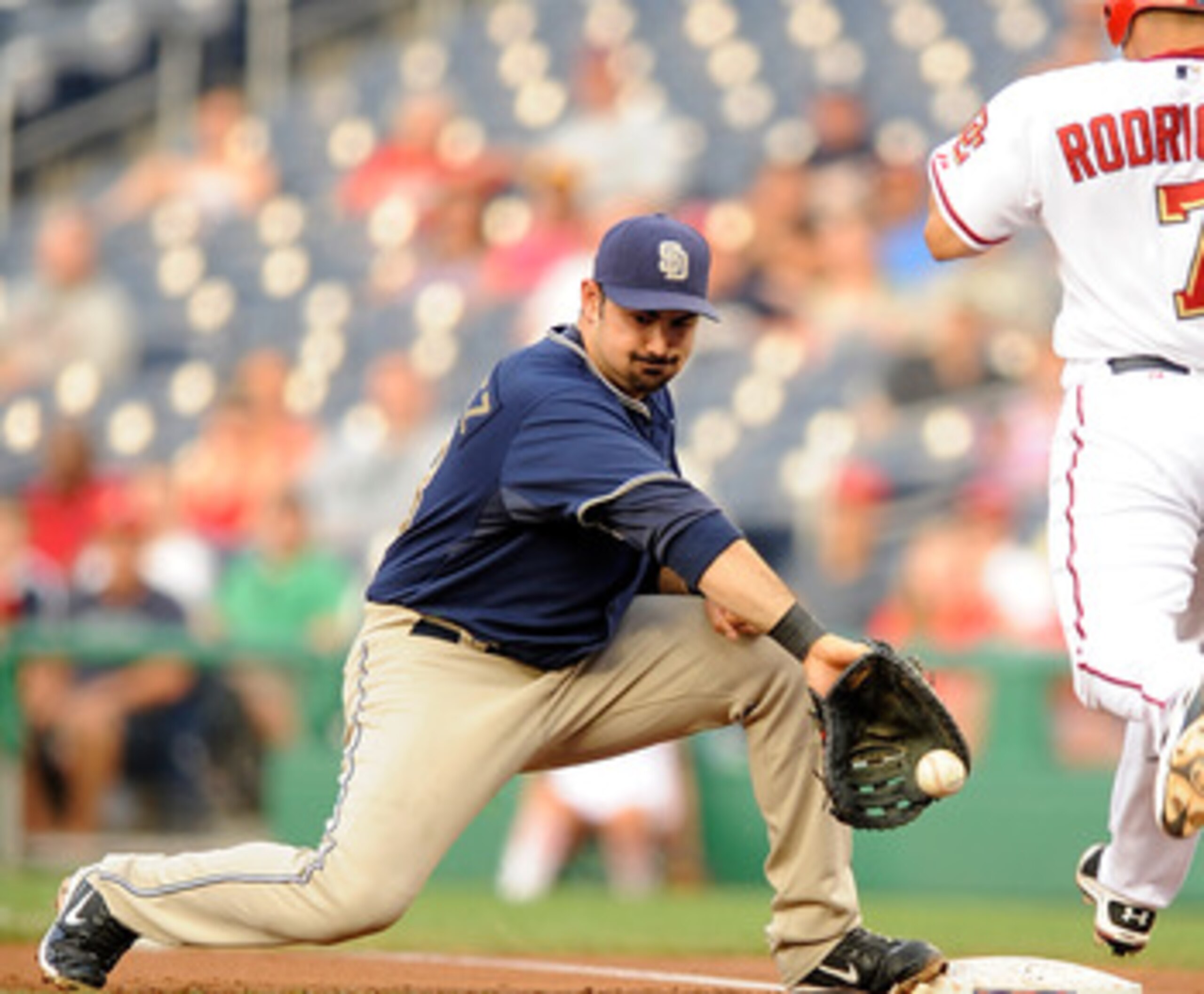
Position: First Base
Fielding %: .995
dWAR: 3.4
Range Factor/Game: 9.11
Gold Gloves: two
A-Gon is finally getting recognition for his defensive abilities at first base—and I think he was as underrated in the field as Tony Gwynn was overrated in the field.
Gonzalez spent five productive seasons with the Padres from 2006-10—earning himself Gold Gloves in the final two years. His range factor and fielding percentage were well above the league average during that period.
The whole landscape of what could have been a very different path for the Padres was changed when they traded away a young Ozzie Smith to the St. Louis Cardinals.
San Francisco Giants: Willie "Say Hey Kid" Mays
25 of 31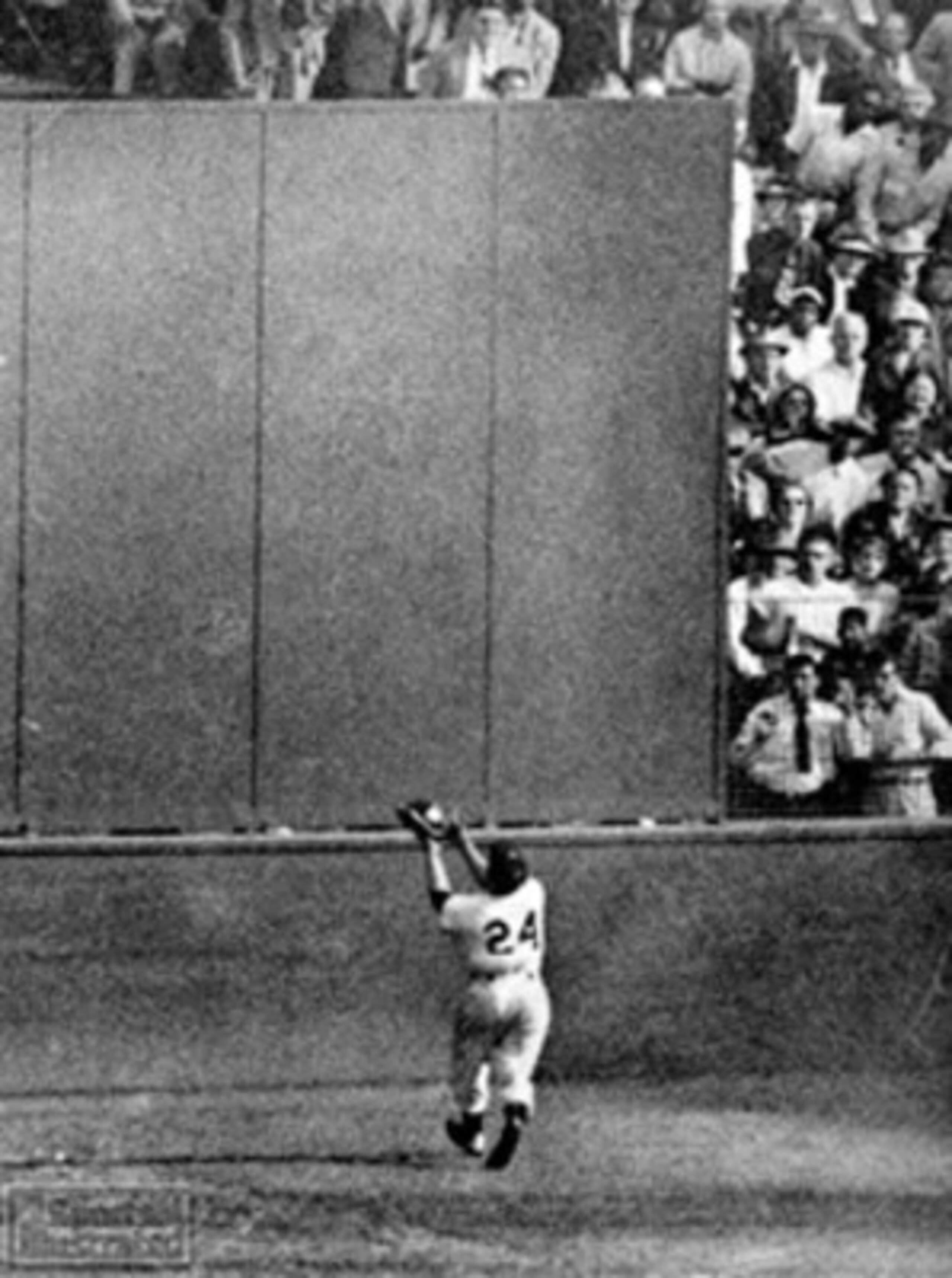
Position: Center Field
Fielding %: .981
dWAR: 18.5
Range Factor/Game: 2.57
Gold Gloves: 12
This was a close race between Mays and Barry Bonds, but Mays' knack for the spectacular gave him the nod over the HR King.
Mays perfected the art of the over the shoulder catch in the outfield—with some of the plays he made being nothing short of incredible.
The Say Hey Kid played in a record-tying 24 All-Star games and is arguably the greatest player in MLB history.
Seattle Mariners: Ichiro Suzuki
26 of 31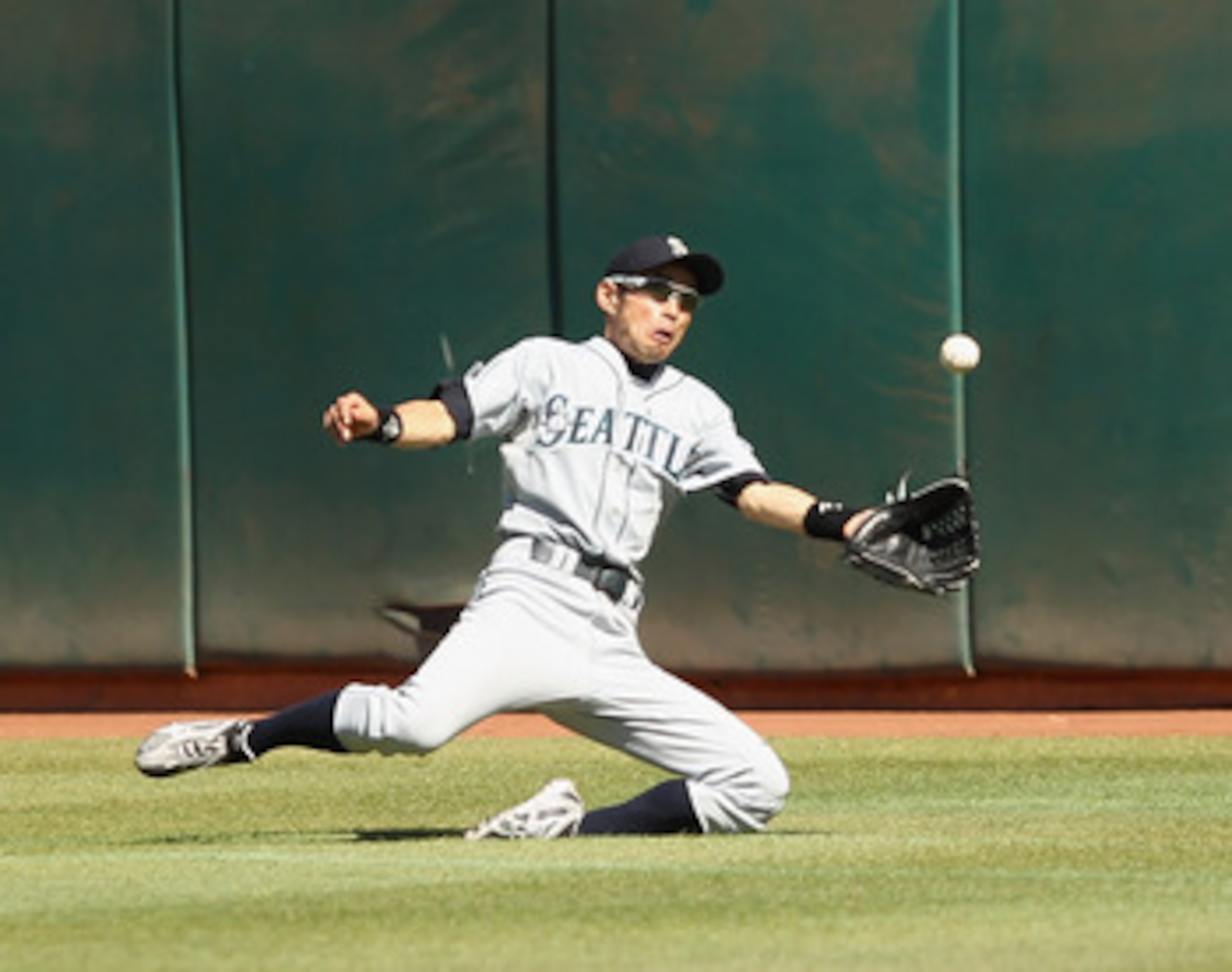
Position: Right Field
Fielding %: .992
dWAR: 12.3
Range Factor/Game: 2.34
Gold Gloves: 10
Ichiro came to MLB from Japan in 2001 and hasn't looked back since. Everyone knows he can get on base better than anyone in baseball but some don't realize how dominant he is in the outfield as well.
Ichiro has won a Gold Glove in each of his 10 seasons—and deservedly so. He is the active leader in fielding percentage and range factor as a right fielder. Ichiro can cover more ground than almost anyone and he is about as efficient as they get.
One can only imagine the numbers Ichiro would have under his belt if he had spent his entire career in MLB.
St. Louis Cardinals: Ozzie "The Wizard of Oz" Smith
27 of 31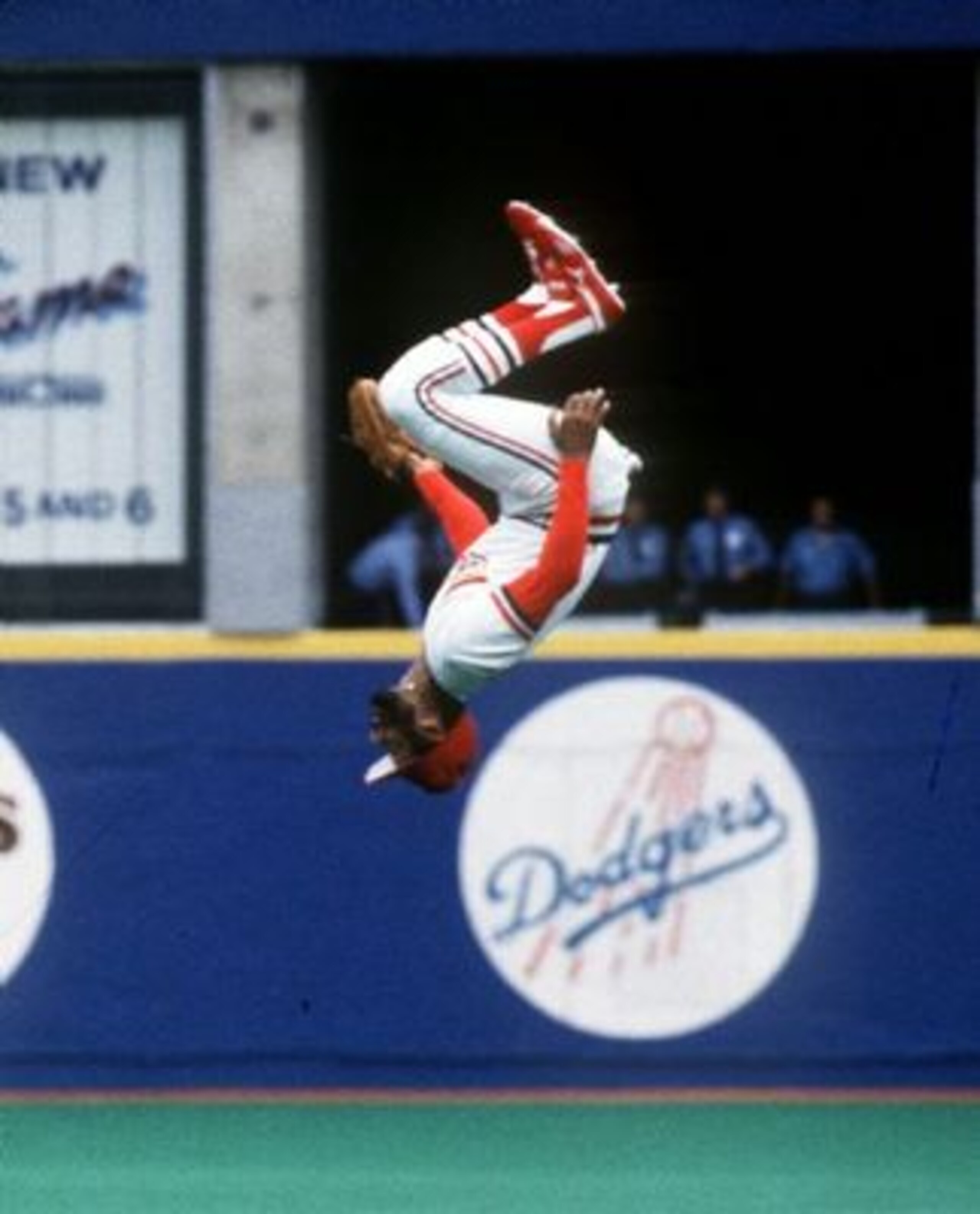
Position: Shortstop
Fielding %: .978
dWAR: 21.6
Range Factor/Game: 5.03
Gold Gloves: 13
How can one even describe how fascinating it was to watch Ozzie in the field? His brilliance in the field would captivate fans and eventually earned him the nickname "The Wizard."
There has never been such an entertaining defensive player in the history of MLB. The 15-time All-Star also holds the career record for assists with 8,375.
What else can a person say about a guy who could literally do anything? Ozzie was simply remarkable.
Tampa Bay Rays: Carl "The Perfect Storm" Crawford
28 of 31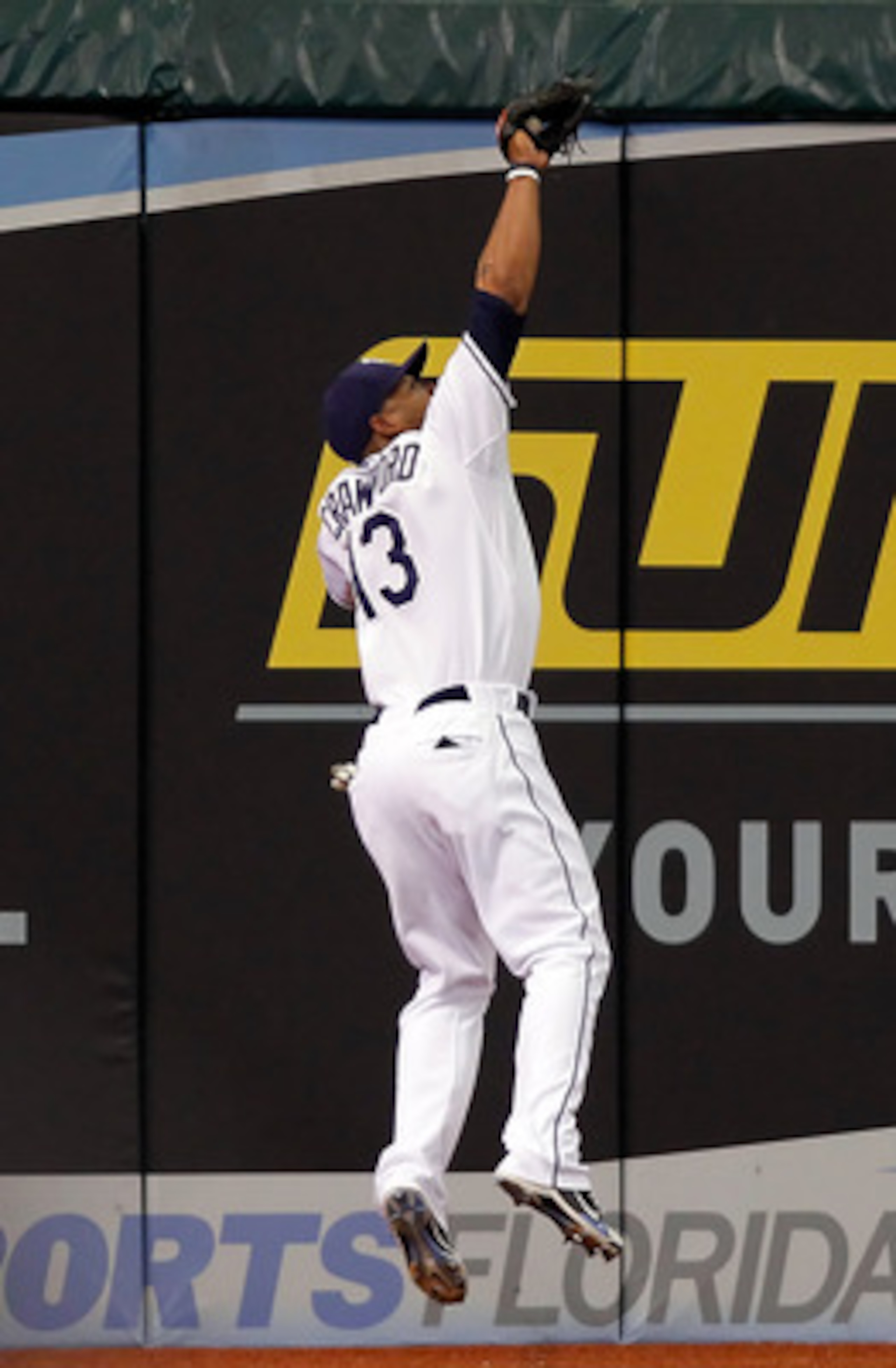
Position: Left Field
Fielding %: .991
dWAR: 6.6
Range Factor/Game: 2.26
Gold Gloves: one
Although "The Perfect Storm" may not be a suitable nickname for him with the Red Sox, his defense was near perfect during the nine seasons he spent with the Rays.
The fact that Crawford has only one Gold Glove is further proof of how flawed the system is in handing out the award. Crawford has been among the league's elite outfielders over a good part of the last decade.
He is the active leader in career total zone runs allowed and range factor as a left fielder, and he is always near the top of the list in most statistical categories.
Texas Rangers: Ivan "Pudge" Rodriguez
29 of 31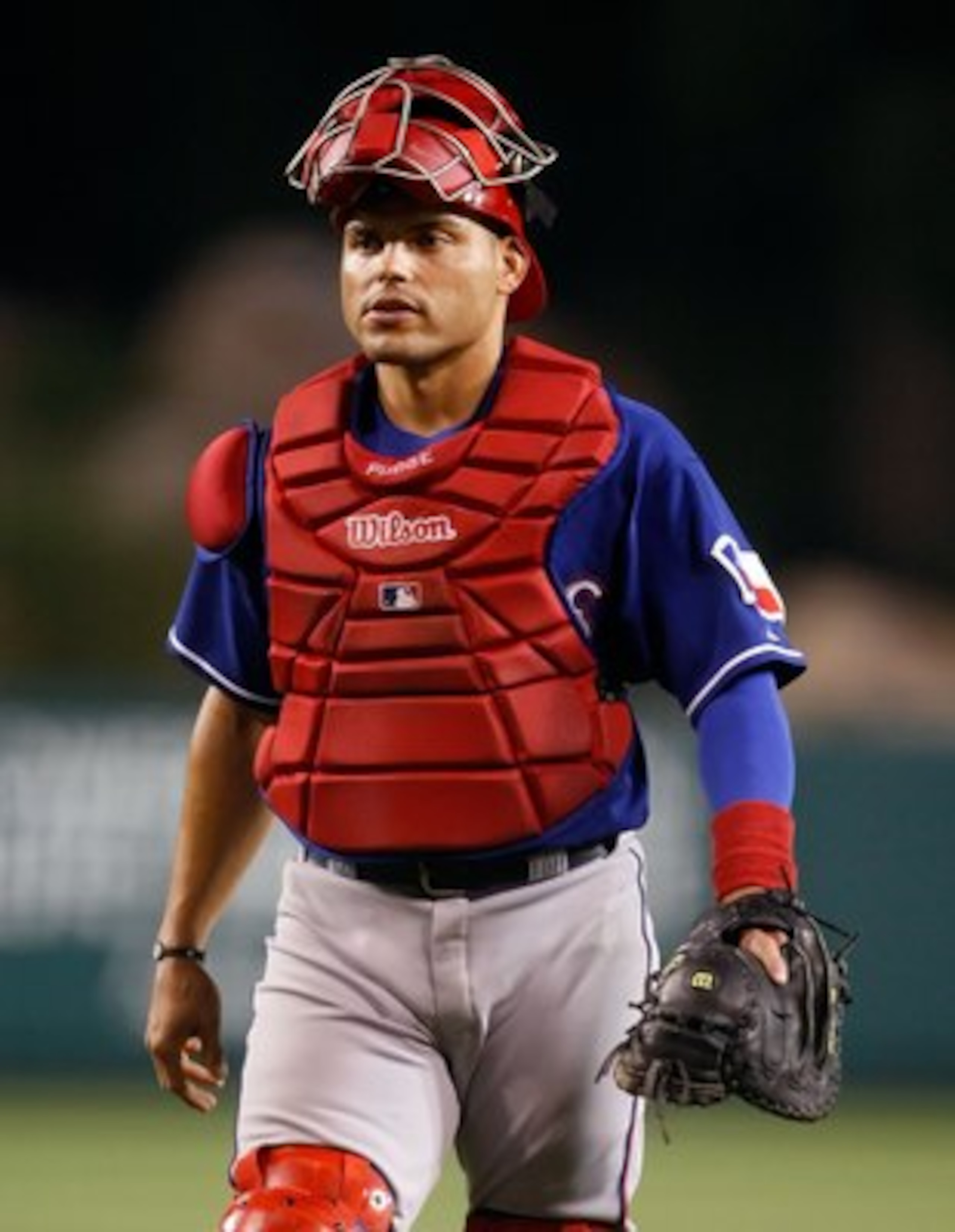
Position: Catcher
Fielding %: .991
dWAR: 16.4
Range Factor/Game: 6.62
Gold Gloves: 13
When people talk about the best defensive catchers of all time, the only two names that come to mind are Johnny Bench and Ivan Rodriguez (no offense Yogi).
Pudge was the Rangers backstop from 1991-02—where he won 10 straight Gold Gloves to go along with 10 All-Star appearances. He is the career leader in total zone runs as a catcher, and he has thrown out a record 653 runners attempting to steal.
Rodriguez was the complete package behind the plate—where he has knelt a record 2,410 times.
Toronto Blue Jays: Roberto Alomar
30 of 31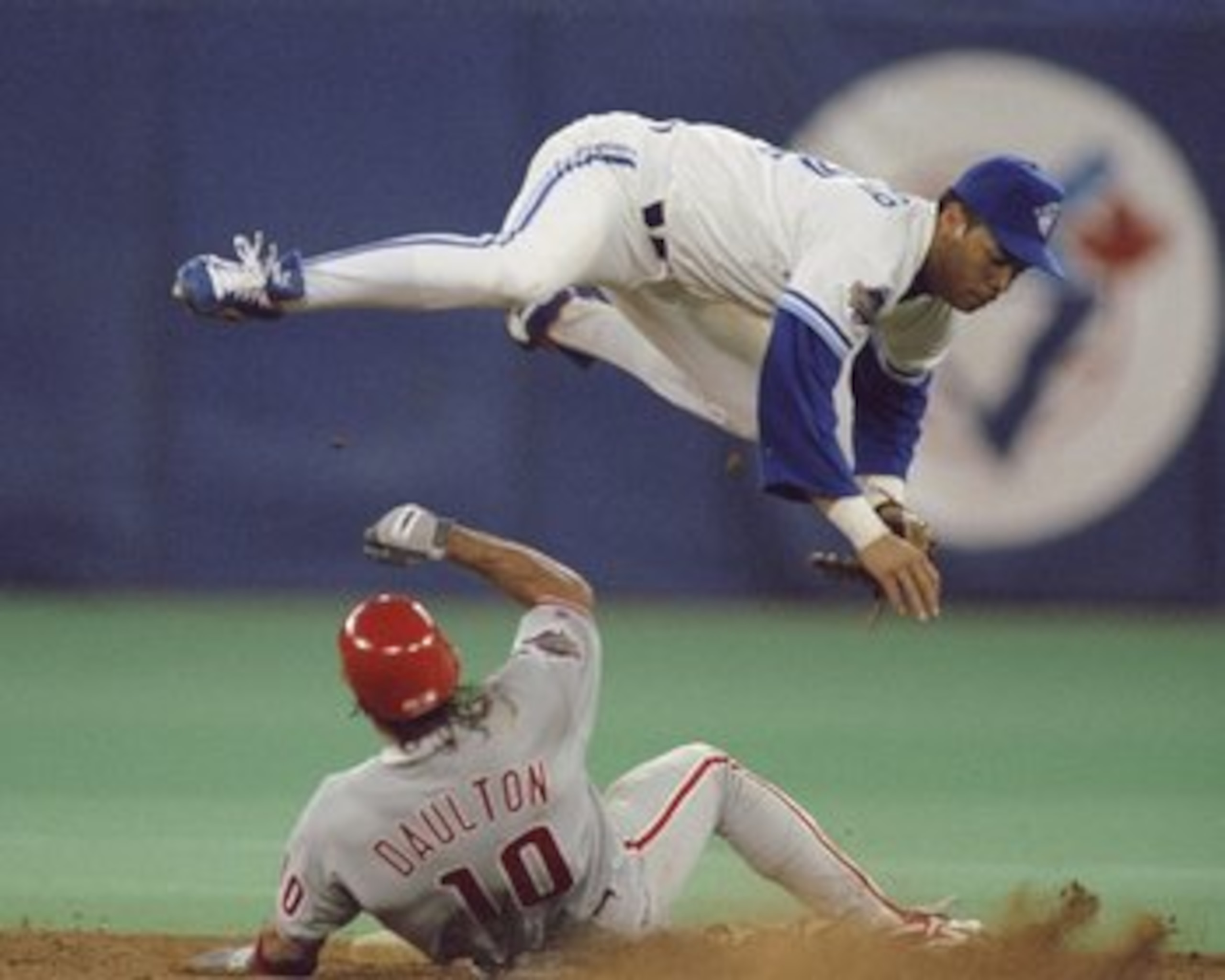
Position: Second Base
Fielding %: .984
dWAR: -3.4
Range Factor/Game: 4.73
Gold Gloves: 10
It still amazes me why Alomar played for seven teams over his stellar 17 year career—with his five year stint in Toronto being his longest tenured place to call home.
Alomar went to 12 straight All-Star games—including all five years with Toronto in which he also brought home a Gold Glove. His 10 Gold Glove awards are the most by a second baseman in MLB history.
Alomar was no slouch with a bat in his hands, either. He had a career .300 average with over 200 HR and 1,000 RBI. He also swiped 474 bags—making him a threat in all aspects of the game.
Washington Nationals: Andre "The Hawk" Dawson
31 of 31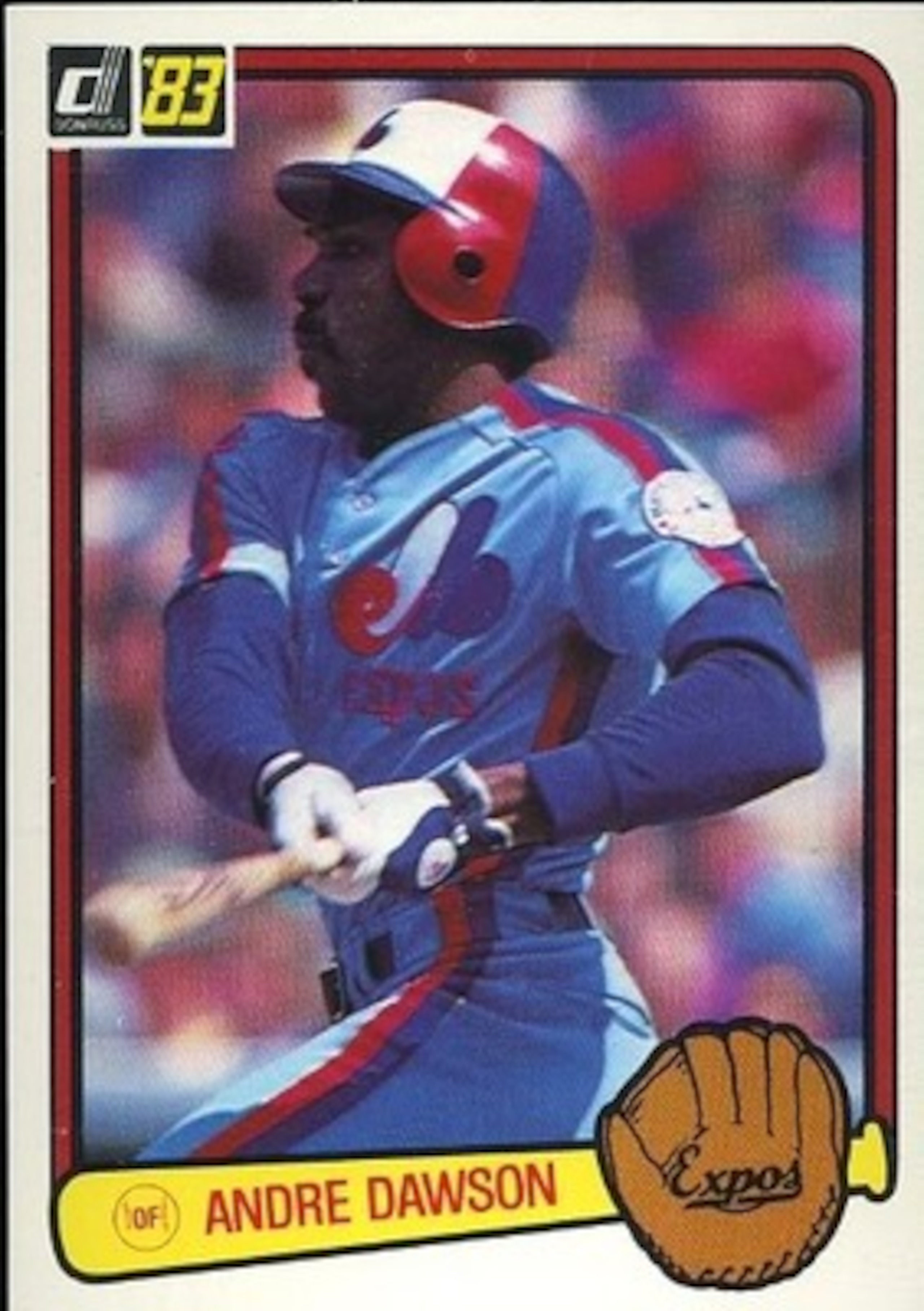
Position: Outfield
Fielding %: .983
dWAR: 7.3
Range Factor/Game: 2.23
Gold Gloves: eight
Gary Carter was an excellent catcher in his time with the Montreal Expos (who later became the Washington Nationals), but "The Hawk" earned the spot with his ability to fly around the outfield.
Dawson won six of his Gold Gloves while playing with the Expos from 1976-86—compiling a dWAR of 9.1 during that span. Knee injuries took a toll on his outfield play later in his career, but when he played for Montreal, he was as good as it gets.
The former NL Rookie of the Year and NL MVP was elected to eight All-Star games and is a member of the prestigious 300-club (300 HR/300 SB).

.jpg?w=2560 "Cardinals LB's Quote Resurfaces 😏")
.jpg?w=2560 "Skattebo Has 0 Touch Game 😬")
.jpg?w=2560 "Packers Beat Cowboys on SNF 🧀")
.jpg?w=2560 "Chargers Fall to 0-6 📉")
.jpg?w=2560 "Bills Safety Ejected for Spitting")